

The ‘1 Nojor’ media platform is now live in beta, inviting users to explore and provide feedback as we continue to refine the experience.
The first trailer of the new series 'Harry Potter and the Philosopher’s Stone' has set a record by surpassing 277 million views within 48 hours of release. According to the report, this makes it the most-watched trailer in the history of HBO and HBO Max. The total view count includes views from YouTube, Facebook, Instagram, X (Twitter), TikTok, and HBO Max, with YouTube contributing the largest share. Based on J.K. Rowling’s seven-part novel series, the show aims to reintroduce the Harry Potter universe. Dominic MacLaughlin plays Harry, with John Lithgow as Albus Dumbledore, Janet McTeer as Minerva McGonagall, and Paapa Essiedu as Severus Snape. Francesca Gardiner serves as showrunner, and several episodes are directed by Mark Mylod. The series is set to premiere on HBO and stream on HBO Max during Christmas 2026. Fans have expressed excitement about seeing the magical world return to the screen, and the record-breaking trailer views reflect the enduring global popularity of the Harry Potter story.

At an Independence Day shadow parliament debate held at the FDC in Dhaka on Saturday, National Press Club President and poet Hasan Hafiz stated that the Awami League did not achieve independence alone and that the problems began when Liberation War credentials were commercialized after independence. He accused the party of severely politicizing the spirit of the Liberation War to maintain power, turning genuine freedom fighters into villains and labeling dissenters as anti-independence. Hafiz called for identifying fake freedom fighters and bringing them under legal action to revoke their illegal benefits. The event, organized by Debate for Democracy, saw Sir Salimullah Medical College defeat Sonargaon University in the competition on the spirit of the Liberation War. Judges included academics and journalists, and participants received trophies, crests, and certificates. Debate for Democracy Chairman Hasan Ahmed Chowdhury Kiron said in his speech that the struggle for liberation is not over and must continue until a just and discrimination-free society is achieved, noting that the full benefits of independence have yet to be realized.

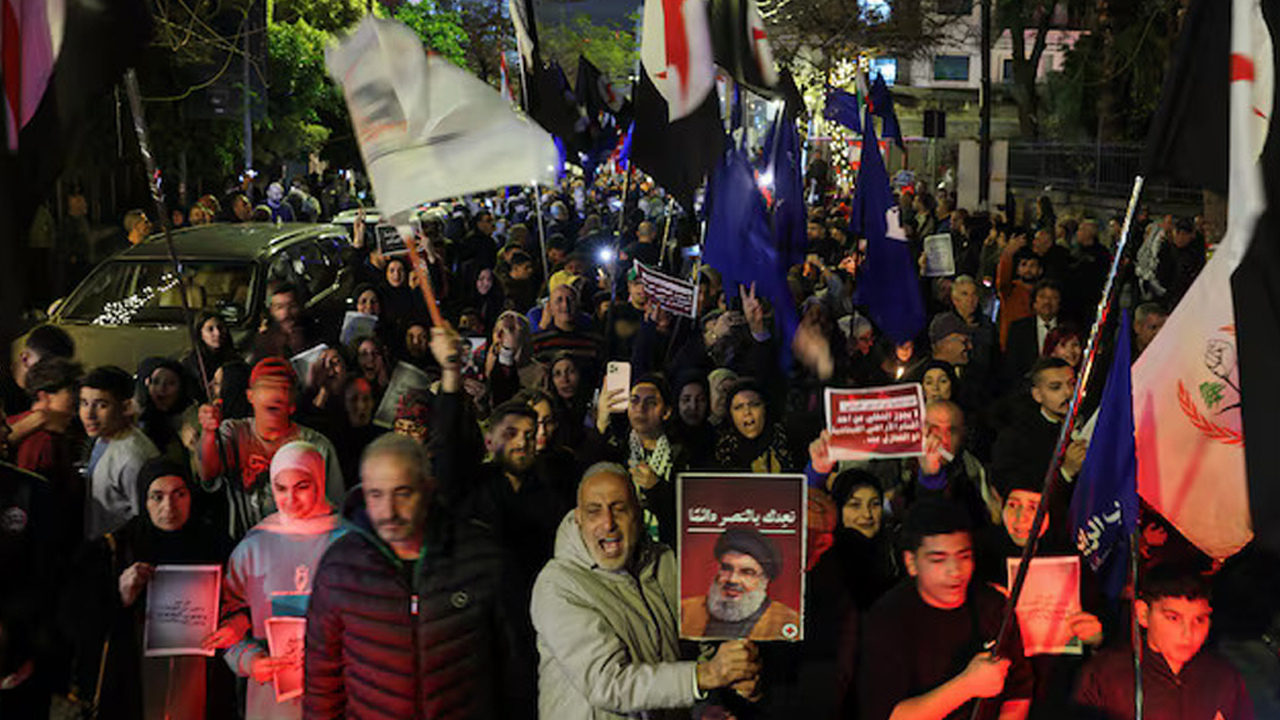
More than 400 Hezbollah fighters have been killed in the ongoing conflict with Israel that began after the group launched rockets on March 2 in retaliation for the assassination of Iran’s Supreme Leader Ayatollah Ali Khamenei. Two sources familiar with Hezbollah’s casualty figures confirmed the toll to Reuters, providing the first comprehensive estimate of losses in the latest round of fighting. The deaths occurred amid Israel’s expanded airstrikes and ground operations in Lebanon. Previously, Hezbollah had only reported individual deaths without disclosing total figures. During the 2023–24 conflict, the group had lost around 5,000 fighters and used to release daily casualty updates. The Israeli military has claimed that at least 700 Hezbollah members, including several from the elite Radwan force, have been killed in the current four-week-long war. Lebanon’s Health Ministry reported that 1,142 people have been killed so far in Israeli attacks, including 122 children, 83 women, and 42 medical workers, though it did not specify how many were combatants. Israel said one soldier and one combat officer were seriously injured during overnight operations, adding to four earlier confirmed military deaths.
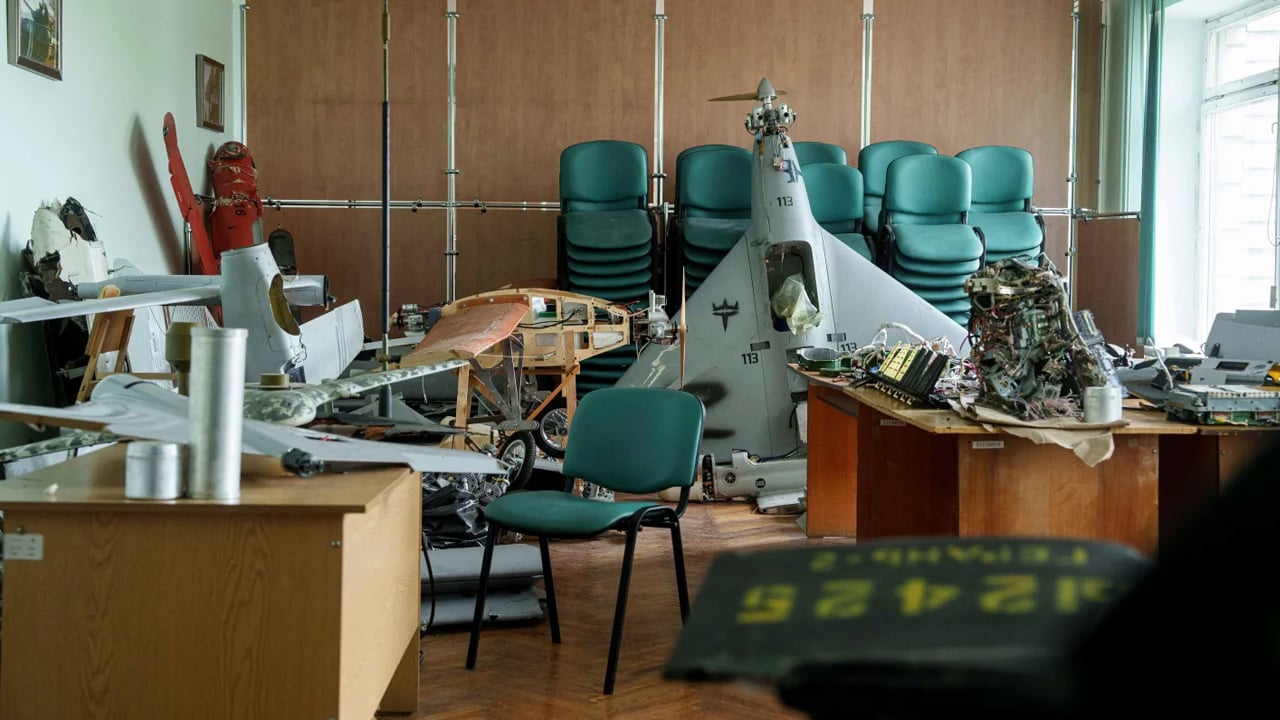
U.S. and European officials have reported that Russia is sending an upgraded version of the Shahed drone to Iran. The drones, previously used by Russia in the Ukraine war, now include jet engines, AI-based navigation systems, advanced jammer resistance, and Starlink internet devices. These enhancements are said to make the drones significantly more powerful, and the current shipment is reportedly being delivered to Tehran. European officials believe the drones are being transported through Azerbaijan under the guise of humanitarian aid. However, it remains unclear how large the shipment is or whether it represents a one-time delivery or part of an ongoing supply chain. Kremlin spokesperson Dmitry Peskov dismissed the allegations as baseless, while White House spokesperson Olivia Wells stated that Iran’s acquisitions would not affect U.S. operations. The report notes that Iran has continued drone attacks in the Middle East for over a month following U.S. and Israeli strikes. Analysts suggest that if these advanced drones reach Iran, they could pose a serious challenge to U.S. and allied air defense systems in the region.
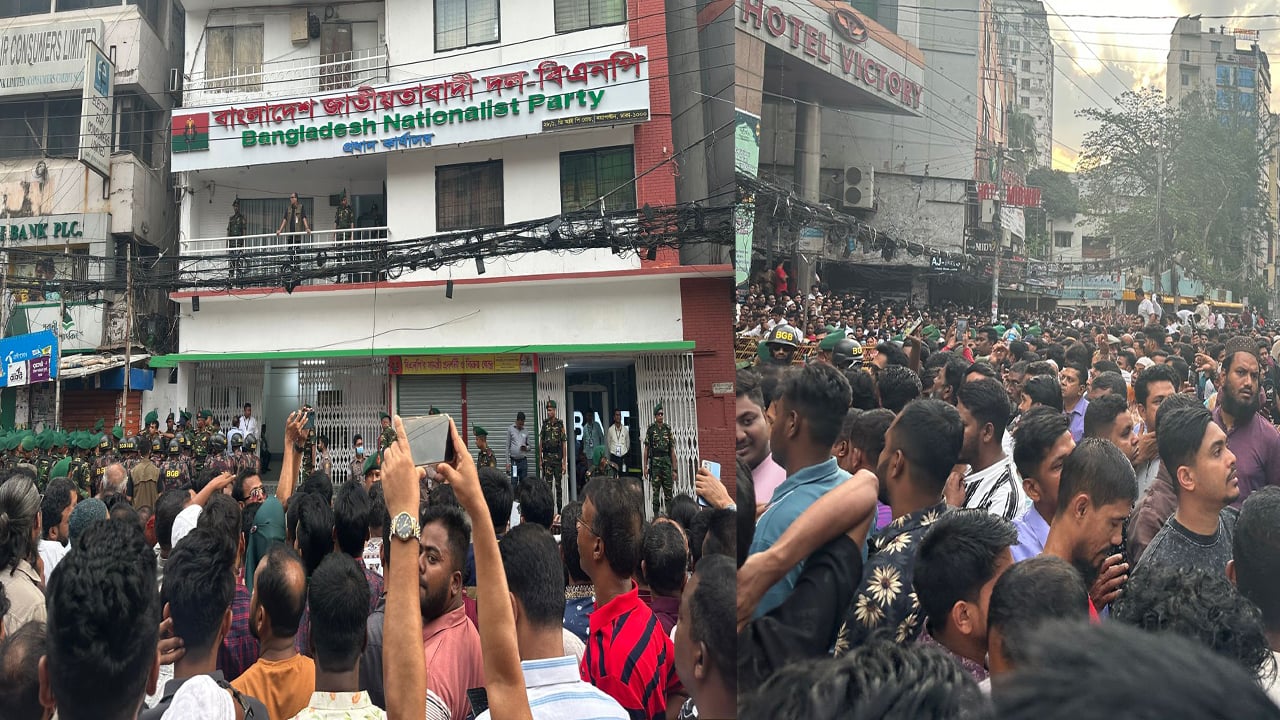
BNP Chairperson and Prime Minister Tarique Rahman is visiting the party’s central office at Naya Paltan for the first time since assuming office. Extensive preparations have been made for his arrival, with heightened security measures in and around the area since Saturday afternoon. Additional CCTV cameras have been installed, barricades set up around the main gate, and law enforcement personnel have been on alert since morning. Traffic movement on the VIP road near Naya Paltan has been suspended. BNP leaders and activists, along with members of affiliated organizations, began gathering in front of the office from early morning to welcome their party chief. The area has become lively with small processions and chants as supporters wait eagerly to meet him. According to the BNP media cell, senior joint secretary general Ruhul Kabir Rizvi completed all necessary preparations for the visit. Earlier, on December 29, Tarique Rahman visited the BNP central office for the first time after returning to the country nearly two decades later, when a large crowd of supporters also gathered to greet him.
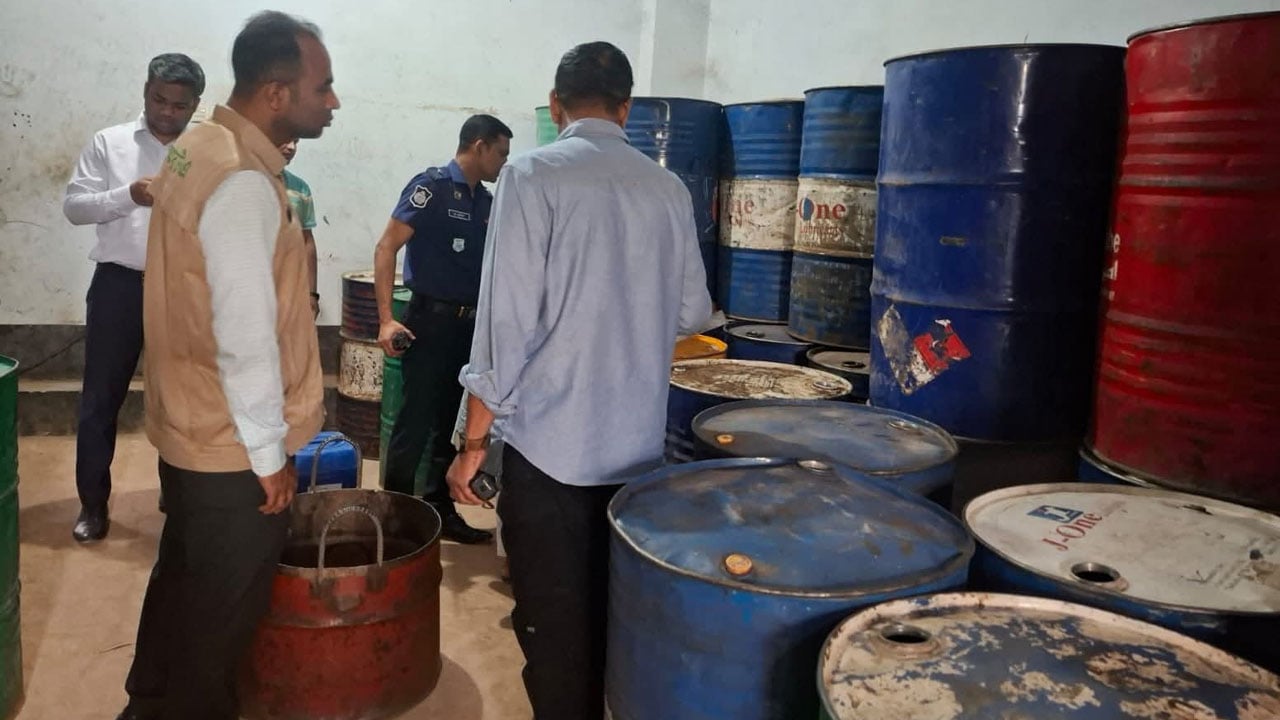
A mobile court in Jamalpur fined M/S Jui Enterprise Tk 50,000 for hoarding 2,500 liters of petrol despite having sufficient stock and not selling to customers. The operation was conducted on Saturday afternoon by Executive Magistrate BMSR Alif following complaints that the station was refusing to sell fuel. The raid took place in the PTI area of Jamalpur town. According to the mobile court and local sources, motorcyclists had gathered in front of the shop since Thursday morning seeking petrol. Despite having fuel in stock, the station did not sell, causing frustration among customers. Acting on the information, Executive Magistrate BMSR Alif and Additional Superintendent of Police Sohel Mahmud led the raid, discovering 12 drums containing 2,500 liters of petrol. Following the discovery, law enforcement officials assisted in distributing the seized petrol among waiting customers to ease the situation.
Online applications have begun for 12,951 vacant posts of heads and assistant heads in non-government MPO-listed educational institutions across Bangladesh. The Non-Government Teachers’ Registration and Certification Authority (NTRCA) issued a revised circular on Wednesday, replacing the earlier one from January 29. The recruitment will be conducted under the ‘8th NTRCA Recruitment Examination 2026,’ with applications open until April 4 at 11:59 p.m. and a test fee of 350 taka payable by April 5. According to the revised notice, 9,708 positions fall under the Directorate of Secondary and Higher Education, 3,131 under the Directorate of Madrasa Education, and 112 under the Directorate of Technical Education. The recruitment exam will carry 100 marks, including 80 for MCQ, 12 for academic qualifications, and 8 for the oral test, with a passing mark of 40 percent. The exam is tentatively scheduled for April 18. NTRCA stated that the final recommendations will be made through a fully automated system based on merit and institutional preferences using Teletalk Bangladesh Limited’s software. Previously paid fees from earlier applicants are being refunded after applicable deductions.

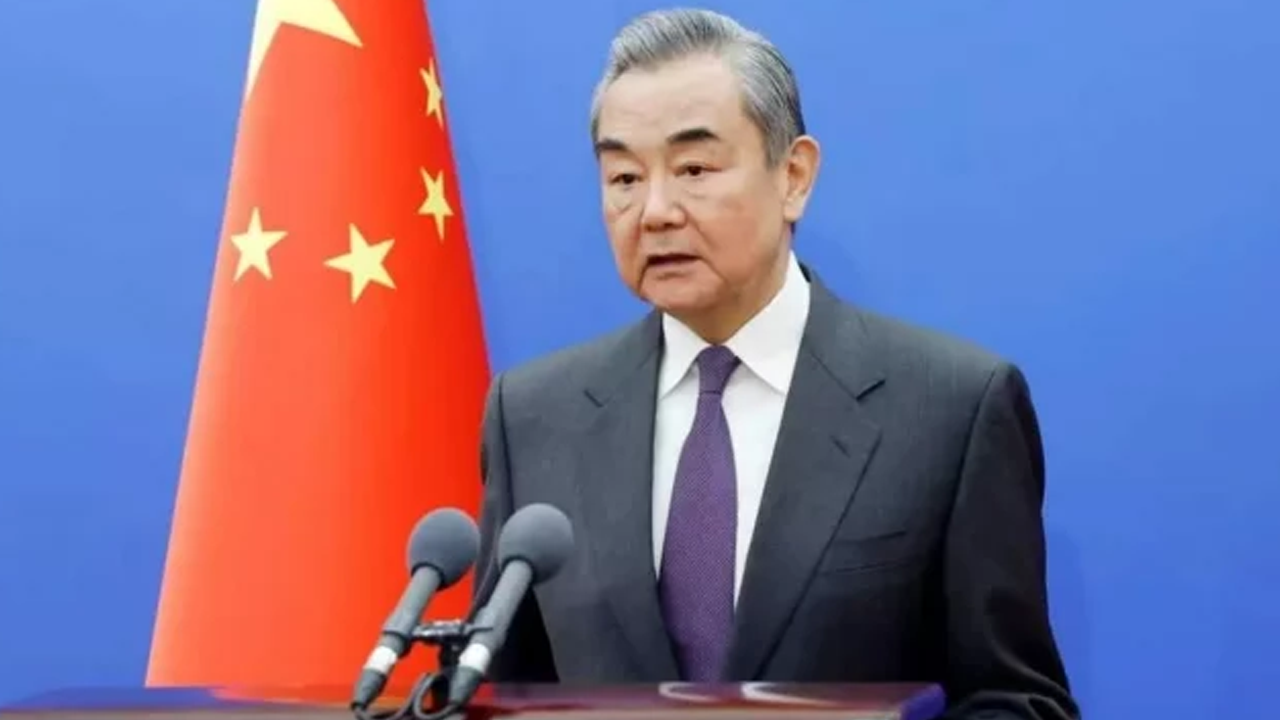
China has said that initiating peace talks to end the ongoing conflict involving Iran, Israel, and the United States will be a complex task. The statement came after Pakistan’s Foreign Minister Ishaq Dar spoke with Chinese Foreign Minister Wang Yi on Friday about mediation efforts to halt the war. Following the discussion, China’s Foreign Ministry released a summary noting that both sides agreed to work jointly toward a ceasefire, de-escalation, and the resumption of peace talks to ensure the safety of civilians and maritime routes. China emphasized that while starting such negotiations would not be easy, successful talks could help maintain normal navigation through the Strait of Hormuz. China also expressed support for Pakistan’s role as a mediator in the conflict. The talks reflect growing diplomatic coordination between Beijing and Islamabad amid regional tensions and concerns over the security of key trade routes.
The National Interest reported that Iran has effectively blocked the Strait of Hormuz, a key route for one-fifth of global oil supply, following drone and missile attacks on Israel and Gulf energy facilities. The closure has sharply increased insurance rates and halted most shipping through the strait, threatening to paralyze international trade for weeks or months. According to the report, Iran’s Islamic Revolutionary Guard Corps (IRGC) could turn the narrow waterway into a minefield, with an estimated five to six thousand naval mines capable of sealing the passage within hours. The United States faces limited options to remove the mines, as its mine-clearing fleet relies mainly on coastal ships and helicopters, insufficient for the scale of the threat. Western nations have pledged assistance to reopen the strait, but their commitments remain uncertain. The report warns that prolonged mine-clearing operations could keep global oil markets unstable, drive up insurance premiums, and disrupt tanker movements, potentially shaking the world economy.

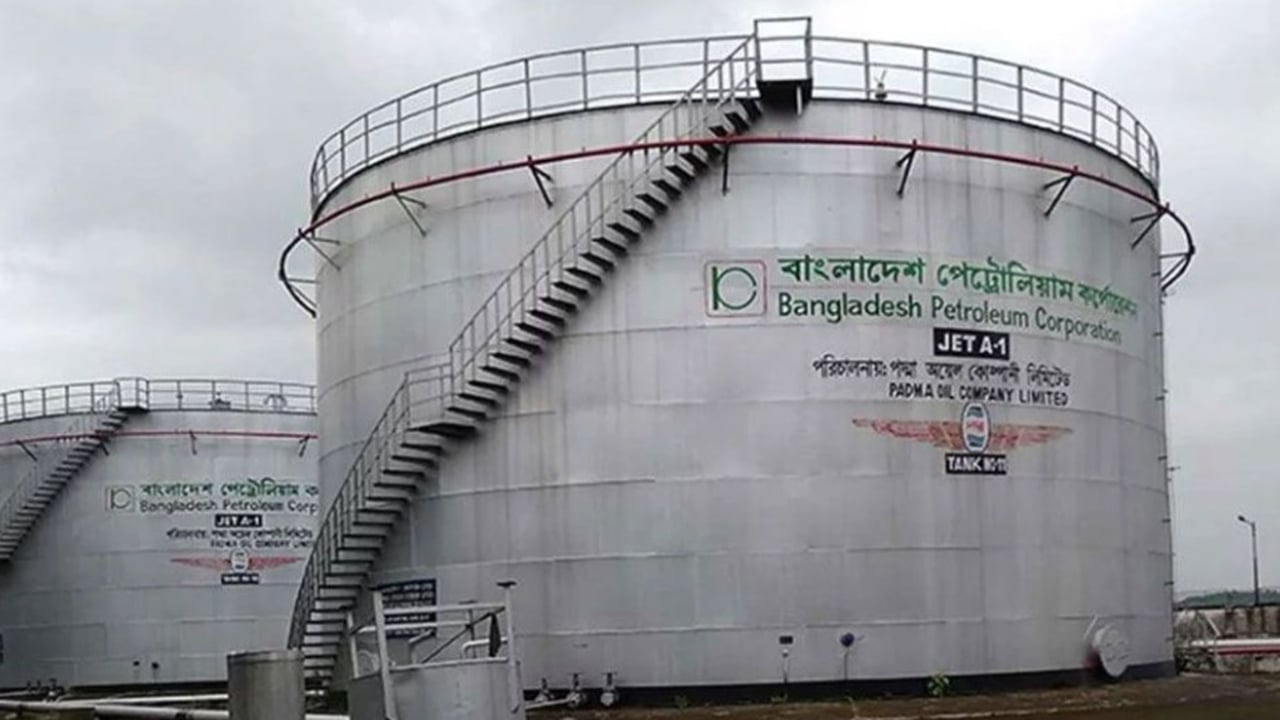
The Bangladesh Petroleum Corporation (BPC) has announced a new schedule for fuel distribution from government depots. According to a press release signed by BPC Secretary Shahina Sultana on Saturday, the new timing will take effect to ensure uninterrupted fuel supply across the country. Under the revised schedule, fuel distribution from main depots will begin at 7 a.m. and end at 3 p.m., replacing the previous 9 a.m. to 5 p.m. window. The change follows directives from the Energy and Mineral Resources Division and BPC to maintain stable fuel supply amid disruptions caused by the ongoing war situation in the Middle East. The adjustment aims to improve coordination among marketing companies and ensure timely delivery to filling stations, packed point dealers, and fuel pumps nationwide. The new schedule is intended to strengthen supply chain efficiency and prevent shortages during the current global energy uncertainty.
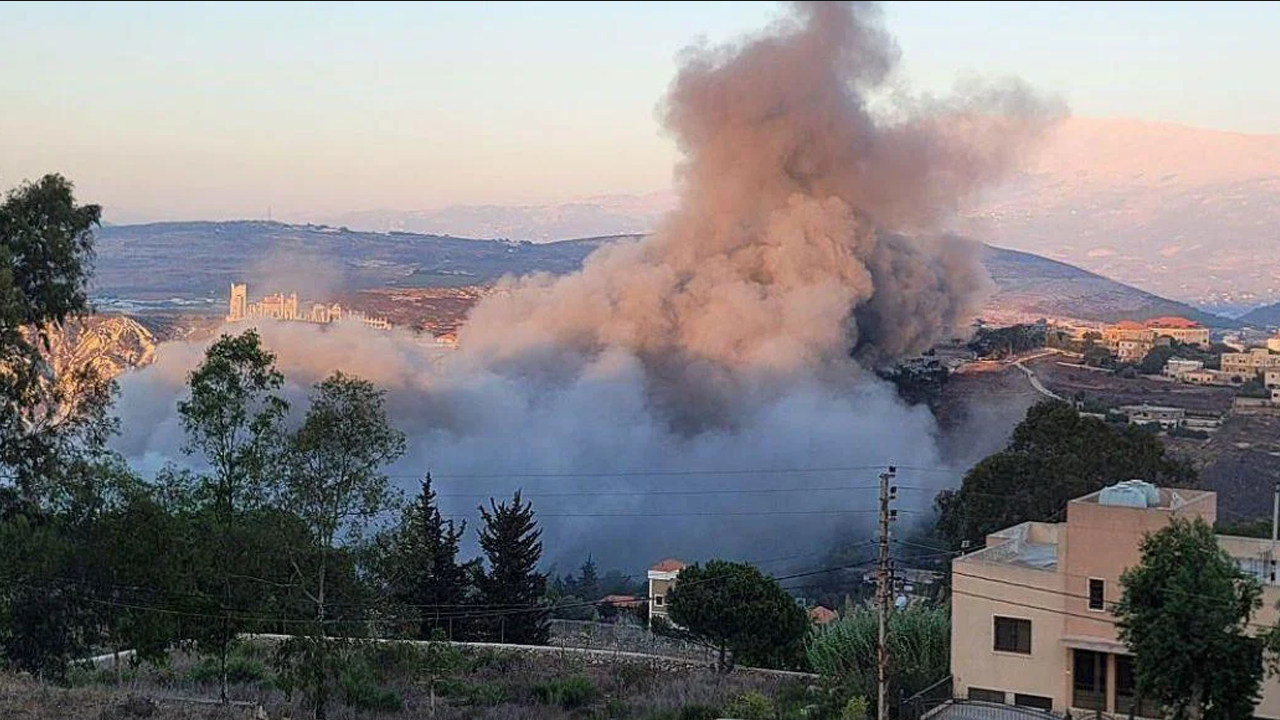
An Israeli airstrike in the Al-Haniya municipality of southern Lebanon killed five Syrian agricultural workers, according to civil defense officials cited by Al Jazeera. The attack also left at least nine others, including women and children, seriously injured. The victims were reportedly working in nearby farmland when the strike occurred without any provocation. Rescue teams transported the injured to local hospitals, where several remain in critical condition. Civil defense sources said the sudden assault has intensified fear among local laborers and residents. The incident underscores the growing insecurity faced by civilians in southern Lebanon amid ongoing tensions in the region. The repeated escalation in the area continues to endanger the lives of ordinary workers and heightens concerns about broader instability along the Lebanon-Israel border.
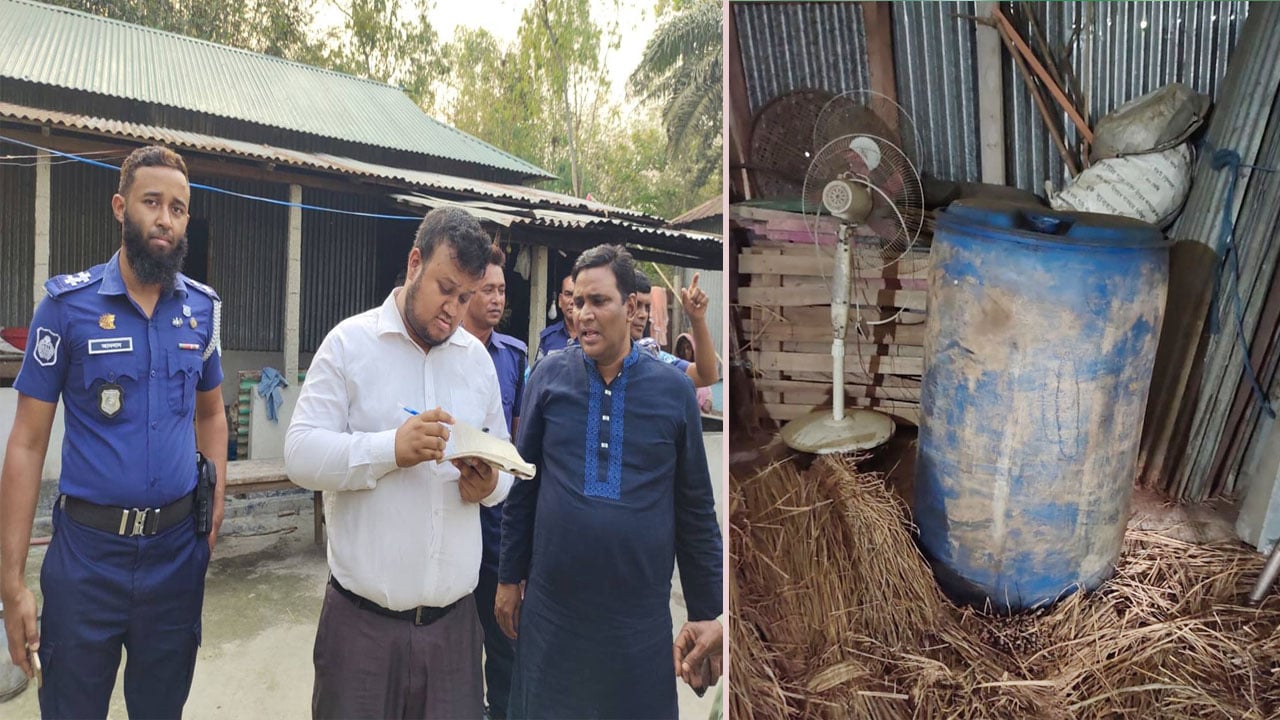
A mobile court in Roumari upazila of Kurigram recovered drums filled with petrol from the cowshed of a BNP leader’s house on Friday afternoon. Acting on a tip-off, the operation took place in Dantbhanga village under Dantbhanga Union. The court, led by Assistant Commissioner (Land) Rafiur Rahman, confirmed the recovery and imposed a fine on the family involved. According to the report, Abu Jahan, president of ward no. 6 BNP in Dantbhanga Union, had allegedly stored petrol illegally in his cowshed. His son, Ershadul Haque, a local Jubo League publicity secretary, was accused of collecting petrol from a nearby pump and selling it at higher prices. The court seized the petrol drums and related equipment, fining the family Tk 10,000 under the Petroleum Act, 2016. Ershadul Haque’s family denied the allegations, claiming the petrol was stored only for their motorcycles and that a neighbor had falsely reported them. The assistant commissioner said the family was warned to avoid such activities in the future.
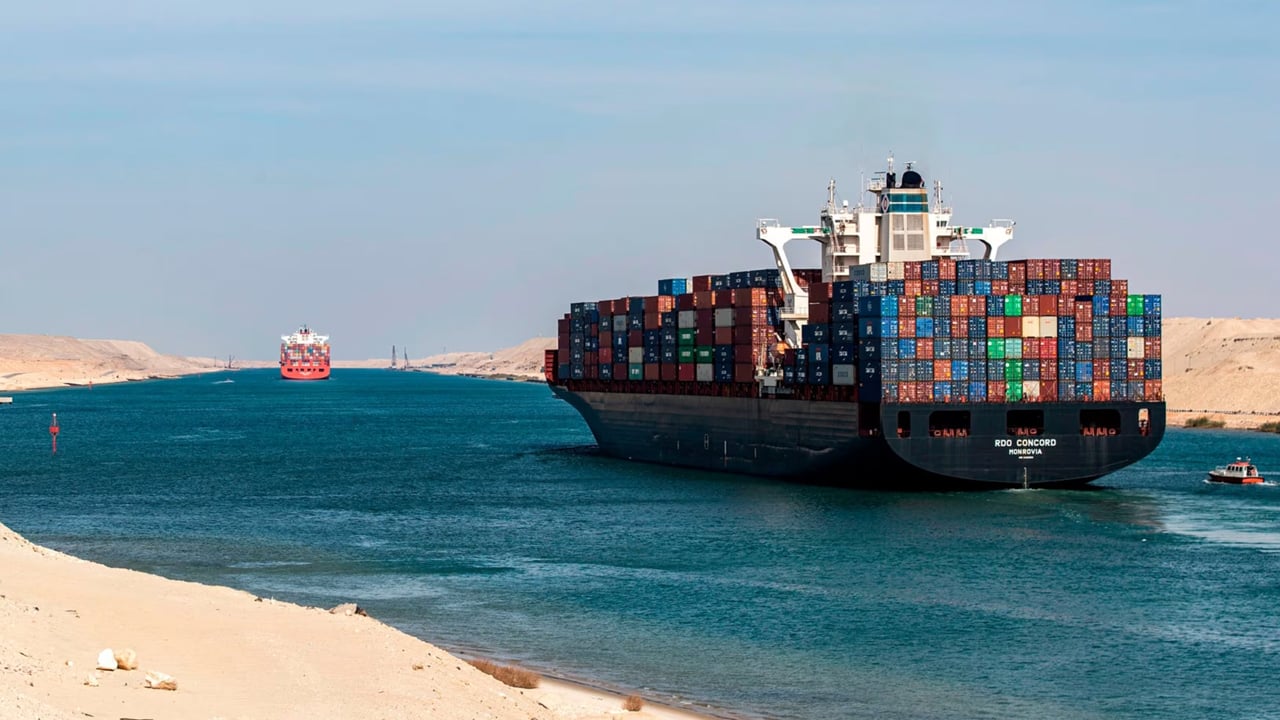
Analysts have warned that the Suez Canal and other key global trade routes could face serious threats if Yemen’s Houthi rebels become directly involved in the ongoing war involving Iran. Mohammad Elmasry, a professor at the Doha Institute for Graduate Studies, told Al Jazeera that the Houthis possess significant capabilities demonstrated over the past two and a half years. He noted that they could potentially close the Bab al-Mandeb Strait, effectively blocking access from the Red Sea to the Suez Canal. Elmasry explained that such a move would create two major chokepoints— the Strait of Hormuz and the Suez Canal— both vital for international trade. He added that continued Houthi attacks could increase pressure on Israel’s air defense systems, which are already strained by missile strikes from Hezbollah and Iran. If attacks were to originate from Yemen as well, the situation could become even more complex. According to Elmasry, Israel might politically welcome this escalation, as it could expand the scope of the conflict and discourage the United States from withdrawing too soon.
An Iranian military spokesperson from the IRGC’s Khatam al-Anbiya headquarters stated that Iranian forces carried out an attack on a US military support ship located far from the port of Salalah in Oman. The statement was reported by the semi-official Tasnim News Agency on March 28, 2026. According to the same report, Iran reiterated that it respects the national sovereignty of Oman, describing the country as both brotherly and friendly. The announcement did not specify the extent of the attack, potential damage, or any casualties. The claim was cited by Al Jazeera as the source of the information. No immediate details were provided regarding the US response or the broader regional implications of the incident.

Language movement veteran, freedom fighter, and twice-elected member of parliament for reserved seats Amena Ahmed passed away on Saturday, March 28, 2026, at 11 a.m. while undergoing treatment at Evergreen Hospital in Dhaka. She was a key organizer during Bangladesh’s Liberation War and a prominent political figure associated with the National Awami Party (NAP). Various political parties and organizations, including NAP, the Communist Party, and the Student Union, expressed deep sorrow and extended condolences to her bereaved family. She is survived by her only daughter, Ivy Rahman, president of the NAP Central Executive Committee, along with political colleagues and well-wishers. Amena Ahmed was the wife of late Professor Muzaffar Ahmed, former NAP chief and adviser to the wartime provisional government. She was an active participant in the 1952 Language Movement while studying at Eden College, later serving as vice president of the Eden College Students’ Union. She served as a reserved-seat MP from 2009 to 2014 and held senior leadership roles within NAP until her death.

The ‘1 Nojor’ media platform is now live in beta, inviting users to explore and provide feedback as we continue to refine the experience.