

The ‘1 Nojor’ media platform is now live in beta, inviting users to explore and provide feedback as we continue to refine the experience.
India may postpone its planned trade agreement with the United States for several months, according to four unnamed Indian sources cited by Reuters. The delay follows a new U.S. investigation into alleged excess industrial production capacity among trade partners, which has heightened tensions between the two countries. India had expected to sign an interim deal in March before finalizing a broader agreement, but the timeline has now been pushed back. Officials from both sides said they remain in contact to pursue a mutually beneficial deal, though no new signing date has been set. Talks reportedly slowed after the U.S. Supreme Court overturned tariffs imposed by President Donald Trump in late February, and Washington’s focus shifted to conflict with Iran. India has reduced but not halted imports of Russian oil, while U.S. officials have urged New Delhi to increase imports to ease global energy shortages. Analysts said India’s cautious approach is reasonable given ongoing tariff uncertainty and the Section 301 investigation under the 1974 Trade Act. India may present its case to the U.S. Trade Representative or take the matter to the World Trade Organization if needed.

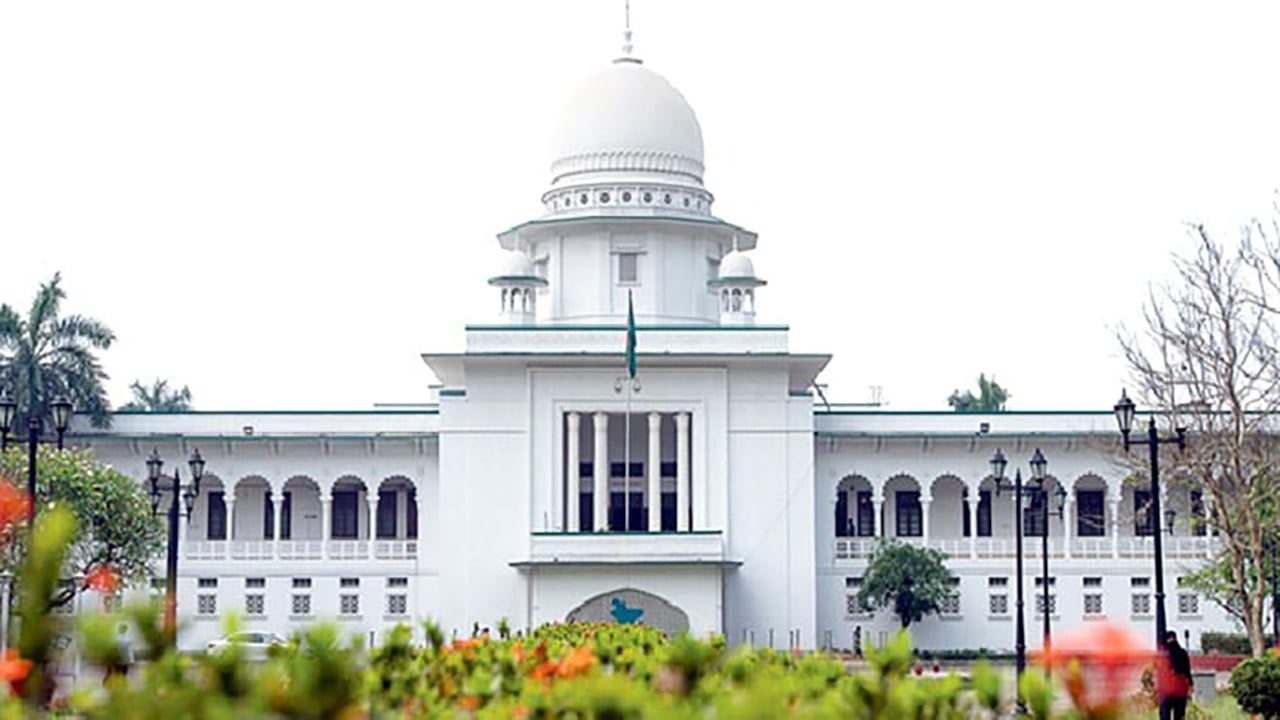
The Supreme Court of Bangladesh has released the full verdict of its Appellate Division upholding the caretaker government system in the constitution. The 74-page judgment, authored by former Chief Justice Dr. Syed Refaat Ahmed, was published on the Supreme Court’s website on Sunday, March 15, 2026. The verdict had originally been delivered on November 20 of the previous year. The caretaker government system was first introduced in 1996 through the 13th Amendment under the BNP government. In 2011, during the Awami League government, the Appellate Division of the Supreme Court declared the 13th Amendment void, effectively abolishing the caretaker system. Following the fall of the Awami League government, an interim administration sought a review of the 2011 verdict, leading the Supreme Court to reopen the appeal. The court has now declared the earlier annulment of the 13th Amendment invalid, thereby reinstating the non-partisan caretaker government system to oversee national elections.
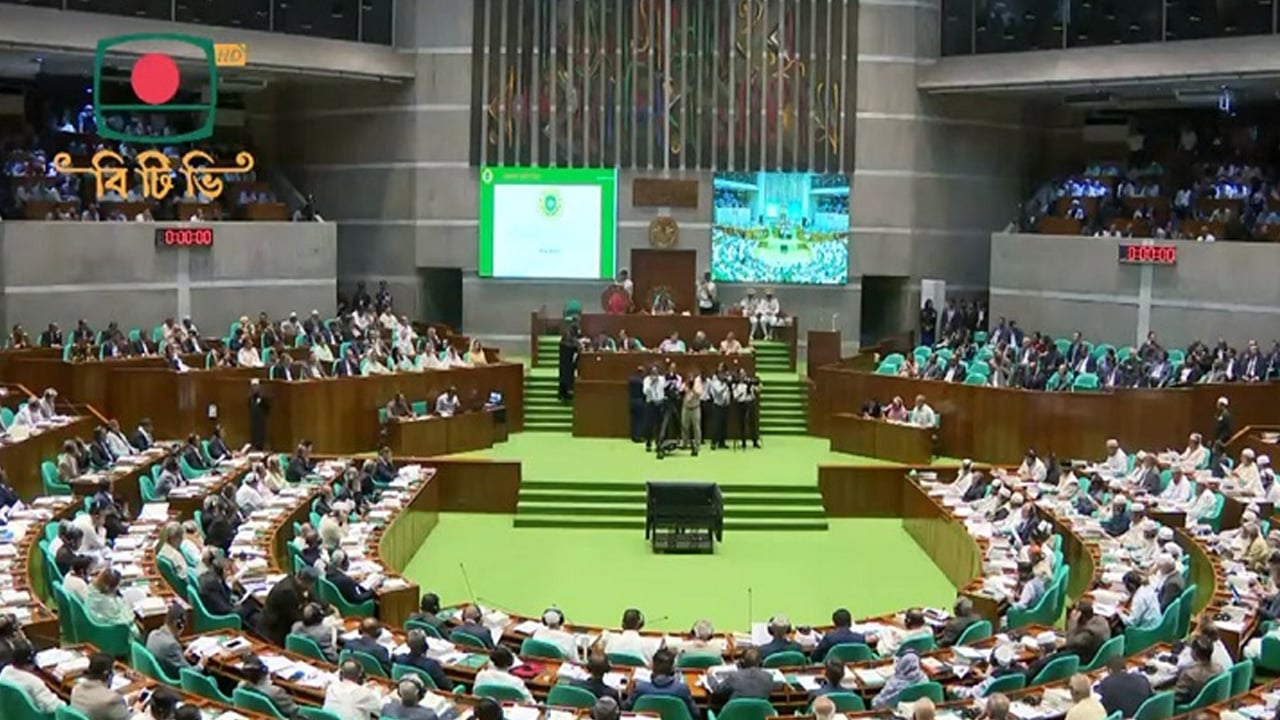
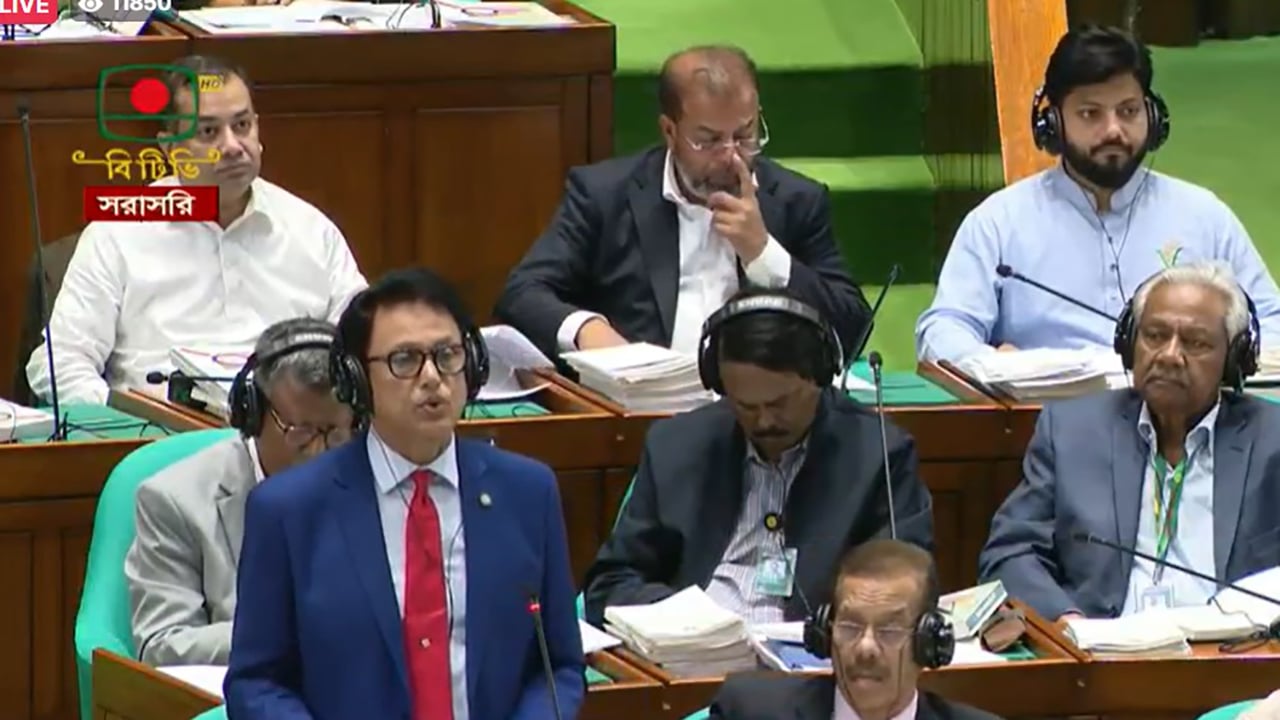
State Minister for Social Welfare Farzana Sharmin told Parliament on Sunday that all beneficiaries under the country’s social safety net programs will be brought under a single, integrated framework. She made the statement during the question-and-answer session chaired by Speaker Major (Retd.) Hafiz Uddin Ahmed, responding on behalf of the Social Welfare Minister Abu Zafar Md. Zahid Hossain. Sharmin said irregularities have been reported in the distribution of allowances, including demands for money from beneficiaries, which she described as corruption. She emphasized the government’s effort to ensure transparency in the delivery process. The ministry has launched a major project called the “Family Card” to gradually integrate all beneficiaries within a unified household-based system. She noted that the country is facing a fragile economic situation and that the government aims to ensure equitable benefits through a coordinated structure. The state minister added that existing beneficiary lists are being verified to remove nepotism and irregularities from past administrations. The goal is to identify genuine recipients and deliver benefits transparently, ensuring fairness and equality in the social welfare system.
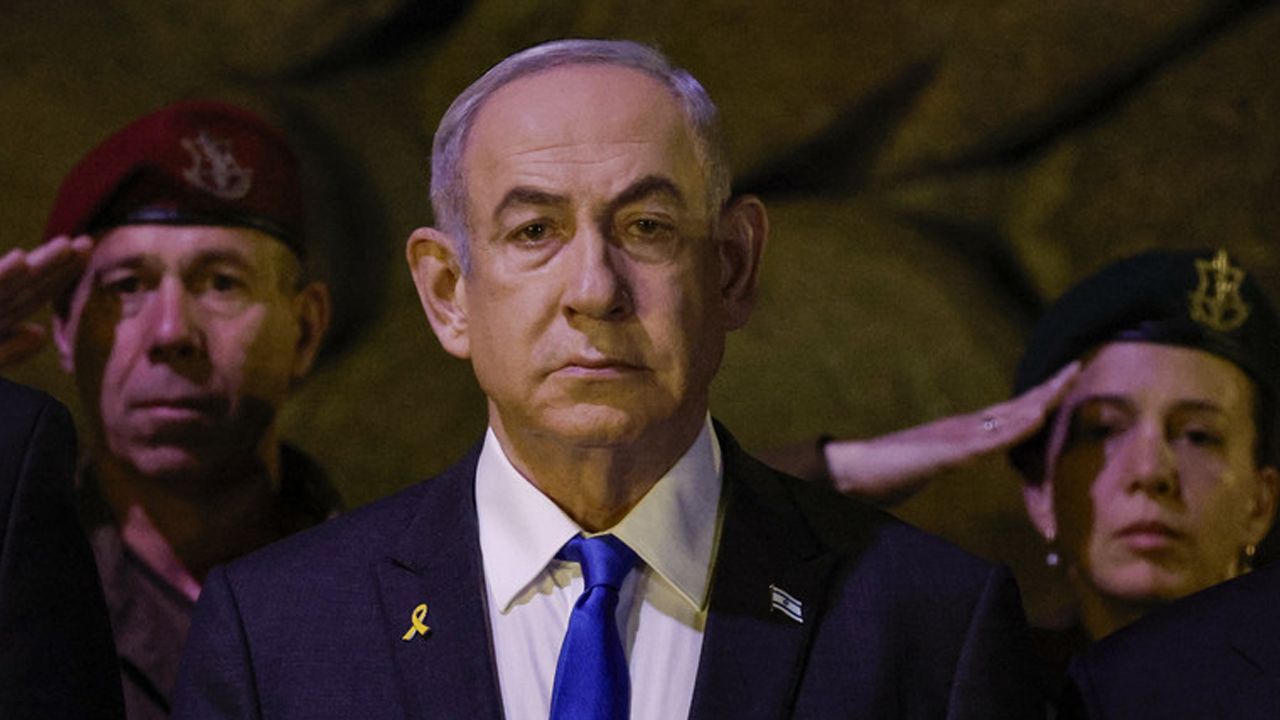
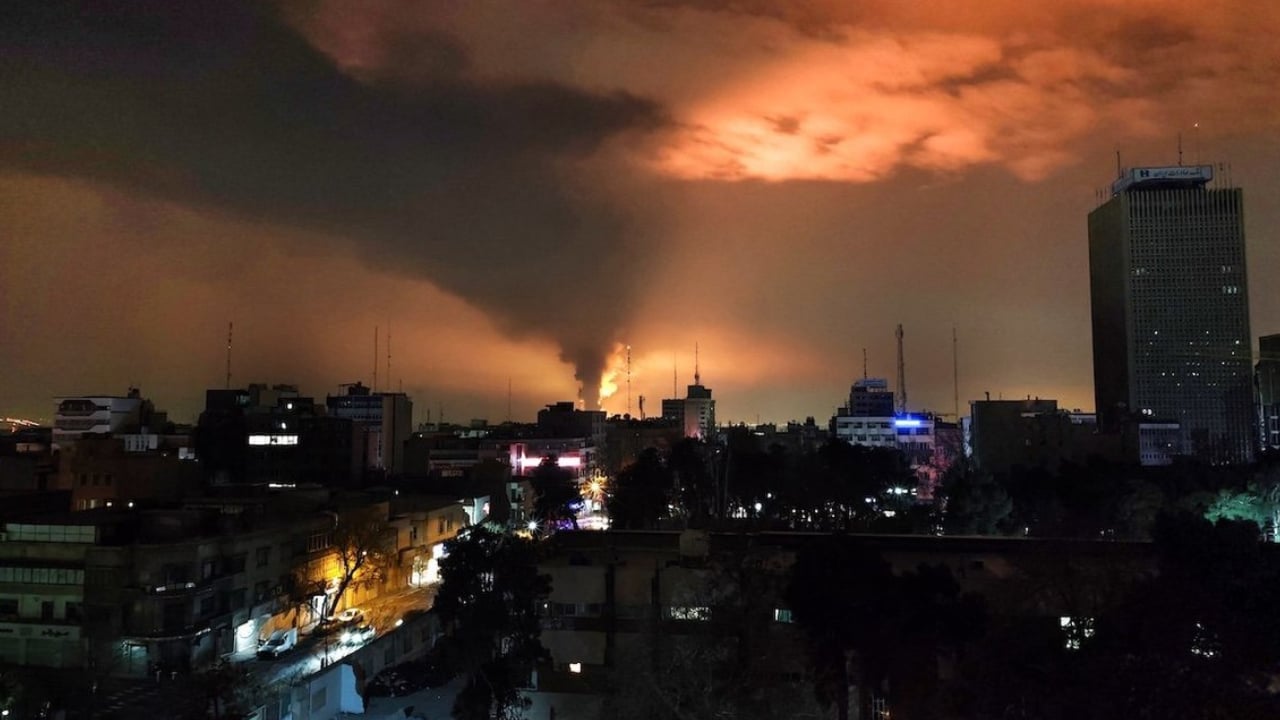
Israeli military and political leaders have launched a coordinated effort to portray their ongoing war with Iran as a success, despite failing to achieve their initial goal of regime change in Tehran. Prime Minister Benjamin Netanyahu, who has long built his political career on promises to protect Israel from Iranian threats, described the conflict as a decisive battle for Israel’s existence. Military officials echoed this sentiment, calling the campaign essential for securing future generations. Analysts noted that Netanyahu continues to claim victory even as Iran’s leadership remains intact. Former U.S. President Donald Trump had earlier abandoned talk of regime change, but Israel still publicly discusses it. The Israeli government argues that a change in Iran’s leadership would weaken groups like Hezbollah and Hamas by cutting off Iranian funding and weapons. However, despite calls for protests after the killing of Iran’s Supreme Leader, internal change has not materialized. Observers suggest Netanyahu’s decision to suspend demands for regime change could pose political risks, as Iran-backed armed groups remain active and continue to challenge Israel’s security.

The Islamic Revolutionary Guard Corps (IRGC) has issued a direct threat to Israeli Prime Minister Benjamin Netanyahu, declaring that he will be hunted down and killed if still alive. The statement came on the 16th day of the ongoing Middle East conflict, referring to Netanyahu as a 'child-killing criminal' and vowing to use full force against him. Speculation about Netanyahu’s whereabouts has spread on social media after a video released on March 12 showed the 76-year-old leader speaking at a February 28 press conference. Some users claimed the footage was artificially generated, pointing to anomalies such as an apparent sixth finger. In the video, Netanyahu appeared to threaten Iran’s new Supreme Leader Mojtaba Khamenei and voiced support for Israeli military operations against Iran. Conservative U.S. commentator Candace Wings questioned Netanyahu’s visibility, alleging that his office was releasing and deleting AI-generated videos. Netanyahu’s office dismissed the rumors, telling Anadolu Agency that the reports were false and that the prime minister was in good health, though no detailed official statement has yet been released.
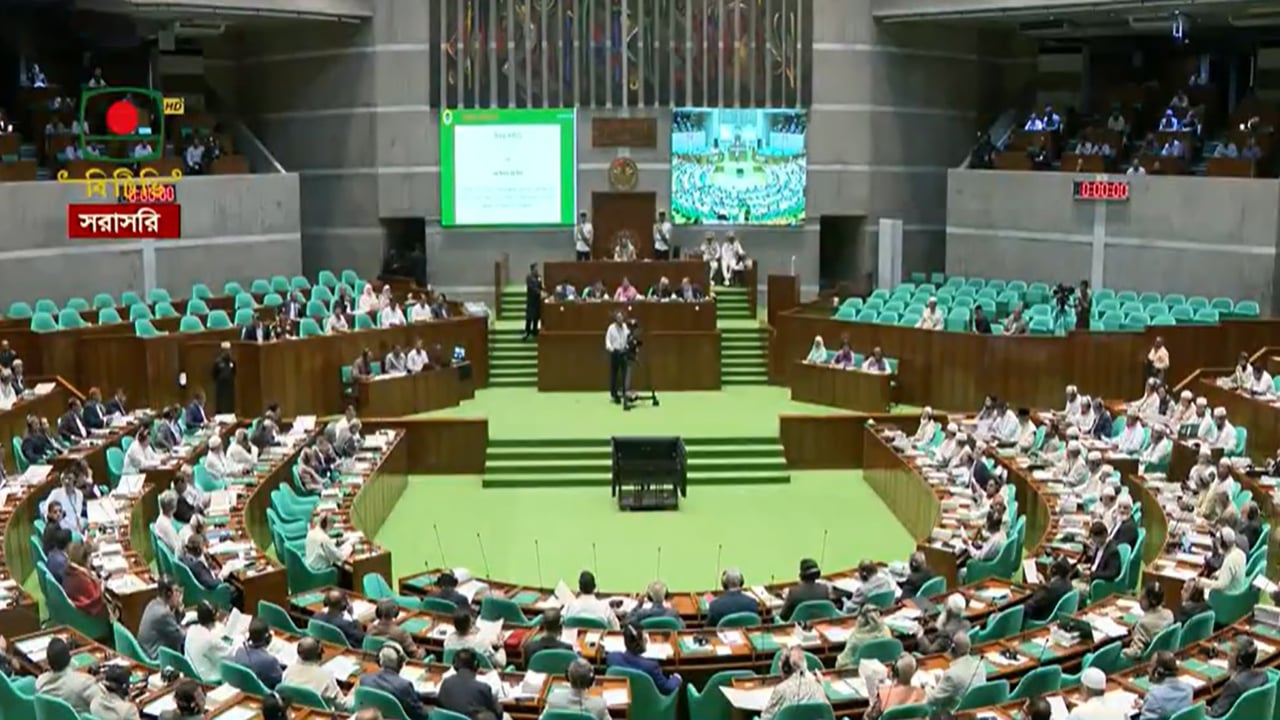
A total of 133 ordinances issued during the interim government period have been sent to a special committee of the National Parliament for review. The committee has been instructed to submit its report by April 2. The proposal to send the ordinances to the special committee was made by Law Minister Asaduzzaman after 11 a.m. on Sunday in the National Parliament, and it was subsequently approved. Earlier, during the first session, the Law Minister had presented the ordinances before Parliament, and on that same day, a special committee was formed to examine and select them. The review process is part of the legislative procedure to evaluate the ordinances enacted under the interim administration. The committee’s findings are expected to guide Parliament’s next steps regarding the ordinances once the report is submitted by the specified deadline.
According to a report by Turkey’s Anadolu Agency, the United States has suffered nearly $4 billion in military equipment losses during two weeks of war, with operational expenses estimated at around $280 billion. The report cites military analysts who said Iran’s attacks caused the greatest damage to the US THAAD missile defense system, destroying at least four AN/TPY-2 radars in the UAE, Jordan, and Saudi Arabia. Additional losses include damaged radar systems in Qatar, destroyed drones, fighter jets, and a tanker aircraft, as well as infrastructure damage in Bahrain and Kuwait. A Democratic member of the US House Committee has requested the Congressional Budget Office to disclose the true cost of the war, while the Pentagon has not released any official data. The New York Times reported that the first week of the war cost about $6 billion, with daily expenses estimated between $1 billion and $2 billion. Analysts attribute the high costs to expensive interceptor missiles, advanced aircraft operations, and extensive military deployment across the Middle East. Experts also noted that while the US defense budget can absorb the expenses, replenishing destroyed equipment and managing domestic discontent over rising costs remain major concerns.

During a parliamentary session on March 15, 2026, MP Hasanat Abdullah questioned Education Minister Ehsanul Haque Milon about the current lottery-based admission system in primary schools. Abdullah argued that the shift from merit-based admissions to a lottery process had reduced the quality of education in feeder institutions and affected the supply of qualified students to universities. He asked whether the government planned to revise the system. In response, Minister Milon acknowledged the importance of the issue and said it required broad discussion. He explained that Bangladesh’s education system operates differently in rural and urban areas, with competition being less intense in rural institutions. The minister noted that the previous government had introduced the lottery system to address urban admission complexities, but he personally found it unjustified. He added that the admission procedure for the next academic year would be decided after consultations with relevant stakeholders. The parliamentary session began at 11 a.m. and included other scheduled discussions such as the president’s address and matters of public importance.
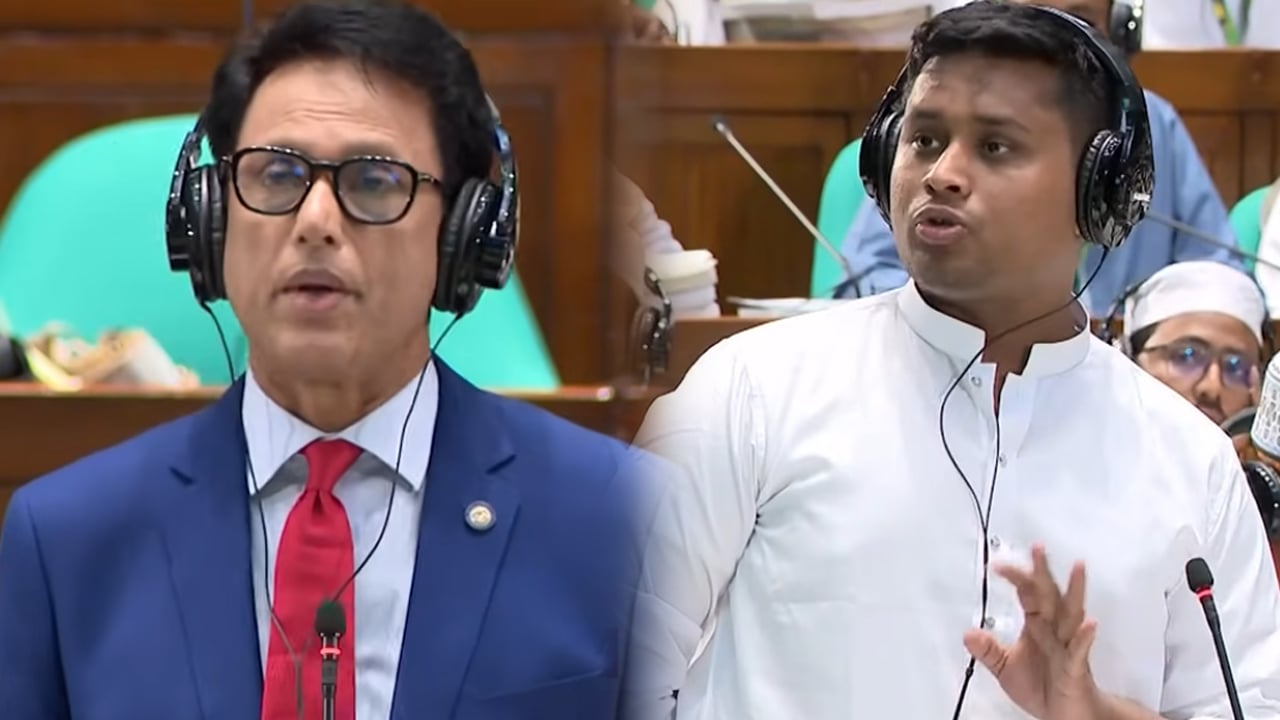
Education Minister A N M Ehsanul Haque Milon informed the National Parliament on Sunday that the recruitment of 9,000 religious teachers is currently under consideration. He stated that teachers from all religions, not only Islamic education, would be included. The minister also mentioned that a committee has been formed to bring English medium schools under regulatory frameworks. In a written reply to a question from Member of Parliament S M Jahangir Hossain, the minister said the government will decide on establishing new public universities after assessing necessity. He noted that Bangladesh currently has 57 public universities and that the government is committed to improving their quality. Additionally, he said the government will invite new applications for inclusion of educational institutions under the MPO scheme, and previous applications will be re-evaluated. These statements outline the government’s ongoing review of teacher recruitment, university expansion, and institutional inclusion policies within the education sector.
Pakistan carried out airstrikes on military installations in Kandahar, Afghanistan, in response to drone attacks allegedly launched from Afghan territory. According to Geo News, citing official sources, the strikes targeted the 313 Corps in Kabul and the Tarawo militant camp in Kandahar, destroying key infrastructure. The operation also hit four militant hideouts belonging to the Afghan Taliban and Fitna al-Kharij in Paktia province between March 12 and 13. Fuel storage and supply facilities near Kandahar airport were also destroyed during the raids. President Asif Ali Zardari condemned the drone attacks from Afghanistan, warning Kabul that targeting Pakistani civilians crossed a “red line.” The Pakistani military stated that locally made drones were intercepted before reaching their targets, though debris injured civilians in Quetta, Kohat, and Rawalpindi. Airspace around Islamabad was temporarily closed after the drones were detected. Tensions between the two neighbors have escalated since late February, when Pakistan began operations against militants allegedly sheltering inside Afghanistan.

Home Minister Salahuddin Ahmed told Parliament on Sunday that the government will implement the July Charter strictly in accordance with the constitution, laws, and regulations. He made the remarks around 12:15 p.m. in response to opposition leader and Jamaat-e-Islami chief Dr. Shafiqur Rahman’s comments on the charter. The minister emphasized that the President has convened the national parliament session, not any so-called ‘Reform Council’. Salahuddin Ahmed clarified that under the July National Charter, any move to form a constitutional reform council would first require an amendment to the constitution. He stated that the existence of such a council has already been challenged in court, and a rule has been issued on the matter, which is now under judicial consideration. The minister reiterated that the government is currently participating in the parliamentary session as per constitutional provisions. He further noted that if a referendum mandates the formation of such a council, it can only occur after constitutional amendments are passed in Parliament and incorporated into the constitution, followed by necessary steps for council formation and oath-taking.

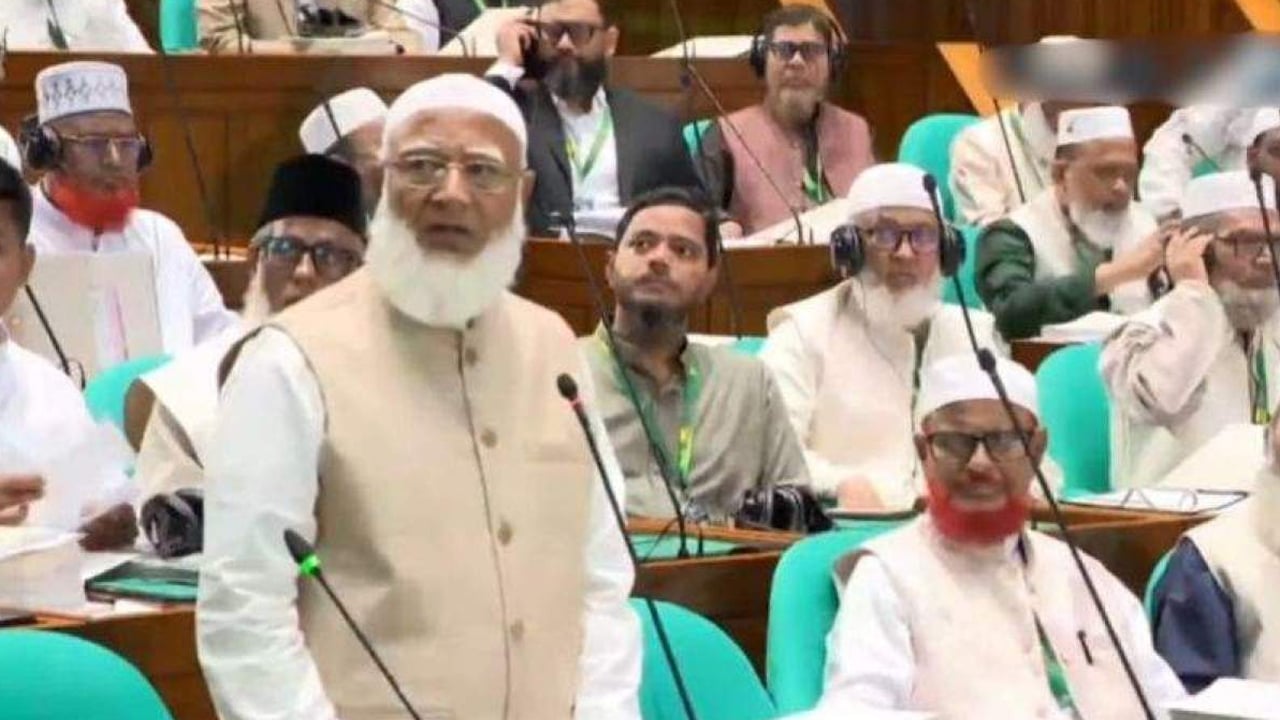
During the second session of the 13th National Parliament on Sunday, March 15, 2026, opposition leader and Jamaat-e-Islami Ameer Dr. Shafiqur Rahman attempted to speak about the July uprising. He stated that the current parliament was formed in stages following that event, mentioning that two votes were held on the same day—a parliamentary election and a referendum. The Speaker interrupted him, instructing him to limit his remarks to the scheduled question session. Dr. Rahman then asked whether he would be allowed time later to discuss the issue, to which the Speaker replied that he could raise it after the question-answer period. The session began at 11 a.m. and included a motion of thanks on the President’s address, question-answer sessions, and discussions on urgent public matters. According to the day’s agenda published by the Parliament Secretariat, questions were scheduled for ministries including the Cabinet Division, Science and Technology, Education, Social Welfare, and Housing and Public Works.
Bangladesh Satellite Company Limited (BSCL) has launched a pilot program to provide high-speed satellite-based Starlink internet on three intercity trains. The service, introduced on Friday, allows passengers to access free Wi-Fi while traveling on the Parjotok Express, Upoban Express, and Bonolota Express. This initiative is part of the government’s broader plan to offer free Wi-Fi at all airports and railway stations across the country. The trial was observed by Rehan Asif Asad, adviser to the Ministry of Posts, Telecommunications and Information Technology and the Ministry of Science and Technology. He stated that the government is taking various steps to enhance national connectivity, and the introduction of Starlink internet on moving trains is a continuation of that effort. Passengers can now connect easily by scanning a QR code. The service is currently in a testing phase and will be improved in the future. BSCL Managing Director and CEO Imadur Rahman said the company is working to strengthen digital connectivity in line with the government’s manifesto.

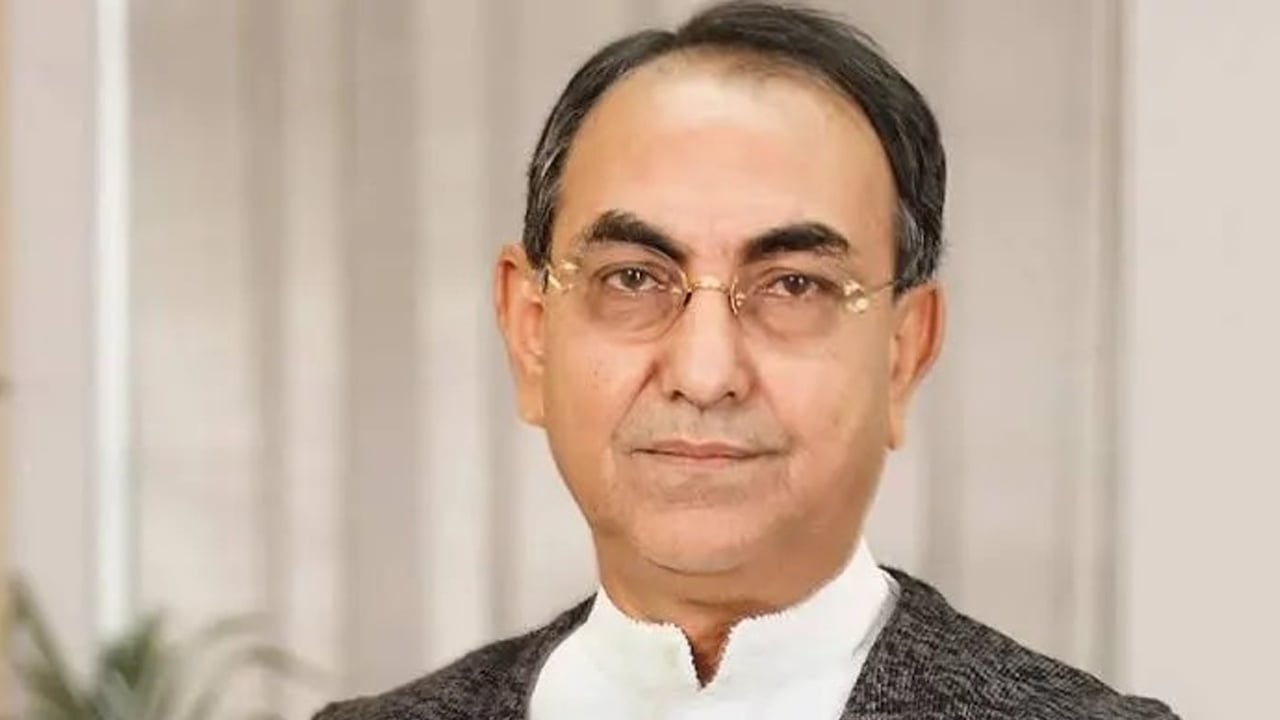
An air ambulance carrying Mirza Abbas, political adviser to Prime Minister Tarique Rahman and Member of Parliament for Dhaka-8, departed from Dhaka for Singapore on Sunday around 11:30 a.m. He is being taken abroad for advanced medical treatment. His wife Afroza Abbas and their eldest son Mirza Yasir Abbas are accompanying him, according to his personal secretary Mizanur Rahman Sohel. Mirza Abbas was admitted to Evercare Hospital in Bashundhara after losing consciousness on Wednesday night. A medical board was formed for his treatment, and he underwent two brain surgeries. He has since been kept under intensive observation. On Saturday morning, a CT scan of his brain was conducted, and the report was described as good by BNP’s health affairs secretary Rafiqul Islam. The transfer to Singapore marks the next stage of his medical care following several days of critical treatment in Dhaka.
A new poll by Quinnipiac University, released last week, shows that 53 percent of Americans oppose a U.S. military attack on Iran, while 40 percent support such action. The survey also found that a large majority of respondents are strongly against sending U.S. ground troops to Iran. According to the poll, nearly three-quarters of participants said they do not favor deploying American ground forces in Iran. More than three-quarters also expressed concern that a war with Iran could increase the risk of terrorist attacks inside the United States. The survey further revealed mixed opinions about Israel, with 44 percent of respondents believing the U.S. gives too much support to Israel, while an equal share considers the level of support appropriate. The findings highlight widespread public caution toward military escalation in the Middle East and reflect ongoing divisions in American views on U.S. foreign policy toward Iran and Israel.
The ‘1 Nojor’ media platform is now live in beta, inviting users to explore and provide feedback as we continue to refine the experience.