

The ‘1 Nojor’ media platform is now live in beta, inviting users to explore and provide feedback as we continue to refine the experience.
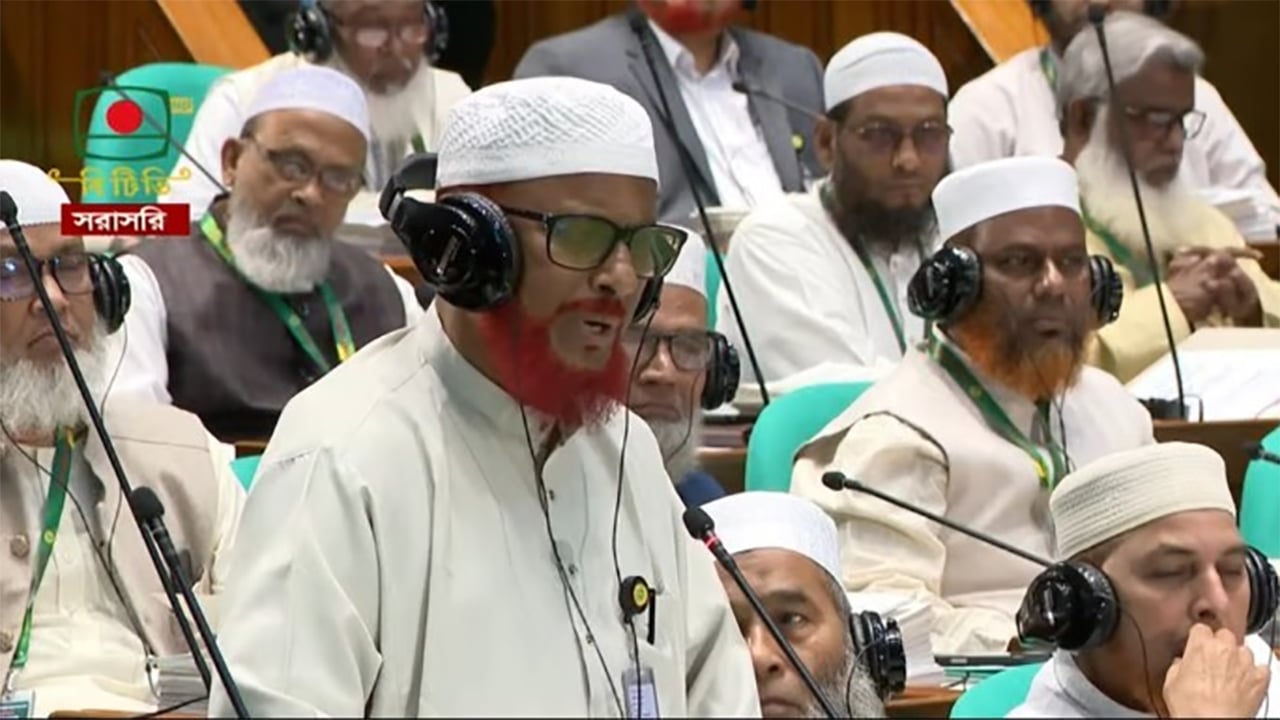
President convened the national parliament in accordance with the constitution, and there is no entity called a reform council, Home Minister Salahuddin Ahmed stated on Sunday, March 15, before attending the second day of the first session. He explained that under the July Charter, any implementation of a constitutional reform council would first require an amendment. Earlier, on March 12, the new parliament began its journey, and after the President’s address, Speaker Major (Retd.) Hafiz Uddin Ahmed adjourned the session until Sunday. According to the Parliament Secretariat, the day’s agenda includes a question-and-answer session, discussions on urgent public issues, and a motion of thanks on the President’s speech. Questions will cover several ministries, including Cabinet, Science and Technology, Education, Social Welfare, and Housing. The Business Advisory Committee decided that the 13th National Parliament’s first session will continue until April 30, meeting daily at 3 p.m. except on public holidays. A total of 468 questions have been submitted, along with 27 notices under Rule 71 and 97 decision proposals under Rule 131.

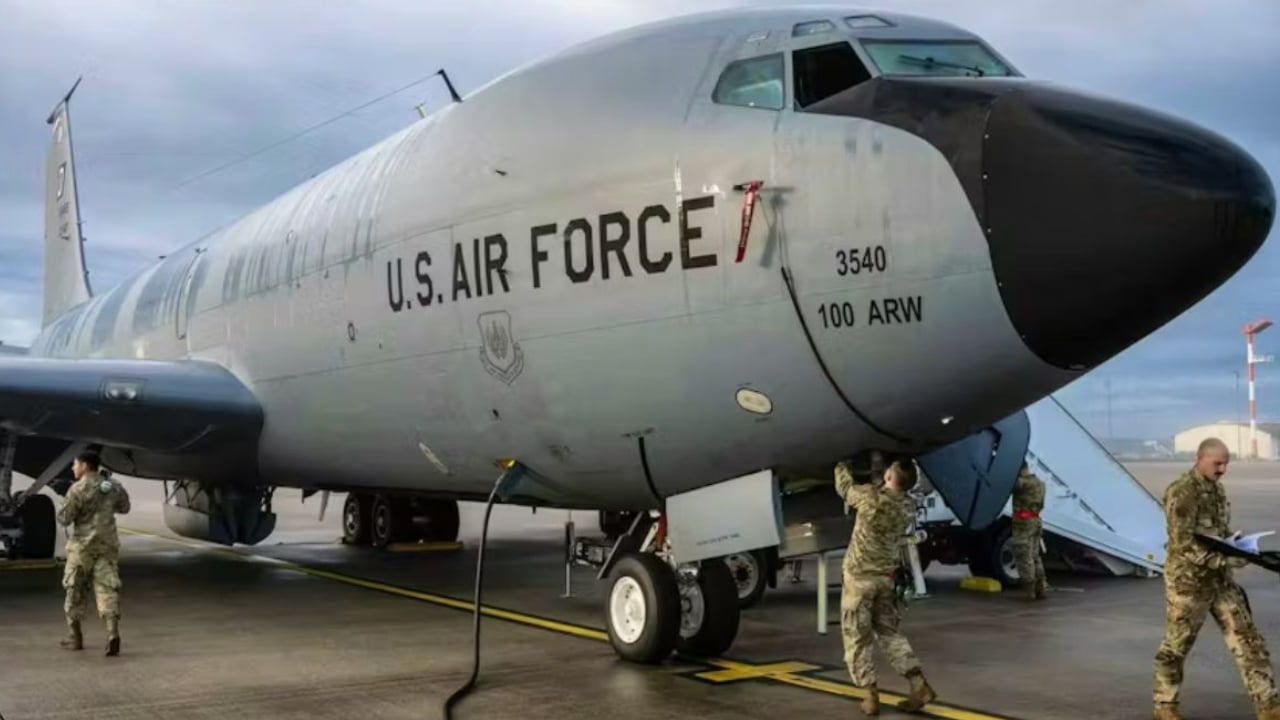
The Pentagon has released the identities of six US service members killed when a KC-135 refueling aircraft crashed in western Iraq earlier this week. In a statement on Saturday, the Pentagon said preliminary findings indicate the crash was not caused by hostile action. The incident occurred Thursday and increased the number of US personnel killed in the anti-Iran military campaign to at least 13. Another aircraft involved in the operation landed safely, according to officials. The Pentagon confirmed that the victims were crew members on duty at the time, including three from the US Air Force and three from the Air National Guard. The cause of the crash remains under investigation, though US Central Command stated it was not due to enemy fire or friendly fire. Meanwhile, the Iran-backed coalition “Islamic Resistance in Iraq” claimed responsibility for downing a KC-135 and said it had targeted another aircraft that escaped. The KC-135 crash marks at least the fourth US military aircraft lost in the ongoing conflict, following earlier friendly-fire incidents over Kuwait.

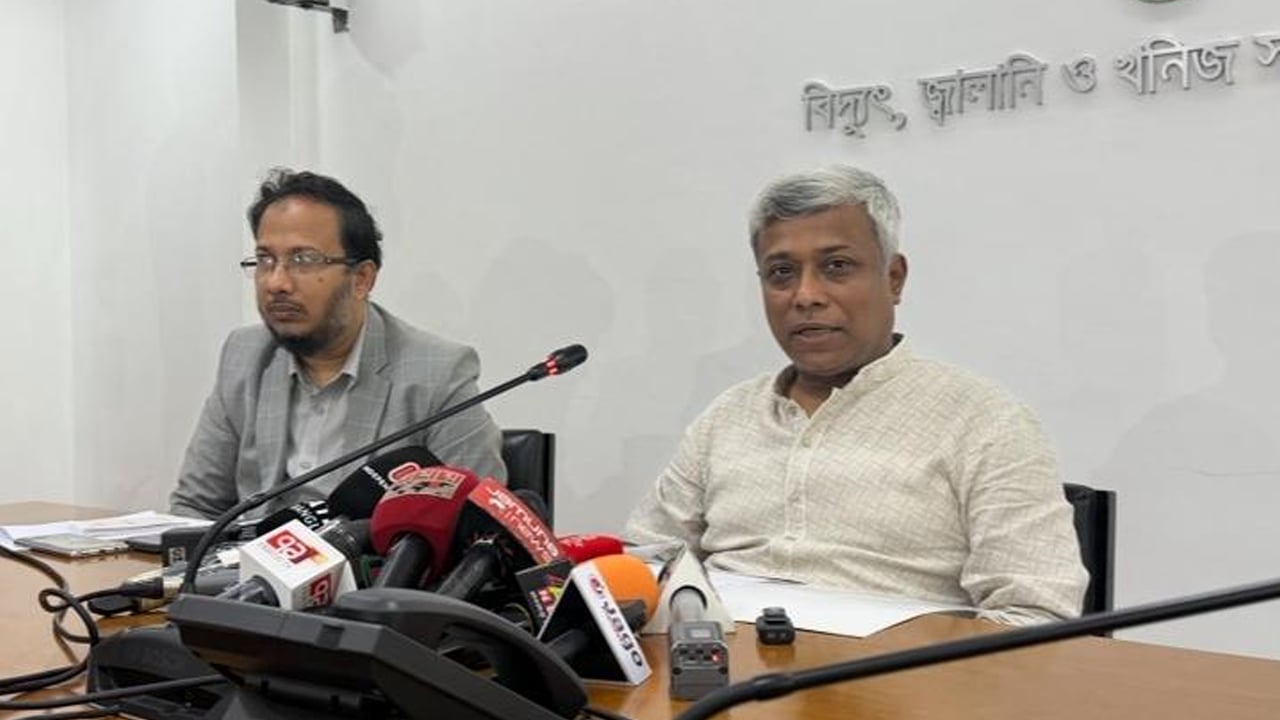
The government of Bangladesh has withdrawn the rationing system in fuel marketing and supply, effective immediately. State Minister for Power, Energy and Mineral Resources Anindya Islam Amit announced the decision on Sunday at a press conference held at the Secretariat. He stated that the rationing system had been introduced earlier due to concerns over possible supply disruptions caused by the ongoing war in the Middle East, but current fuel reserves are now stable and there is no shortage. According to the minister, the decision aims to ensure uninterrupted travel during the upcoming Eid holidays and to maintain adequate electricity supply for irrigation season. He added that the directive will remain in effect until further notice. The minister also clarified that the government has no intention to increase fuel prices despite global price hikes, emphasizing that the decision was made considering public interest.
Switzerland has refused a request from the United States to use Swiss airspace for military operations targeting Iran. According to the report, the US made two separate requests to allow its aircraft to fly over Swiss territory as part of its Middle East military actions. The Swiss government declined both requests, citing its neutrality law. In an official statement, the Swiss authorities explained that under national law, it is prohibited to allow any party involved in a conflict to use Swiss airspace for military purposes. However, the government confirmed that it had approved three flights unrelated to combat operations—one for maintenance and two for transport purposes. The decision underscores Switzerland’s long-standing policy of neutrality and its legal restrictions on involvement in foreign conflicts, even when approached by major powers such as the United States.
Britain is planning to deploy mine-detection drones in the Strait of Hormuz to reduce Iran’s influence over this vital global trade route. The British Ministry of Defence stated that various options are being considered to ensure the safe passage of cargo ships through the strait, which handles about 20 percent of the world’s oil shipments daily. The proposal was first reported by The Sunday Times, citing the Royal Navy’s Mine and Threat Exploitation Group, currently stationed in the Middle East, as the likely source of the drone deployment. The Sunday Telegraph reported that British interceptor drones, originally designed for Ukraine, may also be used to counter Iranian Shahed drones. The initiative follows earlier calls by former U.S. President Donald Trump for allied nations to send warships to protect oil tankers in the region. Details such as the number of operational drones and how many could be deployed remain uncertain, according to the reports.

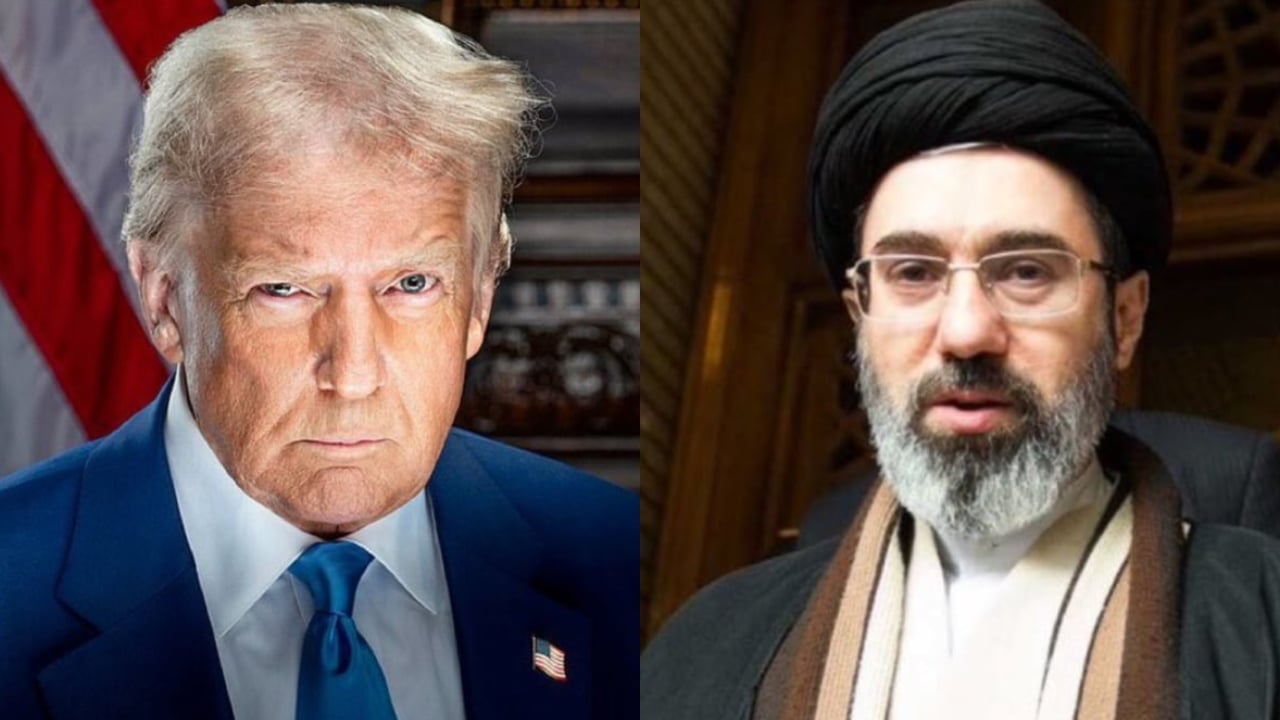
U.S. President Donald Trump has expressed doubt about whether Iran’s new Supreme Leader, Mojtaba Khamenei, is alive. In an interview with NBC News on Saturday, Trump said that no one has seen Khamenei so far and noted that the Iranian leader issued his first statement in writing rather than appearing on camera. Trump added that he has heard reports suggesting Khamenei may not be alive and remarked that if he is, he should act wisely for his country by surrendering. When asked whether he supports any potential successor to Khamenei, Trump declined to name anyone. The comments come amid uncertainty surrounding Iran’s leadership transition and the lack of public appearances by the new leader. The situation adds to ongoing speculation about Iran’s political stability following the leadership change, though no official confirmation regarding Khamenei’s condition has been provided.
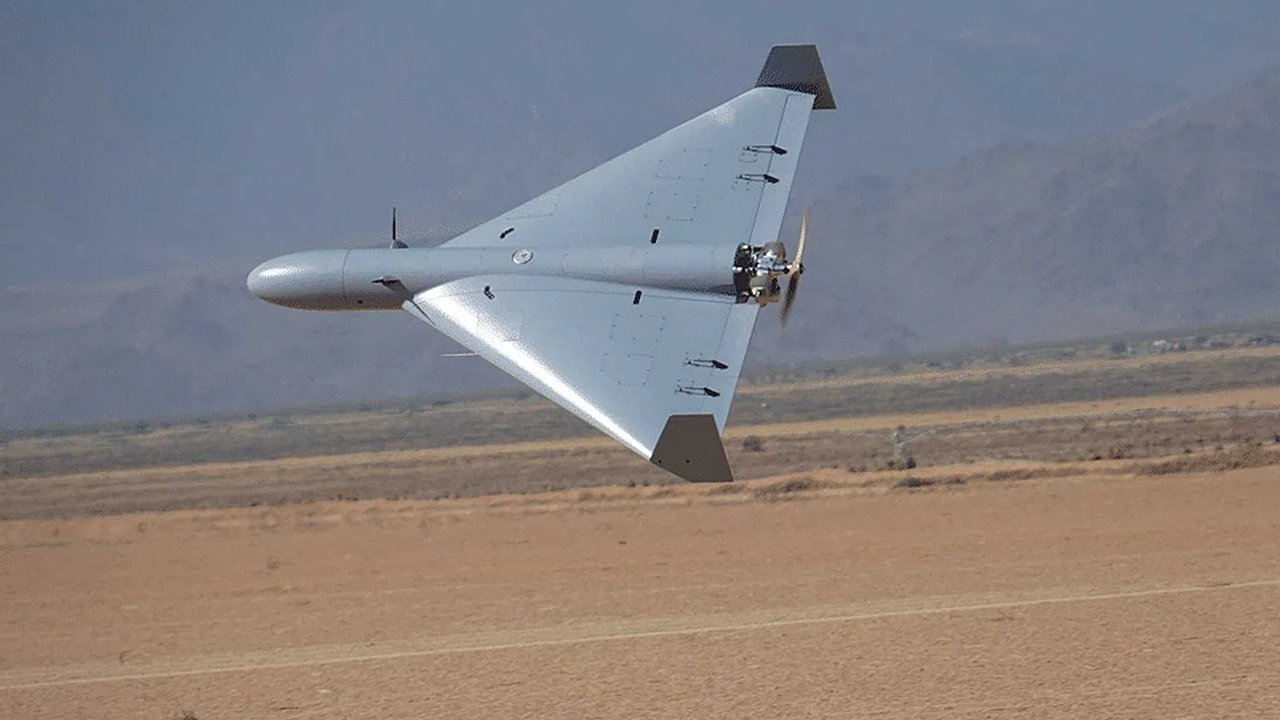
Ukrainian President Volodymyr Zelensky has claimed that Russia is supplying Shahed drones to Iran for use in attacks against the United States and Israel. In an interview with CNN, he said it is 'one hundred percent true' that Iran used Russian-made Shahed drones to strike US bases. He also noted that similar drones have been linked to attacks in other regional countries, though it is not always clear who manufactures them. According to the report, Iran originally developed the Shahed drone as a cheaper alternative to missiles. Zelensky stated that since Russia’s invasion of Ukraine in the fall of 2022, Russian forces have launched thousands of these drones. Initially supplied by Iran, Russia is now producing the Shahed drones domestically. The report adds that the US military and other armed forces have also adopted these drones, viewing their use as part of operational planning against Iran. The Guardian was cited as the source of this information.
Bangladesh’s Road Transport and Bridges Minister Sheikh Robiul Alam announced on Sunday that the government has ended all fuel rationing for public transport across the country. The decision, effective immediately, follows an improvement in fuel supply conditions. The minister stated that fuel distribution and sales will continue normally, as they were before the onset of the Iran war crisis. The move aims to ensure smooth travel and goods transport during the upcoming Eid-ul-Fitr holiday period. Fuel rationing had been introduced on March 6 amid public panic over a possible shortage linked to fears surrounding the Iran conflict. At that time, the government limited daily fuel allocations for different vehicle types, ranging from 2 liters for motorcycles to 220 liters for long-distance trucks. The restrictions were later eased, including an increase in the motorcycle fuel limit to 5 liters and a reduction in overall rationing from 25 percent to 15 percent. With the Eid travel surge approaching, the government has now fully withdrawn the rationing system to stabilize transport operations and meet public demand.

At least 17 ships have been attacked in the Middle East over the past two weeks following the outbreak of regional conflict, according to the United Kingdom Maritime Trade Operations (UKMTO). The incidents occurred around the Persian Gulf, the Strait of Hormuz, and the Gulf of Oman. The UKMTO and the Indian Embassy in Oman confirmed that two Indian nationals were killed in the attacks. The UKMTO reported that on March 1, two tankers were hit by projectiles in the Strait of Hormuz, and another vessel was struck while anchored in Bahrain. Additional attacks took place in the Gulf of Oman, the Persian Gulf, and the Strait of Hormuz between March 3 and March 12, involving explosions, drone strikes, and projectile impacts. The most recent incident on March 12 set a container ship ablaze in the Persian Gulf. The series of maritime attacks highlights growing insecurity in key shipping routes of the Middle East, though the source did not specify who was responsible for the assaults or the broader military context.

Jamaat leader A.T.M. Azharul Islam, recently acquitted from a death sentence in a war crimes case, announced that the opposition will participate in the parliamentary discussion on the President’s speech. He stated that a proposal regarding the formation of a constitutional reform council will also be raised in Parliament. He made these remarks on Sunday morning. Earlier, on March 12, Azharul Islam told Parliament that he would not have been able to attend the session if it had not been held in July. His comments came during the first session of the 13th National Parliament, where a condolence motion was adopted for former Prime Minister and BNP Chairperson Khaleda Zia and other notable figures who had passed away. Azharul Islam also reflected on his past political activities with Khaleda Zia, describing her as uncompromising and steadfast in her dedication to the country.
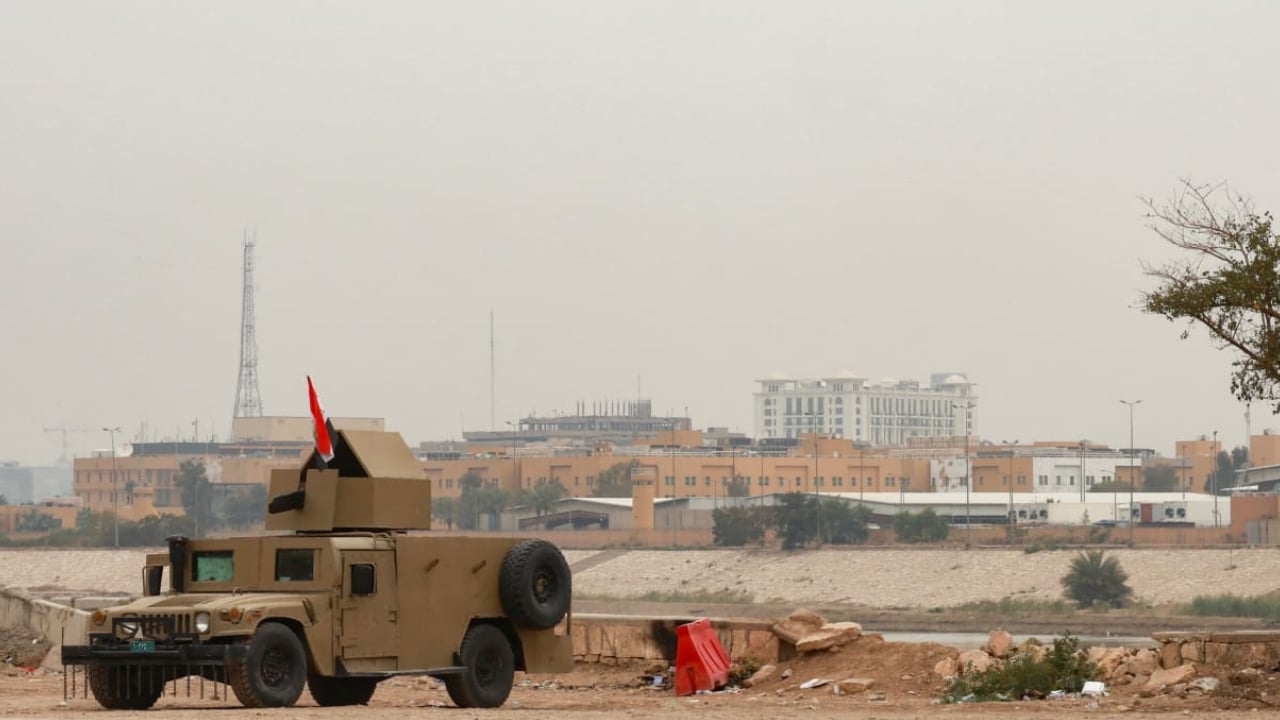
The United States has instructed non-essential government employees and their family members to leave Oman due to security risks as tensions escalate across the Middle East. The directive was issued on Friday by the Bureau of Consular Affairs of the US Department of State. The statement also urged American citizens to reconsider travel to areas near the Oman–Yemen border. According to the statement, concerns over potential drone and missile attacks from Iran have persisted since the conflict between the United States and Iran began on February 28. The situation has also caused significant disruptions to commercial air traffic in the region. The advisory reflects Washington’s growing concern over regional instability and the potential for further escalation affecting civilian and diplomatic safety in Oman and neighboring areas.
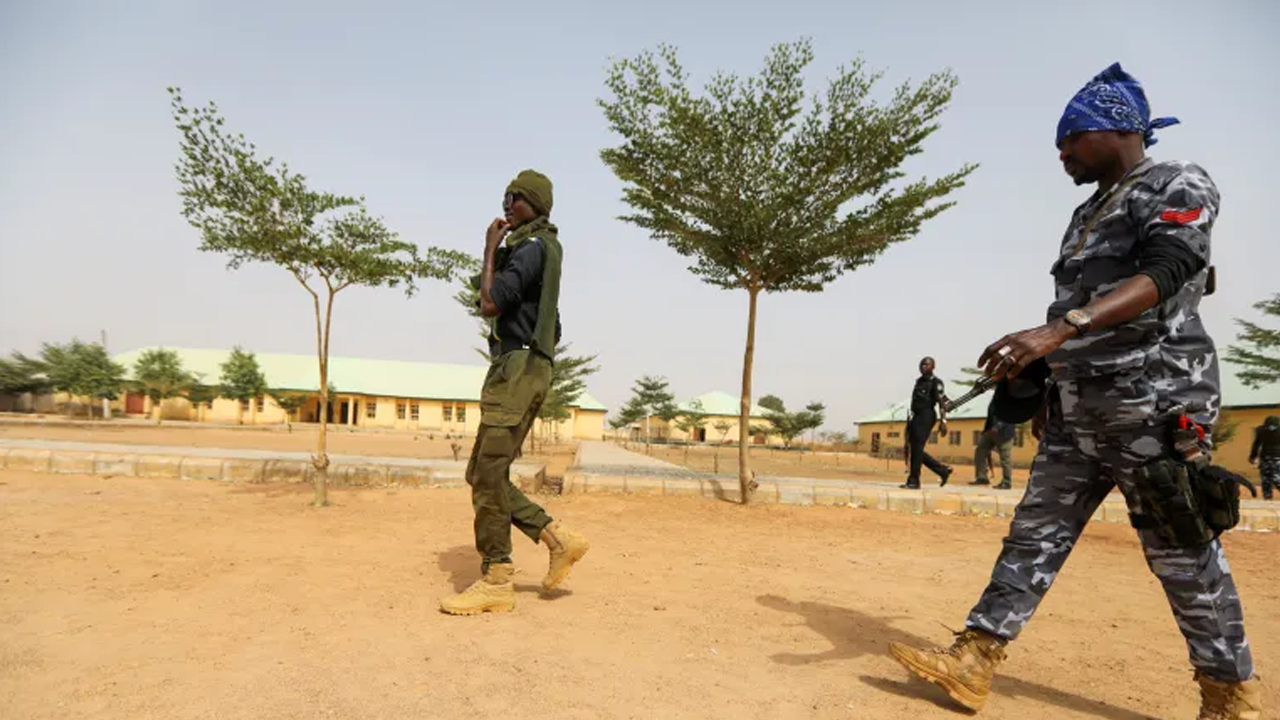
At least 20 people were killed when armed gunmen attacked a village in central Nigeria’s Plateau State on Friday, according to a statement released Saturday by the Kanam Development Association (KADA). The group said the attackers ambushed soldiers on routine patrol before opening fire, resulting in the deaths of 12 security personnel and eight local residents who had joined efforts to defend their community. KADA reported that after the assault on the soldiers, the gunmen raided a nearby village, looting livestock and other property. The organization said the incident has worsened the hardship faced by already vulnerable rural populations. The attackers, described locally as “bandits,” are part of armed groups known for kidnappings and village raids across Nigeria. Nigeria, Africa’s most populous nation, continues to face multiple security crises. Despite ongoing military operations against Islamist insurgents, the presence of various armed groups has further complicated the country’s security situation.
Iran’s Islamic Revolutionary Guards Corps (IRGC) carried out a major attack on Tel Aviv, Israel’s commercial hub, according to a report by Iran’s state news agency IRNA. The assault, launched on Friday, involved a combination of missiles and drones targeting the central area of Tel Aviv. IRNA cited an IRGC statement confirming the coordinated strike and reported that the missiles were heading toward the city. The report described the operation as a direct action by the IRGC against Israel, marking a significant escalation in hostilities. The attack specifically targeted Tel Aviv’s commercial center, though the report did not provide details on damage or casualties. The IRGC statement also included a threat directed at Israeli Prime Minister Benjamin Netanyahu, saying he would be found and killed. The situation underscores rising tensions between Iran and Israel, with the IRGC’s declaration suggesting further confrontation may follow.
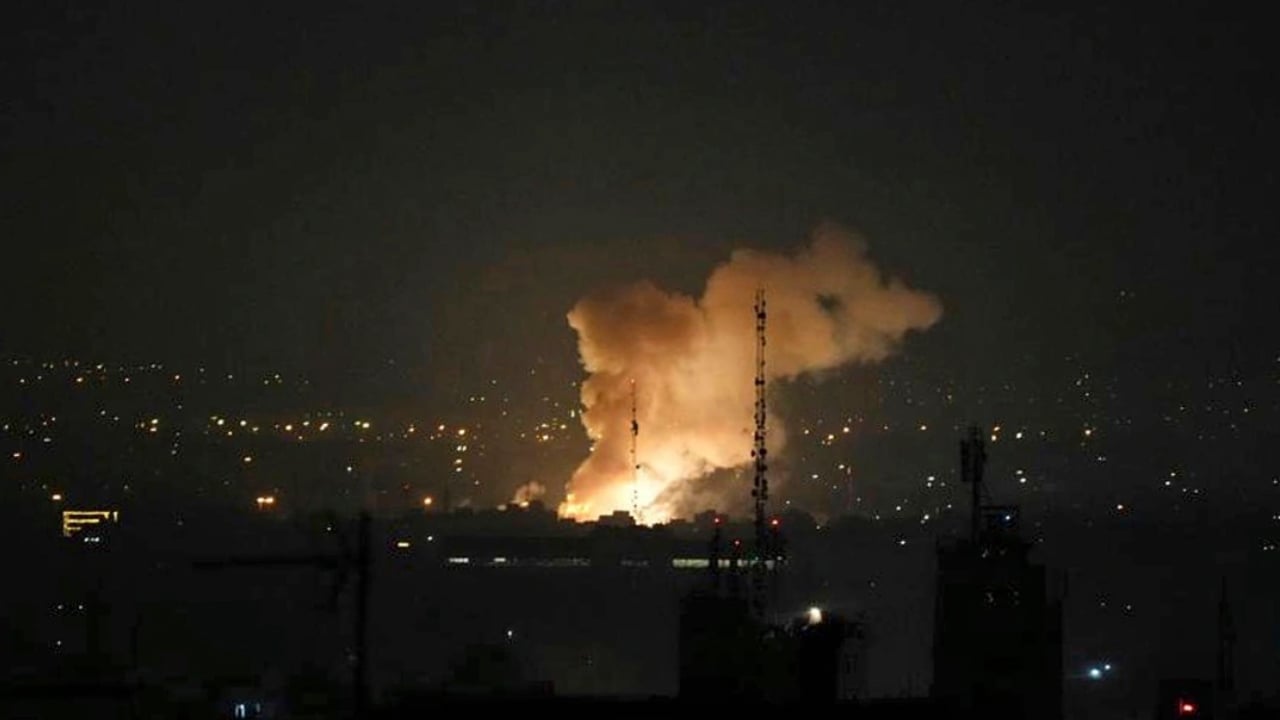
Iran’s Islamic Revolutionary Guard Corps (IRGC) has claimed responsibility for missile and drone attacks targeting Israel and three US military bases in Iraq and Kuwait. In a statement released on March 15, 2026, the IRGC said the strikes caused significant impact in Tel Aviv’s industrial area, citing continuous ambulance sirens and Israeli acknowledgment of casualties as evidence of the attack’s severity. According to the IRGC, the Harir airbase in Erbil, Iraq, and the Ali Al Salem and Arifjan bases in Kuwait, where US forces are stationed, were destroyed by powerful Iranian missiles and drones. The group described the operation as a major retaliatory strike. As of now, neither Israel nor the United States has issued any official comment or confirmation regarding Iran’s claims, leaving the extent of the reported damage and casualties uncertain.
Mahbub Morshed has resigned from his positions as Managing Director and Chief Editor of Bangladesh Sangbad Sangstha (BSS). According to reports, he stepped down a few days ago. As of last night, his name no longer appeared on the BSS website in those roles. Morshed had been appointed to the posts on August 18, 2024, by the interim government for a two-year term. On February 19, 2026, the Ministry of Information and Broadcasting formed a four-member committee to investigate corruption allegations against him. The committee was instructed to submit a full report with recommendations by February 25. The source did not specify the reasons behind his resignation or the findings of the investigation committee.

The ‘1 Nojor’ media platform is now live in beta, inviting users to explore and provide feedback as we continue to refine the experience.