

The ‘1 Nojor’ media platform is now live in beta, inviting users to explore and provide feedback as we continue to refine the experience.
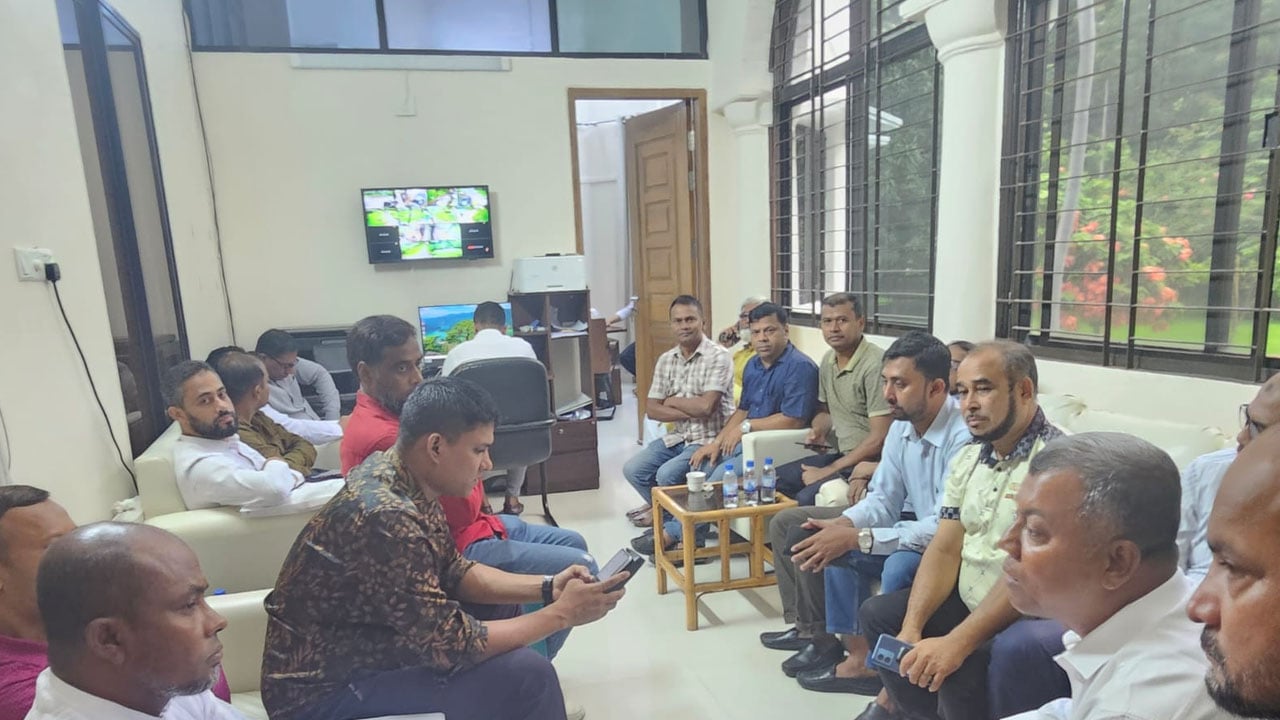
A group of deprived leaders from the Jubo Dal met with Bangladesh Nationalist Party (BNP) Secretary General Mirza Fakhrul Islam Alamgir on Thursday morning at his official residence on Hare Road in Dhaka. During the meeting, they requested arrangements for a direct audience with BNP Chairman and Prime Minister Tarique Rahman to submit a memorandum. According to the report, around 30 to 35 Jubo Dal leaders attended the meeting. Among them were former central and district-level leaders, including Rafiqul Islam Rafiq, Md Humayun Kabir, Sajjad Hossain Ujjal, Zakir Hossain Khan, and several others who previously held various organizational positions within the Jubo Dal and Chhatra Dal. The meeting reflected ongoing internal discussions within the BNP’s youth wing regarding leadership positions and representation, as the deprived leaders sought higher-level engagement to address their concerns.
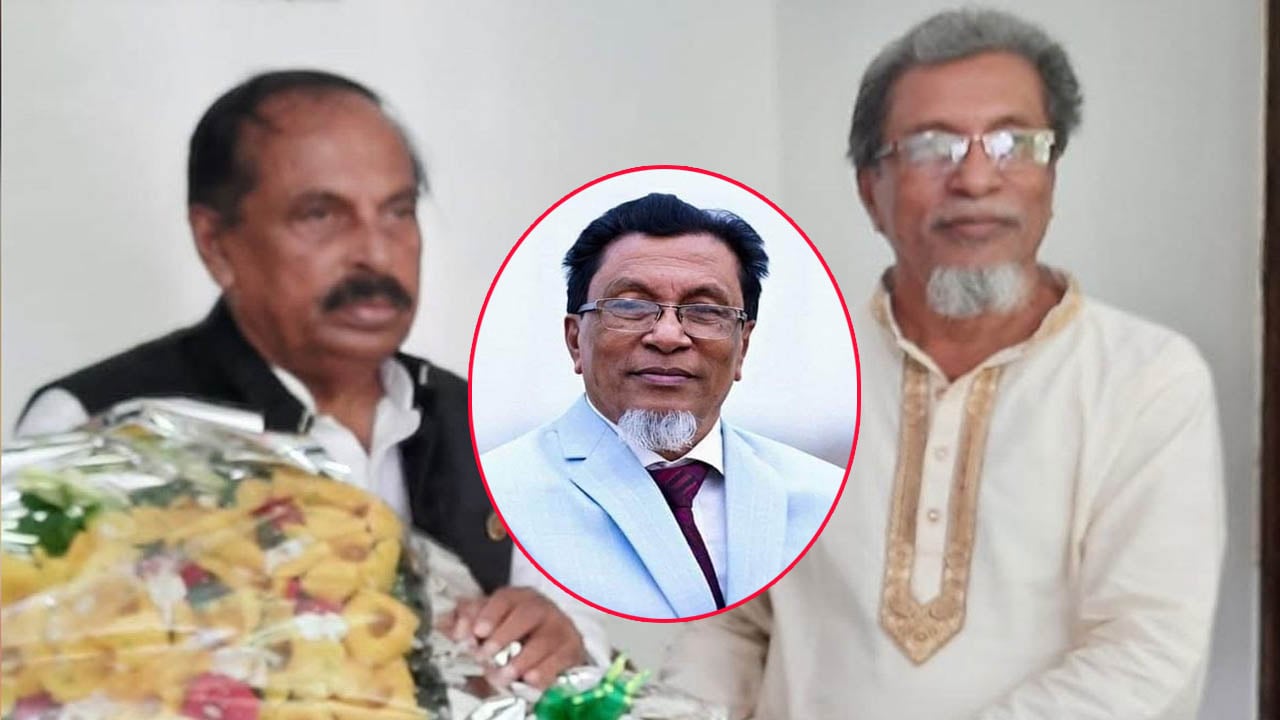
Ali Ahmed Dulu, adviser to the Narsingdi District Awami League and former chairman of Alipura Union Parishad, has announced his resignation from the Awami League to join the Bangladesh Nationalist Party (BNP). He made the declaration on Thursday morning at a press conference held at the Raipura Press Club, stating his intention to remain with the BNP for the rest of his life. Dulu said he had faced political harassment in the past, alleging that Awami League presidium member and former minister Rajiuddin Ahmed Raju was responsible for his repeated political setbacks. He claimed his political journey began with the BNP’s student wing, Chhatra Dal, and that despite his involvement with ruling parties at different times, his ideological alignment had always been with the BNP. He formally joined the BNP on February 2 through Narsingdi district BNP president Khairul Kabir Khokon but had not disclosed it publicly until now. His announcement has sparked widespread discussion on social media. Some locals said Dulu was previously linked with the Jatiya Party before becoming active in Awami League politics after 2009. Dulu, however, maintained that his latest declaration simply clarified his long-held political ideology.
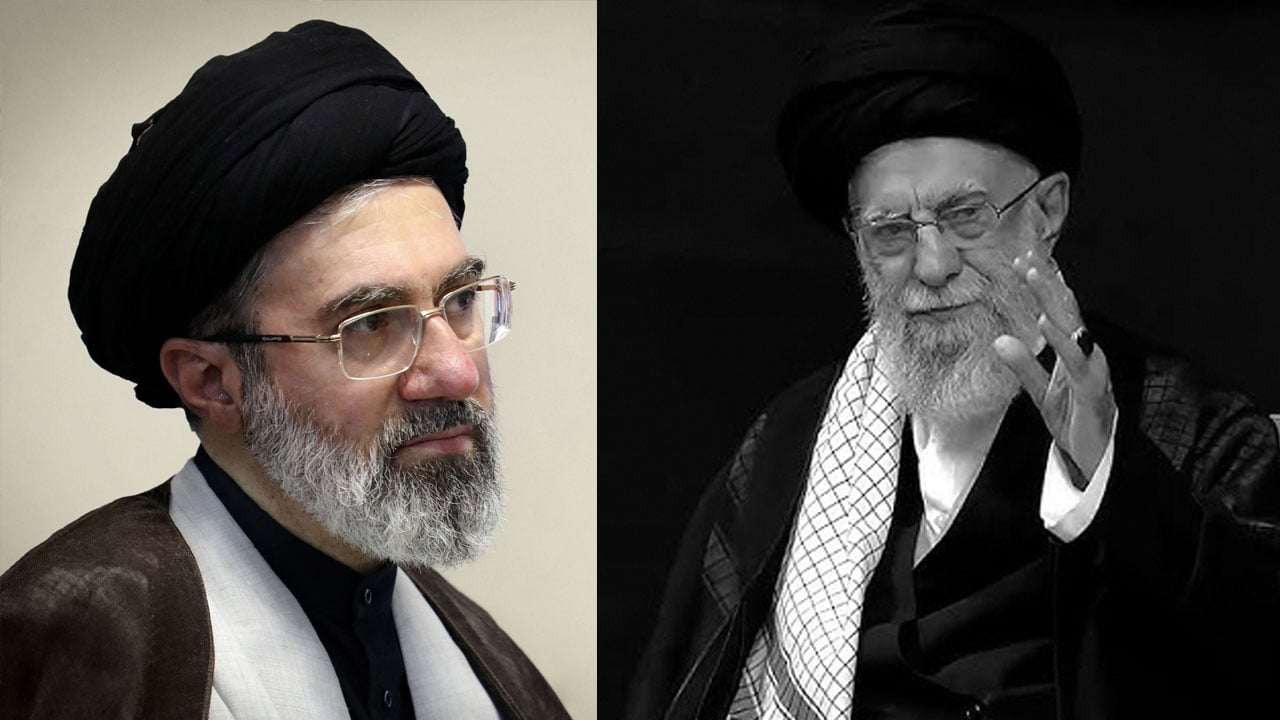
Iran’s representative in India has said that Mojtaba Khamenei, the current Supreme Leader of Iran and son of the late Ayatollah Ali Khamenei, will not attend his father’s funeral and burial ceremonies. The envoy, Ayatollah Hakim Elahi, told India Today that the decision was made for security reasons. He cited ongoing threats from Israel against Iran’s top leadership as the main cause for Mojtaba Khamenei’s absence. The report comes after Israeli Defense Minister Israel Katz made threatening remarks directed at Khamenei. In response, Iran’s foreign minister warned that any future threats would be met with a strong reaction. The funeral and state mourning ceremonies for Ayatollah Ali Khamenei, who was killed on February 28 during the onset of a conflict involving the United States and Israel, are being held over several days in Iran. The situation underscores heightened regional tensions and security concerns surrounding Iran’s leadership during the national mourning period.
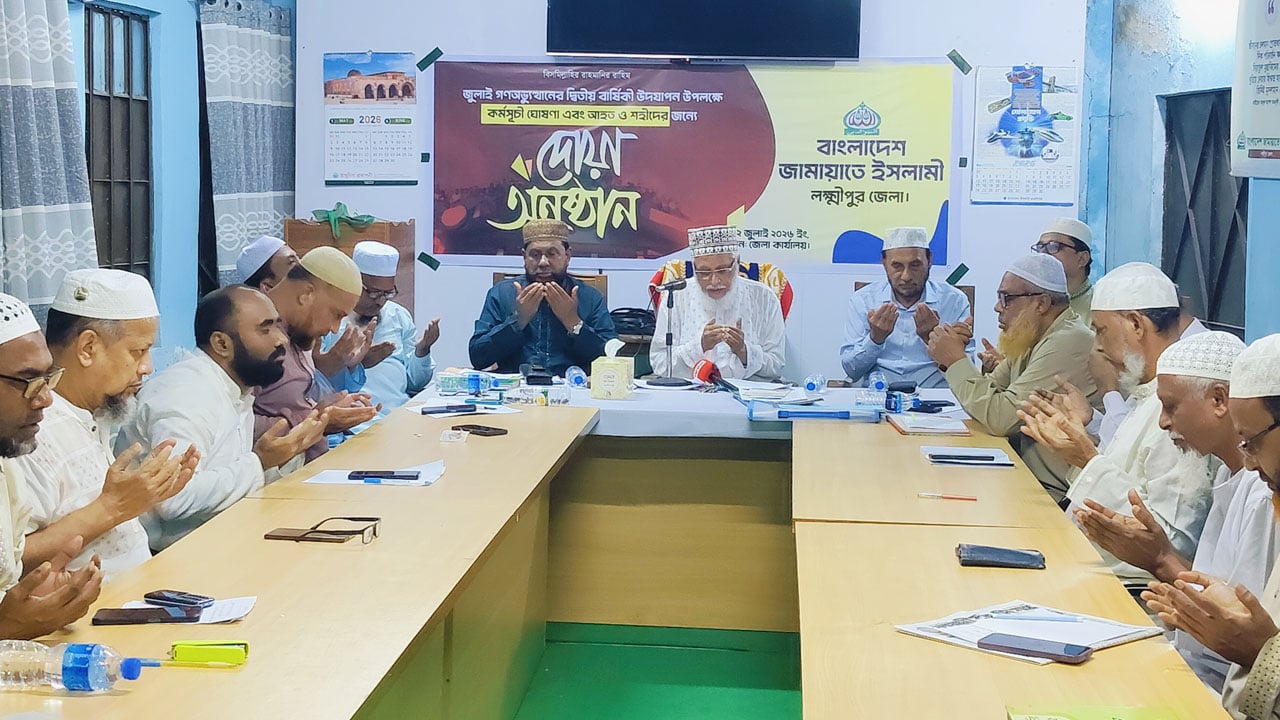
Lakshmipur district Jamaat-e-Islami chief Ruhul Amin Bhuiyan has accused the government of betraying the nation by rejecting a referendum proposal in parliament. He made the remarks on Thursday, July 2, during a meeting at the district Jamaat office marking the second anniversary of the July uprising, where a month-long program and prayer event were announced. Bhuiyan claimed that national leader Begum Khaleda Zia was freed from prison and Tarique Rahman gained the opportunity to return to Bangladesh and become prime minister due to liberation from Indian dominance. However, he alleged that the government’s actions have denied the sacrifices of martyrs, including Abu Sayeed, and amounted to betrayal of more than 1,500 martyrs. The event was attended by district Jamaat leaders including Naib-e-Ameer Advocate Nazir Ahmed, Secretary A.R. Hafiz Ullah, Assistant Secretary Maulana Nasir Uddin Mahmud, Advocate Mohsin Kabir Murad, and other Shura and executive council members. Prayers were offered for the recovery of the injured and for the forgiveness of the martyrs.
Two teachers in Narsingdi have been temporarily withdrawn after an old 2025 question paper was mistakenly distributed during the first day of the 2026 HSC examination. The incident occurred on Thursday in room 201 of Narsingdi Pilot High School center, where students realized about 15 minutes into the exam that they had received the wrong paper. The correct 2026 question paper was later distributed, but no extra time was given, prompting concern among students about their results. The center secretary, Professor Nasima Akter of Narsingdi Government Women’s College, confirmed the incident and described it as regrettable. Assistant Professor Alok Kumar Pal and Associate Professor Subrata Kumar Saha, responsible for receiving and distributing the papers, were withdrawn for negligence. An investigation team led by the Additional Deputy Commissioner (Education and ICT) Md. Raseduzzaman has been assigned to probe the matter. Officials from the district administration and education department stated that CCTV footage and other evidence are being reviewed. Further action will be taken after the investigation report is submitted.
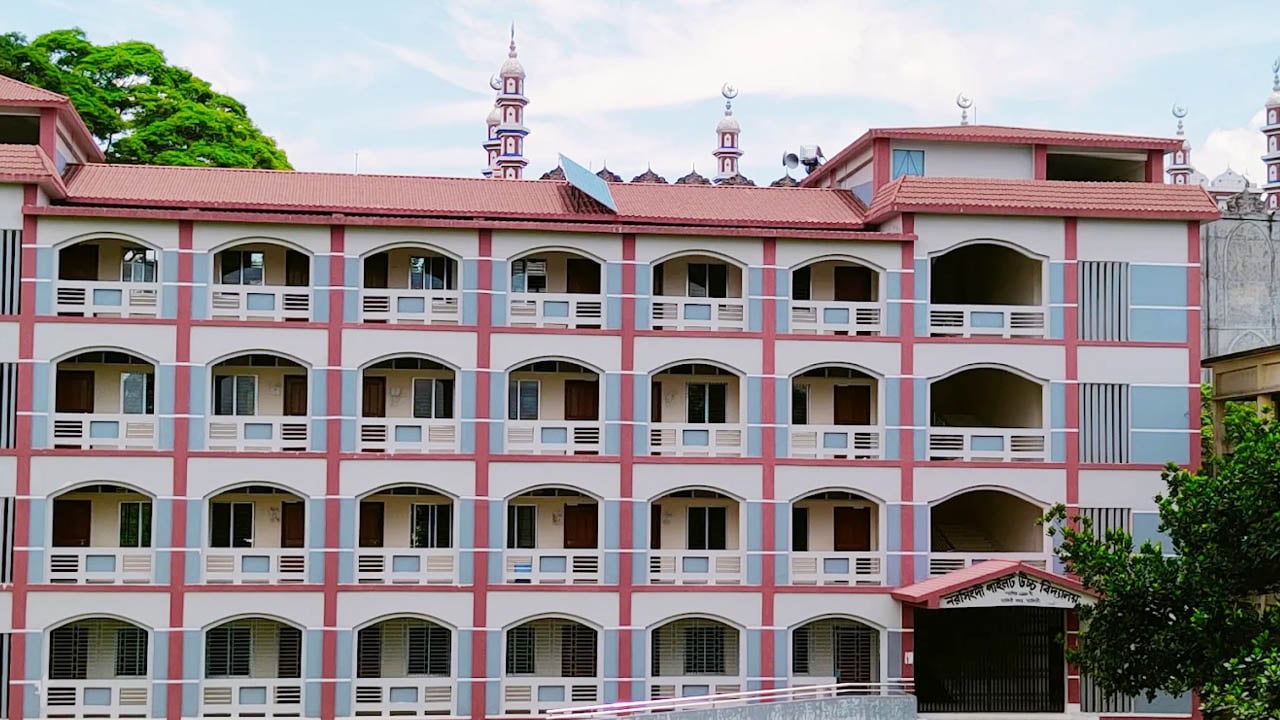
The organization 'July Jote', which works with the goal of establishing an equitable, just, humane, and welfare-oriented state inspired by the spirit of the July uprising, has announced a partial 21-member central executive committee. The committee was approved on Thursday at a meeting held at the organization’s central office in Purana Paltan, Dhaka, through a unanimous decision of its responsible members. According to the organization, the new committee aims to make its activities more dynamic, organized, and expanded across the country. Md. Mabrurul Haque has been appointed president, Jamil Siddiqui general secretary, and Saifullah Tamim senior vice-president, among others. Leaders stated that since its inception, July Jote has been working to uphold Islamic values, national interests, democratic ideals, social justice, and people’s rights. They added that the newly formed council will work to extend organizational activities to the grassroots level in line with current realities and public expectations. The group called on patriotic youth, students, scholars, intellectuals, and conscious citizens to join the movement for a prosperous, just, and welfare-oriented Bangladesh.

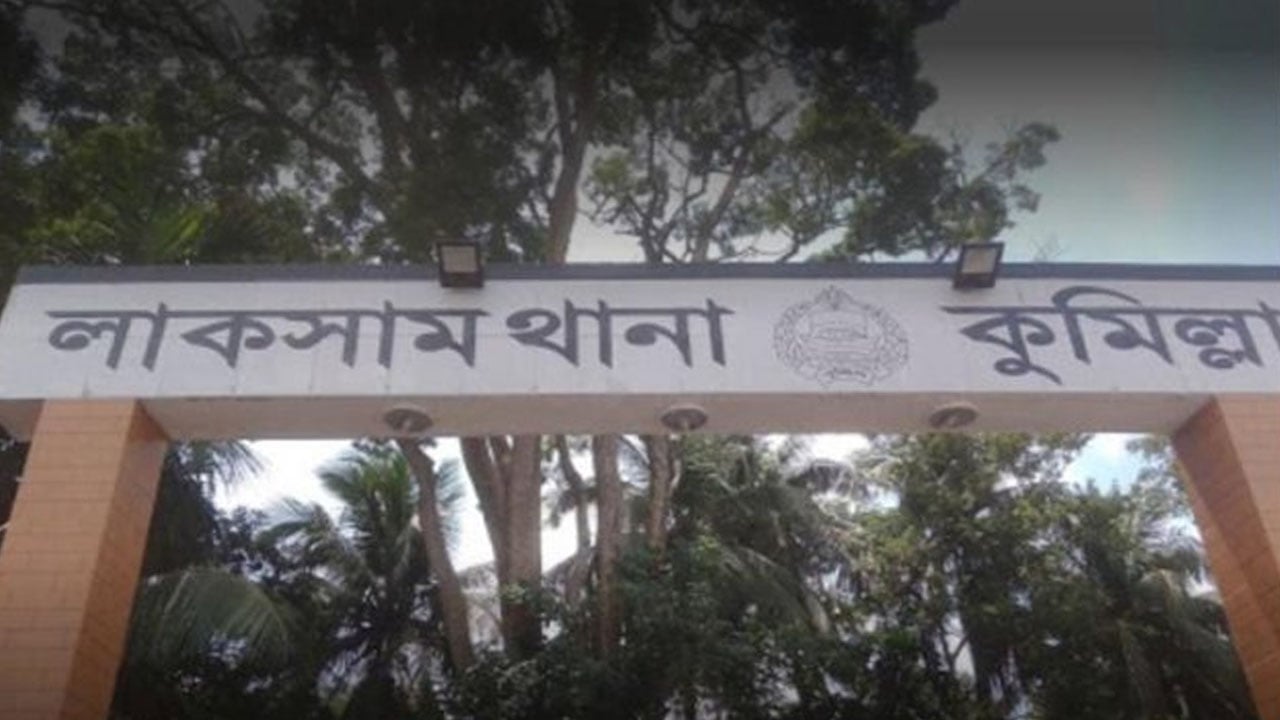
An HSC examinee named Minhajul Islam Siam, who was abducted from the Laksam railway junction area in Cumilla, was returned 13 hours later. The abductors left him by the roadside in Laksam municipality early Thursday morning, July 2. Police rescued him and admitted him to a local hospital, where he remains under treatment and police custody. According to family sources, Siam, a student of Lalmayi Government College and son of Khorshed Alam from Sameshpur village, went to the railway junction for evening prayers on July 1. A group of youths allegedly made him unconscious with sedatives and took him away in a vehicle. Following a complaint by his father, police launched a special operation led by Officer-in-Charge Kamrun Nahar Laily, conducting raids in Dhaka and nearby areas using technology. The abductors released Siam after sensing police pressure. Police said they are investigating whether the incident was an abduction or another type of crime. Preliminary suspicion suggests the motive might have been to prevent Siam from taking his HSC examination.
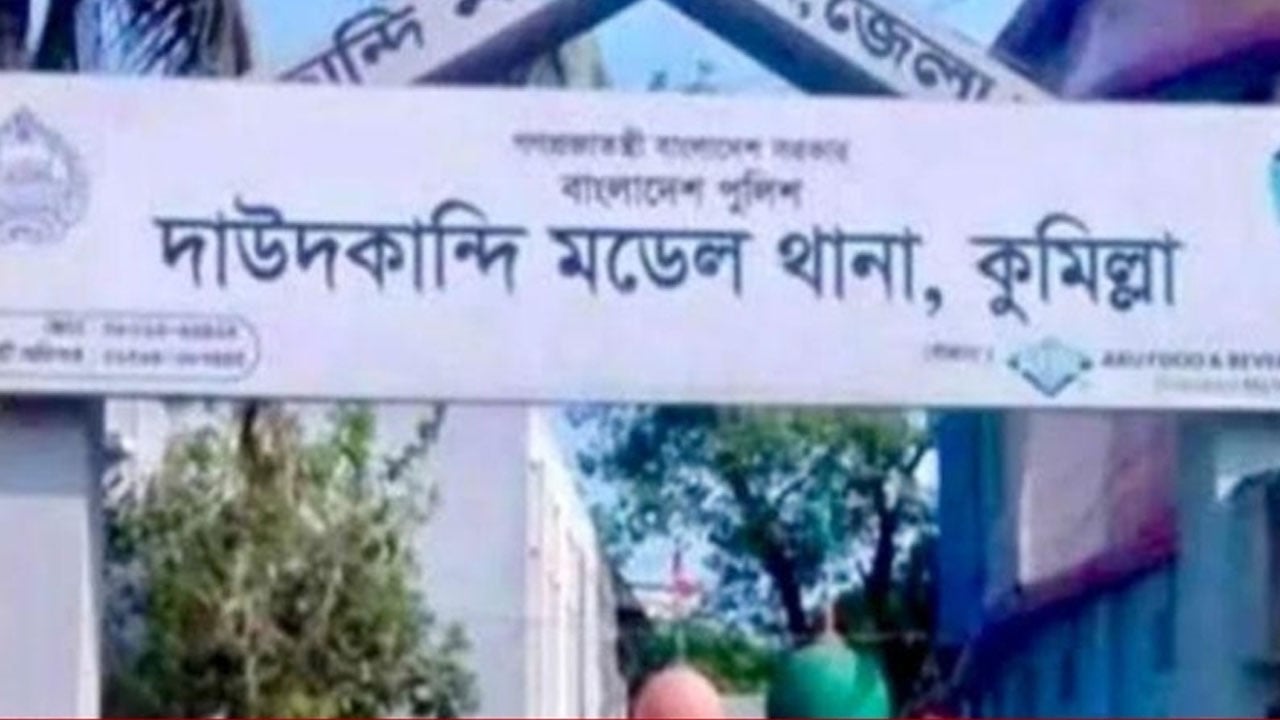
Two police officers from Daudkandi in Cumilla have been withdrawn following a drug scandal. On Thursday, July 2, Sub-Inspector Md. Imam Uddin and Assistant Sub-Inspector Hafizur Rahman left their posts after being ordered to stand down by higher authorities the previous night. Earlier, the station’s Officer-in-Charge, M.A. Bariq, had also been withdrawn in connection with the same incident, confirmed Inspector Shamsul Alam. According to the report, on June 27, police recovered 160 kilograms of cannabis from a covered van near the Daudkandi toll plaza on the Dhaka–Chattogram highway. The two officers on night duty allegedly sold the seized drugs to three traders and released the van after taking 30,000 taka. Both officers have denied the allegations. The investigation is being handled under the direction of senior police officials. The withdrawal of the officers follows growing scrutiny over the handling of the drug seizure, and further departmental actions may depend on the outcome of the ongoing inquiry.
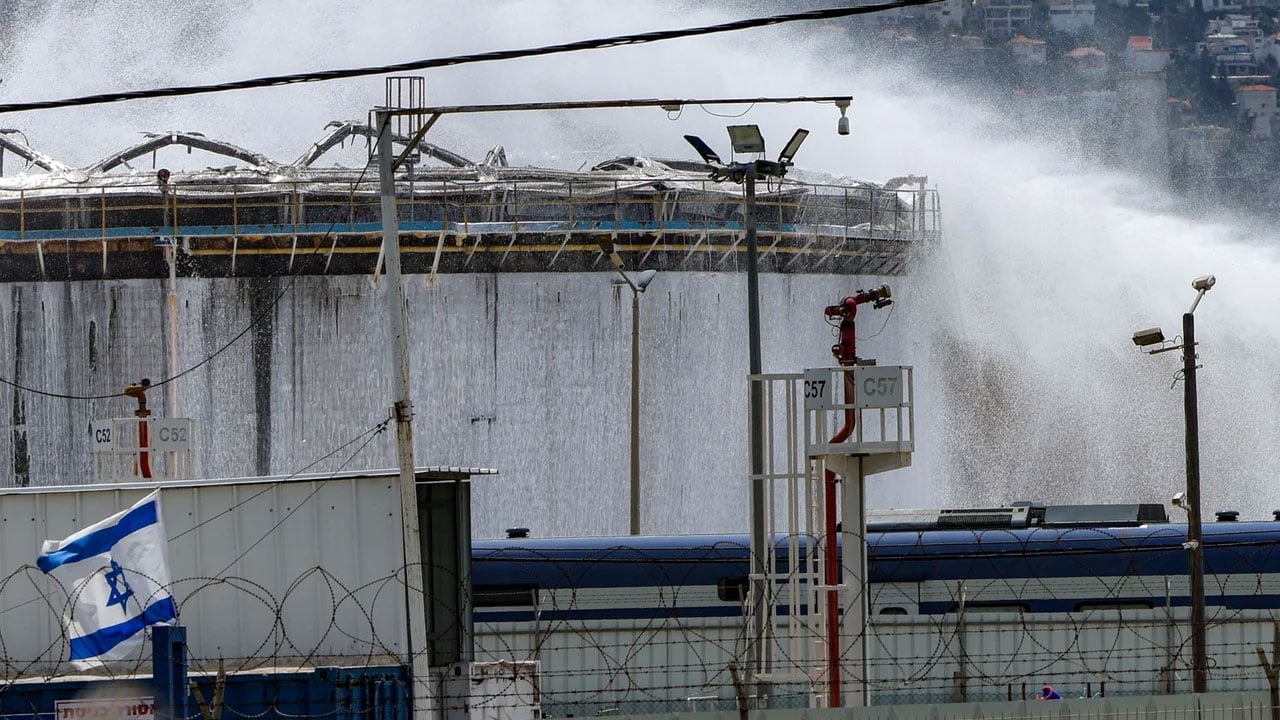
Israel’s largest oil refinery in Haifa Bay suffered extensive damage during recent missile attacks by Iran amid the conflict involving the United States, Israel, and Iran. Although Israeli authorities initially attempted to downplay the extent of the damage, new reports indicate that the destruction is far greater than previously acknowledged. Reconstruction of the facility is expected to be completed by 2028, according to Israeli media. Channel 12 News reported that two separate Iranian attacks earlier this year caused severe damage to the refinery, contradicting earlier claims by Energy Minister Eli Cohen and the operating company Bazan that the impact was minor. A government report cited by Yeshiva World revealed major damage to gas turbines, steam boilers, electrical rooms, and other support systems. The Interior Ministry has already approved large-scale reconstruction work at the site. The Bazan refinery is a key strategic industrial facility for Israel, supplying oil for industry, agriculture, infrastructure, and domestic use. The full extent of damage from Iranian missile strikes in recent years remains obscured under strict military censorship.
The High Court has concluded the hearing on the rule regarding the validity of BNP candidate Sarwar Alamgir’s nomination for the Chattogram-2 constituency in the 13th National Parliamentary Election. After the hearing on Thursday, the bench of Justice Fahmida Kader and Justice Md Asif Hasan set July 9 for the verdict. Senior lawyers Ahsanul Karim and Barrister A.M. Mahbub Uddin Khokon represented the petitioner, while senior lawyer Shishir Monir and lawyer Azim Uddin Patwari appeared for Jamaat candidate Nurul Amin. Earlier, the Election Commission had canceled Sarwar Alamgir’s candidacy over loan default allegations, but the High Court suspended that order and allowed him to contest. Nurul Amin later filed a leave-to-appeal with the Appellate Division, which was granted on February 3. Although Alamgir contested and won the February 12 election, the result was withheld pending the appeal’s resolution. Following the Appellate Division’s June 16 directive, the High Court was instructed to dispose of the rule within two weeks. Until the rule is resolved, the February 3 order remains effective, keeping the publication of Alamgir’s election result suspended.
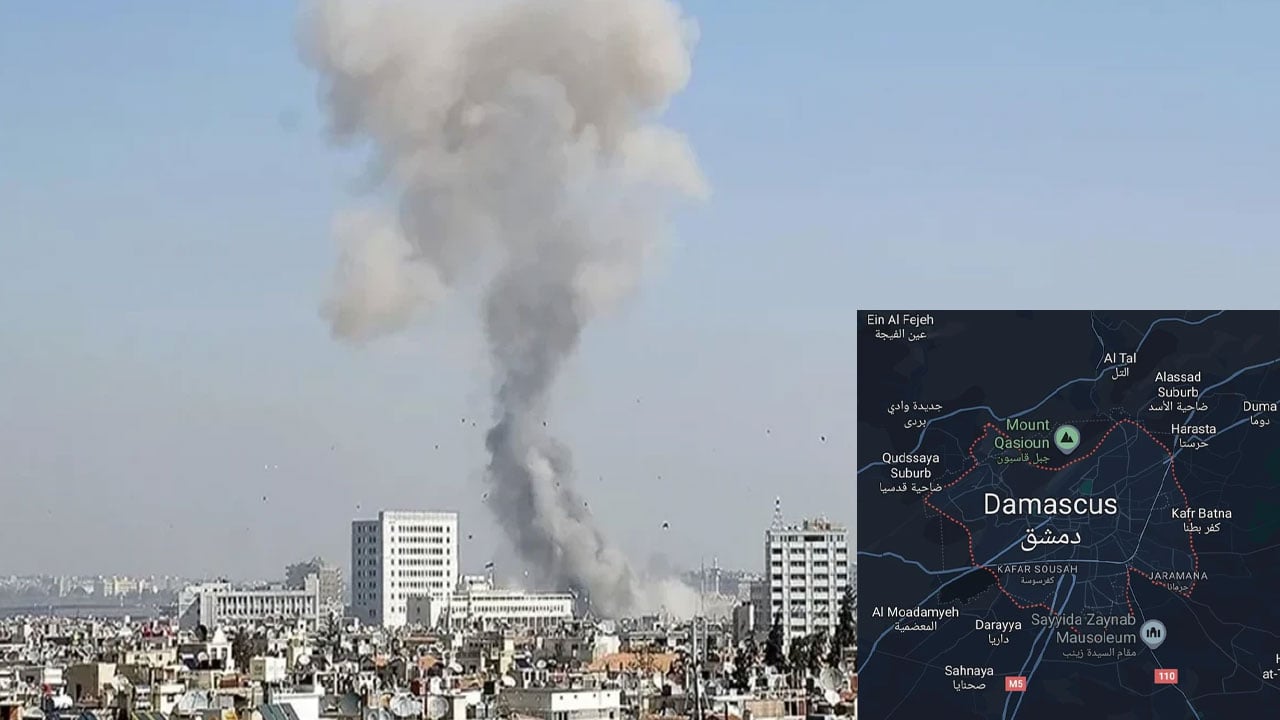
At least five people were killed and sixteen others injured in a bomb explosion at a café in Damascus, the capital of Syria. The incident occurred on Thursday near the Justice Palace on Al-Nasr Street, according to the country’s health ministry as reported by state television Al-Ikhbariya. Reports said explosives had been planted inside the café before the blast. Following the explosion, security forces cordoned off the area and launched an investigation to determine who was behind the attack. Authorities have not yet identified any suspects, and the investigation is ongoing to uncover the motive and perpetrators of the bombing.
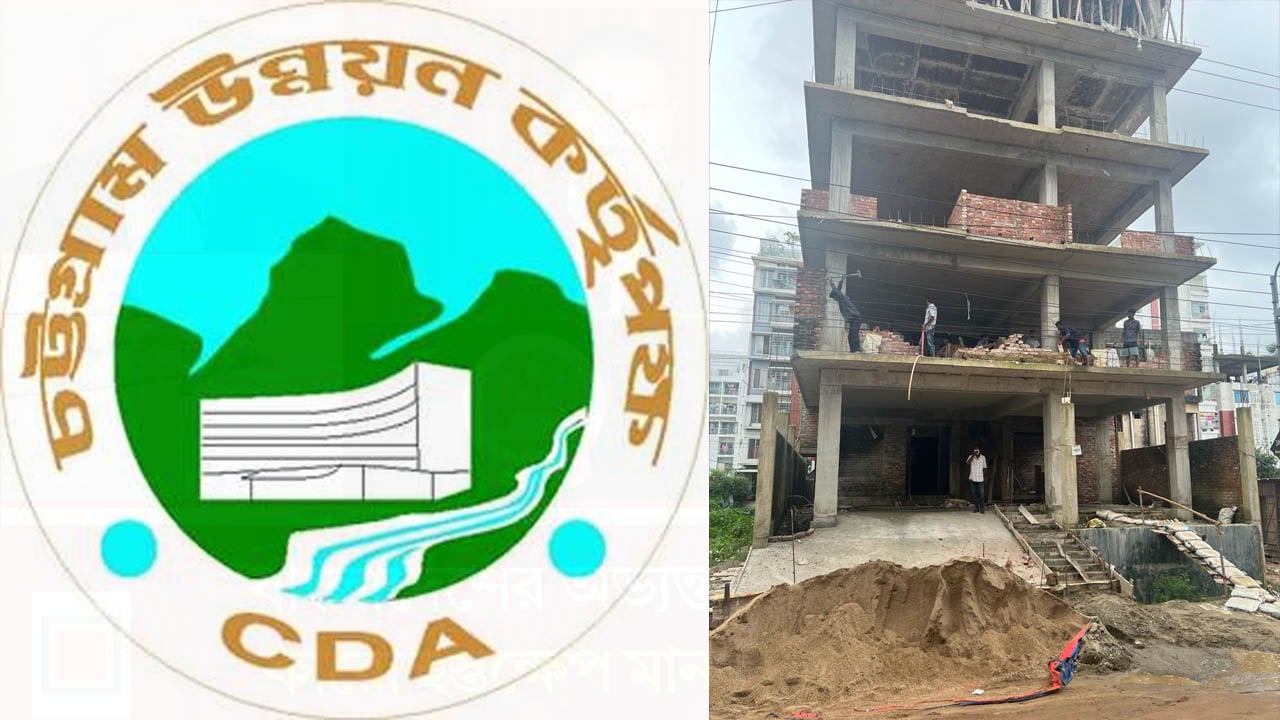
The Chattogram Development Authority (CDA) carried out a special drive on Thursday morning against buildings under construction that violated approved designs and building codes in Chattogram city. The operation took place from 11:30 a.m. to noon in the Kalpalok Residential Area and on KB Aman Ali Road. CDA officials found that several building owners were constructing structures without maintaining the mandatory setbacks and in breach of approved plans. The drive was led by CDA’s Special Metropolitan Magistrate Hamimun Tanzin. During the operation, unauthorized portions of five under-construction buildings were demolished, and the respective owners were fined. One building was sealed as its owner was not present at the site. Additionally, another building on KB Aman Ali Road was inspected, and necessary measures were taken to ensure compliance with design and building code requirements. The CDA stated that legal action was taken against the irregular constructions to enforce urban planning regulations and maintain safety standards in the city.
A Dhaka court has sentenced Fatema Begum, also known as Shilpi, to death for killing her husband and dismembering his body into six parts in the capital’s Mohakhali area five years ago. The verdict was delivered on Thursday afternoon by Dhaka’s 16th Additional Metropolitan Sessions Judge Nazmun Nahar Nipu. The court also imposed a seven-year prison term, a fine of 10,000 taka, and an additional three months of imprisonment for concealing the body. According to the case details, on May 30, 2021, police recovered a headless body from a drum in Mohakhali’s Amtoli area and later found the victim’s severed limbs in separate locations. Fatema was arrested within 12 hours of the discovery. She confessed to killing her husband, Moyna Mia alias Shakil, following disputes over money and his multiple marriages. Fatema drugged him, slit his throat, and disposed of the body parts across different areas using a rented rickshaw. The case was filed by Moyna Mia’s second wife, Nasrin. After investigation by the Detective Branch, a charge sheet was submitted in October 2022, and the trial began in March 2023, during which 17 of 26 witnesses testified.
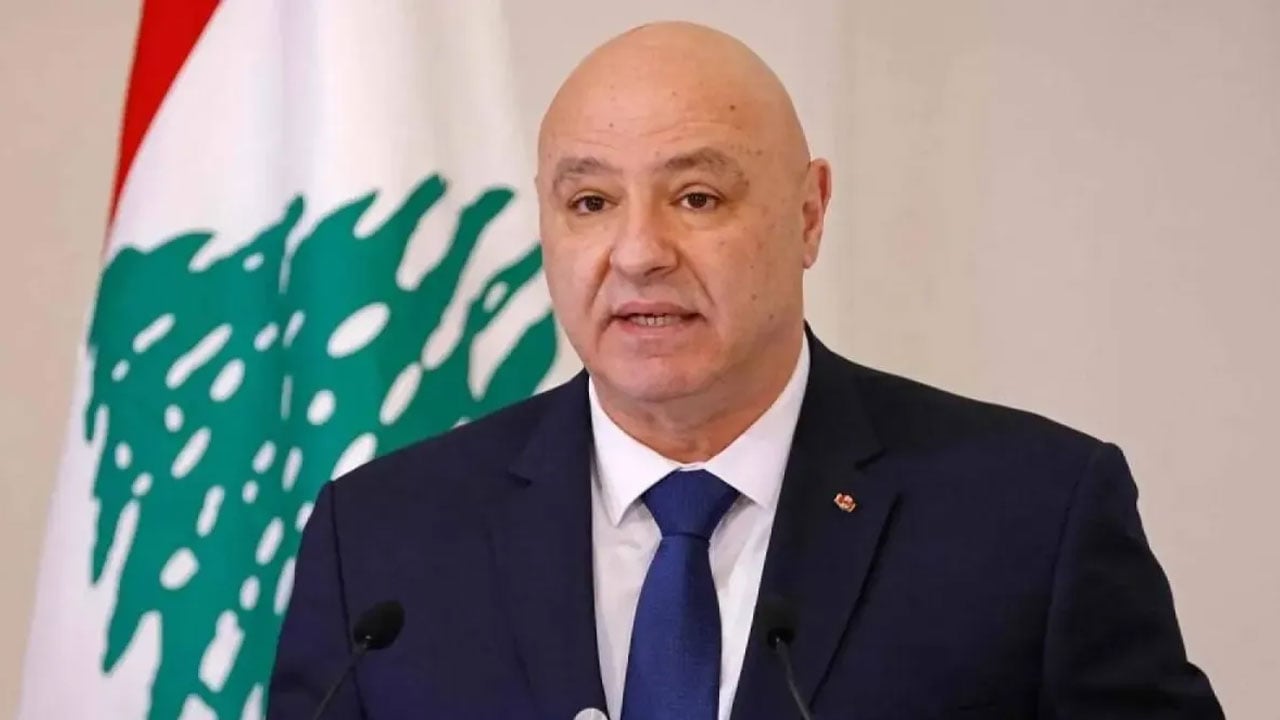
Lebanese President Joseph Aoun declared that Lebanon will not surrender even an inch of its territory to Israel, emphasizing that the government’s ongoing discussions with Israel do not amount to surrender or betrayal. His statement was released by the presidential office on Thursday, according to Al Jazeera. Aoun said it is time for Lebanon to move beyond the era of war and subjugation, noting that most Lebanese people, especially those in the southern region, support this path toward dignity and security. The government has recently faced criticism from those who believe that the current agreement with Israel compromises Lebanon’s sovereignty and territorial integrity. Rejecting these allegations, Aoun asserted that the structural terms of the understanding do not conflict with Lebanon’s rights or fundamental principles but instead aim to ensure their full protection. He added that those who respect the principle of sovereignty should also respect the state’s decisions in this context.
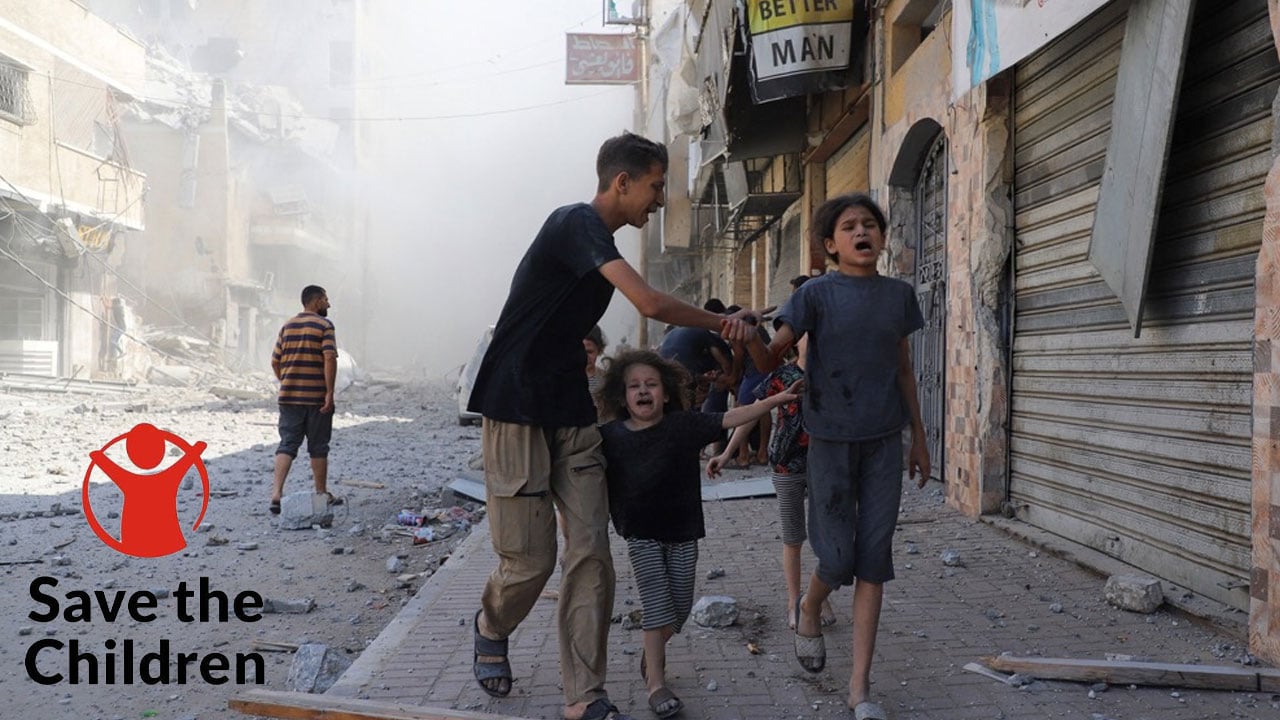
Save the Children has confirmed that at least 21,000 children have died in Gaza during 1,000 days of war, according to a report cited by Turkey-based TRT World on Thursday. The organization said hundreds of thousands more children have been displaced and deprived of education. Despite losing homes, schools, and a sense of safety, many children continue to hope for peace. Ahmad Alhendawi, the organization’s regional director for the Middle East, North Africa, and Eastern Europe, stated that the world has failed to protect one million children in Gaza over the past 1,000 days by not intervening to stop killings and injuries. Save the Children reported that about 80 percent of Gaza’s children—over 800,000—are displaced, and 625,000 school-age children have been out of formal education for three years. The group called for an immediate and permanent ceasefire, accountability for crimes against children, and a halt to arms supplies to Israel. It noted that despite a ceasefire declared in October 2025, Israeli attacks have continued, leaving more than 73,000 people dead and Gaza largely in ruins.
The ‘1 Nojor’ media platform is now live in beta, inviting users to explore and provide feedback as we continue to refine the experience.