

The ‘1 Nojor’ media platform is now live in beta, inviting users to explore and provide feedback as we continue to refine the experience.
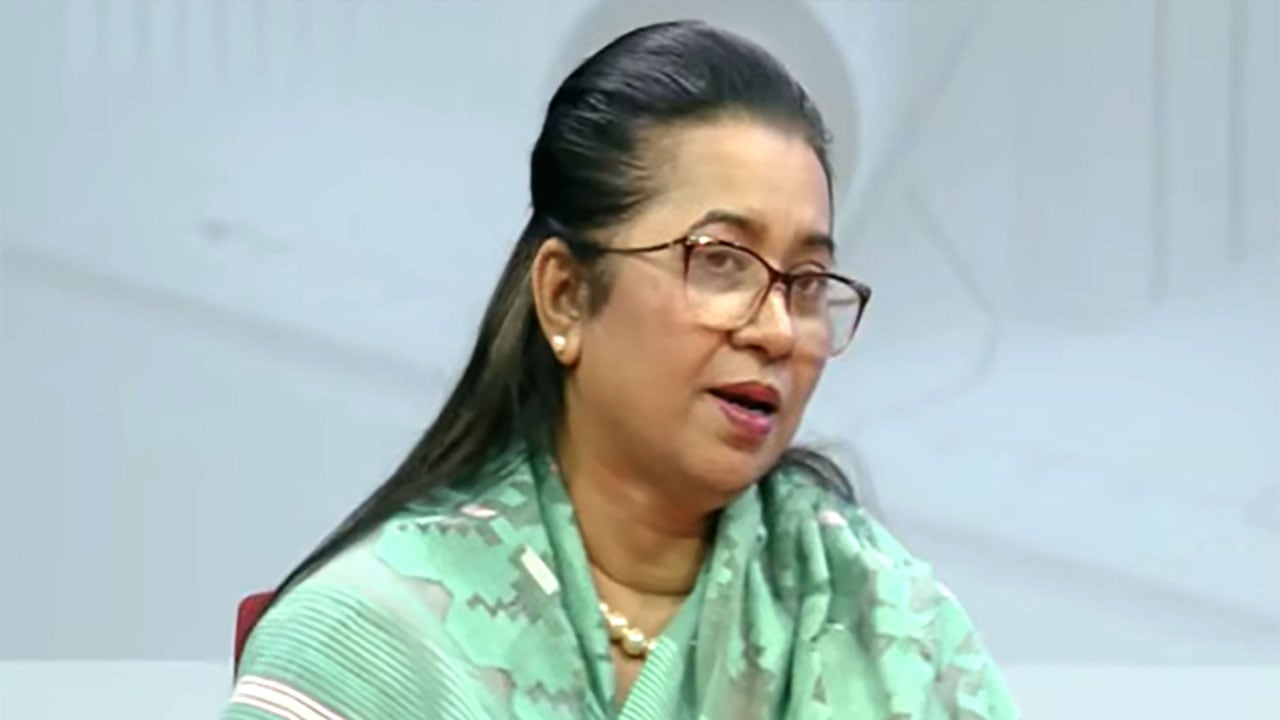
BNP’s Self-Reliance Affairs Deputy Secretary and reserved-seat MP Nilufar Chowdhury Moni has come under sharp criticism for her recent comments about the July Revolution. During a television talk show, she questioned the leadership of the movement and raised doubts about the nature of the killings, suggesting the use of snipers and hinting at a possible design behind the events. She stated that she could not disclose everything, implying that some individuals involved might be exposed if she did. Nilufar also claimed that no one knew who fired the shots, adding that the bullets might have come from nearby buildings rather than police forces. Her remarks followed earlier controversy when she referred to slain Inquilab Mancha spokesperson Sharif Osman Bin Hadi as a “guinea pig,” which had already sparked outrage on social media. The new comments reignited criticism from within her own party. Jatiyatabadi Chhatra Dal President Rakibul Islam Rakib publicly condemned her statements, expressing deep disappointment and rejecting her remarks. He urged Nilufar to show restraint and respect when speaking about the July–August uprising.
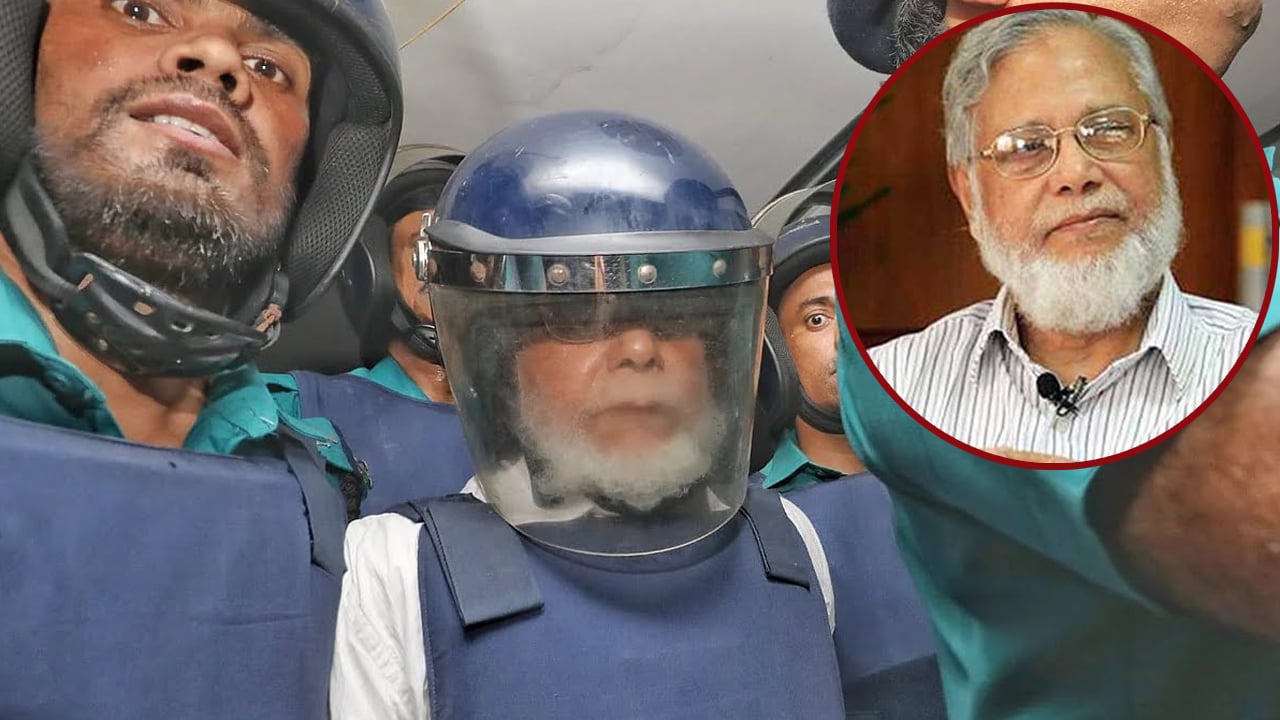
Police have sought to show former Chief Justice A B M Khairul Haque as arrested in a case filed under the Explosives Act and for attempted murder at Banani Police Station. The application was submitted on Thursday by Sub-Inspector Saiful Islam, the investigating officer of the case. The Additional Chief Metropolitan Magistrate of Dhaka has set July 6 for a hearing on the matter in the presence of the accused. Khairul Haque was previously arrested from his Dhanmondi residence on July 24 last year and has remained in custody since then. The High Court had earlier directed that he not be shown arrested or harassed without specific charges. He has received bail in several cases, including those related to the July uprising and other criminal allegations, though the state has appealed to suspend some of those orders. Despite being granted bail in multiple cases, the police have now sought to show him arrested in a new case under the Explosives Act, adding to the ongoing legal proceedings against the former chief justice.
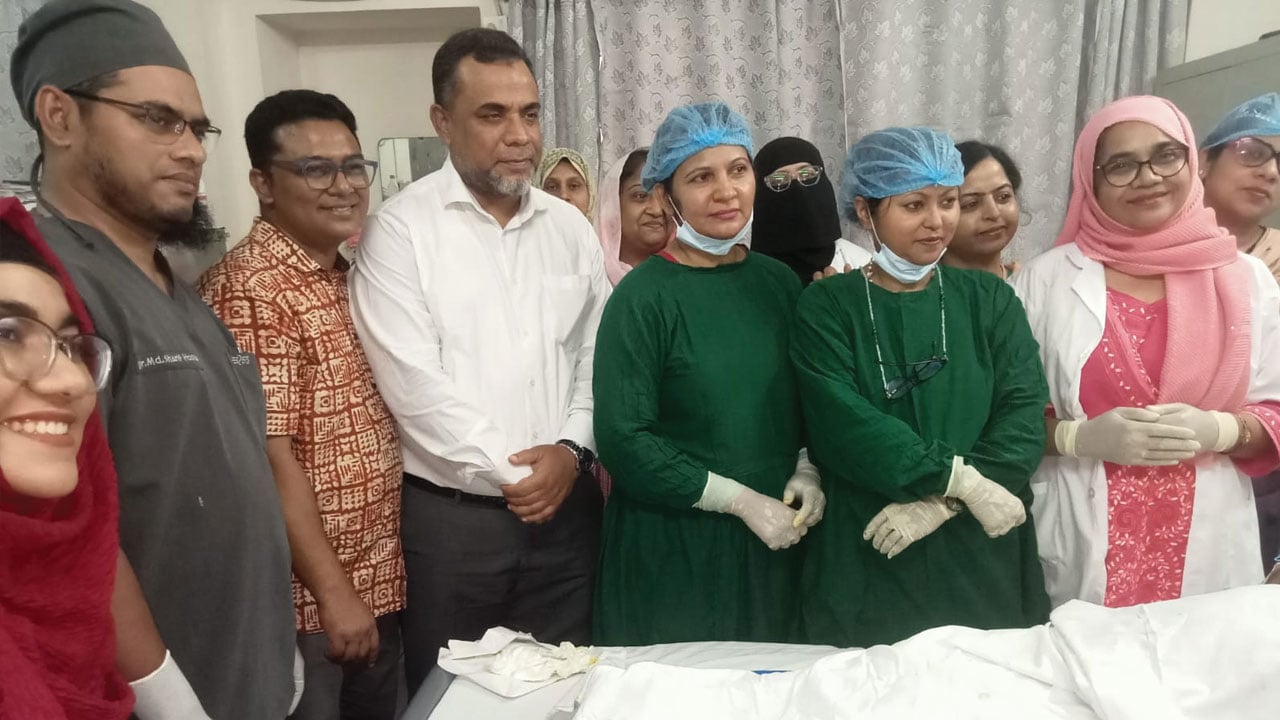
For the first time in Bangladesh, doctors at Shaheed Suhrawardy Medical College Hospital in Dhaka have successfully performed an intrauterine fetal blood transfusion on an unborn baby. The complex procedure was completed last Tuesday at the hospital’s specialized maternal and fetal medicine unit. It was carried out to save the life of a fetus suffering from severe anemia caused by blood group incompatibility, with blood safely transfused into the umbilical vessel under ultrasound guidance. The medical team was led by Dr. Khondoker Shehnila Tasmin, head of the Feto-Maternal Medicine Unit, with support from senior professors across obstetrics, pediatrics, anesthesiology, hematology, and transfusion medicine departments. Hospital authorities said this success will enable pregnant women with similar complications to receive advanced treatment at public hospitals in the future. According to the doctors, intrauterine transfusion is a highly advanced procedure that can significantly reduce fetal death risk and extend pregnancy duration when performed timely. The hospital plans to further expand prenatal diagnostic and treatment services to ensure the highest quality care for mothers and unborn children.
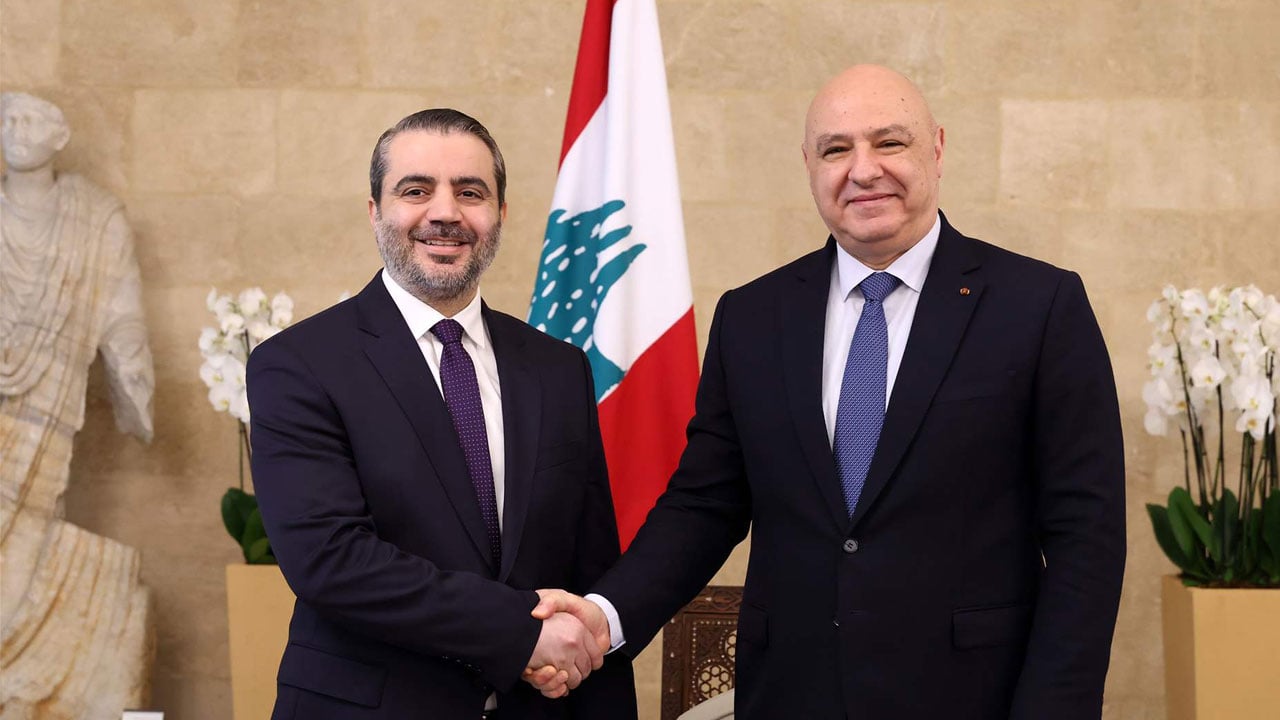
Lebanon and Syria have signed an agreement pledging mutual respect for each other's sovereignty and a commitment not to interfere in internal affairs. The accord was signed in Beirut on Thursday in the presence of Lebanese Prime Minister Nawaf Salam, Syrian Foreign Minister Asad al-Shaibani, and delegations from both countries, according to Al Jazeera. Lebanon’s state news agency reported that the agreement emphasizes respect for sovereignty, independence, national unity, and territorial integrity of both nations. It also highlights equality between the two sides and adherence to the principle of non-interference in domestic matters. The understanding comes at a time when both Lebanon and Syria are facing Israeli military attacks and occupation operations. The two neighboring countries are also dealing with heightened security challenges along their shared border and broader regional instability.
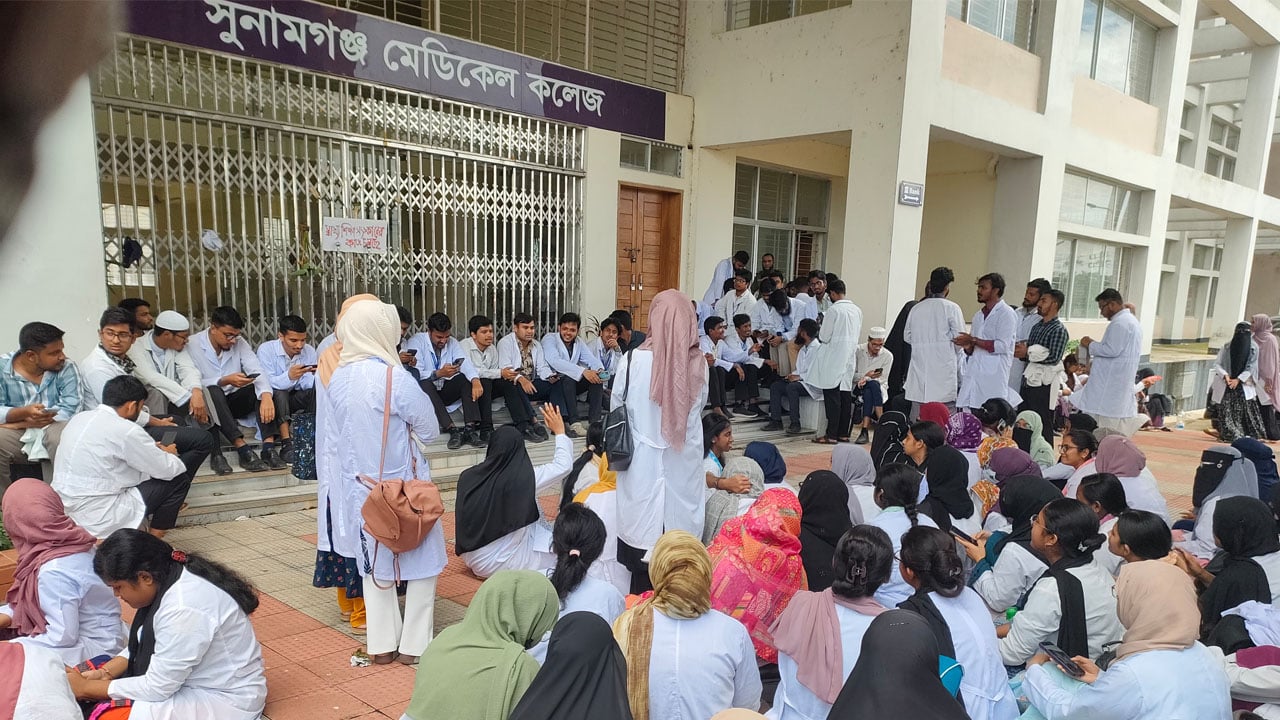
Students of Sunamganj Medical College continued their protest for the twelfth consecutive day on Thursday, locking the principal and teachers inside the academic building. They demanded immediate activation of the college hospital, recruitment of sufficient teachers, and an urgent meeting with the Health and Family Welfare Minister. The students said they had been protesting since 2025 but classes continued without the hospital being operational, making their education ineffective. They accused the administration of failing to arrange meetings with the ministry and of ignoring their concerns. Principal Mostak Ahmed Bhuiyan stated that the students’ two main demands—hospital activation and teacher recruitment—were accepted in a recent Health Ministry meeting. According to him, outpatient services would begin within one and a half months, indoor services in October, and full hospital operations by December. However, the students rejected this roadmap and continued their protest, saying they no longer trusted verbal assurances. The principal criticized the act of locking teachers, calling it inappropriate despite the ministry’s commitment to their demands.
The European Union’s top court has upheld a €4.1 billion antitrust fine against Google, rejecting the company’s appeal in a long-running legal battle. The ruling, delivered on Thursday, confirmed that Google and its parent company Alphabet misused their dominant position in the Android operating system to promote Google Search unfairly. The decision marks a significant setback for the U.S. technology giant after years of litigation. The case originated in 2018 when the European Commission accused Google of anti-competitive behavior by requiring smartphone manufacturers to pre-install Google Search and Chrome through licensing and pre-installation agreements. The Commission initially imposed a €4.34 billion fine, later reduced by a lower court to €4.125 billion while maintaining the core finding of abuse of dominance. In its final judgment, the EU Court of Justice stated that the lower court had not misinterpreted the law. It found that Google’s pre-installation and anti-fragmentation agreements restricted competition and hindered new market entrants. The court also dismissed Google’s argument that its market position resulted solely from user preference or product quality.

Cloudflare announced a new policy requiring AI companies to separate web crawlers used for traditional search from those used for AI agents and training. Beginning September 15, 2026, the company’s default settings will block “mixed-use” crawlers from accessing pages that host ads unless site owners change their configurations. The update will apply to new Cloudflare customers, new sites created by existing customers, and all existing free users. Cloudflare said the change aims to protect publishers’ intellectual property while maintaining discoverability through search. The company highlighted that the world’s largest search engine currently has access to roughly twice as much information as other AI firms because it ties search visibility to AI use. Cloudflare’s CEO Matthew Prince said the policy responds to a shift where bots now generate most internet traffic, emphasizing the need for a sustainable ecosystem. The company also introduced new tools and partnerships to give publishers more control and commercial opportunities in the AI era. Cloudflare’s “Pay Per Crawl” marketplace is evolving into a “Pay Per Use” model, enabling publishers to charge AI companies when their content creates value. Initial partners include Ceramic.ai and You.com, which will compensate publishers when their content appears in AI search results or premium access.

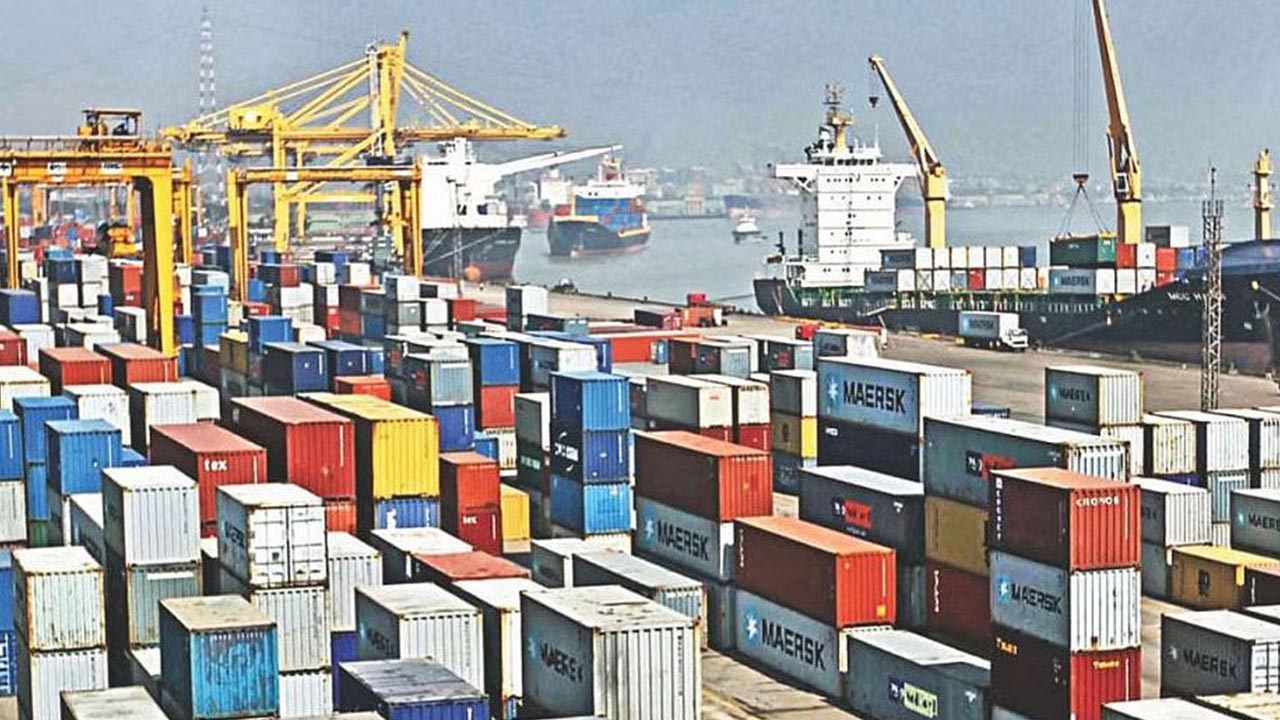
Bangladesh’s export earnings rose by 25.91 percent in June 2026 compared with the same month a year earlier, according to a provisional report released by the Export Promotion Bureau (EPB) on Thursday. The country earned 4.20 billion US dollars from merchandise exports in June, up from 3.33 billion dollars in June 2025. The strong monthly growth was driven mainly by the ready-made garment sector, which earned 3.38 billion dollars, marking a 21.52 percent increase year-on-year. Within the apparel segment, knitwear exports rose 19.49 percent to 1.84 billion dollars, while woven garments grew 24.2 percent to 1.55 billion dollars. Other sectors also performed strongly: home textiles rose 59.95 percent to 75.1 million dollars, leather and leather goods increased 47.68 percent to 128.8 million dollars, and agricultural products climbed 46.77 percent to 89.6 million dollars. Despite June’s robust performance, total export earnings for the 2025–26 fiscal year fell 0.58 percent from the previous year to 48.00 billion dollars. EPB data suggest that while the June surge offers optimism for the new fiscal year, exporters face ongoing challenges from global demand uncertainty, geopolitical instability, and rising competition.
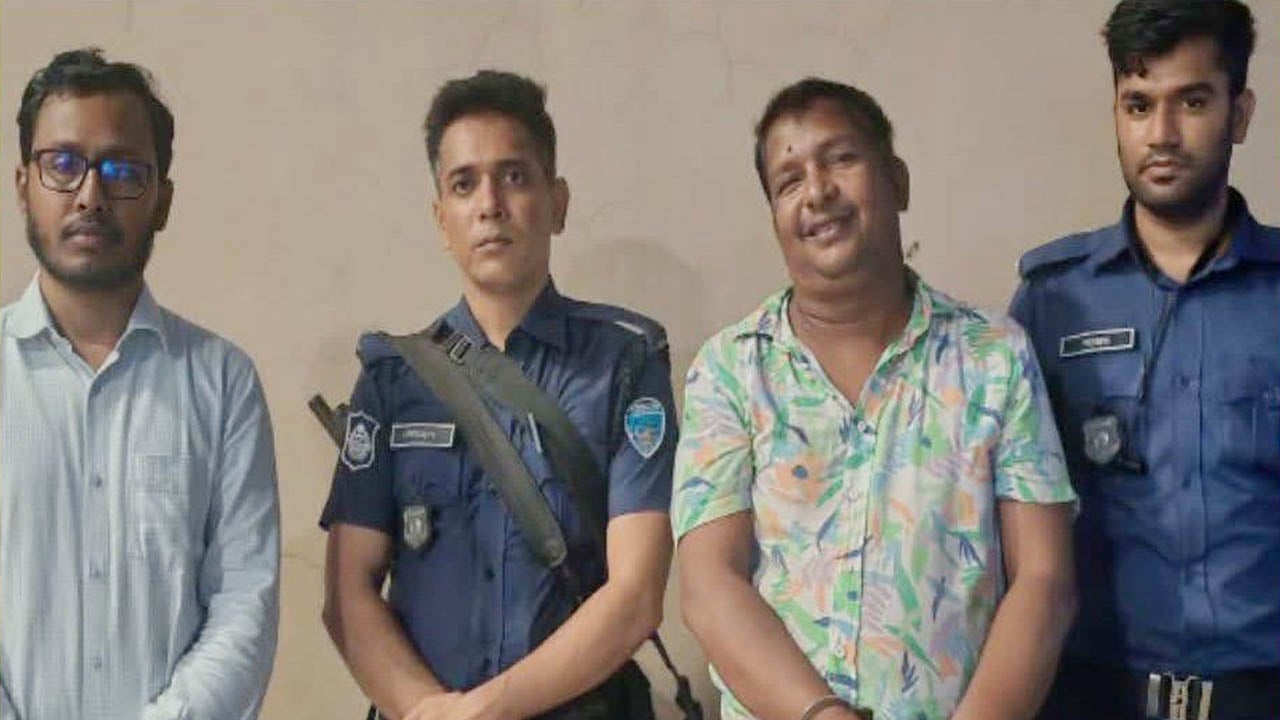
A mobile court in Banshkhali upazila of Chattogram sentenced a man to one year of imprisonment for assaulting his elderly mother while intoxicated. The incident occurred on Thursday night in the Bailgaon Noyadighi Par area of Sadhanpur Union. Acting on information, police from the Ramdas Munshirhat outpost assisted in the operation that led to the arrest of 44-year-old Md. Kamal Uddin. The mobile court, led by Assistant Commissioner (Land) and Executive Magistrate Md. Omar Sani Akon, handed down the sentence immediately after his detention. According to local reports, Kamal Uddin had been abusing his elderly mother and other family members for a long time under the influence of alcohol. Following complaints from residents, the administration conducted a late-night raid to apprehend him. After being presented before the mobile court, he was sentenced to one year of simple imprisonment. The case highlights the use of mobile courts in addressing domestic violence and substance abuse-related offenses at the local level in Chattogram.
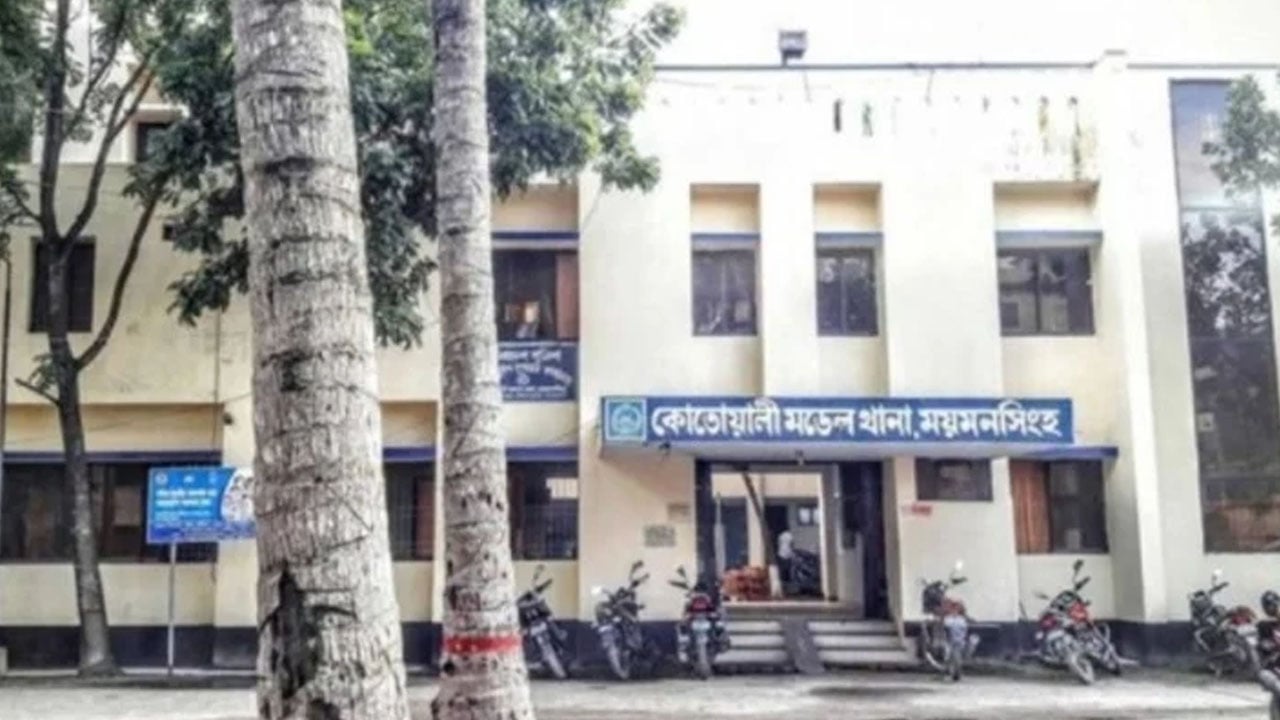
A college student named Tisha Sarker, aged 18, died by suicide in Mymensingh just hours before her Higher Secondary Certificate (HSC) examination was scheduled to begin. The incident occurred around 6 a.m. on Thursday, July 2, 2026, when she jumped from the roof of a six-story building at Nasa Tower on Kachijhuli Mosque Road. Locals rescued her in critical condition and took her to Mymensingh Medical College Hospital, where doctors declared her dead. Police from Kotwali Model Station later recovered the body. According to police and local sources, Tisha was a student of Alomgir Monsur (Mintu) Memorial College and had been living in a female students’ hostel at Nasa Tower for the past two years. She was the daughter of Uttam Sarker and Moni Sarker from Tarakanda upazila in Mymensingh district. Additional Superintendent of Police (Crime and Operation) Ashraful Karim said investigators are examining whether exam-related stress or other factors led to the suicide. The body has been sent for autopsy, and legal procedures are ongoing. The victim’s family has not yet provided any statement.
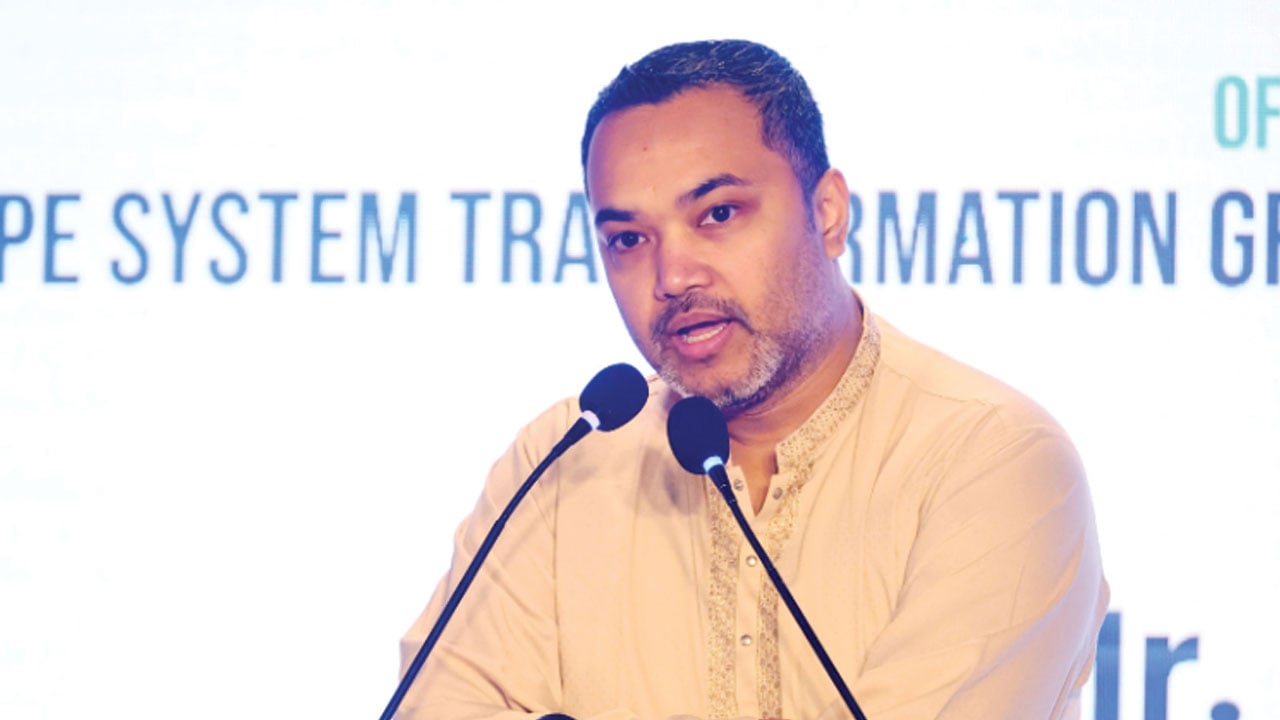
Prime Minister’s Education Adviser Dr. Mahdi Amin said that necessary reforms in Bangladesh’s education system, aligned with Prime Minister Tarique Rahman’s election manifesto, will serve as the foundation for building a prosperous and self-reliant nation. He made the remarks on Thursday morning at a Dhaka hotel during the official announcement of the Global Partnership for Education (GPE) System Transformation Grant and Multiplier Grant. The event was jointly organized by GPE, UNESCO, UNICEF, ADB, and the Ministries of Education and Primary and Mass Education. Dr. Amin announced that Bangladesh has secured a grant of 98.85 million dollars with support from international development partners. He emphasized that the partnership would make the education system more inclusive and highlighted ongoing modernization of curricula from grades one to twelve, focusing on creativity, culture, sports, and technical and language skills. Dr. Amin also stressed teacher training and professional development as essential for achieving the goals of modern education. He added that the grant would help enhance teachers’ capacity and reduce inequality through uniform standards, smart classrooms, and sustainable school feeding programs.
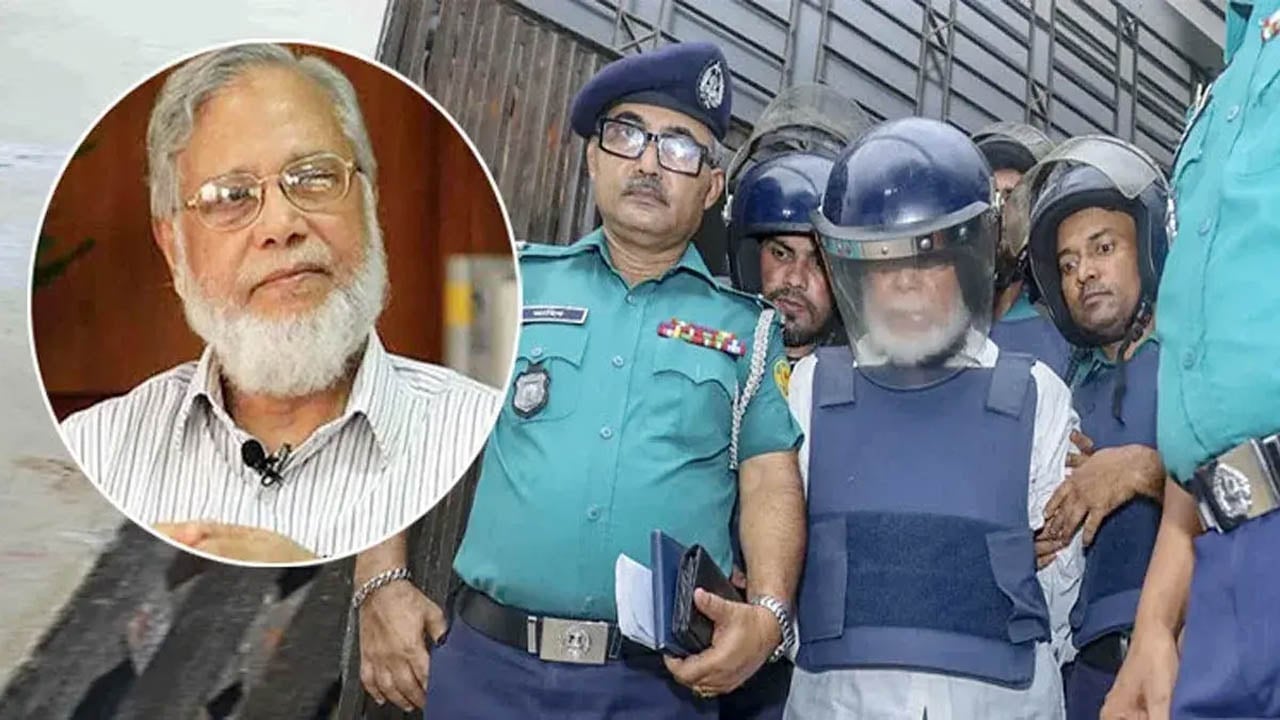
The Appellate Division of the Supreme Court has upheld the High Court’s bail order for former Chief Justice A.B.M. Khairul Haque in a murder case filed over the killing of a man named Khobaib during the anti-discrimination student movement in Jatrabari. Justice Md. Rezaul Haque issued a 'no order' decision on the state’s petition seeking a stay on the High Court’s bail, effectively removing any legal barrier to Haque’s release. The High Court had granted him bail on June 30. Senior lawyers Mansurul Haque Chowdhury, Motahar Hossain Saju, and Saeed Ahmed Raza represented the bail petition in court. Earlier, on June 21, a lower court had rejected Haque’s bail plea, prompting him to appeal to the High Court. According to the case details, Khobaib, aged 20, was shot dead on August 5, 2024, in Jatrabari during clashes involving police and Awami League activists. His brother, Zubair Ahmed, later filed a case on November 16, 2024, naming former Prime Minister Sheikh Hasina and 80 others as accused.
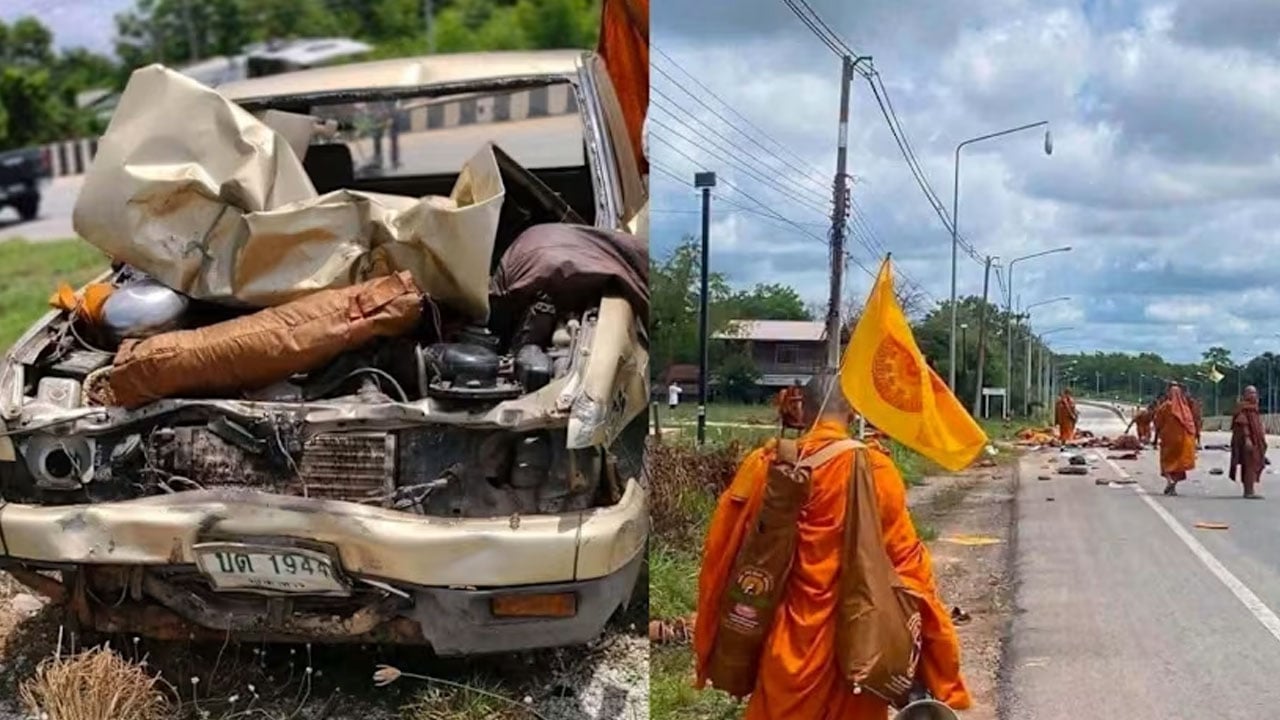
At least eight Buddhist monks were killed and more than 20 others injured when a pickup truck driven by a child rammed into a religious procession in Thailand’s northeastern Mukdahan province. Police and health officials said the incident occurred as 35 monks and five lay followers were walking along a roadside as part of a pilgrimage. A witness, monk Phra Sompong, said he saw the pickup approaching while chanting and managed to jump aside with another monk. However, several others were struck as the vehicle sped into the group. Police confirmed that five monks died at the scene, while three more succumbed to injuries in hospital. Preliminary investigations revealed that the pickup was being driven by an 11-year-old boy who had taken his parents’ vehicle without permission. Authorities are investigating the cause of the crash.
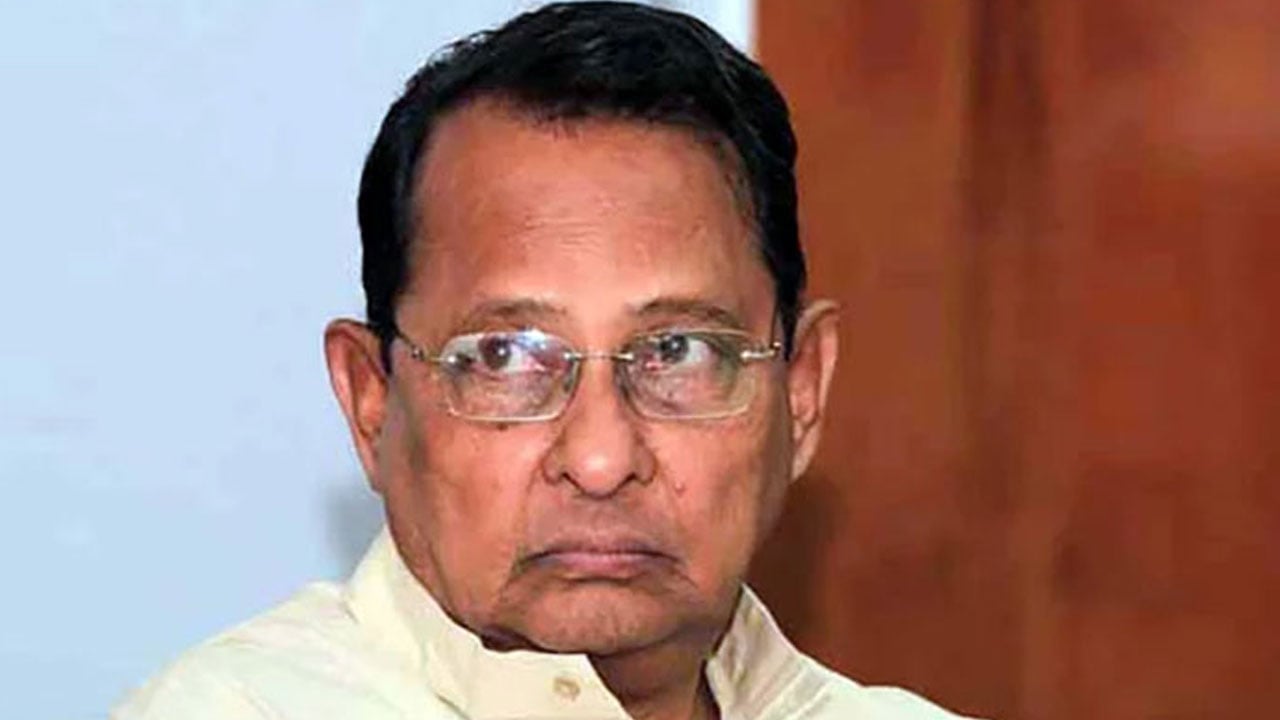
Jatiya Samajtantrik Dal leader and former information minister Hasanul Haq Inu has been named as an accused in a new case related to the killings at Shapla Chattar. The Chief Prosecutor, Aminul Islam, stated that evidence links Inu to the 2013 incident, and formal charges will be filed by the end of this month. This development follows a June 30 verdict by the International Crimes Tribunal sentencing Inu to ten years in prison for crimes against humanity in a separate case involving six murders in Kushtia during the July movement. The Shapla Chattar killings case was initiated after Hefazat-e-Islam filed allegations on November 26 of the previous year against 50 individuals, including Sheikh Hasina. The tribunal is now preparing to receive the investigation report and formal charge documents in the coming weeks. The new charges mark a continuation of legal proceedings against Inu, expanding the scope of accountability for alleged crimes connected to political violence in Bangladesh.
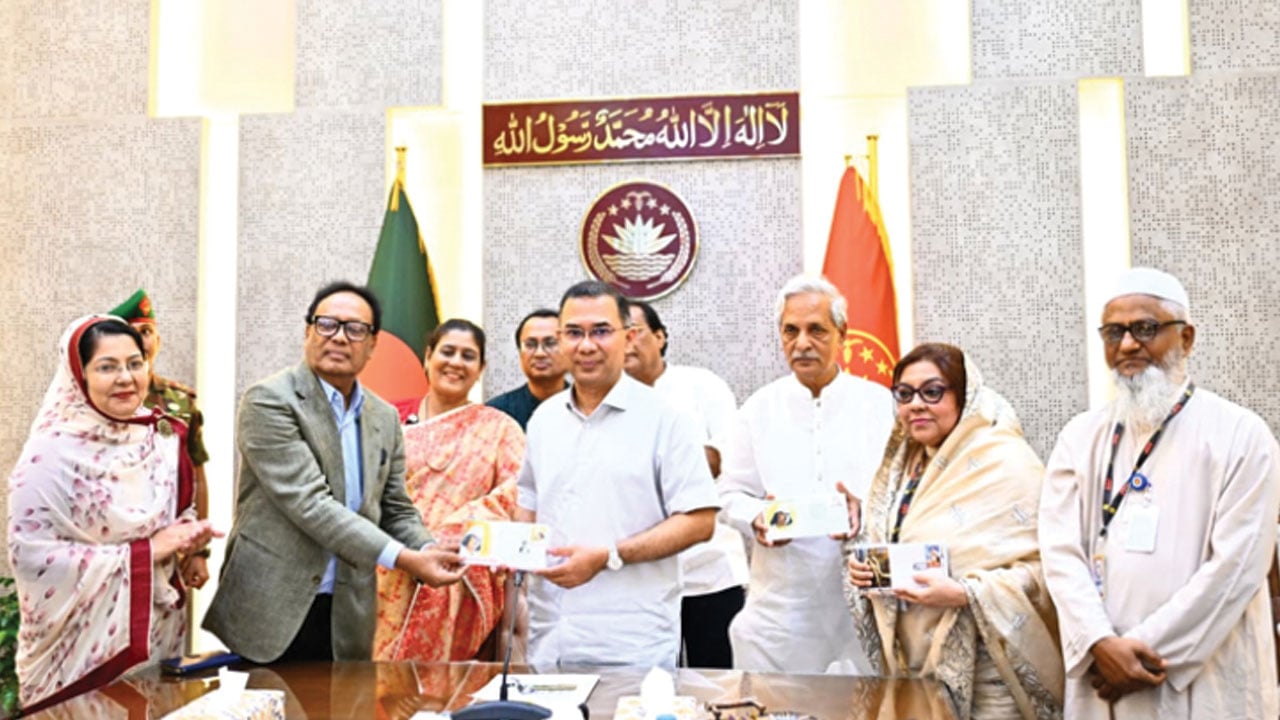
Prime Minister Tarique Rahman inaugurated the yearlong 'Nazrul Year 2026–2027' program on Thursday morning through a virtual event organized by the Cabinet Division at the Bangladesh Secretariat. He declared that national poet Kazi Nazrul Islam is not only a figure of the past but also a source of inspiration for future generations. The government has designated May 25, 2026, to May 25, 2027, as Nazrul Year and is considering declaring Trishal in Mymensingh, associated with the poet’s memory, as 'Nazrul City'. During the event, the Prime Minister highlighted Nazrul’s influence on Bangladesh’s social, political, and cultural life, describing him as a guiding light against oppression and inequality. He emphasized the poet’s inclusive vision that transcended religious and social divisions and urged that Nazrul’s moral and humanistic values be used to guide youth amid the challenges of technology and artificial intelligence. Rahman called for successful organization of literary conferences, research, seminars, cultural festivals, and exhibitions under the national committee formed for the celebration. He also unveiled a commemorative stamp and logo marking the official start of Nazrul Year.
The ‘1 Nojor’ media platform is now live in beta, inviting users to explore and provide feedback as we continue to refine the experience.