

The ‘1 Nojor’ media platform is now live in beta, inviting users to explore and provide feedback as we continue to refine the experience.
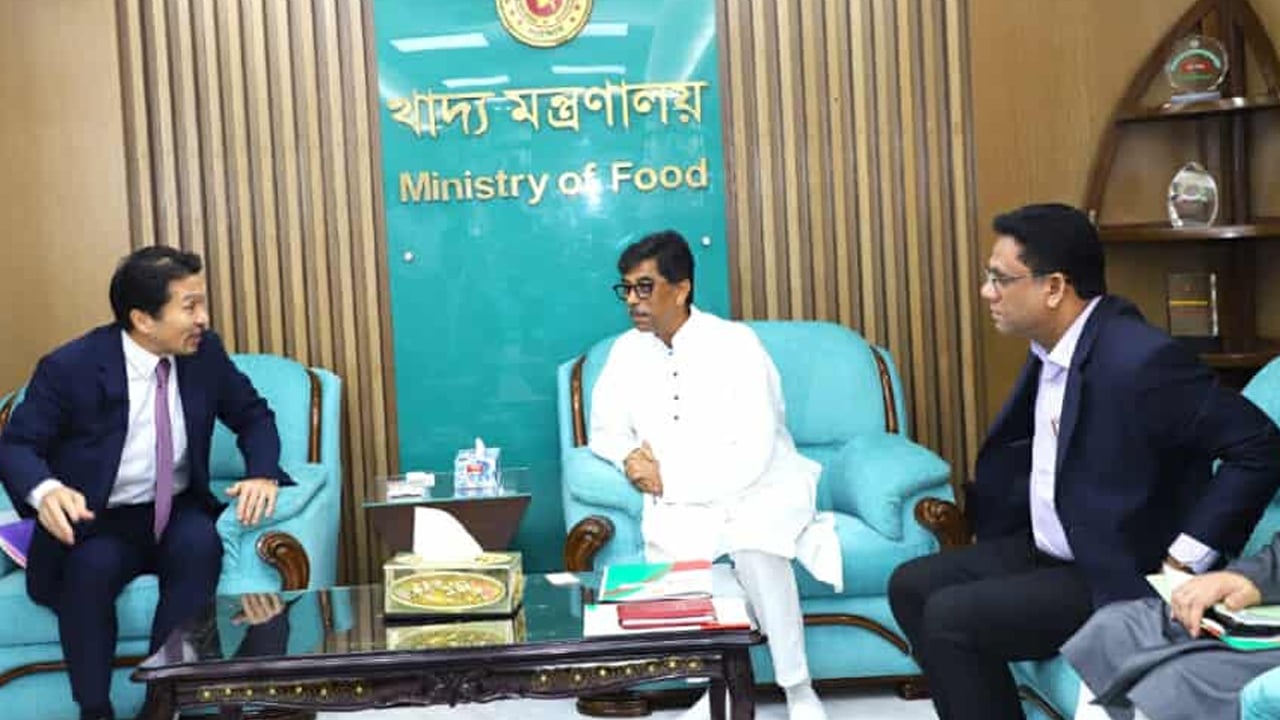
Bangladesh’s Food, Fisheries and Livestock, and Agriculture Minister Mohammad Aminur Rashid announced that the government will take initiatives to export food items to Japan. He made the statement on Sunday after a meeting at the Secretariat with a delegation from the Japan International Cooperation Agency (JICA), led by Chief Representative Ichiguchi Tomohide. The meeting discussed the JICA-funded Food Safety Testing Capacity Development Project and the possibility of introducing a unified food business licensing system similar to those in Japan and ASEAN countries. The project, worth Tk 2,409.70 crore over ten years, aims to strengthen food safety testing capacity in Dhaka, Chattogram, and Khulna through the establishment of a Food Safety Reference Laboratory, two regional testing labs, and a training facility. The minister emphasized that achieving international food safety standards would make food exports easier and called for cooperation from all stakeholders to ensure safe food from production to consumption. He thanked JICA for its financial support and expressed optimism that the project’s successful implementation would bring discipline to the country’s food management system.
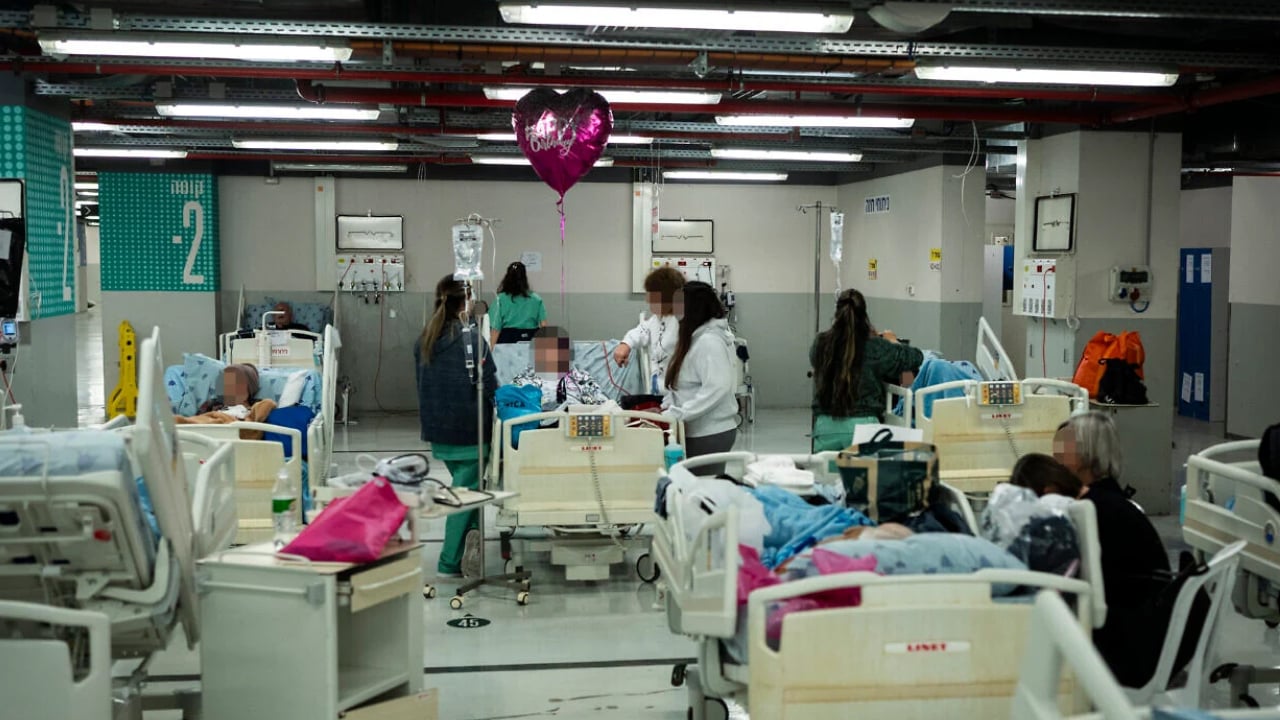
Around two thousand people in Israel have been hospitalized since the start of the war with Iran, according to the country’s health ministry. In the past 24 hours alone, 157 new patients were admitted. Among those hospitalized, nine are in critical condition, 42 sustained moderate injuries, and 70 have minor wounds. The conflict began on February 28 when the United States and Israel launched attacks on Iran. In response, Iran has carried out strikes on American facilities in Israel and Gulf countries. Israeli authorities reported that they are attempting to intercept missiles fired from Iran. The Israeli military stated on Sunday that it had recently detected missiles launched from Tehran and that its defense systems are actively working to counter the threat.
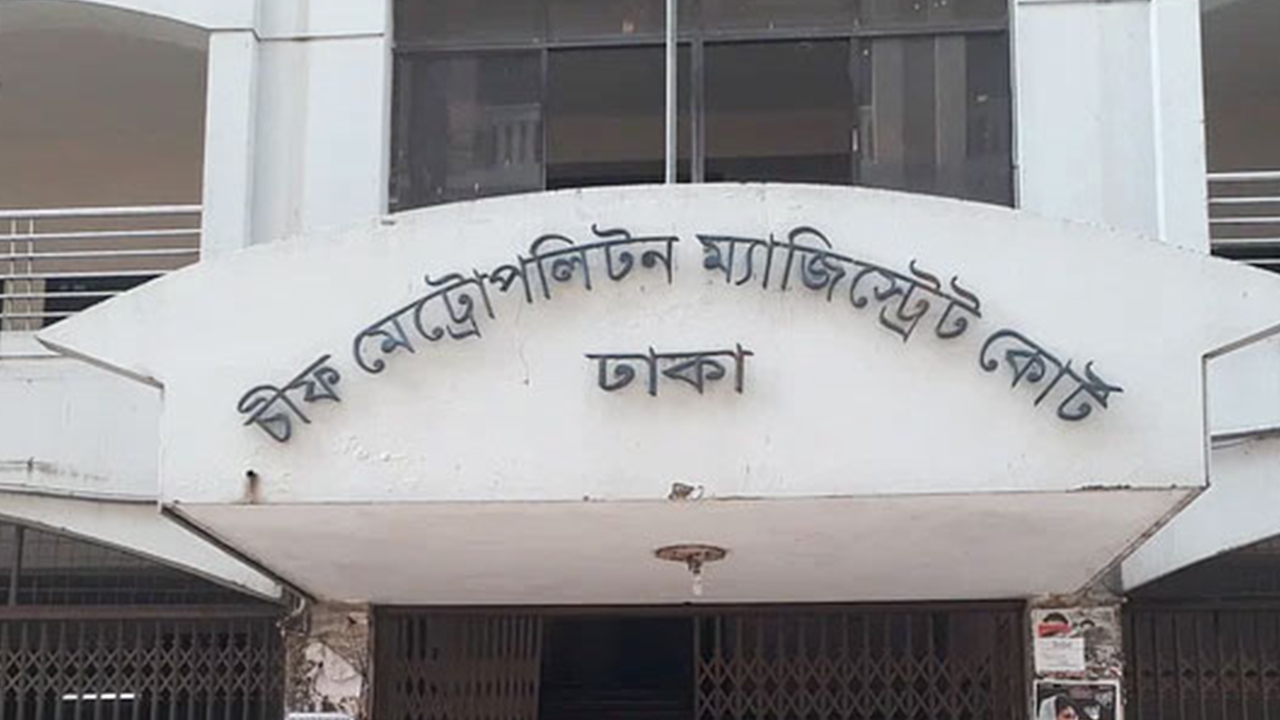
A Dhaka court has sentenced three men to two and a half years in prison each for killing 20 dogs in the Lichu Bagan area of Dhaka’s Dhalpur in 2021. The verdict was delivered on Sunday by Additional Chief Metropolitan Magistrate Zakir Hossain. The convicted individuals are Md. Abul Khayer, Md. Apu, and Md. Manik. Manik was present in court and sent to jail after the verdict, while arrest warrants were issued for the two absconding convicts. According to court officials, each convict received two years of imprisonment and a fine of Tk 1,000 under Section 16(b), with an additional 15 days if unpaid. They were also sentenced to six months under Section 16(a) of the Animal Welfare Act 2019, along with another Tk 1,000 fine and 15 days in default. Both sentences will run concurrently, resulting in two years of imprisonment. The case was filed on January 25, 2021, by Maruful Haque of Animal Lovers of Bangladesh after the accused were identified from video footage. The investigation concluded in September 2021, and the trial began in May 2024, leading to Sunday’s judgment.
A Dhaka court has rejected the bail petition of journalist Anis Alamgir in a corruption case filed by the Anti-Corruption Commission (ACC). The decision was delivered on Sunday by Dhaka Metropolitan Senior Special Judge Md Sabbir Foyez after a hearing. Defense lawyer Taslima Jahan Popy confirmed the court’s decision. The ACC filed the case on January 15, accusing Alamgir of acquiring wealth beyond known income sources and money laundering. Investigators alleged that he possessed immovable assets worth Tk 2.5 million and movable assets worth Tk 38.46 million, totaling Tk 40.9 million. His legitimate income was reported as Tk 9.9 million, leaving an unexplained difference of Tk 32.6 million, or about 77 percent of his total assets. Alamgir had earlier been arrested under the Anti-Terrorism Act in December and later received bail from the High Court in that case on March 5. The court’s latest decision means Alamgir will remain in custody as the ACC continues its investigation into the alleged illicit assets.

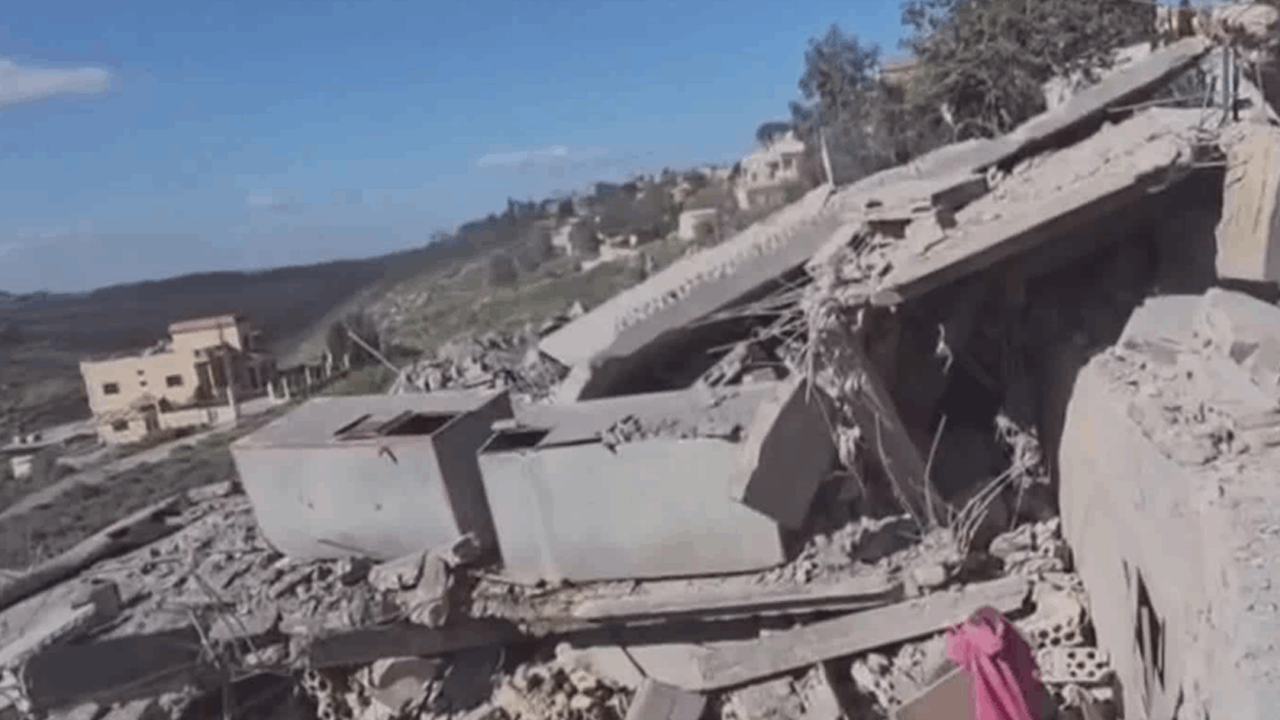
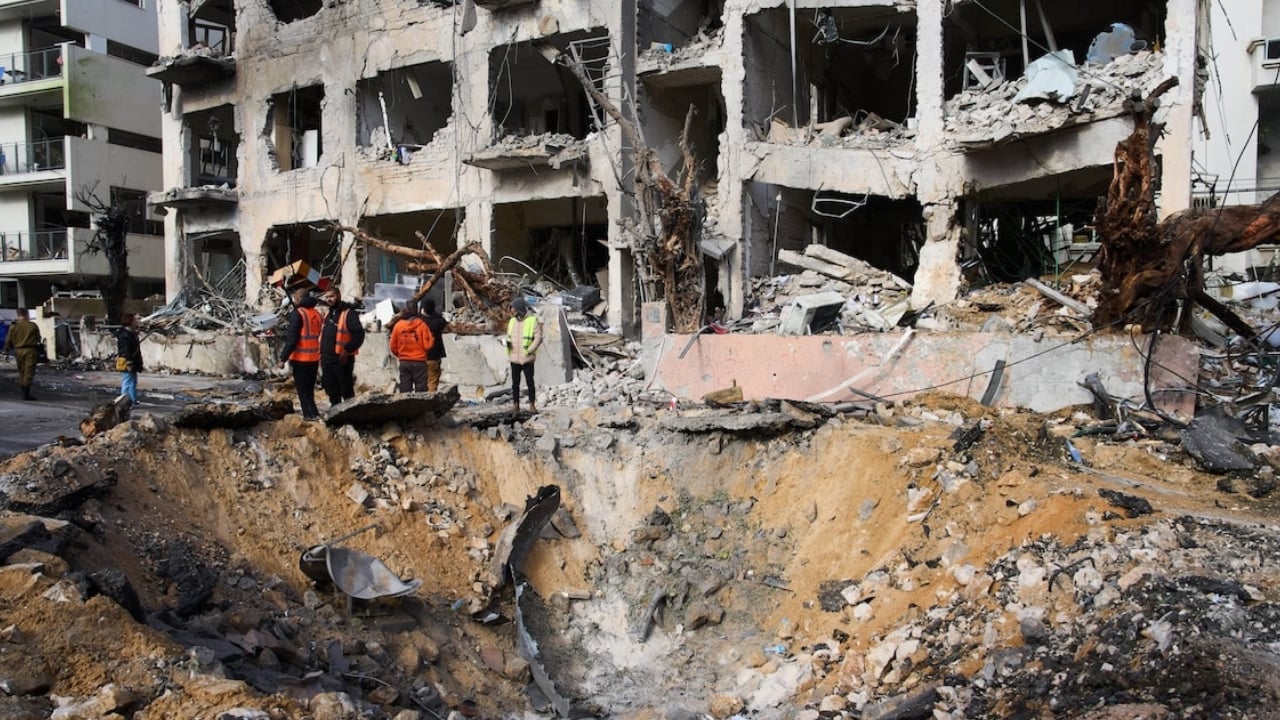
At least 19 people were killed in an Israeli airstrike on a three-story building in the village of Sir al-Gharbiye in southern Lebanon, according to a report by Lebanon’s National News Agency (NNA). The attack occurred on March 8, 2026, and among the dead were children, though the exact number was not specified. Local civil defense teams and rescuers were working to remove debris, recover bodies, and provide medical treatment to the injured, the NNA report said. The incident adds to ongoing hostilities in the region, with Lebanon’s southern areas frequently affected by cross-border attacks. The report, citing Al Jazeera as a source, did not provide further details on the cause or immediate aftermath of the strike, leaving the broader context of the escalation unclear.
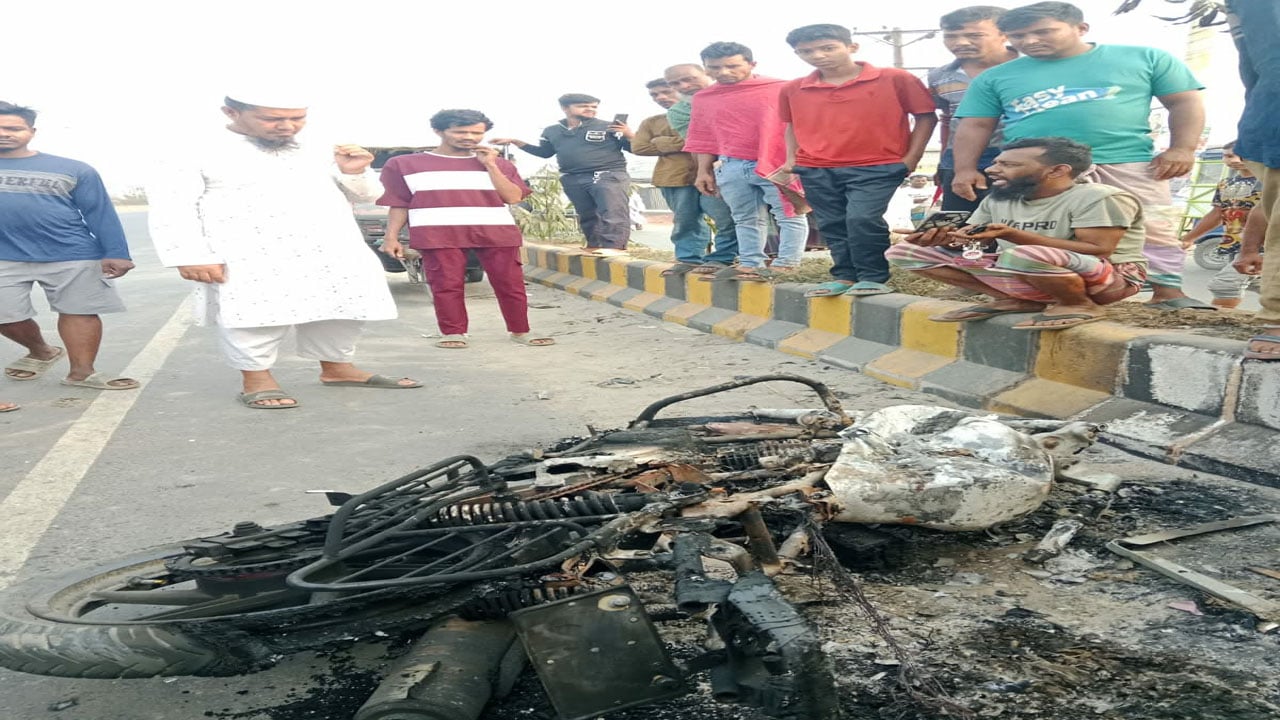
A man named Ridoy, aged 26, was killed in a mob beating early Sunday morning in Siddhirganj, Narayanganj. According to police and eyewitnesses, Ridoy, originally from Rajshahi and residing in the Sanarpar area, was part of a three-member group attempting a robbery in the Jalakuri Koraitola area around 6 a.m. The group arrived on a motorcycle and tried to rob a pedestrian at knifepoint. Local residents intervened, managing to capture Ridoy while the other two suspects escaped on foot. The crowd then beat Ridoy, resulting in his death at the scene before police arrived. Enraged locals also set fire to the motorcycle used in the attempted robbery. Police later recovered a knife and a machete from the scene. Siddhirganj Police Station Officer-in-Charge Mohammad Abdul Barik confirmed that the suspect died before officers reached the location. The two fleeing suspects remain at large, and further investigation is underway.
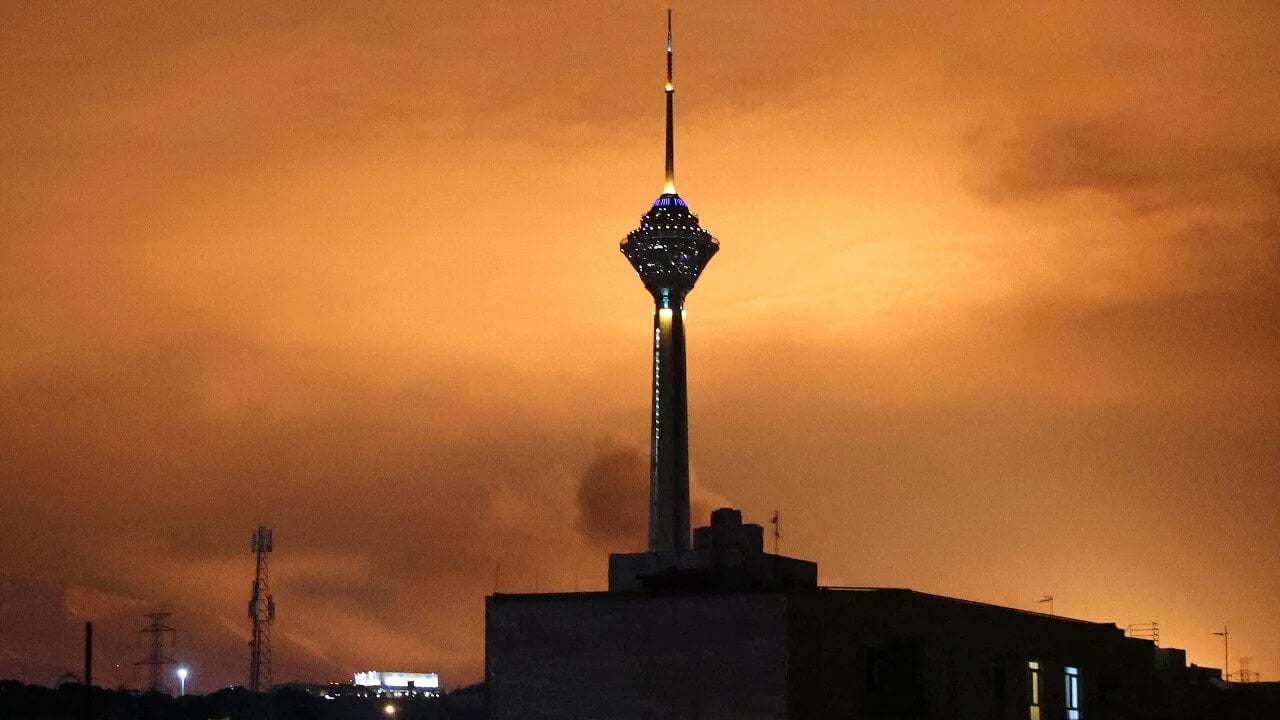
A second missile attack targeted rescuers in Iran’s central city of Najafabad after an initial strike, according to a report published on March 8, 2026. The attack, allegedly carried out by US-Israeli forces, struck emergency workers and local residents who had rushed to assist victims of the first explosion. The incident reportedly killed more than 20 people and injured around 50 others, in what has been described as a violation of international humanitarian law. A police official cited in the report said the second missile hit the same location just minutes after the first, as emergency responders were evacuating the wounded. The attack has drawn attention to the escalating violence in the region and the risks faced by rescue personnel during such operations. The report also referenced broader regional tensions, including concerns among Gulf countries over Iran’s conflicting messages and recent Israeli strikes that have intensified instability in Tehran and beyond.
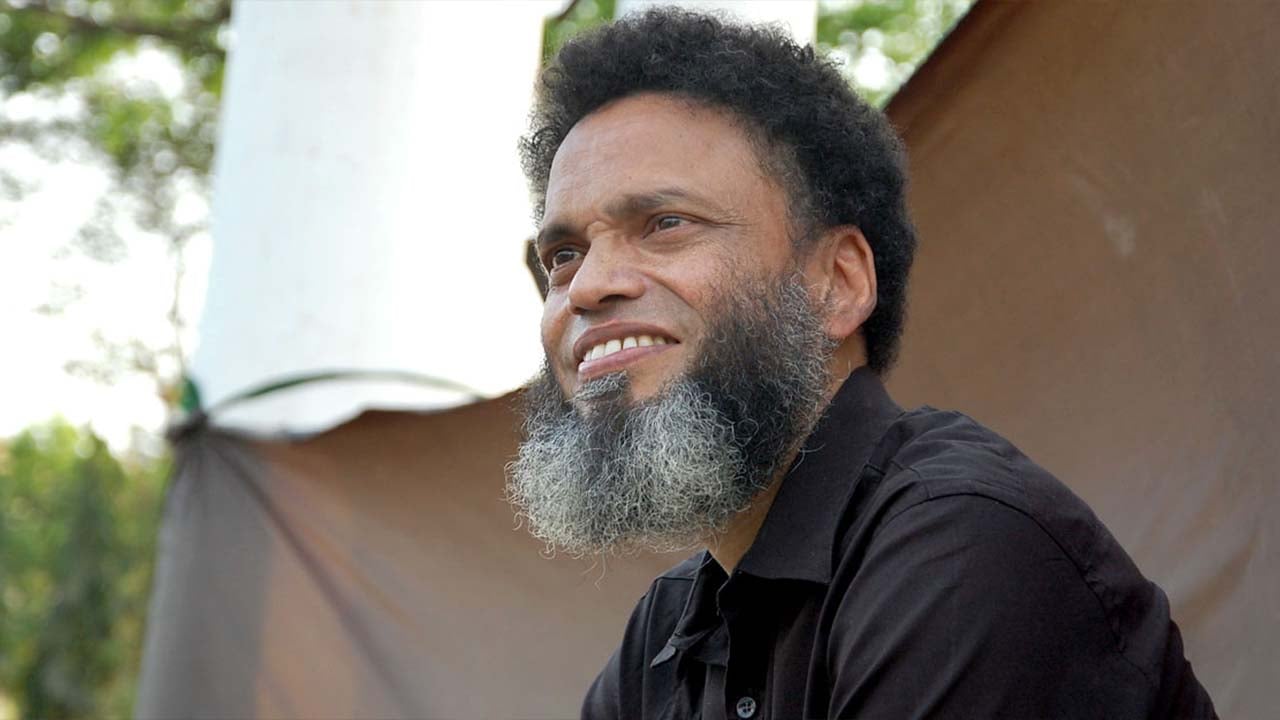
Bangladeshi musician Haider Hossain has dismissed rumors of his death that spread on social media last Saturday evening. Several Facebook groups and pages circulated fake photo cards, some even using the names of news outlets. The artist spoke to the media, saying he was embarrassed by the situation and had been receiving nonstop phone calls. He confirmed that he is healthy and described the rumors as undesirable and inappropriate. The false reports caused widespread concern among his fans, prompting Haider Hossain to clarify the matter himself. A few years earlier, he had made headlines due to health complications. In June 2022, he was hospitalized after suffering a heart attack and had a stent placed in his heart. Haider Hossain is a significant figure in Bangladesh’s band music history, co-founding the band Winning and later collaborating with pop icon Azam Khan. The incident highlights how quickly misinformation can spread online, especially regarding public figures, and underscores the need for responsible social media behavior.
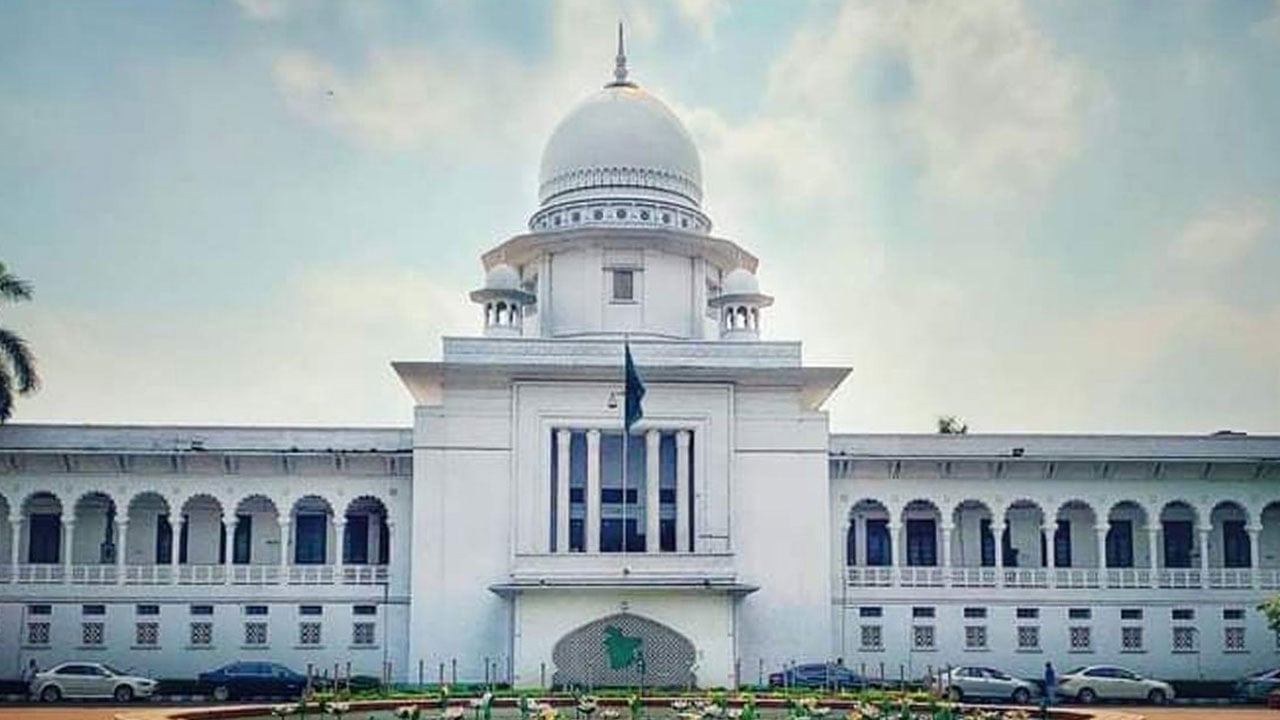
Six sound grenades were recovered from a bag near the main gate of the Supreme Court in Dhaka on Sunday afternoon. Police were alerted after suspicious objects were spotted near the Chief Justice’s entrance. The area was quickly cordoned off, and security was heightened. The grenades were later defused at Suhrawardy Udyan by the Dhaka Metropolitan Police bomb disposal unit after examination. According to court and eyewitness sources, the bomb disposal team arrived around 2 p.m., safely removed the grenades, and collected evidence for investigation. The devices have been taken into police custody for further analysis. Authorities have not yet identified who placed the grenades or their motive. Following the incident, law enforcement agencies have reinforced security around the Supreme Court premises. Police have launched an investigation and are reviewing CCTV footage to identify those responsible for the attempted security breach.
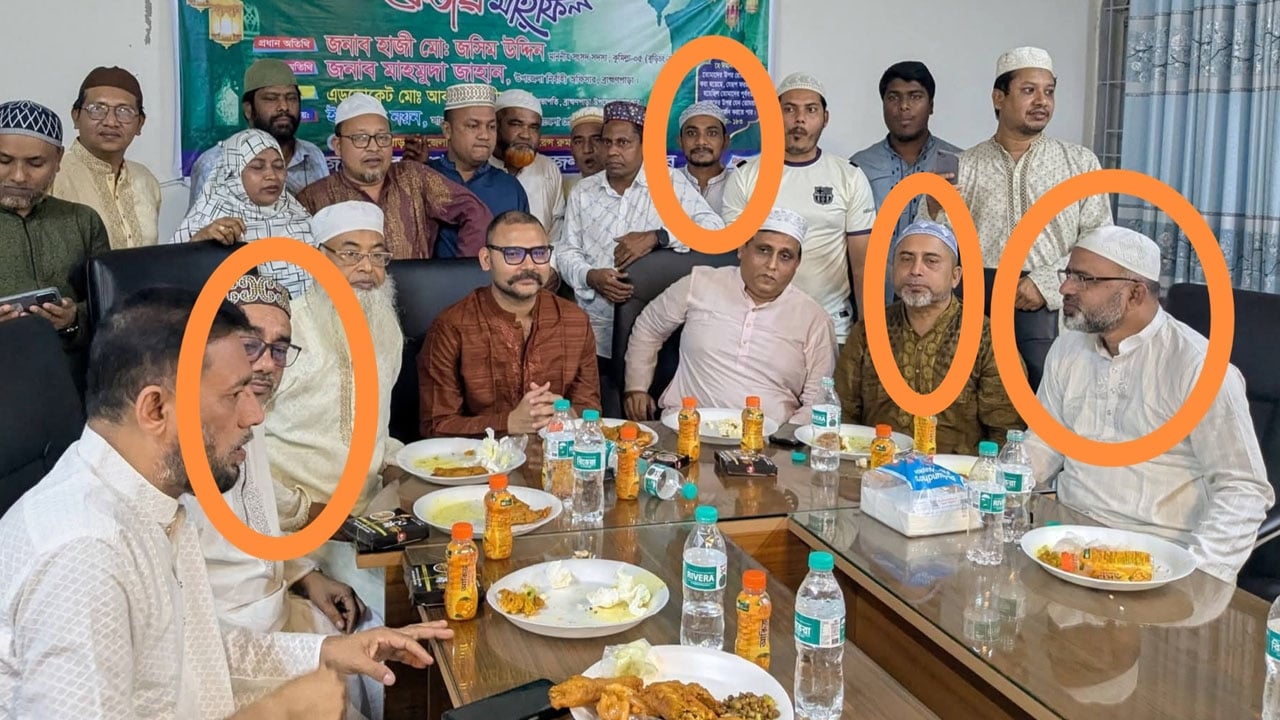
An iftar gathering in Brahmanpara, Cumilla, has sparked controversy after Assistant Commissioner (Land) Tarek Rahman was seen attending the event alongside a banned Chhatra League leader. The iftar, organized by the Brahmanpara Press Club at the Upazila Model Mosque conference room on Saturday, drew attention when photos circulated on social media, prompting widespread criticism. The viral image showed several local political figures, including Awami League and Jubo League leaders, as well as a former Chhatra League president and a former joint secretary of the Cumilla South District Chhatra League, sitting beside the government official. Press Club General Secretary Ismail Nayon stated that all were invited, including Sharif Khan Akash, who is involved in journalism despite his links to the banned organization. Local residents and opposition representatives condemned the official’s participation, calling it inappropriate for a government officer to associate with banned political figures. The Additional Deputy Commissioner (General) of Cumilla, Md. Saiful Islam, said he would discuss the matter with the Assistant Commissioner and noted that those who invited the political leaders also bear responsibility.
Bangladesh Police has transferred 53 officers holding the rank of Additional Superintendent of Police. The transfers were made through two separate circulars signed by Inspector General of Police (IGP) Md. Ali Hossain Fakir on Sunday, March 8, 2026. One circular covered the transfer of 40 officers, while another reassigned 13 officers to different district circles. According to the official notifications, the officers, ranging from Assistant Superintendent to Additional Superintendent ranks, have been transferred to the positions mentioned beside their names in the orders. The circulars stated that these transfers are made in the public interest and will remain effective until further instructions are issued. The announcement reflects an administrative reshuffle within the Bangladesh Police aimed at organizational adjustments across various districts and operational units.
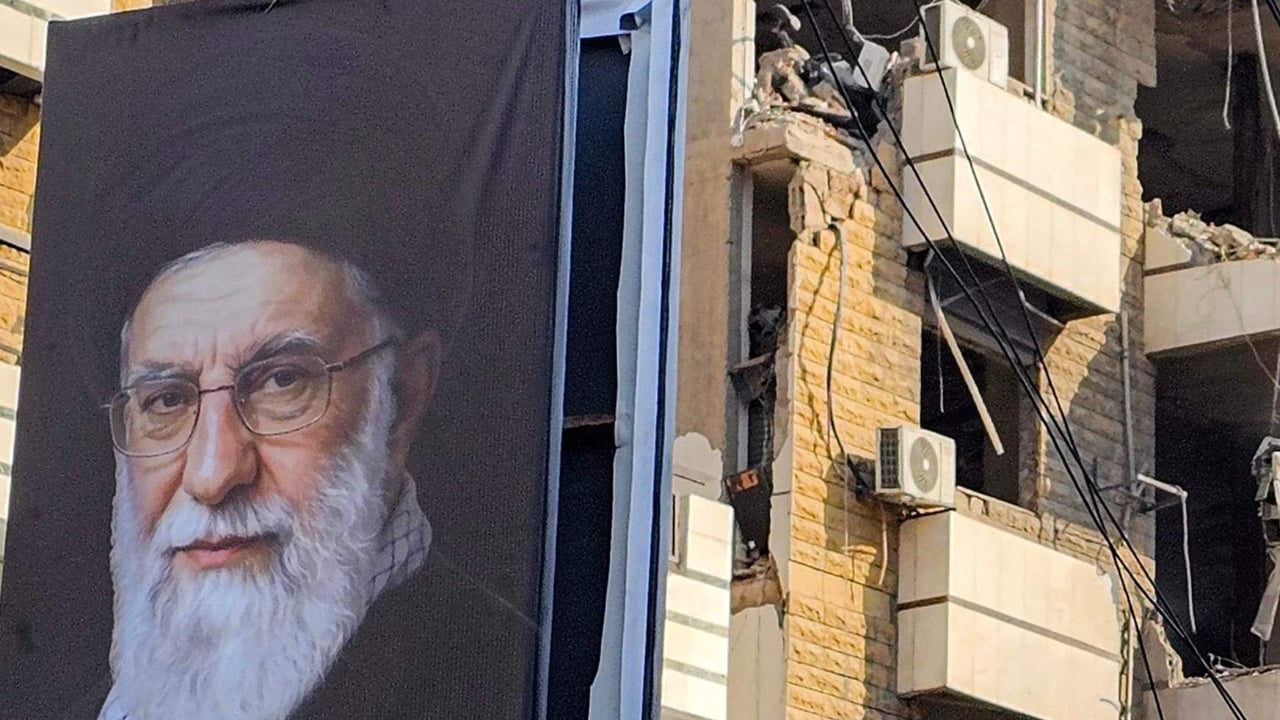
Israel has issued a threat to pursue every successor to Iran’s Supreme Leader Ayatollah Ali Khamenei. The warning was directed at the Iranian body responsible for selecting the next Supreme Leader. Khamenei was reportedly killed on February 28 in a joint U.S.-Israeli attack. The statement appeared in a Farsi-language post on social media, declaring that Israeli forces would also go after those involved in appointing his successor. According to Iranian law, an 88-member panel of religious scholars known as the Assembly of Experts is tasked with choosing the new Supreme Leader as soon as possible. The panel is composed entirely of Shia clerics who are elected by public vote every eight years. The process of selecting a new leader is now underway amid heightened regional tensions. The situation has drawn attention across the Gulf region, where concerns have been raised over Iran’s conflicting messages and the potential for further instability following Khamenei’s death.
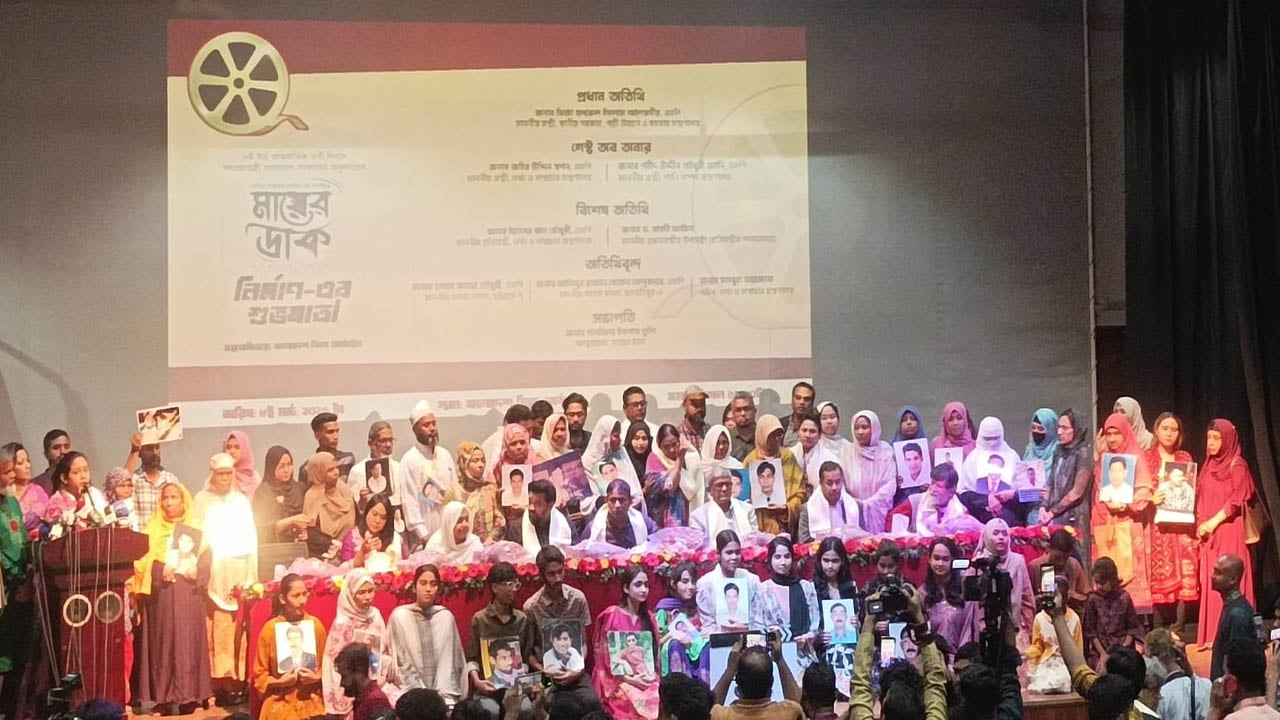
BNP Secretary General and Local Government and Rural Development Minister Mirza Fakhrul Islam Alamgir announced that he will write to the Prime Minister proposing government allowances for families of disappeared persons. He made the statement on Sunday at the Bangladesh Film Archive auditorium in Agargaon, Dhaka, during the inauguration of the documentary film 'Mayer Dak' marking International Women’s Day. Fakhrul said families of disappeared individuals have long been living in hardship, citing the example of Munna’s mother who struggles to support her children. He noted that while various government allowances exist, no initiative has yet been taken for these families. He emphasized that helping them would give meaning to the government’s achievements and ensure a better future for the children of those who disappeared. He also mentioned a new film project aimed at portraying the nation’s history accurately and expressed hope that current struggles would inspire high-quality creative works representing Bangladesh globally.
Iran has carried out new attacks across several Gulf countries despite earlier statements about halting hostilities. On Sunday, reports emerged of fresh strikes in Saudi Arabia, the United Arab Emirates, Qatar, Bahrain, and Kuwait. Saudi Arabia’s defense ministry said it intercepted 15 drones, while Kuwait’s military confirmed a drone attack on fuel tanks at its international airport that killed two firefighters. Kuwait’s armed forces stated on social media that its air defense systems were actively countering hostile missile and drone assaults, adding that explosions heard in the area were due to interception operations. Following the incident, Kuwait’s national oil company announced a precautionary reduction in crude oil production. The renewed attacks have heightened tensions across the Gulf region, with Iran’s actions contradicting its earlier assurances to stop offensive operations, according to the report sourced from The Guardian.
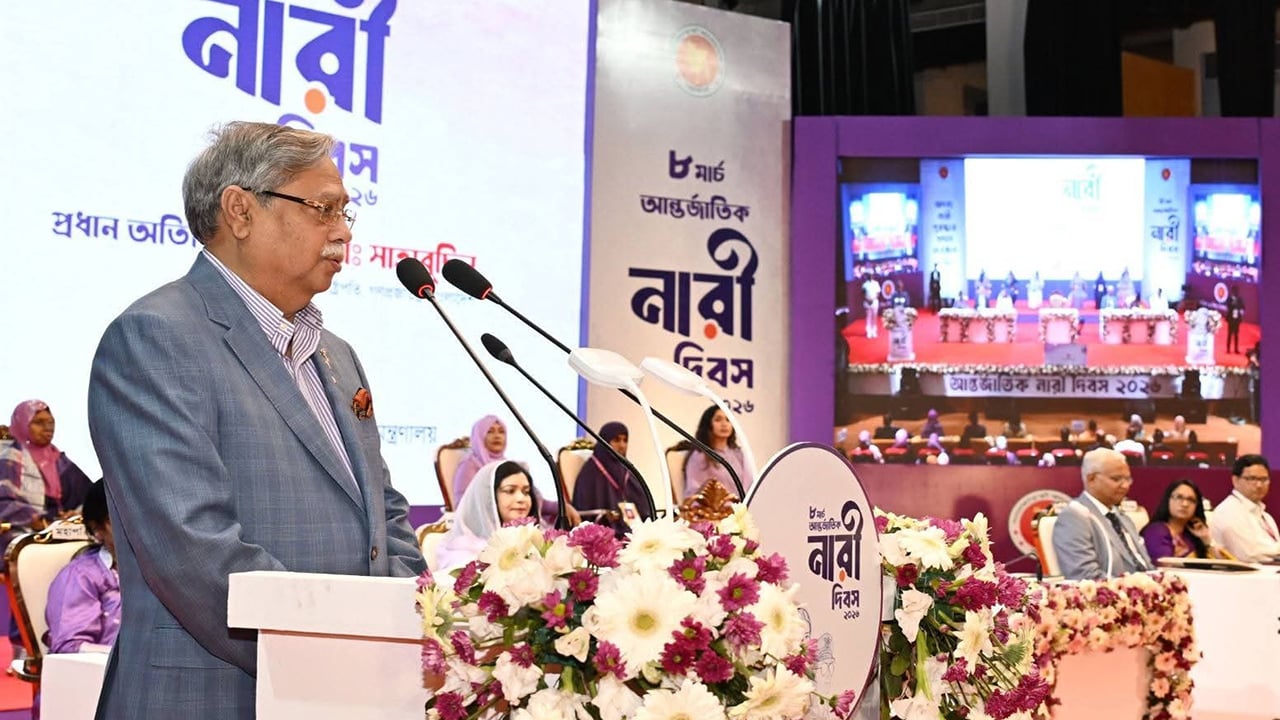
President Md. Sahabuddin stated that the late President Ziaur Rahman, who declared Bangladesh’s independence, laid the foundation for women’s political and economic empowerment. He said this on Sunday, March 8, at the Osmani Memorial Auditorium in Dhaka during the Ministry of Women and Children Affairs’ International Women’s Day 2026 program. The president added that Begum Khaleda Zia strengthened and modernized this foundation through her leadership. He highlighted Khaleda Zia’s initiatives to expand women’s education, which earned national and international recognition. The president also mentioned various programs of the BNP government, including the Family Card initiative, aimed at protecting women’s rights and promoting empowerment. He urged all to work together to continue these efforts. President Sahabuddin announced that the government’s Family Card program, designed to empower economically disadvantaged women and promote household self-reliance, will begin on March 10. He emphasized that women contribute about 16 percent to the country’s GDP and play vital roles across all sectors. Ensuring women’s safety at home and in public, he said, is essential for sustainable development.
The ‘1 Nojor’ media platform is now live in beta, inviting users to explore and provide feedback as we continue to refine the experience.