

The ‘1 Nojor’ media platform is now live in beta, inviting users to explore and provide feedback as we continue to refine the experience.
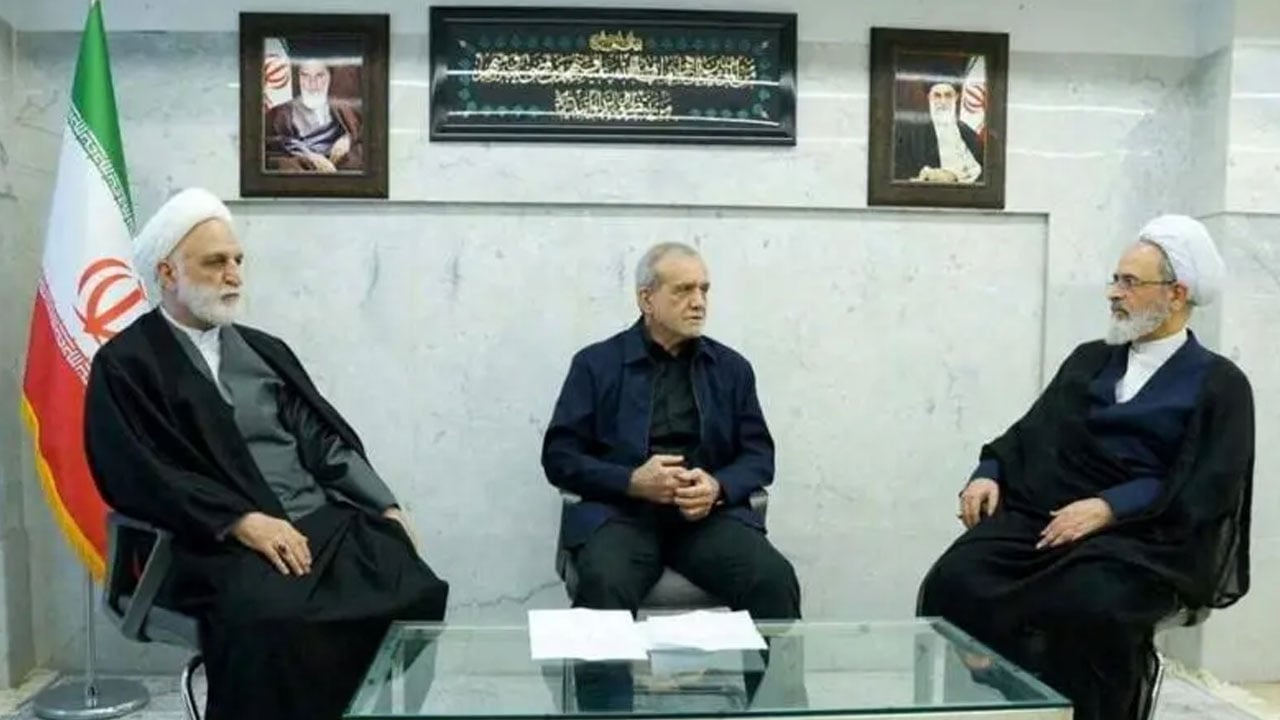
Iranian presidential spokesperson stated that President Masoud Pezeshkian’s message was clear: if regional countries do not assist the United States in any attack against Iran, Tehran will not target them. The statement, broadcast on Iran’s state television, emphasized that the Islamic Republic will never bow to aggression and will respond appropriately to any hostile action in line with its armed forces’ directives. Earlier, President Pezeshkian had expressed regret to neighboring states and reiterated that Iran would not initiate attacks unless first provoked. Despite these assurances, reports on Friday indicated that missile and drone strikes had been intercepted from neighboring territories. The comments come amid heightened regional tensions, with Iranian officials seeking to clarify their defensive stance while maintaining readiness to respond to any external aggression.
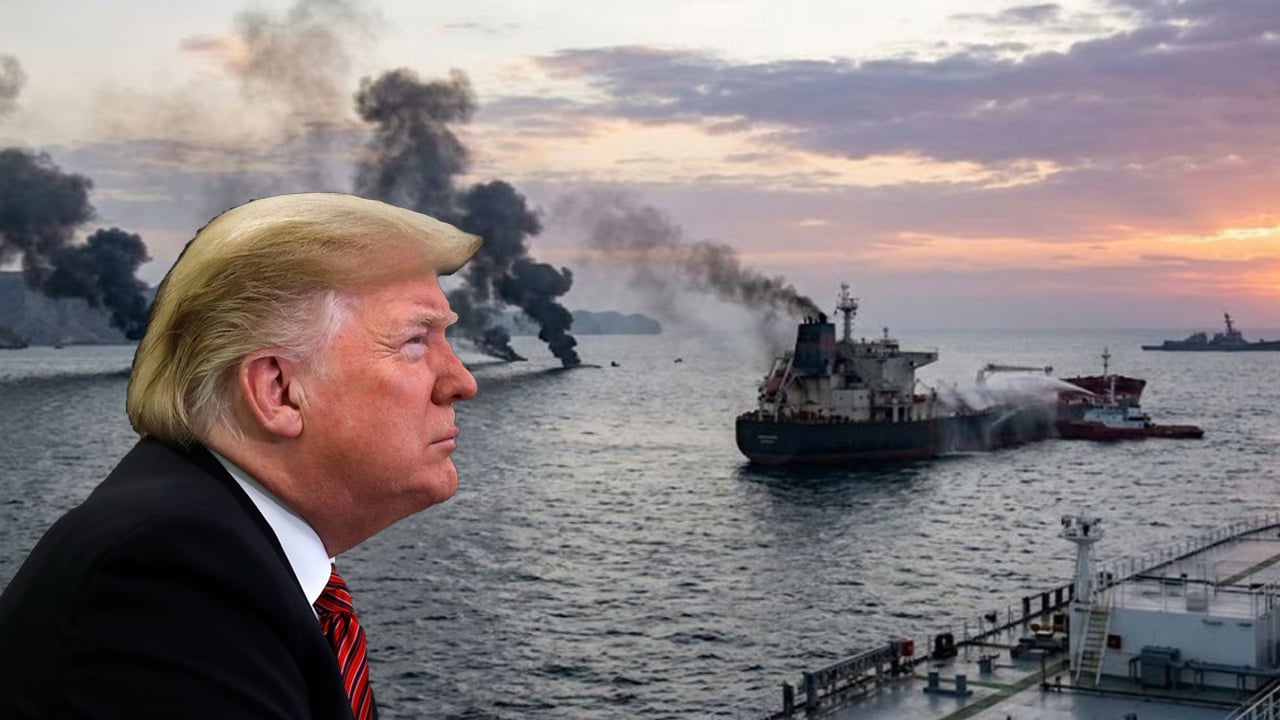
U.S. President Donald Trump has claimed that recent American strikes have inflicted major damage on Iran’s military capacity. Speaking at an event in Florida, Trump said U.S. forces destroyed 42 Iranian naval vessels in recent days. He also asserted that Iran’s air power and telecommunications infrastructure had been largely disabled as a result of the attacks. Trump stated that earlier U.S. operations had targeted facilities linked to Iran’s nuclear program, which he claimed was nearing the capability to produce nuclear weapons. He described the latest campaign as a significant success for the United States, saying it had severely weakened Iran’s military strength. According to the report, Trump was scheduled to travel to Dover Air Force Base to attend a ceremony receiving the bodies of six U.S. soldiers killed in the ongoing conflict.
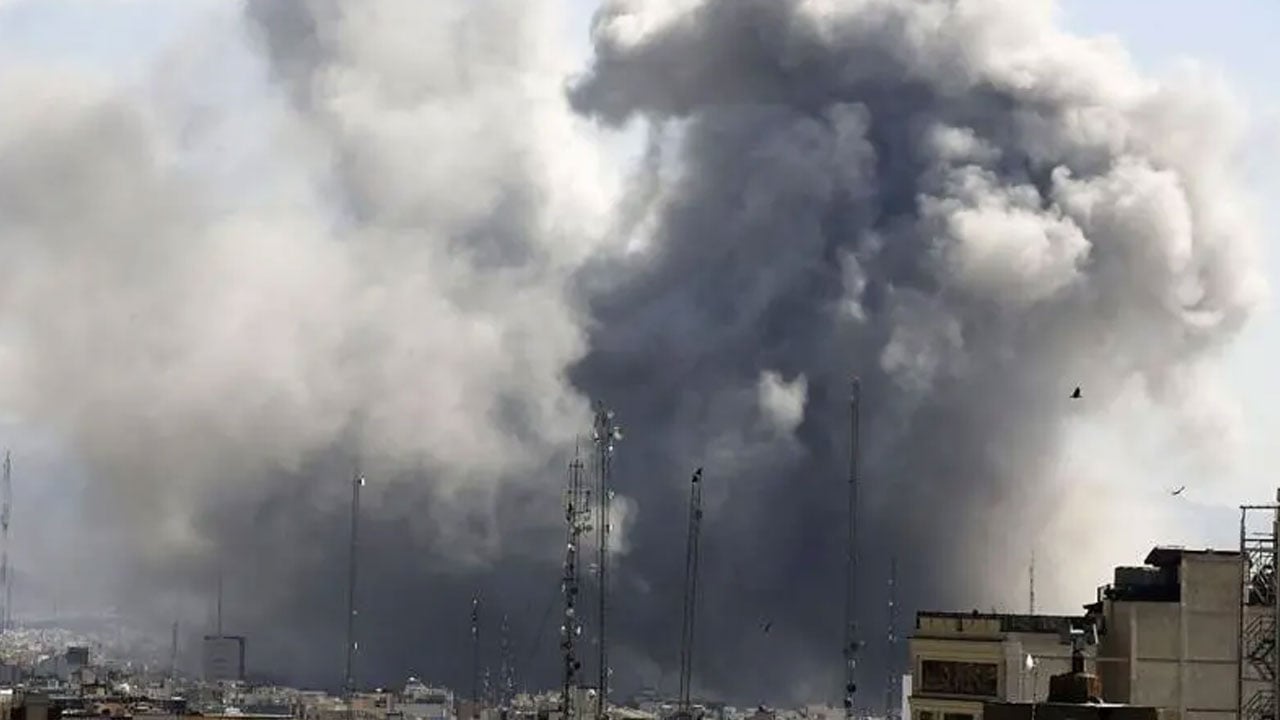
Jordan’s armed forces announced in a press conference in Amman that Iran carried out 119 missile and drone attacks on Jordanian territory over the past week. According to the statement, 60 missiles and 59 drones were used in the assaults. The Jordanian Air Force reportedly intercepted and destroyed 108 of these projectiles, while the country’s air defense system stopped 11 more. The armed forces also confirmed that 14 people were injured in the incidents, most of them sustaining minor wounds. The announcement did not specify the exact locations of the attacks or the reasons behind them. The briefing highlighted the scale of the recent hostilities and Jordan’s defensive response to the aerial threats. No further details were provided about potential damage or diplomatic responses, leaving the broader implications of the attacks unclear.
A violent clash broke out between two factions of the Bangladesh Nationalist Party (BNP) in the Baitipara area of Gazipur on Saturday around 11:30 a.m. The confrontation, reportedly over disputes involving jhoot (garment waste) trading, led to attacks and the explosion of several crude bombs. A motorcycle was also set on fire during the incident, prompting authorities to deploy additional police forces in the area. According to local residents, the conflict stemmed from a long-standing dispute between two BNP groups over jhoot materials from Manol Fashion Garments. The clash began when supporters of Kaushik Khan attempted to collect the materials and were obstructed by a group led by Jubo Dal leader Nazmul. Locals reported hearing multiple explosions during the altercation. Gazipur Metropolitan Police’s Basan Police Station Officer-in-Charge Harunur Rashid stated that police visited the scene after receiving reports of unrest. He confirmed the existence of a dispute over jhoot materials but said no evidence of gunfire or crude bombs was found. Police remain deployed to maintain order in the industrial area.

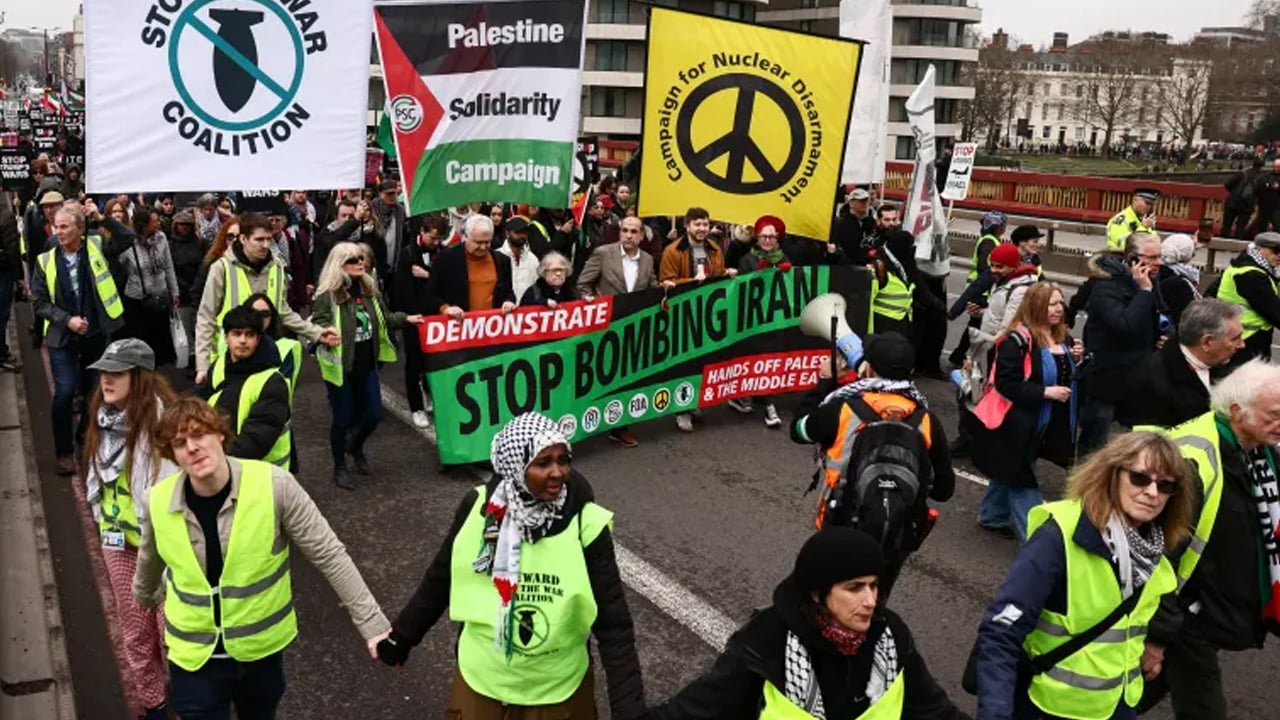
At least five thousand people marched in London on Saturday demanding an end to United States and Israeli attacks on Iran, according to the Metropolitan Police, as reported by Al Jazeera. The protest began in the afternoon at Millbank and moved toward the US Embassy in Vauxhall, with participants chanting slogans calling for an immediate halt to bombings. Earlier in the day, demonstrators gathered in the Millbank area of central London. Various charities and activist groups also set up temporary tents near Victoria Tower Gardens beside Westminster to conduct related activities. Police officials estimated the crowd size between five and six thousand participants. The demonstration reflected growing public opposition in the United Kingdom to continued military actions against Iran, with protesters emphasizing their demand for peace and an end to foreign attacks.
Police arrested four members of the Awami League under an anti-terrorism case after they attempted to gather at Dhanmondi-32 in Dhaka on Saturday morning. The group, consisting of about 15 to 20 people, was marching from Dhanmondi-27 toward Dhanmondi-32 to place flowers when police intervened. The procession dispersed following police obstruction, and officers detained one man and three women from the scene. Kolabagan Police Station Officer-in-Charge Md Fazle Ashiq confirmed that the four detainees were charged under the Anti-Terrorism Act and sent to court. The arrests followed a ban on the Awami League’s planned flower-laying activity at Dhanmondi-32. No further details about the charges or subsequent legal proceedings were provided in the report. The incident highlights ongoing restrictions on political gatherings in Dhaka, though the report does not specify the broader context or official reasoning behind the prohibition.
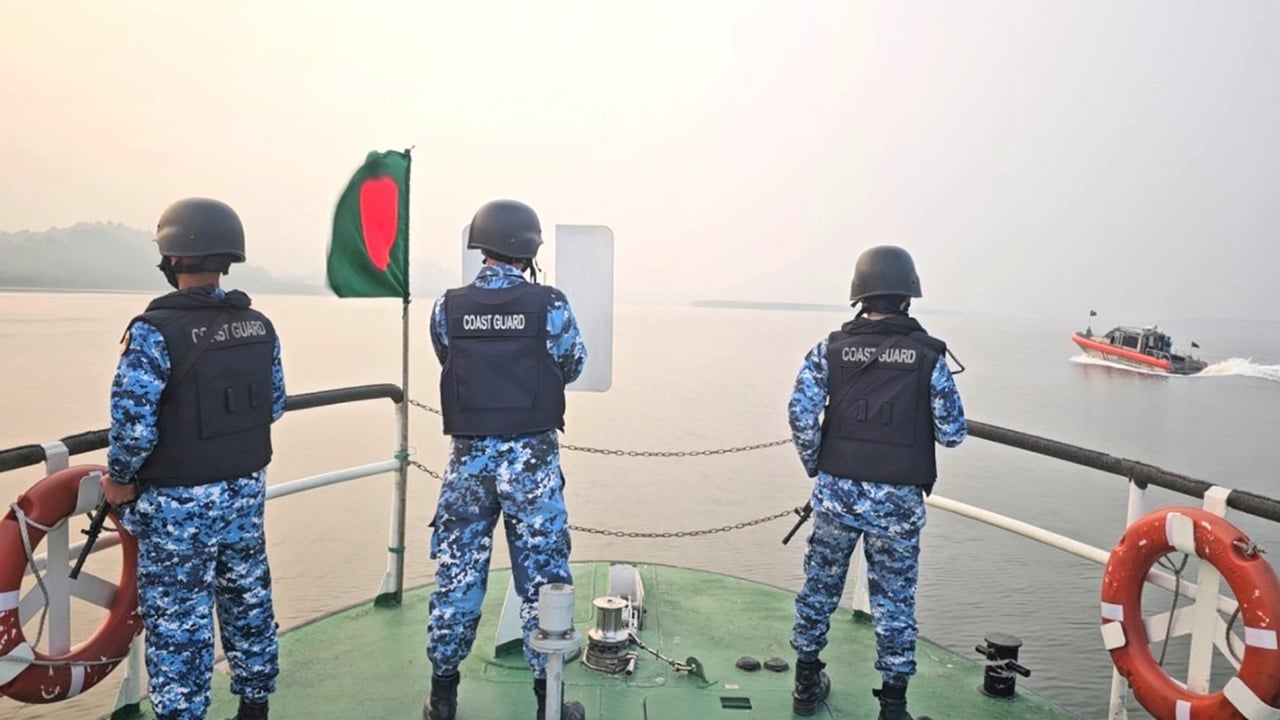
The Bangladesh Coast Guard has strengthened patrols across coastal and border regions to prevent the smuggling of fuel oil and essential commodities. The measure was confirmed on Saturday by Coast Guard media officer Lieutenant Commander Sabbir Alam Sujon, who said the force is maintaining maximum alert to counter illegal cross-border activities. According to the Coast Guard, concerns have risen over possible smuggling of fuel and daily necessities into Myanmar amid the ongoing global energy crisis. Continuous day and night patrols are being conducted along coastal zones, waterways, and border-adjacent areas to stop any illicit networks from transporting goods illegally. The Coast Guard has also urged residents of coastal areas to remain vigilant and report any suspicious activities or information through its emergency hotline number 16111.
Jamaat-e-Islami Ameer Dr. Shafiqur Rahman stated that Bangladesh is facing an intensified energy crisis due to the ongoing global war situation. In a post on his verified Facebook page on Saturday night, he warned that if the global situation continues, it could have negative effects on the country’s social and economic life. He urged the government to identify alternative energy sources and take realistic measures on an urgent basis to address the crisis. He also called for strict action to prevent the formation of new syndicates during this period and emphasized the need for strong security to stop any possible smuggling of fuel from the country. The statement reflects growing concern over the impact of international instability on Bangladesh’s energy supply and the need for immediate policy responses to safeguard the economy and public welfare.

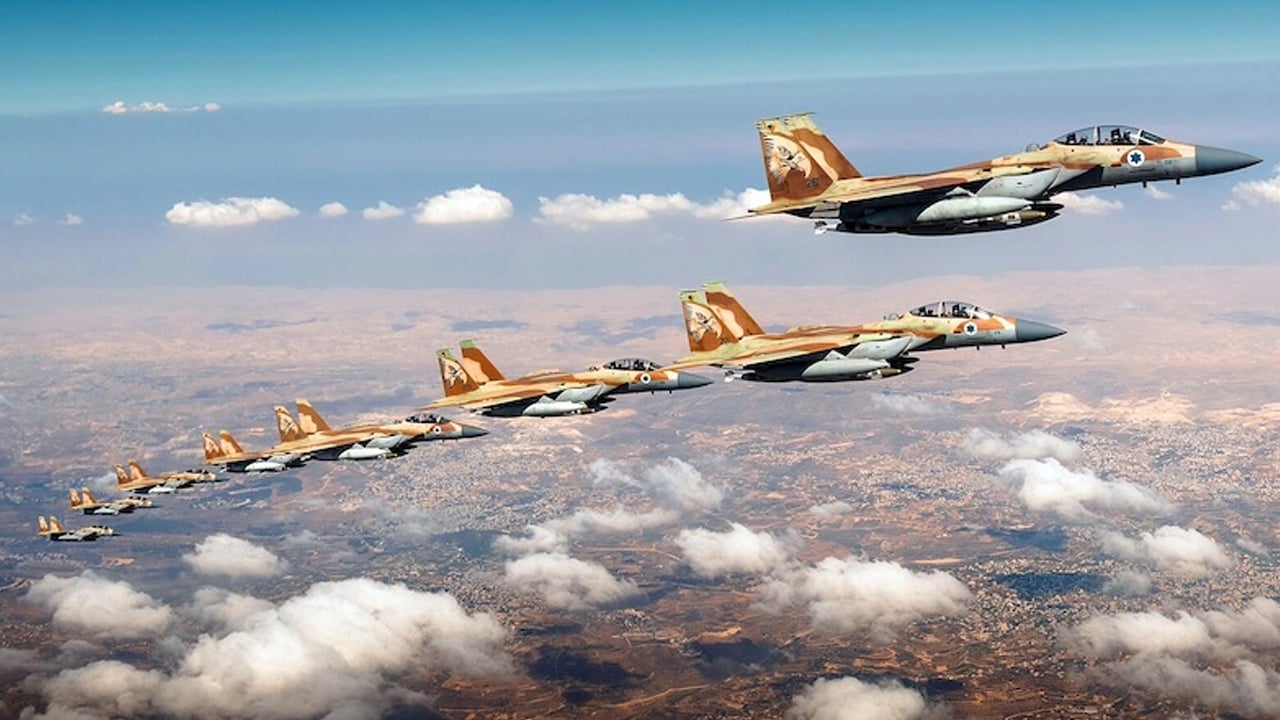
The Israeli military has claimed that its air force destroyed 16 aircraft belonging to Iran’s Islamic Revolutionary Guard Corps (IRGC) Quds Force during overnight attacks in Tehran. According to a statement, Israeli forces carried out what they described as a 'widespread assault' across the Iranian capital, including strikes on Mehrabad Airport. The Israeli military alleged that the airport had been used by the Quds Force as a hub for transferring weapons and funds to various armed groups in the Middle East, including Lebanon’s Hezbollah. The Quds Force is responsible for operations outside Iran’s borders. The claims could not be independently verified, and Iranian authorities have not yet issued any official response to the reported attacks.
Japan delivered a dominant performance against India in their second group-stage match of the AFC Women’s Asian Cup, winning 12–0 in Perth, Australia. Hinata Miyazawa and Riko Ueki each scored hat-tricks, while Yusugi Yamoto, Ui Hasegawa, Kiko Seike, and Hijikata also found the net. The result left Japan firmly in control of Group standings with six points from two matches, while India remained at the bottom with no points. From the opening minutes, Japan controlled possession and dictated the pace of the game. Yamoto opened the scoring in the fourth minute, followed by Hasegawa’s strike in the 13th. By halftime, Japan led 5–0, with Miyazawa and Seike adding further goals. The second half saw Japan intensify their attack, with Ueki and Miyazawa completing their hat-tricks and Seike and Hijikata extending the margin. With this emphatic victory, Japan moved closer to securing a quarterfinal berth, while India’s hopes of advancing from the group stage diminished sharply.

An Iranian official said the country is identifying new American facilities for potential attacks following threats from US President Donald Trump. On Saturday, Trump warned on his social media platform Truth Social that the United States would deliver a harsh blow to Iran, considering new targets for what he described as 'complete destruction and certain death.' In response, the Iranian official told CNN that the United States had clearly threatened to expand the war against the Iranian people and directly kill them. He added that Iran would now review American territories, forces, and partner institutions not yet on its armed forces’ target list and include them for possible strikes. The exchange of threats comes amid heightened regional tensions, with both sides signaling readiness for escalation, though no immediate military action was reported in the source.
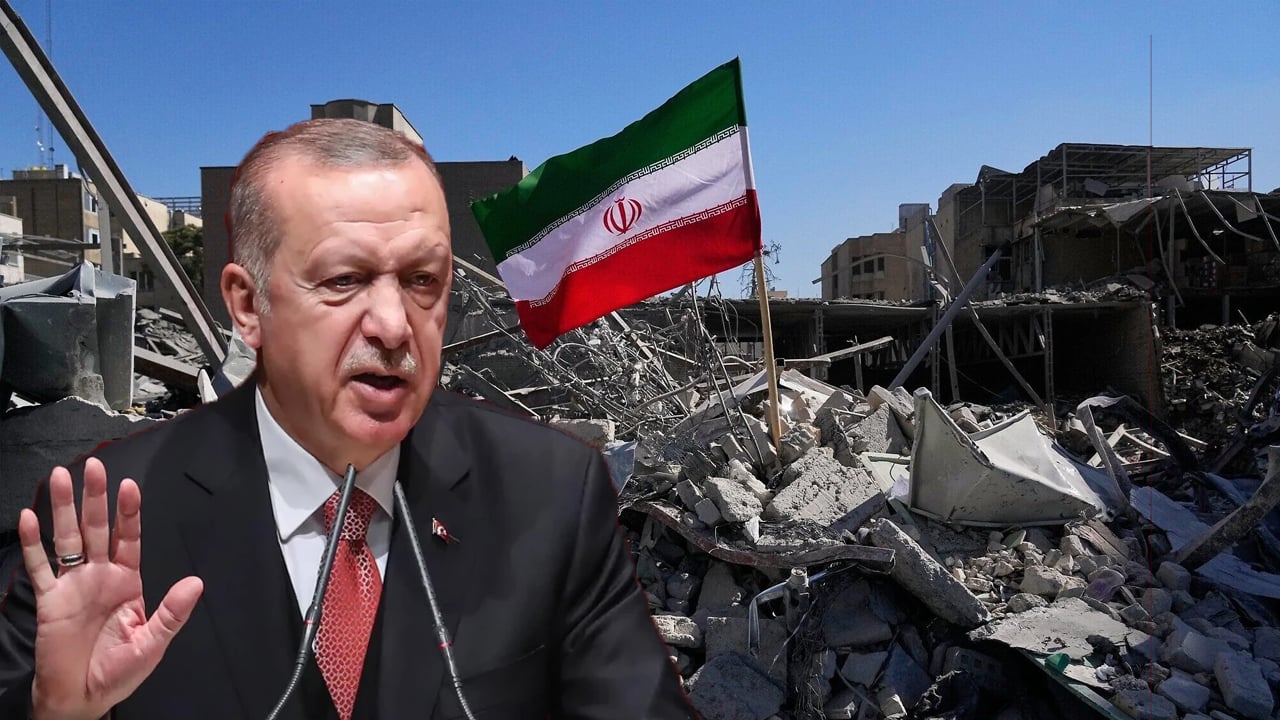
Turkish President Recep Tayyip Erdogan told British Prime Minister Keir Starmer that more could be done to create conditions for dialogue with Iran, according to a statement from the Turkish presidency. The conversation took place on Saturday, during which Erdogan said Turkey’s diplomatic efforts were continuing and that Ankara was closely monitoring developments following recent attacks on Iran. Erdogan warned that prolonged intervention could cause serious harm to regional and global stability. Turkey emphasized that diplomatic dialogue remains the most effective way to reduce tensions and resolve the crisis. The statement reflects Ankara’s consistent position favoring negotiation over escalation in regional conflicts. The call underscores Turkey’s ongoing engagement in regional diplomacy as tensions rise following attacks on Iranian targets. Ankara’s focus on dialogue suggests it seeks to prevent further destabilization in the Middle East.
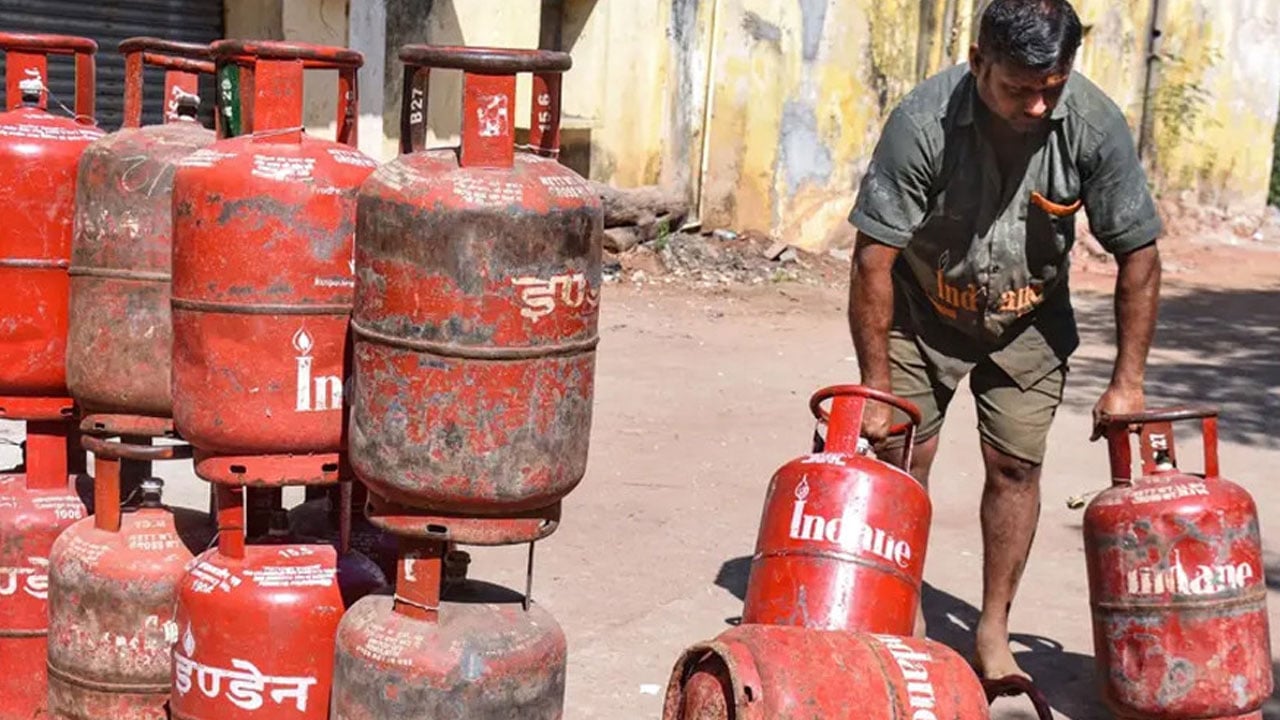
India has raised cooking gas prices as global energy markets reel from ongoing conflict in the Middle East. In Kolkata, the price of a 14-kilogram LPG cylinder rose from 879 to 939 rupees, while the 19-kilogram commercial cylinder increased by 114 rupees to 1,990 rupees. The new rates took effect on Saturday, March 7, across West Bengal, intensifying pressure on household budgets. According to the LPG Distributors Association spokesperson Bijonbihari Biswas, supply to large customers has been temporarily restricted, and similar measures may soon apply to users of 19-kilogram cylinders. Distributors reportedly have only four to five days of gas stock left. Many residents have begun turning to wood-fired stoves as an alternative amid the price hike. Stakeholders warn that if the conflict continues, gas prices could rise further. Local consumers expressed concern that the higher costs are straining family finances, with few affordable alternatives available.
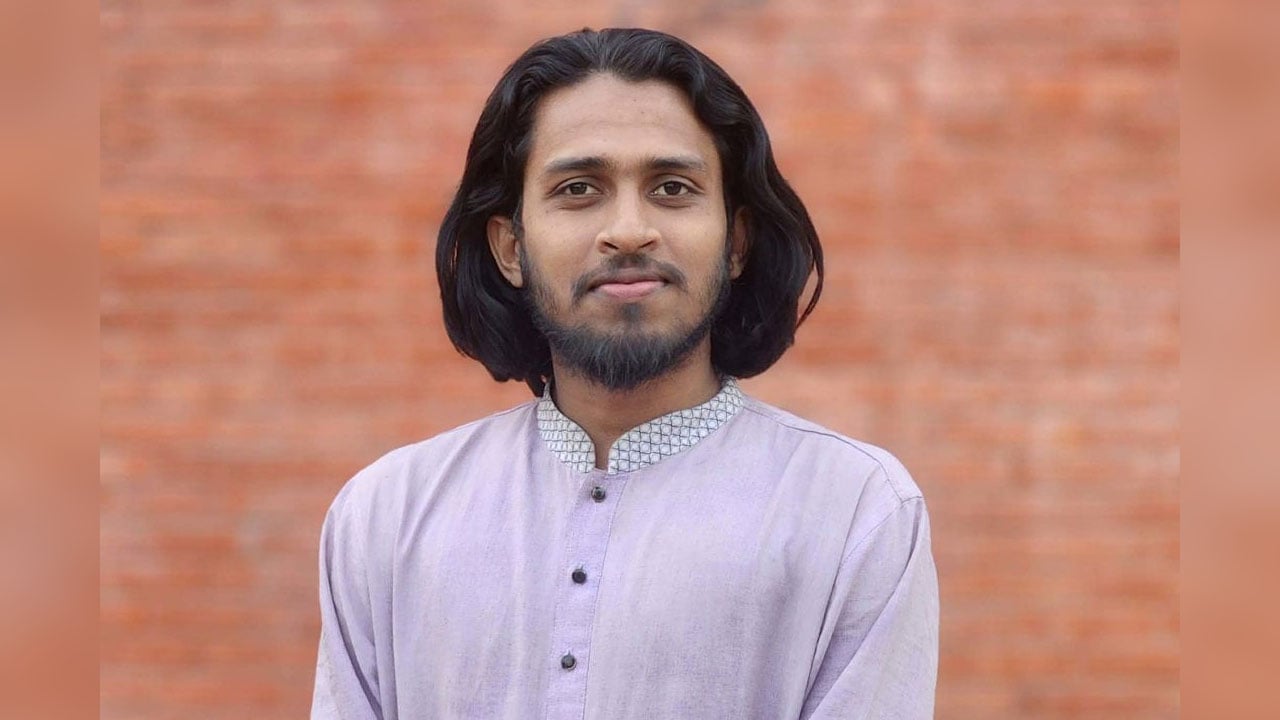
Rajshahi University Central Students’ Union (Raksu) General Secretary Salahuddin Ammar stated that the leaders who led Nepal’s recent mass uprising have now formed the government. He attributed this to the absence of what he called the Dhaka University or 'brotherhood' culture. Ammar made the remarks on Friday in a verified Facebook post. In his post, Ammar reflected on his involvement in campus movements during the period when the 'pet quota' protest was active. He alleged that many national-level leaders were so preoccupied with internal matters that they failed to raise a strong voice from Dhaka University demanding the abolition of the quota. He also mentioned that while large cultural programs were held at Dhaka University, his efforts to organize similar events at Rajshahi University were ignored. Wishing success to Nepal’s 'Gen-Z government', Ammar said any party formed by the uprising leaders would be his 'beloved organization'. He criticized the culture of favoritism and fan-based evaluation in politics, saying it had driven many activists away from their organizations.
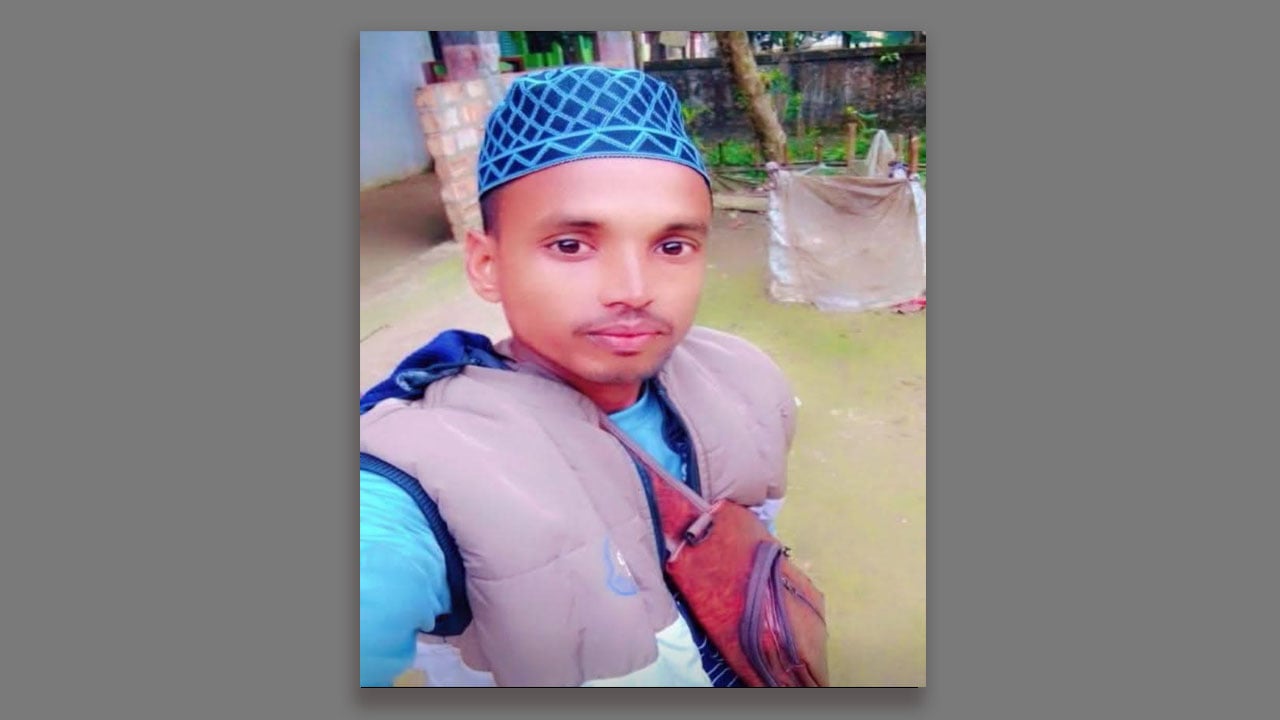
A young man named Samad Ahmed, aged 22, was killed in a knife attack during an arbitration meeting in Sikandarpur village under Osmaninagar upazila of Sylhet on Friday night. The incident occurred around 10:30 p.m. when a dispute over a local road between two groups escalated into violence. Police detained six individuals suspected of involvement in the attack. According to police and eyewitnesses, Samad Ahmed was the son of Abdul Khalik of Sikandarpur village. The conflict had been ongoing between Samad’s family and those of Rahim Ullah’s son Abdus Sattar and Abdul Jabbar. The arbitration meeting was arranged to resolve the dispute, but tensions rose and Samad was stabbed by members of the opposing group. He was taken to the hospital, where doctors declared him dead. Osmaninagar Police Station Officer-in-Charge Murshedul Alam Bhuiyan confirmed the incident, stating that legal action will be taken against those involved. The body was sent to Sylhet MAG Osmani Medical College Hospital morgue for autopsy.
The ‘1 Nojor’ media platform is now live in beta, inviting users to explore and provide feedback as we continue to refine the experience.