

The ‘1 Nojor’ media platform is now live in beta, inviting users to explore and provide feedback as we continue to refine the experience.
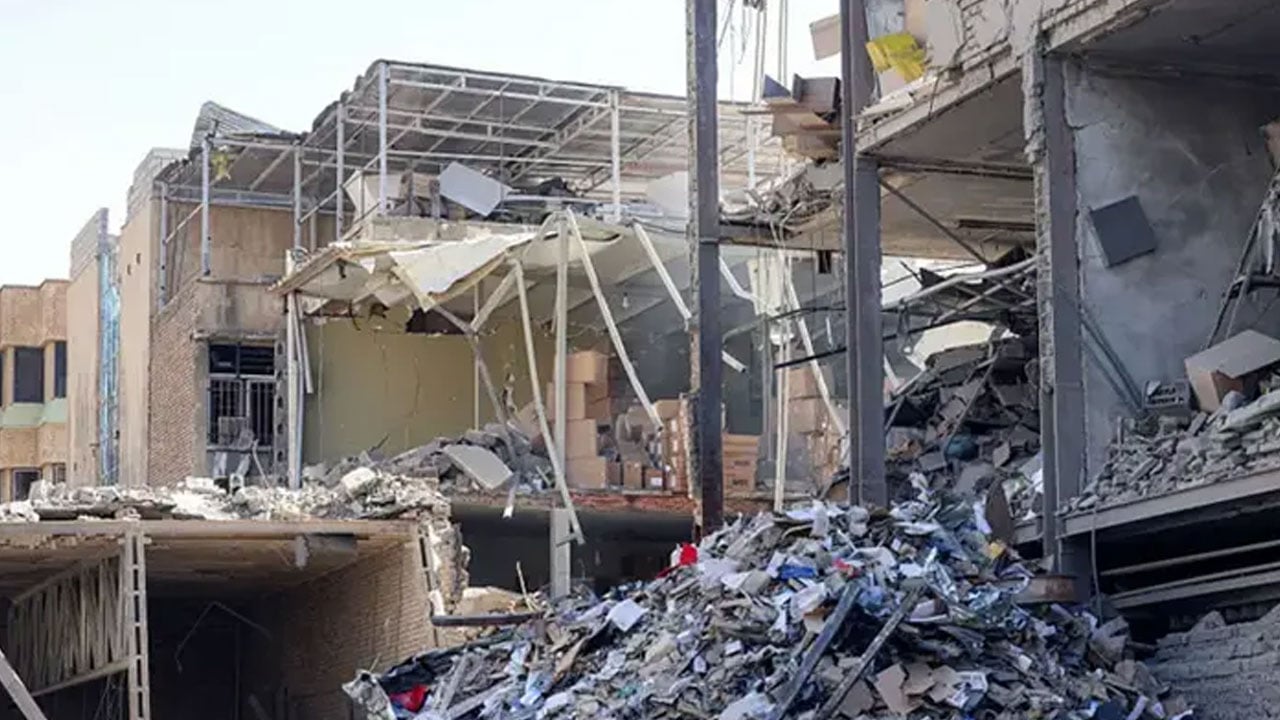
Iran’s Ministry of Intelligence has issued a warning that individuals who share photos or videos of sites damaged by recent US and Israeli attacks will face severe consequences. In a statement released on March 7, 2026, the ministry said that taking pictures of affected areas and sending them to what it described as “terrorist satellite networks, virtual pages, or enemy media channels” would be treated as collaboration with hostile forces. The ministry labeled those involved in such activities as “mercenaries” working for Israel and stated that it would monitor these “Israeli soldiers” and take legal action against them. It also urged the public to report any information about such activities to the authorities. The warning comes amid heightened tensions following attacks that damaged Iranian facilities, with the government seeking to control information flow and prevent the dissemination of images from affected areas.
NCP convener and opposition chief whip Nahid Islam has said that attempts are being made to rehabilitate the Awami League in the name of the Liberation War and the historic 7 March. Speaking as the chief guest at an iftar and doa mahfil organized by NCP Faridpur at Ambika Memorial Hall on Saturday, he stated that the Liberation War is a glorious chapter for the nation, but the Awami League has tarnished that glory by legitimizing crimes such as enforced disappearances, killings, and money laundering in its name. Nahid Islam accused the government of betraying the aspirations of July and the July Charter, claiming that while his party took two oaths under the implementation order, the ruling party violated one of them. Expressing willingness to work positively with the government, he demanded that the Reform Council take oath before the 12th session and that the first session remove what he called a fascist president. Otherwise, he warned, the eleven-party alliance would take to the streets. Several NCP and affiliated organization leaders attended the event as special guests.

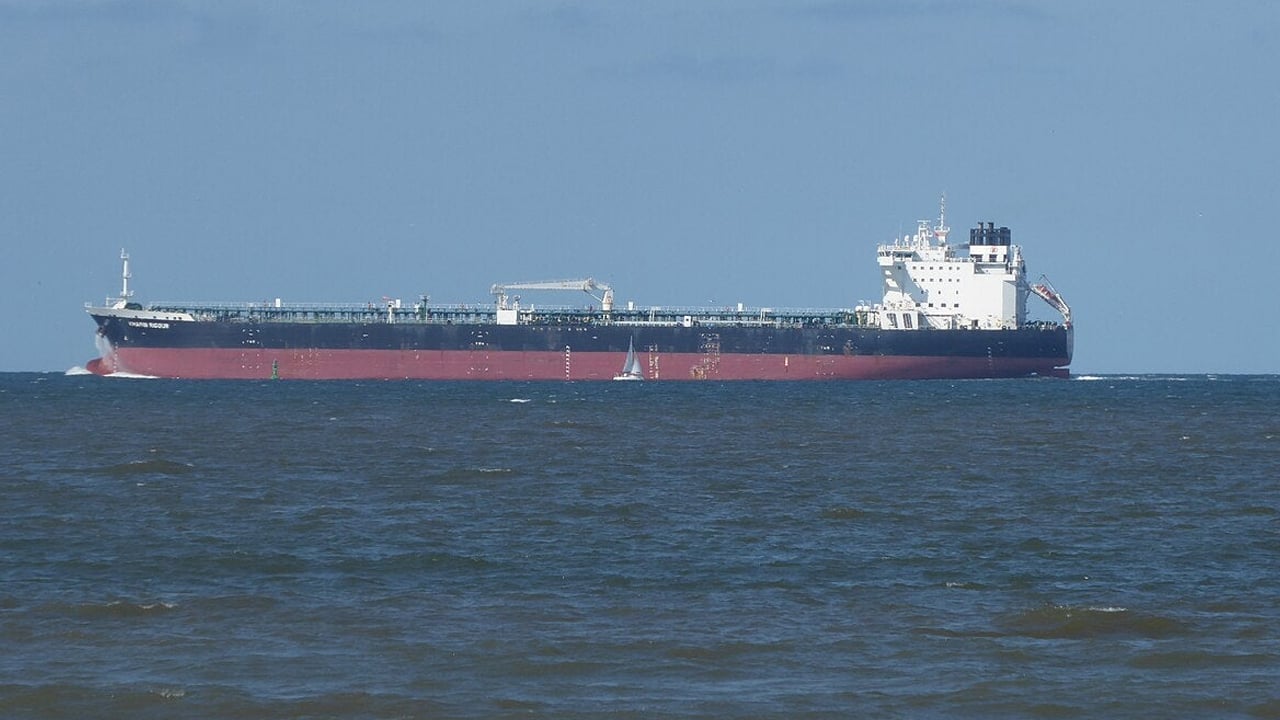
Iran’s Islamic Revolutionary Guard Corps (IRGC) has claimed responsibility for an attack on an oil tanker flying the flag of the Marshall Islands in the Persian Gulf. According to a statement published on the IRGC’s official website, Sepah News, the vessel, commercially known as ‘Luis P,’ was struck by a drone in the central part of the Gulf. The IRGC described the tanker as part of United States assets but did not provide further details about the extent of damage or any casualties resulting from the incident. The statement did not specify the exact location or timing of the strike beyond identifying it as occurring in the middle of the Persian Gulf. No immediate information was available regarding the response from the vessel’s operators or other regional authorities, and the scale of the impact remains unclear.
Bangladesh Bank has received a set of recommendations from leading economists to help the country withstand potential economic shocks stemming from rising tensions in the Middle East. At a meeting held on Saturday, chaired by newly appointed Governor Mostakur Rahman, eight prominent economists advised keeping the policy interest rate unchanged, preserving foreign exchange reserves, and seeking alternative energy sources outside the Middle East. The economists warned that recent military tensions involving Iran, Israel, and the United States could disrupt global energy supplies and increase pressure on Bangladesh’s economy through higher fuel costs, reduced remittance inflows, and dollar shortages. They emphasized the need to avoid policies that could worsen inflation, which remains high, and urged proper implementation of social safety programs such as the Family Card initiative. Additional recommendations included accelerating the release of foreign loans, exploring energy imports from Brunei and Singapore, and forming a crisis management committee to provide regular briefings and prevent public panic. The governor pledged integrity in his role and directed banks to act free from political influence.
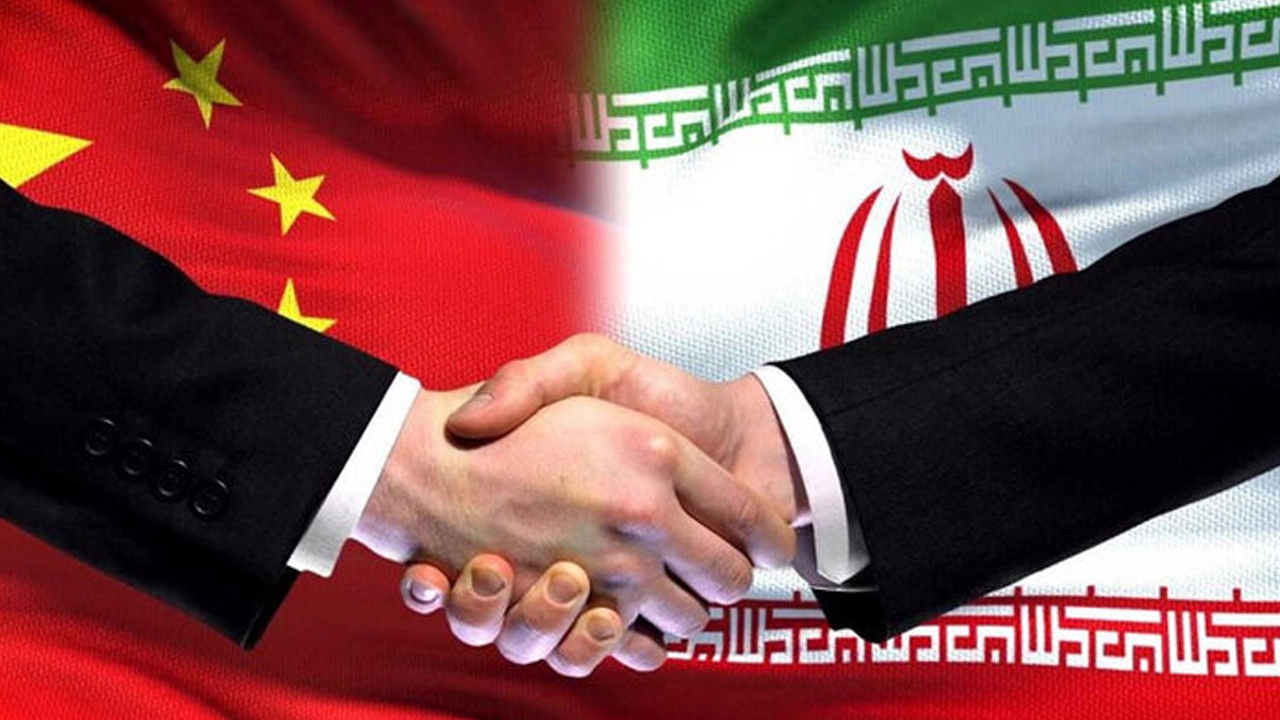
China is reportedly preparing to provide financial and military assistance to Iran as the country continues its war against the United States and Israel, according to a CNN report citing US intelligence sources. Neither China nor Iran has commented on the matter. The intelligence suggests Beijing may supply Iran with financial support, spare parts, and missile components, though China has not directly entered the conflict. The report also indicates that China, heavily dependent on Iranian oil, is expected to pressure Tehran to ensure safe navigation through the Strait of Hormuz. A source told CNN that China remains cautious about its support, seeking an end to the war to protect its energy supply. Earlier, US media reported that Russia was providing Iran with intelligence support in the same conflict. Iranian Foreign Minister Abbas Araghchi declined to clarify whether Tehran was receiving military aid from China or Russia, saying only that both countries were offering political and other forms of assistance. The conflict escalated after a joint US-Israeli strike on February 28 killed Iran’s Supreme Leader Ayatollah Ali Khamenei.
A court has sought permission from the Ministry of Public Administration to file a case against Sylhet Deputy Commissioner and District Magistrate Md. Sarowar Alam for alleged non-cooperation in a murder investigation and violation of court orders. The case relates to the killing of a youth named Tajuddin during an anti-discrimination student movement in Sylhet on August 4, 2024. Tajuddin’s wife filed a murder case, and the Police Bureau of Investigation (PBI) was assigned to investigate. Despite repeated requests, the DC allegedly failed to provide information about the executive magistrate on duty and the order under which shots were fired. The Border Guard Bangladesh (BGB) submitted its report, but the district administration remained silent, stalling the investigation. On February 8, the court ordered the DC to explain within 15 working days why legal action should not be taken for obstructing justice. However, no response was received by March 1. Senior Judicial Magistrate Sudipta Talukdar observed that the DC’s conduct violated multiple sections of the Penal Code and Criminal Procedure Code. The ministry has been directed to obtain legal approval by April 15, 2026, and inform the court. The court’s strong stance has sparked wide discussion in Sylhet.

Lebanese armed group Hezbollah claimed responsibility for two attacks targeting Israeli military positions on Saturday, according to Al Jazeera. In separate statements, the group said it launched a missile strike at 9:45 a.m. local time (07:45 GMT) on the Tzrifin military base, located east of Acre city in Israel. Later, at 12:30 p.m. local time (10:30 GMT), Hezbollah reported firing rockets at Israeli military vehicles gathered near the Fatima Gate crossing close to the Lebanese border town of Kfar Kila. Hezbollah stated that the attacks were carried out in response to Israeli strikes on various areas inside Lebanon. The report noted that the Israeli military had not issued any immediate comment regarding the incidents. The exchange marks another episode in the ongoing hostilities between Hezbollah and Israel, though the source did not provide details on casualties or damage resulting from the attacks.
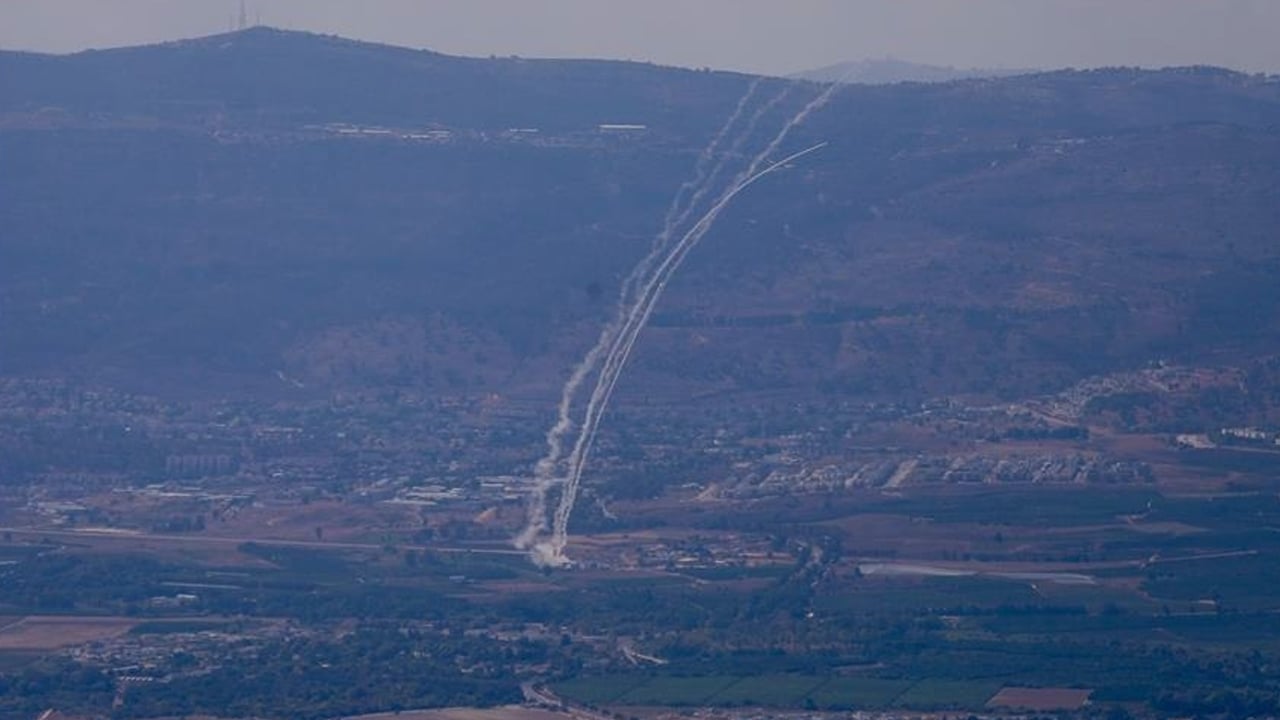
Iran has claimed to have shot down 13 advanced US and Israeli drones in a series of surprise attacks across multiple regions. According to a statement from the Islamic Revolutionary Guard Corps’ Khatam al-Anbiya Central Headquarters, the drones were intercepted between February 27 and March 7 using missile and artillery defense systems. The statement specified that MQ-9, Hermes, and Orbiter models were among the aircraft destroyed in Iran’s northwest, west, south, and in areas including Isfahan, Kerman, and Tehran. The announcement came as the conflict between Iran and the US-Israel alliance entered its second week. During the same period, explosions were reported in West Jerusalem, where air raid sirens were heard. AFP journalists confirmed hearing at least three blasts, while Israeli authorities issued six air raid alerts across various regions within 24 hours. The developments mark a continued escalation in hostilities, with both sides reporting attacks and counterattacks across multiple fronts.
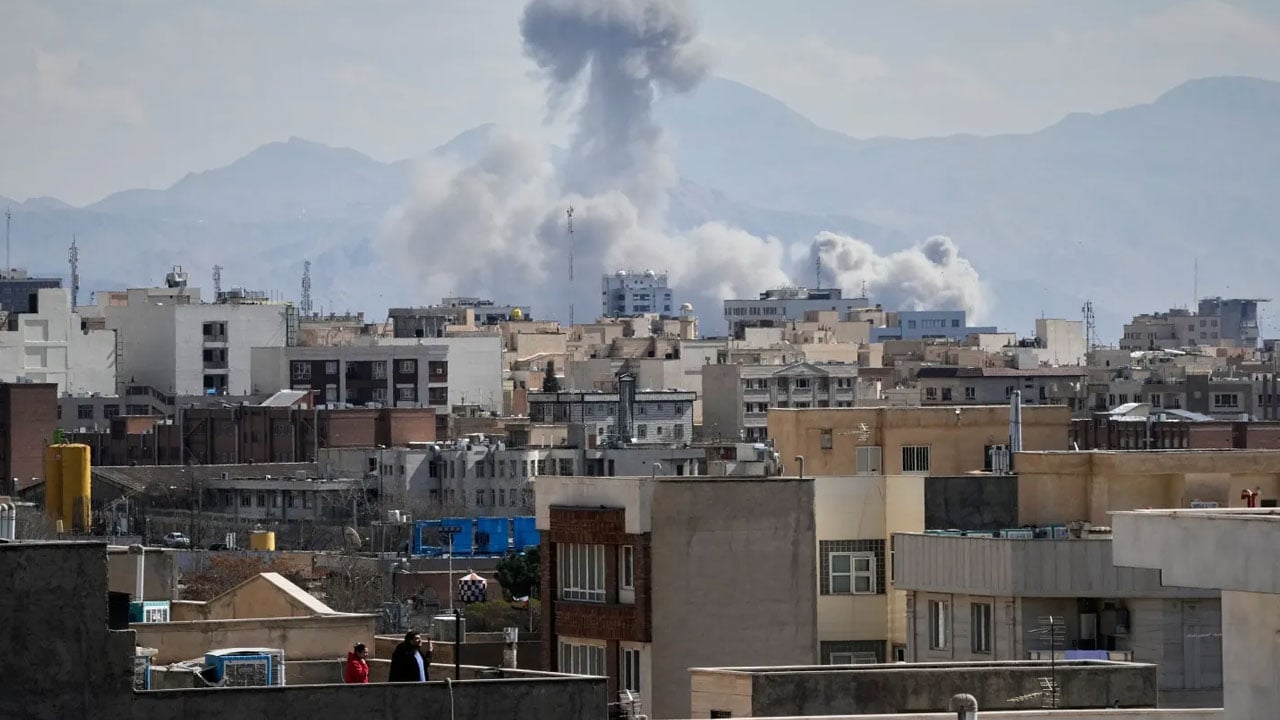
Bangladesh has received a major relief as 15 cargo ships carrying fuel, gas, and industrial raw materials have begun arriving at Chattogram Port despite fears of disruption in the Hormuz Strait due to the ongoing Iran-Israel-US conflict. According to port authorities, 12 of the ships have already docked, while the remaining three are expected within the week. The shipments include liquefied natural gas (LNG), liquefied petroleum gas (LPG), and clinker for the cement industry. The tension around the Hormuz Strait escalated after a joint US-Israel strike on Iran on February 28, followed by Tehran’s warnings. About 20 percent of global oil and LNG supplies pass through this route, making it crucial for Bangladesh, which imports from seven Gulf countries. Four LNG ships from Qatar crossed the strait before the conflict intensified, while one more remains inside awaiting passage. Officials noted that while current shipments have arrived safely, continued instability could complicate future cargo movements through the strait, potentially affecting Bangladesh’s energy imports.

Twelve ships that departed through the Strait of Hormuz and the Gulf of Oman before the outbreak of war between Iran, the United States, and Israel have reached the outer anchorage of Chattogram Port. Three more vessels are expected to arrive within the week. Among the arrivals, four are carrying liquefied natural gas (LNG), two contain liquefied petroleum gas (LPG), and nine are loaded with clinker, a raw material for the cement industry. According to Khairul Alam Sujon, former director of the Bangladesh Shipping Agents Association, these ships left the Middle East before navigation through the Hormuz Strait was halted due to the conflict. He added that several other ships are still en route, while a few remain near or inside the strait. Sujon stated that the government, shipping lines, vessel owners, cargo owners, and mariners are closely monitoring the war situation. If threats in the Hormuz Strait subside, normal maritime operations are expected to resume quickly.
Hamidreza Gholamzadeh, director of Iran’s think tank Diplo House, dismissed former U.S. President Donald Trump’s assertion that Iranian President Masoud Pezeshkian’s recent statement amounted to a surrender. Gholamzadeh said Trump’s claim was completely false and misrepresented the president’s message. According to Gholamzadeh, Pezeshkian’s video message stated that Iran would not target neighboring countries unless attacked first. He clarified that Iran’s actions are directed not at its neighbors but at U.S. or Israeli interests and facilities in the region. Gholamzadeh added that Iran has urged neighboring states not to allow their territories or airspace to be used by the United States or Israel for attacks against Iran. He described this request as both normal and lawful, emphasizing that it reflects Iran’s defensive stance rather than any sign of capitulation.

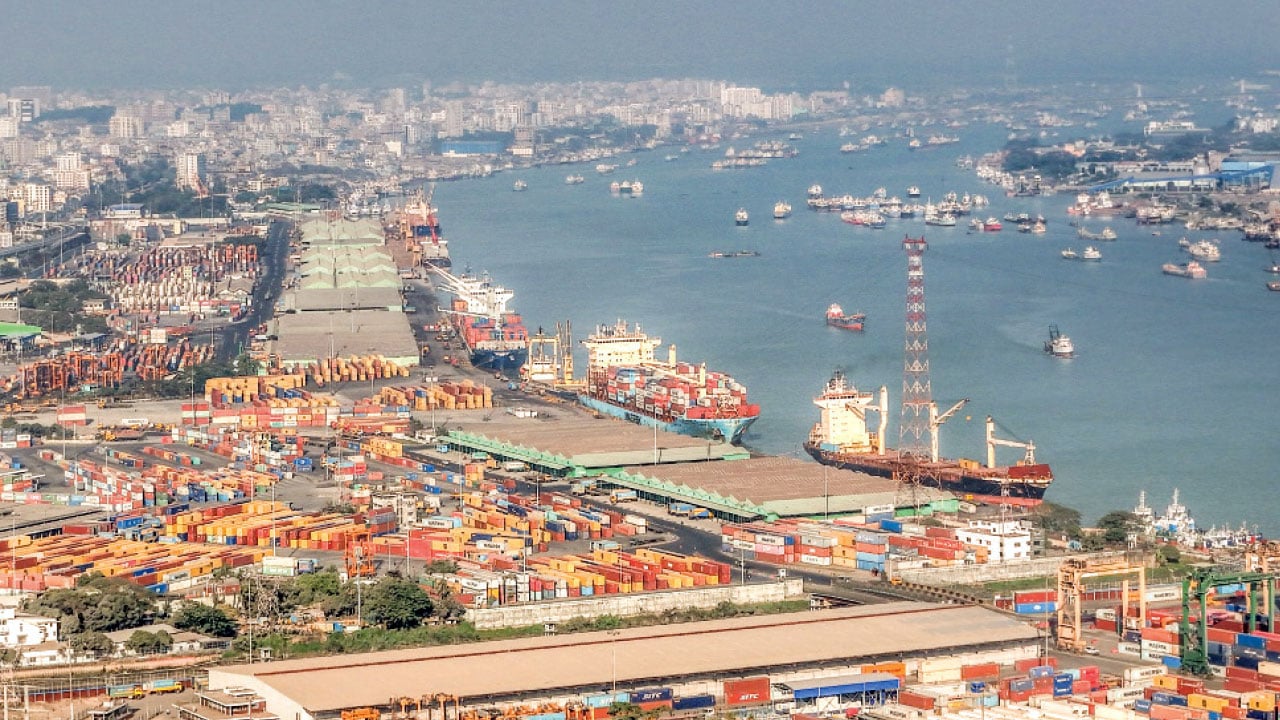
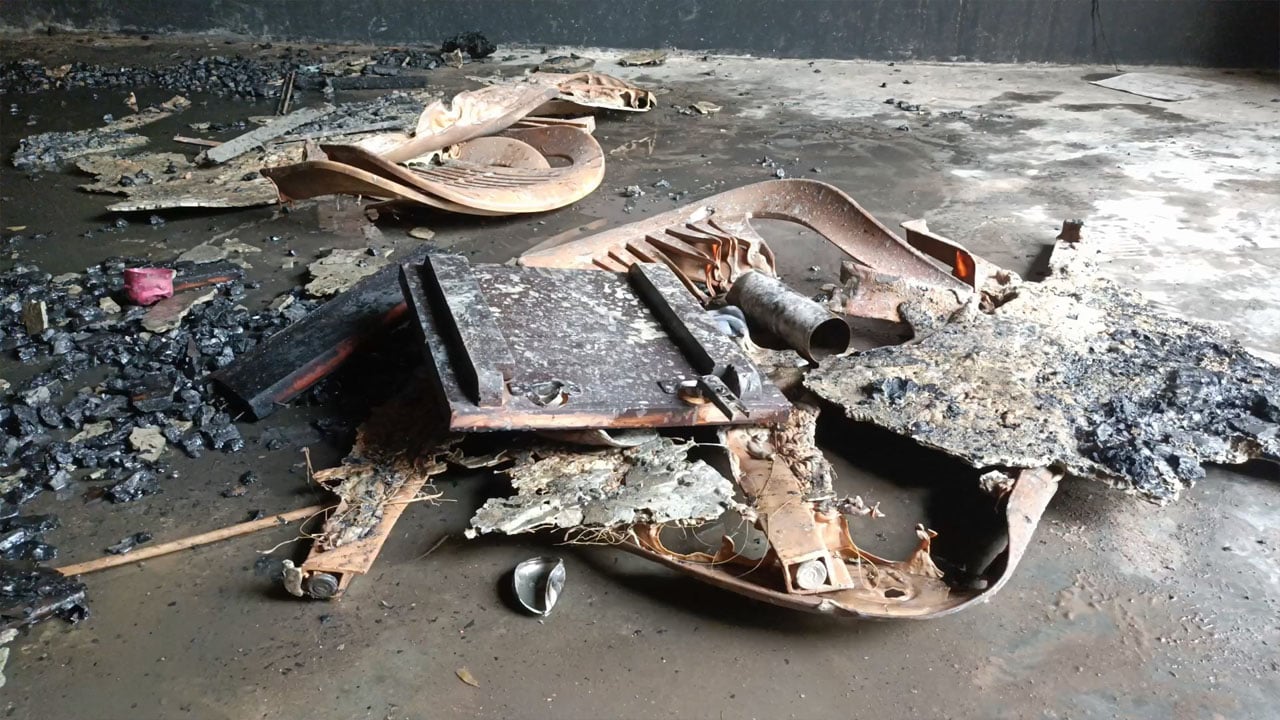
A fire broke out at the BNP office in Maheshpur upazila of Jhenaidah on Friday night after unidentified miscreants allegedly poured petrol and set the building ablaze. The incident occurred in Srirampur area of Mandarbaria Union, where two crude bombs exploded during the attack. The blaze destroyed chairs, tables, and other furniture inside the office before locals managed to bring the fire under control. According to local accounts, the attack took place around 1 a.m. when several individuals targeted the ward-level BNP office. The flames quickly engulfed the office, burning all furniture and a portrait of the party’s chief. Police later visited the site to assess the damage. Maheshpur Police Station Officer-in-Charge Mehedi Hasan stated that authorities have inspected the scene and will take legal action following an investigation.
State Minister for Fisheries and Livestock Sultan Salauddin Tuku said the government is giving the highest priority to primary education and taking steps to make the teaching profession more respected and appealing. He stated that primary education forms the foundation of a nation, and the goal is to turn the job of a primary school teacher into a desirable career that attracts talented individuals. He made these remarks on Saturday afternoon while addressing a recognition and award ceremony at the Tangail Deputy Commissioner’s conference hall. Tuku highlighted that temple-based education programs play a vital role at the grassroots level by nurturing students in morality, humanity, and social values while enhancing their educational skills. He also emphasized that in Bangladesh there should be no distinction between majority and minority communities, as all citizens are Bangladeshis who must work together for national progress. The government, he added, will provide full support to the Hindu community in all matters. The event was chaired by Tangail Deputy Commissioner Sharifa Haque and attended by several local officials and education project representatives. Awards were presented to outstanding teachers, students, and sports competition winners.
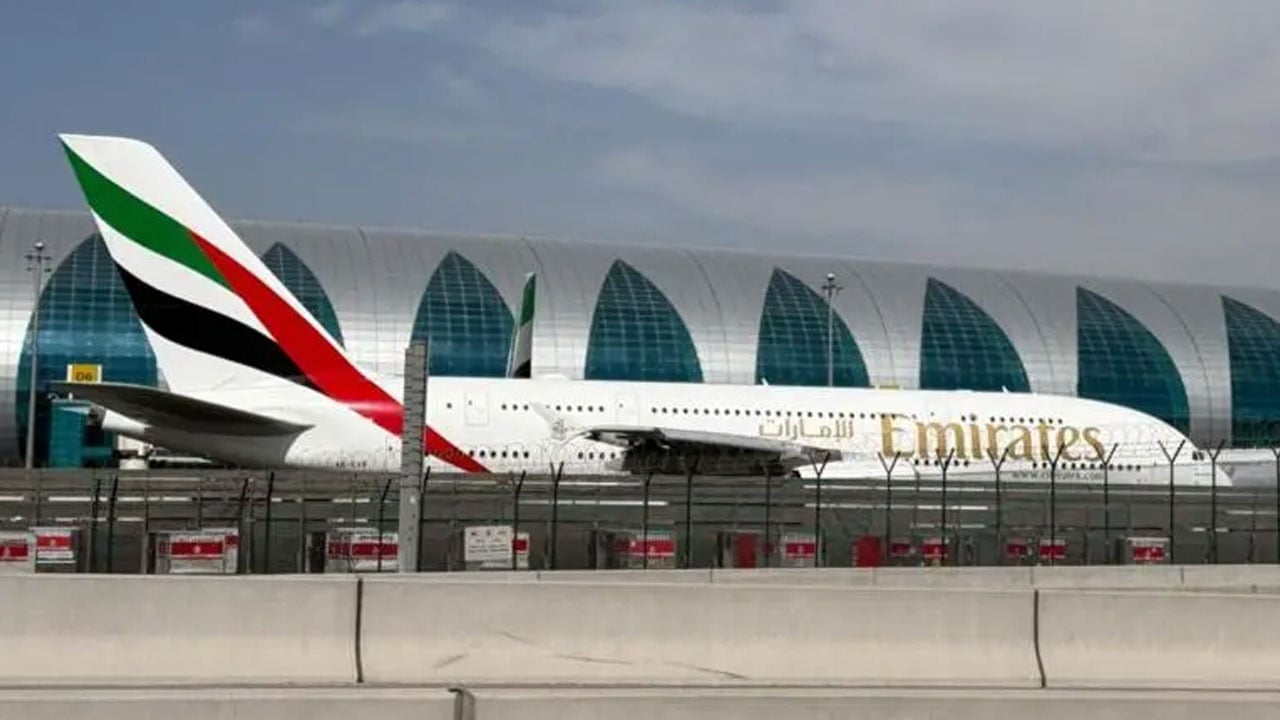
Authorities have confirmed that flight operations have resumed at Dubai International Airport after a temporary suspension. Emirates Airlines flight EK001 to London Heathrow, originally scheduled to depart at 7 a.m. local time, left after several hours of delay. The suspension followed the circulation of a video showing an explosion at the airport. The United Arab Emirates authorities did not provide an explanation for the initial suspension. However, the Dubai Government Media Office stated on its official X account that no incident had occurred at the airport. It clarified that a minor event caused by falling debris during the interception of an attack had been successfully contained, and no casualties were reported. Officials also denied social media reports suggesting any major incident at the airport. Flight operations are now returning to normal, with authorities emphasizing that safety measures remain in place and that the situation is fully under control.
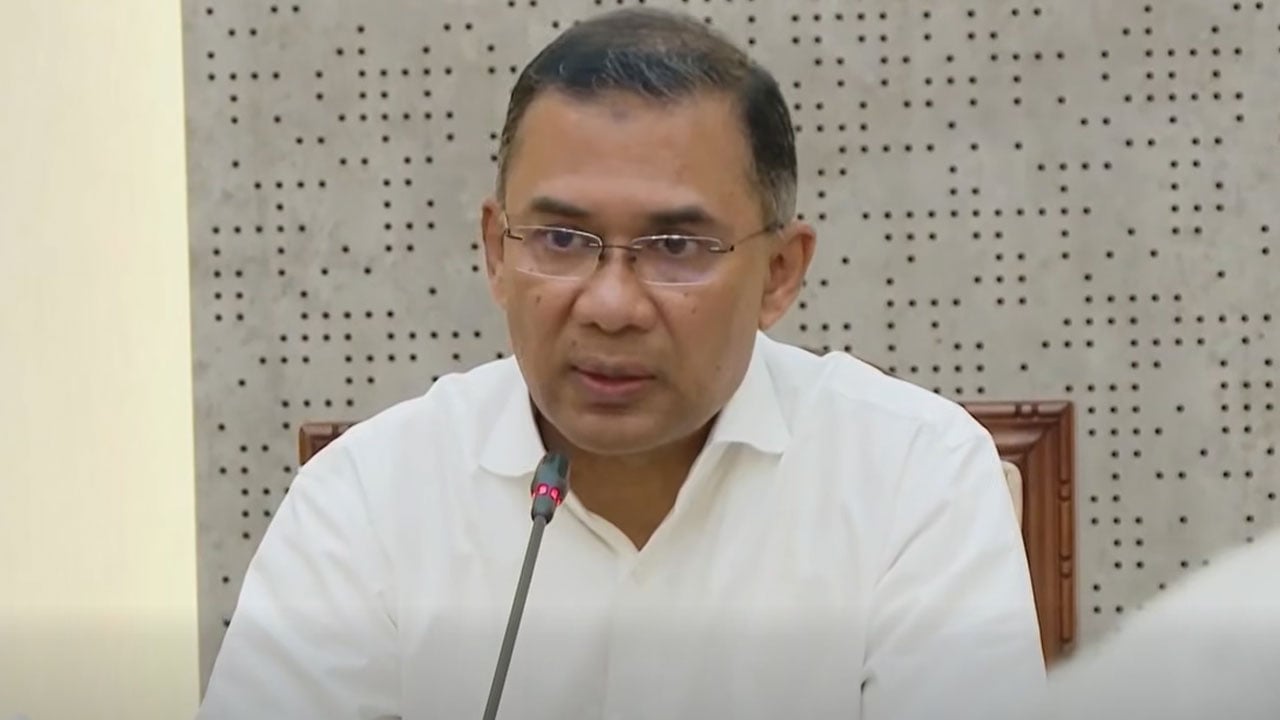
Prime Minister Tarique Rahman has called on traders not to raise commodity prices through dishonest means during the holy month of Ramadan. He made the appeal on Saturday at an iftar gathering organized at the state guesthouse Jamuna in honor of orphans and Islamic scholars. Rahman described Ramadan as a month of sacrifice and restraint, urging businesspeople not to turn it into a period of greed and profit-seeking. The Prime Minister also discussed the importance of zakat as one of the five pillars of Islam and shared his plan to make zakat management more effective and targeted. He noted that although wealthy individuals in Bangladesh contribute significant amounts in zakat each year, the lack of organized distribution limits its impact on poverty reduction. Rahman said the government is planning to strengthen zakat management to ensure it contributes more directly to alleviating poverty. He added that due to global circumstances, this might be the last iftar event of the season, emphasizing austerity in government spending and the significance of supporting orphans and religious scholars during Ramadan.
The ‘1 Nojor’ media platform is now live in beta, inviting users to explore and provide feedback as we continue to refine the experience.