

The ‘1 Nojor’ media platform is now live in beta, inviting users to explore and provide feedback as we continue to refine the experience.
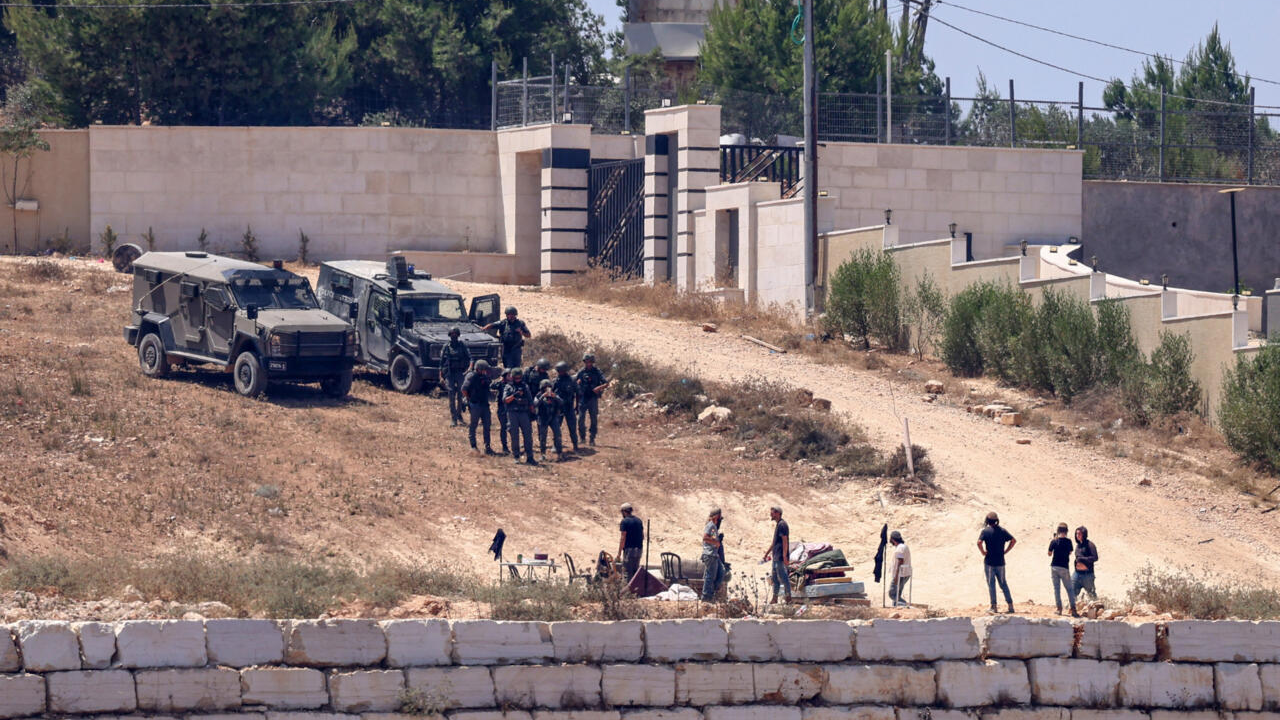
Four Palestinians are unable to leave their homes in Qusra village near Nablus in the West Bank because an Israeli military checkpoint is blocking them, according to the report. Family members cannot bring them food, essential supplies or medicine, while residents of an Israeli settlement in the same area are moving freely. One of those confined is Palestinian-American Louis Abu Ridi. Abu Ridi told Al Jazeera that relatives must coordinate in advance with Israeli forces to visit their home, a process that can take several days. He said speaking with soldiers had not changed the situation. The soldiers describe the area as a “closed military area,” he said, although settlers can move without restriction. He said the latest attack occurred only 300 yards from his home. After an attack on the village on August 29, the number of trapped residents rose from three to four. The report says violence by Israeli settlers in Qusra has increased over the past month, and three homes have been under blockade since August. Abu Ridi’s 83-year-old mother is nearly out of medicine, while his sister, brother and neighbours face disruptions to school and work.
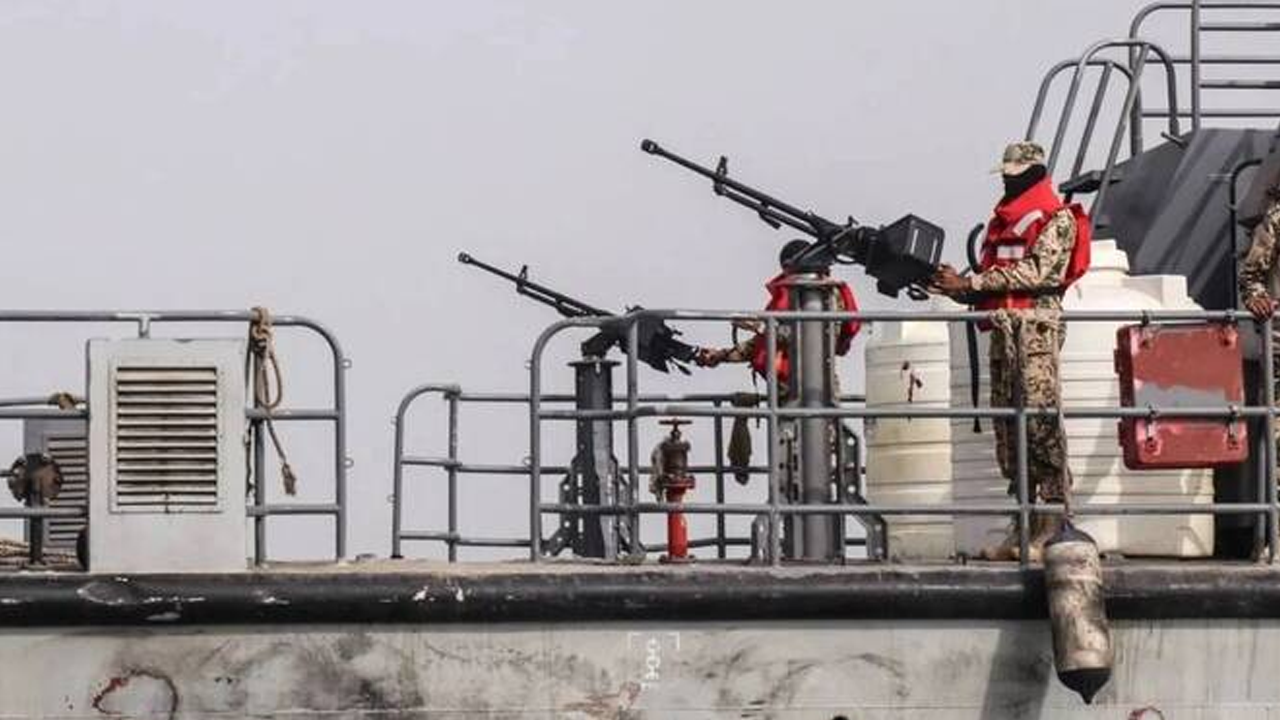
Yemen’s military said it carried out drone strikes on positions of the Iran-backed Houthis across several fronts in the country. The army’s media center announced the operation and released footage of an attack in the Bakam district of northern Saada governorate. The video showed bombs being dropped from drones on Houthi positions. The military media center said the strikes targeted Houthi locations in different areas of Yemen. The source did not provide details on casualties, damage, or the timing of the strikes beyond the announcement by the army’s media center. Separately, Yemen’s navy said it destroyed four Houthi drone boats in the Red Sea. It said the vessels were destroyed near the Hanish and Zakar island groups. The report did not provide further details on the operation or the condition of the boats.
Dhaka Metropolitan Police arrested 442 people in regular operations across the capital over the past 24 hours. Police also filed 19 cases during the same period, according to the report. The operations covered several policing divisions in Dhaka. Among those arrested, Mirpur recorded the highest number with 133. Tejgaon arrested 59 people, Motijheel 56, Wari and Uttara 50 each, Lalbagh 36, Ramna 32, Gulshan 23, and the Detective Branch five. During the operations, police recovered one locally made revolver, four rounds of ammunition, 6,324 yaba tablets, 33 packets of cannabis, and Tk 3,400. Legal action against those arrested is under process.

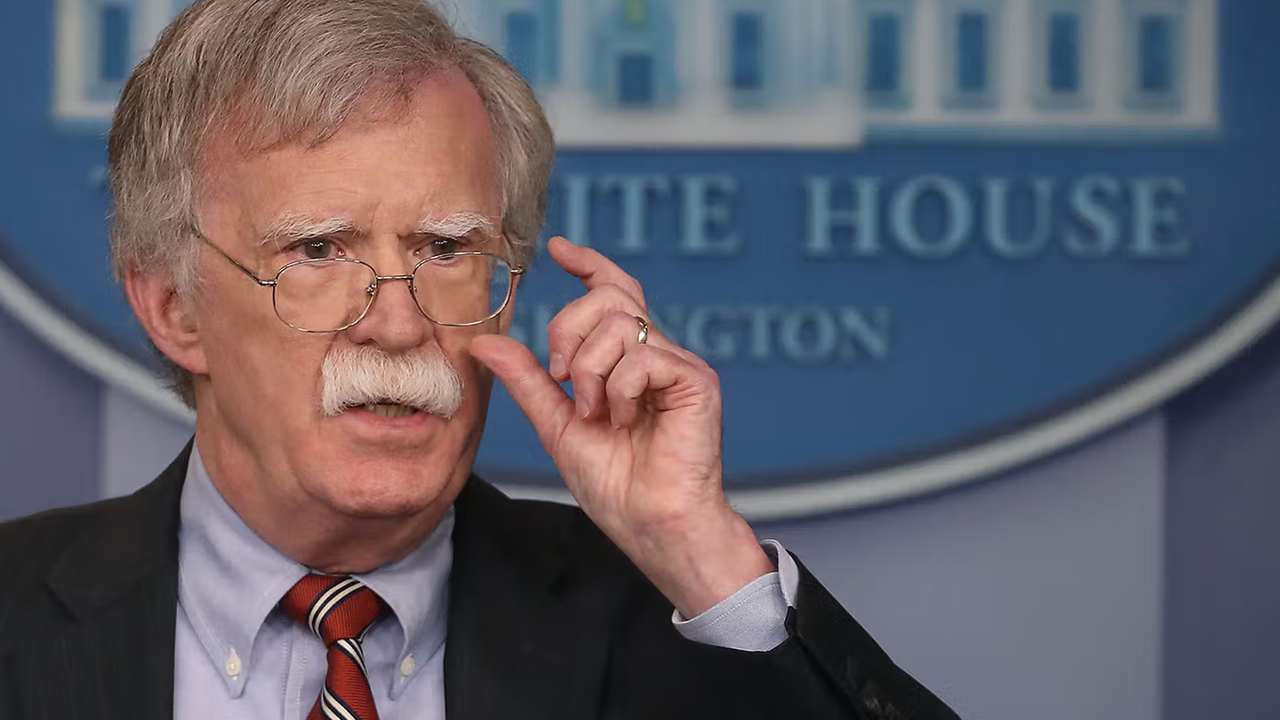
Former US national security adviser John Bolton described US sanctions targeting Iran’s oil exports as a major success and said they should remain in force. In an interview with the US television network NewsNation, he said the restrictions had been highly effective in preventing Iran from exporting oil and other goods and were having a significant effect on Iran’s economy. Bolton identified China as the biggest challenge to US pressure on Iran. He said China has long been among the principal buyers of Iranian oil and claimed that Iran has been able to move financial resources through China’s banking system. He argued that Washington should focus primarily on countries helping Iran sustain itself. He suggested that the United States could impose sanctions on Chinese banks and state institutions involved in purchasing Iranian oil. Bolton also supported applying additional financial pressure on Iran, but said maintaining the oil blockade was the most important measure. He said keeping the restrictions in place would represent major progress and would have a substantial economic impact on Iran.
An opinion article argues that textbooks should serve as blueprints for nation-building rather than political documents. It says classroom materials strongly shape children’s confidence, identity and social understanding, and warns that content reflecting inequality, narrowness or irrational social ideas can cause long-term harm. The writer calls for Bangladesh to rethink how curricula and textbooks are developed. The article says curriculum discussions often begin after books have been printed, while research and consultation should occur before writing starts. It argues that teachers, students, parents and researchers are often excluded from national-level policymaking, leaving centrally designed curricula poorly matched to classroom realities, particularly in remote areas. It also urges textbooks to treat cooking and household responsibilities as life skills for all children, alongside finance, technology and leadership. The writer proposes consulting experienced teachers from urban and rural model institutions, specialists in child development and subject experts. Draft curricula should be opened for public feedback, then piloted for at least a year with a national online feedback platform for registered teachers. Examples from Finland, Singapore, Australia and the United Kingdom are cited to support participatory development, research, piloting and sustained evaluation.

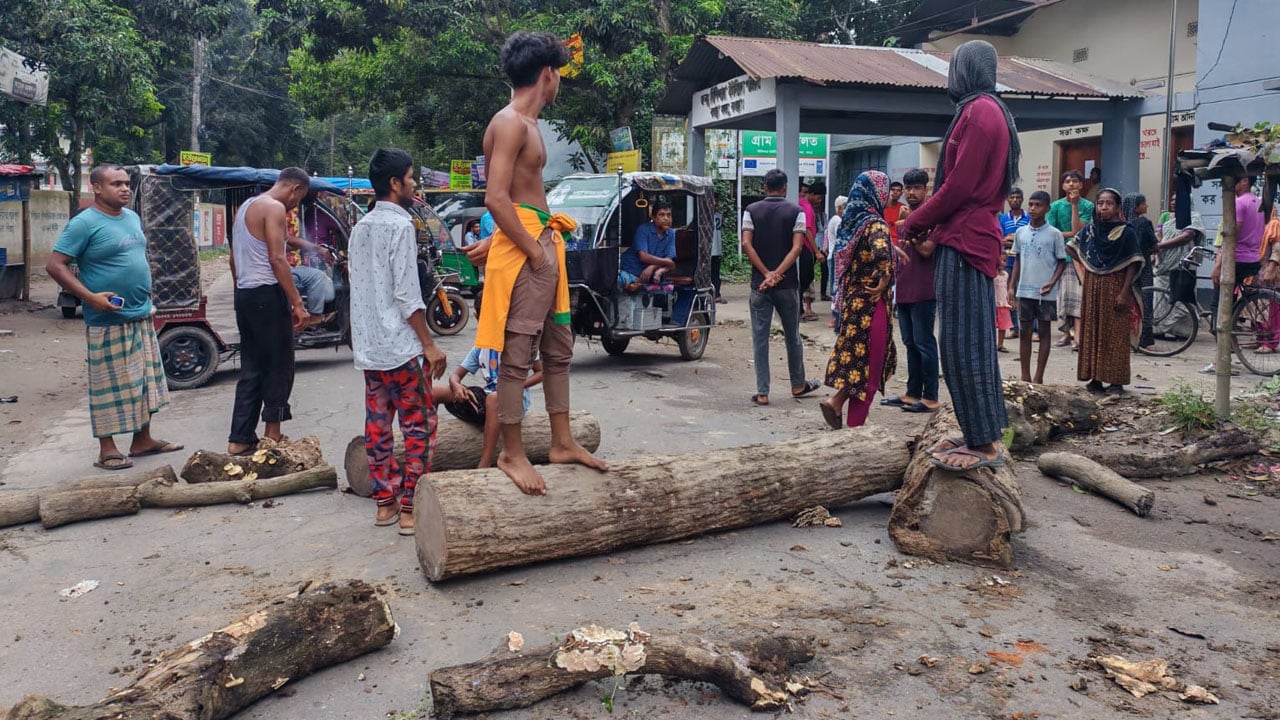
A 35-year-old man, Shamim Hossain, was allegedly beaten overnight and killed after the tendons in his leg were cut in Barpur, Bogura. The incident occurred at about 4:30am on Tuesday. His body was taken to the morgue at Shaheed Ziaur Rahman Medical College Hospital in Bogura. Relatives alleged that ABM Shafi, a ward 5 member of Nishindara Union Parishad and a Union Awami League leader, his son Nazmul Hossain Kayum, described as a Chhatra Dal leader, and several others were directly involved. Shamim’s mother-in-law, Chhobeda Begum, said he had gone to Barpur to attend the burial of a close relative. She said Shamim was detained while walking in the area at night, severely beaten and left in an abandoned place after his leg tendons were cut. Village police rescued him and took him to hospital, where he died during treatment. Bogura Sadar police station officer-in-charge Ibrahim Ali visited the scene. Residents blocked a road following the incident, according to the report.
The article argues that an active opposition is essential to parliamentary democracy and says Bangladesh’s 13th National Parliament has gained a more vocal opposition following the July uprising of 2024 and the fall of fascism. It cites recent tensions over the home minister’s remarks, including opposition protests, a walkout and the speaker’s concern, as signs that parliamentary questioning and dissent have returned. It contrasts this with the author’s assessment of parliamentary politics during the previous one-and-a-half decades of Awami rule. The article says parliaments formed after the 2014, 2018 and 2024 elections lacked a meaningful opposition, describing the legislature as a rubber-stamp body. It refers to the British model of a loyal opposition, shadow cabinet and prime ministerial questioning, and to US checks and balances, as examples of accountability. The article cautions that vigorous debate must not become disorder. It says both government and opposition should show restraint, notes that the home minister withdrew his statement, and credits the speaker with handling the situation. It urges lawmakers to focus on economic fragility, gas and power shortages, and law-and-order instability while strengthening democratic institutions.
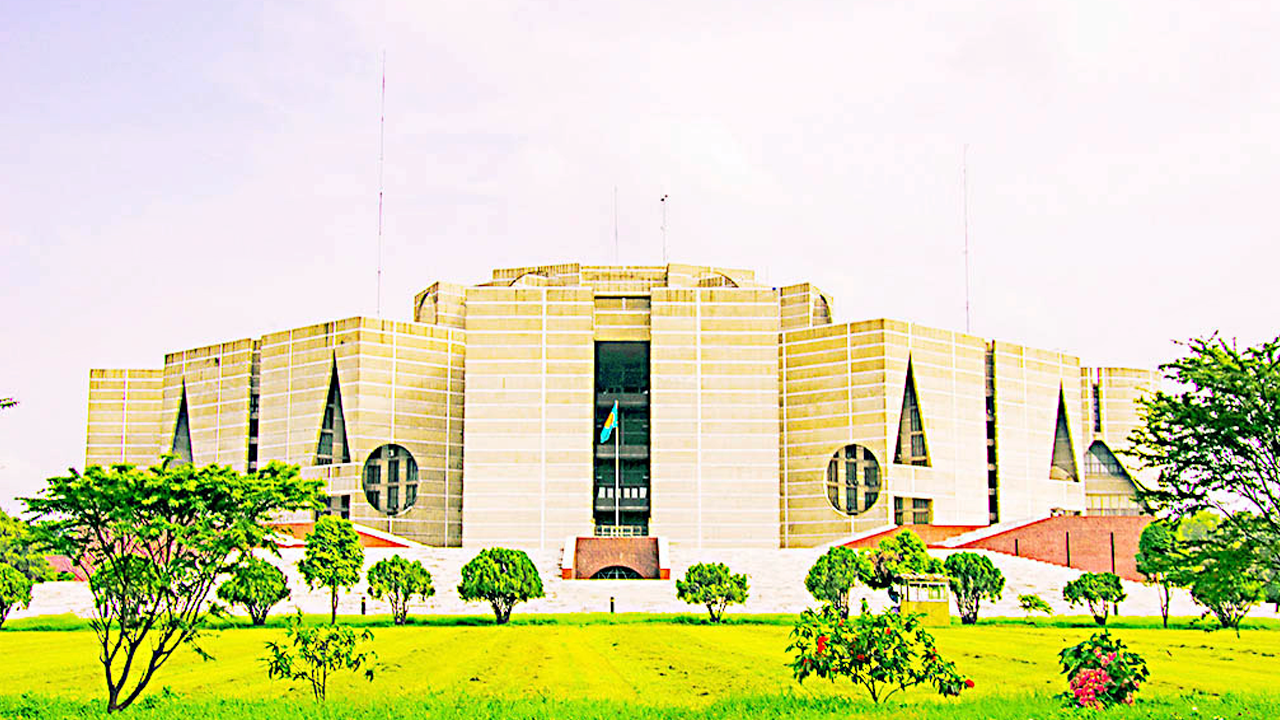
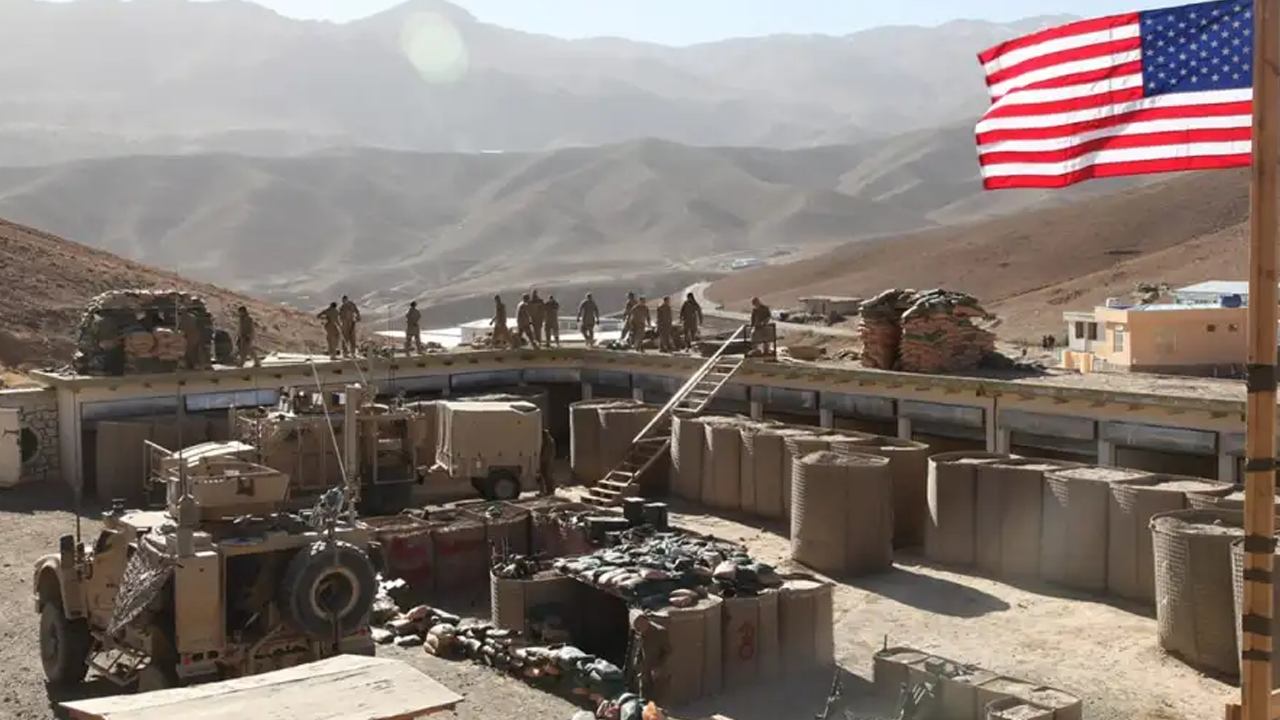
Washington is reviewing the future of its military bases in the Middle East after Iranian attacks damaged at least 15 US bases and facilities, according to the report. The reassessment comes amid rising US-Iran tensions, a fragile ceasefire and stalled talks. The Pentagon is considering deploying fewer troops or moving forces westward, though no formal decision has been announced. The United States has about 50,000 personnel at at least 20 bases in and around the Gulf, including facilities in Qatar, Bahrain, Kuwait, the United Arab Emirates and Saudi Arabia. Reported damage included radar and early-warning systems at Al Udeid in Qatar, naval headquarters, warehouses and communications infrastructure in Bahrain, and aircraft, logistics and support centres in Kuwait. Analysts said any reduction could affect Gulf states’ confidence in US security commitments and encourage them to reconsider relations with Iran. Gulf countries are strengthening joint defence arrangements and diversifying arms suppliers, but analysts said these steps cannot quickly replace US intelligence, logistics, naval and air capabilities. One proposed alternative is a decentralised access model using rotating deployments, pre-positioned equipment, shared facilities and stronger integrated air and missile defence.
A commentary published on September 1 traces the Bangladesh Nationalist Party’s four-decade history from its founding by then-president Ziaur Rahman in 1978 to its present leadership under Tarique Rahman. The article says BNP has returned to power for a fifth time and that Tarique Rahman has led the government for six months after the party formed a government following the February 13 election. The piece describes BNP’s establishment after Ziaur Rahman announced a 19-point programme and founded the party at a September 1, 1978 press conference. It says the party embraced nationalism, democracy, faith in Allah, and economic and social justice, while seeking to build national unity. It portrays Khaleda Zia as leading BNP after Ziaur Rahman’s 1981 killing and says she remained its leader until her death on December 30 last year. The commentary says Tarique Rahman returned to Bangladesh on December 25 last year after 17 years in London and led BNP into the parliamentary election. It urges him to follow Ziaur Rahman and Khaleda Zia’s policies, prioritise public welfare, discipline, competent appointments, and zero tolerance for corruption and political violence.

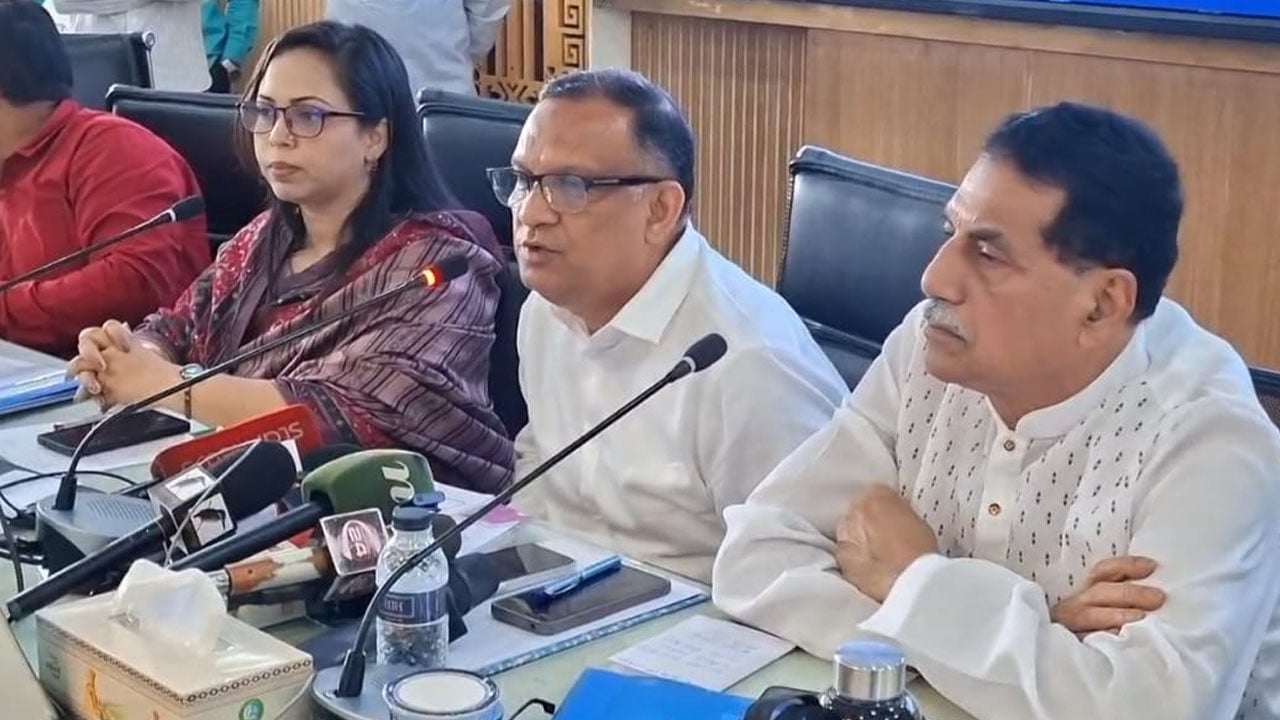
State Minister for Textiles and Jute Md. Shariful Alam said Bangladesh’s existing electricity and gas problems were not created in a single day, accusing the previous “fascist government” of misleading people with signs claiming universal electricity coverage. He made the remarks on Monday morning at a coordination meeting in the Narsingdi deputy commissioner’s conference room on law and order, development and public welfare activities. Alam alleged that the former government had not pursued a permanent solution to the power crisis and had instead used quick-rental power arrangements to move thousands of crores of taka abroad through selected individuals. He said the current prime minister’s government has undertaken plans for a lasting solution to ensure uninterrupted electricity and gas supplies, although implementation will require time. Addressing law and order, the minister said narcotics are closely linked to the issue and cannot be eliminated by police alone. He called for social resistance, social boycotts of offenders and legal action regardless of an offender’s identity. He also urged public support for the government to prevent what he described as efforts by vested interests to create disorder.
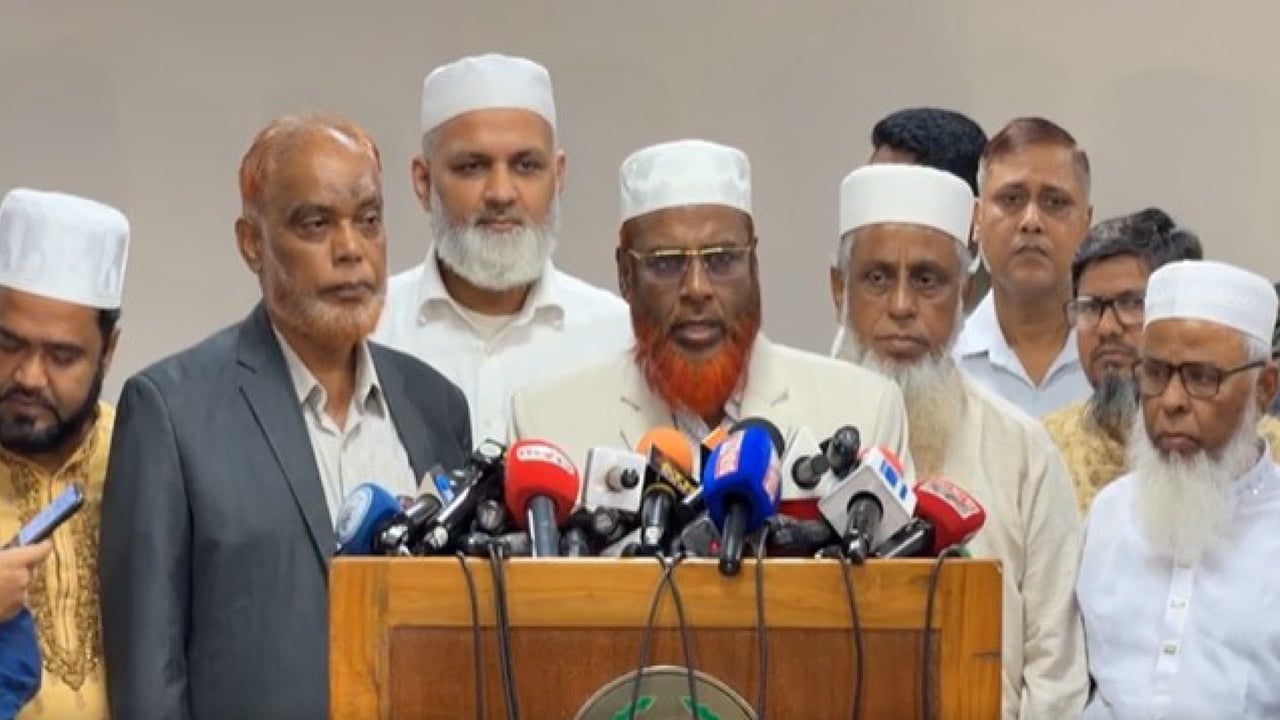
Bangladesh Jamaat-e-Islami Secretary General Professor Golam Parwar has called for repeal of an Election Commission provision that disqualifies MPO-listed private school teachers from contesting local elections. He raised the demand while briefing journalists after a meeting with Chief Election Commissioner AMM Nasir Uddin at the Election Building on Tuesday afternoon. Parwar led a six-member delegation to the meeting. Parwar said the provision violates Articles 27 and 28 of the Constitution. He said the rule could face a legal challenge if it is not withdrawn. According to him, about 30,000 MPO-listed teachers are employed. The Jamaat leader also said the delegation requested that the government be informed of its demand to remove an Election Commission additional secretary. He alleged that the official is a member of the BNP election management committee and was appointed to the additional secretary post.
Mongla police detained শাহরিয়ার সুমন on Monday at about 10:30pm in the Baidyamari Bazar area of Mongla উপজেলা in a case over alleged poison fishing in the Sundarbans. Local people said he identified himself as a Jubo Dal worker, though local sources said he held no organisational post. Police said the detention followed allegations that fish were caught using poison in the forest. Villagers earlier detained two fishermen, about 200 kilograms of fish and a boat on Saturday afternoon in a canal in the Chandpai Range's Goraburburia area. The fishermen, মুহিদুল হাওলাদার and নাঈম শেখ, were later released with the fish and boat after alleged threats from an influential group. In videos recorded by locals, the two fishermen said they had used poison and went to the Sundarbans on Suman's instruction; Suman denied sending anyone. The fish and boat have not yet been seized by police or the Forest Department. Sundarbans East Forest Division has formed a five-member committee, led by Sharankhola Range Officer Md Shariful Islam, and requested its report within five working days. Police said Suman would be sent to court Tuesday morning and the case was being investigated seriously.

Bangladesh Financial Intelligence Unit has formed a steering committee bringing together public and private sector stakeholders to prevent trade-based money laundering. The committee was established under a public-private partnership model following a BFIU-led meeting of relevant stakeholders held last Sunday, according to a BFIU notice issued Monday. The meeting discussed existing challenges, risks and future actions for preventing trade-based money laundering. Participants included representatives of Bangladesh Bank’s Foreign Exchange Policy Department and Foreign Exchange Operation Department, National Board of Revenue intelligence and customs bodies, the Anti-Corruption Commission, Criminal Investigation Department, Dhaka Metropolitan Police and Dhaka Customs House. Representatives of 15 scheduled banks involved in commercial activity also attended. The committee will review risks and challenges, assess progress of measures already taken, strengthen information-sharing arrangements and determine future actions. It will also hold regular meetings to review agencies’ activities and provide necessary guidance. BFIU described trade-based money laundering as a complex financial crime with inter-institutional and international dimensions, requiring coordinated action, stronger risk analysis and close cooperation among regulators, law enforcement agencies, banks, customs authorities and the private sector.

RAB-6 seized 50 kilograms of cannabis and detained two suspected drug dealers during an operation near Digraj Bazar in Mongla, Bagerhat. The operation was launched around 3am on Sunday night following a tip-off, according to RAB sources. Gopal Sarkar was detained while allegedly entering Mongla by transport carrying the large cannabis consignment. RAB later detained another suspected dealer based on information provided by Gopal Sarkar, though the second detainee’s identity was not immediately known. Gopal Sarkar is the son of Shyam Sarkar of Kainmari in Mongla upazila. RAB alleged that he had long collected large drug consignments and sold them to smaller dealers in Mongla and other parts of Bagerhat. Investigators are questioning the detainees to obtain information about others involved in the drug network. Law enforcement agencies are also examining who else was connected to the consignment and where it had been brought from. Bagerhat-3 lawmaker and state minister Sheikh Faridul Islam said on social media that anti-drug operations would continue and efforts were under way to identify remaining accused or associates.
-425432.jpg)
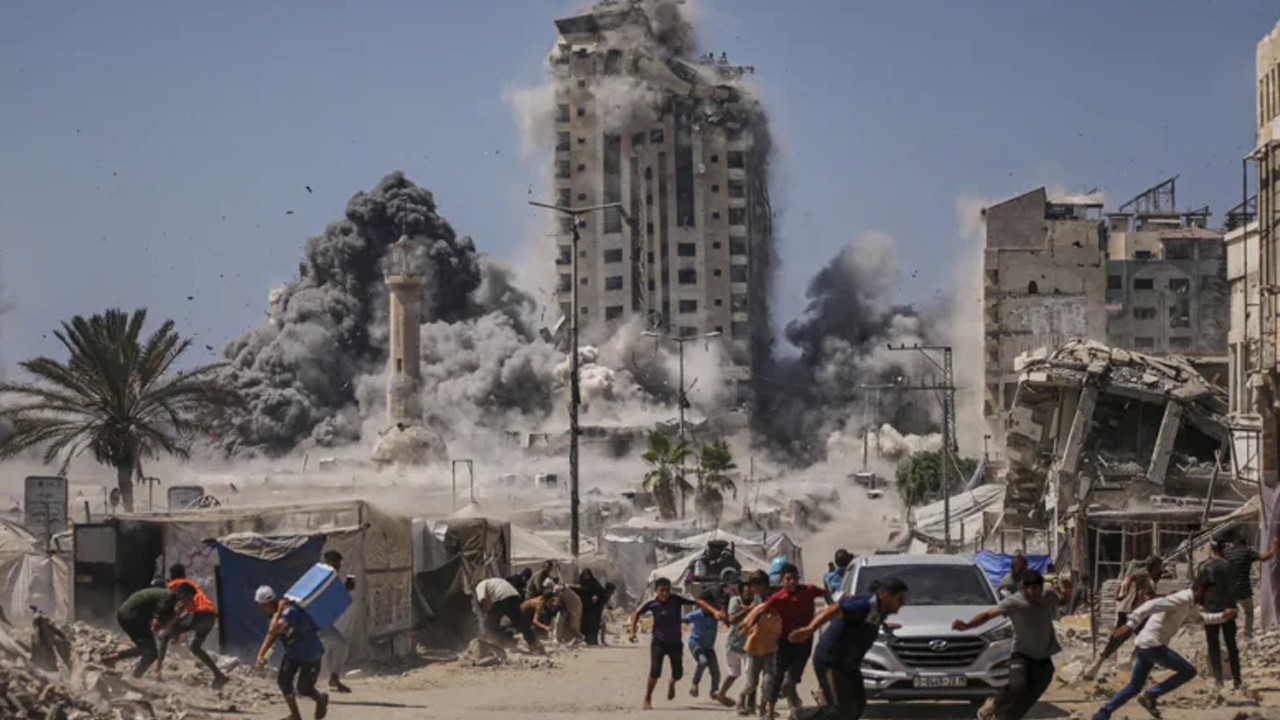
At least 73,456 Palestinians were killed and 174,496 injured in Israeli attacks in Gaza between October 7, 2023, and August 31, 2026, according to an Al Jazeera AJLabs calculation based on Gaza Health Ministry data. The reported toll includes 21,500 children among those killed. The analysis said at least one in every 33 Gaza residents has been killed and at least one in every 14 injured. Thousands of people remain trapped beneath rubble, which could raise the death toll. Gaza's Health Ministry said bodies also remain under debris and on roads because rescue and ambulance teams cannot reach all areas. Violence and casualties continued after a ceasefire between Israel and Hamas was declared on October 10, 2025. Since then, Israeli attacks have killed at least 1,320 Palestinians and injured 4,385, while 815 bodies were recovered. AJLabs said incidents involving Israeli attacks, deaths or injuries occurred on 290 of the ceasefire's 326 days. The ministry's latest figure puts the total directly affected, including killed and injured people, at 247,952.
The ‘1 Nojor’ media platform is now live in beta, inviting users to explore and provide feedback as we continue to refine the experience.