

The ‘1 Nojor’ media platform is now live in beta, inviting users to explore and provide feedback as we continue to refine the experience.
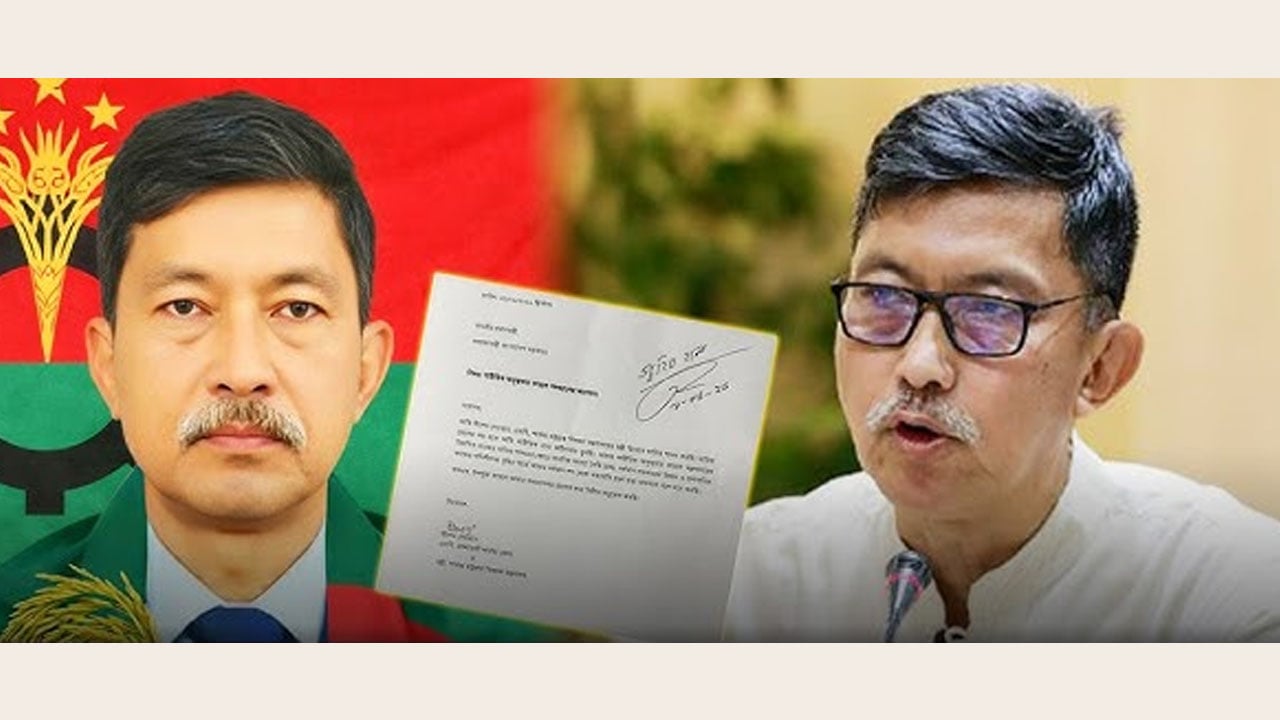
Former State Minister for Chittagong Hill Tracts Affairs Advocate Dipen Dewan is set to return to his constituency in Rangamati on Wednesday, one month after resigning from his ministerial post. His personal assistant Md Al Amin confirmed the visit, saying Dewan will meet local BNP leaders and activists at the district party office and later attend various official and political programs in the area. Dewan had resigned from his ministerial position on June 1, citing health reasons, only three months after taking oath as minister. Since his resignation, he had been staying at his residence in Dhaka and attended the national parliament’s budget session during that period. Local party sources said his supporters in Rangamati are preparing to welcome him with a motor procession from Ghagra in Kaukhali upazila, reflecting enthusiasm among followers ahead of his return.
Local administration in Kaukhali, Pirojpur, conducted an eviction drive under the eighth China Maitree Bekutia Bridge on Wednesday, July 1, 2026. The operation targeted illegal restaurants and food stalls built with concrete and iron structures on government land and river areas beneath the bridge, which had been turned into a tourist spot. According to the report, the illegal establishments were damaging the environment and beauty of the area. After issuing prior notices to the occupiers, the Upazila Nirbahi Officer and Executive Magistrate Md. Asaduzzaman led the eviction when the encroachers failed to remove the structures voluntarily. The official stated that the Bekutia Bridge area, now recognized as a tourist destination in the southern region, will not allow any unauthorized construction in the future.

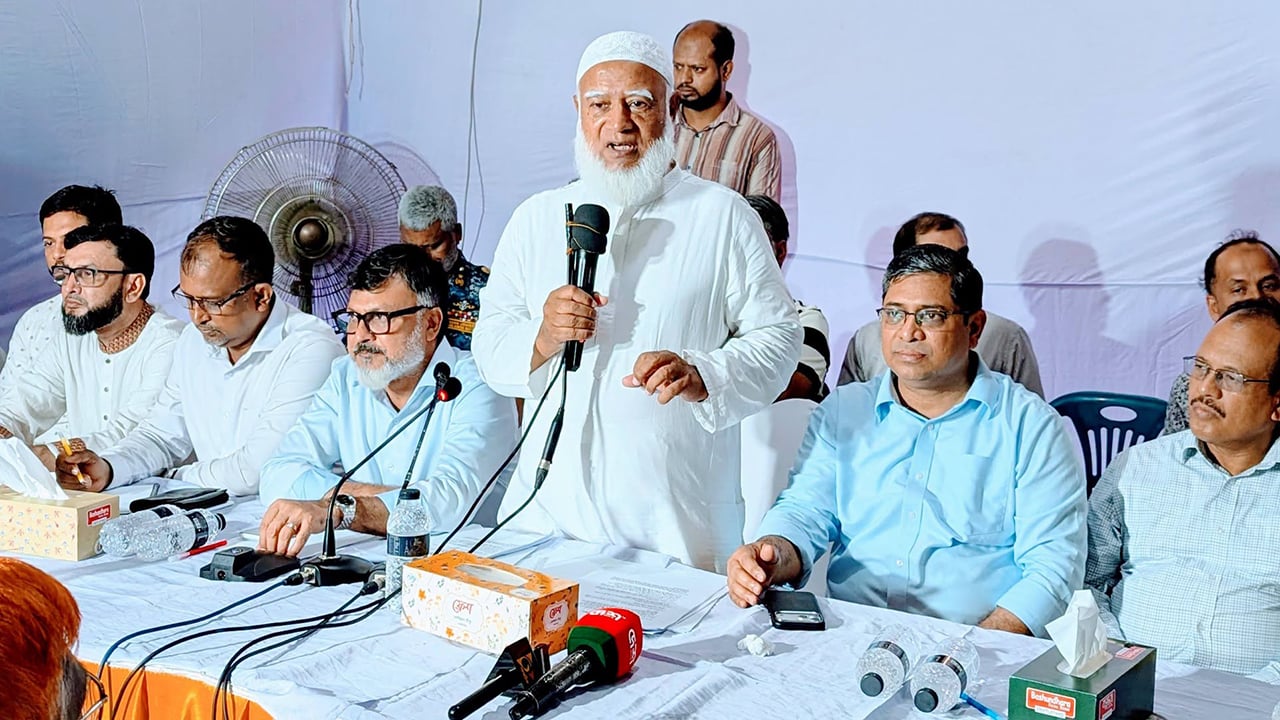
Opposition leader and Jamaat-e-Islami chief Dr. Shafiqur Rahman stated that a political crisis has emerged due to the government’s failure to honor the results of a referendum. He made the remarks on Wednesday morning during a citizens’ gathering and discussion meeting held in Dhaka-15 constituency, organized to address public suffering in the area. Speaking on the national budget, Rahman said that the outcome was close to what he had anticipated. He emphasized that only through joint efforts of the government, opposition parties, and ordinary citizens could the country’s problems be resolved quickly. He also urged cooperation with law enforcement to improve public security and advised families to remain vigilant about their children’s movements and companions. The event reflected ongoing political tensions and calls for collective responsibility in addressing governance and social issues in Bangladesh.
A major controversy has erupted in European football following Germany’s elimination from the World Cup. According to a report by German outlet Bild, four national team players—Leon Goretzka, Waldemar Anton, Nathaniel Brown, and Malick Thiaw—allegedly declined to take penalties during the sudden-death shootout against Paraguay. Captain Joshua Kimmich reportedly asked Goretzka twice to step up, but he refused. Defender Jonathan Tah eventually took the shot, which went over the bar, allowing José Canales to score and secure Paraguay’s 4-3 victory and a place in the round of 16. The report notes that neither the German Football Federation, head coach Julian Nagelsmann, nor any of the players involved have issued an official statement regarding the claim. Following Germany’s third consecutive World Cup failure, questions have resurfaced about the team’s mental preparation, leadership, and ability to handle pressure. The controversy may prompt internal reviews within German football as the federation faces scrutiny over player confidence and decision-making under high-stakes conditions.

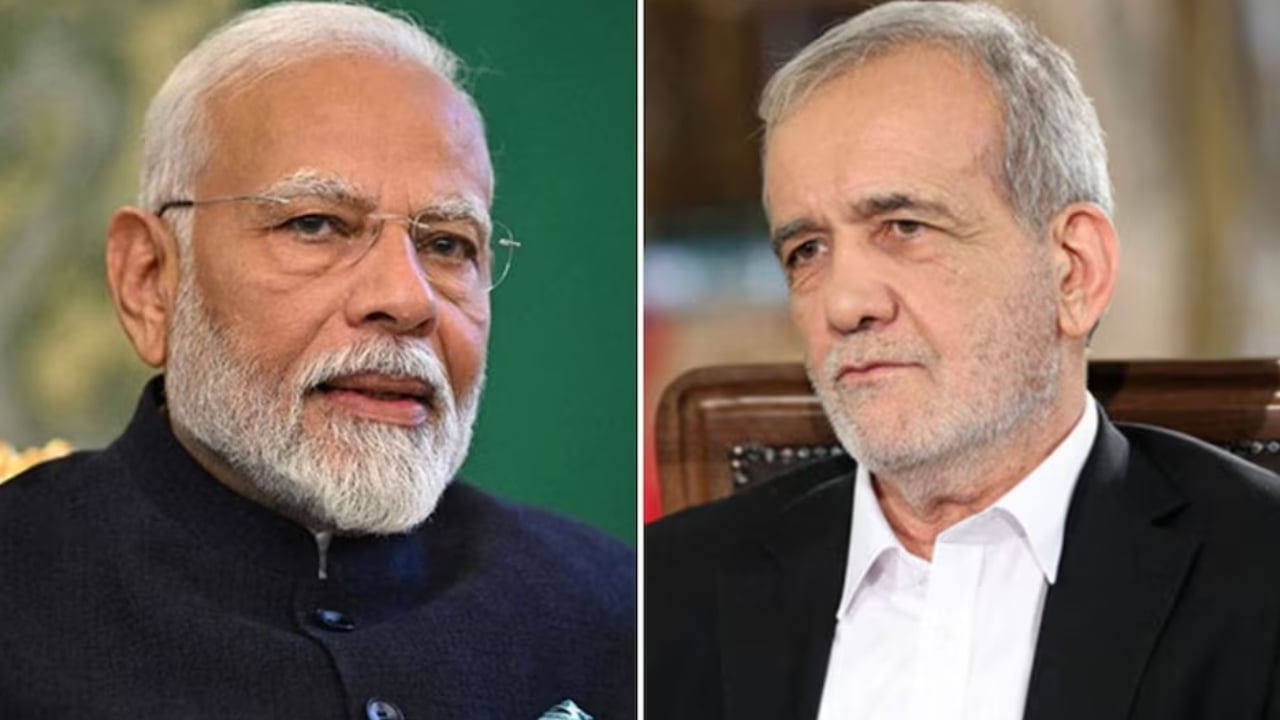
Indian Prime Minister Narendra Modi held a phone conversation with Iranian President Masoud Pezeshkian, during which he called on Iran to ensure freedom of navigation in the Strait of Hormuz. Modi said the discussion also covered recent developments in the Middle East. In a statement, Modi welcomed progress in talks with the United States and expressed hope that continued diplomatic efforts would bring lasting peace to the region. He reiterated the importance of maintaining free navigation in the Strait of Hormuz for India and the wider world. Experts cited in the report noted that India imports about 40 percent of its oil and nearly half of its gas through the Strait of Hormuz, underscoring the strategic importance of the waterway for the country’s energy security.
A land boundary dispute between Finlay Tea Estate authorities and a resident of Rampur village in Bahubal upazila of Habiganj has escalated. On June 30, local resident Rafiqul Islam filed a written complaint with the district commissioner, alleging that the tea estate authorities repeatedly created unnecessary disputes and attempted to occupy his land adjacent to the Rampur Tea Estate. He claimed that as an ordinary citizen, he was unable to seek redress against a powerful company and that his family was facing harassment and insecurity. In his petition, Rafiqul Islam requested that the district administration determine the actual boundary of his land through an on-site investigation by the assistant commissioner (land) and a surveyor to prevent future conflicts. Local sources said disputes between tea estate authorities and residents over land in Bahubal are longstanding. The manager of Rampur Tea Estate, Omar Faruk, denied any land grabbing, stating that the boundary issue with Rafiqul Islam is under administrative review. Residents are now awaiting the administration’s decision on the matter, which they hope will ensure fair resolution of the boundary dispute.

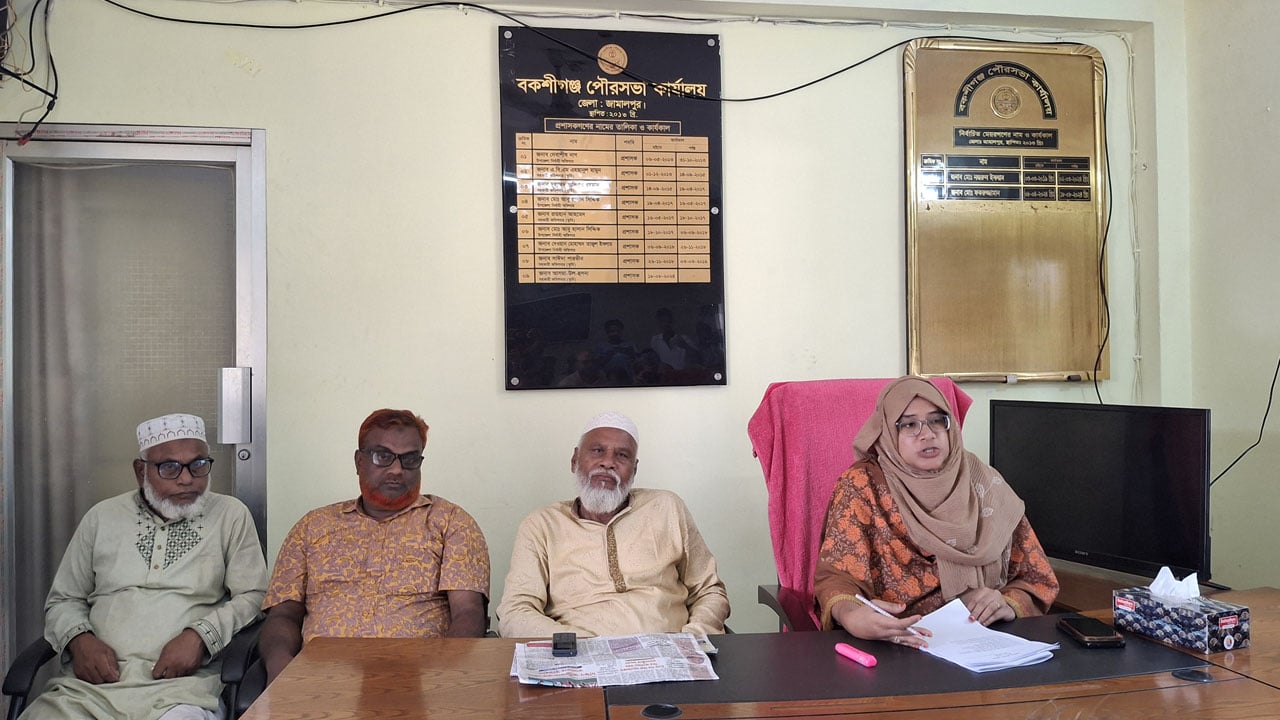
Bakshiganj Municipality in Jamalpur has announced a proposed budget of Tk 30 crore 5 lakh 39 thousand 942 for the 2026–27 fiscal year. The announcement was made on Tuesday afternoon at the municipal office conference room, where municipal administrator and Upazila Assistant Commissioner (Land) Asma Ul Husna presented the budget. According to the proposal, total income is estimated at Tk 30 crore 5 lakh 39 thousand 942, while total expenditure is set at Tk 28 crore 58 lakh 88 thousand 119. The projected revenue income for the fiscal year stands at Tk 5 crore 77 lakh 75 thousand 823, with revenue expenditure estimated at Tk 4 crore 31 lakh 24 thousand. The revised budget for 2025–26 showed revenue income of Tk 9 crore 33 lakh 6 thousand 666 and expenditure of Tk 7 crore 33 lakh 79 thousand 490. The budget announcement event was attended by local political leaders, municipal officials, social service officers, journalists, and other dignitaries, reflecting broad community participation in the fiscal planning process.
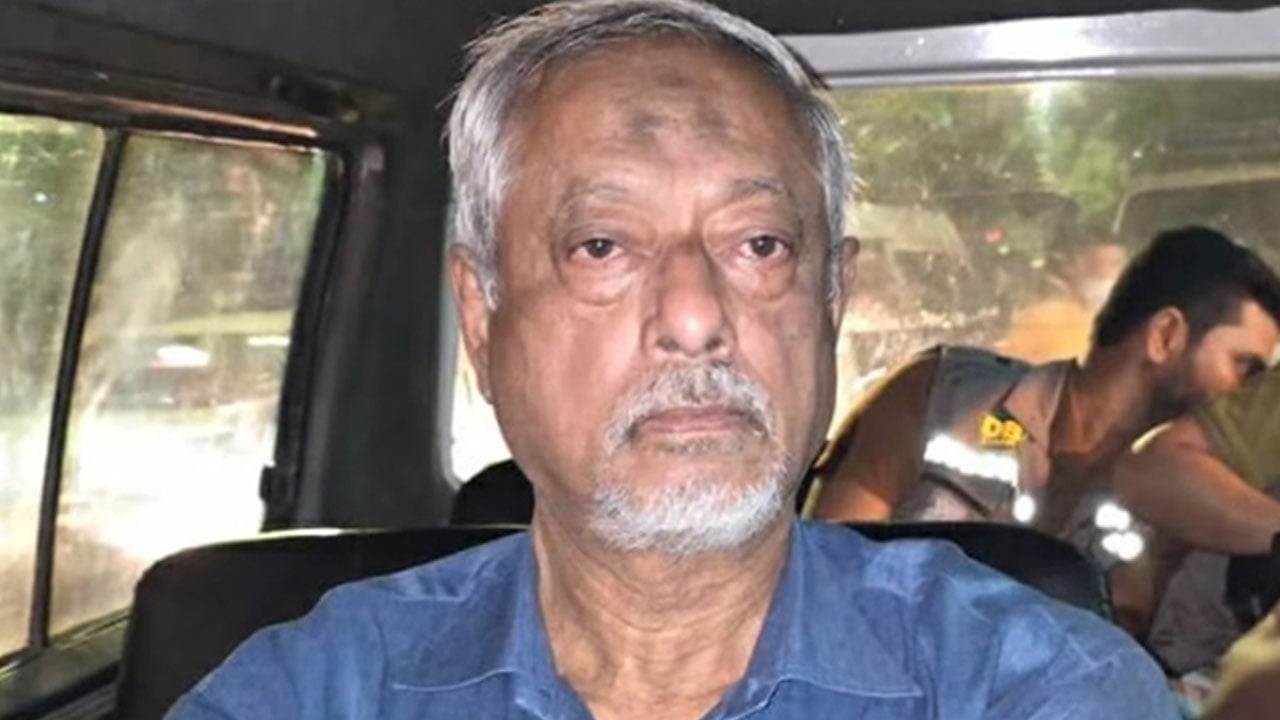
Retired Lieutenant General Masud Uddin Chowdhury allegedly threatened a police officer during a virtual court hearing in Feni on Tuesday. The hearing, held before Senior Judicial Magistrate Md Hasan, concerned four separate murder cases linked to the July Movement. During the session, the court ordered Masud Chowdhury to be shown arrested in all four cases. He was connected virtually for security reasons. According to court and police sources, the threat occurred when investigating officers presented updates on the cases. Witnesses said Masud Chowdhury became agitated and made remarks interpreted as a threat toward the officers. Following the incident, one of the investigators is expected to file a general diary at Feni Model Police Station. The court quickly concluded the hearing and disconnected the virtual link after issuing the arrest order. Police officials confirmed that the incident involved heated exchanges but declined further comment without authorization. The Feni Model Police Station officer-in-charge said the matter is under verification and being handled by authorities.
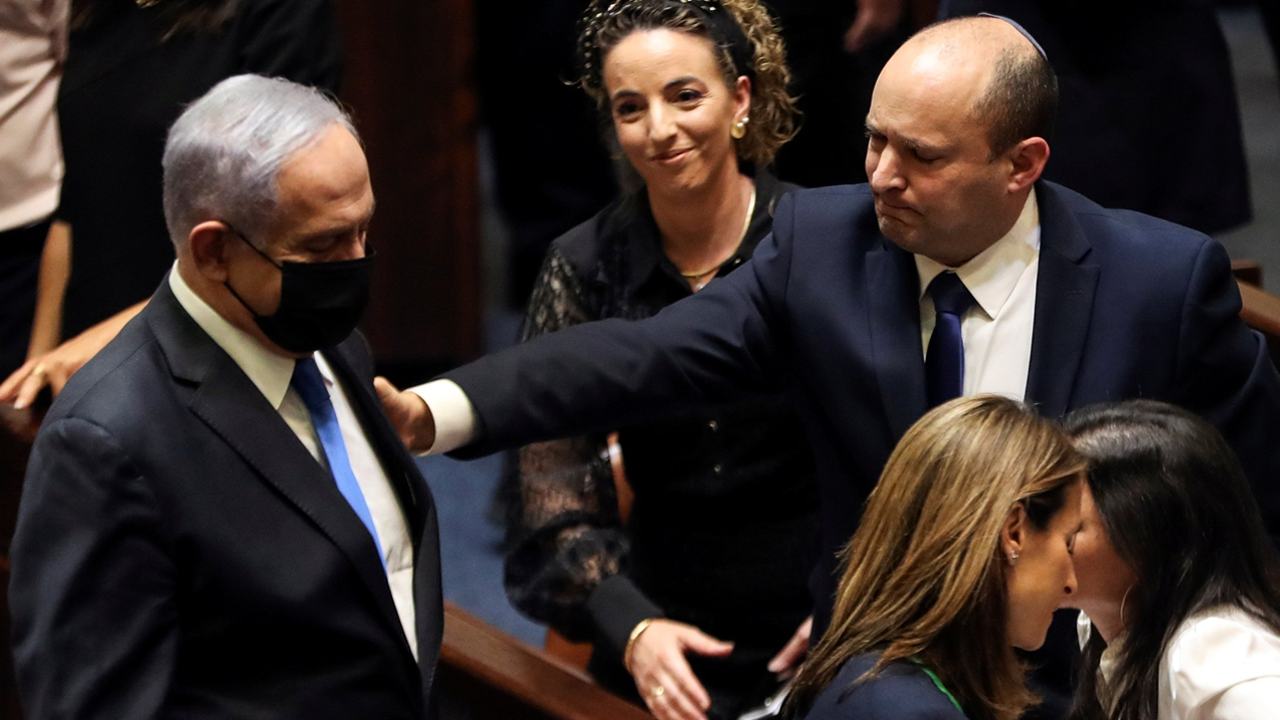
Former Israeli Prime Minister Naftali Bennett has accused current Prime Minister Benjamin Netanyahu of being unable to govern independently, claiming he is controlled by far-right ministers Itamar Ben-Gvir, Bezalel Smotrich, and ultra-Orthodox groups. In an interview with podcast host Mario Nawfal, Bennett said Netanyahu’s dependence on these figures has left him incapable of managing his own government. Bennett, who leads the Bennett 2026 party, stated that he would never include individuals like Ben-Gvir or Smotrich in his cabinet, describing their remarks as foolish. He argued that Netanyahu can no longer restrain them because his political survival depends on their support. Bennett also said Israel’s international image has suffered due to the government’s actions and ministers’ repeated missteps, alongside a failure in public diplomacy. He further criticized Israel’s prolonged conflicts in Gaza, Lebanon, and Iran, saying they contradict the country’s military doctrine. Bennett and former Prime Minister Yair Lapid have recently formed a coalition named “Together” aimed at unseating Netanyahu in the upcoming election.
At least 30 people have died in Ghana and Ivory Coast following several days of continuous heavy rainfall that triggered floods and landslides. Hundreds of people trapped by rising waters have been rescued, according to local emergency services. In Ghana, a spokesperson for the national fire department confirmed that at least 12 people had died after heavy rain began a day earlier, warning that the toll could rise further. In the capital city of Accra, torrential rain on Monday submerged homes and roads, prompting overnight rescue operations. Fire service commander Rashid Kwame Nissau said more than 400 people had been rescued by Tuesday, while teams continued pumping water from flooded houses and assisting affected residents. In Ivory Coast, heavy rain since Saturday also caused fatalities, though the government has not yet released an official death toll. A source close to the fire service and the interior ministry reported around 20 deaths. Authorities in both countries are continuing rescue and relief operations as rainfall persists, raising concerns about further flooding and damage.

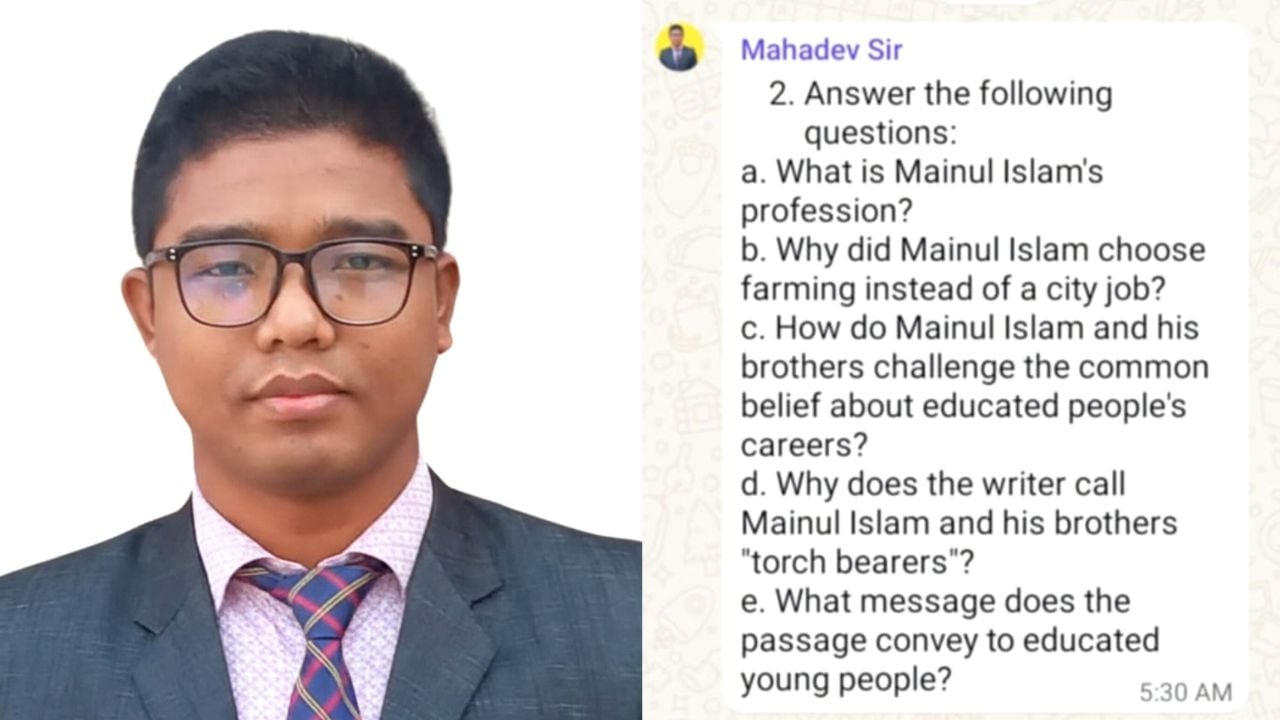
A teacher at Nripendra Narayan Government High School in Debiganj upazila of Panchagarh has been accused of leaking tenth-grade half-yearly exam questions before the test. The assistant English teacher, Mahadev Roy, allegedly sent the English first paper question to a student via WhatsApp. When reporters visited the school on Wednesday morning, the distributed exam question matched exactly with the screenshot in their possession. According to school sources, Mahadev Roy prepared the question paper as per school rules, which require subject teachers to set, print, and seal their own exam questions before submitting them to the acting head teacher. The sealed envelopes are opened only at the start of the exam. The acting head teacher, G.M. Ruhul Amin, confirmed awareness of the allegation and said an internal investigation would be conducted. Debiganj Upazila Executive Officer Indrajit Saha and the Rangpur regional deputy director of secondary education, Rokhsana Begum, also stated that investigations and necessary actions would follow. The teacher had previously faced allegations of forcing students to attend his private coaching classes, which had drawn media attention earlier.
Opposition Chief Whip and National Citizens Party (NCP) convener Nahid Islam has warned that if the 'July Uprising Memorial Museum' is not reopened by August 5, the public will open it themselves. He made the statement on July 1 in Dhaka’s Rayerbazar after paying tribute at the mass grave of those killed in the July uprising. Nahid Islam said two years have passed since the July uprising, yet the government has not fulfilled the promise of justice for the July massacre or the vision of a reformed, discrimination-free democratic Bangladesh. He urged the government to prove its support for the uprising. The NCP leader announced a 36-day program beginning July 1 to commemorate the uprising, with events planned in Dhaka and across the country. He also paid tribute to the approximately 1,400 martyrs and 300 injured fighters of the July uprising, as well as students from various educational institutions who participated under the banner of the anti-discrimination student movement.

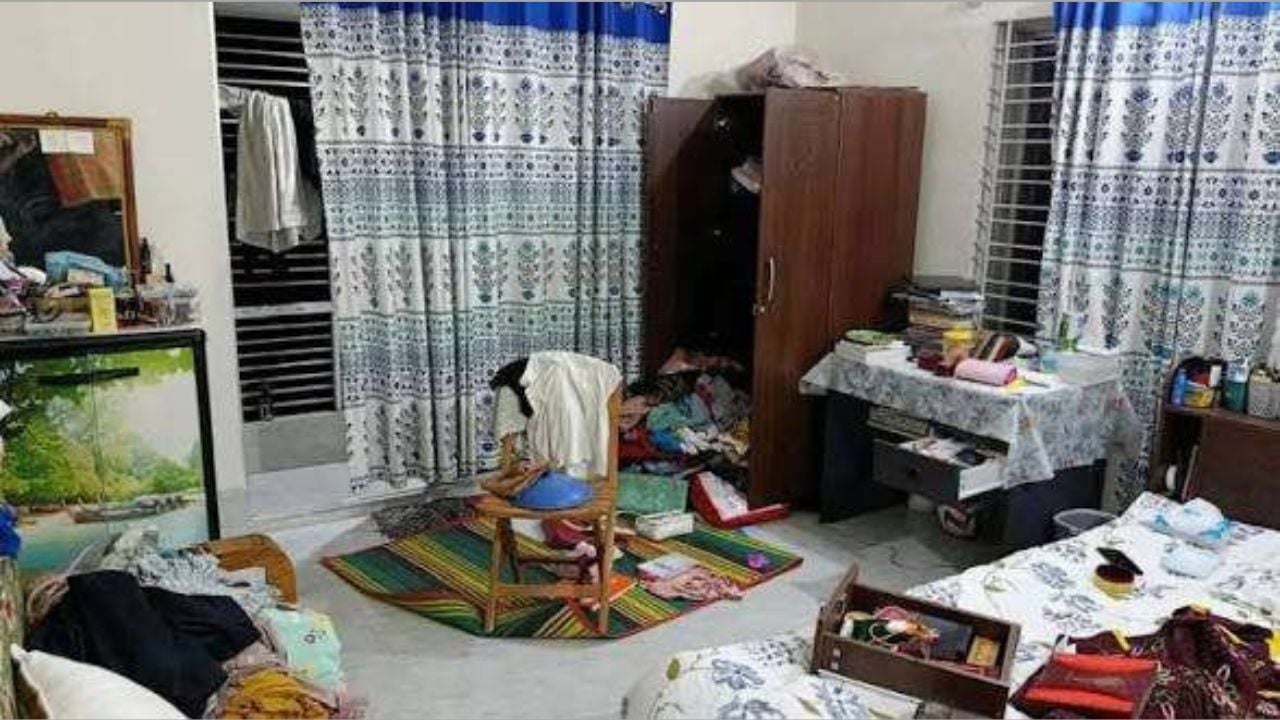
A daring burglary took place on Tuesday night at a rented apartment of two civil judges in the Amlapara area of Jamalpur municipality. According to the victims, the intruders cut through the window grill and stole around eight bhori of gold ornaments, a diamond ring, cash worth Tk 100,000, and other valuables. The victims, Civil Judge Ahmadul Kabir Sakil and his wife Civil Judge Nusrat Zerin Jenny, discovered the theft after returning home and finding the door locked from inside and the house ransacked. The couple had been living for seven months on the third floor of a three-storey building owned by Anwar Hossain. The building’s CCTV cameras were reportedly non-functional at the time of the incident. The owner suggested that the cameras might have been deliberately disabled before the burglary. Local residents expressed concern that such a bold theft could occur in the home of judges, questioning the effectiveness of urban security and surveillance systems. Police confirmed visiting the scene and said the case is under serious investigation. Legal action will follow upon receipt of a written complaint.
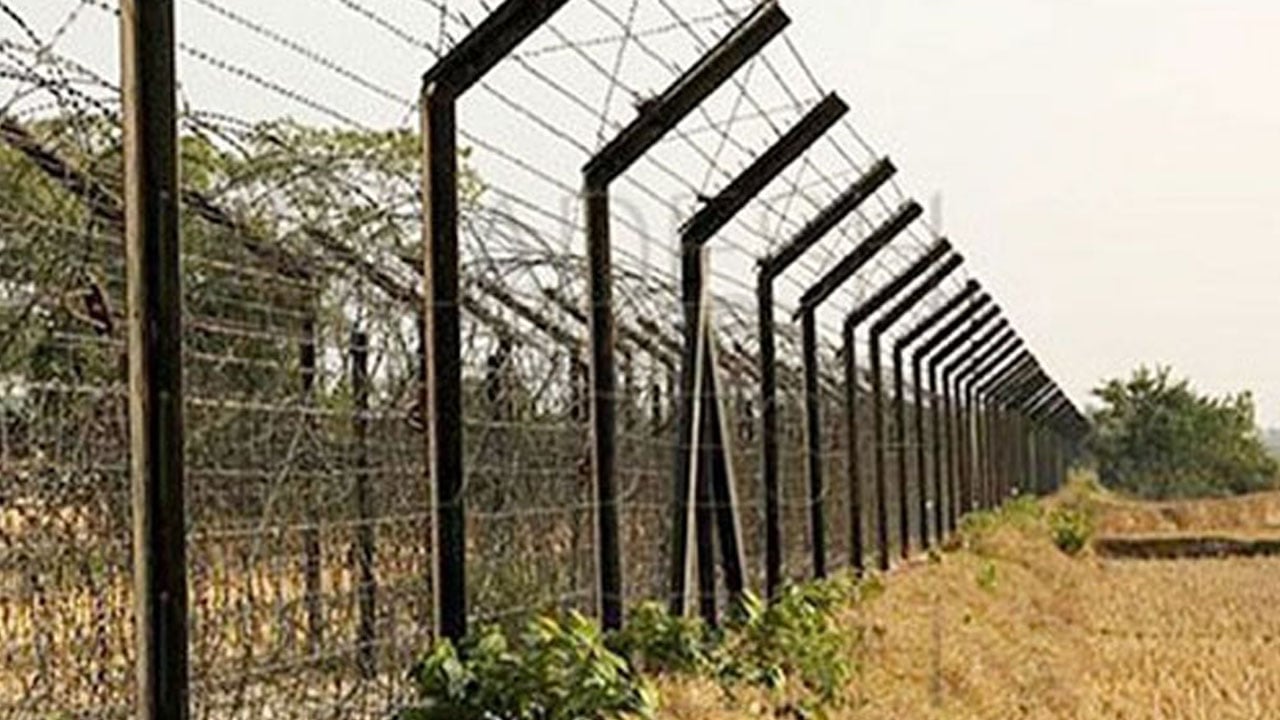
Police in Chauddagram, Cumilla, recovered the body of a woman named Rokeya Begum, aged 48, near the Indian border. The incident occurred after she went missing on Tuesday morning while collecting firewood and did not return home. Her body was later found near border pillar number 1413 by locals, who informed the Border Guard Bangladesh (BGB). Police retrieved the body following BGB’s report. According to local sources, Rokeya Begum had been suffering from mental health issues for a long time and occasionally begged from people. The discovery was confirmed by Officer-in-Charge Mohammad Arif Hossain, who stated that the body was taken to the police station for further investigation. BGB Subedar Morshed from the Jagannathdighi camp also confirmed that locals had first spotted the body and notified them. Police said the exact cause of death will be determined after an autopsy, and further details will be known following the investigation.
France captain Kylian Mbappé said his main goal is to lift the World Cup trophy on July 19 in New York, rather than chasing personal records. France secured their place in the last 16 with a 3–0 victory over Sweden, where Mbappé scored twice. His total of 18 World Cup goals is now just one short of Lionel Messi’s all-time record of 19. Despite matching Messi’s six goals in the current tournament, Mbappé emphasized that team success matters more than individual achievements. Speaking at a press conference, the Real Madrid forward said the team’s focus is on progressing as far as possible and returning to the same venue for the final. He downplayed the importance of goal records, noting that his attention is on upcoming opponents and reaching the final. France will face Paraguay next, a team that eliminated Germany in a tiebreaker. Mbappé acknowledged that improvements are still needed but expressed confidence in his squad’s ability to change the course of any match. If France defeat Paraguay, they will meet either host Canada or Morocco in the semifinals. Mbappé reiterated that the World Cup trophy means far more to him than the Golden Boot award.

The ‘1 Nojor’ media platform is now live in beta, inviting users to explore and provide feedback as we continue to refine the experience.