

The ‘1 Nojor’ media platform is now live in beta, inviting users to explore and provide feedback as we continue to refine the experience.
U.S. President Donald Trump stated that the ongoing discussions in Qatar regarding Iran’s nuclear disarmament are progressing well. Speaking to reporters on Wednesday, Trump said the meetings in Doha, attended by his special envoy Steve Witkoff and Jared Kushner, had gone very well. He dismissed fears that a full-scale war could resume, saying significant progress had been made. Trump added that the U.S. military had delivered a strong strike against Iran the previous week but emphasized that diplomatic processes were now proving effective. He described the current state of U.S.-Iran relations as moving forward positively. The remarks highlight a shift from military confrontation to diplomatic engagement, with the U.S. leadership expressing optimism about the direction of the talks in Qatar.

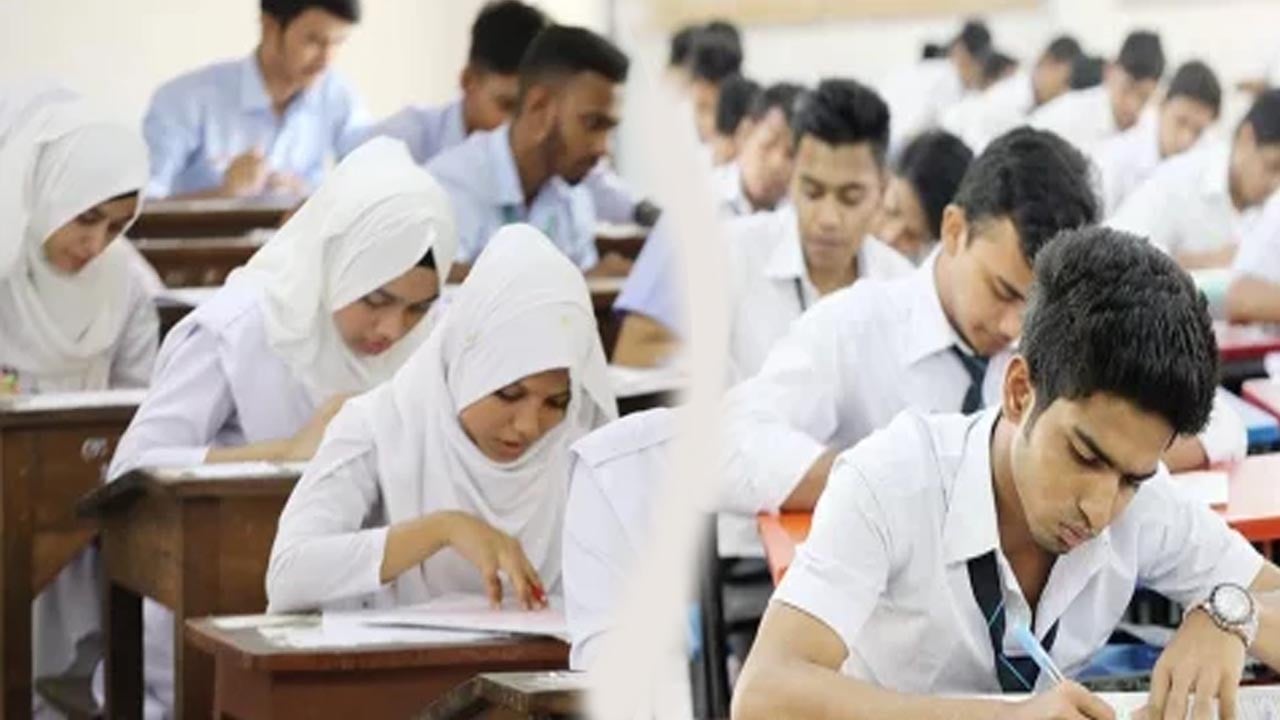
The 2026 Higher Secondary Certificate (HSC) and equivalent examinations will begin across Bangladesh on Thursday under nine education boards using a unified question paper. Education Minister A N M Ehsanul Haque Milan announced that a total of 1,270,583 students will take part in the exams at 2,697 centers from 9,439 institutions. The exams will cover 77 subjects and be completed within 21 days. Regular classes will continue on non-exam days. The minister said all centers are equipped with CCTV cameras, and a monitoring cell has been set up at the Education Ministry to oversee exams in real time from any part of the country. Police officers at exam centers will wear body cameras to reduce the risk of irregularities. Centers previously known for malpractice have been canceled, though some venues remain in remote and hilly areas to assist student access. Compared to 2025, the number of examinees has increased, with 1,122 more male and 13,194 more female students participating this year.
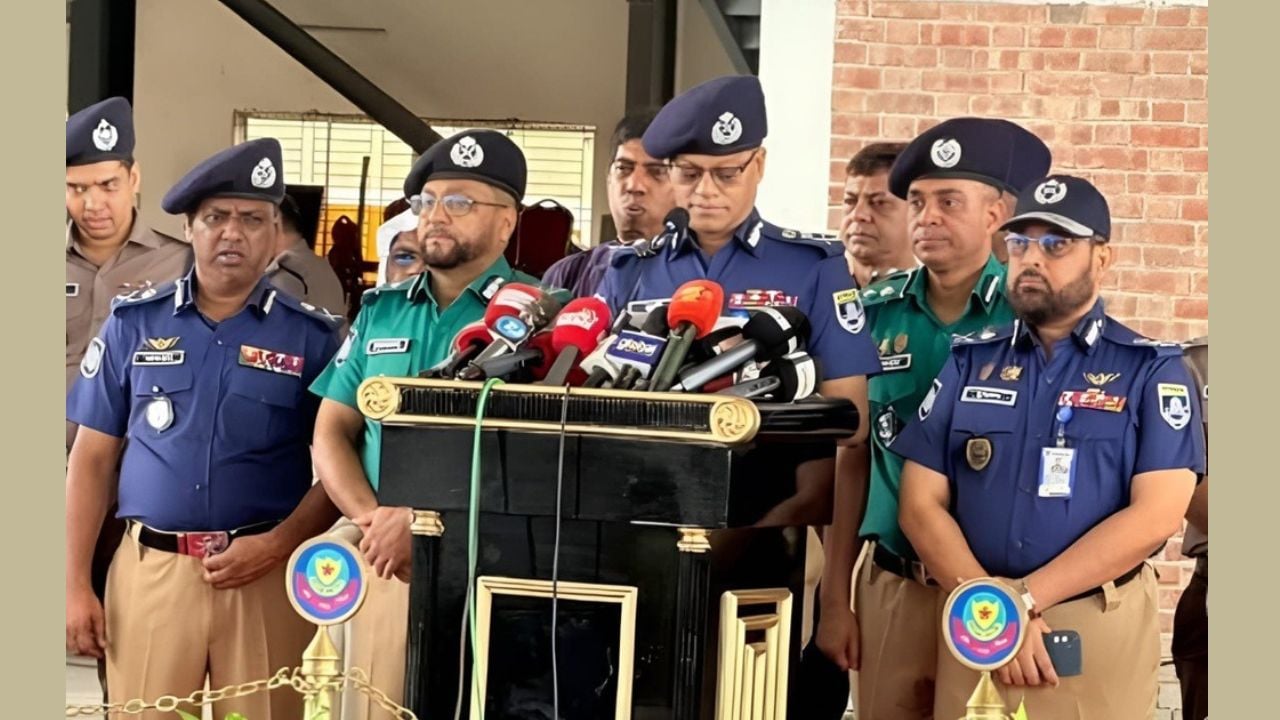
Inspector General of Police Ali Hossain Fakir announced that Purbachal New Town will be brought under the jurisdiction of Dhaka Metropolitan Police (DMP) and Dhaka North City Corporation to strengthen law and order and ensure overall security. He made the statement while inaugurating the Barkau Police Camp at Plot 44, Road 102, Sector 1 of the Purbachal New Town Project. Ongoing work includes establishing four police stations, six investigation centers, two police lines, three deputy commissioner offices, and forty-one police boxes. The IGP said that 18.63 acres of land have already been registered out of 29.21 acres allocated for DMP facilities in Purbachal. Plans include forming a separate division under an additional police commissioner and creating about 6,524 new positions. Once the planned infrastructure is complete, the area’s law enforcement capacity, crime prevention, and citizen safety are expected to improve significantly. The new city’s inclusion under DMP and Dhaka North City Corporation is expected to support sustainable urbanization and economic activities. The under-construction police camp is scheduled to begin operations within two months.
The Chhatak Upazila Ulama Unity Council organized a human chain in Jaua Bazar, Sunamganj, on Wednesday afternoon demanding an end to the persecution of Muslims in India, protection of religious institutions, and a ban on ISKCON. The event, held at noon, was presided over by Maulana Mufti Abdus Sobhan, president of the council, and attended by teachers, clerics, worshippers, and local residents from various professions. Speakers at the gathering called for immediate action to stop killings and oppression of Muslims in India, attacks on mosques and madrasas, and the killing of Bangladeshi citizens along the border. They also demanded an end to anti-Bangladesh conspiracies and provocative activities. The participants described ISKCON as a Hindutva organization and urged its prohibition. Additionally, the speakers demanded the cancellation of the death sentence of Maulana Hafiz Naeem and the withdrawal of what they termed politically motivated cases against Islamic scholars.

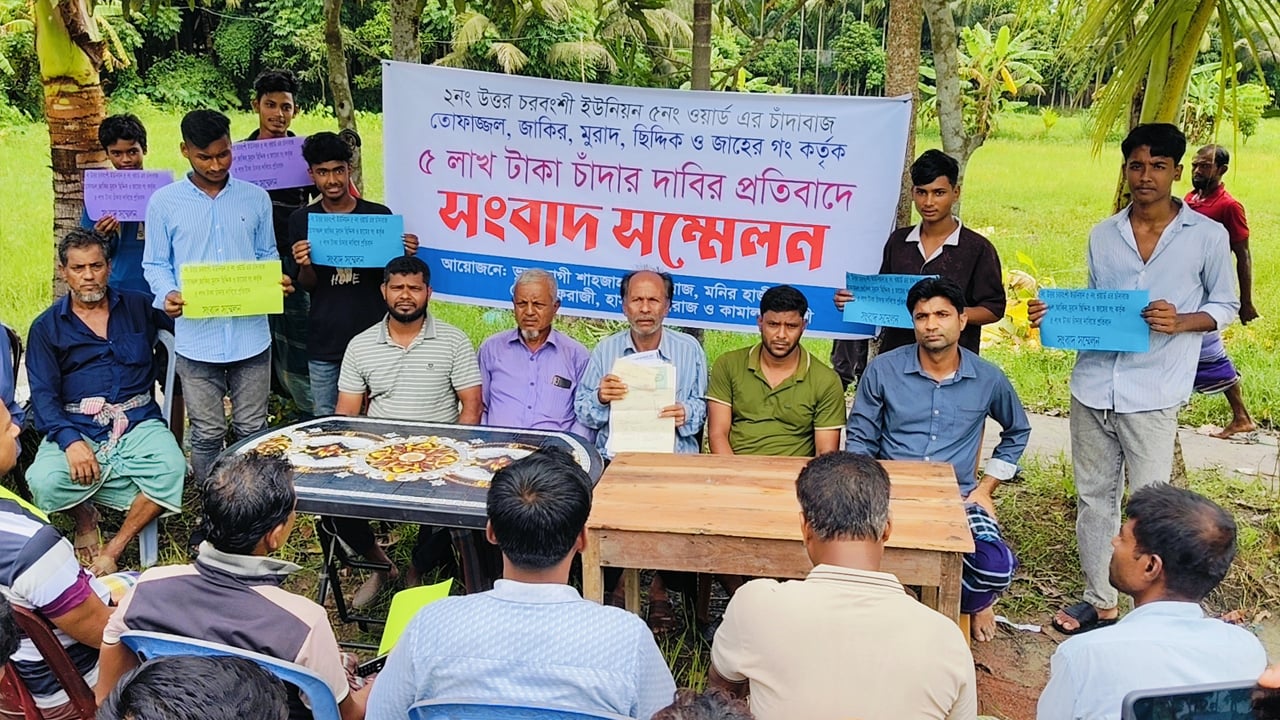
A BNP leader in Lakshmipur’s Raipur upazila has accused a former Jubo Dal leader and his associates of demanding Tk 5 lakh in extortion. The allegation was made by Shahjahan Kabiraj, president of the BNP’s Ward No. 4 unit in Uttar Charbanshi Union, during a press conference on Wednesday afternoon. Several local BNP members were present at the event. According to Shahjahan Kabiraj, former Jubo Dal leader Zakir Hossain, along with his brother Tofazzal and others, demanded money from him and others involved in land transactions. He claimed the group regularly extorts money from land buyers and sellers and obstructs land possession if payments are not made. Zakir Hossain denied the allegation, saying both parties had purchased land in the same area and that the dispute was over property, not extortion. Local BNP general secretary Imam Hossain Gazi also stated that the issue stemmed from a land dispute, not extortion. Police confirmed that Zakir had filed a case against Shahjahan over the land issue, but no formal complaint regarding extortion had been submitted.
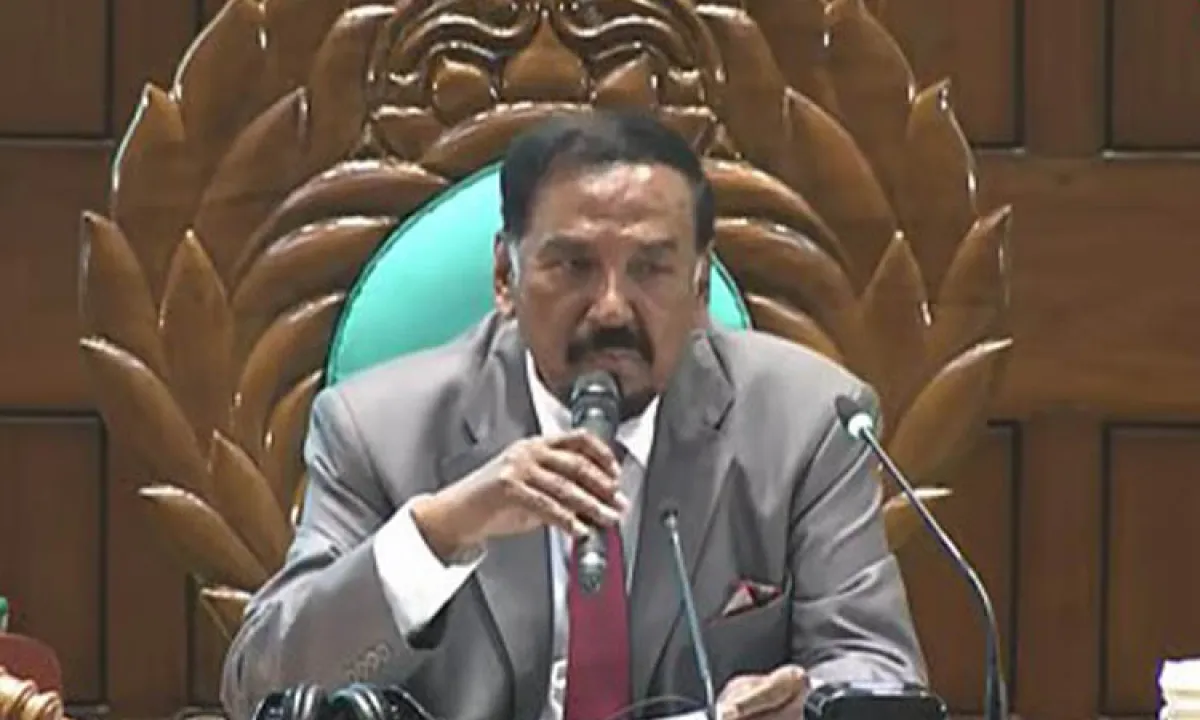
Bangladesh National Parliament Speaker Hafiz Uddin Ahmad is set to travel to Tehran to attend the state funeral of Iran’s late Supreme Leader Ayatollah Ali Khamenei. His visit comes at the invitation of Iran’s Parliament Speaker Mohammad Bagher Ghalibaf, according to a source from Bangladesh’s Ministry of Foreign Affairs. BNP media cell member Shayrul Kabir Khan confirmed that the state funeral and prayer ceremonies for Ayatollah Khamenei will take place from July 4 to 9 in Tehran, Qom, and Mashhad. Speaker Hafiz Uddin will represent the Bangladesh government and Prime Minister Tarique Rahman at the ceremonies. Ayatollah Khamenei was reportedly killed in a joint attack by the United States and Israel in February, the report added.
Bangladeshi singer Asif Altaf has released a new song titled 'Baba', accompanied by an AI-generated music video. The song, written and composed by Altaf himself, was published last week on his official YouTube channel and social media profiles to mark Father’s Day. Following its release, listeners expressed deep emotional reactions, describing the song as touching and heartfelt. Viewers praised the composition, lyrics, and visuals, sharing personal reflections about their fathers in the comment section. Many noted that the song evoked memories of love and sacrifice associated with fatherhood. Altaf stated that although people come from different walks of life, feelings about fathers are universal. He expressed gratitude that audiences across the country connected with his work. Asif Altaf is known for earlier songs such as 'Juto', 'Jantro', and collaborations with artists like Nachiketa Chakraborty and Nancy. His previous works, including 'Taka' and 'Dalaler Bonna', have gained millions of views, establishing him as a distinctive voice in contemporary Bangladeshi music.
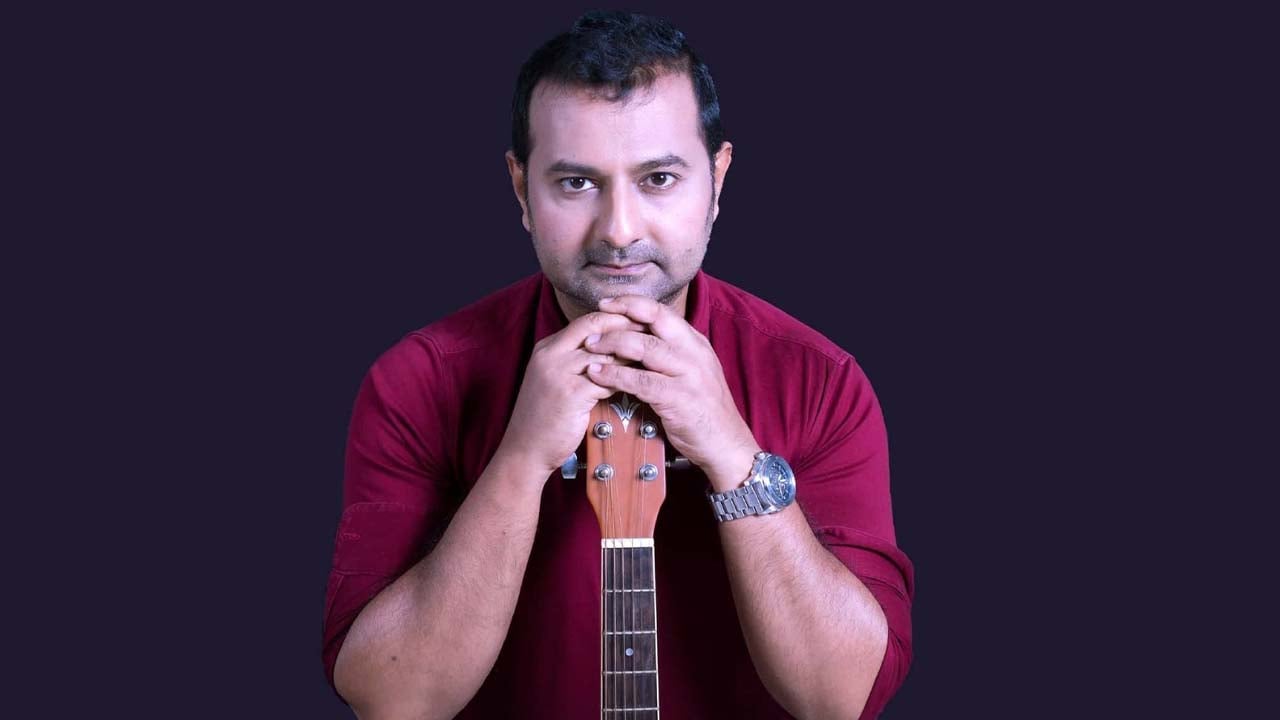
Nasiruddin Patwari, the chief coordinator of the National Citizens Party (NCP), is set to travel to Iran to attend the funeral and state mourning ceremony of the country’s supreme religious leader, Ayatollah Ali Khamenei. According to NCP sources, Patwari applied for a visa at the Iranian Embassy in Dhaka on Tuesday, and the approval was confirmed on Wednesday. His travel schedule has not yet been finalized, but arrangements for flight tickets are currently underway. In addition to Patwari, Speaker of the National Parliament Hafiz Uddin Ahmed and a delegation from Jamaat-e-Islami led by the party’s Nayeb-e-Ameer, Professor Mujibur Rahman, are also expected to attend the funeral and mourning events in Iran. The report did not specify the exact date of departure or details of the ceremonies. The participation of multiple political figures from Bangladesh underscores the significance of the event and reflects diplomatic and religious ties between the two nations.
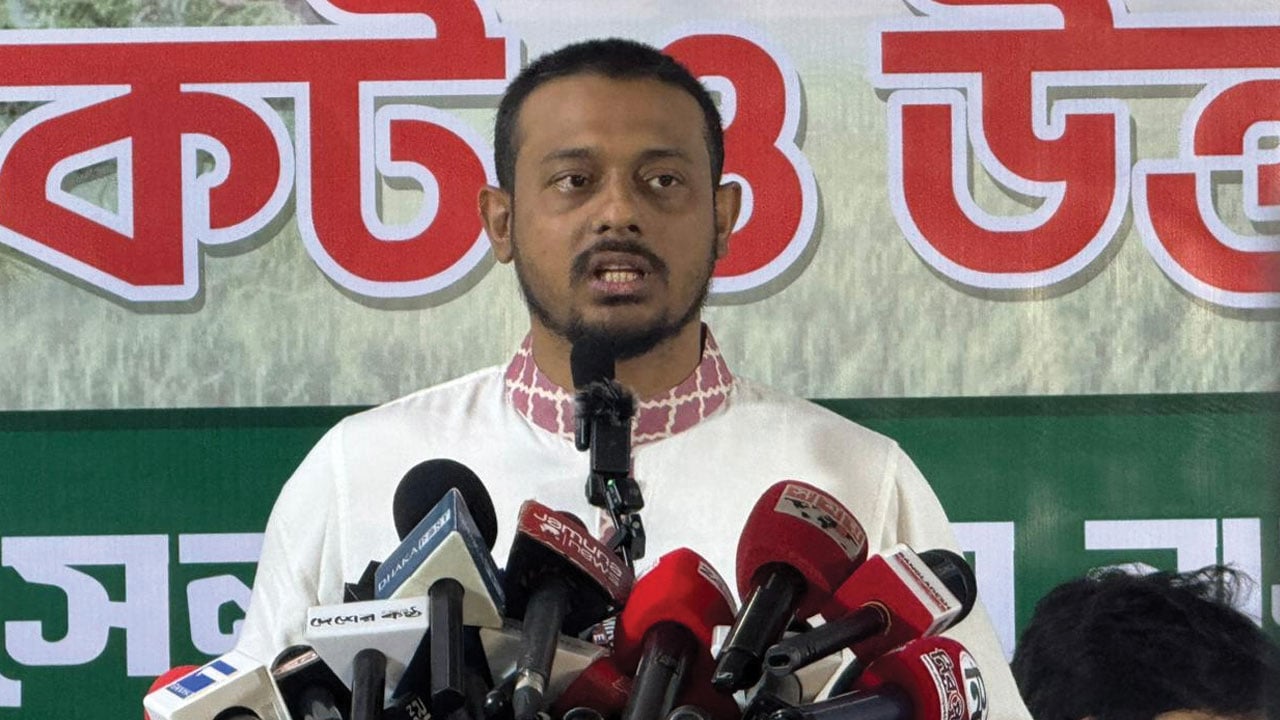
Police in Dinajpur arrested four suspected robbers and seized local weapons, burglary tools, and a pickup truck allegedly used in multiple thefts. The arrests were made during a raid at Hotel Raj in the Bahadur Bazar area of Dinajpur town, based on secret information. The operation was disclosed at a press briefing held at the office of the Superintendent of Police on Wednesday afternoon by Additional Superintendent of Police (Traffic) Suman Ranjan Sarkar. According to police, the arrested individuals had been stealing batteries and other valuable equipment from mobile tower power houses. They reportedly disguised themselves as engineers, technicians, and drivers of fake companies, using counterfeit ID cards to mislead security guards and the public during the robberies. The detainees were identified as Sohanul Islam, Md. Khalil, Baron Bala, and Dulal Mia. Police said two accomplices, Md. Roman and Md. Roni, managed to flee the scene in a private car. Legal action against the arrested suspects is currently underway.
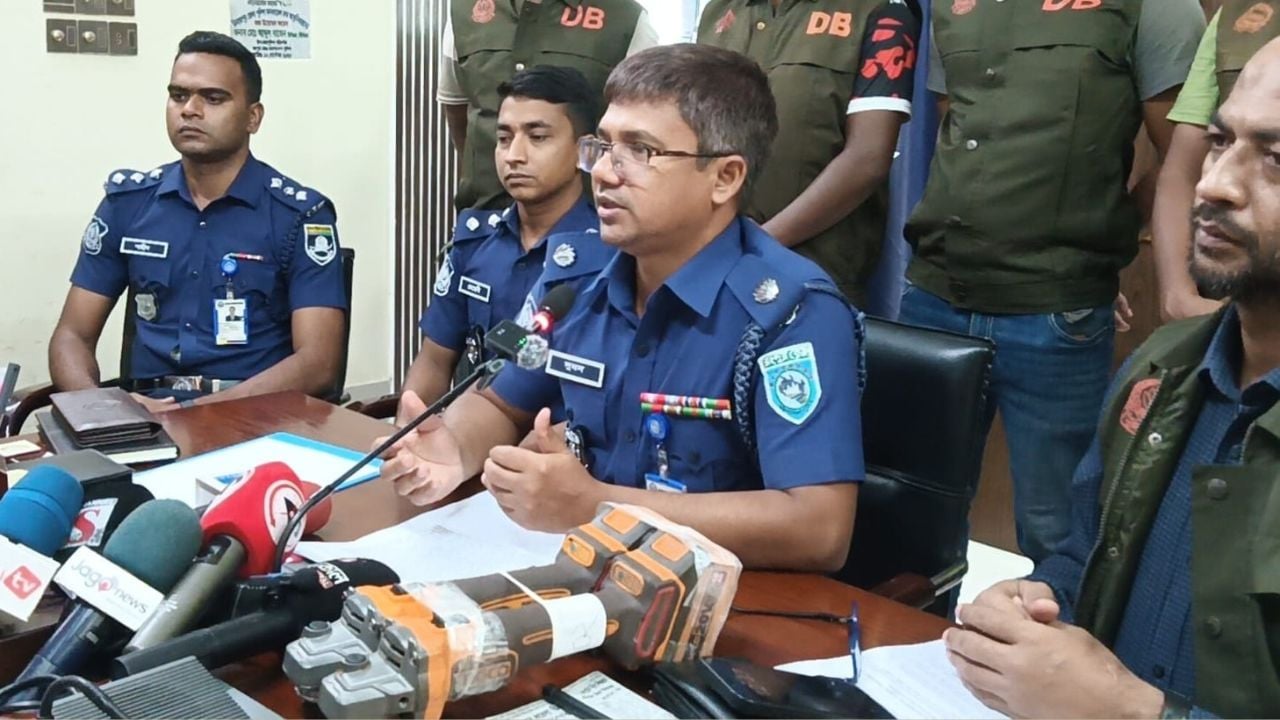
Mexico’s long-awaited World Cup triumph turned tragic when two football fans died during celebrations in Mexico City. After defeating Ecuador 2-0 at Mexico City Stadium to reach the World Cup knockout stage for the first time in 40 years, thousands gathered near the Angel of Independence monument to celebrate. The crowd swelled across Hamburgo and Lancaster streets, leading to a fatal crush that claimed two lives. According to a statement from the Mexico City Health Secretariat, emergency medical teams arrived quickly and attempted resuscitation, but a 44-year-old man and a 19-year-old woman were pronounced dead from asphyxiation. The incident cast a shadow over what was meant to be a night of national joy, leaving the football community in mourning. Despite the tragedy, Mexico’s team continues its World Cup campaign, preparing for a round-of-16 match against the winner of the England–DR Congo fixture, also scheduled at Mexico City Stadium.

The Government of Bangladesh has sent 600 kilograms of Haribhanga and Amrapali mangoes as a goodwill gift to Manik Saha, Chief Minister of India’s Tripura state, and other key officials. The consignment, packed in 120 cartons, was delivered on Tuesday afternoon through the Akhaura land port in Brahmanbaria and reached the Agartala land port. Customs clearance was handled by Suayeb Trade International, a clearing and forwarding agent at the Akhaura port. According to port sources, this mango exchange is part of an annual tradition in which the Prime Minister of Bangladesh sends mangoes to Tripura’s leadership. In return, the Tripura government sends Bangladesh’s Prime Minister the state’s famous ‘Queen’ variety pineapples. The mangoes were handed over to the Bangladesh Assistant High Commission in Agartala for distribution to the intended recipients. Suayeb Trade International’s proprietor, Rajib Bhuiyan, confirmed that the mangoes were cleared through customs and delivered to the Assistant High Commission, which will oversee their distribution among Tripura’s officials.
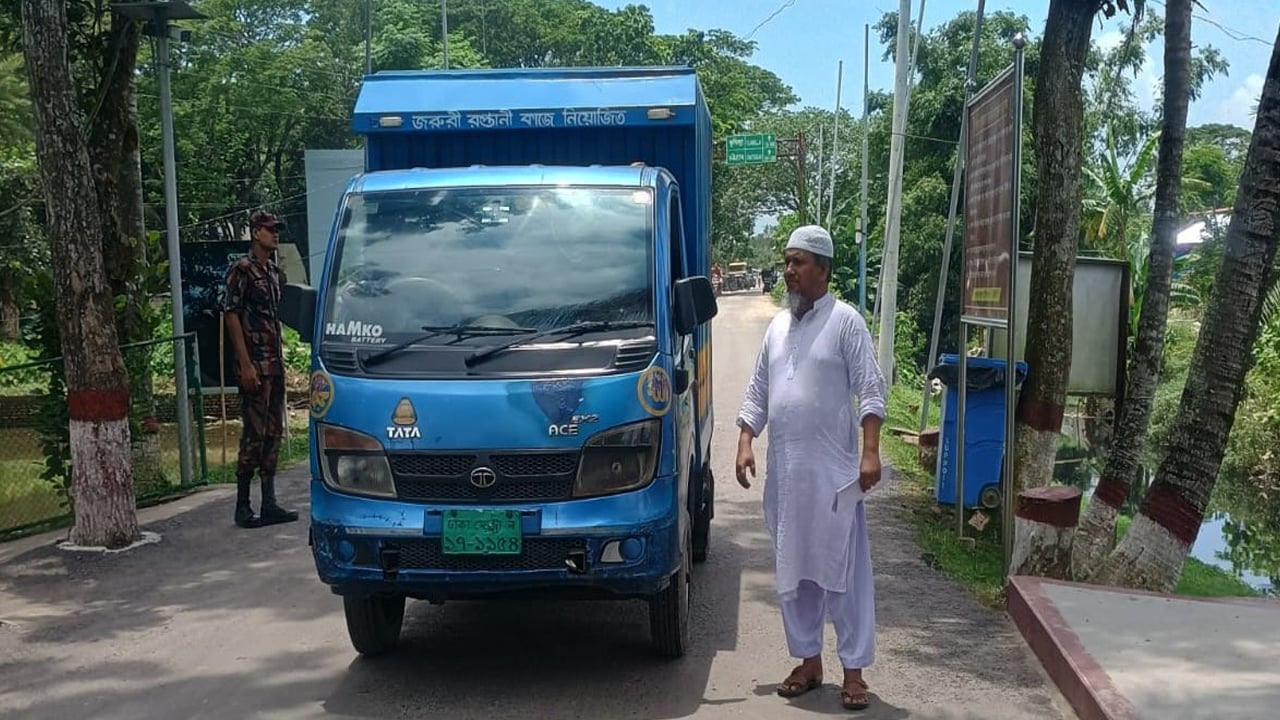
Bangladesh Bank announced that the country received a record USD 35.56 billion in remittances during the 2025–26 fiscal year, marking the highest annual inflow in its history. The total remittance through formal channels from July to June stood at USD 3,556.20 crore, up from USD 3,032.90 crore in the previous year—an increase of USD 523.30 crore or 17.3 percent. Officials attributed the growth to the government’s strict measures against informal money transfers, cash incentives for legal remittance channels, improved banking accessibility, and faster digital transfer options. These factors encouraged more expatriates to use official systems for sending money home. Although June saw a slight decline with USD 280.06 crore—the lowest in seven months—Bangladesh Bank noted that data from 11 banks were not yet included, suggesting the final figure may rise. The strong remittance and export earnings have also bolstered the country’s foreign exchange reserves, which now stand at USD 37.56 billion gross and USD 32.90 billion in net usable reserves under IMF’s BPM-6 method.

Iran has issued a strong warning to Israel after Israeli Defense Minister Israel Katz reportedly said that Iran’s Supreme Leader Mojtaba Khamenei had been “marked for assassination.” Iranian Foreign Minister Abbas Araghchi condemned the statement, calling it a violation of respect toward Iran’s leadership and warning that any disobedience by Israel’s allies would be met with a firm response. Araghchi referred to the Islamabad Memorandum of Understanding, saying its terms were clear and open to all, and accused former U.S. President Donald Trump of promising to silence Israel’s “pets” in Tel Aviv. He added that if they defied their “master,” Iran would teach them a lesson. Katz’s earlier remarks, published in Israeli media, described Iran as a “bargaining merchant” seeking advantage through negotiations and vowed that Israel would never allow Iran to develop nuclear weapons. Araghchi concluded that any threat against Iran’s people or leadership would be met with an immediate and powerful response, underscoring rising tensions between the two countries.

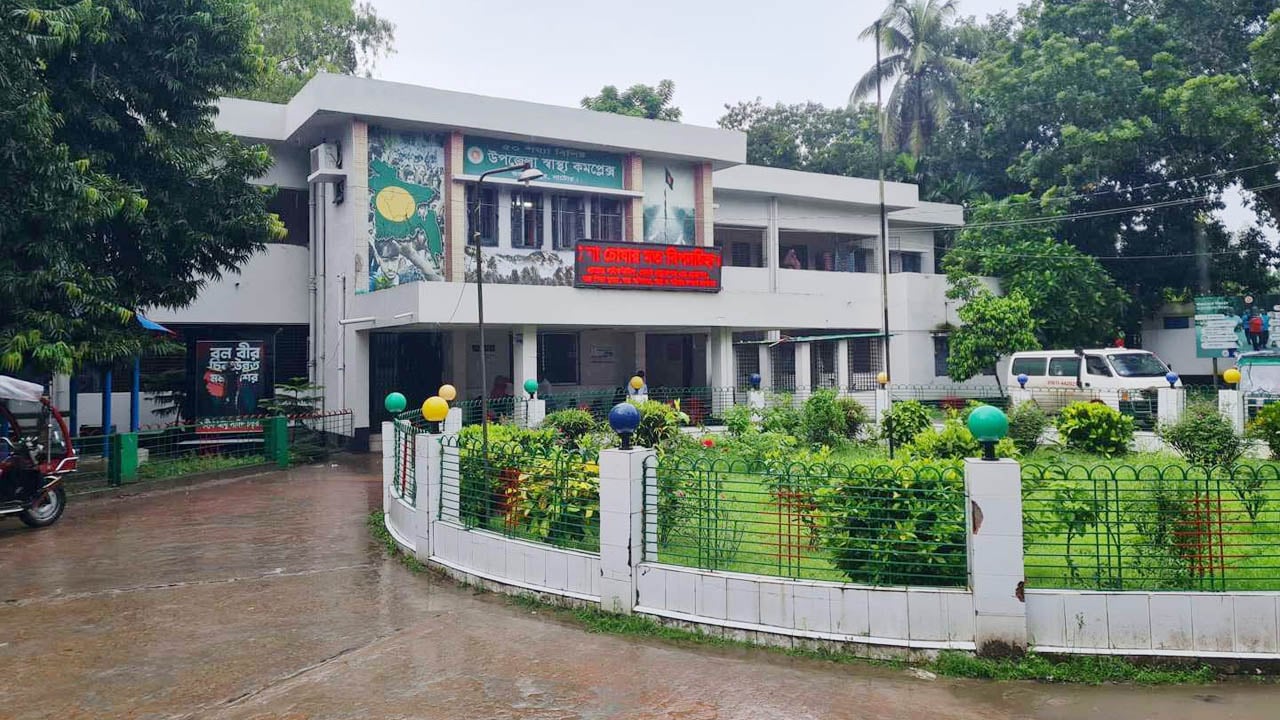
Six schoolchildren were injured in a rabid dog attack at Hamlaikola Government Primary School field in Gurudaspur upazila of Natore on Tuesday afternoon. The incident occurred while the children were playing badminton, when one of them accidentally fell on the dog, provoking it to bite him and then attack five other classmates. Locals later beat the dog to death and disposed of its body in the nearby Nandakuja River. The injured children—aged between 10 and 12—were taken to Gurudaspur Upazila Health Complex on Wednesday morning, where they received wound treatment and anti-rabies vaccines. Health officials confirmed that the children sustained bite injuries on their hands, legs, and jaws but are expected to recover if they complete the full vaccination schedule. Upazila health authorities stated that there is no shortage of anti-rabies vaccines at the hospital. They also noted a recent rise in cat bite cases and emphasized the need for public awareness about vaccinating domestic animals, including cats, to prevent rabies infections.
A tribunal in Sylhet has sentenced two men to death for the rape of a minor girl, nearly 14 years after the incident. The verdict was delivered on Wednesday by Judge Begum Rubaiya Yasmin of the Women and Children Repression Prevention Tribunal. The convicts, Md. Zainal of Shahbazpur village and Nazim Uddin of Kandigaon village, both aged 25, were present in court during the announcement. The information was confirmed by tribunal APP Advocate Nur Ahmad. According to court sources, on November 27, 2012, the two men abducted a 14-year-old girl from Kair Ghat in Sylhet’s Bishwanath upazila while she was on her way to her grandparents’ house and raped her at Zainal’s residence in Shahbazpur village. The victim’s father, Mosabbir, filed a case against the accused at Bishwanath Police Station. After a lengthy investigation, police submitted the charge sheet on June 4, 2023, and ten witnesses, including police officers, testified in the case. The tribunal announced the death sentence for both convicts on the scheduled date for the verdict, concluding a prolonged legal process that began in 2012.
The ‘1 Nojor’ media platform is now live in beta, inviting users to explore and provide feedback as we continue to refine the experience.