

The ‘1 Nojor’ media platform is now live in beta, inviting users to explore and provide feedback as we continue to refine the experience.
Colombian President Gustavo Petro has said he survived an assassination attempt while traveling by helicopter with his two daughters. According to Petro, the incident occurred when his aircraft was unable to land at a scheduled location on the Caribbean coast due to security threats. He stated that security forces had received information suggesting unidentified individuals might open fire on the helicopter. The president noted that the landing site had no lights and that the situation forced major changes to his travel plans. Speaking at a cabinet meeting in Córdoba, northern Colombia, Petro explained that heavy rain and flooding had already created a humanitarian crisis in the region, but the security threat further disrupted his itinerary. He emphasized that he was trying to stay alive and could not reach the planned destination either the previous night or the following morning. Reports indicate that Petro’s helicopter flew over open sea for several hours before safely landing at an alternative location with the assistance of the Colombian Navy. His security arrangements and travel routes were subsequently revised.

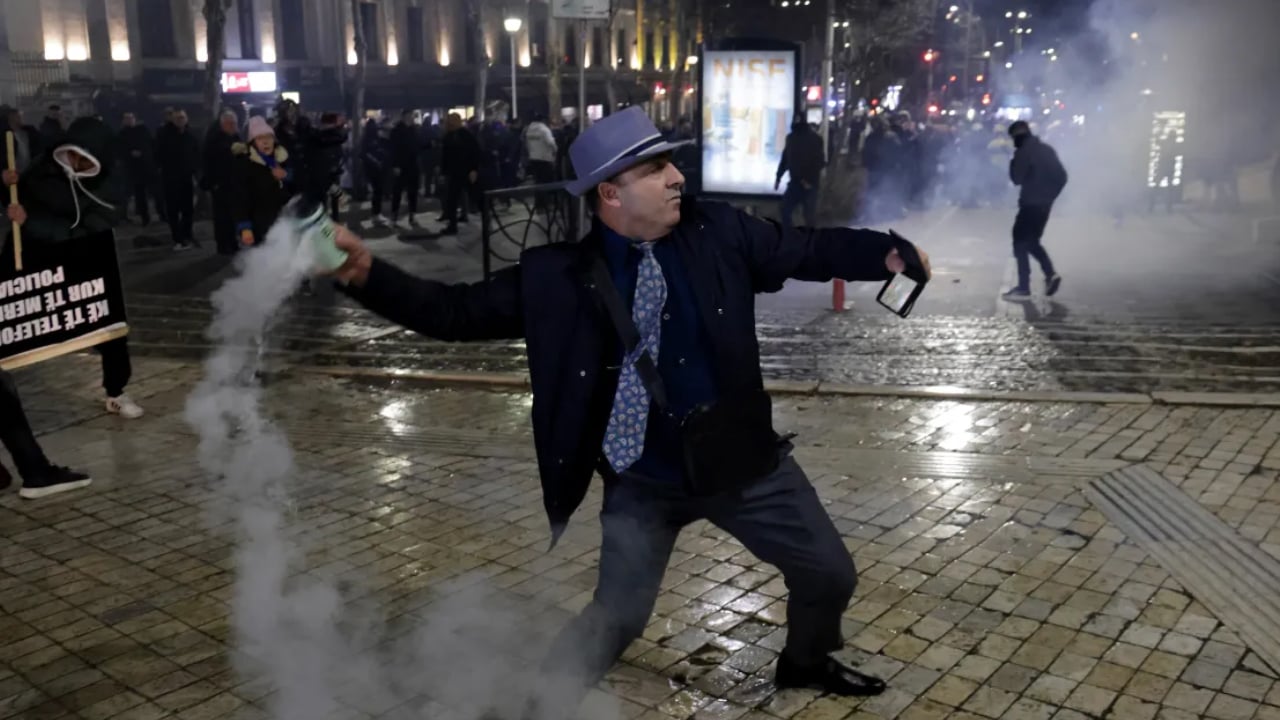
Violent anti-government protests broke out in Albania’s capital, Tirana, on Tuesday night as demonstrators demanded the resignation of Prime Minister Edi Rama over corruption allegations. At least 16 people were injured in clashes with police and taken to hospitals, while 13 protesters were arrested, according to Al Jazeera. Police used water cannons and tear gas to disperse crowds outside the prime minister’s office, and protesters responded by throwing Molotov cocktails. Additional clashes were reported near the Albanian parliament building. The unrest follows months of political tension in Albania, which began in November when prosecutors accused Deputy Prime Minister Belinda Balluku of financial misconduct. Demonstrations have continued since then, reflecting growing dissatisfaction with the government. Protesters are calling for both Rama and Balluku to step down and have urged parliament to suspend Balluku’s immunity so she can face trial. The ongoing protests highlight deepening political instability in Albania, with no immediate sign of resolution as opposition groups maintain pressure on the government.
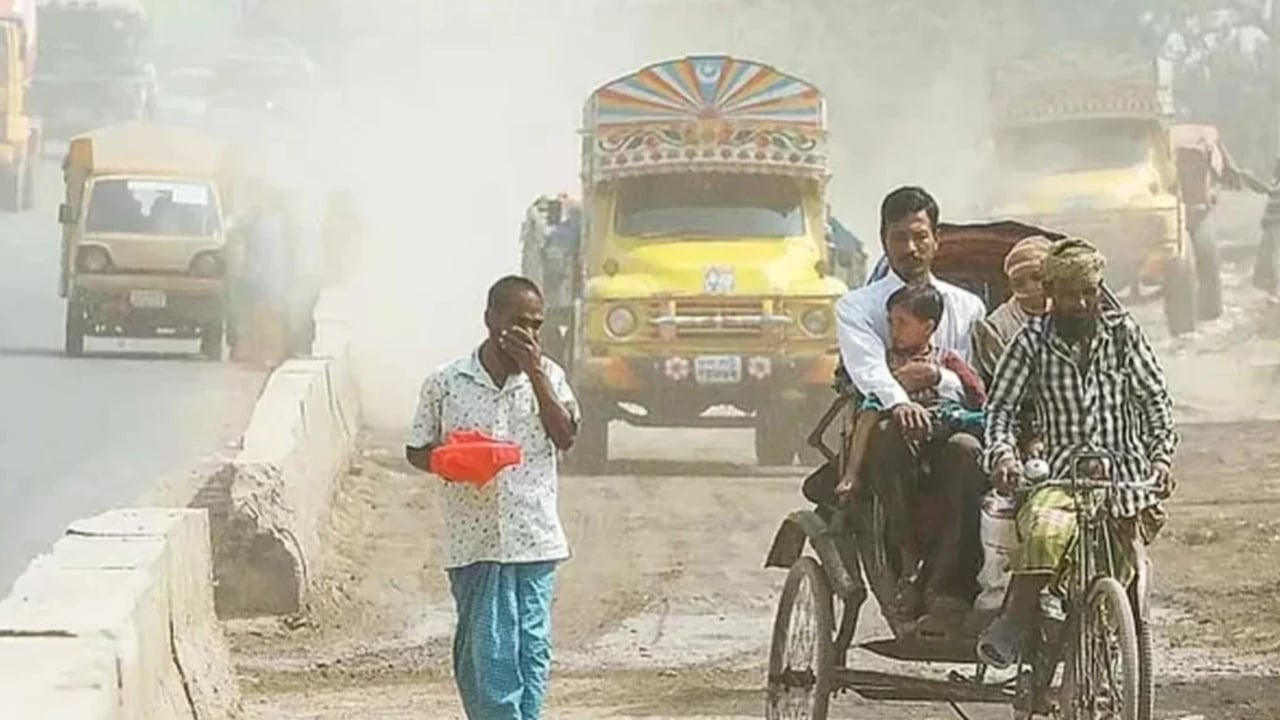
On Wednesday, February 11, 2026, at 10:50 a.m., the Switzerland-based air quality monitoring website IQAir reported that Delhi ranked first among the world’s most polluted cities with an air quality score of 340. Kabul, Afghanistan, followed in second place with a score of 272, while Dhaka, Bangladesh, ranked third with a score of 267, categorized as 'very unhealthy'. Phnom Penh, Cambodia, and Kathmandu, Nepal, took the fourth and fifth positions with scores of 184 and 183 respectively. According to IQAir’s standards, an air quality score between 0 and 50 is considered good, 51 to 100 moderate, 101 to 150 unhealthy for sensitive groups, 151 to 200 unhealthy, 201 to 300 very unhealthy, and above 301 hazardous. The platform provides real-time indicators of how clean or polluted the air is in cities around the world. The data underscores ongoing severe air pollution challenges in major South Asian cities, with Delhi and Dhaka continuing to record critically poor air quality levels.
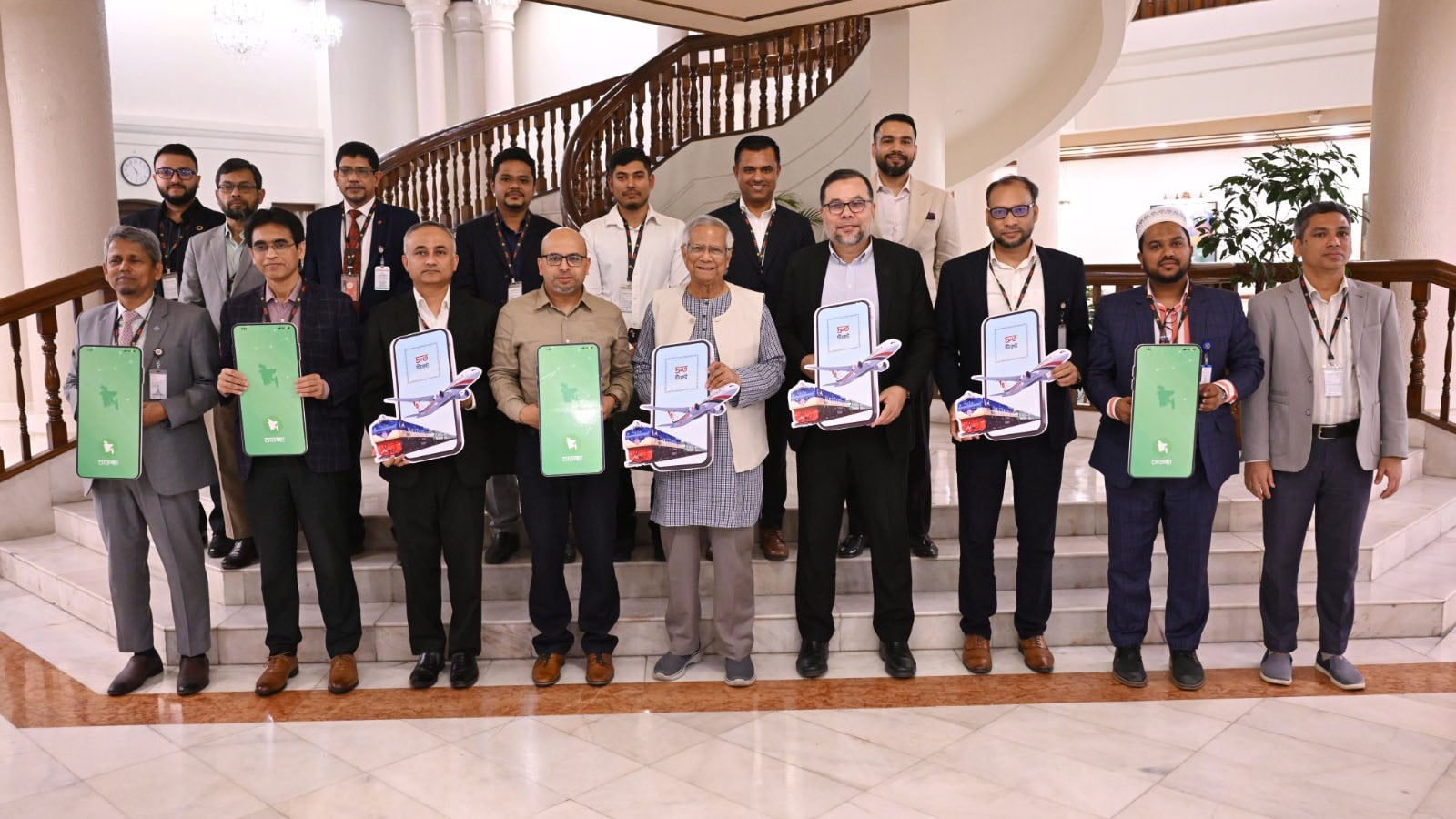
The interim government of Bangladesh has launched two new digital platforms, the 'Shubhechha' mobile app and the 'Druto Ticket' online ticketing system, to enhance citizen services and improve travel management. The launch took place on Tuesday, with senior officials including Special Assistant for Posts, Telecommunications and Information Technology Fayez Ahmed Taiyeb and ICT Division Secretary Shish Haydar Chowdhury presenting the details to Chief Adviser Professor Muhammad Yunus at the state guesthouse Jamuna. The 'Shubhechha' app aims to strengthen engagement among expatriate Bangladeshis by providing access to over one hundred public services, while the 'Druto Ticket' platform is designed to ensure transparency and prevent irregularities in bus, rail, and air travel, especially during festivals. Chief Adviser Yunus expressed appreciation for the successful launch, emphasizing that the government’s goal is to deliver all services efficiently and without inconvenience to citizens. He noted that the two platforms mark only the beginning of a broader digital initiative and expressed hope that the next elected government will expand these efforts to reach more people across the country.
The Trading Corporation of Bangladesh (TCB) announced that it will sell essential commodities across the country through truck sales during the upcoming holy month of Ramadan. The state-run agency said in a notice on Tuesday that the initiative aims to support ordinary citizens by providing goods at subsidized prices. The truck sale program is expected to begin the day before Ramadan starts. According to the TCB statement, the ongoing subsidized sales to smart cardholder families will continue alongside the truck sales. Through this special Ramadan initiative, TCB plans to reach 3 to 3.5 million consumers nationwide. The products to be sold include the corporation’s regular items—edible oil, lentils, and sugar—along with chickpeas and dates, which are in high demand during Ramadan. TCB added that details on the quantity and prices of the products to be sold through the truck sales will be announced later.
An interim framework for a new trade agreement between the United States and India has been released, aiming to reduce additional tariffs imposed on India during the Trump administration. The deal seeks to rebuild energy ties and expand economic cooperation, potentially reshaping global supply chains. Under Washington’s pressure, India agreed to allow entry of certain US agricultural products into its market, a move that has drawn criticism from farmers and opposition parties. The agreement permits imports of high-protein animal feed, corn, and ethanol byproducts from the US, expected to benefit India’s $30 billion poultry industry by lowering feed costs. However, soybean and oilseed growers may suffer due to reduced demand and falling prices. The inclusion of duty-free soybean oil and cotton imports has raised further concerns, though the government says import quotas will protect domestic producers. Apple and dry fruit imports are also covered, but officials expect minimal harm since domestic supply is insufficient. India’s major farmers’ union, Samyukt Kisan Morcha, has called for a nationwide strike on February 12 to protest the deal, citing threats to the agricultural sector.
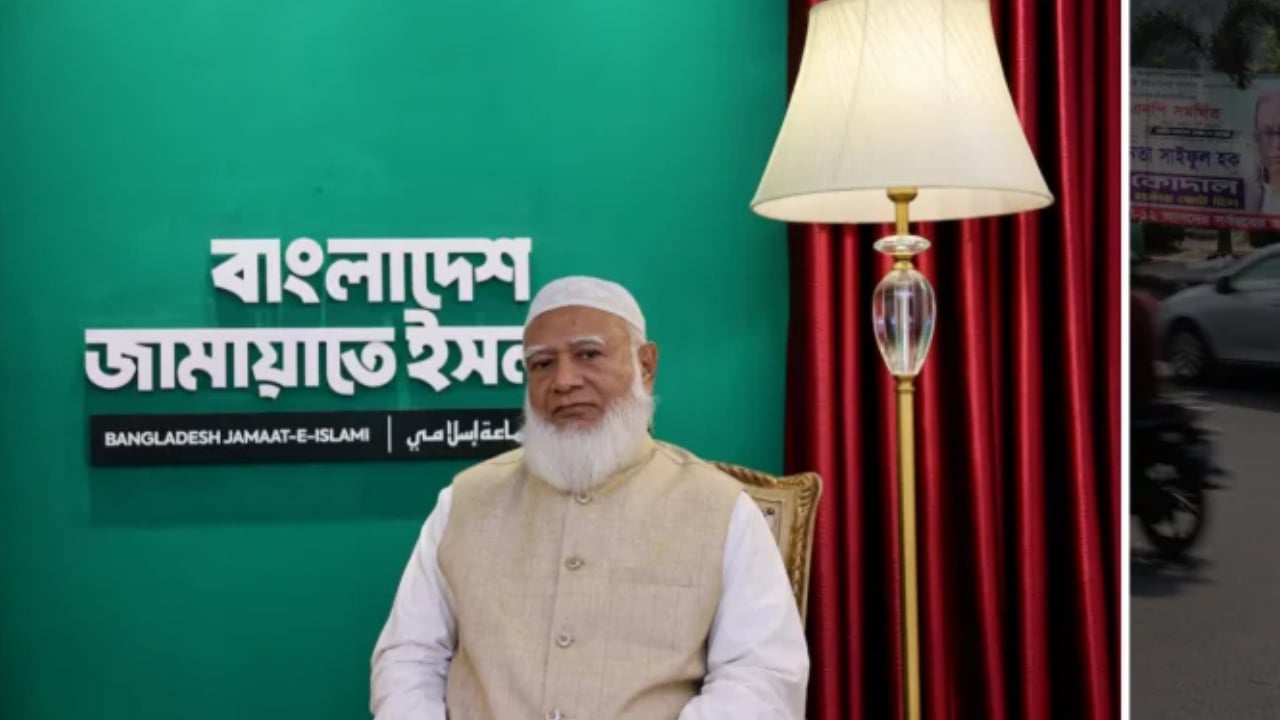
Dr. Shafiqur Rahman, a 67-year-old physician and current chief of Jamaat-e-Islami, has unexpectedly become a major contender for Bangladesh’s prime ministership ahead of the February 12, 2026 national election. Once a marginal political figure, his bearded image now dominates Dhaka’s billboards as Jamaat, once banned, competes fiercely against the BNP, its former ally. The election follows the 2024 Gen-Z-led uprising that ousted former ruler Sheikh Hasina. Public polls suggest Jamaat may achieve its best-ever result, worrying liberals and minorities. After Hasina’s fall, Nobel laureate Muhammad Yunus’s interim government eased restrictions, and a 2025 court ruling lifted the party’s ban. Jamaat quickly reemerged through charity and flood relief work, helping Rahman gain visibility. Analysts say he filled a leadership vacuum after the uprising, traveling nationwide and positioning Jamaat as a moral, Islamic-values-based alternative. Rahman’s moderate image and alliance with the youth-led National Citizen Party have broadened his appeal, though his remarks limiting women’s work hours have drawn criticism. He emphasizes governance reform, anti-corruption, and equal treatment for all faiths.
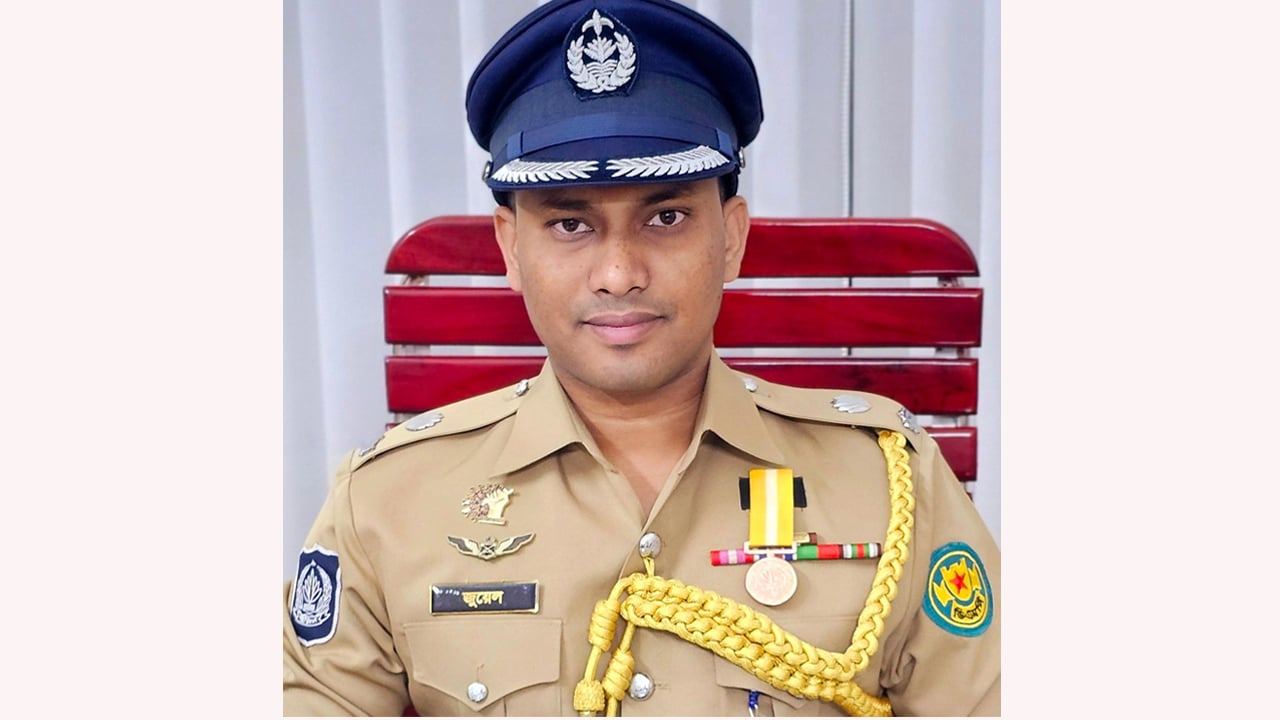
Tejgaon Division Additional Deputy Commissioner of Police Jewel Rana has warned that anyone attempting to tamper with or snatch ballot boxes during the upcoming election will face severe consequences. Speaking at a security briefing on Tuesday, he said law enforcement agencies will maintain the strictest stance to ensure order during voting. He emphasized that the army, police, Rapid Action Battalion, Border Guard Bangladesh, and Ansar will all be on duty with modern weapons to deter any attempt to disrupt the election. Rana made the remarks after a joint foot patrol drill by the army, RAB, and police in Mohammadpur, saying that a secure environment has been created to instill fear among potential troublemakers. He added that preemptive action has already been taken based on intelligence reports. Earlier, Inspector General of Police Baharul Alam announced that advanced technology, including CCTV cameras at 90 percent of polling centers, body-worn cameras for officers at high-risk locations, and drones for area monitoring, will be used to prevent fraud and violence. Police headquarters stated that 187,603 officers have been deployed nationwide in three security tiers to ensure voter safety and a peaceful election environment.
The Bangladesh Police Headquarters has issued a strict code of conduct for law enforcement officers ahead of the 13th National Parliamentary Election and referendum scheduled for Thursday. The directive lists 22 specific activities that police officers must avoid while on election duty. Violations of these rules will result in departmental and disciplinary actions, according to police headquarters sources. The instructions prohibit officers from showing favoritism toward any political party, candidate, or supporter, and from expressing personal political opinions or posting political content on social media. Officers are also barred from using force unless absolutely necessary, accepting food or gifts from candidates or supporters, or engaging in unprofessional behavior such as taking photos with candidates. They are instructed not to enter polling booths without the presiding officer’s permission or influence voters in any way. Additionally, police officers are forbidden from using mobile phones or sharing election-related information during duty. They must avoid unnecessary gatherings, personal conversations, or making predictions about election results, ensuring neutrality and professionalism throughout the polling process.
The 13th National Parliamentary Election and referendum are set to begin on Thursday across Bangladesh. Advisers of the interim government will exercise their voting rights in their respective constituencies in Dhaka and other regions at different times of the day. Law Adviser Asif Nazrul will vote early at the University Laboratory School and College in Dhaka-8, while Economic Adviser Dr. Salehuddin Ahmed will cast his vote at Gulshan Model High School and College at noon. Information Adviser Syeda Rizwana Hasan will vote between 10:00 and 10:30 a.m. at Adarsha College on Central Road. Other advisers will also vote at various centers, including Muhammad Faozul Kabir Khan at Gulshan Model School and College, Sheikh Bashiruddin at Dhanmondi Kamrunnesa Government Girls’ High School, and Brigadier General (Retd.) M Sakhawat Hossain in Mohakhali’s DOHS area. Some advisers, such as Dr. A.F.M. Khalid Hossain, will not vote due to being away from their constituencies. The election marks a key step toward forming a new government, with advisers participating alongside citizens in what is described as a significant national voting event.
Jamaat-e-Islami Ameer Dr. Shafiqur Rahman has claimed that certain groups are spreading misinformation in the country as the nation prepares for a fair, neutral, and acceptable election. In a verified Facebook post on Wednesday, he said that these groups are attempting to mislead voters out of fear of Jamaat’s popularity and public support. He urged people not to pay attention to such propaganda. Addressing voters, Dr. Rahman emphasized that voting is both a right and a sacred duty, calling on citizens to cast their ballots for their preferred candidates and symbols. He expressed hope that the entire nation expects responsible participation in the electoral process and prayed for divine assistance. Earlier on Wednesday afternoon, police detained Thakurgaon district Jamaat Ameer Belal Uddin at Syedpur Airport in Nilphamari, alleging he was carrying 5 million taka. The report did not provide further details about the incident or any official response.

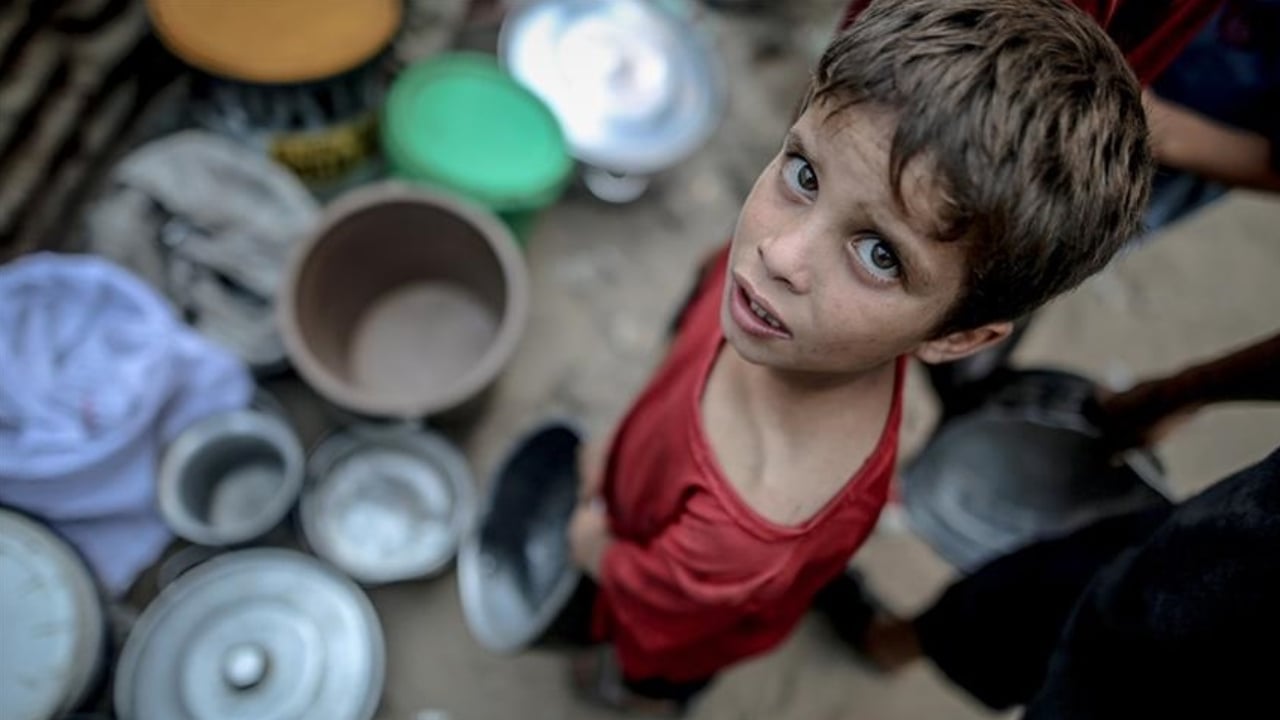
The United Nations Children’s Fund (UNICEF) has reported that more than 200 million children across over 130 countries will require humanitarian assistance in 2026. UNICEF Executive Director Catherine Russell made the statement during a regular session of the organization’s Executive Board, according to Anadolu Agency. She described the situation as one of the most severe humanitarian crises in history, emphasizing that the scale and complexity of challenges facing children worldwide are intensifying. Russell highlighted that conflicts, climate change, economic instability, and inequality are placing immense pressure on children, families, and societies. Despite the growing humanitarian needs, she reaffirmed that child and maternal health remain core priorities for UNICEF. She also noted a sharp rise in violence against children, with 2025 recording the highest number of serious incidents, including killings, abductions, and sexual violence. UNICEF, which operates in more than 190 countries and territories, called for stronger partnerships to sustain life-saving operations and address the escalating global humanitarian demands.
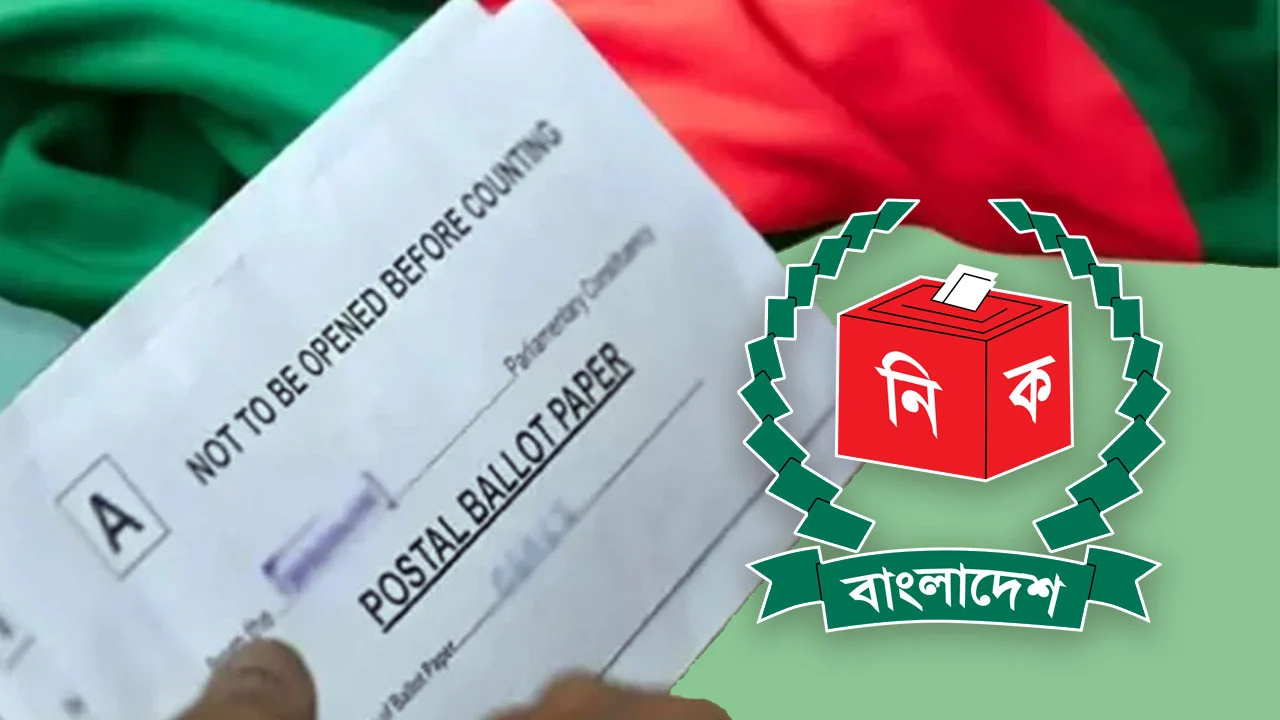
A total of 481,185 postal ballots sent by expatriate voters registered through the 'Postal Vote BD' app have arrived in Bangladesh for the 13th National Parliament Election and referendum. The information was confirmed on Wednesday by Salim Ahmad Khan, team leader of the OCV-SDI project, which oversees expatriate voter registration. According to Khan, as of 9:15 a.m. Wednesday, 766,862 ballots had been sent to expatriate voters through the app. Among them, 528,579 voters received their ballots, and 515,619 have already cast their votes. Additionally, 507,327 expatriate voters submitted their ballots to postal authorities in their respective countries, and returning officers have so far received 444,436 of those ballots. The Election Commission has also begun sending postal ballots to domestic voters registered under the ICPV system. So far, 760,898 registered voters within the country have been sent their ballots.
Bangladesh’s Election Commission (EC), led by Nasir Uddin, is preparing to conduct the 13th parliamentary election and a national referendum on the same day, marking the first such occurrence in the country’s history. The commission, formed on November 24, 2024, after the fall of the Awami League government, has had no prior experience in organizing elections. Despite this, it is tasked with managing two large-scale voting events simultaneously. The report explains that under the Representation of the People Order (RPO), voters who find that someone else has already cast their ballot can still vote through a ‘tendered vote’. This ballot is kept separately and not counted. Additionally, if a polling agent challenges a voter’s identity, the voter can submit a deposit and cast a ‘challenged vote’, which will be counted if validated. The article also outlines the roles and appointment procedures for election and polling agents, emphasizing the requirement for national identification for polling agents. The EC’s limited practical experience, having only conducted a small mock voting exercise, raises questions about its readiness to manage the upcoming large-scale electoral process.

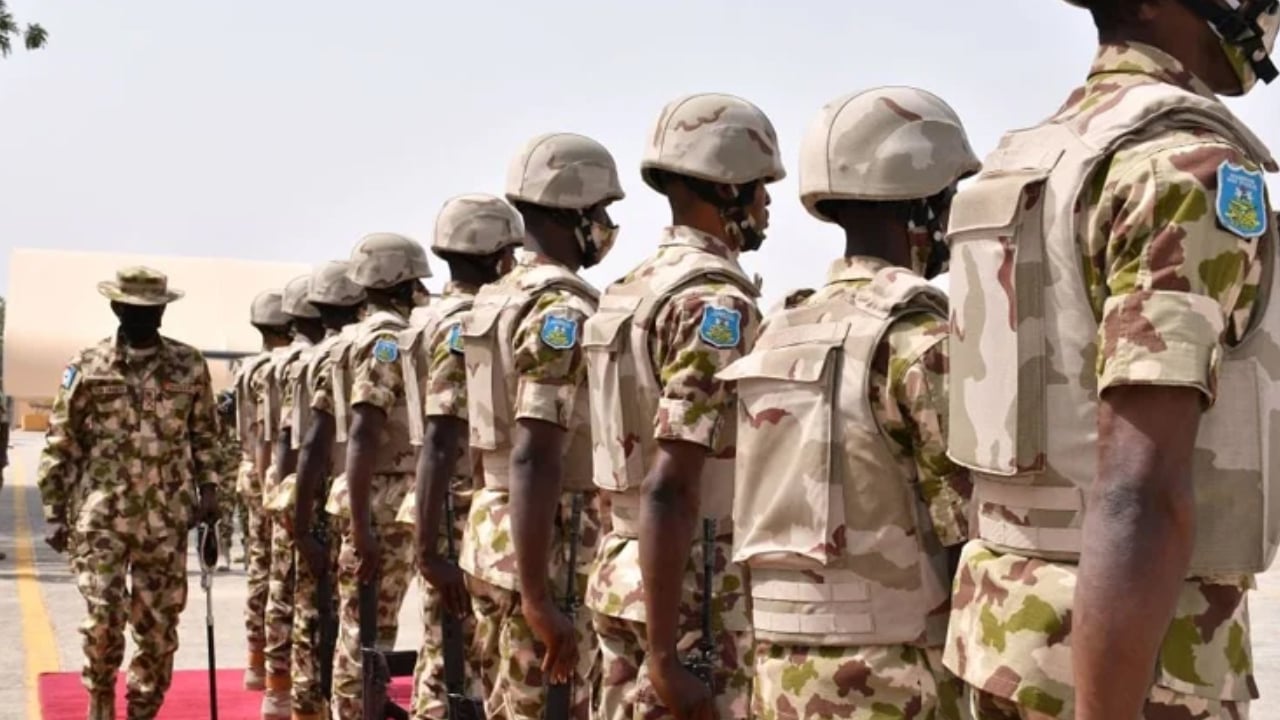
The United States is set to deploy 200 troops to Nigeria to assist in the fight against Boko Haram and the Islamic State. A U.S. Africa Command official said on Tuesday that the soldiers will train Nigerian forces and provide technical guidance. According to The Wall Street Journal, the new team will complement a smaller group already stationed in the country and is expected to arrive within the next few weeks. A spokesperson for U.S. Africa Command told AFP that the mission will focus on training and coordination support for air and ground operations. Nigerian Defense Headquarters spokesperson Samaila Uba stated that the U.S. troops will not take part in direct combat or operations. The deployment comes as Nigeria faces diplomatic pressure from the United States over security concerns. U.S. President Donald Trump has accused Nigeria of persecuting Christians, though reports indicate that both Christians and Muslims have been victims of violence. Trump’s senior adviser on Arab and African affairs, Masad Bolos, previously said Boko Haram and the Islamic State have killed more Muslims than Christians. Nigeria’s government has rejected allegations of Christian persecution.
The ‘1 Nojor’ media platform is now live in beta, inviting users to explore and provide feedback as we continue to refine the experience.