

The ‘1 Nojor’ media platform is now live in beta, inviting users to explore and provide feedback as we continue to refine the experience.
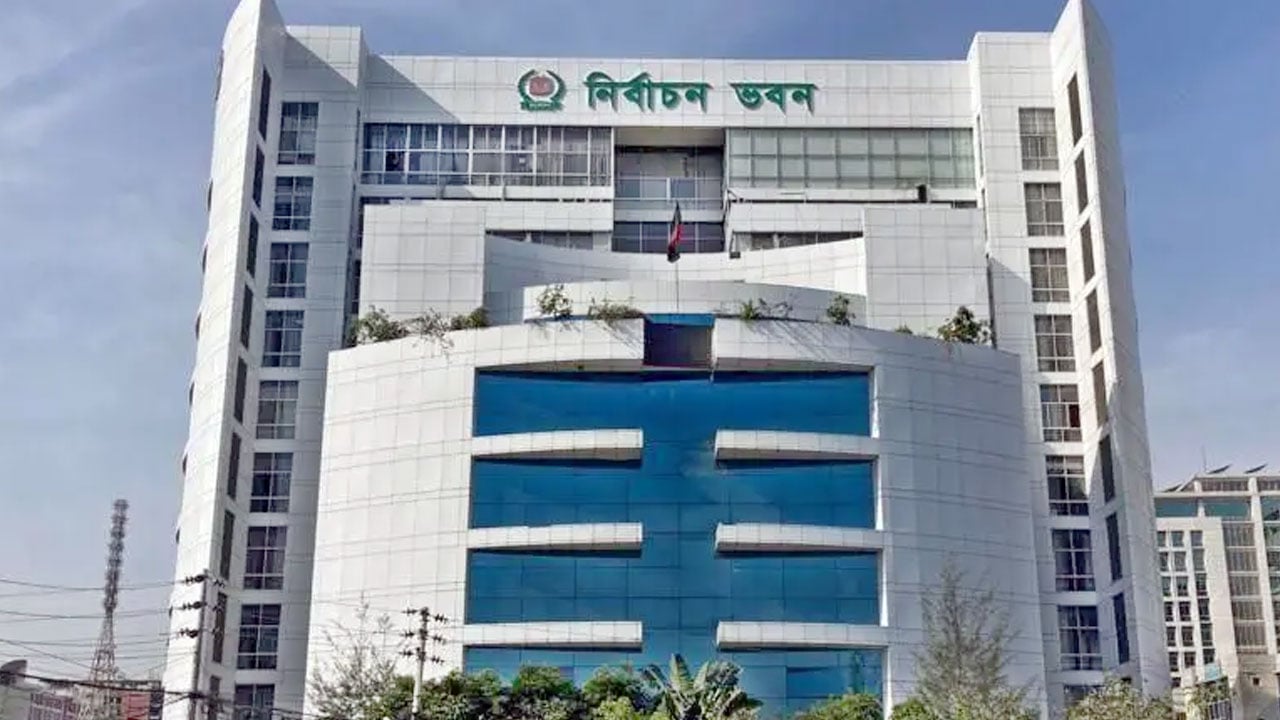
A total of 481,185 postal ballots sent by expatriate voters registered through the 'Postal Vote BD' app have arrived in Bangladesh for the 13th National Parliament Election and referendum. The information was confirmed on Wednesday by Salim Ahmad Khan, team leader of the OCV-SDI project, which oversees expatriate voter registration. According to Khan, as of 9:15 a.m. Wednesday, 766,862 ballots had been sent to expatriate voters through the app. Among them, 528,579 voters received their ballots, and 515,619 have already cast their votes. Additionally, 507,327 expatriate voters submitted their ballots to postal authorities in their respective countries, and returning officers have so far received 444,436 of those ballots. The Election Commission has also begun sending postal ballots to domestic voters registered under the ICPV system. So far, 760,898 registered voters within the country have been sent their ballots.
Bangladesh’s Election Commission (EC), led by Nasir Uddin, is preparing to conduct the 13th parliamentary election and a national referendum on the same day, marking the first such occurrence in the country’s history. The commission, formed on November 24, 2024, after the fall of the Awami League government, has had no prior experience in organizing elections. Despite this, it is tasked with managing two large-scale voting events simultaneously. The report explains that under the Representation of the People Order (RPO), voters who find that someone else has already cast their ballot can still vote through a ‘tendered vote’. This ballot is kept separately and not counted. Additionally, if a polling agent challenges a voter’s identity, the voter can submit a deposit and cast a ‘challenged vote’, which will be counted if validated. The article also outlines the roles and appointment procedures for election and polling agents, emphasizing the requirement for national identification for polling agents. The EC’s limited practical experience, having only conducted a small mock voting exercise, raises questions about its readiness to manage the upcoming large-scale electoral process.
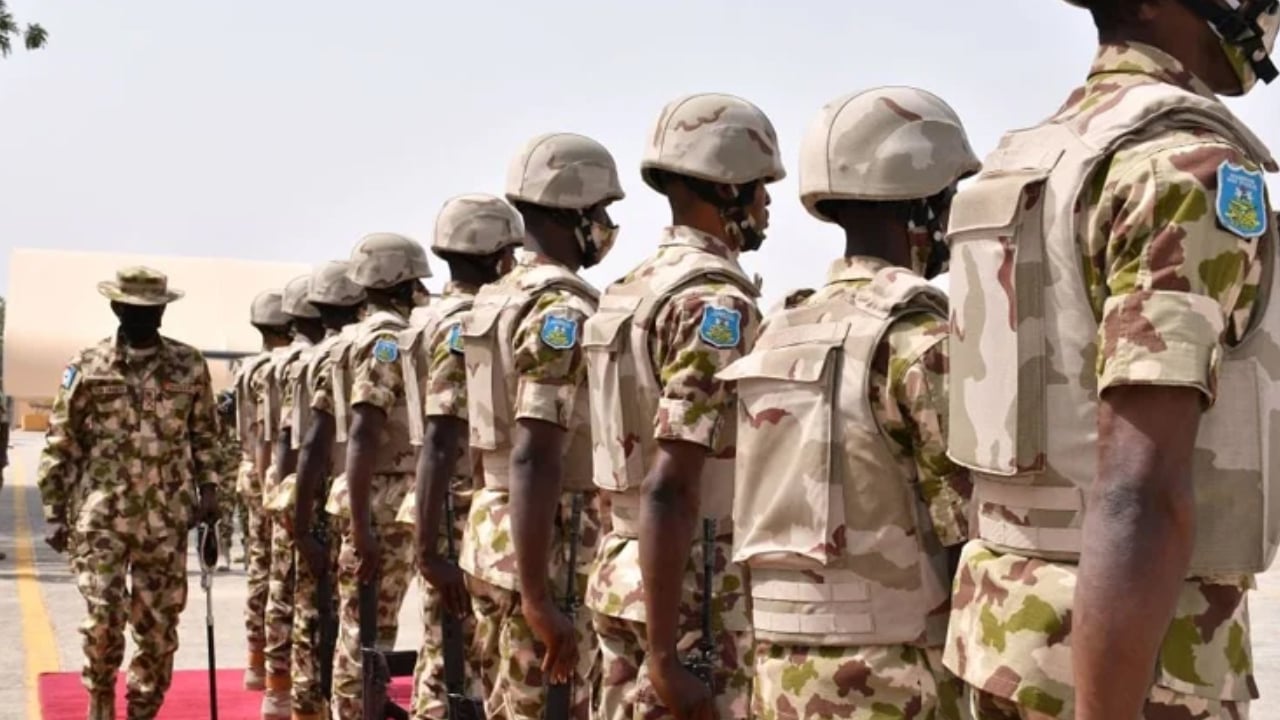
The United States is set to deploy 200 troops to Nigeria to assist in the fight against Boko Haram and the Islamic State. A U.S. Africa Command official said on Tuesday that the soldiers will train Nigerian forces and provide technical guidance. According to The Wall Street Journal, the new team will complement a smaller group already stationed in the country and is expected to arrive within the next few weeks. A spokesperson for U.S. Africa Command told AFP that the mission will focus on training and coordination support for air and ground operations. Nigerian Defense Headquarters spokesperson Samaila Uba stated that the U.S. troops will not take part in direct combat or operations. The deployment comes as Nigeria faces diplomatic pressure from the United States over security concerns. U.S. President Donald Trump has accused Nigeria of persecuting Christians, though reports indicate that both Christians and Muslims have been victims of violence. Trump’s senior adviser on Arab and African affairs, Masad Bolos, previously said Boko Haram and the Islamic State have killed more Muslims than Christians. Nigeria’s government has rejected allegations of Christian persecution.
Bangladesh will witness a historic event on February 12 as the 13th parliamentary election and a national referendum on the July National Charter will be held on the same day. The Election Commission (EC) has clarified that every voter must receive two ballots—one for the parliamentary election and one for the referendum. Voters may choose to mark only one ballot, but both must be placed in the ballot box. Any unmarked ballot will be counted as invalid during the tally. According to the EC, voting will take place continuously from 7:30 a.m. to 4:30 p.m., with the time extended by one hour due to the dual voting process. The parliamentary ballot will be black and white, while the referendum ballot will be pink. More than 42,000 polling centers across the country will conduct the voting. Both ballots will be deposited in the same transparent ballot box and later separated and counted individually in the presence of polling agents. This marks Bangladesh’s third referendum since 1991 and the first time both a national election and referendum are being held on the same day, presenting a new experience for election officials.
An opinion piece by Sardar Farid Ahmad, published on February 11, 2026, argues that the upcoming referendum in Bangladesh represents a decisive moment for the nation’s political and moral direction. The author frames the vote as a choice between ‘Yes,’ symbolizing reform and a new democratic order, and ‘No,’ which he associates with authoritarian continuity, fear, and moral bankruptcy. He contends that neutrality or silence in this referendum equates to supporting oppression and rejecting the sacrifices of those who fought for change. The article contrasts ‘No’ as a return to past dominance, corruption, and dependence, while ‘Yes’ is portrayed as a commitment to institutional reform, judicial independence, free media, and national self-determination. Citing political theorists such as Hannah Arendt, Robert Dahl, and Juan Linz, the author links the referendum to broader questions of accountability and sovereignty. He emphasizes the role of youth voters, describing them as a transformative force unwilling to accept authoritarianism or external influence. The piece concludes that the referendum is not merely a political exercise but a moral test of Bangladesh’s readiness to embrace reform and reject fear-based politics.
US President Donald Trump warned that the United States would take a tough path if no agreement is reached with Iran. In an interview with Israel’s Channel 12 on Tuesday, he said that either a deal will be made or the US will have to take very tough action as before. Trump also mentioned the possibility of a second round of talks next week. The warning comes as tensions between Washington and Tehran remain high over Iran’s nuclear program and its recent crackdown on protests. Tehran has maintained that it will only discuss its nuclear program and will not give up its right to enrich uranium. Reports from Axios and Channel 12 indicated that Trump is considering sending a second aircraft carrier to the Middle East, quoting him as saying that one fleet is already heading there and another may follow. Iranian Foreign Minister Abbas Araghchi said on Saturday that he hopes talks with the United States will resume soon while reaffirming Tehran’s red lines and warning against any US attack.

The Bangladesh Meteorological Department reported that winter conditions in Dhaka are gradually diminishing as the month of Magh nears its end. On Wednesday, February 11, 2026, the department forecast partly cloudy skies and dry weather for Dhaka and surrounding areas, with a slight increase in daytime temperature. Between 7 a.m. and 1 p.m., winds from the north or northwest may blow at speeds of 5 to 10 kilometers per hour. According to the morning observation at 6 a.m., Dhaka recorded a temperature of 19.2 degrees Celsius with 75 percent humidity. The city’s highest temperature on the previous day was 28.5 degrees Celsius, while the lowest recorded today was 18.5 degrees Celsius. No rainfall was recorded in the past 24 hours. Sunset is expected at 5:51 p.m., and sunrise tomorrow at 6:34 a.m. The nationwide forecast issued last night indicated that weather across Bangladesh may remain dry with partly cloudy skies, and both daytime and nighttime temperatures are likely to rise slightly.
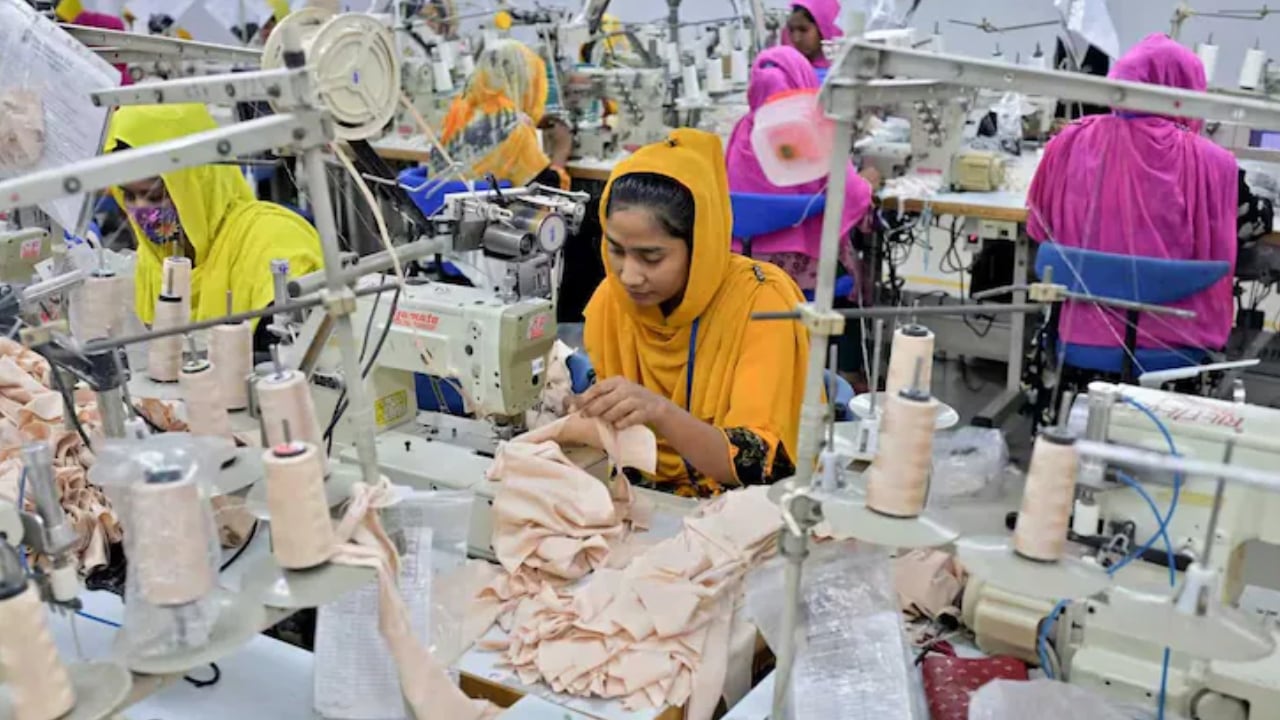
Bangladesh and the United States have signed a landmark trade agreement granting duty-free access for garments made in Bangladesh using US-imported cotton and synthetic fibers. Under the deal, both countries will reduce mutual tariff rates to 19 percent, and apparel produced with US raw materials will face no counter-tariffs when exported to the American market. The agreement is expected to reshape Bangladesh’s export strategy by allowing direct sourcing of cotton from the US and exporting finished goods back to the same market with tariff exemptions. Trade analysts note that Bangladesh’s textile industry has long depended on Indian cotton, but frequent policy shifts, export bans, and price instability in India have created supply risks. According to the National Board of Revenue, India’s share in Bangladesh’s cotton imports fell from 31.39 percent in 2021 to 15.9 percent in 2025, while Brazil and the US have strengthened their positions. Textile mill owners believe the new deal will ensure more reliable supply chains and reduce dependence on India. Industry data show that US cotton imports reached 346 million dollars in 2024–25, up from 278 million the previous year, and this share is expected to grow further under the new arrangement.

In Cox’s Bazar, traditionally a stronghold for both the BNP and Jamaat-e-Islami, the upcoming election has taken a new turn as the two parties contest separately. Historically, their joint candidates dominated all four constituencies, but this time the balance has shifted. Voters now expect BNP to win two seats and Jamaat two, though both parties claim victory in all four. Jamaat’s leader has already visited the district twice, while BNP’s chairperson canceled a planned trip. In Cox’s Bazar-1, BNP’s Salahuddin Ahmed faces a strong challenge from Jamaat’s Abdullah Al Faruk. In Cox’s Bazar-2, Jamaat’s AHM Hamidur Rahman Azad is seen as the frontrunner against BNP’s Alamgir Muhammad Mahfuz Ullah Farid. The BNP’s Lutfor Rahman Kajol leads in Cox’s Bazar-3, while in Cox’s Bazar-4, BNP’s Shahjahan Chowdhury faces pressure from Jamaat’s Nur Ahmed Anwari, a popular local chairman. Observers note that internal divisions within BNP and Jamaat’s growing grassroots organization could make the contests highly competitive across the district.

Bangladesh stands at a critical political juncture ahead of its 13th parliamentary election, described as more than a routine transfer of power. In an opinion piece, Ruby Amatullah argues that the nation’s future could change dramatically if citizens consciously follow three essential steps before and after the election. These include treating the vote as a referendum for reform, choosing candidates based on merit rather than party loyalty, and compelling the formation of a national unity government after the polls. The article stresses that casting a 'yes' vote symbolizes public endorsement of democracy, accountability, and reform, while abstaining from voting perpetuates corruption and misuse of power. It calls on voters to reject blind partisanship and elect honest, capable representatives who understand constitutional responsibilities. The author cites examples from other nations that overcame crises through coalition or unity governments. According to the piece, a national unity government is vital for rebuilding key state institutions such as the judiciary, administration, and security sectors. If these three conditions are met, Bangladesh could achieve balanced governance, institutional reform, and renewed public trust in democracy.
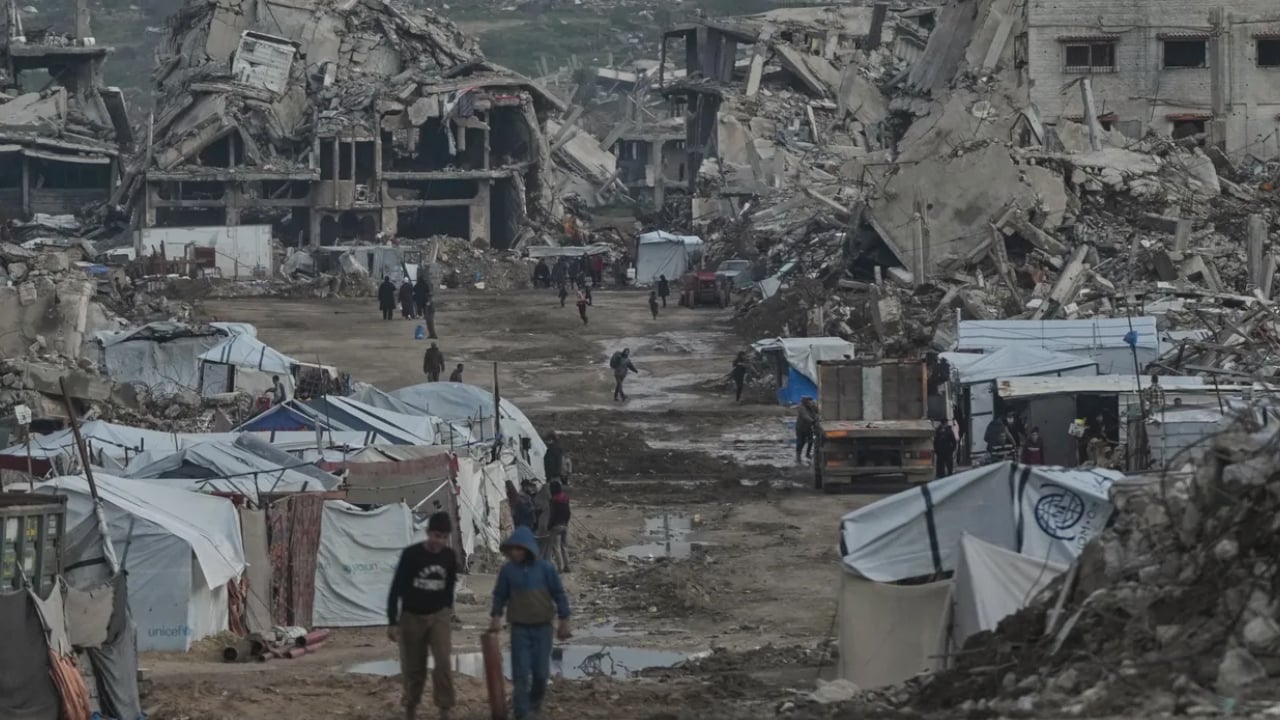
Indonesia has announced plans to send 8,000 troops to Gaza, according to a statement signed by Army Chief General Maruli Simanjuntak. The Indonesian military said training for the deployment has already begun, with soldiers set to perform medical and engineering duties. Indonesia is the first country to take concrete steps toward sending forces to Gaza. The exact date of deployment has not yet been finalized, as officials await instructions from President Prabowo Subianto. The move is linked to a 20-point peace plan proposed by former U.S. President Donald Trump, which includes forming an unelected technocratic government to manage Gaza’s administrative affairs and establishing an International Stabilization Force (ISF) to ensure security. Several countries, including Pakistan, Indonesia, Turkey, and the United Arab Emirates, have joined the Gaza Board of Peace, which held its first meeting in Washington on January 19. The Indonesian troops’ participation marks an early step in implementing the broader international framework aimed at stabilizing Gaza following prolonged conflict.
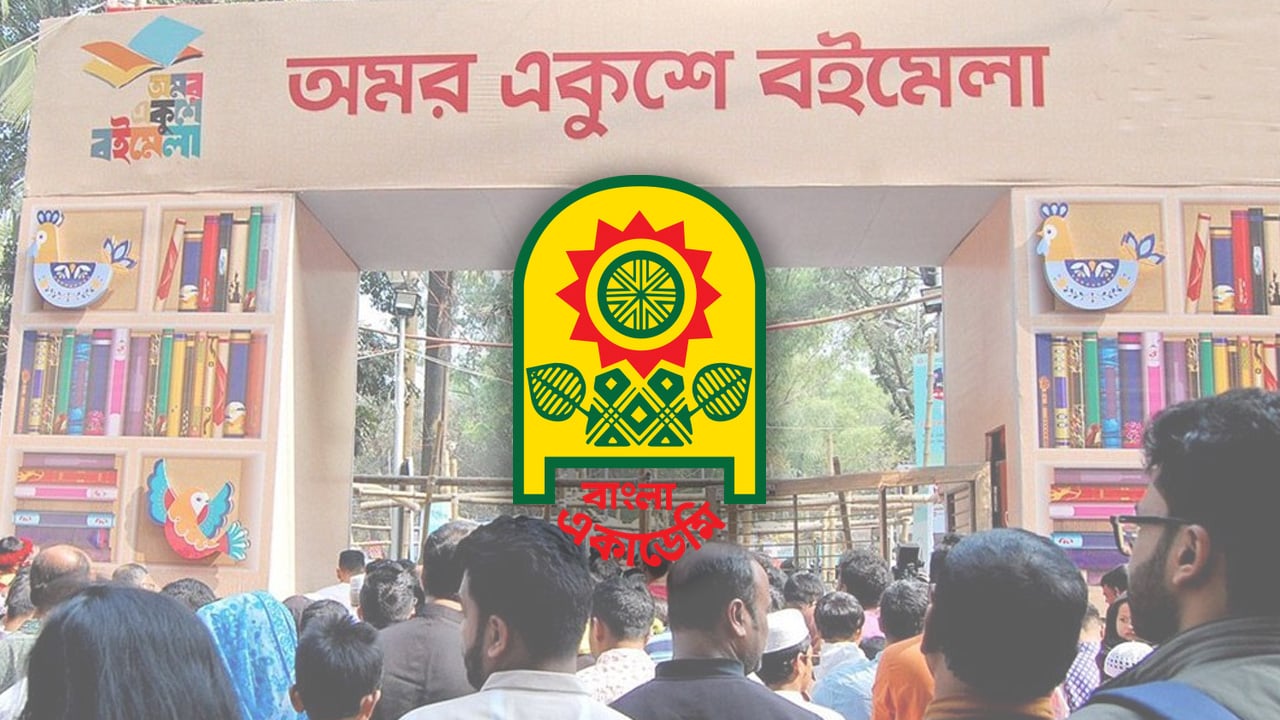
The government has decided to waive 55 percent of stall rent for publishers participating in the Amar Ekushey Book Fair 2026. The announcement was made on Tuesday by Dr. Md. Selim Reza, member secretary of the fair’s organizing committee, through an official press release. The decision followed a meeting with publishers held at the Shaheed Munir Chowdhury Auditorium of Bangla Academy, chaired by Cultural Affairs Adviser Mostofa Sarwar Farooki. During the meeting, publishers presented various demands concerning the current state of the publishing industry. The cultural affairs adviser expressed agreement with most of the proposals, including the formulation of a national book policy, and urged publishers to submit written recommendations to the ministry. The waiver applies to all publishers participating in the fair scheduled for February 20. According to the press release, publishers who have already paid their stall rent will receive refunds for the excess amount, while those yet to pay can deposit the revised amount directly at the new rate.
The final day of campaigning for the upcoming parliamentary election in Chattogram concluded in a largely peaceful and festive atmosphere across 16 constituencies. Candidates and their supporters wrapped up their activities without major incidents, a stark contrast to the pre-schedule period marked by violence and 24 killings linked to political rivalries. Authorities credit the calm to the responsible behavior of candidates and tolerance among party activists. Despite the peaceful campaign, concerns remain over potential violence on election day. Law enforcement agencies are focusing on controlling five armed groups allegedly led by two expatriate crime figures, Sazzad Ali Khan and Habib Khan, both accused in major murder cases. Intelligence sources report that these groups, composed of hired shooters, remain active locally. Allegations have also surfaced linking some BNP and Jamaat leaders to these networks, though the accused politicians deny involvement. Returning Officer Zahidul Islam Miah said extensive security measures are in place, including heavy deployment of law enforcement and 115 magistrates. He expressed confidence in the administration’s ability to counter any attempt to disrupt the polls and urged all parties to maintain the festive spirit on election day.
Bangladesh has signed a new trade agreement with the United States, reducing its counter-tariff rate by one percentage point to 19 percent. The deal, finalized a week after a separate US-India trade understanding, includes a key provision allowing certain Bangladeshi garments made with US cotton and synthetic fibers to enter the American market duty-free. This clause has sparked concern among Indian textile exporters and cotton traders, who fear losing competitiveness in the US market where Indian products still face an 18 percent tariff. India’s textile sector, which contributes 2.3 percent to its GDP and sends about 30 percent of its exports to the US, had initially welcomed Washington’s tariff reduction from 50 to 18 percent. However, the new Bangladesh-US deal is seen as undermining that advantage. Analysts note that Bangladesh, the world’s largest cotton importer, may now shift more purchases toward US cotton, further pressuring Indian cotton exporters. The development has already affected Indian textile and yarn company shares, while the opposition Congress party criticized Prime Minister Narendra Modi’s government, calling the deal a dual blow to India’s economy and textile workers.
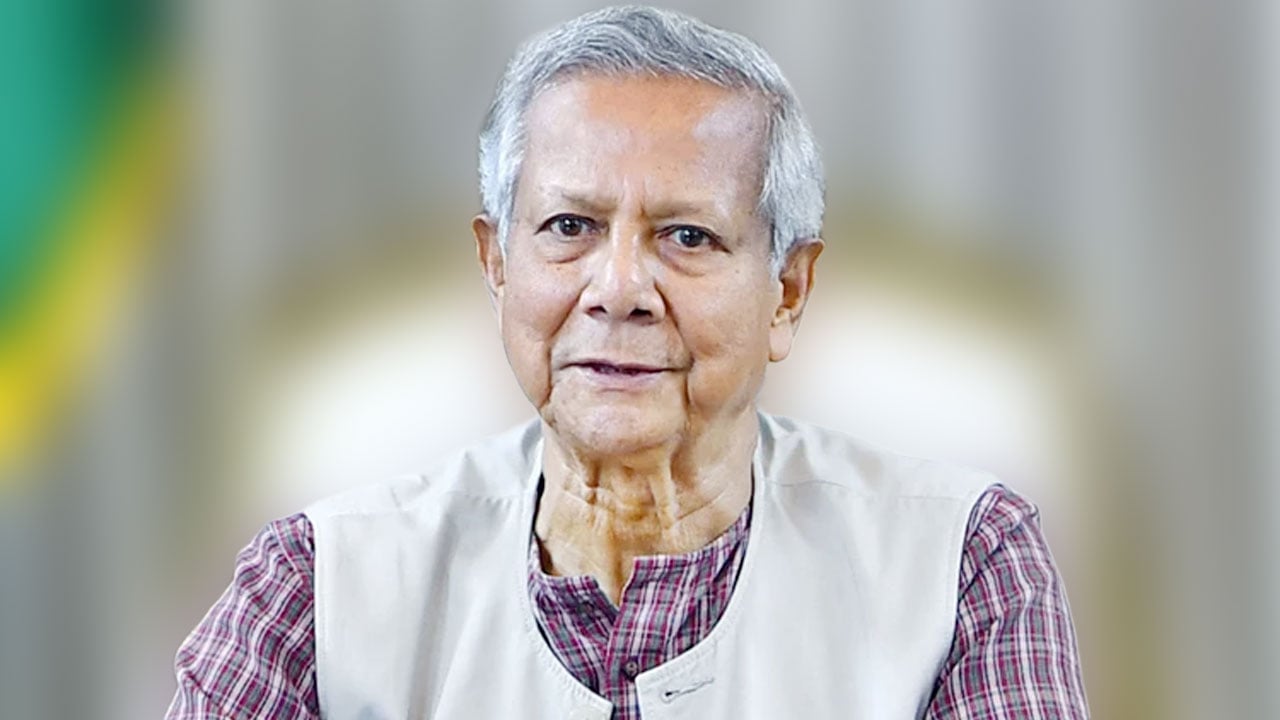
The Cabinet Division of Bangladesh on Tuesday released the wealth statements of the advisers to the interim government, revealing that Chief Adviser Professor Muhammad Yunus’s total assets increased by Tk 16.1 million over the past fiscal year. His wealth rose from Tk 141.4 million on June 30, 2024, to Tk 156.2 million on June 30, 2025, mainly due to encashment of savings certificates, growth in deposits, and inherited shares. In contrast, his wife Afrozi Yunus’s assets declined by Tk 8.4 million during the same period. According to the published data, Dr. Yunus’s financial assets now stand at Tk 147.6 million, while his non-financial assets amount to Tk 2.1 million. He also holds Tk 6.4 million in overseas assets. The Cabinet Division report also detailed the wealth of other advisers, including increases for Adilur Rahman Khan, Wahiduddin Mahmud, and others, and decreases for Syeda Rizwana Hasan and Mostofa Sarwar Farooki. The most affluent adviser is Sheikh Bashiruddin, with assets totaling Tk 916.5 million. The publication follows Dr. Yunus’s earlier commitment in August 2024 to make asset declarations mandatory for all advisers and, eventually, for all government officials as part of anti-corruption measures.
The ‘1 Nojor’ media platform is now live in beta, inviting users to explore and provide feedback as we continue to refine the experience.