

The ‘1 Nojor’ media platform is now live in beta, inviting users to explore and provide feedback as we continue to refine the experience.
A Dhaka court has once again postponed the submission of the investigation report in the Bangladesh Bank reserve theft case. On Thursday, Additional Chief Metropolitan Magistrate Joshita Islam set August 9 as the new date for the report’s submission. This marks the 96th time the deadline has been extended. The prosecution’s Sub-Inspector Rokunuzzaman confirmed the court’s order after the Criminal Investigation Department (CID) failed to present the report on the scheduled date. The case stems from the February 5, 2016 incident when hackers fraudulently transferred 81 million US dollars from Bangladesh Bank’s account at the Federal Reserve Bank of the United States using the SWIFT system. The stolen funds were later sent to the Philippines. Investigators suspect that a local group assisted the hackers in laundering the money. Following the theft, on March 15, 2016, Zobayer Bin Huda, Deputy Director of the Accounts and Budgeting Department of Bangladesh Bank, filed a case under the Money Laundering Prevention Act and the Information and Communication Technology Act. The CID is currently conducting the investigation.

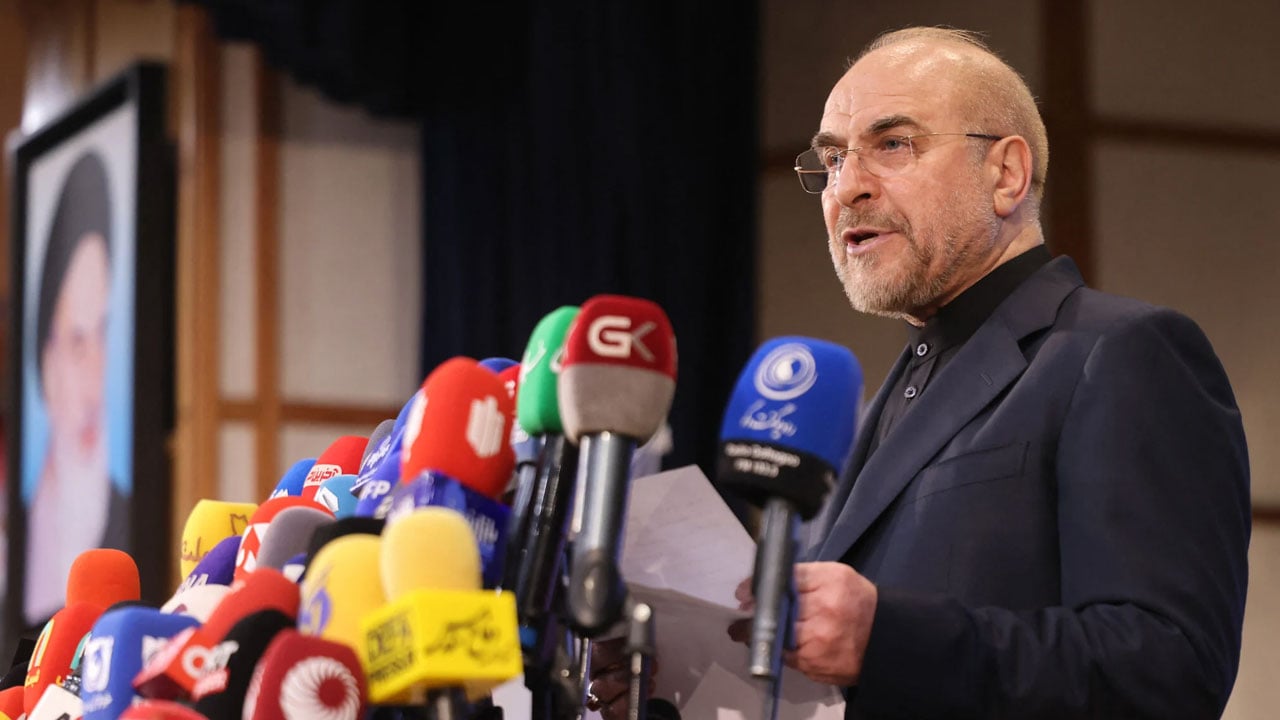
Iran’s parliament speaker, Bagher Ghalibaf, has called for a massive public turnout at the funeral of former Supreme Leader Ayatollah Ali Khamenei. In a statement, Ghalibaf urged Iranians to attend the ceremony to mark what he described as a glorious chapter in the nation’s history. He also declared that the nation’s call for revenge should be heard around the world. According to the report, Khamenei was killed on February 28 in a joint attack by the United States and Israel. He had led Iran since 1989, following the death of Ayatollah Ruhollah Khomeini, who spearheaded the Islamic Revolution a decade earlier. The funeral and burial ceremonies are scheduled to take place from July 4 to 9, with strict security measures in place across the country. The call for mass participation reflects the government’s effort to project unity and national strength during the mourning period, as Iran prepares for several days of ceremonies honoring its long-serving leader.
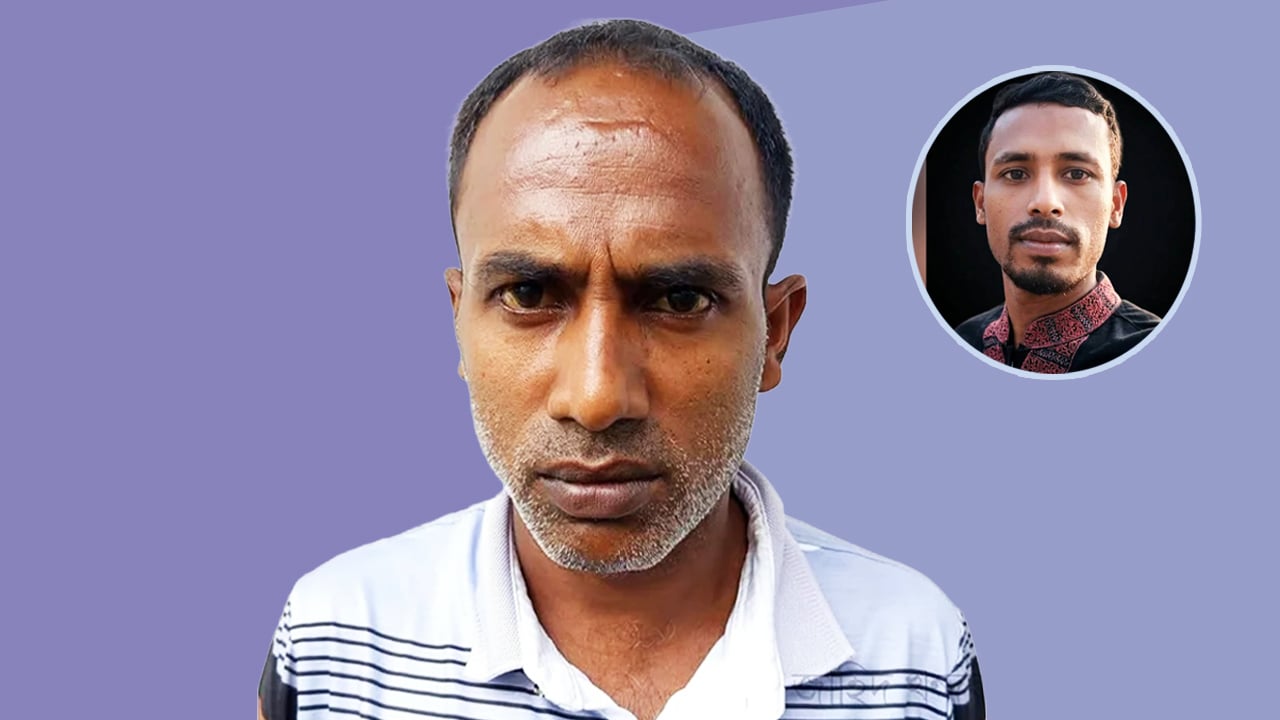
Police have arrested Mokhlesur Rahman Mukul, the prime accused in the murder case of Islami Chhatra Shibir leader Saifullah Bari in Gaibandha’s Saghata upazila. The arrest was made on Wednesday night in the Hariken area of Gazipur using information technology, according to Saghata Police Station Officer-in-Charge Mahbub Alam. Mukul, who was recently expelled from his position as convener of the Bonarpara Union unit of Jubo Dal, is the fifth suspect detained in connection with the case. Saifullah Bari, president of the Bonarpara Union unit of Islami Chhatra Shibir and a third-year student of Al-Quran studies at Satgara Model Kamil Madrasa in Rangpur, was stabbed to death on June 21 in the Bonarpara Choumatha area. Witnesses said Mukul and his associates attacked him with knives in the afternoon. Following the incident, the district Jubo Dal expelled Mukul for violating party discipline. Saifullah’s father filed a murder case naming six individuals and 10–15 unidentified others. Police have so far arrested five suspects in total.
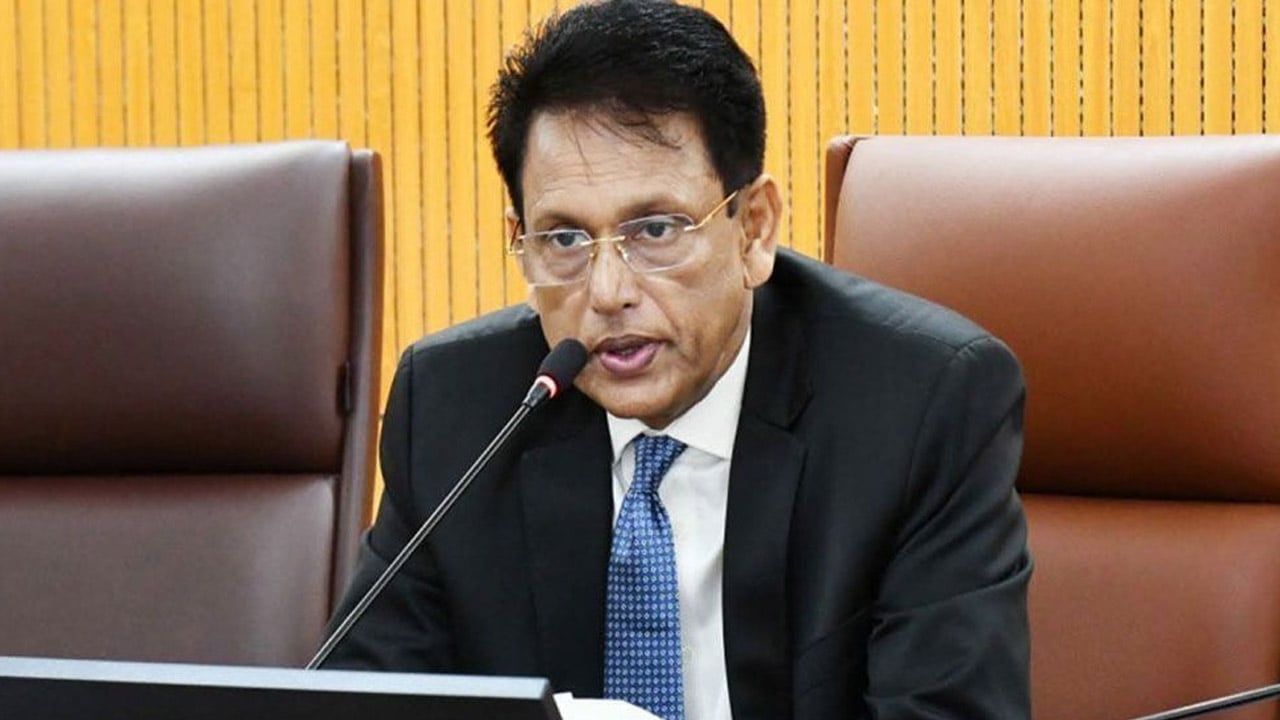
Education and Primary and Mass Education Minister Dr. A N M Ehsanul Haque Milan announced plans to recruit more than 100,000 new teachers in Bangladesh. He made the statement on Thursday afternoon at the InterContinental Hotel in Dhaka during a UNESCO event titled ‘Global Partnership for Education System Transformation Grant and Multiplier Grant for Bangladesh.’ According to the minister, the government plans to appoint 32,500 head teachers in government primary schools and around 70,000 teachers and lecturers in various MPO-affiliated private educational institutions. He added that the Appellate Division has delivered a verdict allowing the recruitment of the 32,500 head teachers, enabling the ministry to proceed with the appointments. The minister described the inclusion of approximately 70,000 MPO-affiliated teachers and lecturers as a major development for the education sector.
Islami Bank Bangladesh PLC has launched a month-long campaign titled 'Customer Service Month' under the slogan 'Building Tomorrow’s Bangladesh through Welfare-Oriented Banking.' The program was inaugurated on July 1, 2026, at Islami Bank Tower by Acting Managing Director Md. Altaf Hossain as the chief guest. Additional Managing Director Engineer Mohammad Jamal Uddin Majumder attended as special guest, while the event was presided over by Additional Managing Director Dr. M. Kamal Uddin Jasim. Senior executives, including deputy managing directors and zonal heads, joined the event both in person and virtually. During his remarks, Md. Altaf Hossain stated that all branches, sub-branches, agent outlets, and digital banking services of Islami Bank are operating normally. He noted that remittance customers are receiving uninterrupted services and that many clients who had previously closed their accounts have returned, reflecting renewed trust in the institution. He described Islami Bank as a strong and stable financial organization committed to transparency, accountability, good governance, and professionalism. The campaign aims to enhance customer engagement and reinforce confidence in the bank’s welfare-based financial services.
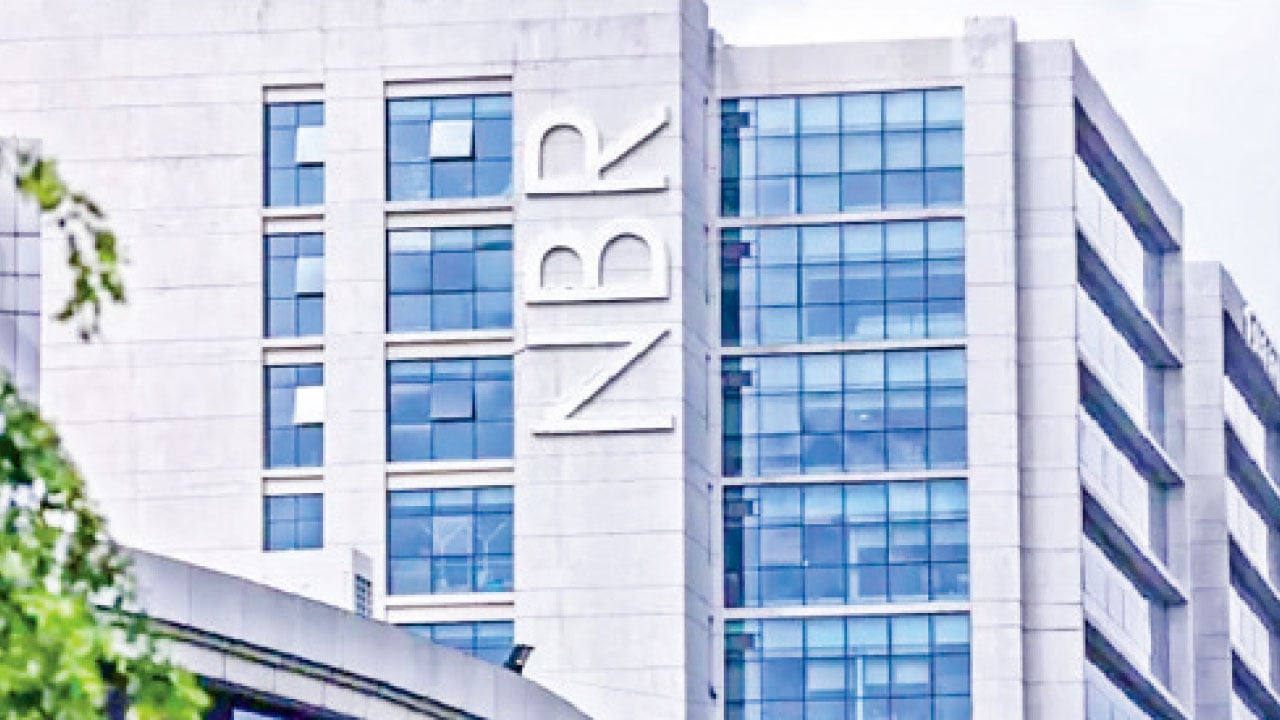
The National Board of Revenue (NBR) announced that its e-VAT system will remain unavailable until 5 PM on Friday, July 3, due to ongoing system upgrade work. According to a notice issued by the NBR’s e-VAT unit on Thursday, the upgrade process began at 6 AM Thursday and will continue until Friday evening. During this period, users will not be able to upload any data to the system. The upgrade aims to introduce several key improvements, including enhancements to the Mushak-9.1 form and the addition of a new option in Note 15 for entering ‘reverse charge’ inputs under Section 20(2). The name of BOE data will be changed to “Input Against Bill of Entry,” and the system’s title will shift from iVAT to eVAT. Additionally, the DDO function and master data list function are being improved, incorporating updated VAT office jurisdiction mapping and revised search criteria for issue and expiry dates. For users submitting returns through APL, the return submission process and BOE data processing within VAT software are also being upgraded to improve performance and accuracy.
Iran has accelerated its oil exports following a temporary easing of US sanctions, gaining a 60‑day window to secure new buyers and generate vital revenue. According to Bloomberg, more than 20 million barrels of Iranian crude have been floating in Asian waters for at least a week, an 18 percent increase from the previous week. Data from Vortexa and Bloomberg show that since the sanctions were lifted last week, Iran’s total seaborne oil volume has reached between 58 and 68 million barrels, including both in‑transit and waiting cargoes. About 90 percent of these floating cargoes have no confirmed destination, with many ships awaiting orders or listing Singapore as a placeholder port, a tactic often used for ship‑to‑ship transfers near the Malacca Strait. The sanctions relief came as part of an interim peace agreement, with Washington lifting restrictions on Iranian oil and ports in June. Tehran now has until mid‑August to finalize new buyers. Iran reported that since the US naval blockade was lifted, it has shipped over 40 million barrels of oil to various countries, potentially strengthening its economic position and leverage in ongoing talks with Washington.

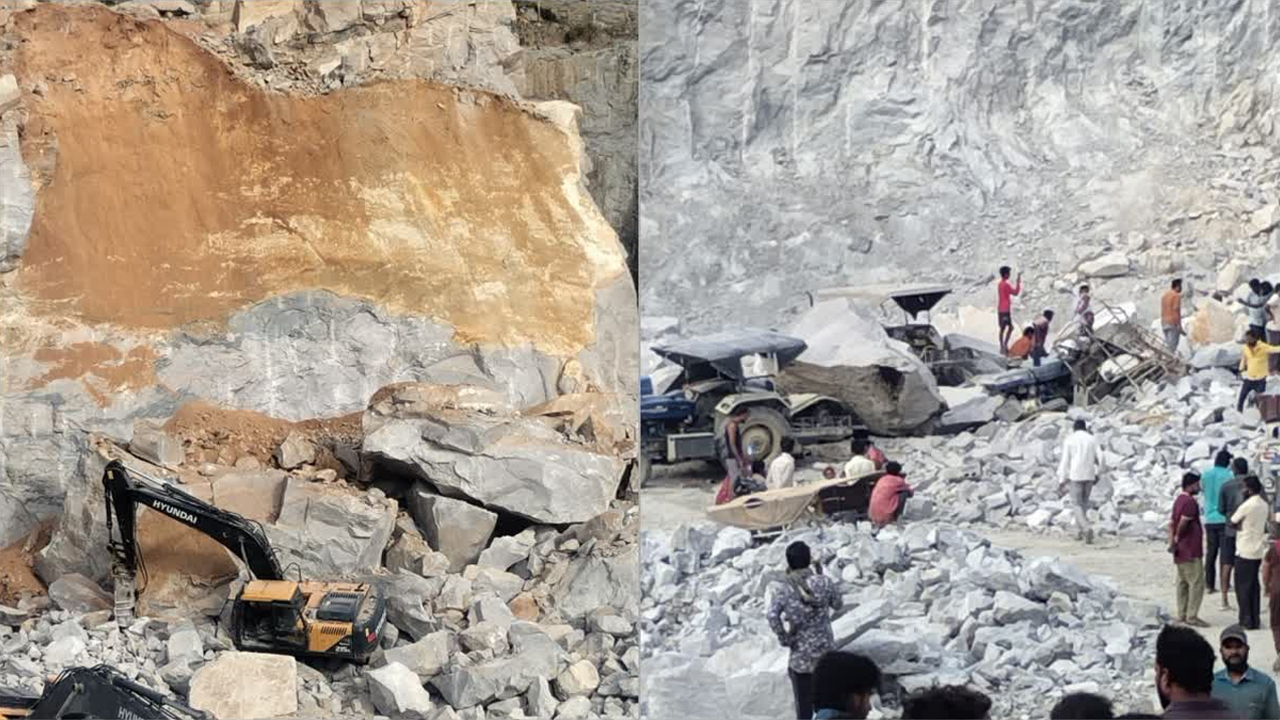
At least seven workers were killed in a rock quarry collapse on the outskirts of Bengaluru, Karnataka, early on Thursday, July 2, 2026. Police confirmed that all the victims were residents of Bihar who had been working at the quarry on a daily wage basis. Several others were injured and are receiving treatment at a local private hospital. The incident occurred in the Madapatna area of Bengaluru South Taluk when a large rock, about 40 feet high, suddenly broke off and fell on the workers. Rescue teams, police, and local officials quickly reached the site and began operations using heavy machinery to clear debris and search for anyone possibly trapped. The area was cordoned off for safety. Witnesses said around 18 workers were present at the time, and some managed to escape. Authorities have launched an investigation to determine whether safety regulations were properly followed and if negligence contributed to the collapse. Officials stated that legal action will be taken if any violations are found.
The Bangladesh Jatiyatabadi Chhatra Dal (JCD) has announced a month-long program to commemorate the July mass uprising. The initiative began at the Central Shaheed Minar in the early hours of July and will conclude on August 3 with a student rally at the same venue. BNP Chairperson and JCD’s organizational guardian Tarique Rahman will attend the concluding event as chief guest. The program was announced by JCD President Rakibul Islam Rakib and General Secretary Nasir Uddin Nasir through a press release signed by Office Secretary Md. Jahangir Alam. According to the release, the program aims to honor the martyrs and injured of the July–August uprising, preserve its historical memory, recognize contributions of all participants, and promote national unity against fascism. Events include candle lighting and the national anthem at the Shaheed Minar, discussions at TSC, divisional student rallies, memorial meetings, art and poetry festivals, and prayers for the martyrs. JCD leaders will also visit graves of the martyrs and meet their families to deliver gifts on behalf of Tarique Rahman. The month-long observance will culminate in a large student rally at the Central Shaheed Minar on August 3, marking the second anniversary of the movement’s victory.
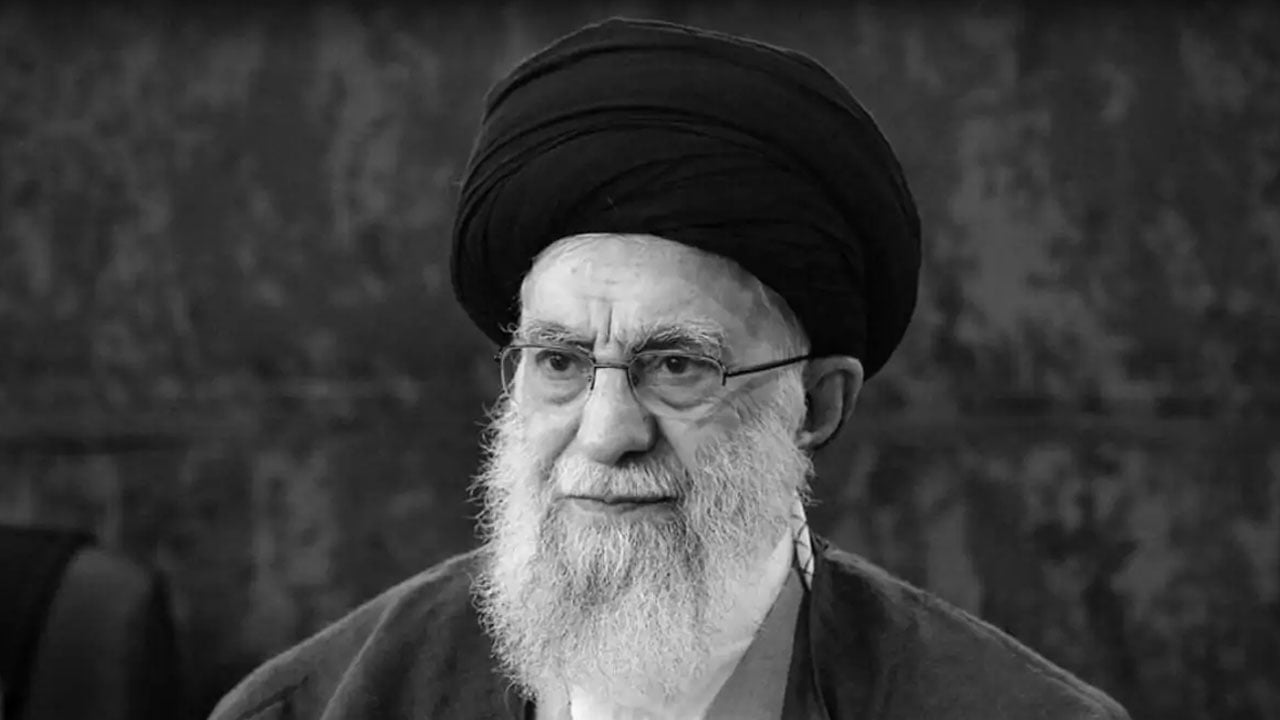
India will send a high-level delegation to attend the funeral of Iran’s late Supreme Leader Ayatollah Ali Khamenei, according to Al Jazeera. The Indian Ministry of External Affairs announced that Minister of State for External Affairs Shri Pavitra Margerita and Bihar Governor Syed Ata Hasnain will travel to Iran on Friday to represent India at the ceremony. A statement from the ministry said the high-level representation underscores the long-standing civilizational ties and people-to-people connections between India and Iran. It also reflects the strong foundation of political and economic relations between the two countries. Khamenei’s funeral and mourning ceremonies will begin on Saturday in Tehran and conclude on July 9 in Mashhad, his hometown, where he will be buried.
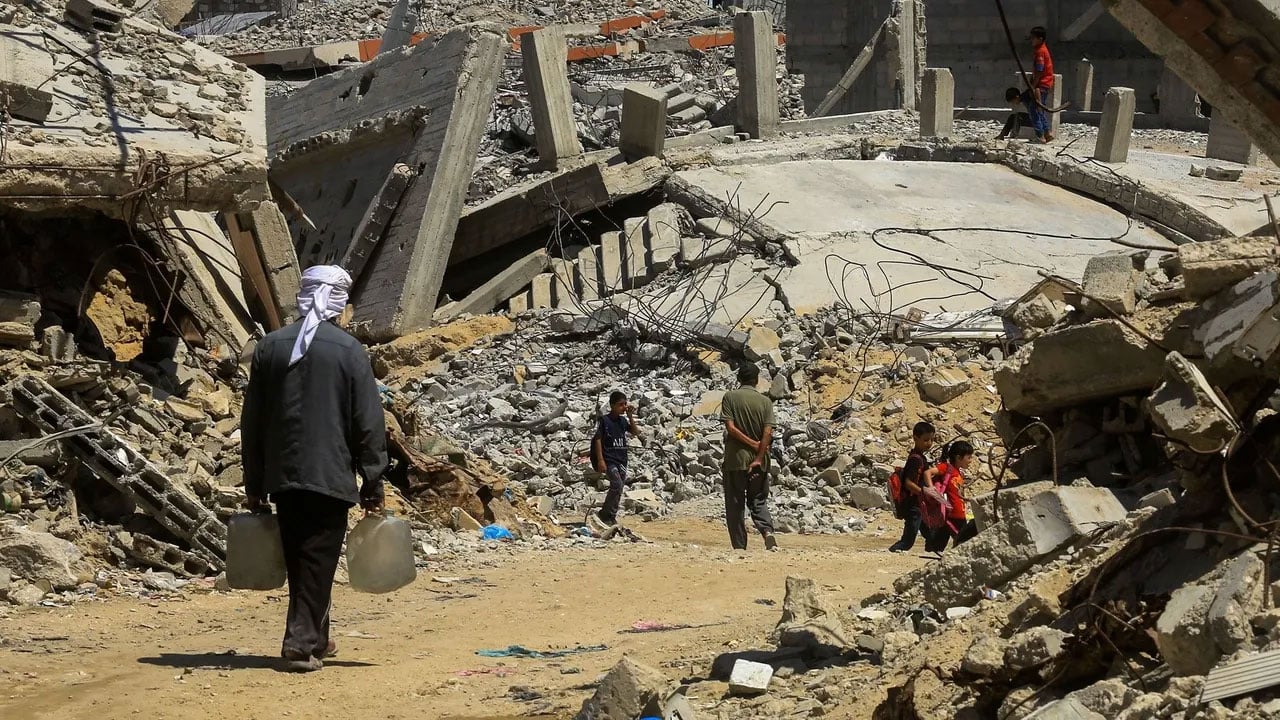
Gaza has reached 1,000 days since the start of the war, with violence continuing despite a ceasefire that took effect on October 10. According to Gaza’s Health Ministry, at least 1,053 Palestinians have been killed and more than 3,400 injured since the ceasefire began, including over 350 women and children. More than two million Palestinians remain displaced, living amid widespread destruction. Under the ceasefire, Israeli forces initially controlled over half of Gaza but have since expanded their control, aiming to hold 70 percent of the territory. Movement in and out of Gaza remains severely restricted, and post-war reconstruction and disarmament efforts have stalled. The International Committee of the Red Cross said much more needs to be done to restore even a semblance of normal life. The United Nations has warned that Israel’s territorial expansion in Gaza is increasing deadly risks for civilians, especially in areas without clear boundaries. Since October 7, 2023, a total of 73,066 Palestinians have been killed in Israeli attacks, according to Gaza’s Health Ministry.
Thousands of Bangladeshi fans gathered in Dhaka to celebrate Argentina’s World Cup match against Algeria, where Lionel Messi scored a hat-trick. The city turned into a sea of blue and white as supporters waved flags, sang songs, and celebrated long after the final whistle. Despite being 17,000 kilometers away from Buenos Aires, Bangladesh’s capital mirrored Argentina’s football passion. Argentina’s popularity in Bangladesh dates back to the 1986 World Cup, when Diego Maradona’s brilliance captivated local fans. Former national footballer Shafiqul Islam Manik said the victory over England and Maradona’s emotional play made many Bangladeshis lifelong supporters. Over time, Argentina’s emotional appeal rivaled Brazil’s dominance, creating a deep-rooted football culture that other major teams could not replicate. The enthusiasm also influenced diplomacy. Following Bangladesh’s overwhelming support during the 2022 World Cup, Argentina reopened its embassy in Dhaka in 2023 after 45 years. Officials noted that football strengthened bilateral ties alongside trade interests. As Argentina prepares to face Cape Verde on July 4 in the 2026 World Cup, Bangladeshi fans continue their late-night vigils to cheer for their beloved team.

Chief Whip of the National Parliament Nurul Islam Moni questioned whether temples in Bangladesh are demolished at the same rate as mosques in India. He made the remark on Thursday during a post-budget parliamentary conference held at the LD Hall of the National Parliament. Moni emphasized that Bangladesh does not want interference from neighboring countries in its internal matters and also does not wish its territory to be used against any neighbor. He further stated that India’s reaction to Prime Minister Tarique Rahman’s visits to Malaysia and China could be understood by observing that country’s actions. The Chief Whip also discussed the recent budget session, noting that it was the first budget prepared under Tarique Rahman’s leadership and that the opposition participated actively from start to finish. Moni added that the opposition was given more time than usual to speak, with some members delivering speeches lasting up to 35 minutes. He highlighted that for the first time in parliamentary history, the opposition leader requested the Speaker to bring the guillotine proposal, later withdrawing their cut motions after concluding that discussions were sufficient.
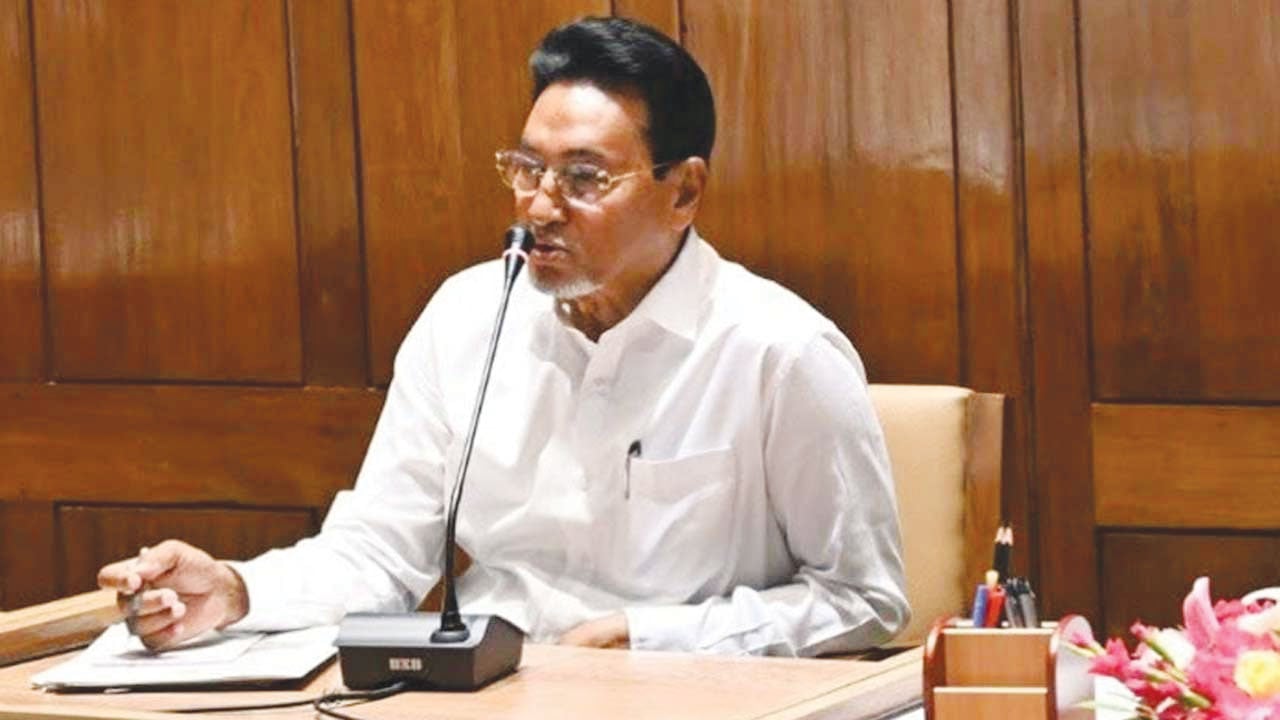
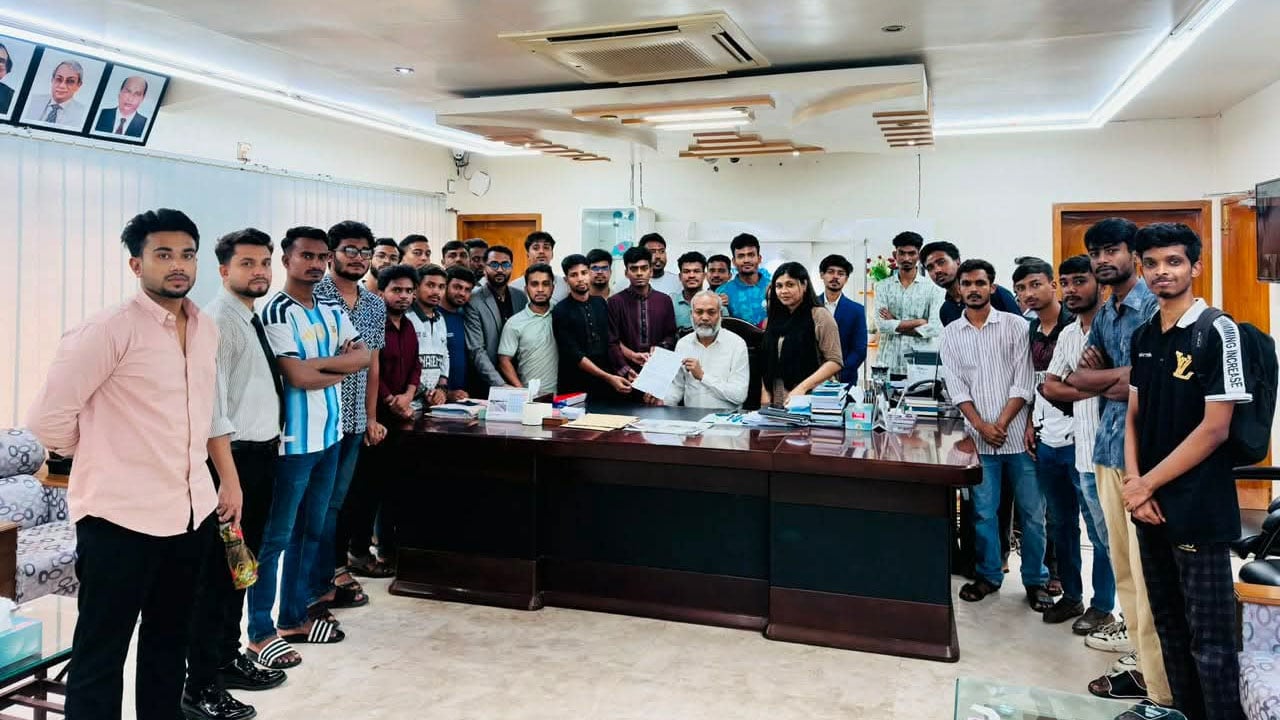
The Barishal University unit of the Bangladesh Jatiyatabadi Chhatra Dal submitted a memorandum to the vice-chancellor demanding official recognition of the institution as the country's first 'fascist force-free university.' The memorandum was handed over at the vice-chancellor’s office on Thursday, July 2, 2026, around 12:30 p.m. According to the memorandum, students of Barishal University actively joined the nationwide 'Anti-Discrimination Student Movement' in July 2024, aiming for a non-discriminatory and autocracy-free Bangladesh. On July 18, 2024, law enforcement and government-backed groups allegedly attacked students on campus and nearby roads, but were forced to retreat in the face of strong student resistance. The Chhatra Dal described this event as a turning point in the anti-autocracy movement in Barishal, noting that many students were seriously injured and continue to suffer from the aftermath. The memorandum urged the university syndicate to officially recognize July 18 as 'First Fascist Force-Free Day' to honor the sacrifices of the students and inspire future generations. The student leaders expressed hope that the vice-chancellor would raise the issue in the next syndicate meeting.
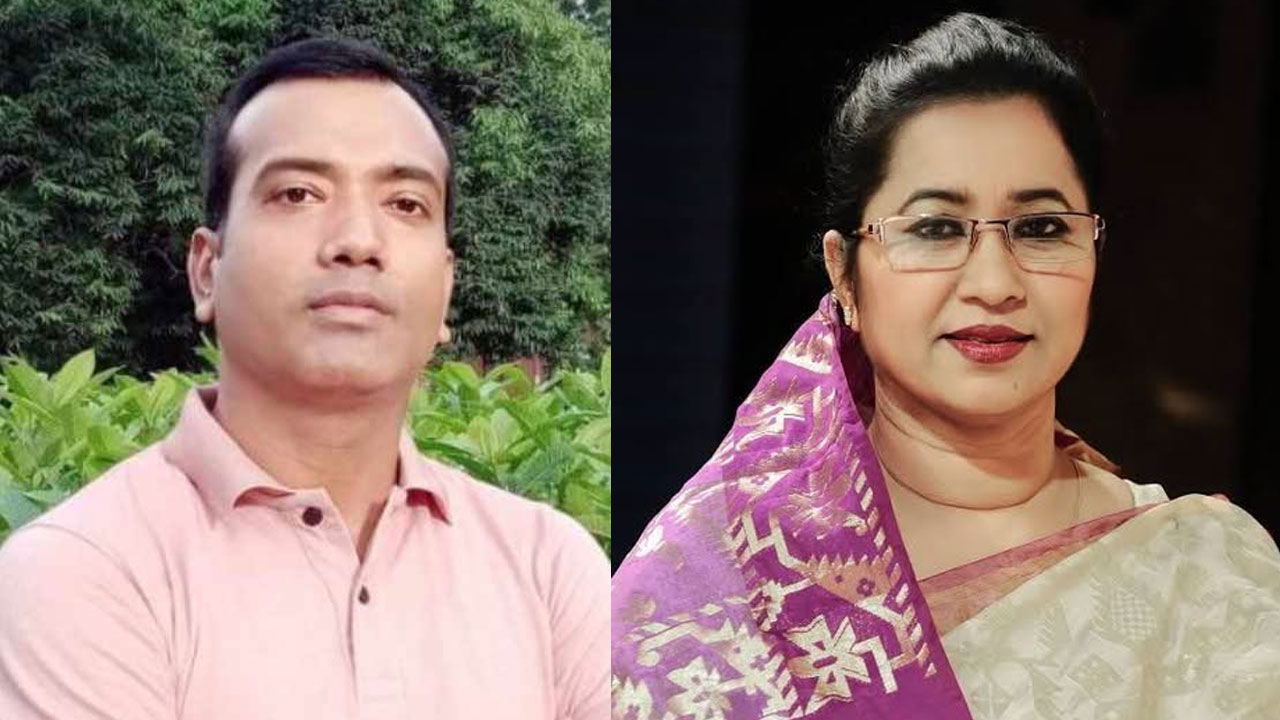
Rakibul Islam Rakib, president of the Bangladesh Jatiyatabadi Chhatra Dal, expressed deep disappointment and anger over remarks made by Member of Parliament Nilufar Chowdhury Moni regarding the July–August mass uprising. In a Facebook post on Thursday, he said that Moni, known for her role in anti-fascist movements and democratic struggles, should have shown more restraint when speaking about the historic events. Rakibul stated that the organization rejects Moni’s comments with contempt, emphasizing that she has long been recognized as a patriotic politician who embodies the spirit of July. He urged her to maintain respect and sensitivity when discussing the uprising, which holds significant meaning for many political activists. The statement came amid broader discussions about the July uprising, with other political figures highlighting the absence of government programs honoring July martyrs and calling for the opening of a July memorial museum by August 5.
The ‘1 Nojor’ media platform is now live in beta, inviting users to explore and provide feedback as we continue to refine the experience.