

The ‘1 Nojor’ media platform is now live in beta, inviting users to explore and provide feedback as we continue to refine the experience.
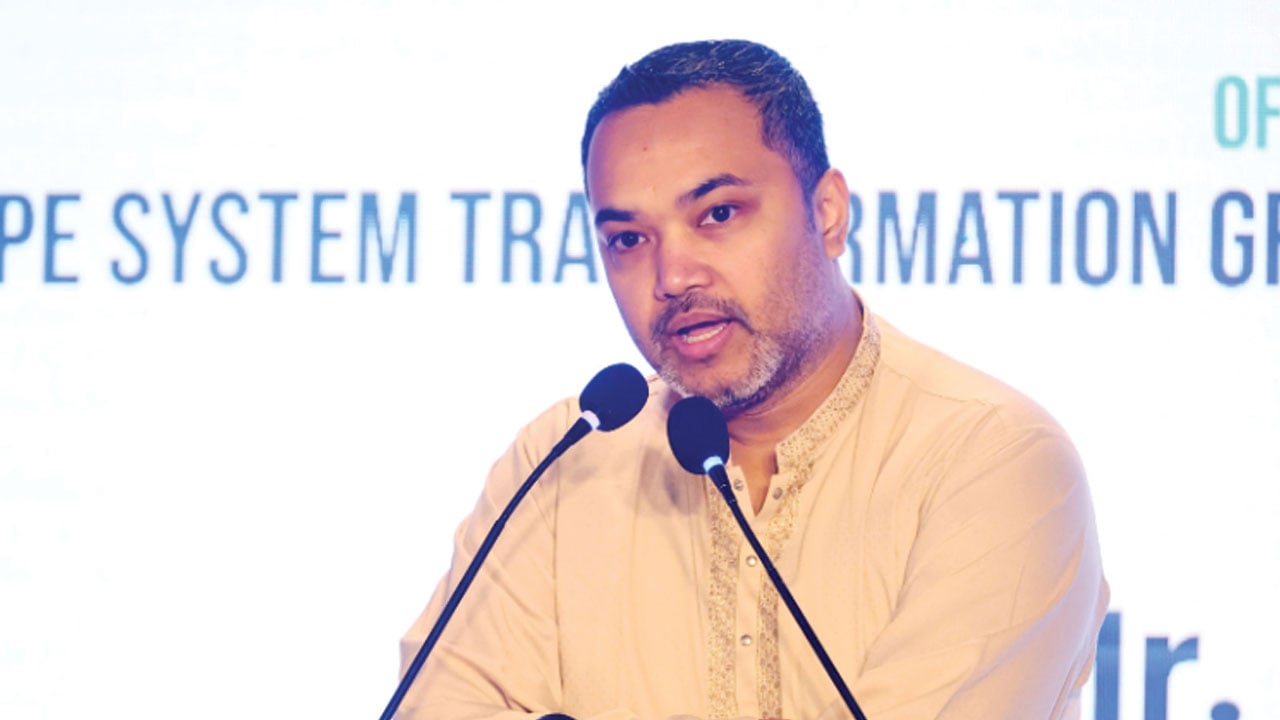
Prime Minister’s Education Adviser Dr. Mahdi Amin said that necessary reforms in Bangladesh’s education system, aligned with Prime Minister Tarique Rahman’s election manifesto, will serve as the foundation for building a prosperous and self-reliant nation. He made the remarks on Thursday morning at a Dhaka hotel during the official announcement of the Global Partnership for Education (GPE) System Transformation Grant and Multiplier Grant. The event was jointly organized by GPE, UNESCO, UNICEF, ADB, and the Ministries of Education and Primary and Mass Education. Dr. Amin announced that Bangladesh has secured a grant of 98.85 million dollars with support from international development partners. He emphasized that the partnership would make the education system more inclusive and highlighted ongoing modernization of curricula from grades one to twelve, focusing on creativity, culture, sports, and technical and language skills. Dr. Amin also stressed teacher training and professional development as essential for achieving the goals of modern education. He added that the grant would help enhance teachers’ capacity and reduce inequality through uniform standards, smart classrooms, and sustainable school feeding programs.
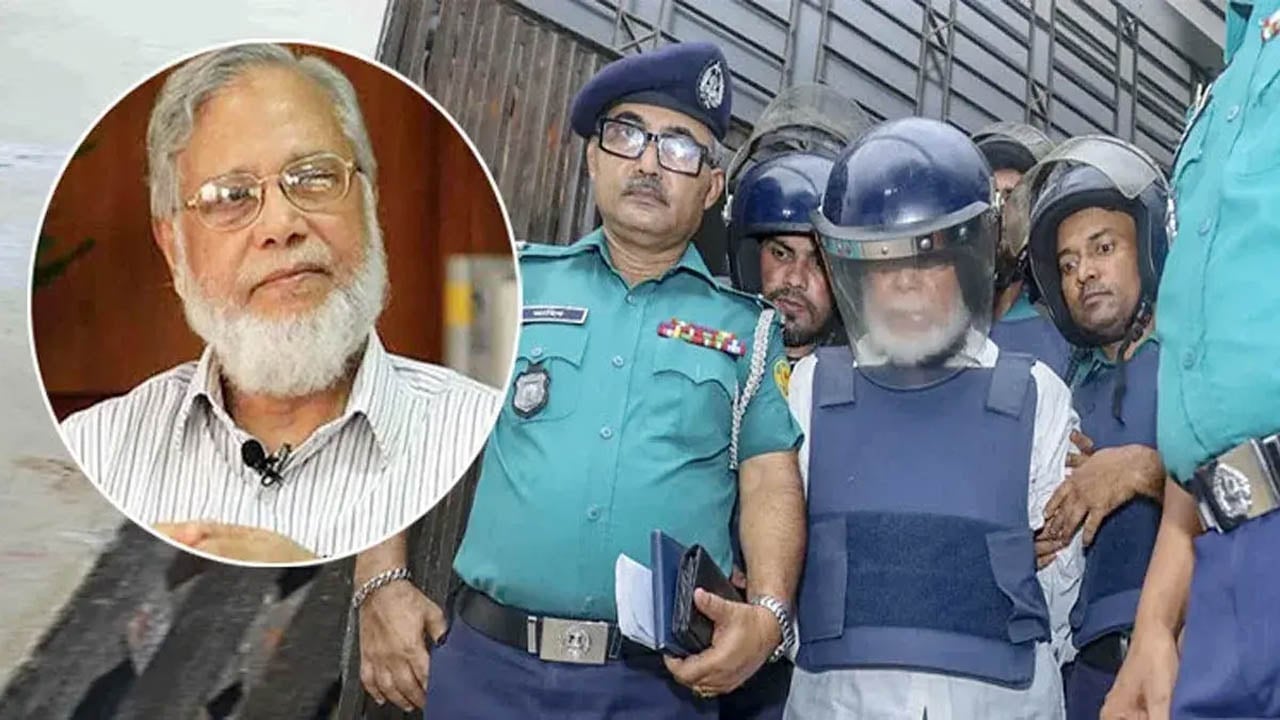
The Appellate Division of the Supreme Court has upheld the High Court’s bail order for former Chief Justice A.B.M. Khairul Haque in a murder case filed over the killing of a man named Khobaib during the anti-discrimination student movement in Jatrabari. Justice Md. Rezaul Haque issued a 'no order' decision on the state’s petition seeking a stay on the High Court’s bail, effectively removing any legal barrier to Haque’s release. The High Court had granted him bail on June 30. Senior lawyers Mansurul Haque Chowdhury, Motahar Hossain Saju, and Saeed Ahmed Raza represented the bail petition in court. Earlier, on June 21, a lower court had rejected Haque’s bail plea, prompting him to appeal to the High Court. According to the case details, Khobaib, aged 20, was shot dead on August 5, 2024, in Jatrabari during clashes involving police and Awami League activists. His brother, Zubair Ahmed, later filed a case on November 16, 2024, naming former Prime Minister Sheikh Hasina and 80 others as accused.
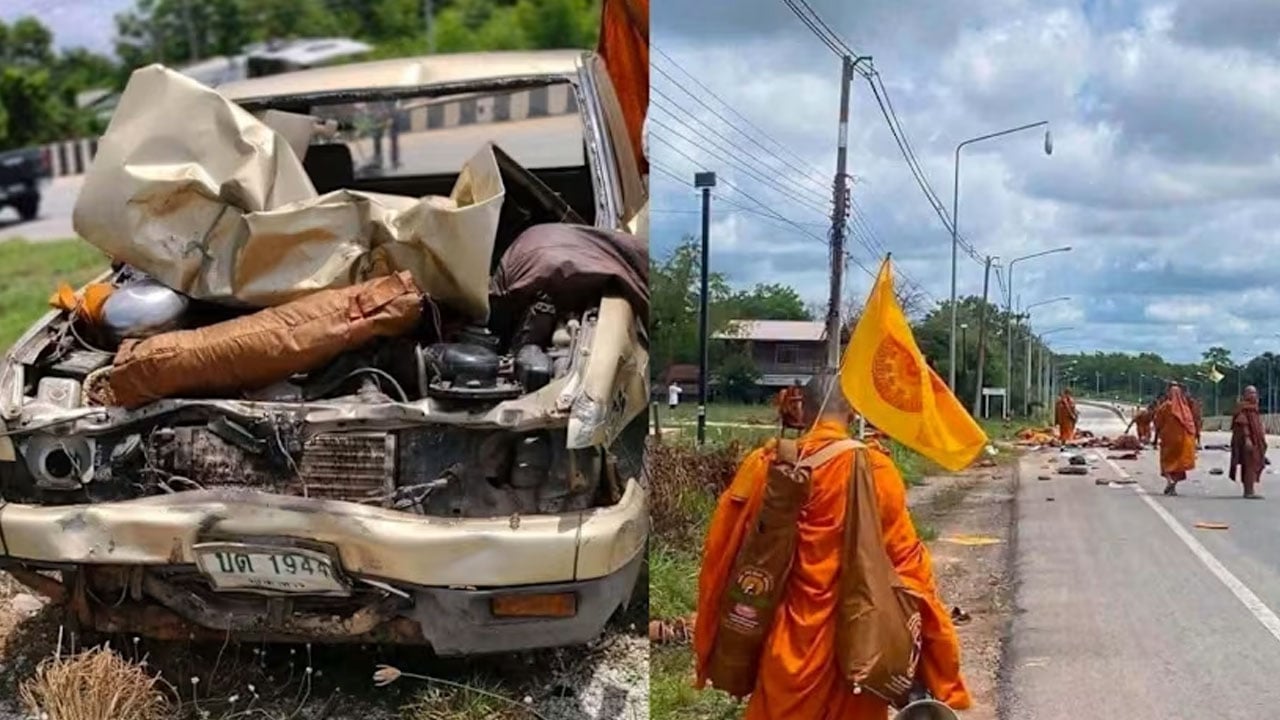
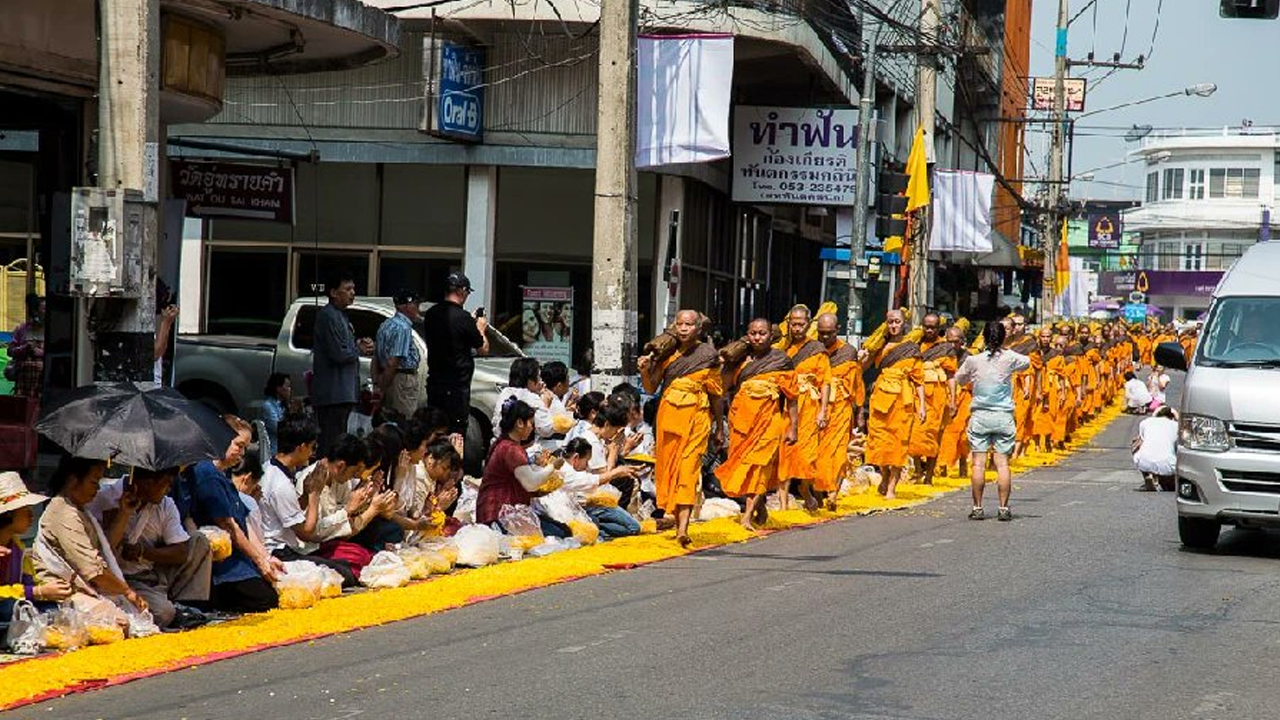
At least eight Buddhist monks were killed and more than 20 others injured when a pickup truck driven by a child rammed into a religious procession in Thailand’s northeastern Mukdahan province. Police and health officials said the incident occurred as 35 monks and five lay followers were walking along a roadside as part of a pilgrimage. A witness, monk Phra Sompong, said he saw the pickup approaching while chanting and managed to jump aside with another monk. However, several others were struck as the vehicle sped into the group. Police confirmed that five monks died at the scene, while three more succumbed to injuries in hospital. Preliminary investigations revealed that the pickup was being driven by an 11-year-old boy who had taken his parents’ vehicle without permission. Authorities are investigating the cause of the crash.
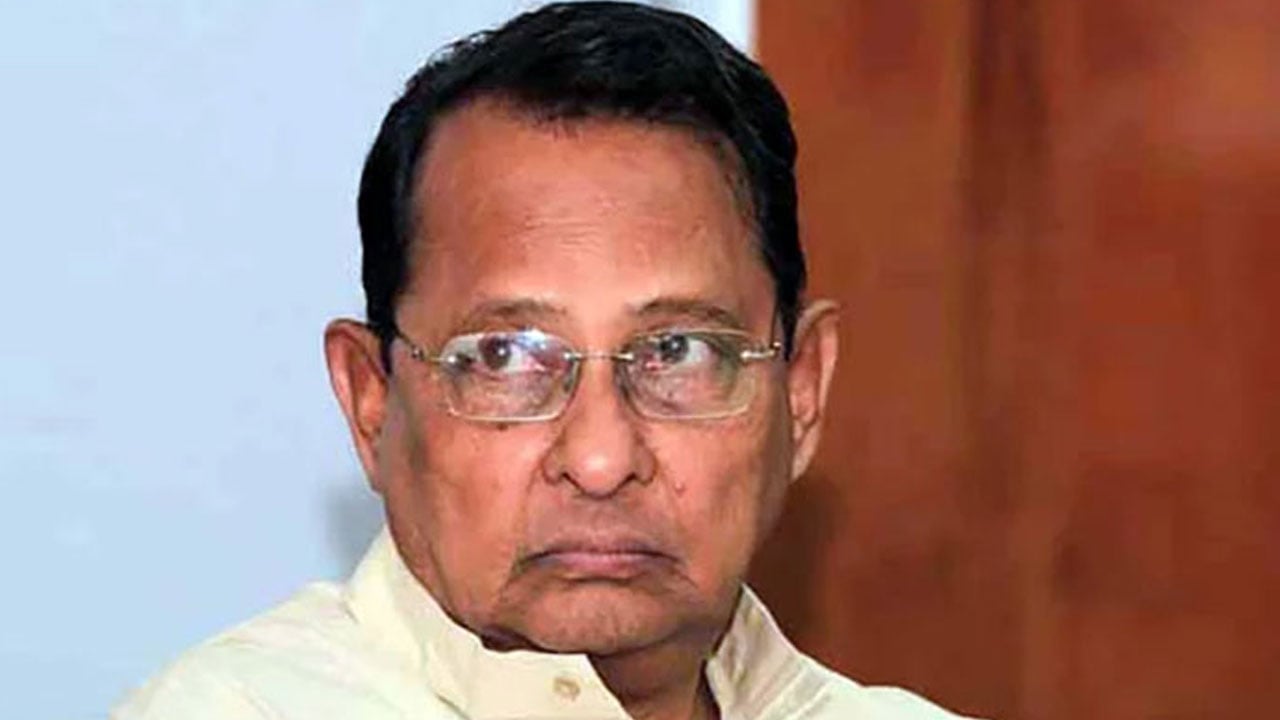
Jatiya Samajtantrik Dal leader and former information minister Hasanul Haq Inu has been named as an accused in a new case related to the killings at Shapla Chattar. The Chief Prosecutor, Aminul Islam, stated that evidence links Inu to the 2013 incident, and formal charges will be filed by the end of this month. This development follows a June 30 verdict by the International Crimes Tribunal sentencing Inu to ten years in prison for crimes against humanity in a separate case involving six murders in Kushtia during the July movement. The Shapla Chattar killings case was initiated after Hefazat-e-Islam filed allegations on November 26 of the previous year against 50 individuals, including Sheikh Hasina. The tribunal is now preparing to receive the investigation report and formal charge documents in the coming weeks. The new charges mark a continuation of legal proceedings against Inu, expanding the scope of accountability for alleged crimes connected to political violence in Bangladesh.
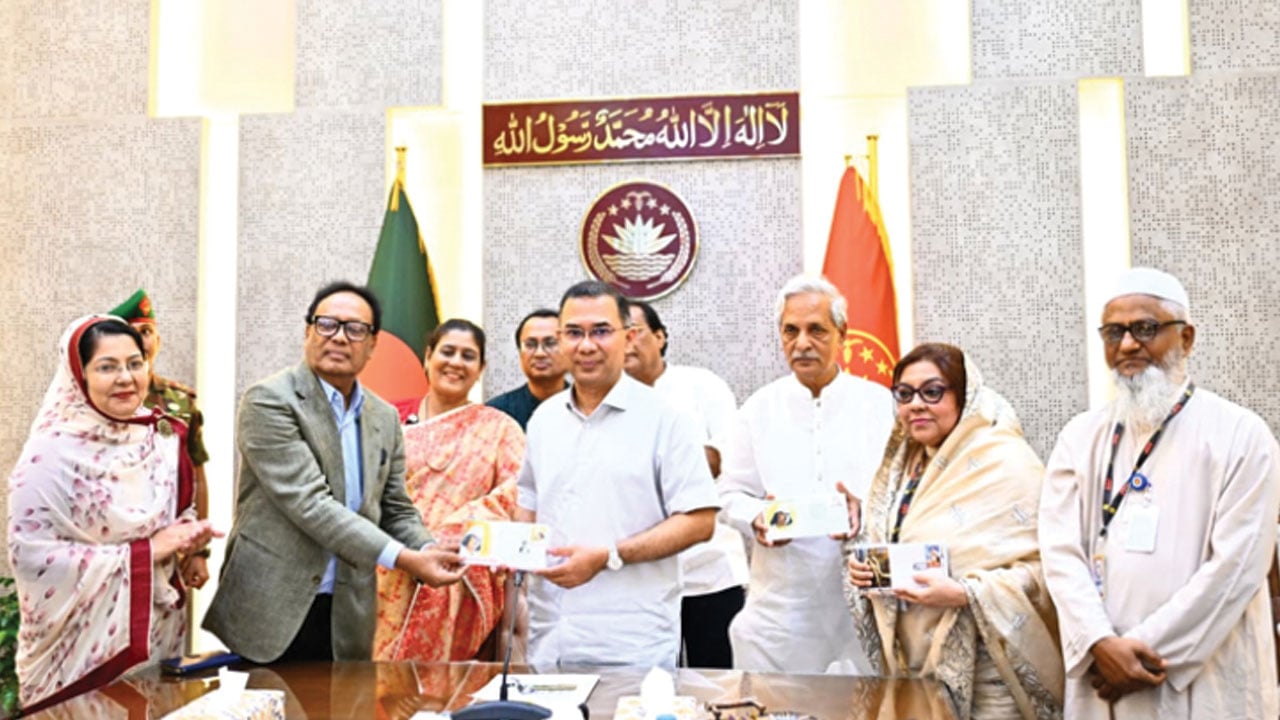
Prime Minister Tarique Rahman inaugurated the yearlong 'Nazrul Year 2026–2027' program on Thursday morning through a virtual event organized by the Cabinet Division at the Bangladesh Secretariat. He declared that national poet Kazi Nazrul Islam is not only a figure of the past but also a source of inspiration for future generations. The government has designated May 25, 2026, to May 25, 2027, as Nazrul Year and is considering declaring Trishal in Mymensingh, associated with the poet’s memory, as 'Nazrul City'. During the event, the Prime Minister highlighted Nazrul’s influence on Bangladesh’s social, political, and cultural life, describing him as a guiding light against oppression and inequality. He emphasized the poet’s inclusive vision that transcended religious and social divisions and urged that Nazrul’s moral and humanistic values be used to guide youth amid the challenges of technology and artificial intelligence. Rahman called for successful organization of literary conferences, research, seminars, cultural festivals, and exhibitions under the national committee formed for the celebration. He also unveiled a commemorative stamp and logo marking the official start of Nazrul Year.
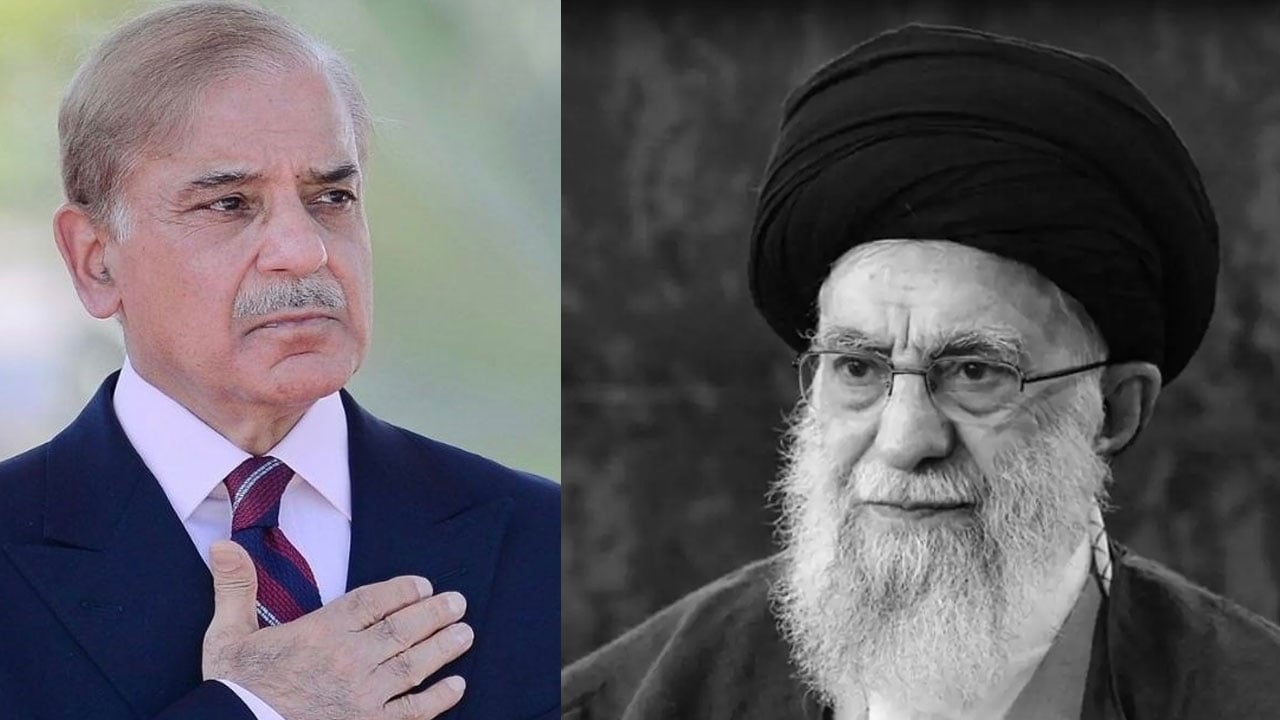
Pakistan’s Prime Minister Shehbaz Sharif is traveling to Tehran to attend the funeral of Iran’s late Supreme Leader Ayatollah Ali Khamenei, according to Al Jazeera. Pakistan’s Foreign Ministry spokesperson Tahir Andarabi told reporters that Sharif will visit Iran and Turkey from July 3 to 5. The funeral ceremonies for Khamenei will begin in Tehran on July 4 and conclude with his burial in his hometown of Mashhad on July 9. Ayatollah Khamenei, aged 86, served as Iran’s Supreme Leader for 36 years and was widely known as a strong critic of the United States. He was reported to have been killed on February 28, during the first day of the U.S.-Israel war against Iran. Iranian parliamentary speaker Mohammad Bagher Ghalibaf has called for a large turnout at the funeral to honor Khamenei’s legacy. The visit by Pakistan’s prime minister underscores the close diplomatic ties between Islamabad and Tehran, as regional leaders prepare to pay their respects during the multi-day funeral events.
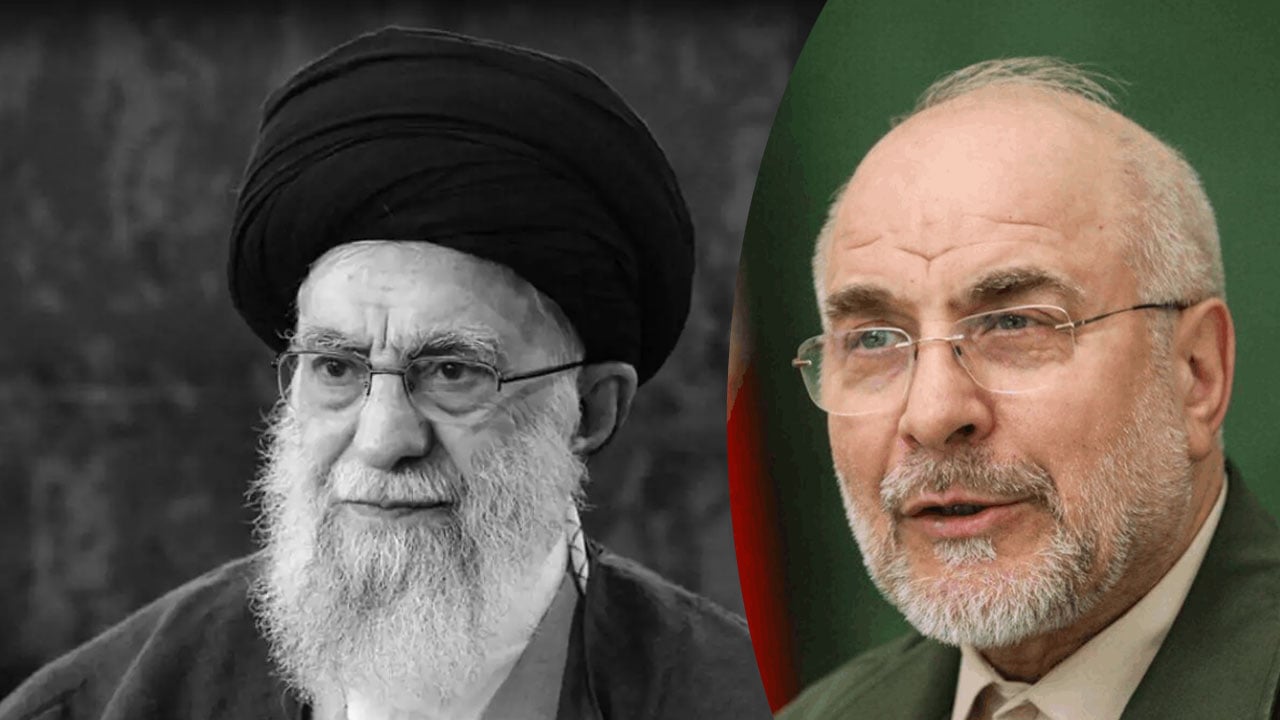
Iran’s chief negotiator Mohammad Bagher Ghalibaf has called for a massive public turnout at the funeral of the country’s Supreme Leader Ayatollah Ali Khamenei, who was killed in a joint U.S.-Israeli attack. In a statement released on Thursday, Ghalibaf reaffirmed Iran’s pledge to avenge Khamenei’s death and urged citizens to attend the ceremonies starting Saturday to mark what he described as a historic moment for the Islamic Republic. Ghalibaf said that the nation’s call for revenge should resonate across the world. According to Iranian leadership, the funeral events beginning Saturday are intended to demonstrate national unity and resistance through widespread participation. The government has indicated that the ceremonies will serve as both a tribute to Khamenei and a show of solidarity amid heightened tensions following his death.
Following indirect talks between the United States and Iran in Doha, Washington has delivered a clear message to Tehran regarding the Hormuz Strait. According to a report by Saudi-based Al Arabiya citing sources, the US stated it would not accept any change to the current status quo in the strategic waterway. Washington reportedly told Tehran that any attempt to alter the existing situation would be considered a violation of the memorandum of understanding (MoU) between the two countries. The US also views Iran’s conduct in the strait as the first test of its commitment to implementing the agreement. Sources added that the US is closely monitoring Iran’s activities in the area and has linked future progress on releasing Iran’s frozen funds to Tehran’s compliance with the MoU. Earlier, Iran warned that any US interference in the Hormuz Strait would be met with a “swift and severe” response. Iranian state media reported that its military headquarters accused US aircraft deployments of endangering regional security. Mediators indicated that the next round of indirect US-Iran talks will take place after the funeral of Iran’s supreme leader. Despite progress in reopening the strait and reducing tensions, several key issues, including Iran’s nuclear program, remain unresolved.

Iran’s military headquarters has issued a strong warning to the United States, declaring that the Strait of Hormuz is not a playground for Washington and asserting it as an undisputed part of the Islamic Republic’s sovereignty. The Khatam al-Anbiya Central Headquarters stated that any U.S. interference in the area would be met with a swift and decisive military response. According to the statement, all commercial vessels must use Iran-designated maritime routes for safe passage through the Strait of Hormuz, or face consequences. Citing Fars News Agency, the statement described the security and stability of this vital waterway as a “red line” for Iran’s armed forces. The warning follows heightened tensions after the United States and Israel reportedly began military actions against Iran on February 28, prompting Tehran to block the strait. The declaration underscores Iran’s determination to maintain control over the strategic passage, signaling potential risks for international shipping and regional stability if tensions persist.
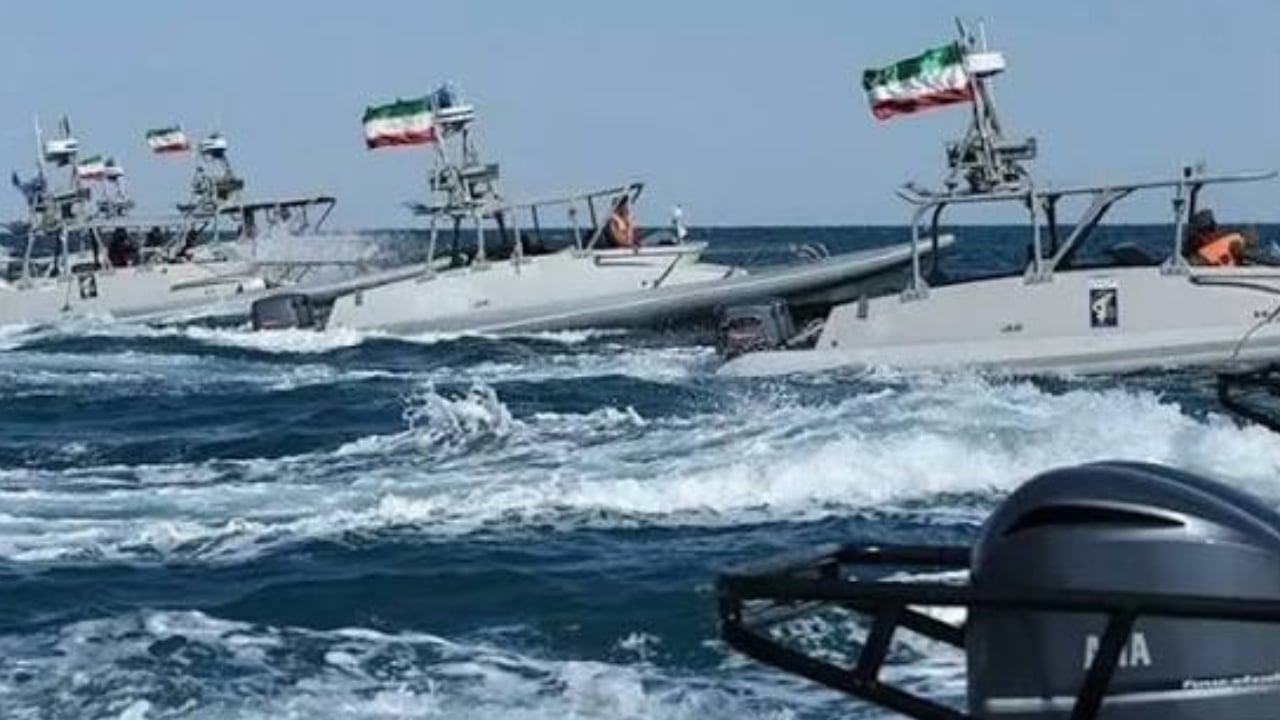
Major General Ali Abdollahi, head of Iran’s Khatam al-Anbia Central Command, has warned the United States, Israel, and their allies against making any wrong decisions regarding Iran. Speaking on July 2, 2026, he said that any miscalculation about Iran would lead to devastating consequences. His remarks came in a message issued on the occasion of the funeral of former Supreme Leader Ayatollah Ali Khamenei. Abdollahi credited Khamenei’s leadership for strengthening Iran’s defense capabilities through advancements in missile and drone technology, scientific progress, and national security. He claimed that despite possessing modern weapons, Iran’s enemies had suffered heavy losses and humiliation in past confrontations. He also urged citizens to attend Khamenei’s funeral in large numbers to demonstrate national unity. The commander affirmed that Iran’s armed forces are fully prepared to defend the country’s independence, security, and territorial integrity, and he expressed full allegiance to the new Supreme Leader, Mojtaba Khamenei.
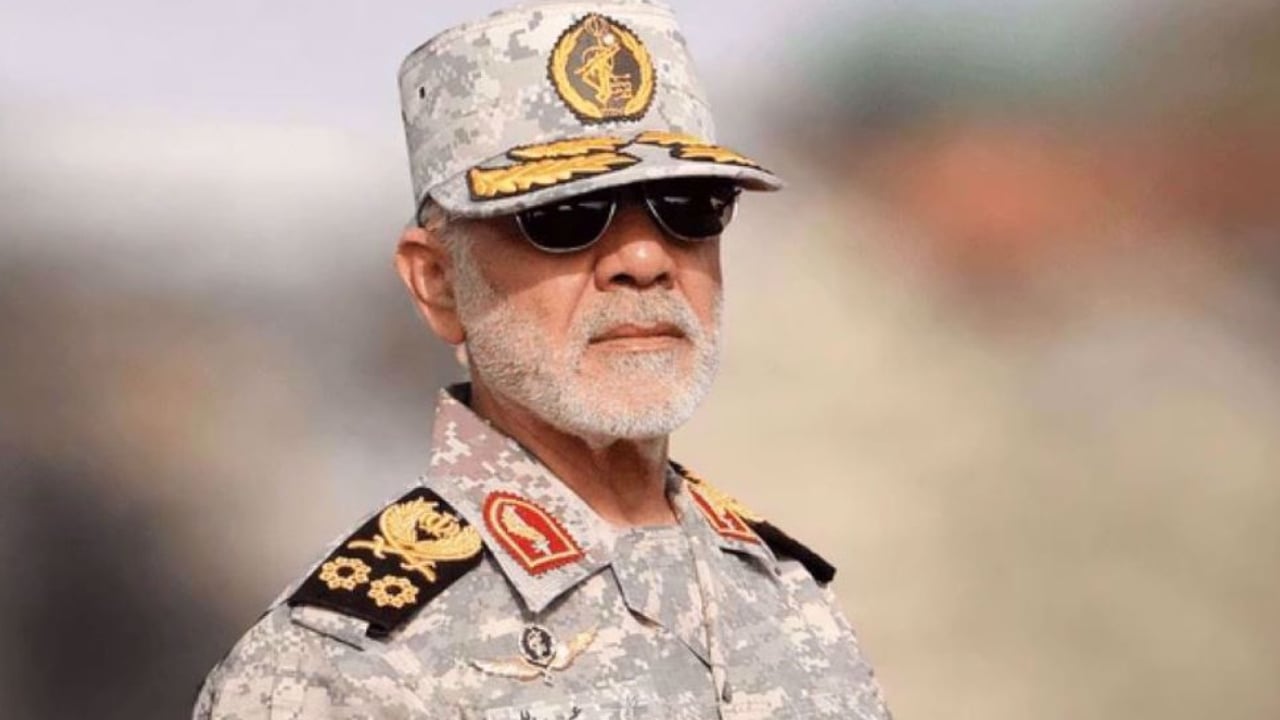
The Bangladesh Energy Regulatory Commission (BERC) has announced a new reduction in liquefied petroleum gas (LPG) prices for consumers across the country. The price of a 12-kilogram LPG cylinder has been lowered by 357 taka to 1,528 taka, effective from Tuesday evening. The commission also reduced the price of autogas from 86.93 taka to 70.40 taka per liter. This latest adjustment follows an earlier price cut on June 2, when BERC reduced the price of a 12-kilogram LPG cylinder from 1,940 taka to 1,885 taka and autogas from 89.50 taka to 86.93 taka per liter. The commission periodically revises LPG and autogas prices to reflect changes in market conditions. The new rates are expected to provide some relief to consumers and transport operators as energy costs continue to fluctuate in the domestic market.
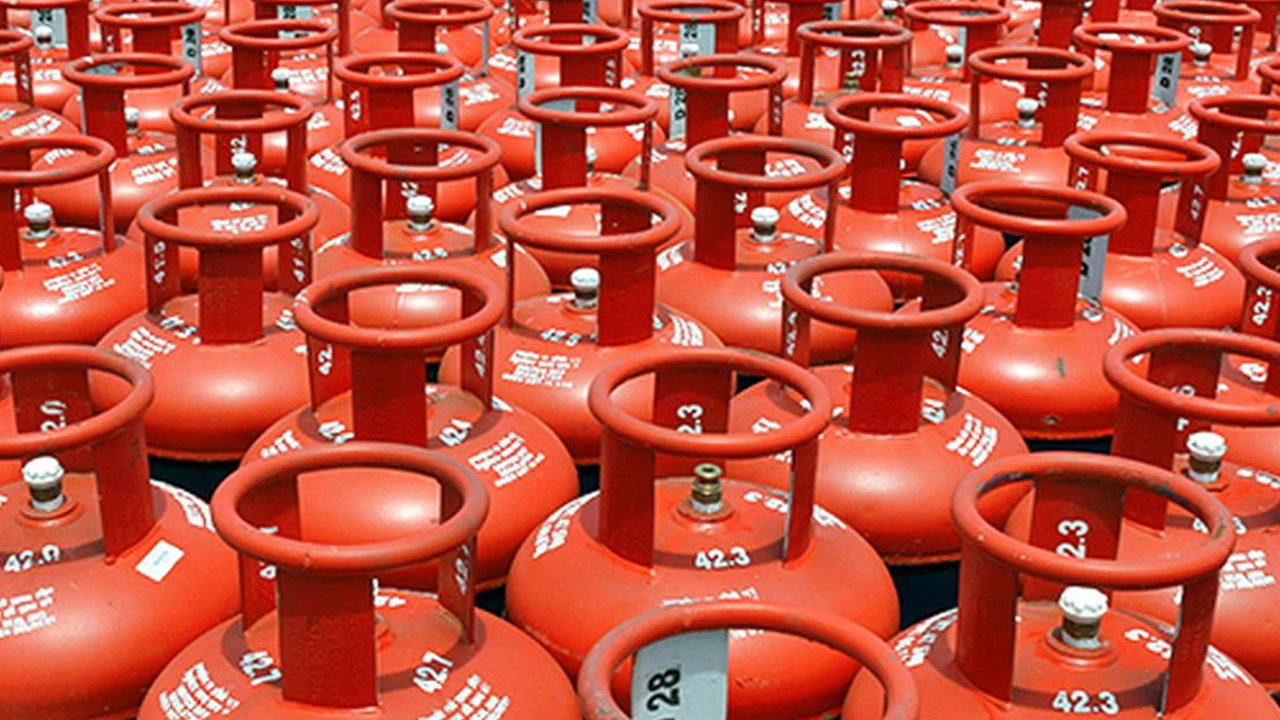
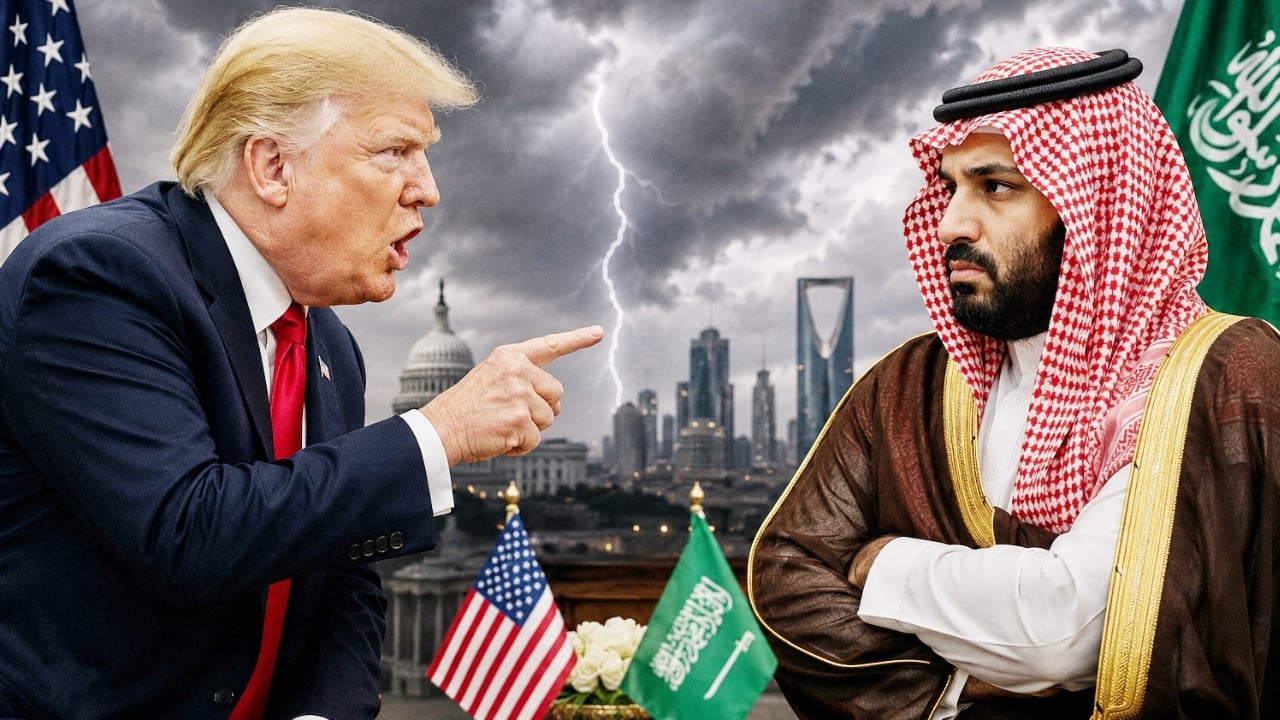
The United States is reducing its military presence in Saudi Arabia as tensions between Washington and Riyadh escalate over the ongoing war with Iran. Reports from multiple media outlets, including The Wall Street Journal and The Times of Israel, indicate that Saudi Arabia’s refusal to allow the use of its bases and airspace for a planned US operation, codenamed 'Project Freedom', has strained bilateral relations. The operation aimed to weaken Iran’s control over the Strait of Hormuz, but was canceled after Saudi denial. The Wall Street Journal reported that the White House reacted angrily to Riyadh’s stance, threatening to suspend the supply of missile interceptors that Saudi forces use against Iranian drones and missiles. US officials confirmed that Washington is now considering scaling back its military footprint in the kingdom. The diplomatic chill was further underscored when US Secretary of State Marco Rubio skipped Saudi Arabia during a Gulf tour, and Crown Prince Mohammed bin Salman declined to attend the G7 summit in France. The reports suggest that Saudi Arabia’s frustration stems from its limited influence over US policy despite close ties, and from fears that prolonged conflict with Iran could destabilize the region and global energy markets.
The Turkish mega-series 'Kudus Fatihi Selahaddin Ayyubi', based on the life and struggles of Sultan Salahuddin Ayyubi, will now be broadcast in Bangla. The show, depicting the legendary Muslim leader and conqueror of Jerusalem, will air from August 2 through a joint initiative of Nagorik TV and the OTT platform Bongo. Viewers can watch it on Nagorik TV every Sunday to Thursday at 8 p.m. and on Bongo at 9 p.m. The series centers on the liberation of Jerusalem from Crusader control and portrays the political and military efforts to unite the Muslim world. It highlights Ayyubi’s pursuit of justice and his heroic leadership. The production features large-scale sets, striking cinematography, and dynamic performances that recreate the 12th-century historical setting. At the launch event, senior officials from Nagorik TV and Bongo, along with journalists from leading media outlets, attended the unveiling of the Bangla trailer and poster. The event concluded with a raffle draw awarding prizes including an air conditioner, television, and smartphone.

At least eight Buddhist monks were killed and 14 others injured when a pickup truck struck a group of pilgrims in northeastern Thailand on Thursday. The accident occurred in Mukdahan province, about 600 kilometers northeast of Bangkok, as 35 monks were walking toward Ubon Ratchathani province on a 260-kilometer pilgrimage. Five monks died at the scene, and three more succumbed to injuries in hospital, according to Mukdahan governor Warayan Bunnarath. Security footage released by the Ruam Jai Mukdahan Rescue Association showed the monks walking in a line along the roadside when the pickup lost control and veered into them. Police said the vehicle was being driven by an 11-year-old boy, who has been taken into custody. Child protection officials are expected to question him once they arrive. Authorities said the cause of the crash remains under investigation. Some monks reported seeing the truck swerving before it left the road and hit them.
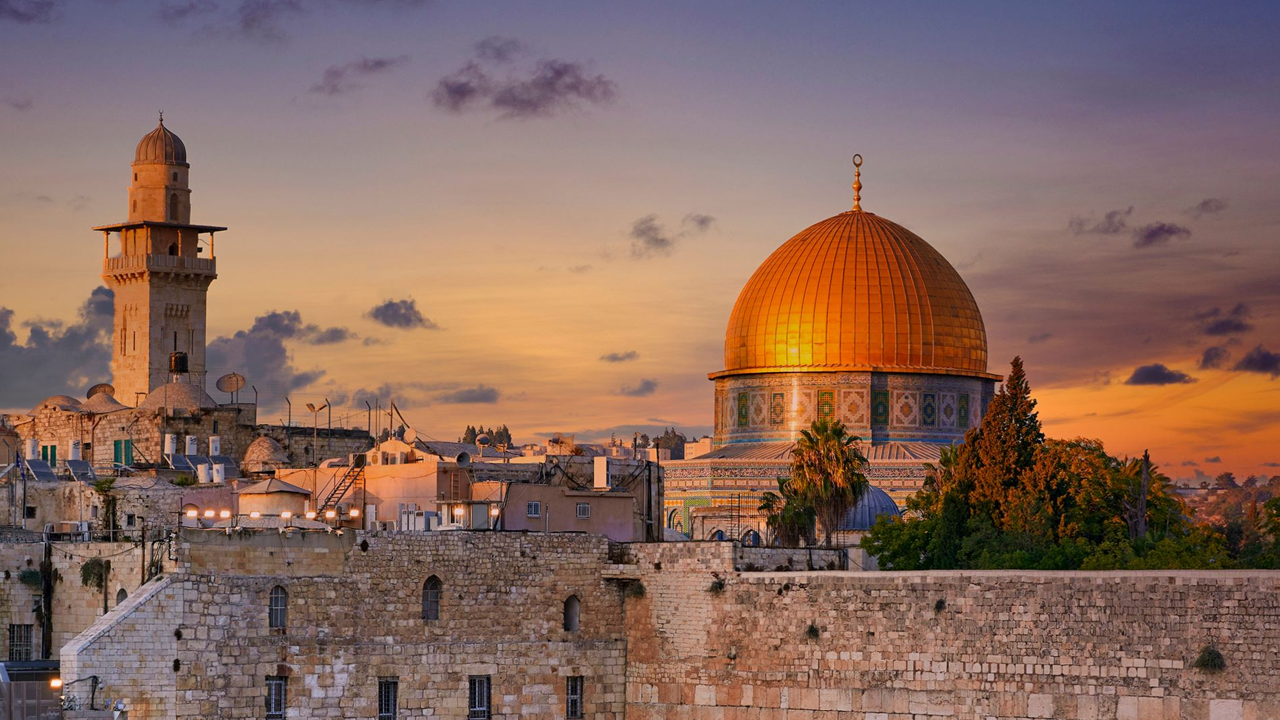
A group of Israeli settlers forcibly entered the Al-Aqsa Mosque compound in East Jerusalem’s Old City under heavy police protection, according to a report published on July 2, 2026. The Palestinian state news agency Wafa said the settlers performed Talmudic religious rituals inside the mosque compound during the incursion. The Al-Aqsa Mosque compound, located on a hilltop in East Jerusalem, was captured by Israel during the 1967 Six-Day War and later annexed, a move not recognized by most of the international community. The site holds deep religious significance for Muslims worldwide as Islam’s third holiest site, encompassing both the Al-Aqsa Mosque and the seventh-century Dome of the Rock, from where Muslims believe the Prophet Muhammad ascended to heaven. The report cited Al Jazeera as its source but did not provide details about any immediate response or consequences following the settlers’ entry.
The ‘1 Nojor’ media platform is now live in beta, inviting users to explore and provide feedback as we continue to refine the experience.