

The ‘1 Nojor’ media platform is now live in beta, inviting users to explore and provide feedback as we continue to refine the experience.
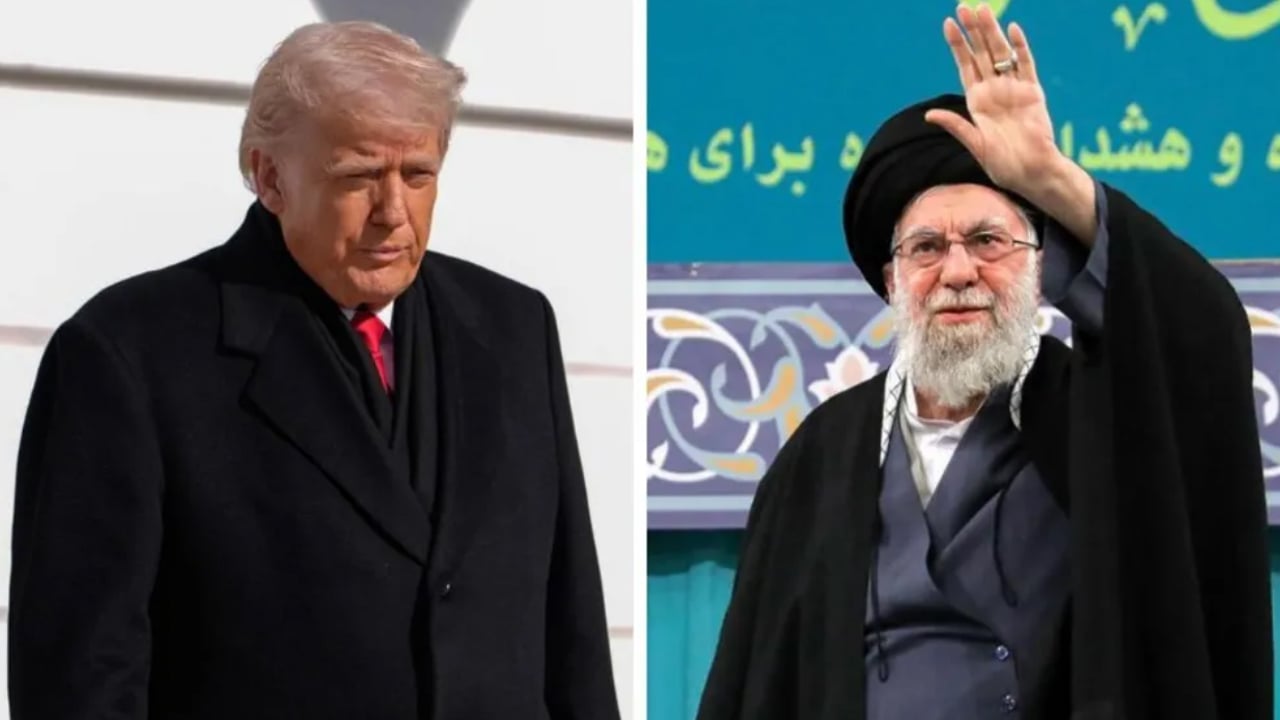
U.S. President Donald Trump has warned Iran that time is running out to reach an agreement over its nuclear program. He threatened that if talks fail to progress, the United States could launch a more severe attack than before. Iran has rejected the threat outright. A BBC analysis outlined several possible outcomes if Trump orders a military strike on Iran. The report suggests that U.S. forces could carry out limited, precise strikes targeting Iran’s Islamic Revolutionary Guard Corps (IRGC), Basij bases, and nuclear facilities, potentially leading to democratic transition. Another scenario envisions Iran’s current regime surviving but forced to alter its policies, including reducing support for regional armed groups and easing domestic repression. Other possibilities include the regime’s collapse leading to military rule, retaliatory Iranian attacks on U.S. bases and allies in the Gulf, or even the sinking of U.S. warships. The analysis also warns of potential nationwide chaos in Iran, with risks of civil war and ethnic conflict that could destabilize neighboring countries such as Qatar and Saudi Arabia.
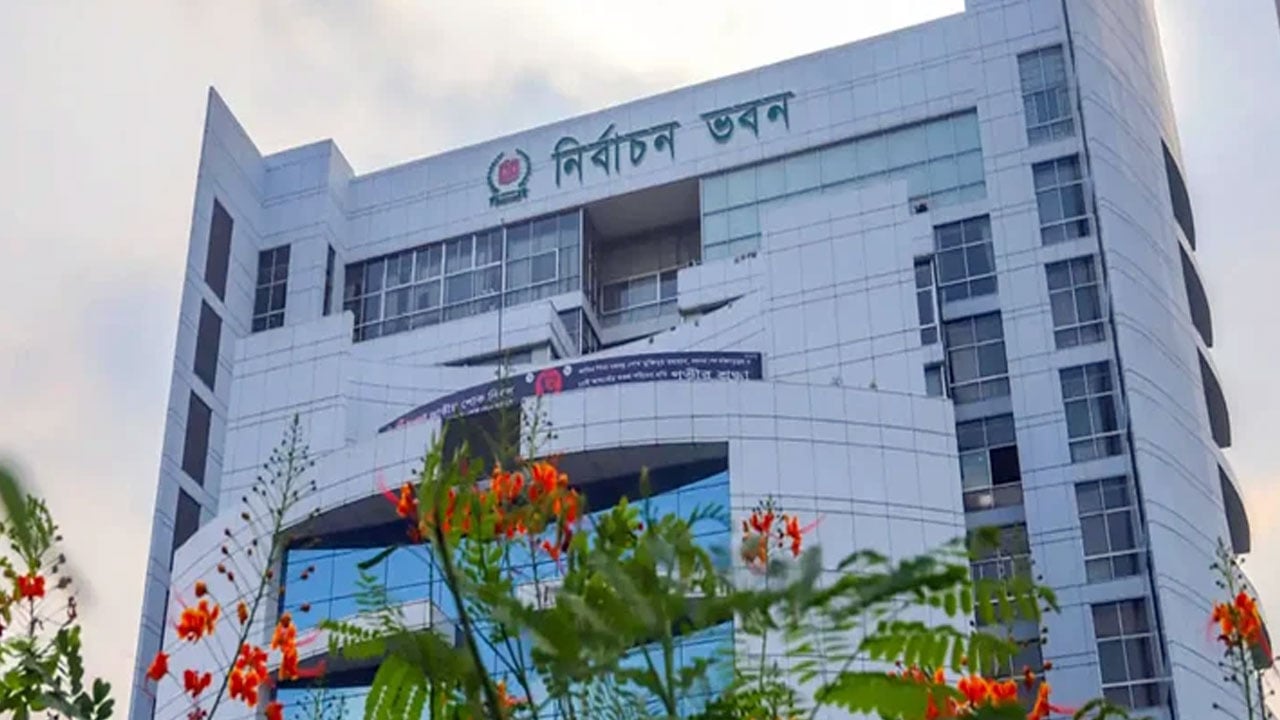
The Election Commission (EC) of Bangladesh has instructed all printing presses across the country not to print election posters ahead of the 13th National Parliamentary Election. The directive was issued to ensure enforcement of the existing ban on poster use in election campaigns. Deputy Secretary Monir Hossain sent letters to all returning officers on Thursday, January 29, outlining the commission’s decision. According to the EC’s circular, the ban is based on the Political Party and Candidate Code of Conduct, 2025, which explicitly prohibits the use of posters in campaign activities under Rule 7(a). The EC emphasized that no candidate or political party should violate this rule during the campaign period leading up to the February 12 election. The commission has also asked relevant authorities to take administrative measures to prevent any printing of campaign posters, reinforcing its commitment to maintaining compliance with the election code of conduct.
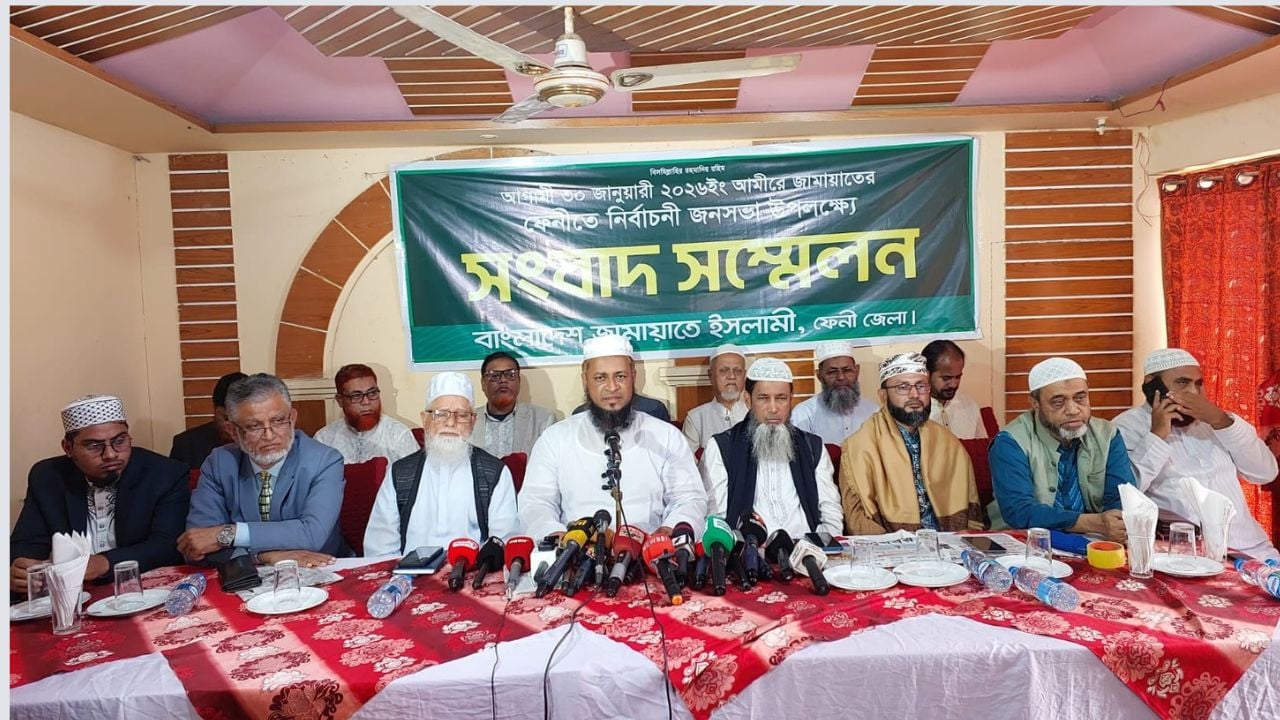
Dr. Shafiqur Rahman, the chief of Jamaat-e-Islami and head of the 11-party alliance, is scheduled to visit Feni on Friday. He will attend an election rally at the Feni Government Pilot High School field, where he is expected to deliver the keynote speech at 10 a.m. The event will begin at 8 a.m., according to the announcement made by the Feni district branch of Jamaat-e-Islami during a press conference held on Thursday afternoon at a local restaurant. The press conference was conducted by district Jamaat secretary Maulana Abdur Rahim and presided over by district Ameer Mufti Abdul Hannan. Several senior party figures were present, including central Majlis-e-Shura member and former Ameer Professor Liaquat Ali Bhuiyan, Master Shamsuddin, Feni-1 Jamaat candidate Advocate S.M. Kamal Uddin, Feni-2 alliance candidate and AB Party chairman Mojibur Rahman Monju, and Feni-3 Jamaat candidate Dr. Fakhruddin Manik. The rally is also expected to feature speeches from other leaders, including former DUCSU VP Sadiq Kayem. The event marks part of Jamaat-e-Islami’s ongoing election campaign activities in the Feni district.
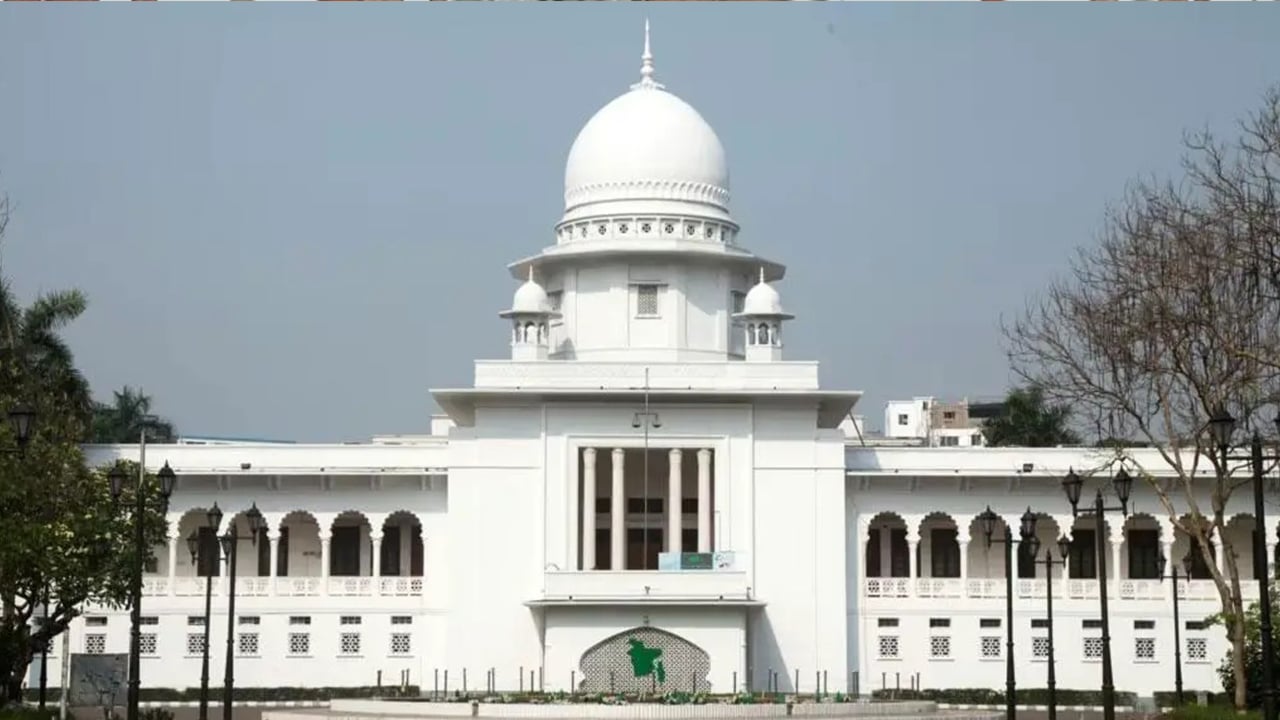
The prosecution has filed an appeal in the Supreme Court’s Appellate Division chamber court seeking the highest punishment for five convicts who received lesser sentences in the Chankharpul killings case linked to the July uprising. The International Crimes Tribunal had earlier sentenced former DMP Commissioner Habibur Rahman and two others to death, while five others, including Constable Sujon Hossain, received prison terms ranging from three to six years. The court has scheduled a hearing on the appeal for next Sunday. Prosecutor Gazi M H Tamim confirmed the appeal on Thursday, stating that the prosecution challenged the tribunal’s observations that led to reduced sentences. He said the petition requests that the convicts with lighter sentences remain in custody until the appeal is resolved. The case is recognized as the tribunal’s second verdict concerning crimes against humanity committed in Chankharpul. The tribunal had earlier sentenced former Assistant Commissioner Md Imrul (absconding) to six years, Inspector Arshad Hossain to four years, and Constable Sujon Hossain, Imam Hossain Iman, and Md Nasirul Islam to three years each.
The National Board of Revenue (NBR) has extended the deadline for individual taxpayers to file their income tax returns for the 2025–26 fiscal year by one month. According to a special order issued on Thursday, taxpayers can now submit their returns online without any penalty until February 28. This marks the third time the NBR has extended the filing period for the current tax year. The NBR has also made online submission of tax returns mandatory for individual taxpayers, except for five specific categories. The extension aims to provide additional time for taxpayers to complete their online filings under the new mandatory system. The decision reflects the NBR’s ongoing efforts to facilitate compliance and streamline the digital tax filing process for individuals across the country.
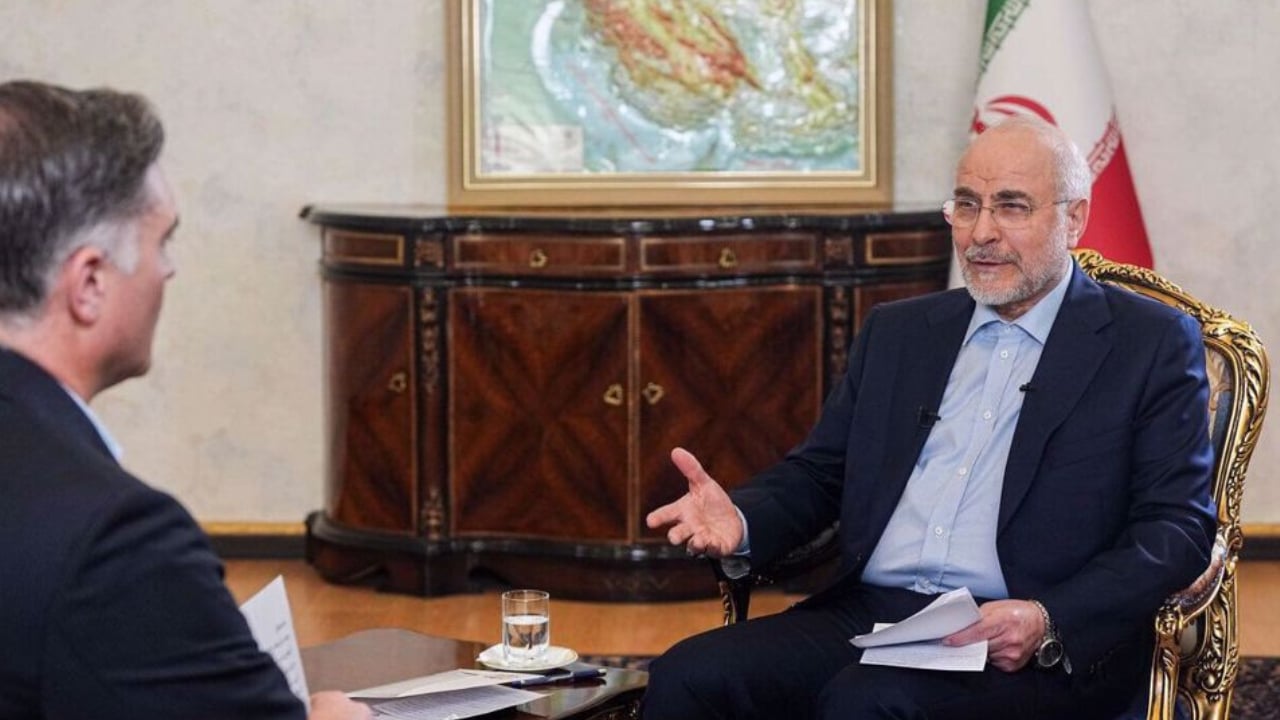
Iranian Parliament Speaker Mohammad Bagher Ghalibaf said Tehran does not oppose dialogue or diplomacy but insisted that any talks must be based on balance and mutual respect. In an interview with CNN, he stated that Iran is ready for sincere discussions in accordance with international rules but warned that talks amid fears of war only fuel tension and insecurity. Ghalibaf accused US President Donald Trump of using threats of war to impose his political views. He referred to a June 2025 US attack against Iran, which occurred two days before the sixth round of indirect negotiations between Washington and Tehran. Ghalibaf emphasized that no talks could take place unless Iran’s national rights, economic interests, and dignity were guaranteed. He said Iran does not consider sanctions, coercion, or surrender as legitimate dialogue. Ghalibaf added that if Trump truly seeks peace and claims to deserve the Nobel Peace Prize, he must take real steps toward achieving genuine peace. Iranian Foreign Minister Abbas Araghchi also cautioned that no decision has yet been made regarding talks with the United States.
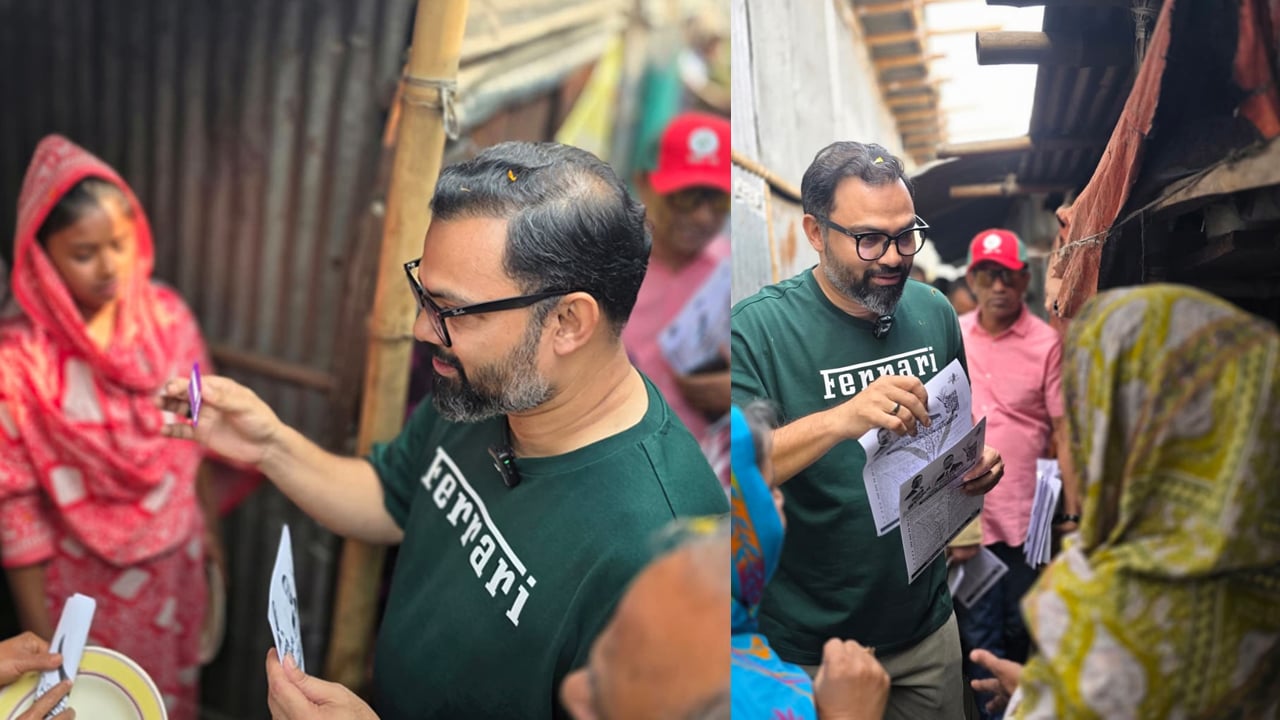
BNP-nominated candidate for Dhaka-16 and convener of Dhaka Metropolitan North BNP, Aminul Haque, has called on the public to remain alert against propaganda and conspiracies surrounding the upcoming January 12 election. He made the appeal on Thursday during his eighth day of campaigning in the Mirpur 6 T-block slum area, where he interacted with local residents. Aminul Haque stated that while some isolated incidents have occurred, attempts are being made to exaggerate them to question the election’s credibility. He claimed that only the BNP has a clear plan for youth education and employment, while accusing Jamaat of misleading people through falsehoods and deceit. He also alleged that Jamaat activists are collecting NID and bKash numbers from households, raising concerns about possible vote fraud. Following the directives of BNP Chairperson Tarique Rahman, Haque said the party seeks a free, fair, and neutral election conducted with tolerance. He expressed confidence that a fair vote on January 12 would allow the people to respond to all conspiracies through the ballot.
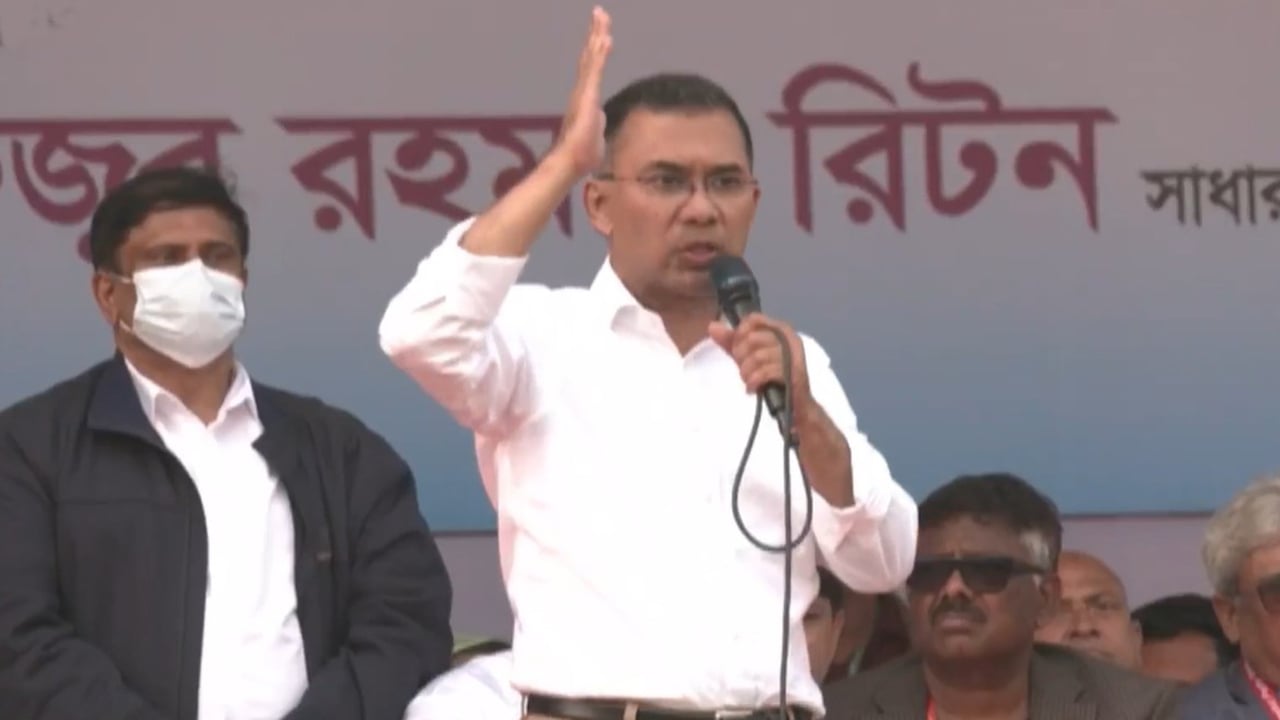
BNP Chairperson Tarique Rahman announced that if his party wins the upcoming election, farmers will have their agricultural loans of up to Tk 10,000, including interest, waived. He made the statement on Thursday at 2:30 p.m. during a public rally at the historic Madrasa Ground in Rajshahi. The event marked his first visit to Rajshahi in 22 years and drew enthusiastic crowds of party leaders and supporters. Rahman also outlined several development commitments for northern Bangladesh, including the construction of the Padma Barrage in Rajshahi, establishment of a cold storage facility for mangoes, and revival of the Barind irrigation project. He criticized the suspension of a major irrigation project along the Padma River, which he said had a budget of about Tk 1,000 crore but had been halted for the past 16 years. He pledged to restore it to full operation. Additionally, Rahman promised to introduce an agricultural card for farmers to access loans, fertilizer, and seeds, and to set up a specialized hospital and vocational training institute in Rajshahi.
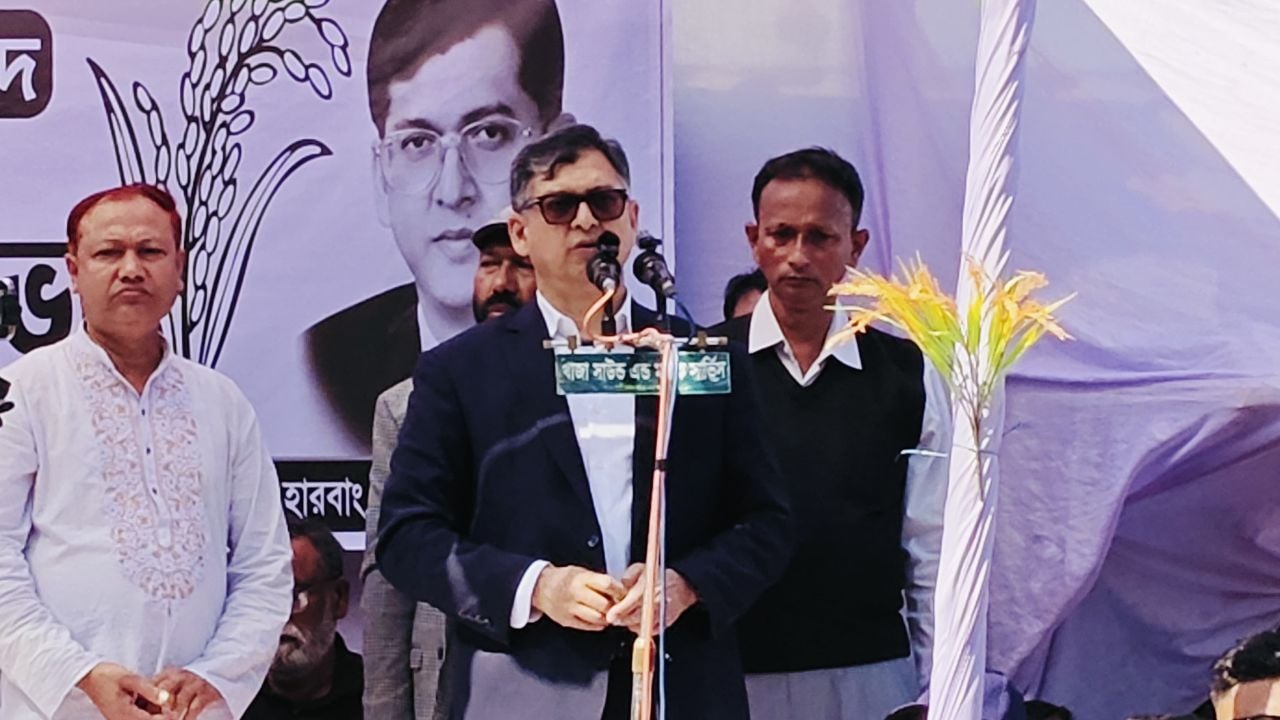
BNP Standing Committee member Salahuddin Ahmed has alleged that Bangladesh Jamaat-e-Islami is creating nationwide unrest through rallies and gatherings to cast doubt on the upcoming election. He made the remarks on Thursday morning at an electoral road meeting organized by the Union BNP at Uttor Harbang Bottatoli Station in Chakaria, Cox’s Bazar. Ahmed stated that any deterioration in law and order would be handled by the government, the Election Commission, and the Home Ministry. He warned that attempts to create disorder or politically heat up the field would be rejected by the people, who are waiting for democratic progress. He emphasized that protests should remain peaceful and within democratic norms. Criticizing Jamaat, Ahmed said the party was misleading people by using religion instead of presenting clear plans or manifestos for the country. He added that BNP has experience in state governance and is moving forward with concrete plans for the people, as outlined by its leader Tarique Rahman.
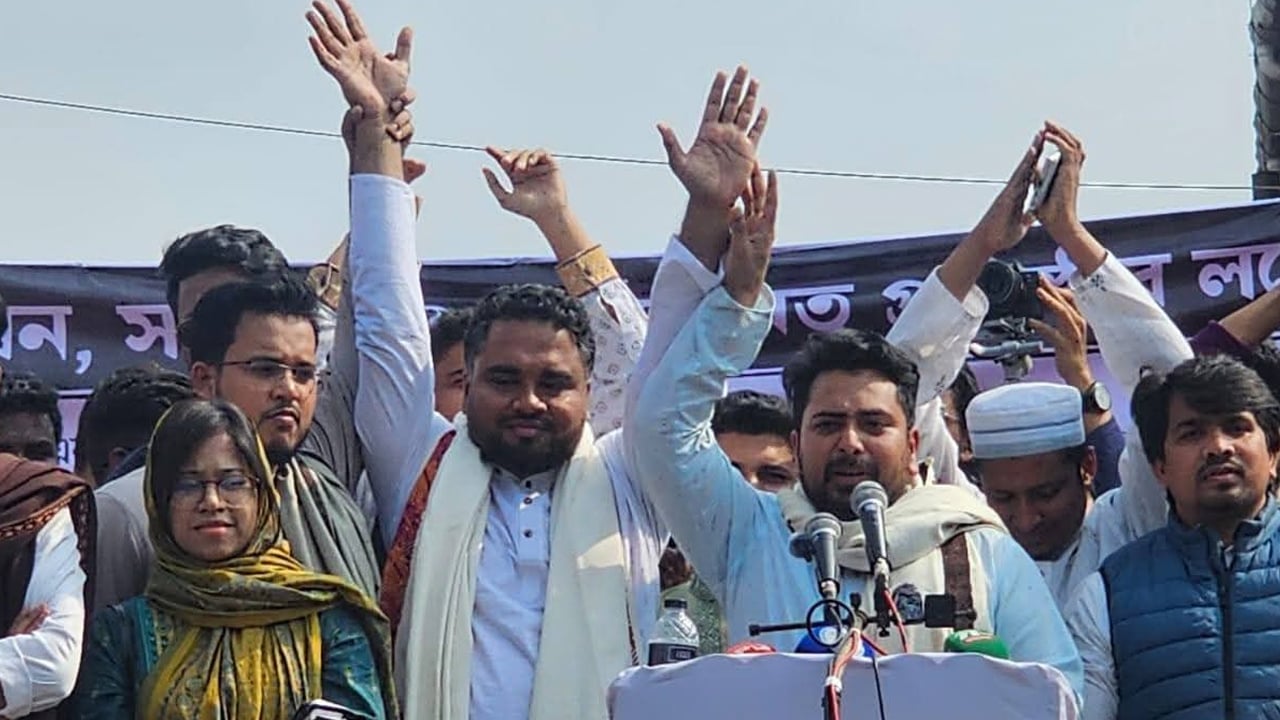
NCP convener Nahid Islam has accused the BNP of reviving violence similar to that of the Awami League, following the killing of a Jamaat upazila secretary in Sherpur. Speaking at a roadside rally in Sreemangal, Moulvibazar, on Thursday, he warned that if the BNP attempts to seize polling centers through muscle power, the 11-party alliance will not remain idle and will mobilize public resistance. He urged voters to unite behind the Shapla Koli symbol and support candidate Pritam Das in the Moulvibazar-4 constituency. Other NCP leaders, including election committee chairman Asif Mahmud and joint convener Pritam Das, echoed similar concerns, alleging that a political party has intensified violent activities as the election approaches. They pledged to restore land rights for tea workers, improve local infrastructure, and ensure fair wages. Speakers also criticized what they described as political deception involving promises of case withdrawals in exchange for votes. The rally featured calls for justice, reform, and unity among diverse communities, with leaders emphasizing that the alliance would remain active on election day to protect voting rights.
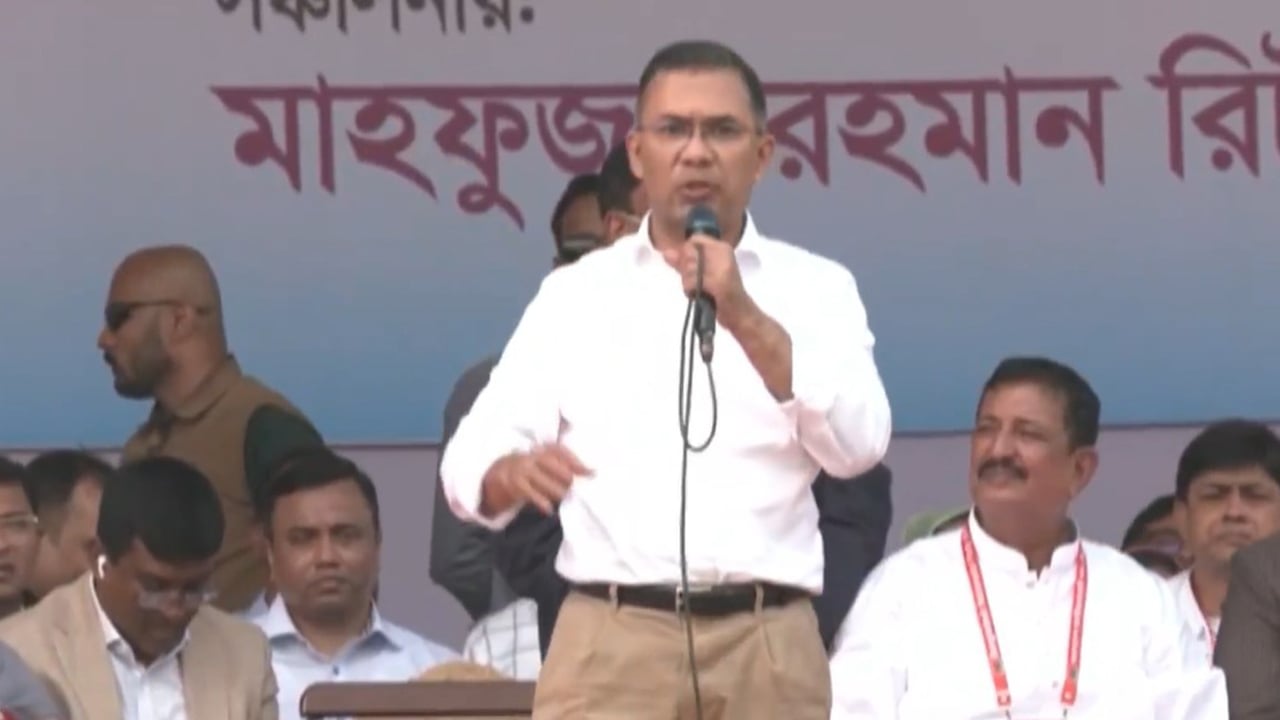
BNP Chairperson Tarique Rahman announced that his party would construct the Padma Barrage in Rajshahi if it comes to power. Speaking at a public rally at the historic Madrasa Maidan in Rajshahi at 2:30 p.m. on Thursday, he also promised to establish cold storage facilities for mangoes and to reactivate the Barind irrigation project. This was his first visit to Rajshahi in 22 years, which drew enthusiastic responses from party supporters. Rahman said that if elected, the BNP government would waive agricultural loans of up to 10,000 taka with interest. He recalled that major irrigation initiatives began under former President Ziaur Rahman and expanded during Khaleda Zia’s tenure, significantly benefiting northern Bangladesh’s agriculture. He lamented that a major irrigation project centered on the Padma River, once with a budget of about 1,000 crore taka, had been deliberately halted over the past 16 years. He assured northern farmers that the irrigation system would extend beyond Rajshahi to Panchagarh, aiming to increase production and farmers’ income across the region.
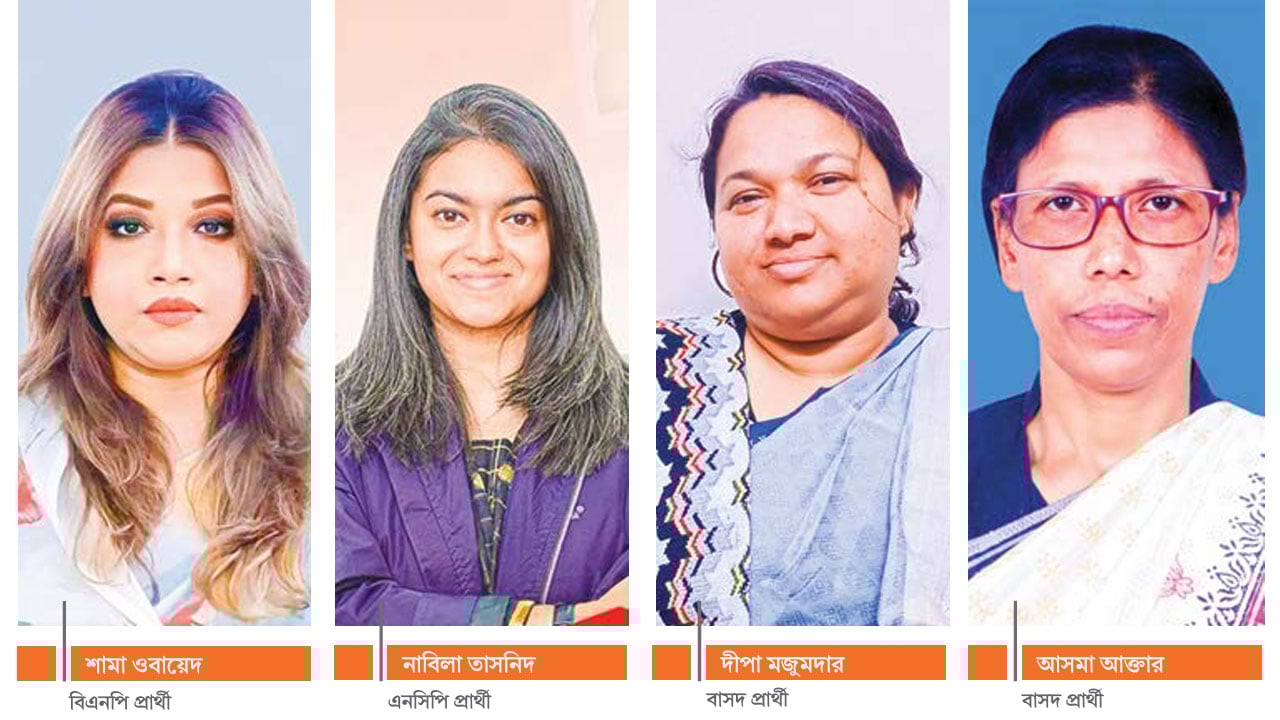
Women candidates from various political parties are actively campaigning across Dhaka and other districts ahead of Bangladesh’s 13th parliamentary election. They report receiving spontaneous support and affection from people in their constituencies. Among them, BNP’s Shama Obaid in Faridpur-2, NCP’s engineer Nabila Tasnid in Dhaka-20 (Dhamrai), and BSD (Marxist) candidates Deepa Majumdar and Asma Akter in Chattogram are drawing attention through their outreach efforts. Shama Obaid said she aims to continue her father’s democratic legacy and make Faridpur a model district. Nabila Tasnid, a new face in local politics, pledged to focus on youth employment, technical education, IT infrastructure, and agricultural modernization in Dhamrai. BSD’s Deepa Majumdar and Asma Akter are engaging directly with voters in Chattogram, emphasizing women’s participation, education, and voting rights. According to the report, the women candidates are being warmly received by voters, reflecting growing enthusiasm for female political leadership in the upcoming national election.
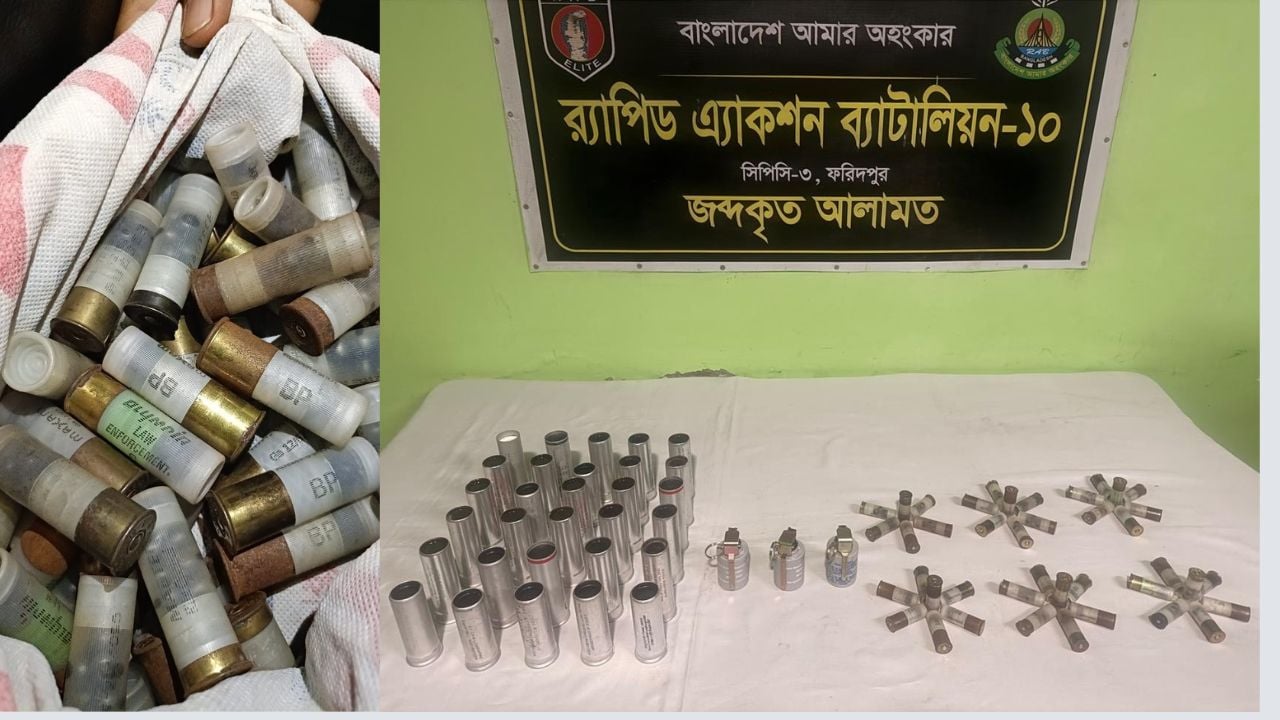
A specialized team of RAB-10 CPB-3 recovered a large cache of weapons and ammunition that had been looted from Faridpur’s Kotwali Police Station. According to a RAB statement issued at 11 a.m. on Thursday, the recovery took place around 2:30 a.m. Wednesday night near the BADC office in Faridpur town. The items were found abandoned in bushes beside an electric pole along the road toward Char Kamalapur, south of the BADC office wall. The recovered materials include three unexploded grenades with steel handles, 41 shotgun cartridges, 30 fresh gas gun cartridges, and several cartridge-like objects. RAB suspects that these items are part of the weapons and ammunition previously stolen from the Kotwali Police Station in Faridpur. The discovery marks a significant step in recovering stolen police armaments, though further investigation is likely to determine how the items ended up abandoned at the site.
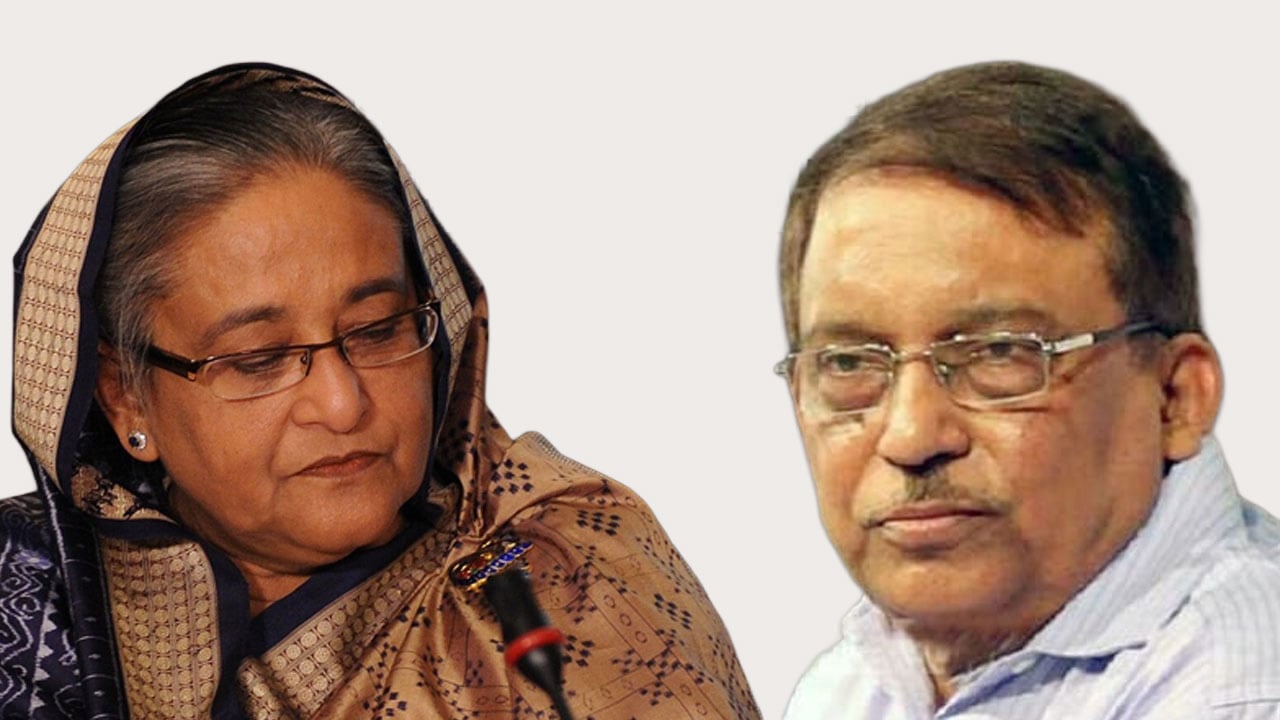
The International Crimes Tribunal-1 has issued arrest warrants against Sheikh Hasina, former Home Minister Asaduzzaman Khan Kamal, former Additional IGP Monirul Islam, and three others in a case related to the killing of nine youths in Mirpur’s Jahazbari area in 2016. The tribunal, chaired by Golam Mortuza Majumdar with two other judges, passed the order on Thursday after taking formal charges into cognizance. A total of eight individuals have been accused in the case. Former IGP A.K.M. Shahidul Haque and former DMP Commissioner Asaduzzaman Mia are already in custody in other cases, and production warrants have been issued for them. Prosecutor Gazi M.H. Tamim submitted the formal charges and sought arrest warrants, which the court granted. The next hearing has been scheduled for February 8. The case stems from a July 25, 2016 police operation at a building known as Jahazbari in Mirpur’s Kalyanpur area, where nine young men were shot dead during what was described as a counterterrorism raid named “Operation Storm-26.”
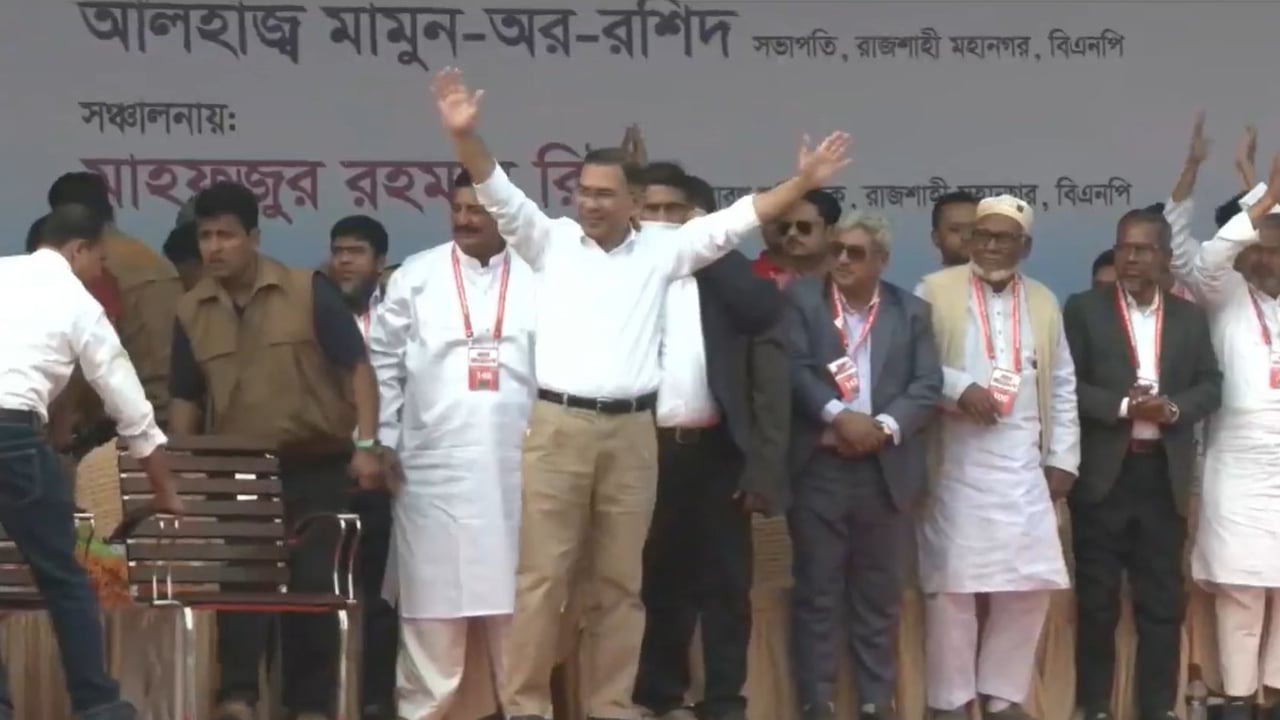
BNP Chairperson Tarique Rahman arrived at the Rajshahi rally venue on Thursday at 1:55 p.m., greeting the crowd with a wave. His visit marks his first trip to Rajshahi in 22 years, generating excitement among party leaders and supporters. He is scheduled to deliver a keynote speech as the chief guest at the election rally, which is being held at the historic Madrasa Maidan. The rally is organized as part of BNP’s election campaign and involves participants from Rajshahi, Natore, and Chapainawabganj districts. According to local BNP leaders, Rahman last visited Rajshahi in 2004 to attend a union representatives’ conference. During this event, he is expected to formally introduce 13 parliamentary candidates from the three districts. Extensive publicity and preparations have surrounded the rally, reflecting its significance in the party’s regional campaign efforts.
The ‘1 Nojor’ media platform is now live in beta, inviting users to explore and provide feedback as we continue to refine the experience.