

The ‘1 Nojor’ media platform is now live in beta, inviting users to explore and provide feedback as we continue to refine the experience.
The Bangladesh government has granted permission for shooter Robiul Islam and coach Sharmin Akter to participate in the Asian Shooting Championship in New Delhi, India, from February 2 to 14, 2026. The approval was issued on Wednesday through a government order, according to National Sports Council Director (Sports) Mohammad Aminul Ehsan. The decision comes even as the government withheld permission for the national cricket team to travel to India for the T20 World Cup due to security concerns. Officials said the shooting event will take place in an indoor and secured environment, minimizing potential security risks. Robiul is scheduled to compete in the 10-meter air rifle event on February 6, marking his first international appearance since the 2024 Paris Olympics. He has been training intensively in the South Asian Games camp ahead of the tournament. Unlike previous years when Bangladesh sent larger shooting contingents, only Robiul and his coach will travel this time, which the report described as a clear failure of the Bangladesh Shooting Sports Federation. They are expected to depart for India on January 31.

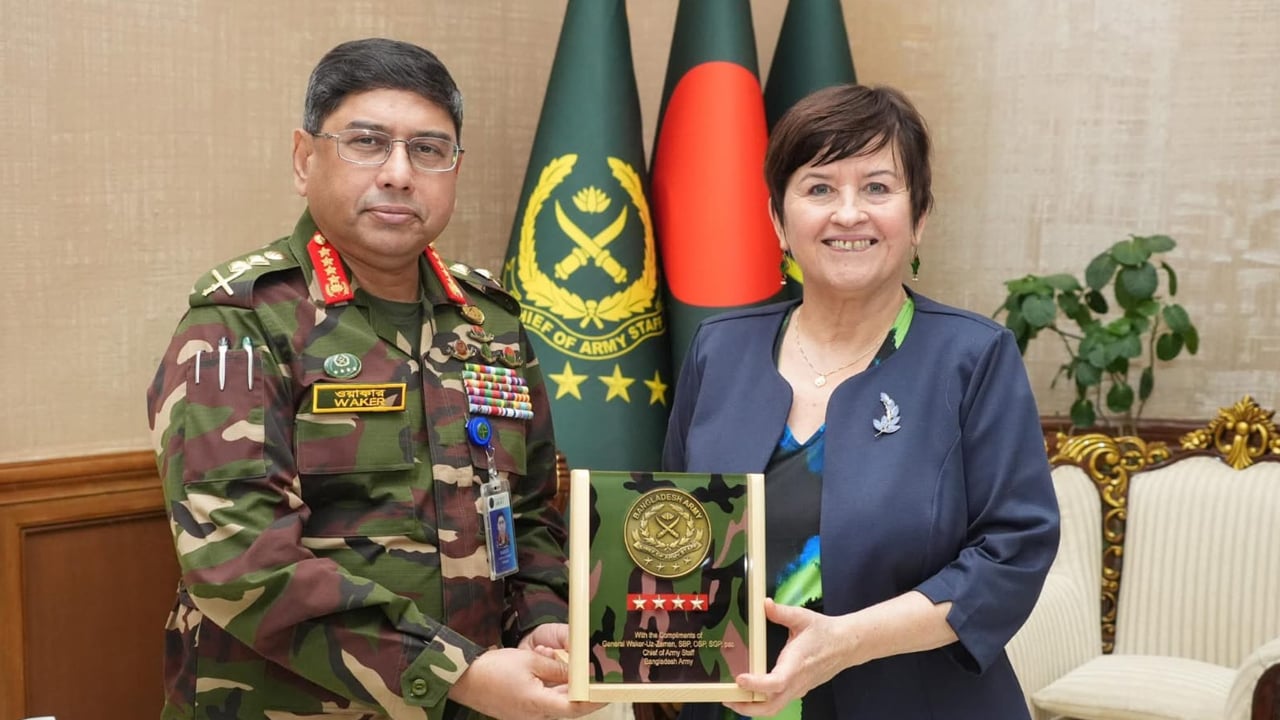
Bangladesh Army Chief General Waker-Uz-Zaman met with the Czech Republic’s non-resident ambassador to Bangladesh, Dr. Eliska Zigova, and her delegation at the Army Headquarters on Wednesday, January 28, 2026. The courtesy meeting was confirmed through a press release from the Inter-Services Public Relations Directorate (ISPR). During the meeting, both sides exchanged views on further strengthening the existing friendly bilateral relations between Bangladesh and the Czech Republic. Ambassador Zigova highlighted potential areas for enhanced cooperation in the defense sector, particularly in government-to-government technology transfer, joint ventures, and the development of the defense industry. The ISPR statement emphasized the mutual interest in expanding defense collaboration and fostering long-term partnership opportunities between the two countries.
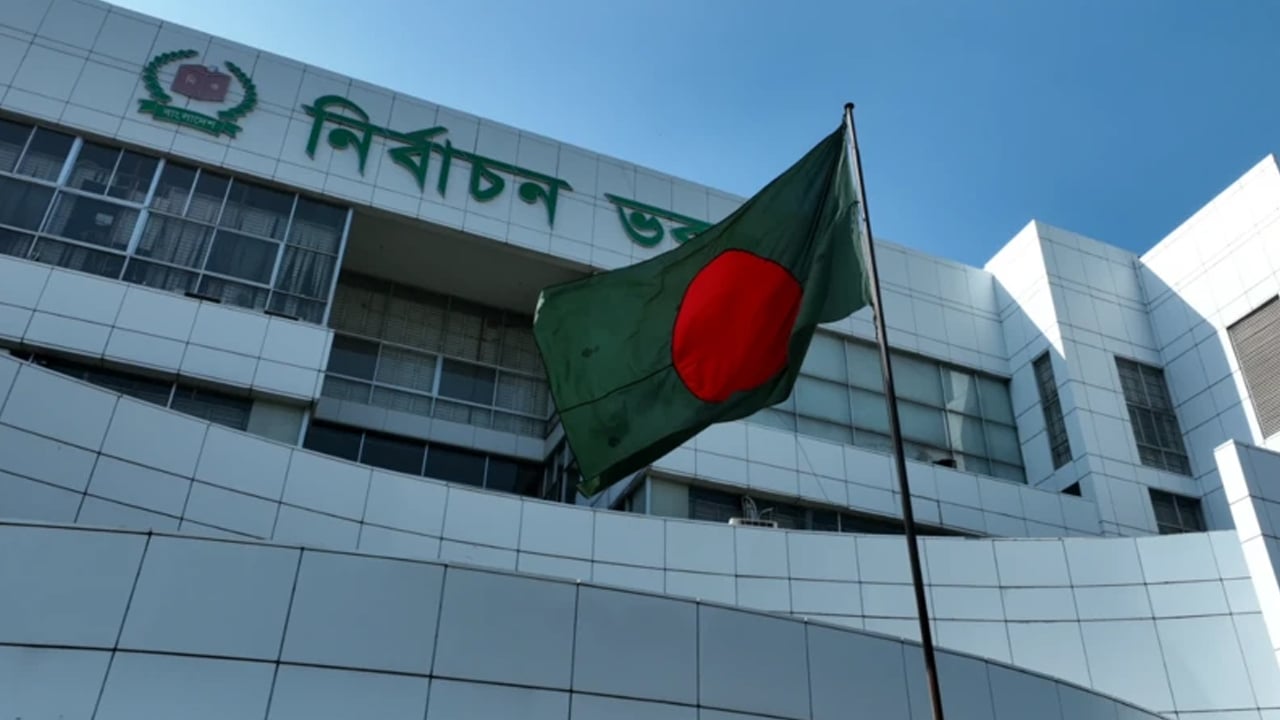
The Election Commission (EC) has approved a budget of Tk 3,100 crore to organize the upcoming referendum and the 13th national parliamentary election. The decision was made during a commission meeting held on Wednesday, January 28, according to officials. Of the approved amount, Tk 1,200 crore has been allocated for election management, Tk 1,400 crore for law enforcement, and Tk 500 crore for referendum, postal ballots, and related expenses. The EC noted that allocations for these sectors may increase if necessary. The previous 12th national election cost Tk 2,276 crore in total. EC Secretary Akhtar Ahmed explained that the inclusion of referendum and postal ballot voting this time has naturally raised the overall expenditure. The 13th national parliamentary election is scheduled to take place on February 12. The EC’s approval marks a significant increase in election spending compared to the previous cycle, reflecting expanded voting processes and security measures.
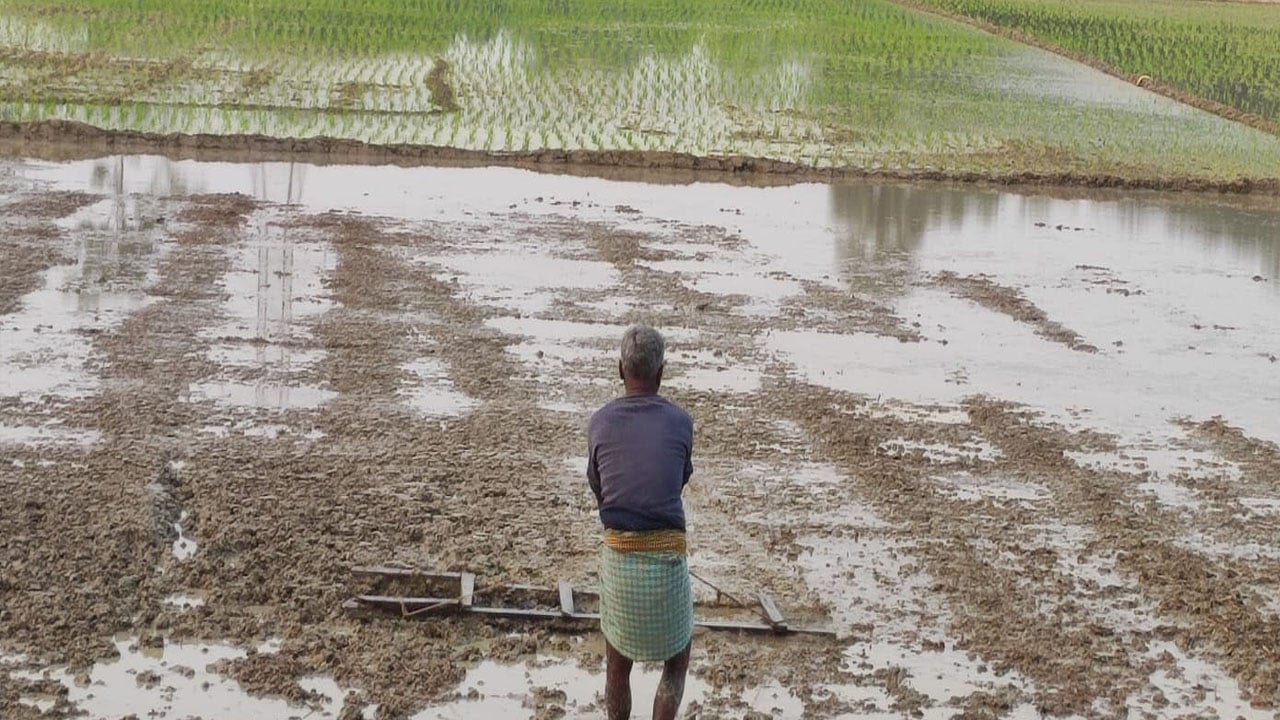
In Cumilla’s Chauddagram upazila, a poor farmer named Siraj Mia has been forced to pull a wooden plow himself due to financial hardship. Unable to afford cattle or rent a tractor, he was seen leveling muddy farmland in Durgapur village during the ongoing Boro rice planting season. Despite being a genuine farmer, Siraj said he has not received any government incentives, farmer cards, or free seeds and fertilizers. He expressed frustration that his information was collected during floods, yet no assistance followed. Other poor farmers in the area echoed similar grievances, alleging that real farmers are often excluded from government support programs. They claimed that seasonal or politically connected individuals receive benefits instead. Rising agricultural costs have made it increasingly difficult for low-income farmers to manage cultivation expenses. Chauddagram Upazila Agriculture Officer Jubayer Ahmed stated that authorities are aware of Siraj Mia’s situation and will inspect the case in person to ensure necessary government assistance is provided.
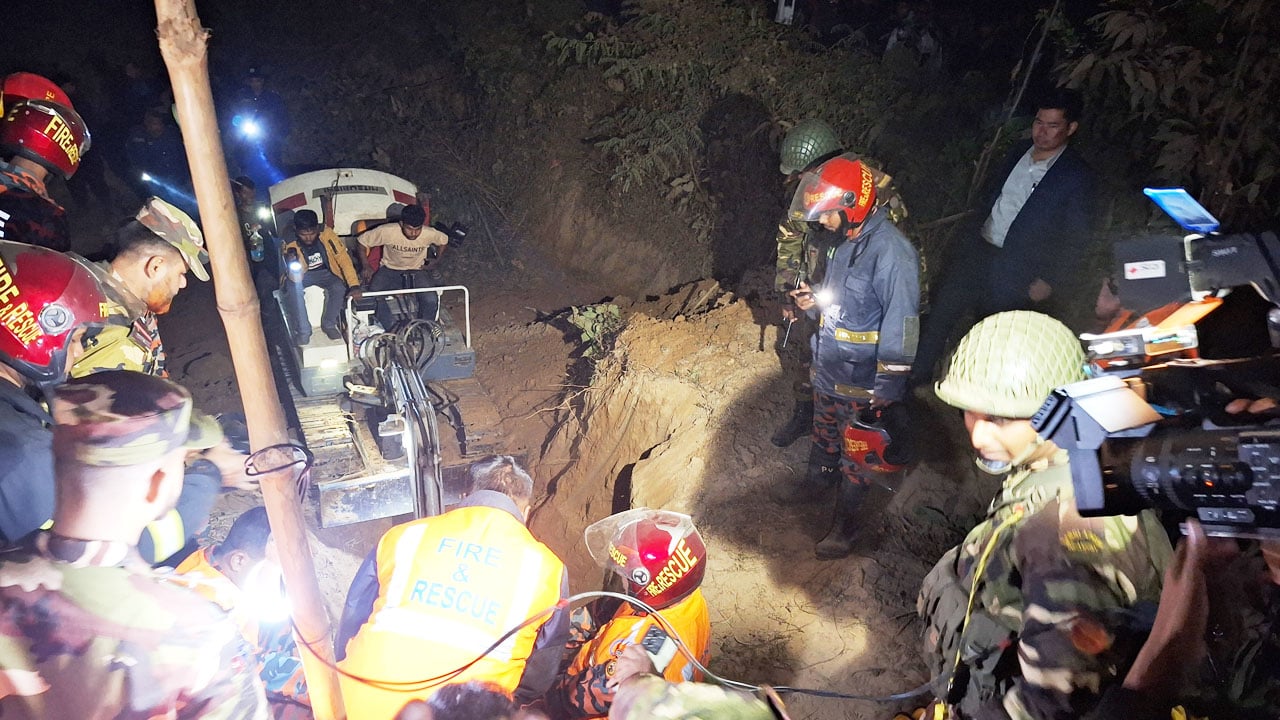
A child named Muhammad Mezbah died after falling into a deep tube well pit in Raozan, Chattogram. The incident occurred near government-built houses for the homeless, where a deep tube well had been installed to supply safe drinking water. Mezbah was rescued from the pit around 8:10 p.m. on Wednesday but was found dead. According to local residents, the pit had been dug on hilly land to reach a water source but had remained in an unsafe condition for a long time. They alleged that the lack of safety measures led to the accident. Witnesses said they heard the child crying after he fell but could not rescue him because of the depth of the pit, and he eventually sank further down. The report highlights local concerns about the safety of government-initiated infrastructure projects and the need for proper maintenance to prevent similar tragedies.
Nurul Haque Nur, the Ganadhikar Parishad candidate backed by the BNP alliance for the Patuakhali-3 (Dashmina-Galachipa) constituency, said on Wednesday that he had shown restraint despite alleged attacks on his supporters. Speaking at a joint BNP and Ganadhikar Parishad election rally at Alipur Secondary School field in Dashmina, he claimed that if he had given the order, the attackers would have been severely dealt with, but he preferred patience and rejected revenge. Nur alleged that on Tuesday, supporters of independent candidate Hasan Mamun obstructed a procession bearing the truck symbol in Bakulbariya Union of Galachipa and attacked his workers, even as police were present. He emphasized that the BNP had no separate candidate in the constituency and that he was jointly nominated by the BNP and Ganadhikar Parishad. Referring to BNP’s acting chairman Tarique Rahman, Nur said that development in the area would suffer if Rahman’s nominated candidate did not win. His remarks have sparked new discussion in the constituency, where a large number of BNP and Ganadhikar Parishad supporters attended the rally.

North Korea has confirmed the test launch of its upgraded long-range large-caliber multiple rocket launcher system (MRLS). The test, conducted on Tuesday by the country’s Missile Administration, aimed to verify the system’s enhanced technological capabilities. According to the state news agency KCNA, four rockets were fired during the test, striking a maritime target approximately 358 kilometers from the launch site. Leader Kim Jong Un personally oversaw the launch and described the test as crucial to strengthening the nation’s strategic deterrence. Kim stated that the system’s strike capability has reached its highest level and asserted that no other country would be able to match this technology in the coming years. He said the results pose a serious threat to forces seeking military confrontation with Pyongyang. Kim also announced that the upcoming Congress of the ruling Workers’ Party of Korea will outline the next phase of plans to reinforce the country’s nuclear deterrence. The report came as Japan and South Korea said North Korea had fired two ballistic missiles into the East Sea earlier this week, marking its second launch this month.

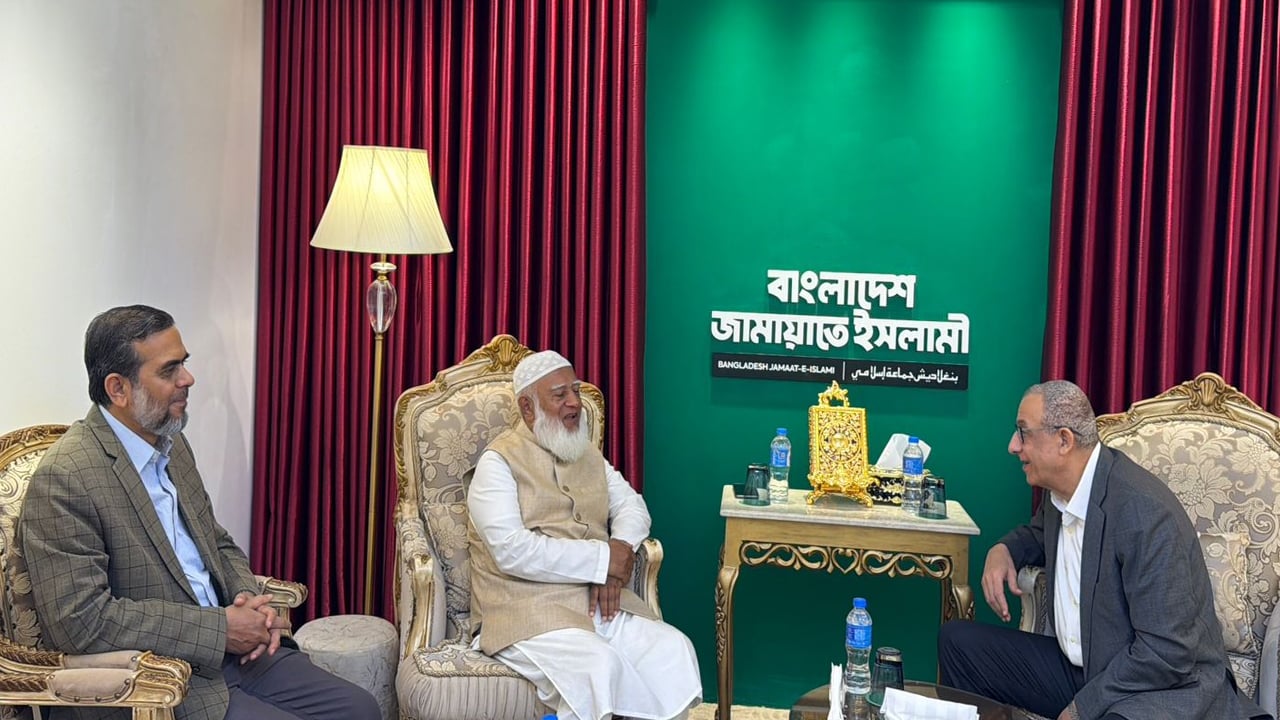
Palestinian Ambassador to Bangladesh, Yusuf S.W.Y. Ramadan, paid a courtesy visit to Jamaat-e-Islami Ameer Dr. Shafiqur Rahman at his office in Bashundhara, Dhaka, on Wednesday morning. Assistant Secretary General and head of the party’s central publicity and media department, Advocate Ehsanul Mahbub Zubair, was also present during the meeting. According to Jamaat’s central publicity department, the meeting was held in a cordial and friendly atmosphere. During the discussion, Dr. Rahman reiterated the deep and historic relationship between Bangladesh and Palestine, emphasizing that the people of Bangladesh, regardless of political affiliation, would always stand by the just struggle of the Palestinian people. He urged the United Nations, the OIC, and the international community to take effective measures to stop Israel’s occupation and forced eviction plans in Gaza. The Palestinian ambassador expressed deep gratitude on behalf of the Palestinian people for Bangladesh’s sincere support and solidarity, expressing hope that this cooperation would continue in the future.
National Citizen Party (NCP) member secretary and Rangpur-4 candidate Akhtar Hossain has alleged that incidents of harassment against women during election campaigns reflect a repetition of the Awami League’s past actions. Speaking at a courtyard meeting in Taiyab village of Pirgacha upazila on Wednesday morning, he said that reports of women’s hijabs being pulled off and indecent remarks during campaign activities have spread across media and social platforms. Hossain stated that those harassing women are repeating what he called the Awami League’s shameful history, recalling a 2018 incident in Noakhali’s Subarnachar. He urged the government and administration to arrest and prosecute anyone involved in such acts, regardless of political affiliation. He also expressed concern over the law and order situation and said that such incidents undermine both personal freedom and the right to political participation. Referring to repeated attacks in Dhaka-8 constituency, Hossain condemned the violence and claimed that recent events confirm fears about the lack of a level playing field in the upcoming 13th national election.

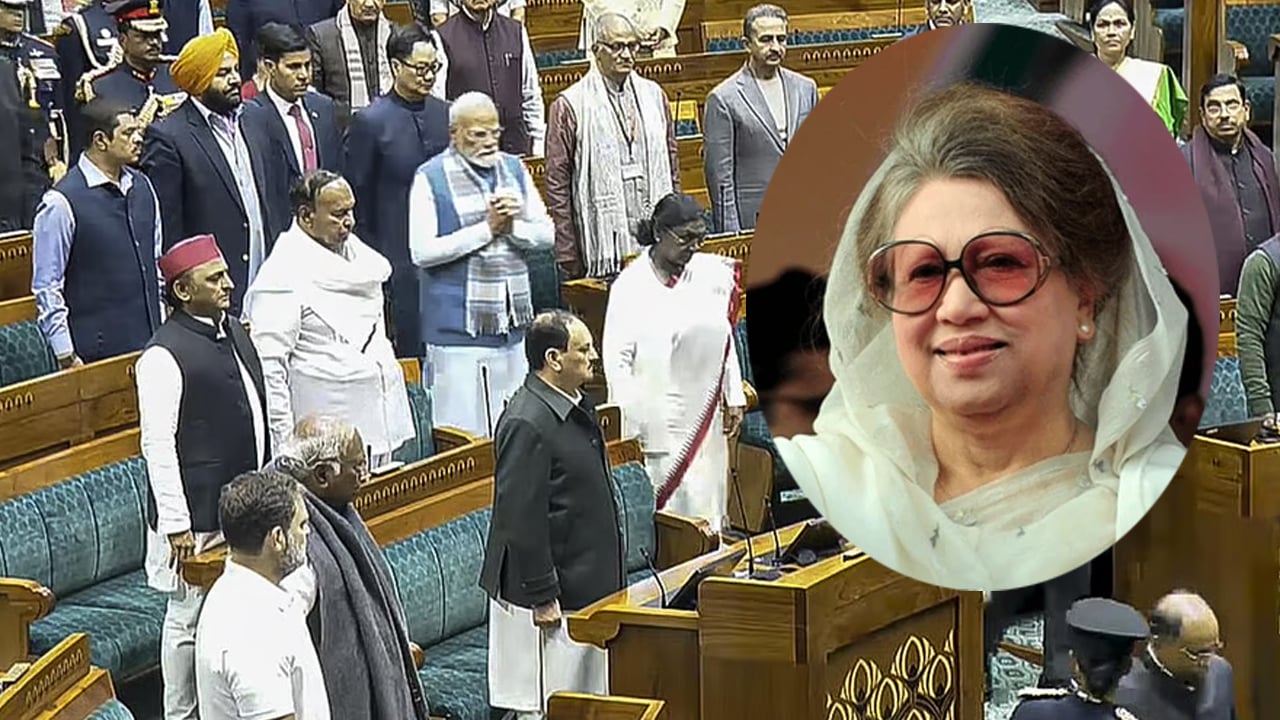
India’s upper house of Parliament, the Rajya Sabha, adopted a condolence motion on Wednesday mourning the death of former Bangladesh Prime Minister and BNP chairperson Khaleda Zia. The motion was presented in the presence of Indian Prime Minister Narendra Modi, and members stood in silence to pay tribute to Zia. The session also included condolence motions for former Rajya Sabha members L. Ganesan and Suresh Kalnadi. Before the submission of official documents, Rajya Sabha Chairman C. P. Radhakrishnan read out the condolence messages for the deceased, followed by a one-minute silence observed by all members. The session began with the President’s address, attended by Modi, cabinet ministers, and other members of the upper house. Khaleda Zia passed away on December 30 at Evercare Hospital in Dhaka. Indian External Affairs Minister S. Jaishankar had earlier visited Dhaka to pay his last respects.
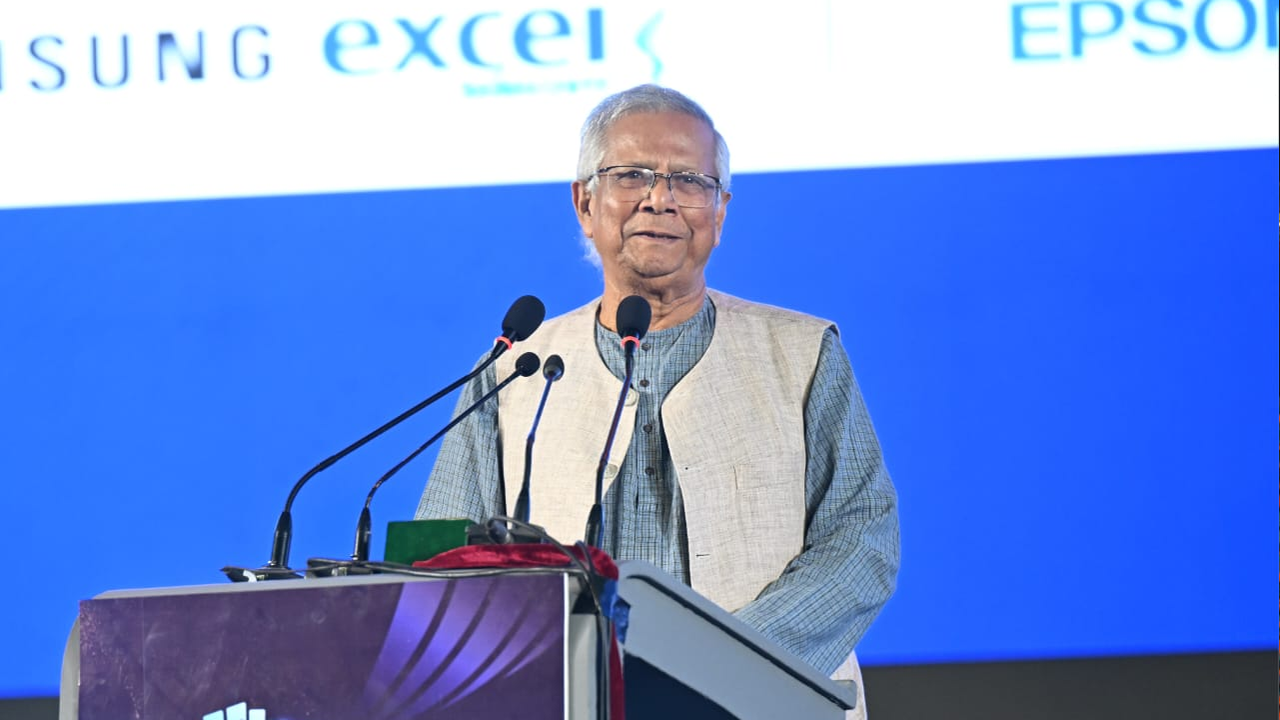
Chief Adviser Dr. Muhammad Yunus said on Wednesday, January 28, 2026, that many countries are refusing to accept Bangladeshi passports because of widespread forgery. Speaking at the inauguration of the Digital Device and Innovation Expo 2026 and the launch of the Bangladesh Innovation Challenge website and logo at the Bangladesh-China Friendship Conference Center in Dhaka, he described Bangladesh as a “factory of fraud.” He said fake visas, passports, and certificates have damaged the country’s reputation abroad. Yunus shared an account of a discussion with a Middle Eastern minister who explained that his country and several others have barred entry to Bangladeshis after discovering forged educational and professional certificates. He cited an example of a woman who presented a fake medical certificate to work abroad. Yunus urged that technology should not be used for deceit and called for moral reform and honesty in innovation. He emphasized that Bangladesh must correct its foundations, eliminate fraudulent practices, and empower youth to become ethical entrepreneurs so that the nation can stand proudly on the global stage.
Nahid Islam, convener of the National Citizen Party (NCP) and candidate for Dhaka-11, has alleged that there is no level playing field in the ongoing election campaign. Speaking to journalists in Badda on Wednesday afternoon after a day of campaigning, he said that when candidates or their supporters are attacked or harassed and the administration takes no action, the situation cannot be described as fair. He urged voters to support his Shapla Koli symbol and to vote 'yes' in the referendum. Nahid Islam claimed that since Tuesday, the election environment has been disrupted across the country, with female activists of the 11-party alliance facing harassment and attacks. He alleged that NCP candidates in Dhaka-18 and Dhaka-8 were also assaulted. Pointing toward the BNP, he accused the party of using muscle power and creating an atmosphere of intimidation to obstruct the election process. He said complaints had been submitted to the Election Commission and law enforcement agencies but no remedy had been provided. He warned that if such conditions persist, the election could become one-sided and fail to reflect the people’s true verdict. He pledged to work for reform and a corruption-free, equitable state if elected.

A four-year-old boy named Muhammad Mezbah was rescued after being trapped for four hours in a deep tube well pit in Raozan upazila of Chattogram. The incident occurred around 4:30 p.m. on Wednesday in Joynagar village of Kadolpur Union. Fire service and police teams conducted the rescue operation, and the child was pulled out at 8:10 p.m. It was not immediately confirmed whether the boy was alive at the time of recovery. According to local residents, the pit had been dug for a government-installed deep tube well near houses built for homeless families. The area’s hilly terrain required deep excavation for water, but the pit reportedly remained unsecured for a long time. While playing, Mezbah accidentally fell into it. Witnesses said they initially heard the child crying but could not reach him due to the depth. Officials from the Raozan Fire Service and police confirmed that rescue efforts continued until the child was recovered. Mezbah is the younger of two children of day laborer Saiful Alam.
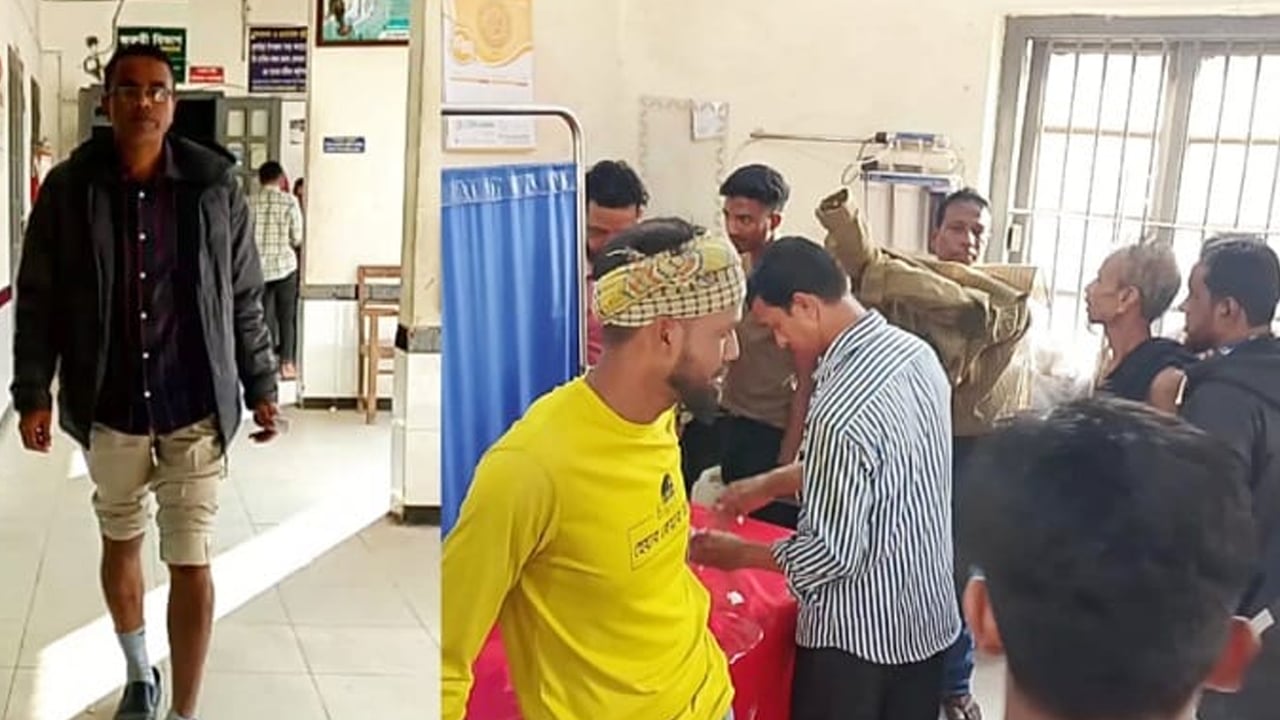
Forty-nine people, including children, women, and elderly residents, were injured on Wednesday afternoon when a rabid dog attacked pedestrians in various areas of Kulaura municipality in Moulvibazar. The victims received treatment at the Kulaura Upazila Health Complex. Among the injured were 40 men, 7 women, and 2 children. Locals later killed the dog after it bit multiple people in neighborhoods such as Joypasha, Magura, Bishrakandi, and Uttar Bazar. Upazila Health and Family Planning Officer Dr. Zakir Hossain said that 16 of the injured received free government-provided vaccines, but the hospital ran out of stock later that morning. Due to the shortage, other victims had to purchase vaccines privately. The Kulaura municipality had earlier supplied 300 doses to the hospital, but no government vaccines remain. The shortage has been reported to higher authorities. Municipal administrator and Upazila Nirbahi Officer Md. Mohiuddin stated that more vaccines will be purchased soon. He added that under current law, the municipality cannot conduct dog culling operations despite the rising number of stray dog attacks.
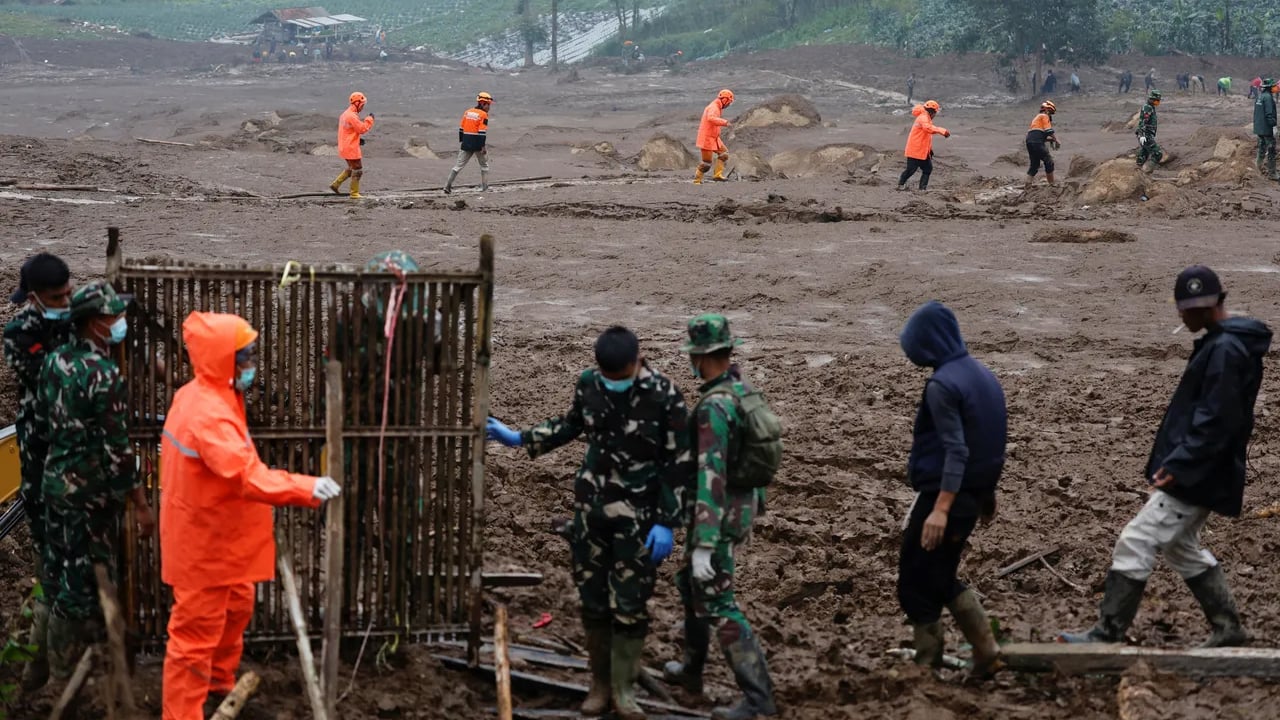
A devastating landslide in Indonesia’s West Java province has killed at least 50 people, with 32 others still missing as of Wednesday, according to local media reports. Rescue teams continue to search for survivors despite adverse weather and difficult terrain. Heavy machinery and tracking devices are being used to locate those trapped under mud and debris. Authorities reported earlier in the day that 48 people had been confirmed dead and 32 remained missing, citing the state news agency Antara. The disaster has displaced at least 685 residents, who have been moved to safer areas. The landslide struck a village in West Bandung Regency on Saturday, burying numerous homes. Separately, Indonesia’s Navy Chief of Staff Muhammad Ali said that 23 naval personnel were caught in the landslide during a training exercise in the same area. Four of them have been confirmed dead, while 19 remain missing. Rescue operations are ongoing despite the challenging conditions.
The ‘1 Nojor’ media platform is now live in beta, inviting users to explore and provide feedback as we continue to refine the experience.