

The ‘1 Nojor’ media platform is now live in beta, inviting users to explore and provide feedback as we continue to refine the experience.
Arsenal, currently leading the English Premier League table, will face Manchester United tonight in a high-voltage encounter. After drawing their last two matches, Mikel Arteta’s side aim to return to winning ways. The match, scheduled for 10:30 p.m. Bangladesh time, also marks a major test for United’s interim coach Michael Carrick, whose team sits fifth in the standings. Arsenal’s inconsistency has often hindered their title ambitions, and this season has shown similar patterns. Following a series of victories, they were held to goalless draws by Liverpool at home and Nottingham Forest away. For Carrick, the challenge is steep—United have lost five of their last six meetings with Arsenal and all four of their most recent league games at the Emirates. However, United fans recall last season’s FA Cup third-round win on penalties at Arsenal despite being reduced to ten men. The match will determine whether Arsenal can consolidate their top position or if Manchester United can signal a resurgence under new leadership.

A column by M. M. Kaiser, published on January 25, 2026, strongly criticizes former cricket organizer Syed Ashraful Haque for remarks he made in an interview with an India-based cricket website regarding Bangladesh’s stance on the T20 World Cup venue. Haque suggested that players, not the government or cricket board, should decide whether to participate based on ICC’s security plan, and alleged that a questionable agenda was depriving players of their World Cup dreams. Kaiser described these comments as offensive and disconnected from current realities. The article defends Bangladesh’s call to shift the World Cup venue from India to Sri Lanka, citing safety concerns following incidents of violence against people suspected of being Bangladeshi in India. It argues that the ICC and BCCI have failed to guarantee player safety, referencing Mustafizur Rahman’s removal from an IPL squad over security fears. The writer contends that Bangladesh’s position is morally justified and criticizes the ICC’s neutrality and India’s influence. Kaiser concludes that Bangladesh’s demand is about dignity and safety, not politics, asserting that the nation seeks to live and compete with self-respect rather than submission.

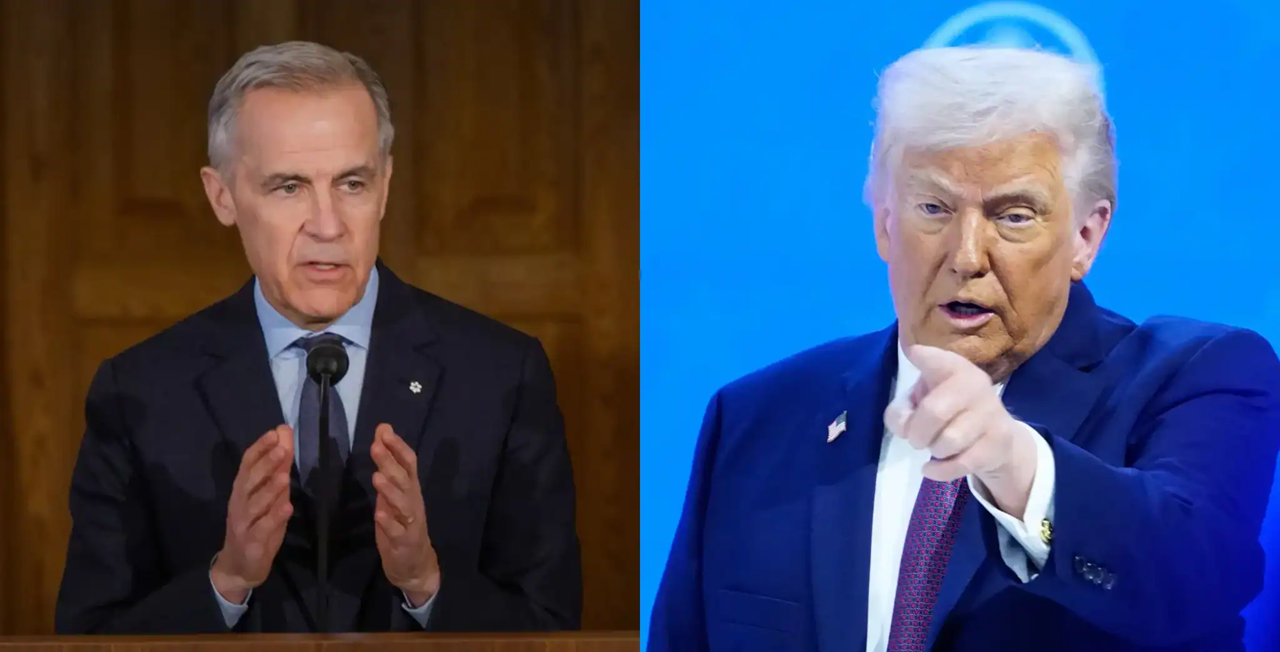
U.S. President Donald Trump has warned that all goods entering the United States from Canada will face a 100% tariff if Canada completes a trade agreement with China. In a post on his social media platform Truth Social on Saturday, Trump said Canada must not act as a “drop-off port” for Chinese products entering the U.S., warning of severe consequences if it does. Relations between Washington and Ottawa have become increasingly strained since Trump’s return to the White House in 2024, with disputes emerging over trade and other issues. Canadian Prime Minister Mark Carney recently described a “fracture” in the U.S.-led global system. During a visit to Beijing last week, Carney announced a “new strategic partnership” with China and an initial trade understanding aimed at reducing tariffs. Trump responded by calling the move dangerous and labeling Carney “governor,” echoing earlier remarks about Canada as a potential U.S. state. Canadian Trade Minister Dominic LeBlanc countered that the China deal only addresses tariff issues and is not a free trade pact. Analysts cited in the report warned that continued tensions could create major uncertainty for both economies.
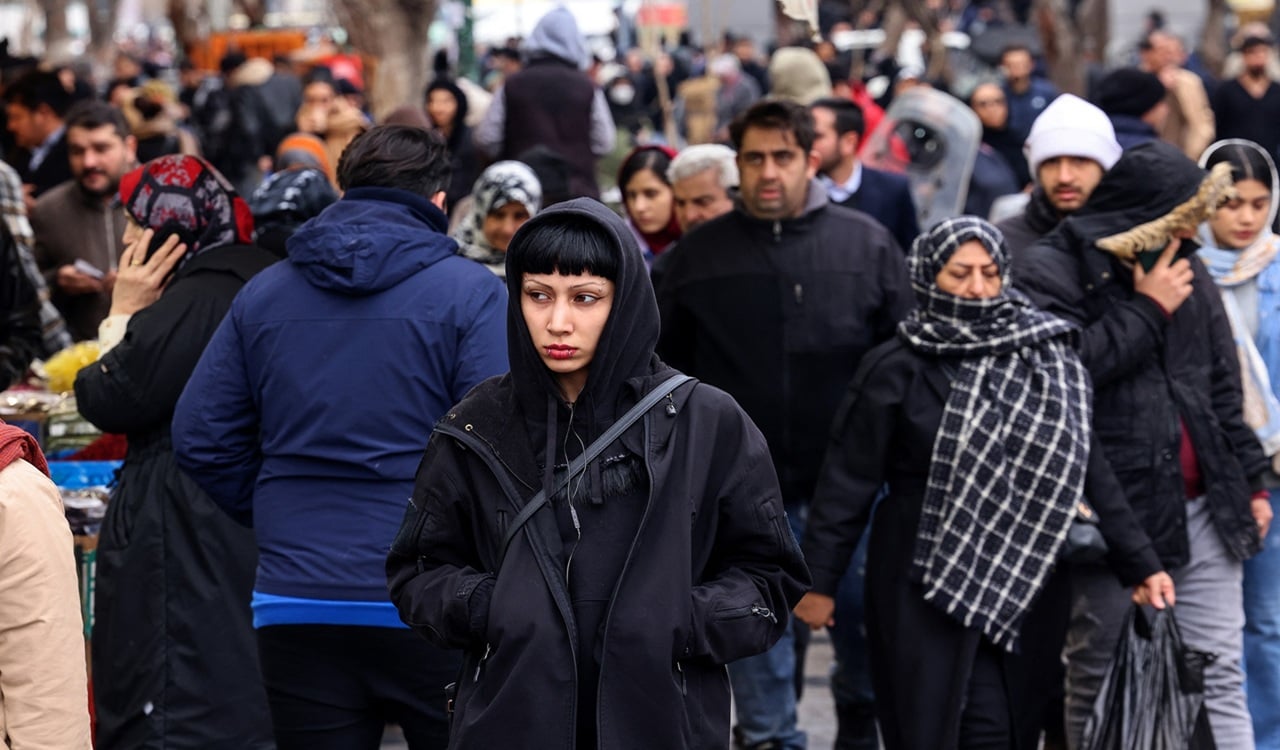
Yusuf Pezeshkian, son of Iranian President Masoud Pezeshkian and a government adviser, has urged an end to the nationwide internet shutdown that has lasted for weeks. In a Telegram post published by the state news agency IRNA on Saturday, he warned that keeping the internet blocked for more than two weeks would increase public dissatisfaction with the government. He argued that the harm caused by the shutdown outweighs the risk of renewed protests once access is restored. Iran has been facing widespread protests since early January, leading authorities to cut off internet access for nearly 90 million people since January 8. Human rights groups report that many have been killed in security crackdowns, with the Norway-based Iran Human Rights organization claiming the death toll may exceed 25,000. The Iranian government, however, reports 3,117 deaths, including 2,427 identified as “martyrs,” and labels others as rioters influenced by the United States and Israel. Yusuf Pezeshkian criticized the justification for the shutdown, saying that fear of protest videos being shared is not a valid reason. He acknowledged possible mistakes by security forces and called for accountability.
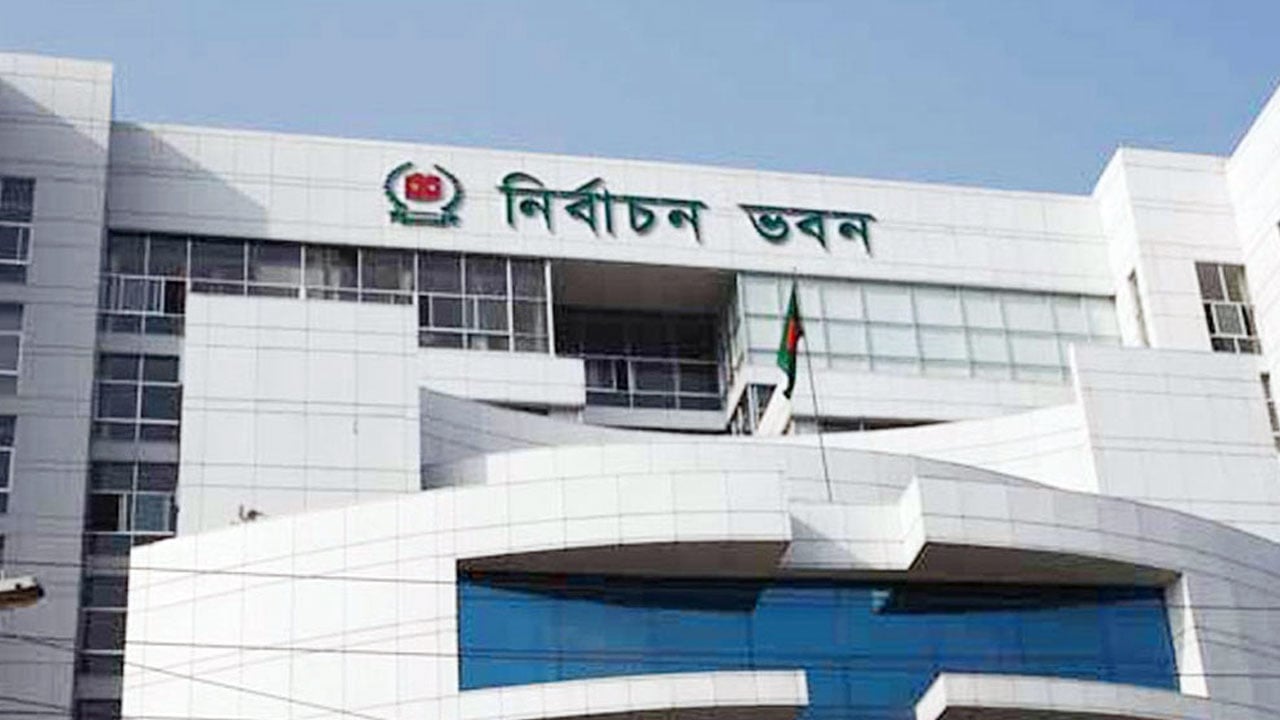
Since the start of the national election campaign three days ago, at least 52 clashes have been reported across Bangladesh, leaving over 300 political activists injured. Mobile courts have fined at least 45 candidates and supporters for violating the electoral code of conduct. Reports indicate frequent use of banned colored posters, loudspeakers beyond permitted hours, and motorcades displaying muscle power. Despite these incidents, the Election Commission (EC) has so far limited its actions to issuing show-cause notices and fines. Observers note that similar violations occurred before the campaign officially began, with the EC’s leniency allowing candidates to act with impunity. Election Commissioner Md. Anwarul Islam Sarkar stated that executive magistrates are active in the field and that tougher measures will be taken if necessary. Election expert Munira Khan criticized the EC’s limited enforcement, urging stronger legal action. Separate incidents include a supporter’s killing in Mymensingh, clashes in Kishoreganj and Brahmanbaria, and vandalism in Sylhet. The EC reports that 1,981 candidates are contesting across 300 constituencies and claims to have intensified field monitoring to ensure compliance.
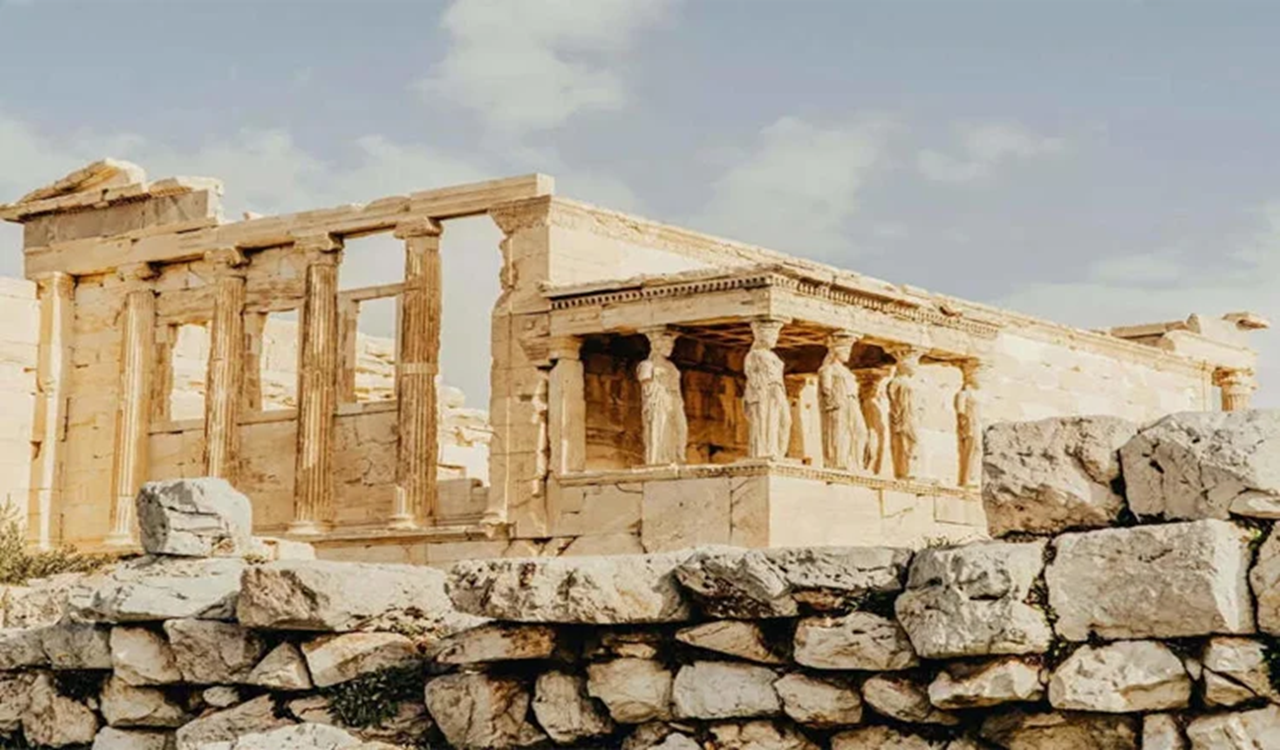
Greece’s Ministry of Migration has submitted a new bill to parliament aimed at tightening penalties for migrant smuggling. The proposed law includes provisions for life imprisonment for convicted smugglers and allows for the deportation of migrants involved in such crimes. It also criminalizes assistance by legally residing migrants to irregular migrants. Migration Minister Thanos Plevris, formerly linked to a far-right party, is leading the proposal, which is scheduled for parliamentary review next week. According to the ministry, the bill seeks to strengthen punishment at all levels of illegal migrant trafficking. It also extends penalties to NGO workers accused of smuggling, including potential prison terms. However, 56 NGOs, including the Greek branches of Doctors of the World and Doctors Without Borders, have expressed concern over several clauses, calling for their immediate withdrawal. They argue that the bill grants excessive power to the ministry, enabling it to suspend an organization’s registration even before guilt is proven. The bill also introduces measures to promote legal migration, such as simplifying recruitment from third countries, launching new visas for high-tech workers, and granting residence permits to students from developing nations. It further proposes vocational training programs to integrate asylum seekers and refugees into labor-short sectors like construction, agriculture, and tourism.
BNP Chairperson Tarique Rahman arrived in Chattogram on Saturday evening, January 24, 2026, marking his first visit to the city in 21 years. He landed at Shah Amanat International Airport at 7:15 p.m., where senior BNP leaders including Salahuddin Ahmed and Amir Khosru Mahmud Chowdhury welcomed him. Rahman traveled from his residence in Gulshan to Hazrat Shahjalal International Airport earlier that evening before flying to Chattogram. According to BNP Political Adviser and Election Committee Spokesperson Mahdi Amin, Rahman will attend six campaign rallies across four districts on Sunday as part of the party’s nationwide campaign for the 13th National Parliamentary Election. His first rally will be held at Chattogram’s Polo Ground at 11:30 a.m., followed by events in Feni, Comilla, and Narayanganj later in the day. The Comilla visit marks his first political appearance there in 24 years. The tour follows the launch of Rahman’s election campaign in Sylhet on January 22, where he held rallies in seven districts before returning to Dhaka.
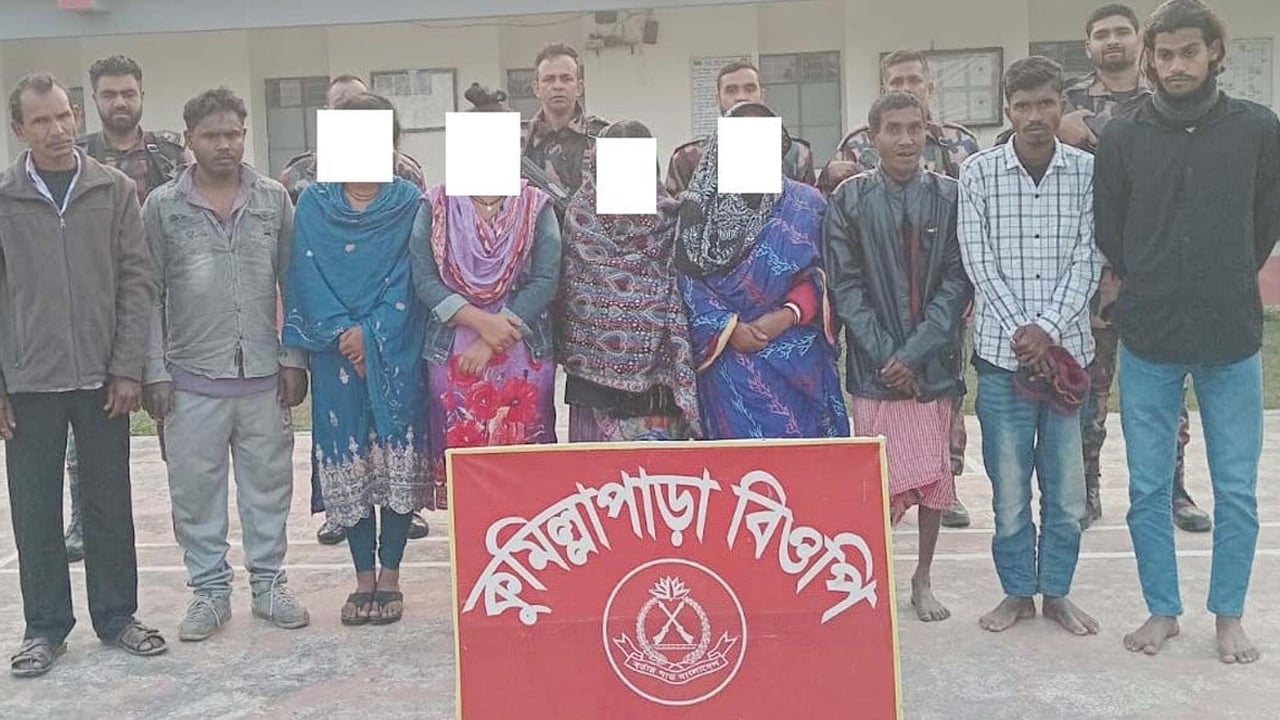
Border Guard Bangladesh (BGB) detained 21 Bangladeshi nationals, including men, women, and children, while they were attempting to cross into India illegally through the Maheshpur border in Jhenaidah. The operation took place on Friday from morning to evening across the Baghdanga, Kumillapara, and Khosalpur border outposts under the 58 BGB battalion. Assistant Director Munshi Imdadur Rahman confirmed the arrests. Among those detained were eight men, seven women, and six children from various districts including Jhenaidah, Madaripur, and Gopalganj. In separate operations at Rajapur and Kumillapara border areas, BGB also seized 36 bottles of Indian Phensedyl, 90 bottles of other drug syrups, and several items such as bangles, earrings, necklaces, and cosmetics. Following the operation, all detainees were handed over to Maheshpur Police Station for further legal procedures, according to BGB officials.
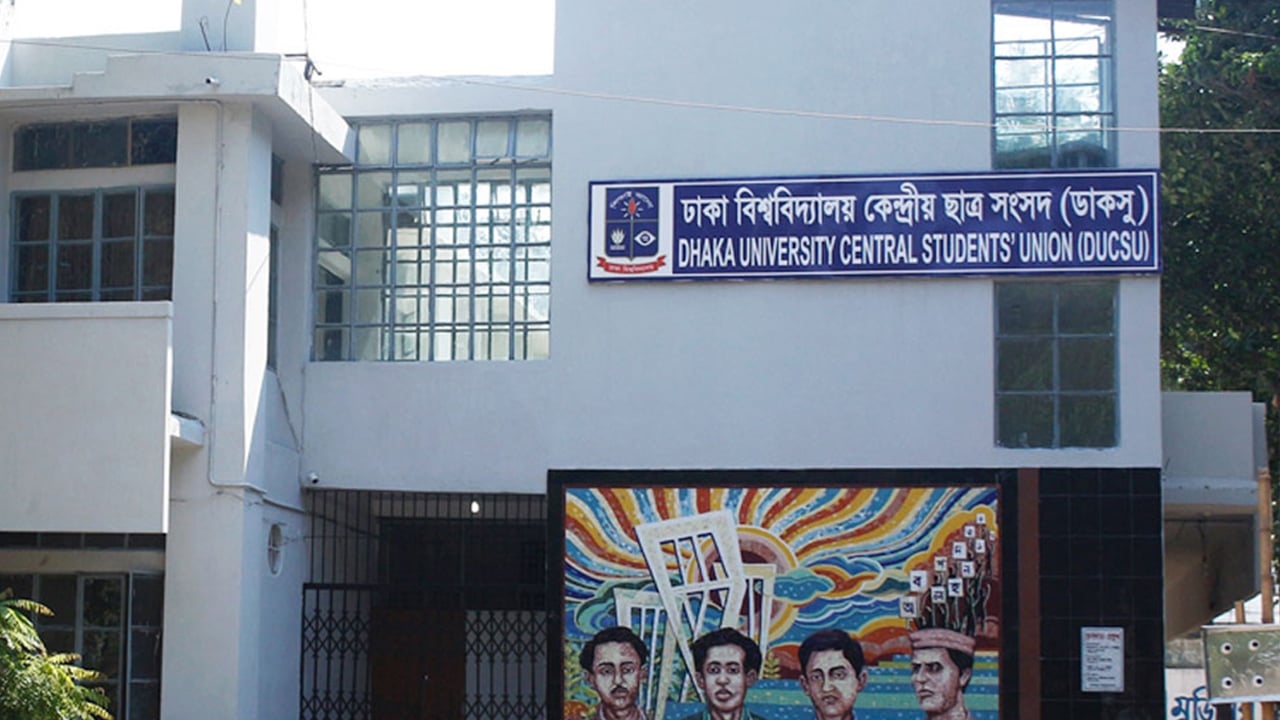
Tension erupted at Dhaka University following allegations of extortion, counterclaims, vandalism, and arson linked to mobile shop evictions on campus. On Saturday night, January 24, Daksu executive member Sarbamitra Chakma posted several video clips from December 21, accusing multiple students of extortion. The videos showed students striking mobile food carts with hammers and setting one on fire. However, another part of the footage obtained by the newspaper showed proctorial team members initiating the vandalism and handing hammers to students. Students involved in the incident told the newspaper they had earlier faced eviction attempts by the administration near the IML gate and later called the proctorial team to remove illegal shops around TSC. They denied the extortion allegations, claiming the issue was being revived before elections to create momentum. Chakma said evidence was being organized for public display in front of Daksu. The university had previously banned mobile shops on campus through a notice signed by Proctor Saifuddin Ahmed. Proctorial team members said internal divisions among students and lobbying by Daksu leaders complicated enforcement of the eviction order.
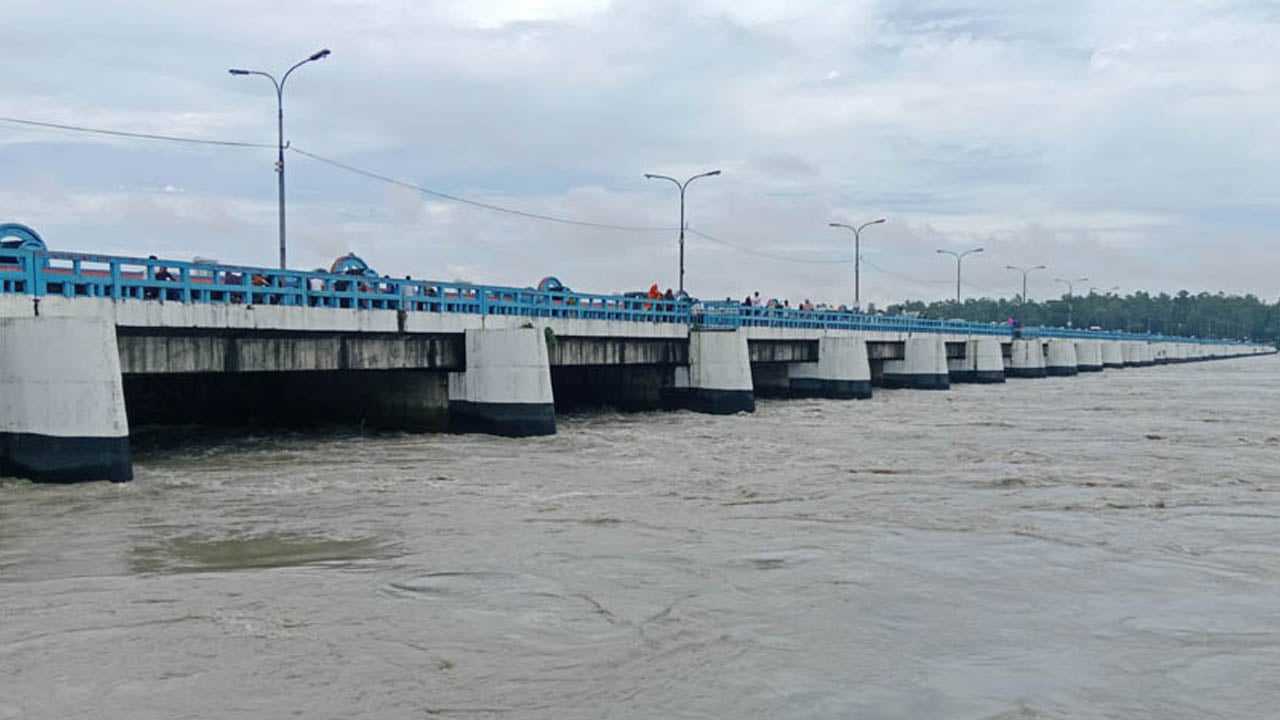
Bangladesh has repeatedly sent letters to India through diplomatic channels urging fair distribution of waters from shared rivers, but has received no effective response from New Delhi. Officials from the Water Resources Ministry, Joint Rivers Commission (JRC), and Water Development Board confirmed that India continues to withdraw water unilaterally during the dry season and release it suddenly during monsoons, causing floods in Bangladesh. The last JRC technical meeting was held in Delhi on 9 September, after which India reportedly avoided further communication. Experts and policymakers in Bangladesh allege that India, as the upstream country, is using water as a strategic tool against Bangladesh. Concerns are rising as the Ganges water-sharing treaty nears expiration in December, with Bangladesh already receiving less than its due share. Environmental experts warn that reduced water flow is damaging agriculture and biodiversity, while the Teesta and Kushiyara rivers face severe depletion and operational barriers despite agreements. Government advisers stated that ensuring equitable water rights remains a top priority, with instructions issued to prepare for extending the Ganges treaty and to pursue stronger diplomatic and political measures to secure Bangladesh’s fair share.
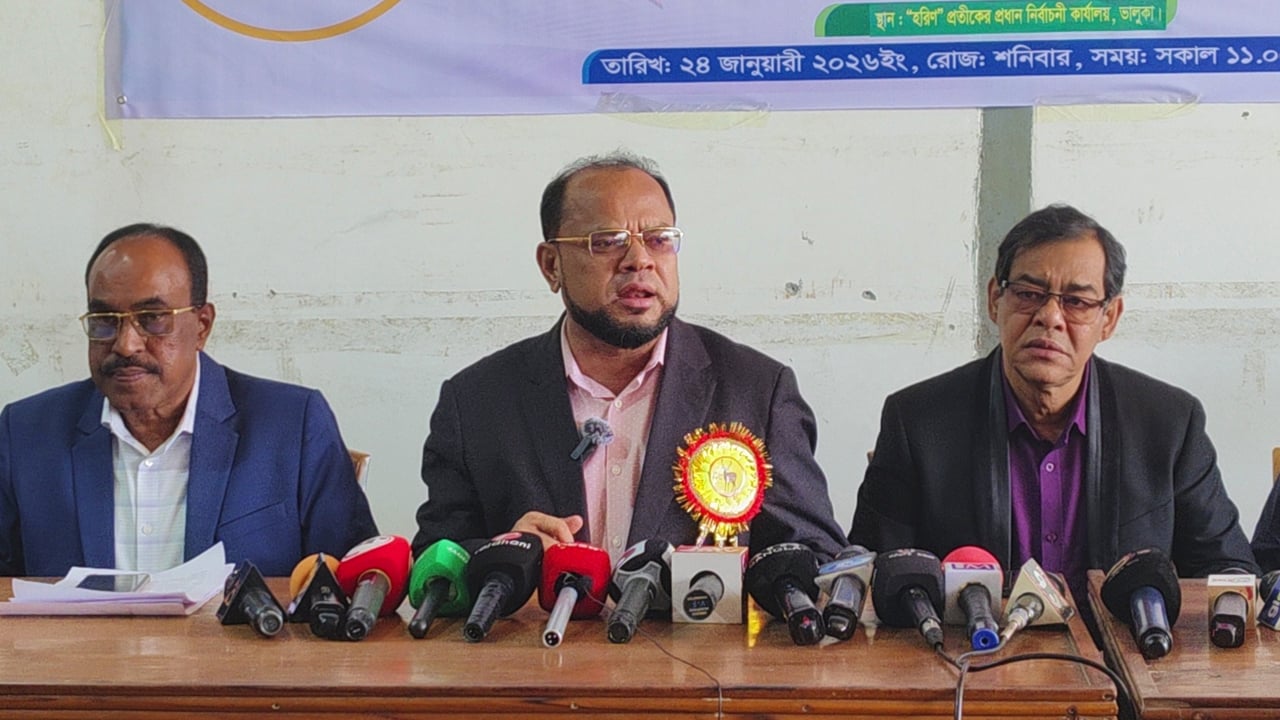
Independent candidate Alhaj Muhammad Murshed Alam, contesting from Mymensingh-11 (Valuka) constituency with the deer symbol, held a press conference on January 24, 2026, alleging attacks, threats, and obstruction of campaign activities against his supporters. He claimed that since the start of campaigning on January 22, workers of the paddy-sheaf symbol candidate have been continuously attacking his campaigners. According to his written statement, female workers were harassed in Nayanpur area of Mallikbari Union, and several people were injured in an attack in Randia village of Dhitpur Union, later admitted to the Upazila Health Complex. He also alleged that campaign activities were being disrupted in various areas of Uthura and Rajoi unions, with loudspeakers and auto-rickshaws being stopped to create fear among voters. Murshed Alam urged the administration to take immediate legal action against those involved and ensure a peaceful election environment, warning that a fair and free election would not be possible under current conditions. Several local BNP leaders were present at the press conference.
A mild earthquake measuring 3.4 on the Richter scale struck 33 kilometers east of Thakurgaon in Rangpur on Sunday morning at 8:34 a.m. Residents across the district reported feeling the tremor, which was described as noticeable but brief. Many locals shared their experiences on social media, particularly on Facebook, saying they felt the shaking clearly. People in Pirganj and Ranishankoil areas reported the strongest sensations of the quake. No reports of damage or casualties were mentioned in the source. The event drew attention among residents as it was felt across several parts of Thakurgaon, though it was categorized as a mild earthquake.

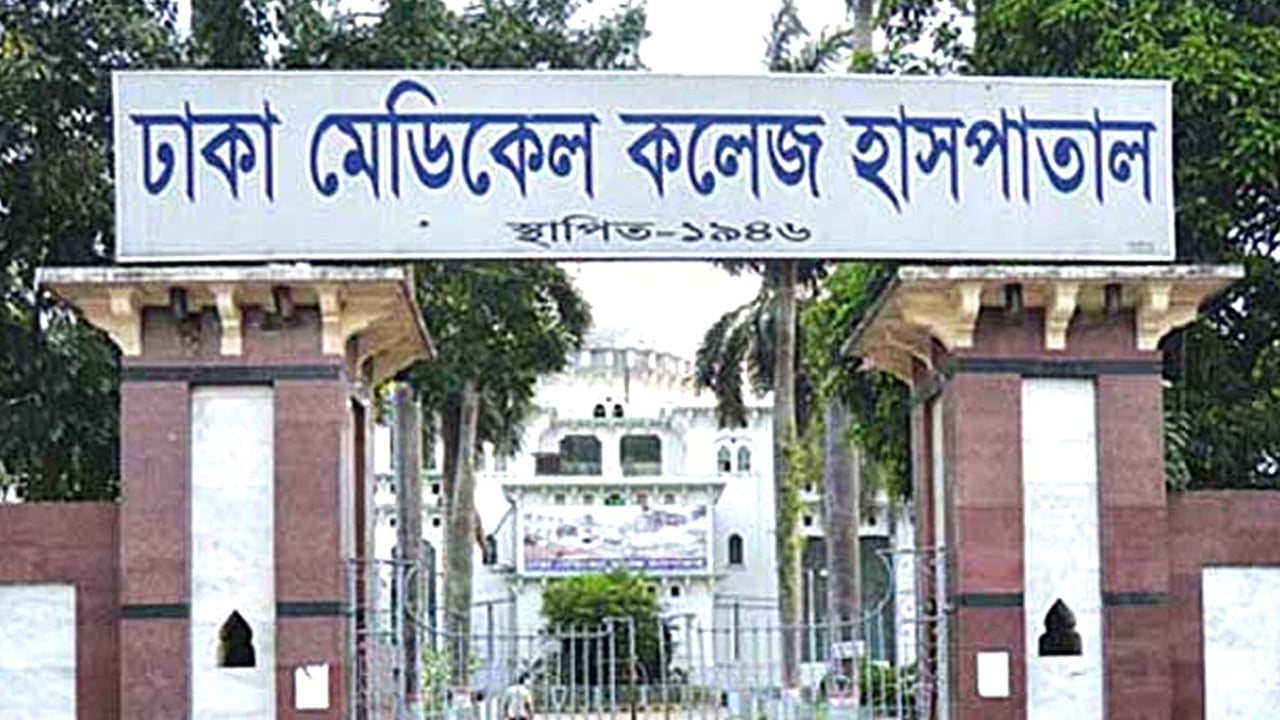
A student was killed and another person injured when a truck hit their motorcycle in the Shanir Akhra area of Jatrabari, Dhaka, late on Saturday night, January 24. The deceased, Khairul Hossain Kamrul, 20, was a second-year student at Vashantek Government College. The injured, Md. Yasin, 27, was riding with him when the accident occurred. Witness Mahadi Islam said a chicken-laden truck struck their motorcycle, causing both to fall and sustain serious injuries. Locals took them to Dhaka Medical College Hospital, where Khairul died around 11 p.m. while undergoing treatment. Khairul was the son of Md. Harunur Rashid from Mahinanda Majhpara village in Kishoreganj Sadar upazila and lived in Vashantek for his studies. Inspector Md. Faruk, in charge of the Dhaka Medical College Hospital police outpost, confirmed the incident and said the body was kept in the hospital morgue. Police are investigating the case. Authorities have yet to release further details about the truck or its driver as the investigation continues.
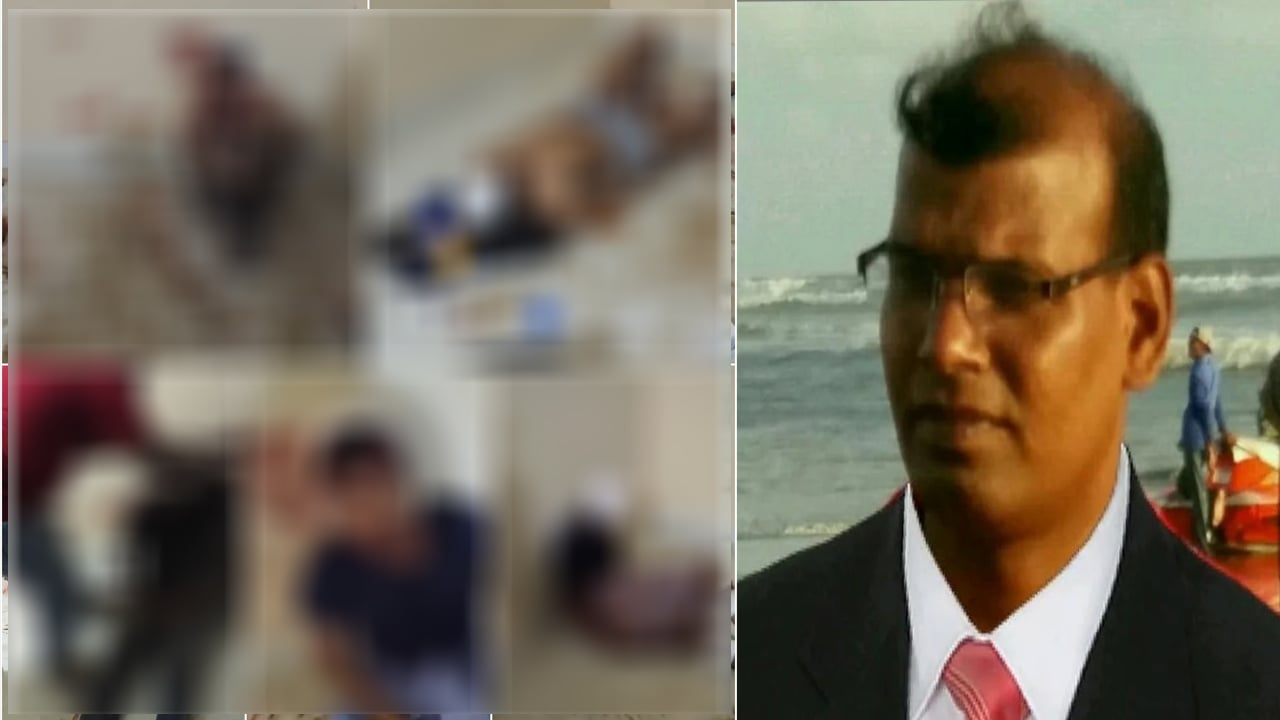
A Rapid Action Battalion (RAB) officer was killed and two others were seriously injured during a violent mob attack in Sitakunda’s Jungle Salimpur area, about 12 kilometers from Chattogram city, on January 19. The incident occurred when a 16-member RAB-7 team conducted an operation targeting suspected armed groups. Deputy Assistant Director Abdul Motaleb, 45, was beaten to death after being captured, while two other RAB members and a source sustained severe injuries. Videos obtained by the newspaper show Motaleb being brutally assaulted by multiple attackers inside a room. According to RAB officials, the operation had been planned for two months amid reports of growing influence of armed groups in the area. The violence erupted after RAB members arrested two suspects, including a man named Yasin, during a gathering of over 150 people. The crowd quickly turned hostile, and more than 300 attackers joined the assault. Police later rescued four RAB members from Nizampur, three kilometers away, all bearing signs of severe physical assault but no gunshot wounds. Authorities confirmed that the area has long been under the control of rival armed groups, and the attack has intensified concerns over law enforcement safety in the region.
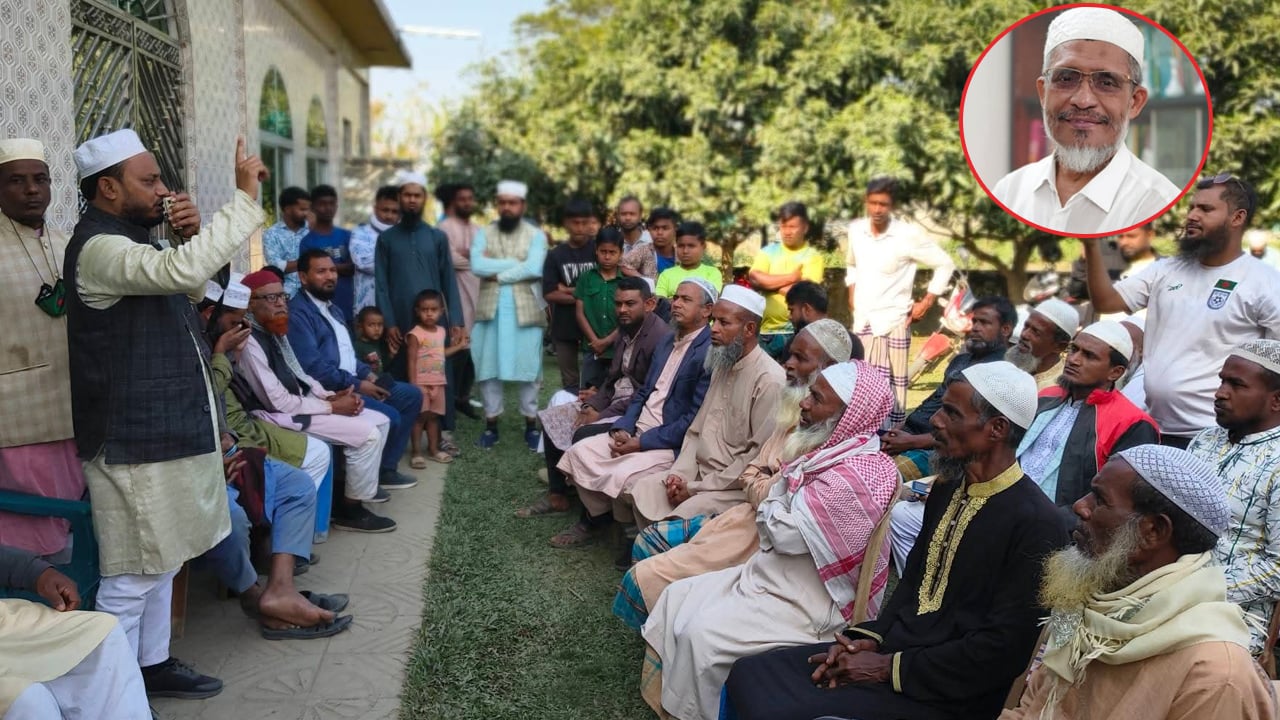
A ten-party alliance has stepped up its campaign in the haor region constituencies of Madan, Mohanganj, and Khaliajuri, which together form Netrakona-4. The alliance is determined to secure victory for the scale symbol by defeating BNP heavyweight and former state minister for home affairs Lutfozzaman Babar, who is contesting under the paddy sheaf symbol. On Saturday, January 24, alliance workers, led by Jamaat-e-Islami–nominated candidate Al Helal Talukder, visited door to door across Madan upazila seeking votes. The alliance, which includes Jamaat-e-Islami, has shown no willingness to compromise in its efforts to win the seat. Workers have been campaigning from morning until night across the villages and haor areas. Meanwhile, Babar’s wife, Tahmina Zaman Shraboni, has also joined the campaign to support her husband’s candidacy. The contest in Netrakona-4 is shaping up as a key electoral battle ahead of the 13th national parliamentary election, with both sides intensifying grassroots outreach in the region.
The ‘1 Nojor’ media platform is now live in beta, inviting users to explore and provide feedback as we continue to refine the experience.