

The ‘1 Nojor’ media platform is now live in beta, inviting users to explore and provide feedback as we continue to refine the experience.
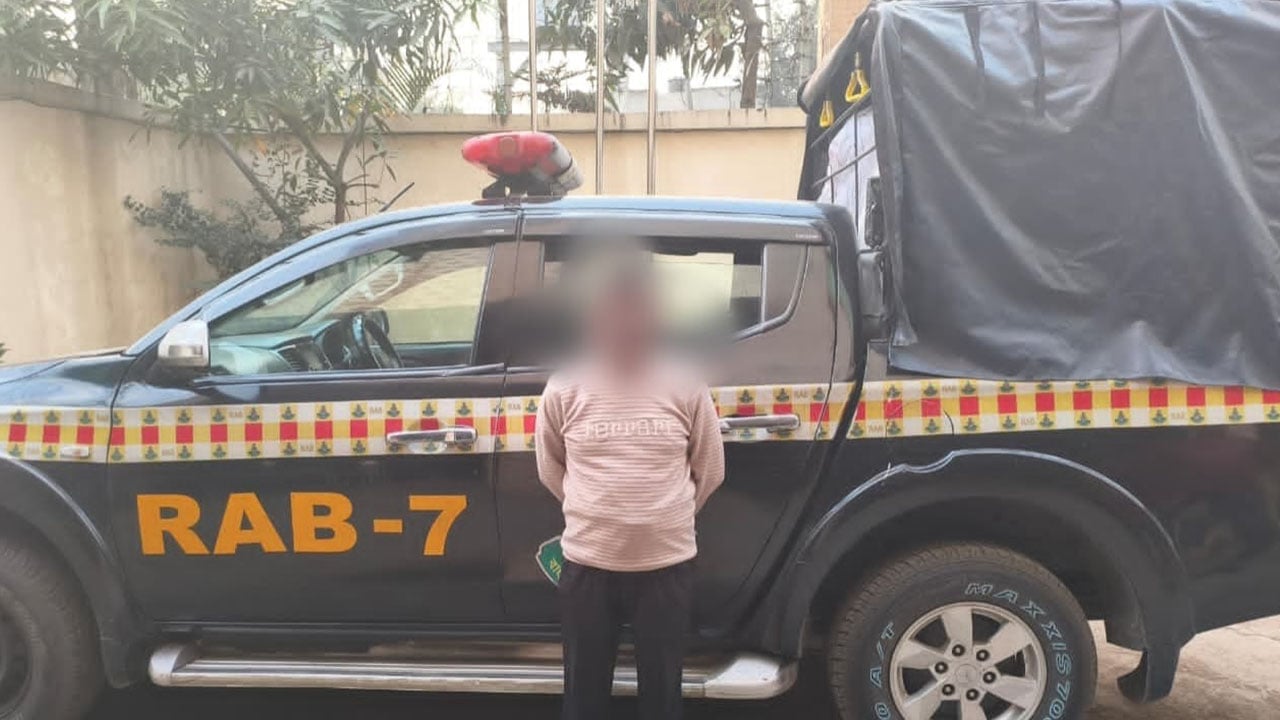
Rapid Action Battalion (RAB)-7 has arrested Nazim Uddin, 52, a fugitive accused in the murder case of Jamaat-e-Islami activist Jamal Uddin in Fatikchhari, Chattogram. The arrest took place around 3:45 p.m. on Monday in front of Enayetbazar Mohila College under Kotwali Police Station in Chattogram city. RAB confirmed the arrest on Tuesday, stating that Nazim had been frequently changing locations and blending into crowds to evade capture. According to the report, Jamal Uddin, a local businessman and Jamaat activist, was shot dead on Saturday evening at Shahnogor Dighir Par area of Lelang Union in Fatikchhari. Three armed men on a motorcycle fired at him from close range, killing him on the spot. Thirteen bullet wounds were found from his head to neck, while another man, Nasir Uddin, was injured and remains under treatment at Chattogram Medical College Hospital. RAB handed Nazim over to Fatikchhari police after initial questioning. Investigators said the arrest could advance the case, as they are examining whether old rivalries, business disputes, or local political conflicts were behind the killing.
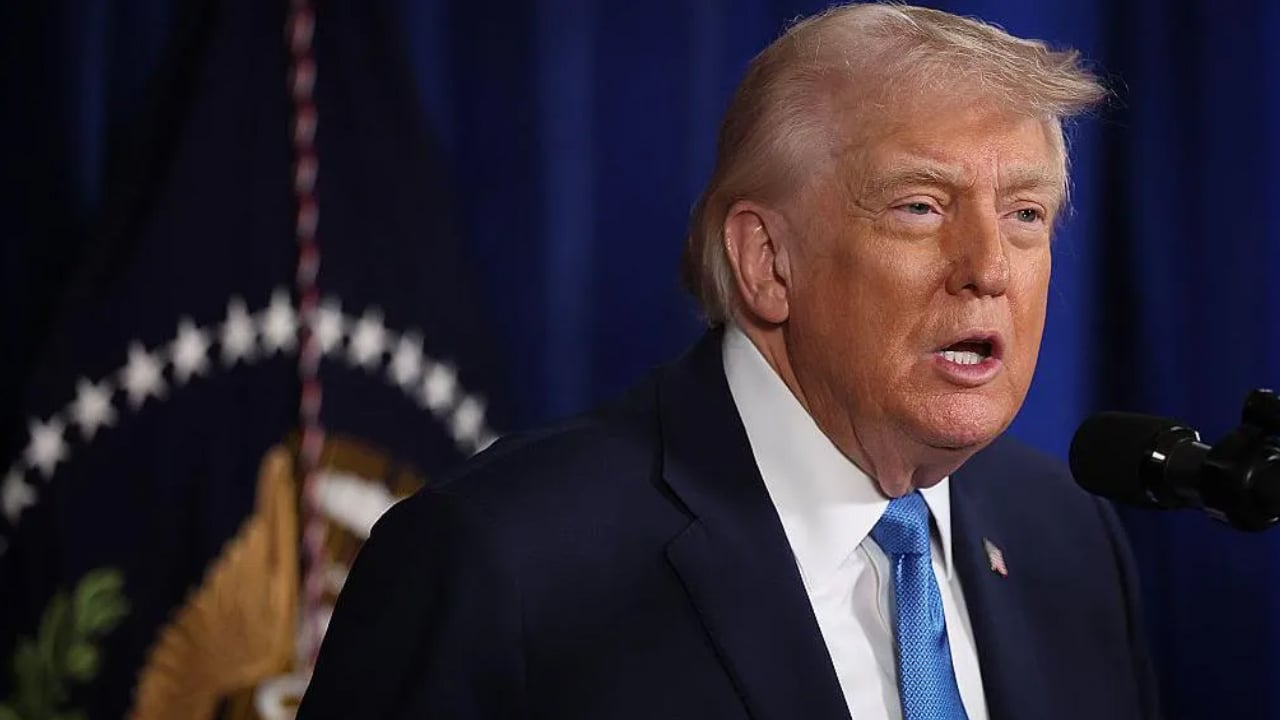
U.S. President Donald Trump announced the cancellation of all scheduled meetings with Iranian officials, citing Iran’s ongoing crackdown on protesters. In a social media post on January 13, he urged Iranian demonstrators to take control of state institutions and said that “help is coming,” though he did not clarify what form that assistance would take. Trump has also indicated in recent days that he is considering ordering military action against Iran. The decision follows escalating U.S. measures against Tehran. On Monday, Trump declared that any country doing business with Iran would face a 25 percent tariff when trading with the United States. The following day, the U.S. State Department advised American citizens to leave Iran immediately due to rising tensions. When asked by reporters to explain his “help is coming” remark, Trump declined to elaborate. Protests in Iran began in December after a sharp currency decline and soaring inflation, evolving into a broader anti-government movement. Official figures report more than 2,000 deaths in the ensuing violence.

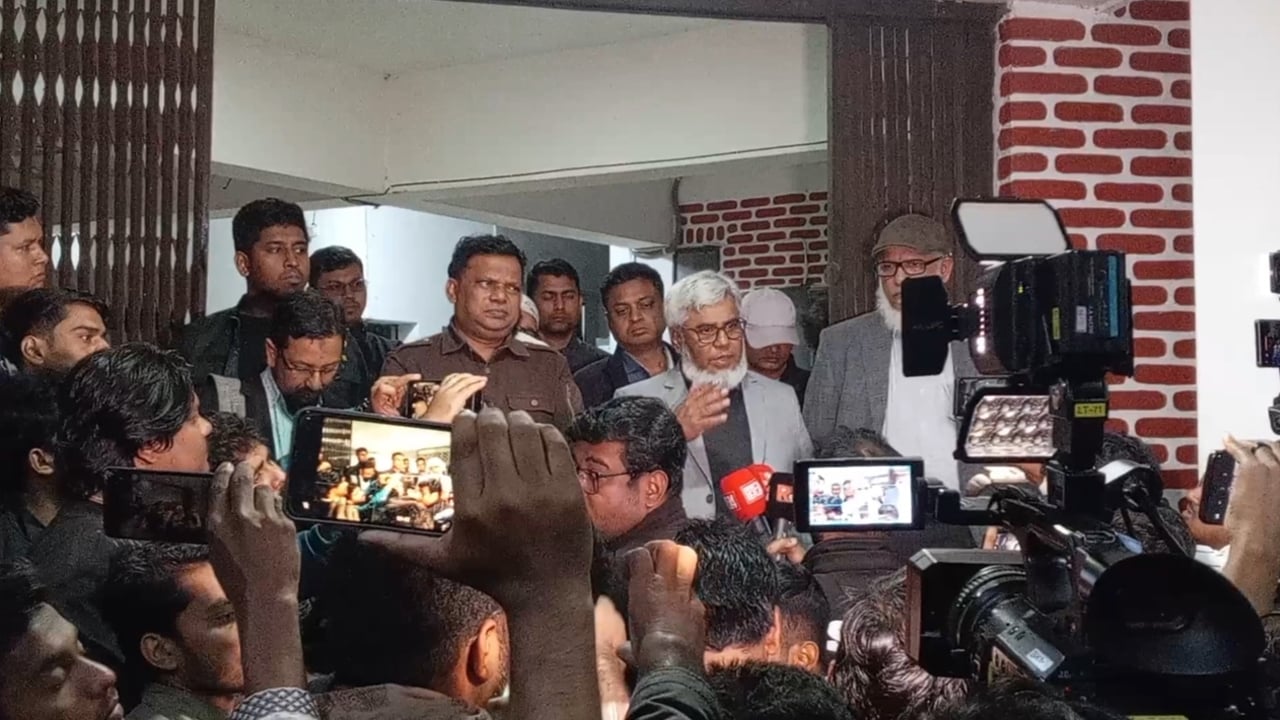
The Shahjalal University of Science and Technology (SUST) campus turned tense after the Bangladesh Election Commission issued a directive prohibiting any elections before February 12. Following the order, uncertainty arose over the Shahjalal University Central Students’ Union (SUSTEC) election, leaving the university’s election commission unable to make a clear decision. The situation escalated on Monday evening when news of the directive sparked protest marches across the campus. Election commissioners held lengthy discussions with students at the SUSTEC office but failed to reach a conclusion. They advised students to wait for the university administration’s response. Both students and commissioners are now waiting at the SUSTEC office for the arrival of Acting Vice-Chancellor Professor Dr. Md. Sajedul Karim, whose decision is expected to determine the next steps. The delay has created uncertainty about the timing of the student council election and heightened tensions among students awaiting administrative guidance.

Iran has accused the United States of attempting to create a pretext for military intervention in the country. The allegation was made on Tuesday through a post by Iran’s mission to the United Nations on social media platform X. Tehran claimed that U.S. President Donald Trump was responsible for inciting protesters and that Washington’s actions were aimed at destabilizing Iran’s internal situation. According to the post, the United States seeks to change Iran’s governing system through sanctions, threats, and deliberate efforts to create unrest and disorder. The statement came as Washington continued to warn of tough measures against Tehran over alleged repression of ongoing demonstrations. Iran’s ambassador to the United Nations, Amir Saeid Iravani, also sent a letter to the UN Security Council accusing Trump of encouraging political instability, inciting violence, and threatening Iran’s sovereignty and national security. In the same letter, Iravani asserted that the United States and Israel bear direct and undeniable legal responsibility for civilian deaths, particularly among young people. The letter was also sent to UN Secretary-General António Guterres.

The Shahjalal University of Science and Technology (SUST) is facing unrest over the upcoming central students’ union (ShakSU) and hall council elections. In response to the ongoing tension, Vice-Chancellor Professor Dr. A. M. Sarwaruddin Chowdhury met with the Election Commission in Dhaka on January 13, where Chief Election Commissioner M. M. Nasir Uddin and the full commission discussed the situation. The commission set three written conditions for candidates: no untoward incidents during the election, no deterioration of law and order, and no influence on the national election. The university administration stated that the ShakSU election would proceed on January 20 only if these conditions were accepted. Students have rejected the Election Commission’s conditions and continued their protest in front of the administrative building. They demanded that the university announce the January 20 election date unconditionally and immediately. The students said they would withdraw their movement only after such an announcement. The standoff has left the future of the ShakSU election uncertain, as both the administration and students remain firm on their respective positions.
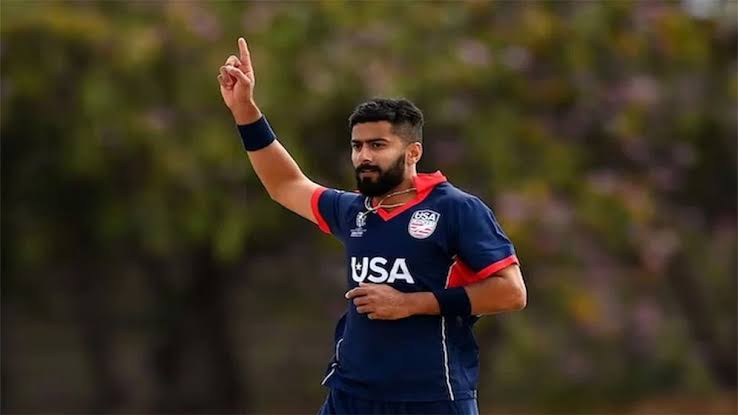
United States fast bowler Ali Khan has claimed that his visa application to enter India was rejected ahead of the upcoming T20 World Cup. The Pakistan-born cricketer shared the news on Instagram, posting a photo with a humorous caption implying he did not get the Indian visa but did get KFC. The tournament is set to begin in less than a month, and the US team is scheduled to play three group-stage matches in India, including one against the hosts in Mumbai on February 7. Reports suggest that several Pakistan-origin players representing other countries have faced similar visa difficulties due to strained India-Pakistan relations. Ali Khan’s case has brought the issue into public attention. Since his debut in 2019, he has played 15 ODIs and 18 T20Is for the United States and is considered a key part of their pace attack, though the final squad has not yet been announced. Social media discussions and reports indicate that other US players, including Shayan Jahangir, Ehsan Adil, and Mohammad Mohsin, may also face visa complications. The US cricket board may approach the ICC for assistance if the issue persists.
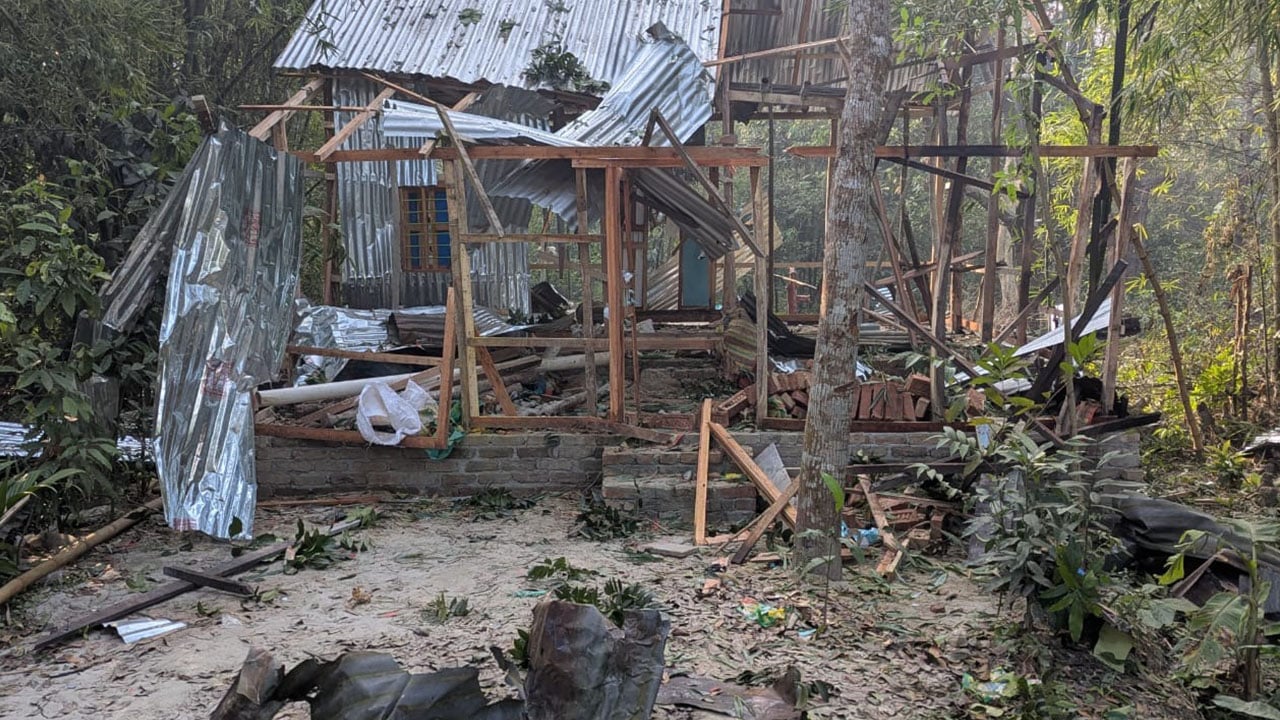
The death toll from a bomb explosion in Jajira upazila of Shariatpur district has risen to three after Nayon Molla, 25, died while undergoing treatment at a private hospital in Dhaka on Wednesday night. He was a resident of Beparikandi village in Bilaspur union. Earlier, Nabi Hossain, 22, died on January 8 at Dhaka Medical College Hospital, and another victim, Sohan Bepari, 32, was found dead near the blast site on the same day. Police said the explosion occurred early on January 8 while bombs were being made in Beparikandi area, blowing off the roof of a tin house. Following the incident, joint forces conducted operations across Bilaspur union and recovered 45 bomb-like objects, several cocktails, local weapons, and a drone. A case under the Explosives Act has been filed against 53 people, and 12 have been arrested so far. According to police sources, the explosion is linked to a long-standing rivalry between supporters of Bilaspur Union Parishad chairman Kuddus Bepari and his rival Jalil Madbar, which has led to repeated clashes and explosions in the area.
U.S. President Donald Trump has called on Iranian protesters to continue their demonstrations and take control of state institutions. In a post on his social media platform Truth Social on Tuesday, Trump described the protesters as patriots and urged them to preserve the names of those responsible for killings and abuses, saying they must pay a heavy price. He also announced the cancellation of all meetings with Iranian officials until the killing of protesters stops, adding that help is on the way. A few hours after the post, reporters in Washington asked Trump what he meant by 'help is on the way.' He declined to elaborate, saying they would have to find out. Later the same day, in an interview with CBS News, Trump said the United States had not yet received verified information on casualties in Iran. He explained that the lack of confirmed data was the main reason Washington had not made any final decision regarding a possible operation in Iran. Trump told CBS that while the number of casualties appeared significant, the U.S. still lacked confirmed figures.
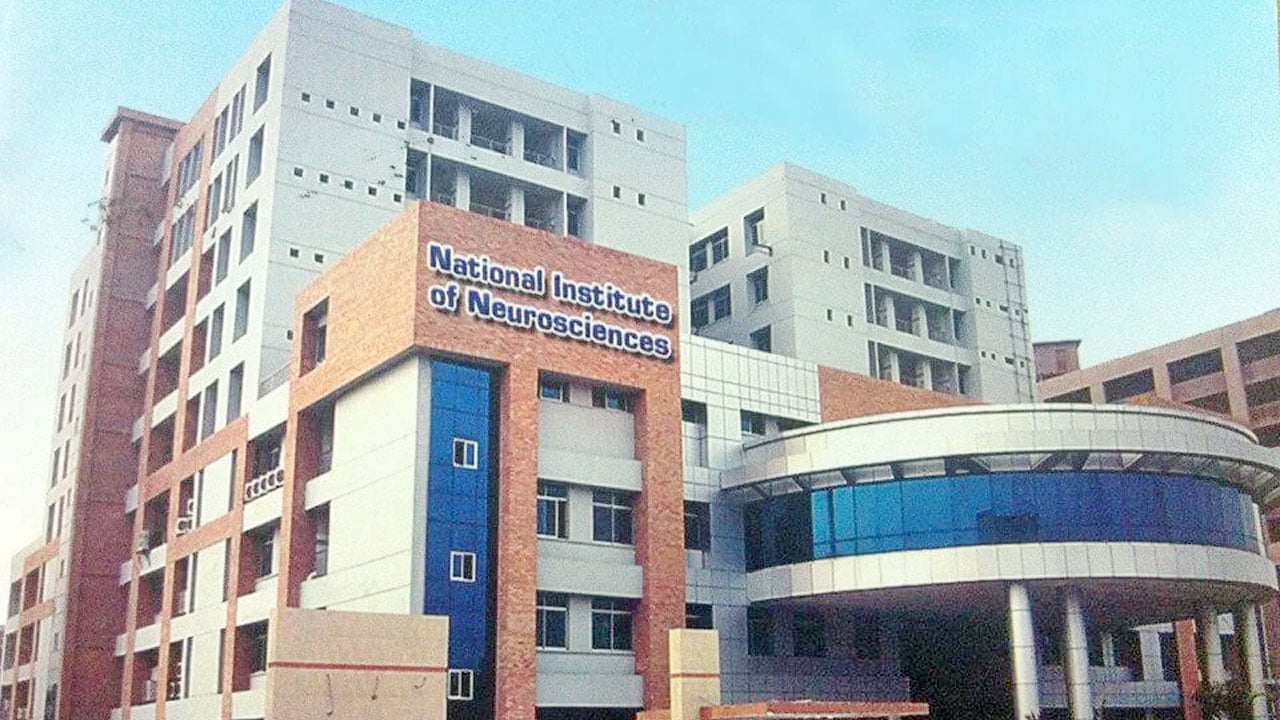
Nine-year-old Huzayfa Afnan, injured by gunfire from across the Myanmar border, has been admitted to the National Institute of Neurosciences (NINS) in Dhaka. She was admitted to a reserved post-operative room at 10:45 p.m. on Tuesday, confirmed by Dr. Humayun Kabir Himu, Associate Professor of Interventional Neurology at the hospital. Earlier, she had undergone emergency surgery at Chittagong Medical College Hospital after being shot on January 11 in the Hwaikyang Techchabridge area of Teknaf. The bullet caused severe pressure on one side of her brain, leading doctors to remove part of her skull to relieve it. A medical board of specialists in neurosurgery, neurology, pediatrics, vascular surgery, ICU, and anesthesiology decided to transfer her to Dhaka for advanced care. Doctors at NINS reported that her consciousness level is 7 out of 15, indicating a critical condition. She is on mechanical ventilation, and the medical team has stated they are prepared to take all necessary measures for her treatment.
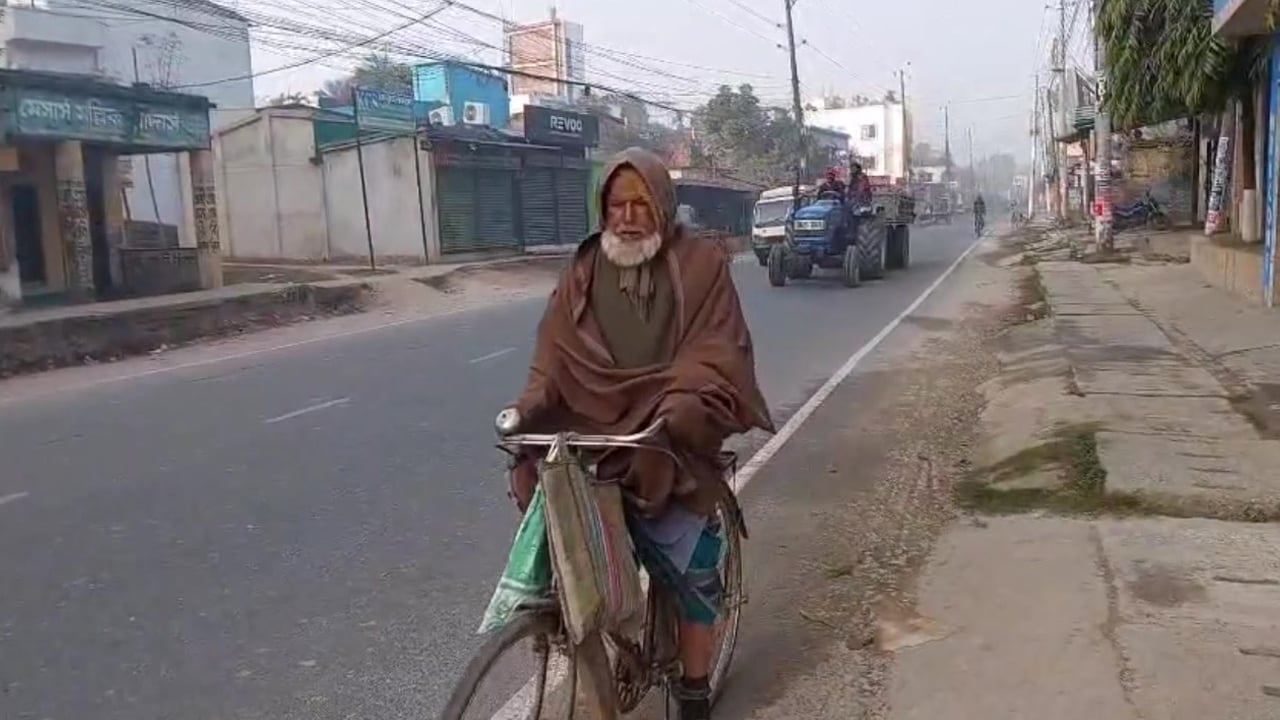
Severe cold has disrupted daily life in Chuadanga, where the temperature dropped to 10.7 degrees Celsius on Wednesday morning, according to the local weather observatory. The biting cold has particularly affected the homeless and low-income workers, forcing many to stay indoors unless absolutely necessary. Rickshaw pullers and day laborers reported that passenger numbers and work opportunities have sharply declined due to the freezing conditions. Local residents described the situation as extremely difficult, with cold winds worsening the chill. Many laborers still venture out in search of work but often return home empty-handed. The weather office reported 93 percent humidity at 6 a.m. and 91 percent at 9 a.m., indicating persistent damp and cold air. The ongoing cold wave continues to strain vulnerable groups in the district, with no immediate sign of relief mentioned in the report.
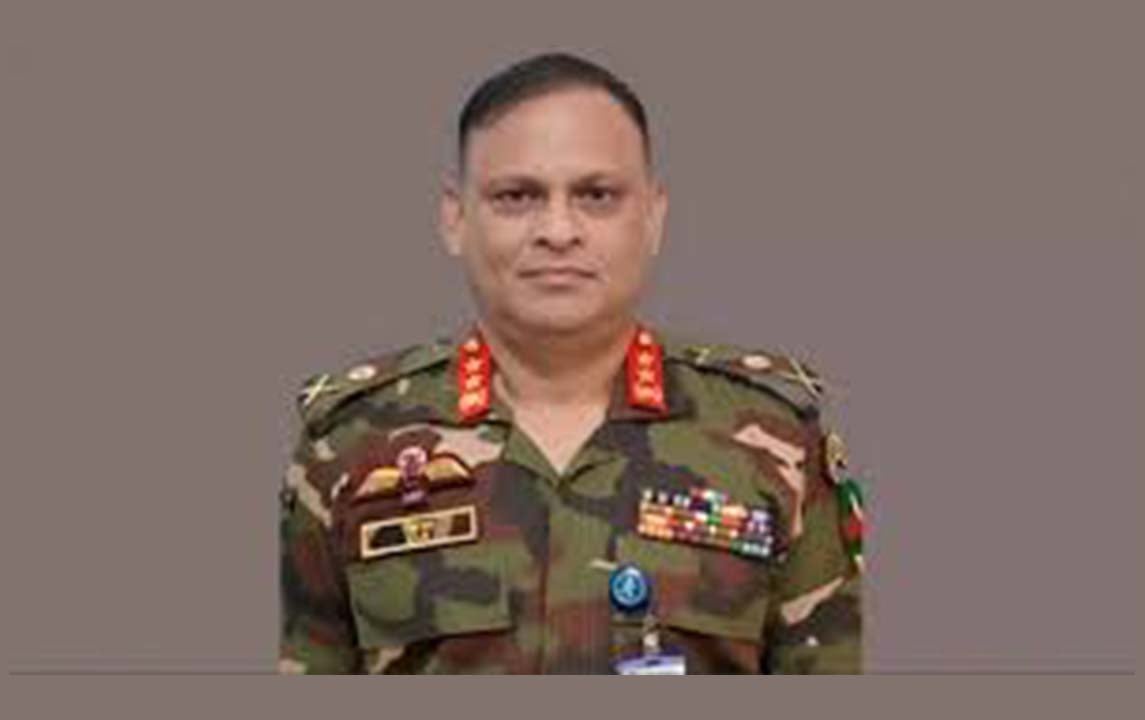
The International Crimes Tribunal-1 is scheduled to issue an order today, January 14, 2026, on whether to formally frame charges against retired Major General Ziaul Ahsan for alleged crimes against humanity involving the abduction and killing of over a hundred people. The three-member tribunal, chaired by Justice Golam Mortuza Majumder with members Shafiul Alam Mahmud and retired judge Mohitul Haque Enam Chowdhury, will deliver the order. Earlier, on January 8, defense lawyers Monsurul Haque and Naznin Nahar argued that the prosecution failed to establish Ahsan’s involvement and sought his discharge. Chief Prosecutor Tazul Islam countered that the prosecution had established a prima facie case and requested the tribunal to frame charges and begin the trial. The tribunal then set January 14 for the order. According to the prosecution’s December 4 hearing, three specific charges were presented, including alleged extrajudicial killings in Gazipur, mass killings in Barguna’s coastal areas, and staged “crossfire” operations in the Sundarbans under code names such as “Operation Nishankhali,” “Operation Mora Bhola,” and “Operation Kotka.”
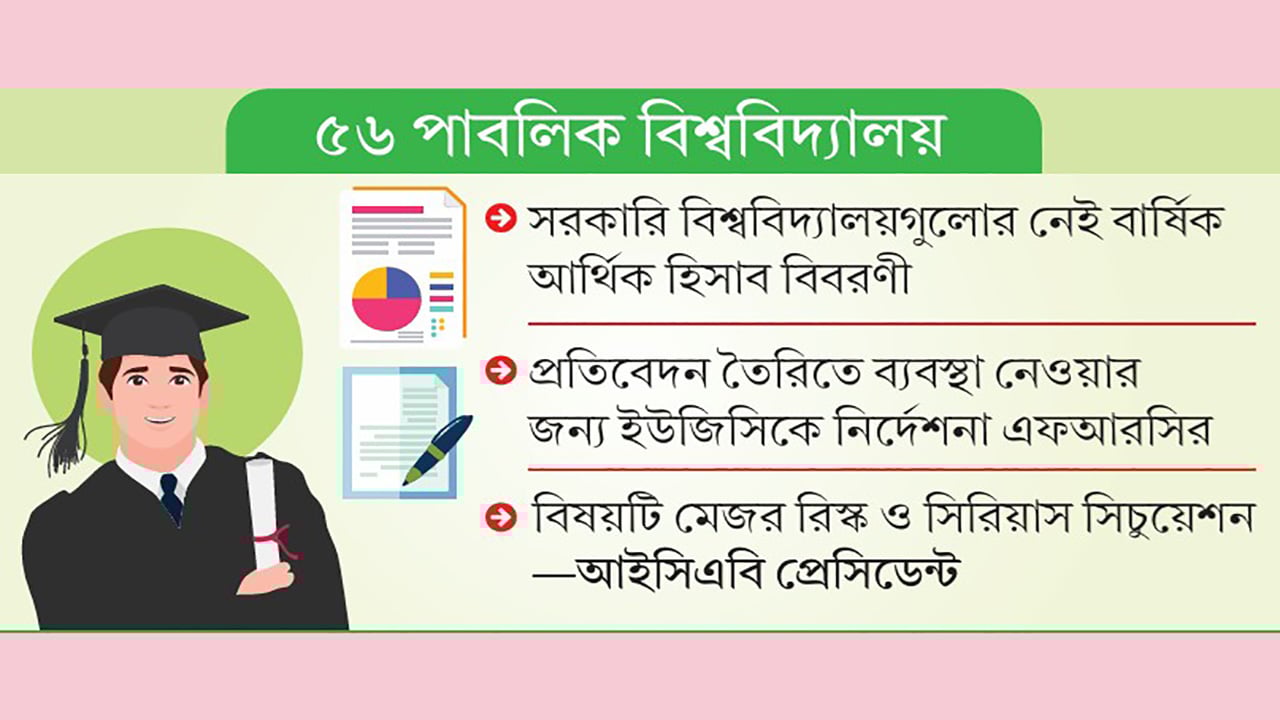
Bangladesh’s 56 public universities, including Dhaka University and Bogura Science and Technology University, have not prepared any formal financial statements detailing their assets, income, or liabilities. The Financial Reporting Council (FRC) has identified this absence as a major governance risk and requested the University Grants Commission (UGC) to ensure that universities prepare full financial reports. Following this, the UGC has issued letters to all vice-chancellors instructing them to prepare financial statements following an FRC-recommended module. Experts from the Institute of Chartered Accountants of Bangladesh (ICAB) and university officials have expressed concern that without balance sheets, universities’ assets and liabilities remain untraceable, creating opportunities for irregularities. The FRC’s review found that while private universities prepare audited financial statements, public universities only maintain internal income and expenditure records. The council has also noted inconsistencies in financial audit provisions across university laws. The FRC is now working to establish external audits and standardized reporting for public universities to strengthen financial discipline and accountability. The UGC expects universities to comply with the new directives to improve transparency and governance in higher education finance.
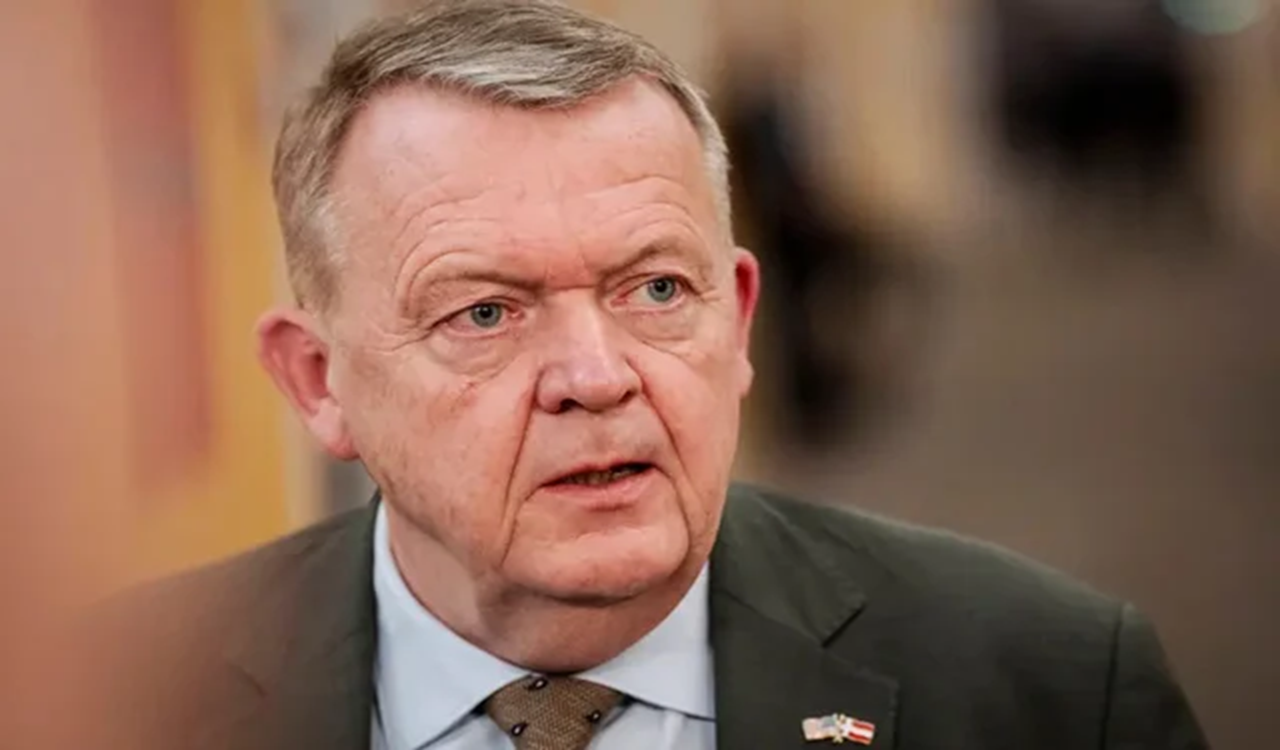
Danish Foreign Minister Lars Løkke Rasmussen is scheduled to visit the White House on Wednesday to address rising tensions between Denmark and the United States over Greenland. The situation escalated after U.S. President Donald Trump reiterated his intention to bring the autonomous Arctic island under American control, calling it essential for U.S. strategic interests. Rasmussen initiated the meeting with U.S. Secretary of State Marco Rubio, later joined by Vice President J.D. Vance, aiming to clear what he described as “misunderstandings.” Trump recently dismissed Greenland’s wish to remain under Danish sovereignty, saying it was “their problem,” and declared that the U.S. would take Greenland “whether they like it or not.” Analysts noted that his stance hardened after a U.S. operation in Venezuela earlier this month. Both Denmark and Greenland have firmly opposed the plan, with Greenland’s Prime Minister Jens-Frederik Nielsen reaffirming that the island does not want to be owned, governed, or integrated by the United States. The meeting’s format remains uncertain, though experts suggested a closed session could reduce the risk of public confrontation if discussions turn tense.
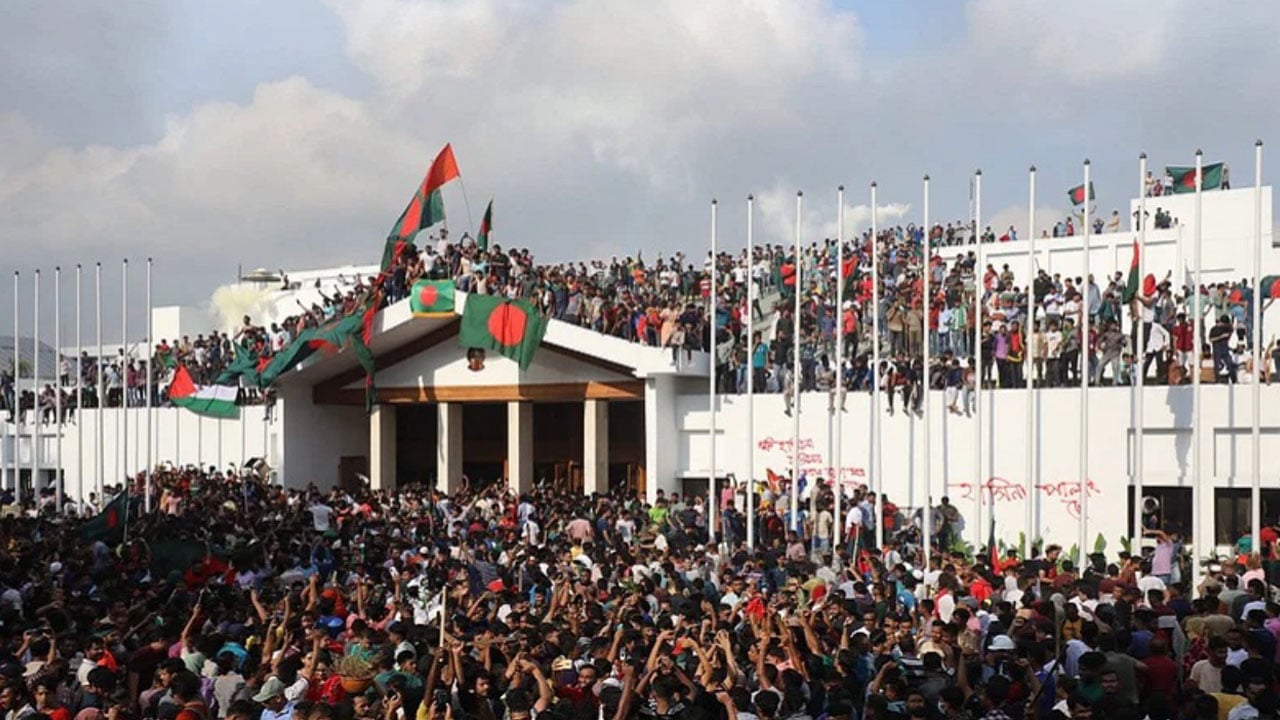
Journalist Tasneem Khalil raised a key question on whether Bangladesh’s interim government can campaign for a ‘Yes’ vote in the upcoming referendum following the 2024 uprising. The article by Dr. M L Raihan argues that this issue is deeply tied to democracy, legitimacy, and the post-uprising transition process. The August 5, 2024 uprising ended a 16-year authoritarian rule and led to the formation of reform commissions under Chief Adviser Dr. Muhammad Yunus. A National Consensus Commission led by Dr. Ali Riaz built broad political agreement to present reform proposals for public approval through a referendum. The author maintains that the government’s advocacy for the reforms is constitutionally and morally justified, as it reflects a collective mandate rather than partisan interest. Historical precedents from Bangladesh in 1978 and 1991–92 are cited to show that governments have previously campaigned for their referendum positions. International examples from South Africa, Chile, Tunisia, and Nepal are also mentioned to support active governmental roles during democratic transitions. The article concludes that promoting a ‘Yes’ vote is not coercive but a responsible effort to uphold the uprising’s mandate and guide the nation toward a reformed democratic structure.
Iran’s government has for the first time officially acknowledged that nearly 2,000 people have died during ongoing anti-government protests and subsequent security operations. A senior Iranian official told Reuters on Tuesday that both protesters and security personnel were among the dead, though no breakdown was provided. The official blamed individuals described as “terrorists” for the violence and resulting casualties. Exiled media outlet Iran International disputed the government’s figure, reporting that at least 12,000 people were killed in recent crackdowns. It alleged that authorities shut down internet access nationwide and restricted information flow to conceal the true scale of casualties. The outlet said communication networks were disrupted, media outlets closed, and journalists and witnesses intimidated, making verification difficult. According to Iran International, the dead were mostly under 30, and many were allegedly shot by members of the Islamic Revolutionary Guard Corps and Basij forces. The report claimed the operations were planned under direct orders from Supreme Leader Ayatollah Ali Khamenei, with authorization for lethal force issued by the National Security Council.

The ‘1 Nojor’ media platform is now live in beta, inviting users to explore and provide feedback as we continue to refine the experience.