

The ‘1 Nojor’ media platform is now live in beta, inviting users to explore and provide feedback as we continue to refine the experience.
Nearly a month after the killing of Sharif Osman Hadi, a key figure of the July Revolution and convener of Inquilab Mancha, the main suspects remain at large. Intelligence sources in Bangladesh report that Chhatra League leader Faisal Karim Masud, known as Dawood, and his associate Alamgir Sheikh crossed into India after the murder and later relocated from West Bengal to a secure area in Mumbai. Despite an extradition treaty and diplomatic channels, Indian authorities have not provided effective cooperation, complicating the investigation. Bangladeshi officials say India’s Special Task Force detained five Bangladeshi nationals in West Bengal on December 28 for allegedly aiding the killers’ escape, but New Delhi has not shared details or agreed to hand them over. Investigators believe questioning these detainees could reveal the masterminds behind the attack. The killing was described as a premeditated mission, with the suspects tracking Hadi’s movements before shooting him in Dhaka on December 12. Public anger has grown online under the hashtag #JusticeForHadi, focusing on India’s inaction. Analysts warn that safe havens abroad for identified killers could embolden future cross-border crimes.
The banned Awami League is reportedly lobbying to reinstate former Prime Minister Sheikh Hasina’s daughter, Saima Wazed Putul, as Regional Director of the World Health Organization’s (WHO) South-East Asia Regional Office (SEARO). According to the report, the party has hired lobbying firms based in India and the United States to advocate for her return after she was placed on indefinite leave amid controversy and corruption allegations. WHO has sought the Bangladeshi government’s opinion on the matter, and the ministries of law, foreign affairs, and the Anti-Corruption Commission (ACC) have confirmed responding with relevant documents. Officials stated that Bangladesh’s reply to WHO included court verdicts and reports from national and international agencies detailing corruption charges against Putul. The ACC’s statement alleged misuse of state resources and irregularities in her appointment, while the law ministry described her reinstatement as potentially damaging to both Bangladesh and WHO’s reputation. Legal adviser Dr. Asif Nazrul emphasized that appointing a convicted individual would undermine WHO’s credibility. An inter-ministerial meeting involving the health, law, and foreign ministries and the ACC finalized Bangladesh’s official response, reaffirming its stance against reinstating Putul in the WHO post.

The United Nations has reported that at least 100 children have been killed in Gaza since a ceasefire began three months ago. The information was shared by UNICEF spokesperson James Elder during a press briefing in Geneva, according to AFP. He stated that since the ceasefire agreement was reached in early October, an average of one child per day—boy or girl—has died due to violence. Elder explained that the deaths resulted from suicide drones, shelling, airstrikes, and drone attacks. Despite the ceasefire, he said, the data clearly shows that children’s lives in Gaza remain in grave danger. The report underscores the continuing humanitarian risks faced by civilians, particularly children, even under a declared truce. The United Nations’ findings highlight that the ceasefire has not brought full security to Gaza’s population, with ongoing violence continuing to claim young lives.
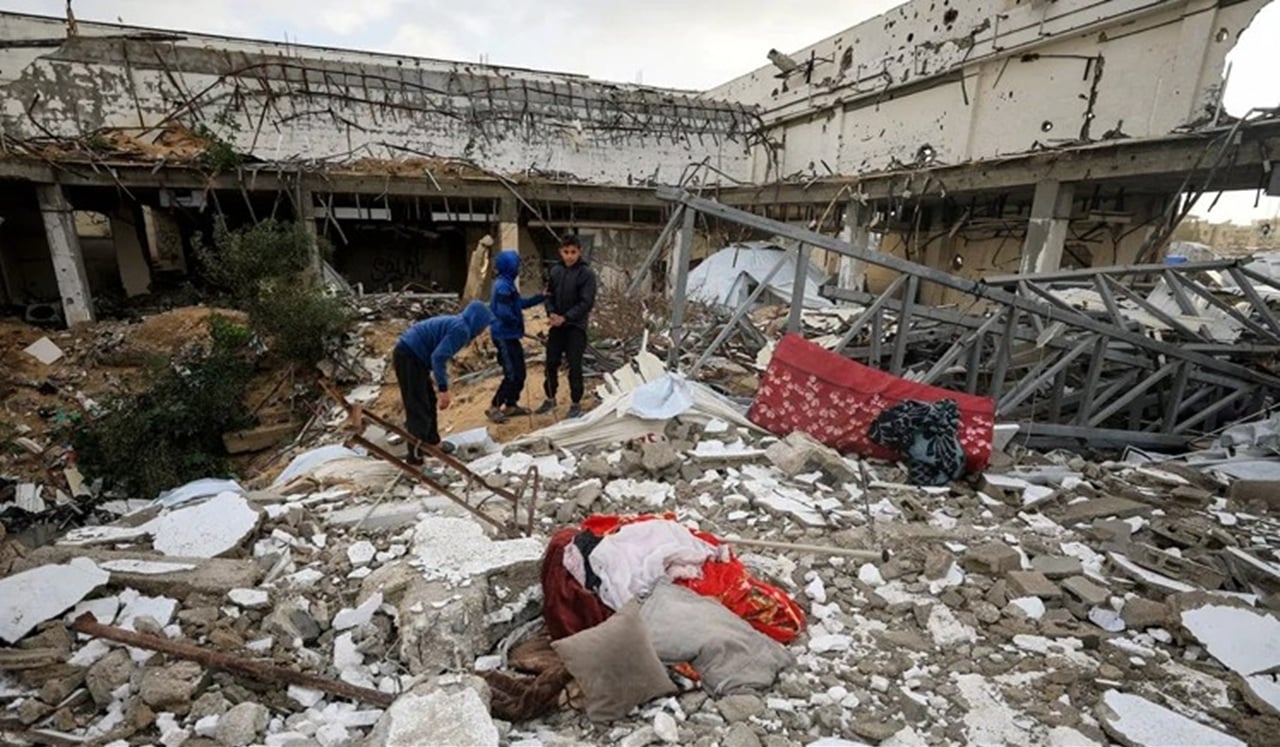
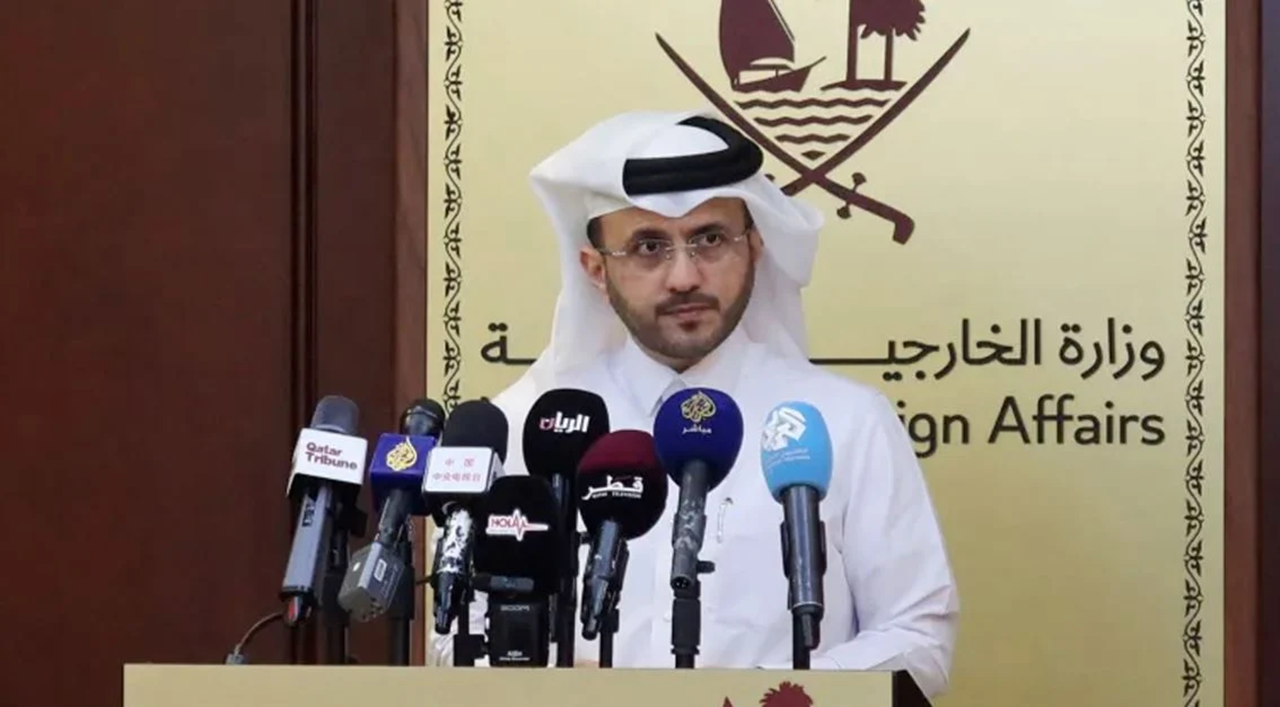
Qatar has warned that any further military escalation between the United States and Iran would not remain confined to the two countries but could have devastating consequences for the entire Gulf region. The warning came after Washington threatened military intervention in response to Iran’s harsh crackdown on ongoing anti-government protests. The statement was reported by AFP and delivered by Qatar’s Foreign Ministry spokesperson Majid Al-Ansari at a press conference in Doha. Al-Ansari said that any form of regional tension could have severe local and international repercussions, adding that Qatar is making every effort to prevent such a situation. He recalled that in June of the previous year, Iran attacked the US Al Udeid Air Base in Qatar following a US strike on Iranian nuclear facilities. Qatar had mediated a ceasefire between Tehran and Washington after those unprecedented incidents. Meanwhile, protests have spread across Iran since last Thursday, posing one of the biggest challenges to the country’s religious leadership since the 1979 Islamic Revolution. Human rights groups report rising casualties, with Iran Human Rights confirming at least 648 deaths and warning the actual toll could exceed 6,000.
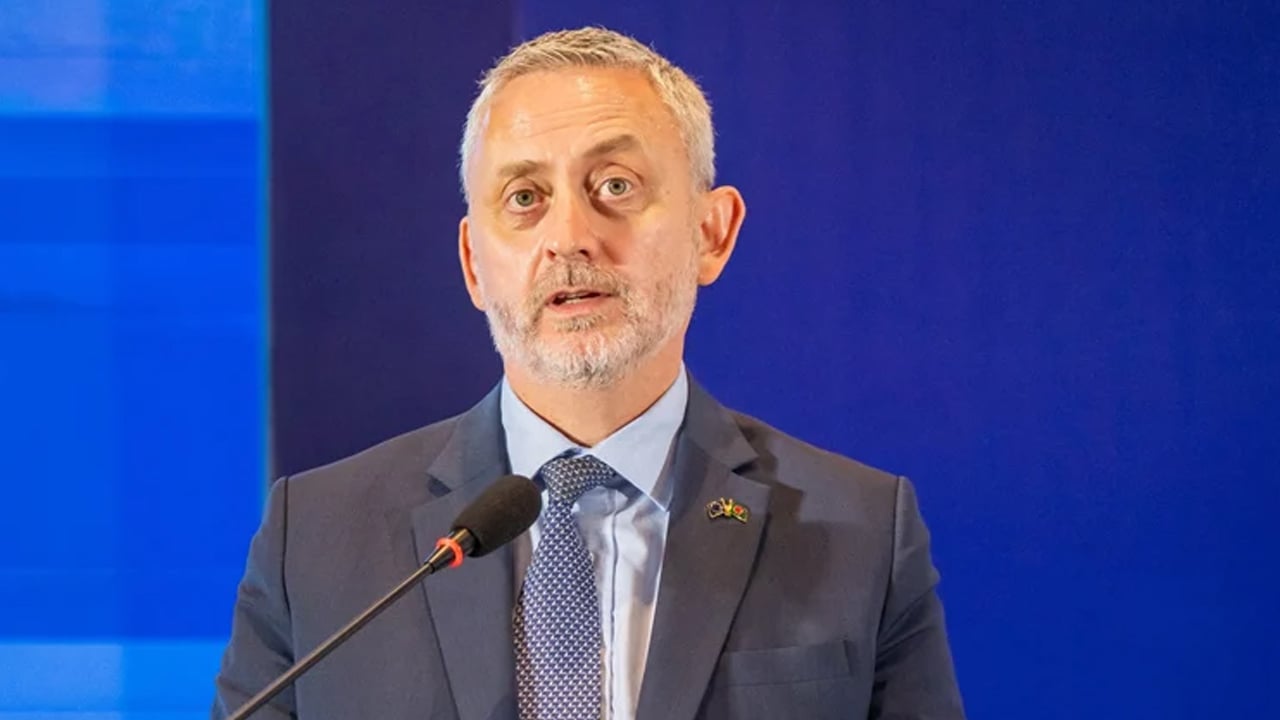
European Union (EU) Ambassador to Bangladesh, Charles Whiteley, announced three positive developments for the country in a video message on Tuesday. The first is the finalization of the Partnership and Cooperation Agreement (PCA) between Bangladesh and the EU, which will cover trade, investment, governance, human rights, energy, and climate change. Bangladesh becomes the first South Asian nation to reach such a comprehensive agreement with the EU. The second announcement concerns the EU Election Observation Mission, which has already begun its work ahead of Bangladesh’s upcoming national elections. A 56-member long-term team is in place, and an additional 90 observers will arrive closer to election day. The mission will monitor voting across all 64 districts and present its findings after the election. The third development involves an agreement between the EU, Canada, and Switzerland to increase funding for strengthening Bangladesh’s civil society. The initiative aims to enhance accountability and support reform efforts regardless of future political leadership.
The Bangladesh Cricket Board (BCB) has reaffirmed its decision not to participate in the upcoming T20 World Cup matches scheduled to be held in India, despite repeated requests from the International Cricket Council (ICC). During an online meeting held yesterday, the ICC urged Bangladesh to reconsider its stance following the release of the tournament schedule. However, the BCB insisted that Bangladesh’s matches be hosted outside India, preferably in Sri Lanka, citing security concerns. The meeting ended without a resolution, and both parties are expected to meet again soon. According to the BCB, two formal letters were previously sent to the ICC outlining security concerns and confirming the decision not to play in India. The ICC’s security assessment reportedly identified three areas of concern, reinforcing Bangladesh’s position. Government officials and BCB executives, including President Aminul Islam Bulbul and Vice Presidents Faruk Ahmed and Shakawat Hossain, participated in the meeting. BCB officials stated that their stance remains unchanged and that discussions with the ICC will continue. The BCB maintains that the current security situation in India is inadequate for the Bangladesh team and supporters, and it awaits a positive response from the ICC regarding alternative arrangements.
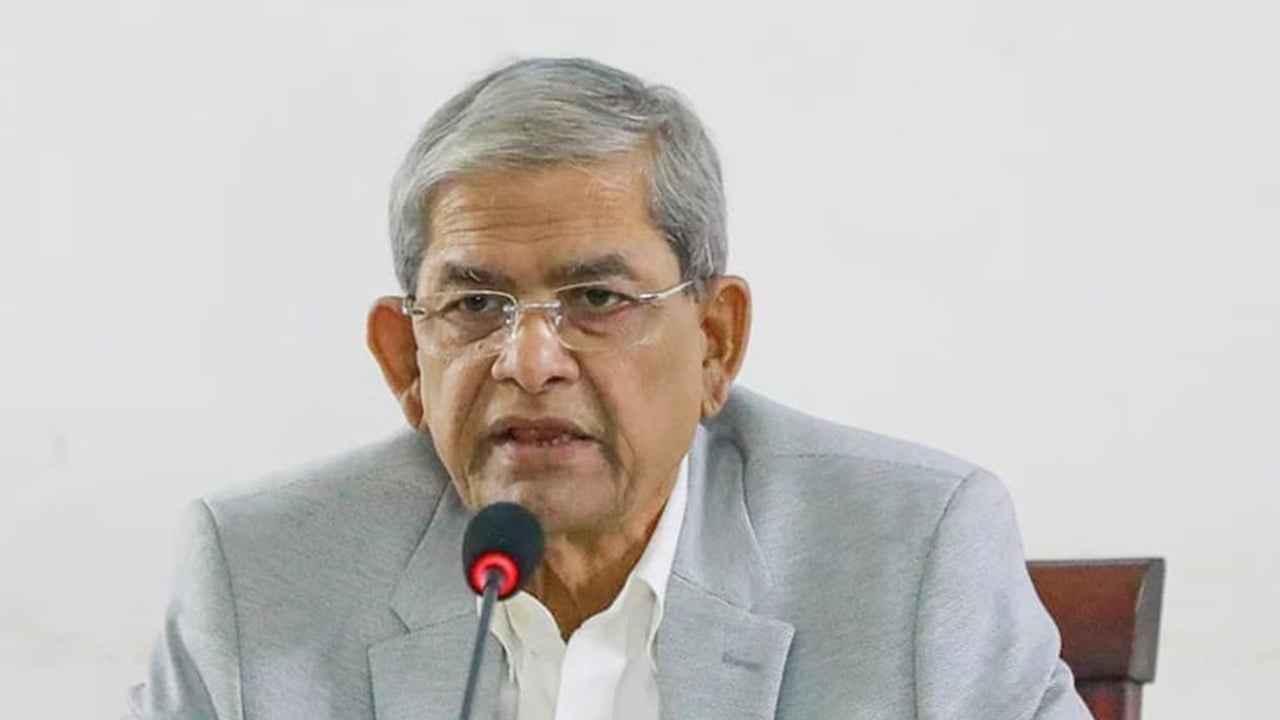
BNP Secretary General Mirza Fakhrul Islam Alamgir posted an emotional message on Facebook on Tuesday night, January 13, 2026, calling for justice over the killings of Shahid Sharif Osman Bin Hadi, Azizur Rahman Mushabbir, and S M Shahriar Alam Samya. Hadi was the spokesperson of Inqilab Moncho, Mushabbir was the former general secretary of Dhaka North Swechchhasebak Dal, and Samya was a student of the Institute of Education and Research at Dhaka University. In his verified Facebook post, Mirza Fakhrul described an encounter at Dhaka Airport where a young man asked him for justice for Hadi if his party came to power. Fakhrul responded affirmatively and expressed deep sorrow over the killings of young activists who supported democracy and election campaigns. He emphasized that justice must be ensured for Hadi, Mushabbir, Samya, and others who were killed. The post reflects the BNP leader’s emotional appeal for accountability and justice in these politically sensitive murder cases.
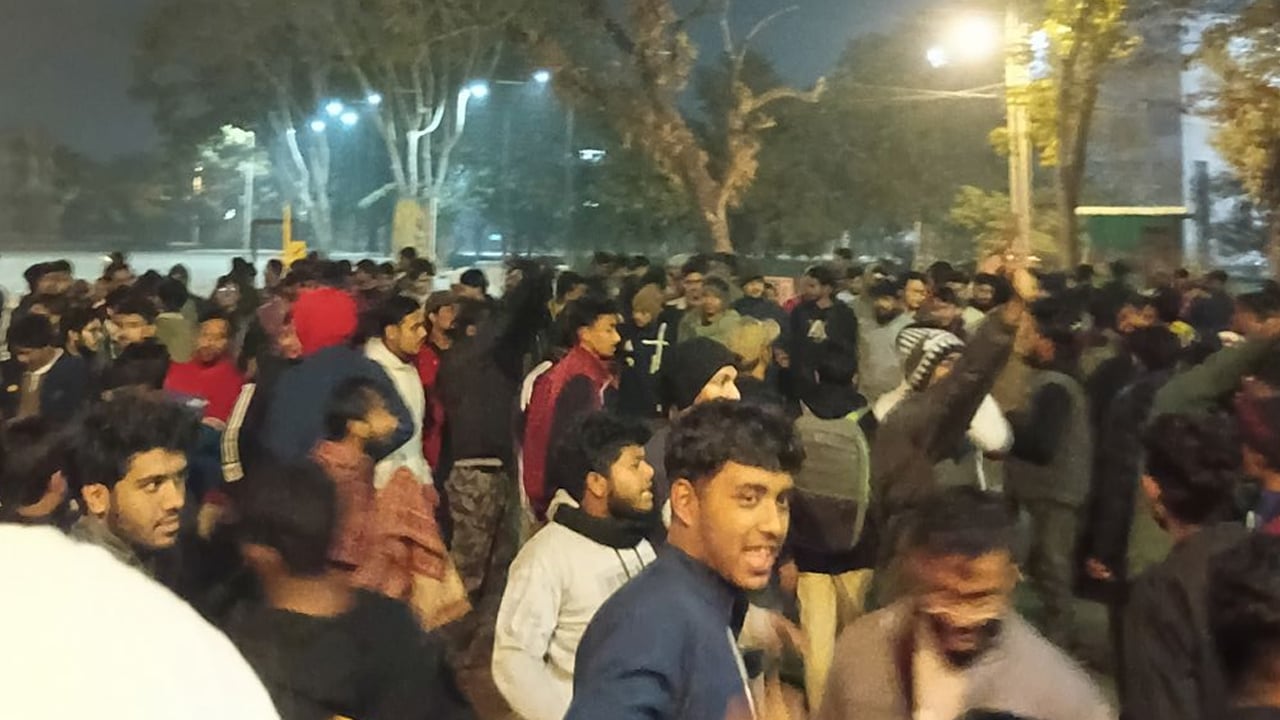
Students of Khulna University staged a protest on Tuesday night, January 13, 2026, demanding the cancellation of the student representative system and reduction of increased registration fees. The demonstration began at Hadi Chattar and marched through several dormitories before gathering in front of the vice chancellor’s residence. Students held a brief rally, voicing demands to lower registration fees, extend course registration deadlines, and abolish the student representative system. During the protest, students alleged that the registration fee had been raised without prior discussion and described the increase as unreasonable. They also expressed concern that the introduction of a student representative system could bring politics into the campus, which they said had always been non-political. Protesters warned of tougher actions if their demands were not met within one working day. Assistant Director of Student Affairs Ehsan Majid Mostafa met the students and said their demands would be conveyed to the administration. However, Professor Dr. Md. Rezaul Karim stated that no registration fee increase had occurred and that misinformation was spreading on social media.
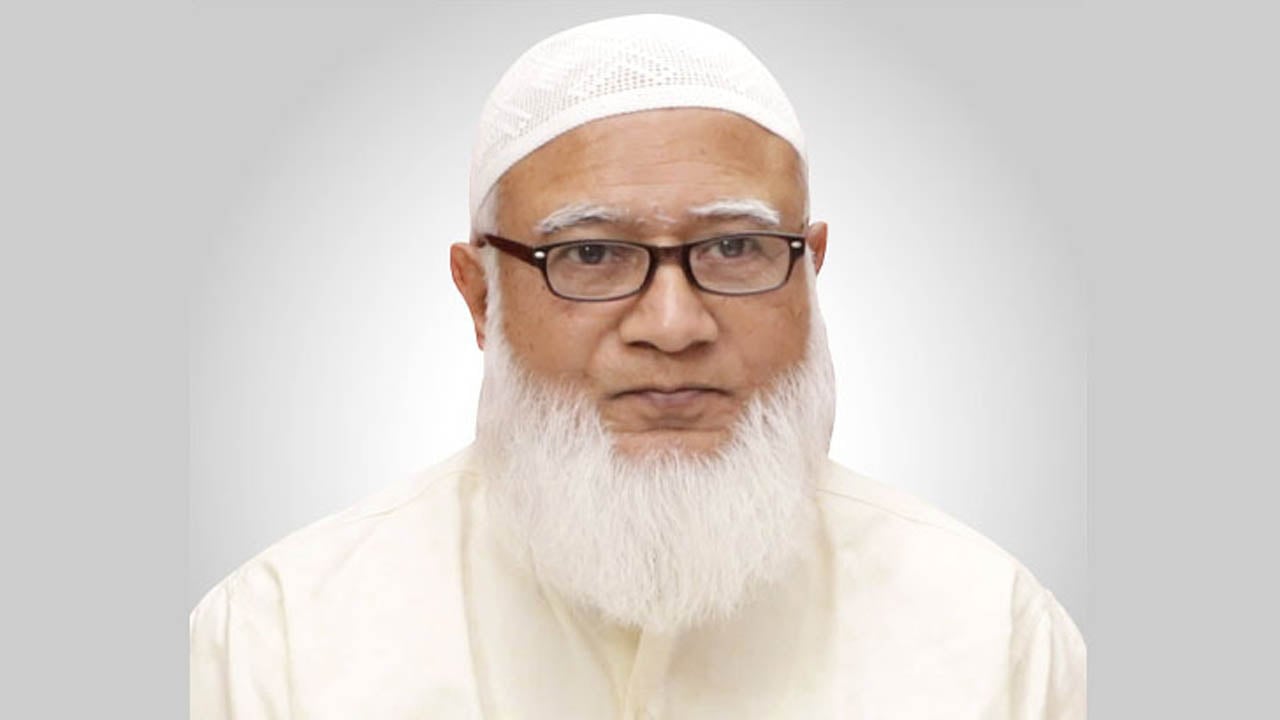
The government has appointed an armed bodyguard and deployed uniformed police at the residence of Jamaat-e-Islami Ameer Dr. Shafiqur Rahman to ensure his personal security. A directive issued on Tuesday instructed the Police Headquarters to take necessary measures following an order from the Ministry of Home Affairs. The official notice stated that Dr. Rahman faces a high level of security risk, prompting the decision to assign a gunman and armed police for his protection. Earlier, on December 17, Jamaat’s office secretary A.F.M. Abdus Sattar submitted an application to the ministry requesting round-the-clock security for Dr. Rahman and his residence. After verification, the government approved the deployment. According to Dr. Rahman’s personal assistant Nazrul Islam, a police squad vehicle and a gunman had already been assigned about two weeks earlier. The new directive appears to revise and formalize those arrangements. The decision reflects the government’s assessment of heightened security threats surrounding the Jamaat chief and aims to strengthen protective measures at both his residence and during his movements.
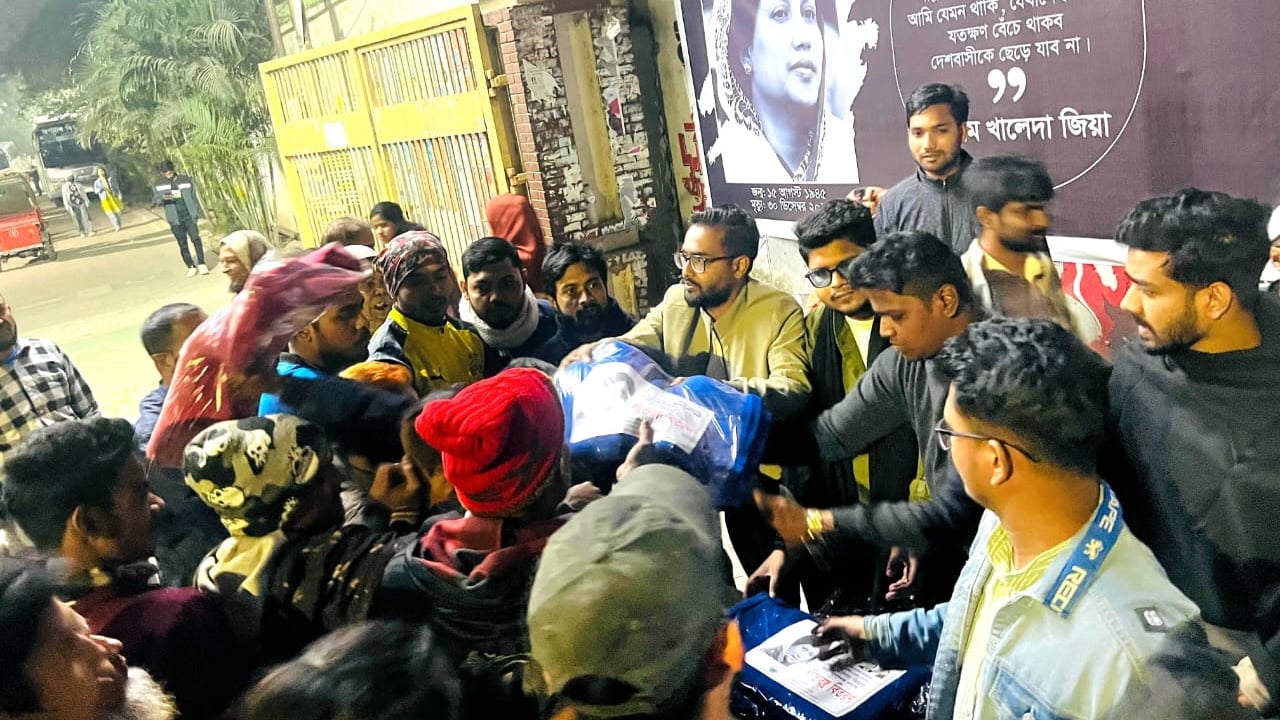
A winter clothing distribution program was held at Jagannath University on Tuesday night, January 13, organized by Md. Mostafizur Rahman Rumi, joint convener of the university’s Chhatra Dal. The event was arranged to pray for the forgiveness of the soul of former three-time Prime Minister and BNP Chairperson Begum Khaleda Zia. Winter clothes were distributed among cold-affected and underprivileged people from the campus and surrounding areas. Rumi himself inaugurated the program. During the event, Rumi stated that the nation would forever remember Begum Khaleda Zia’s contribution to restoring democracy in the country. He added that praying for her soul and standing beside the cold-affected people was a moral duty. He also pledged to continue her unfinished struggle for democracy and sovereignty. Leaders and activists from different levels of the Jagannath University Chhatra Dal, along with general students, attended the program. The initiative reflected a combination of social welfare and political remembrance, highlighting the student organization’s continued engagement in community support activities.
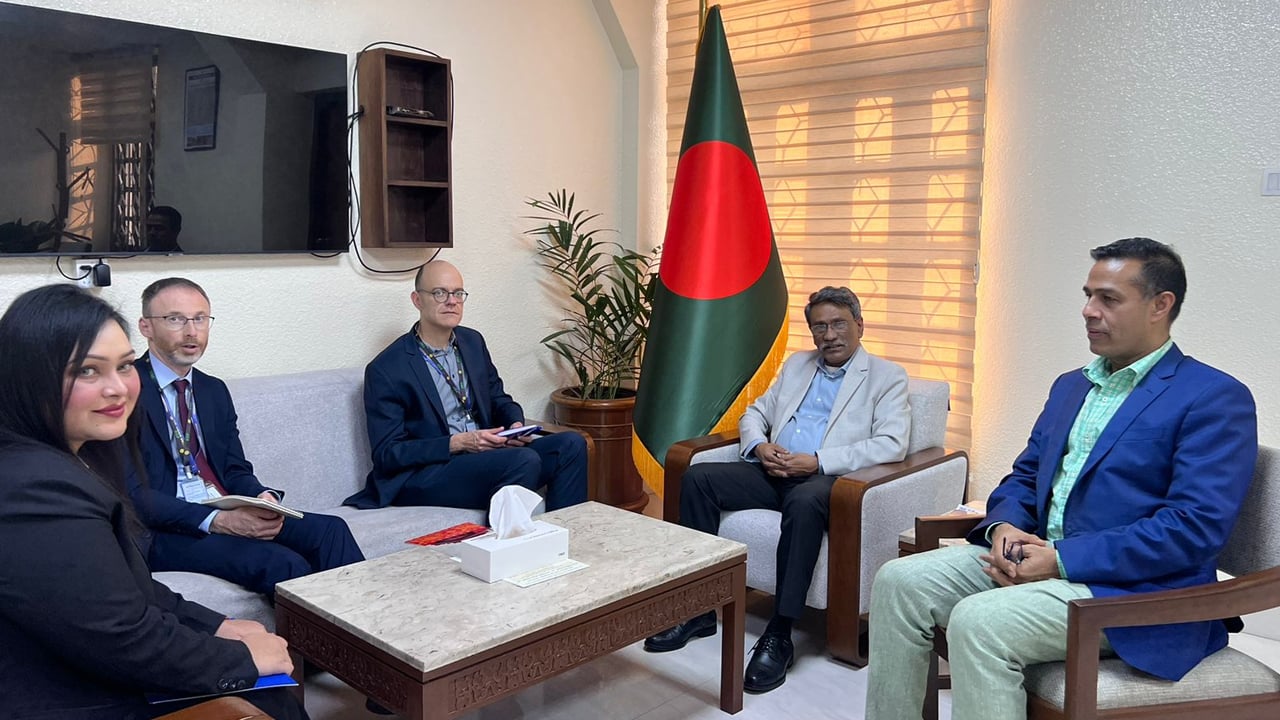
The European Union (EU) has deployed an election observation mission to Bangladesh at the invitation of the government ahead of the country’s 13th parliamentary election scheduled for February 12. According to an official press release from the Office of the Chief Adviser, the mission includes political analyst Marcel Negi and election analyst Vasil Vaschenka, who met with Dr. Ali Riaz, special assistant to the Chief Adviser, on Tuesday afternoon. The mission, comprising around 200 observers and an 11-member analytical team, arrived in Dhaka on December 29. On January 17, 56 observers will be deployed across the country to monitor electoral processes and report to the core team. Additionally, 90 short-term observers will join to oversee voting, counting, and result tabulation, along with several others from EU diplomatic and partner communities. Following EU’s standard methodology, the mission will provide a data-driven, comprehensive, and impartial assessment of the entire electoral process. A preliminary report will be released on February 14 via the mission’s website and social media, followed by a final report with recommendations for future electoral improvements.
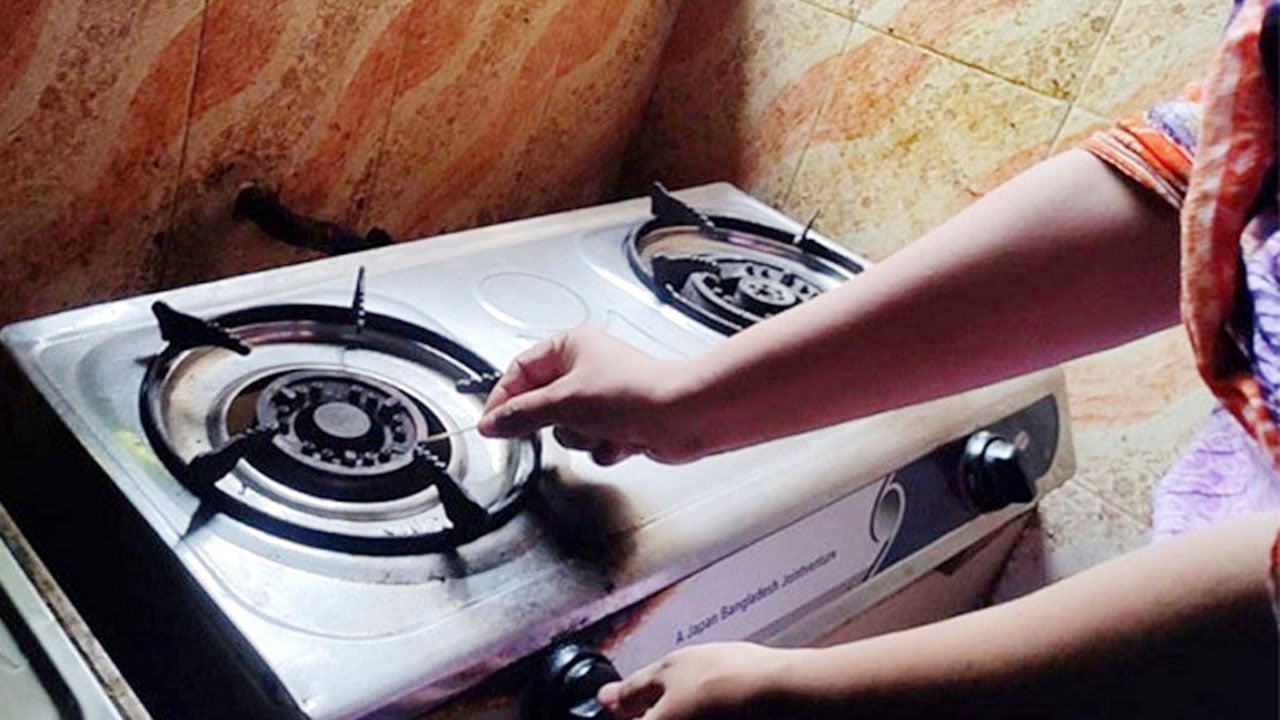
A gas supply disruption occurred in Dhaka’s Uttara area after a valve on an industrial customer’s service line near the Uttara-Tongi Bridge burst, causing a high-pressure gas leak. Titas Gas Transmission and Distribution PLC announced on Tuesday night that gas supply through the main pipeline in Uttara was immediately shut down following the incident. According to the company’s statement, the 12-inch diameter main distribution pipeline in Uttara was placed under shutdown, suspending gas supply across Uttara, Uttarkhan, Dakshinkhan, and adjacent areas. Replacement work on the damaged valve is underway, and Titas Gas expressed regret for the temporary inconvenience caused to customers. This marks the third gas pipeline accident in Dhaka within two weeks. Earlier, on January 4, a pipeline under the Turag River developed a leak, disrupting supply in Mirpur and Mohammadpur. Another valve burst near Ganabhaban on January 10 also caused temporary supply suspension before restoration later that night.
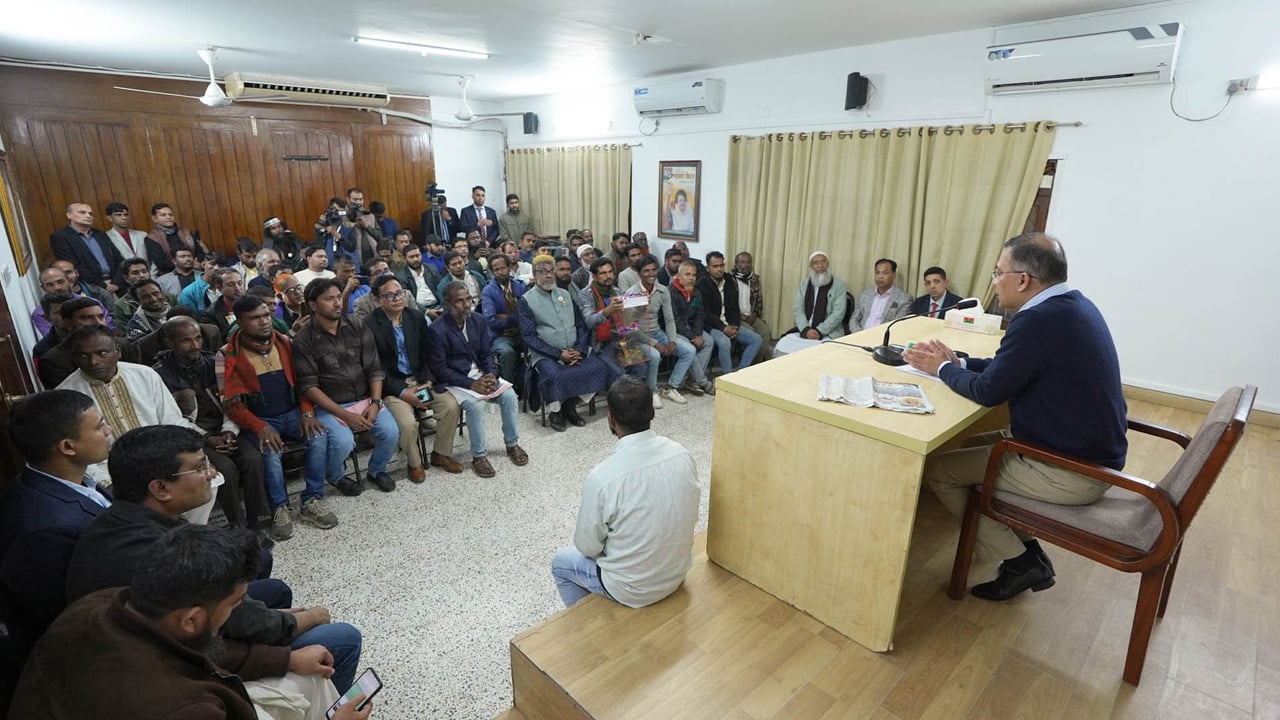
BNP Chairperson Tarique Rahman held a meeting with leaders of rickshaw, van, and auto drivers on Tuesday night at his political office in Gulshan, Dhaka. The event was confirmed by the party’s media cell member Shayrul Kabir Khan. Photos and videos of the meeting were later shared on Tarique Rahman’s verified Facebook page and the party’s official page, showing him greeting the participants and receiving gifts from them. During the discussion, the rickshaw and van driver leaders shared their professional challenges, livelihood crises, and experiences regarding the current political situation. Tarique Rahman listened attentively and called for unity in the democratic movement. He emphasized that restoring democracy in the country requires the participation and solidarity of people from all professions. The meeting was part of Tarique Rahman’s ongoing series of exchanges with different professional groups following his return to the country, aimed at strengthening engagement across social sectors.
Jamaat-e-Islami and its 11-party electoral alliance are set to announce their final seat-sharing agreement today, Wednesday, at 4 p.m. in a joint press conference at the Diploma Engineers Auditorium in Dhaka. Reliable sources within Jamaat confirmed the plan, though journalists had not received formal invitations as of midnight Tuesday. The announcement will be attended by Jamaat Ameer Dr. Shafiqur Rahman and other top leaders of the allied parties. According to the report, the parties held daylong meetings on Tuesday to finalize seat allocations. The Islamic Movement of Bangladesh expressed dissatisfaction after receiving 45 seats instead of its expected 70, leaving uncertainty about its participation. Bangladesh Khelafat Majlis still had some unresolved matters expected to be settled before noon today. Earlier, Jamaat finalized 30 seats with the National Citizens Party, over 15 with Bangladesh Khelafat Majlis, 10 with Khelafat Majlis, 7 with the Liberal Democratic Party, 3 with AB Party, and 2 with Bangladesh Development Party. The alliance, initially a 10-party coalition announced on December 28 last year, expanded to 11 parties. The final announcement today will confirm the seat distribution and participating members.
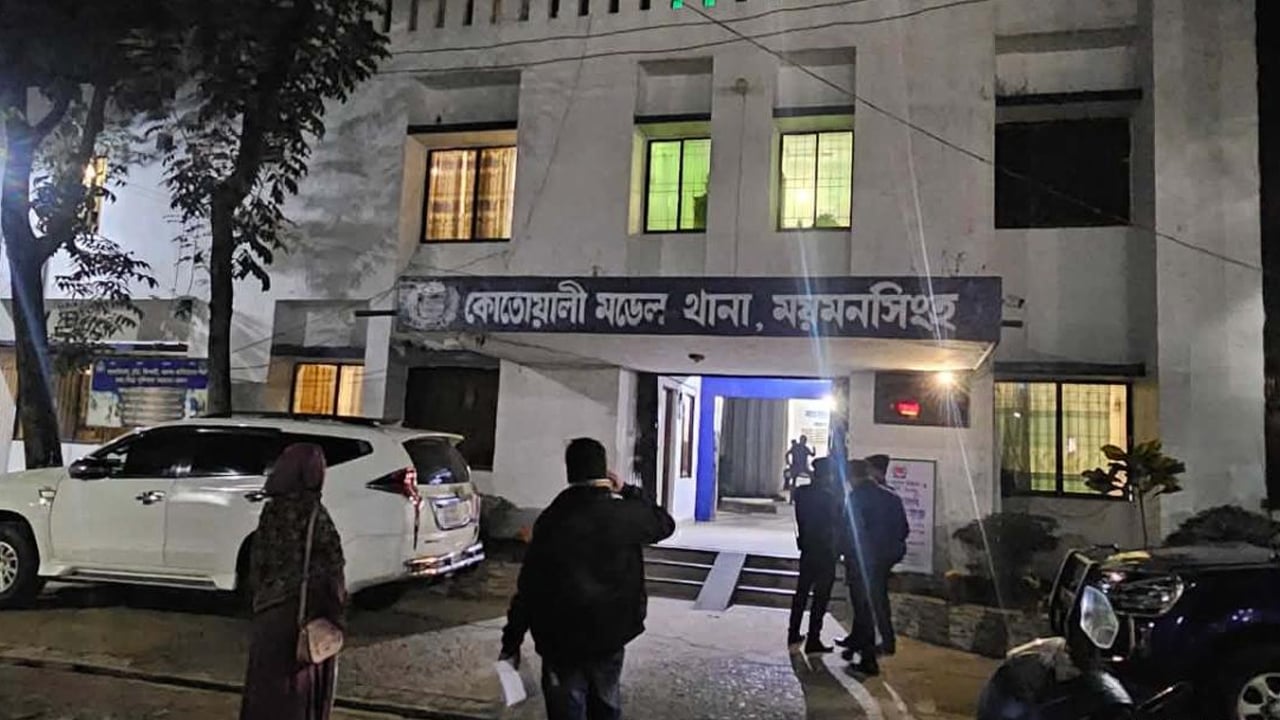
A planned and organized attack on police occurred in Mymensingh on Tuesday afternoon when officers were taking a listed accused, Ariful Islam, to the police station. The attackers, led by Ariful’s father Sagar Ali, assaulted the police team and forcibly freed Ariful, who was still in handcuffs. Five police members, including an assistant sub-inspector and three constables, were seriously injured and admitted to Mymensingh Medical College Hospital. According to police, Ariful and his associates had earlier attacked a local resident named Russell, leaving him critically injured and hospitalized in Dhaka. Following that incident, a case was filed at Kotwali Model Police Station, and a team led by Sub-Inspector Farid Ahmed arrested Ariful. However, during the transfer, hundreds of armed locals ambushed the officers. Officer-in-Charge Md Nazmus Sakib described the attack as extremely serious and alarming. Sagar Ali has been detained, and law enforcement, including RAB and army personnel, have been deployed to control the tense situation. Police operations continue to capture Ariful and others involved in the assault.
The ‘1 Nojor’ media platform is now live in beta, inviting users to explore and provide feedback as we continue to refine the experience.