

The ‘1 Nojor’ media platform is now live in beta, inviting users to explore and provide feedback as we continue to refine the experience.
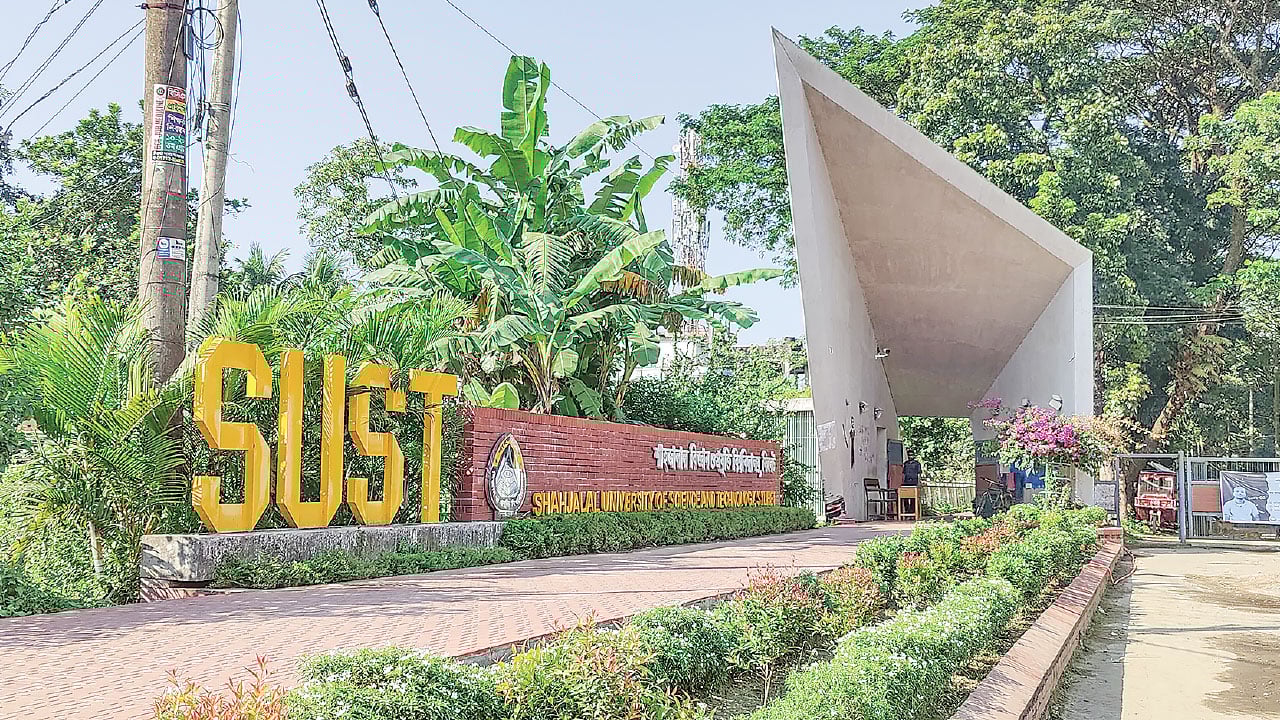
A lake built at Shahjalal University of Science and Technology (SUST) in memory of Rudra Sen, the first student killed in the July Movement, is facing controversy after reports that part of it will be filled to construct a garage. The lake, built at a cost of Tk 7.5 crore, was inaugurated six months ago but still lacks any memorial plaque honoring Rudra Sen. Experts warn that filling parts of the lake could harm its natural beauty and ecological balance. Visitors and students have expressed disappointment that the site does not visibly commemorate Rudra Sen. Activists from the university’s anti-discrimination student movement said they had repeatedly demanded a memorial monument and plaque, but the administration failed to act despite assurances. Acting Vice-Chancellor Professor Dr. Md. Sajedul Karim stated that plans and architectural designs to honor Rudra Sen have been submitted and will be implemented soon. Environmental specialists caution that the proposed garage could pollute the lake through wastewater and vehicle residues, potentially damaging the ecosystem.
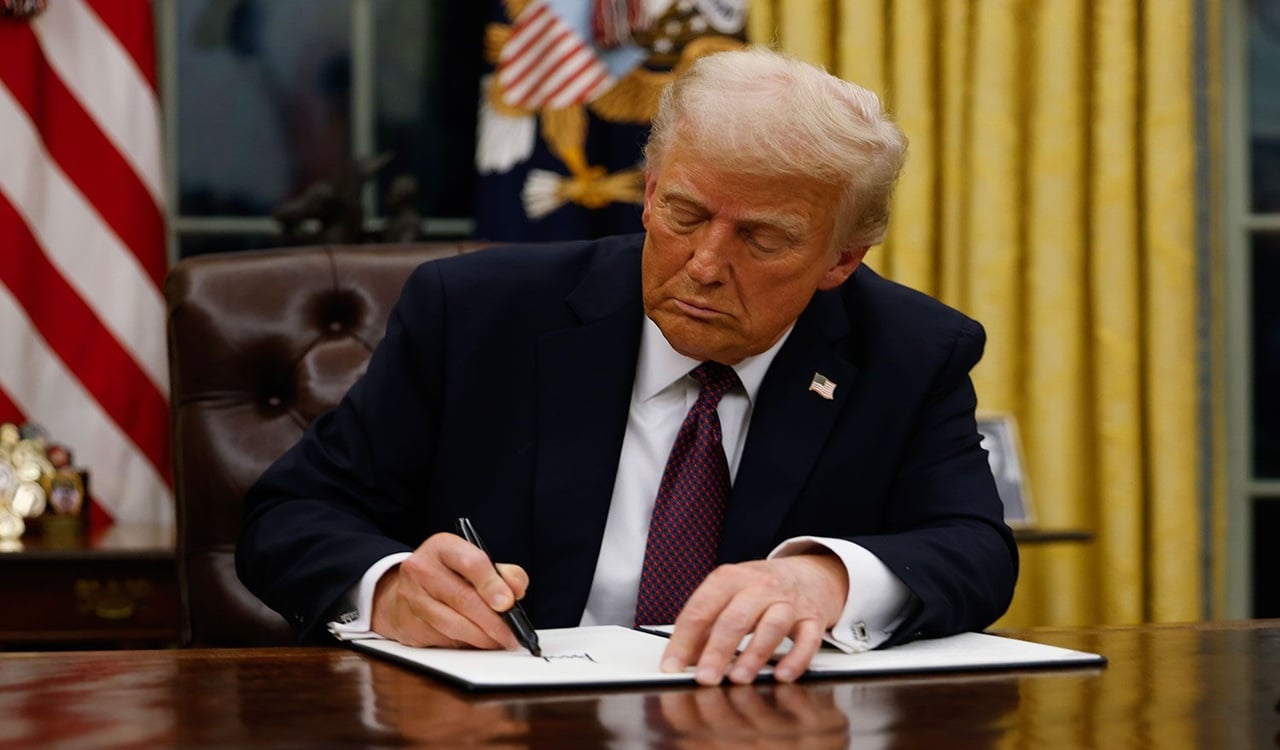
U.S. President Donald Trump has signed an executive order to safeguard funds from Venezuelan oil sales held in U.S. Treasury accounts following the ouster of former Venezuelan president Nicolás Maduro. The White House said the order, signed on Friday, declares a national emergency to prevent the oil revenues from being seized by courts or creditors, describing the move as necessary to advance U.S. foreign policy and national security interests. The decision followed a meeting in Washington where Trump urged top oil executives to invest in Venezuela. However, executives responded cautiously, with ExxonMobil’s chief calling the country “uninvestable without major reforms.” ExxonMobil and ConocoPhillips had previously withdrawn from Venezuela in 2007 after refusing nationalization demands by then-president Hugo Chávez and are still pursuing legal claims against the country. Chevron remains the only U.S. company licensed to operate there. According to the White House, the protection of Venezuelan oil revenues aims to prevent disruptions to U.S. efforts supporting Venezuela’s economic and political stability. The order came a week after U.S. forces reportedly captured Maduro in a nighttime raid in Caracas that left several Venezuelan and Cuban security personnel dead.
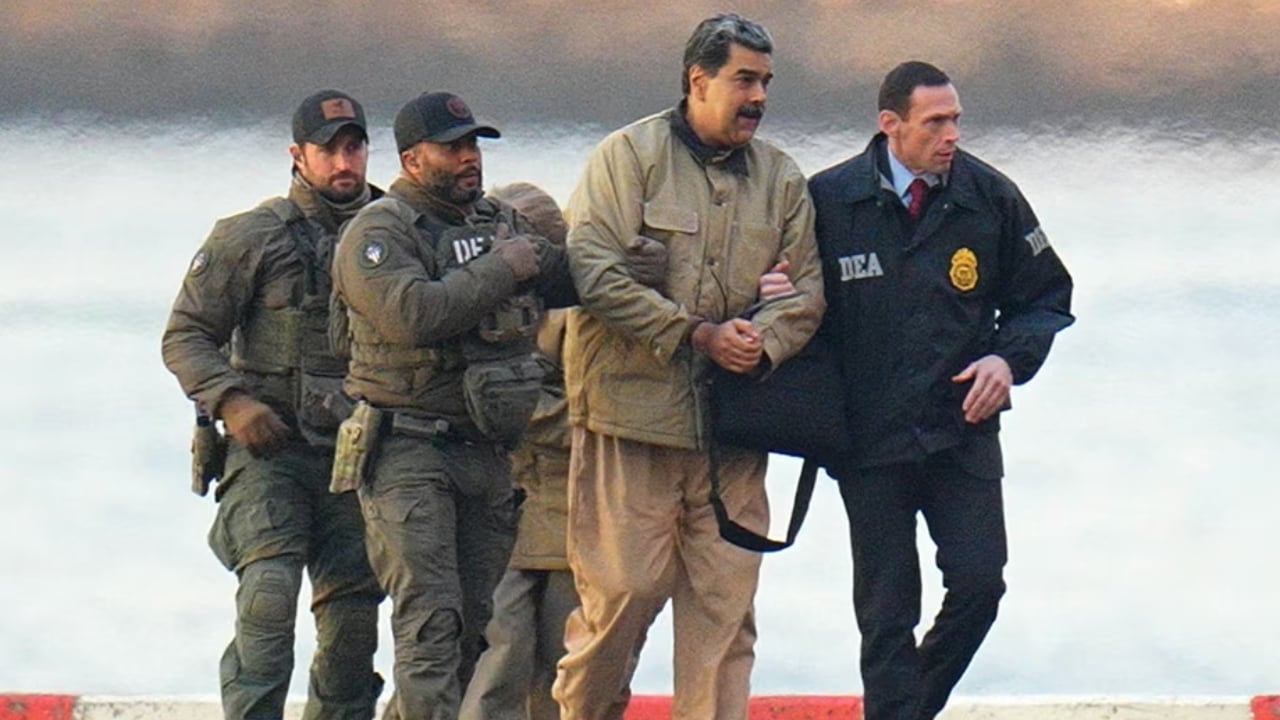
Venezuelan President Nicolás Maduro is reportedly in good condition while being held in a New York prison, according to his son Nicolás Maduro Guerra. Guerra said in a video message released on Saturday that his father had personally conveyed that he and his wife, Cilia Flores, were doing well and described themselves as fighters. The message was shared by Venezuela’s ruling PSUV party. Flores is currently awaiting trial. According to the report, the United States conducted a special military operation in Venezuela on January 3, detaining Maduro and his wife. They were taken to the U.S. Drug Enforcement Administration (DEA) headquarters for legal processing before being transferred to a detention facility in Brooklyn, New York. Both face charges related to drug and arms trafficking, allegations that Maduro has consistently denied. The report did not specify when court proceedings might begin or provide further details about the conditions of their detention.
A powerful earthquake measuring 6.8 on the Richter scale struck off the coast of Davao Occidental in the southern Philippines late Saturday night, according to the Philippine Institute of Volcanology and Seismology (Phivolcs). The quake occurred at 10:58 p.m. local time, with its epicenter located about 315 kilometers southeast of Balut Island in Sarangani municipality, at a depth of 10 kilometers beneath the surface. Authorities confirmed that despite the strength of the tremor, there was no tsunami threat to the Philippine archipelago. Tremors were felt across several southern provinces, including Malungon and Kiamba in Sarangani, Tupi and Koronadal in South Cotabato, and Palimbang in Sultan Kudarat. Disaster officials are monitoring the affected areas for potential aftershocks and minor damage. The Philippines lies along the Pacific Ring of Fire, a region known for frequent seismic and volcanic activity due to the movement of tectonic plates.

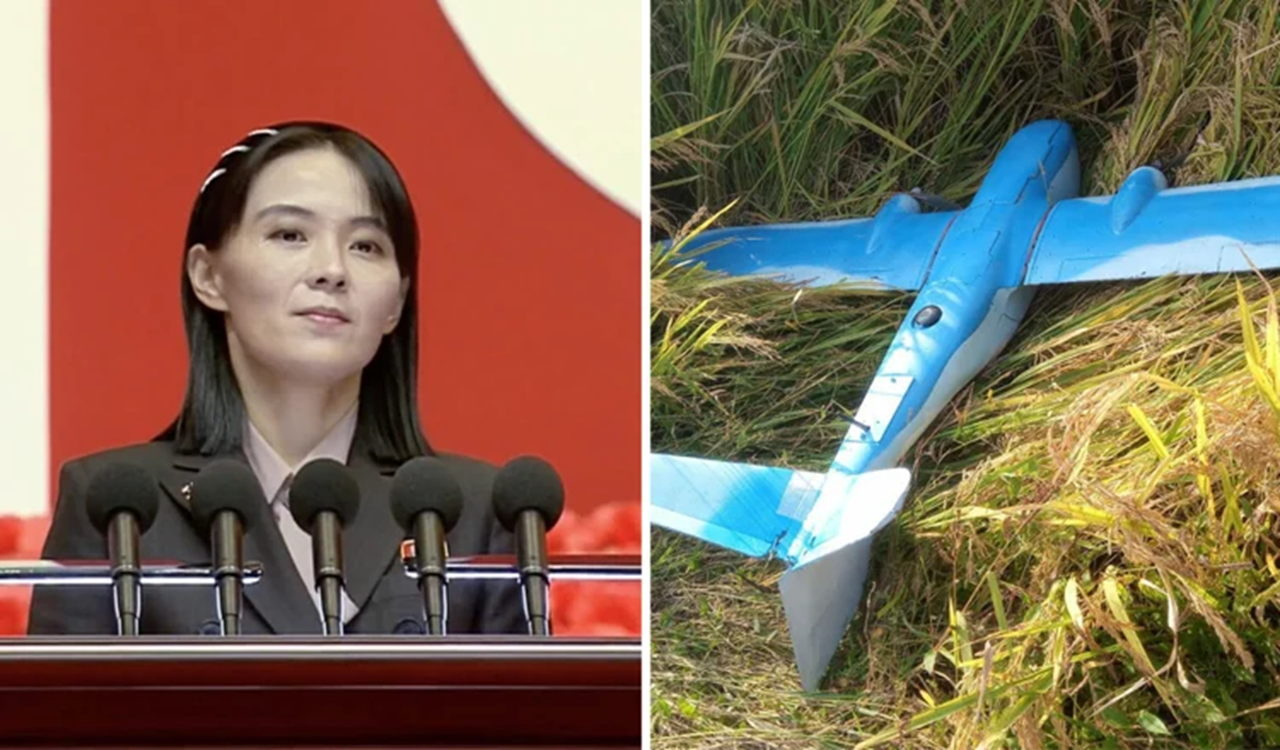
North Korea has demanded a detailed explanation from South Korea over an alleged drone intrusion into its territory. According to North Korean state media cited by AFP, Kim Yo Jong, the influential sister of leader Kim Jong Un, said a drone launched from South Korea’s Ganghwa County entered the North’s Kaesong city earlier in January. Pyongyang claimed it shot down the drone and released photos of the wreckage. Seoul has rejected the allegation, with its Defense Ministry stating that the drone described by North Korea does not match any model used by its military. The South Korean military said its investigation found no record of operating any unmanned aircraft at the time in question. President Lee Jae Myung has ordered a joint military and police probe to ensure a swift and impartial investigation, warning that if a civilian was responsible, it would be a serious crime threatening peace and security on the Korean Peninsula. The dispute comes as former president Yoon Suk Yeol faces trial over allegations of ordering illegal drone operations to provoke Pyongyang and justify emergency military measures.
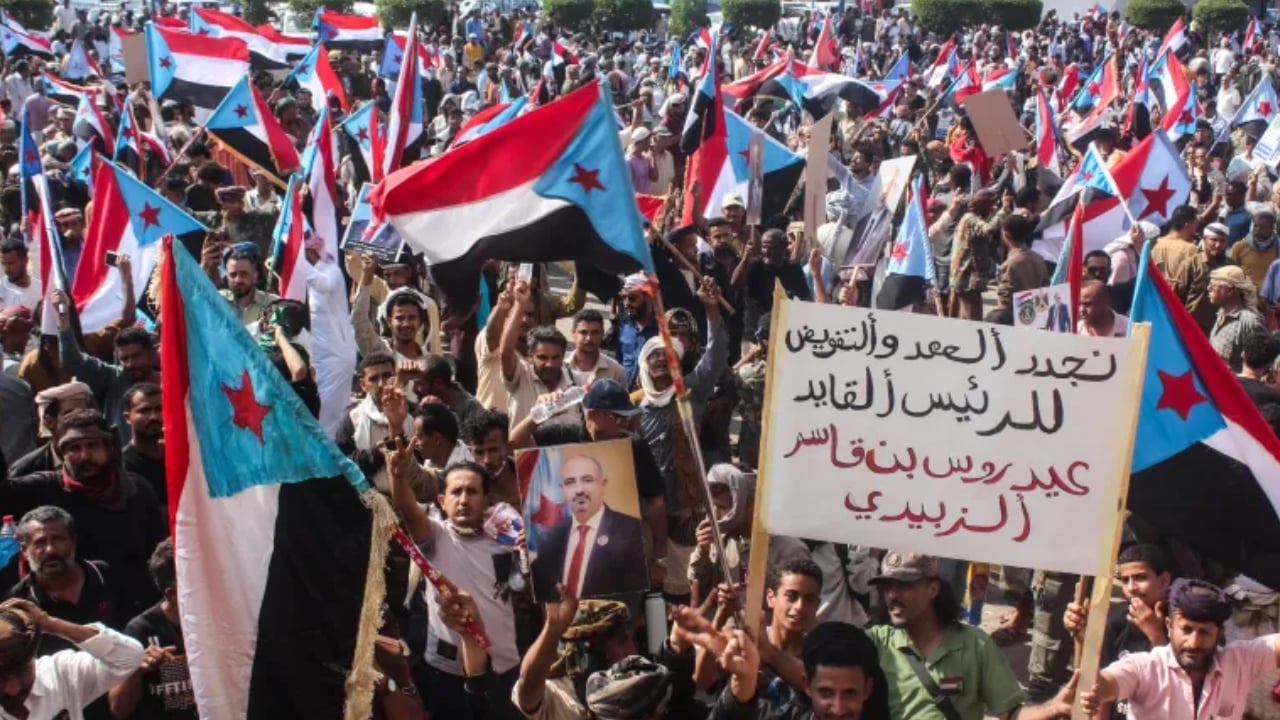
Yemen’s internationally recognized government has announced the recovery of the country’s southern and eastern regions from the separatist Southern Transitional Council (STC). On Saturday, Rashad al-Alimi, head of the Saudi-backed Presidential Leadership Council (PLC), said government forces had regained control of two key provinces and now hold full authority over southern Yemen. He specifically assured citizens that Hadramaut and Al-Mahra provinces had been restored under government control. Al-Alimi added that former STC members have been invited to Riyadh for discussions on Yemen’s future and that all military forces will now operate under the Saudi-led coalition’s command. His statement followed a Saudi-supported campaign in late December that expelled STC forces from Hadramaut and Al-Mahra, two provinces bordering Saudi Arabia and comprising nearly half of Yemen’s territory. Meanwhile, thousands of STC supporters rallied in the group’s stronghold of Aden, particularly in Khor Maksar district, chanting slogans against Saudi Arabia and the Yemeni government.
Bangladesh’s banking sector has come under renewed pressure as government borrowing surged sharply midway through the 2025–26 fiscal year. According to the latest Bangladesh Bank report, between July and January 4 the government borrowed a net Tk 59,756 crore from banks, representing 57.45 percent of its annual target of Tk 104,000 crore. This borrowing is about 619 percent higher than the same period last fiscal year, when the government had borrowed Tk 8,312 crore. Sector insiders noted that at the start of the fiscal year, the government had reduced development spending and benefited from strong revenue growth and foreign loans, keeping borrowing low. However, rising development expenditures, investments in Islami Bank, election-related costs, and increased subsidy and interest payments have driven borrowing upward again. To meet financing needs, the government also held two additional auctions in December, raising about Tk 10,000 crore through treasury bills and bonds. The report shows total government debt from banks reached Tk 610,661 crore by January 4, up from Tk 550,904 crore at the end of the previous fiscal year, raising concerns about liquidity and private sector credit flow.
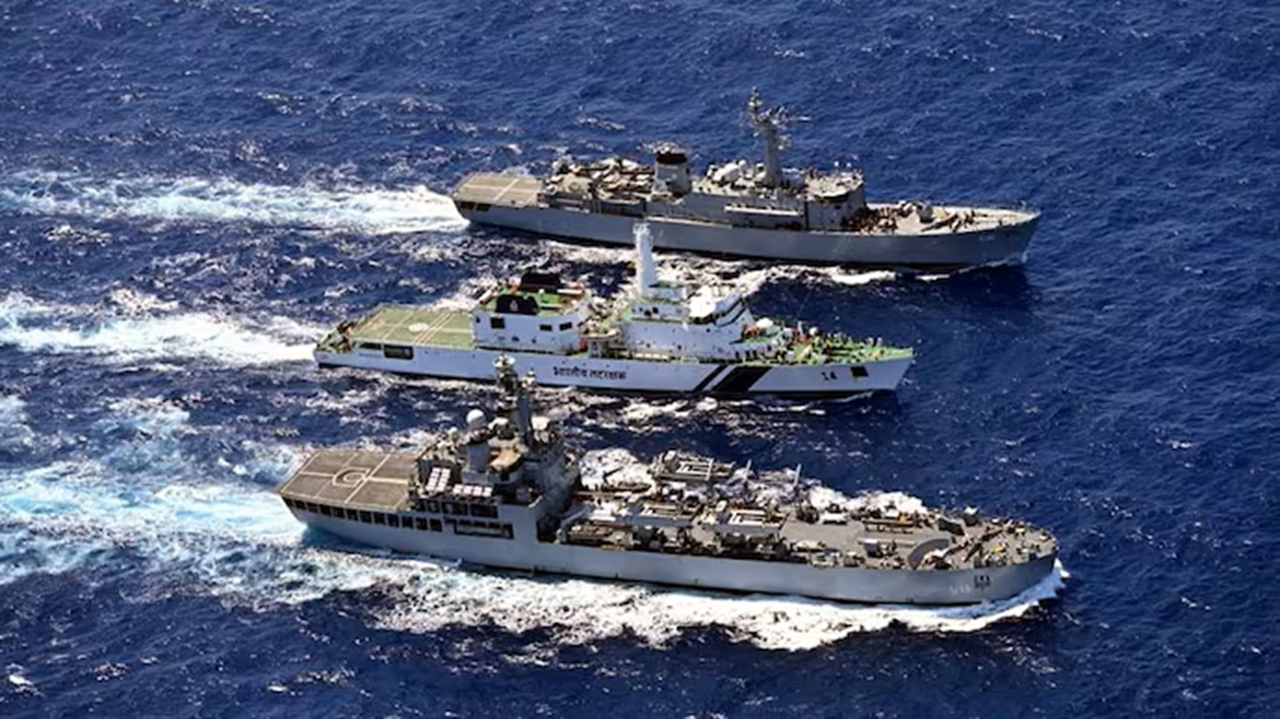
The Indian Navy has initiated plans to set up a new naval base in Haldia, West Bengal, to reinforce its military presence in the northern Bay of Bengal. According to Indian media reports citing defense sources, the facility will operate as a naval detachment rather than a full command, focusing on deploying small, high-speed warships. The Navy intends to use existing port infrastructure to expedite operations, with initial construction including a separate jetty and essential coastal facilities to minimize costs. The proposed base will host Fast Interceptor Crafts and New Water Jet Fast Attack Crafts weighing around 300 tons, capable of speeds between 40 and 45 knots. These vessels will be equipped with CRN-91 guns, and surveillance or strike drones such as Nagastra may be used to enhance monitoring and response capabilities. Experts link the move to growing Chinese naval activity in the Indian Ocean, concerns over illegal maritime intrusions, and the strategic value of shallow coastal waters near India and Bangladesh. Officials view the Haldia project as part of India’s broader naval expansion plan aimed at strengthening maritime security and safeguarding sea routes.
A commentary by political analyst Saiful Khan argues that India bears responsibility for the deterioration of its relationship with Bangladesh. The article, published on January 11, 2026, asserts that many Bangladeshis believe India has long sheltered convicted criminals, fugitives, and politically controversial figures from Bangladesh, eroding bilateral trust. It further claims that India’s approach to Bangladesh relies on power dynamics rather than equality, citing issues such as border killings, water-sharing disputes, and cultural dominance. The author traces the mistrust to historical experiences since Bangladesh’s independence, noting that cooperation initially gave way to suspicion over security and political matters. The piece highlights allegations of India’s reluctance to extradite fugitives, unilateral control of transboundary rivers, and the influence of Indian media on Bangladeshi culture. These factors, the article contends, have deepened public resentment and created a perception of inequality. Khan concludes that India must choose between maintaining dominance or rebuilding ties based on justice, transparency, and mutual respect. Failure to do so, he warns, could push Bangladesh toward alternative strategic alliances and further regional instability.
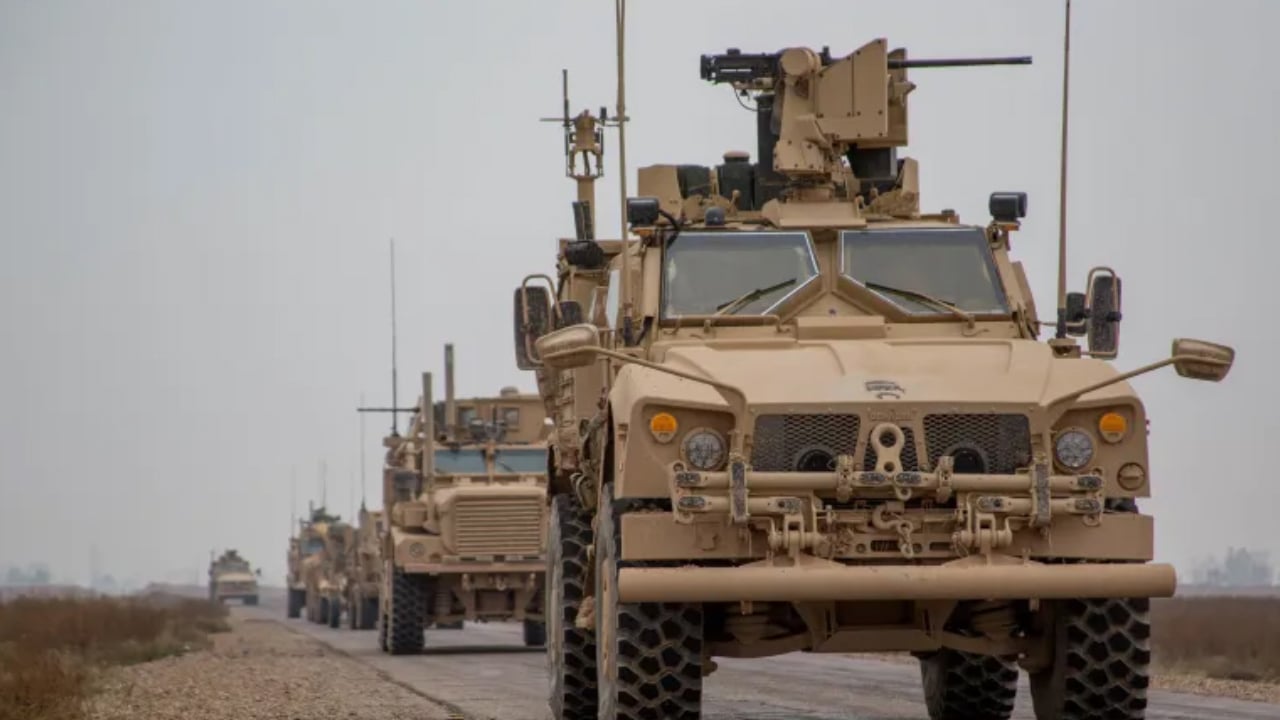
The United States has carried out a large-scale attack on ISIS bases across Syria, according to a statement from the US Central Command (CENTCOM). The operation took place from 12:30 a.m. to dawn on Saturday, following the killing of two US soldiers and a civilian interpreter in Palmyra last month. CENTCOM said the strikes were aimed at ISIS positions throughout Syria but did not confirm any casualties. Al Jazeera reported that the operation, named “Operation Hawkeye Strike,” was launched in response to the December 13 ambush in Palmyra. Syria’s Interior Ministry said the gunman involved was a member of the country’s security forces who was being dismissed for extremist views. The US military began the operation on December 19, targeting 70 ISIS infrastructure and weapons sites in central Syria. By December 30, US forces announced that about 25 ISIS fighters had been killed or captured since the start of Operation Hawkeye Strike. The latest strikes mark an escalation in Washington’s campaign against ISIS in Syria.
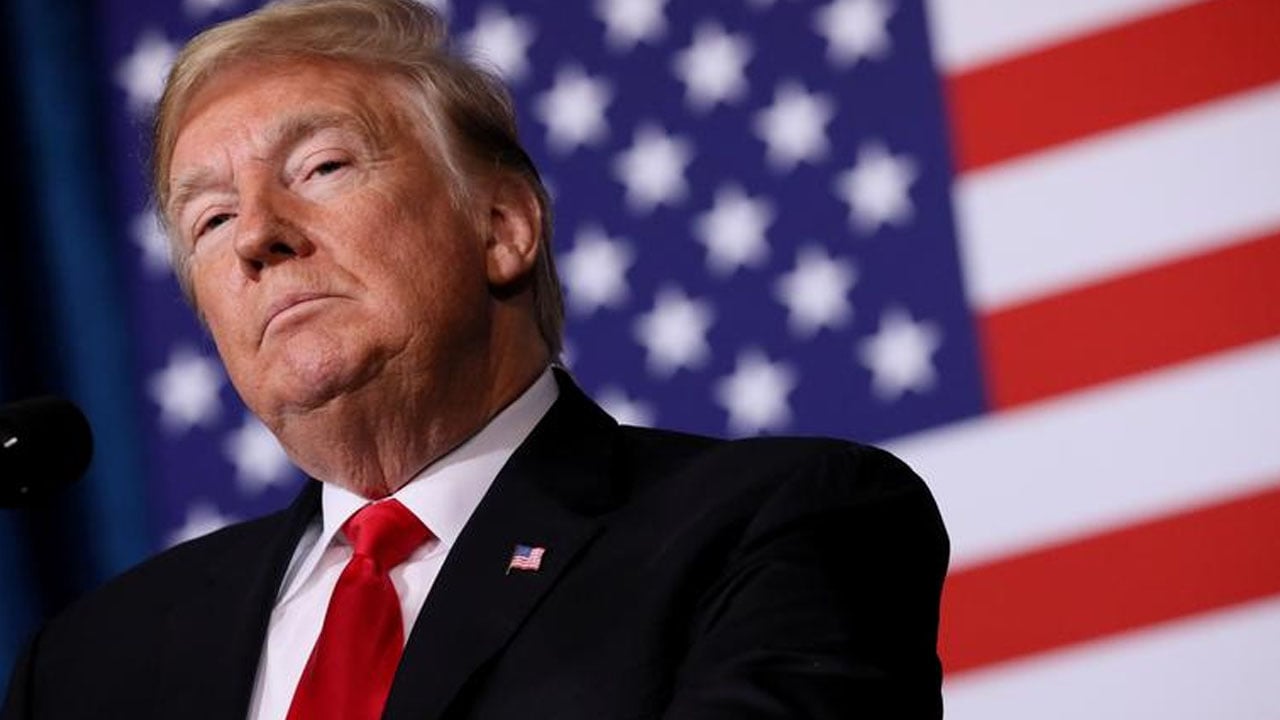
US President Donald Trump is seriously considering the possibility of a military operation against Iran as the country faces a violent crackdown on ongoing anti-government protests. According to multiple US officials, Trump has already been briefed on potential strategies and targets for a possible strike. The New York Times reported that while no final decision has been made, Trump is weighing the option of ordering military action. An unnamed US official said several plans have been presented, including scenarios that could involve civilian sites. The Wall Street Journal earlier noted that large-scale airstrikes could target Iran’s military infrastructure if the president gives the order. Meanwhile, Iranian security forces continue to suppress the protests with increasing force. After violence peaked on Thursday night, thousands of demonstrators took to the streets again on Friday and Saturday. Reports allege indiscriminate gunfire against protesters. Hospital staff told the BBC that facilities are overwhelmed with casualties, with one Tehran doctor describing targeted shootings at young people’s heads and chests. At least 14 members of the security forces have also been reported killed. The escalating unrest and potential US response have raised regional tensions, with Israel reportedly on high alert over possible developments.
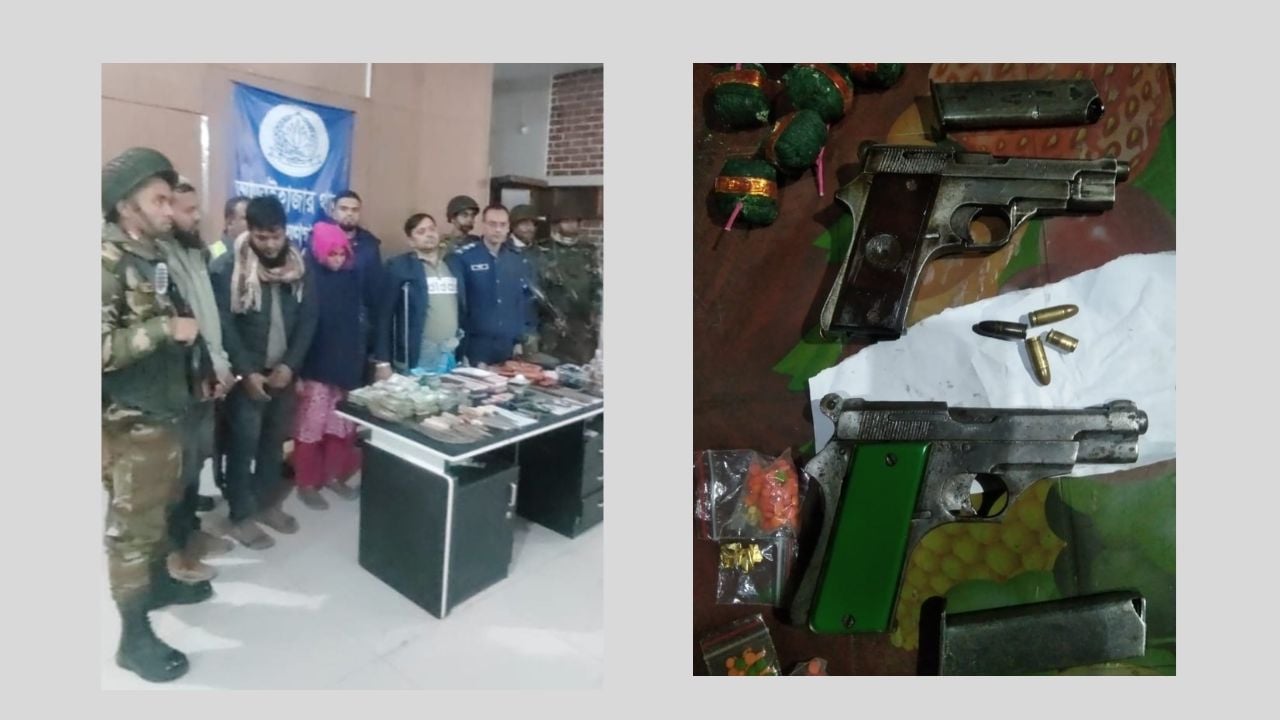
A joint force operation in Araihazar, Narayanganj, led to the arrest of four individuals and the recovery of illegal firearms, ammunition, drugs, and cash. The raid took place around 2:45 a.m. on Saturday night in the Dhondi Bhiti Kamaldi area of Haizadi Union. Acting on a tip-off, the joint team searched the house of a man named Naim, where they found two illegal pistols, two magazines, three rounds of ammunition, 1.69 million taka, 105 yaba tablets, and several local weapons including knives and machetes. Police identified the arrested individuals as Naim (38), Rubel Bhuiyan (33), Suman (30), and Runa Akter (34), all residents of the same locality. The operation was conducted based on confidential intelligence, and the seized items were taken into custody for further investigation. Authorities have not yet disclosed further details about the suspects’ backgrounds or the next legal steps following the arrests.
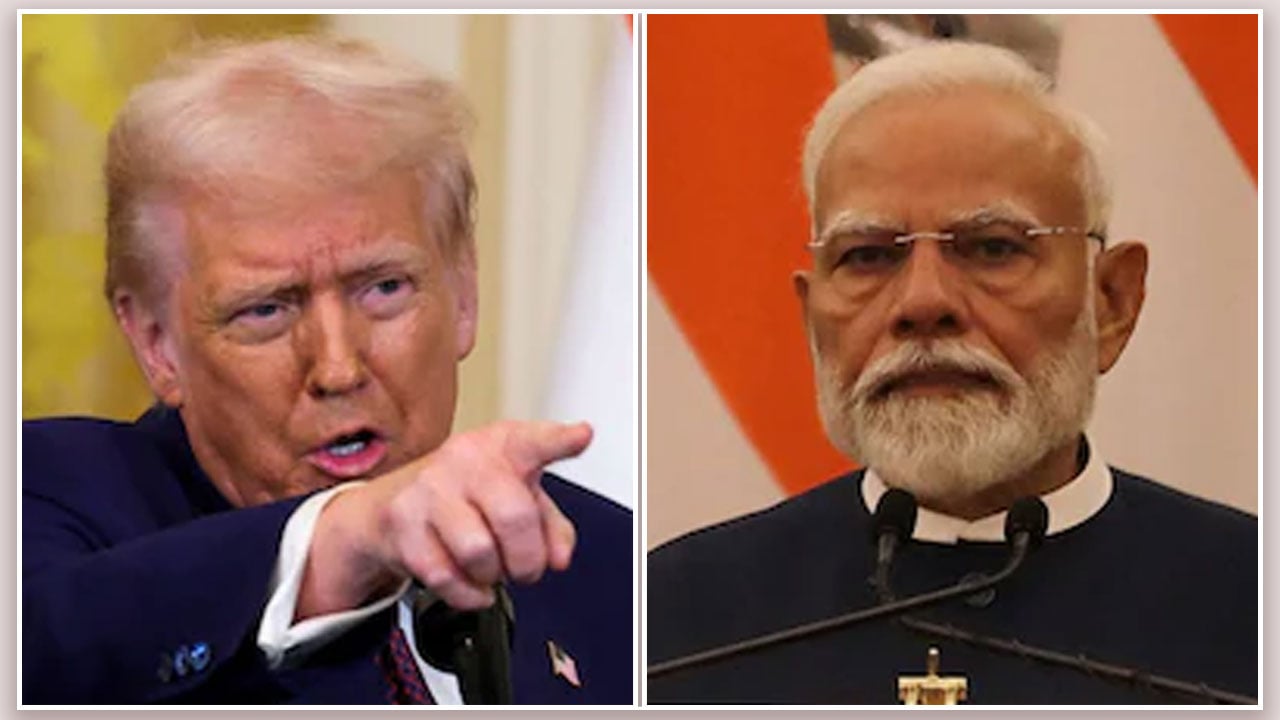
Indian Prime Minister Narendra Modi is confronting mounting diplomatic pressure at the start of 2026 as U.S. President Donald Trump issued two major warnings to India. The first came amid Washington’s aggressive actions in Venezuela, which many nations, including Denmark, viewed with alarm. The second was a direct demand that India stop importing crude oil from Russia or face higher U.S. tariffs. Despite India reducing Russian oil purchases to a three-year low, Trump remained dissatisfied, maintaining steep duties on Indian exports. Analysts cited in the report described Trump’s approach as part of a broader imperial-style strategy to expand U.S. control and influence. For India, the challenge lies in balancing its economic dependence on the U.S.—its largest export market—with its longstanding ties to Russia and cautious engagement with China. The situation underscores a shifting global order in which Washington’s assertive policies are reshaping international alignments. At the same time, India’s domestic landscape is transforming rapidly, with a surge in new billionaires driven by a booming stock market and record IPO activity. This dual reality of external pressure and internal wealth creation will shape India’s economic and geopolitical trajectory in the coming years.
Four major football nations—Brazil, France, Croatia and Colombia—will compete in a preparatory series titled 'Road to 26' ahead of the 2026 FIFA World Cup. The matches will be held in the United States during the FIFA international window, with games scheduled in Boston, Orlando and Washington, D.C. The series begins on March 26 when Brazil, coached by Carlo Ancelotti, face Didier Deschamps’ France at Gillette Stadium in Foxborough, Massachusetts. Croatia will meet Colombia on March 27 in Orlando, followed by a France–Colombia match on March 29 in Maryland. The series concludes on April 1 with Brazil playing Croatia in Orlando. Brazilian media reported that the five-time world champions will debut their 2026 World Cup kits during the March friendlies, wearing yellow against France and blue against Croatia. France and Croatia will also unveil new jerseys for the series. The Brazilian Football Confederation had earlier confirmed the match dates and venues after the World Cup group draw in December 2025. The 48-team 2026 World Cup will begin on June 11 and end on July 19 across 16 venues in the United States, Mexico and Canada. Brazil will compete in Group C against Morocco, Haiti and Scotland.

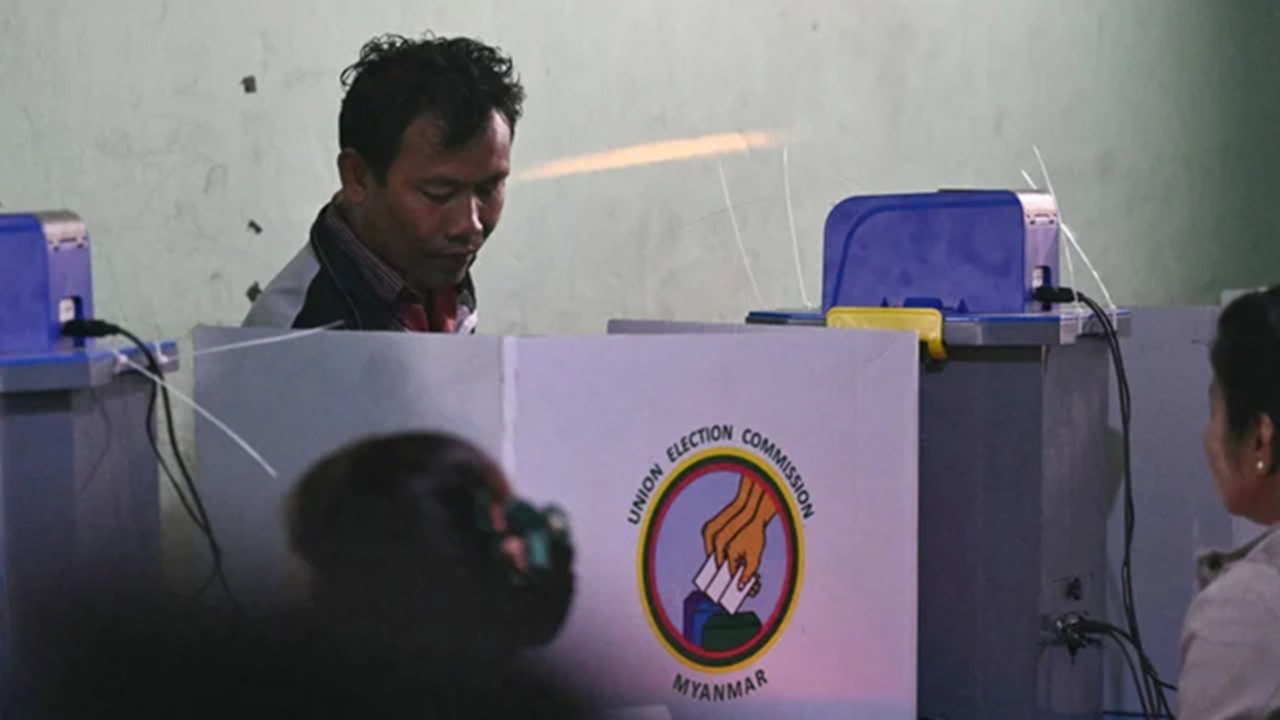
Myanmar’s military junta began the second phase of national voting on Sunday, marking the continuation of a three-stage election process set to conclude on January 25. Polling started at 6 a.m. local time in Kawhmu, the former constituency of detained democracy leader Aung San Suu Kyi, located about 25 kilometers south of Yangon. Democracy observers and rights activists have alleged that the election is designed to prolong military rule under a civilian façade. Since independence, Myanmar has spent most of its history under military control. A brief period of democratic reform about a decade ago ended when the army seized power again in 2021, annulling the previous election results and arresting Suu Kyi. The coup plunged the country into civil conflict. Analysts noted that the military-backed Union Solidarity and Development Party (USDP) already won about 90 percent of lower house seats in the first phase. With Suu Kyi imprisoned and her National League for Democracy dissolved, pro-democracy groups claim the current election favors military-aligned parties. Many citizens reportedly show little interest, believing the outcome is predetermined by the army.
The ‘1 Nojor’ media platform is now live in beta, inviting users to explore and provide feedback as we continue to refine the experience.