

The ‘1 Nojor’ media platform is now live in beta, inviting users to explore and provide feedback as we continue to refine the experience.
The Bangladesh Nationalist Party (BNP) announced on December 24, 2025, that it has allocated seven additional parliamentary constituencies to its alliance partners as part of its seat-sharing strategy for the upcoming national election. The party confirmed it will not field candidates in these constituencies, instead supporting nominees from allied groups including the Revolutionary Workers Party, Nagorik Oikya, Gono Odhikar Parishad, and Jatiya Party (Kazi Zafar faction). The newly allocated seats include Dhaka-12, Bogura-2, Patuakhali-3, Jhenaidah-4, Brahmanbaria-6, Pirojpur-1, and Jashore-5. Earlier in the week, BNP had already granted four constituencies to Jamiat Ulema-e-Islam. Party officials stated that the move aims to strengthen opposition unity and maximize electoral coordination against the ruling Awami League. Political analysts view the decision as a strategic effort to consolidate the broader opposition bloc under the BNP-led alliance. The final list of candidates and seat arrangements is expected to be announced soon as election preparations intensify across Bangladesh.

As Christmas approaches, reports from several Indian states indicate a rise in attacks against Christians by Hindu nationalist groups. Incidents have been recorded in Madhya Pradesh, Odisha, Delhi, and Chhattisgarh, where churches were vandalized and believers were harassed. In Jabalpur, a ruling BJP district vice-president was filmed assaulting a visually impaired woman at a church event, sparking outrage. The party defended her actions, alleging forced conversions, but church officials denied the claim, calling the event a charity gathering. In Chhattisgarh’s Kanker district, violence erupted over a Christian burial, leading to arson, property damage, and injuries to police officers. The United Christian Forum reported at least 23 attacks linked to funeral disputes in 2025, most in Chhattisgarh. Rights groups warn that such incidents reflect growing intolerance and inadequate law enforcement response. As global Christians prepare for Christmas, India’s Christian community faces heightened fear and insecurity, with calls for stronger protection and accountability from authorities.

Transparency International Bangladesh (TIB) has alleged large-scale corruption worth Tk 2,926 crore in six government and private solar power projects implemented under the Awami League government. The findings, released at a press conference in Dhaka, indicate irregularities in land acquisition and inflated project cost estimates, particularly within the Bangladesh Power Development Board (BPDB). According to TIB, while BPDB’s standard cost for generating one megawatt of solar power is around Tk 8 crore, the six projects studied were estimated at an average of Tk 13.08 crore per megawatt—over 1.5 times higher. The report also found that five of the projects involved Tk 249 crore in irregularities related to land purchase and acquisition. TIB Executive Director Dr. Iftekharuzzaman said the findings highlight systemic weaknesses in project oversight and accountability. The organization urged the government to conduct independent audits and ensure transparency in future renewable energy initiatives to restore public trust and safeguard public funds.

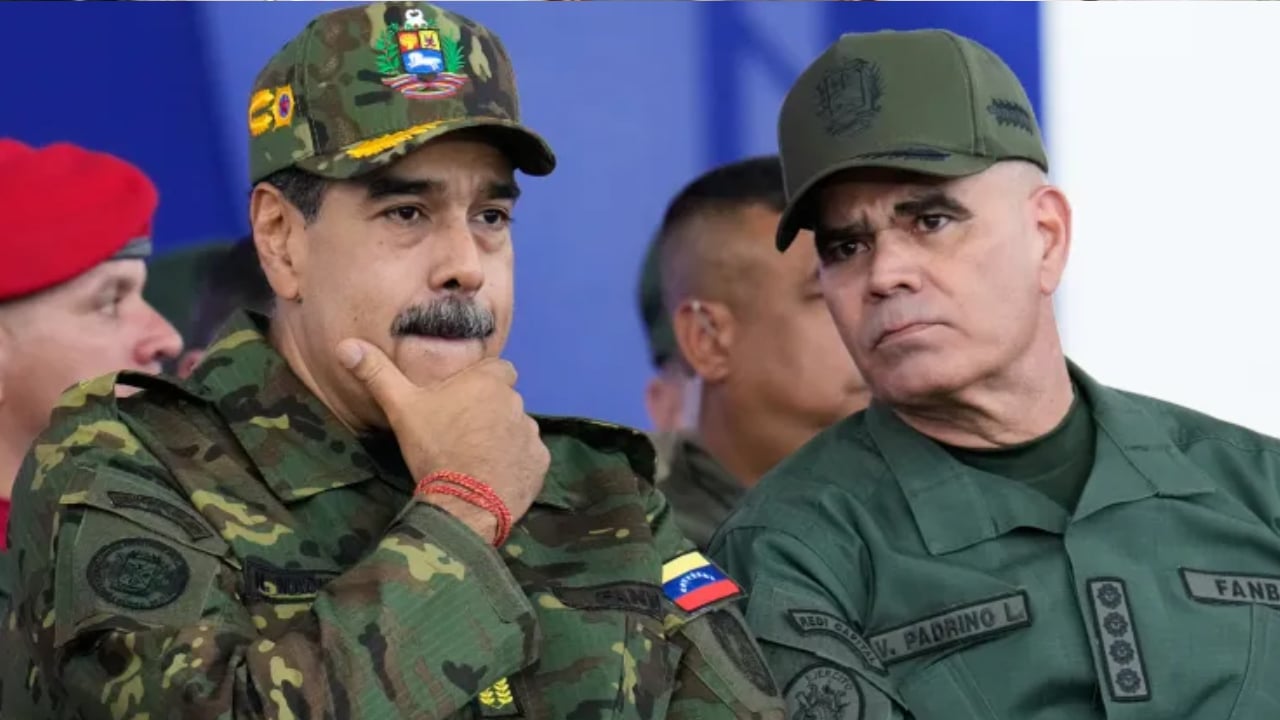
Venezuela’s parliament has passed a new law imposing severe penalties, including up to 20 years in prison, for individuals or organizations that support or finance the U.S. naval blockade against the country. The legislation, approved on Tuesday, follows the recent seizure of Venezuela-linked oil tankers by the United States, which Caracas has condemned as a violation of international law and an act akin to piracy. Presenting the bill, lawmaker Giuseppe Alessandrello said the measure is necessary to protect Venezuela’s economy and prevent further deterioration in citizens’ living conditions. The Maduro government has accused Washington of escalating military activity in Latin America and targeting Venezuelan assets under the pretext of anti-narcotics operations. At a UN Security Council meeting, Venezuela’s representative Samuel Moncada denounced what he described as U.S. aggression, asserting that Venezuela poses no threat and that the real danger lies in U.S. policy. Analysts say the law could deepen diplomatic tensions and further isolate Caracas amid ongoing sanctions and economic hardship.
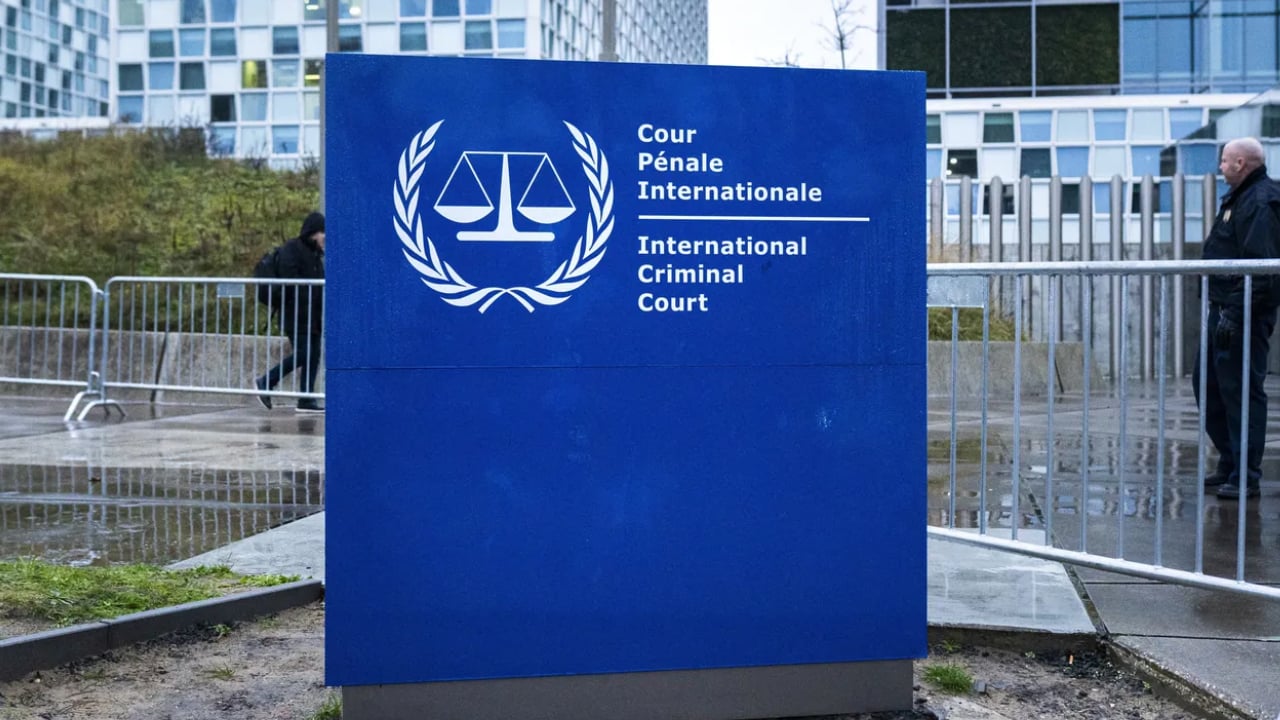
Belgium has formally joined South Africa’s genocide case against Israel at the International Court of Justice (ICJ), becoming the latest nation to intervene in the high-profile proceedings. The ICJ confirmed that Belgium submitted its declaration on December 23 under Article 63 of the Court’s Statute, which allows states with an interest in treaty interpretation to participate. Several countries, including Brazil, Colombia, Ireland, Mexico, Spain, and Turkey, have already joined the case. The ICJ has invited both South Africa and Israel to submit written observations regarding Belgium’s intervention in accordance with Article 83 of the Court’s rules. South Africa initially filed the case on December 29, 2023, accusing Israel of violating its obligations under the Genocide Convention through actions in Gaza. The Court has since issued multiple provisional measures ordering Israel to prevent acts of genocide and ensure humanitarian access. Legal analysts note that Belgium’s participation adds diplomatic weight to the case and reflects growing international scrutiny of Israel’s military operations in Gaza. The ICJ’s next hearings are expected to focus on compliance with its earlier orders.
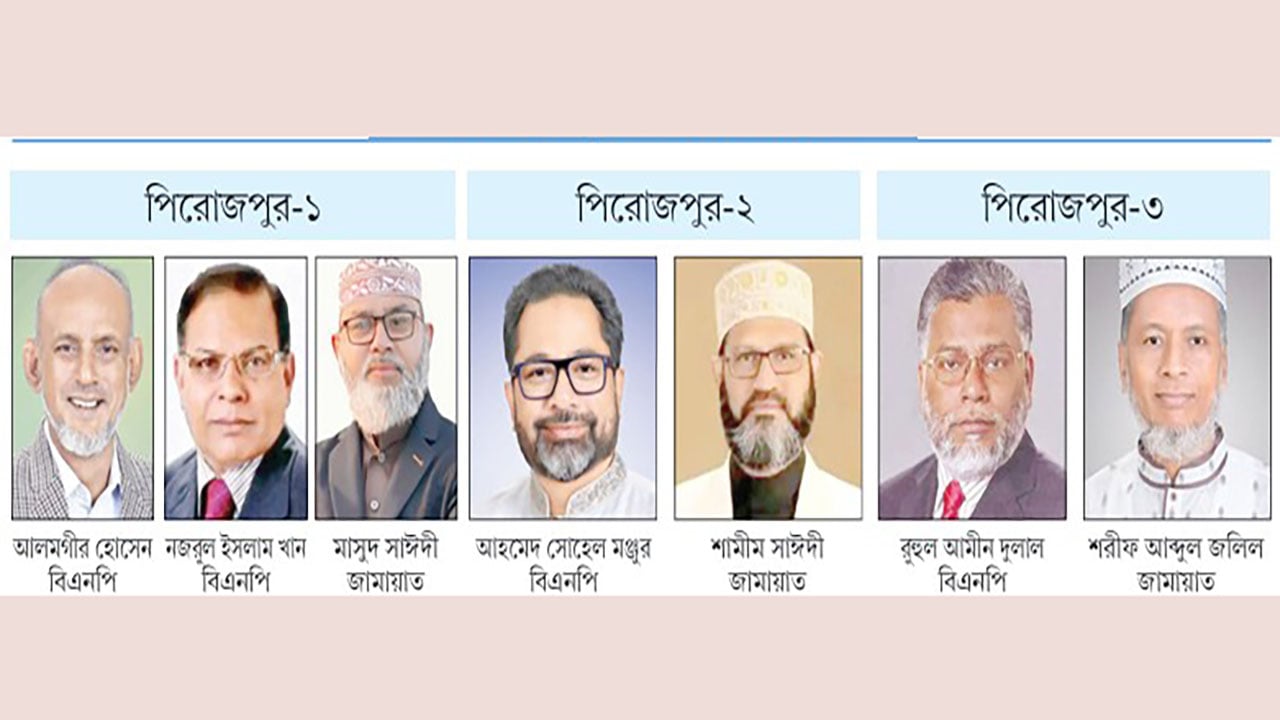
With the announcement of the 13th parliamentary election schedule, political activity has surged across Pirojpur district, where the main contest is expected between the BNP and Jamaat-e-Islami. The ruling Awami League’s absence from the race has reshaped local dynamics, particularly in Pirojpur-1, where Hindu voters make up nearly one-fourth of the electorate. Both parties are actively seeking their support through rallies and door-to-door campaigns. Jamaat has finalized candidates for all three constituencies, including Masud Sayeedi and Shamim Sayeedi, sons of former MP Delwar Hossain Sayeedi. BNP has confirmed two candidates but is yet to finalize its nominee for Pirojpur-1, where speculation surrounds several contenders. Local civic groups express cautious optimism about a fair election under an interim government, though doubts remain about the Election Commission’s neutrality. Analysts note that young and first-time voters are showing renewed enthusiasm after years of limited participation. The outcome in Pirojpur could signal broader trends in opposition-led contests across Bangladesh if voting proceeds freely.
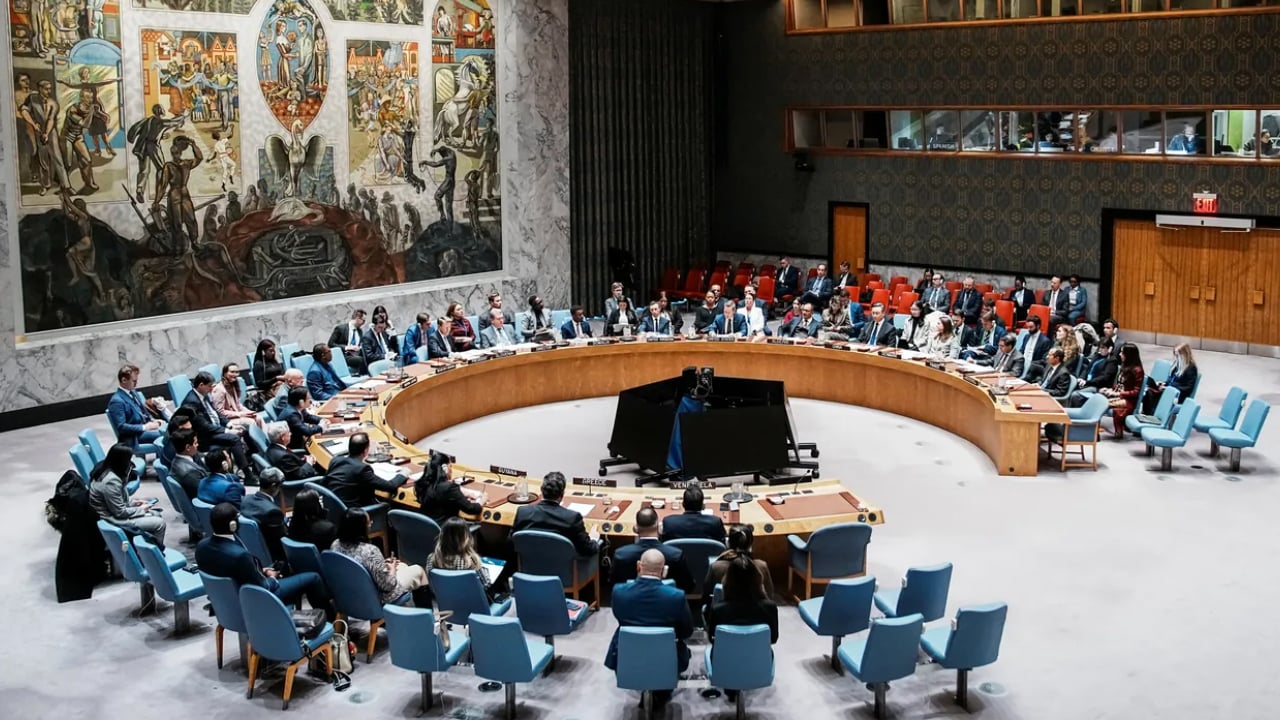
China and Russia have jointly condemned the United States for imposing a naval blockade on Venezuela, calling it an act of aggression and intimidation. The criticism came during an emergency session of the UN Security Council on Tuesday, where both countries accused Washington of violating international law by detaining oil tankers authorized to enter or leave Venezuelan waters. Russian Ambassador Vasily Nebenzya described the blockade as a form of 'real aggression' and an illegal use of force aimed at pressuring Caracas politically and economically. He argued that the U.S. only respects the sovereignty of nations aligned with its interests. China echoed Moscow’s stance, accusing Washington of using coercion to destabilize Latin America. The U.S. Navy reportedly intercepted at least two vessels departing Venezuelan ports, prompting Caracas to denounce the action as 'international piracy.' Analysts warn that the escalating tensions could further polarize the Security Council and complicate regional stability in Latin America.
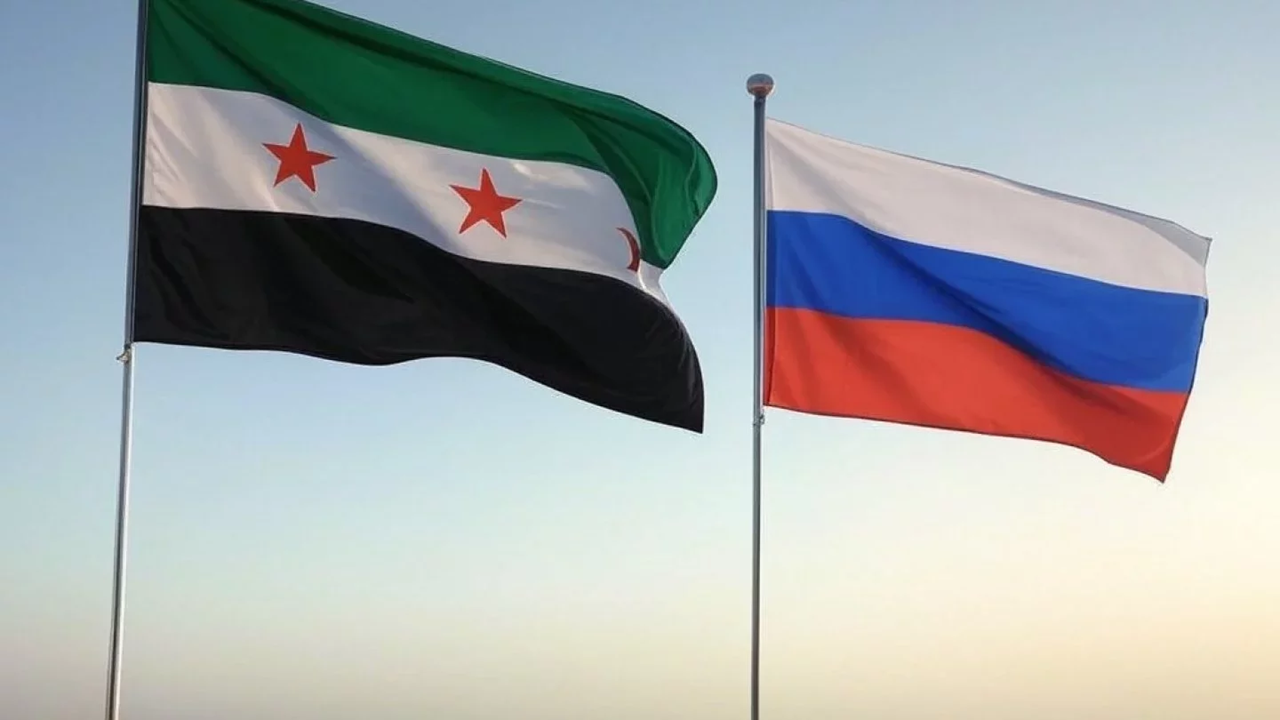
Syria’s foreign and defense ministers met Russian President Vladimir Putin in Moscow on Tuesday to discuss strengthening bilateral military cooperation, according to Syria’s state news agency SANA. The talks focused on expanding strategic collaboration in the defense industry, modernizing military equipment, and enhancing technical and research partnerships aimed at boosting Syria’s defense capabilities. This visit marks the first high-level engagement between the new Syrian leadership and Moscow since former president Bashar al-Assad, a long-time Russian ally, was ousted last December. Despite Assad’s exile in Russia, the Kremlin appears keen to maintain influence in Syria, particularly regarding access to its key Mediterranean bases at Hmeimim and Tartus. Discussions also covered economic and trade cooperation, including reconstruction projects and investment promotion. Analysts view the renewed dialogue as part of Russia’s broader strategy to preserve its strategic foothold in the Middle East amid shifting alliances. The outcomes of these talks could shape Syria’s post-war defense posture and Moscow’s long-term regional presence.
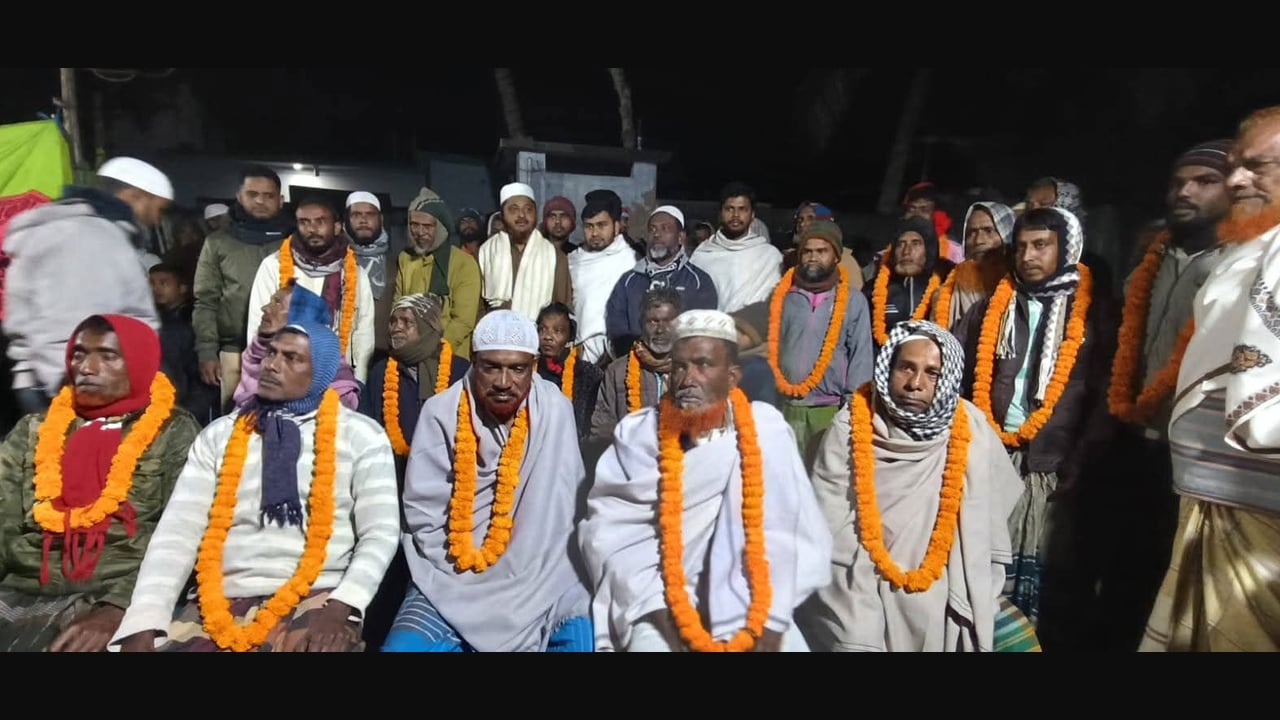
In Chuadanga’s Alamdanga upazila, seventy-one leaders and activists from the Bangladesh Nationalist Party (BNP) formally joined Bangladesh Jamaat-e-Islami on Tuesday evening. The joining ceremony, held at Jehela Union and organized by Jamaat-e-Islami, was attended by Masud Parvez Russell, assistant secretary of the district Jamaat and parliamentary candidate for Chuadanga-1, who welcomed the new members with flowers and greetings. Russell stated that Jamaat’s ideology is based on the teachings of the Prophet Muhammad (PBUH), emphasizing justice, honesty, and accountability. He added that the party believes in service-oriented politics rather than a pursuit of power. Among the new members were former ward president Kazi Yunus, secretary Imarat, and several local BNP and Jubo Dal leaders. Local Jamaat and Islami Chhatra Shibir leaders also attended the event, signaling Jamaat’s continued grassroots mobilization ahead of potential national political developments. The move reflects ongoing political realignments in rural Bangladesh as parties prepare for future electoral contests.
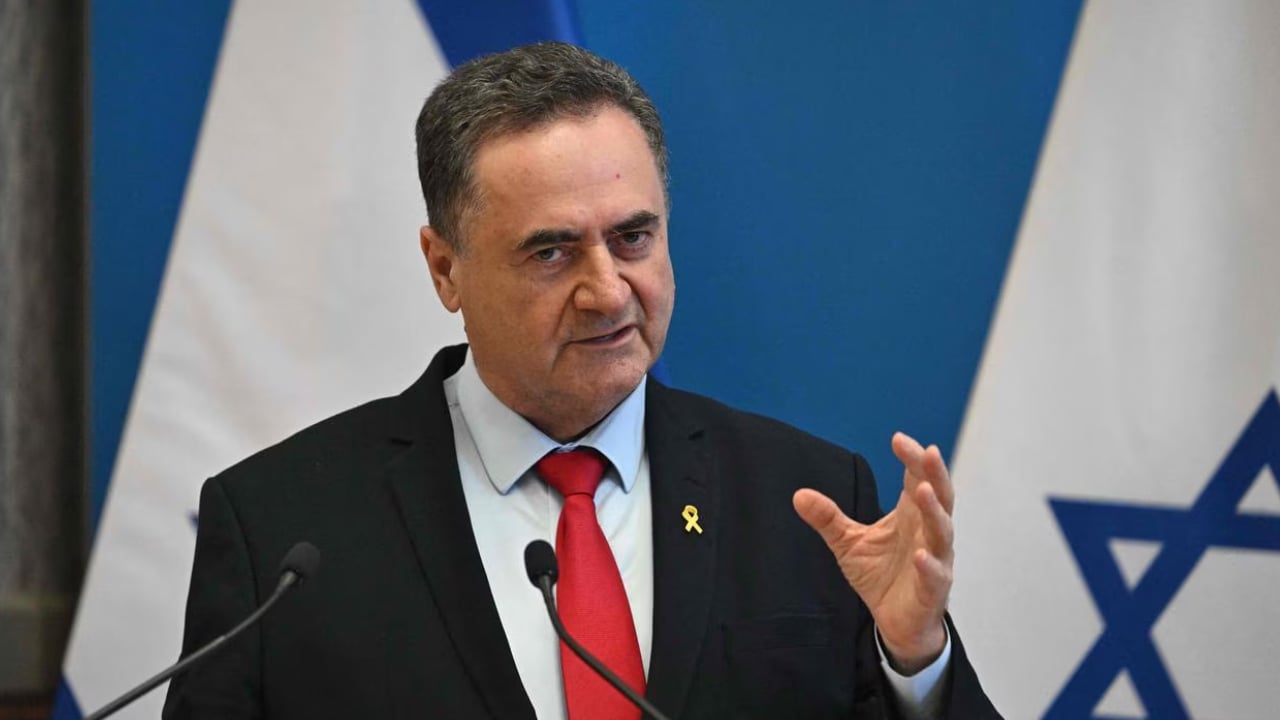
Israeli Defense Minister Israel Katz has declared that Israeli forces will not withdraw from Gaza, indicating plans to establish military outposts in the northern part of the enclave. His remarks, reported by Israeli media on Tuesday, came as mediators push for the second phase of a ceasefire that includes the withdrawal of Israeli troops from the territory. Katz made the statement during a ceremony at the Beit El settlement in the occupied West Bank, asserting that Israel’s continued presence in Gaza is necessary to prevent future attacks. Former minister and ex-chief of staff Gadi Eisenkot sharply criticized Katz’s comments, accusing the government of undermining national unity at a critical security juncture. The remarks complicate ongoing diplomatic efforts, including proposals for an interim Palestinian authority to govern Gaza and the deployment of an international stabilization force. Observers warn that Israel’s stance could stall ceasefire progress and deepen regional tensions.
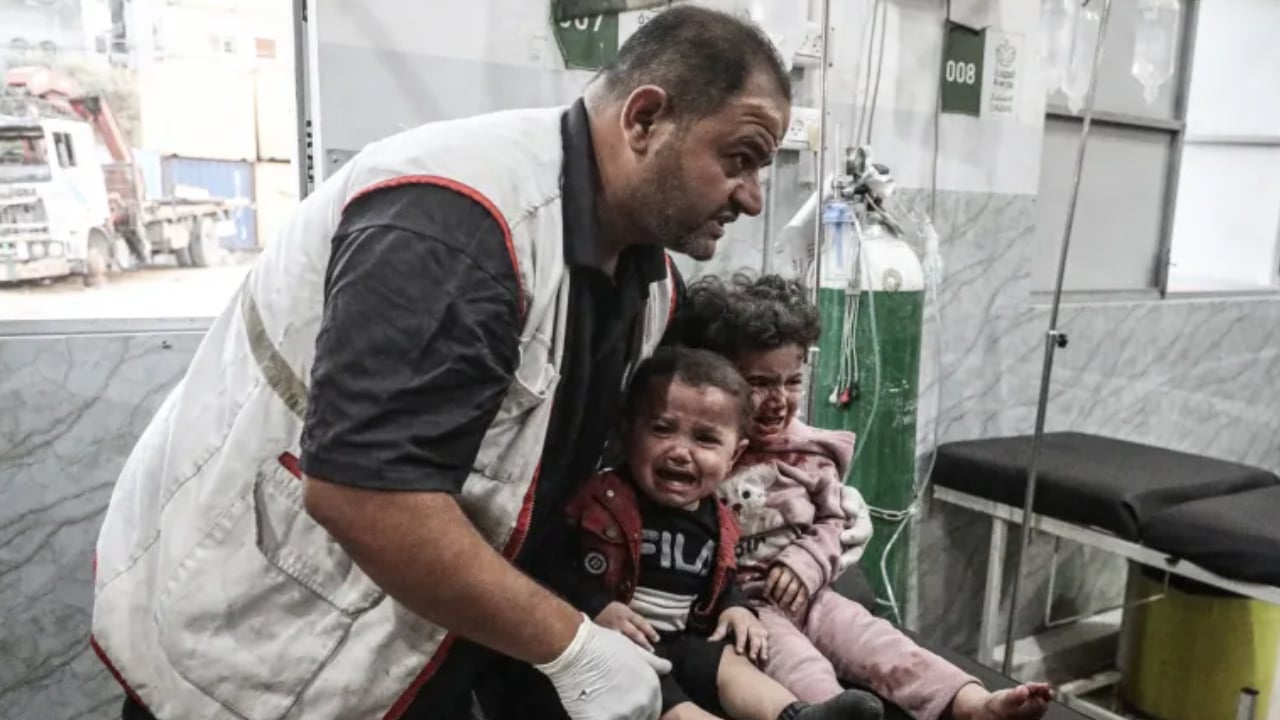
Gaza’s health system is on the brink of collapse as Israeli authorities continue to block the entry of essential medical supplies, according to Gaza’s Health Ministry. Director-General Munir al-Barsh told Al Jazeera that the blockade has made it nearly impossible to treat critically ill patients, with thousands now at risk of death. The situation persists despite a U.S.-backed ceasefire that was supposed to allow humanitarian aid, including medical shipments, into the territory. Health officials report that nearly three-quarters of needed medical equipment is unavailable, including surgical tools, anesthesia, saline, and dialysis materials. Frequent power outages and fuel shortages have further crippled hospital operations. Over the past two years of conflict, at least 125 health facilities have been damaged and more than 1,700 medical workers killed. Ninety-five Palestinian doctors and health workers remain detained by Israel. The ministry warns that Gaza is facing its worst health crisis in three decades, with thousands of glaucoma patients at risk of blindness and tens of thousands of displaced pregnant women living in unsafe conditions.
Chevron has emerged as the only foreign oil company still operating in Venezuela, following renewed U.S. sanctions targeting the country's oil tankers. Despite Washington’s full embargo and the cancellation of most operating licenses earlier in 2025, the U.S. energy giant continues production under a special exemption. Chevron operates four oil fields and one offshore gas field in partnership with state-owned PDVSA, employing about 3,000 people. Venezuela, home to the world’s largest proven oil reserves—around 303 billion barrels—has seen its daily output fall to 800,000–900,000 barrels, down from over 3 million a decade ago. Chevron contributes roughly 10% of current production, exporting 150,000–200,000 barrels daily to the U.S. Analysts note that the heavy, sulfur-rich crude is difficult to refine but strategically important for U.S. Gulf refineries. Experts suggest Chevron’s continued presence reflects Washington’s geopolitical strategy to prevent China or Russia from filling the vacuum in Venezuela’s energy sector. The company insists its operations comply with U.S. law and contribute to regional stability and energy security.

Bangladeshi cultural affairs adviser and filmmaker Mostofa Sarwar Farooki has said that the killing of activist Sharif Osman Hadi cannot intimidate Bangladesh. Writing on his verified Facebook page on Wednesday, Farooki described Hadi as a martyr who awakened a sense of unity and courage across the country. He noted that Hadi’s funeral drew massive crowds and that people continue to visit his grave daily to pray and mourn. Farooki emphasized that the 32-year-old’s death has become a symbol of resilience and inspiration for future generations. His remarks come amid ongoing public mourning and discussions about the broader implications of Hadi’s killing for civic activism and freedom of expression in Bangladesh. Observers say the incident has sparked renewed debate about political violence and the role of youth movements in shaping national identity. Authorities have yet to release detailed findings from the investigation into Hadi’s death, while civil society groups continue to demand justice and accountability.
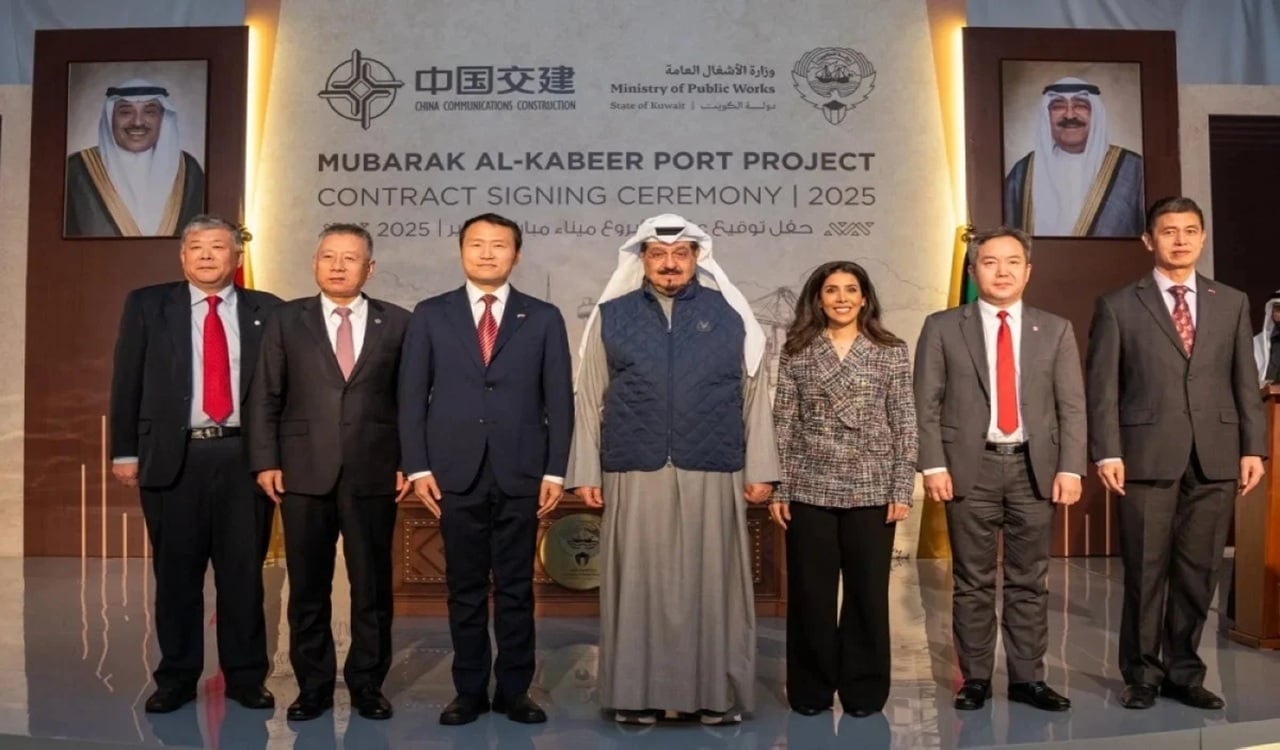
Kuwait has signed a $4.1 billion agreement with China to construct the Mubarak Al-Kabir port on Bubiyan Island, a key component of the Gulf state’s plan to diversify its economy and expand its role in global trade. The deal, valued at 1.28 billion Kuwaiti dinars, covers engineering, procurement, and construction services, according to Kuwait’s State Audit Bureau. The signing ceremony was attended by Prime Minister Sheikh Ahmad Al-Abdullah Al-Ahmad Al-Sabah, who emphasized that the project would strengthen Kuwait’s regional and international trade connectivity. China’s acting chargé d’affaires, Liu Xiang, said the agreement reflects Kuwait’s growing involvement in Beijing’s Belt and Road Initiative. The two nations had previously signed seven memoranda of understanding in 2023, covering housing, water treatment, and renewable energy projects. Analysts view the port as a strategic investment that could enhance Kuwait’s logistics capacity and attract foreign trade flows. Construction is expected to begin soon, with the project seen as a cornerstone of Kuwait’s long-term economic diversification strategy.
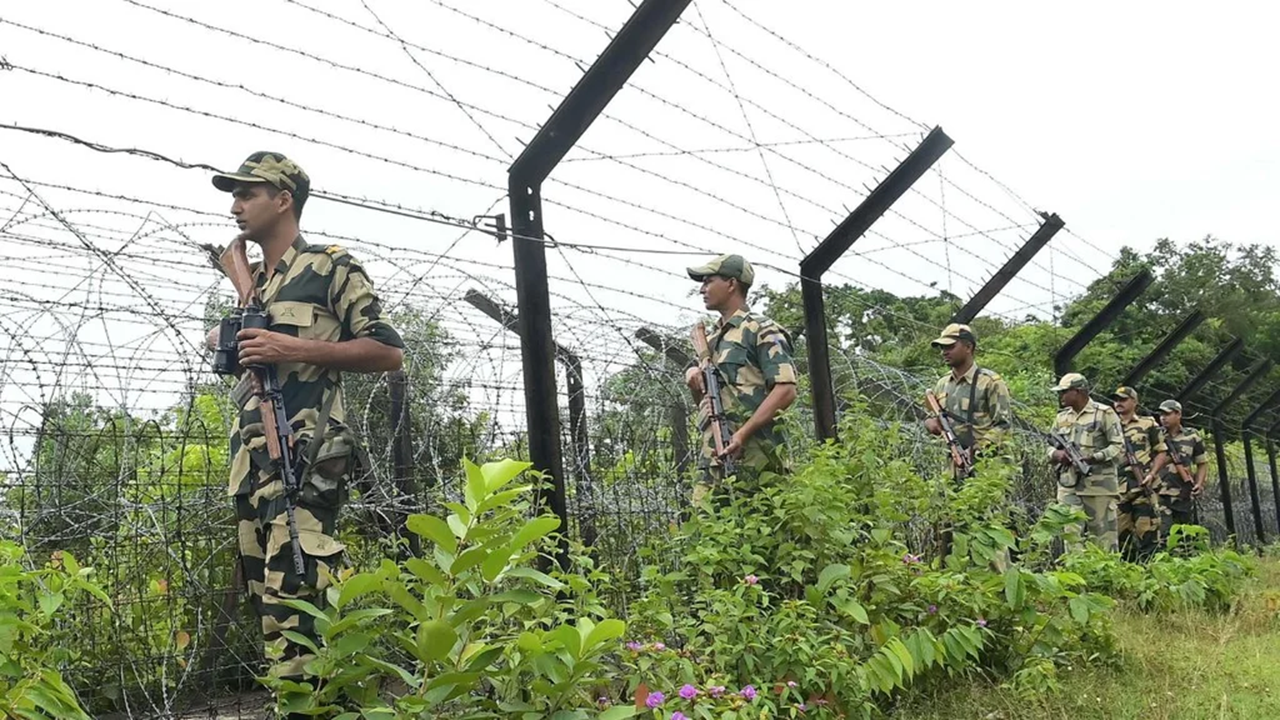
A Border Security Force (BSF) soldier was injured after accidentally shooting himself with his service weapon while on duty in Dharmanagar, Tripura. The injured soldier, identified as Bipin Kumar, 35, from the 97th Battalion, was immediately taken to Dharmanagar District Hospital late Monday night and later transferred to GB Pant Hospital in Agartala for advanced treatment. According to police and BSF officials, the incident occurred in the Maheshpur area during a late-night patrol. Preliminary findings suggest the firearm discharged unintentionally while Kumar was handling it. Authorities have described the incident as accidental and confirmed that an internal investigation is ongoing to determine the exact circumstances. The BSF has ordered a detailed inquiry into the safety protocols followed during the incident. Officials emphasized the importance of strict adherence to weapon-handling procedures to prevent similar accidents in the future.
The ‘1 Nojor’ media platform is now live in beta, inviting users to explore and provide feedback as we continue to refine the experience.