

The ‘1 Nojor’ media platform is now live in beta, inviting users to explore and provide feedback as we continue to refine the experience.
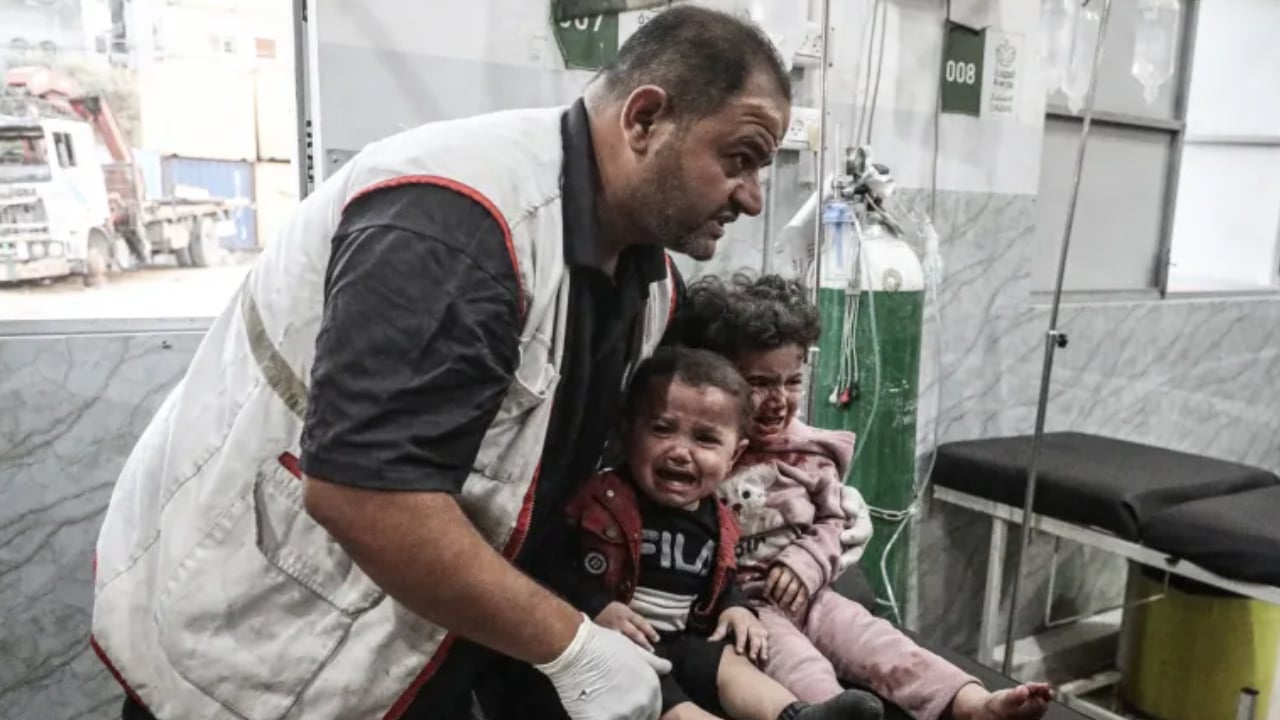
Gaza’s health system is on the brink of collapse as Israeli authorities continue to block the entry of essential medical supplies, according to Gaza’s Health Ministry. Director-General Munir al-Barsh told Al Jazeera that the blockade has made it nearly impossible to treat critically ill patients, with thousands now at risk of death. The situation persists despite a U.S.-backed ceasefire that was supposed to allow humanitarian aid, including medical shipments, into the territory. Health officials report that nearly three-quarters of needed medical equipment is unavailable, including surgical tools, anesthesia, saline, and dialysis materials. Frequent power outages and fuel shortages have further crippled hospital operations. Over the past two years of conflict, at least 125 health facilities have been damaged and more than 1,700 medical workers killed. Ninety-five Palestinian doctors and health workers remain detained by Israel. The ministry warns that Gaza is facing its worst health crisis in three decades, with thousands of glaucoma patients at risk of blindness and tens of thousands of displaced pregnant women living in unsafe conditions.
Chevron has emerged as the only foreign oil company still operating in Venezuela, following renewed U.S. sanctions targeting the country's oil tankers. Despite Washington’s full embargo and the cancellation of most operating licenses earlier in 2025, the U.S. energy giant continues production under a special exemption. Chevron operates four oil fields and one offshore gas field in partnership with state-owned PDVSA, employing about 3,000 people. Venezuela, home to the world’s largest proven oil reserves—around 303 billion barrels—has seen its daily output fall to 800,000–900,000 barrels, down from over 3 million a decade ago. Chevron contributes roughly 10% of current production, exporting 150,000–200,000 barrels daily to the U.S. Analysts note that the heavy, sulfur-rich crude is difficult to refine but strategically important for U.S. Gulf refineries. Experts suggest Chevron’s continued presence reflects Washington’s geopolitical strategy to prevent China or Russia from filling the vacuum in Venezuela’s energy sector. The company insists its operations comply with U.S. law and contribute to regional stability and energy security.

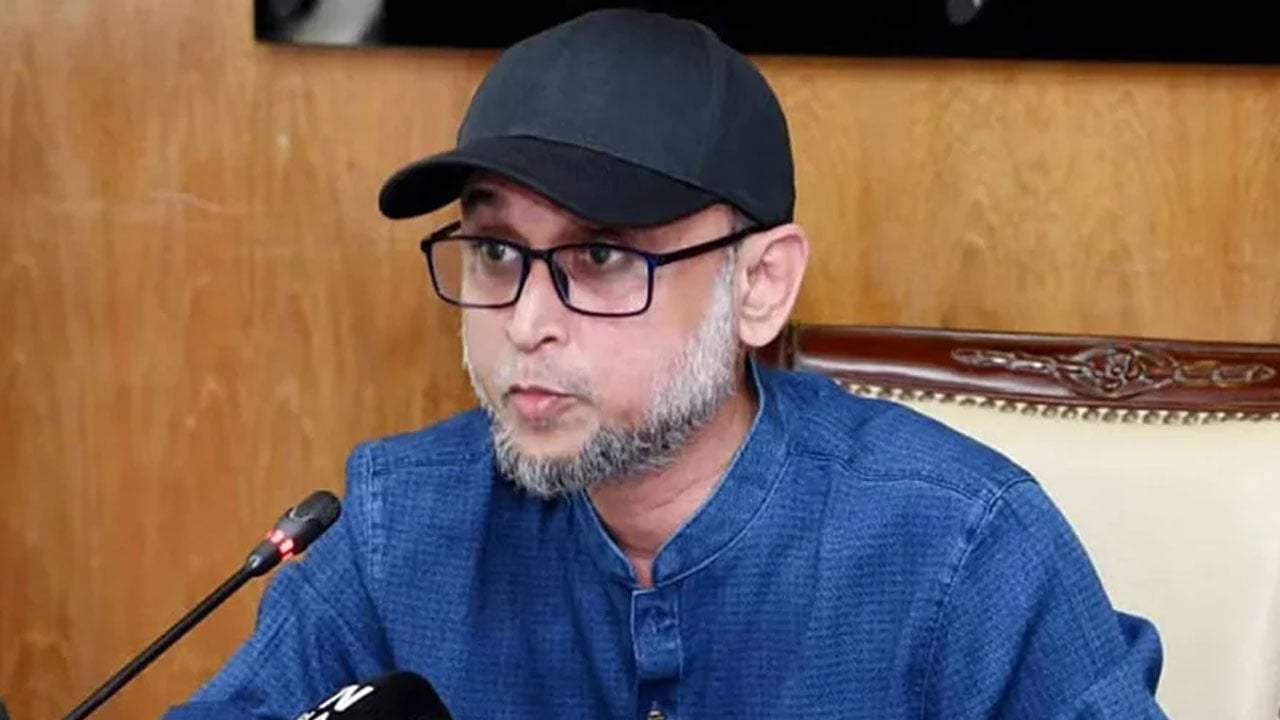
Bangladeshi cultural affairs adviser and filmmaker Mostofa Sarwar Farooki has said that the killing of activist Sharif Osman Hadi cannot intimidate Bangladesh. Writing on his verified Facebook page on Wednesday, Farooki described Hadi as a martyr who awakened a sense of unity and courage across the country. He noted that Hadi’s funeral drew massive crowds and that people continue to visit his grave daily to pray and mourn. Farooki emphasized that the 32-year-old’s death has become a symbol of resilience and inspiration for future generations. His remarks come amid ongoing public mourning and discussions about the broader implications of Hadi’s killing for civic activism and freedom of expression in Bangladesh. Observers say the incident has sparked renewed debate about political violence and the role of youth movements in shaping national identity. Authorities have yet to release detailed findings from the investigation into Hadi’s death, while civil society groups continue to demand justice and accountability.
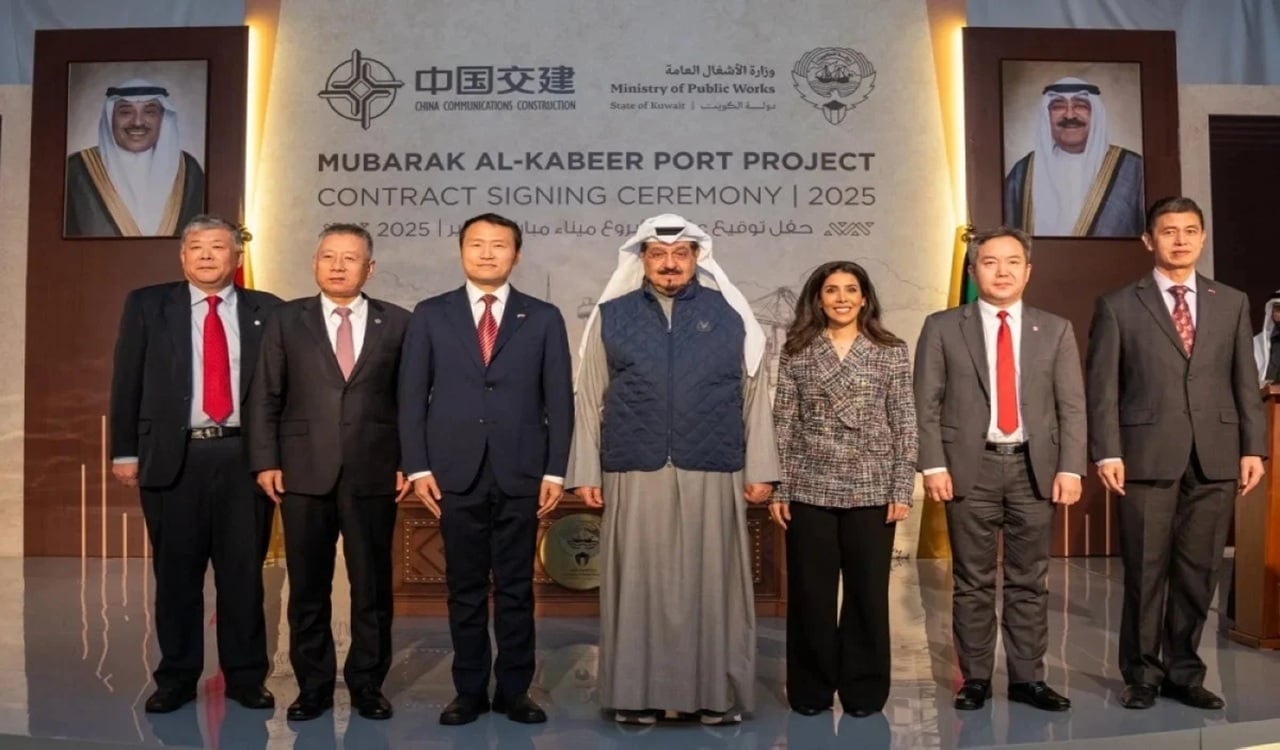
Kuwait has signed a $4.1 billion agreement with China to construct the Mubarak Al-Kabir port on Bubiyan Island, a key component of the Gulf state’s plan to diversify its economy and expand its role in global trade. The deal, valued at 1.28 billion Kuwaiti dinars, covers engineering, procurement, and construction services, according to Kuwait’s State Audit Bureau. The signing ceremony was attended by Prime Minister Sheikh Ahmad Al-Abdullah Al-Ahmad Al-Sabah, who emphasized that the project would strengthen Kuwait’s regional and international trade connectivity. China’s acting chargé d’affaires, Liu Xiang, said the agreement reflects Kuwait’s growing involvement in Beijing’s Belt and Road Initiative. The two nations had previously signed seven memoranda of understanding in 2023, covering housing, water treatment, and renewable energy projects. Analysts view the port as a strategic investment that could enhance Kuwait’s logistics capacity and attract foreign trade flows. Construction is expected to begin soon, with the project seen as a cornerstone of Kuwait’s long-term economic diversification strategy.
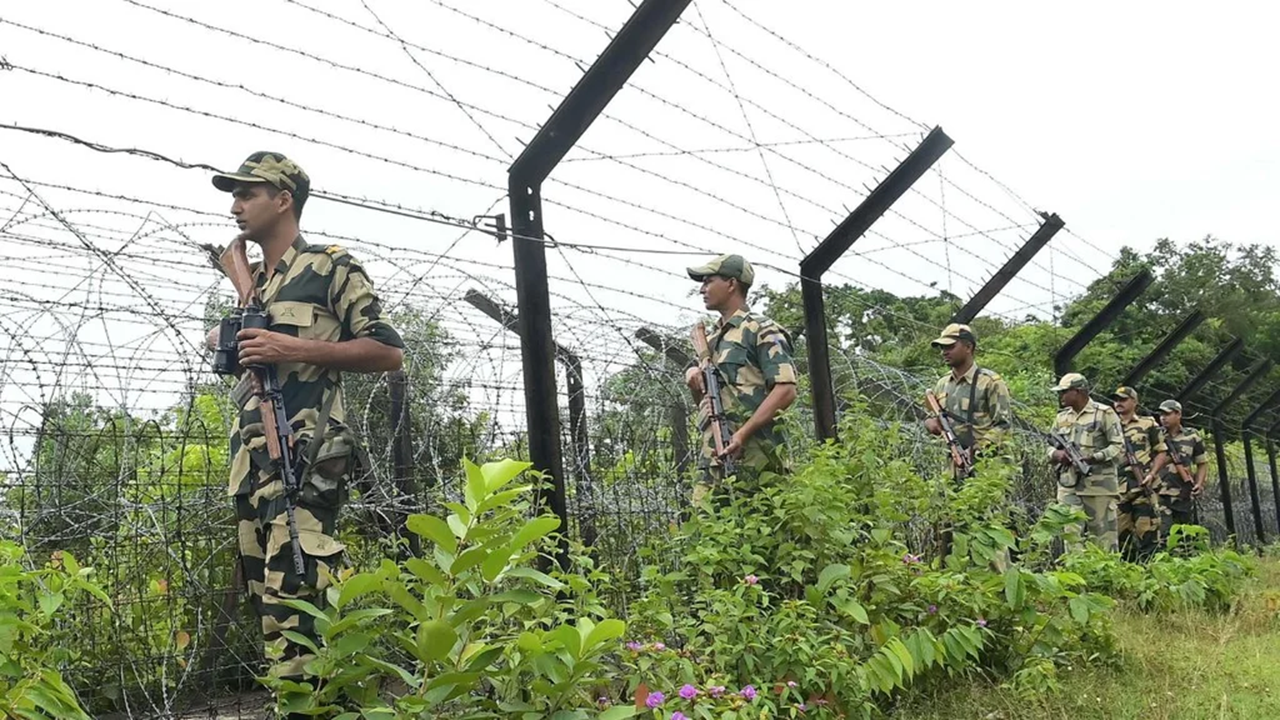
A Border Security Force (BSF) soldier was injured after accidentally shooting himself with his service weapon while on duty in Dharmanagar, Tripura. The injured soldier, identified as Bipin Kumar, 35, from the 97th Battalion, was immediately taken to Dharmanagar District Hospital late Monday night and later transferred to GB Pant Hospital in Agartala for advanced treatment. According to police and BSF officials, the incident occurred in the Maheshpur area during a late-night patrol. Preliminary findings suggest the firearm discharged unintentionally while Kumar was handling it. Authorities have described the incident as accidental and confirmed that an internal investigation is ongoing to determine the exact circumstances. The BSF has ordered a detailed inquiry into the safety protocols followed during the incident. Officials emphasized the importance of strict adherence to weapon-handling procedures to prevent similar accidents in the future.
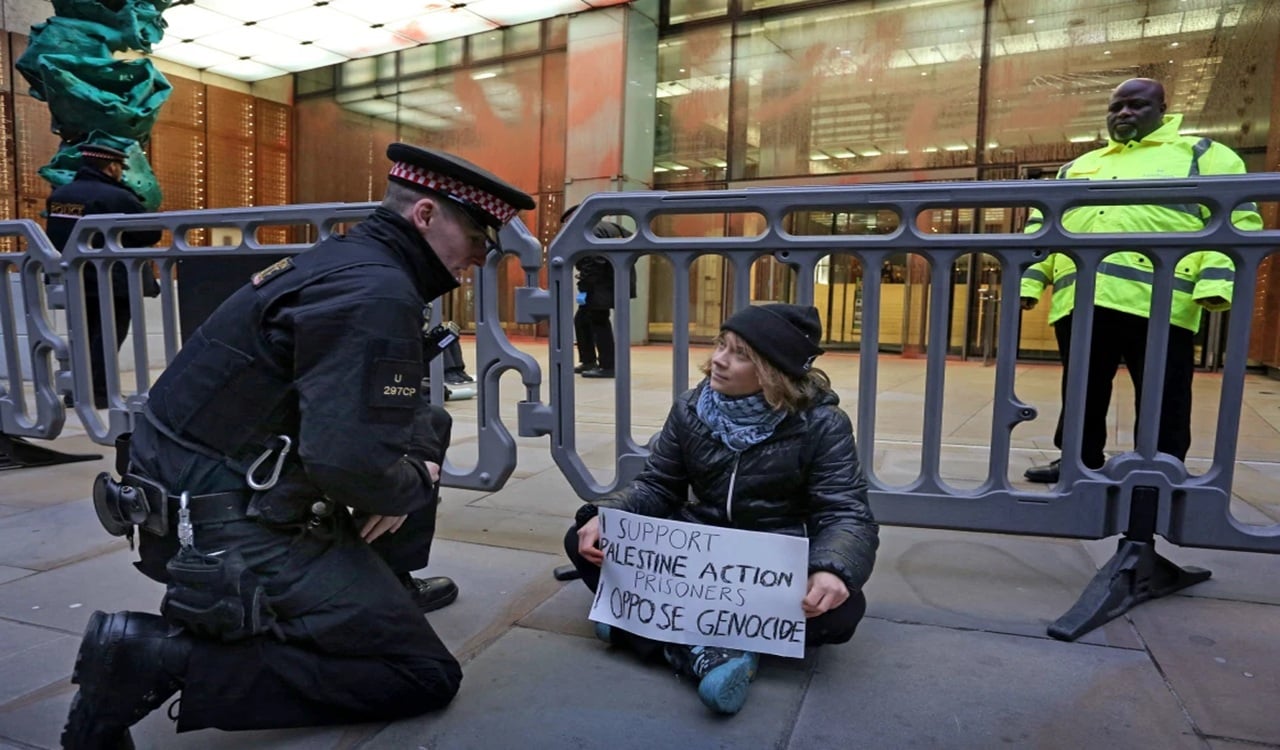
Swedish climate and human rights activist Greta Thunberg was arrested in central London on December 23 after joining a pro-Palestinian demonstration organized by Palestine Action. The protest took place outside Aspen Insurance’s office, where Thunberg was seen holding a placard expressing solidarity with imprisoned activists and opposing what she described as genocide. London City Police confirmed that a 22-year-old woman was detained for displaying material supporting a banned organization, though they did not name Thunberg directly. The UK government outlawed Palestine Action in July 2025, citing its involvement in disruptive protests targeting companies linked to Israel. Since the ban, hundreds of demonstrators have reportedly been arrested under similar charges. Thunberg’s detention adds to her growing record of civil disobedience in environmental and human rights causes. The incident is expected to reignite debate over the UK’s protest laws and their impact on freedom of expression, especially in politically sensitive contexts involving international conflicts.
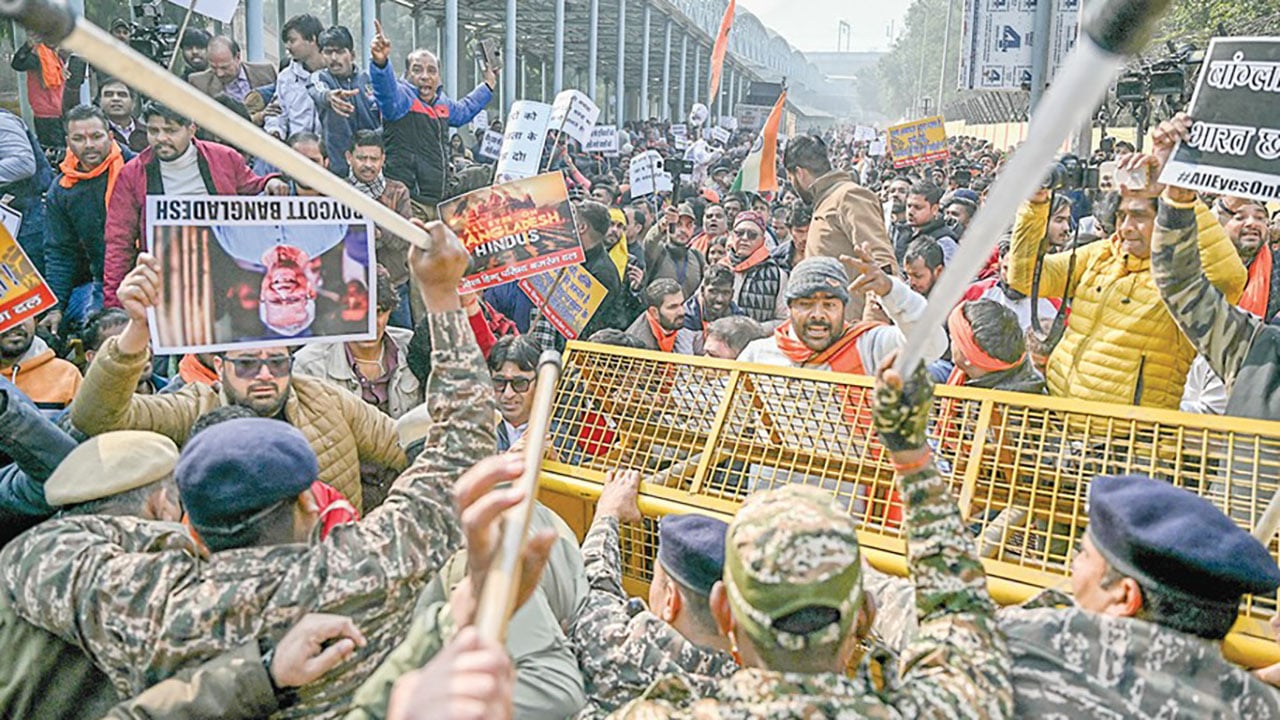
Bangladesh has lodged a strong diplomatic protest with India after a series of violent attacks by Hindu nationalist groups on its diplomatic missions in New Delhi, Mumbai, Kolkata, and Siliguri. Dhaka summoned Indian High Commissioner Pranay Verma on Tuesday, describing the incidents as premeditated acts of violence and intimidation that endangered Bangladeshi diplomats and violated international norms. Following the attacks, Bangladesh’s High Commission in Delhi suspended visa services for Indian nationals indefinitely. In Delhi and Mumbai, members of the Vishva Hindu Parishad and Bajrang Dal clashed with police, vandalized property, and issued death threats against Bangladeshi diplomats. The protests, allegedly supported by local political figures, were organized over the killing of a Hindu man in Bangladesh. India’s Ministry of External Affairs informally summoned Bangladesh’s envoy in response, accusing Dhaka of overreacting. The escalating tensions mark one of the most serious strains in recent Bangladesh–India relations. Dhaka has demanded a full investigation and stronger protection for its missions, while observers warn that continued unrest could undermine bilateral cooperation and regional stability.
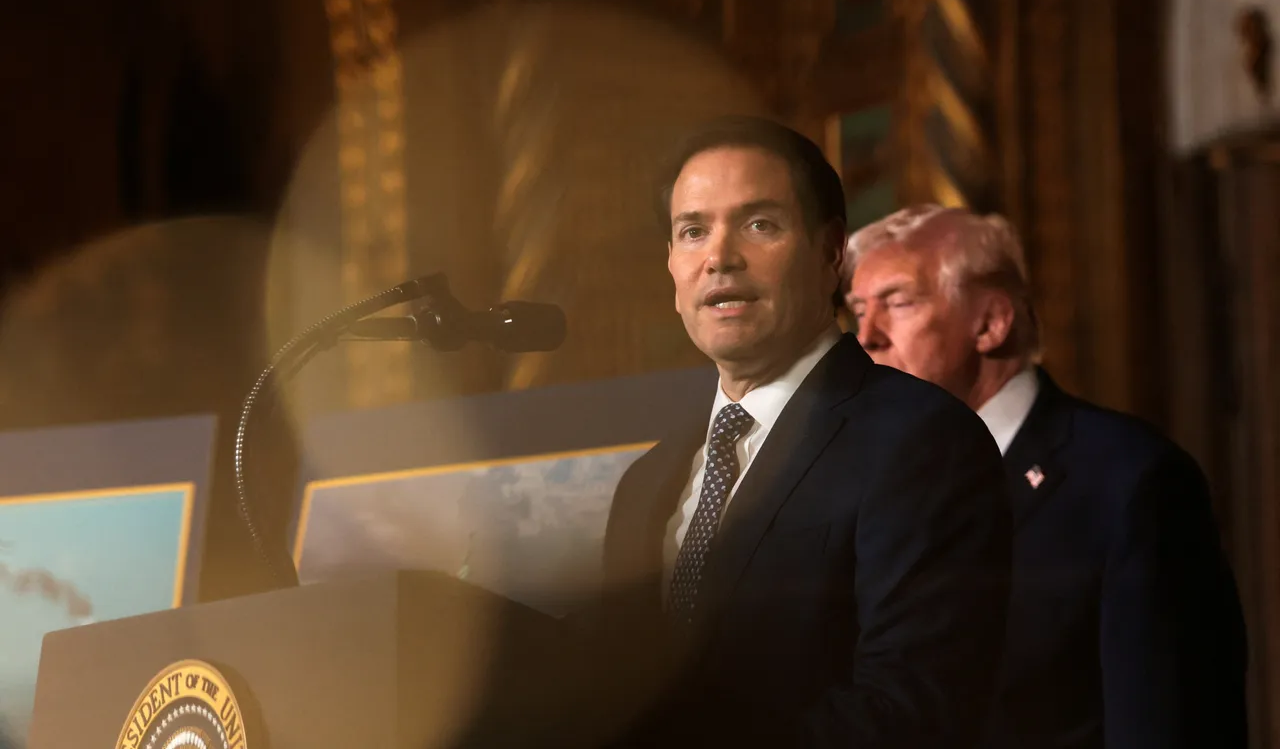
The US State Department has announced visa bans on five European figures, including former EU Commissioner Thierry Breton, accusing them of aiding censorship and exerting pressure on free expression. Breton, who helped design the EU’s Digital Services Act (DSA), was cited for his role in shaping online content moderation rules. Others sanctioned include leaders from the UK-based Global Disinformation Index and Germany’s HateAid. Secretary of State Marco Rubio said the individuals and organizations acted as tools of foreign censorship campaigns targeting American speakers and companies. Breton dismissed the move as politically motivated harassment, arguing that Washington’s understanding of censorship is misplaced. European officials have rejected claims that the DSA suppresses political speech. The decision has drawn criticism from conservative US groups, who claim it punishes right-wing viewpoints. Analysts warn the dispute could strain transatlantic cooperation on digital regulation and free speech standards, as both sides accuse each other of politicizing online governance.
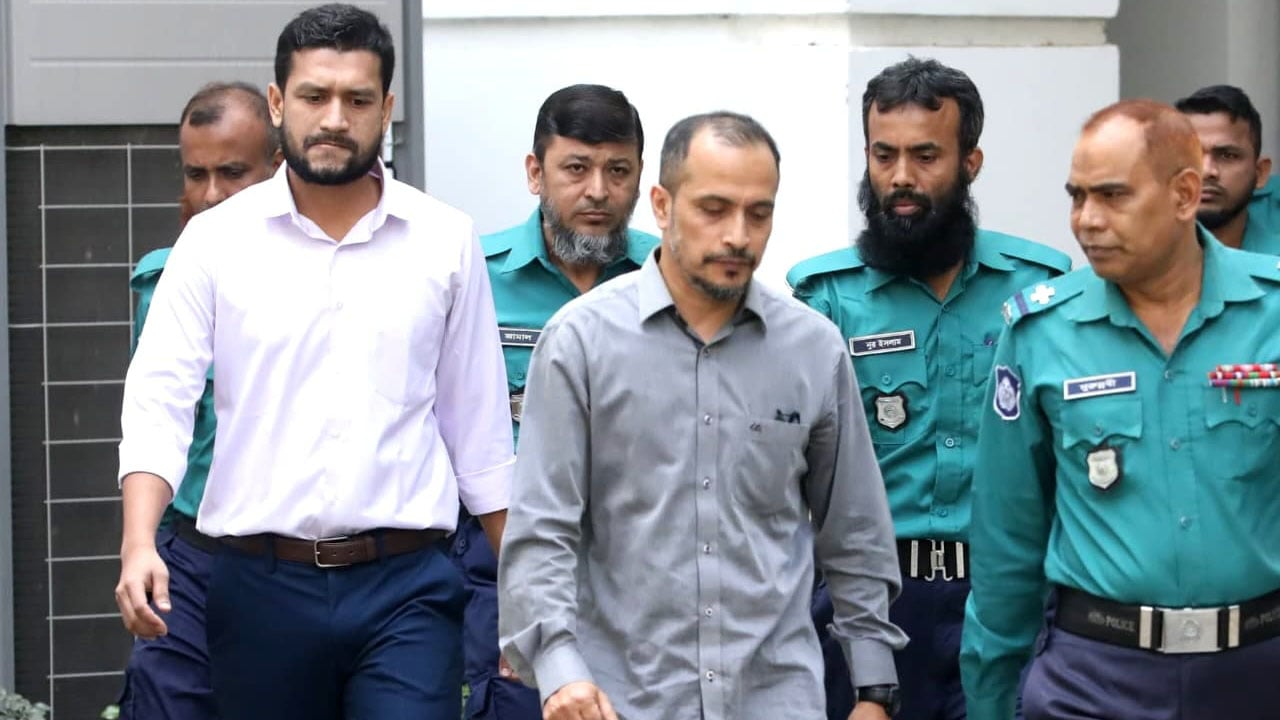
Bangladesh’s International Crimes Tribunal-1 has formally opened the trial of four accused, including Border Guard Bangladesh (BGB) officers Lt. Col. Redwanul Islam and Major Md. Rafat Bin Alam, in connection with the killing of 28 people during the July uprising in Dhaka’s Rampura area. The tribunal, led by Chairman Golam Mortuza Majumder, rejected the defendants’ petitions for discharge and set January 20 for opening statements. The two detained officers were brought to court from prison, where the charges were read out by Justice Shafiul Alam Mahmud. Both pleaded not guilty and sought justice. The other two accused—former DMP ADC Md. Rashedul Islam and former Rampura Police OC Md. Moshior Rahman—remain fugitives. Chief Prosecutor Mohammad Tazul Islam had earlier completed the hearing on charge framing on December 6. The tribunal’s decision marks a significant step in addressing alleged crimes committed during the July uprising. The upcoming proceedings are expected to examine evidence and witness testimonies to determine accountability for the Rampura killings.
Government documents reveal that Sajjad Hossain, known as ‘Chhoto Sajjad’ and listed by police as a top Chattogram criminal, received bail in several murder cases without any state challenge or suspension request. The bail orders, issued between September 15 and 22, 2025, covered seven murder cases involving Sajjad and his wife, Sharmin Akter Tamanna. Despite the gravity of the charges, internal notes from the Attorney General’s Office marked the cases with ‘no objection.’ Additional Attorney General Mohammad Arshadur Rauf, who was acting Attorney General at the time, said he was unaware of Sajjad’s criminal background when approving the decision. He explained that the office handles a large volume of case files, often lacking full background details. After media exposure, Rauf said he personally sought to suspend the bail orders through the Appellate Division. Police identify Sajjad as a key figure in organized crime, extortion, and murder in Chattogram’s Bayezid and Chandgaon areas. The incident has raised concerns about case management and information flow within the Attorney General’s Office.

Russian authorities reported that Ukraine launched a major overnight drone assault targeting Moscow and surrounding regions, including the Tula industrial zone where a fire broke out. Moscow Mayor Sergei Sobyanin said at least three drones approaching the capital were shot down, and emergency services were deployed to affected areas. No immediate casualties or damage were reported. Russia’s Defense Ministry stated that its air defense systems destroyed 172 Ukrainian drones overnight, with nearly half intercepted near border regions. Two of Moscow’s four main airports temporarily restricted operations following the attacks. Tula Governor Dmitry Milyaev confirmed that debris from a downed drone caused a fire at an industrial facility, though details about the site or damage remain undisclosed. The incident marks another escalation in Ukraine’s long-range drone campaign targeting Russian military, energy, and logistics infrastructure. Kyiv maintains that such strikes are a defensive response to Russia’s continued assaults on Ukrainian territory, signaling the deepening technological and strategic dimensions of the conflict.

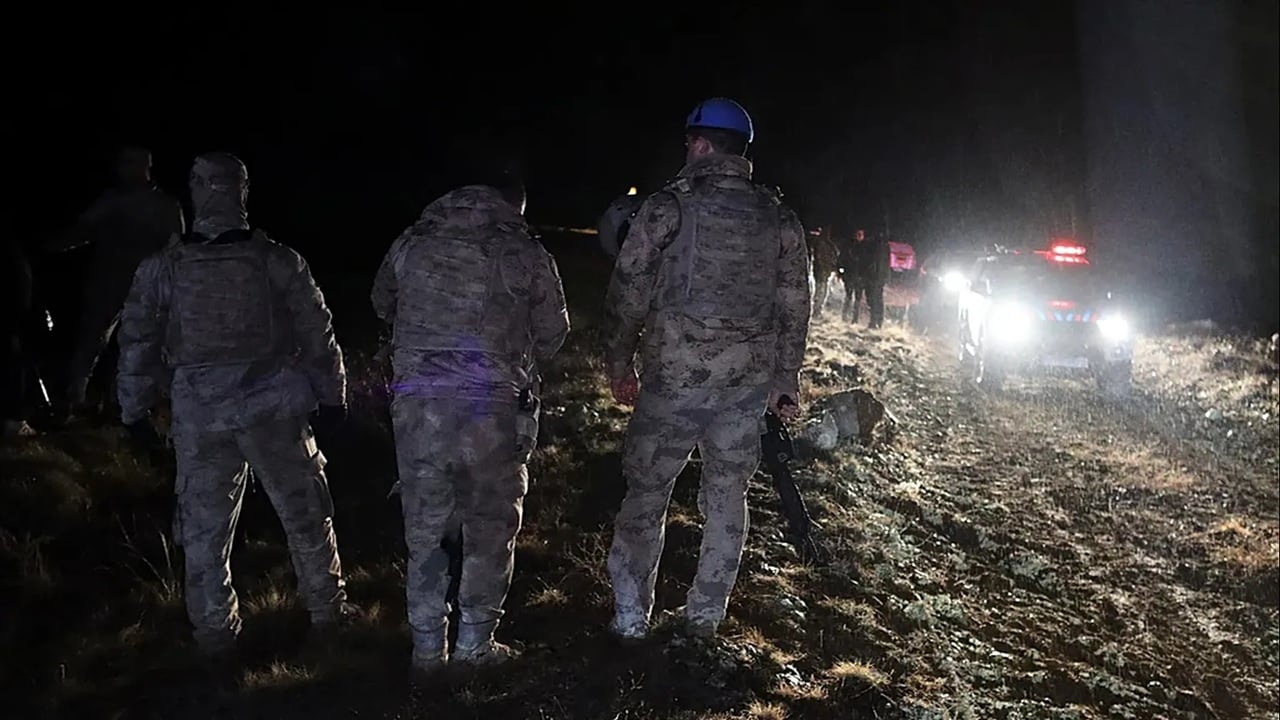
A private jet carrying Libya’s Chief of General Staff, Mohammed al-Haddad, crashed in Turkish airspace after reporting an electrical malfunction, Turkish officials confirmed. The aircraft had requested emergency landing clearance before losing contact and going down. All eight people on board, including al-Haddad, four Libyan military officials, and three crew members, were killed. Turkish Presidency Communications Director Fahrettin Altun stated that pilots had notified air traffic control of the issue moments before the crash. Libya’s Prime Minister Abdul Hamid Dbeibah confirmed al-Haddad’s death, calling it a tragic loss for the nation and its armed forces. Among the victims were senior military figures such as General al-Fitouri Gharibiel and Brigadier General Mahmoud al-Katawi. The Libyan delegation had been traveling to Ankara for high-level defense talks aimed at strengthening bilateral military cooperation. Turkish authorities have launched an investigation into the cause of the accident, with preliminary findings pointing to a possible electrical systems failure.
A powerful explosion ripped through a nursing home in Bucks County, Pennsylvania, killing at least two people and leaving five others missing, state officials confirmed on Tuesday. Governor Josh Shapiro said the blast occurred at the Silver Lake facility north of Philadelphia, likely caused by a gas leak. The explosion caused part of the building to collapse, trapping several residents under burning debris. Fire Chief Kevin DiPolito of Bristol Township reported that firefighters smelled strong gas upon arrival and faced extensive structural damage, with the first floor collapsing into the basement. Emergency crews rescued multiple individuals from windows, stairwells, and elevators, while search efforts continue for those unaccounted for. Governor Shapiro praised the swift coordination between firefighters and police during the evacuation. Authorities noted that the nursing home recently changed ownership, and state health inspectors had visited earlier in December to review quality improvement plans. Investigators are now focusing on determining the exact cause of the explosion and assessing the facility’s compliance with safety standards.

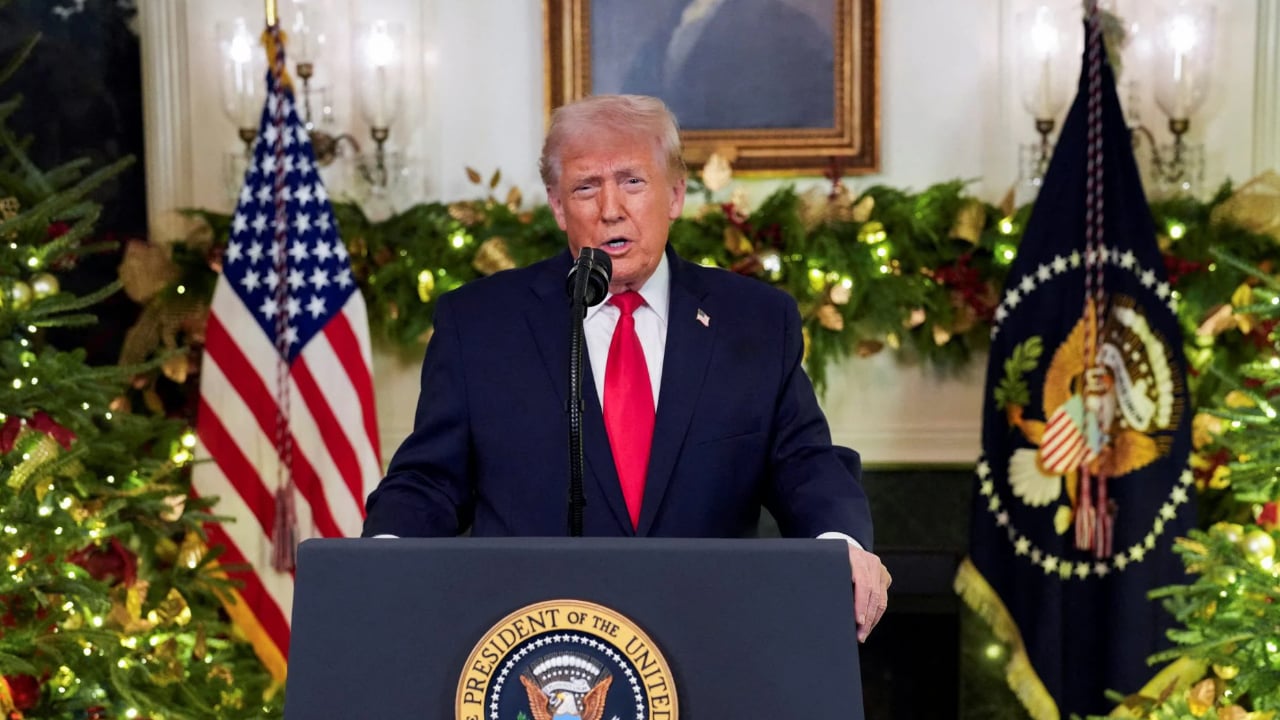
The Trump administration has ordered the recall of around 30 ambassadors and senior diplomats appointed during President Joe Biden’s tenure, as part of a sweeping reshuffle aligned with the 'America First' policy. According to U.S. State Department officials, the affected diplomats have been notified that their assignments will end in January 2026. The move primarily targets political appointees, with plans to replace them with individuals loyal to President Trump’s foreign policy agenda. Officials described the decision as a routine transition process, though critics argue it reflects growing politicization within U.S. diplomacy. The American Foreign Service Association called the action 'highly irregular' and warned it could undermine U.S. credibility abroad. Most of the recalled ambassadors served in African and Asian nations, including Nigeria, Uganda, the Philippines, and Vietnam. Analysts say the reshuffle underscores Trump’s intent to consolidate control over foreign missions early in his second term. The replacements are expected to be announced in early 2026, potentially signaling a shift in U.S. diplomatic priorities toward more transactional, nationalist engagement.
Bangladesh’s National Board of Revenue (NBR) has made online income tax return filing mandatory for individual taxpayers from fiscal year 2025–26, implemented through local tech firm Synesis IT. However, NBR has yet to sign a formal contract with the company, despite the system handling sensitive taxpayer data. Officials and experts have voiced concern over potential legal and data security risks arising from this contractless arrangement. Synesis IT developed the online return software under a European Union grant that expired in mid-2024, after which the firm continued service without payment. NBR Chairman Abdur Rahman Khan acknowledged the absence of a contract, citing lengthy government procurement procedures. Synesis officials said they have repeatedly requested a formal agreement, warning of financial strain from providing unpaid services. Some NBR insiders expressed surprise that a mandatory national service operates without a legal framework. The situation highlights governance and accountability gaps in Bangladesh’s digital tax modernization. While the system has reduced corruption and improved taxpayer convenience, unresolved contracting issues could expose the government to future legal and financial complications if not promptly addressed.

The ‘1 Nojor’ media platform is now live in beta, inviting users to explore and provide feedback as we continue to refine the experience.