

The ‘1 Nojor’ media platform is now live in beta, inviting users to explore and provide feedback as we continue to refine the experience.
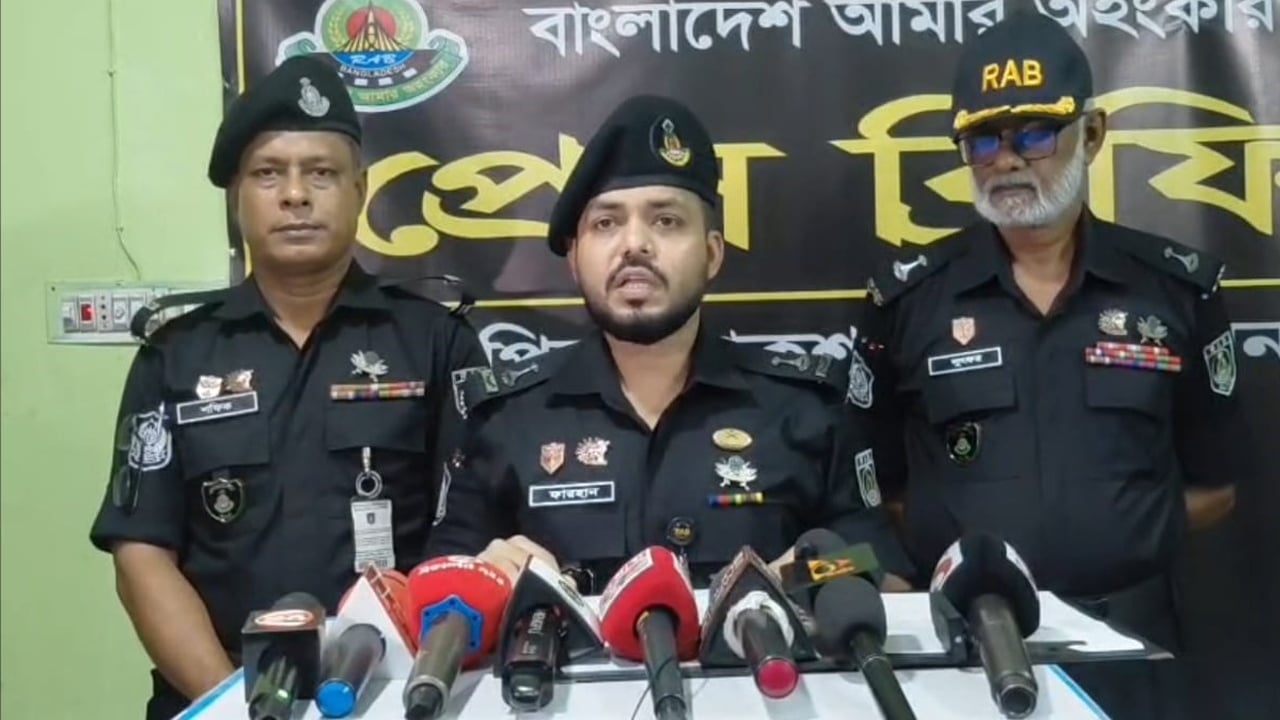
RAB-10 conducted an operation at the Rajbari Road intersection in Faridpur, seizing 880 bottles of cough syrup valued at approximately Tk 2.6 million. The raid took place late Friday night under the leadership of Company Commander Major Farhan. During the operation, a private car used to transport the drugs was also confiscated. The arrested individual was identified as Md. Rana Gazi, aged 32, from Sakhpur village under Debhata police station in Satkhira district. According to RAB, he is a professional drug dealer with existing narcotics cases against him. He allegedly collected drugs from border areas and distributed them in Faridpur and other parts of the country. Authorities stated that legal action would follow as part of ongoing efforts to curb drug trafficking in the region.
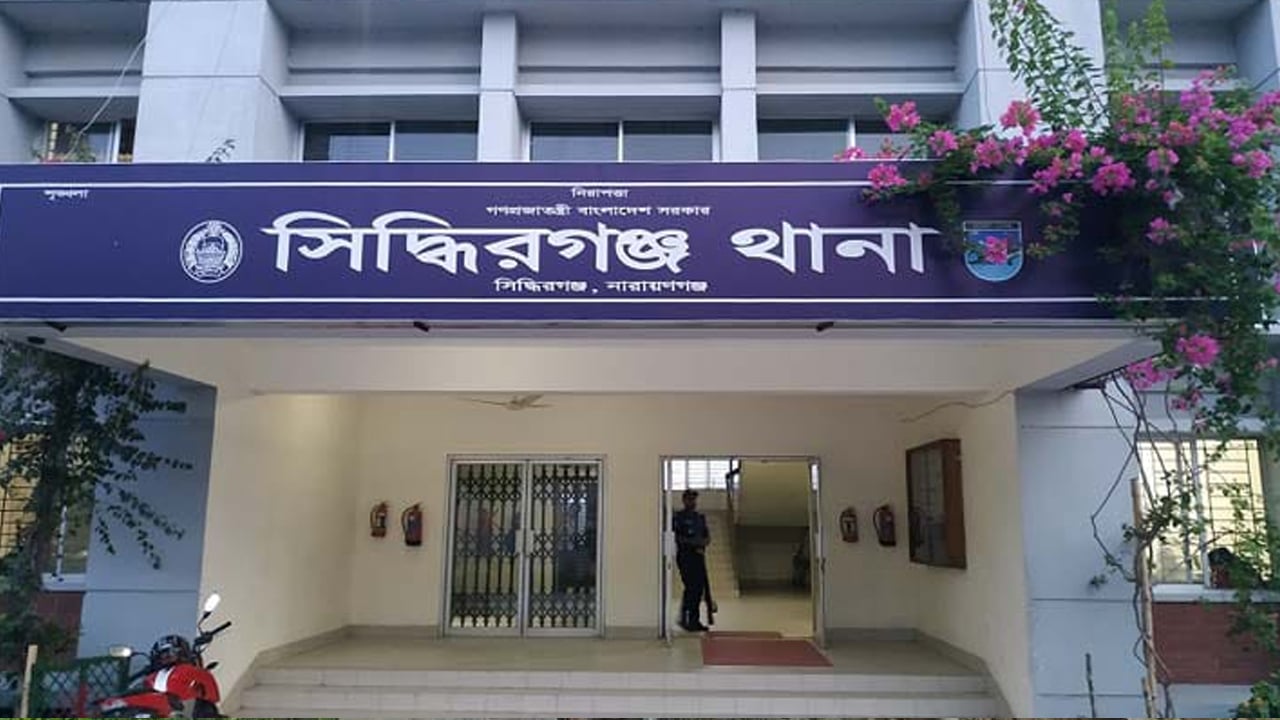
Police in Siddhirganj, Narayanganj have filed a case under the Anti-Terrorism Act against 130 individuals, including named leaders and activists of the Awami League’s affiliated organizations Chhatra League and Jubo League. The case, lodged by Sub-Inspector Mohammad Shah Alam on Saturday morning, names 40 people and lists 80 to 90 others as unidentified. Twelve individuals detained during preparations for a flash procession have been shown arrested and sent to court. According to the case statement, around 2:45 p.m. on June 26, a group allegedly gathered secretly at the Mouchak U-turn area on the Dhaka–Chattogram Highway to organize a flash procession. The report claims they chanted anti-government slogans, created public panic, and conspired to destabilize the state. Police recovered five provocative posters from the scene, though most suspects fled upon sensing police presence. Siddhirganj Police Inspector Mohammad Emdadul Haque stated that operations are ongoing to apprehend the remaining fugitives.
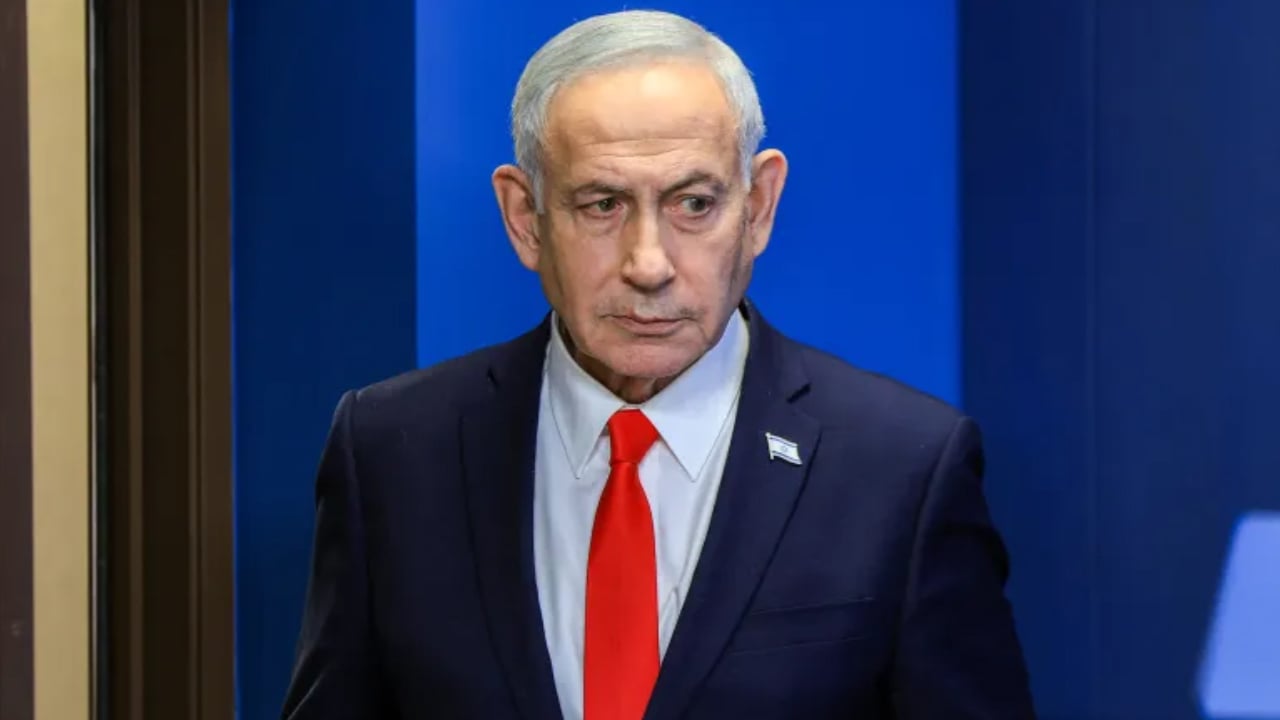
Israel’s upcoming general election, scheduled for October, is being described as the most critical test of Prime Minister Benjamin Netanyahu’s long political career. The vote comes amid regional conflict, policy controversies, and corruption allegations that could determine his political future. Analysts suggest that this election could potentially bring an end to his decades-long dominance in Israeli politics. Netanyahu, Israel’s longest-serving prime minister, is facing mounting challenges as the country’s political landscape grows increasingly complex. Reports indicate that on February 28 he persuaded U.S. President Donald Trump to join military action against Iran, prompting retaliatory attacks by Tehran on Israel, several Gulf states, and ships in the Strait of Hormuz. Simultaneously, Israel remains engaged in conflict with Hezbollah along its northern border, while balancing U.S. pressure to halt operations in Lebanon with domestic demands for a tougher stance against Iran and its allies. Public dissatisfaction has also intensified over Netanyahu’s refusal to establish an independent inquiry into government failures before and after the October 7, 2023 Hamas-led attack in southern Israel, further straining his leadership ahead of the election.
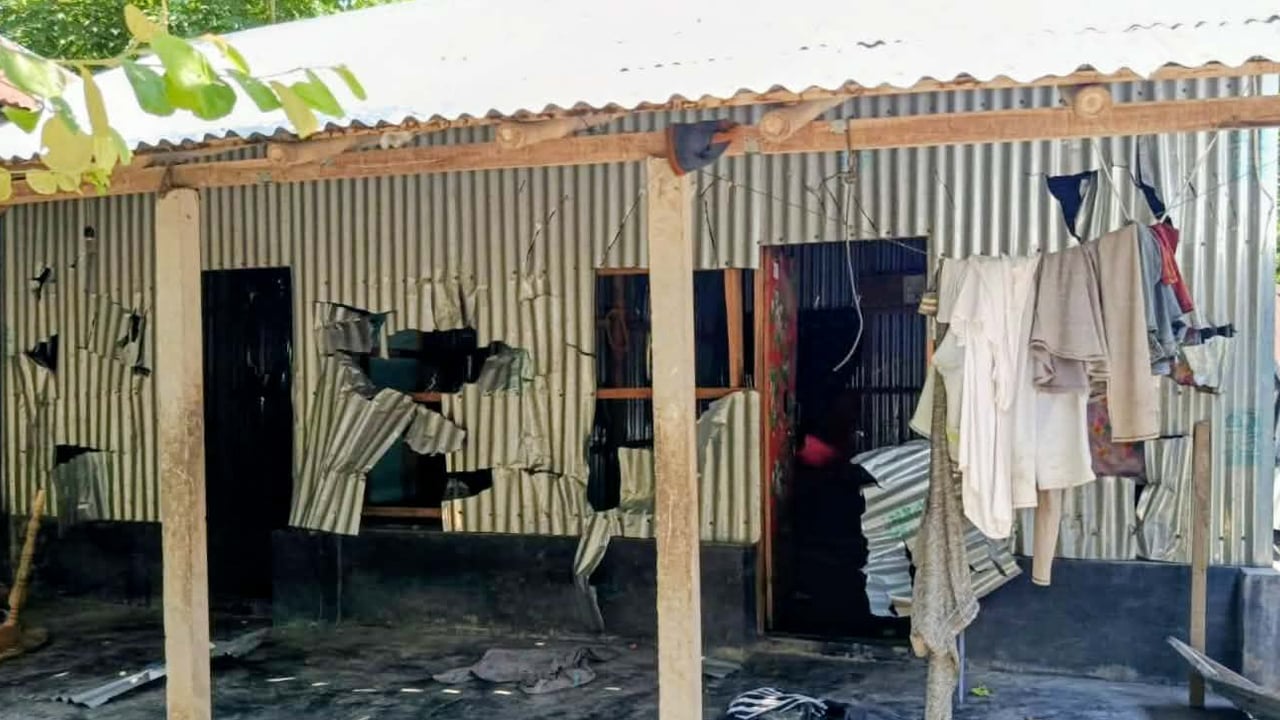
A violent attack in Mashalia village of Sreepur upazila, Magura, resulted in vandalism and looting at around 20 houses on Saturday morning. Police confirmed that one person has been detained in connection with the incident. According to local sources, the attack stemmed from a long-standing dispute over local dominance between residents Abdur Rashid and Akbar Mondal. Following Akbar Mondal’s death in a previous attack on Monday, his opponents reportedly went into hiding. On Saturday, Akbar Mondal’s son Hasan Ali allegedly led a group that carried out the vandalism and looting. Sreepur Police Station Officer-in-Charge Md. Oli Mia stated that the situation is now under control, with additional police deployed in the area to maintain order.
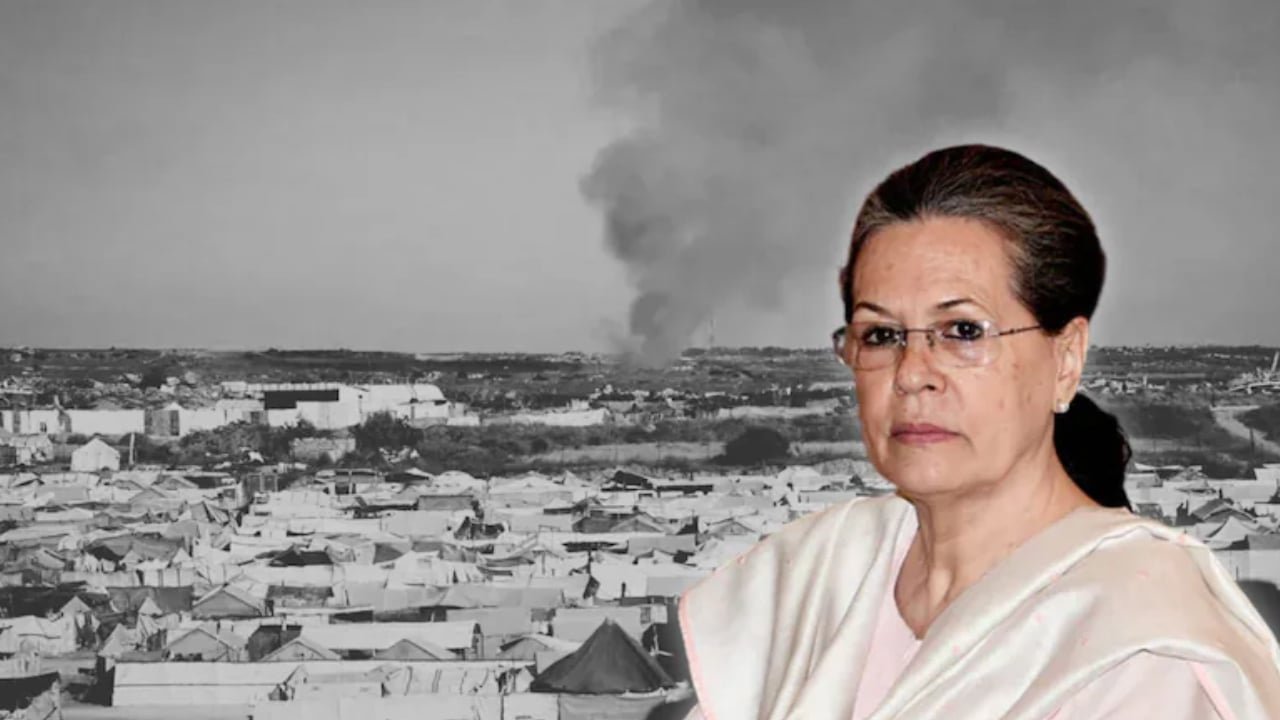
Congress MP Sonia Gandhi has sharply criticized the ruling Bharatiya Janata Party (BJP) government for its stance and silence on the Gaza issue. In an opinion article published on June 27, 2026, she accused the government of abandoning India’s historic support for Palestine in favor of closer ties with Israel. Citing a UN commission report, she alleged that Israel committed genocide in Gaza following Hamas’s 2023 attack, causing massive civilian casualties, including over 20,000 children killed and 44,000 injured. Gandhi also condemned the international community’s inaction in stopping the conflict. She argued that New Delhi’s silence on the suffering of Gaza’s civilians is morally indefensible and contrary to India’s national interests. According to her, moving away from India’s traditional pro-Palestine position could harm the country’s global image. She urged the government to take a clearer stand in support of Palestinian rights. The BJP strongly rejected her comments, calling them misleading. Party spokesperson Shehzad Poonawalla said India has repeatedly clarified its position, provided humanitarian aid, and supported ceasefire resolutions at the UN, accusing Congress of mixing foreign policy with vote-bank politics.
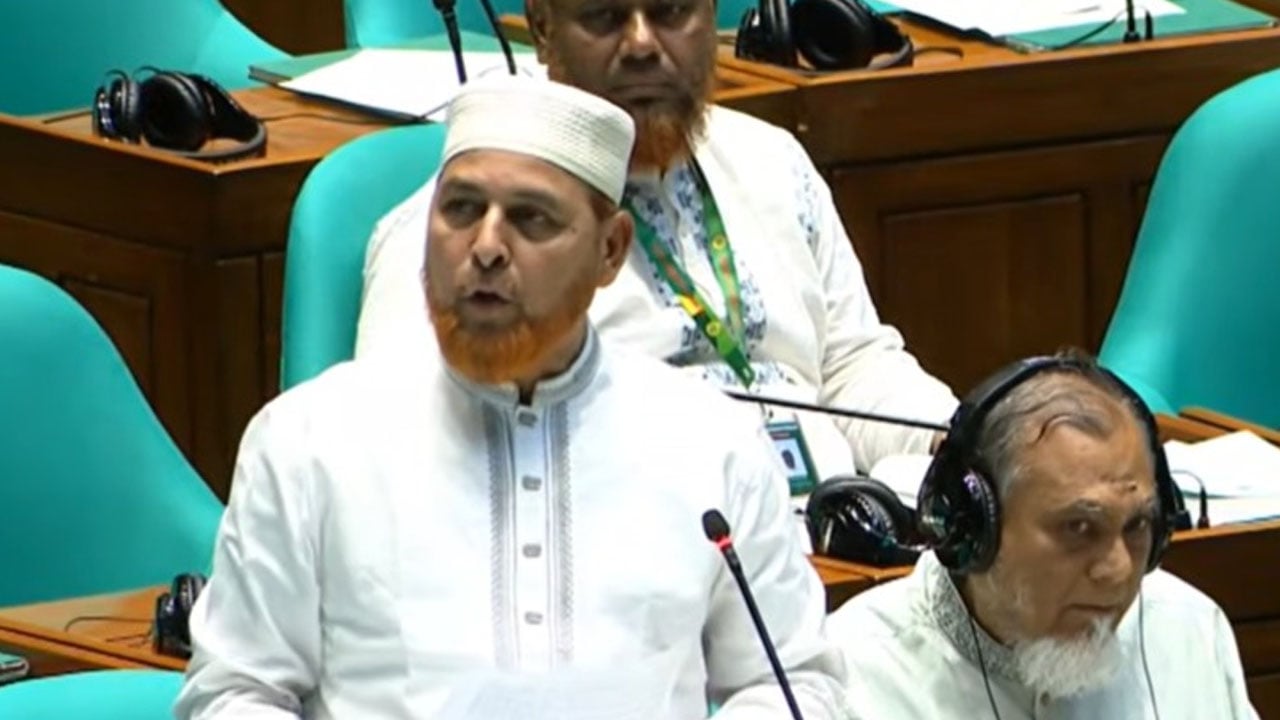
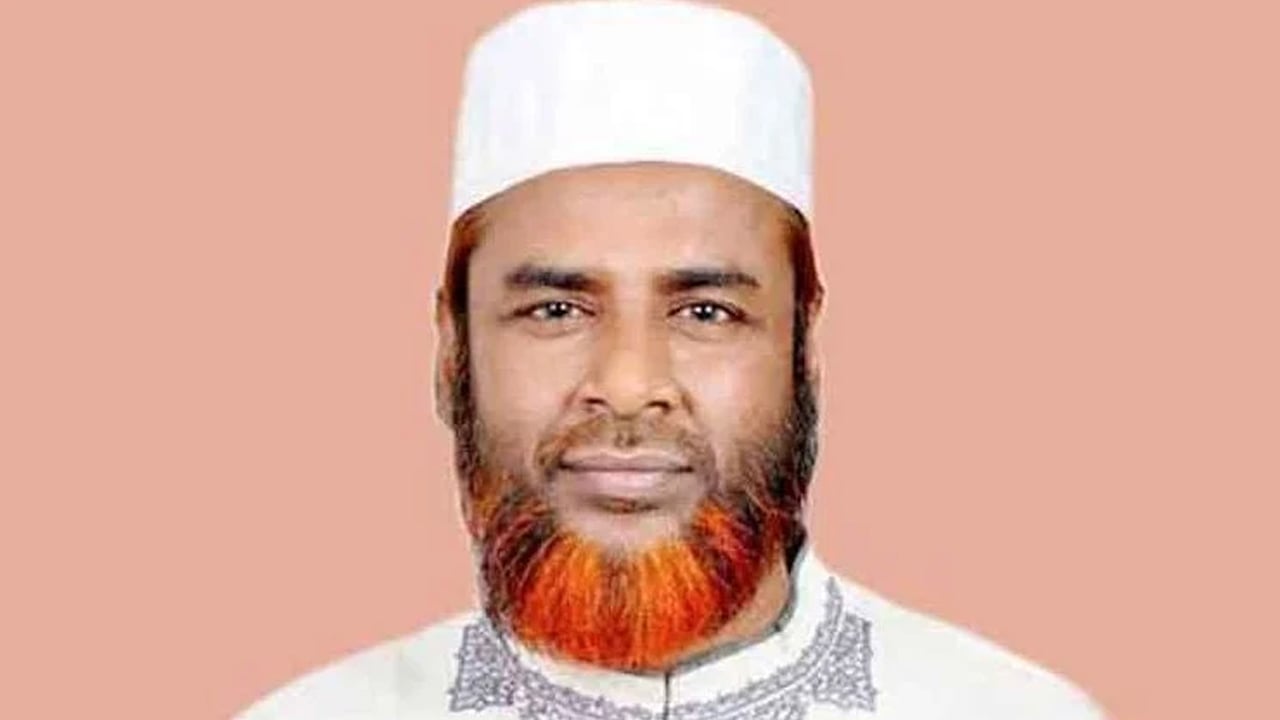
Opposition lawmaker Maulana Rafiqul Islam Khan from Sirajganj-4 has described Bangladesh’s proposed 2026–27 national budget as anti-poor and not people-friendly. Speaking in parliament on Saturday, he said the budget increases the cost of living through higher prices of essentials and added taxes on daily goods. He cited price hikes in LPG, diesel, kerosene, and petrol, arguing that the poor are disproportionately burdened. The session was chaired by Deputy Speaker Barrister Kaiser Kamal. Khan criticized the government’s economic targets, saying the projected 6.5 percent GDP growth and 7.5 percent inflation goals are unrealistic given current inflation above 9 percent. He noted that only about 48 percent of the Annual Development Programme had been implemented in eleven months, warning that last-minute spending could fuel corruption. He also highlighted rising non-performing loans, now totaling about Tk 5.88 trillion, and warned of growing foreign debt repayment pressures. The MP further alleged deterioration in law and order, citing killings and drug abuse, and called for reforms, anti-corruption measures, and fair treatment of officials. He demanded budget allocations for Qawmi madrasa students, religious leaders, and victims of political violence.
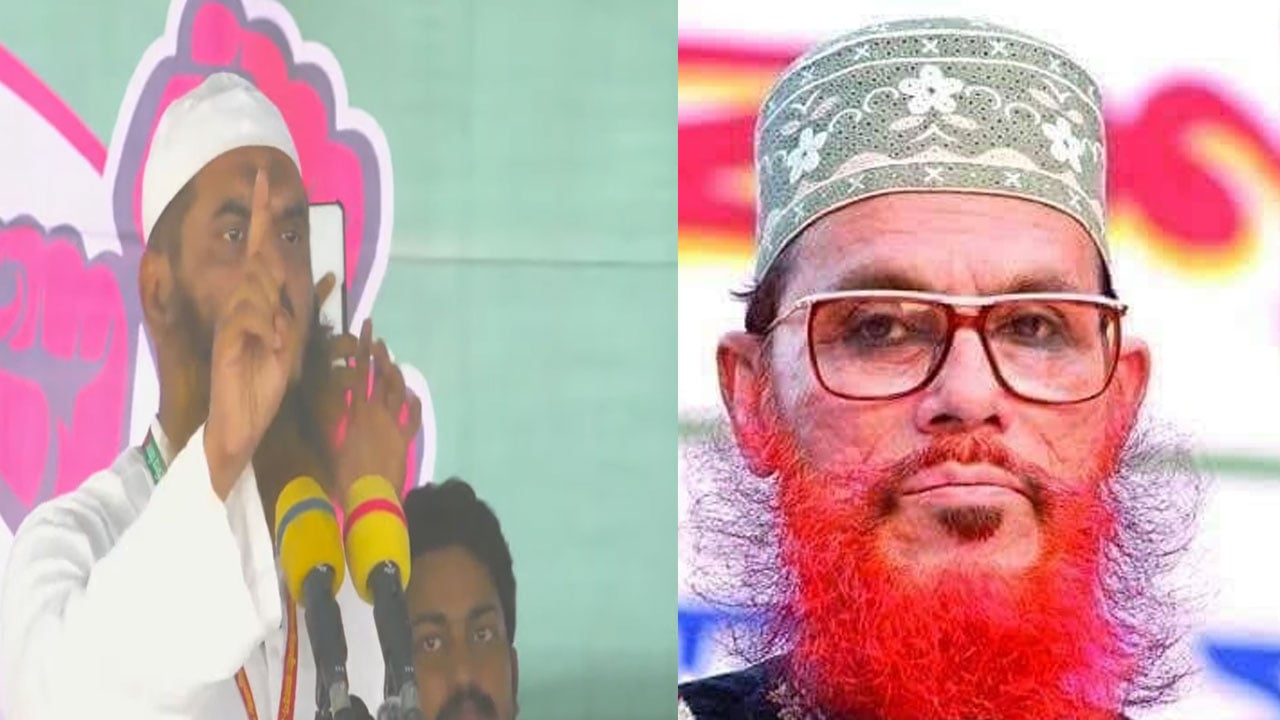
Bangladesh Khelafat Majlis Amir Maulana Mamunul Haque said that the 2013 Shapla Chattar movement, the 2021 anti-Modi protests, and the demonstrations following Allama Sayeedi’s death sentence were all part of the people’s struggle for rights. He made these remarks on Saturday at 2 p.m. during a divisional rally held at the Railway Krishnachura Chattar in the city. At the same event, Mia Golam Porwar questioned why the BNP refused to accept the referendum results. He stated that the main reason was the BNP’s rejection of the proposal by the 11-party alliance and the Consensus Commission to balance power between the president and the prime minister by limiting the latter’s authority. According to him, the BNP wanted to retain the prime minister’s sole power to appoint key constitutional positions such as the judiciary, the Anti-Corruption Commission, and the Public Service Commission. Porwar added that the July Charter proposed separating the roles of party chief and prime minister, but the BNP opposed it, believing that such separation would prevent them from exercising the same level of control as previous authoritarian governments.
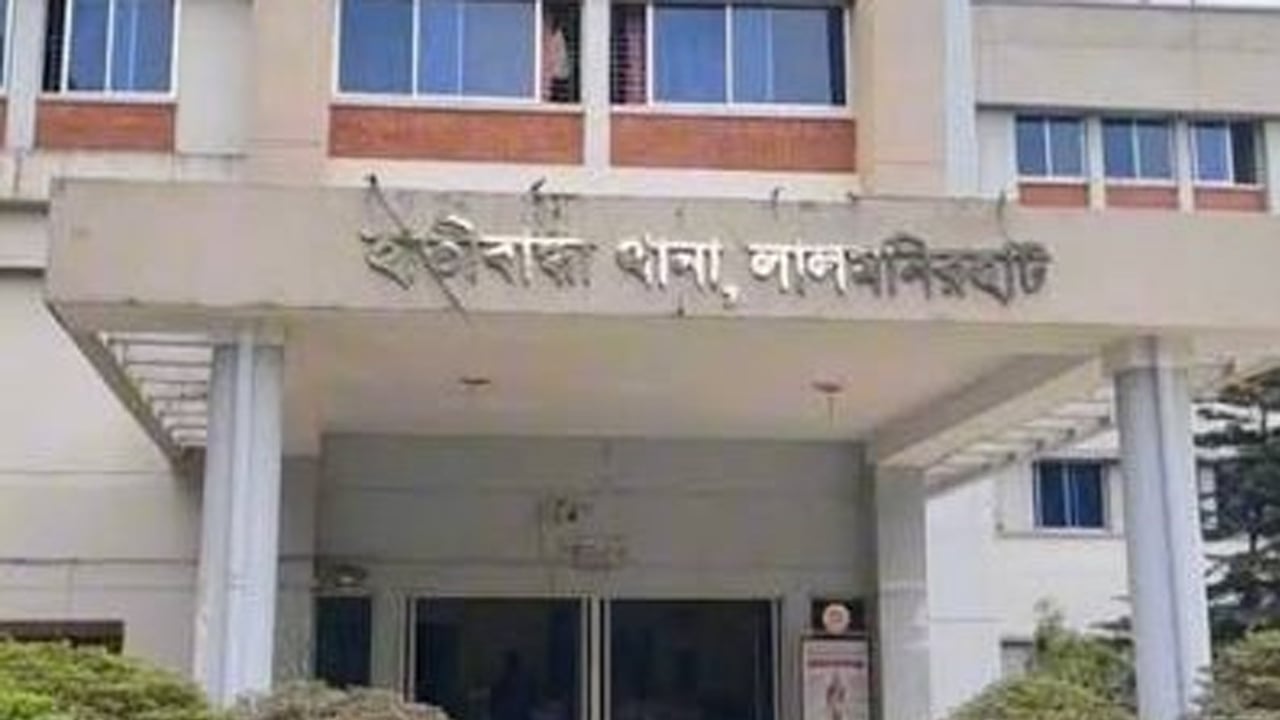
Two police officers were injured when a wanted suspect attacked them with a machete in Lalmonirhat’s Hatibandha upazila on Friday night. The incident occurred in the Gendukuri area of Tongbhanga Union as police attempted to arrest Rashedul Islam, also known as Rashed Chor, who was wanted in multiple theft-related cases. Sub-Inspector Ruhul Amin and Assistant Sub-Inspector Abdul Latif were injured, with Ruhul Amin reported to be in critical condition. Following the attack, additional police personnel rescued the injured officers and took them to Hatibandha Upazila Health Complex. Ruhul Amin was later transferred to Rangpur Medical College Hospital and then to Doctors Clinic for advanced treatment. Lalmonirhat Superintendent of Police Asaduzzaman confirmed the incident and said legal action would be taken against the attacker. Medical officials at Hatibandha Upazila Health Complex stated that Ruhul Amin sustained the most severe injuries. The suspect fled the scene and remained at large at the time of reporting.
Bangladesh Jamaat-e-Islami Secretary General and former MP Mia Golam Parwar has alleged that the ruling BNP is stalling the implementation of the February 12 referendum verdict, in which 70 percent of voters supported state reform. He made the remarks on Saturday at a divisional rally held at Railway Krishnachura Square in Mymensingh. Parwar said the BNP’s refusal to accept the referendum outcome stems from its opposition to proposals by the 11-party alliance and the Consensus Commission to reduce the prime minister’s powers and establish a balance between the president and the prime minister. He added that the BNP rejected the July Charter proposal barring the prime minister from simultaneously serving as party chief, and opposed proportional allocation of 100 upper house seats, preferring a seat-based system to maintain dominance. He further accused the BNP of prioritizing party interests over national interests, alleging that the government has deprived opposition MPs of development funds and created disorder in the health and banking sectors.
Iran has announced the resumption of cargo clearance from the United Arab Emirates following a temporary halt caused by recent regional tensions. According to Iran’s state news agency IRNA, shipments from Dubai’s Jebel Ali Port to Iran have started receiving clearance again after disruptions triggered by a drone attack on a cargo ship in the Strait of Hormuz and subsequent U.S. airstrikes. An Iranian trade official stated that many Iranian containers had been stranded at Jebel Ali Port due to instability and emergency conditions in the region. With conditions now somewhat stabilized, the port has begun releasing the containers for shipment to Iran, though full normalization of trade is expected to take more time. Jebel Ali Port is considered a key economic hub for Iranian goods transit in the Middle East. The resumption of cargo clearance is viewed as a significant step toward reviving trade activity that had been severely affected by regional conflicts and Western sanctions on Iran.

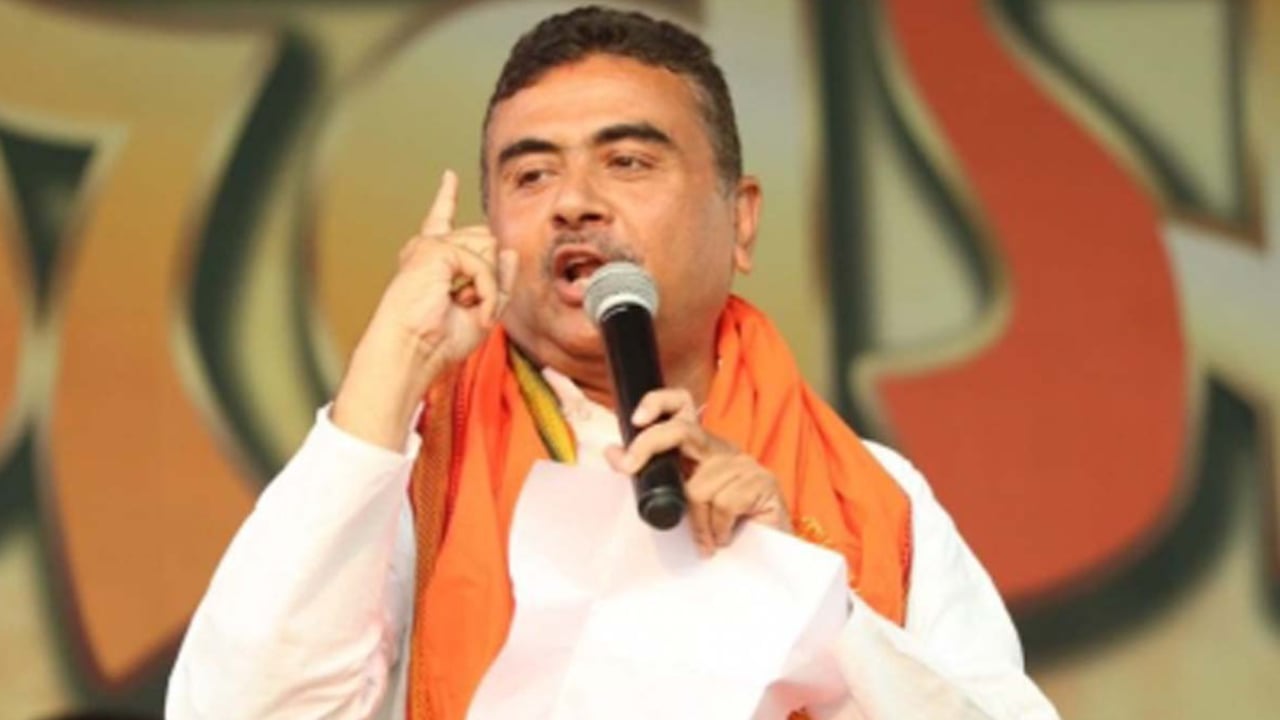
West Bengal opposition leader Suvendu Adhikari has announced plans to implement a strict anti-conversion law, the National Register of Citizens (NRC), and a Uniform Civil Code (UCC) in the state. Speaking at an event in Kolkata’s Rabindra Sadan on Friday, he said these measures aim to strengthen national security and protect Bengal’s heritage and culture. Adhikari claimed that illegal infiltration across international borders has led to rising religious conversions and demographic imbalance in West Bengal. He stated that the government would soon take steps to enforce these laws and that detention centers have already been established in border districts to identify and repatriate illegal entrants. Adhikari added that those entering India illegally and threatening national security would be sent back to their countries. Referring to the Citizenship Amendment Act (CAA), he said Hindus who sought refuge in India due to religious persecution are not infiltrators but eligible for Indian citizenship. Adhikari also warned that actions disrespecting India’s armed forces or opposing national operations would not be tolerated in West Bengal.
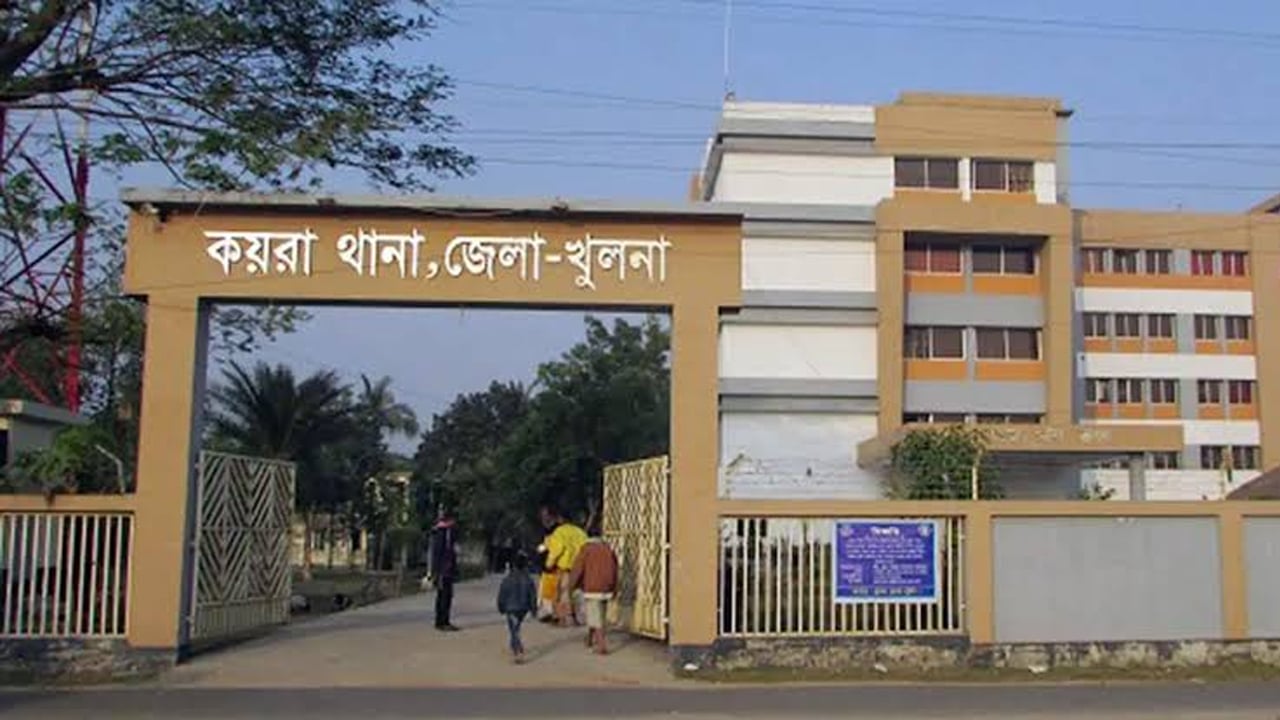
A gunfight occurred between the Bangladesh Coast Guard and members of the forest robber group known as 'Dulabhai Bahini' near the Sundarbans in Khulna’s Koyra upazila. The incident, which took place on Friday night, left one person named Sakat Sardar, aged 60, dead and two others injured. The Coast Guard has continued its operation inside the Sundarbans to recover illegal weapons and ammunition and to arrest the remaining members of the group. According to Koyra Police Station Officer-in-Charge Md. Shah Alam, three members of the robber group were injured during the clash. Sakat Sardar, who was shot, later died, and his body was sent to Khulna Medical College Hospital morgue. Another injured person, Robiul Islam, is receiving treatment at the prison cell of the same hospital, while Ismail Biswas is under police custody at Koyra Upazila Health Complex. A Coast Guard media officer stated that the operation began on Thursday in the deep forest area near Bonpara under Koyra Police Station as part of a special drive against forest robbers.
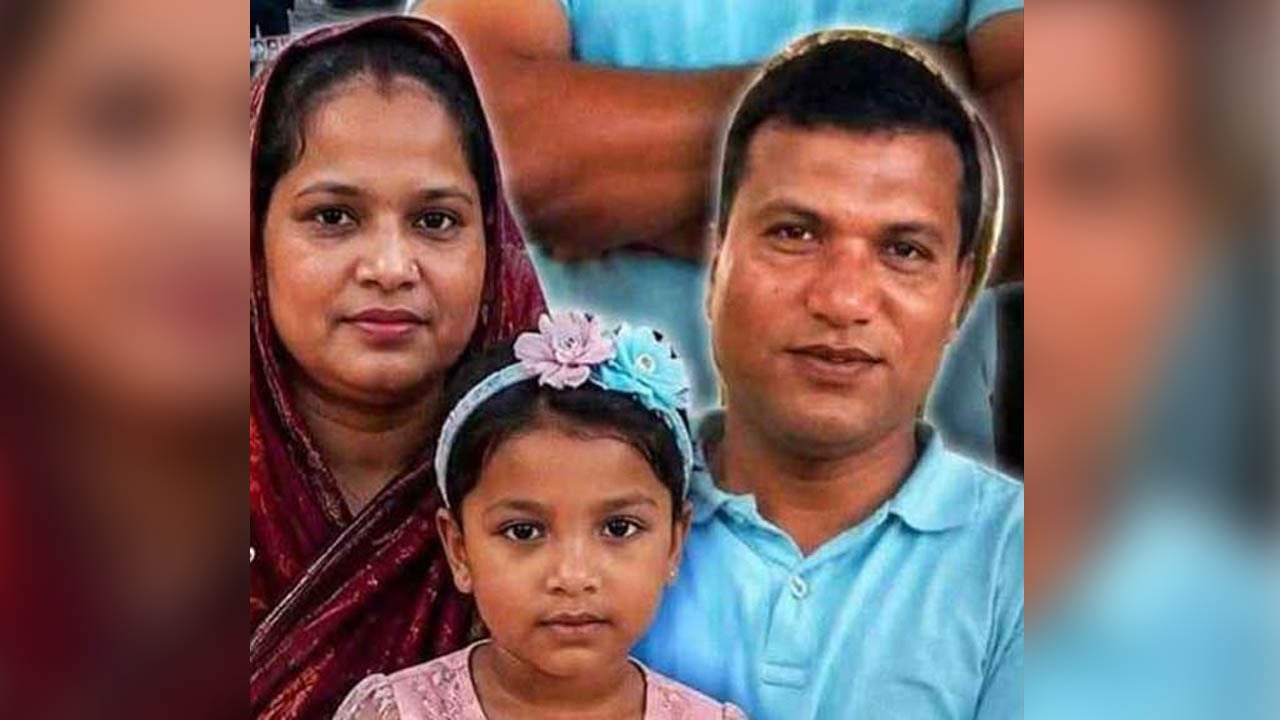
Three members of a Bangladeshi family were killed in a knife attack at their apartment near Rome, Italy, on Friday night local time. The victims were Kamal Uddin Babul, his wife Momtaz Begum Arju, and their five-year-old daughter Aroya Islam Arisha. Their son, Amir Hossain Ayon, was seriously injured and is being treated at Gemelli Polyclinic Hospital. The family, originally from Char Kakra Union in Companiganj, Noakhali, had been living in Italy since 2010. Relatives in Bangladesh said that several assailants entered the family’s apartment in the Casalotti area and attacked them with knives. Locals rushed to the scene after hearing screams and took the victims to the hospital, where three were declared dead. The incident has cast deep grief over the victims’ home village, where relatives and neighbors are mourning. The victim’s father, Siraj Alam, alleged that another expatriate from the same area, named Shahadat, might be involved due to a prior dispute. Italian authorities have not yet confirmed any arrests or formal charges. Family members have called for a thorough investigation, justice for the victims, and government assistance to repatriate the bodies.
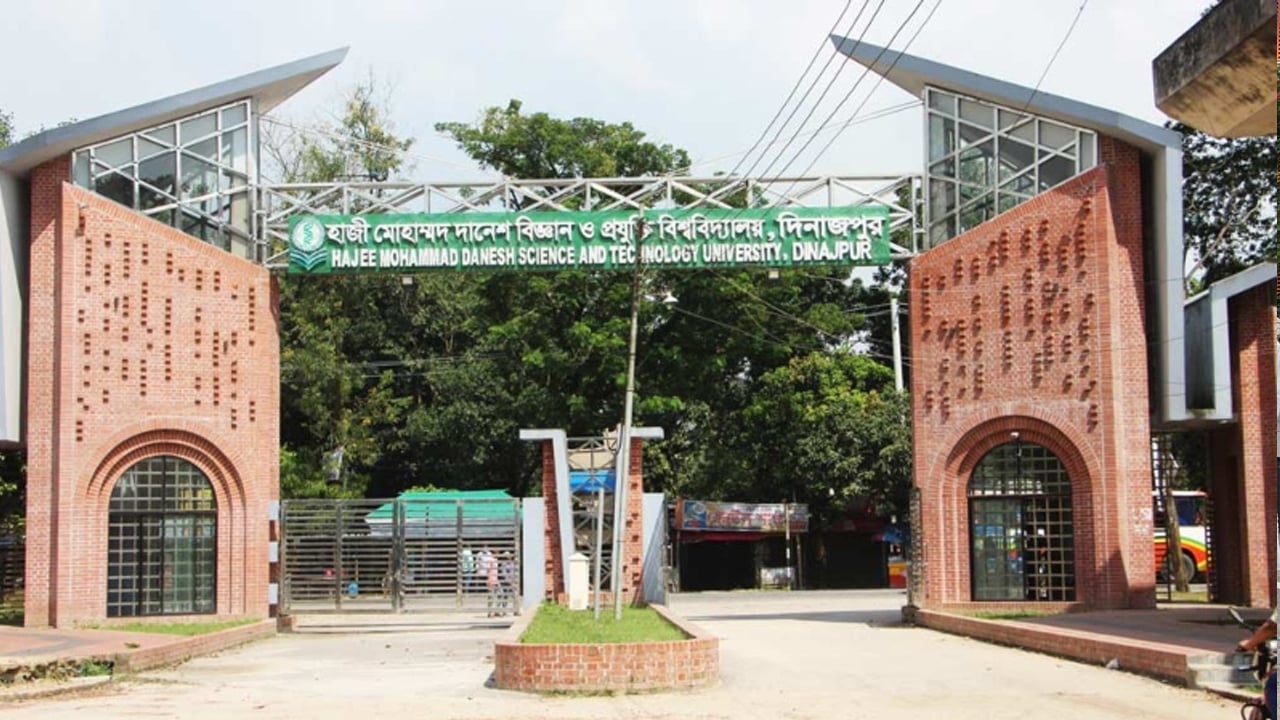
Hajee Mohammad Danesh Science and Technology University (HSTU) in Dinajpur has dismissed 14 teachers for failing to return to campus after completing their study leave. The university administration took the action under section 4.1(f) of the Discipline and Appeal Rules 2004. As part of the process, the teachers were required to repay their study-leave salaries with interest, and most have already done so. The administration is still contacting those who have not yet refunded the money. In addition, four more teachers have been served notices and may face similar action if they fail to provide satisfactory explanations. The dismissed teachers have been instructed to clear all financial dues, including audit objections, within 30 days, or the university will recover the money under the Public Demand Recovery Act. HSTU currently has about 392 teachers, with 69 on study leave—52 abroad and 17 in Bangladesh. At least 18 teachers have not returned after their leave expired. According to the university registrar, the administration is committed to ensuring that teachers return after study leave to share their acquired knowledge and enhance the institution’s academic quality.
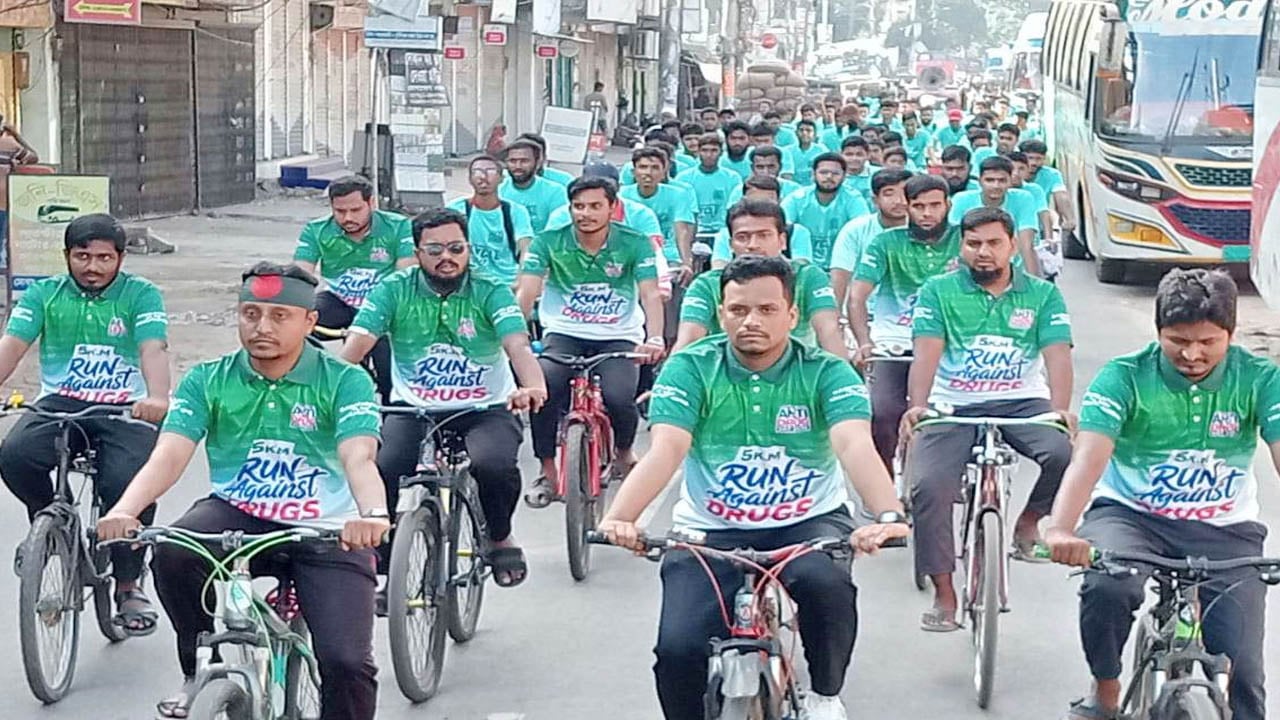
An anti-drug bicycle rally was organized in Satkhira city by Islami Chhatra Shibir on Saturday morning, marking the International Day Against Drug Abuse. The event aimed to raise public awareness about the dangers of drug use and encourage young people to stay away from addiction. Hundreds of students participated, starting from Satkhira Government College field and cycling through key city points including Post Office Mor, Narkeltala Mor, Khulna Road Mor, Circuit House Mor, and Bypass before returning to the college field. Participants chanted anti-drug slogans throughout the route. A brief assembly followed the rally, presided over by Mehedi Hasan, president of Satkhira City Chhatra Shibir, and conducted by secretary Nurunnabi. The chief guest, Maulana Ruhul Amin, office secretary of Satkhira District Jamaat-e-Islami, emphasized the growing threat of drugs in society and urged youth to take a leading role in combating it. He called for stronger social awareness and collective efforts to build a drug-free society. Speakers also encouraged all sections of society to unite in eradicating drug abuse and promoting moral and religious education among youth.
The ‘1 Nojor’ media platform is now live in beta, inviting users to explore and provide feedback as we continue to refine the experience.