

The ‘1 Nojor’ media platform is now live in beta, inviting users to explore and provide feedback as we continue to refine the experience.
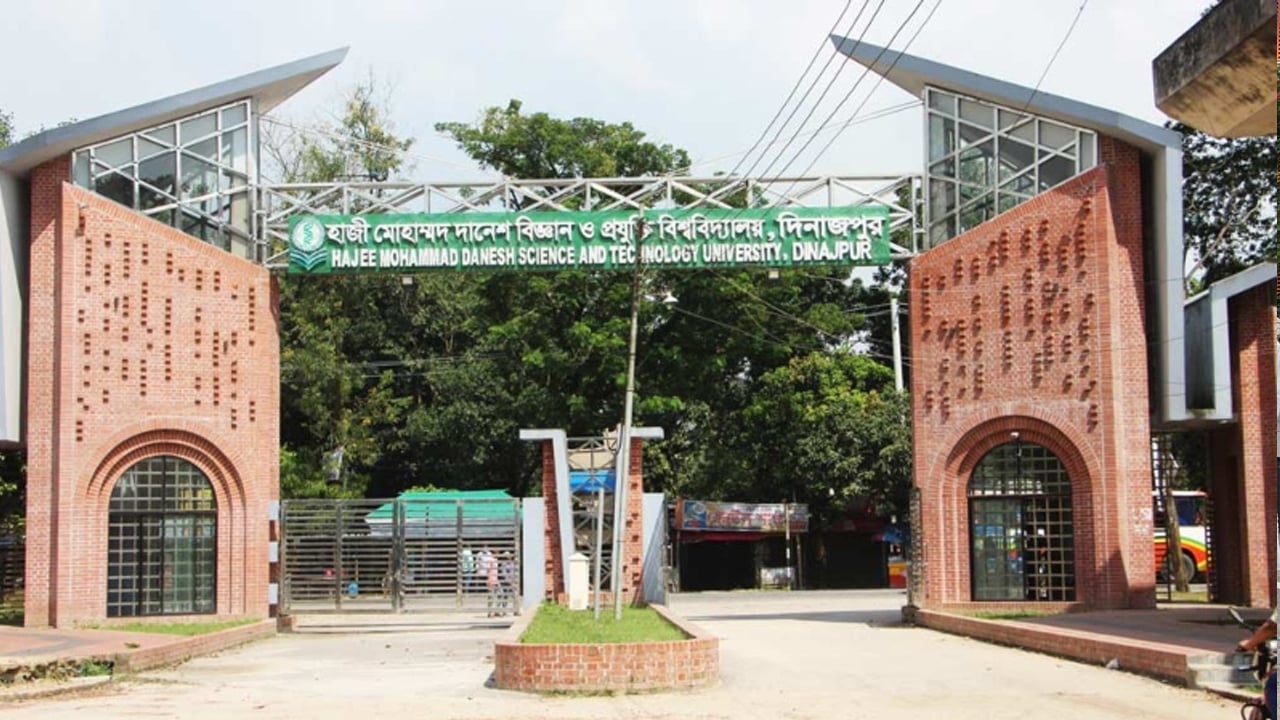
Hajee Mohammad Danesh Science and Technology University (HSTU) in Dinajpur has dismissed 14 teachers for failing to return to campus after completing their study leave. The university administration took the action under section 4.1(f) of the Discipline and Appeal Rules 2004. As part of the process, the teachers were required to repay their study-leave salaries with interest, and most have already done so. The administration is still contacting those who have not yet refunded the money. In addition, four more teachers have been served notices and may face similar action if they fail to provide satisfactory explanations. The dismissed teachers have been instructed to clear all financial dues, including audit objections, within 30 days, or the university will recover the money under the Public Demand Recovery Act. HSTU currently has about 392 teachers, with 69 on study leave—52 abroad and 17 in Bangladesh. At least 18 teachers have not returned after their leave expired. According to the university registrar, the administration is committed to ensuring that teachers return after study leave to share their acquired knowledge and enhance the institution’s academic quality.
An anti-drug bicycle rally was organized in Satkhira city by Islami Chhatra Shibir on Saturday morning, marking the International Day Against Drug Abuse. The event aimed to raise public awareness about the dangers of drug use and encourage young people to stay away from addiction. Hundreds of students participated, starting from Satkhira Government College field and cycling through key city points including Post Office Mor, Narkeltala Mor, Khulna Road Mor, Circuit House Mor, and Bypass before returning to the college field. Participants chanted anti-drug slogans throughout the route. A brief assembly followed the rally, presided over by Mehedi Hasan, president of Satkhira City Chhatra Shibir, and conducted by secretary Nurunnabi. The chief guest, Maulana Ruhul Amin, office secretary of Satkhira District Jamaat-e-Islami, emphasized the growing threat of drugs in society and urged youth to take a leading role in combating it. He called for stronger social awareness and collective efforts to build a drug-free society. Speakers also encouraged all sections of society to unite in eradicating drug abuse and promoting moral and religious education among youth.

A small two-seater sports aircraft crashed into a high-rise building in Beijing’s Chaoyang district on Friday, June 26, 2026, killing the pilot and injuring at least 13 people, according to local authorities. The incident occurred at 5:55 p.m. when the plane struck a 108-story building in the city’s busy commercial area. Officials have not released the name of the building or the identity of the pilot. Flight tracking service Flightradar24 reported that the aircraft hit the CITIC Tower, also known as China Zun, one of Beijing’s tallest landmarks. The tower, designed in the shape of an ancient Chinese wine vessel, is a well-known feature of the city’s skyline. Authorities said an investigation is underway to determine the cause of the crash. Beijing is known for its strict airspace control, and the reason behind the aircraft’s collision with the skyscraper remains unclear as of now.

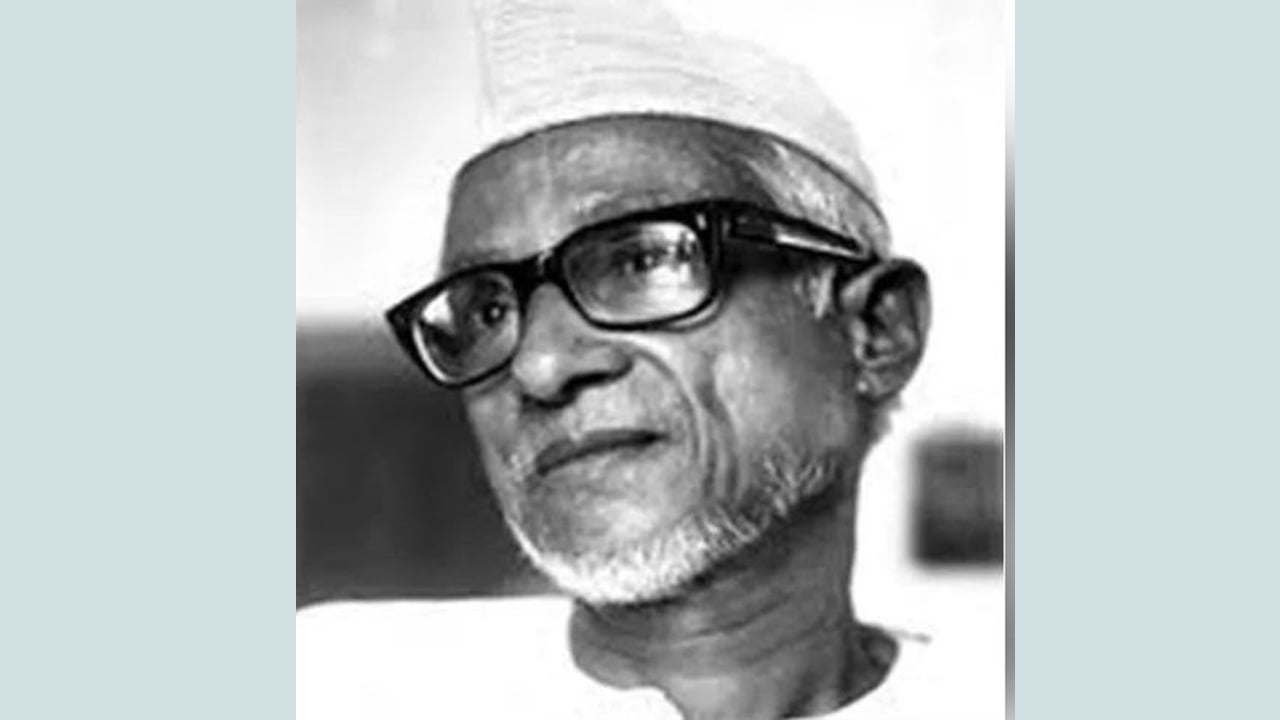
The 126th birth anniversary of historic Tebhaga movement leader Haji Mohammad Danesh was observed on Saturday in Dinajpur. Haji Mohammad Danesh Science and Technology University (HSTU) organized a prayer gathering at his grave after the noon prayer. The university’s vice-chancellor, Professor Dr. Enamul Haque, along with teachers, officials, and students, attended the event. The vice-chancellor stated that June 27 marks the 126th birth anniversary of the great peasant leader, while June 28 will be his 40th death anniversary. The university decided to commemorate both occasions. On Sunday, the university will hold prayers, a milad, and a grave visit in the morning, followed by a discussion on his life at 2:30 p.m. Haji Mohammad Danesh, born in 1900 in Dinajpur, was a prominent leader of the Tebhaga movement and an influential figure in East Pakistan’s political and peasant movements. The agricultural college named after him was upgraded to HSTU in 1999.
Germany has welcomed the recent agreement between Lebanon and Israel, describing it as a new source of hope for resolving long-standing conflicts and strengthening regional security. Foreign Minister Johann Wadephul made the remarks in a message on social media platform X, where he also praised the United States for its mediation role. He emphasized that the true success of the agreement will depend on its effective implementation. Wadephul called on Lebanon to ensure the state's exclusive authority over the use of force and stressed the importance of clear security guarantees for Israel. He urged all parties, particularly Hezbollah, to act responsibly and contribute constructively to lasting stability and peace in the region. According to the report, Hezbollah did not participate in the negotiations leading to the agreement, despite decades of conflict between Israel and Lebanon.

Police in Feni’s Chhagalnaiya upazila recovered the body of Jobaer Hossain Parvez, a Youth League activist, whose throat and hands were severed. The body was found on Saturday morning in front of Nur Ahmad Masterbari. According to police and locals, Parvez was allegedly hacked to death by two Student League activists, Mamun and Shahadat, following a dispute over a shop. Witnesses said that on Friday night, Parvez hit Mamun with a flashlight during an argument outside his home, which was later settled by family members. Parvez’s father, Abu Taher, stated that he last saw his son around 1 a.m. that night. The next morning, locals discovered Parvez’s mutilated body and informed the police. Police said that both Parvez and the accused had several prior cases filed against them and had recently been released on bail. Authorities suspect that the killing may have resulted from an escalation of their ongoing conflict.
King Charles III will work to ensure the protection of the United Kingdom’s multi-faith society, according to a newly defined outline of his royal duties. The updated description, released by Buckingham Palace, identifies the monarch as a key figure in maintaining religious harmony and promoting peaceful coexistence among people of all faiths across the country. The responsibilities were detailed in the Sovereign Grant Report 2025–26, which also reaffirmed his position as the Supreme Governor of the Church of England. Despite being a Christian, King Charles is placing strong emphasis on ensuring equal respect and freedom for followers of all religions. Interfaith dialogue has been highlighted as a central pillar of his royal work, aimed at building bridges among diverse religious and belief communities in the UK. The report notes that the King regularly engages with Abrahamic faiths and maintains connections with Jewish, Muslim, Sikh, Orthodox, and other religious groups both in Britain and globally.

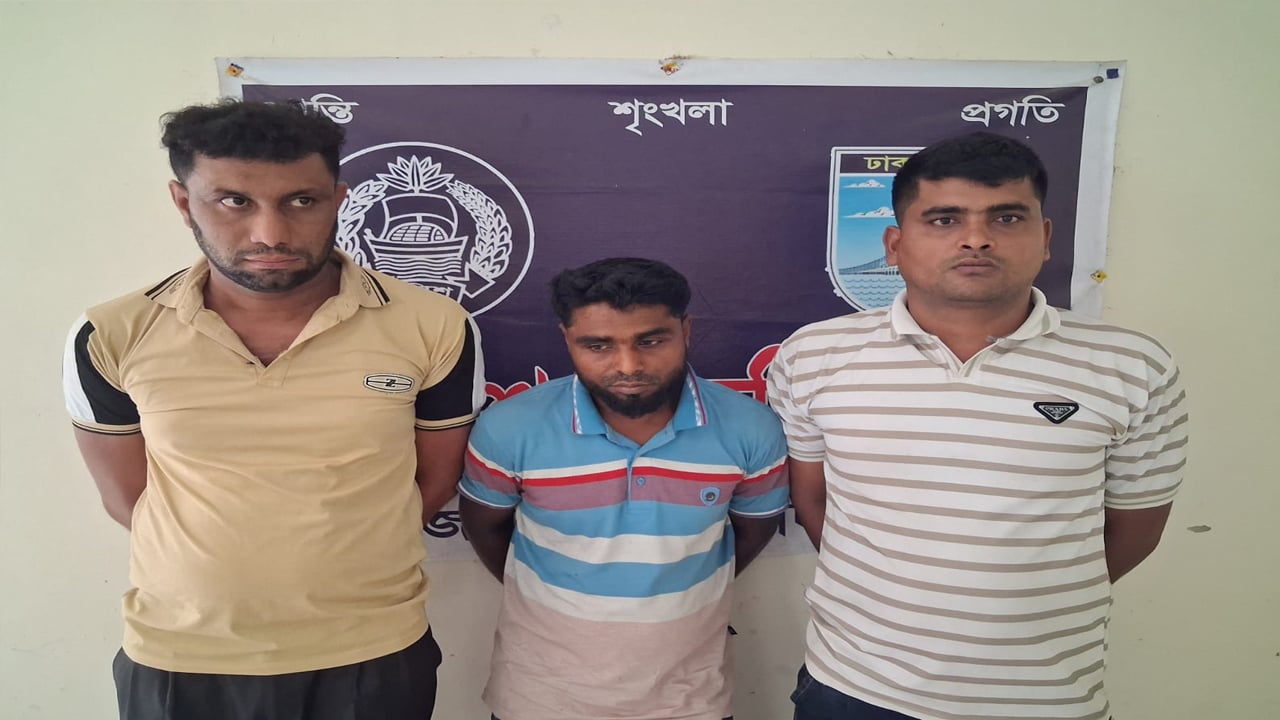
Police in Rajair upazila of Madaripur arrested three individuals, including a dismissed army and police member, for stealing an easy bike by impersonating police officers. The arrests were made on Saturday morning with the help of information technology, and the suspects were later sent to jail through the court. The arrested are former army member Md. Sujon Molla, former police member Md. Limon Mia, and Md. Sakayet Munshi, all from Muksudpur upazila in Gopalganj. According to police, on June 12, one of the accused hired an easy bike under the guise of a police officer and, with accomplices, stole the vehicle. A case was filed the next day at Rajair Police Station. Assistant Police Superintendent Md. Salah Uddin Kader stated that the detainees have multiple cases of theft, robbery, and snatching in various districts. Police said operations are ongoing to identify and arrest other members of the gang.
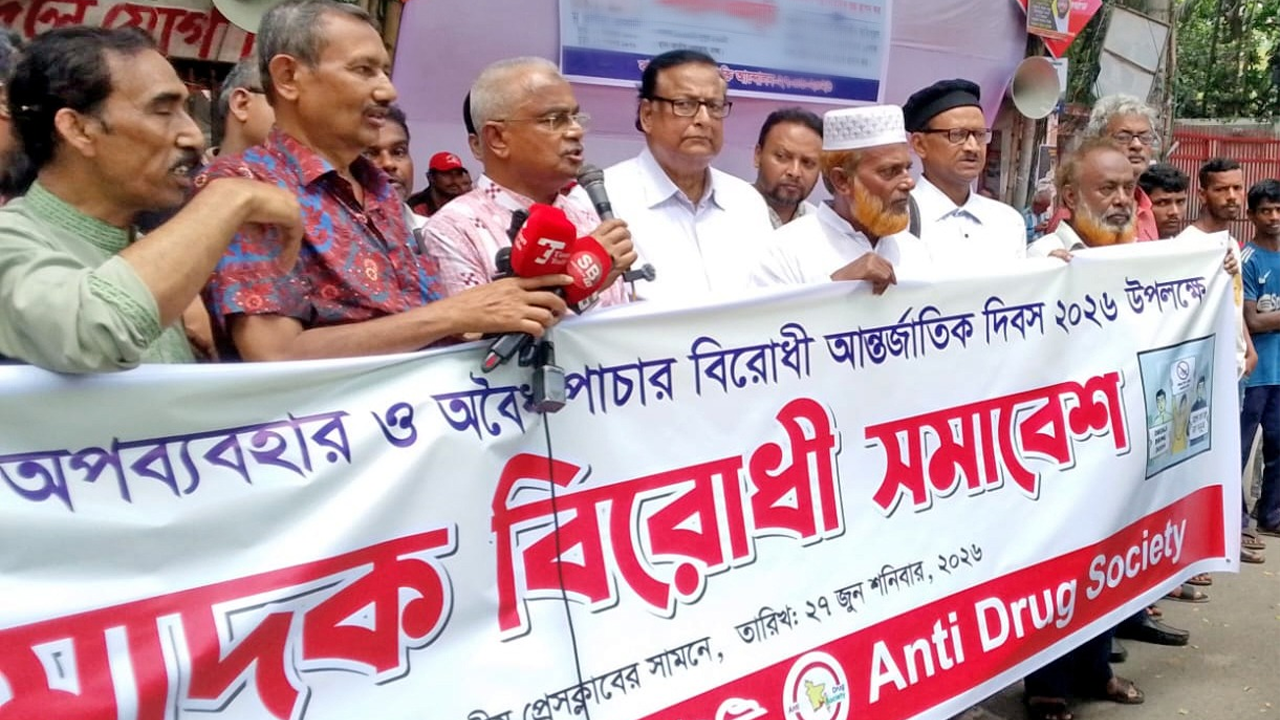
BNP Chairperson’s adviser Syed Moazzem Hossain Alal has called for united efforts to combat international drug trafficking, warning that Bangladesh faces serious risks due to its geographic position. Speaking as chief guest at an anti-drug rally in front of the National Press Club on Saturday, he said the government, law enforcement agencies, political parties, social organizations, and citizens must work together to address the threat. The rally was organized by the Anti Drug Society to mark International Day Against Drug Abuse. Alal noted that drugs destroy not only individuals but also families, society, and the state. He explained that Bangladesh’s location between Asia’s three major drug-producing and trafficking regions—the Golden Triangle, Golden Crescent, and Golden Wedge—has made it a transit route for international drug networks. Other speakers at the event called for stronger border surveillance, tougher action against traffickers, and nationwide awareness programs to educate youth about the dangers of drug abuse. Representatives from various social and political organizations, as well as concerned citizens, participated in the rally.
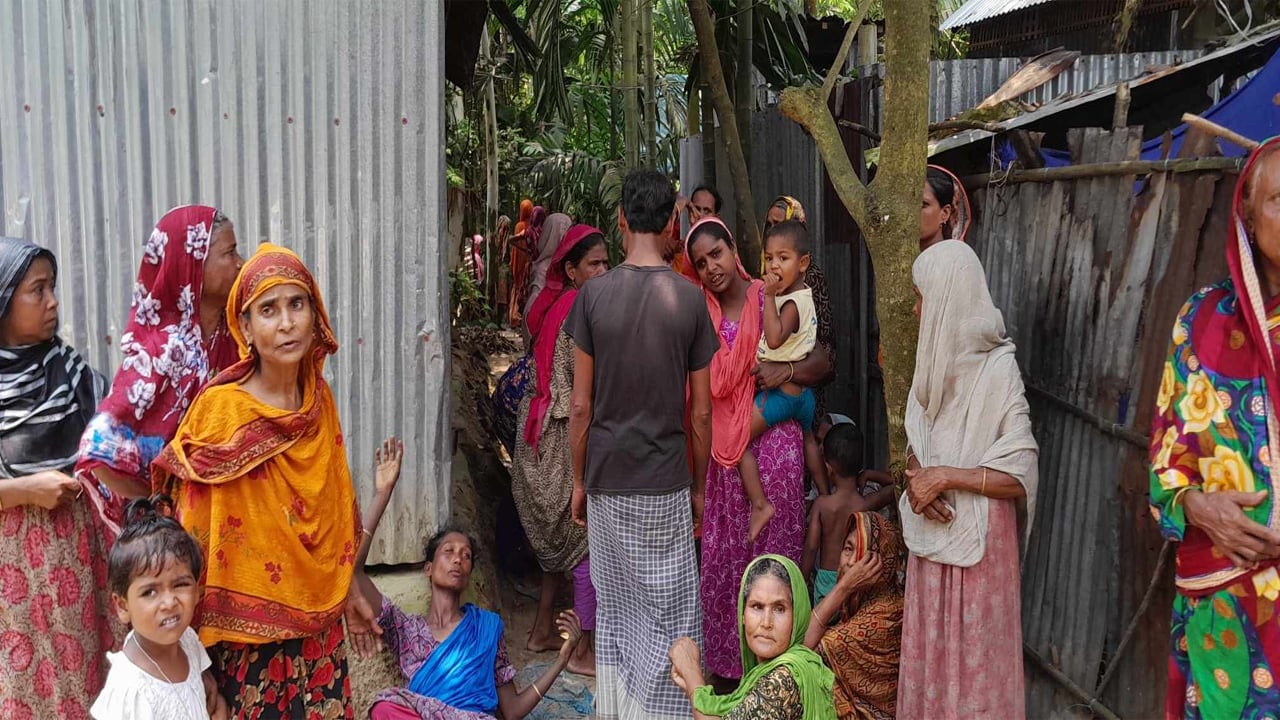
A 65-year-old man named Zainal Abedin was killed in a wild elephant attack in Bakshiganj upazila of Jamalpur district. The incident occurred in the Somnathpara area of the Garo hills under Dhanua Kamalpur Union. According to local sources, Zainal left home on Friday morning to collect firewood but did not return by evening. After a night of searching, his body was found the next morning in a forested area of Somnathpara. Local authorities reported that the elephants had crossed the border from India before the attack. Acting Union Chairman Golap Jamal confirmed that the death resulted from the elephant attack, while Bakshiganj Police Officer-in-Charge Mokbul Hossain said police were sent to the scene and legal steps would follow after speaking with the victim’s family. The incident highlights ongoing risks faced by residents living near the forested border areas where wild elephants frequently move across from India.
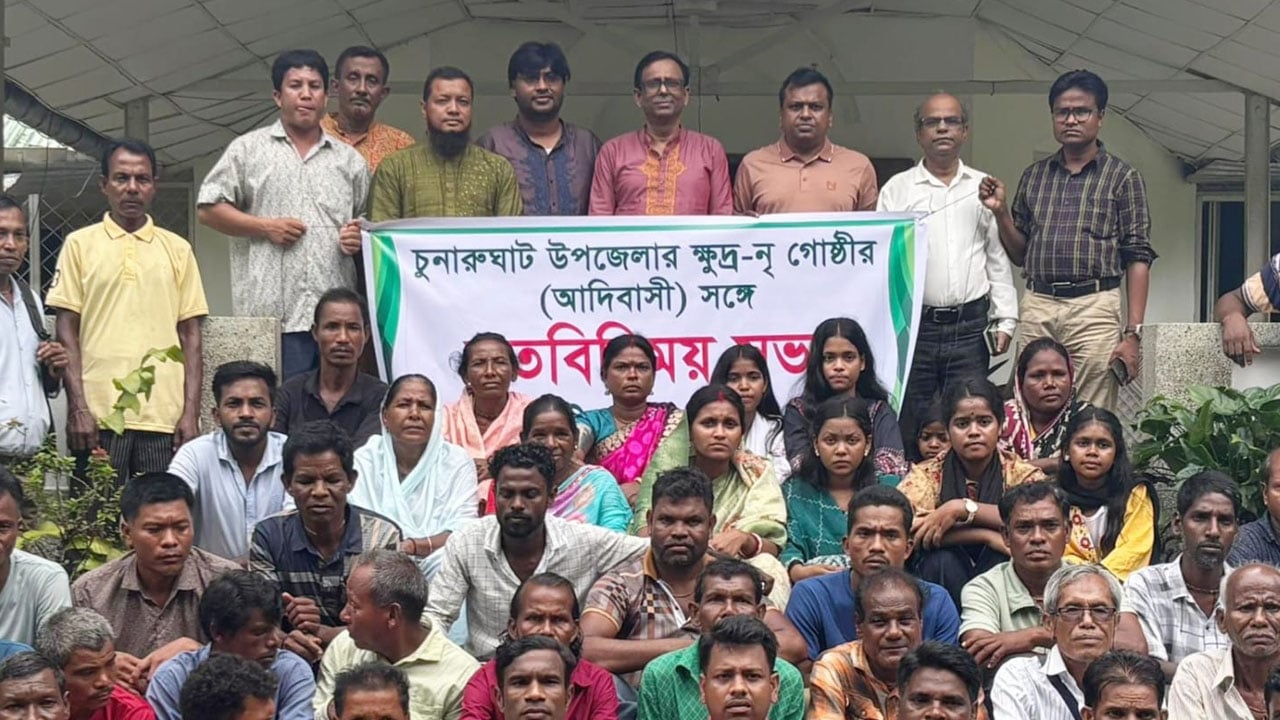
National Tea Company (NTC) Director and PKSF official Saleh Uddin held a meeting with representatives of indigenous communities in Chunarughat upazila of Habiganj on Friday morning. The discussion took place at the NTC bungalow in Chandichhara Tea Garden, chaired by garden manager Selimur Rahman and conducted by Palash Hajong, president of the Indigenous Social Welfare Organization. Local journalists and several labor leaders also attended the session. During the meeting, community representatives highlighted that indigenous residents of tea gardens remain deprived of basic services such as education, healthcare, fair wages, and housing. They announced plans to organize a large “Bacha-Bara” rally in Chunarughat soon to press for their rights and improve living standards for tea workers and minority groups. Saleh Uddin stated that he is working to transform the tea sector into an agro-industry and ensure fair prices for tea leaves and fair wages for workers. He also alleged that corruption during the previous Awami League government had pushed the tea industry into crisis, urging the current administration to take steps to overcome it.
Bahrain has accused Iran of launching a drone attack on its territory early Saturday, describing the incident as a serious violation of its sovereignty and international law. The Bahraini Foreign Ministry issued a statement condemning the attack and said multiple drones targeted areas within Bahrain, though it did not specify the exact locations or intended targets. According to the ministry, the assault endangered civilian lives and disrupted ongoing efforts to reduce regional tensions. The statement emphasized the gravity of the incident and its potential to undermine stability in the Gulf region. As of the report’s publication, Iran had not issued any immediate comment regarding Bahrain’s allegations.

The US Embassy in Dhaka has issued a new advisory for foreign nationals planning to travel to the United States. The notice, published on the embassy’s verified Facebook page on Saturday, warns that misuse or dependence on public welfare benefits funded by US taxpayers could lead to visa cancellation and other strict legal actions. According to the embassy statement, any foreign visitor who misuses such benefits or becomes reliant on them may face serious consequences, including visa revocation and ineligibility for future visas. The advisory specifically highlights that non-immigrant visa holders must ensure they are financially prepared to cover their own expenses during their stay in the United States. The embassy’s message emphasizes the importance of self-sufficiency among travelers and aims to prevent misuse of US-funded welfare programs by foreign visitors.
Police in Hathazari, Chattogram detained four young men with a foreign revolver and five sharp weapons late Saturday night. The arrests took place at a house in the Natanpara area of Chikondondi Union, where locals apprehended the suspects and handed them over to police. Hathazari Model Police Station Officer-in-Charge Muhammad Zahidur Rahman confirmed the incident. According to police sources, the four had allegedly been involved in a series of robberies in Hathazari and nearby areas, targeting garment workers and pedestrians at gunpoint. Locals identified the suspects and chased them when they attempted to flee, eventually capturing them inside a local house. A foreign-made revolver and five locally made weapons were recovered from their possession. Sub-Inspector Sanoar and his team arrived at the scene and took the detainees to the police station. The officer-in-charge stated that the allegations against the four are under investigation and legal action is being taken before presenting them to court.

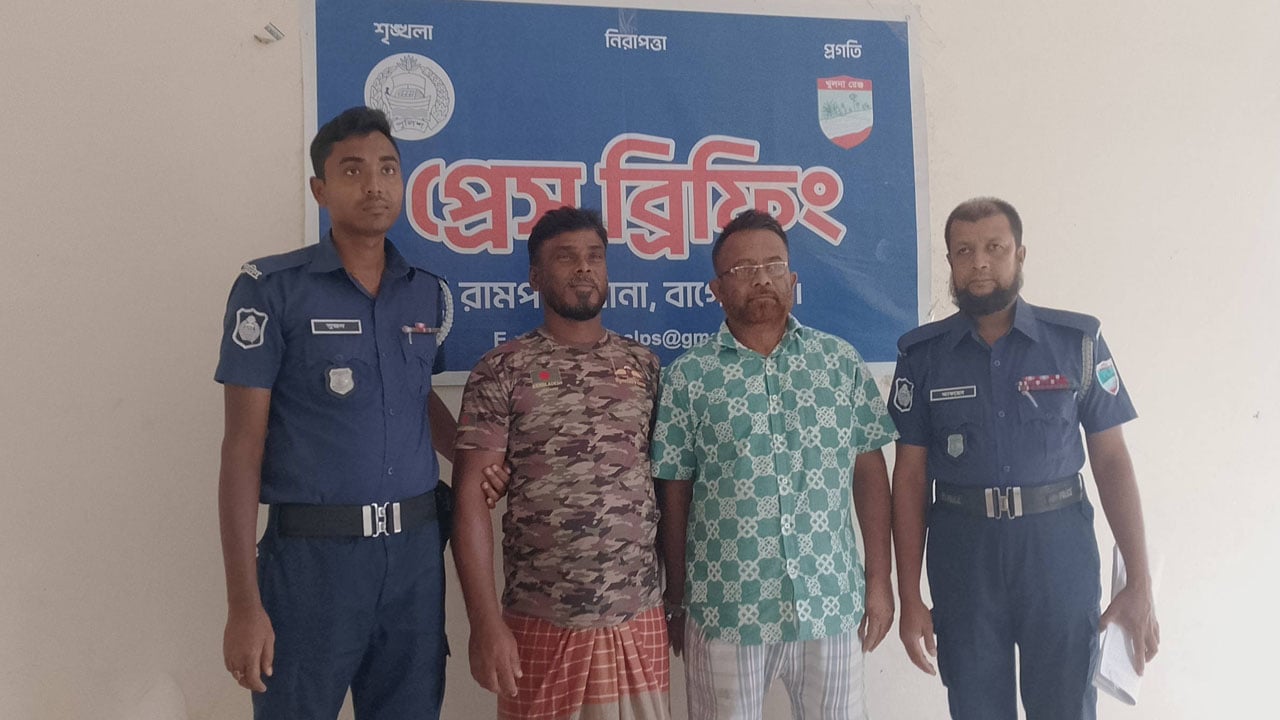
Police in Rampal upazila of Bagerhat arrested two local Jubo League leaders during a special operation conducted on Friday night. The detainees were identified as Anich Majhi, 45, president of the 7 No. Perikhali Union Jubo League and resident of Satpukuria village, and Gias Uddin Sheikh, 62, president of Ward No. 1 of Rampal Sadar Union Jubo League from Srikolas village. According to Rampal Police Station Officer-in-Charge Sheikh Rajib Al Rashid, the arrests were made as part of an ongoing special operation. He stated that legal proceedings against the detainees are underway and that such operations will continue to maintain law and order in the area. The report did not specify the charges or further details about the circumstances leading to the arrests.
The ‘1 Nojor’ media platform is now live in beta, inviting users to explore and provide feedback as we continue to refine the experience.