

The ‘1 Nojor’ media platform is now live in beta, inviting users to explore and provide feedback as we continue to refine the experience.
British police have confirmed that more than 600 historical artifacts were stolen from a museum in Bristol between 1 a.m. and 2 a.m. on September 25. CCTV footage captured four suspects carrying bags near the museum on Cumberland Road. The stolen items include military medals, jewelry, badges, carved ivory, silverware, bronze statues, and specimens from natural history collections. Investigating officer Dan Burgan described the theft as a significant cultural loss, noting that many of the items were donations that help interpret complex periods of British history. Bristol City Council’s head of culture, Philip Walker, expressed deep regret, emphasizing that the collection was vital for understanding Britain’s imperial past and its connections with other nations. The stolen collection had been under the care of the council since the closure of the British Empire and Commonwealth Museum in 2012. The incident comes amid a rise in museum thefts across Europe, following similar losses at the Louvre in Paris and the British Museum in London.

The Bangladesh Anti-Corruption Commission (ACC) has approved a chargesheet against Tulip Rizwana Siddiq, niece of Prime Minister Sheikh Hasina, and former RAJUK legal adviser Sardar Mosharraf Hossain. They are accused of facilitating the illegal transfer of a Gulshan plot and receiving a flat from Eastern Housing Limited as a bribe. The decision was confirmed by ACC Director General Md Akhtar Hossain on Thursday, with the charges filed under multiple sections of the Penal Code and the Prevention of Corruption Act, 1947. According to the ACC, Siddiq allegedly used her influence to help Eastern Housing gain unauthorized approval to subdivide and sell a government-leased plot, violating the 99-year lease terms. In return, she reportedly received a free apartment, which she later transferred to her sister. The ACC claims documentary evidence supports the allegation, including company letters and tax records. The chargesheet will soon be submitted to court. Legal experts note the case could have political implications given Siddiq’s high-profile family ties and her role as a UK politician.

Bangladesh’s Chief Election Commissioner (CEC) A.M.M. Nasir Uddin has announced that the 13th National Parliamentary Election will be held on February 12, ending weeks of speculation. Amid this announcement, questions arose over whether BNP’s acting chairman Tareque Rahman, currently residing in London, can register as a voter or contest in the election. Election Commission (EC) officials clarified that under the Representation of the People Order, the Constitution, and the Voter List Act, any Bangladeshi citizen meeting legal qualifications can register as a voter or candidate, even from abroad. Rahman may apply online or through the Bangladesh High Commission in the UK. He must register as a voter by December 29 and submit his nomination paper by the same date. Officials added that unless Rahman has acquired foreign citizenship or is legally disqualified, he can participate remotely. BNP leaders, however, indicated he might return to Bangladesh soon. The EC’s schedule sets nomination scrutiny for December 30–January 4, appeals until January 18, and campaigning until February 10.
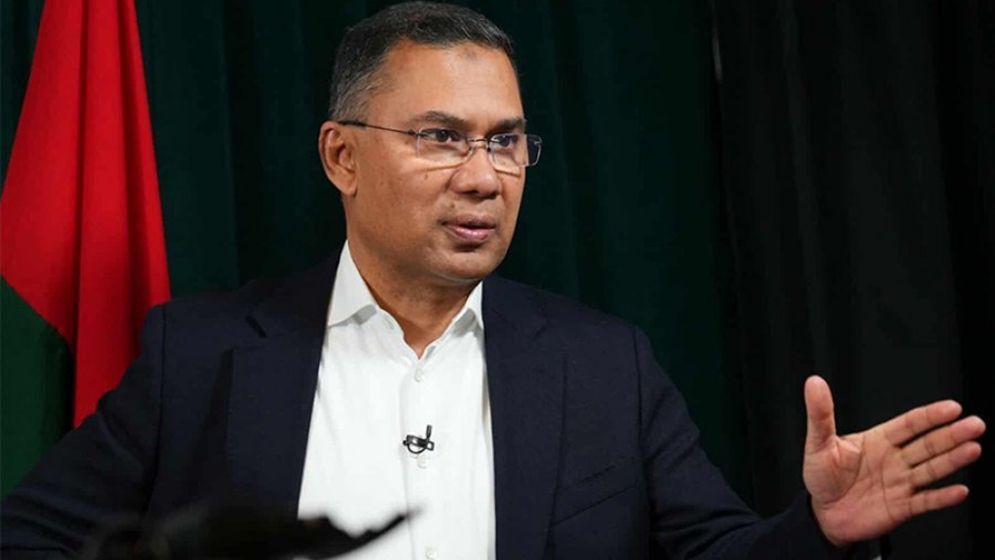
NATO Secretary-General Mark Rutte has warned that Russia could launch an attack on a NATO member state within the next five years. Speaking in Germany on December 11, Rutte said Moscow has already intensified covert operations against the alliance and urged members to prepare for a type of conflict reminiscent of past generations. His remarks underscore growing anxiety within NATO about Russia’s long-term intentions following its 2022 full-scale invasion of Ukraine. The warning comes as U.S. President Donald Trump pursues diplomatic efforts to end the Russia–Ukraine war. Russian President Vladimir Putin, however, recently stated that Moscow has no plans to engage in war with Europe but would respond if provoked. European leaders remain skeptical, recalling similar assurances before the Ukraine invasion. Diplomats suggest that despite Trump’s mediation, current negotiations may ultimately favor Russian interests, prompting European allies to back Ukrainian President Volodymyr Zelensky’s stance. Analysts believe Rutte’s caution reflects NATO’s strategic reassessment amid uncertain peace talks and persistent hybrid threats from Moscow.
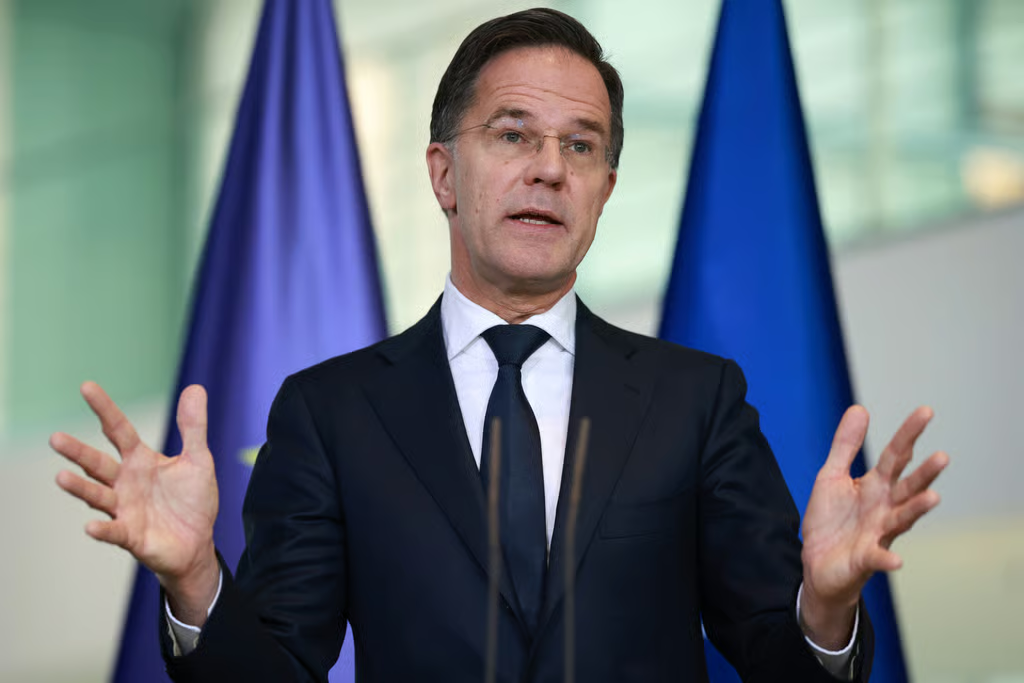
Bangladesh Ansar and Village Defence Party (VDP) has undergone a major administrative reshuffle ahead of the upcoming national parliamentary elections. According to an official press release signed by Deputy Director and Public Relations Officer Md. Ashikuzzaman, 47 district commandants and 162 upazila-level officers have been reassigned to new posts. The restructuring aims to ensure efficient coordination and professional management of election security operations across the country. Officials said the initiative is part of broader preparations to build a modern, citizen-friendly security framework. The force is updating deployment lists, integrating data into digital platforms, and conducting special training and simulation exercises. Emphasis is being placed on professionalism, neutrality, and behavioral discipline among members deployed at polling centers. The government expects all personnel to demonstrate integrity and impartiality during election duties. The reshuffle is also expected to align manpower with regional security needs and improve operational efficiency. Newly appointed officers will implement directives from the force’s headquarters to maintain transparency and stability during the election period.

A newly mutated strain of the H3N2 influenza virus is spreading rapidly across continents, prompting global health experts to issue warnings about a potentially severe flu season. The variant, first linked to outbreaks in Japan and the United Kingdom, has now been detected worldwide. Scientists attribute the surge partly to reduced population immunity, as people have had limited exposure to flu viruses in recent years. Researchers at Cambridge University and the Francis Crick Institute report that the H3N2 'subclade K' strain carries seven new mutations, making it antigenically distinct from previous forms. Although symptoms may not be more severe than typical flu, experts caution that lower immunity could lead to higher infection rates and hospitalizations, particularly among the elderly and vulnerable. Current flu vaccines may offer only partial protection, though health authorities stress that some immunity is better than none. Public health agencies in the UK and Japan have urged vaccination, hygiene measures, and temporary school closures to curb transmission. Experts warn that this season’s mismatch between circulating strains and vaccines could test global preparedness for respiratory outbreaks.

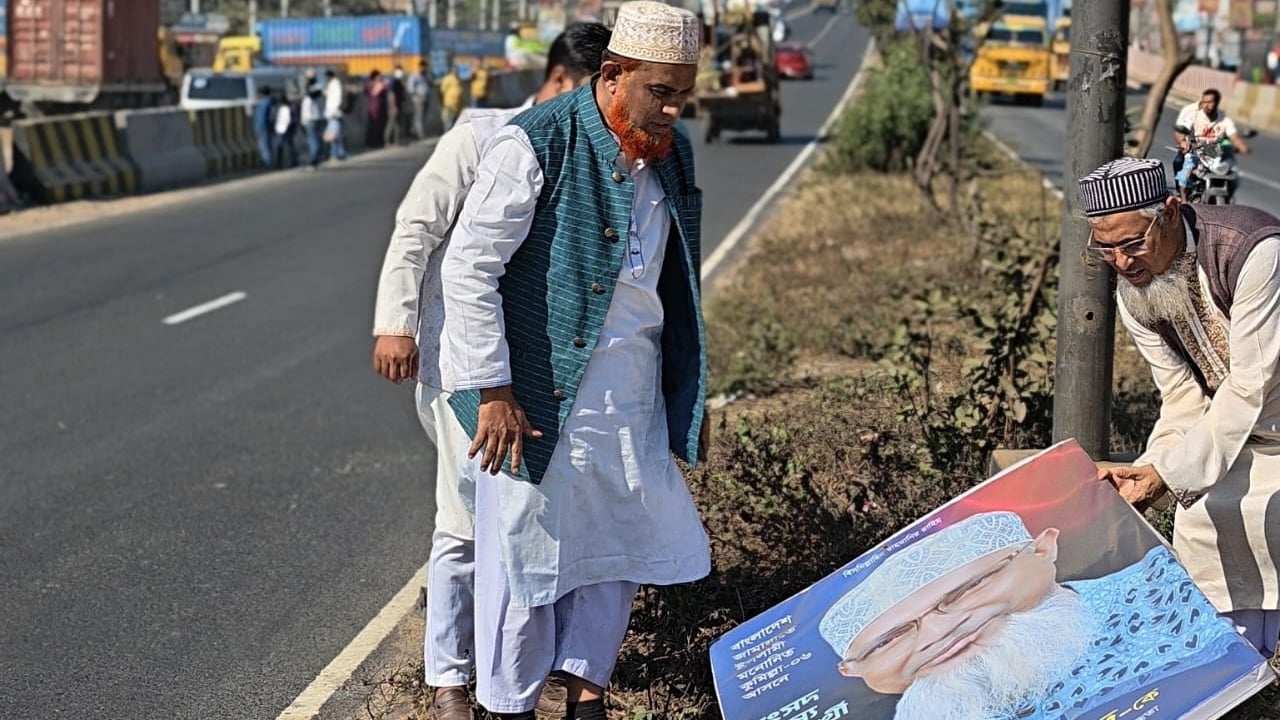
Bangladesh Jamaat-e-Islami’s parliamentary candidate for Cumilla-6, Kazi Din Mohammad, has initiated the removal of his campaign posters, banners, and festoons in compliance with Election Commission (EC) and Representation of the People Order (RPO) regulations. The activity began on Friday morning, December 12, as part of the official post-schedule cleanup requirement for all nominated candidates. During the event, Kazi Din Mohammad instructed his supporters to remove all campaign materials within 48 hours at their own expense, emphasizing adherence to electoral laws. Local Jamaat and Shibir leaders attended the program, underscoring the party’s commitment to lawful and transparent election practices. The candidate stated that following EC directives is a democratic responsibility and pledged to maintain discipline throughout the campaign. Local residents and business owners welcomed the initiative, noting that such compliance would help foster a peaceful and coordinated electoral environment in the constituency ahead of the national polls.
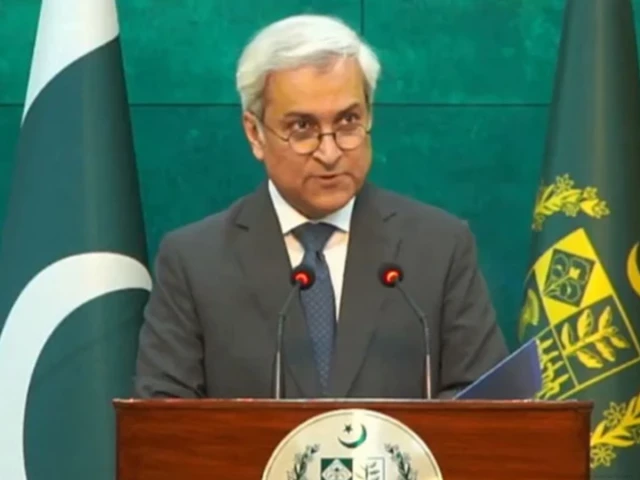
Pakistan has welcomed a joint religious declaration by more than 1,000 Afghan clerics in Kabul condemning cross-border militancy, but insisted that such commitments will only be meaningful with a written assurance from the Taliban leadership. Foreign Ministry spokesperson Tahir Andarabi said Islamabad has repeatedly sought written guarantees that Afghan soil will not be used against Pakistan, but has yet to receive one. The declaration, viewed as a religious endorsement against cross-border terrorism, warned that any military action beyond Afghanistan’s borders would be treated as rebellion against the Amir’s orders. While Pakistan was not named, the statement is widely seen as directed at the banned Tehrik-i-Taliban Pakistan (TTP) and other militant groups. Andarabi noted that past Taliban promises had gone unfulfilled, and Pakistan would assess the new declaration before deciding on further steps. Tensions remain high following deadly attacks in Pakistan allegedly launched from Afghan territory. Islamabad has also criticized Kabul’s rejection of humanitarian aid and warned that only the Taliban’s top leadership can effectively rein in militant networks. Diplomatic observers see the clerics’ statement as a potential shift within Afghanistan, though its practical impact remains uncertain.
Bangladesh Jamaat-e-Islami Ameer Dr. Shafiqur Rahman has called on party leaders and activists to remove all election-related campaign materials following the announcement of the 13th National Parliamentary Election schedule. In a verified Facebook post on Friday, he said the party is ready to extend all logical cooperation to ensure a fair and successful election process. Dr. Rahman reminded party members to comply with the Election Commission’s directive and the Representation of the People Order (RPO), which require all campaign materials—such as banners, festoons, and billboards—to be removed within 48 hours of the schedule announcement. The Election Commission announced the long-awaited election schedule on Thursday, confirming that the national polls and a referendum will be held on the same day. The Jamaat chief’s statement comes amid heightened political activity across the country. Observers note that his call for compliance may signal the party’s intent to maintain a lawful stance ahead of the polls, though its participation status remains uncertain.

Prices of daily essentials in Bangladesh remain stubbornly high, with only marginal relief for consumers. Although onion prices have dipped slightly, they still hover around BDT 140 per kilogram for older stock, while newly harvested varieties sell for BDT 110–120. Despite increased imports and fresh supply entering the market, traders say meaningful price reductions will depend on greater availability in the coming weeks. Fish prices also show little sign of easing, with popular varieties such as rohu, pabda, and shrimp maintaining elevated rates between BDT 300 and BDT 900 per kilogram. Retailers note that fluctuations in wholesale prices rarely translate into relief for end buyers. Meanwhile, chicken and egg prices have stabilized somewhat, while new potatoes have entered the market at lower—but still high—rates compared to previous weeks. Market observers warn that sustained high food prices could strain household budgets further, especially ahead of the Ramadan season, when demand typically spikes and unscrupulous traders may exploit the situation.

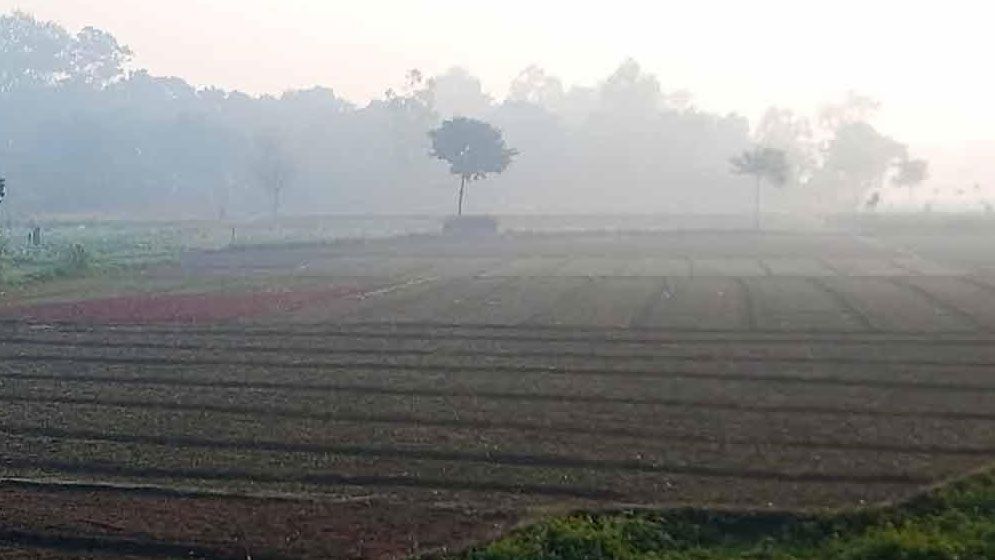
A mild cold wave has persisted for a second consecutive day in Panchagarh district, northern Bangladesh, with the lowest temperature recorded at 9.3°C in Tetulia on Friday morning, according to the local weather office. The previous day saw a minimum temperature of 8.9°C, marking one of the season’s coldest spells so far. Officials from the Tetulia Meteorological Office reported that the cold wave has spread across surrounding areas, bringing biting cold and prompting residents to light fires for warmth. While daytime temperatures reached around 26.8°C, nighttime cold intensified due to chilly winds descending from the Himalayas. Light fog was observed early Friday, though dense fog remained absent. Acting officer Jitendranath Roy stated that the mild cold wave is expected to continue for another one to two days. Authorities have advised residents, especially children and the elderly, to take precautions against the increasing cold as winter conditions deepen across northern Bangladesh.
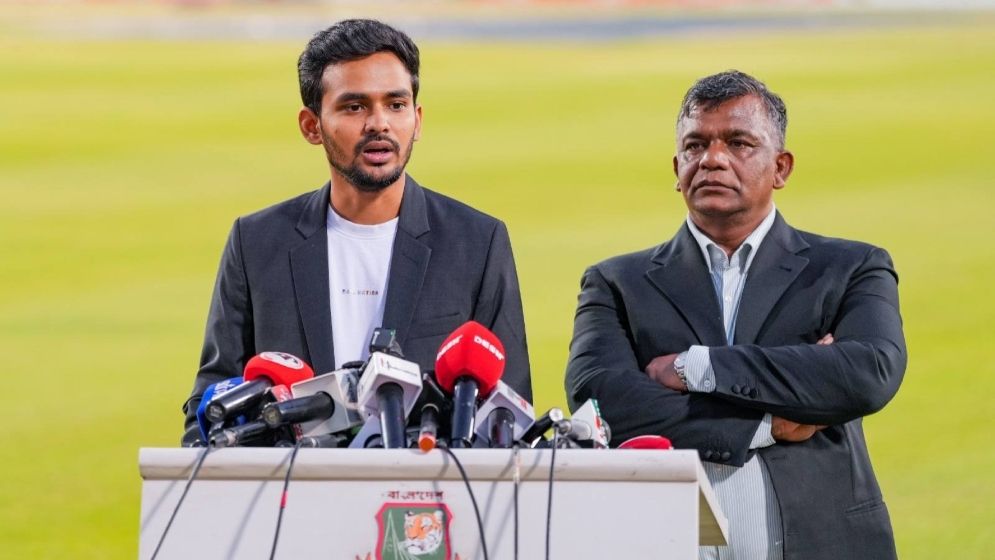
After serving nearly 16 months as adviser to the Ministry of Youth and Sports, Asif Mahmud Sajib Bhuiyan—one of the key figures in the July uprising—has stepped down from his position. The Bangladesh Cricket Board (BCB) expressed deep gratitude for his contributions, highlighting his commitment and clarity in addressing cricket-related matters. In a statement issued Thursday night, BCB President Aminul Islam Bulbul commended Mahmud’s efforts in infrastructure development, resolving administrative challenges, and strengthening the board’s confidence. Following Mahmud’s departure, interim government adviser Dr. Asif Nazrul has assumed the role of sports adviser. The BCB extended a warm welcome to Nazrul, noting his long-standing interest in sports and experience in public engagement. Bulbul said the board expects Nazrul’s leadership to bring renewed direction and resilience to Bangladesh’s sports sector, signaling continuity and optimism amid the transition.
Austria’s parliament has passed a new law banning girls under 14 from wearing the hijab in schools, a move the government says is intended to protect minors from coercion. The legislation, approved on Thursday, applies to all public and private schools and will take effect next February. Initially, authorities will focus on explaining the new rules to teachers, parents, and students before imposing fines on repeat violations. Human rights organizations and opposition parties have criticized the measure as discriminatory and unconstitutional. The Green Party voted against the bill, arguing it violates freedom of religion. The conservative-led government, under pressure from rising anti-immigration sentiment, insists the law is constitutional and aims to promote gender equality. A similar 2019 ban on headscarves in primary schools was previously overturned by Austria’s Constitutional Court. The new regulation is expected to affect around 12,000 girls nationwide. Analysts warn the policy could deepen social divisions and face renewed legal challenges in the coming months.

BNP Standing Committee member Salahuddin Ahmed has accused the ruling Awami League of having a long history of killings and corruption, urging citizens not to forget those events. Speaking on Friday at the Krishibid Institution in Dhaka during the sixth day of BNP’s ‘Nation-Building Plan’ program, he alleged that some political parties remain silent about the Awami League’s actions in hopes of securing electoral benefits. Salahuddin criticized the use of the 1971 Liberation War spirit for political gain, saying such exploitation has ultimately failed. He described BNP’s 31-point reform agenda as the ‘essence of a national charter of liberation’ and claimed it has become a ‘national epic’. He also referenced a white paper alleging that Tk 29.25 trillion was laundered under the current government, blaming the Awami League for economic devastation. The BNP leader emphasized that the upcoming 13th parliamentary election should be approached with planning rather than emotion, portraying the party’s movement as the culmination of 15 years of struggle. He warned that the nation must remember past violence and corruption to prevent history from repeating itself.
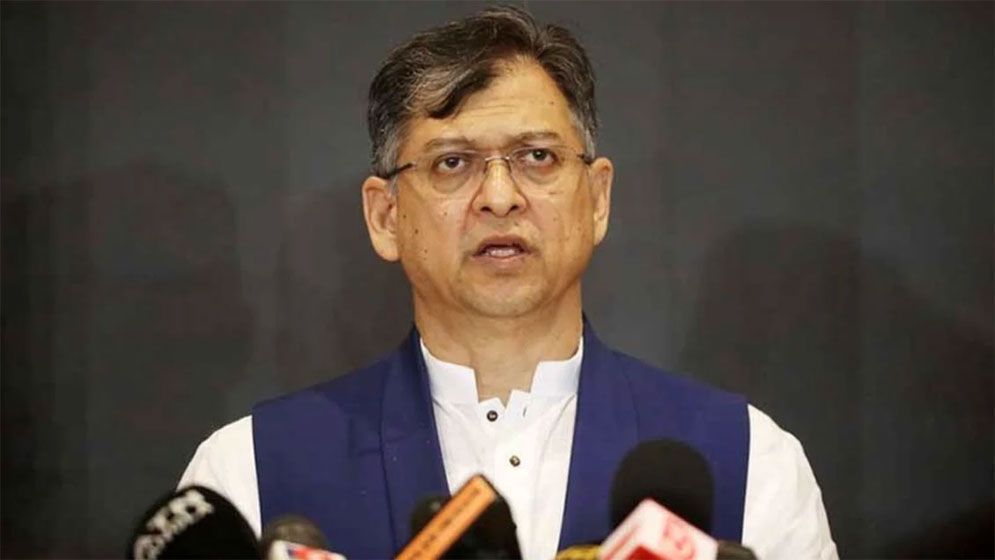
National Citizen Party (NCP) North Region chief organizer Sarjis Alam has called for the abolition of Bangladesh’s lottery-based school admission system, describing it as an 'absurd process' that undermines merit and competition. In a verified Facebook post on Thursday, December 11, Alam argued that the system discourages students from valuing academic excellence and weakens the foundation of the country’s education structure. The lottery-based admission method was introduced in 2021 during the COVID-19 pandemic for students from grades one to nine in both public and private schools, replacing the previous merit-based entrance exams. Alam questioned why such a non-competitive approach continues when meritocracy remains central to higher education and employment in Bangladesh. His remarks have reignited debate over the fairness and effectiveness of the current system. Education experts and parents remain divided—some favoring the lottery for reducing corruption, others demanding a return to merit-based selection. The Ministry of Education has yet to respond to Alam’s comments.

The ‘1 Nojor’ media platform is now live in beta, inviting users to explore and provide feedback as we continue to refine the experience.