

The ‘1 Nojor’ media platform is now live in beta, inviting users to explore and provide feedback as we continue to refine the experience.
National Citizen Party (NCP) North Region chief organizer Sarjis Alam has called for the abolition of Bangladesh’s lottery-based school admission system, describing it as an 'absurd process' that undermines merit and competition. In a verified Facebook post on Thursday, December 11, Alam argued that the system discourages students from valuing academic excellence and weakens the foundation of the country’s education structure. The lottery-based admission method was introduced in 2021 during the COVID-19 pandemic for students from grades one to nine in both public and private schools, replacing the previous merit-based entrance exams. Alam questioned why such a non-competitive approach continues when meritocracy remains central to higher education and employment in Bangladesh. His remarks have reignited debate over the fairness and effectiveness of the current system. Education experts and parents remain divided—some favoring the lottery for reducing corruption, others demanding a return to merit-based selection. The Ministry of Education has yet to respond to Alam’s comments.

Former interim government student adviser Asif Mahmud Sajib Bhuiyan has announced his decision to contest the upcoming 13th National Parliamentary Election from Dhaka-10 as an independent candidate. He made the declaration in a Facebook post on Friday morning, a day after the Election Commission released the official election schedule. Bhuiyan, along with fellow adviser Mahfuz Alam, resigned from the interim government earlier this week, sparking speculation about their political futures and possible party affiliations. His announcement clarifies that he will not be joining any political party at this stage. Political observers note that independent candidacies often face organizational and financial challenges but can attract voter interest when linked to reformist or youth-oriented movements. The Dhaka-10 constituency is expected to be closely watched, as several high-profile candidates are likely to compete. Bhuiyan’s independent run could reshape local campaign dynamics and test public sentiment toward non-partisan leadership in the upcoming election.

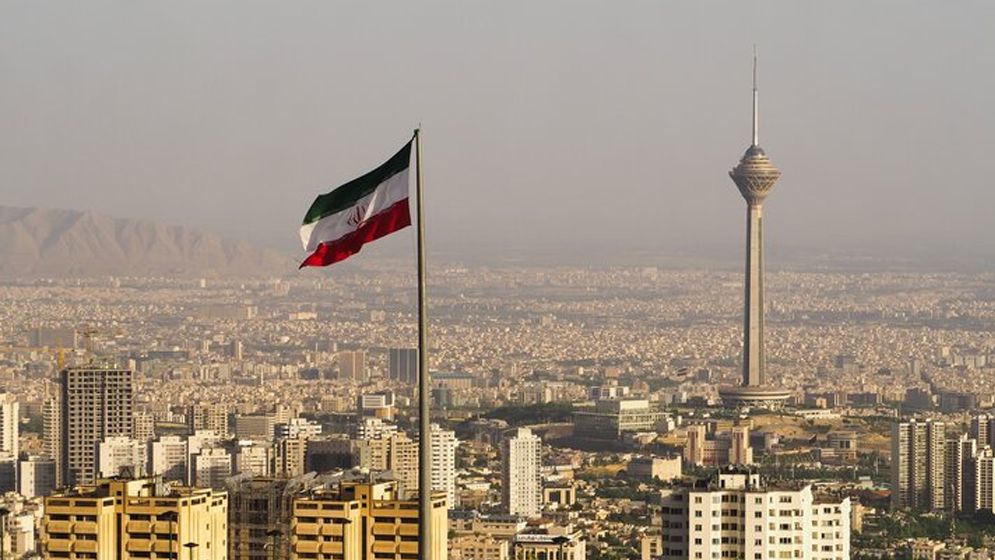
Iran is set to mediate between Pakistan and Afghanistan’s Taliban government following renewed border clashes that have strained relations between the two neighbors. Tehran is preparing to host a high-level meeting on December 16–17, aiming to de-escalate tensions and restore dialogue after months of military and diplomatic standoffs. According to Islamabad Post, this initiative is viewed as the most significant diplomatic effort yet to resolve the deadlock. Previous rounds of talks in Doha, Istanbul, and Jeddah failed to produce tangible progress. Pakistan’s special envoy for Afghanistan, Muhammad Sadiq, will represent Islamabad in the upcoming discussions. Diplomatic sources indicate that both China and Russia are expected to participate, signaling broader regional concern over the instability. Analysts note that the involvement of major powers underscores the strategic importance of Pakistan-Afghanistan relations for regional security. Observers will watch closely whether Tehran’s mediation can achieve a breakthrough where earlier efforts faltered.
Bangladesh Nationalist Party (BNP) Chairperson and former Prime Minister Khaleda Zia has been placed on elective ventilator support after her health condition worsened significantly, according to a statement from her medical board led by Professor Dr. Shahabuddin Talukder. The 79-year-old leader, who has long suffered from multiple chronic ailments including liver, kidney, and heart diseases, was admitted to Evercare Hospital on November 23 following severe respiratory distress and weakness. The medical board reported that despite intensive treatment with high-flow oxygen and BiPAP support, her oxygen levels continued to drop, prompting the decision to initiate ventilator support to allow her lungs and other organs to rest. She is also being treated for acute pancreatitis, kidney failure requiring dialysis, and severe bacterial and fungal infections. Doctors have identified infective endocarditis through echocardiography and are administering targeted therapy. The board urged the public to avoid speculation and respect the patient’s privacy, while family members requested prayers for Khaleda Zia’s recovery. Her condition remains critical under continuous observation.

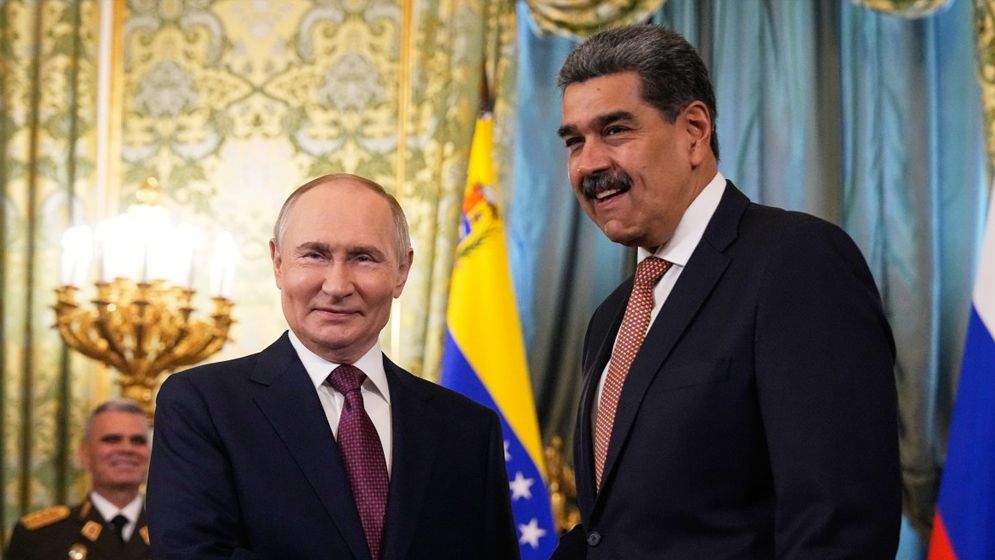
Russian President Vladimir Putin has expressed firm support for Venezuelan President Nicolás Maduro despite mounting pressure from the United States. According to the Kremlin, Putin conveyed his backing for Maduro’s government policies during a phone call on Thursday, signaling Moscow’s continued alliance with Caracas at a time of heightened geopolitical tension. On the same day, Belarusian President Alexander Lukashenko met with Venezuela’s ambassador to Minsk, Jesús Rafael Salazar Velásquez, for the second time in 17 days. Belarus’ state news agency reported Lukashenko’s assurance that Maduro would always be welcome in Belarus. Reuters sought clarification on whether Minsk might offer asylum to Maduro if he stepped down, but received no response. The Trump administration has refused to recognize Maduro’s presidency since his disputed 2018 re-election, labeling it fraudulent. Washington has tightened sanctions and increased military presence in the Caribbean. Analysts say Putin’s gesture underscores Russia’s intent to counter U.S. influence in Latin America and maintain strategic partnerships with allied regimes.
Thailand’s Prime Minister Anutin Charnvirakul has dissolved parliament following a week of renewed border clashes with Cambodia and growing political instability. A royal decree issued on December 12 confirmed that general elections will be held within 45 to 60 days. Anutin, who came to power three months ago leading a minority government, said the dissolution was necessary to return political authority to the people and restore stability. The decision follows the withdrawal of support from the progressive, youth-backed People’s Party, which accused Anutin’s Bhumjaithai Party of failing to honor a coalition agreement that included constitutional reforms. The government has also faced criticism over its handling of deadly floods in southern Thailand that killed at least 176 people. Recent border violence has left 20 dead and displaced hundreds of thousands. Thailand has seen persistent political turbulence, with two previous prime ministers removed by court rulings in the past year. Analysts say the upcoming election could reshape alliances and determine whether Thailand moves toward reform or returns to conservative dominance.
-693ba4ef11a70.jpg)
Malaysia’s Immigration Department detained 31 undocumented migrants, including 11 Bangladeshis, during a special enforcement drive named ‘Ops Kutip’ in Kuala Lumpur on Thursday night. The operation, conducted around Masjid Jamek LRT Station, involved 25 immigration officers who randomly checked foreign passengers and pedestrians in the area. According to Kuala Lumpur Immigration Director Wan Mohammad Saupi Wan Yusoff, officers inspected 60 foreigners and arrested 31 for lacking valid documents. Among those detained were nationals from Bangladesh (11), India (8), Pakistan (7), Indonesia (3), Sudan (1), and the Philippines (1). Five individuals were charged under Section 15(1)(c) of the Immigration Act 1959/63 for overstaying, while the rest were detained under Section 6(1)(c) for not possessing valid passes or permits. All detainees have been transferred to the Kuala Lumpur Immigration Depot for further legal processing. The operation reflects Malaysia’s ongoing crackdown on undocumented foreign workers amid rising concerns over labor law compliance and border control.
-693ba27643dcf.jpg)
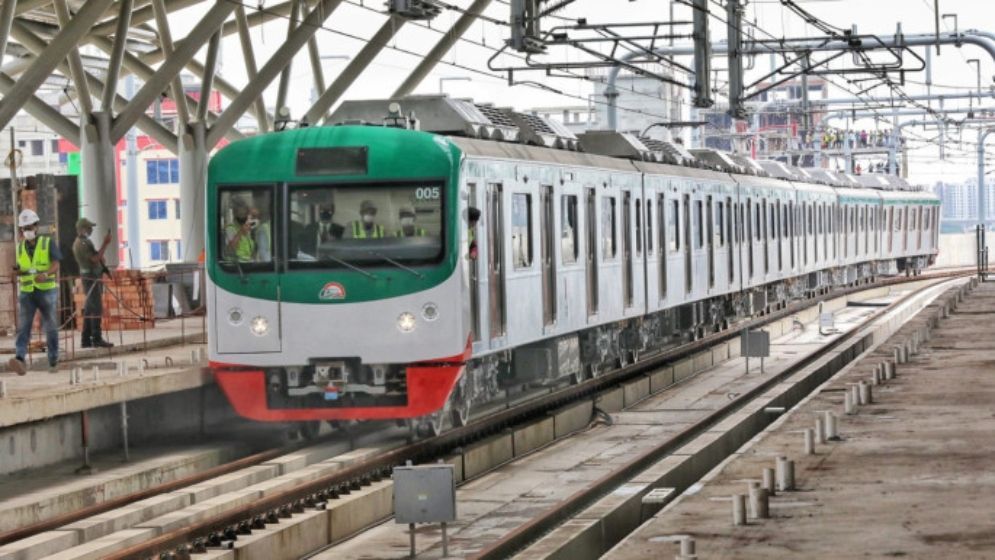
Concerns over a possible halt in Dhaka Metro Rail services eased after the Dhaka Mass Transit Company Limited (DMTCL) confirmed that trains would continue running on schedule. The assurance came late Thursday night through a verified Facebook post, following fears sparked by employees’ announcement of an indefinite work stoppage starting Friday. Earlier, DMTCL’s regular officers and staff had declared a full-scale strike demanding the formulation and publication of an independent employment regulation. The announcement had raised uncertainty among commuters and city authorities about potential service interruptions. However, DMTCL clarified that passenger services would remain unaffected and operate as per the regular timetable. The resolution brings temporary relief to Dhaka’s growing metro network, which has become a vital part of the city’s transport system. Authorities are expected to continue discussions with employees to address their regulatory concerns and prevent future disruptions.
The Bangladesh Election Commission (EC) has instructed district officials to finalize the panel of polling officers for the 13th National Parliamentary Election by December 15. In a recent directive signed by Deputy Secretary Mohammad Monir Hossain, the EC said that if sufficient government officials are unavailable, qualified personnel from private banks may be recruited after proper verification. The decision follows political debate over the neutrality of polling staff. The opposition Bangladesh Nationalist Party (BNP) recently urged the EC not to appoint employees from institutions perceived as partisan, such as Islami Bank and Al-Arafah Bank, citing concerns about election fairness. The EC’s conditional inclusion of private bank officers appears to balance logistical needs with political sensitivities. Observers note that the move underscores the administrative challenges of organizing the February 12 election amid calls for transparency. The EC is expected to monitor recruitment closely to prevent bias allegations and ensure confidence in the electoral process.
-693b9bf52539d.jpg)
Bangladesh’s Election Commission (EC) has deployed executive magistrates across the country starting Friday, December 12, to ensure strict enforcement of the electoral code of conduct for the upcoming 13th National Parliamentary Election. The magistrates will remain on duty until two days after the voting concludes, operating mobile courts to monitor and address any violations. The EC announced the election schedule on Thursday evening, setting February 12 as the polling date. Following the announcement, the EC’s Deputy Secretary Mohammad Monir Hossain formally notified the Senior Secretary of the Ministry of Public Administration to arrange the deployment. Each upazila and police station area will have at least two magistrates assigned to oversee compliance and maintain order during the campaign period. The move underscores the commission’s effort to maintain transparency and discipline during the election process. Officials expect the deployment to deter irregularities and strengthen public confidence in the fairness of the upcoming vote.
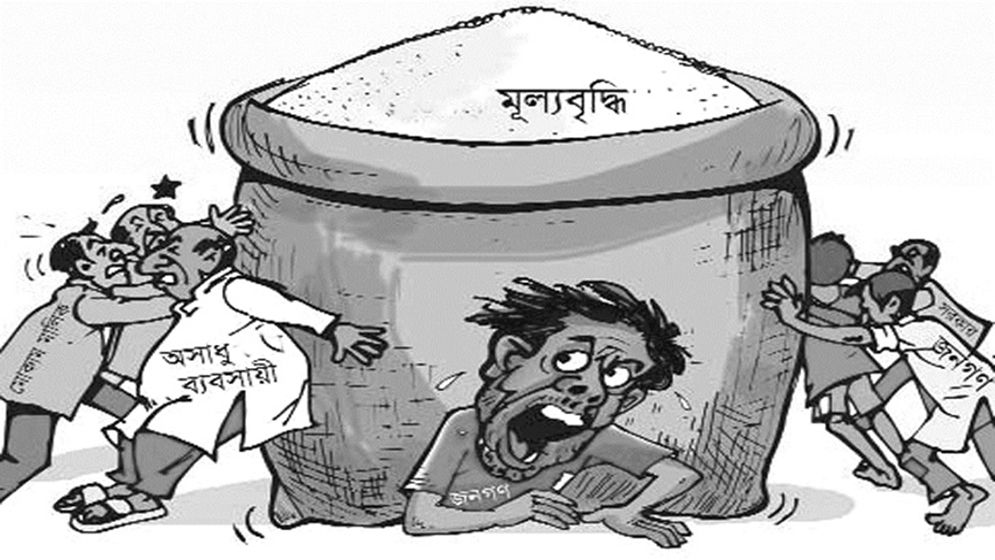
Essential commodity prices in Bangladesh have risen sharply ahead of Ramadan, with traders accused of manipulating the market. Within just two days, sugar prices increased by up to Tk 5 per kilogram, now selling at Tk 95–115 in retail markets. Rice, potatoes, garlic, and lentils have also seen notable hikes, with Trading Corporation of Bangladesh (TCB) data showing sugar prices up 2.5% in a week and rice up to 8.57% higher than last year. Consumer rights groups, including the Consumers Association of Bangladesh (CAB), have condemned the price manipulation, urging authorities to identify and monitor the syndicates responsible. CAB Vice President S.M. Nazer Hossain stated that there is no sugar shortage, as imports have increased and global prices have fallen. Despite this, traders are exploiting Ramadan demand to inflate profits. The Directorate of National Consumer Rights Protection has pledged intensified monitoring during Ramadan. Analysts warn that without strict oversight, consumers may face severe hardship during the fasting month, despite adequate supply and stable foreign exchange conditions.
Bangladesh’s women’s national football team has slipped eight places to 112th in the latest FIFA rankings released on Thursday. The team, which had reached a record 104th position in August with 1,180 points, lost 12 rating points after four consecutive defeats in recent international fixtures, bringing their total down to 1,168. The decline follows losses in two October matches against Thailand (3–0 and 5–1) and two November home matches in a tri-nation series against Malaysia (1–0) and Azerbaijan (2–1). The setbacks ended a period of steady progress for the squad led by Afida Khandakar and Rituparna Chakma, who had previously drawn attention for their rapid rise in the global standings. Bangladesh will next compete in the AFC Women’s Asian Cup in March in Australia, facing a challenging Group B lineup that includes China (17th), North Korea (9th), and Uzbekistan (49th). The tournament will test Bangladesh’s ability to rebound and gain experience against top-tier Asian teams.

A 6.7-magnitude earthquake struck off the coast of Aomori Prefecture in northeastern Japan on Friday morning, prompting the Japan Meteorological Agency (JMA) to issue a tsunami warning. The quake occurred at a depth of about 20 kilometers at 11:44 a.m. local time, according to JMA reports. This tremor followed only days after a stronger 7.5-magnitude earthquake hit the same region, raising concerns about ongoing seismic instability. Authorities have urged residents across a wide area—from Hokkaido in the north to Chiba east of Tokyo—to remain alert for possible aftershocks or additional quakes within the coming week. Japan, located along the Pacific “Ring of Fire,” experiences frequent seismic activity. The country still bears memories of the devastating 2011 Tohoku earthquake and tsunami, which killed or left missing over 22,000 people and triggered the Fukushima Daiichi nuclear disaster. The latest events have renewed public attention to Japan’s disaster preparedness and early warning systems.

Bulgaria’s government has announced its resignation following days of mass anti-corruption protests that spread across the country. Prime Minister Rosen Zhelyazkov confirmed on Thursday that his conservative administration would step down, less than a year after taking office. The decision came after mounting public anger over alleged government failures to curb corruption and controversial fiscal measures. The protests, initially focused on corruption, escalated into a broader anti-government movement, with thousands rallying in Sofia and coastal cities along the Black Sea. Demonstrators opposed a recently unveiled 2026 budget plan denominated in euros, which proposed higher taxes on dividends and social contributions. Although the government withdrew the plan, protests continued, reflecting deep frustration with Bulgaria’s political volatility. Bulgaria, the poorest member of the European Union, has held seven national elections in the past four years. Analysts warn that the government’s collapse could prolong instability and delay key reforms, while opposition groups call for a technocratic interim administration to restore public trust.

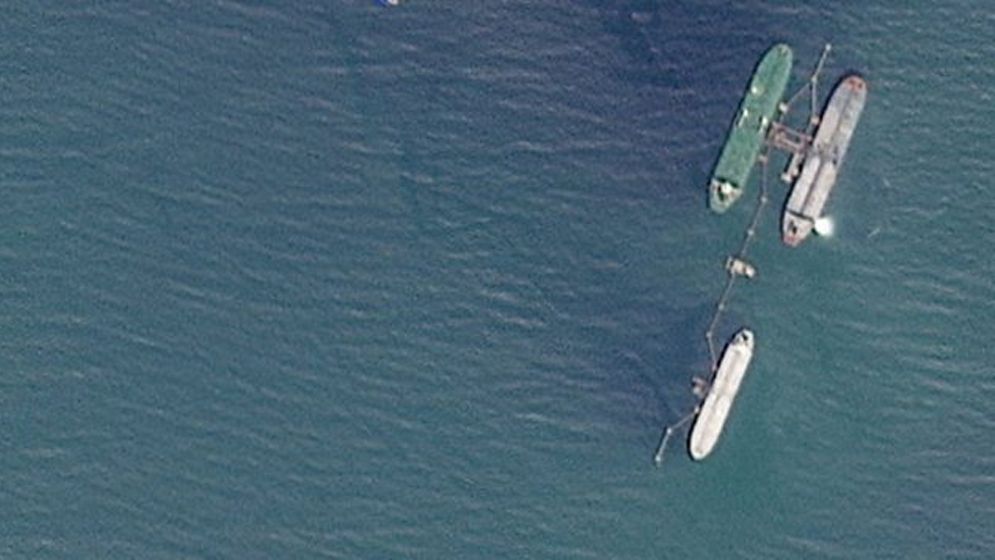
The United States has imposed new sanctions on six ships linked to Venezuela and three nephews of President Nicolás Maduro, according to the US Treasury Department. The move follows escalating tensions between Washington and Caracas after the US Navy deployed warships in the Caribbean and seized a Venezuelan oil tanker accused of carrying sanctioned crude. White House Press Secretary Karoline Leavitt confirmed that the seized tanker would be taken to a US port, describing the cargo as illegally transported oil. The sanctions are part of a broader effort to tighten economic pressure on Maduro’s government, which has already faced restrictions on more than 30 oil vessels, Reuters reported. Venezuela’s government condemned the actions, accusing Washington of “theft” and “international piracy.” Caracas claims the US is attempting to seize control of its energy assets. Analysts warn that the new sanctions could further strain diplomatic relations and complicate oil trade routes in the Caribbean region.
The ‘1 Nojor’ media platform is now live in beta, inviting users to explore and provide feedback as we continue to refine the experience.