

The ‘1 Nojor’ media platform is now live in beta, inviting users to explore and provide feedback as we continue to refine the experience.
Bangladesh is witnessing an alarming rise in narcotics use across the country, with new drugs such as Thailand’s ‘Kush’ and shisha gaining popularity even among affluent youth. Despite the government and police maintaining a declared zero-tolerance stance, drug availability has expanded from cities to rural areas. The situation coincides with the observance of International Day Against Drug Abuse, for which the Department of Narcotics Control (DNC) has launched several programs. Experts warn that addiction is destroying the younger generation, urging a nationwide social movement involving all communities. They identify unemployment, frustration, peer influence, and easy access as key drivers of drug abuse. Law enforcement reports that narcotics are entering Bangladesh through land, sea, and air routes from Myanmar and Thailand, while smugglers are also using social media to sell drugs. The DNC has initiated a national database to track drug addicts receiving treatment in government and approved private rehabilitation centers. The government is also restructuring the DNC with plans for an interrogation unit, criminal data system, and digital forensic lab to strengthen anti-drug operations.

International oil prices dropped by about 2 percent on Friday, even after a cargo ship near Oman’s coast was hit by a missile from an unidentified source. According to Reuters, Brent crude fell by $1.47, or 1.95 percent, to $73.79 per barrel, while U.S. West Texas Intermediate (WTI) crude declined by $1.44, or 2 percent, to $70.48. Both benchmarks are heading for an 8 percent weekly loss. LSEG shipping data showed that Saudi Aramco resumed crude loading at its Ras Tanura terminal in the Persian Gulf after nearly four months of suspension. Two very large crude carriers were loading oil, with another waiting nearby. Analysts from Sparta Commodities attributed the price drop to increased oil supply through the Strait of Hormuz and weak demand from China. The report also noted that oil shipments through the Strait of Hormuz have reached their highest level since the February conflict between Iran, the U.S., and Israel, though still below prewar levels. ING analysts warned that once previously trapped tankers clear the Gulf, supply could tighten again.

Three politicians critical of Israel won New York City’s Democratic Party primaries on Tuesday, signaling a shift in the party’s stance toward the Jewish state. The winners—Brad Lander, Claire Valdez, and Darieliza Avila Chevalier—were backed by Mayor Zohran Mamdani, whose activism began in the Palestinian rights movement. At Avila Chevalier’s victory rally in Harlem, supporters chanted “Free Palestine,” and she declared that the era of old politics was over. The results reflect a broader transformation within the Democratic Party, where voters are increasingly critical of Israel’s actions. While many senior Democrats remain supportive of Israel, grassroots backing has declined. A recent New York Times/Siena poll found that 60 percent of Democrats sympathize more with Palestinians, compared to only 15 percent with Israel. Senator Chris Van Hollen noted that more Democrats now oppose unconditional U.S. aid to Israel. Despite heavy spending by pro-Israel groups like AIPAC to influence upcoming elections, the organization appears to be operating defensively as Democratic sentiment continues to shift.

Israeli Prime Minister Benjamin Netanyahu announced that Israeli forces will remain stationed in southern Lebanon, Syria, and Gaza. Speaking at an event in southern Israel, he stated that the military would stay in those areas as long as necessary to ensure Israel’s security. Netanyahu rejected calls for troop withdrawal under a U.S.-Iran agreement, asserting that Israel’s recent operations against Iran had significantly strengthened its strategic position. He emphasized that Israel had no intention of leaving the buffer zone in southern Lebanon and would maintain control over strategically important positions. According to Netanyahu, the continued presence of Israeli forces in these regions is essential for national security, and the government will not compromise on that stance.
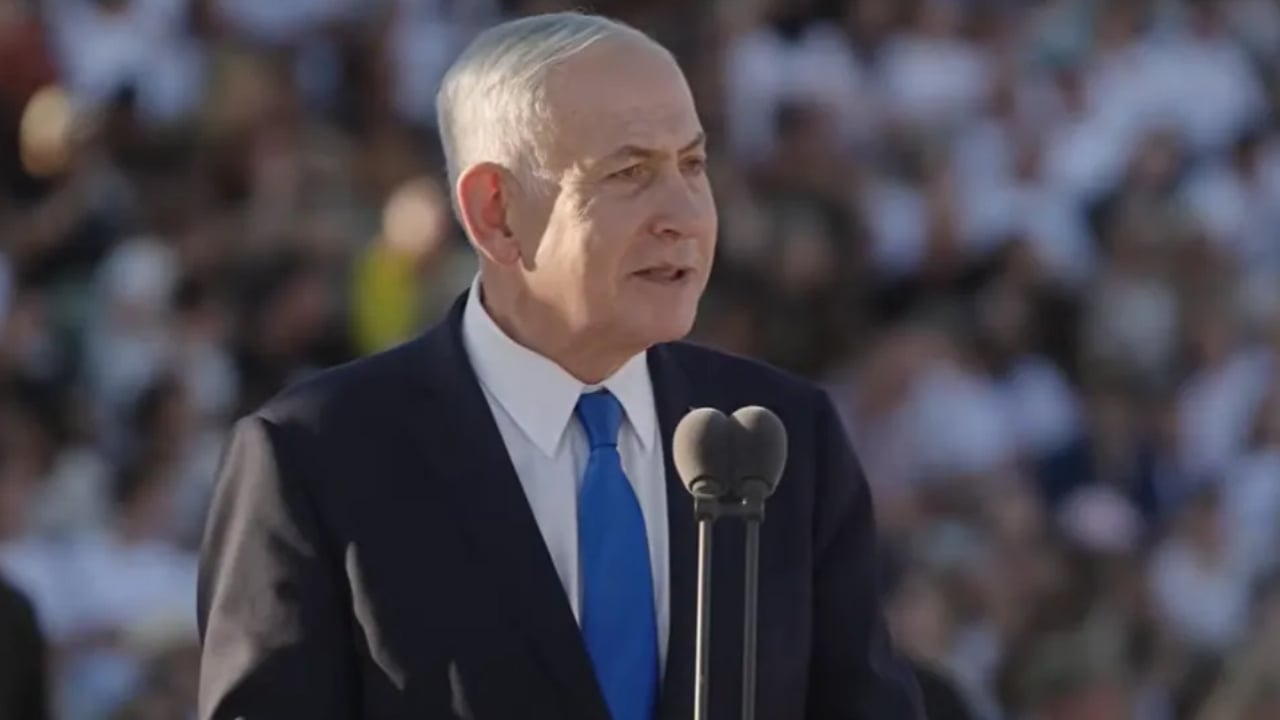
The US Supreme Court has cleared the way for the Trump administration to end Temporary Protected Status (TPS) for hundreds of thousands of migrants from Haiti and Syria. In a 6–3 ruling issued on Thursday, conservative justices upheld the administration’s authority to revoke the humanitarian protection, overturning lower court decisions that had blocked the move. The decision removes the legal right of affected migrants to remain in the United States and opens the door for their deportation. The ruling affects more than 350,000 Haitians and 6,100 Syrians who received TPS after the 2010 Haiti earthquake and the 2012 Syrian civil war. Justice Samuel Alito wrote that courts lack authority to review administrative decisions on TPS, rejecting claims that the policy was racially motivated. Liberal justices Sonia Sotomayor, Ketanji Brown Jackson, and Elena Kagan dissented, arguing that the court should review whether proper procedures were followed and citing evidence of racial bias in Trump’s earlier remarks. The decision could impact 1.3 million TPS holders from 17 countries. Haitian and Syrian advocates warned of severe humanitarian consequences, while Trump officials welcomed the ruling as a reaffirmation of immigration control.
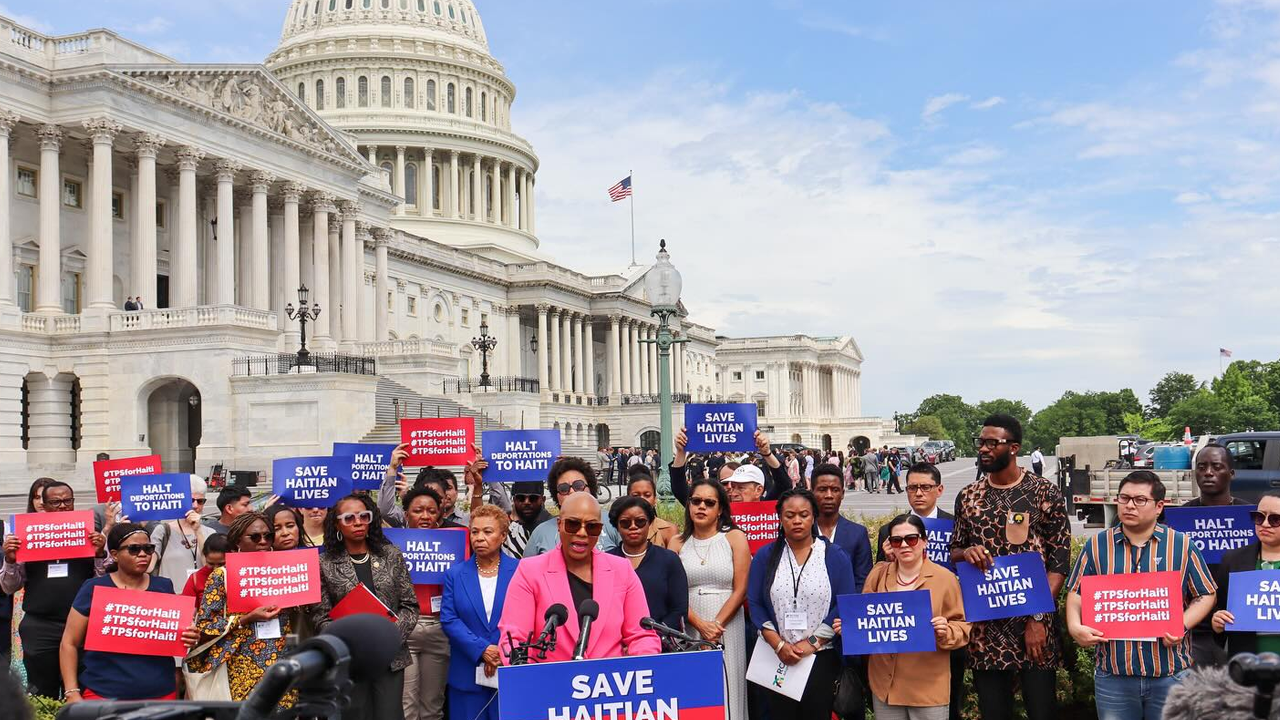
Pakistan’s Ministry of Information and Broadcasting has condemned what it called false and unverified reports by foreign media alleging that food supply vehicles were being blocked in Azad Jammu and Kashmir amid ongoing protests. The ministry lodged a formal complaint, stating that the reports were based on unverified claims and ignored official data and records. According to the ministry’s statement, the spread of unverified news has become a recurring issue that requires corrective measures. The controversy follows violent demonstrations in Azad Jammu and Kashmir, where the Joint Awami Action Committee (JAAC) began protests on June 5 demanding the abolition of reserved assembly seats and increased employment opportunities. Following the unrest, the JAAC was declared a banned organization under the Anti-Terrorism Act. Several media outlets, including AFP, had reported that authorities restricted supplies of food, fuel, and medicine to control the protests, a claim Pakistan’s government has strongly denied.

Chinese President Xi Jinping stated on Friday that China supports the smooth functioning of Bangladesh’s new government and is ready to advance high-quality cooperation under the Belt and Road Initiative. According to Xinhua, Xi made the remarks during a meeting with Bangladeshi Prime Minister Tarique Rahman in Beijing. The meeting took place at the Great Hall of the People, where Xi expressed China’s interest in formulating a framework for key cooperation with Bangladesh. He highlighted potential collaboration in green and low-carbon development, digital economy, information technology, artificial intelligence, and other emerging sectors. The discussions also reflected Beijing’s proposal for a Bangladesh-China economic corridor through Myanmar, signaling a new phase in bilateral relations between the two countries.
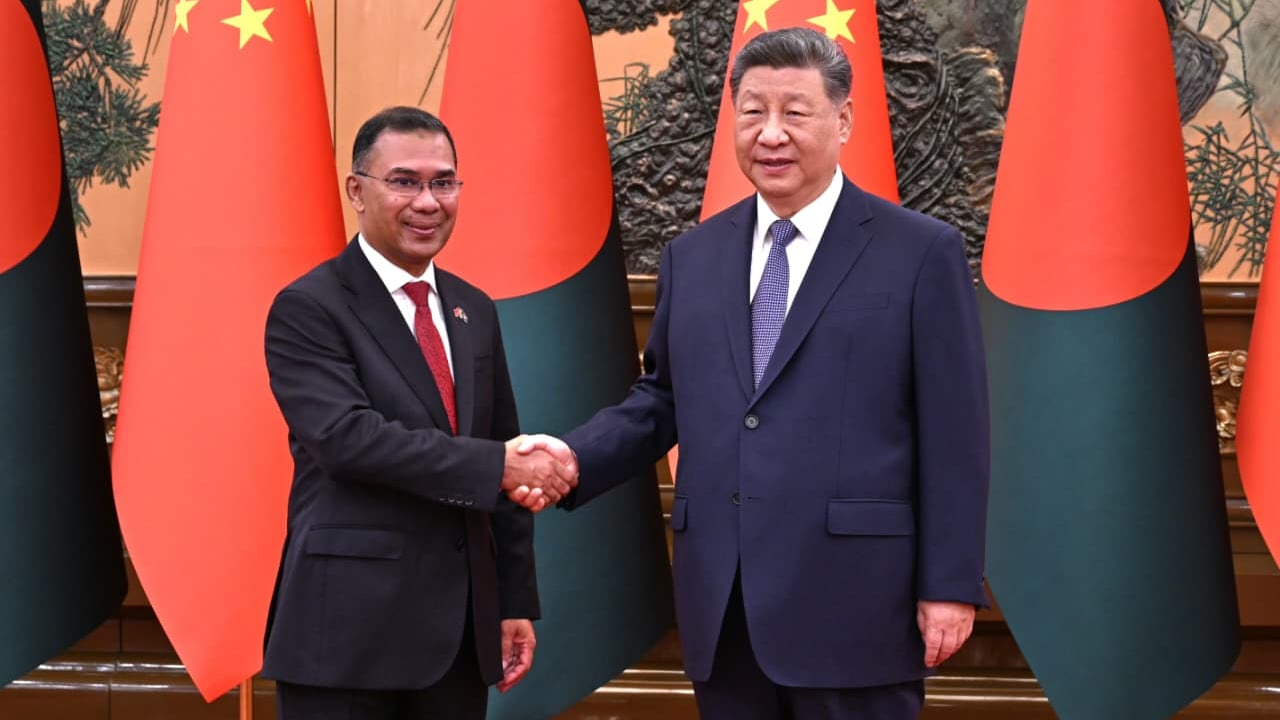
Iran launched a drone attack on a cargo ship in the Strait of Hormuz on Thursday, days after signing a peace agreement with the United States. The strike forced the United Nations to suspend its rescue operation for thousands of stranded sailors and hundreds of ships in the Persian Gulf. A US official confirmed the attack to CNN, while Iran has not officially claimed responsibility. The incident occurred shortly after Iran’s Revolutionary Guards warned against using unauthorized routes through the waterway. The International Maritime Organization (IMO) said it paused its evacuation mission, which had been underway to relocate over 11,000 sailors since the war began. IMO Secretary-General Arsenio Domingo stated that safety must come first and the mission will remain suspended until conditions are clarified. The attacked vessel was not part of the IMO’s rescue framework. The strike also pushed global oil prices up by 2 percent to $74 per barrel. The attack has cast uncertainty over the recently signed 60-day tariff-free maritime agreement between Washington and Tehran, which aimed to reopen the strait and ease economic sanctions while deferring nuclear discussions to later technical talks.
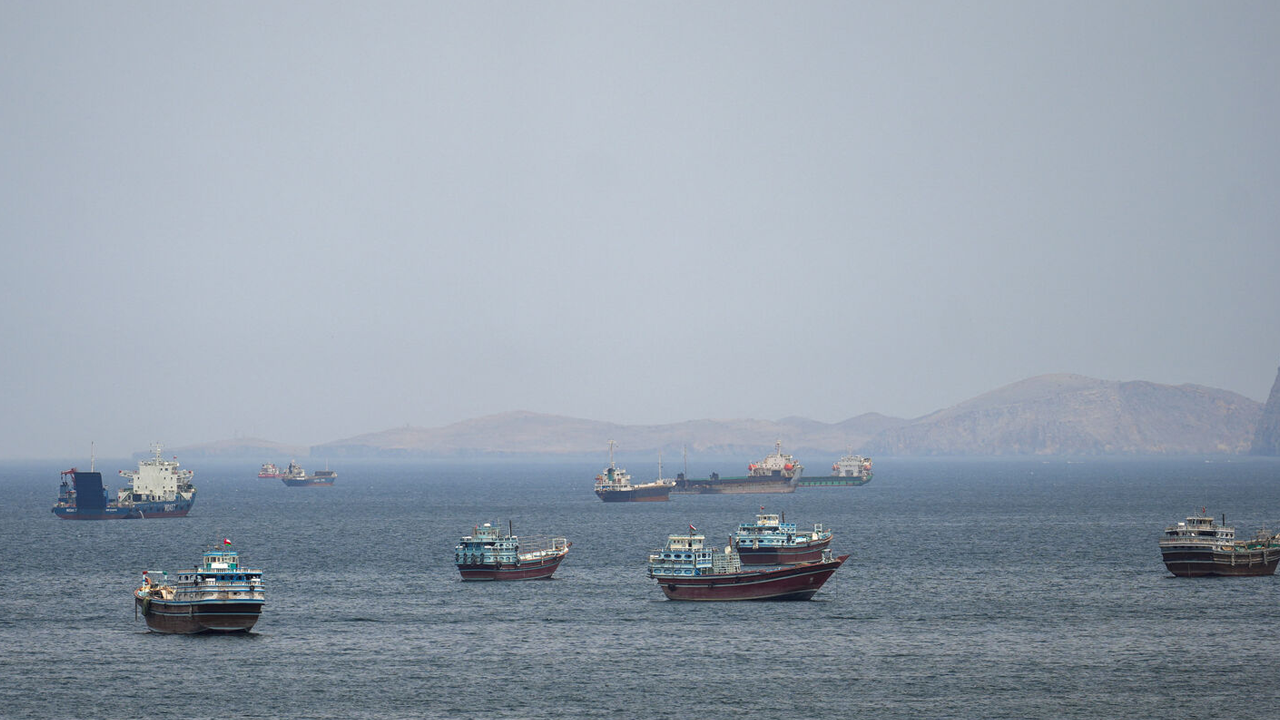
Italy is facing a severe heatwave that has claimed five lives and prompted authorities to issue red alerts in 18 cities on Friday. The victims include two farmers from Lodi and Piacenza, a homeless man in Naples, and another person who died near Pavia in Lombardy. The decision to declare the red alert was made during a technical committee meeting chaired by Health Minister Orazio Schillaci. The alert covers major cities such as Rome, Milan, Florence, Venice, Turin, Bologna, Bari, and Genoa. Officials warned that the extreme weather poses health risks not only to vulnerable groups like the elderly, children, and chronically ill individuals but also to healthy people. The heatwave has disrupted cultural and public services, forcing Florence’s Uffizi Gallery to suspend ticket sales until at least June 28 due to air-conditioning failure. Tourist sites such as Juliet’s House in Verona have partially closed, and court hearings in Palermo have been postponed. Local media reported a 20 percent rise in emergency admissions across Lombardy. Meteorologists expect temperatures to peak over the weekend.

Nike’s new ‘Mind’ shoes, launched in January 2026, have generated worldwide excitement for their claim to influence mental well-being. The sportswear giant describes the product as its first neuroscience-based footwear, designed not for exercise but for pre- and post-activity relaxation. Available in mule and sneaker styles priced at $95 and $145 respectively, the shoes reportedly sold out quickly, with over two million people signing up for restock notifications. On resale platforms like StockX, the ‘Light Smoke Grey’ mule version has become Nike’s top-listed shoe since 2016. According to Nike’s Sport Research Lab, the shoes feature 22 foam nodes that stimulate foot nerves, increasing electrical activity in the brain’s sensorimotor network while calming the default mode network associated with wandering thoughts. The company claims this creates a state of “relaxed alertness.” However, no peer-reviewed studies have yet verified these findings. Loughborough University’s Dr. Ishara Dharmasena considers the concept scientifically plausible, comparing it to traditional Ayurvedic foot massage. He cautions that prolonged use might reduce effectiveness as the brain adapts, classifying the product as a “passive neuro-wearable” that promotes calm without tracking data.

U.S. President Donald Trump announced that Washington plans to use seized Iranian funds to purchase American agricultural products for Iran. Speaking on Thursday, Trump said the initiative aims to buy U.S. wheat, soybeans, and corn for shipment to Iran, which he described as facing a food shortage. He added that the plan would create a new market for American farmers and that the process would begin soon on a large scale. According to Trump, the move will allow the United States to utilize Iranian assets to address humanitarian needs while benefiting U.S. agriculture. He referred to Iran as a beautiful country and emphasized that the effort would be significant in size. The statement was reported by Anadolu Agency. The plan, if implemented, could open a new trade channel between the two nations despite existing tensions, though the source did not specify when or how the transactions would be carried out.
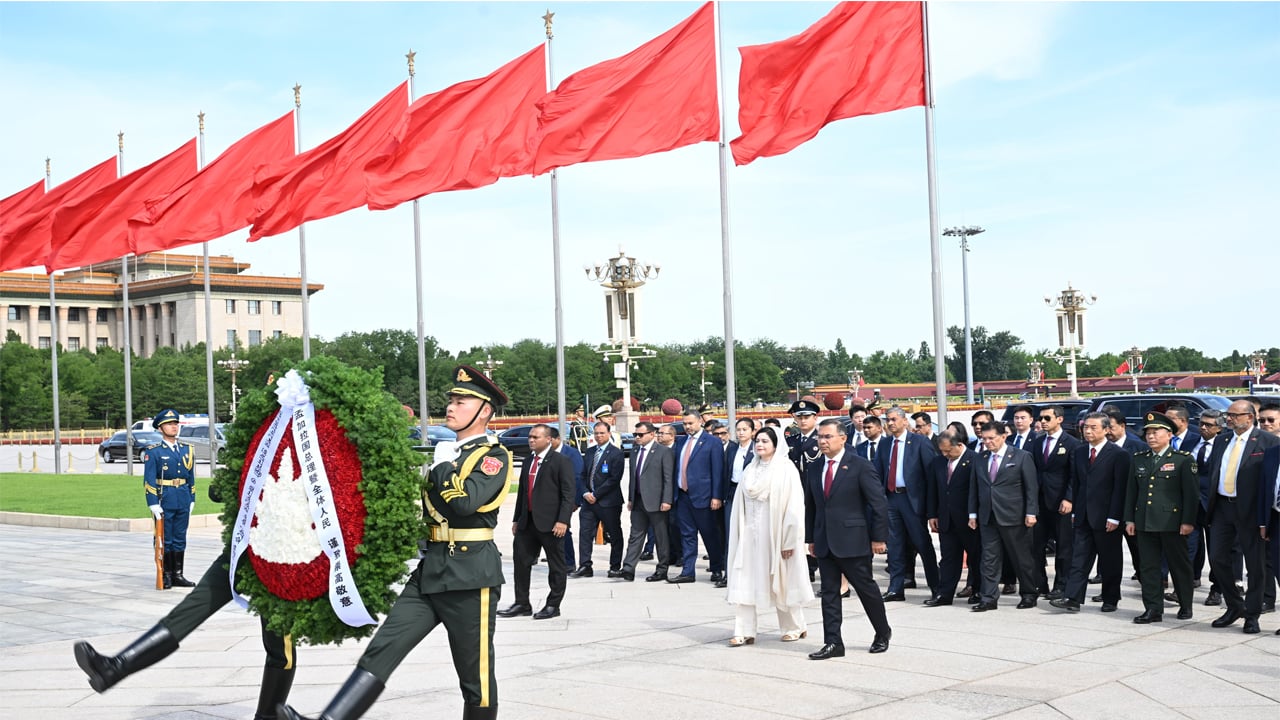
Prime Minister Tarique Rahman of Bangladesh laid a wreath at the monument in Beijing’s historic Tiananmen Square on June 26, 2026. The ceremony took place at 9:15 a.m. local time, honoring China’s revolutionary heroes. During the event, the national anthems of both countries were played, and a bugle tune of respect was sounded. The Prime Minister stood in silence for a moment to pay tribute to the memory of China’s fallen heroes. He was accompanied by his spouse Dr. Zubaida Rahman, Foreign Minister Dr. Khalilur Rahman, Information and Broadcasting Minister Zahir Uddin Swapan, Water Resources Minister Shahid Uddin Chowdhury Annie, Economic Adviser Rashed Al Mahmud Titumir, Foreign Affairs Adviser Humayun Kabir, and several other senior advisers and officials. The visit reflects the ongoing diplomatic engagements between Bangladesh and China. The wreath-laying preceded other high-level meetings in Beijing, including a private discussion between Prime Minister Rahman and Chinese President Xi Jinping, signaling a deepening of bilateral relations.
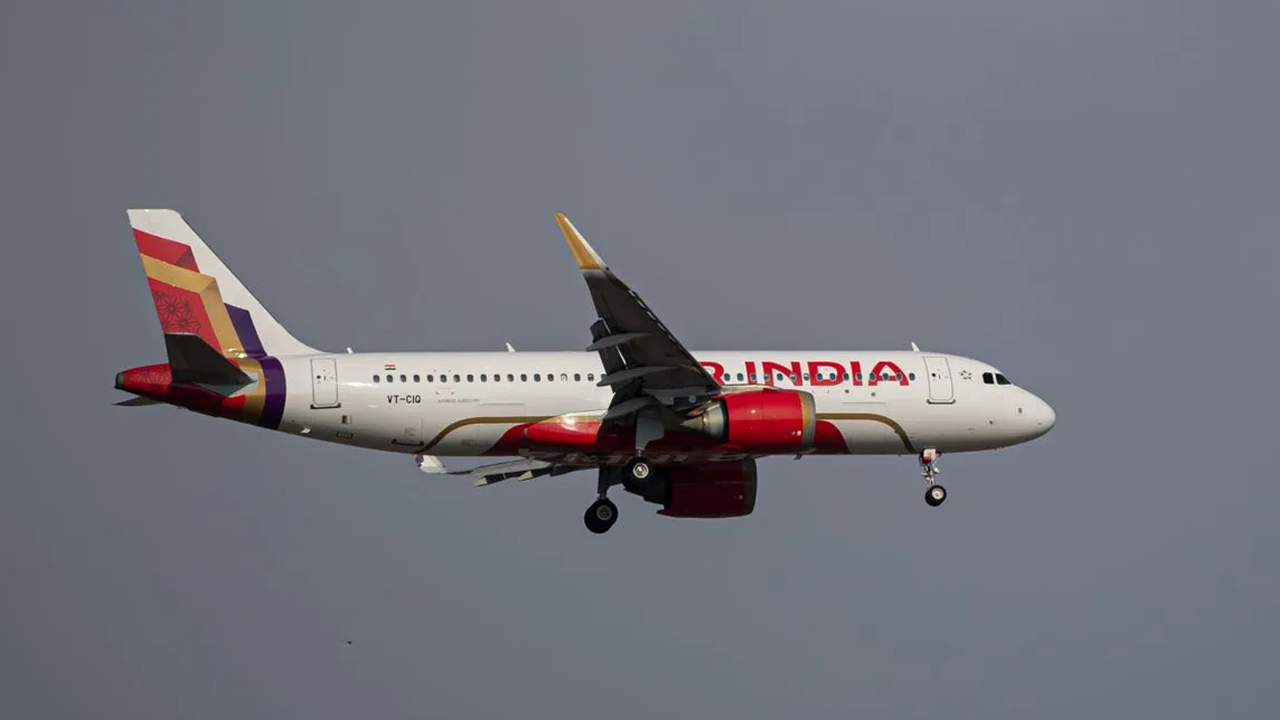
An Air India pilot has been dismissed after a passenger aircraft from Delhi to Amritsar accidentally entered Pakistan’s airspace on June 22, according to India’s civil aviation regulator DGCA. The Airbus A321 was instructed by air traffic control to hold in the air due to a bird strike inspection at Amritsar airport. During this holding pattern, at 10:08 p.m., the aircraft briefly crossed into Pakistani airspace before returning safely to Delhi. DGCA stated that the aircraft entered Pakistani airspace for a short time while attempting to land under radar vectoring and that coordination was made with Pakistan’s air traffic control. The incident was not immediately reported, leading to disciplinary action against the pilot and an Amritsar air traffic controller. Air India confirmed the airspace violation and said an internal investigation is underway. Airport officials said the incident occurred when Amritsar’s approach surveillance service was offline. After returning from Pakistani airspace, the flight diverted to Delhi due to low fuel and later completed its journey successfully.
In Dhaka, 1,691 police officers are currently assigned to protect VIPs, including ministers, advisers, and other high-ranking officials. Despite their crucial role, many officers face difficult working conditions, long hours, and inadequate facilities. The shortage of 896 personnel forces existing officers to take on extra duties, leading to physical and mental strain. Officers stationed at ministerial residences often spend idle hours on mobile phones due to limited interaction, while others face delays in meal delivery and lack of proper sanitation facilities. The police protection division also struggles with a shortage of vehicles, worsened after incidents of arson during the July movement in 2024. Officers often have to shuttle between multiple VIPs without rest. Many report feeling neglected by the officials they protect, receiving little acknowledgment or concern for their welfare. The Dhaka Metropolitan Police’s protection unit has acknowledged the manpower gap and stated that efforts are underway to address the shortage. These conditions highlight the growing pressure on law enforcement personnel tasked with VIP protection in the capital, raising concerns about morale and operational efficiency.

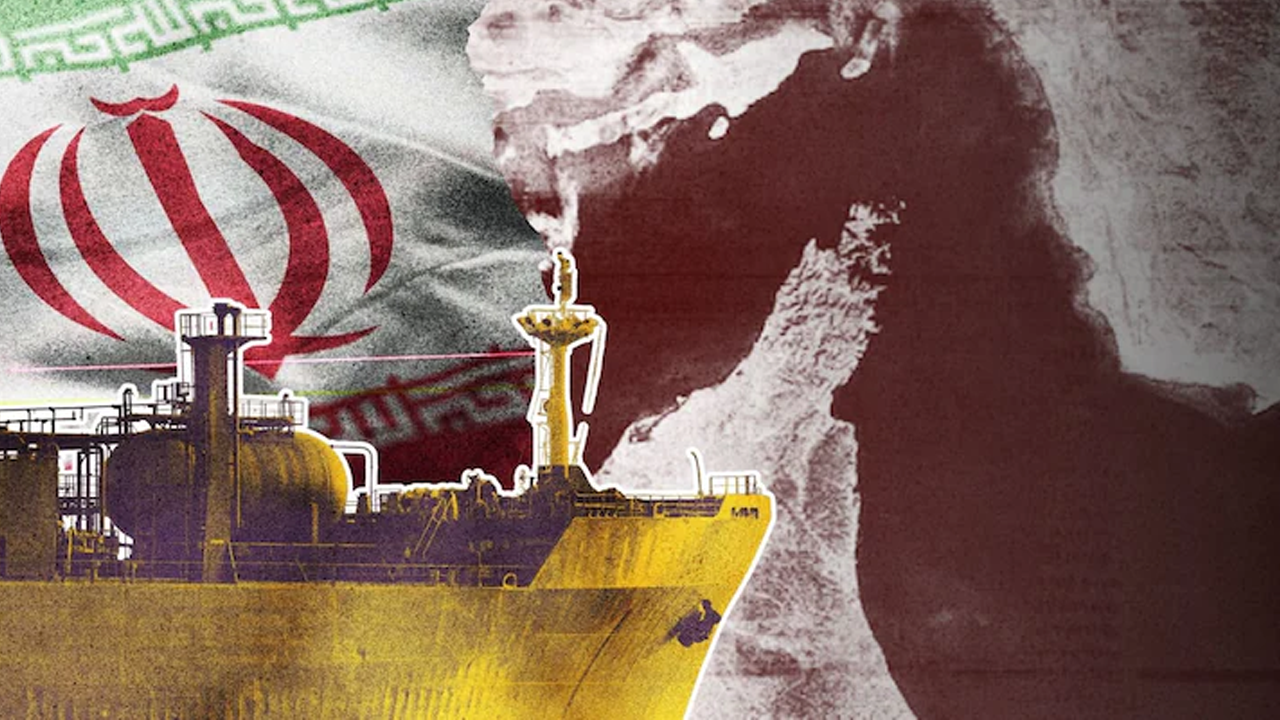
Shipping through the Strait of Hormuz has surged by 105 percent after months of disruption caused by conflict and regional tensions. According to maritime intelligence firm Kepler, a record 70 vessels passed through the strait on June 24, including 53 commercial ships now considered lower risk. The increase follows U.S.-Iran agreements, the end of a U.S. naval blockade, and the use of a safer route cleared of mines with Omani assistance. Oman recently announced a new shipping corridor in coordination with the International Maritime Organization, but Iran’s Islamic Revolutionary Guard Corps (IRGC) objected, saying the route was declared without consultation and posed security risks. Oman defended the corridor as compliant with international rules and confirmed that no transit fees would be charged. Amid these developments, a cargo ship was struck by a projectile on June 25 while using a UN-approved route, though no casualties occurred. The U.S. and Iran continue talks to finalize a peace deal within 60 days, while oil prices have temporarily fallen below $73 per barrel as shipping activity recovers.
The ‘1 Nojor’ media platform is now live in beta, inviting users to explore and provide feedback as we continue to refine the experience.