

The ‘1 Nojor’ media platform is now live in beta, inviting users to explore and provide feedback as we continue to refine the experience.
Dhaka Medical College Hospital, the largest healthcare facility in Bangladesh, is struggling under extreme overcrowding and unsanitary conditions. A field visit on June 26, 2026, revealed patients lying on floors, stairways, and even beside toilets due to a lack of beds. In the children’s ward, rooms designed for fewer than 20 patients now hold up to six times that number. Dirty water, garbage, and foul odors fill the wards, while insects infest drawers and basins. Patients and their families endure long waits for tickets, tests, and consultations, often forced to buy medicines outside. Hospital staff cite shortages of doctors, nurses, and equipment as key challenges. Out of 2,600 beds, more than 5,000 to 7,000 patients are admitted daily, with thousands more seeking outpatient care. One of two MRI machines is broken, and over 100 essential devices are out of order. Patients report harassment by brokers exploiting the crisis. The hospital director acknowledged the severe strain caused by excess patients and limited resources. The situation has left many poor families feeling helpless, forced to accept substandard conditions as their only option for treatment.

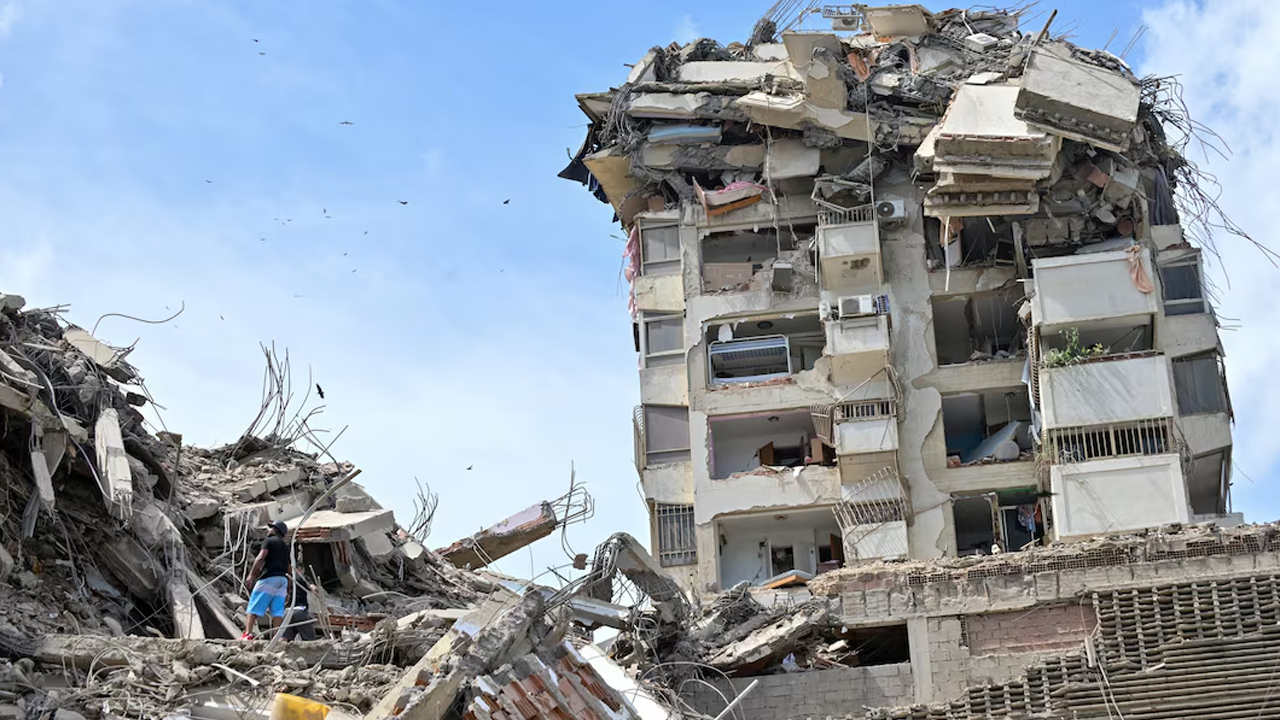
Two powerful earthquakes struck Venezuela’s capital Caracas and surrounding regions on Wednesday evening, causing widespread destruction and killing at least 235 people, according to the Health Ministry. Hundreds remain trapped under debris, and more than 46,000 people are listed as missing. The quakes, measuring 7.2 and 7.5 in magnitude, hit near San Felipe and Yumar within 39 seconds of each other, marking the strongest seismic event in the country since 1900. Authorities reported over 1,520 injuries and the destruction of more than 250 buildings, including hospitals, the Red Cross headquarters, and the French Embassy. The coastal state of La Guaira, home to Caracas’s main airport, was declared a disaster zone by Acting President Delcy Rodríguez. Power outages and aftershocks have hampered rescue efforts, while residents complain of delayed government aid. International assistance is mobilizing rapidly. The United States, Russia, and several European and Asian nations have pledged rescue teams and financial support. The UN is coordinating global relief efforts, emphasizing the scale of the humanitarian crisis in a country already struggling with economic collapse.
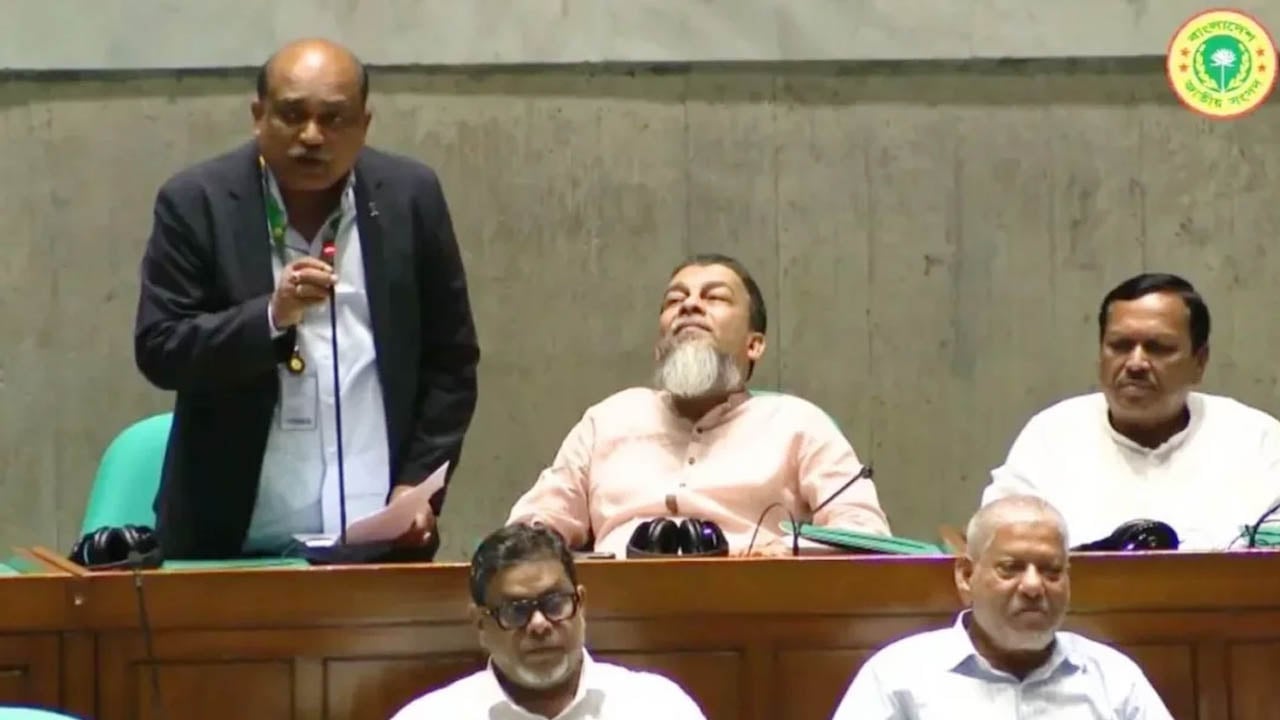
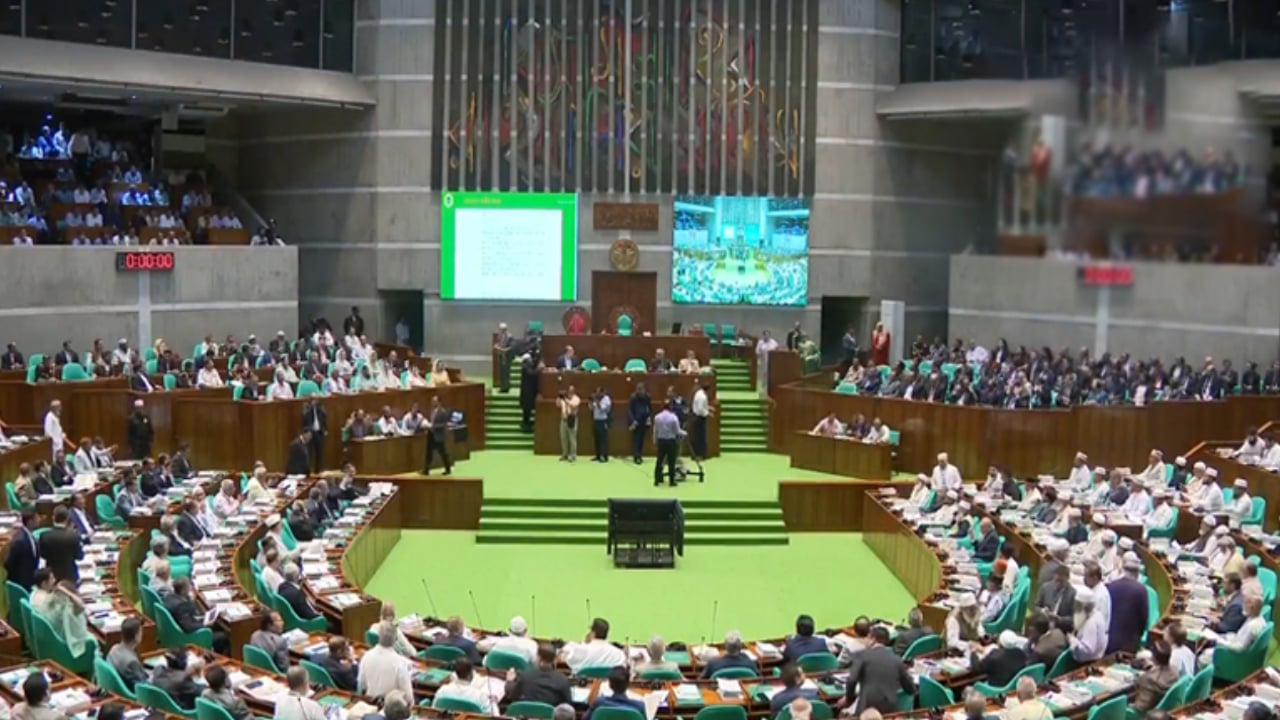
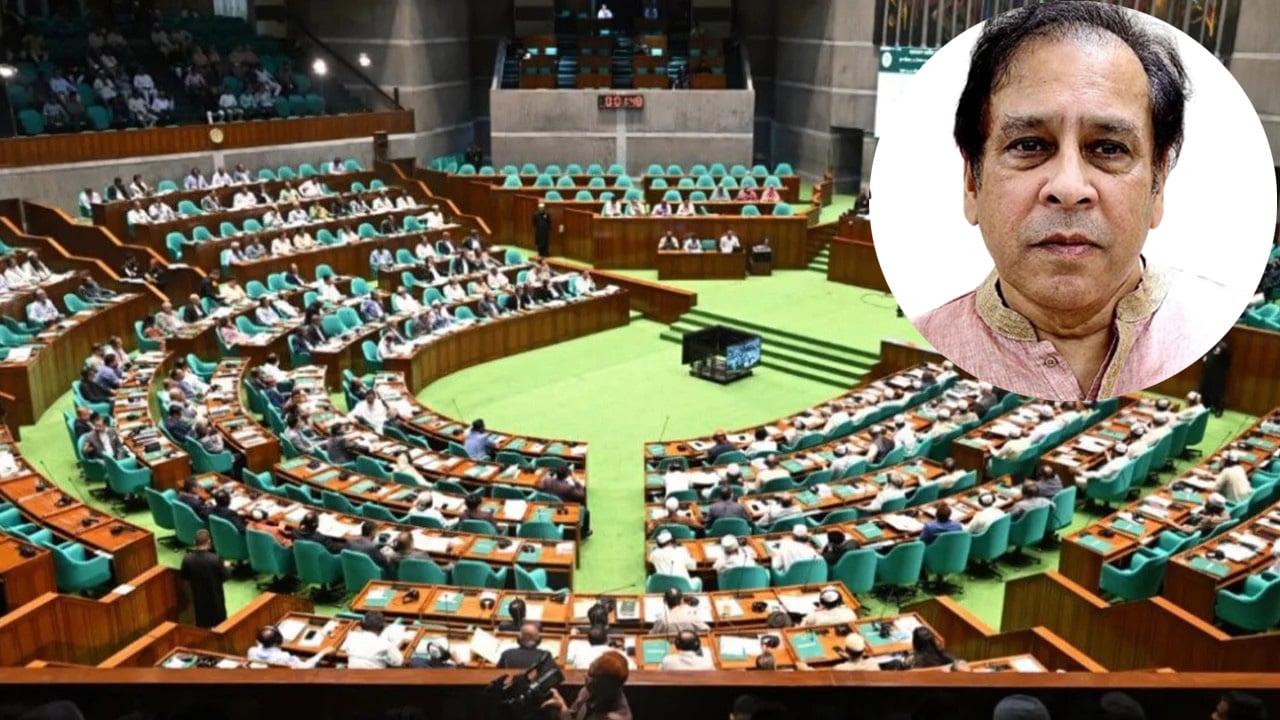
Independent Member of Parliament Sheikh Mujibur Rahman Iqbal from Kishoreganj-5 raised questions in the Bangladesh National Parliament about the requirement of a license to consume alcohol. Speaking on Thursday during the general discussion on the proposed 2026–27 national budget, he said he was unaware of any country where drinking alcohol required a license. During his speech, the MP also discussed drug control policies, saying there should be a clear understanding of whether alcohol is considered a narcotic. He alleged that police treat alcohol possession as a business opportunity, filing cases when a bottle is found. He further commented that the country’s law and order situation is not satisfactory and suggested increasing the police budget. Sheikh Mujibur Rahman Iqbal added that many police stations face shortages of patrol vehicles, making it difficult to maintain law and order. He urged the government to allocate more funds in the budget to strengthen the capacity of law enforcement agencies.
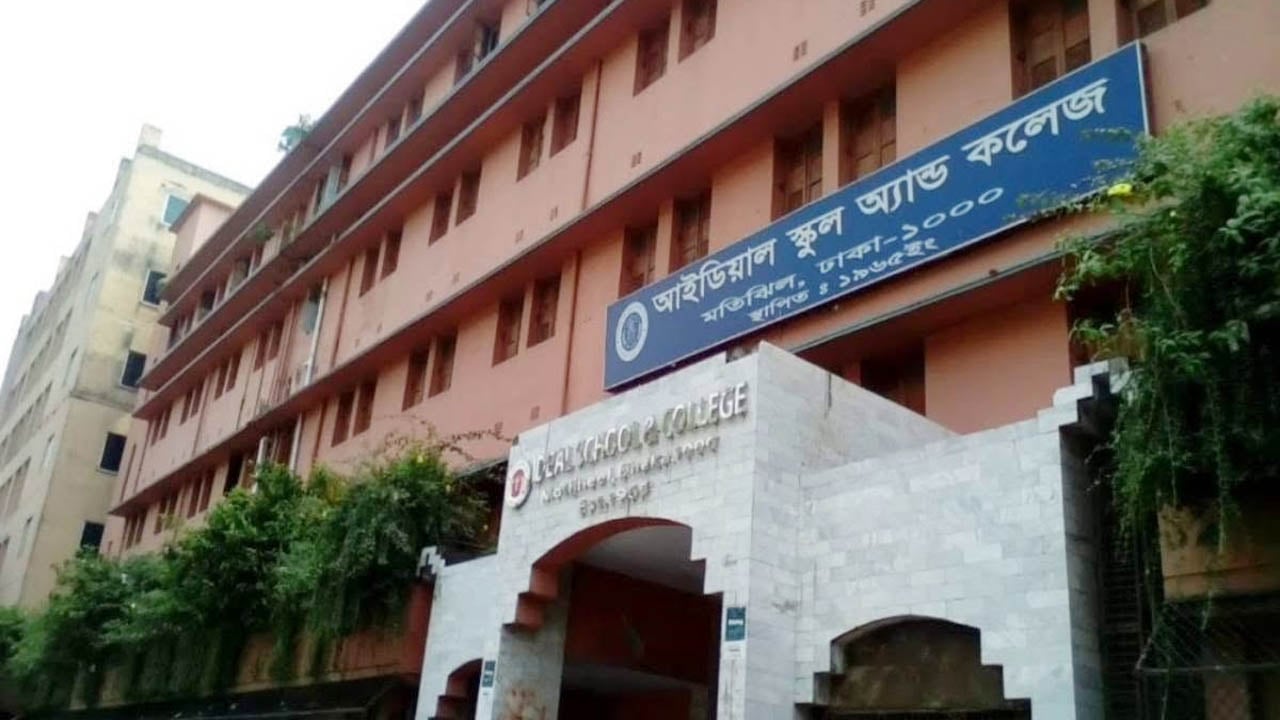
The Conscious Guardians Forum of Motijheel Ideal School and College has strongly protested the appointment of Lal Mohammad as the institution’s new principal. In a statement released to the media on Thursday, forum convener Dr. Helal Uddin alleged that Lal Mohammad, a former associate professor at Kushtia Government College, is linked to the Awami League and accused him of corruption and unethical behavior. The forum demanded the cancellation of his appointment, warning that students and guardians would not accept a politically influenced principal. The statement further claimed that Lal Mohammad had previously been made an officer on special duty (OSD) due to corruption allegations and that his appointment was secured through political and financial influence. Dr. Helal Uddin urged the government to conduct a fair investigation and cautioned that student protests could escalate if the issue remains unresolved. Separately, the Guardians Unity Forum, led by freedom fighter Md. Ziaul Kabir Dulu, thanked the education minister and secretary for appointing BCS (Education) cadre officials to principal positions in several reputed institutions and called for similar appointments at Viqarunnisa Noon School and College.
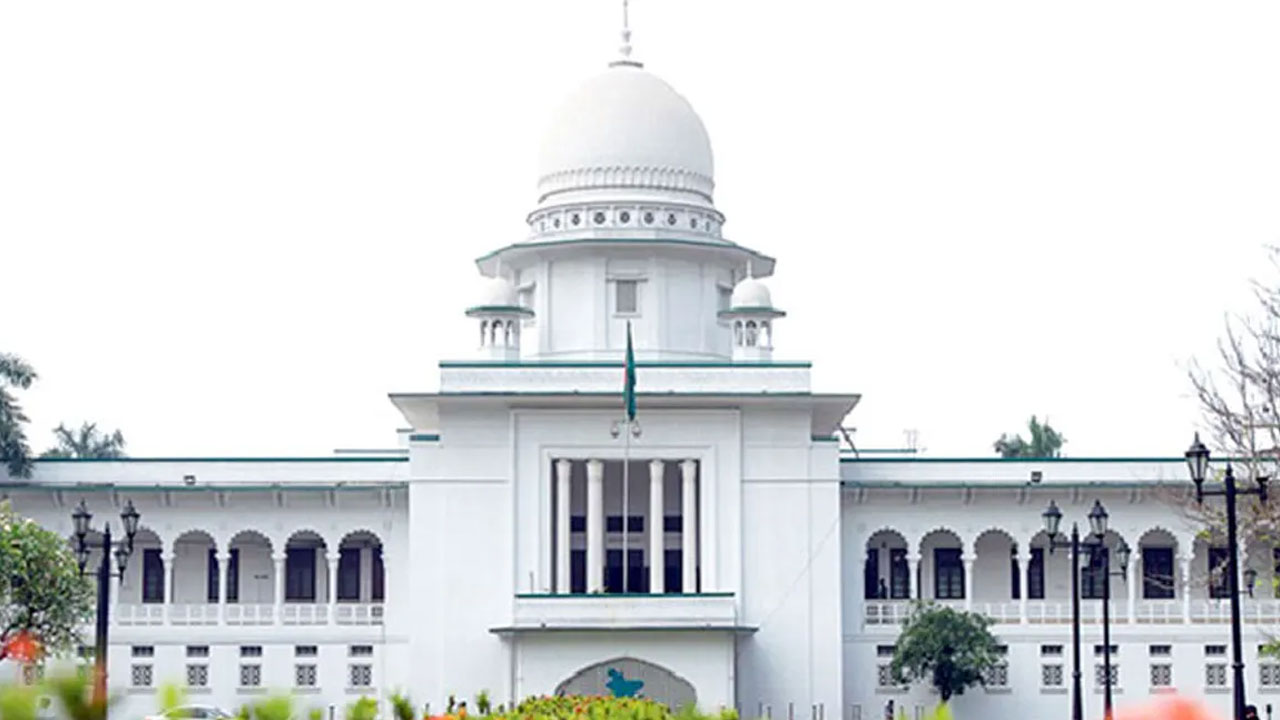
The High Court Division of Bangladesh disposed of a total of 3,409 old cases in a single day under a special initiative. Among these, 3,009 were old criminal miscellaneous cases and 400 were old writ cases. The criminal motion benches handled the criminal cases, while the writ motion benches resolved the writ cases on the same day. According to court sources, since the start of this special program aimed at clearing long-pending cases, a total of 18,181 old criminal miscellaneous cases and 5,968 old writ cases have been resolved over five working days, one day each week. This brings the total number of disposed cases to 24,149. The initiative, launched on May 7, 2026, was undertaken under the direction of the Chief Justice to ensure faster justice, reduce case backlogs, and enhance the efficiency of the judicial system. Court sources noted that the ongoing program has generated positive responses among litigants and related circles as the High Court continues to prioritize the disposal of old cases on designated days each week.
Members of Bangladesh’s National Parliament expressed strong dissatisfaction over the abnormal increase in air ticket prices toward the end of the week. The issue was raised on Thursday afternoon by BNP lawmaker Zainul Abdin Faruk from Noakhali-2 during a point of order, and later supported by opposition MP Professor Mujibur Rahman. Deputy Speaker Barrister Kaiser Kamal presided over the session. Faruk criticized the steep fare hikes, noting that tickets priced at around 2,800 to 3,000 taka on regular days rise to as high as 10,000 taka on Thursdays. He urged the authorities to address what he described as unfair pricing practices affecting travelers. Mujibur Rahman agreed, saying the exploitation in air ticket pricing must stop and that he had previously submitted a notice on the issue without result. In response, Deputy Speaker Kamal advised the MPs to submit formal notices following parliamentary procedures so that the issues could be discussed in detail in future sessions.
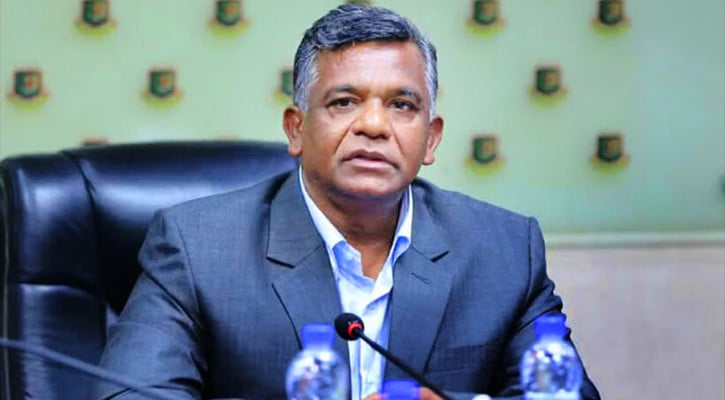
Former Bangladesh cricket captain Aminul Islam Bulbul has sent a 14-page letter to the International Cricket Council (ICC), requesting the suspension of financial assistance to the Bangladesh Cricket Board (BCB) and his reinstatement as board president. According to a Cricbuzz report, Bulbul questioned the legitimacy of the current BCB board led by Tamim Iqbal. The ICC has informed the BCB about receiving the letter, and the current board has submitted its response defending its position. The dispute follows the October BCB election, which was later annulled by the National Sports Council (NSC) on April 7 due to alleged irregularities. Bulbul had been elected president in that election. The NSC subsequently formed an 11-member ad hoc committee headed by Tamim Iqbal to run operations and organize a new election within 90 days. The election was held on June 7, and Tamim was elected president for a four-year term. An ICC delegation visited Dhaka on June 1 to review the situation and met with both Bulbul’s former committee members and the ad hoc committee. The ICC stated that its findings would be presented to its board, but the results have not yet been made public.
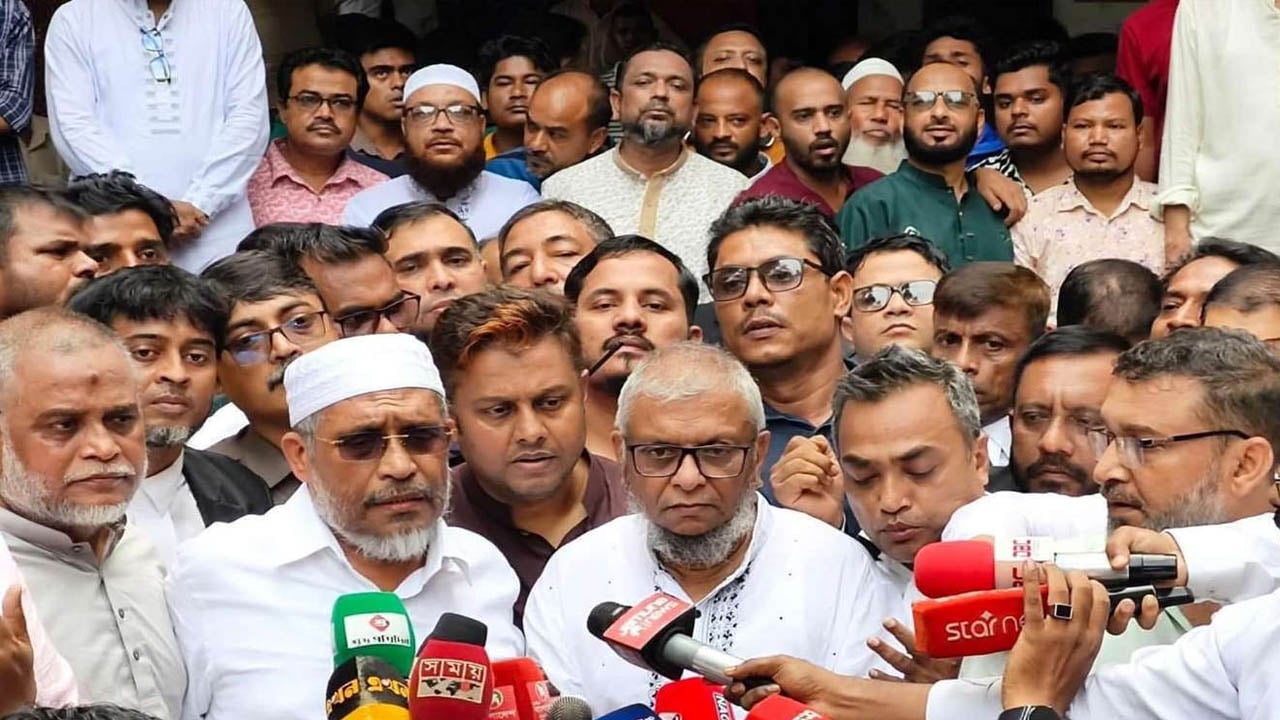
A Sylhet Speedy Trial Tribunal on Thursday delivered its verdict in the 2004 Dirai grenade attack case targeting former minister Suranjit Sengupta’s rally. The court acquitted eight accused, including current Expatriates’ Welfare Minister Ariful Haque Chowdhury, former State Minister for Home Lutfozzaman Babar, and Whip J.K. Gaus. Hafiz Naim Ahmed Arif, a resident of Syedpur village in Jagannathpur, was found guilty and sentenced to death by Judge Swapan Kumar Sarkar. The verdict came 22 years after the attack. According to the prosecution, 67 of 123 witnesses testified during the trial. The attack on June 21, 2004, killed boatman and Jubo League activist Abdul Wahid and injured 29 others, while Suranjit Sengupta narrowly escaped. The case was initially filed against unidentified persons, and a supplementary charge sheet in 2020 added the names of Babar, Chowdhury, and Gaus among others. Following the verdict, the acquitted politicians expressed gratitude, calling the judgment a restoration of justice after years of alleged political harassment. The family of the convicted man announced plans to appeal, claiming he was falsely implicated.
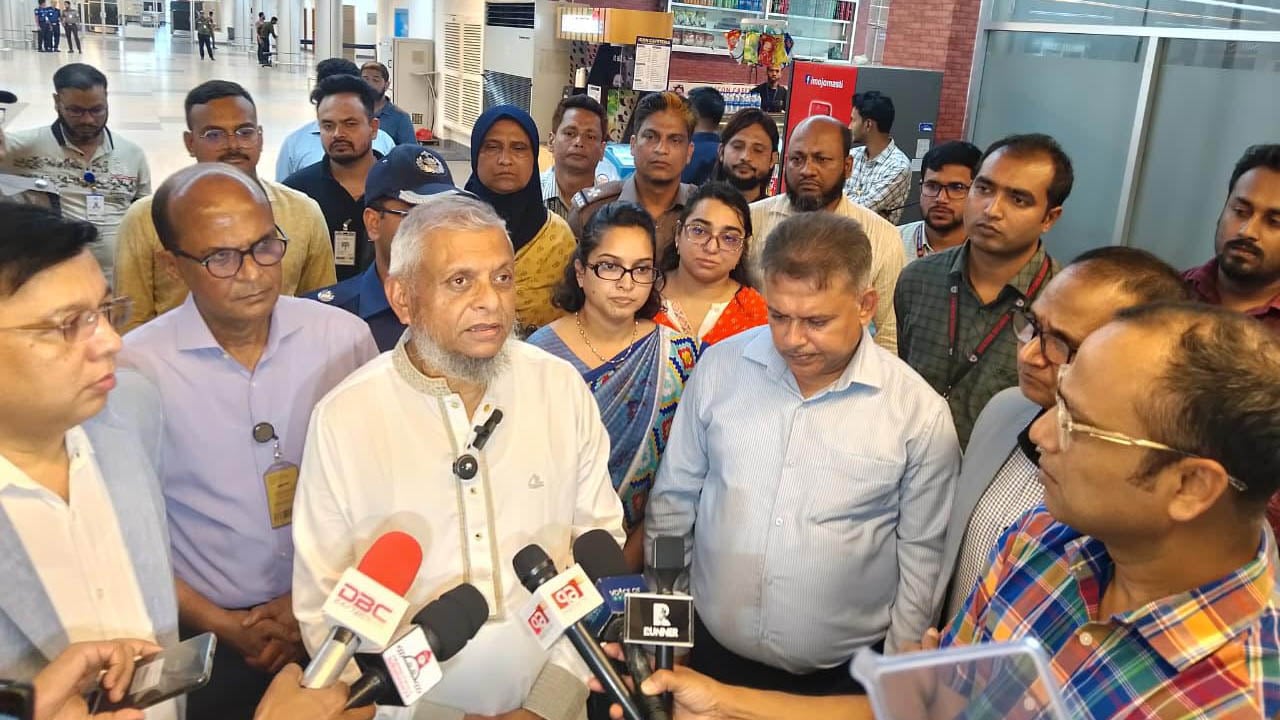
Expatriates’ Welfare and Overseas Employment Minister Ariful Haque Chowdhury has praised outgoing Sylhet Deputy Commissioner (DC) Md. Sarowar Alam for his significant role in addressing long-standing irregularities, corruption, and mismanagement across various sectors in Sylhet. Speaking to journalists at Sylhet Osmani International Airport on Wednesday, the minister said Sarowar Alam had opened people’s eyes by bringing hidden issues to light and creating pathways for transparency and accountability. The minister noted that the district administration’s initiatives under Sarowar Alam’s leadership had generated positive public response, particularly in identifying and resolving problems in financial and service sectors. He expressed hope that these initiatives would continue and that relevant authorities and the government would maintain active support. Regarding shrine management, he emphasized the need for transparency and accountability in income and expenditure, adding that Sarowar Alam’s transfer was part of routine administrative procedure. During his tenure, DC Sarowar Alam sealed and later opened donation boxes at Hazrat Shahjalal’s shrine, revealing over 1.7 million taka and some gold, and took multiple anti-corruption steps that drew wide local attention.
Border Guard Bangladesh (BGB) prevented an alleged push-in attempt by India’s Border Security Force (BSF) at the Sheoratola border in Gangni upazila of Meherpur early Thursday. According to local sources, BSF personnel tried to send seven individuals—six men and one woman—into Bangladesh through the area between international border pillars 142/5S and 142/6S. The attempt reportedly originated from the direction of Brojonathpur village under Murutia police station in Nadia district, India. Local residents said BGB members quickly reached the spot after detecting the movement and lodged a strong protest. Villagers also joined in resisting the push-in, prompting BSF to retreat with the seven people back into Indian territory. No official statement was issued by BGB regarding the incident. Locals claimed that the swift response of BGB and the involvement of nearby residents were key factors in preventing the attempted push-in from succeeding.
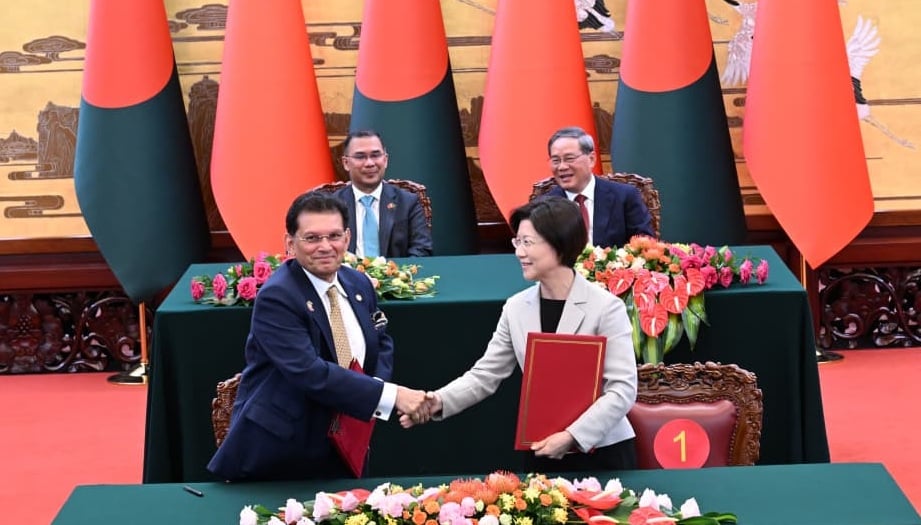
Bangladesh and China signed 13 memorandums of understanding (MoUs) on Thursday afternoon at the Great Hall of the People in Beijing following a bilateral meeting between Prime Minister Tarique Rahman and Chinese Premier Li Qiang. The signing was attended by Bangladesh’s Foreign Minister Dr. Khalilur Rahman, Information and Broadcasting Minister Zahid Uddin Swapon, and senior foreign ministry officials. The agreements aim to enhance cooperation in investment, green development, and other key areas. At a press briefing, Prime Minister’s Office spokesperson Mahdi Amin said the MoUs cover areas under the Global Development Initiative, including health, education, and skills development. Separate cooperation plans were signed for human resource development and technical and vocational education. Additional MoUs were signed to strengthen collaboration in the media sector, focusing on modern technology and information exchange. One agreement also covers the export of Bangladesh’s national fruit, jackfruit. Foreign Affairs Adviser Humayun Kabir stated that China expressed full support for Prime Minister Tarique Rahman’s government and pledged cooperation in trade, education, and culture. He added that China assured Bangladesh of its support on the Rohingya issue, marking a new phase in bilateral relations.
Comilla-6 Member of Parliament Monirul Haque Chowdhury visited the mother of a sixth-grade student who was shot during a violent incident in the Katabil area of Comilla city. The MP expressed outrage that drug dealers continue to operate freely while innocent students are harmed. He said it was unacceptable for law enforcement and public representatives to retain their positions under such circumstances. Chowdhury assured that those involved in drug trafficking would be brought to justice. The MP met the injured student’s mother, Sonia Akter, on Thursday night and promised to arrange advanced medical treatment in Dhaka. He also stated that he had already spoken with the Deputy Inspector General and the Superintendent of Police in Comilla and expected immediate results. The student, Ethan Ahmed Prem, aged 12, was shot in the back while returning home from school and is now receiving treatment in Dhaka. The shooting occurred during an anti-drug human chain program in Katabil, where at least five people were injured. Authorities have not yet provided further details on the suspects or the investigation’s progress.
The government has suspended admission activities at 621 vocational education institutions across Bangladesh for failing to meet the conditions set under the 2024 policy for private technical institutions. The decision, announced in an order signed by Md. Al Masud Karim, Secretary and Inspector (additional charge) of the Technical Education Board, also requires these institutions to explain by July 22 why their teaching approval should not be revoked. Among the affected institutions, 443 operate under the SSC (Vocational) program and 178 under the Dakhil (Vocational) program. According to the board, the action targets institutions that have not enrolled students for a long time and have failed to fulfill requirements related to admissions, results, infrastructure, staffing, management, and other conditions. The board retains the authority to cancel or withdraw teaching approval for non-compliance. In a separate notice, the minimum age for ninth-grade admission in SSC and Dakhil (Vocational) programs has been reduced from 13 to 12 years. Additionally, all technical institutions have been instructed to plant fruit and forest trees under the government’s five-year plan to plant 250 million trees, with progress reports due by June 30.

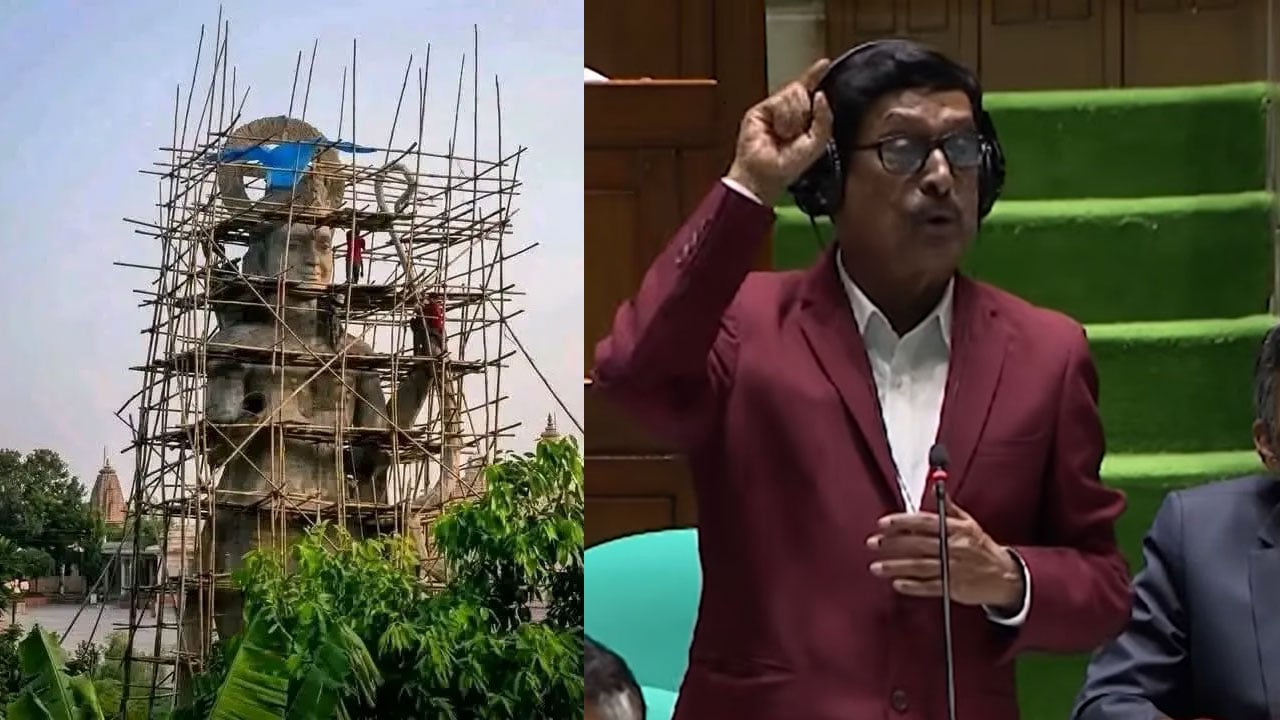
BNP lawmaker Fazlur Rahman from Kishoreganj-4 said he has no objection to the construction of Hindu temples or statues, emphasizing peaceful coexistence among followers of different religions. Speaking on Thursday during the general discussion of the 13th National Parliament’s budget session, he stated that if the Home Minister deems a temple or statue inappropriate, he may stop it, but personally, Rahman sees no issue. He added that people should be free to worship in their own places, saying he could build a mosque while others build temples without conflict. Addressing opposition to the construction of an 81-foot Ram temple in Palashbari, Gaibandha, Rahman criticized groups such as Hefazat-e-Islam for organizing processions against the project. He said some people use religion for personal gain and ignore cultural values. Rahman also expressed concern over budget disparities between education and culture, arguing that both sectors are interdependent and essential for building a civilized society. He urged for a balanced approach in national budgeting to ensure that cultural development complements educational progress.
BNP lawmaker Reza Kibria has said that Bangladesh’s banking sector is in a state of collapse because of rampant loan defaults. Speaking in parliament on Thursday evening during the budget discussion, he cited his experience with the International Monetary Fund, noting that while other countries panic at a 6 percent default rate, Bangladesh’s rate stands at 61 percent. He warned that without strict measures, economic progress would be impossible and urged the finance minister to take action to improve banking efficiency. Kibria criticized the inefficiency of the banking system, saying honest entrepreneurs face high interest rates of 14 to 16 percent while banks collect deposits at only 5 percent. He also said the definition of loan default has been relaxed, now requiring one year of nonpayment instead of 90 days. On inflation, he emphasized the need to keep it low, linking exchange rate depreciation to inflation differentials with trading partners. He acknowledged that the finance minister prepared the budget under difficult global conditions and stressed maintaining macroeconomic balance to secure Bangladesh’s economic future, cautioning against excessive reliance on commercial foreign loans.
The ‘1 Nojor’ media platform is now live in beta, inviting users to explore and provide feedback as we continue to refine the experience.