

The ‘1 Nojor’ media platform is now live in beta, inviting users to explore and provide feedback as we continue to refine the experience.
The Bangladesh Nationalist Party (BNP) has revoked the expulsion orders of two senior leaders from Thakurgaon’s Baliadangi upazila—Advocate Md. Syed Alam and Dr. T.M. Mahbubur Rahman. The decision, announced on Sunday through a statement signed by Senior Joint Secretary General Ruhul Kabir Rizvi, restores their party membership and all organizational positions. Supporters celebrated the announcement with processions and distribution of sweets. The two leaders had been expelled earlier for alleged involvement in organizational misconduct following violent clashes during the upazila BNP conference in July. Their reinstatement follows appeals and internal reviews by the party’s central leadership. Observers view the move as an attempt to restore discipline and re-engage experienced figures in local politics. Party insiders believe the decision could ease longstanding factional tensions within the Baliadangi BNP and strengthen its grassroots structure ahead of future political activities. The development also reflects the central leadership’s pragmatic approach to consolidating unity amid internal challenges.
-6935aafa1a97d.jpg)
Islami Chhatra Shibir’s central president, Zahidul Islam, announced that the era of violent and stone-throwing politics in Bangladesh is over. Speaking at a rally in Uzirpur Union, Comilla, on Sunday evening, he said the country has undergone a major transformation following the July–August mass uprising and the fall of what he termed a fascist regime. According to him, a new generation of students has rejected destructive political practices and embraced a culture of respect and constructive engagement. Islam criticized certain political groups and individuals for continuing divisive and violent tactics, claiming they have taken up the same oppressive actions once associated with the previous government. He emphasized that Bangladesh’s future politics must be based on tolerance, integrity, and non-violence. The event was part of an election campaign supporting Jamaat-e-Islami leader Dr. Syed Abdullah Mohammad Taher’s candidacy, attended by several local party leaders. Observers note that such statements reflect Jamaat’s attempt to reposition itself within a changing political landscape, emphasizing reform and peaceful activism.
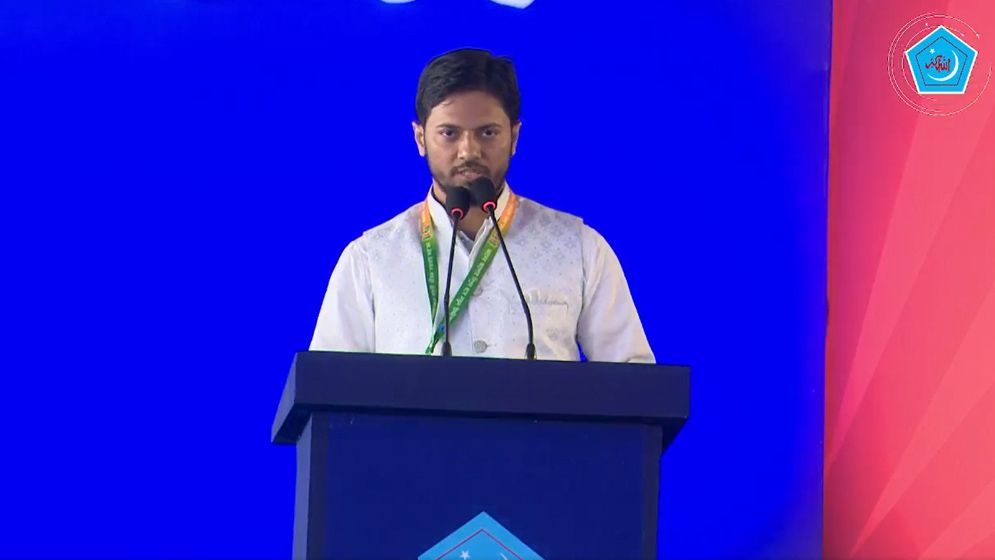
The National Citizen Party (NCP) has issued show-cause notices to five leaders of its affiliated anti-discrimination student movement in Rajshahi, citing their role in recent organizational unrest. The notices, signed by NCP’s central office secretary Shahadat Hossain on December 7, accused the leaders of creating instability and tarnishing the party’s image. They were instructed to explain their actions within 24 hours and to refrain from all organizational activities until further notice. The dispute began after the announcement of the Rajshahi district convening committee on November 29, which appointed Saiful Islam as convener. Some student leaders protested, labeling him as politically biased and demanding his removal. The conflict escalated when one leader declared a senior organizer “unwelcome” on social media, later retracting the statement. Party insiders say the disciplinary action aims to restore control amid growing factionalism. Observers note that the incident highlights deep divisions within the NCP’s regional branches and may affect its organizational cohesion ahead of upcoming political activities.

A Dhaka court has ordered police detectives to investigate a blasphemy case filed against senior lawyer and Jamaat-e-Islami candidate for Sunamganj-2, Advocate Mohammad Shishir Monir. The case stems from his recent remarks comparing Islamic fasting (Roza) and Hindu worship (Puja) as two sides of the same coin. The Additional Chief Metropolitan Magistrate, Jashita Islam, accepted the plaintiff’s statement and directed the Detective Branch to proceed with the inquiry. Following the case, Monir responded on Facebook, acknowledging the lawsuit and suggesting it was politically motivated. He stated that the complainant and witnesses were members of a particular political party and emphasized that everyone has the right to seek legal recourse. Monir reiterated his faith in the rule of law and said appropriate legal action would be taken at the proper time. The case highlights growing political and religious sensitivities ahead of the national elections, as candidates face scrutiny over religious commentary and its potential political implications.
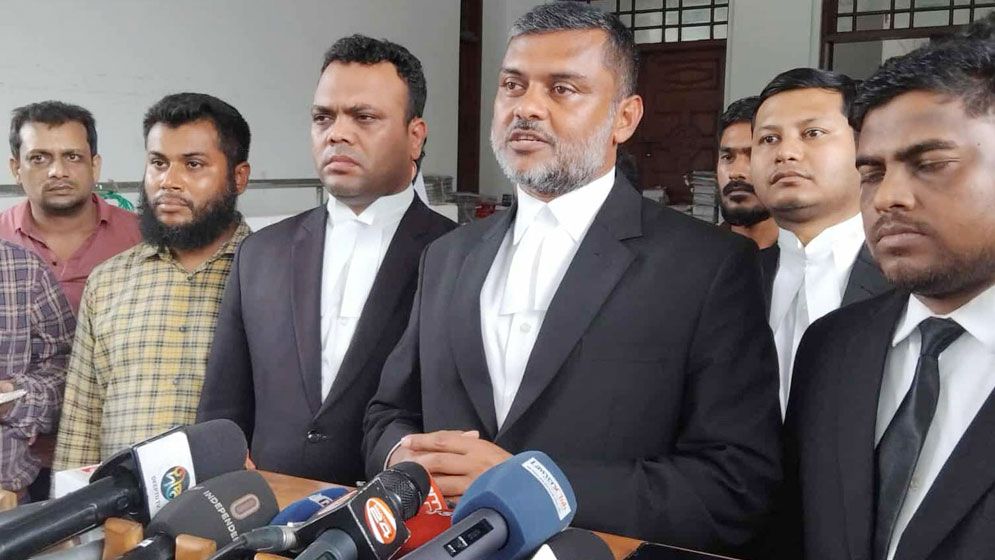
Malaysia has announced a target to attract 300,000 tourists from Bangladesh by 2026, according to Malaysian High Commissioner to Dhaka, Mohammad Suhaimi Osman. Speaking at a gala dinner during the Malaysia Tourism Fair in Dhaka, he emphasized Malaysia’s commitment to strengthening tourism, cultural exchange, and people-to-people connections between the two nations. The High Commissioner highlighted that bilateral relations have expanded over the decades across trade, investment, education, and tourism. He noted that recent high-level visits, including those by the Malaysian Prime Minister to Dhaka and Bangladesh’s Chief Adviser to Kuala Lumpur, have reaffirmed both countries’ dedication to deeper cooperation. Malaysia’s Kuala Lumpur International Airport, one of the world’s most connected hubs, further supports this goal by facilitating travel and commerce. Officials believe the “Visit Malaysia Year 2026” campaign and events like “Festival Malaysia” will showcase the nation’s multicultural heritage and strengthen mutual understanding. The initiative is expected to enhance Malaysia’s position as a key regional tourism and investment center in Southeast Asia.

The Bangladesh Telecommunication Regulatory Commission (BTRC) has agreed to reform the National Equipment Identity Register (NEIR) system following days of protests by mobile phone traders. After receiving assurances from BTRC Chairman Major General Md Emdad Ul Bari, the Mobile Business Community Bangladesh (MBCB) announced the suspension of their blockade until December 9. According to BTRC sources, a joint meeting will be held to resolve NEIR-related issues, involving the Finance Adviser, NBR Chairman, Commerce Secretary, and representatives from mobile manufacturers and traders. MBCB leaders said the reforms should simplify import procedures and ensure all imported phones are listed without restriction. They also demanded reduced import duties and warned of renewed protests if tax issues remain unresolved. The NEIR system, set to take effect on December 16, aims to curb the use of unregistered or stolen phones. The temporary suspension of protests signals a possible compromise, though traders have indicated they will resume action if their concerns are not addressed in the upcoming meeting.
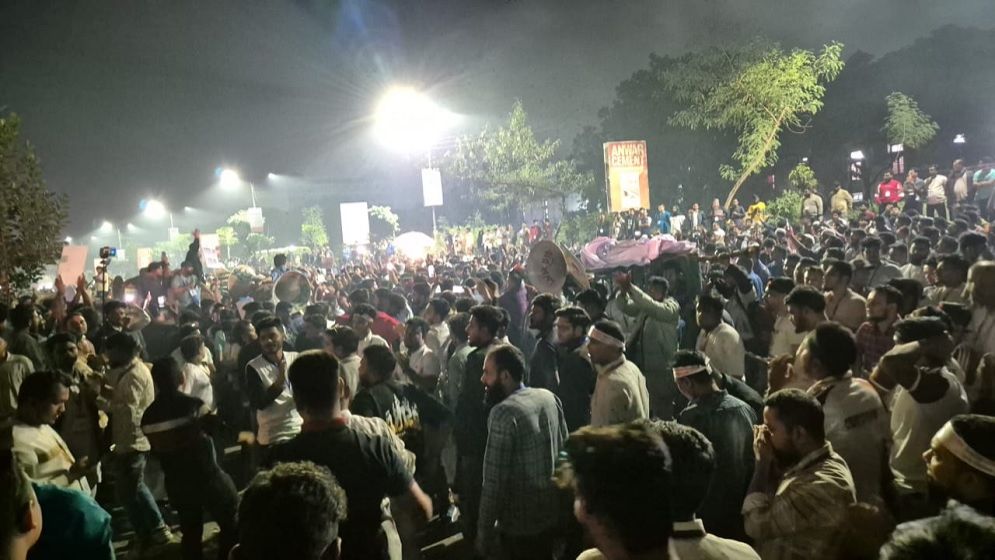
The Alliance for Health Reforms Bangladesh (AHRB) has urged the Chief Adviser to prioritize the implementation of the Active Pharmaceutical Ingredient (API) policy as a matter of national interest. In an open letter signed by Professor Syed Abdul Hamid of Dhaka University and Professor Syed Md. Akram Hossain of Bangabandhu Sheikh Mujib Medical University, the group called for immediate administrative action to reduce import dependency and bolster national health security. The letter highlights that although Bangladesh can produce most types of medicines, it remains heavily reliant on imported APIs, leaving the pharmaceutical supply chain vulnerable to global market disruptions. The AHRB recommended five urgent steps, including a production-linked incentive scheme, sustained R&D funding, stronger academia–industry collaboration, and formation of a permanent task force. Citing the success of the 1982 National Drug Policy, the group emphasized that strong political commitment and leadership are essential. Experts argue that developing a knowledge-based pharmaceutical sector could raise the tax-to-GDP ratio and expand exports. The AHRB warned that without top-level oversight, the API policy may remain unimplemented, hindering Bangladesh’s competitiveness and health resilience.
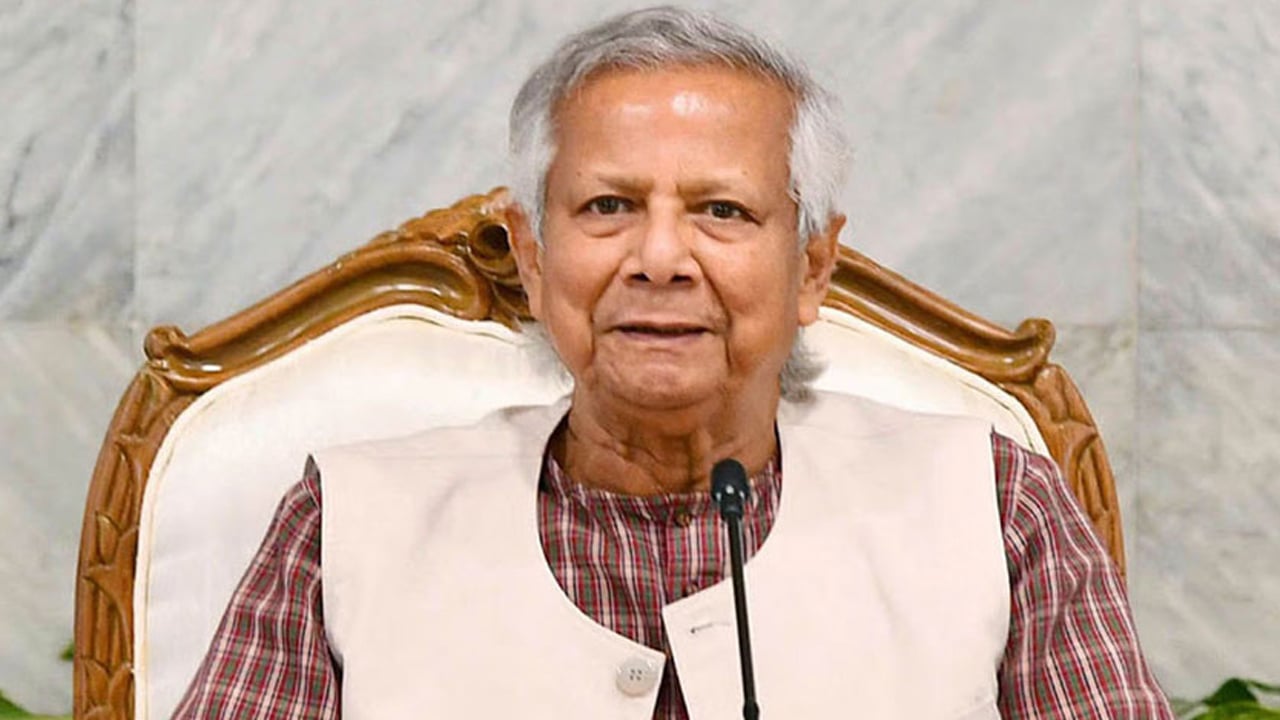
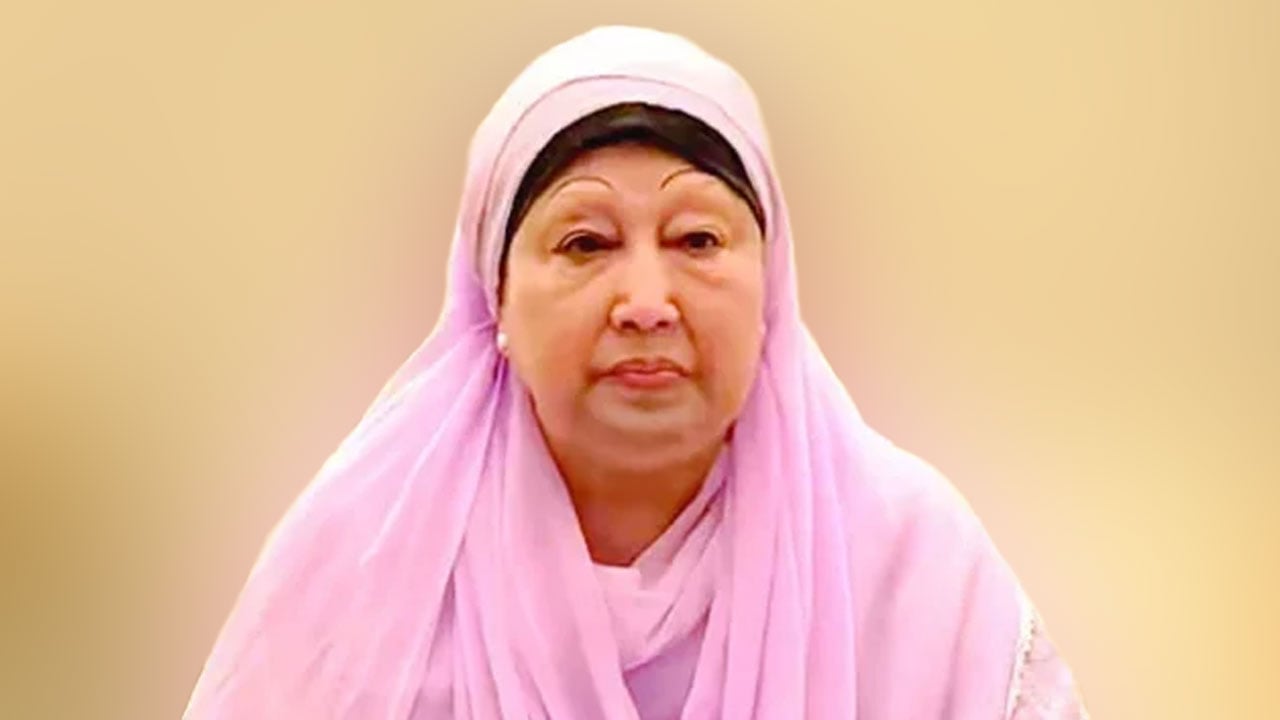
BNP Chairperson and former Prime Minister Khaleda Zia’s health condition has shown signs of improvement, according to her medical team at Dhaka’s Evercare Hospital. Results from a recent CT scan and other key tests were reported as satisfactory, prompting the medical board to reconsider earlier plans to transfer her to London for advanced treatment. The board has not yet made a final decision, but doctors said her vital parameters are improving and she is responding better than before. A member of the medical board stated that Khaleda Zia’s condition is now more stable, and they are optimistic about her recovery in Bangladesh. Her daughter-in-law, Dr. Zubaida Rahman, is coordinating her care alongside local and foreign specialists. BNP leaders confirmed that arrangements for an air ambulance from Qatar remain available if needed. Khaleda Zia, 79, has been hospitalized since November 23 with multiple chronic ailments, including liver, kidney, and heart complications. The board’s final decision on whether she will remain in Dhaka or be flown abroad is expected soon, depending on her continued improvement.
Azerbaijan has announced plans to open an embassy in Dhaka following Bangladesh’s upcoming national election, signaling a new phase in bilateral relations. The announcement came during a courtesy meeting between Azerbaijan’s President Ilham Aliyev’s daughters, Leyla and Arzu Aliyeva, and Bangladesh’s Chief Adviser Professor Muhammad Yunus at the state guesthouse Jamuna in Dhaka. During the meeting, both sides discussed strengthening cooperation in culture, environment, and people-to-people connectivity. Professor Yunus recalled his previous visits to Baku and his meeting with President Aliyev at the COP29 summit, emphasizing the potential for deeper trade, energy, and economic collaboration. Leyla Aliyeva, Vice President of the Heydar Aliyev Foundation, conveyed President Aliyev’s greetings and expressed interest in joint projects on wildlife conservation and environmental protection. Non-resident Ambassador Elchin Huseynli confirmed that the embassy initiative followed a request from Professor Yunus last November. The move is expected to elevate Bangladesh-Azerbaijan relations, opening avenues for humanitarian, social, and environmental partnerships.

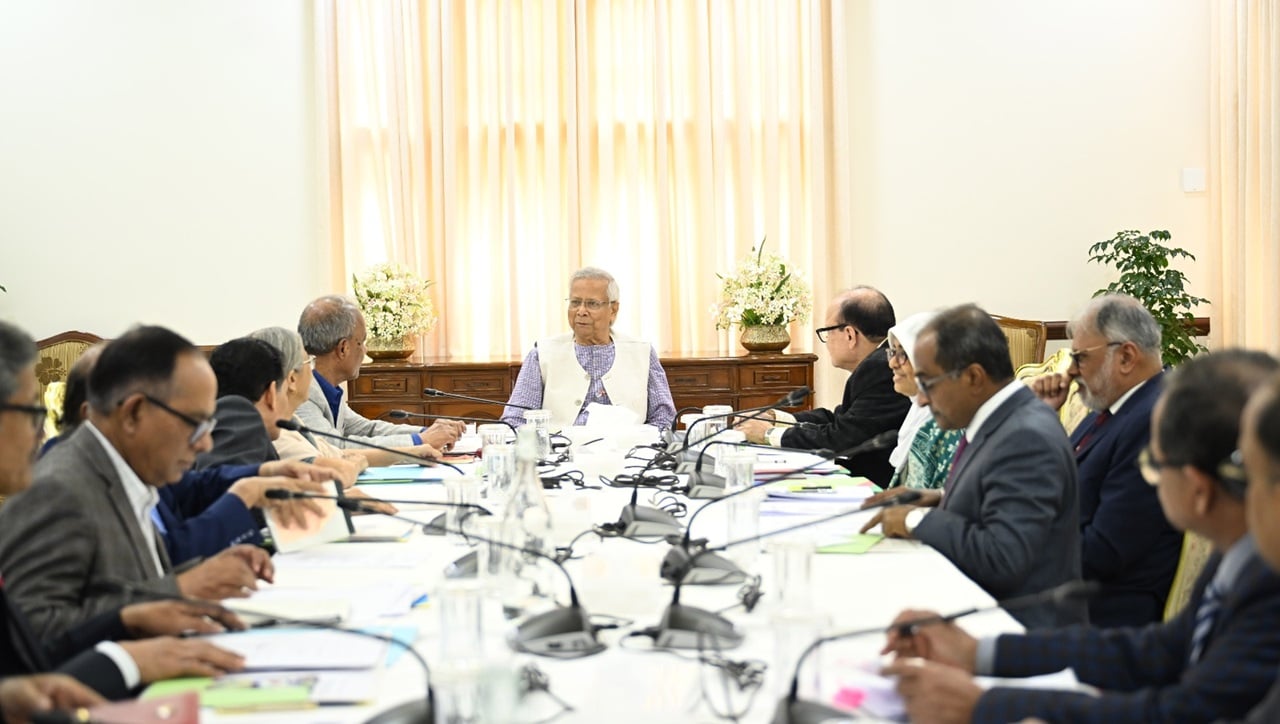
Chief Adviser Professor Muhammad Yunus has voiced deep concern over the rising contamination of food products in Bangladesh, emphasizing the urgent need for coordinated national action to protect public health. Chairing a high-level meeting at the state guesthouse Jamuna, Yunus called on ministries, regulatory agencies, and universities to jointly address the crisis through immediate and long-term measures. He instructed all relevant departments to submit written proposals within a week outlining steps to combat food contamination. The Bangladesh Food Safety Authority (BFSA) presented alarming data showing widespread presence of heavy metals, pesticides, and antibiotics in food and water samples. UNICEF estimates that 35 million Bangladeshi children are affected by lead exposure, while WHO data indicates that one in ten children suffers from foodborne illness annually. Officials also highlighted unregulated antibiotic use in poultry farms and the presence of toxic residues in fish and dairy products. Experts warned that unchecked contamination threatens both child development and national health security. The government plans to launch a ten-year strategy to reduce lead exposure and strengthen food safety monitoring across sectors.
Bangladesh’s Ministry of Education has released the new ‘Private Educational Institutions (Schools and Colleges) Manpower Structure and MPO Policy 2025’, introducing major structural and eligibility changes for teachers and staff. The circular, issued on December 7 by the Secondary and Higher Education Division, eliminates the ‘Senior Lecturer’ position in higher secondary schools and colleges and revises qualification requirements for several posts. Under the new framework, teachers with 13 years of teaching experience and two years in leadership roles may qualify for headmaster positions, while assistant headmasters with 15 years’ experience can be promoted to principal roles. The policy also stipulates that teachers absent without approval for over 60 days will lose eligibility for MPO benefits, and their positions will be declared vacant after that period. For colleges, the policy sets minimum student numbers to open new departments—35 for humanities and business studies, and 25 for science. Rural institutions will require slightly lower thresholds. Education officials say the reforms aim to improve accountability and ensure balanced staffing across institutions.

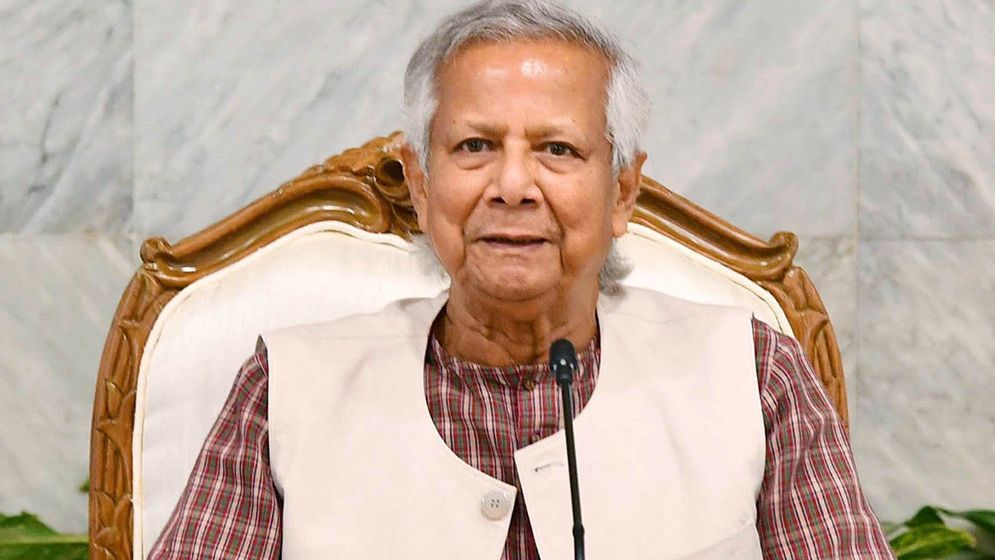
Bangladesh’s Chief Adviser Professor Muhammad Yunus has pledged to deliver what he described as the nation’s most credible and historic election in the first half of February 2026. He made the remarks on Sunday evening during a meeting with Chief Election Commissioner (CEC) A.M.M. Nasir Uddin and other Election Commission members at the state guesthouse Jamuna. During the meeting, the CEC briefed the Chief Adviser on preparations for the upcoming parliamentary election and a planned national referendum. The Election Commission reported that logistical and administrative arrangements were progressing smoothly and that it was fully prepared to hold both events on the same day. Commissioners expressed gratitude for the interim government’s cooperation and also thanked law enforcement and military personnel for their support. Professor Yunus commended the Commission’s readiness and reaffirmed that the interim government would continue full cooperation to ensure a free, fair, and peaceful election. He emphasized that the Commission was in the “driver’s seat” and that the government’s goal was to achieve a model democratic exercise for the nation.
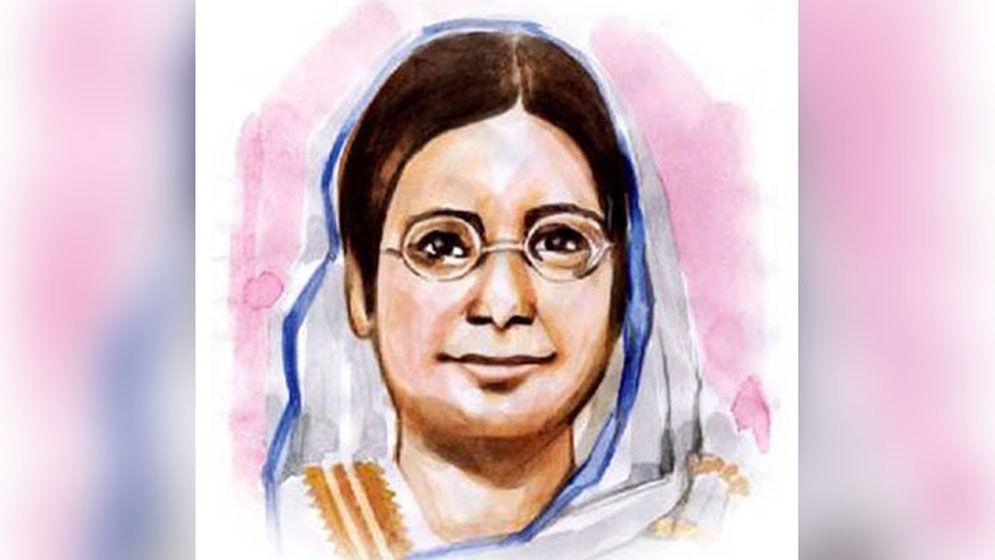
The Ministry of Women and Children Affairs of Bangladesh has finalized the selection of four distinguished women for the Begum Rokeya Padak 2025, recognizing their outstanding contributions in various fields. The honorees are Dr. Ruvana Rakib for women’s education (research), Kalpana Akter for women’s labor rights, Dr. Nabila Idris for human rights, and Ritu Porna Chakma for women’s empowerment in sports. According to ministry sources, the nominations were approved following recommendations from the National Awards Advisory Council meetings held on November 27 and December 7. The summary of the recommendations was later endorsed by the Chief Adviser, and the official gazette notification is now pending. The Begum Rokeya Padak, named after the pioneering feminist and social reformer Begum Rokeya, is one of the highest state honors for women in Bangladesh. The award highlights the government’s continued commitment to promoting gender equality and recognizing women’s leadership across diverse sectors, from academia and activism to sports and social reform.
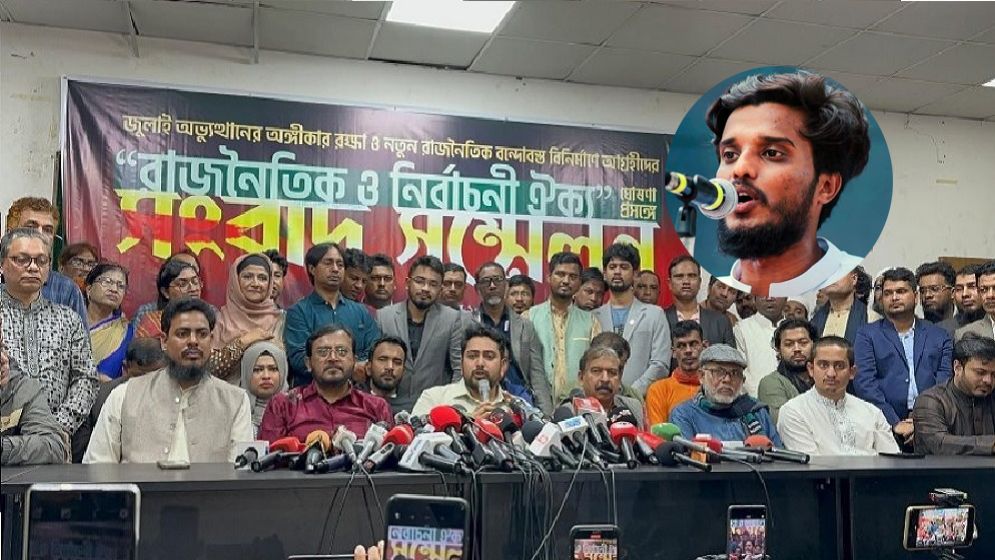
Ahead of Bangladesh’s 13th national election, three parties—including the National Citizen Party (NCP)—have formed the Democratic Reform Alliance. Former Dhaka University student leader and anti-discrimination activist Abdul Kader reacted to the development on social media, expressing regret that the NCP has become politically marginalized within just one year of its formation. In a Facebook post on December 7, Kader wrote that the alliance’s formation drew little attention, suggesting it added no significant political value. He lamented that a youth-driven party with early promise had become isolated due to internal leadership choices, despite public and institutional goodwill. Kader also noted that the NCP now struggles to sustain itself, relying on minimal resources and effort to remain relevant. The new alliance named NCP convener Nahid Islam as its spokesperson, with Bangladesh State Reform Movement and Amar Bangladesh Party (AB Party) as partners. Political observers view the coalition as an attempt to consolidate smaller reformist groups ahead of the upcoming election.
A November 21 earthquake damaged 22 of the 97 government primary schools in Agailjhara upazila of Barishal, Bangladesh. Among them, four schools—Ashoksen, Gaila Nonapukurpar, Taltarmath, and Dakshin Bagdha—suffered major structural cracks in beams, floors, walls, and roofs. The local education office has compiled a list of affected schools and forwarded it to higher authorities for repair and safety assessment. Teachers and students are reportedly anxious about continuing classes in damaged buildings, fearing potential collapse during aftershocks. Parents have also expressed concern over sending their children to school under such conditions. Headteachers from several schools confirmed visible cracks and immediate reporting to the upazila education office. Upazila Primary Education Officer Md. Amjad Hossain stated that the list of affected schools has been submitted for urgent renovation approval. Local officials expect repair work to begin soon to ensure student safety and restore normal academic activities.

The ‘1 Nojor’ media platform is now live in beta, inviting users to explore and provide feedback as we continue to refine the experience.