

The ‘1 Nojor’ media platform is now live in beta, inviting users to explore and provide feedback as we continue to refine the experience.
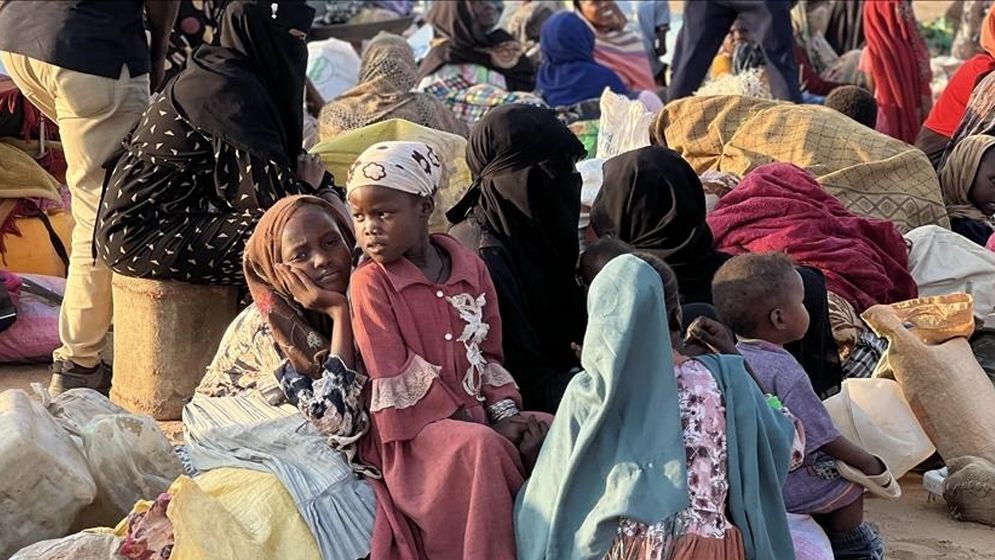
At least 79 people, including 43 children, were killed in a drone strike carried out by Sudan’s paramilitary Rapid Support Forces (RSF) in South Kordofan province, authorities confirmed on Friday. The attack, which occurred in the town of Kalogi, targeted a kindergarten, a hospital, and densely populated residential areas. Four missiles were reportedly launched from RSF drones, leaving 38 others injured. The South Kordofan state government condemned the assault as a 'heinous crime' allegedly committed by RSF-backed Sudan People’s Liberation Movement-North. UNICEF strongly denounced the attack, calling it a grave violation of children’s rights, noting that over ten victims were between five and seven years old. Local officials urged the international community to classify the RSF as a terrorist organization and take firm action to halt such violence. The incident underscores the escalating brutality of Sudan’s civil war, which began in April 2023 between the RSF and the national army. According to the World Health Organization, the conflict has already claimed at least 40,000 lives and displaced around 12 million people nationwide.
Germany’s Bundestag has approved a new voluntary military service program for 18-year-olds, marking a major shift in the country’s defense policy. The initiative, set to begin in January 2026, requires all 18-year-old men to respond to a mandatory questionnaire about their interest in joining the armed forces, while participation remains optional for women. The move is part of Chancellor Friedrich Merz’s broader plan to build “Europe’s strongest army.” The law passed by a 323–272 vote and has sparked widespread protests across nearly 90 German cities, with students and youth groups opposing what they see as a step toward militarization. Demonstrators argue that young people should not be trained for war, emphasizing that conflict destroys their future rather than securing it. Defense Minister Boris Pistorius stated that from 2027, all 18-year-old men will undergo medical screening to assess their fitness for potential deployment. Germany currently has about 182,000 active troops and aims to expand to 260,000 by the early 2030s. Officials have not ruled out reinstating mandatory conscription if voluntary enlistment falls short or security conditions worsen.

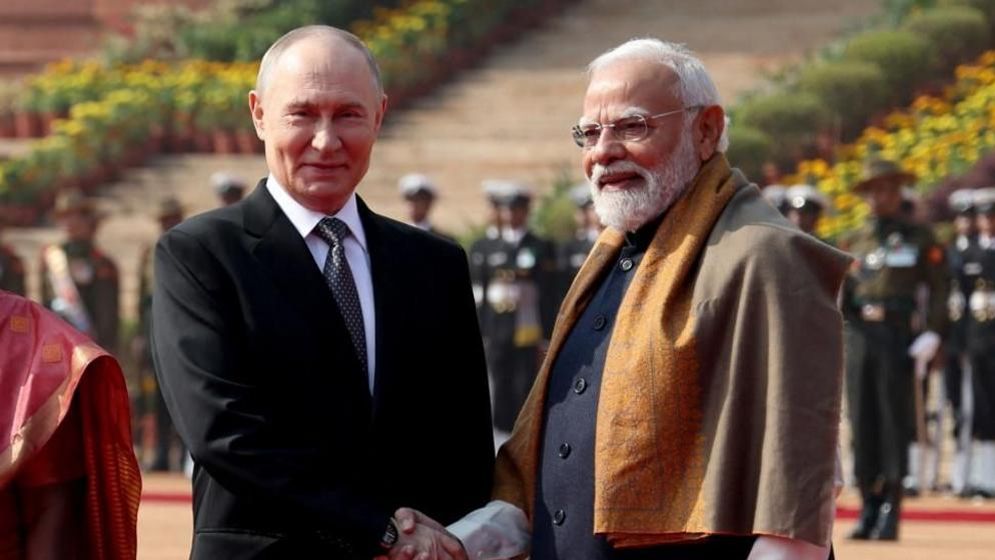
During Russian President Vladimir Putin’s two-day visit to India for the annual India-Russia summit, Prime Minister Narendra Modi presented him with six carefully chosen gifts representing India’s cultural and regional diversity. The items included world-famous Assam tea, Kashmiri saffron, a silver tea set from Murshidabad, a silver horse from Maharashtra, a marble chess set from Agra, and a Russian translation of the Bhagavad Gita. Putin arrived in New Delhi on Thursday evening and was welcomed with a red-carpet reception at Indira Gandhi International Airport. The exchange of gifts underscored the personal rapport between the two leaders and the symbolic importance of cultural diplomacy in strengthening bilateral relations. Modi’s selection of gifts reflected India’s craftsmanship and heritage. The visit comes amid growing India-Russia cooperation, particularly in energy and defense sectors, despite Western pressure over Moscow’s global policies. Analysts note that the meeting reaffirmed both nations’ commitment to maintaining strategic autonomy and expanding trade partnerships in the face of shifting global alignments.
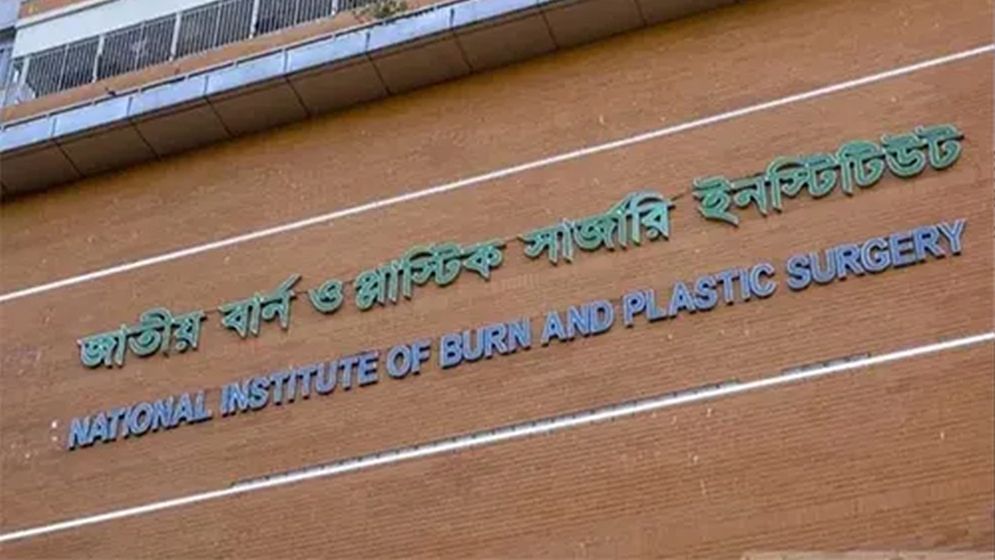
Six members of a single family, including women and children, were severely burned in a gas line explosion at their home in Dhaka’s Agargaon area early Saturday morning. The incident occurred around 4:30 a.m., reportedly due to a gas leak that ignited inside the residence near the Islamic Foundation’s Paka Market. The injured were taken to the burn unit of Dhaka Medical College Hospital (DMCH) around 7:45 a.m. for emergency treatment. The victims were identified as Jalil Mia (50), Aneeza Begum (40), Asif Mia (19), Sakib Mia (16), Monira (17), and Eva (6). According to their relative Afran Mia, the explosion happened suddenly while the family was inside the house. DMCH police camp in-charge Inspector Faruk confirmed that all six victims were receiving treatment, though the extent of their burns was not immediately known. Authorities have informed the local police station, and an investigation is expected to determine whether the blast resulted from a gas leak or faulty pipeline maintenance.
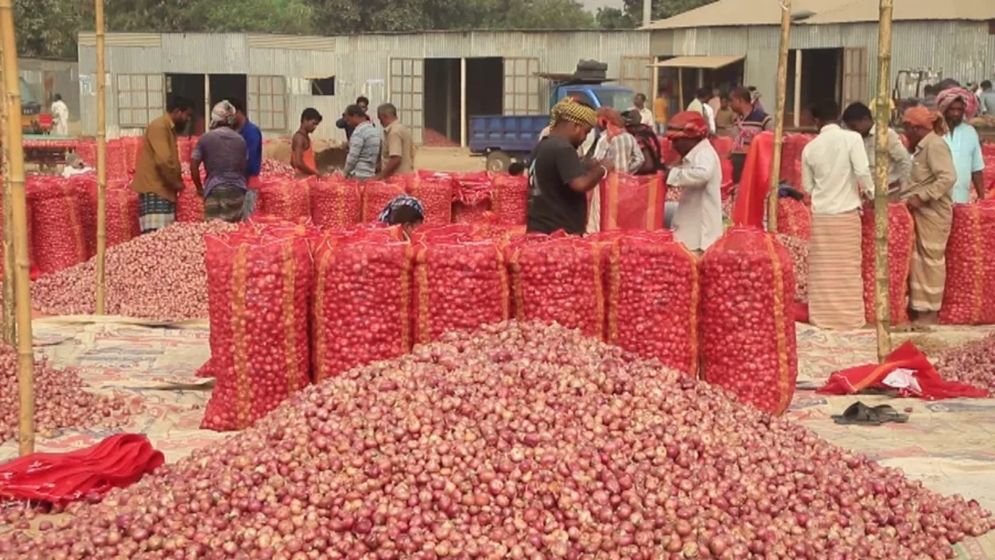
Bangladesh’s onion market has turned volatile despite sufficient domestic supply, with retail prices soaring to Tk 160 per kilogram in Dhaka. Officials say more than 100,000 tons of old onions remain in storage, while new harvests are entering markets. Yet, traders are allegedly withholding supply to create an artificial shortage and pressure the government to allow imports, though their real motive appears to be profit maximization. Market insiders and consumer groups claim a powerful syndicate of wholesalers and commission agents has been manipulating prices since October. The Bangladesh Trade and Tariff Commission (BTTC) confirmed evidence of market manipulation, noting that current prices far exceed the reasonable level of Tk 90 per kilogram. The BTTC has recommended limited imports to stabilize prices, while the Department of Agricultural Extension insists there is no genuine supply shortage. Consumer advocates warn that unchecked profiteering could hurt both farmers and buyers, urging stronger market monitoring. The government is reviewing BTTC’s report before deciding on import measures.
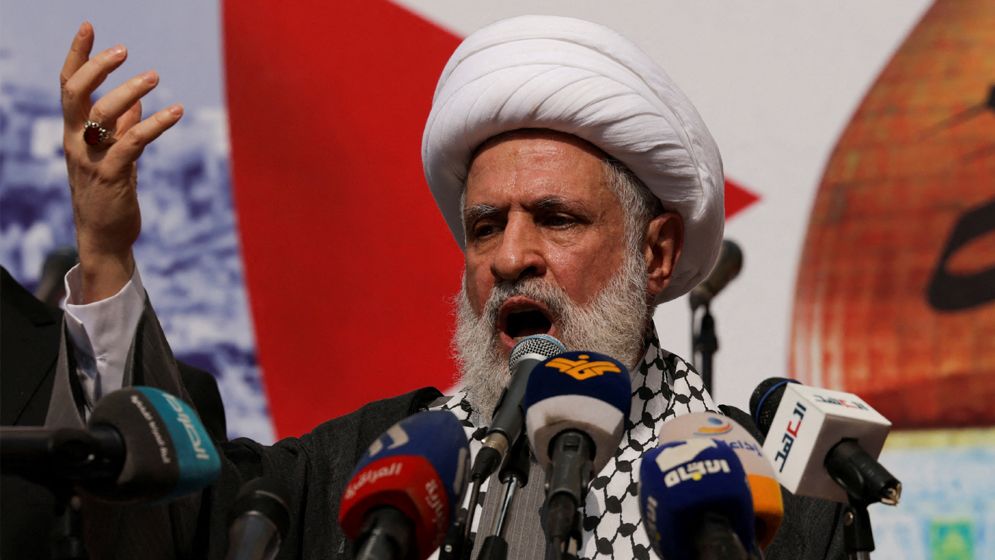
Hezbollah’s deputy chief Sheikh Naim Qassem declared that no external power, including the United States and Israel, will succeed in disarming the Lebanese armed group. Speaking at a memorial event for fallen clerics on December 5, Qassem emphasized that Hezbollah remains committed to defending Lebanon’s sovereignty and will not surrender under any circumstances. Qassem described Hezbollah as a unifying national force that symbolizes patriotism, freedom, and dignity. He accused Israel of expansionist aggression and urged all necessary measures to counter threats against Lebanon. The leader also criticized U.S. and Israeli interference in Lebanese internal affairs, asserting that neither has the right to dictate the country’s defense policies. He reiterated Hezbollah’s readiness to cooperate with all Lebanese factions, including Christian groups, to safeguard national interests. Qassem concluded by stating that Hezbollah has fulfilled its duty in defending the nation, and it is now the Lebanese government’s turn to take initiative in ensuring stability and sovereignty.
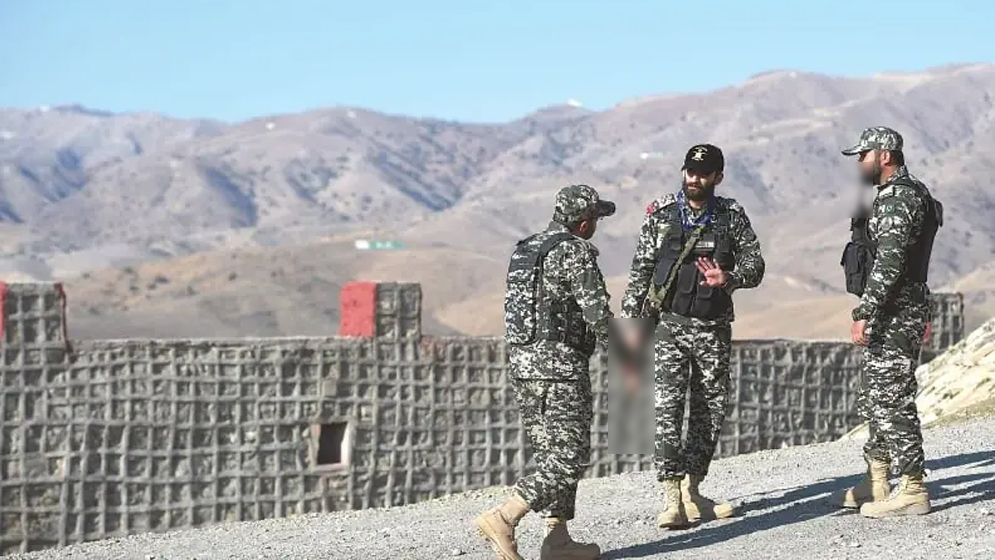
Intense gunfire broke out along the Pakistan-Afghanistan border late Friday night, with both sides confirming the exchange of fire. No casualties were immediately reported. The Taliban government in Kabul alleged that Pakistani forces initiated the attack on Afghanistan’s Kandahar province, while Islamabad accused Afghan troops of firing first at the Chaman border without provocation. The incident comes just two days after peace talks between the two countries in Saudi Arabia ended without progress. Pakistani Prime Minister’s spokesperson Mosharraf Zaidi stated that Pakistan remains fully alert and committed to protecting its territorial integrity and citizens. The renewed violence follows a period of relative calm since October, when the first direct clashes were halted through Qatari and Turkish mediation. Analysts warn that the latest border skirmish could further strain already fragile relations between Islamabad and Kabul, especially amid Pakistan’s accusations that Afghan nationals are behind recent terrorist attacks inside its territory—claims the Taliban government has strongly denied.
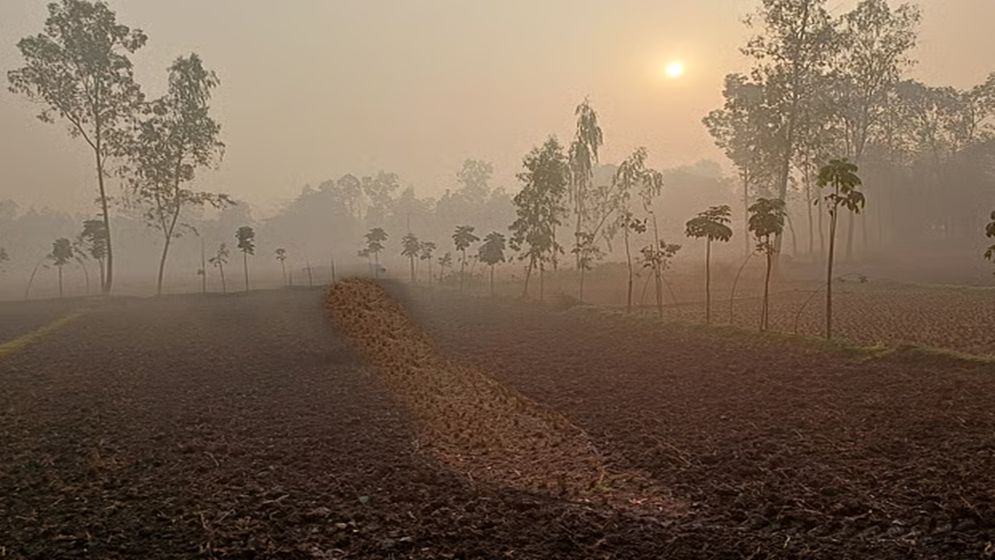
Bangladesh’s northern district of Panchagarh is experiencing a sharp drop in temperature, with Tetulia recording the country’s lowest temperature of 11°C early Saturday, according to the local weather office. The humidity level stood at 95 percent at 6 a.m., creating a biting cold that disrupted daily life and reduced outdoor movement. Dense fog has also limited road visibility, forcing vehicles to move slowly with headlights on. Officials at the Tetulia Meteorological Observatory noted that temperatures had hovered around 12°C for several days before dipping further. The persistent chill, combined with high humidity, has made conditions particularly difficult for outdoor workers, especially sand laborers working in rivers. Residents reported that even after sunrise, sunlight provided little warmth. Meteorologists warned that the early onset of such low temperatures in December could indicate an approaching cold wave across northern Bangladesh. Authorities have advised residents to take precautions as the cold is expected to intensify in the coming days.
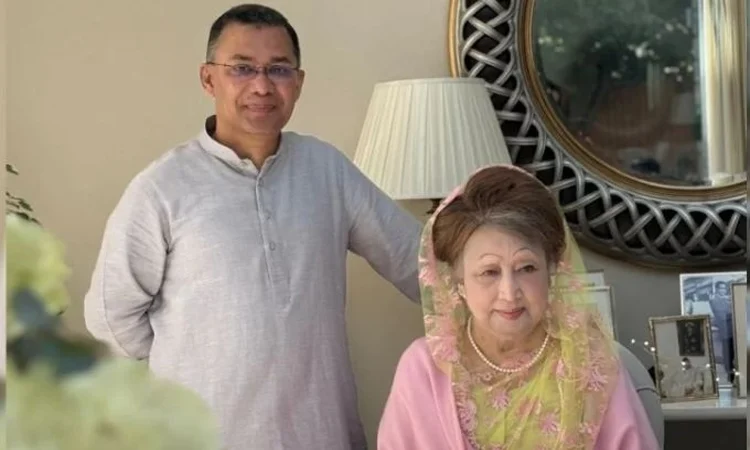
BNP’s acting chairman Tarique Rahman has claimed that party chairperson Khaleda Zia’s health is in critical condition due to what he described as ongoing political persecution under Prime Minister Sheikh Hasina’s rule. In a Facebook post on Friday, Rahman accused the government of subjecting Zia to imprisonment and multiple forms of oppression, asserting that her life now faces extreme danger. Rahman’s statement coincided with the anniversary of December 6, 1990, the day Bangladesh’s autocratic regime under Hussain Muhammad Ershad ended. He drew parallels between that movement and current political struggles, urging democratic forces to remain united against what he termed a “fascist” regime. He also paid tribute to those who died in the anti-autocracy movement of the 1980s and called for continued efforts to restore full democracy. The remarks come amid ongoing political tension and concerns over Khaleda Zia’s health, which has been a recurring issue in Bangladesh’s political discourse. No immediate response was issued from the ruling Awami League regarding Rahman’s allegations.
Rivers in southern Bangladesh are rapidly losing navigability with the onset of winter, severely disrupting key inland water routes including Dhaka-Barishal and Dhaka-Patuakhali. Several channels have developed sandbars, forcing large passenger vessels to travel at extreme risk or suspend operations entirely. Launch masters report that water depth in many areas has dropped to barely 1.5 meters, far below the 3-meter requirement for safe navigation. The Bangladesh Inland Water Transport Authority (BIWTA) has acknowledged the crisis, confirming that dredging operations are underway in multiple affected points. However, launch operators and passengers continue to face frequent strandings and delays. Veteran passengers note that the number of active routes has fallen from 20 to just a few dozen due to siltation and low water levels. Environmental groups are urging a long-term dredging master plan to restore navigability and prevent further economic and safety impacts. If the situation persists, experts warn that the region’s inland water transport industry could face collapse, isolating communities and raising transport costs across southern Bangladesh.

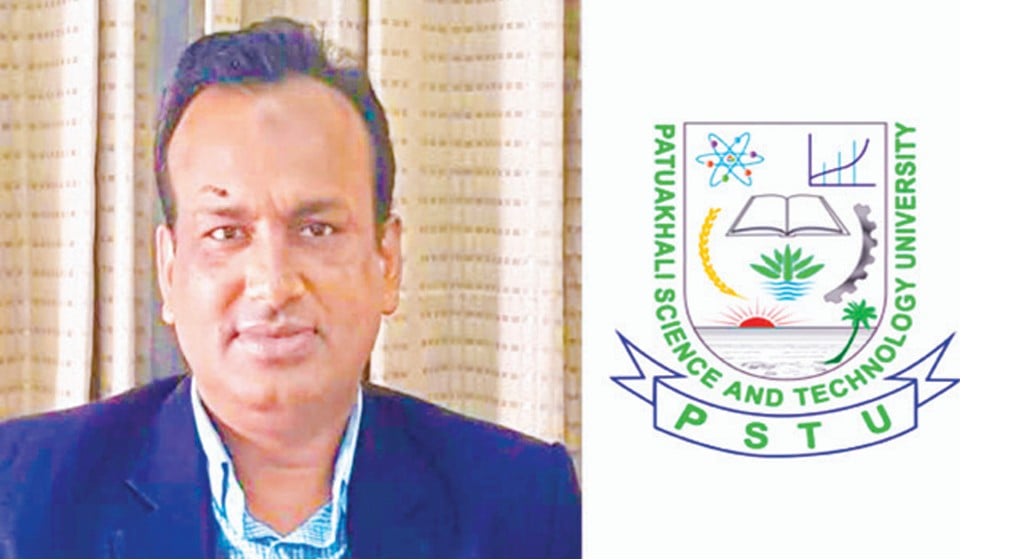
Syed Nizam Uddin, Deputy Registrar of Patuakhali Science and Technology University (PSTU), has been accused of serious irregularities in recruitment, promotion, and financial management. University staff allege that Nizam obtained his position through political influence and bribery, despite lacking required academic qualifications. He reportedly advanced from section officer to deputy registrar within four years, bypassing government promotion rules. Multiple officials claim Nizam misused his authority in the finance department to embezzle large sums, purchase luxury properties, and demand payments for administrative approvals. Documents suggest he leveraged his role as an executive member of the Bangabandhu Officers’ Association and his political connections to maintain influence. The Anti-Corruption Commission (ACC) has stated it will review the allegations and coordinate with university authorities if evidence is found. PSTU’s acting registrar and vice-chancellor confirmed that an internal investigation will be launched. If proven, disciplinary measures will follow, marking a potential test of accountability within Bangladesh’s public university administration.
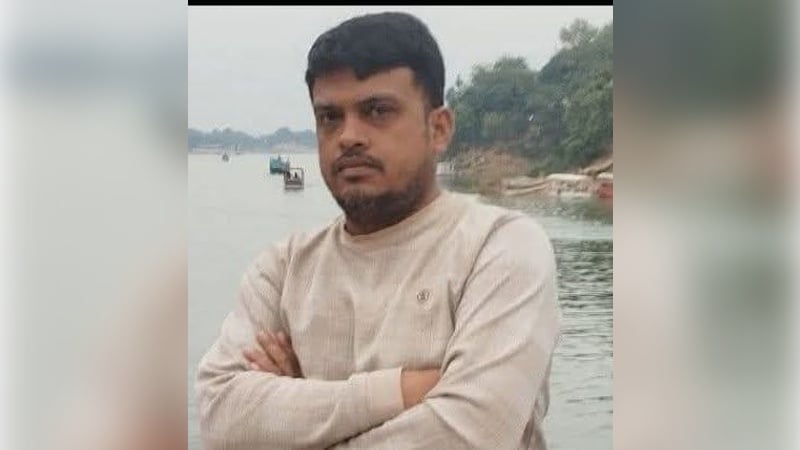
A man named Babu, aged 40, was stabbed to death during a wedding preparation meeting at a residence in Hathazari, Chattogram, on Friday night. The incident occurred around 8 p.m. at the house of Musha Saudagar in the Farhadabad Union area. Two others, Babu’s brother Imrul Hossain Bachchu and cousin Imon, were injured while trying to intervene. According to local sources, an argument broke out between Babu and another family member, Jasim, 48, during the social gathering known as a “pansolla.” The dispute escalated when Jasim reportedly fetched a knife from inside the house and attacked Babu, causing fatal injuries. Locals detained the suspect at a nearby hotel before police arrived to control the situation. Hathazari Model Police Station’s Officer-in-Charge Manjur Kader Bhuiyan confirmed the incident and said further details would follow. The attack has shocked the local community, highlighting how minor disputes can turn deadly in family events. Police are investigating the motive and have taken the suspect into custody for questioning.
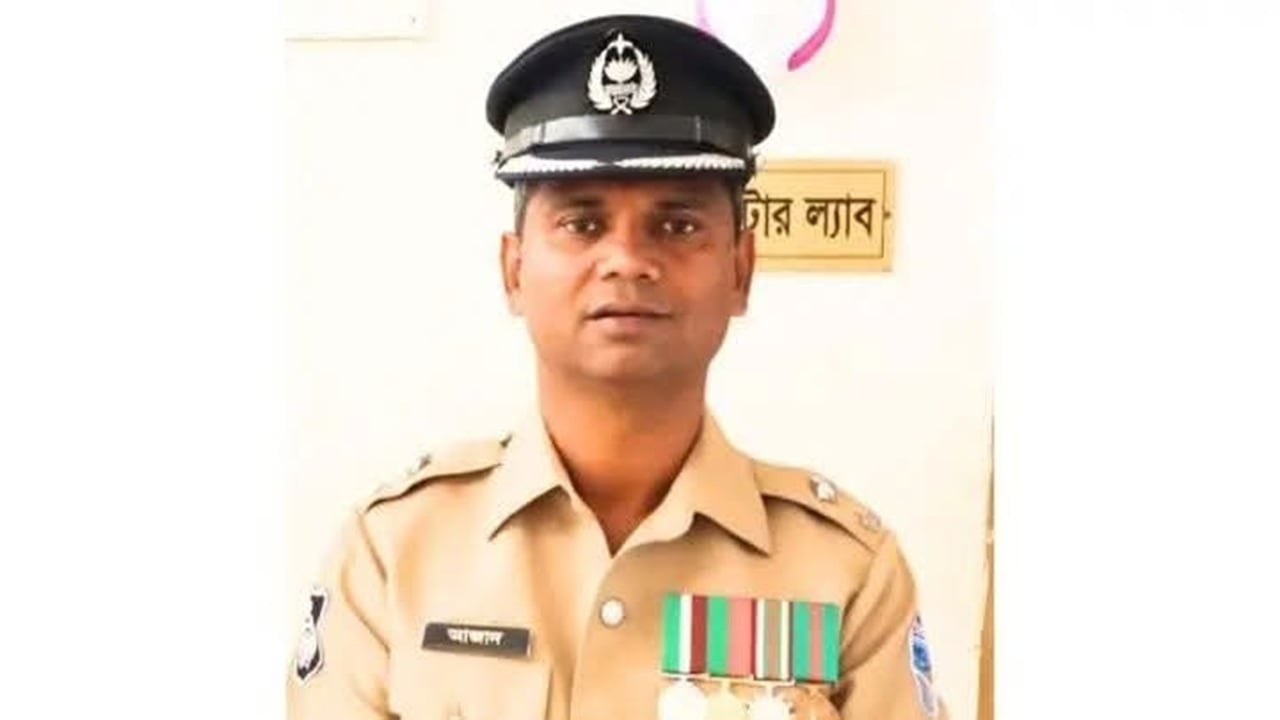
Former Cox’s Bazar police officer Babul Azad, now serving as officer-in-charge of Chattogram’s Double Mooring Police Station, has been named in a murder case linked to the 2013 killings of two Jamaat-e-Islami activists during protests following the death sentence of Delwar Hossain Sayeedi. Witnesses and victims’ families allege Azad led police gunfire that killed Abdur Rashid and Nurul Haque, and injured dozens more. The case, filed by Rashid’s father, had long seen no progress under the previous administration. Azad, once praised by ruling Awami League leaders for his “firmness” against opposition activists, reportedly rose quickly through the ranks. Following the recent political shift known as the “July Revolution,” he has been accused of switching allegiance and abusing power, including extortion, assaulting journalists, and detaining citizens over social media posts critical of police. Business figures and journalists have also accused him of torture and corruption. The renewed attention to Azad’s past and present conduct underscores growing scrutiny of politically aligned policing in Bangladesh. Rights groups are calling for impartial investigations into the 2013 killings and recent allegations of abuse.
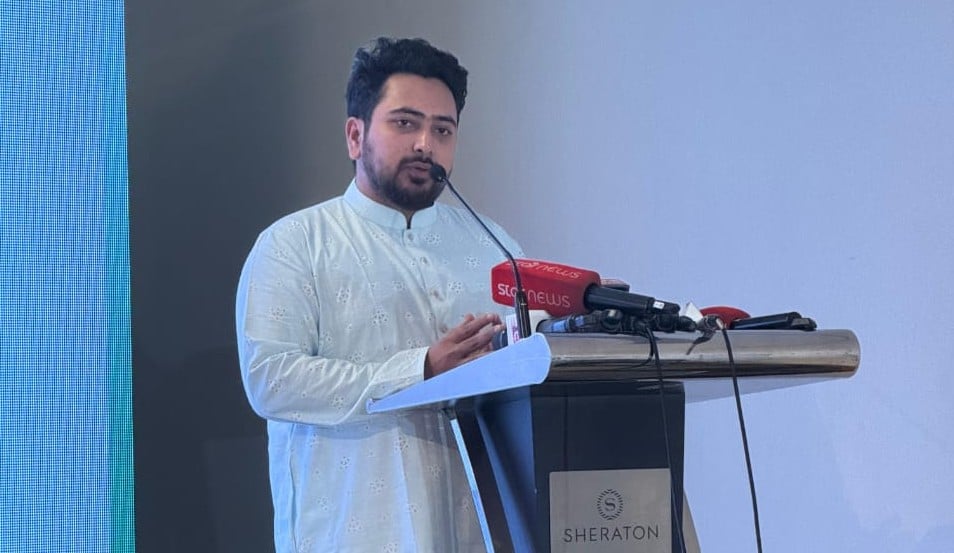
Tensions within Bangladesh’s opposition alliance have intensified as the Bangladesh Nationalist Party (BNP) announced 272 candidates for the upcoming 13th National Election without prior consultation with its partners. The move has angered long-time allies, including the Bangladesh Labour Party, which ended its two-decade partnership with the BNP, citing broken promises and unilateral decision-making. Other coalition members, such as the 12-Party Alliance, the Nationalist Like-Minded Alliance, and the Ganatantra Mancha, have also voiced frustration over being sidelined. Allied leaders accused BNP’s acting chairman Tarique Rahman of disregarding earlier commitments on seat-sharing and government formation. They claim BNP’s approach has eroded trust and weakened the opposition’s unity, while BNP insists that nominations were based on candidates’ winning potential and that allies should remain patient. The 12-Party Alliance is set to announce its next steps on December 8, while Ganatantra Mancha may consider contesting independently. The growing discord threatens the cohesion of the opposition movement, raising doubts about its ability to mount a unified challenge to the ruling Awami League in the forthcoming election.

National Citizen Party (NCP) convener Nahid Islam has called on Bangladesh’s Election Commission (EC) to take into account the illness of BNP Chairperson Khaleda Zia when announcing the election schedule. Speaking at a policy dialogue in Dhaka on Friday, he emphasized that while the EC should show empathy, the electoral process must not be halted for any particular political party. Nahid Islam stated that the EC should work to unite all political parties and ensure a smooth start to the electoral journey. He clarified that NCP has no objection to the timing of the election schedule and that the polls should be held as planned. Addressing speculation about alliances, he said NCP has not entered into any formal or informal agreements with other parties and is preparing independently. He added that NCP seeks to promote a new political culture based on democracy and economic justice, distancing itself from traditional parties that have lost public trust. The party aims to present itself as a fresh alternative in Bangladesh’s political landscape.
The ‘1 Nojor’ media platform is now live in beta, inviting users to explore and provide feedback as we continue to refine the experience.