

The ‘1 Nojor’ media platform is now live in beta, inviting users to explore and provide feedback as we continue to refine the experience.
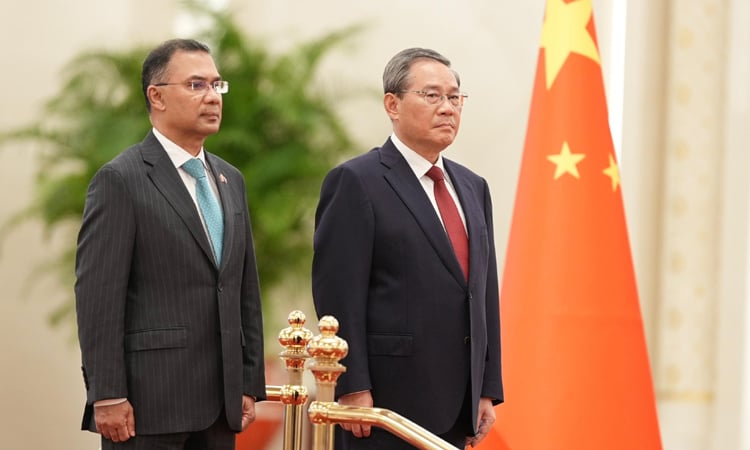
Prime Minister Tarique Rahman was warmly received by Chinese Premier Li Qiang at the Great Hall in Beijing on Thursday afternoon. The welcome ceremony followed Rahman’s arrival from the state guesthouse Diaoyutai in a motorcade. After exchanging greetings and introductions between delegations, Li Qiang escorted Rahman to the red-carpeted reception stage where both leaders received an armed salute from a ceremonial guard as the national anthems of both countries were played. A gun salute was also fired in honor of the visiting prime minister, followed by an inspection of the parade by the two leaders. According to Foreign Affairs Adviser Humayun Kabir, the two prime ministers are scheduled to lead a high-level meeting at the Great Hall to discuss bilateral relations, trade, investment, infrastructure development, and other issues of mutual interest. This marks Rahman’s first official visit to China since assuming office on February 17 after his party’s victory in the thirteenth national election. Before arriving in Beijing, he attended the World Economic Forum in Dalian following a two-day official visit to Malaysia. The visit underscores the continuation of Bangladesh’s diplomatic engagements in Asia, with emphasis on strengthening economic and strategic cooperation with China.
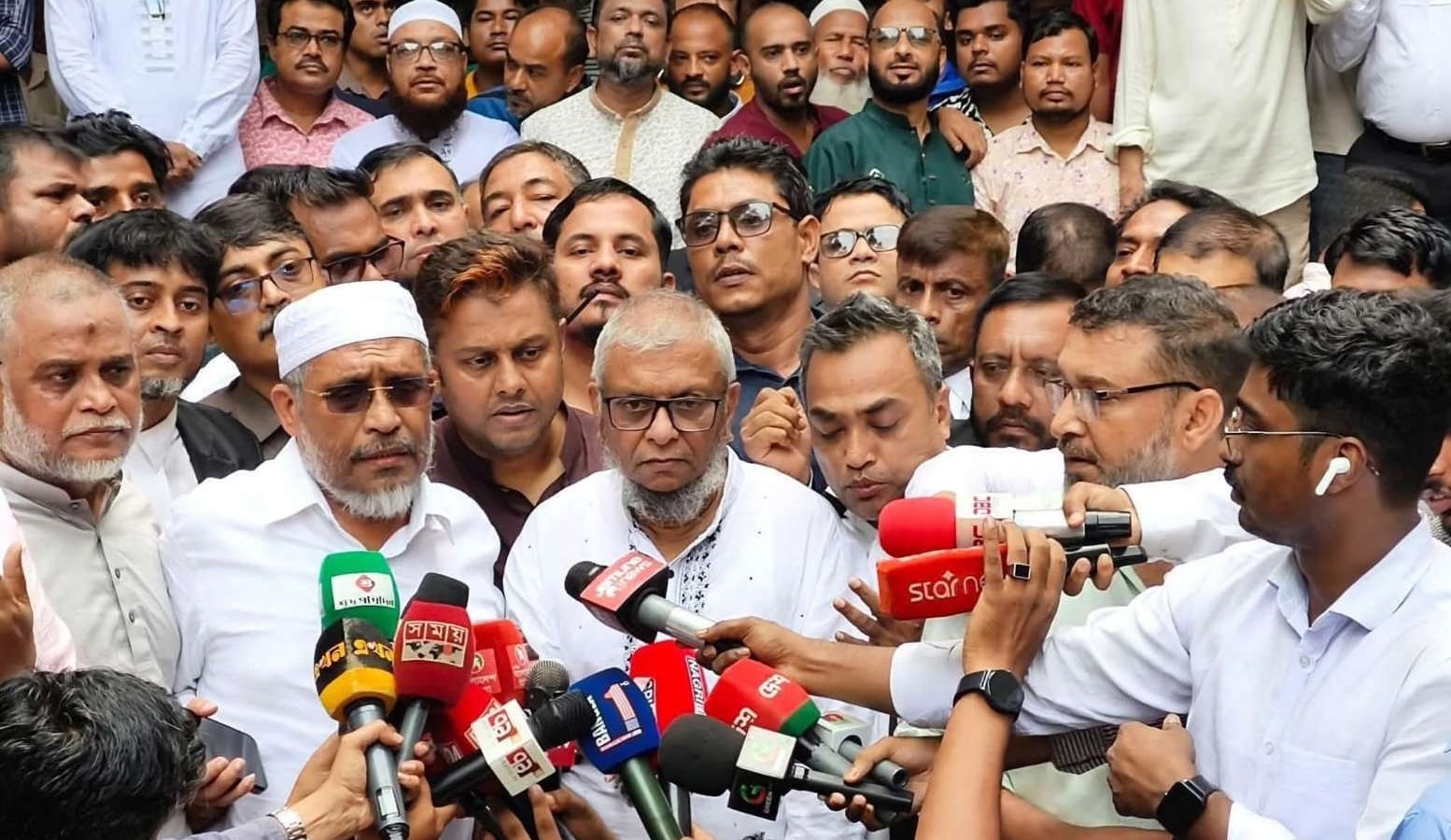
Bangladesh Jamaat-e-Islami has expressed deep sorrow and sympathy following the devastating twin earthquakes that struck Venezuela early Thursday local time, causing numerous deaths, injuries, and extensive damage. The party’s Secretary General, Mia Golam Porwar, conveyed condolences in a statement released to the media on Thursday. In his message, Porwar prayed for the proper honor of the deceased and extended heartfelt sympathy to the families of the victims and the injured. He noted that the people of Venezuela are enduring a difficult time and urged both the Venezuelan government and the international community to provide necessary humanitarian assistance and strengthen rehabilitation efforts for those affected. Porwar also expressed hope that the Venezuelan government and its citizens would soon overcome the severe disaster and recover from the crisis.

Spain has experienced its hottest June days in 76 years, according to preliminary data released on Thursday by the national meteorological agency AEMET. The agency reported that on Tuesday, the average temperature across mainland Spain was 7.1 degrees Celsius higher than normal, marking the hottest June day since records began in 1950. Monday was the second hottest June day, while Sunday ranked eighth. Although temperatures slightly decreased on Thursday, conditions remained extremely hot on Wednesday, prompting red alerts in northern regions due to severe heat risks. At Bilbao Airport, temperatures exceeded 40 degrees Celsius on Sunday, Tuesday, and Wednesday, the first time this has occurred three times in one year. In Cantabria, northern Spain, a record high of 43.7 degrees Celsius was recorded. Meteorologists attributed the heatwave to a persistent “heat dome” over Western Europe and hot, dry air moving north from the Sahara Desert. Preliminary estimates suggest at least 212 people died from heat-related causes between Sunday and Wednesday.

Health and Family Welfare Minister Sardar Md. Sakhawat Hossain informed the National Parliament that Bangladesh records approximately 167,256 new cancer cases and 116,598 cancer-related deaths each year. He cited data from the International Agency for Research on Cancer’s Globocan 2022 report, noting that around 316,417 patients are currently living with or undergoing treatment for cancer. The information was presented in a written reply during a parliamentary question session chaired by Speaker Hafiz Uddin Ahmed. The minister stated that breast and cervical cancers are most common among women, while lung and oral cancers are prevalent among men. To improve data accuracy, population-based and hospital-based cancer registries are being developed through the National Institute of Cancer Research and Hospital. He also announced that eight divisional government medical college hospitals are implementing projects to establish 100-bed cancer treatment units, expanding radiotherapy, chemotherapy, and surgical oncology services. These initiatives aim to decentralize cancer care and strengthen diagnostic and treatment capacity across Bangladesh, according to the minister’s parliamentary statement.
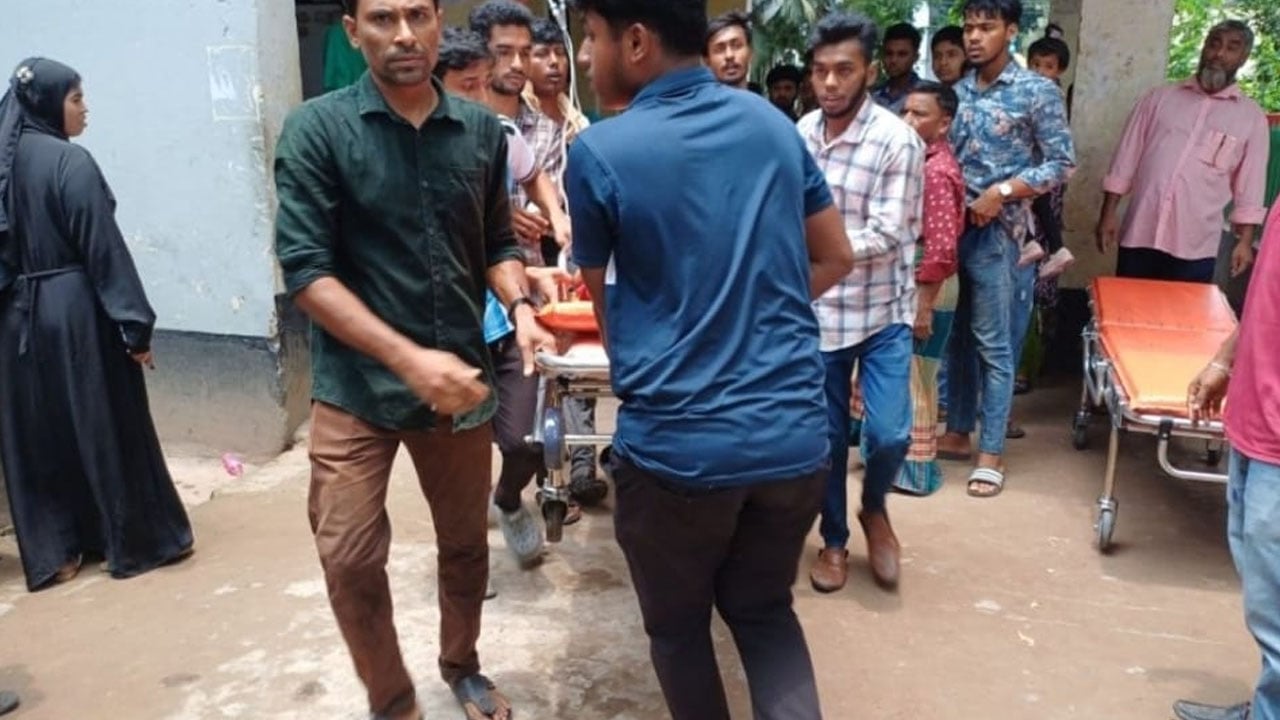
A woman and her three daughters were hacked to death in Raipur upazila of Lakshmipur on Thursday, June 25, 2026. The attacker, identified as Antor Majumder, was beaten by an angry crowd and later died from his injuries. Police Superintendent Md Abu Tarek and health officer Dr Baharul Alam confirmed the deaths. The victims were Shahinur Begum, 38, and her daughters Saima Akter, 21, Ikra Akter, 17, and Shifa Akter, 9. All were taken to Raipur Upazila Health Complex, where three were declared dead, and the fourth died en route to Dhaka. According to police and local sources, Shahinur’s family had lived in a rented house in Raipur for over a decade after her husband’s death in 2019. The attacker, a fruit vendor from Noakhali’s Subarnachar area, had previously rented a nearby house. He reportedly entered the victims’ home under the pretext of fixing a water pipe. Police said the motive for the killings remains unclear. During the mob attack on the suspect, six to seven police officers were injured while trying to control the situation. Authorities are continuing their investigation into the incident.
Two powerful earthquakes measuring 7.5 and 7.2 magnitude struck Venezuela, causing severe destruction and killing at least 164 people, according to reports published on June 25, 2026. The U.S. Geological Survey (USGS) warned that the death toll could rise significantly, possibly reaching into the hundreds of thousands. Rescue and recovery operations are ongoing in Caracas and other affected regions as authorities assess the full extent of the damage. Fearing aftershocks and the collapse of damaged buildings, thousands of residents have set up tents on streets or are sleeping on mattresses and mats in gardens and sidewalks. Many are waiting for confirmation that it is safe to return to their homes. The USGS has stated that the risk of major aftershocks remains high. The situation has left much of the population displaced and anxious, with emergency teams continuing to work amid uncertainty about further tremors and the scale of the disaster.

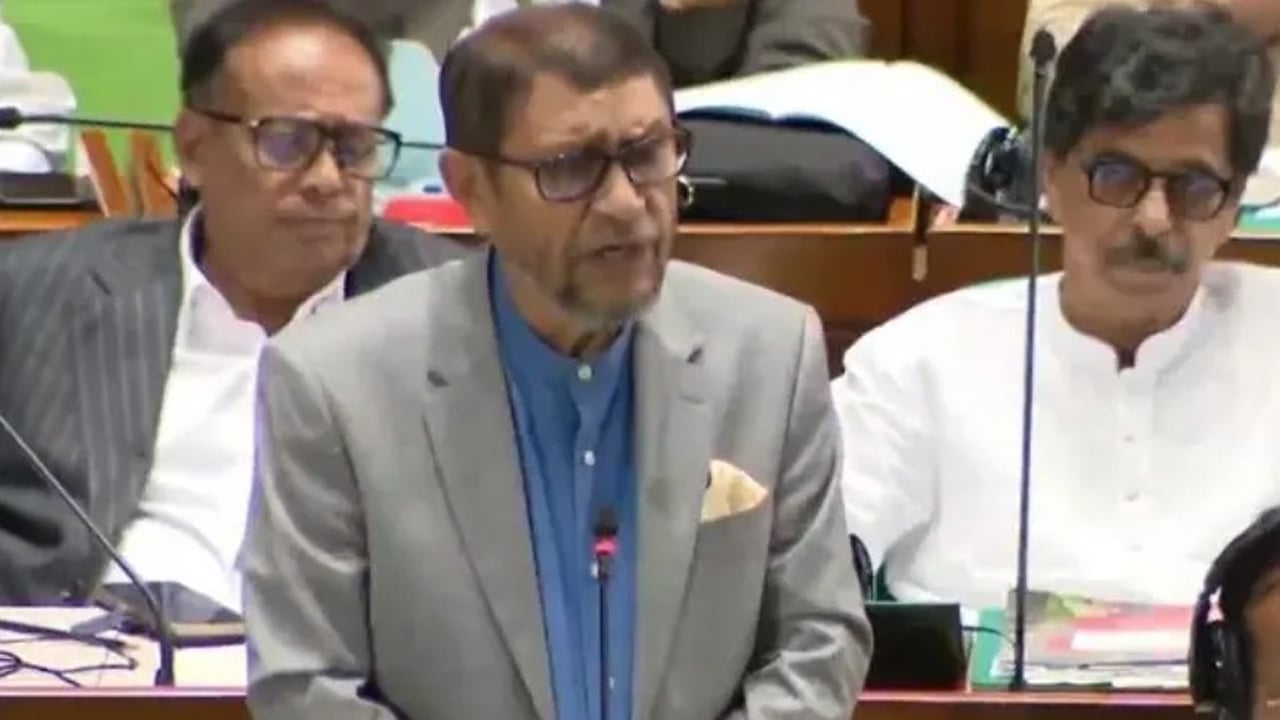
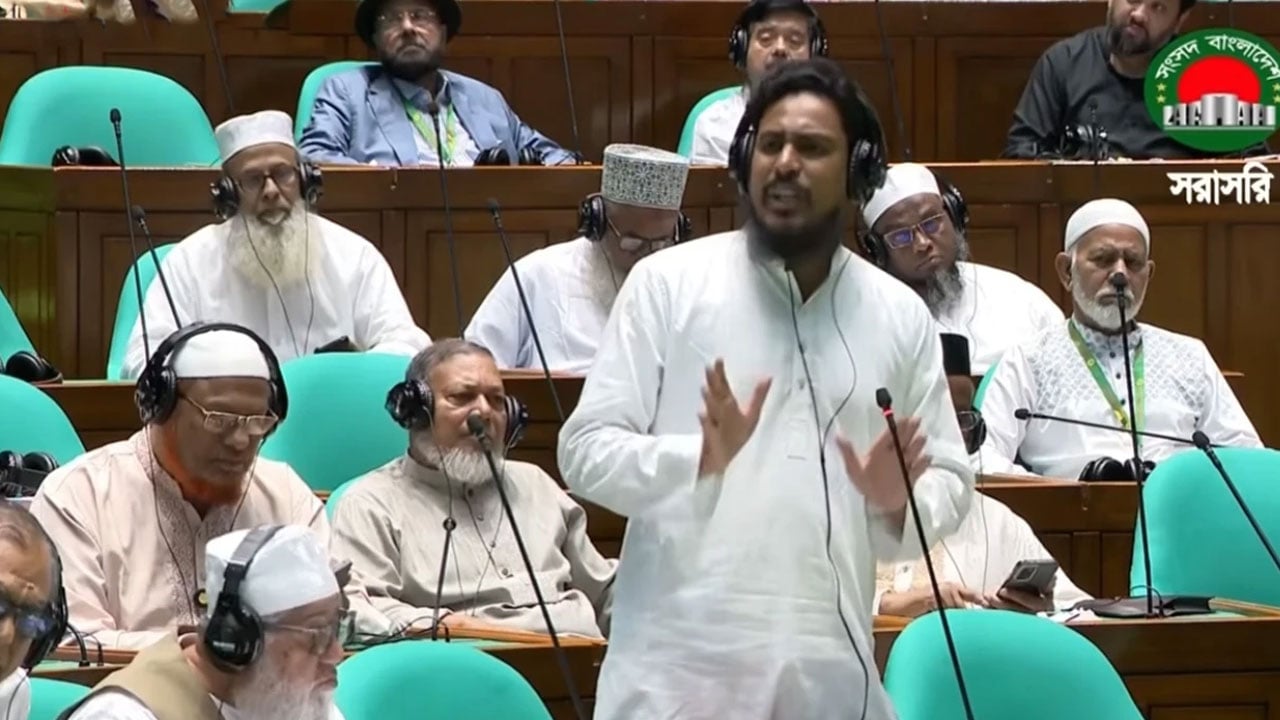
During the general discussion of the 13th National Parliament’s budget session on Thursday, MP Hummam Quader Chowdhury used an Urdu expression, remarking that he had learned much Urdu while sitting in parliament. His comment came amid broader debates over the proposed 2026–27 fiscal year budget. National Citizen Party (NCP) member-secretary and Rangpur-4 MP Akhtar Hossain expressed anger over what he described as anarchy in the banking sector. He alleged that former owners of five merged banks looted and laundered money, leading to bankruptcy, yet under the new Bank Resolution Act, they could regain ownership by returning only 7.5 percent of the funds. He questioned the logic of returning banks to those responsible for their collapse. Akhtar Hossain further claimed that the finance minister returned empty-handed from the IMF due to failure to reform the financial sector. He labeled the proposed budget a “death trap” for the middle class and a blow to small businesses, citing rising debt and loan defaults as major concerns.

A Sylhet Speedy Trial Tribunal on June 25, 2026, acquitted eight accused, including Ex-Home Minister Lutfozzaman Babar, Ex-Sylhet City Mayor and current Expatriates’ Welfare Minister Ariful Haque Chowdhury, and Whip G.K. Gaus, in the 2004 Dirai bombing case targeting former minister Suranjit Sengupta’s rally. The court sentenced one accused, Hafiz Naeem Ahmed Arif alias Nimu, to death for his involvement in the attack. The verdict came 22 years after the incident, which killed one person and injured 29. According to the prosecution, the verdict followed extensive hearings and testimony from 67 of 123 witnesses. The defense claimed the accused were victims of political harassment, asserting their names were not in the original case but added later in a supplementary charge sheet. The convicted man’s family expressed dissatisfaction, alleging he was falsely implicated and announcing plans to appeal. The 2004 grenade attack occurred during a political rally in Dirai, Sunamganj, where Suranjit Sengupta narrowly escaped harm. The case had undergone multiple investigations and charge revisions before reaching this final judgment.
At least five people, including a sixth-grade student, were injured when gunfire broke out during an anti-drug human chain in the Katabil area of Cumilla city on Thursday afternoon, June 25, 2026. The injured were taken to a local hospital, and several were reported to have sustained bullet wounds. The student, identified as Ethan Ahmed Prem, aged 12, was initially treated at Cumilla Medical College Hospital before being transferred to Dhaka for advanced care. Police have not yet detained anyone in connection with the incident. According to local sources, residents organized the human chain to protest against drug trafficking in the area. During the event, a group of assailants attacked the participants, triggering panic and chaos. Law enforcement arrived shortly afterward and brought the situation under control. Police said operations are ongoing to identify and arrest those involved. Authorities suspect that a local drug dealer named Apu, recently released on bail in a murder case, may be linked to the attack. Multiple police teams are currently conducting raids to apprehend the suspects.

National Citizen Party (NCP) member secretary and Rangpur-4 MP Akhtar Hossain sharply criticized the government’s handling of the banking sector during the general discussion of the 13th National Parliament’s budget session on June 25. He alleged that the five banks recently merged, including Islami Bank, had been bankrupted by their former owners through looting and money laundering. He questioned why the new Bank Resolution Act allows those same owners to regain ownership by returning only 7.5 percent of the lost funds. Hossain claimed that the finance minister failed to secure support from the IMF due to the lack of financial reforms. He described the proposed 2026–27 fiscal budget as a “death trap” for the middle class and ruinous for small businesses. Citing a previous white paper, he said $240 billion had been laundered abroad and that national debt had risen from 23 trillion to 24 trillion taka within months. He further warned that the government’s plan to borrow 1.12 trillion taka from domestic banks would crowd out private investment and employment opportunities.
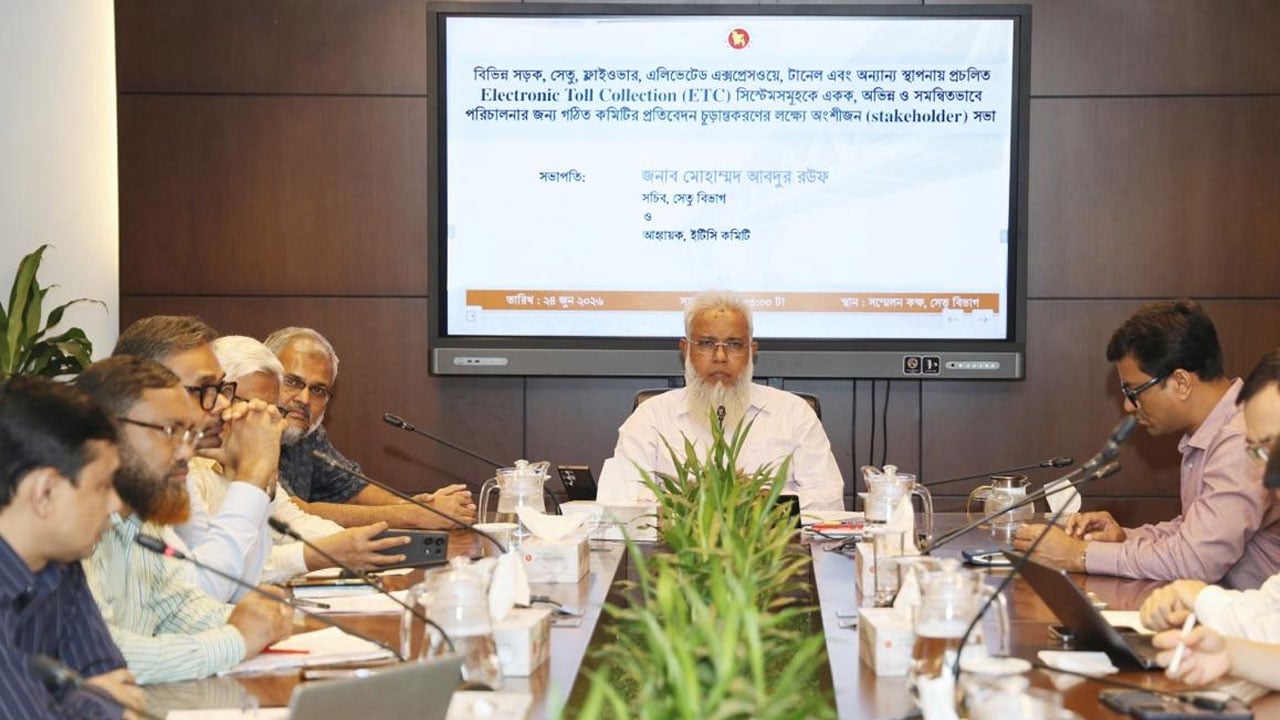
A stakeholder meeting was held on June 24 at the Bridge Division conference room to review a high-level committee report on establishing a unified and interoperable electronic toll collection (ETC) network across Bangladesh. The meeting, chaired by Bridge Division Secretary and Bangladesh Bridge Authority Executive Director Mohammad Abdur Rouf, brought together representatives from government agencies, private stakeholders, technology experts, and journalists. Participants discussed a proposed architecture for a single, self-contained platform that would integrate existing RFID-based ETC systems through APIs, enabling low-cost and rapid implementation. The plan recommends execution under the ICT Division or one of its affiliated agencies. A policy decision was made to use a single RFID tag issued by BRTA instead of multiple agency-specific tags, and to develop a unified mobile app for registration, toll information, digital payments, and traffic alerts. Attendees praised the proposal and emphasized the need for secure transactions and simplified user registration. The initiative aims to reduce travel time, fuel waste, and public inconvenience while advancing the government’s goal of a cashless society and fully automated toll management nationwide.
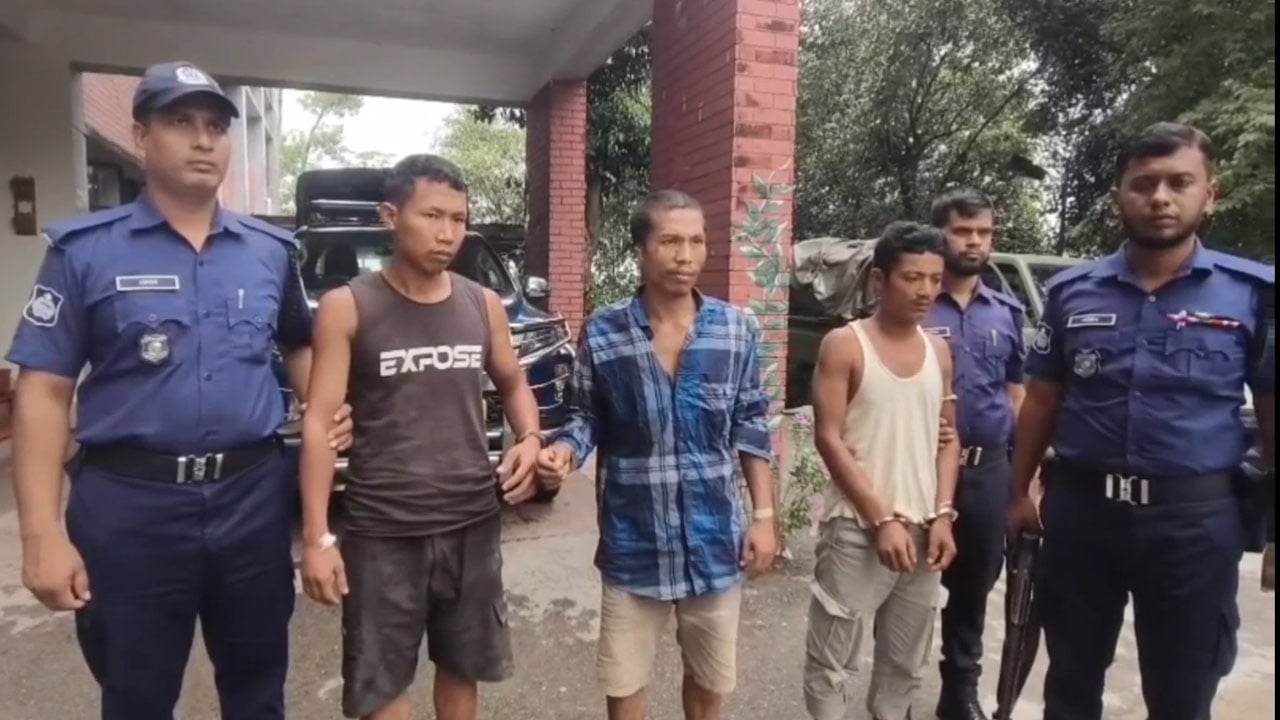
Law enforcement agencies arrested three members of the United People's Democratic Front (UPDF-Main) during an early morning operation in the remote forests of Matiranga, Khagrachhari, on Thursday, June 25, 2026. The arrests took place in Rekhung Para of Matiranga Sadar Union, where the suspects were reportedly staying overnight after completing organizational activities. Authorities recovered a locally made single-barrel gun, a foreign pistol, ammunition, a knife, a pistol magazine, three bags, a pair of shoes, and 11,000 taka in cash during the search. The detainees were identified as Hlaprusai Marma (30) from Lakshyapara in Guimara, Tejendra Chakma (27) from Kalapara in Guimara Sadar Union, and Bishwo Tripura (28) from Mansipara in Matiranga Sadar. According to police sources, the arrests were made based on secret information. Matiranga Police Station Officer-in-Charge Shahed Uddin confirmed the incident and said preparations were underway to file a case under the Arms Act. The officer also mentioned that additional operations were ongoing in several other locations in the area.
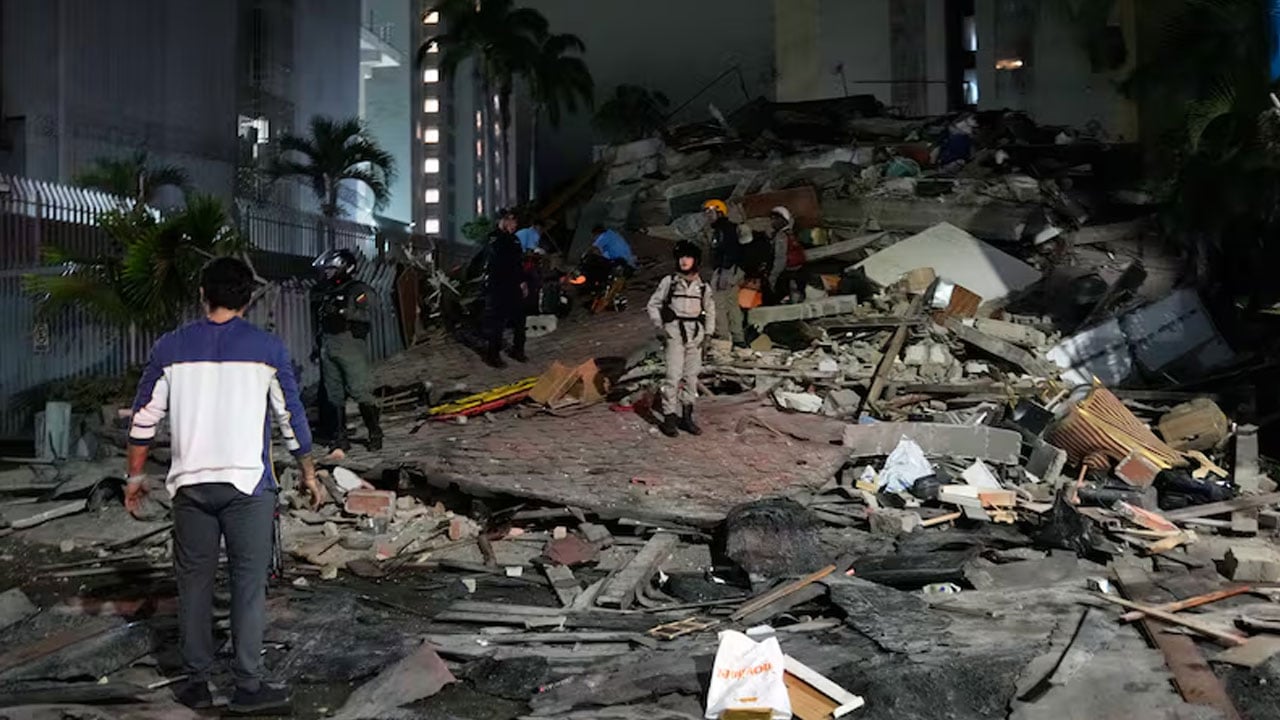
At least 164 people have been confirmed dead and 971 injured after two powerful earthquakes struck Venezuela on Wednesday evening. Acting President Delcy Rodríguez announced the updated figures on the country’s state television on Thursday. The quakes, measuring 7.2 and 7.5 in magnitude, were among the strongest to hit Venezuela in more than a century and were felt across the region. Footage broadcast on state television showed rescuers pulling three dust-covered children alive from the rubble in La Guaira state, which suffered the most severe damage. Rodríguez declared La Guaira a disaster zone, noting that numerous buildings had collapsed and that rescue and relief operations were being intensified in the area. Authorities have focused emergency efforts on search, rescue, and relief operations in the worst-affected zones as the country assesses the full extent of the destruction.
Israeli forces shot and killed an unarmed Palestinian man inside his bedroom during a raid in the occupied West Bank. The incident occurred on Tuesday in the village of Sarta, west of Salfit, according to local media reports. The victim, identified as Mustafa Taha Mustafa al-Khatib, was hit multiple times in the chest, head, and arm. His uncle, Yasin al-Khatib, said the soldiers broke into the house after Mustafa delayed opening the door because he had been asleep. According to Yasin al-Khatib, Israeli troops entered the bedroom and opened fire as Mustafa was trying to get dressed. Local residents were prevented from providing first aid, and he died from his injuries before medical workers could reach him. After the soldiers withdrew, his body was taken to a hospital. The report noted that such late-night raids by Israeli forces are frequent in the occupied West Bank, often resulting in deaths and arrests. Palestinian prisoner rights groups say around 9,300 Palestinians are currently held in Israeli prisons, nearly half without charge or trial.
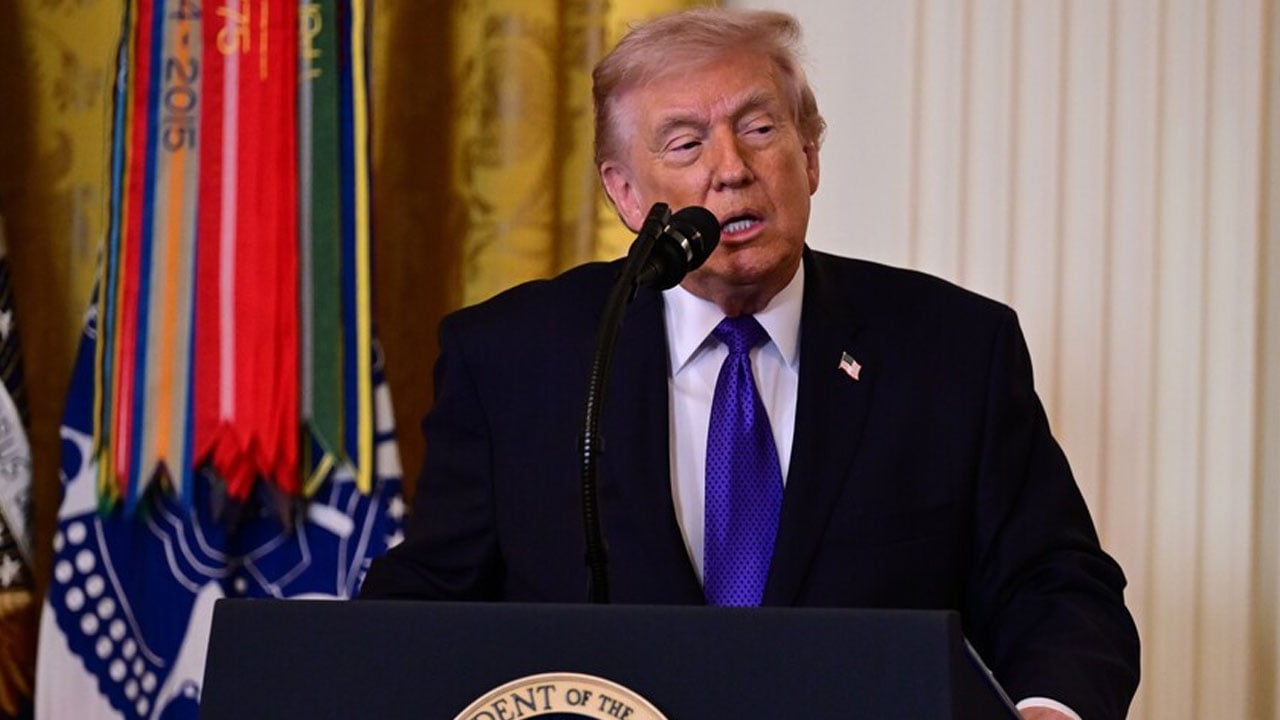
U.S. President Donald Trump announced that the United States will provide assistance to Venezuela following two powerful earthquakes that struck the country. In a post on Truth Social on Wednesday, Trump said the U.S. is ready to offer all necessary support and has directed federal agencies to take swift action. According to Anadolu, U.S. Secretary of State Marco Rubio also expressed condolences to the families of the victims and confirmed that search and rescue teams, medical supplies, and humanitarian aid are being sent immediately to Venezuela. Venezuelan acting President Delcy Rodríguez expressed gratitude to the United States for its support during this difficult time, thanking the Trump administration for its solidarity with the Venezuelan people. The U.S. Geological Survey reported that the first quake, measuring 7.2 magnitude, was followed about 40 seconds later by a 7.5 magnitude quake, the strongest recorded in Venezuela in 125 years. No official figures on casualties or damage have yet been released. The Venezuelan government has declared a state of emergency nationwide, and a tsunami warning has been issued across the Caribbean region.
The ‘1 Nojor’ media platform is now live in beta, inviting users to explore and provide feedback as we continue to refine the experience.