

The ‘1 Nojor’ media platform is now live in beta, inviting users to explore and provide feedback as we continue to refine the experience.
Bangladesh’s Minister of Religious Affairs, Kazi Shah Mofazzal Hossain (Kaykobad), told Parliament that the government does not have precise statistics on how many imams and muezzins are currently employed across the country. Citing a 2020 estimate, he said there were 331,125 mosques, suggesting the number of imams and muezzins could be around 662,250. He made the statement on June 25, 2026, in response to a parliamentary question from Narsingdi-1 MP Khairul Kabir Khokon. The minister added that under the government’s election pledge to provide monthly honoraria to imams, muezzins, and khadems, 12,810 individuals have so far been included. He also discussed several ongoing projects, including mosque-based education programs, Hindu temple-based education initiatives, and the construction of 564 model mosques and Islamic cultural centers, of which 342 have been completed and 186 are under construction. He further noted that efforts continue to promote moral education, religious tolerance, and anti-extremism awareness among youth and religious leaders. The minister also reported that 151.1795 acres of illegally occupied Waqf property had been recovered in the past year.
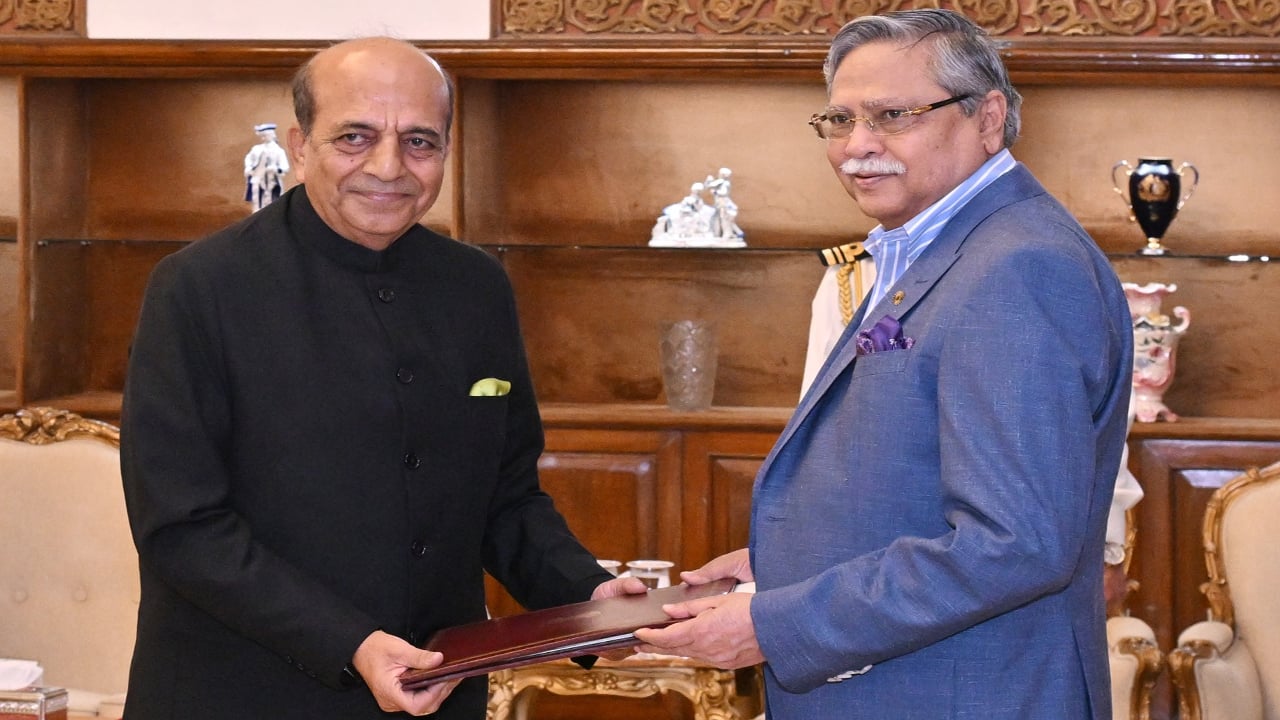
India’s newly appointed High Commissioner to Bangladesh, Dinesh Trivedi, presented his credentials to President Md. Shahabuddin at Bangabhaban on June 25, 2026. Upon arrival, he received a guard of honor from the President Guard Regiment. Following the formal ceremony, the High Commissioner held a courtesy meeting with the President. During the meeting, President Shahabuddin welcomed the new envoy and expressed hope that his tenure would further strengthen and deepen Bangladesh-India relations. He recalled India’s participation in the swearing-in ceremony of Bangladesh’s new democratic government earlier in the year and emphasized the importance Bangladesh places on its partnership with India based on mutual respect, sovereignty, and people’s welfare. The High Commissioner conveyed greetings from India’s President and leadership and reaffirmed India’s commitment to enhancing bilateral cooperation. Both sides discussed the need for greater people-to-people contact and the resolution of outstanding border issues. The High Commissioner noted recent productive talks between senior officials of the BSF and BGB and expressed optimism that regular meetings would help resolve border matters swiftly.
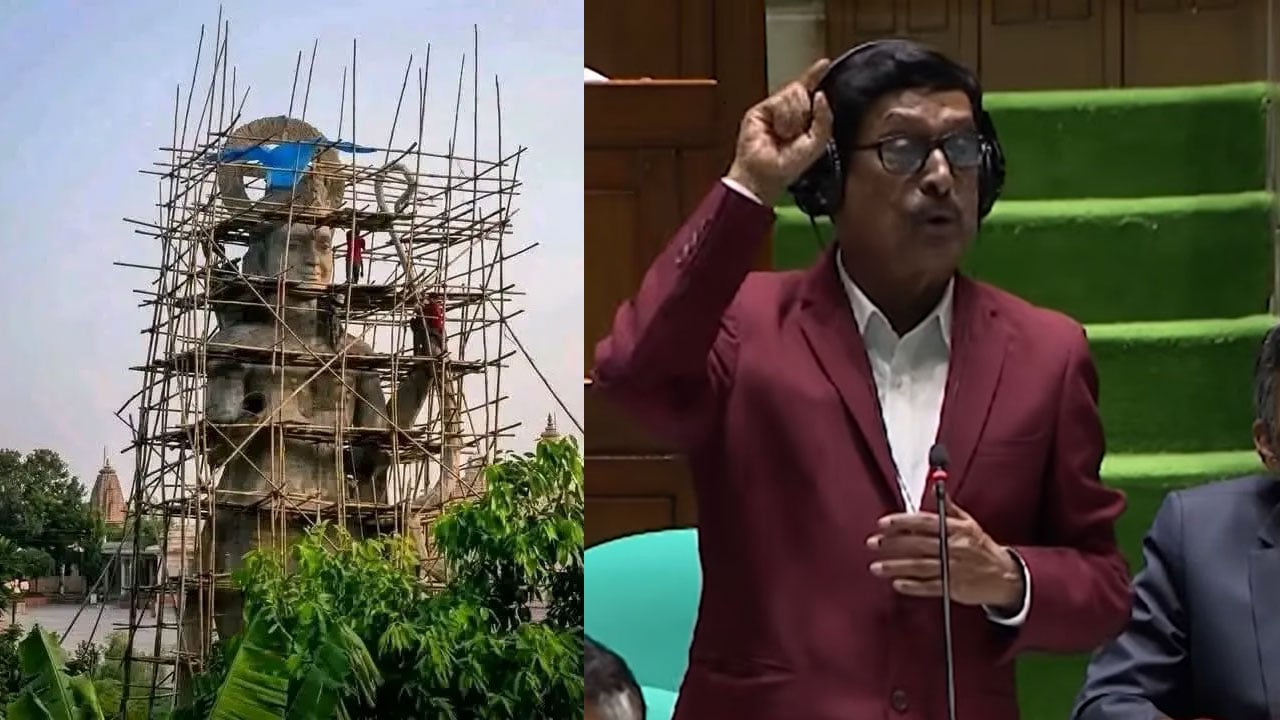
BNP lawmaker Fazlur Rahman from Kishoreganj-4 said he has no objection to the construction of Hindu temples or statues, emphasizing peaceful coexistence among followers of different religions. Speaking on Thursday during the general discussion of the 13th National Parliament’s budget session, he stated that if the Home Minister deems a temple or statue inappropriate, he may stop it, but personally, Rahman sees no issue. He added that people should be free to worship in their own places, saying he could build a mosque while others build temples without conflict. Addressing opposition to the construction of an 81-foot Ram temple in Palashbari, Gaibandha, Rahman criticized groups such as Hefazat-e-Islam for organizing processions against the project. He said some people use religion for personal gain and ignore cultural values. Rahman also expressed concern over budget disparities between education and culture, arguing that both sectors are interdependent and essential for building a civilized society. He urged for a balanced approach in national budgeting to ensure that cultural development complements educational progress.
Opposition lawmaker Salah Uddin from Gazipur-4 alleged in parliament that the withdrawal of Sarwar Alam, a district commissioner with a clean image, from Sylhet was intended to promote corruption. He made the statement on Thursday while participating in the discussion on the proposed national budget. During his speech, the Jamaat MP claimed that large-scale irregularities were taking place in various government programs, including the school feeding initiative, where he alleged weekly embezzlement of 17 crore taka. He also mentioned corruption in canal excavation projects and said that bribes of 10 to 15 percent were being calculated openly. Turning to the proposed budget, he criticized it as debt-dependent and described it as a “story of Ashar,” arguing that those already burdened with debt would naturally produce such a budget. Salah Uddin further stated that prices of essential goods and energy had already risen before the budget presentation. He demanded special allocations for his constituency, including a modern cold storage facility, anti-drug and anti-gang operations, and expansion of a highway from Rajendrapur to Tok via Kapasia.
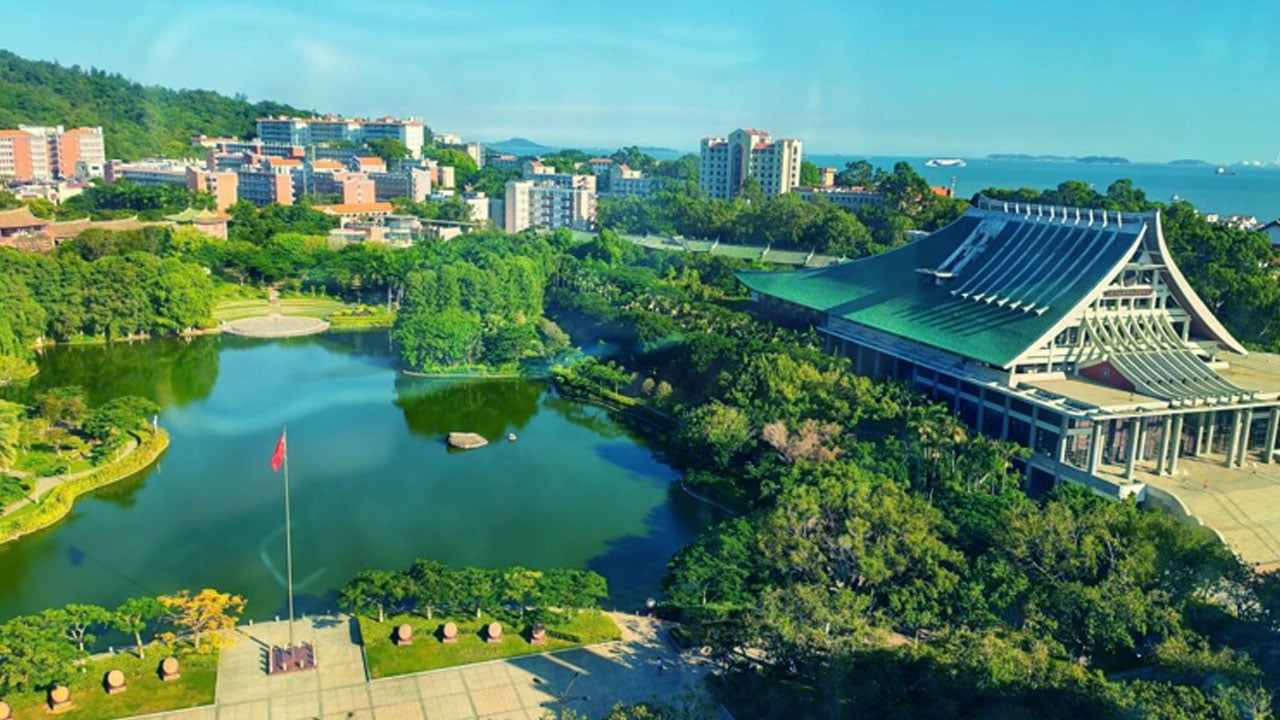
Mumtahina Parveen, a Bangladeshi student pursuing a master’s degree in econometrics at Xiamen University, describes China as a land of dreams, education, and inspiration. In her account, she highlights the peaceful and safe environment for study, the scenic beauty of Xiamen city, and the disciplined lifestyle of its residents. She notes that the city’s infrastructure, including separate lanes for pedestrians, cyclists, and vehicles, reflects careful urban planning. Parveen emphasizes China’s advanced educational environment, where libraries are quiet and well-equipped, and students must register for seats in advance. She also details the country’s technological integration into daily life, from mobile-based financial transactions through WeChat and Alipay to widespread use of facial recognition for security. Online shopping platforms like Taobao and Pinduoduo, along with efficient transport systems, make life highly convenient. She concludes that China’s disciplined citizens, technological progress, and sustainable urban management offer valuable lessons for Bangladesh. Parveen believes that by adopting similar planning and work ethics, Bangladesh can move toward a more prosperous and modern future.
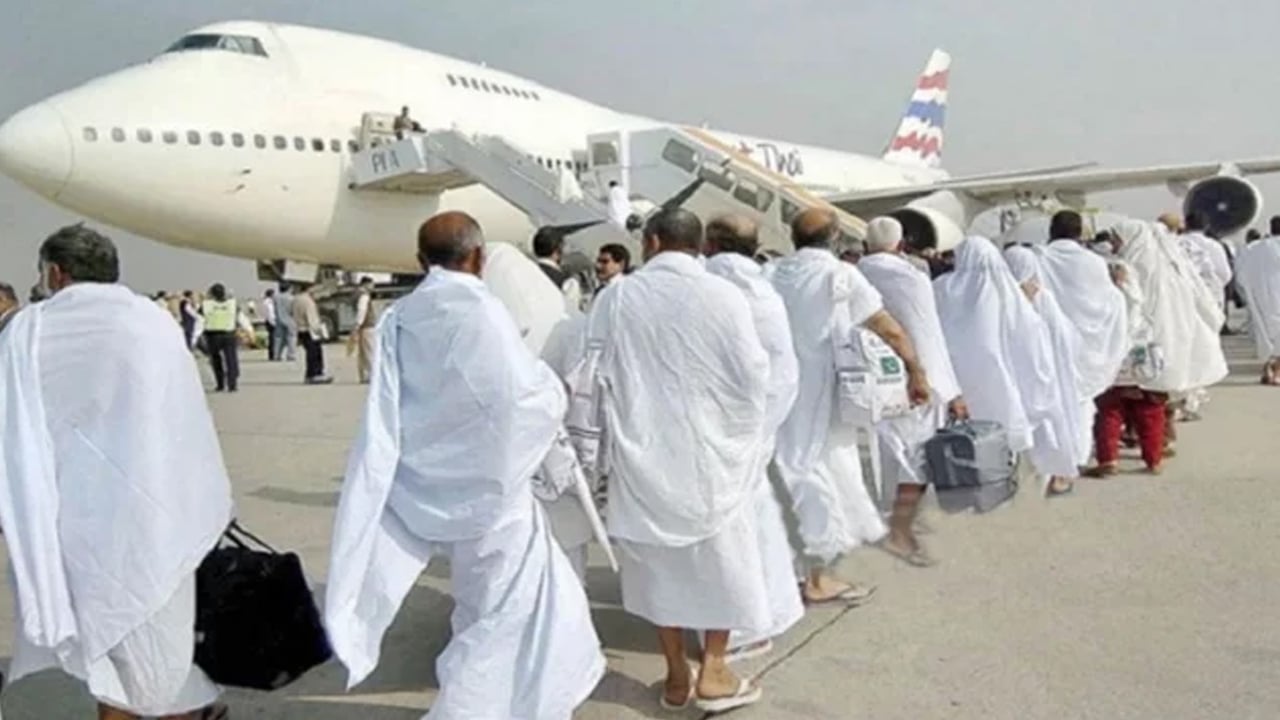
The Ministry of Religious Affairs has issued a warning urging the public to remain cautious about unauthorized agencies, groups, or caravans promoting Hajj activities. According to a letter released on Thursday by the ministry’s Hajj-3 branch, some unapproved entities are advertising attractive Hajj packages on social media platforms to lure prospective pilgrims. The ministry clarified that only government-approved and licensed Hajj agencies are permitted to organize Hajj activities, and travel through unapproved operators is not possible. The letter further requested that no financial transactions be made with any unlisted or unlicensed travel agents, groups, or caravans for Hajj-related purposes. It emphasized that only agencies officially listed by the Ministry of Religious Affairs are authorized to handle such arrangements. The ministry also mentioned that the official Hajj package and guidelines for 2027 will be announced soon and urged all concerned to follow the forthcoming official instructions once published.
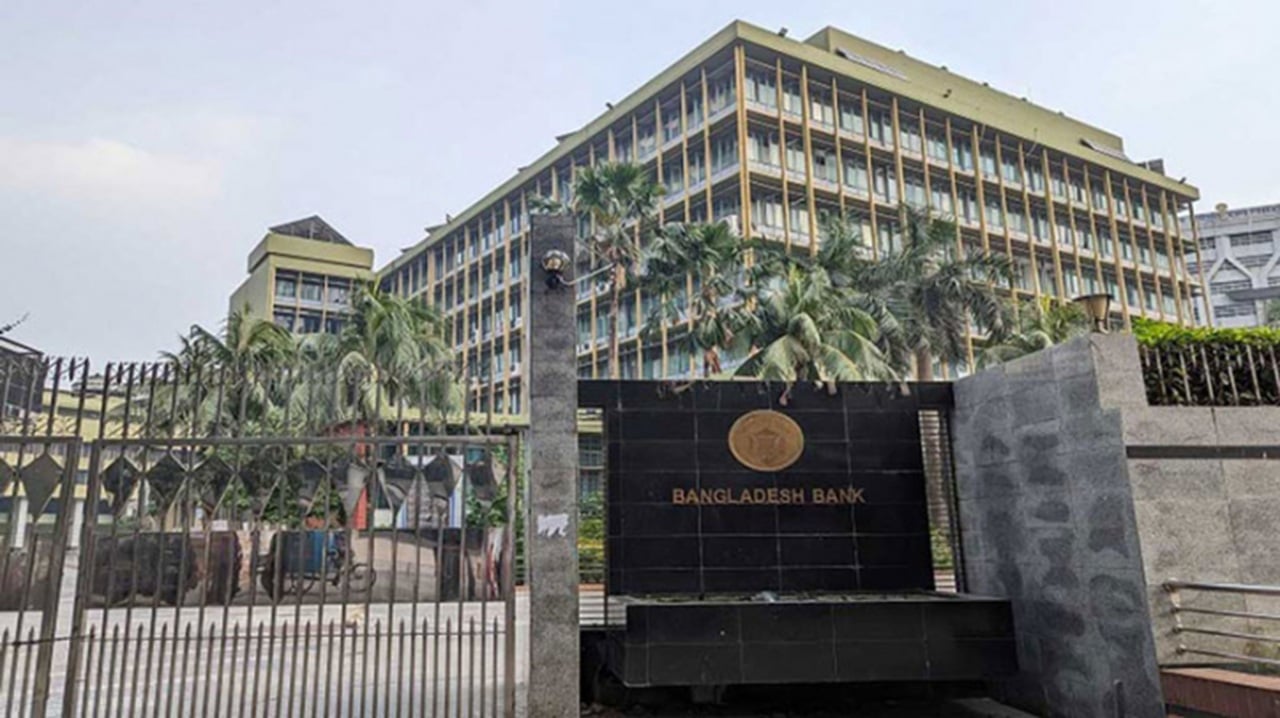
Bangladesh Bank has extended the maximum tenure for personal loans and loans for durable consumer goods from five years to eight years. The central bank issued a circular on Thursday to all scheduled banks, allowing them to set loan terms up to eight years under revised prudential regulations for consumer financing. The circular also introduced relaxed conditions for auto loans to promote the domestic motor vehicle industry. Under the new rules, customers can now borrow up to 6 million taka for general auto loans, while loans for electric, hybrid, and locally manufactured vehicles can go up to 8 million taka. Additionally, banks may finance up to 80 percent of the vehicle’s value for these environmentally friendly and locally produced cars, compared to the previous 60 percent limit for regular auto loans. Bangladesh Bank has also withdrawn the earlier restriction that limited consumer financing growth to be lower than overall loan growth, giving banks greater flexibility in expanding their retail lending portfolios.
Venezuelan interim president Delcy Rodríguez said that saving human lives is the government’s top priority following a powerful earthquake that struck the country. She confirmed that authorities are working to rescue people trapped under collapsed buildings and that international rescue teams from the United States, the Dominican Republic, Mexico, and El Salvador are expected to arrive within hours. Rodríguez described La Guaira state, north of Caracas, as the most affected area, calling it a disaster zone and a true tragedy after dozens of buildings collapsed. She noted that at least 32 people have been killed and more than 700 injured, though the death toll does not yet include figures from La Guaira. The government has prepared hotels and shelters for those who lost their homes and suspended all nonessential public and educational activities. The Venezuelan government also announced the closure of Simón Bolívar International Airport due to severe terminal damage, halting all operations until further notice.

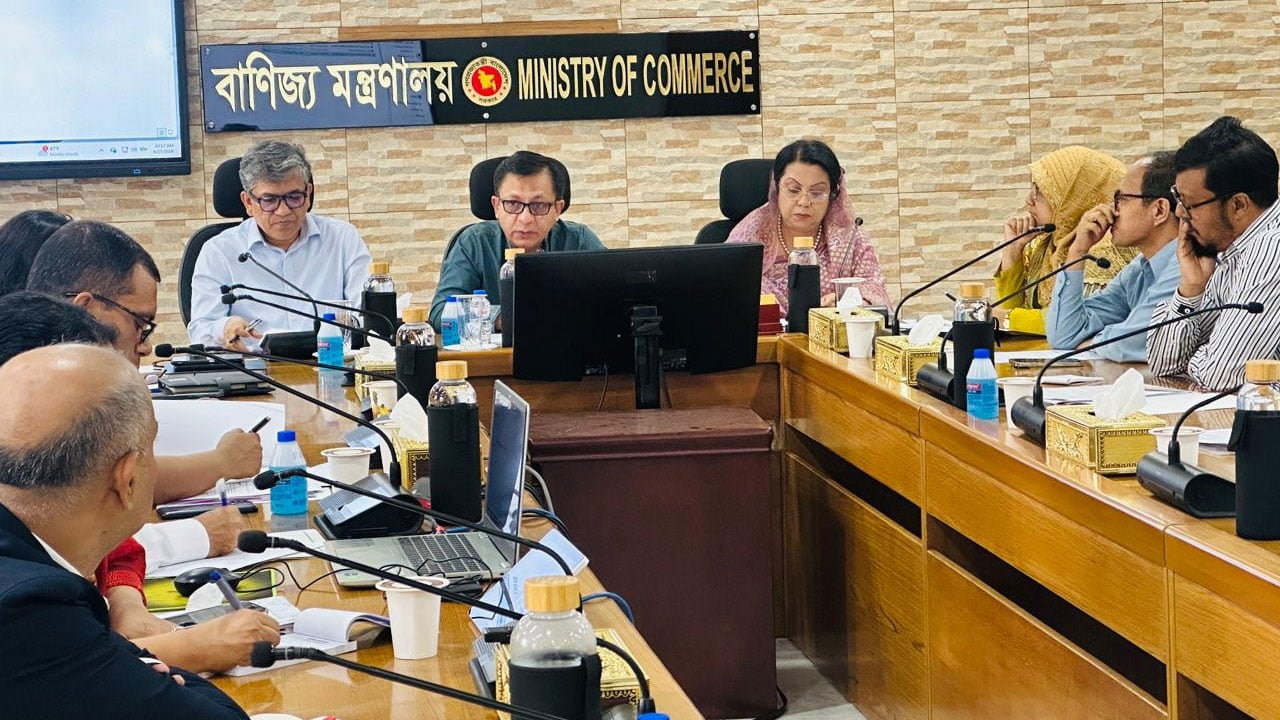
The government of Bangladesh has decided to continue customs and related services at airports even on weekends to address the ongoing cargo congestion. Commerce Minister announced the plan during a meeting at the ministry on Thursday, emphasizing that limited operations on Fridays and Saturdays have prevented a reduction in the backlog. He said the measure would remain in place until a permanent solution is established. The meeting discussed the European Union’s concerns over non-tariff barriers, including the airport cargo handling crisis. The Commerce Minister stressed that airports are transit points, not storage facilities, and called for the establishment of a modern cargo village outside the airport with safe storage and specialized management for different types of goods. Civil Aviation and Tourism Minister Afroza Khanam warned that the congestion is harming both businesses and Bangladesh’s international image, urging visible progress within seven days. Officials and business representatives agreed that modernizing cargo management and ensuring faster clearance could enhance Bangladesh’s export competitiveness in global markets, particularly in the European Union.
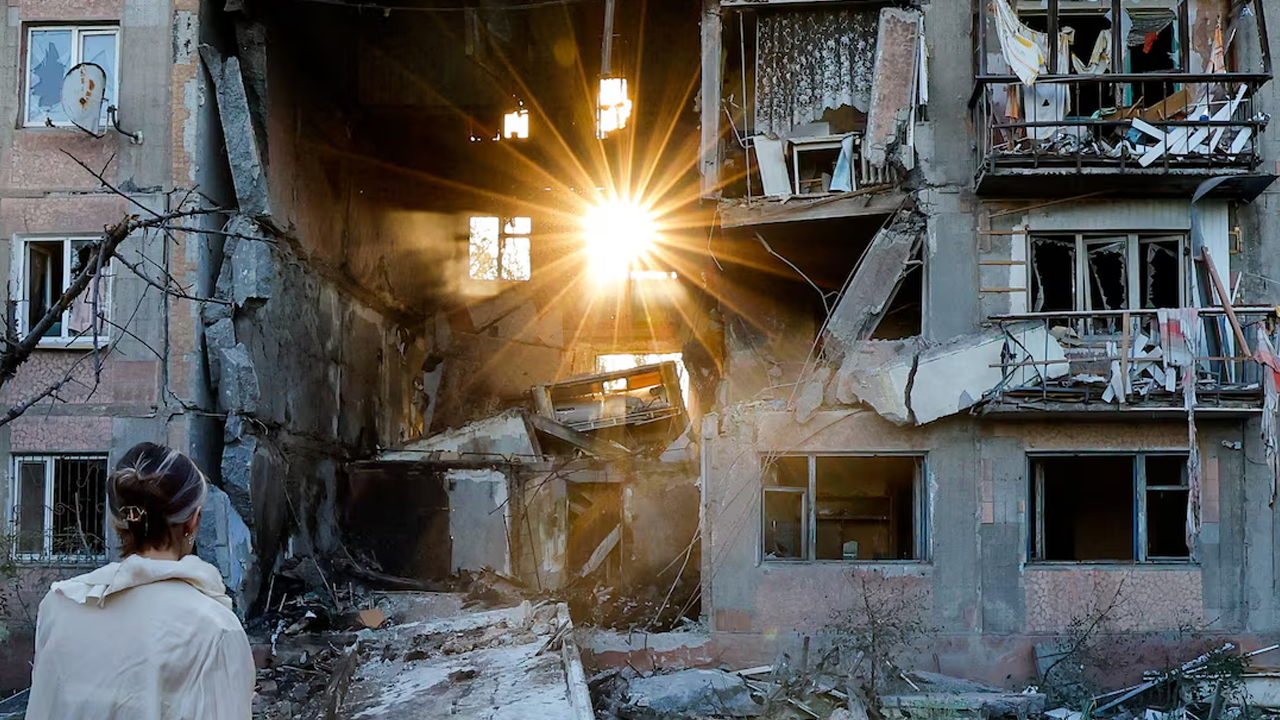
At least five people, including two children, were killed in overnight Ukrainian drone attacks on Russia and the Russian-controlled Crimean Peninsula, according to local officials on June 25, 2026. The strikes also caused a fire at a large oil storage facility in southern Russia. Russia’s Defense Ministry claimed its forces shot down 269 Ukrainian drones over Russia and Crimea during the night. Crimean leader Sergei Aksyonov reported two deaths, including a child, and two injuries in Crimea. In Russia’s Bryansk region, a 23-year-old driver and a 15-year-old girl were killed, while another person died in Belgorod. Officials in Krasnodar Krai said debris from a downed drone ignited a blaze at the Poltavskaya oil depot. Ukraine’s military stated that its operations targeted Russian military and energy infrastructure to reduce Moscow’s wartime fuel revenue. Ukraine’s air force said Russia launched 90 drones and one Iskander missile overnight, of which 83 drones were intercepted. The Ukrainian railway authority reported one worker killed in a Russian strike on a train in Zaporizhzhia. The report noted that Ukraine has intensified drone attacks inside Russia in recent months as retaliation for frequent Russian strikes.
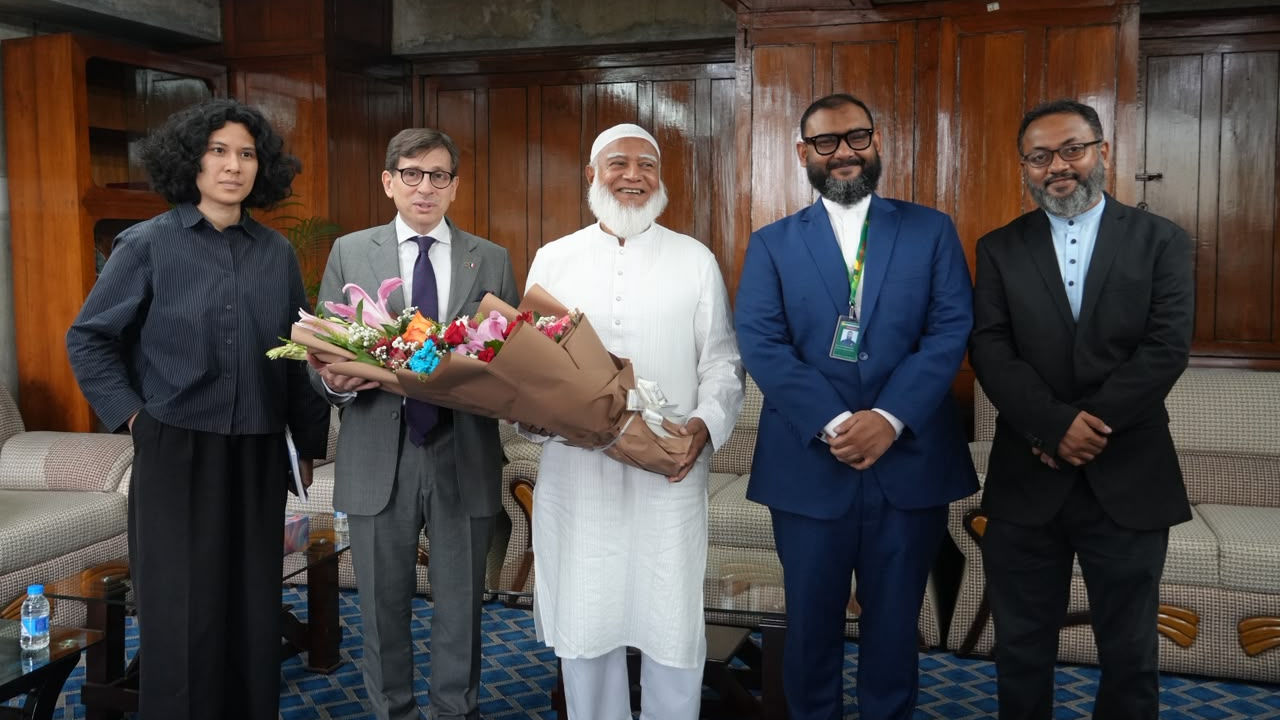
French Ambassador to Bangladesh Jean-Marc Serre-Charlet paid a courtesy call on Opposition Leader and Bangladesh Jamaat-e-Islami Ameer Dr. Shafiqur Rahman MP on Thursday at the opposition leader’s office in the National Parliament building. The meeting was also attended by the French Embassy’s Political Attaché Emilie Palauan. According to a press release from Jamaat’s central publicity department, the meeting was held in a cordial and friendly atmosphere. Discussions covered the post-election political situation in Bangladesh, the strengthening of democratic and constitutional institutions, human rights, and the enhancement of Bangladesh-France relations, including trade and economic cooperation. Both sides emphasized the importance of good governance and accountability, as well as the need for responsible efforts to curb corruption and uphold the rule of law to attract foreign investment. The opposition leader praised the long-standing diplomatic relationship between Bangladesh and France and urged continued French cooperation in Bangladesh’s overall development, expressing hope for further strengthening of bilateral friendship in the future.
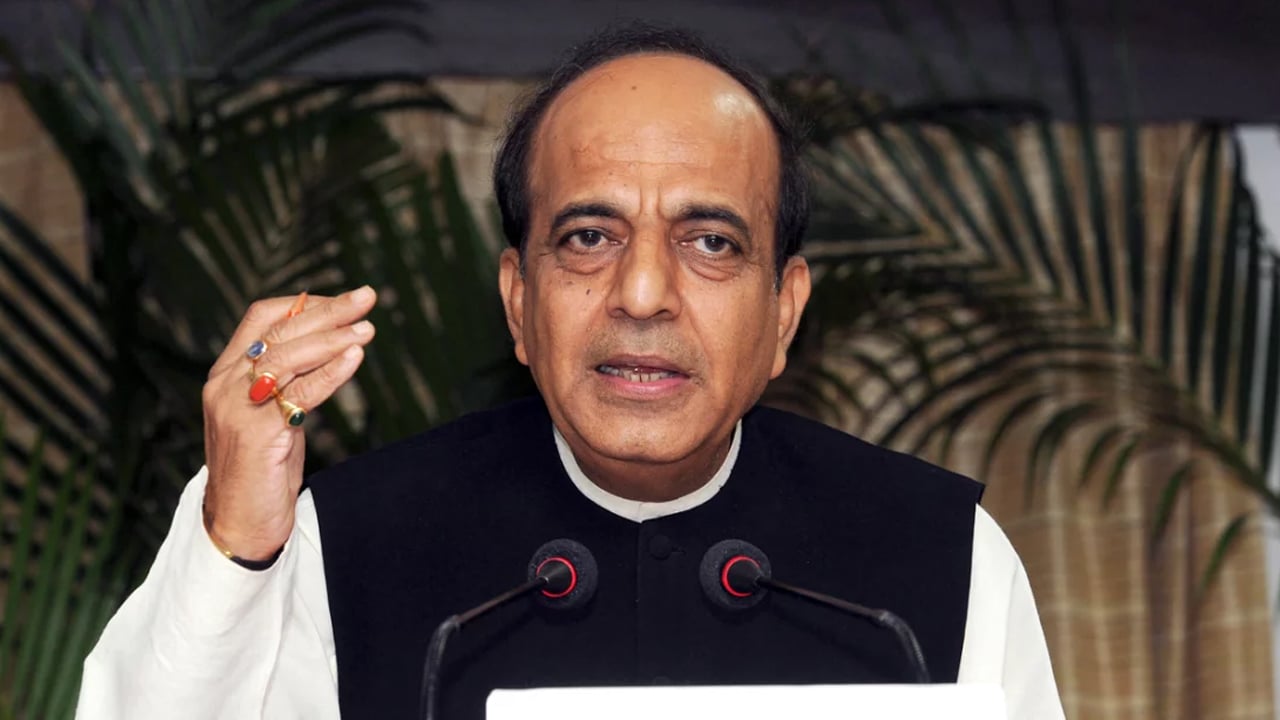
India has reopened tourist visa services for Bangladeshi citizens after almost two years of suspension. The announcement was made on June 25, 2026, by Dinesh Trivedi, India’s new High Commissioner in Dhaka, following his visit to the Indian Visa Application Centre in the city. Applications for tourist visas will be accepted starting June 28. According to the report, India had halted the issuance of tourist visas to Bangladeshis since August 5, 2024, following the fall of the Awami League government. Earlier, on February 18 of this year, India’s Assistant High Commissioner in Sylhet, Aniruddha Das, stated that while medical and double-entry visas were active, tourist and other categories remained suspended but efforts were underway to resume them. The latest announcement confirms the restoration of the tourist visa category. The reopening of tourist visa services is expected to normalize cross-border travel between Bangladesh and India, which had been limited to essential and medical purposes during the suspension period.
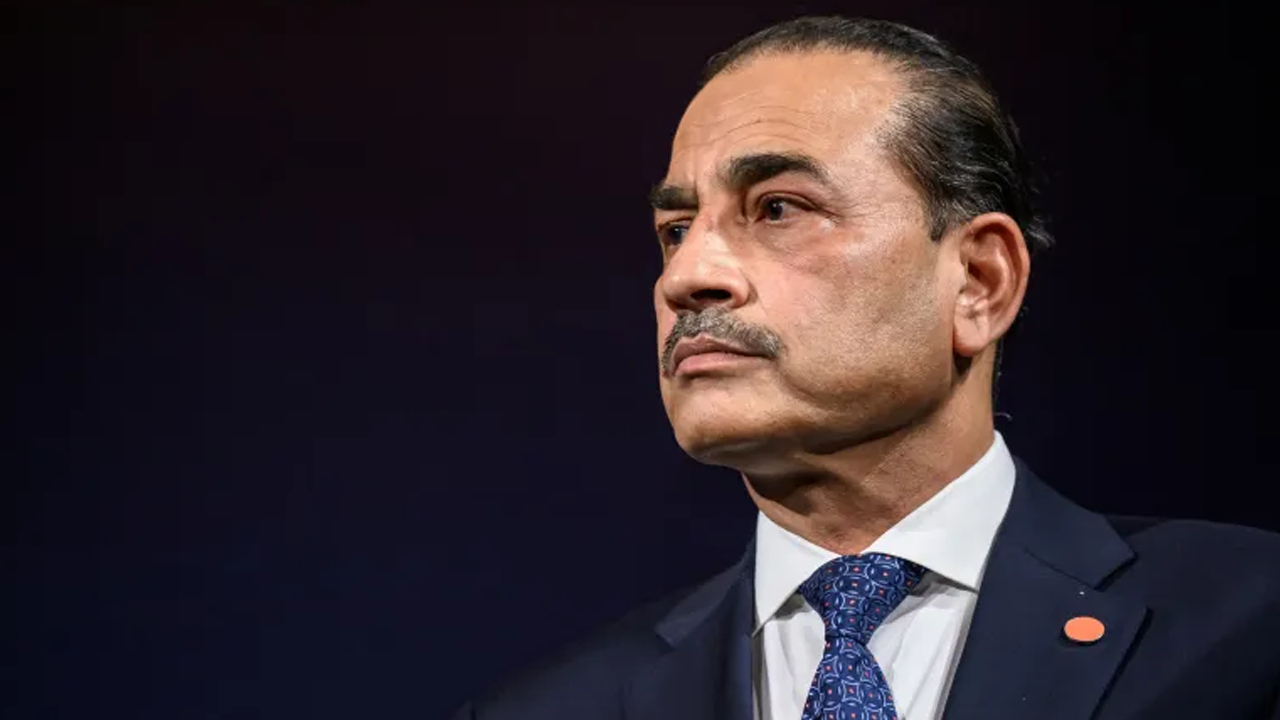
Brazilian journalist and geopolitical analyst Pepe Escobar has claimed that Pakistan’s military intelligence foiled an alleged Israeli plot to assassinate Pakistan’s army chief, Field Marshal Asim Munir, during a peace conference in Switzerland. Escobar made the claim in a discussion on social media platform X with Lebanese-Australian commentator Mario Nawfal, asserting that Israel’s intelligence agency Mossad was behind the plan targeting Munir and possibly other members of the Pakistani delegation. According to Escobar, Pakistani intelligence acted after receiving what he described as highly reliable information about the plot. He said Pakistan then sent a direct warning to Israel through diplomatic channels, reportedly using Oman as an intermediary. Escobar linked the alleged plan to rising tensions between Israel and Pakistan, suggesting that the situation was more complex than publicly portrayed. No officials from Israel, Pakistan, Switzerland, or the United States have confirmed the alleged assassination threat, and no public security alerts were issued during the conference. The event was attended by Pakistan’s Prime Minister Shehbaz Sharif and Asim Munir as part of peace discussions involving the United States and Iran.
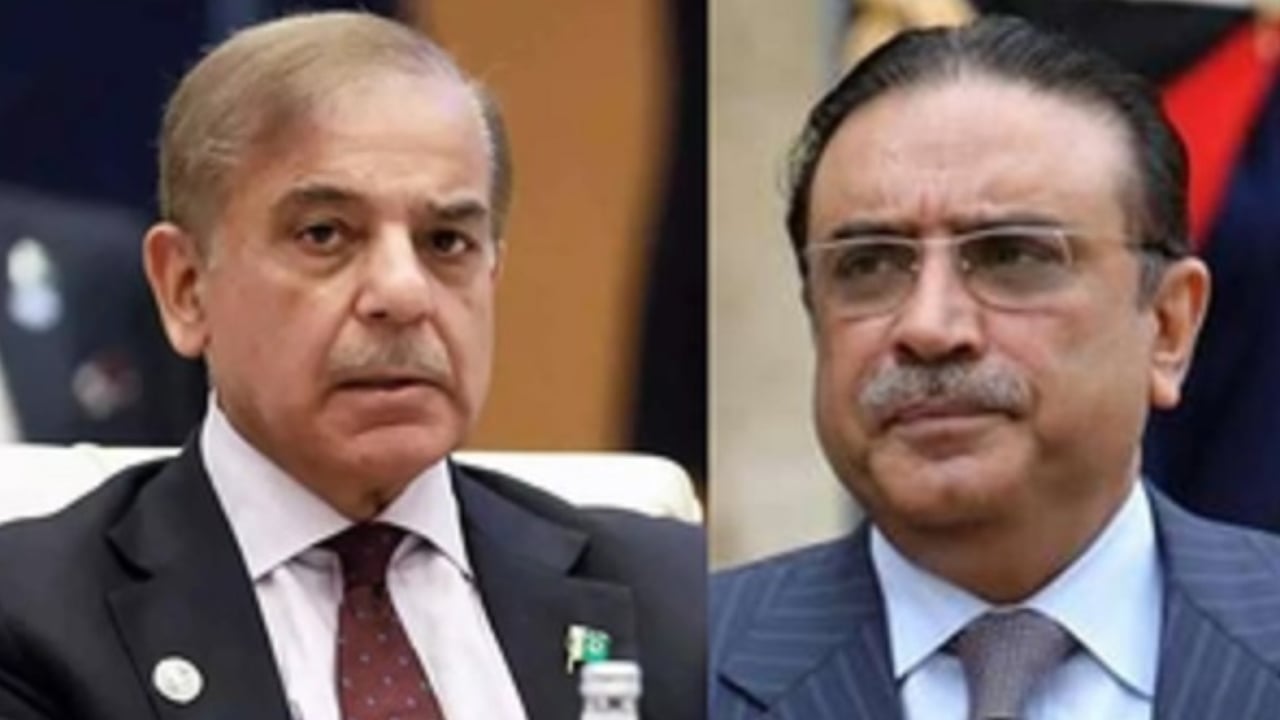
Pakistan has expressed deep sorrow and solidarity following a powerful earthquake that struck Venezuela on Wednesday, killing at least 32 people and injuring more than a hundred. Prime Minister Shehbaz Sharif conveyed condolences to the Venezuelan government and people, particularly to the families of the victims, through a post on social media platform X. Sharif stated that Pakistan stands with those affected during this difficult time and offered prayers for the injured. President Asif Ali Zardari also expressed grief over the loss of lives and destruction caused by the earthquake. In a statement issued by the presidential media office, he wished a speedy recovery for the injured. The earthquake caused significant damage across Venezuela, prompting international responses and expressions of support from various countries, including Pakistan.
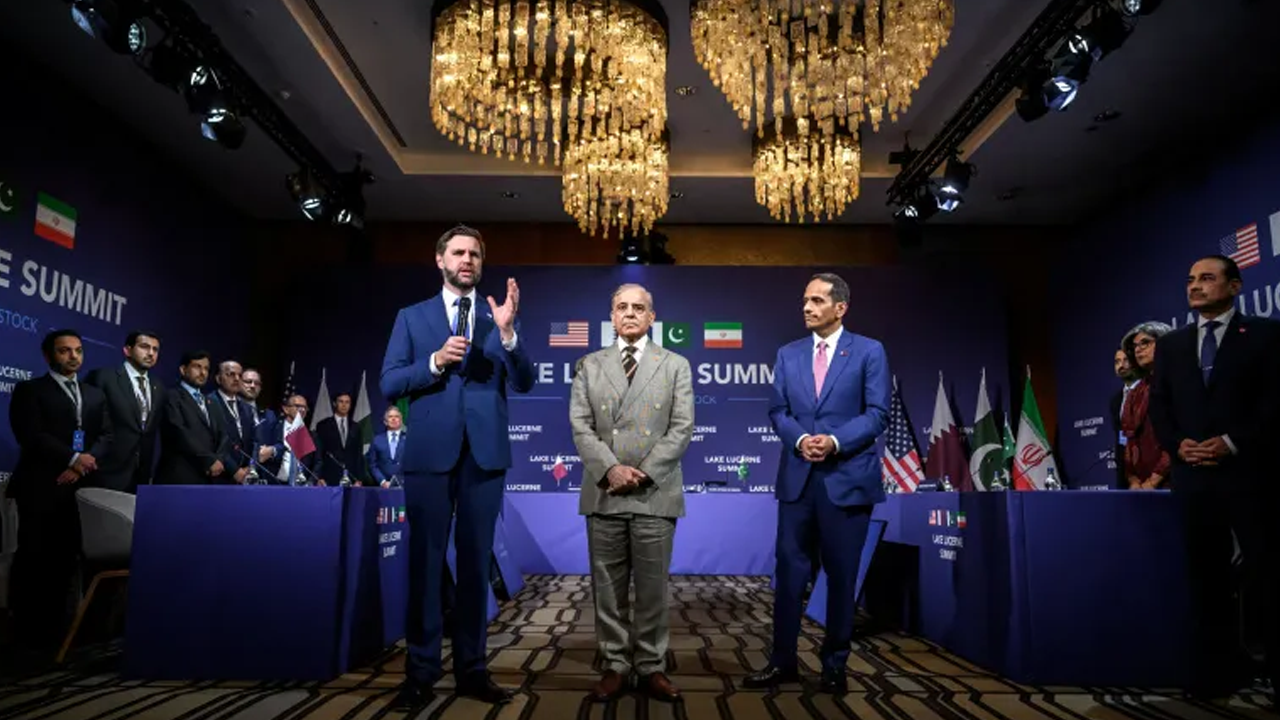
At a meeting in Switzerland’s Alpine resort of Bürgenstock, US Vice President JD Vance, Pakistan’s Prime Minister Shehbaz Sharif, and Qatar’s Prime Minister Sheikh Mohammed bin Abdulrahman Al Thani stood together, with Pakistan’s army chief Asim Munir nearby. Vance praised Munir’s leadership, crediting him for progress in recent peace efforts. Pakistan has acted as a key mediator between the US and Iran, facilitating informal contacts and hosting talks in Islamabad. The ongoing 60-day dialogue and a peace framework agreed on June 18 are seen as outcomes of these efforts. Economically, Pakistan’s fragile recovery remains uncertain despite 3.7% GDP growth and rising remittances. Analysts warn that mediation may bring limited economic benefits, such as reduced energy import costs and potential revival of the Iran-Pakistan gas pipeline if sanctions ease. Pakistan remains under a $7 billion IMF program, its 25th since the 1950s. Experts note that diplomatic goodwill alone cannot fix structural weaknesses like low tax revenue and weak exports. Observers say Pakistan’s military has emerged as the main institutional beneficiary of this diplomacy. Analysts caution that real progress will depend on whether economic gains reach marginalized regions like Balochistan, long affected by insurgency and poverty.
The ‘1 Nojor’ media platform is now live in beta, inviting users to explore and provide feedback as we continue to refine the experience.