

The ‘1 Nojor’ media platform is now live in beta, inviting users to explore and provide feedback as we continue to refine the experience.
The Anti-Corruption Commission (ACC) of Bangladesh has initiated an inquiry into allegations that Transcom Group CEO Simin Rahman offered Tk 100 crore in bribes to Prime Minister Sheikh Hasina. The ACC assigned Deputy Director A.K.M. Mahbubur Rahman to lead the investigation on November 5, focusing on both institutional and individual involvement. Officials stated that if necessary, bank accounts or assets linked to the case may be frozen. The probe follows earlier legal disputes within the Transcom family, including multiple cases filed by Simin’s sister, Shazreh Haque, accusing family members of embezzlement and illegal share transfers. The Police Bureau of Investigation (PBI) previously seized documents from Transcom’s Gulshan head office. The internal family feud over control of the business emerged after the death of founder Latifur Rahman in 2020, when his wife Shahnaz Rahman became chairperson and Simin assumed the CEO role.

Chinese online retailers are facing a new wave of refund fraud as some customers use artificial intelligence (AI) tools to create fake images showing damaged or defective products. According to the South China Morning Post, buyers first photograph genuine items and then edit them with AI to appear spoiled, broken, or rusted before requesting refunds. Sellers of fruits, electric toothbrushes, clothing, and ceramics have reported such incidents, with AI-detection tools confirming manipulated images in some cases. The scams have raised ethical and legal concerns, especially during the Double Eleven shopping festival. In response, major e-commerce platforms like Alibaba’s Taobao and Tmall have removed the 'refund only' option and introduced a buyer credit scoring system based on purchase and refund behavior. Additionally, China has mandated that all AI-generated content must include visible and invisible watermarks from September 1 to curb misinformation and fraud.
-692c12202329e.jpg)
Scientists worldwide are attempting to develop a laboratory-made version of the rarest blood type, Rh-null, often called 'Golden Blood'. Found in only about one in six million people, this blood lacks all 50 known Rh antigens, making it compatible with nearly all Rh blood groups. Due to its extreme rarity—only around 50 people globally have it—researchers are exploring genetic and stem cell technologies to replicate it. Teams in the UK, Canada, the US, and Spain are using CRISPR-Cas9 gene editing and stem cell methods to produce customized red blood cells. Although large-scale production remains challenging due to cell maturation and technical hurdles, clinical trials like the UK’s RESTORE project have begun testing lab-grown blood in humans. Experts believe that while traditional donors will still be needed, lab-produced rare blood could revolutionize transfusion medicine and save lives in the future.

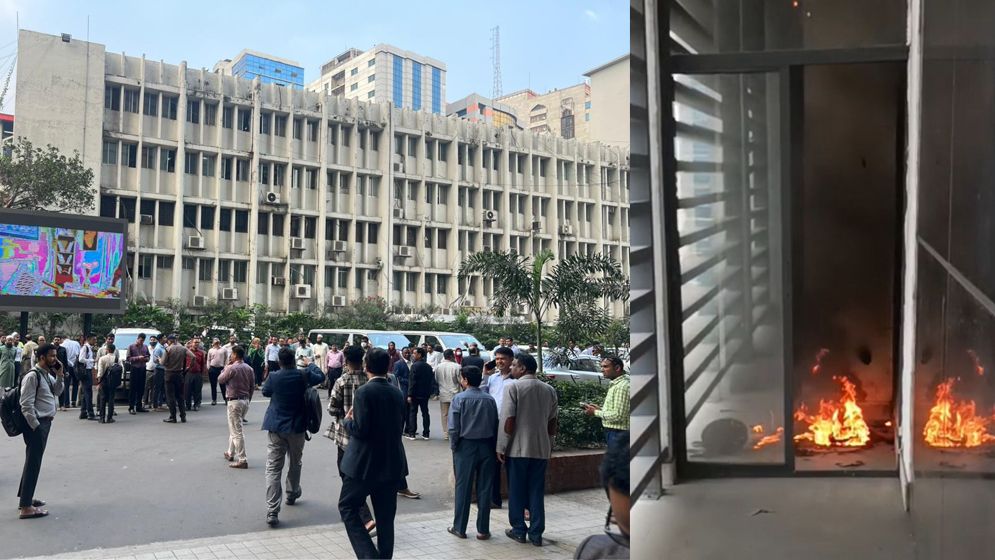
A fire broke out on Sunday afternoon at the 10th floor of the new building (Building No. 1) of the Bangladesh Secretariat in Dhaka. The blaze started around 2:30 p.m., triggering continuous fire alarms and causing panic among employees as smoke spread throughout the building. Witnesses reported seeing smoke rising from the upper floors before quickly evacuating to safety. The building houses the Ministry of Public Administration and the Cabinet Division. Firefighters responded promptly, and all staff were evacuated to a secure area on the ground. The cause of the fire has not yet been determined. This incident follows a similar fire in December last year at Building No. 7 of the Secretariat, which severely damaged several floors and around 200 rooms. Authorities are investigating the latest incident to assess the extent of damage and prevent future occurrences.
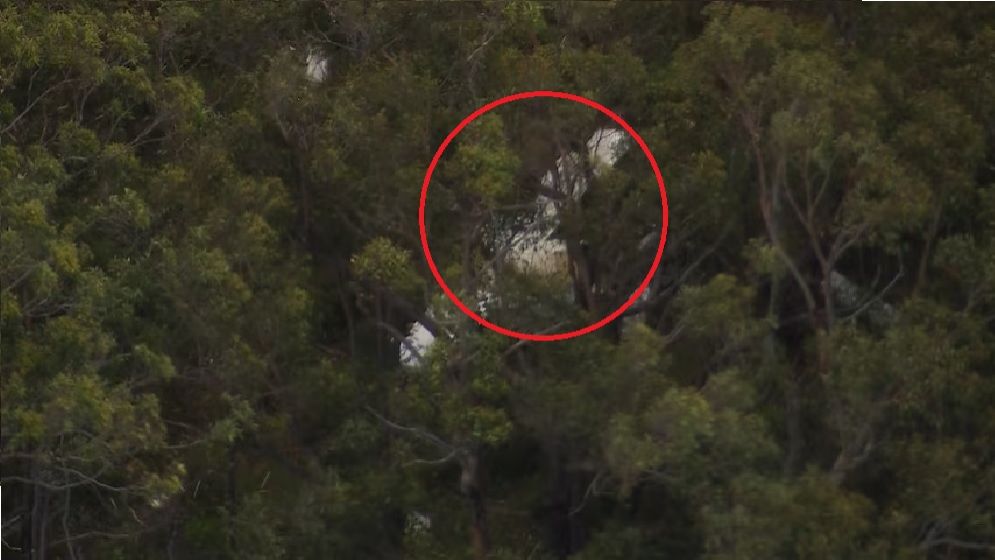
A mid-air collision between two light aircraft near Sydney, Australia, has left one pilot dead, according to New South Wales Police. The incident occurred near Wedderburn Airport in the city’s southwest, where one aircraft crashed into nearby bushland. The pilot’s body was later recovered by emergency responders. The other aircraft involved in the collision managed to land safely, and its pilot was unharmed. The Australian Transport Safety Bureau (ATSB) has launched an immediate investigation into the cause of the crash. Investigators are collecting evidence from the site, mapping the wreckage, and analyzing damage to determine what led to the collision. Authorities have urged the public to avoid the crash area while the investigation continues. The cause of the accident remains unknown as of now, and preliminary findings are expected after the ATSB completes its initial analysis.
According to the Health and Morbidity Status Survey 2025 released by the Bangladesh Bureau of Statistics (BBS), 332.19 out of every 1,000 people in Bangladesh reported illness during the 90 days preceding the survey. The prevalence was slightly higher in rural areas (333.30) than in urban areas (331.40). Women showed a higher illness rate (354.6 per 1,000) compared to men (309.2). The most common diseases included hypertension, peptic ulcer, diabetes, arthritis, skin diseases, heart disease, asthma, osteoporosis, hepatitis, and diarrhea. The survey also found that the average medical expenditure per person was Tk 2,487, with most of it spent on medicines. About 51% of respondents relied on self-treatment or local pharmacies, while only 11.5% used government health services. The rate of cesarean deliveries stood at 41.3%, and 5.2% of the population lived with physical or mental disabilities, with women being slightly more affected. The findings highlight growing health challenges and financial burdens on households.

An eight-year-old boy named Rabbi Hossain was tragically killed after being run over by a speeding truck in Jagannathpur village under Failzana Union of Chatmohar upazila, Pabna, on Sunday morning. According to local sources, Rabbi was playing near the roadside with friends when he suddenly ran across the road and was struck by a truck traveling from Jagannathpur toward Pabna. He died instantly at the scene. Locals detained the truck, its driver, and the helper before handing them over to the police. Chatmohar Police Station Officer-in-Charge Manjurul Alam confirmed the incident, describing it as deeply unfortunate. He stated that the truck has been seized and both the driver and helper have been arrested, with legal proceedings currently underway. The incident has sparked grief in the local community, highlighting ongoing concerns about road safety and reckless driving in rural areas.

Three people were killed and several others injured in a violent clash over a land dispute in Chilakhana village of Santoshpur Union under Nageshwari upazila in Kurigram district on Sunday morning. The conflict erupted around 10:30 a.m. when two related families, who had jointly purchased 18 decimals of land a year ago, engaged in a long-standing ownership dispute. The confrontation turned deadly when one group attempted to take possession of the disputed land, leading to a fight between the two sides. Among the deceased were Ershadul Haque (42), Kulsum Begum (50), and Altaf Hossain (55). Several others, including men and women, sustained serious injuries and were transferred to Kurigram and Rangpur Medical College Hospitals for advanced treatment. Police confirmed the fatalities and said an investigation is underway, though no case had been filed as of the time of reporting.

A Dhaka court has once again postponed the submission of the investigation report in the 2012 murder case of journalist couple Sagar Sarowar and Meherun Runi, marking the 122nd delay. The new submission date has been set for January 5. The report was originally due on November 30, but investigators failed to present it. Metropolitan Magistrate Mahbub Alam granted the extension after being informed by police officials. The couple, both prominent journalists, were found murdered in their rented apartment in West Rajabazar, Dhaka, on February 11, 2012. Following the High Court’s September 30 directive, the Rapid Action Battalion (RAB) was removed from the investigation, and a high-powered task force under the Home Ministry was assigned to continue the probe. Although the six-month deadline set by the court has expired, the prosecution stated that the investigation is ongoing and requested an additional nine months to complete it.

Bangladesh Nationalist Party (BNP) Chairperson and former Prime Minister Begum Khaleda Zia remains in critical condition at Evercare Hospital’s Coronary Care Unit in Dhaka, according to the party’s Senior Joint Secretary General Ruhul Kabir Rizvi. Speaking at an emergency press conference on Sunday, Rizvi said there has been no improvement in her health and the medical board has not yet advised on sending her abroad for treatment. Due to her deteriorating health, the BNP has suspended all December programs and urged the public to pray for her recovery. Rizvi also requested party members and supporters not to gather in front of the hospital to avoid disrupting medical activities. Khaleda Zia, 81, has long suffered from multiple health complications including heart disease, diabetes, arthritis, liver cirrhosis, and kidney issues. She was admitted to Evercare Hospital on November 23 after experiencing breathing difficulties.

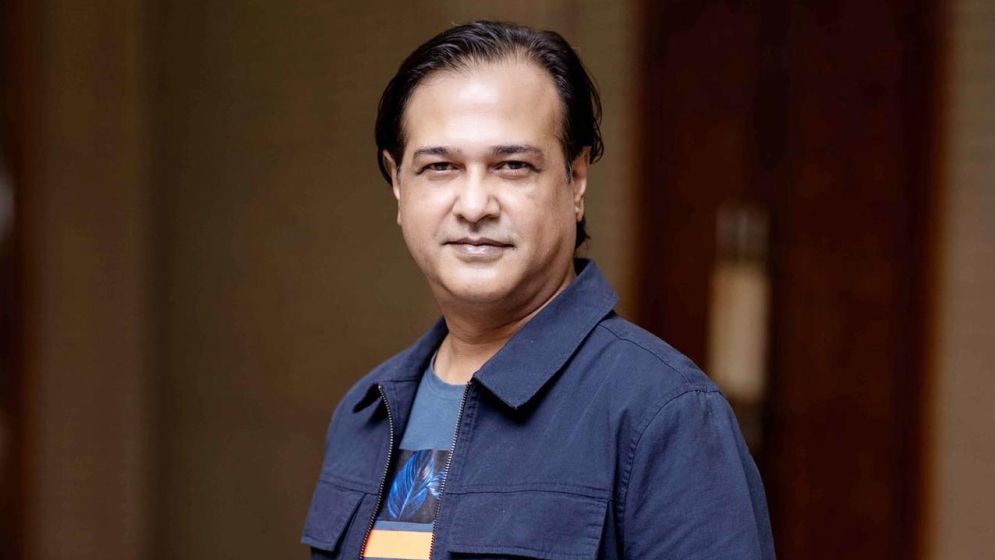
Bangladeshi singer and Bangladesh Cricket Board director Asif Akbar made a politically charged Facebook post criticizing what he called the 'fascist' roots of one-party rule in Bangladesh. He claimed that the establishment of BAKSAL marked the birth of fascism in the country and praised late President Ziaur Rahman for introducing multi-party democracy. Referring to Zia’s assassination in 1981, Asif alleged that a 'fascist leader' had expressed satisfaction at the event. He described Khaleda Zia as a symbol of national unity and lamented her current illness, urging prayers for her recovery. Asif also defended Tarique Rahman, calling him one of the most persecuted political figures in Bangladesh’s history, and said he should return home only when it is safe. He warned against emotional reactions and political exploitation of Khaleda Zia’s health situation, emphasizing unity and patience among her supporters.
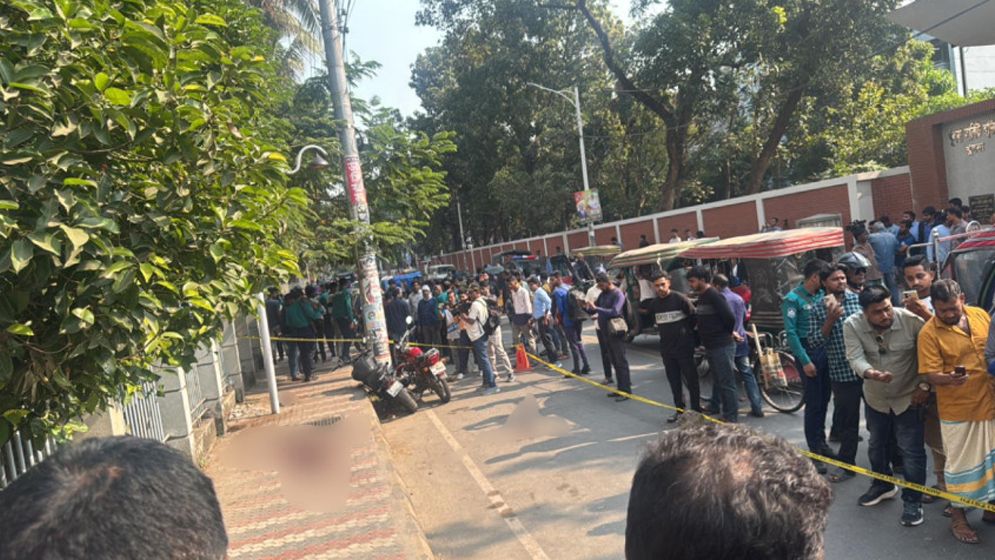
Two men were brutally killed in front of the Khulna District Judge Court on Sunday afternoon when unidentified assailants opened fire and attacked them with sharp weapons. The victims, identified as Hasib Hawlader and Fazle Rabbi Rajon, had just left the court after attending a hearing. Witnesses said four to five attackers approached on foot, shot the victims, and then hacked them before fleeing. Both men died while being taken to Khulna Medical College Hospital. Police confirmed that the victims had multiple criminal cases against them and were known associates of local gangs. Authorities suspect the incident was a planned target killing linked to criminal rivalry. Law enforcement has collected CCTV footage and bullet shells from the scene, and additional police forces have been deployed to prevent further unrest in the area.
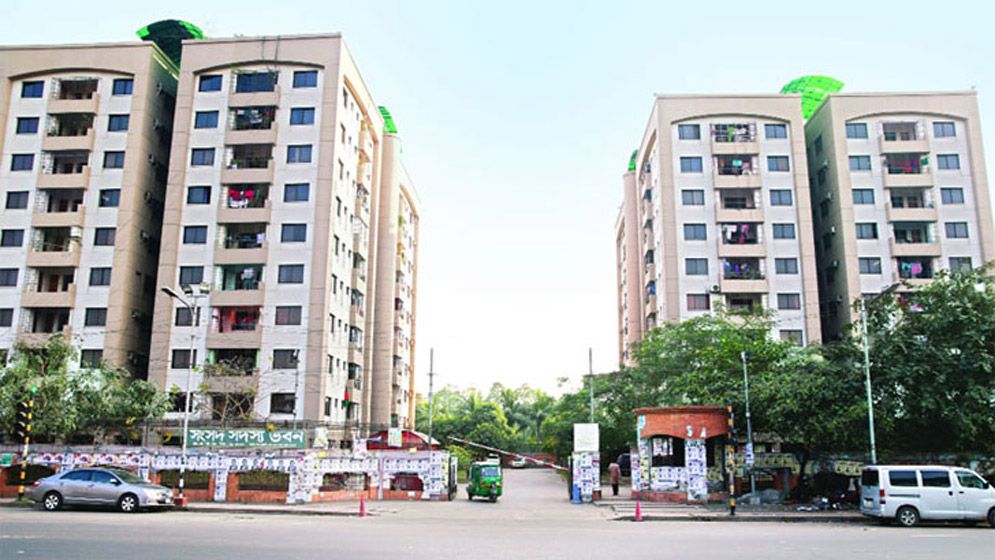
Following the collapse of Sheikh Hasina’s government on August 5 last year amid a student and public uprising, former members of parliament fled the country, leaving behind their belongings in the NAM flats reserved for them. Despite multiple letters from the Parliament Secretariat urging them or their families to collect their furniture and personal items, no one has responded. The once-bustling residential complexes in Dhaka’s Nakhalpara and Manik Mia Avenue now remain largely deserted, with most flats locked. Some units have been temporarily allocated to army, Ansar, and law enforcement officials, while a few are occupied by prosecutors from the International Crimes Tribunal. The Parliament Secretariat, now coordinating with the Ministry of Housing and Public Works, plans to renovate the damaged buildings before the upcoming 13th national election scheduled for early February. However, officials remain uncertain about what to do with the abandoned belongings of the former MPs.
The Supreme Court of Pakistan has issued a landmark ruling clarifying that any form of divorce under the Muslim Family Laws Ordinance (MFLO) of 1961 can be revoked within 90 days. The three-member bench stated that Section 7 of the MFLO applies to all types of divorces, including talaq-e-bidat (instant triple talaq). According to Section 7(1), a husband must provide written notice of divorce to his wife and send a copy to the Union Council or relevant authority. Under Section 7(3), the divorce does not take immediate effect; it becomes effective only after 90 days from the date the notice is received, unless it is revoked earlier. Justice Muhammad Shafi Siddiqui, who authored the judgment, explained that the law aims to prevent impulsive divorces and provide a reconciliation period. The court also confirmed that if a wife has been granted the right to divorce, she can exercise it under the same conditions and limitations as her husband.

Bangladeshi actor and former government official DA Tayeb expressed deep respect for former Prime Minister and BNP Chairperson Begum Khaleda Zia in a Facebook post, emphasizing that his message was not politically motivated. Tayeb revealed that he served as Khaleda Zia’s pilot for five years, during which he had multiple opportunities to interact with her closely. He described her as hardworking, transparent, selfless, and a genuine patriot, calling her an uncompromising leader and a motherly figure. Tayeb also mentioned her religious devotion, noting that she regularly prayed and fasted every Thursday. He concluded by praying for her speedy recovery as Khaleda Zia remains in critical condition under intensive care at a hospital. The post has drawn attention amid growing public concern over the health of the ailing opposition leader.
-692bedb752d29.jpg)
The ‘1 Nojor’ media platform is now live in beta, inviting users to explore and provide feedback as we continue to refine the experience.