

The ‘1 Nojor’ media platform is now live in beta, inviting users to explore and provide feedback as we continue to refine the experience.
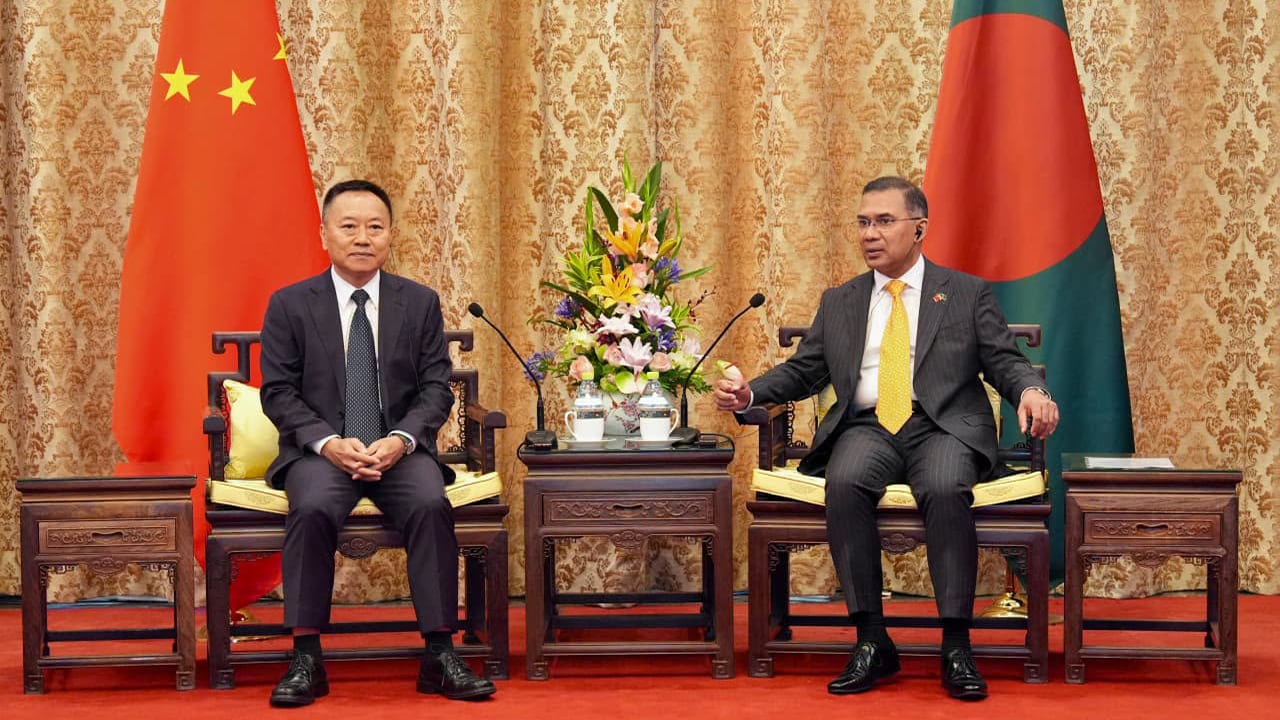
Bangladesh and China have reached a consensus to strengthen cooperation in managing the Teesta and other rivers across Bangladesh. The agreement was made during a meeting between Prime Minister Tarique Rahman and Chinese Minister of Water Resources Li Guoying on June 25, 2026, at the Diaoyutai State Guesthouse in Beijing. The discussions focused on expanding bilateral collaboration in flood risk management, environmental protection, and sustainable water resource management. During the meeting, Prime Minister Rahman sought Chinese technical assistance for the Teesta management project and highlighted Bangladesh’s ongoing river dredging programs aimed at improving water flow and reducing flood risks. Minister Li responded positively, assuring full cooperation in Bangladesh’s water management initiatives. He referred to the 2005 memorandum of understanding between the two countries and last year’s visit by Chinese water experts as examples of their research-based partnership. Li also invited Bangladeshi water experts and officials to receive training in China, emphasizing that Bangladesh could benefit from China’s experience in water management. Several senior Bangladeshi ministers and advisers attended the meeting.
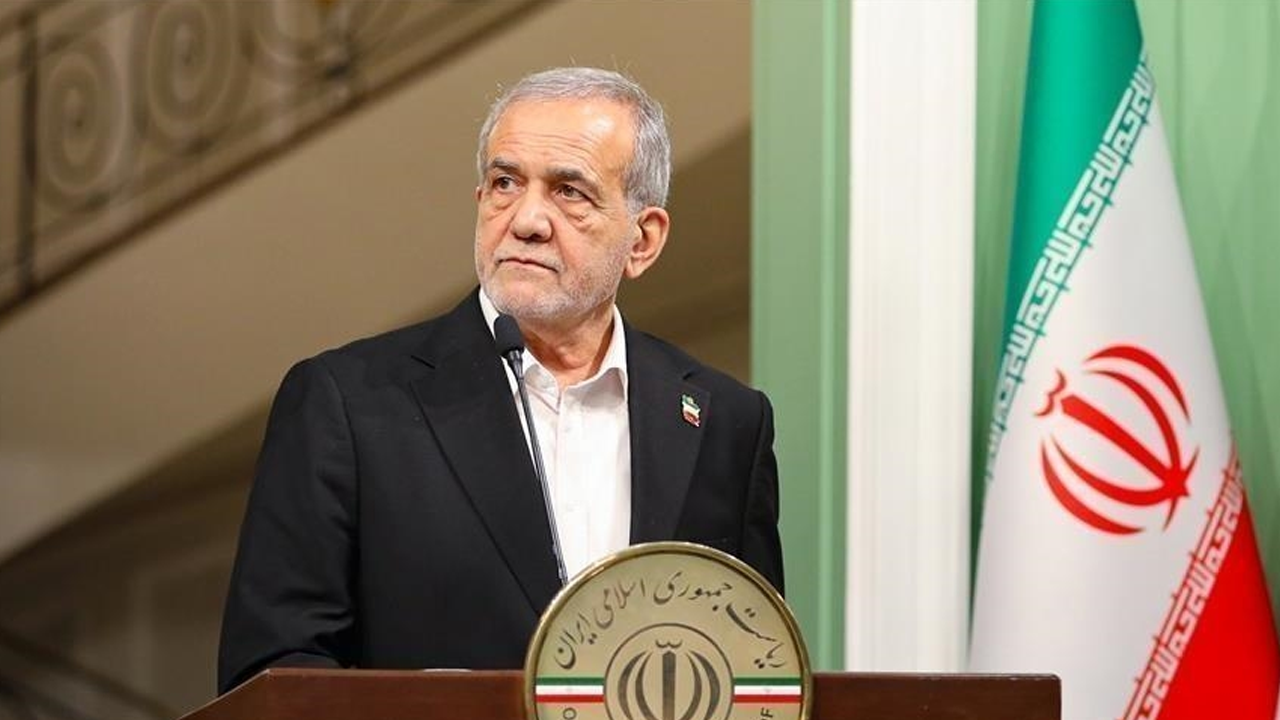
Iranian President Masoud Pezeshkian has declared that Iran is now recognized worldwide as a strong and dignified nation. Speaking at a meeting on Wednesday, he said Iran’s armed forces delivered a response to recent US-Israeli attacks that neither country could have imagined. Pezeshkian emphasized that Iran’s strength and self-respect have earned it global recognition. Criticizing what he described as aggressive plans by Iran’s enemies, Pezeshkian said they believed they could end the Islamic Republic within three days and install a puppet government. He praised Iran’s armed forces for mounting what he called an epic resistance that defied those expectations. The report also noted that at the start of the conflict, US President Donald Trump had demanded Iran’s full surrender. However, relations between the two countries have since begun to thaw, with both sides now engaged in diplomatic discussions.
At least five people, including a sixth-grade student, were injured when gunfire broke out during an anti-drug human chain in the Katabil area of Cumilla city on Thursday afternoon, June 25, 2026. The injured were taken to a local hospital, and several were reported to have sustained bullet wounds. The student, identified as Ethan Ahmed Prem, aged 12, was initially treated at Cumilla Medical College Hospital before being transferred to Dhaka for advanced care. Police have not yet detained anyone in connection with the incident. According to local sources, residents organized the human chain to protest against drug trafficking in the area. During the event, a group of assailants attacked the participants, triggering panic and chaos. Law enforcement arrived shortly afterward and brought the situation under control. Police said operations are ongoing to identify and arrest those involved. Authorities suspect that a local drug dealer named Apu, recently released on bail in a murder case, may be linked to the attack. Multiple police teams are currently conducting raids to apprehend the suspects.

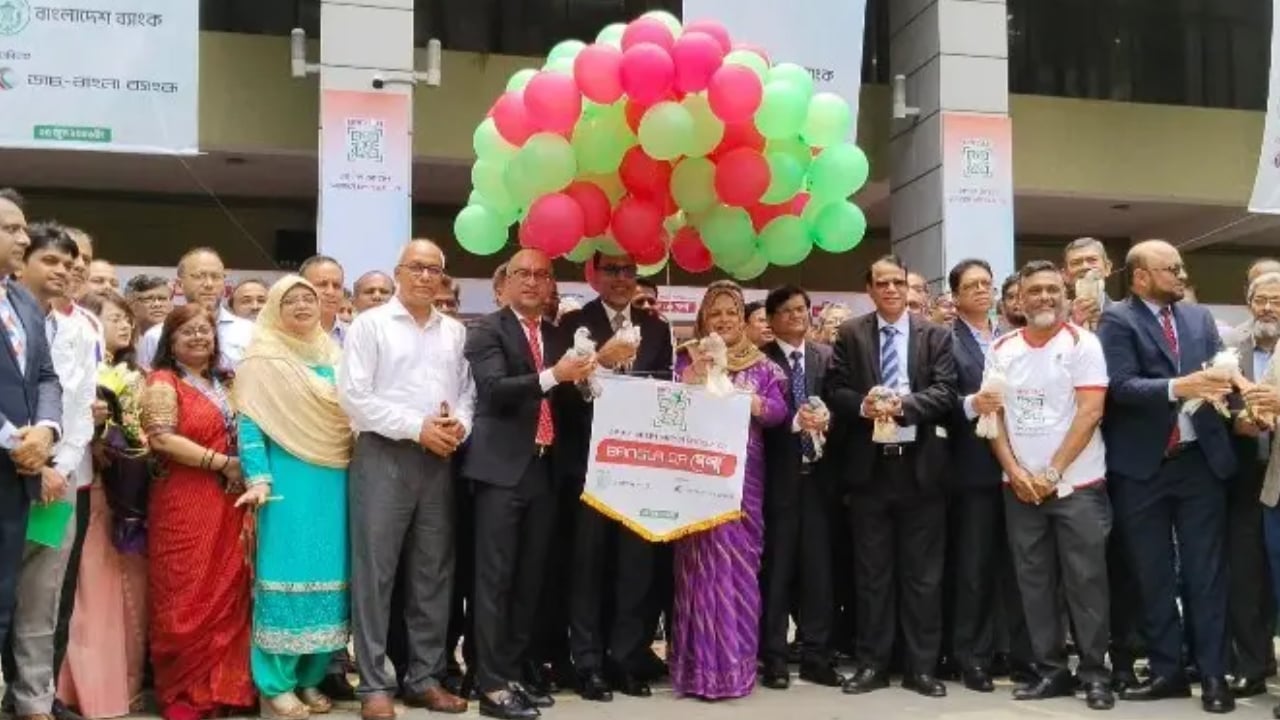
Bangladesh Bank has announced that the use of the Bangla QR code will become mandatory across the country starting July 1. The declaration was made by Deputy Governor Dr. Habibur Rahman during the inauguration of the 'Bangla QR Transaction Campaign' held at the central bank’s headquarters in Dhaka. Dr. Rahman stated that the initiative aims to reduce cash transactions and promote a cashless society. The Bangla QR system will allow customers to make payments without handling small change, ensuring transactions are easier, safer, and more secure. He added that digital documentation of all transactions would help reduce informal economic activities, expand the GDP, and make the economy more dynamic. The Deputy Governor also urged banks and related operators to integrate Bangla QR features into their apps so that both ordinary citizens and small businesses can benefit from digital financial services more conveniently.
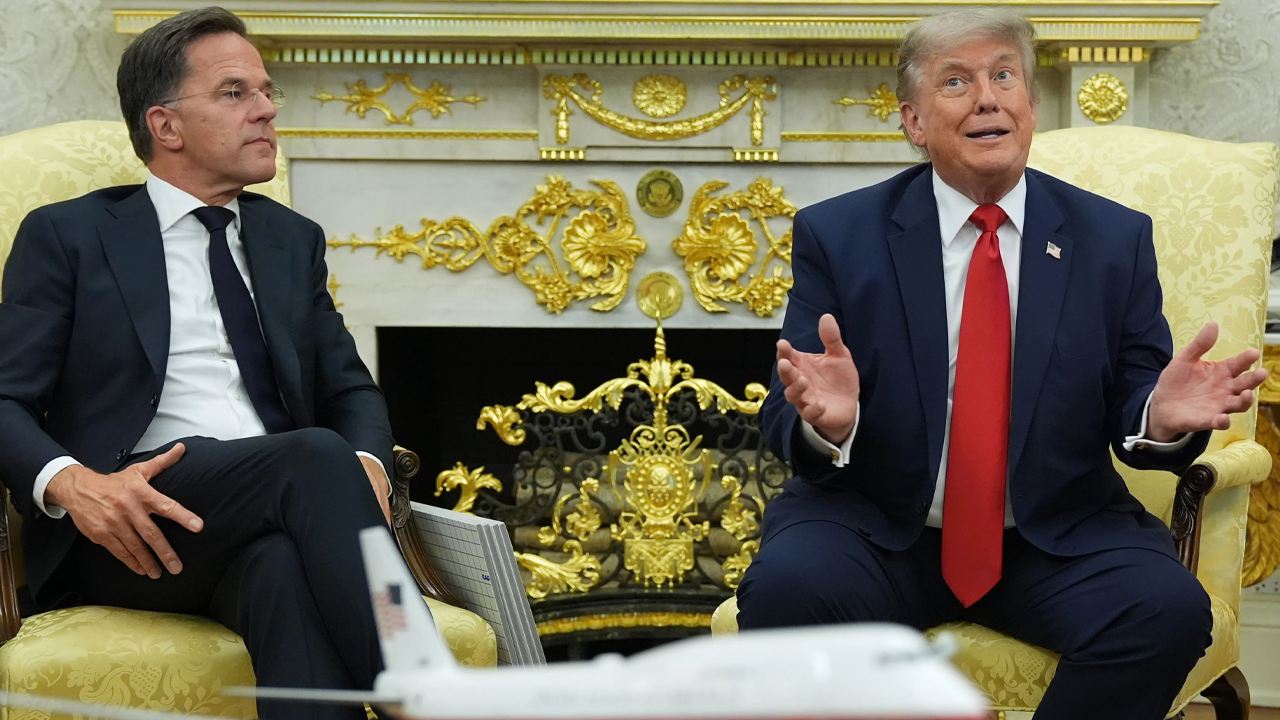
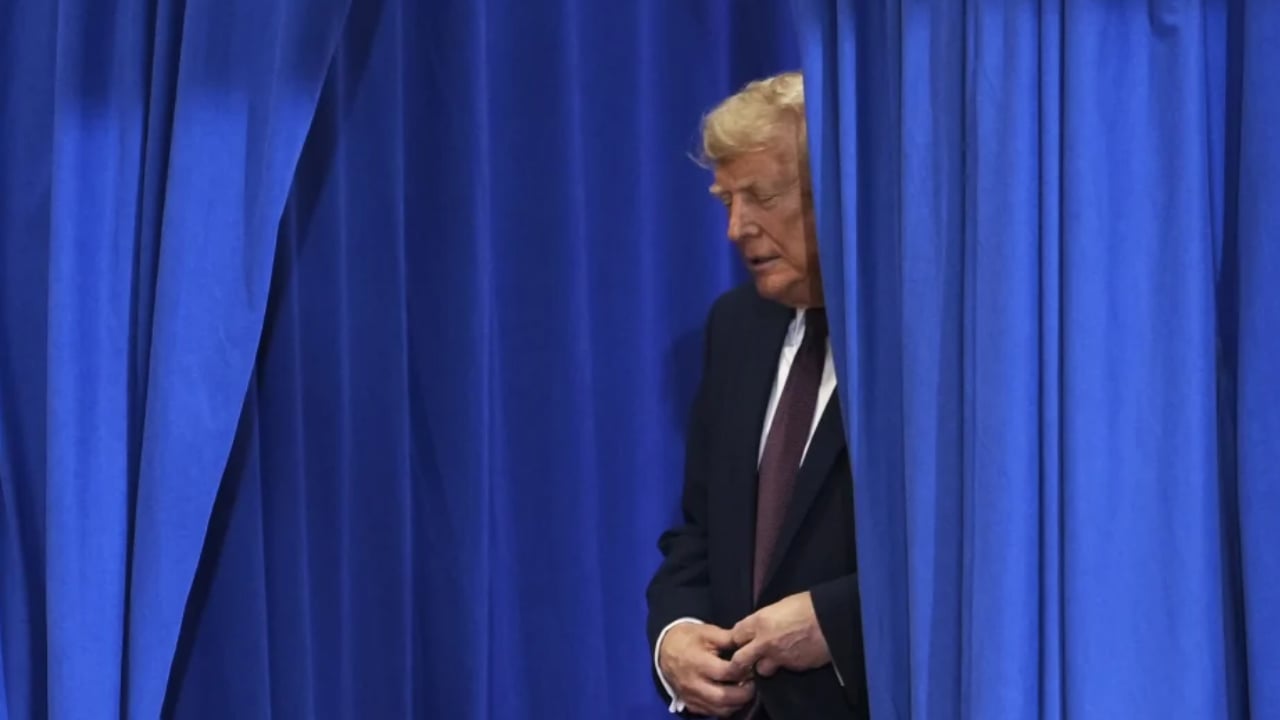
U.S. President Donald Trump expressed dissatisfaction with European nations for not participating in the joint U.S.-Israel military operation against Iran during a meeting with NATO Secretary General Mark Rutte at the White House on Thursday. Speaking in the Oval Office, Trump said he was disappointed that NATO member states did not join the war effort and claimed that the United States and Israel had already achieved complete success in the first week of the campaign. Trump added that while American forces did not need assistance, he would have appreciated a show of support from European allies. His remarks reflected his longstanding criticism that NATO’s European members contribute less to defense responsibilities and rely too heavily on Washington during crises. According to Al Jazeera, Trump also emphasized the success of the Iran operation while calling for more visible political and military backing from NATO partners. Rutte did not issue any immediate public response. Analysts noted that Trump’s comments have again highlighted existing differences between the United States and its European allies over Middle East policy and military cooperation.
A major controversy has arisen during the World Cup match between Brazil and Scotland after Brazilian forward Vinicius Junior’s goal in the 25th minute was disallowed. Although Brazil went on to win 3–0, the decision by Mexican referee Cesar Ramos and the Video Assistant Referee (VAR) team to cancel the goal has sparked widespread debate. The referee ruled that Vinicius had fouled Scottish defender Jack Hendry just before scoring, following a VAR review that showed slight contact between the players. BBC rules expert and former Premier League assistant referee Darren Cann sharply criticized the decision during the live broadcast. He stated that referee Ramos made a clear mistake, arguing that the contact was minimal and did not constitute a foul. According to Cann, Vinicius merely held his position while the defender initiated the contact. He added that Scotland was fortunate to benefit from the call, describing the outcome as lucky for the team. The incident has fueled ongoing discussions about the consistency of VAR decisions and their impact on key World Cup moments.

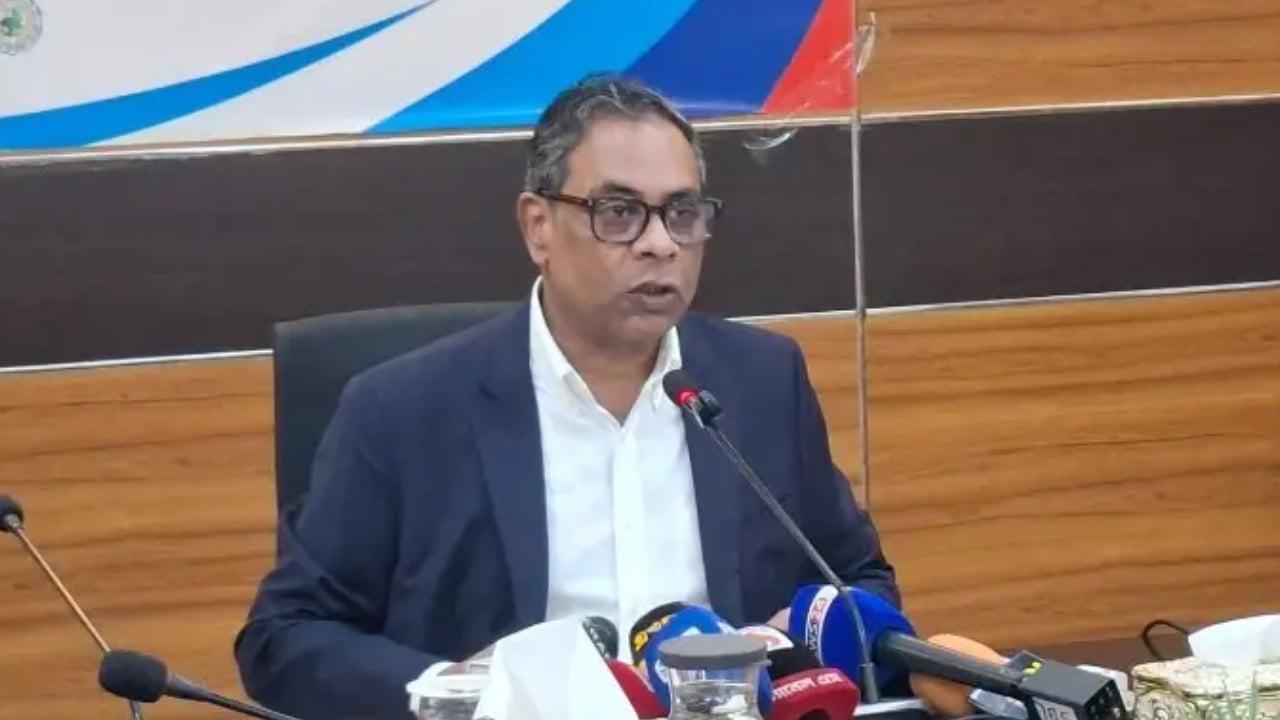
Bangladesh will hold its National Vitamin A Plus Campaign on June 28, aiming to administer Vitamin A capsules to approximately 24 million children across the country. The announcement was made by State Minister for Health and Family Welfare Dr. M A Muhith during a press conference at the ministry on June 25. The campaign will run from 8 a.m. to 4 p.m., targeting children aged six to 59 months. According to the ministry, children aged six to 11 months will receive blue capsules, while those aged 12 to 59 months will receive red ones. Any child missing the capsule on the main day will be covered the following day at the upazila level, and in remote areas, the program will continue for four additional days. A total of 120,000 centers and 500 mobile units at transport hubs have been prepared for the campaign. The minister noted that Vitamin A deficiency is a major cause of night blindness and child blindness. Regular distribution of Vitamin A capsules over the past two decades has significantly reduced blindness caused by malnutrition in Bangladesh.
A powerful earthquake struck rural Northern California on Wednesday morning, marking the region’s strongest quake since 1940. According to the U.S. Geological Survey, the 5.6-magnitude quake was centered about 12 kilometers northwest of Willits, with tremors felt as far as the coastal city of Fort Bragg. The quake occurred at 8:10 a.m. Pacific Time, about 8 kilometers underground and 80 kilometers east of Fort Bragg. Officials reported some injuries but no major damage immediately after the event. Mendocino County spokesperson Heather Rose confirmed that hospitals reported several injuries, though details were not yet available. More than 6,000 residents across six nearby towns lost power, and authorities urged people to avoid highways to allow inspection and repair work. Seismologist Lucy Jones said it was the largest quake in the area in nearly nine decades and not located on a major fault line. She added that aftershocks were likely but expected to be minor. California’s Office of Emergency Services said over 657,000 early warning alerts were sent via the MyShake app, with total alerts likely exceeding one million as other systems also issued warnings.

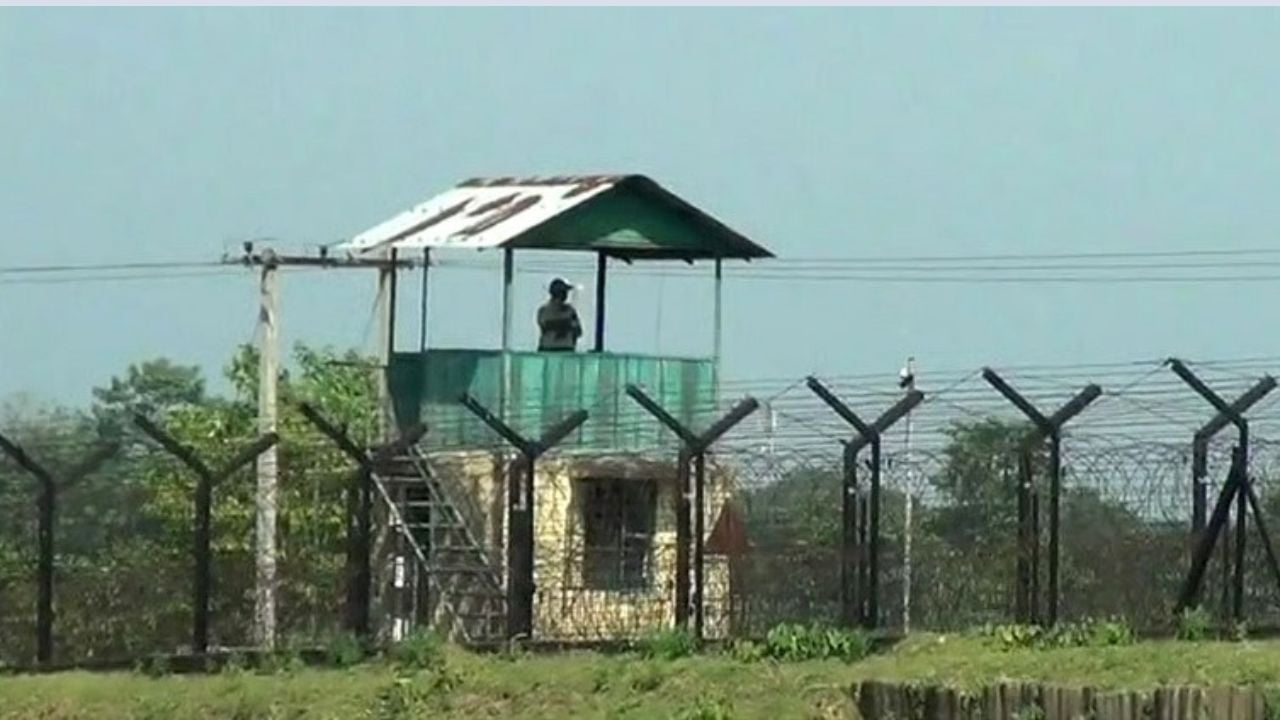
A Bangladeshi man was found dead inside Indian territory near the Companiganj border in Sylhet on Wednesday evening. The body of 60-year-old Mik Kond Dani, a resident of Turung village in Dumdumia area, was discovered about 100 yards inside the border, lying among rocks in a river. Local sources said he often crossed into India to collect firewood and work in Khasi gardens. He had gone across the border on Wednesday morning and did not return home by evening, prompting his brother to search for him. The body was later found near border pillar 1260. According to locals, there were marks of injury on his head and body. Family members recovered the body and brought it home. Sylhet Battalion 48 BGB Commander Lieutenant Colonel Md Nazmul Haque stated that there was no incident of firing by the BSF or Indian nationals and that the death appeared accidental. Police from Companiganj station visited the site and sent the body to Sylhet MAG Medical College Hospital for autopsy to determine the cause of death.
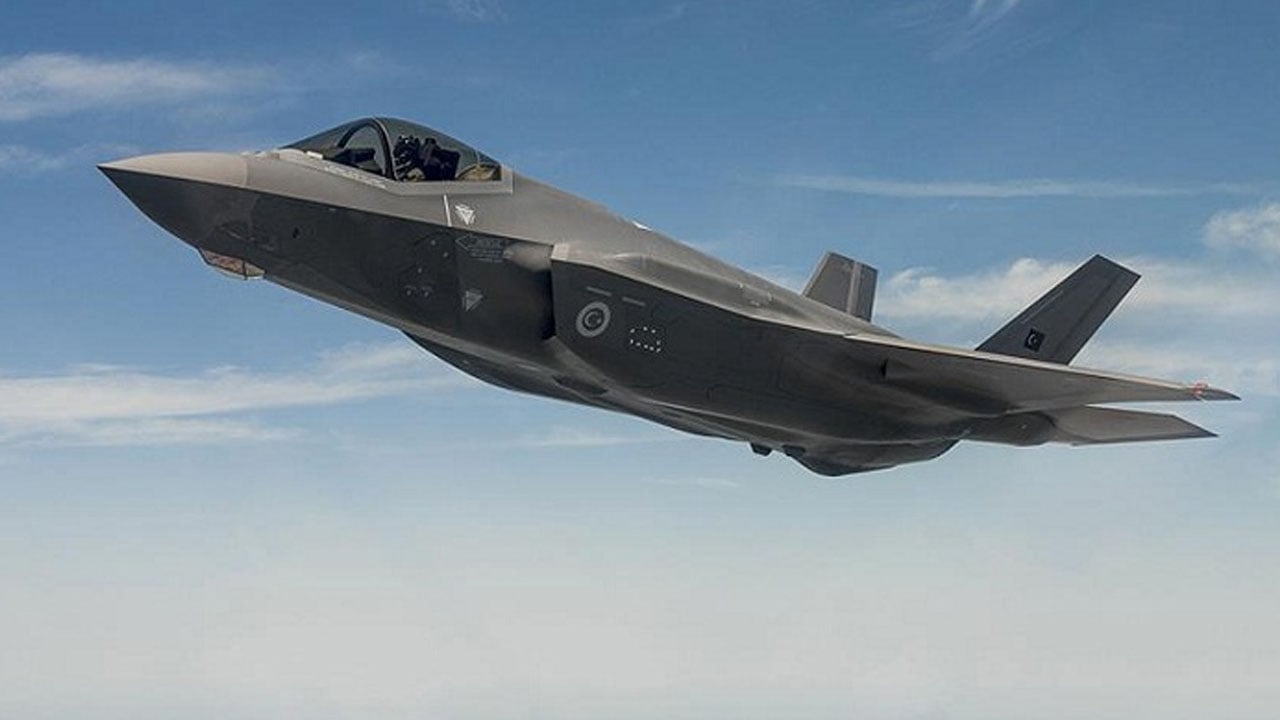
US Vice President JD Vance stated that Washington is reviewing the conditions for a possible sale of F-35 fighter jets to Turkey. He said the process involves verifying whether Turkey has met the necessary legal requirements under US law, and that he is working with the Pentagon to assess compliance before any transfer takes place. Vance emphasized that the matter ultimately depends on the US Congress. He noted that Turkey must fully adhere to American legal standards before receiving the aircraft. The review aims to ensure that all statutory obligations are satisfied prior to any approval of the sale. According to Vance, if Turkey meets the legal conditions, it will be eligible to obtain the F-35 jets. The statement reflects ongoing scrutiny of defense sales and the importance of congressional oversight in such transactions.
Police in Ramganj have arrested Abu Darda Md. Zobayer, an 18-year-old twelfth-grade student, in connection with the murder of Mehedi Hasan, a student of Farid Ahmed Bhuiyan Academy in Lakshmipur. The arrest took place on Thursday night during a special operation led by SI Md. Soleman and ASI Md. Mohiuddin under the supervision of the ASP Circle and the Officer-in-Charge of Ramganj Police Station. The operation was conducted in various areas under Mirpur and Pallabi police stations in Dhaka. Zobayer, son of Md. Shahjahan from Baliyadhar village in Chatkhil upazila of Noakhali, is one of the accused named in the case. Earlier, on June 22, police arrested the acting principal of the academy, Shariful Islam, and another student, Sajidul Islam Mahi. The case stems from the June 15 killing of eighth-grade student Mehedi Hasan, who was allegedly beaten to death by senior students over a false accusation of stealing an iPhone. Police said legal procedures are underway and the arrested suspect will be presented before court. Ramganj police confirmed that operations to capture the remaining fugitives are continuing.

Elon Musk has lost his trillionaire status within just two weeks, according to the Bloomberg Billionaires Index. As of Wednesday’s U.S. market close, his net worth fell to 957 billion dollars, down from 1.11 trillion dollars less than 14 days earlier. The decline followed a sharp global stock market downturn that heavily impacted technology shares, including those of SpaceX and Tesla. Despite the loss, Musk remains the world’s richest individual, with wealth still far exceeding that of his closest competitors. He had become the first person to surpass one trillion dollars in net worth after the stock market debut of his rocket, satellite, and artificial intelligence company. The blockbuster initial public offering was priced at 135 dollars per share and opened trading at 150 dollars, giving the company a market value of over 1.77 trillion dollars. Musk’s 42 percent ownership in SpaceX had initially pushed his paper wealth beyond the trillion-dollar mark, but the recent market slump reversed that milestone.

The United States is facing a critical test in Venezuela following a devastating earthquake that struck the country on Wednesday. According to a CNN report, the disaster comes after the Trump administration’s earlier pledge to rebuild Venezuela following the removal of President Nicolás Maduro. President Donald Trump had previously declared that the US would ‘manage’ the country and outlined a three-step plan involving stability, recovery, and transformation. In the months since Maduro’s ouster, Trump has promoted the success of US involvement in Venezuela and his partnership with interim President Delcy Rodríguez. Just a day before the earthquake, Trump told a rally in Pennsylvania that Venezuela was ‘doing very well’ and that the US was profiting from the relationship. However, the situation on the ground remains dire, with 28 million Venezuelans struggling with inflation, low wages, censorship, and a deep humanitarian crisis. Following the earthquake, Trump posted on Truth Social that the US government was ready to assist and had instructed all agencies to prepare for rapid action. It remains uncertain how far this commitment will extend and whether Washington can help Venezuela achieve the promised stability and economic growth.
A student of Hajee Mohammad Danesh Science and Technology University (HSTU) in Dinajpur has accused a senior of abduction, extortion, and physical assault following a mobile phone theft allegation. The incident reportedly occurred around 9:30 p.m. on Monday, according to the victim, Darus Salam, a student of the Agricultural Engineering Department’s 25th batch. He claimed that his immediate senior, Arif Hasnat, from the ECE 24th batch, took him on a motorcycle under the pretext of retrieving a recovered phone from the police station but instead brought him to a secluded area in New Town, where he was beaten and threatened for three hours. Darus Salam said Arif and another student, Mezbaha, a member of the student wing of a political group, demanded Tk 10,000 as ransom and warned him not to disclose the incident. After being released, he was taken to Dinajpur Medical College Hospital due to illness, and the university’s proctorial body was informed. HSTU Proctor Professor Dr. Nowsher Wan confirmed receiving a written complaint and said an investigation had begun, promising disciplinary action against those found guilty.
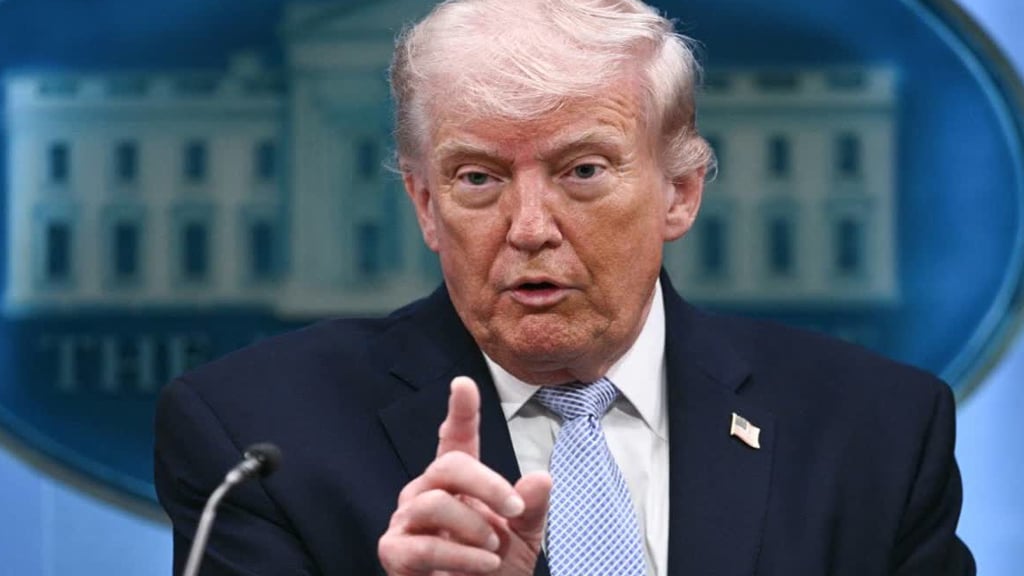
U.S. President Donald Trump sharply criticized several European allies for what he described as inadequate support during the war against Iran. Speaking from the Oval Office alongside NATO Secretary General Mark Rutte, Trump said the United States did not need any assistance but had expected stronger backing from European governments. He specifically mentioned disappointment with Italy, the United Kingdom, Spain, Germany, and France. According to the report, Trump reiterated his earlier complaints that European allies had failed to provide sufficient support in the conflict with Iran. His remarks underscored ongoing tensions between Washington and key European partners over military cooperation and burden-sharing within the NATO alliance. The comments, reported by Middle East Eye, reflect continued friction in transatlantic relations as the U.S. administration seeks greater alignment from European nations on its Middle East policies.
The ‘1 Nojor’ media platform is now live in beta, inviting users to explore and provide feedback as we continue to refine the experience.