

The ‘1 Nojor’ media platform is now live in beta, inviting users to explore and provide feedback as we continue to refine the experience.
Banks in Bangladesh continue to depend primarily on immovable assets such as land and buildings when issuing loans, according to data from Bangladesh Bank for the first quarter of 2026. About 63.74 percent of total loans, amounting to Tk 11.37 trillion, were backed by real estate collateral. This reliance has increased slightly from the previous quarter, when 63.54 percent of loans were secured by similar assets. Despite this, many of these mortgaged properties are now difficult to sell, particularly those linked to influential defaulters. Industry insiders attribute the trend to rising irregularities and corruption in the banking sector, which have made asset-based lending appear safer. Reports indicate that some borrowers diverted loan funds to purchase more land, later using those properties for additional loans, often with inflated valuations. As a result, banks are struggling to recover defaulted loans through asset sales. Experts and young entrepreneurs argue that this property-dependent lending culture is hindering economic diversification and limiting access to finance for startups and innovative ventures lacking tangible assets.

The White House has formally asked the U.S. Congress to approve $87.6 billion in emergency funding, primarily to address needs related to the ongoing war with Iran. The request, sent by the Office of Management and Budget to House Speaker Mike Johnson, allocates $67 billion to the Department of Defense, including funds for ammunition, operations, and classified programs. Additional allocations include $11 billion for U.S. farmers and $1.4 billion to combat the Ebola outbreak in Central Africa. The funding appeal comes just one day after Congress passed a resolution condemning President Donald Trump’s military actions. Lawmakers expect the proposal to face significant resistance, as the Iran conflict remains unpopular among voters ahead of the November midterm elections. The White House letter cited “Operation Epic Fury” as the main driver of the emergency request, also including $300 million to strengthen security at U.S. diplomatic facilities in the Middle East and South Asia. Despite a current ceasefire between Washington and Tehran, the Pentagon reportedly needs to rebuild its stockpiles after recent strikes. The request follows rising tensions between Trump and Republican senators who supported limiting his war powers.
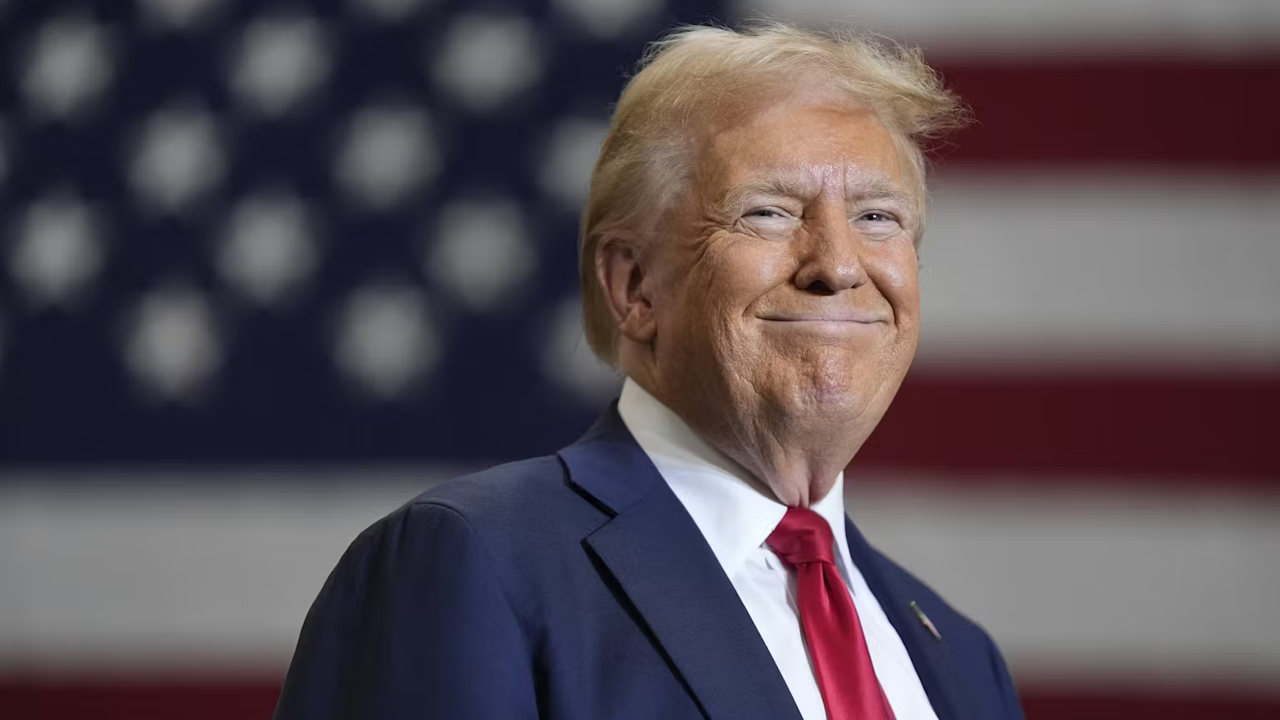
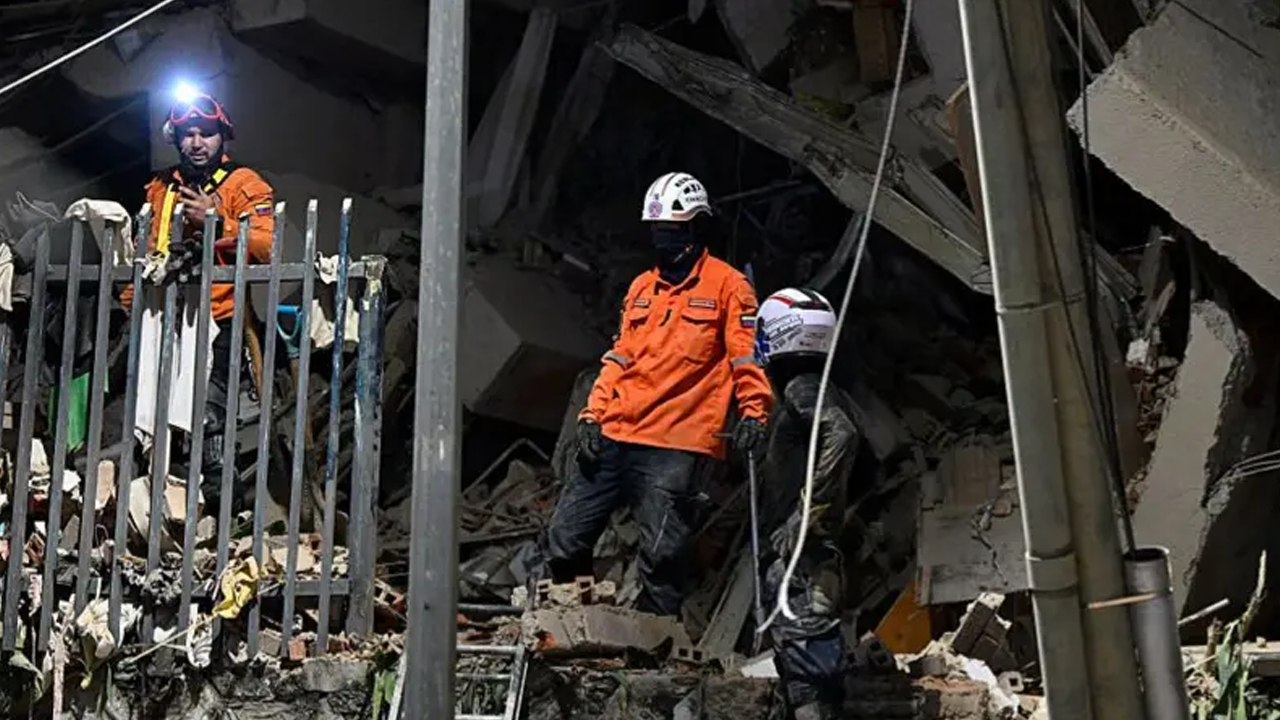
The United States has pledged emergency assistance to Venezuela after two powerful earthquakes struck the country’s northern coast on Wednesday evening. President Donald Trump announced that the U.S. government is ready, willing, and able to help, directing all agencies to prepare for rapid response. Acting Venezuelan President Delcy Rodríguez has declared a state of emergency following the disaster. According to the U.S. Geological Survey (USGS), the first quake, measuring 7.2 magnitude, hit near San Felipe, about 284 kilometers west of Caracas, followed 39 seconds later by a 7.5 magnitude quake near Yumar. The tremors caused widespread destruction across several states, including Trujillo, Carabobo, Miranda, and La Guaira. USGS estimated a 44 percent probability of fatalities reaching 10,000 and a 30 percent chance of exceeding 100,000 deaths due to the region’s vulnerable building structures. U.S. Under Secretary for Foreign Assistance Jeremy Lewin said a disaster response team and task force have been mobilized to deliver search and rescue units, medical supplies, and humanitarian aid. Deputy Secretary of State Christopher Landau reaffirmed U.S. solidarity with the Venezuelan people and ongoing coordination with local authorities.
U.S. President Donald Trump formally inaugurated a 16-day national celebration marking the country’s 250th Independence anniversary at the National Mall in Washington on Wednesday. His opening speech sparked political controversy, with critics alleging that Trump used the national platform as an election-style campaign event. In his remarks, Trump claimed the United States was entering a new era of strength and confidence, citing economic progress and military achievements, including actions against Iran and the capture of Venezuelan President Nicolás Maduro. The celebration, titled the “Great American State Fair,” will run until July 10, featuring cultural exhibitions, regional foods, military bands, air shows, and a 110-foot Ferris wheel. Organizers said all 50 states and six territories are showcasing their heritage and traditions. However, several artists withdrew, saying the event had become overly political. Trump later described himself as the main attraction and boasted of drawing larger crowds than Elvis Presley. The event comes ahead of the upcoming midterm elections, as Trump faces criticism over alleged personal influence in federal renovation projects. He concluded his speech by calling the upcoming Independence Day the “greatest celebration ever” and promised a new “golden age” for the nation.

The Secretary Committee, chaired by Cabinet Secretary Nasimul Gani, has finalized five major decisions to implement Bangladesh’s ninth government pay scale. The meeting, held at the Secretariat, reviewed the Public Administration Commission’s recommendations and set July 1 as the target date for implementation. The committee prioritized improving living standards for lower-income employees and reducing pay disparities amid rising inflation. Officials on post-retirement leave will also be included under the new pay scale. According to meeting sources, while consensus was reached on public administration-related recommendations, proposals concerning the judiciary and armed forces remain unresolved. The new structure will be implemented in two phases instead of three, with employees in grades 10–20 receiving 60 percent of the raise in the first phase and those in grades 1–9 receiving 40 percent. The plan also includes significant increases in house rent and medical allowances to align with current market conditions. Legal vetting and regulatory amendments are being expedited to avoid technical or legal complications before the official notification is issued. Another meeting may be held soon to finalize pending decisions for the judiciary and armed forces.

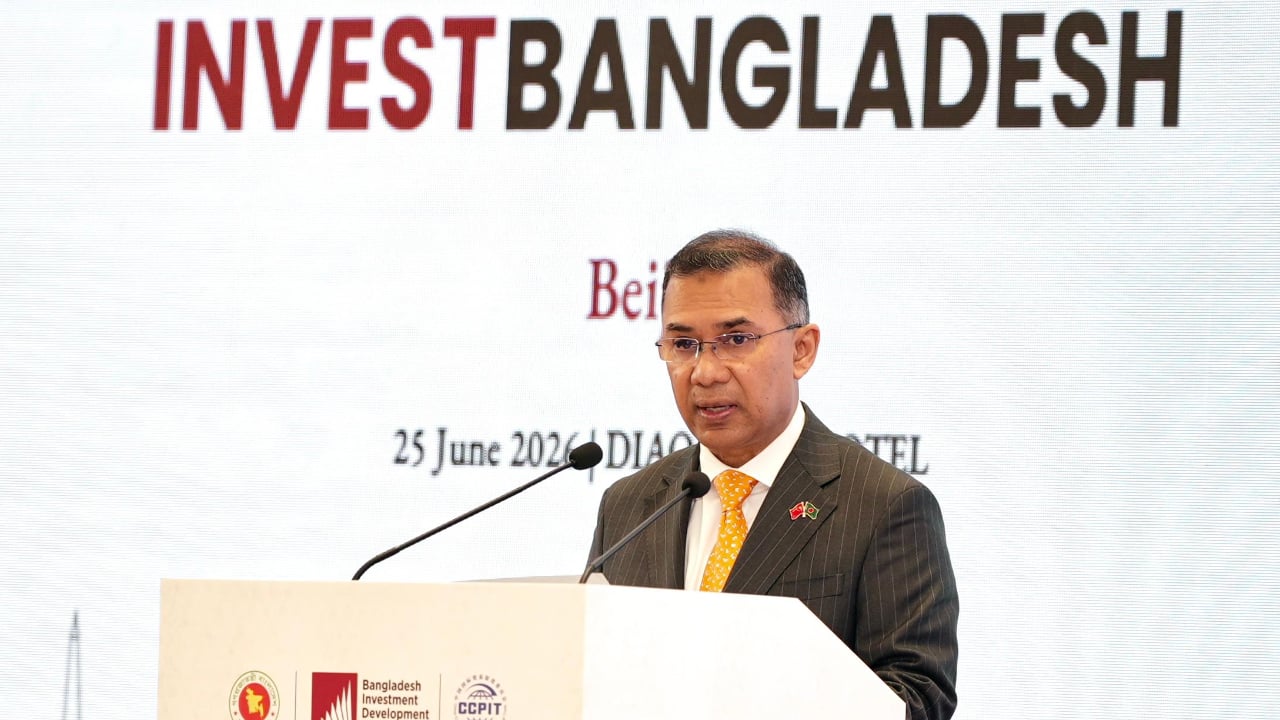
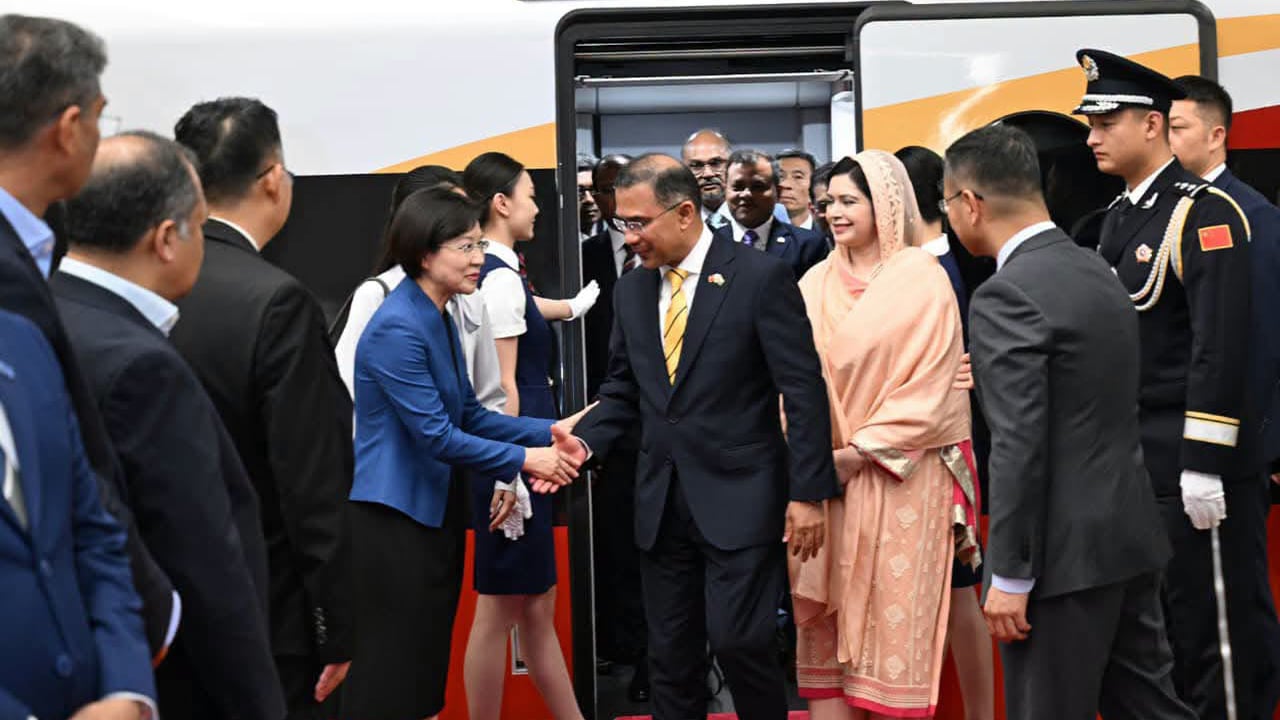
Prime Minister Tarique Rahman has called on Chinese businesses to increase investment in Bangladesh. He made the appeal on Thursday morning at the 'Bangladesh Investment Forum' held at the Diaoyutai Hotel in Beijing. The event, organized by the Bangladesh Investment Development Authority (BIDA), featured a presentation by BIDA Executive Chairman Ashiq Chowdhury on investment opportunities in Bangladesh. A total of 125 Chinese business representatives attended the forum. In his address, the Prime Minister said Bangladesh is open for business, ready for the future, and eager to build deeper industrial partnerships with China. He urged Chinese companies to expand their value chains in Bangladesh. Rahman also announced that the government is implementing a 180-day plan to reform international capital procedures, reduce bureaucratic hurdles, digitize public services, ensure policy continuity, and foster an investment-friendly environment. He further stated that a Chinese economic and industrial zone is being developed in Anwara, with a second zone planned in Mongla. Bangladesh will soon open its first investment office in China to provide more effective services to Chinese investors.
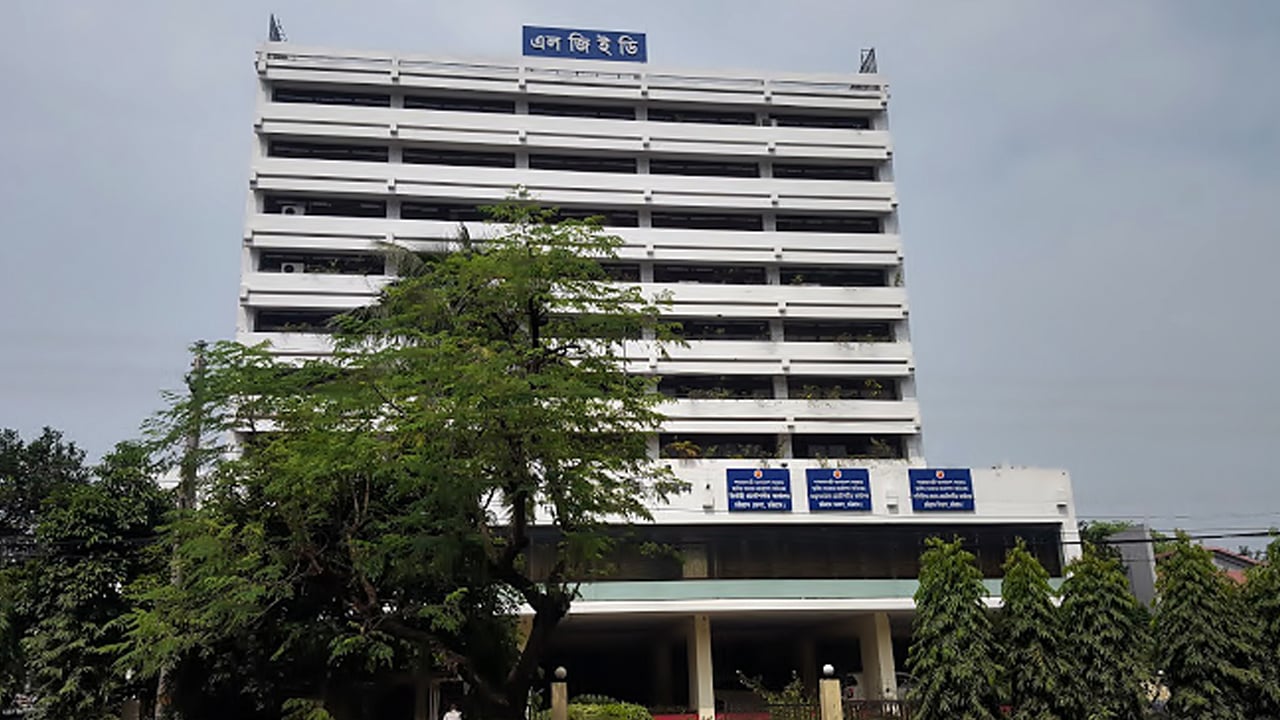
A series of violent incidents in Chattogram’s government offices has raised alarm among officials and employees. Over the past months, multiple offices have faced armed threats, vandalism, and mob pressure linked to disputes over bill payments and tenders. On June 21, around 30–35 contractors allegedly stormed the Local Government Engineering Department (LGED) office, prompting police deployment. Earlier, on June 18, armed men entered the Education Engineering Department office, placing weapons on an executive engineer’s desk and issuing threats. Similar attacks targeted customs and agricultural offices, with officials assaulted or threatened at gunpoint. Police confirmed they respond to complaints and provide security when incidents occur, though only half of the reported attacks have led to formal cases. Civil society representatives warned that continued intimidation could undermine administrative integrity and foster a culture of coercion. LGED officials said fear now hampers their ability to perform duties, while police assured that legal action follows any formal complaint. Observers cautioned that unchecked violence could disrupt normal governance and weaken public trust in administrative institutions.
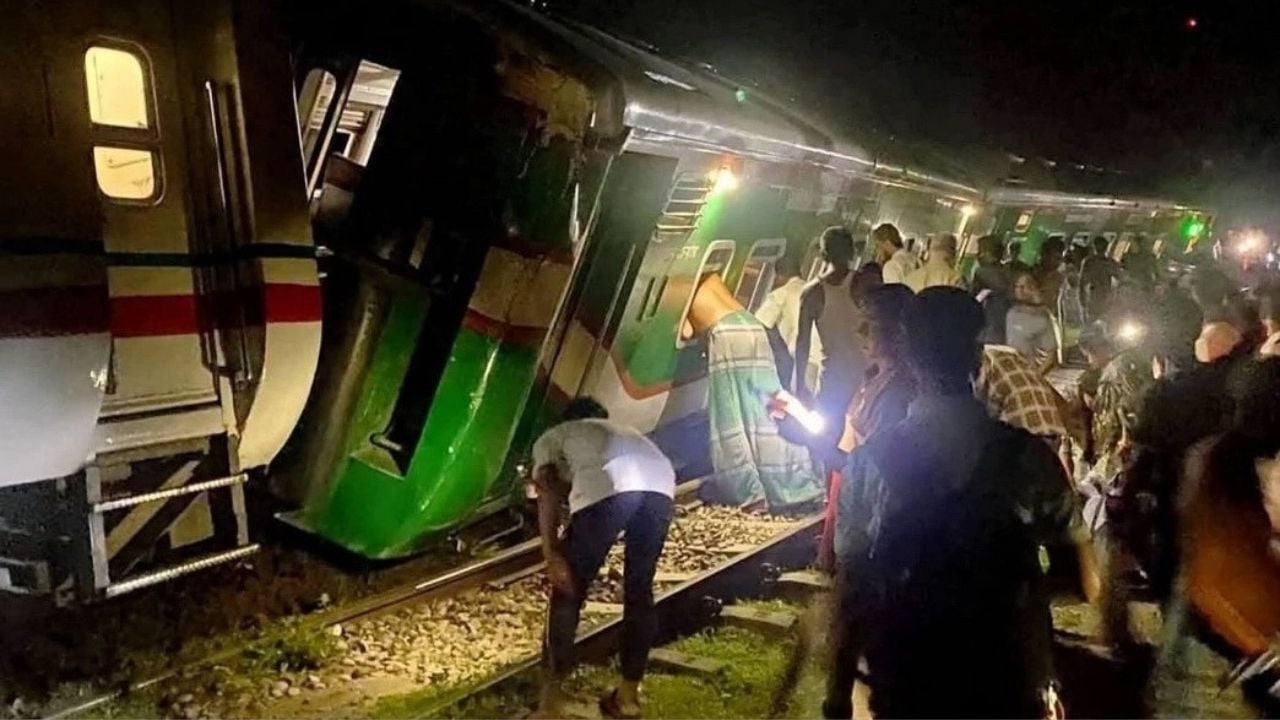
The intercity Bijoy Express train departed from the accident site near the inner signal of Gauripur rail junction in Mymensingh early Wednesday night, leaving behind three derailed coaches. The train resumed its journey toward Chattogram around 12:30 a.m. after the incident, which occurred at about 10:45 p.m. when the last three coaches went off the tracks. Several passengers were injured in the derailment. According to Gauripur station master Shafiqul Islam, the train continued its journey with 11 coaches following instructions from higher authorities to minimize passenger inconvenience. Announcements were made at the station informing passengers from the damaged coaches to shift to other compartments. Passengers who wished to cancel their trips were offered ticket refunds, though none accepted. Rail officials stated that the derailment occurred because the line automatically changed after the signal time expired, diverting the last three coaches to another track. Train movement between Gauripur and Chattogram remained suspended for about two hours following the accident before normal operations resumed.
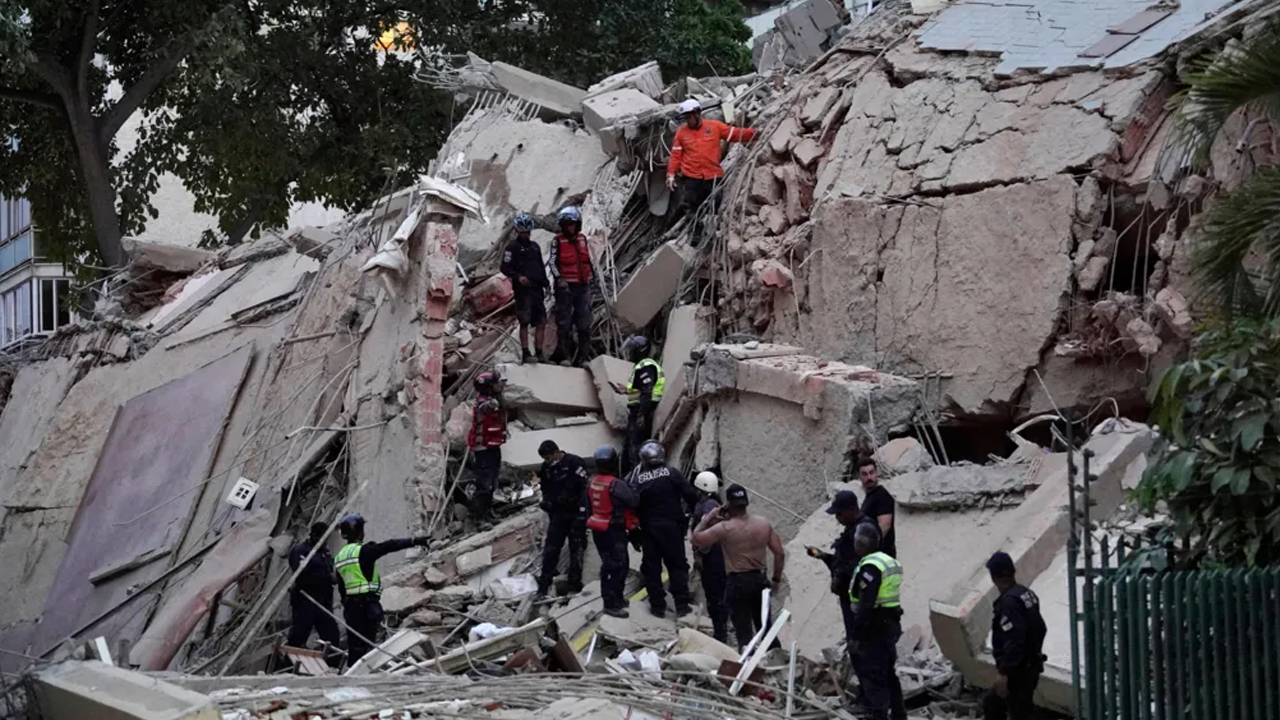
Three powerful earthquakes struck Venezuela, Japan, and the United States on June 25, 2026, causing widespread damage and triggering emergency responses. According to the US Geological Survey (USGS), Venezuela experienced two major quakes measuring 7.2 and 7.5 magnitude near San Felipe and Yumar, west of Caracas. The tremors caused severe destruction across several states, with buildings collapsing in multiple areas. The USGS estimated a 44 percent chance of 10,000 deaths and a 30 percent chance of fatalities exceeding 100,000. Acting President Delcy Rodríguez declared a state of emergency, closing Simón Bolívar International Airport, suspending schools, metro, and rail services, and halting nonessential activities. In Japan, a 6.9 magnitude earthquake struck northeast of Kuji, but no tsunami warning was issued. Authorities reported no immediate casualties or major damage. Prime Minister Sanae Takaichi ordered an urgent assessment of losses, while Chief Cabinet Secretary Minoru Kihara confirmed no abnormalities at nuclear facilities. East Japan Railway Company suspended bullet train services between Shin-Aomori and Tokyo. In northern California, a 5.6 magnitude quake hit near Redwood Valley, cutting power to about 7,400 homes and businesses. The USGS’s ShakeAlert system successfully warned residents through the MyShake app.
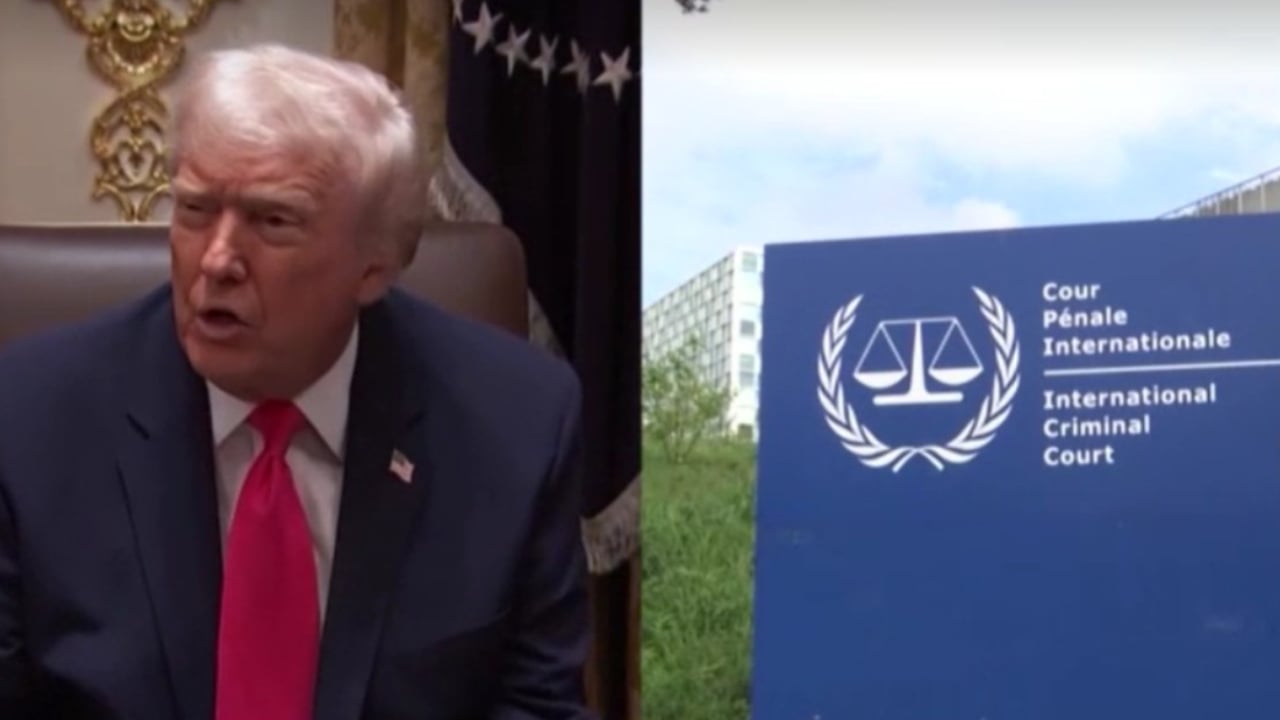
Three judges of the International Criminal Court have filed a lawsuit against the Trump administration in a federal court in Manhattan, alleging that sanctions imposed on them last year targeted their financial and personal interests. The judges—Kimberly Prost of Canada, Solomy Balungi Bossa of Uganda, and Reine Adélaïde Sophie Alapini-Gansou of Benin—accuse the former U.S. president of exerting extrajudicial pressure. According to the complaint, the sanctions were a response to prior judicial decisions, including the issuance of an arrest warrant for Israeli Prime Minister Benjamin Netanyahu and the decision to open a war crimes investigation involving U.S. forces in Afghanistan. The judges claim these measures were intended as punishment for their judicial actions. The report notes that U.S. sanctions can severely restrict a person’s ability to conduct daily activities, including banking with U.S.-linked institutions and using online services such as Amazon and Google. Such restrictions can make it difficult for affected individuals to receive payments from employers or travel internationally.
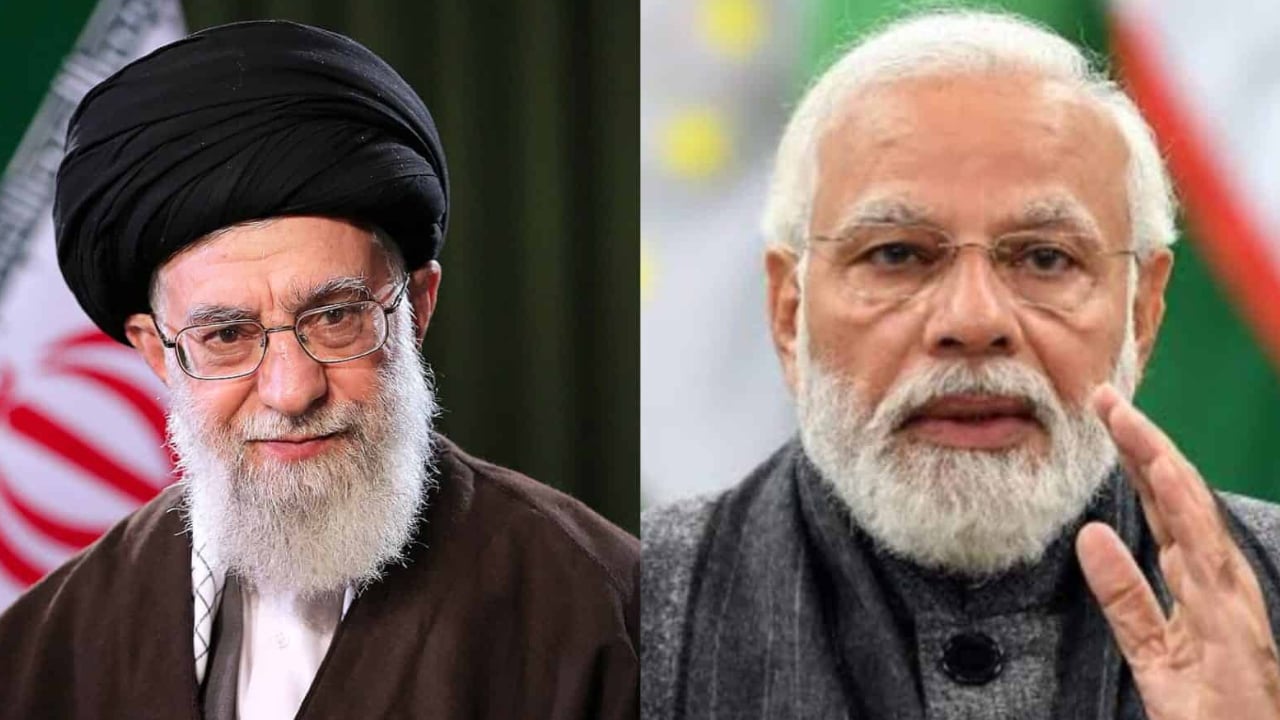
Iran has invited Indian Prime Minister Narendra Modi to attend the funeral of its late Supreme Leader Ayatollah Ali Khamenei, who was killed in a joint U.S.-Israel airstrike on February 28. According to NDTV, the invitation was sent on behalf of Iranian President Masoud Pezeshkian and delivered to Indian authorities through the Iranian embassy in New Delhi. India has not yet confirmed whether Modi will personally attend or send a delegation. Iran’s state media reported that the funeral ceremonies will begin on July 4 in Tehran with the first prayer service and three days of national mourning. Khamenei’s body will lie in state at the Grand Mosalla complex on July 4 and 5 for public homage, followed by a state mourning procession on July 6. During the ceremonies, Tehran province will observe a public holiday. The invitation underscores the diplomatic significance of the event, as Iran prepares for large-scale national observances following the death of its long-serving leader.
A press conference has been scheduled to discuss Prime Minister Tarique Rahman’s visit to Beijing, China. According to an announcement from the Prime Minister’s Press Wing, the event will take place on Thursday at 1:00 p.m. local time in China, which corresponds to 11:00 a.m. in Bangladesh. The press conference will be held at the Fang Fei Hall of the Diaoyutai Hotel in central Beijing. The information was shared with the media through an official message from the Prime Minister’s Press Wing. The announcement did not include further details about the agenda or topics to be addressed during the press conference. The event is expected to provide updates on the Prime Minister’s engagements and discussions during his visit, though specific subjects or outcomes have not yet been disclosed.
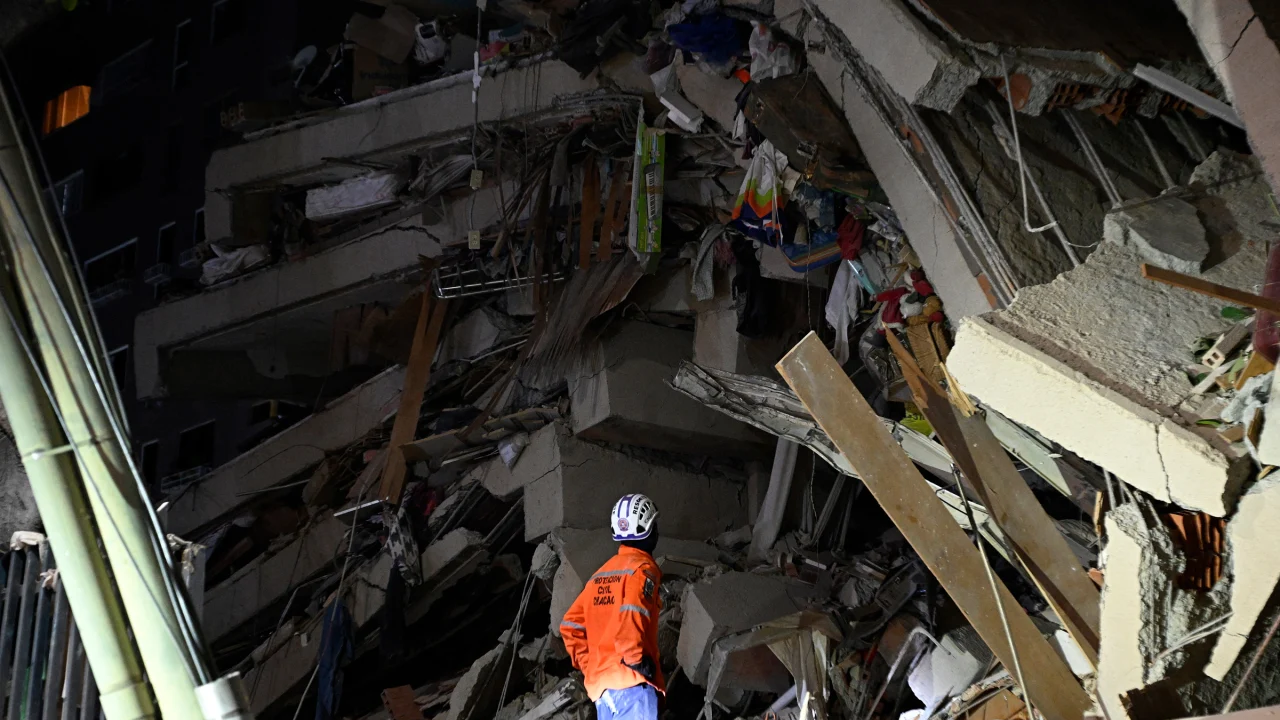
Two powerful earthquakes measuring 7.5 and 7.2 magnitude struck Venezuela, causing severe damage in the capital Caracas. Acting President Delcy Rodríguez declared a state of emergency following the quakes, which led to the collapse of several buildings. The Simón Bolívar International Airport in Maiquetía was closed after sustaining major damage, and all schools, metro, and rail services were suspended. Non-essential activities across the country were also ordered to halt. Rodríguez announced that the General Staff of the armed forces had been activated, with the commander general of the Bolivarian National Guard leading the response. According to the United States Geological Survey (USGS), the first quake occurred near San Felipe, about 284 kilometers west of Caracas, followed 39 seconds later by a second quake near Yumar, roughly 293 kilometers west of the capital. The USGS estimated that the death toll could exceed 10,000, citing that most buildings in Venezuela are not constructed with earthquake-resistant technology, which could lead to even higher casualties.
The Bangladesh government has initiated plans to reopen several unused domestic airports without conducting feasibility studies, raising questions about the economic viability of the move. Aviation experts cautioned that while a few airports such as Ishwardi might turn profitable due to local demand, most others could face heavy losses. The government has already approved the construction of an international-standard airport in Bogura and intensified efforts to revive Thakurgaon Airport, despite concerns over infrastructure and passenger demand. According to officials, the Civil Aviation Authority of Bangladesh (CAAB) has proposed reopening seven abandoned airports in phases, including Lalmonirhat, Ishwardi, Shamshernagar, Khan Jahan Ali, and Patuakhali. The Bogura airport project, covering 2,050 acres, is expected to feature modern facilities such as dual runways, a four-story terminal, and advanced navigation systems, with a tentative launch in March 2028. The estimated cost may exceed Tk 3,000 crore. Experts warned that without sustainable planning and proper demand assessment, the projects could become financially risky. However, the government maintains that reopening the airports will enhance regional connectivity, boost trade, and create employment opportunities.

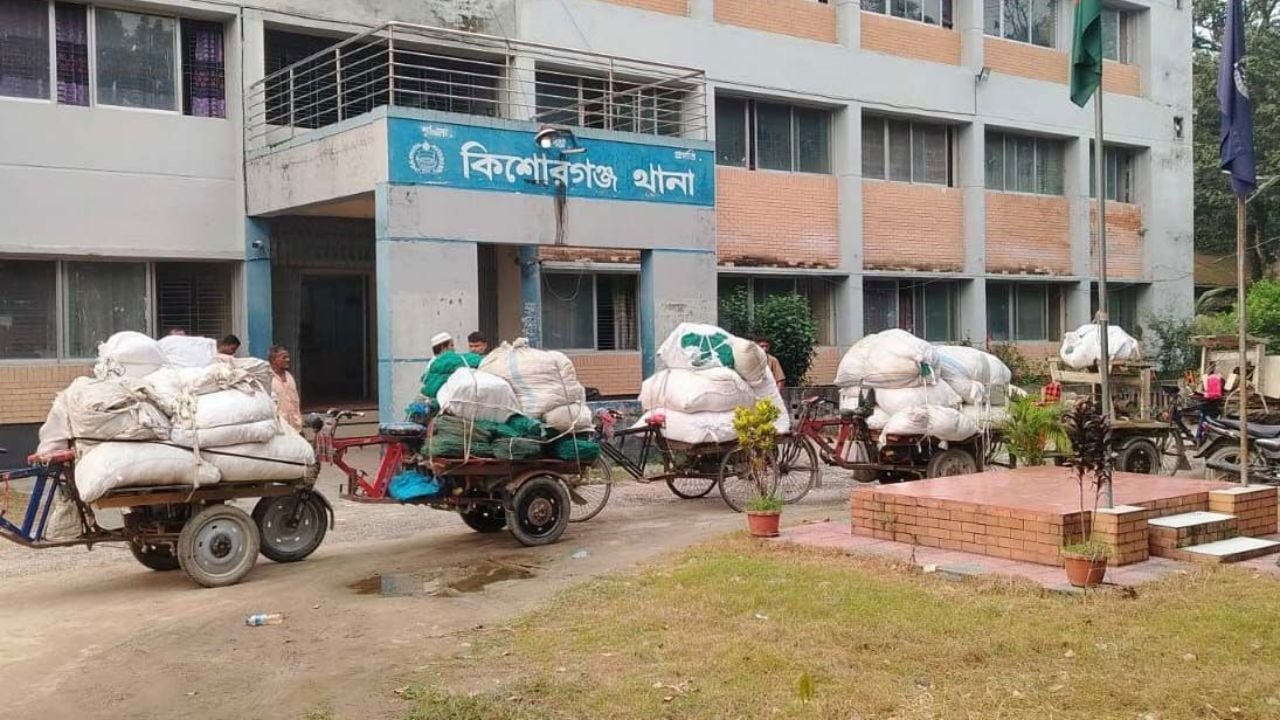
Authorities in Kishoreganj upazila of Nilphamari district have discovered an illegal factory producing banned 'China Duari' fishing nets. Acting on a tip-off, the fisheries department and police conducted a raid at a house in Madhorajib Sayarkaji village, seizing 680 nets, four machines, and other materials valued at approximately Tk 4.4 million. One associate involved in the operation was fined Tk 5,000 by a mobile court, while the factory owner remains at large. According to the upazila fisheries officer Abdus Salam, the factory had been supplying illegal nets to various areas in the Rangpur region. During the operation, three net-making platforms were destroyed, and 80 nets were burned. The seized items were taken to the local police station for further action. The upazila executive officer and executive magistrate Arifur Rahman were present during the raid. Officials stated that the discovery is significant for protecting native fish species, and operations against illegal fishing nets will continue in the area.
The ‘1 Nojor’ media platform is now live in beta, inviting users to explore and provide feedback as we continue to refine the experience.