

The ‘1 Nojor’ media platform is now live in beta, inviting users to explore and provide feedback as we continue to refine the experience.
BNP Secretary General Mirza Fakhrul Islam Alamgir has urged the interim government to take immediate steps to resolve the ongoing political crisis surrounding the implementation of the July Charter and the recent referendum controversy. Speaking at the Ganosamhati Andolon conference on Friday (October 31), Mirza Fakhrul blamed both the interim government and the Consensus Commission for creating the current political deadlock. He emphasized that instead of prolonging political tension, the authorities should focus on resolving the issues so that all parties can move toward elections in a unified manner and work for the welfare of the people. Mirza Fakhrul expressed confidence that the people of Bangladesh will overcome this crisis, as they have never accepted defeat in the face of adversity. Highlighting the importance of national unity, he called on all political forces to rise above differences for the greater interest of the country. The BNP leader reiterated that his party has cooperated with the interim government in the past and intends to continue doing so in the future, but urged the government to address the problems it has created to restore stability and trust in the political process.

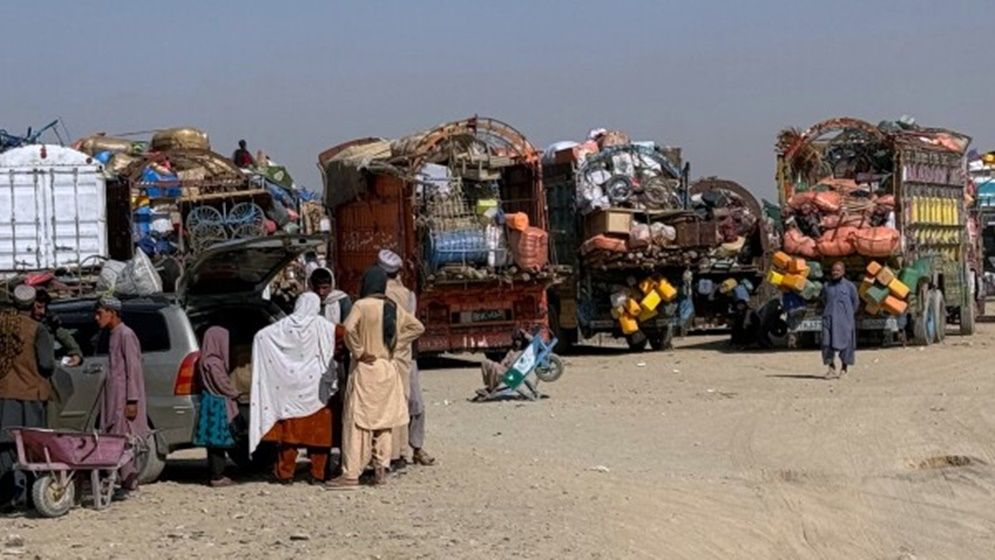
Pakistan and Afghanistan have agreed to continue their fragile ceasefire following a five-day negotiation in Istanbul, Turkey, announced the Turkish Foreign Ministry on Thursday, October 30. The two South Asian neighbors, whose relations deteriorated after the Taliban seized power in Afghanistan in 2021, have been locked in escalating border clashes over alleged support for the Tehrik-i-Taliban Pakistan (TTP). Pakistan accuses the Afghan Taliban of sheltering TTP militants responsible for attacks in Pakistan’s northwestern Khyber Pakhtunkhwa province, while Afghanistan denies the claims. The latest tensions erupted after Pakistan launched an airstrike in Kabul on October 9, killing several top TTP leaders. In retaliation, Afghan forces attacked Pakistani military posts along the Durand Line, leading to days of intense fighting that claimed more than 200 Afghan and 23 Pakistani soldiers’ lives. After a temporary ceasefire on October 15, fresh diplomatic efforts began in Doha, later moving to Istanbul under Qatari and Turkish mediation. Both nations have now agreed to avoid hostilities until the next meeting on November 6 in Istanbul to finalize ceasefire conditions. Turkey emphasized the importance of restraint and dialogue to maintain regional stability.
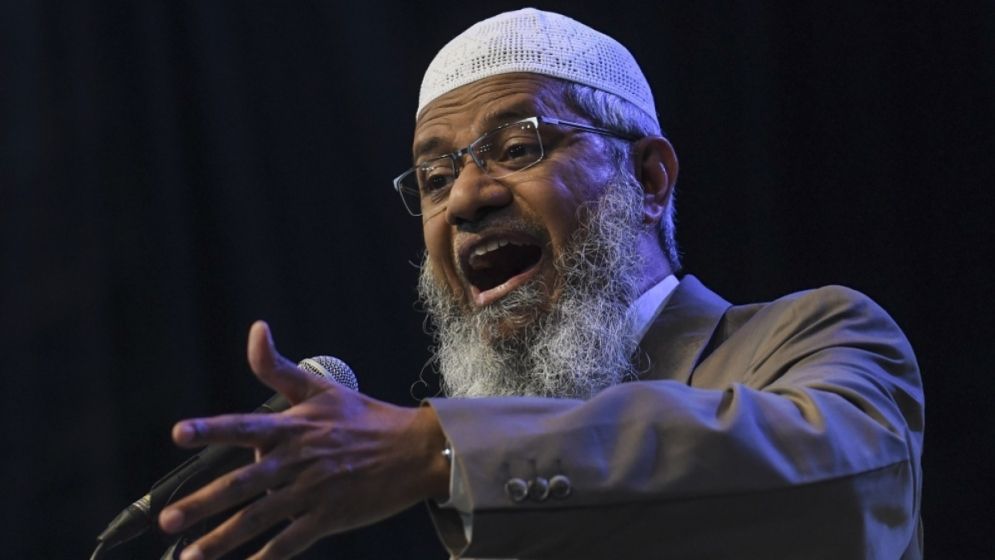
Dr. Zakir Naik, the 60-year-old Islamic preacher who has been facing charges in India for hate speech and money laundering, is set to attend a charitable event in Dhaka on November 28–29. The event is organized by Spark Event Management and is expected to take place in the Agargaon area. Naik, who left India in 2016 to settle permanently in Malaysia, has repeatedly stated that he will not return to India without assurances of a fair trial. Following the 2016 Holy Artisan attack in India, Bangladesh had imposed a ban on his entry. However, the political landscape in Bangladesh has changed, leading to a relaxation of the previous restrictions, allowing his visit this time. Meanwhile, India has requested that Bangladesh hand him over upon arrival, as he remains a fugitive under Indian law. His visit has drawn attention and concern both locally and internationally.
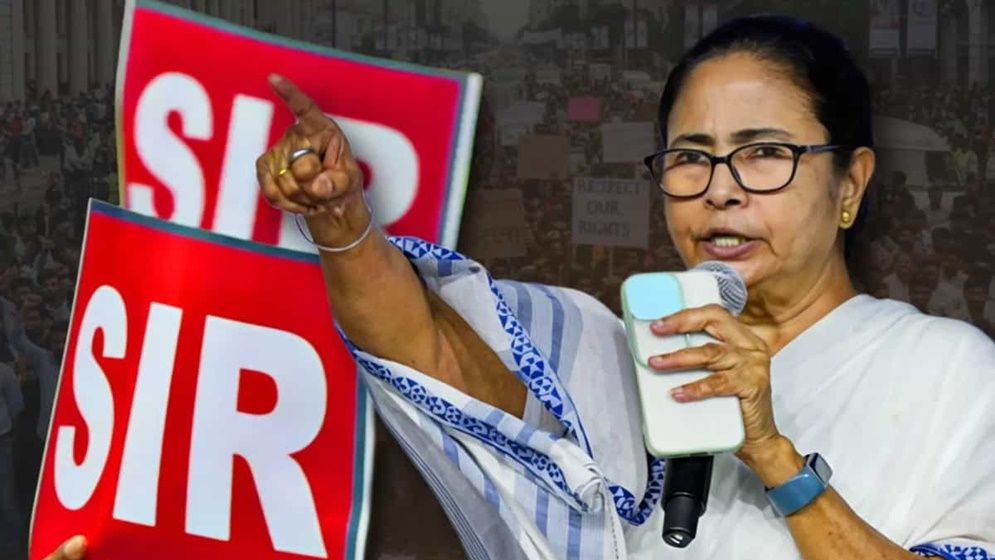
Panic over citizenship is spreading across West Bengal following the central government’s Special Intensive Revision (SIR) of voter lists. The fear of being declared “illegal” has reached tragic heights with the suicide of 95-year-old Khitish Majumdar in Birbhum’s Ilambazar. Born in Barisal, Bangladesh, Majumdar moved to India decades ago and feared losing his citizenship, especially as his name was missing from the 2002 voter list. His family reported he was deeply anxious about being sent to Bangladesh or a detention camp. This suicide follows two other cases in Dinhata and Panihati in the past 72 hours, highlighting the growing psychological impact on the elderly and vulnerable. Chief Minister Mamata Banerjee directly blamed the central BJP government, calling the situation a “tragic consequence of politics based on fear, division, and hatred” and pledged to protect citizens’ rights at all costs. Analysts argue that the SIR and voter list revisions are effectively a localized NRC process, stoking fears particularly among older residents without modern identification documents. The incidents have ignited protests statewide, with citizens fearing for their legal and social security. The episode underscores a larger humanitarian and political crisis in Bengal, where ordinary people face uncertainty over citizenship and identity.
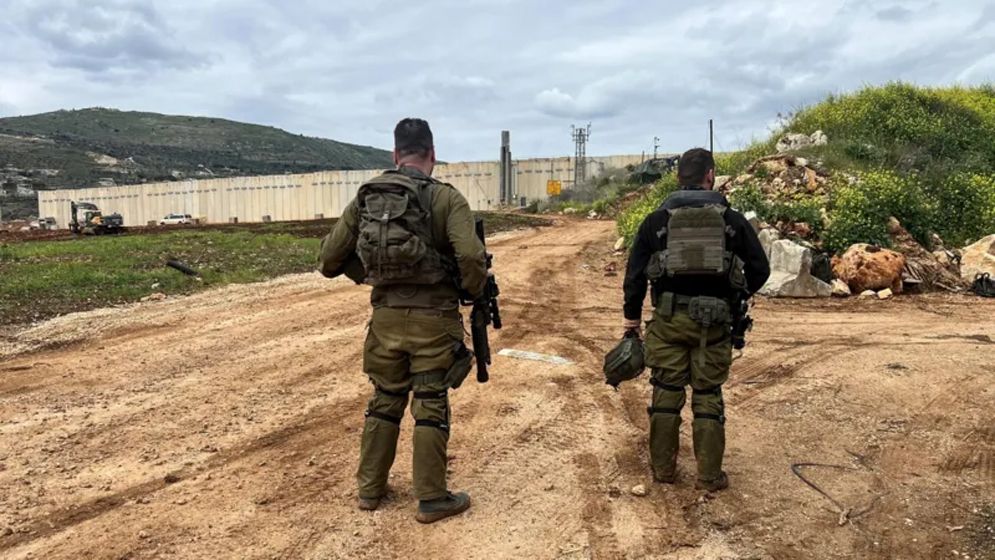
Israeli forces carried out a late-night raid in Blida, southern Lebanon, on October 29, killing municipal worker Ibrahim Salameh. The operation, which involved drones and armored vehicles, targeted a municipal building, allegedly to destroy Hezbollah infrastructure, though Israel has provided no evidence that the building was used by the group. The military claimed gunfire was opened after encountering a “suspicious individual,” but it remains unclear whether Salameh was the intended target. The attack has sparked outrage across Lebanon. President Michel Aoun has ordered the military to repel any Israeli incursions along the southern border. Prime Minister Najib Mikati condemned the strike as a blatant violation of Lebanese sovereignty and government institutions. Demonstrations were held in Blida and surrounding towns, with protesters burning tires and blocking roads to denounce the attack and the state’s failure to protect citizens.
Iran’s Foreign Minister Seyyed Abbas Araghchi has strongly criticized U.S. President Donald Trump’s recent order to resume nuclear weapons testing. Araghchi described the decision as “retrogressive and irresponsible,” calling the United States a “nuclear-armed occupying monster.” In a statement on October 30, he accused Washington of renaming its Department of Defense as a “Department of War,” revealing the true character of the U.S. government. He further warned that the U.S. is maligning Iran’s peaceful nuclear program while threatening attacks on Iran’s secure facilities, actions he said violate international law. Araghchi condemned what he described as America’s long-standing hypocrisy—criticizing Iran’s nuclear program while pursuing its own weapons testing. He added that the U.S. is the world’s greatest nuclear proliferation risk and cautioned that its actions threaten international peace and security. President Trump justified the testing as a response to other countries’ nuclear programs, claiming the U.S. arsenal remains the world’s largest.

Saudi Arabia has announced a major change in its Umrah visa policy, reducing the visa validity from three months to just one month. Pilgrims must now enter the country within 30 days of visa issuance, or the visa will be automatically canceled. The Ministry of Hajj and Umrah clarified that while entry must occur within one month, the duration of stay in Saudi Arabia remains up to three months. This decision comes ahead of the cooler months, preparing for a large influx of pilgrims to Mecca and Medina. Since June, over four million foreign pilgrims have arrived, surpassing last year’s total. Analysts note that the growth in Umrah participation highlights rising global interest among Muslims in visiting the holy sites.

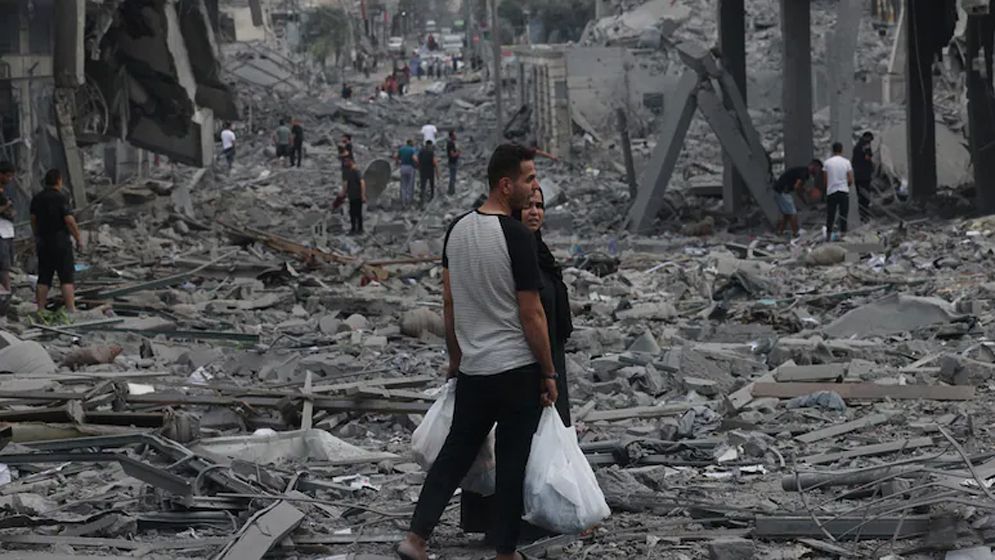
The United Nations reports that more than 24,000 tons of humanitarian aid have entered Gaza since the ceasefire began, marking a sharp rise from pre-ceasefire levels. UN Deputy Humanitarian Coordinator Ramiz Alakbarov said relief is now being distributed across communities, while the World Food Programme collected 20,000 tons of food in 20 days. Reduced looting has eased distribution efforts, and UNICEF has opened 15 therapeutic centers, eight in northern Gaza. Alakbarov emphasized the need to implement the U.S. 20-point peace plan to ensure continued aid access and urged Israel to allow NGOs to participate in relief work, noting that registration barriers persist. The U.S. military has also set up a coordination center in southern Israel to monitor the truce and aid flow. UN officials say the ceasefire has enabled the largest humanitarian push in months.
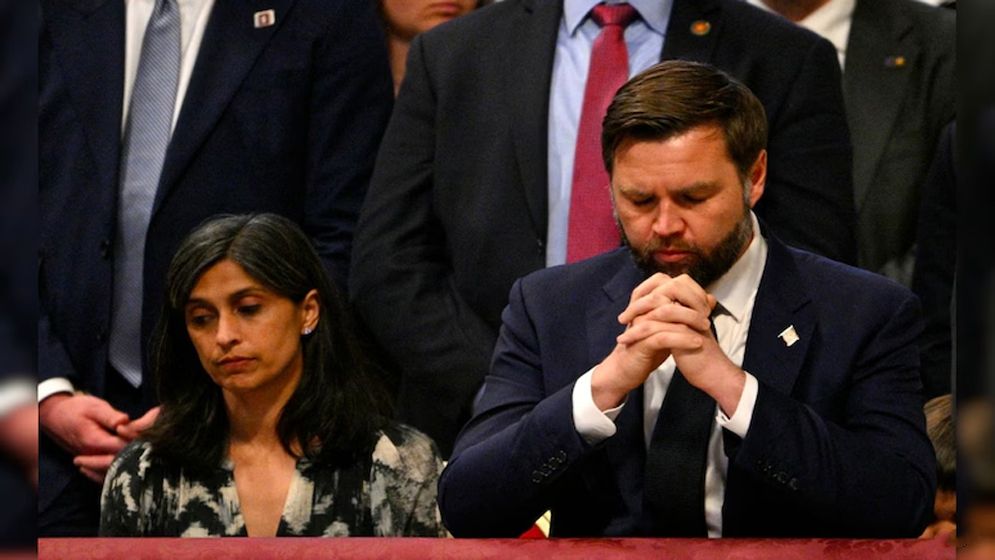
U.S. Vice President J.D. Vance has expressed hope that his wife, Usha Vance—who was raised in a Hindu cultural background—will one day embrace Christianity. Speaking at a Turning Point USA youth event in Mississippi on October 29, Vance said that Usha now accompanies him to church almost every Sunday and that he hopes she will be positively influenced by the Catholic Church as he was. However, he emphasized that her potential conversion is entirely her choice, acknowledging that “God has given everyone free will.” Vance, who converted to Catholicism in 2019, recalled that he considered himself an agnostic or atheist when he first met Usha. Despite their differing religious backgrounds, their children are being raised in the Christian faith and attend a Christian school. His comments have drawn attention to the couple’s interfaith marriage and Vance’s public expression of faith.
Md. Shahjahan Mia, who was serving simultaneously as the administrator of Dhaka South City Corporation (DSCC), managing director of Dhaka Water Supply and Sewerage Authority (WASA), and Additional Secretary of the Local Government Division, has been removed from his posts. The Ministry of Public Administration issued a notification on October 30 transferring him to the Ministry of Disaster Management and Relief as an Additional Secretary. He had been appointed DSCC administrator on February 13 while serving as Additional Secretary and later took charge as MD of Dhaka WASA on May 18. The order has been declared effective immediately in the public interest.

Amid growing tensions among political parties over the implementation of the July Charter, Legal Adviser Dr. Asif Nazrul said the government is uncertain about its next steps after months of fruitless dialogue. Speaking at a press conference in Dhaka following an advisory council meeting, he expressed disappointment that after 270 days of discussion, the parties have failed to reach a consensus. Nazrul said disputes have now expanded beyond the Charter’s content to include disagreement over how it should be passed and when a referendum should be held. The National Consensus Commission has proposed two alternatives—one involving a referendum and automatic constitutional amendment if unresolved within 270 days, and another delegating responsibility to parliament. He added that the Chief Adviser will soon make a firm decision on the matter.

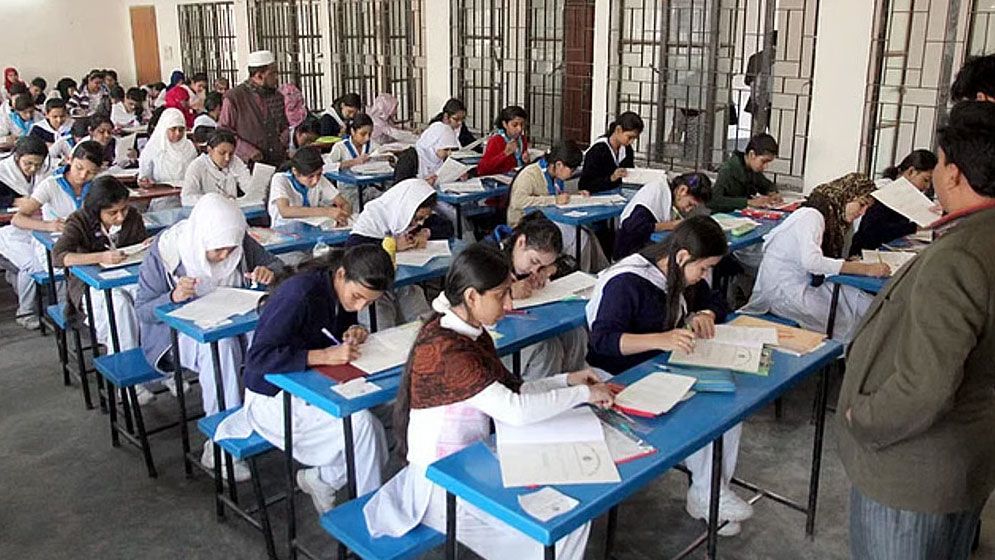
The Dhaka Board of Secondary and Higher Secondary Education has announced that the form fill-up process for the 2026 Secondary School Certificate (SSC) examinations will start on December 31, 2025. According to an official circular issued on Thursday, schools must publish the results of the selection or preparatory examinations by December 30 to ensure that eligible students can complete their SSC registration on time. The board emphasized that detailed instructions and the complete schedule for the form fill-up will be released soon on its official website. This move aims to maintain a smooth registration process and timely preparation for the 2026 SSC exams. Education authorities have also urged institutions to follow the official timetable strictly to avoid delays or complications in student registration.
Pakistan’s Defence Minister Khawaja Muhammad Asif has accused India of manipulating Afghanistan to destabilize the region and spread terrorism. In a recent interview with Geo News, Asif alleged that India is “pulling the strings” in Kabul, turning Afghanistan into its “puppet.” He also criticized the Taliban government for withdrawing from peace talks between Islamabad and Kabul, which recently collapsed in Istanbul. Asif warned that any Afghan attack on Pakistan would provoke a response “50 times stronger.” He further claimed that India, through Afghanistan, aims to wage a low-intensity war against Pakistan. Kabul had earlier dismissed such allegations as baseless and politically motivated. Analysts say the remarks signal rising tensions between the two neighbors amid fragile regional diplomacy.

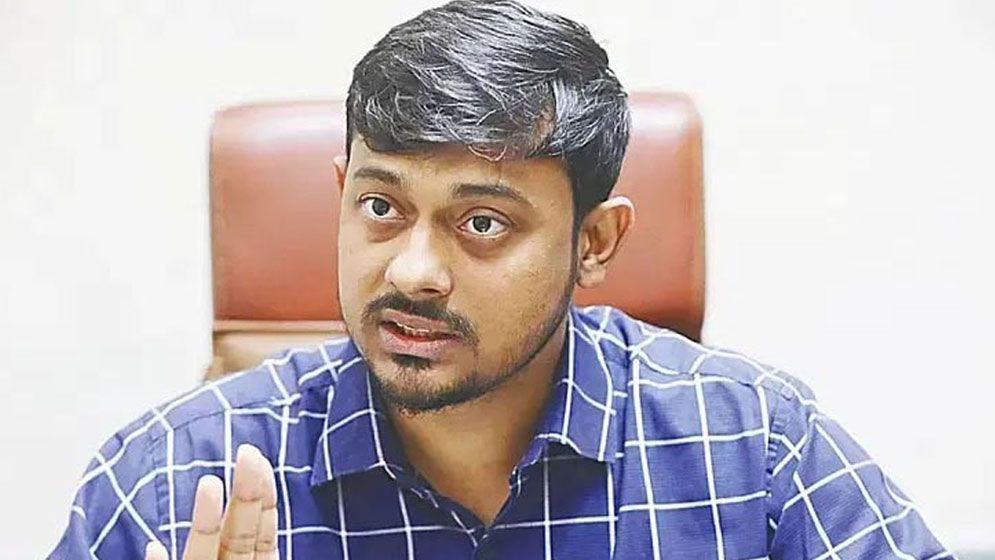
National Citizens Party (NCP) Chief Coordinator Nasiruddin Patwari has launched a strong attack on Jamaat-e-Islami, accusing the party of political hypocrisy and inconsistency. Speaking at a discussion on “The Present and Future Roadmap of Politics” at the Dhaka Reporters Unity on Thursday (October 30), Patwari said Jamaat’s “words and intentions differ,” especially regarding its stance on proportional representation (PR). He suggested that the party might eventually side with the BNP over the proposed referendum. Patwari also criticized legal expert Asif Nazrul, accusing him of lacking transparency in drafting the implementation framework for the July Charter. He demanded that the draft be made public before NCP considers signing it, saying the party has “no confidence in Asif Nazrul.” Referring to the Reform Commission’s recommendations, Patwari said the “ball is now in Dr. Yunus’s court,” calling on the Chief Adviser to declare the July Charter’s implementation at the Shaheed Minar in the presence of movement victims’ families. He added that the NCP would sign the Charter only after ensuring its legal validity.

At a discussion titled “The Present and Future Roadmap of Politics,” National Citizens Party (NCP) Chief Coordinator Nasir Uddin Patwary stated that the BNP was born through a “Yes” vote and will ultimately die through a “No” vote. He accused the BNP of trying to use the Reform Commission to rehabilitate the Awami League and declared that there would be no leniency toward either major party. Patwary emphasized that the government must adhere to the directives of the July Charter, demanding clarity on its ambiguous terms. He added that since BNP accepted the charter, it has no moral right to reject it now. Warning that failure to hold elections by February would rest responsibility on the interim government, he urged the Chief Adviser to engage with the public directly and issue reform orders from the Shaheed Minar.
The ‘1 Nojor’ media platform is now live in beta, inviting users to explore and provide feedback as we continue to refine the experience.