

The ‘1 Nojor’ media platform is now live in beta, inviting users to explore and provide feedback as we continue to refine the experience.
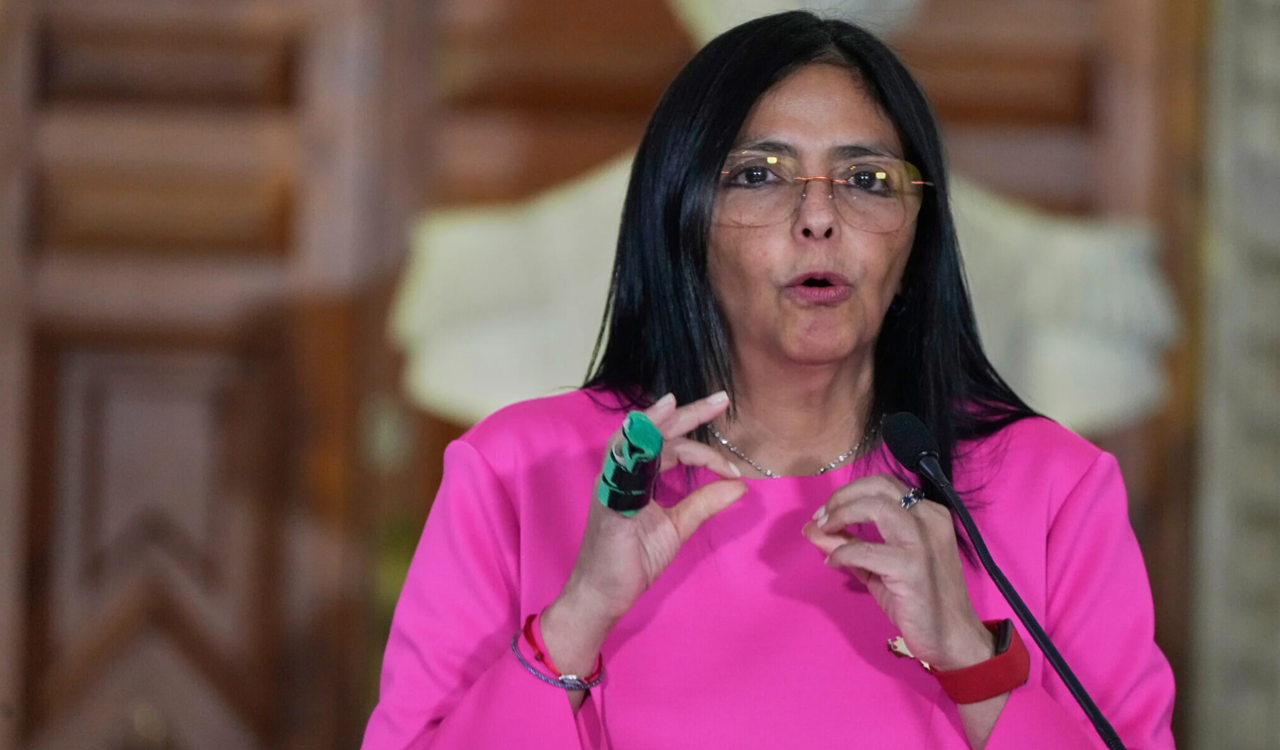
Venezuelan interim leader Delcy Rodríguez said on Monday that the arrest of former president Nicolás Maduro by U.S. forces has put the country on the right path. Rodríguez assumed leadership after Maduro was ousted in a U.S.-led operation in Caracas in January 2026. Since then, she has opened Venezuela to private investment and foreign interests, a process closely monitored by U.S. President Donald Trump. Speaking at an event in Caracas, Rodríguez celebrated the restoration of diplomatic relations between Caracas and Washington, describing January 3, 2026, as a turning point in national and international politics. She noted that Venezuela could not have imagined a post-Maduro era a year earlier and said that six months into her leadership, she believes the country is moving in the right direction. Relations between Venezuela and the United States have resumed after years of isolation, with Washington easing sanctions on Venezuela’s oil industry. Maduro remains imprisoned in New York on drug trafficking charges, while his son Nicolás Maduro Guerra attended Monday’s event.
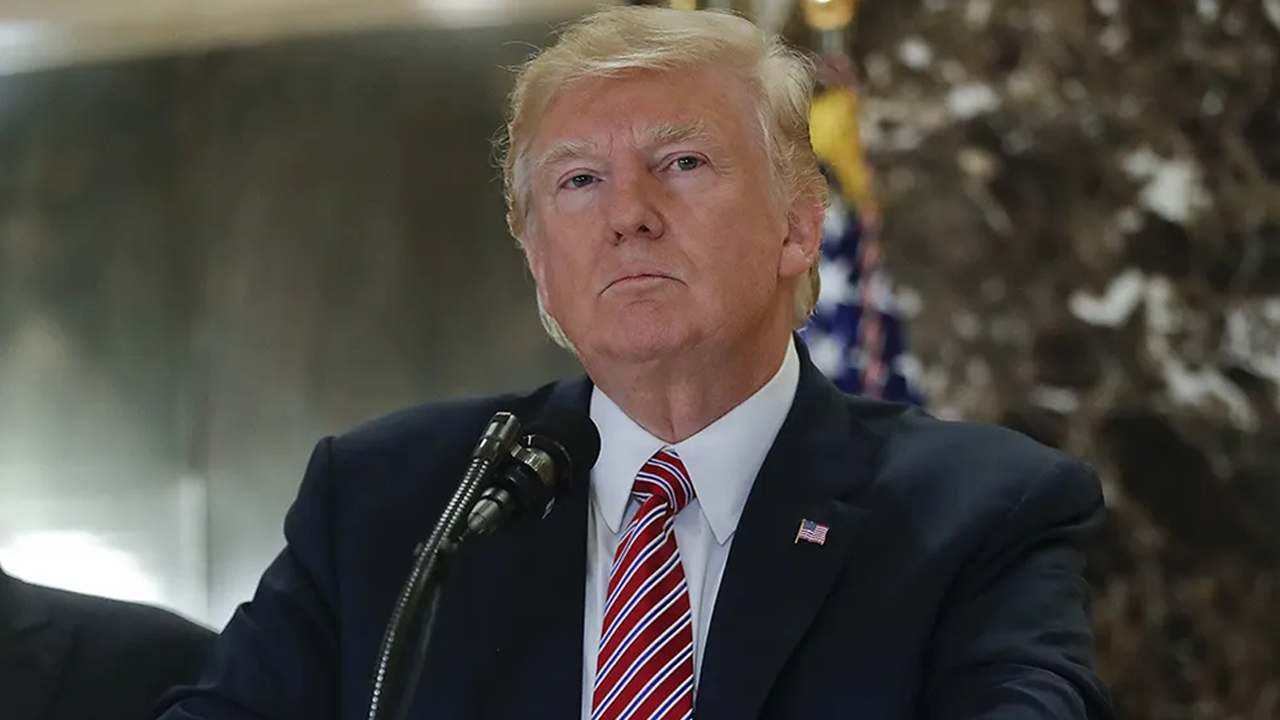
US President Donald Trump has accused NATO member states of failing to provide adequate support during the United States’ military operation in Iran. Speaking at a press conference in the Oval Office on Monday, Trump said that despite Washington’s heavy spending, NATO allies were reluctant to assist when the US needed cooperation on smaller matters. He warned that the US might also withhold assistance from NATO countries in the future if such attitudes continued. According to Trump, NATO partners often show unwillingness to help, which he described as unfair given the US’s financial contributions to the alliance. He suggested that the US could respond in kind, implying a potential shift in Washington’s approach to alliance commitments. Despite the ongoing strain in relations with NATO, Trump is scheduled to attend the upcoming NATO summit in Ankara, Turkey, next month, signaling continued engagement amid tensions.
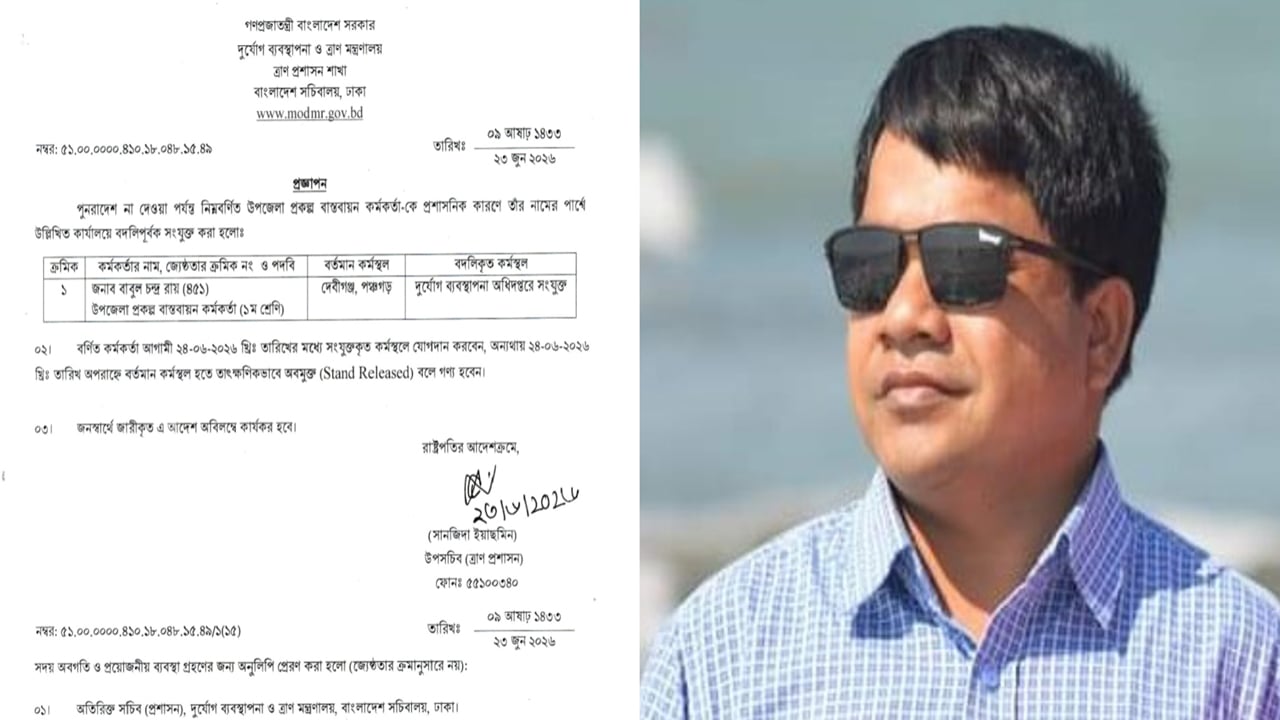
A Project Implementation Officer (PIO) in Debiganj upazila of Panchagarh, Babul Chandra Roy, was withdrawn a day after a video showing him allegedly calculating bribes and commissions went viral. The Ministry of Disaster Management and Relief issued a circular on Tuesday stating that he was removed from Debiganj and attached to the Department of Disaster Management. The order instructed him to join his new post by June 24, warning that failure to do so would result in immediate release from his current duties. The circular did not specify the reason for his withdrawal. The video, lasting about four minutes and forty-seven seconds, reportedly showed Babul Chandra Roy using a calculator to determine commission amounts for various projects under TR, Kabikha, and Kabita allocations. The footage spread widely across social media and news outlets, sparking extensive discussion in different circles. The ministry’s action followed widespread media coverage of the alleged 15 percent commission demand linked to project allocations in Debiganj.
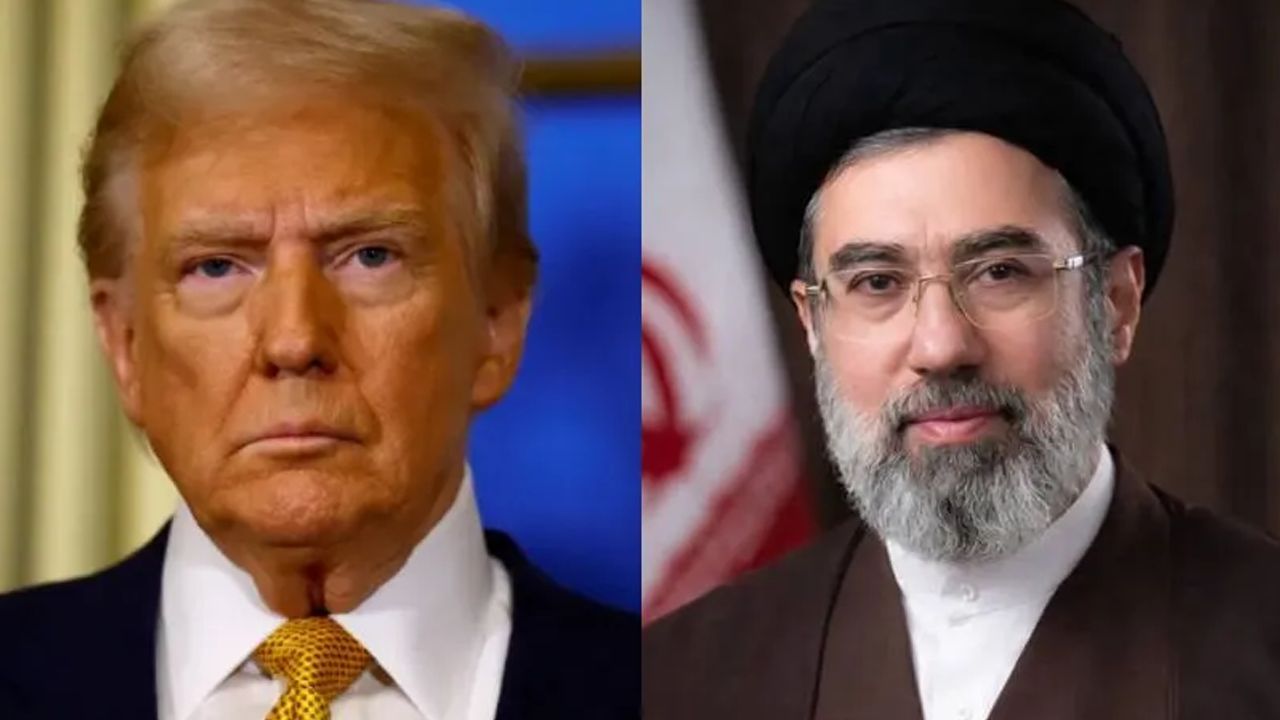
The United States has agreed to partially lift oil sanctions on Iran and release $12 billion in frozen Iranian assets. The decision followed an 18-hour negotiation in Switzerland, led by U.S. Vice President JD Vance and Iranian chief negotiator Mohammad Bagher Ghalibaf. The U.S. Treasury Department announced that Iran will be allowed to sell oil and petrochemical products until August 1. According to negotiators, the move came after Iran showed serious commitments on nuclear issues and agreed to inspections by the International Atomic Energy Agency (IAEA). President Donald Trump stated that the released funds would be used to purchase U.S.-made goods, a claim rejected by Iran’s central bank, which insisted Tehran has no obligation to buy American agricultural products. Ghalibaf defended the talks amid domestic criticism, saying the delegation went to Switzerland to help stop bloodshed in Lebanon. Vice President Vance noted that Iran had made significant concessions, including allowing nuclear inspectors into the country for the first time in years.
Bangladesh will no longer send workers to Malaysia through syndicates, according to Expatriates’ Welfare Minister Ariful Haque Chowdhury. He announced the decision after returning from Malaysia and said that Malaysia’s Human Resources Minister is scheduled to visit Dhaka in July. During that visit, both sides are expected to finalize a transparent and low-cost process for sending workers. The minister stated that discussions between the two countries on labor recruitment were positive and that both governments share the same position on eliminating syndicates. The announcement follows Prime Minister Tarek Rahman’s two-day official visit to Malaysia, where he met Malaysian Prime Minister Anwar Ibrahim and senior business leaders. During the visit, Bangladesh and Malaysia signed a memorandum of understanding on cultural cooperation and exchanged documents on counterterrorism research and investment collaboration. Both countries agreed to strengthen cooperation in trade, investment, labor, defense, energy, digital economy, and regional issues to elevate their longstanding bilateral relationship.
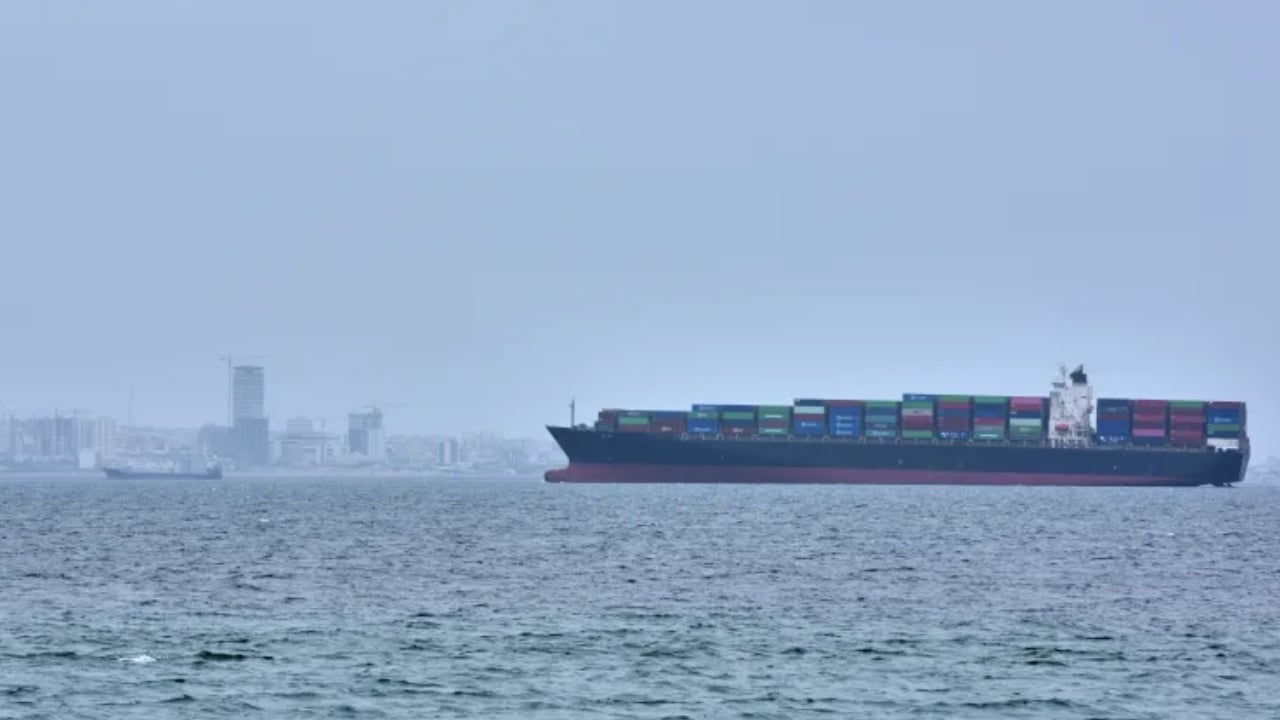
Iran’s chief negotiator Mohammad Baqer Ghalibaf announced that the Strait of Hormuz will remain under the administrative supervision of the Islamic Republic of Iran in accordance with international law. His remarks came after the first round of talks between Iran and the United States held in Switzerland, according to Iranian state media. Following the discussions, both countries agreed to establish a direct communication system to keep the vital maritime route open and to work toward ending the conflict in Lebanon. Ghalibaf described the talks at Switzerland’s Burgenstock resort as productive, citing progress on issues including the Hormuz Strait, the Lebanon conflict, easing of sanctions on Iranian oil, and the release of frozen Iranian assets. The United States temporarily suspended some oil sanctions after the talks, while Tehran agreed to allow UN nuclear inspectors back into the country. Ghalibaf emphasized that this was only the beginning of further efforts. After the Swiss meetings, he also visited Oman, another coastal state bordering the Strait of Hormuz.
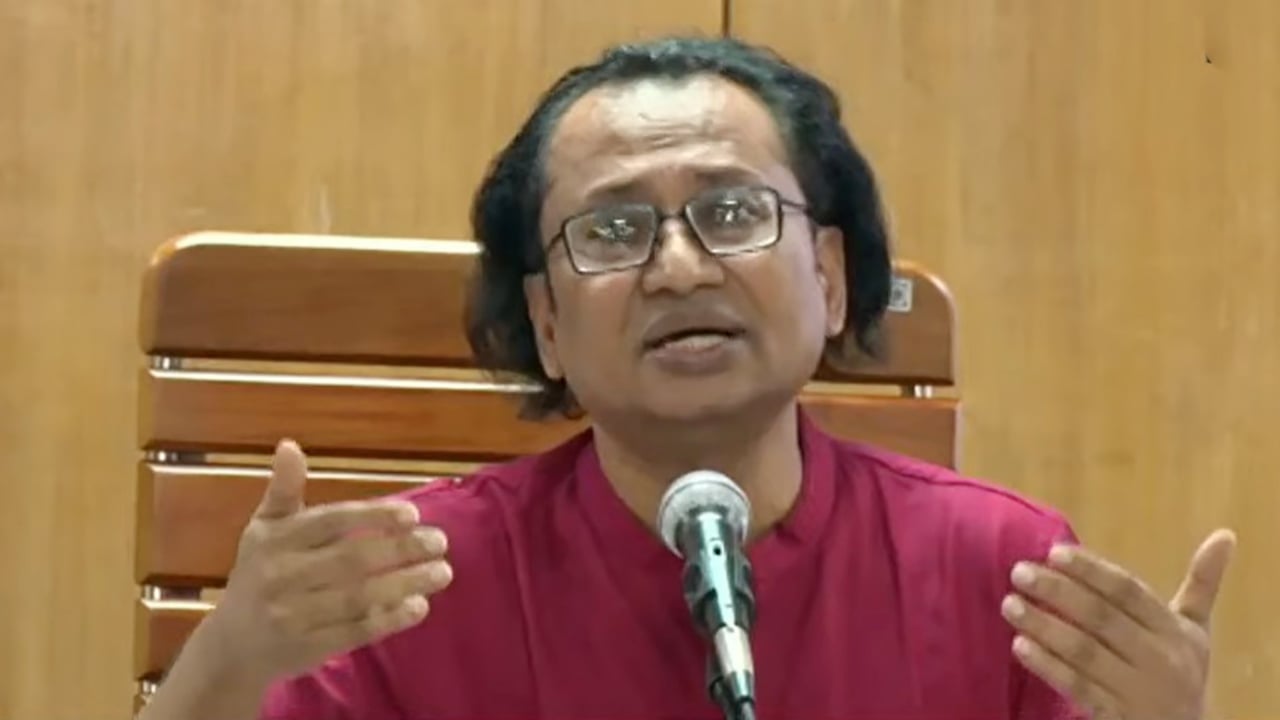
Bangladesh’s opposition party Jamaat-e-Islami has finalized its mayoral candidates for eight city corporations ahead of the upcoming local government elections. The decision was made at the party’s central executive council meeting held on Monday at its headquarters in Moghbazar, Dhaka, presided over by party chief and opposition leader Dr. Shafiqur Rahman. Party sources said the selected candidates have been instructed to begin groundwork, and the full list will be officially announced after the election schedule is released. The finalized candidates include Selim Uddin for Dhaka North, Sadiq Kayem for Dhaka South, Muhammad Shamsuzzaman Helali for Chattogram, Muazzam Hossain Helal for Barishal, Mahfuzur Rahman for Khulna, ATM Azam Khan for Rangpur, Abdul Jabbar for Narayanganj, and Hafizur Rahman for Gazipur. The meeting also reviewed the party’s 2025 organizational report and discussed political, parliamentary, and local election issues. According to a party statement, the council discussed national political and law-and-order issues, the proposed 2026–2027 budget, border concerns, and the 11-party alliance’s programs, adopting several policy decisions.

Prime Minister’s Information and Broadcasting Adviser Dr. Zahed Ur Rahman said the Prime Minister’s recent visit to Malaysia was fruitful and that the labor market between the two countries is expected to reopen soon. He made the remarks at a press conference on Tuesday afternoon, noting that local government elections could begin in September and all elections would be completed within a year. According to the adviser, Bangladesh and Malaysia have signed a free trade agreement, which he described as significant. He added that Malaysia will assist Bangladesh in addressing the Rohingya crisis and in joining the ASEAN regional bloc. The adviser also commented on political matters, saying that decisions regarding the Awami League would be made by the International Crimes Tribunal. The statements indicate that bilateral cooperation between Bangladesh and Malaysia is set to expand in trade and labor relations, with potential implications for Bangladesh’s foreign employment sector and regional engagement.
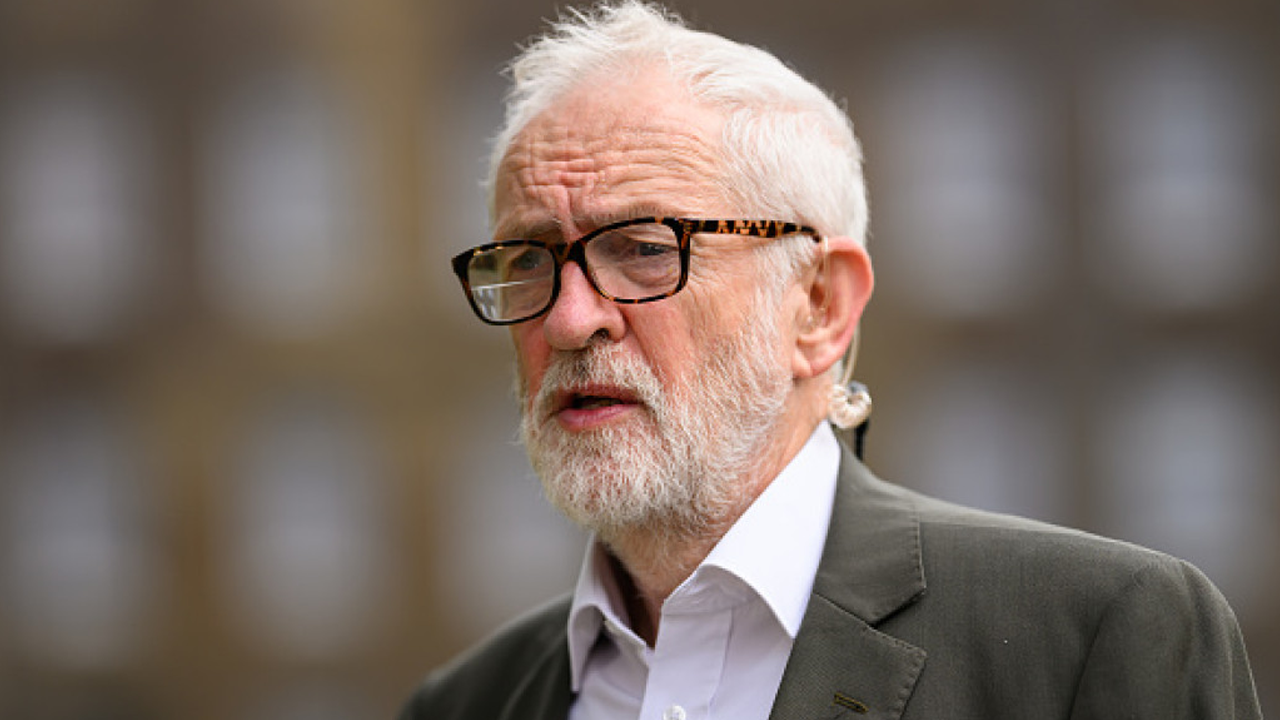
Former UK Labour Party leader Jeremy Corbyn has reintroduced a bill in the House of Commons demanding an independent public inquiry into what he described as Britain's involvement in genocide. The move came shortly after Prime Minister Keir Starmer announced his resignation. Corbyn criticized Starmer, saying that although he was stepping down, the government's role in what Corbyn called one of the greatest crimes of the time should not be forgotten. Corbyn had first introduced the bill last year, seeking an investigation into the UK's alleged participation in Israel’s military operations in Gaza. The proposed inquiry covered issues such as arms supplies to Israel, the use of British intelligence aircraft, and the use of Royal Air Force bases. Starmer’s government had rejected the bill during its second reading. Following that rejection, Corbyn organized a two-day tribunal on Gaza, where testimonies were heard from Palestinian civilians, doctors, aid workers, and legal experts, according to the report sourced from Al Jazeera.
After years of global and domestic challenges, Chattogram’s shipbuilding industry is showing renewed momentum. Western Marine Shipyard, one of Bangladesh’s largest private shipbuilders, has overcome the pandemic and economic downturn to resume full-scale operations. Located on 34 acres along the Karnaphuli River in Patiya, the company is currently constructing 15 vessels for both domestic and international clients, including oil tankers, landing crafts, cargo ships, and fishing vessels. Western Marine has exported 39 ships to countries such as Finland, Denmark, the UAE, and India, earning Bangladesh about 141 million US dollars in foreign exchange. The company employs around 1,000 workers and is listed on both the Dhaka and Chattogram stock exchanges. Industry representatives say the shipyard’s revival could strengthen Bangladesh’s position in the global market and stimulate local employment. Stakeholders have urged the government to provide policy support and incentives for the sector in the 2026–2027 budget. They believe that with proper financing and modern technology, Bangladesh could further expand its shipbuilding exports and reduce import dependence.

Dhaka University has temporarily suspended four professors and one administrative officer following allegations of controversial actions during the July uprising. The decision was made on Monday at a syndicate meeting chaired by Vice-Chancellor Professor Dr. A. B. M. Obaidul Islam, according to several members present at the meeting. The suspended professors are Dr. Nazmul Ahsan Kalimullah from the Department of Public Administration, Dr. A. K. M. Jamal Uddin from Sociology, Shibli Rubaiyat-ul-Islam from Banking and Insurance, and Dr. Mohammad Azmal Hossain Bhuiya from Botany. Officer Muhammad Lavlu Molla Shishir was also suspended under similar allegations. The suspensions stem from accusations that the individuals played a controversial role during the July movement, including labeling protesting students as “razakars” and issuing threats. The university administration took the decision after reviewing the complaints and discussions held in the syndicate meeting. The university has not yet announced the duration of the suspensions or any further disciplinary measures, leaving the next steps in the process unclear.
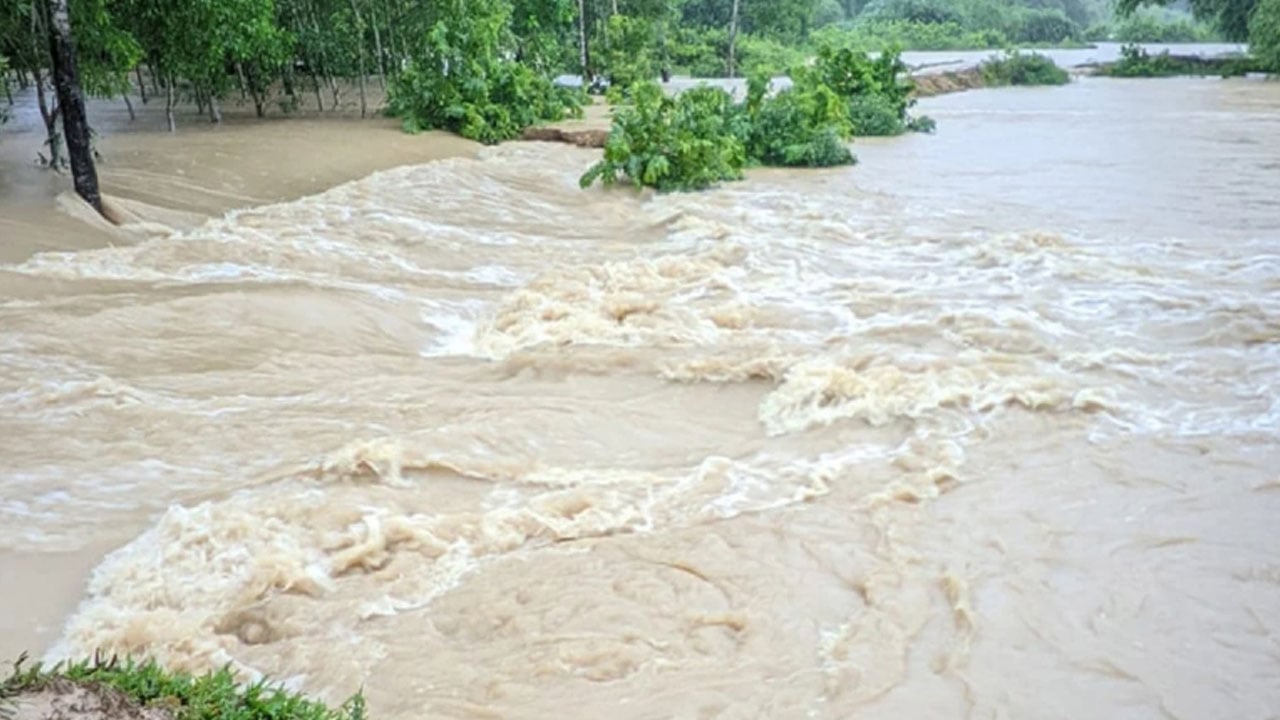
A sudden surge of water from upstream caused the Teesta embankment to collapse, flooding large areas across northern Bangladesh. The Flood Forecasting and Warning Centre issued a new alert on Monday, warning that within 72 hours, short-term flooding could occur in low-lying areas of Nilphamari, Lalmonirhat, Kurigram, Rangpur, Sylhet, and Sunamganj districts, with temporary inundation possible in parts of Netrakona, Mymensingh, and Sherpur. Local residents and water experts attributed the flooding to heavy rainfall in India and uncoordinated water releases from upstream. Abdullah Al Hadi, chairman of Lakshmitari Union in Rangpur’s Gangachara, said the sudden flood broke the Teesta embankment, submerging vast farmland and damaging crops of about 50,000 people. He blamed India’s unilateral water management for repeated losses in Teesta basin areas. The Water Development Board confirmed that the floods were caused by heavy rainfall in India’s upstream regions, not domestic rain, and warned that the situation could persist for five days. Meteorologists forecast below-average rainfall in June but expect heavier rain in Rangpur, Mymensingh, and Sylhet from June 27, which could worsen flooding in affected regions.
Bangladesh Bank’s latest statistics reveal that 4,899 large borrowers, each with loans exceeding Tk 50 crore, collectively hold Tk 5.75 trillion—over 32 percent of the country’s total bank loans. This concentration has grown from 27.6 percent in March 2024, indicating a rising dominance of large corporate clients in the banking sector. Each of these accounts now averages around Tk 117 crore in loans. The report highlights that this growing concentration poses significant risks to the banking system, as defaults by a few large borrowers could directly affect banks’ capital, liquidity, and profitability. Despite existing exposure limits, many large industrial groups have exceeded them, and Bangladesh Bank has recently relaxed these limits further, allowing banks to lend up to 25 percent of their capital to a single client until June 2028. Meanwhile, small borrowers remain largely excluded. Over 93 percent of loan accounts hold less than Tk 10 lakh, yet together they receive only 9.19 percent of total loans. State-owned banks face the highest risk, with nearly half their loans concentrated among about 1,000 clients.

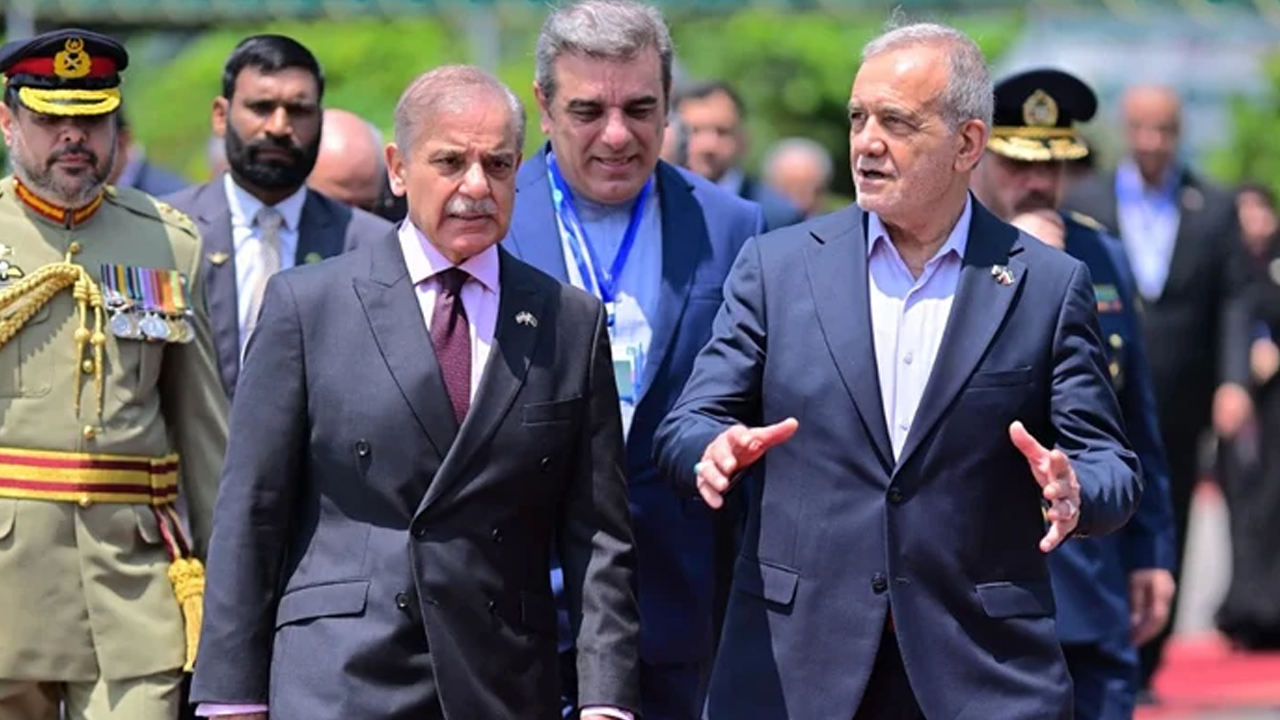
Iranian President Masoud Pezeshkian arrived in Pakistan on Tuesday for a one-day state visit, accompanied by senior ministers and officials. The trip follows recent US-Iran peace discussions mediated by Pakistan and is viewed as a significant step in strengthening bilateral ties. Islamabad has imposed traffic restrictions and work-from-home directives in the Red Zone during the visit. Pezeshkian is scheduled to meet Pakistani President Asif Ali Zardari and Prime Minister Shehbaz Sharif. The visit comes after the February joint US-Israel attack on Iran, which triggered weeks of conflict. Pakistan played a key mediating role that led to the “Islamabad Memorandum of Understanding” earlier this month, paving the way for high-level US-Iran talks in Switzerland. Both sides are expected to discuss trade, energy cooperation, border security, and regional connectivity. According to official statements, the visit provides an opportunity to review all aspects of bilateral relations and advance cooperation in economic and security fields. It also reinforces Pakistan’s growing diplomatic role in regional stability and conflict resolution.
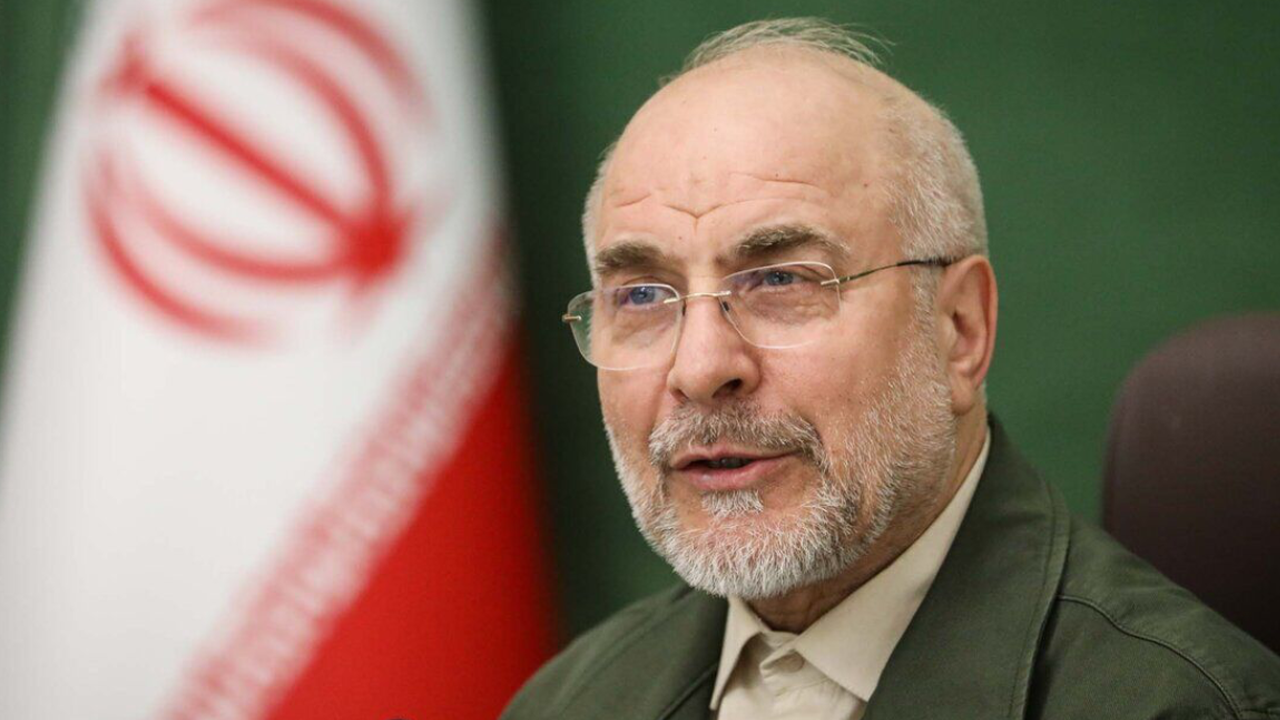
Iran’s chief negotiator Mohammad Bagher Ghalibaf has described the recent talks between Iran and the United States in Switzerland as a success, saying the discussions produced significant achievements. He said the dialogue covered key topics including the Hormuz Strait, the situation in Lebanon, suspension of oil sanctions, and the release of frozen Iranian funds. Ghalibaf confirmed that two installments totaling six billion dollars of previously blocked funds have already been released. He noted that while no final agreement has yet been reached, sanctions on Iran’s oil sector remain in place. However, he said Iran has now secured temporary relief allowing oil sales and banking operations, with related agreements signed. On Lebanon, Ghalibaf said both sides agreed to establish a coordination center to manage disputes and prevent renewed conflict, ensure normal life for citizens, and uphold Lebanon’s sovereignty. Regarding the Hormuz Strait, Ghalibaf stated that its management will not return to pre-war conditions and that a coordination mechanism, including a hotline and a center, has been agreed to handle any future misunderstandings or disputes.
The ‘1 Nojor’ media platform is now live in beta, inviting users to explore and provide feedback as we continue to refine the experience.