

The ‘1 Nojor’ media platform is now live in beta, inviting users to explore and provide feedback as we continue to refine the experience.
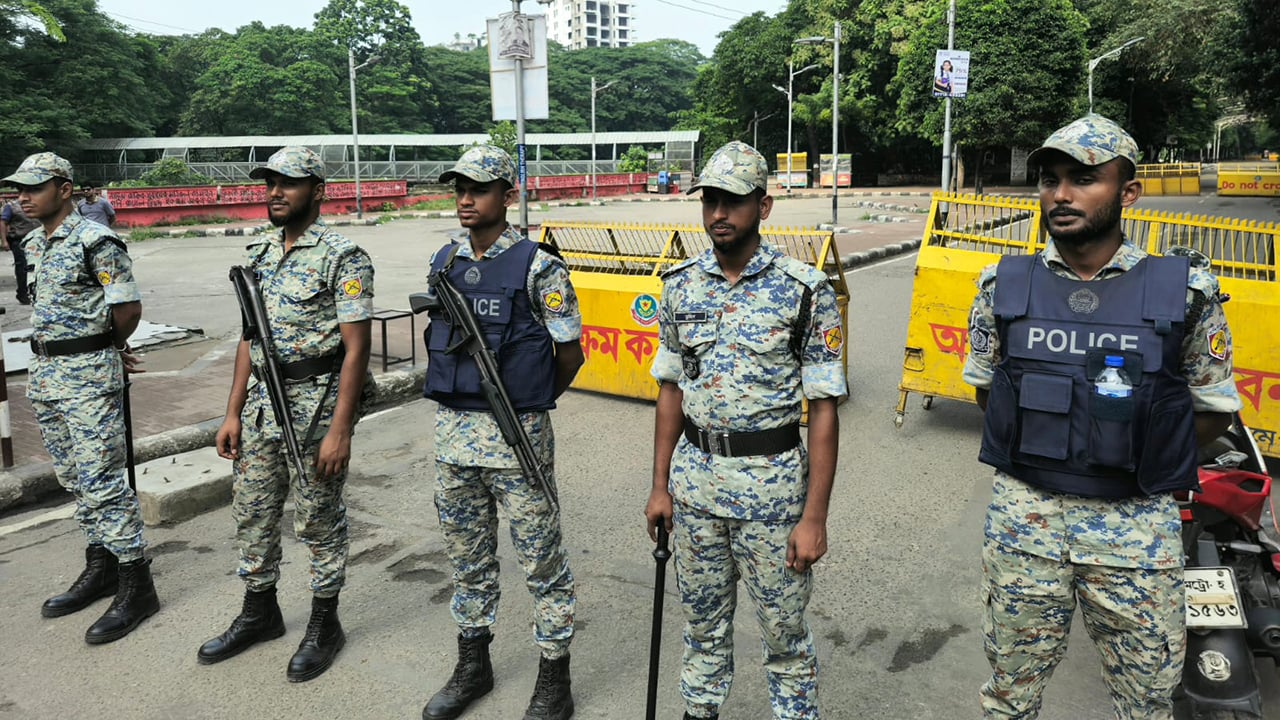
Law enforcement agencies have taken strict security measures in Dhaka’s Dhanmondi 32 area and its surroundings. From Tuesday morning, additional personnel from the police, Rapid Action Battalion (RAB), Detective Branch (DB), and other security units have been deployed to maintain order and prevent any acts of sabotage. The heightened security comes in connection with the 77th founding anniversary of the banned Awami League. Authorities have set up barricades at entry points to Dhanmondi 32, with officers stationed nearby to monitor movement. Public access in the area has been restricted as part of the precautionary measures. These steps are aimed at ensuring stability and preventing any disruption to law and order during the politically sensitive period.
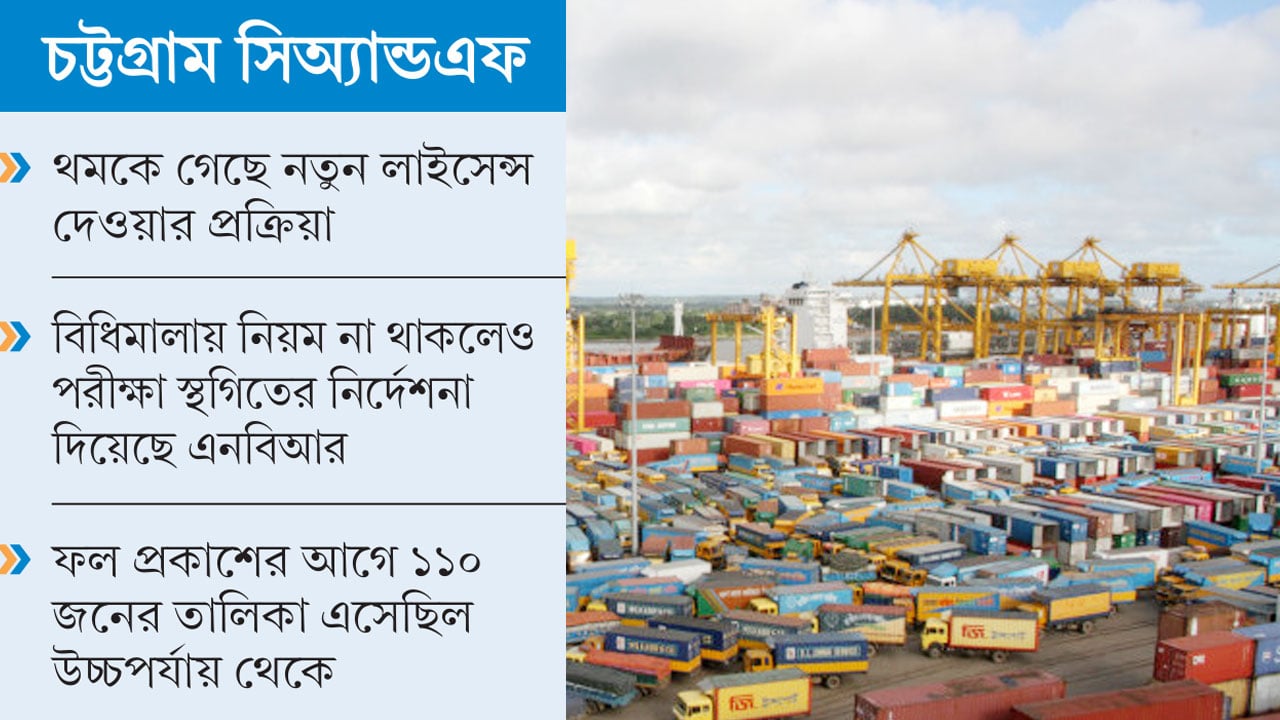
The National Board of Revenue (NBR) has suspended the oral examination for clearing and forwarding (C&F) agent licenses, which was scheduled between June 21 and 24, 2026. The suspension came a day after the schedule was announced, citing unavoidable reasons. Earlier, the Customs, Excise and VAT Training Academy (CEVTA) conducted the first-ever written test for the licenses in Chattogram, where 2,521 candidates participated out of nearly 3,000 shortlisted applicants. Only 210 passed, and most politically affiliated candidates reportedly failed, leading to pressure on NBR. Officials involved said the written test was part of the new C&F Agent Licensing Rules 2026, designed to ensure transparency in the licensing process. They alleged that political influence had previously dominated license distribution. After the results excluded most ruling party activists, discontent spread among political circles, and attempts were made to alter the results. A list of 110 candidates was reportedly sent to CEVTA for inclusion, but officials refused to comply. The CEVTA director confirmed that the oral test was postponed following NBR’s directive but said he was unaware of the specific reasons. The NBR chairman did not respond to requests for comment.
The government of Bangladesh is moving toward implementing a new national pay scale for public servants after more than a decade, following the 2026–27 budget announcement. Although the pay scale is set to take effect on July 1, the full implementation strategy has not yet been finalized, leaving government employees both hopeful and anxious. A secretary-level committee led by the cabinet secretary has discussed recommendations from the National Pay Commission and other bodies, but no final decision has been reached. Another meeting is scheduled for June 24 to determine the next steps. According to official sources, employees may not receive the increased salary until September or October due to administrative preparations such as regulation updates and software adjustments. Discussions are ongoing about whether to implement the pay scale in phases, with an initial 50 percent adjustment possible in the first year. Employee groups are demanding full implementation from July, citing rising living costs. The government has allocated Tk 89,836 crore for salaries and allowances in the new budget, with a significant portion reserved for pay scale implementation. Analysts note that the main challenge for the government is balancing employee expectations with fiscal capacity amid inflationary pressures.

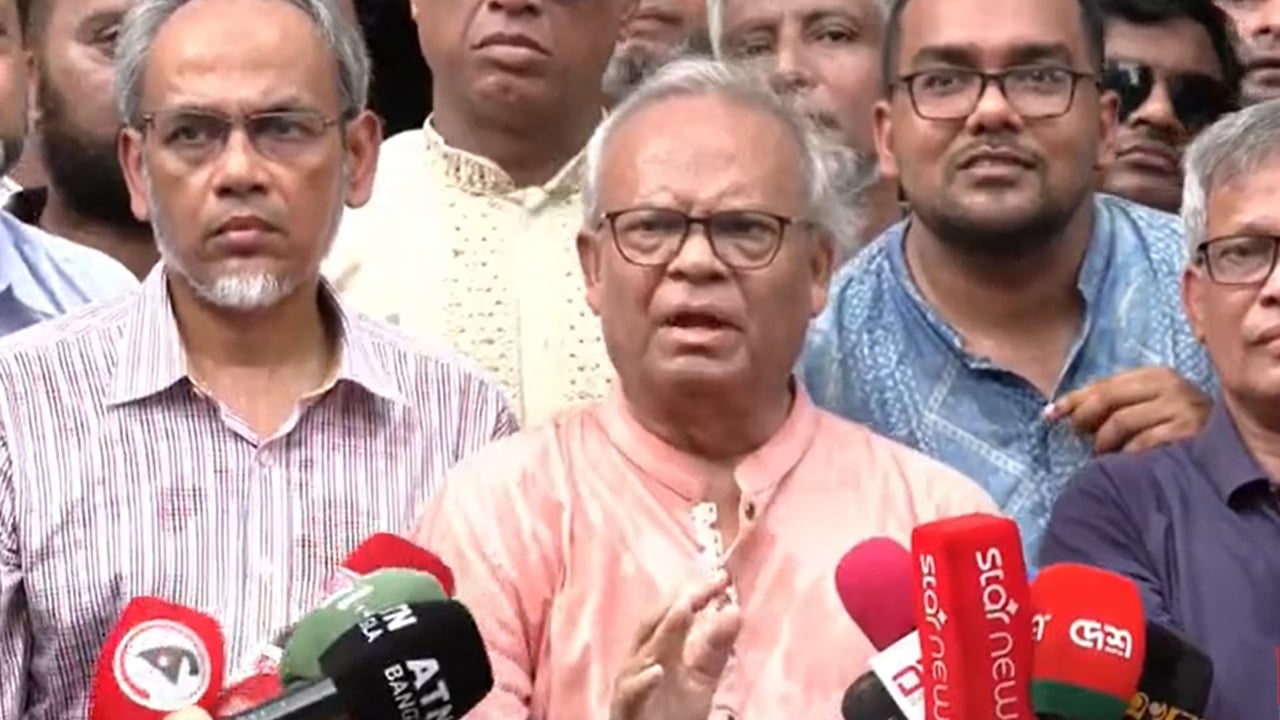
BNP Senior Joint Secretary General and Prime Minister’s Adviser Advocate Ruhul Kabir Rizvi announced that the banned Awami League’s alleged terrorist activities would be resisted with public support. He made the statement on Tuesday, June 23, 2026, after leading a protest march in front of the BNP’s central office in Naya Paltan, Dhaka. The march was organized to protest what BNP described as provocative actions by Awami League members marking the party’s founding anniversary. The procession, led by Rizvi, began in front of the BNP’s central office, circled the Nightingale intersection, and ended at the same location. In a brief address following the march, Rizvi said that fallen fascism would not be allowed to return to Bangladesh. He accused the Awami League of attempting to destabilize the country using laundered money and of depriving citizens of their rights and normal life during its rule. Rizvi emphasized that BNP and its supporters would continue to resist any attempts to create unrest or revive authoritarian practices in the country.
The United States has granted Iran permission to sell oil in US dollars for the first time in several decades, enabling Tehran to export crude to American buyers. According to The Wall Street Journal, the decision has already led to a decline in global oil prices. US Vice President JD Vance stated that Iranian officials have agreed to allow nuclear inspectors to return to the country this week, a move seen as a major concession by Iran. The report added that optimism over progress in ongoing talks to end the US-Iran conflict contributed to a 3.3 percent drop in Brent crude prices, bringing them below 78 dollars per barrel. The development marks a significant shift in the long-strained economic and diplomatic relations between the two nations. If sustained, the easing of restrictions could reshape global energy markets and signal a broader thaw in US-Iran relations, though the long-term impact remains to be seen.

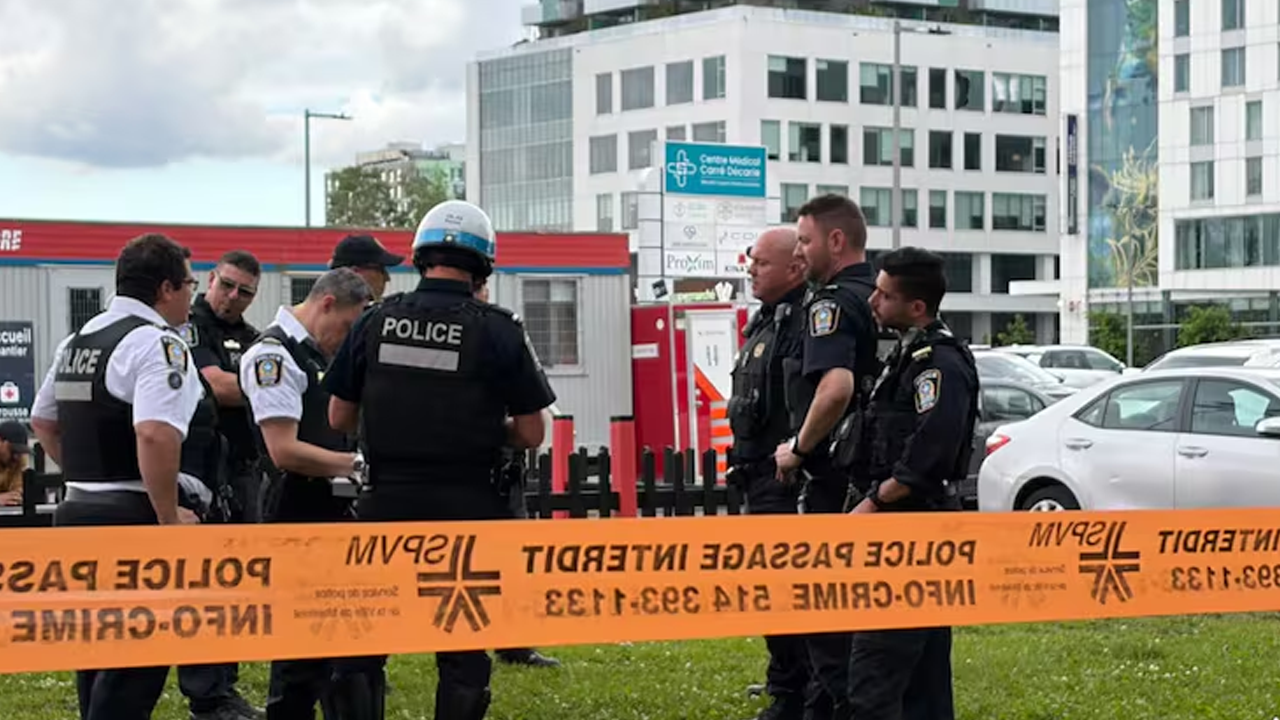
At least three people were killed in a shooting in Montreal, Canada, on Monday, including a police officer, a civilian, and the gunman himself. The attack occurred in the Côte-des-Neiges neighborhood, a partly Jewish-populated area with kosher markets and restaurants. Police responded around 11:30 a.m. after reports of an active shooter firing from inside a building with a long gun. The gunman was later killed in an exchange of fire with police. Authorities have not yet confirmed the motive or whether the attack was a hate crime or terrorism-related. French-language public broadcaster Radio-Canada reported that the suspect may have been linked to the so-called “incel” ideology, which has been associated with previous acts of violence in Canada. Montreal Police Chief Fady Dagher described the incident as a “tragedy” and a “nightmare.” Prime Minister Mark Carney expressed deep sorrow over the violence, saying he was heartbroken by the event. Details about the slain civilian have not yet been released, while a female police officer injured in the shooting is now out of danger.
Lionel Messi reached a historic milestone on Monday in Dallas, scoring twice in Argentina’s 2–0 victory over Austria to become the all-time leading scorer in World Cup history. His two goals brought his total to 18, surpassing Germany’s Miroslav Klose, who had 16, and Brazil’s Marta, who has 17 across men’s and women’s tournaments. Messi’s first goal came in the 38th minute, equaling Klose’s record, and his second in stoppage time made him the outright leader. This World Cup marks Messi’s sixth appearance in the tournament. Remarkably, 12 of his 18 goals have come after turning 35, and all five of Argentina’s goals in the current edition have been scored by him. The Argentine captain also became only the third player to score in six consecutive World Cup matches, joining France’s Just Fontaine and Brazil’s Jairzinho. Despite missing a penalty early in the match, Messi’s performance drew praise from analysts. BBC commentators Ashley Williams and Danny Murphy highlighted his football intelligence and questioned whether fans are witnessing the greatest player in football history.

The Dhaka Metropolitan Police (DMP) has issued a public notice prohibiting the carrying of weapons and the use of fireworks during the observance of the holy Ashura. The directive, signed by DMP Commissioner Mosleh Uddin Ahmed, was announced on Tuesday morning. It states that on Friday, June 26, Tazia processions will take place at various locations across Dhaka, and the ban will remain in effect throughout the duration of these events. According to the notice, participants in previous processions have sometimes carried sharp or blunt weapons such as machetes, knives, scissors, spears, lances, swords, and sticks, which have occasionally led to unwanted incidents and caused fear among residents. The DMP emphasized that such actions pose a threat to public safety and disrupt the solemnity of the religious occasion. The order, issued under sections 28 and 29 of the Dhaka Metropolitan Police Ordinance (Ordinance No. III/1976), also bans the lighting of fireworks and firecrackers during the Muharram period, as these are deemed inconsistent with the spiritual atmosphere of Ashura.
UK Prime Minister and Labour Party leader Sir Keir Starmer has resigned less than two years after his landslide election victory. His departure is widely linked to his government's stance on Israel’s military operations in Gaza and the United Kingdom’s continued support for Israel. Local elections and opinion polls indicated that many former Labour voters turned away from the party over its Gaza policy, shifting support to centrist or left-leaning alternatives. Former Labour leader Jeremy Corbyn and Green Party leader Zack Polanski sharply criticized Starmer’s approach, accusing him of moral failure and complicity in atrocities. During his tenure, Starmer maintained intelligence and military cooperation with Israel, authorized arms exports, and faced allegations of ignoring evidence of war crimes. His government also banned the pro-Palestinian group “Palestine Action” and restricted entry to critics of Israel, while granting diplomatic privileges to Israeli officials. Although Starmer’s administration recognized the State of Palestine in 2025 with conditions and imposed limited sanctions on Israeli settlements, his inconsistent foreign policy and domestic crackdowns left him isolated. Observers noted that his resignation followed growing dissatisfaction across political and public spheres.

A four-year-old girl named Ayesha Khatun was killed after being hit by a van in Bhurungamari upazila of Kurigram district. The accident occurred on Monday evening in Paschim Chat Gopalpur village. Ayesha, daughter of Aminur Rahman, ran onto the road from her home and was struck by a goods-laden van traveling from Dhamerhat Bazar toward Bhurungamari. Family members rescued her in a severely injured condition and took her to Bhurungamari Hospital. As her condition worsened, doctors at Bhurungamari Hospital referred her to Rangpur Medical College Hospital for advanced treatment. However, she died on the way to Rangpur. Tilai Union Parishad Chairman Kamruzzaman confirmed the incident. Bhurungamari Police Station Officer-in-Charge Azim Uddin said he learned about the accident through local village police and that action would be taken if a complaint is filed. The report did not mention whether the van driver was identified or detained following the incident.
Khairul Islam Sajib, son of Narayanganj-3 MP Azharul Islam Mannan, was detained on extortion allegations and released hours later from Detective Branch (DB) custody. He was handed over to his family late Sunday night after signing a bond, confirmed Dhaka Metropolitan Police Additional Commissioner (DB) Shafiqul Islam. Sajib had been accused by an industrial group of extortion in Narayanganj, leading to his detention from his Bashundhara residence for questioning. According to DB sources, Sajib was first held by Narayanganj police and later transferred to Dhaka DB for interrogation. He was expelled from his position as senior joint convener of the Narayanganj district Jubo Dal following his arrest. Officials said there were multiple allegations but no formal case, so he was released on a bond under legal provisions of the Criminal Procedure Code. Anonymous DB officers noted that complainants feared filing a case due to Sajib’s political influence. Sources added that lobbying for Sajib’s release reached senior police and political levels, with one leader from Cumilla reportedly active in securing his release. The DB later summoned the complainants, who requested police vigilance to prevent future incidents.

Norway advanced to the World Cup knockout stage for the first time in 28 years after defeating Senegal 3-1 on Tuesday. Star striker Erling Haaland scored twice, continuing his remarkable scoring streak of two goals in each of his last six international matches. His performance secured Norway’s place in the round of 16, marking a major milestone for the Scandinavian nation since their last appearance in 1998. In that 1998 tournament in France, Norway had also reached the knockout stage but were eliminated by Italy in the round of 16. This year’s return to the global stage has been marked by strong leadership from captain Martin Ødegaard and a team spirit rooted in Viking-themed celebrations. After the win over Senegal, players were seen performing their symbolic “Viking boat rowing” celebration on the field. Haaland’s consistent scoring form has been the driving force behind Norway’s resurgence, and his continued performance could fuel hopes of progressing deeper into the tournament.

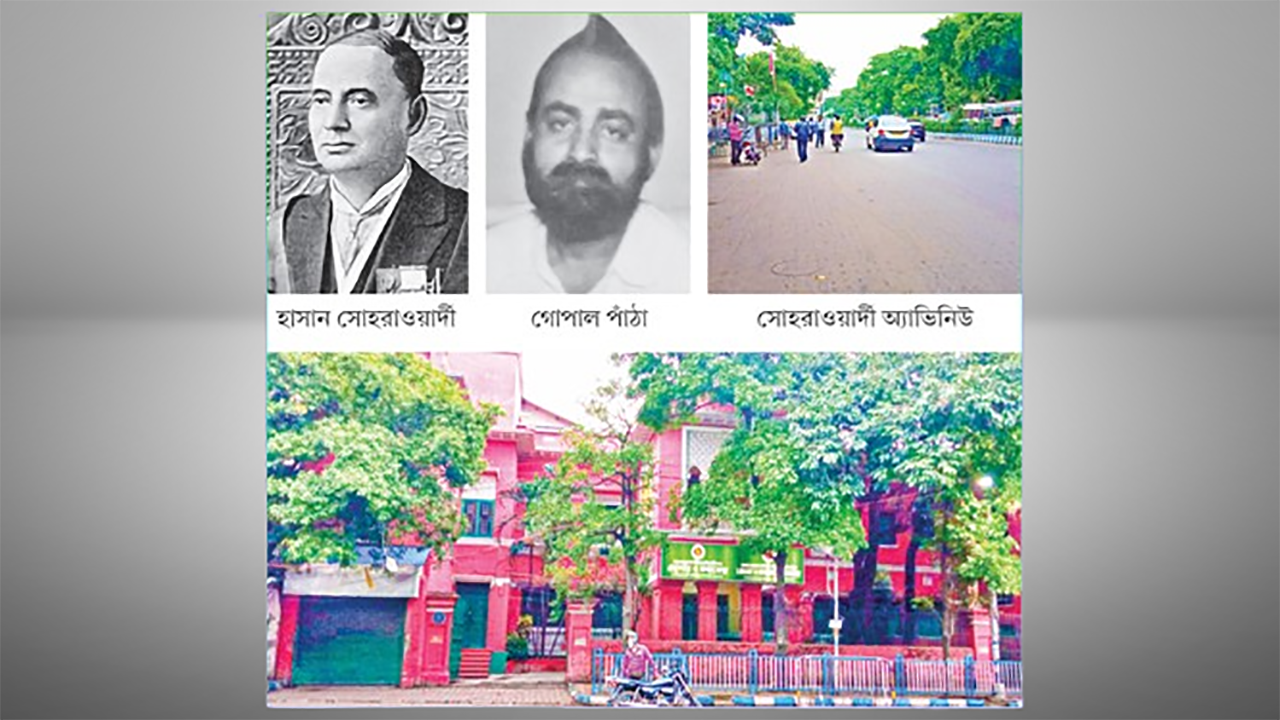
The BJP-led West Bengal government has renamed Kolkata’s historic ‘Sohrabardi Avenue’ as ‘Gopal Mukherjee Road’, a move announced on June 20 and described by Chief Minister Shuvendu Adhikari as a correction of a long-standing historical error. Adhikari claimed the previous name honored a figure responsible for political violence, while the new name recognizes a ‘true protector and savior’. The decision was made public through Adhikari’s post on X, calling it a historic step taken on West Bengal Day. Opposition leaders and historians have strongly contested the decision, arguing that the avenue was not named after Huseyn Shaheed Suhrawardy, the last Premier of undivided Bengal, but after his uncle Dr. Hasan Suhrawardy, a renowned physician and educator. Critics, including Trinamool Congress leaders Saket Gokhale and Kunal Ghosh, urged the government to verify historical records, warning that punishing the wrong person’s legacy would be a grave mistake. The controversy deepened as reports highlighted Hasan Suhrawardy’s humanitarian contributions and Gopal Mukherjee’s violent role in the 1946 Kolkata riots. Observers described the renaming as politically motivated historical distortion that undermines Kolkata’s cultural identity.
Iran has agreed to allow international nuclear inspectors back into the country, according to US Vice President JD Vance. Speaking in Switzerland, Vance said the first round of talks between the United States and Iran made significant progress toward a final peace agreement. A 14-point memorandum signed last week by US President Donald Trump and Iranian President Masoud Pezeshkian includes commitments to reopen the Strait of Hormuz and end fighting on all fronts, including Lebanon. A joint statement from mediators Qatar and Pakistan confirmed that both sides agreed on a 60-day roadmap to reach a final deal. Vance described the talks as a strong foundation and called the nuclear progress a major milestone for the American people and a first step toward permanently halting Iran’s nuclear weapons program. Iran maintains that its nuclear activities are peaceful. The International Atomic Energy Agency (IAEA) is expected to resume inspections this week. The memorandum also involves IAEA oversight of Iran’s enriched uranium stockpile and the establishment of a permanent communication line to ensure safe navigation through the Strait of Hormuz. A special cell has been formed to coordinate efforts to halt military operations in Lebanon.

After being stranded for more than three and a half months, the Bangladesh Shipping Corporation (BSC)-owned vessel MV Banglar Joyjatra has successfully crossed the Hormuz Strait. The passage occurred around 3 a.m. on Monday night, confirmed BSC Managing Director Commodore Mahmudul Malek. The ship, carrying 31 Bangladeshi sailors and crew, crossed the strait safely, as also confirmed by Additional Chief Officer Pronoy Saha through a message. The vessel had been stuck in the Persian Gulf since February 28 due to the Iran-Israel conflict. Earlier, while unloading cargo at Jebel Ali Port in the United Arab Emirates, an Iranian missile struck nearby, narrowly missing the crew. The ship, built in 2018 with a capacity of 38,894 deadweight tons, was preparing to sail to South Africa with about 37,000 tons of fertilizer but repeatedly failed to depart due to lack of clearance to cross the strait. Following multiple diplomatic and operational efforts by the Ministry of Foreign Affairs, the Ministry of Shipping, and BSC, the vessel succeeded on its fourth attempt and is now heading toward Fujairah Port in the UAE for bunkering and clearance procedures.

The ‘1 Nojor’ media platform is now live in beta, inviting users to explore and provide feedback as we continue to refine the experience.