

The ‘1 Nojor’ media platform is now live in beta, inviting users to explore and provide feedback as we continue to refine the experience.
The U.S. Department of Defense requires an additional $800 billion to fund the ongoing Iran war and other non-war expenditures, according to Deputy Defense Secretary Stephen Feinberg. He disclosed this during a phone call with U.S. lawmakers earlier this week, as reported by The Wall Street Journal. A supplementary budget proposal is expected to be sent to Congress within days, including allocations for defense as well as non-defense sectors such as agriculture and disaster relief. Neither the Pentagon nor the White House has commented on the report, and Reuters could not independently verify it. In April, a Pentagon official told Reuters that approximately $250 billion had already been spent on the Iran war, marking the first official cost estimate. The total cost of the conflict, launched jointly by President Donald Trump and Israel on February 28, remains unclear. A previous $200 billion funding proposal faced strong opposition in Congress. Budget debates continue as the White House defends Trump’s proposed $1.5 trillion annual military budget, which reflects Republican priorities ahead of the November midterm elections.
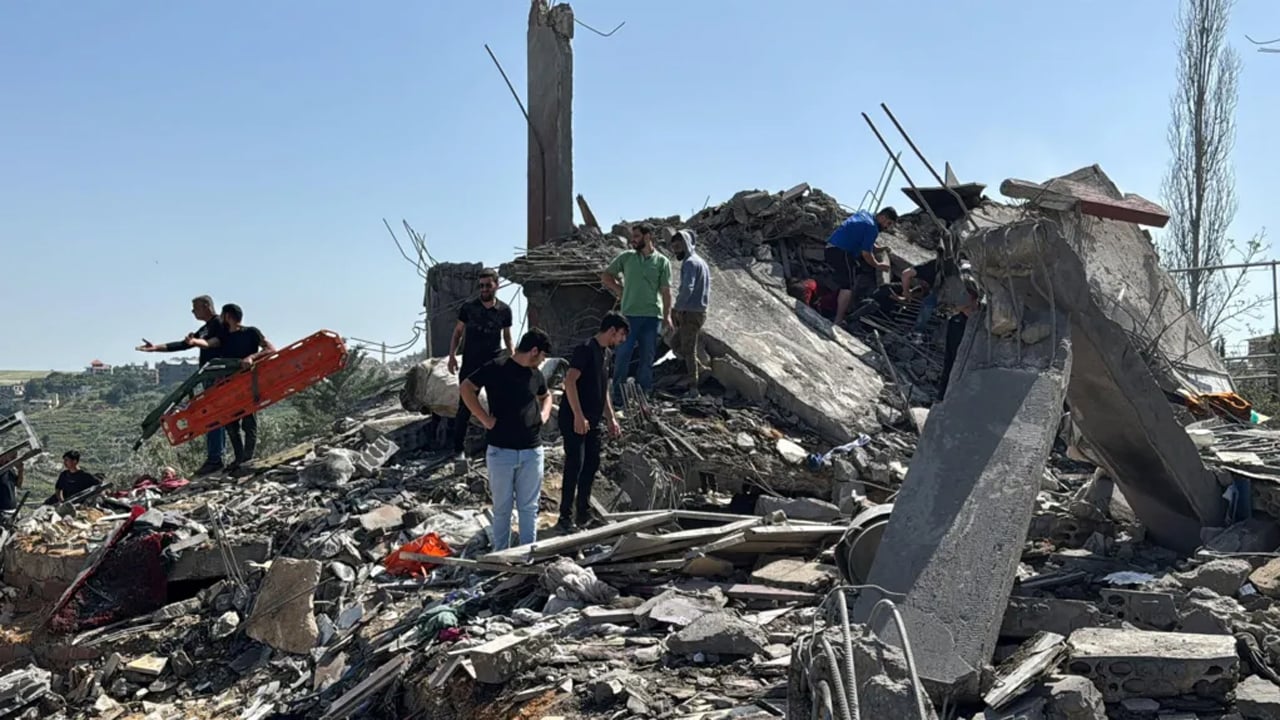
At least 22 people were killed and 12 others injured in Israeli attacks on Lebanon’s Nabatieh district on Saturday, according to the country’s Civil Defense Agency. The agency reported that strikes continued from early morning, with rescue teams retrieving bodies and transporting the injured to hospitals. Ongoing bombardments have made rescue operations difficult. Lebanon’s Health Ministry stated that since Israeli attacks began on March 2, more than 3,980 people have been killed and over 12,001 injured nationwide. The latest assault came just one day after a ceasefire announcement between Israel and Hezbollah, raising fears of renewed regional tension. The continued violence following the ceasefire declaration has heightened concerns about instability in southern Lebanon and the broader region.
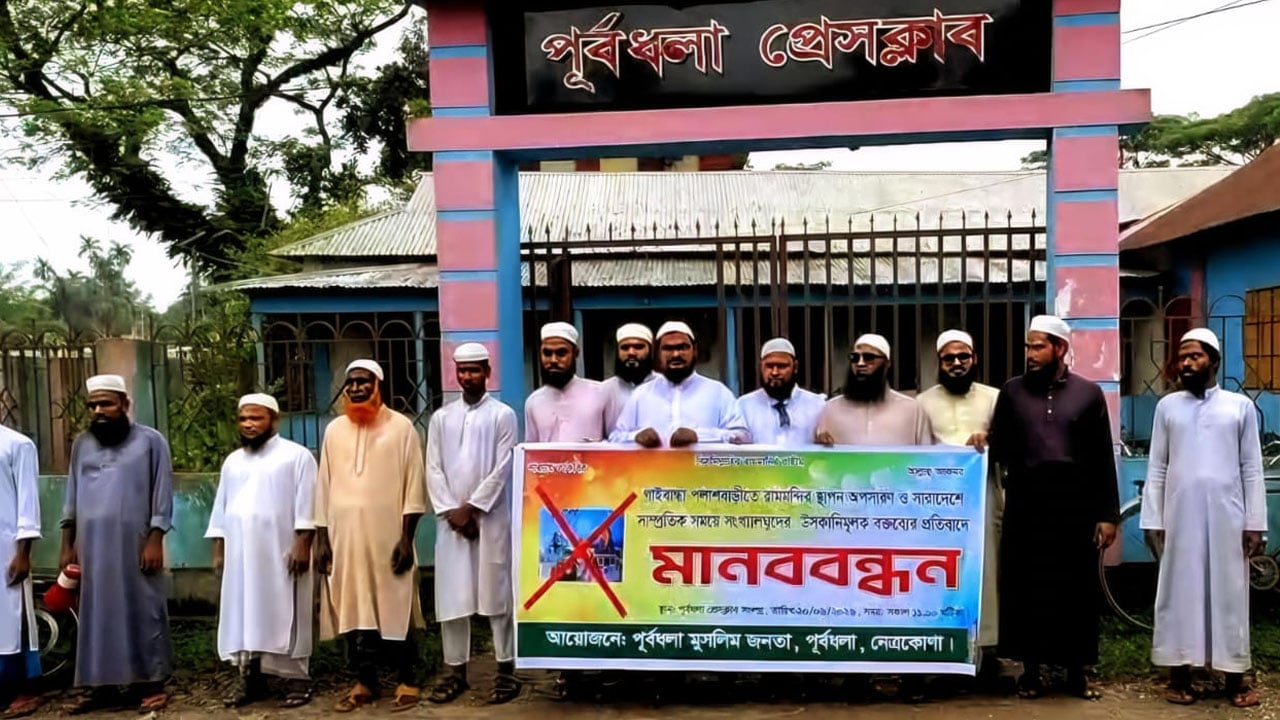
A human chain was held in Purbadhala, Netrokona, on Saturday, June 20, 2026, protesting against Hindutva-inspired provocative statements and the initiative to build a large Ram statue in Gaibandha’s Palashbari as part of a Ram temple project. The event took place in front of the Purbadhala Press Club under the banner of “Tawhidi Janata, Purbadhala,” with participation from religious scholars, students, professionals, and local citizens. Speakers at the demonstration said that any activity contrary to Bangladesh’s religious values, social harmony, and national sovereignty would not be tolerated. They condemned the statue initiative and recent inflammatory remarks, calling them threats to peace and communal harmony. Emphasizing Bangladesh’s independence and sovereignty, they warned against foreign influence and divisive agendas. Speakers also highlighted that Islam promotes justice, tolerance, and human dignity, rejecting oppression or discrimination. They stressed the joint responsibility of the state and society to protect minority rights and religious freedom, urging authorities to act against incitement and preserve communal harmony. The event concluded with a special prayer for national peace and prosperity.
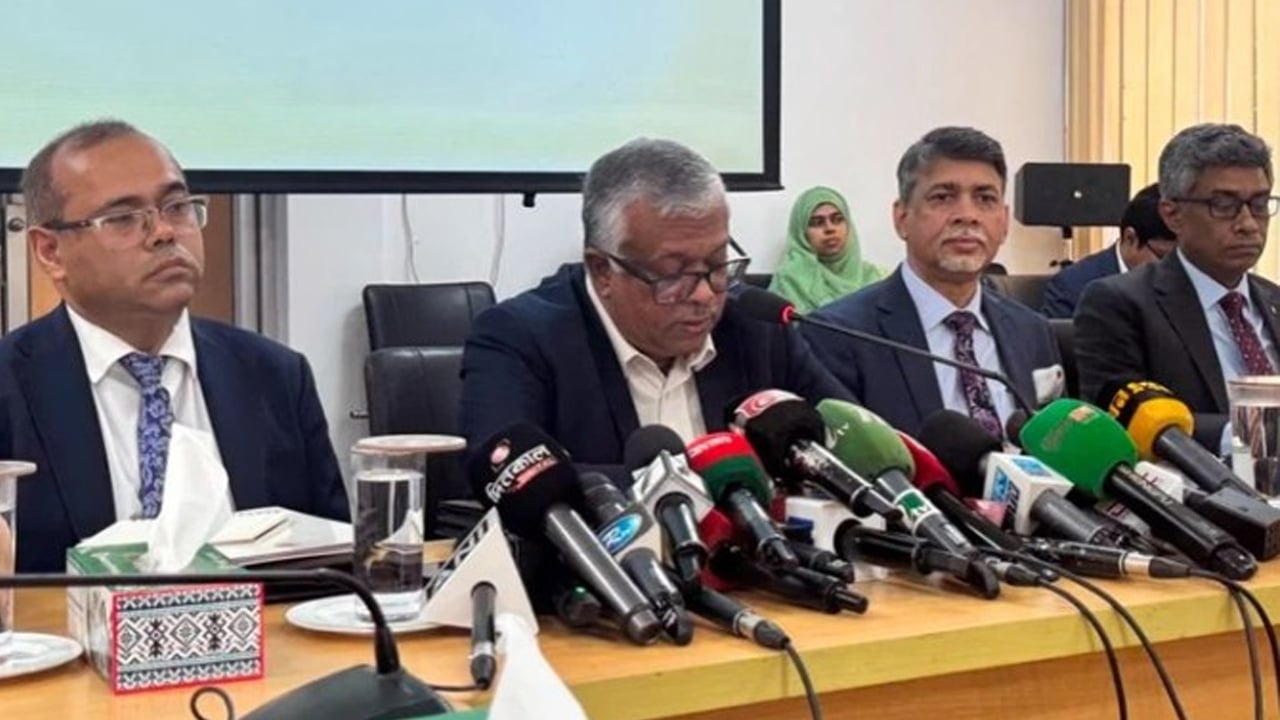
Bangladesh and China are expected to sign between 15 and 17 bilateral agreements during Prime Minister Tarique Rahman’s upcoming visit to China, according to Foreign Secretary Asad Alam Siam. The accords may include 13 memorandums of understanding, two agreements, one action plan, and one protocol. Discussions on the Teesta project are also scheduled during the visit. The announcement came at a press briefing at the Ministry of Foreign Affairs ahead of the Prime Minister’s visits to Malaysia and China. The Prime Minister will depart for Kuala Lumpur on Sunday at the invitation of Malaysian Prime Minister Anwar Ibrahim and will travel to China on Monday at the invitation of Chinese Premier Li Qiang. This will be his first foreign trip since the government took office in February. The delegation will be limited to 27–28 members. The visit is viewed as a key diplomatic initiative to strengthen economic partnerships, attract foreign investment, and enhance regional connectivity. During the China leg, the Prime Minister will attend the 17th Annual Meeting of the New Champions (Summer Davos Forum) in Dalian and meet Chinese leaders, including Premier Li Qiang and President Xi Jinping.
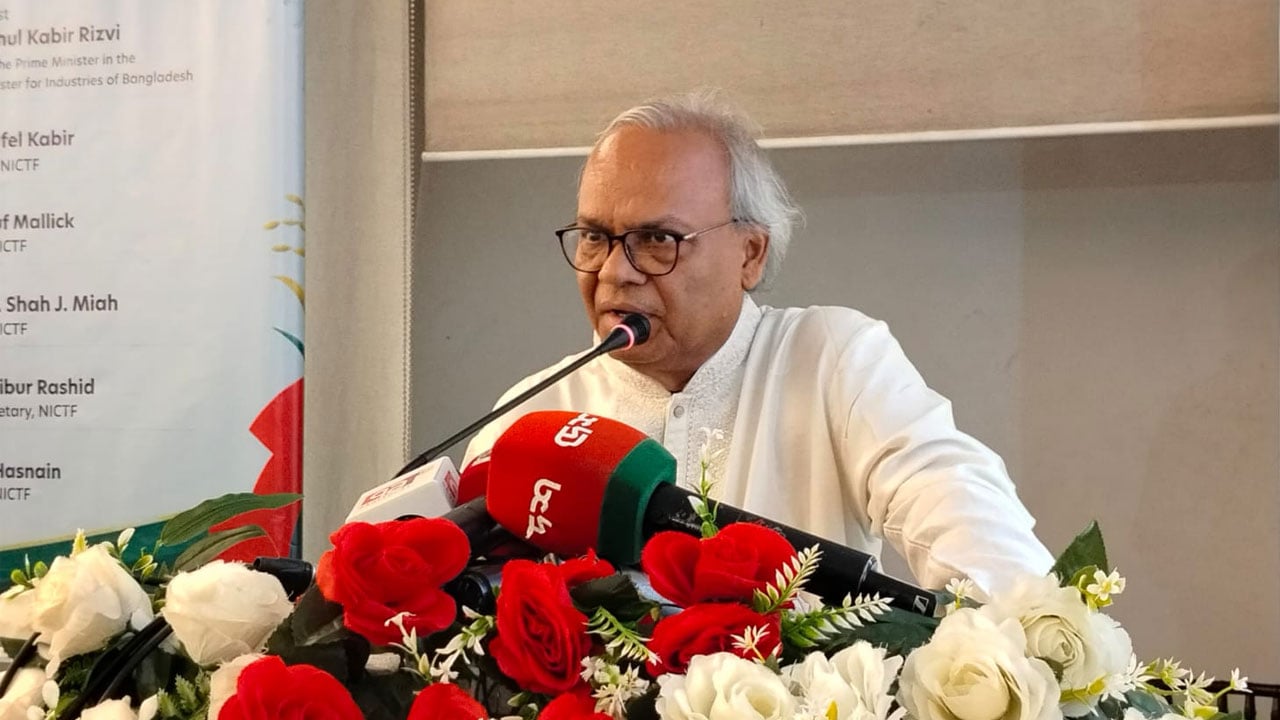
BNP Senior Joint Secretary General and adviser Advocate Ruhul Kabir Rizvi has expressed concern over possible provocations linked to the Prime Minister’s upcoming foreign trip. Speaking on Saturday at a discussion titled “Bangladesh ICT Industry 2030: Challenges, Opportunities and Strategic Reforms,” organized by the Nationalist ICT Forum at the Institution of Engineers, Bangladesh, he said he sensed vague indications of attempts to create unrest in the country during the visit. Rizvi stated that the current government, elected after a long struggle, carries the term “nationalist” in its name, symbolizing independence, sovereignty, and democracy. He emphasized that the government would not take actions that could weaken national sovereignty and must move forward while facing conspiracies. He added that the Prime Minister’s foreign visits aim to strengthen Bangladesh’s international relations and economic growth based on a strong foreign policy. He also mentioned that the government has announced a new policy focusing on the software and IT sector, including initiatives such as “One Citizen, One ID” and “One Digital, One Wallet,” designed to integrate the state system within an ICT framework.
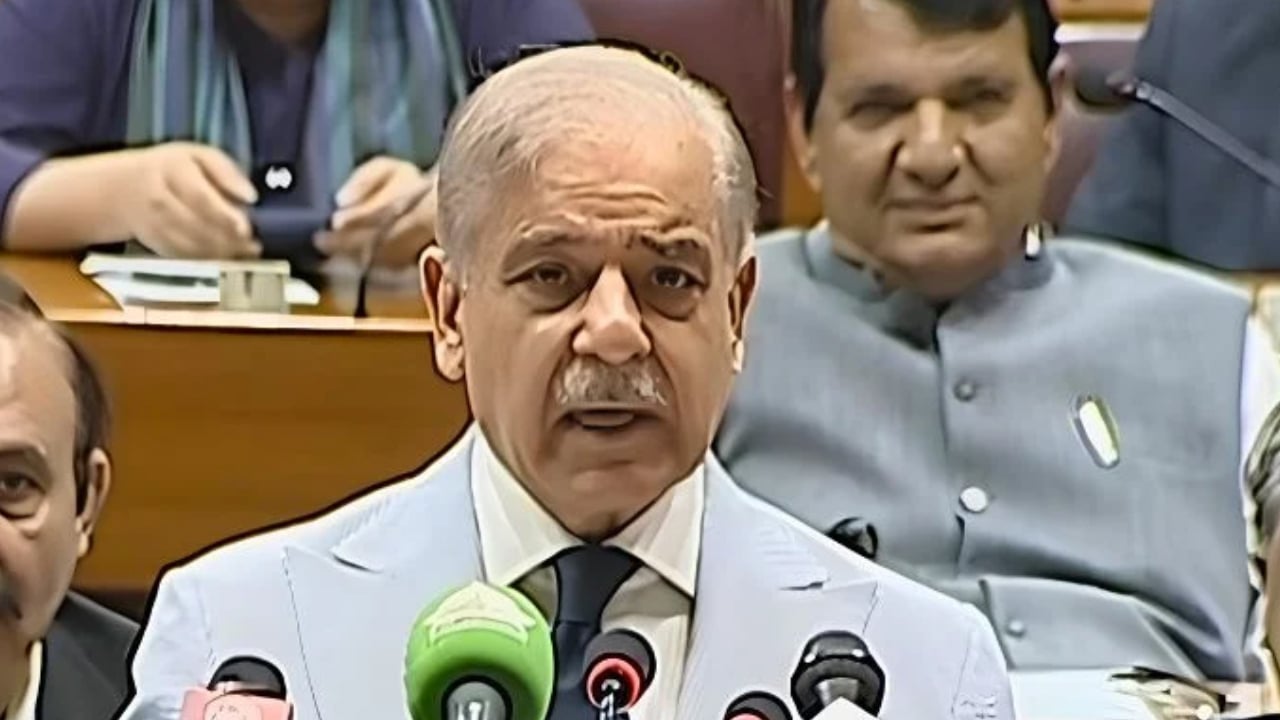
Pakistan’s Prime Minister Shehbaz Sharif announced that Islamabad and Tehran are entering a new era of prosperity, economic cooperation, and stronger bilateral relations. Speaking in parliament on Friday, he expressed optimism that recent ceasefire and peace efforts would improve the economic conditions of both Pakistan and Iran. His remarks followed the signing of a memorandum of understanding between Iran and the United States, mediated by Pakistan, which led to a notable drop in global oil prices. Sharif stated that Pakistan has gained international recognition for its role in facilitating the peace agreement, describing it as a reflection of the country’s growing diplomatic stature. He also mentioned that Iranian President Masoud Pezeshkian thanked Pakistan over the phone for its support and invited him to attend the funeral of Ayatollah Ali Khamenei. Sharif confirmed that a Pakistani delegation would participate in the ceremony. The developments highlight Pakistan’s increasing diplomatic engagement in regional peacebuilding and its strengthening ties with Iran following the recent mediation success.
A report published on June 20, 2026, by Amader Desh Online highlights that erectile dysfunction (ED) can be an early warning sign of major health conditions such as heart attack, stroke, diabetes, and dementia. Researchers note that the penis often serves as a barometer of a man’s overall health, yet more than half of men over 40 with ED avoid seeking medical advice due to embarrassment, missing early detection opportunities. Studies cited in the report show that men with ED face a 59 percent higher risk of coronary heart disease and a 34 percent higher risk of stroke. A Taiwanese study found a 68 percent higher chance of developing dementia within seven years among men with ED. Those with type-2 diabetes are nearly three times more likely to experience ED. Experts link these risks to vascular and nerve damage caused by poor blood sugar control and stress-related hormonal changes. The article also mentions that drugs like Viagra may improve both sexual and heart health, though researchers caution that evidence on broader therapeutic benefits remains preliminary.

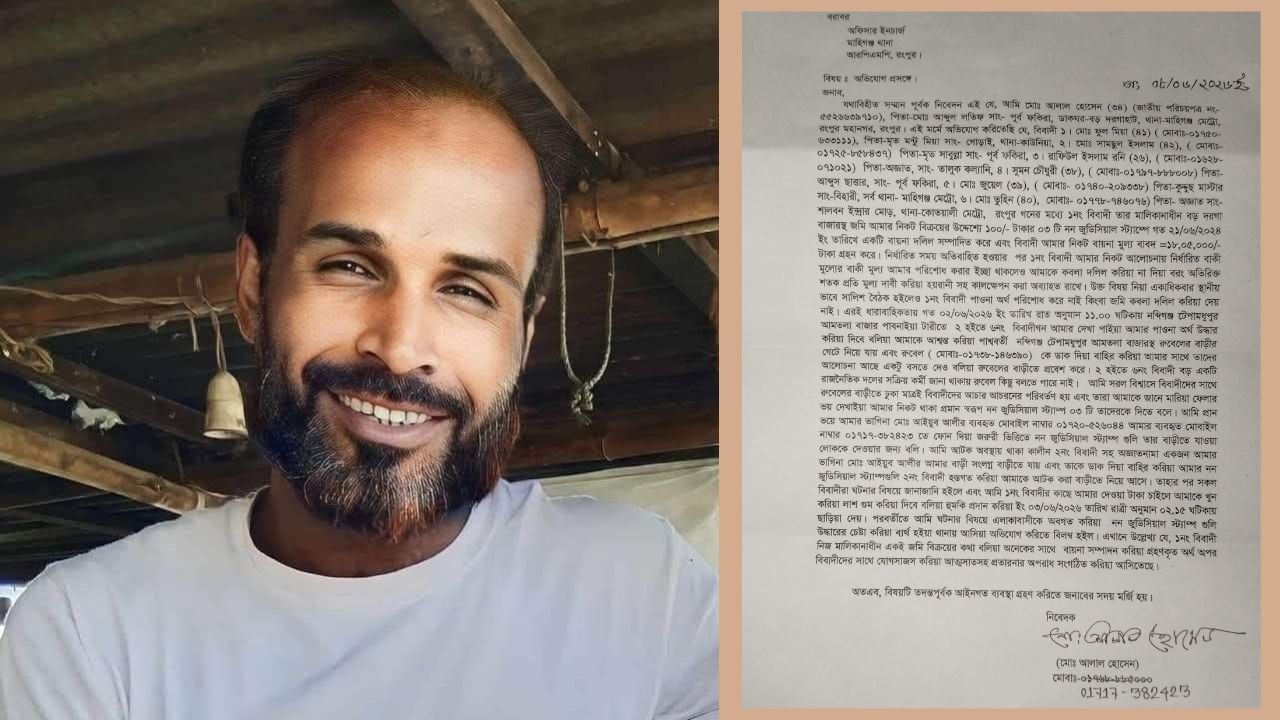
A serious allegation has been raised in Rangpur’s Mahiganj area against several local leaders of the BNP, Jubo Dal, and Chhatra Dal for allegedly abducting a driver and forcibly seizing a land deed worth Tk 1.8 million. The victim, Alal Hossain, filed a written complaint with Mahiganj Police Station, claiming he was threatened with death and false criminal charges unless he handed over the deed. The incident has sparked outrage and fear in the local community. According to the complaint, the dispute began after Alal paid Tk 1.8 million to buy land from a man named Ful Mia, who later demanded an additional Tk 1 million. When Alal refused, local BNP-linked figures allegedly intervened and coerced him into accepting only Tk 6 million after threats and confinement. Several accused leaders denied involvement, while local BNP officials confirmed the authenticity of the complaint. Police said the case is being investigated with priority, and legal action will follow based on findings. Alal and his family remain in fear and have sought protection from higher authorities.
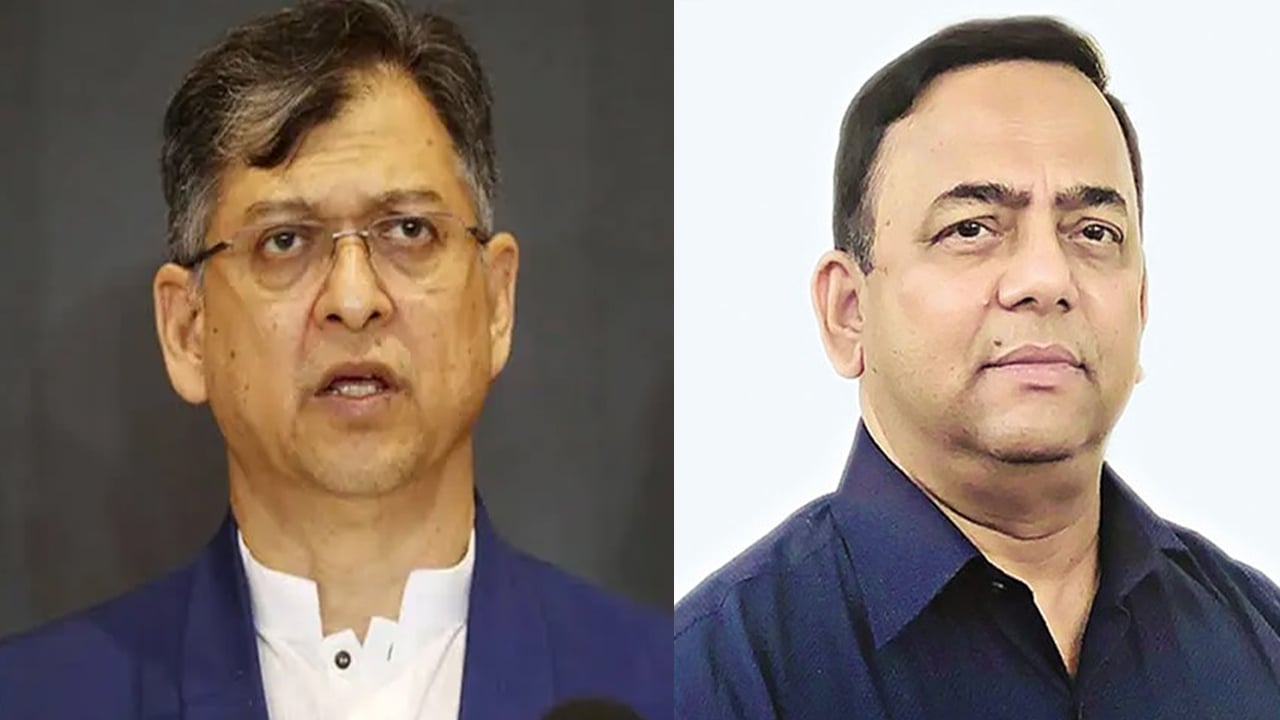
Home Minister Salahuddin Ahmed has announced that Bangladesh has sent an extradition request to the United Arab Emirates to bring back former Inspector General of Police Benazir Ahmed, who was detained in Dubai. The request, accompanied by case documents, was sent through the Ministry of Foreign Affairs to the UAE’s Ministry of Interior under the ‘NCB Abu Dhabi’. The minister expressed hope that the UAE government would complete the necessary procedures soon and return Benazir to Bangladesh. Speaking at the Secretariat after presenting awards to police officers for their contributions to law and order, Salahuddin Ahmed said that Interpol had informed Bangladesh via email on June 12 about Benazir’s arrest. He added that all required documents were prepared and sent within three days of receiving the notice. The minister also commented on the improved performance of the police under the current elected government and mentioned that law and order had strengthened, citing a recent quick response to a robbery case in Mohammadpur.
Iran’s armed forces announced on Friday that they continue to maintain maximum war readiness, with no change in their level of preparation. In a statement, the military said it remains fully alert despite a truce agreement signed with the United States aimed at ending hostilities. The statement emphasized that Iran’s forces are prepared to defend the country’s security, sovereignty, and national interests if the memorandum of understanding with the United States is violated. It added that troops remain vigilant and ready to act on the supreme commander’s orders. The military also pledged to continue strengthening its capabilities. According to the statement, Iran’s leadership believes that the steadfast resistance of its people and the sacrifices of its armed forces have compelled adversaries to respect the Iranian nation and to pursue ceasefire and reconciliation.
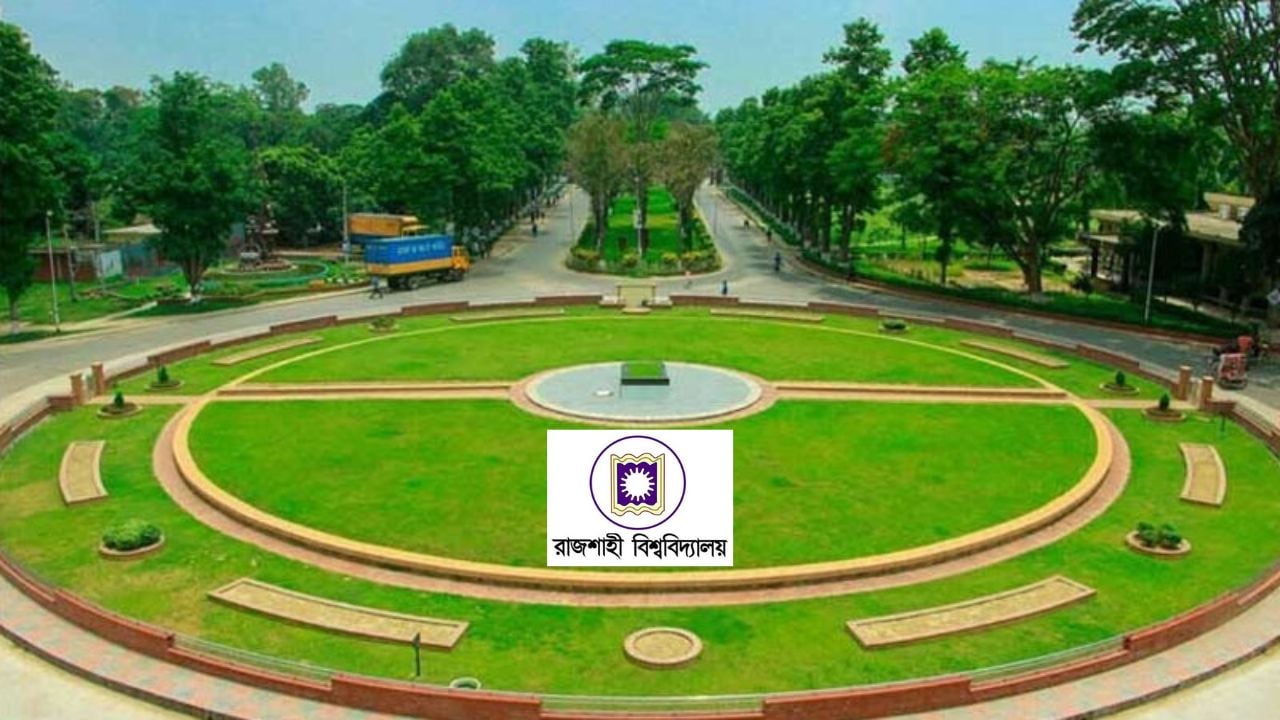
Rajshahi University has been ranked as the top university in Bangladesh in the 2026–27 US News Best Global University ranking. The university scored 45.5 out of 100, placing 612th globally and 176th in Asia. The ranking, published on June 16 on the US News website, shows that Dhaka University has fallen behind this year. Compared to last year, Rajshahi University improved significantly, moving up from a global rank of 638th and an Asian rank of 342nd, with a previous score of 41.3. Dhaka University ranked second in Bangladesh with a score of 44.2, placing 673rd globally and 203rd in Asia, marking a decline from last year’s 604th global position. North South University, Daffodil International University, Jahangirnagar University, Bangladesh Agricultural University, BUET, and Chittagong University also appeared in the ranking. The US News Best Global University ranking covers 2,250 universities across 105 countries, based on 13 indicators measuring academic research performance and global reputation. Harvard, MIT, Stanford, Oxford, and Cambridge secured the top five global positions this year.
A video showing Pirzada Said Uddin Ahmad Hanjala, Member of Parliament for Madaripur-1, behaving angrily during a local arbitration meeting in Shibchar upazila has gone viral on social media. The one-minute clip shows him slamming a table and scolding attendees, sparking widespread discussion and criticism in social and political circles. According to local sources, the incident occurred in Dattapara area during a meeting involving BNP activist Tara Mia. Witnesses said the situation became heated when both sides argued, prompting the MP to lose his temper. Tara Mia claimed the MP tried to deliver a one-sided verdict without allowing others to speak, while Hanjala said he only raised his voice to control the situation and that the dispute was resolved peacefully. The video’s circulation has triggered broad debate in the area, with differing accounts from participants leading to public questions about the conduct and fairness of the arbitration process.

Bangladesh Prime Minister Tarique Rahman will undertake his first bilateral visit to China from June 22 to 26, following an official trip to Malaysia. The visit includes participation in the World Economic Forum’s annual meeting in Dalian on June 23, followed by high-level meetings in Beijing with Chinese President Xi Jinping, Premier Li Qiang, and senior Communist Party officials. Over ten memoranda of understanding and three agreements are expected to be signed, covering education, human resource development, agriculture, trade, investment, artificial intelligence, media, communication, and development cooperation. Officials from Bangladesh’s foreign ministry describe the visit as politically and strategically significant, marking a new foundation for Dhaka–Beijing relations. The two sides are expected to announce a joint declaration, the first since 2005, and formalize cooperation between the Communist Party of China and the Bangladesh Nationalist Party. Discussions may include Bangladesh’s support for China’s position on Taiwan, participation in the Global Development Initiative, and potential membership in RCEP, BRICS, and the SCO. Analysts view the trip as a calculated move amid regional tensions and as an opportunity for Bangladesh to secure economic and strategic support from China while balancing broader geopolitical interests.
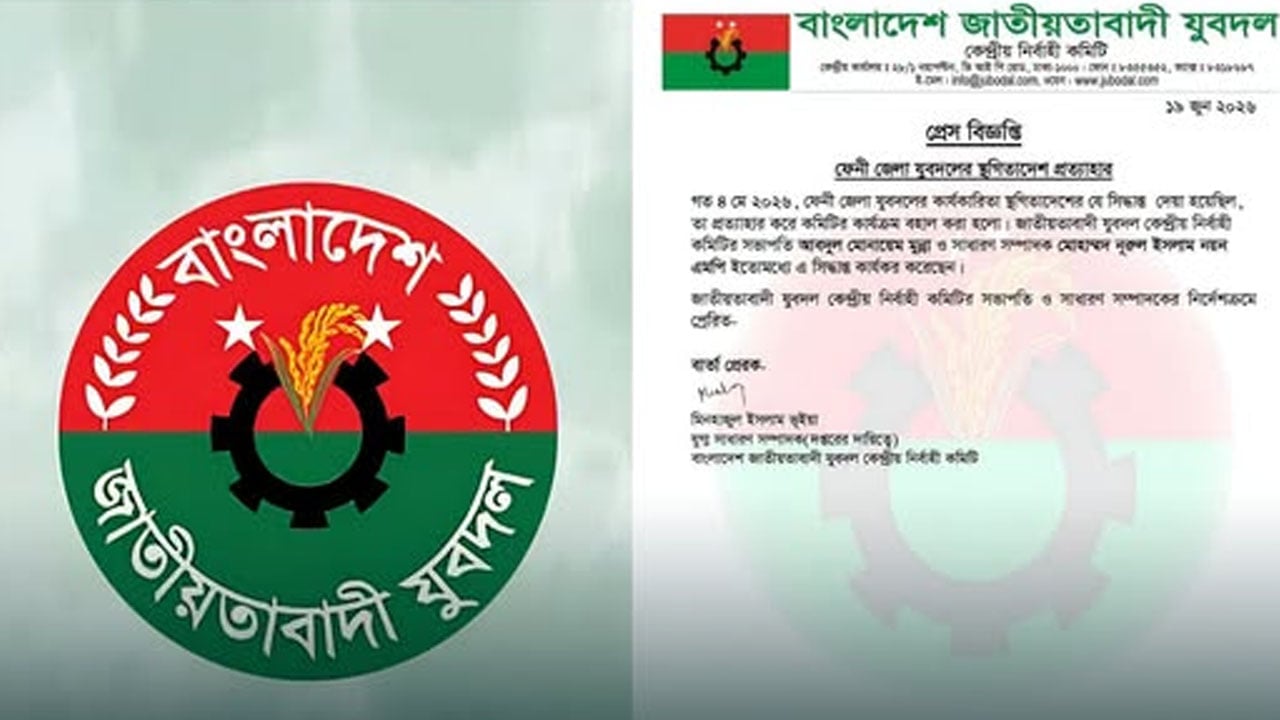
The suspension of the Feni District Jubo Dal Committee has been withdrawn. The announcement was made on Friday through a notice signed by Minhazul Islam Bhuiyan, Assistant Office Secretary of the Central Jubo Dal. The decision reverses the earlier suspension order issued on May 4, 2026, and reinstates the committee’s activities. The directive was implemented under the authority of Central President Abdul Monayem Munna and General Secretary Mohammad Nurul Islam Nayon. According to the notice, the earlier suspension had been imposed as a disciplinary measure. The committee was penalized after one of its ward-level general secretaries was found to be an accused in a case related to an attack on the motorcade of former Prime Minister and late BNP Chairperson Khaleda Zia. Allegations of internal disorder also contributed to the earlier action. The withdrawal of the suspension restores the Feni District Jubo Dal’s organizational functions under central supervision, signaling a return to regular political activities in the district.
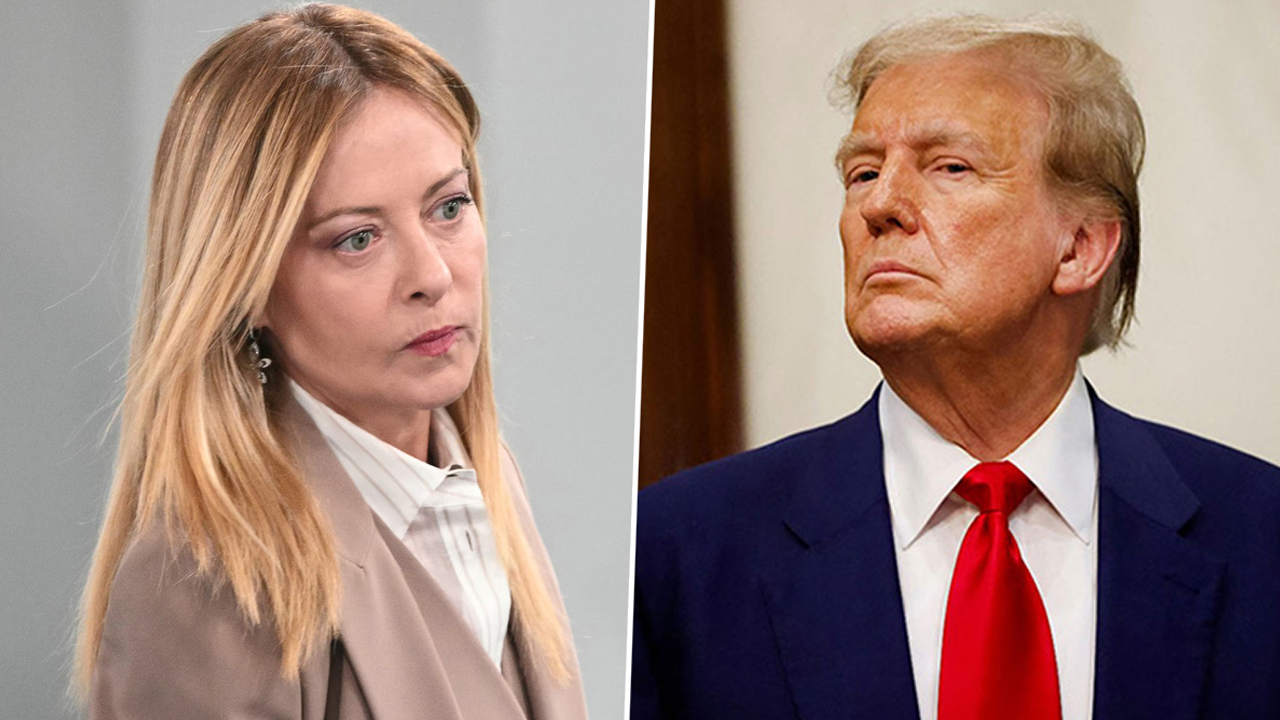
Italian Prime Minister Giorgia Meloni has publicly rejected US President Donald Trump’s claim that she asked to take a photo with him, calling it a “made-up story.” The dispute began after Trump told Italy’s La7 television channel that Meloni had requested a photo during the recent G7 summit in Évian-les-Bains, France. In response, Meloni expressed shock on Instagram, questioning why the US president behaves this way toward allied nations and asserting that neither she nor Italy begs for anyone’s favor. Following the controversy, Italian Foreign Minister Antonio Tajani canceled his planned visit to the United States. Italy’s President Sergio Mattarella and leaders across the political spectrum voiced support for Meloni, condemning Trump’s remarks as disrespectful. Opposition senator Filippo Sensi, former prime minister Giuseppe Conte, and coalition leader Matteo Salvini all defended Meloni’s stance. Analysts and diplomats cited the fallout as part of a broader rift between Europe and the US, intensified by Trump’s Iran war policy. Several European leaders, including Meloni, have refused to allow US bombers to use their bases, signaling a shift toward greater European strategic independence.
The ‘1 Nojor’ media platform is now live in beta, inviting users to explore and provide feedback as we continue to refine the experience.