

The ‘1 Nojor’ media platform is now live in beta, inviting users to explore and provide feedback as we continue to refine the experience.
The number of HIV-positive patients has increased in Rajshahi, with 139 cases identified so far, of which 92 are homosexual men, accounting for 66.18 percent of total infections. Data from Rajshahi Medical College Hospital show that between 2019 and March 2026, 12,852 people were tested, and 115 were found HIV-positive. Most patients are men aged 25 to 50, and a few are returnees from abroad. The Civil Surgeon’s Office confirmed 34 additional cases, all homosexual, bringing the total to 139. According to the Rajshahi Divisional Health Directorate, there are about 794 HIV patients across eight districts, with the highest number in Sirajganj. Experts have expressed concern that rising homosexuality and unprotected sexual activity could lead to a wider epidemic. Religious scholars and health professionals have called for moral education, awareness, and stronger government action to prevent further spread. Patients also face treatment difficulties, as many still travel to Bogura for antiretroviral therapy despite a new center opening in Rajshahi. Health officials stress that personal awareness and safe practices are essential to control the infection rate.

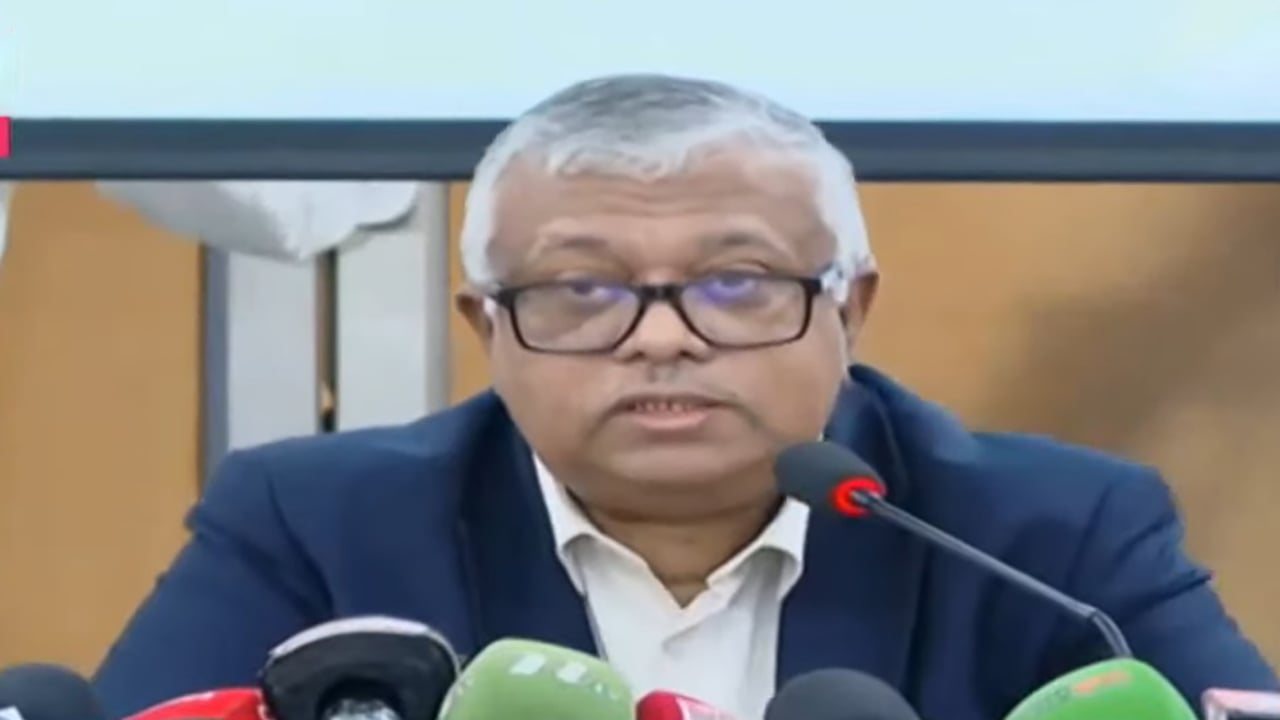
Foreign Secretary Asad Alam Siam announced that discussions on free trade will take place during Prime Minister Tarek Rahman's upcoming visit to Malaysia. He said there is also a possibility of signing a cultural cooperation agreement. The announcement came during a press briefing on Saturday morning. According to the foreign secretary, the delegation will include the foreign minister, information minister, and a total of 27 members. Dhaka expects to sign two agreements and 13 memorandums of understanding during the visit. The trip will also focus on facilitating the entry of more Bangladeshi workers into Malaysia’s labor market, though final decisions depend on Malaysia’s internal review process. This will be Prime Minister Rahman’s first foreign trip since taking office after winning the February election. The visit is scheduled for June 21–22, followed by travel to Beijing on June 23 and a return to Dhaka on June 26.
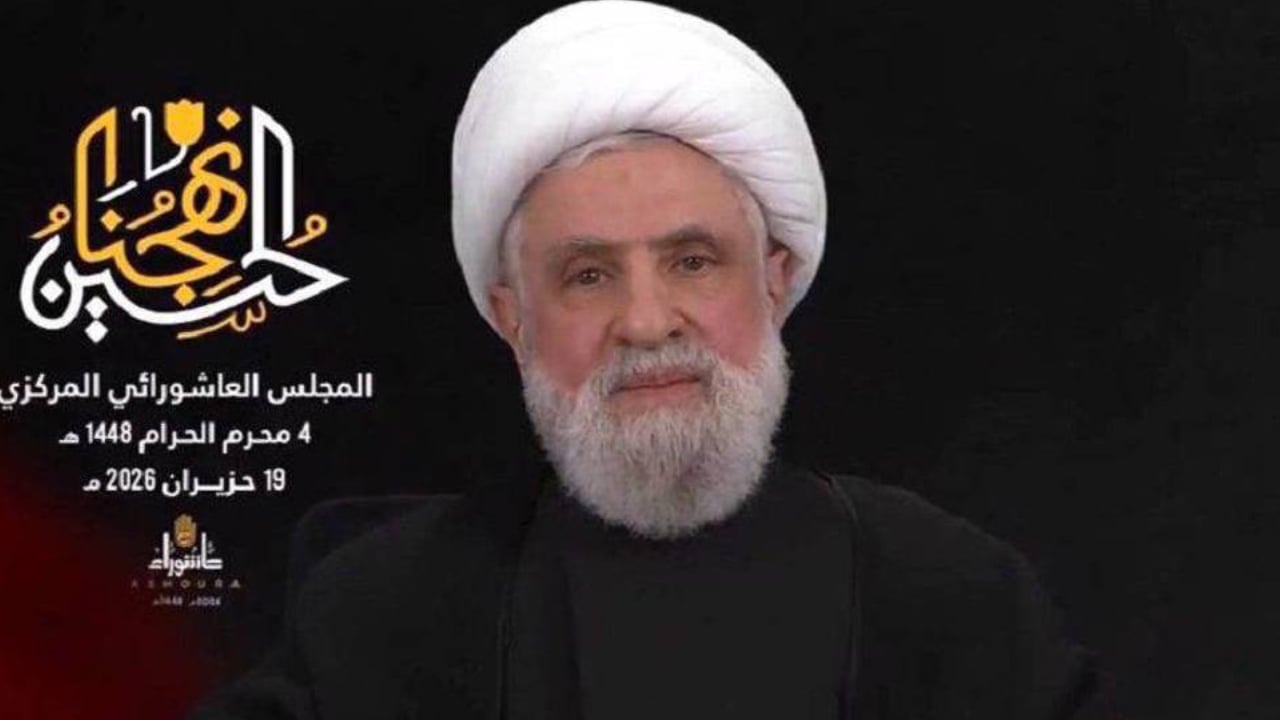
Hezbollah Secretary-General Naim Qassem declared that Israel will soon be expelled from every inch of Lebanese territory. He made the statement on Friday during a Central Ashura Council event in Beirut. Qassem said that Israel’s ruling authorities had failed to shake Hezbollah’s determination and steadfastness, emphasizing that the group remains resilient despite all adversities and sanctions. He added that Hezbollah does not fear death, describing it as an essential element of victory. Qassem stated that when attacked with weapons, Hezbollah responds in kind. He further asserted that every act rejecting occupation is a victory and reaffirmed Hezbollah’s commitment to liberating Lebanese land from Israeli control. According to Qassem, all Israeli efforts to eliminate the resistance have failed, and he expressed confidence that the people of Lebanon will ultimately drive out the occupying forces from all parts of the country.
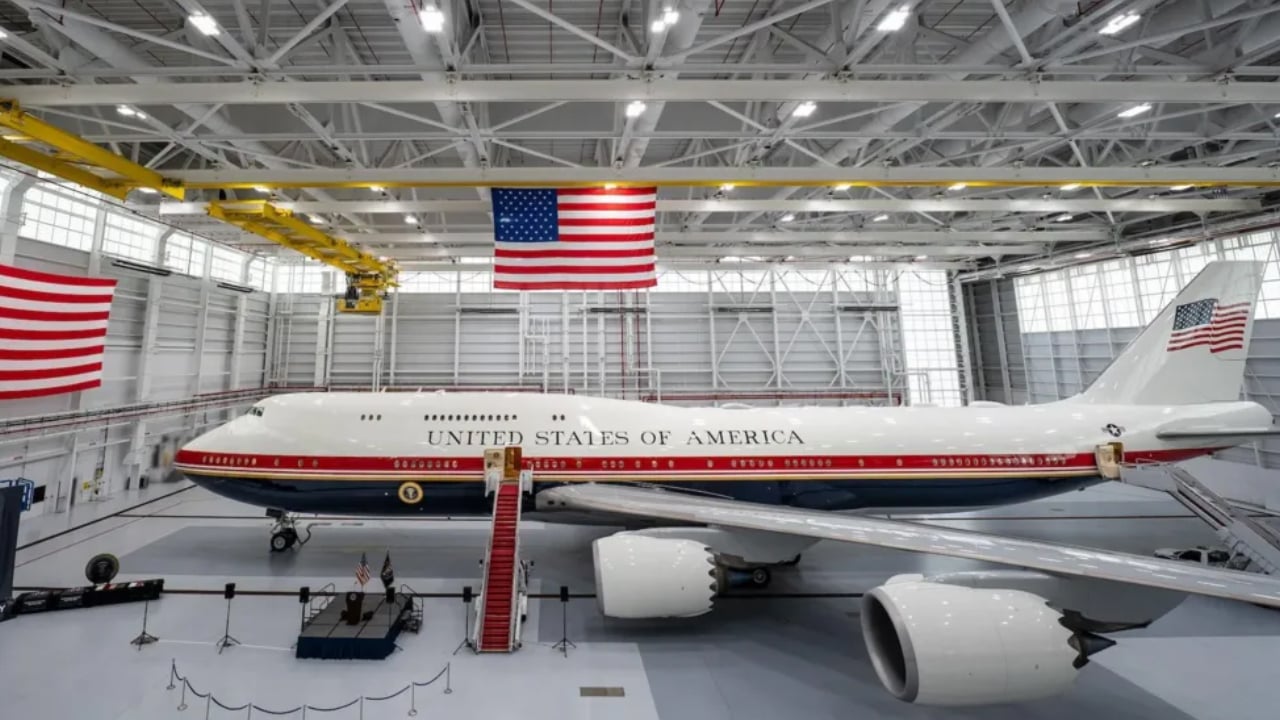
A new Boeing 747-8 jet, gifted by Qatar to the United States last year, has been unveiled as the next Air Force One. The U.S. military completed extensive refurbishments on the aircraft, valued at approximately $400 million. During a speech at Joint Base Andrews on Friday, President Donald Trump described the plane as a luxurious flying White House unlike anything seen before. According to a U.S. Air Force press release, the aircraft will undergo initial commissioning flights before being used for presidential transport. The upgrades include enhanced security systems, specialized communication technology, logistical support, and advanced technical capabilities. The Air Force stated that all potential security risks from the previously used aircraft have been eliminated. While the interior design remains largely unchanged, the exterior now features a striking new red, white, blue, and gold color scheme, reflecting a modernized presidential aesthetic.
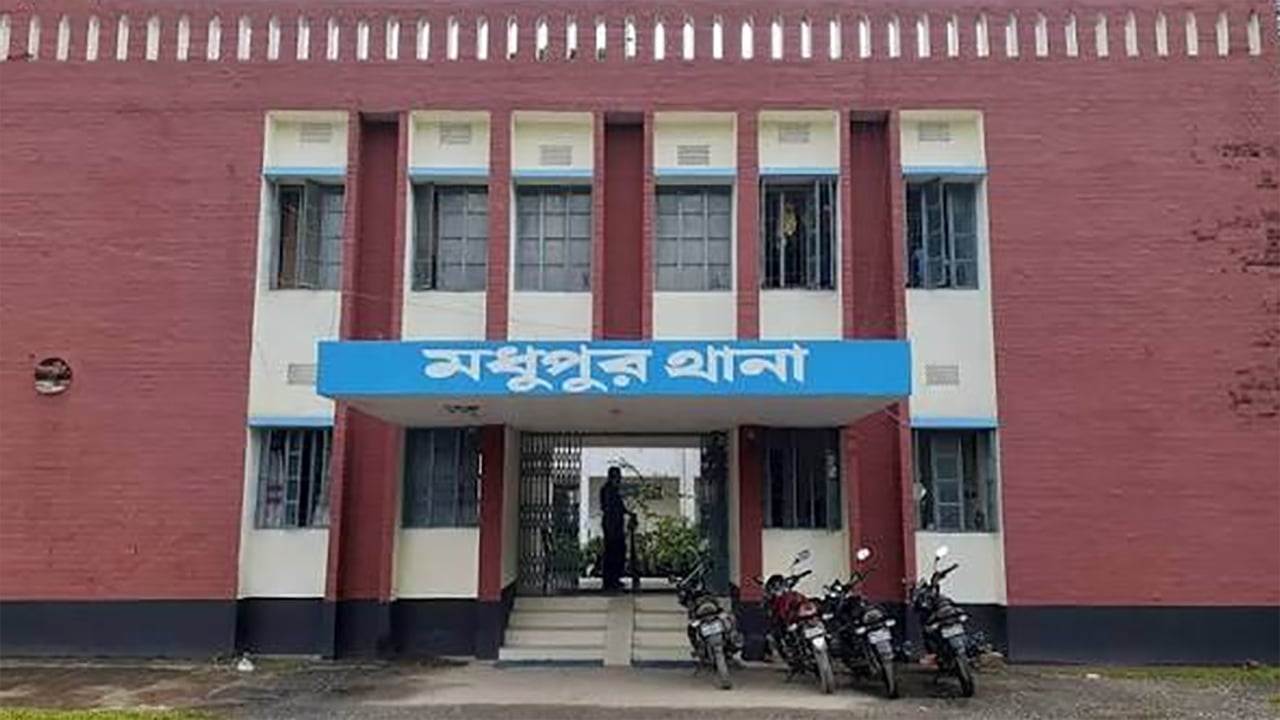
Four people, including a father and son, died in Tangail’s Madhupur area on Saturday morning while trying to rescue a baby goat that had fallen into an abandoned well. The incident occurred around 8 a.m. in Telki, near the Tangail-Mymensingh regional highway. Fire service personnel later recovered the bodies from the well. The deceased were identified as Bablu Hadima, 40, his son Neymar Mrong, 12, their relative Gabriel, 40, and neighbor Ratan Nokrek, 27. According to the local fire service and residents, the goat belonging to Bablu Hadima fell into a disused well near a mosque in Telki Bazaar. Neymar first entered the well to retrieve it but did not respond after some time. Bablu, Gabriel, and Ratan followed one after another, but none returned. Locals alerted the fire service and police, who found the well lacked oxygen. Firefighters recovered the bodies after a rescue operation. Police confirmed that legal procedures were underway after receiving the bodies from the fire service.
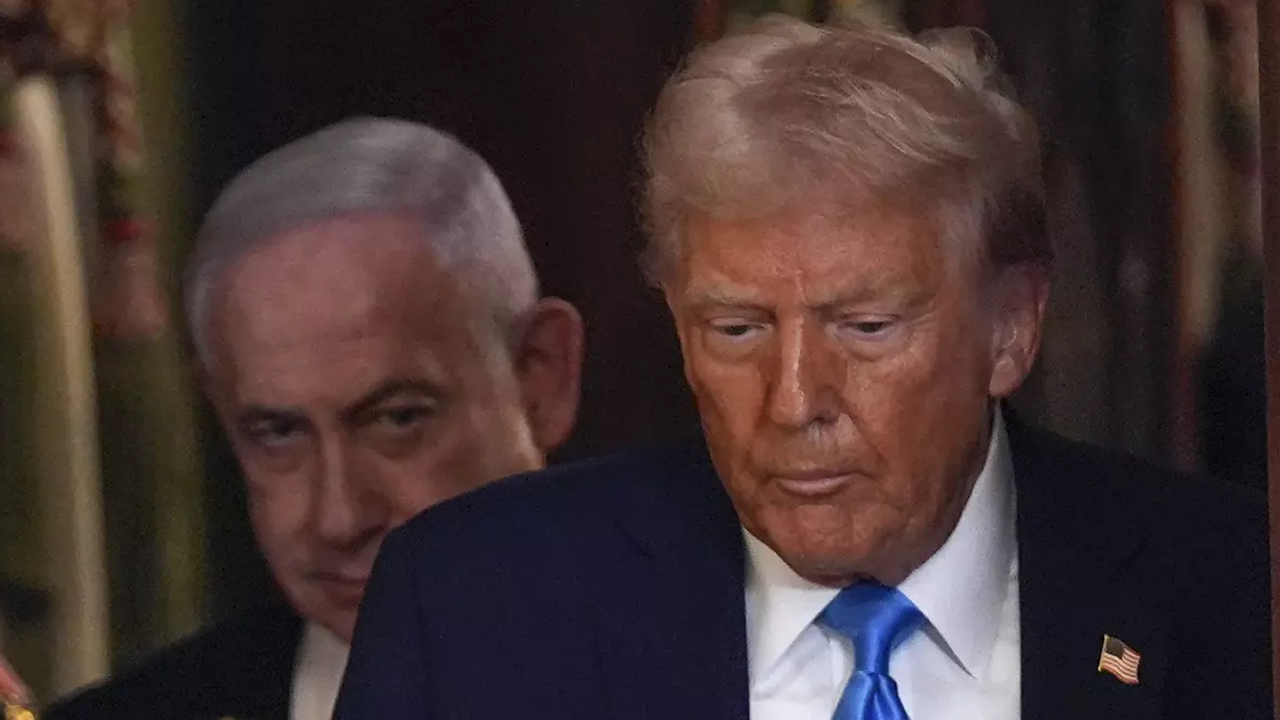
Former U.S. President Donald Trump stated that Israel would have been destroyed without his intervention. He said the United States provided Israel with advanced military capabilities, including the Iron Dome air defense system and B-2 Spirit bombers. Trump emphasized that these measures were crucial to Israel’s survival and security. Trump also discussed his relationship with Israeli Prime Minister Benjamin Netanyahu, describing it as positive. He noted that Washington holds significant influence over Israel’s policymaking and that Netanyahu worked well with him. According to Trump, Israel respects him and values his advice, though he added that Netanyahu sometimes needs to be restrained. The remarks were reported by Middle East Eye and highlight Trump’s continued effort to underscore his role in shaping U.S.-Israel relations during and after his presidency.
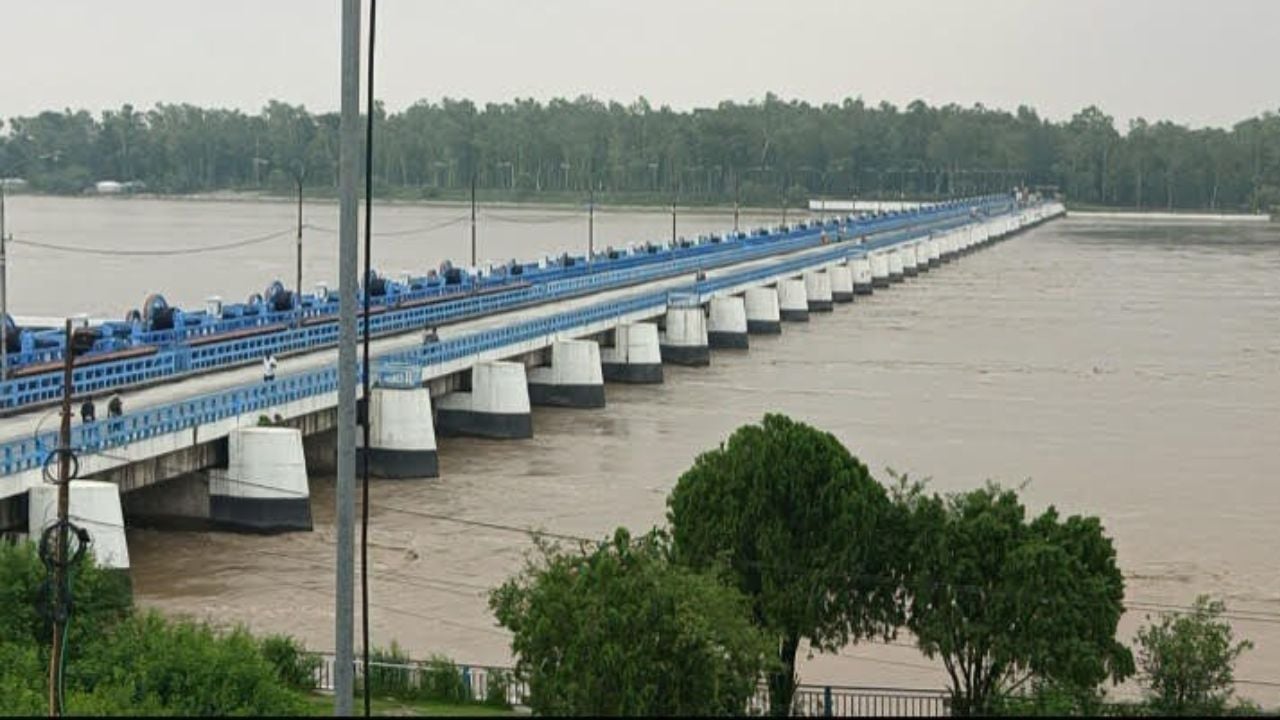
Water levels in the Teesta River have risen sharply after India opened all gates of the Gajoldoba Barrage, causing concern in Lalmonirhat’s Hatibandha area. As of 6 a.m. Saturday, June 20, 2026, the river at the Dalia point of the Teesta Barrage was flowing just five centimeters below the danger level. Authorities warned that the river could cross the danger mark at any time, potentially triggering severe flooding in nearby low-lying areas. According to the Water Development Board and local residents, heavy rainfall in India over recent days has increased upstream flow, pushing more water into Bangladesh. Although water levels had briefly decreased earlier in the week, they began rising again on Saturday morning. The Teesta River runs through five upazilas of Lalmonirhat, meaning even a small rise can inundate riverside areas across the district. Officials have urged residents in low-lying regions to remain alert as continuous monitoring of the situation is underway. The Water Development Board has kept 44 barrage gates open to manage the flow.
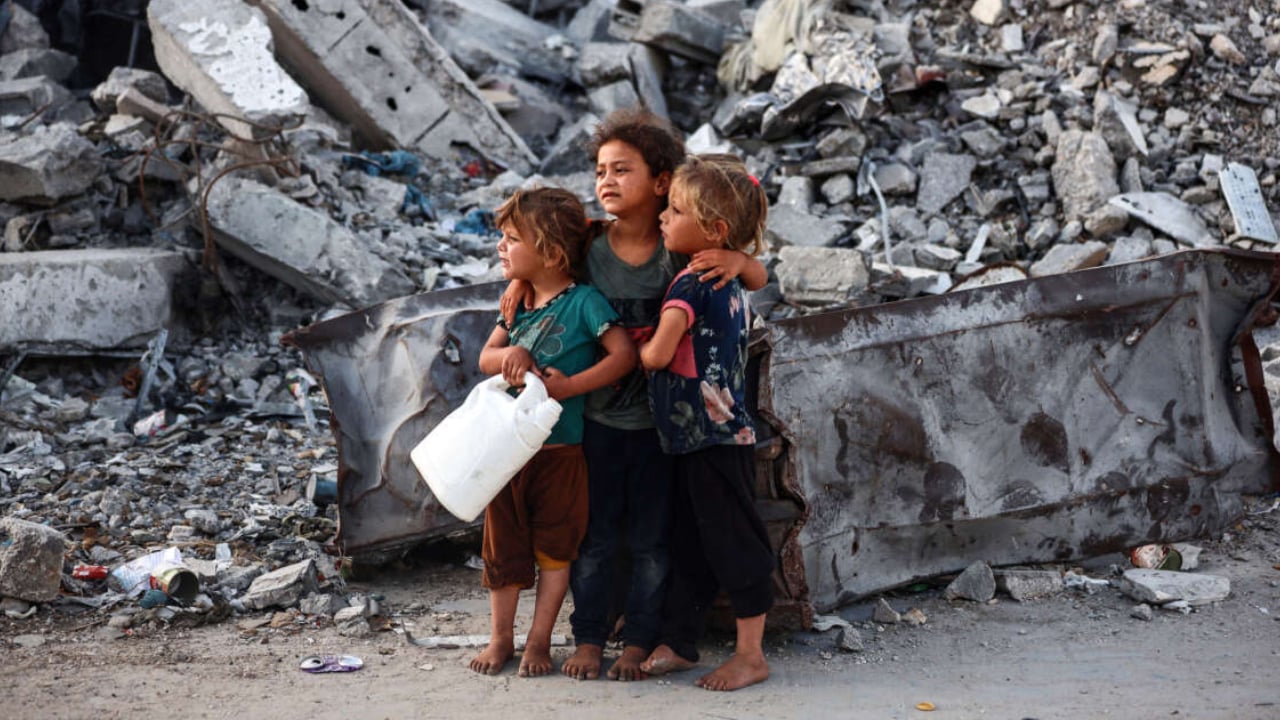
The United Nations Children’s Fund (UNICEF) reported that Israel has been killing an average of one Palestinian child per day in Gaza since a declared ceasefire in October 2025. UNICEF described the ceasefire as a “cruel and deadly illusion,” noting that Israeli attacks have continued in the blockaded enclave. The agency said at least 265 Palestinian children have been killed since the ceasefire began. UNICEF spokesperson James Elder told journalists in Geneva that the ongoing deaths expose the emptiness of the ceasefire, which has failed to protect children from Israeli shelling. He cited recent incidents where children were killed in their homes, schools, and public spaces, including while playing football or fishing. Elder also warned that hundreds of injured children urgently need medical evacuation, but Israeli restrictions on essential medicines are worsening infections and complications. Elder urged governments and international organizations to act, saying that as long as children continue to die, no ceasefire can be considered meaningful.
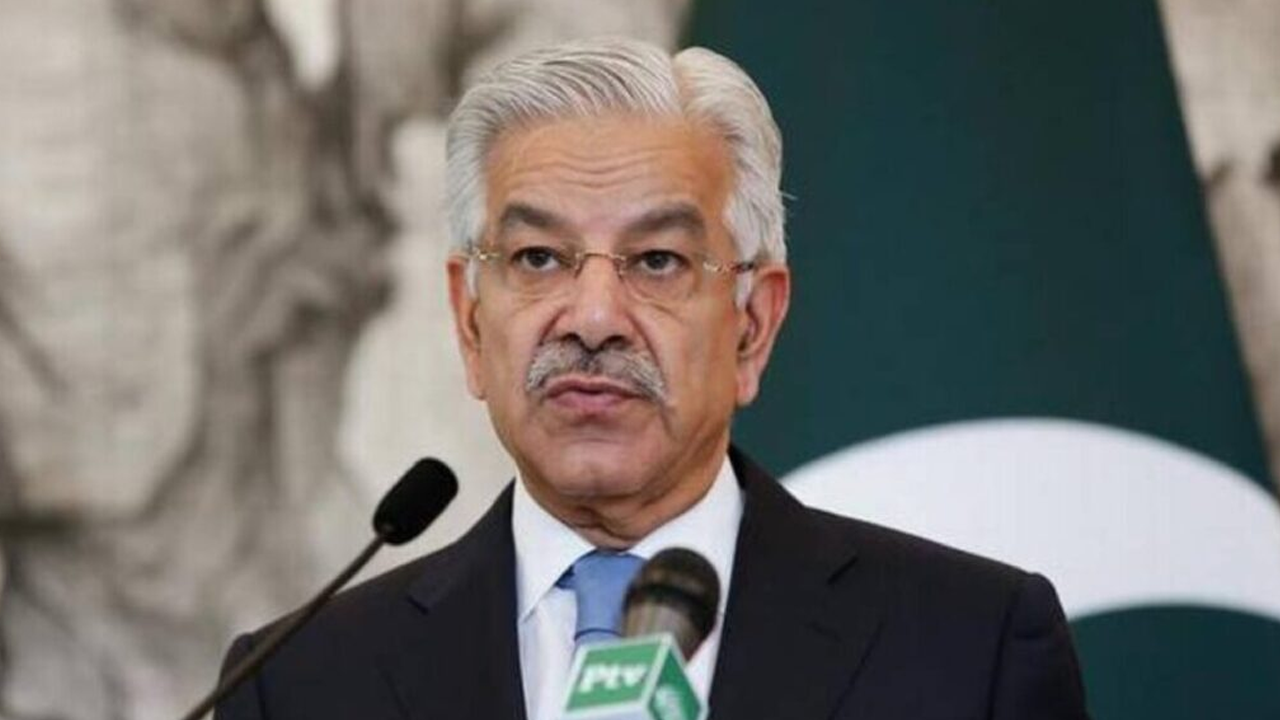
Pakistan’s Defense Minister Khawaja Asif has warned that the country will deliver a strong response to any future actions taken by India. Speaking to reporters outside the parliament building on June 20, 2026, Asif said that if India undertakes any adventurous move, it will face an even stronger reply. He claimed that India’s recent defeat in a conflict would be remembered for centuries. Asif asserted that Pakistan’s armed forces are fully prepared to respond to any aggression and that measures will also be taken against India-backed groups active in Afghanistan. He further alleged that recent statements heard in Azad Jammu and Kashmir reflect India’s stance rather than that of Pakistanis or Kashmiris. According to him, some individuals based in the United Kingdom are providing financial and logistical support to these activities, and India-supported groups are active there as well. The defense minister also said the government is ready to counter any potential “water aggression,” emphasizing that not a single drop of Pakistan’s water will be allowed to be taken by others.
The 2026 FIFA World Cup witnessed a new milestone in football officiating as an all-women referee team from the United States took charge of the Group A match between Czechia and South Africa. The team was led by head referee Tori Penso, assisted by Brooke Mayo and Kathryn Nesbitt. Penso became only the second woman in history to officiate a men’s World Cup match and the first American woman to do so. The match, held at Atlanta Stadium, ended in a 1-1 draw. Penso’s journey to this achievement began at age 14 in Florida. After a career in marketing, she returned to football, becoming the first woman in over two decades to referee a Major League Soccer match in 2020. She later officiated the 2023 Women’s World Cup final and the 2025 FIFA Club World Cup. Her performance, along with Mayo and Nesbitt, drew widespread praise from fans and FIFA’s refereeing head Pierluigi Collina, who emphasized that merit remains the only selection criterion. The event marked another step forward for women in football, reinforcing that skill and leadership transcend gender barriers on the world stage.

Kishoreganj-2 Member of Parliament Jalal Uddin described drugs as a grave curse for society, family, and the state, emphasizing that drugs are forbidden in the Quran and equally prohibited for BNP leaders and activists. He made these remarks on Friday night at an anti-drug awareness meeting held at Mugdia Bazar in Masua Union of Katiadi upazila. The MP announced that new legislation is being prepared in parliament to strengthen control over drugs and gambling. The proposed law would include a minimum two-year prison sentence for drug-related offenses and discussions are underway to deny bail until verdicts are delivered. He also suggested identifying drug users and traders through dope tests and bringing them under legal action, stressing that no political party should tolerate involvement in drug activities. Jalal Uddin called for a collective effort by political parties, public representatives, administration, and citizens to build a drug-free society. He urged parents to be more attentive to their children and warned that drugs destroy families, increase crime, and ruin youth futures.

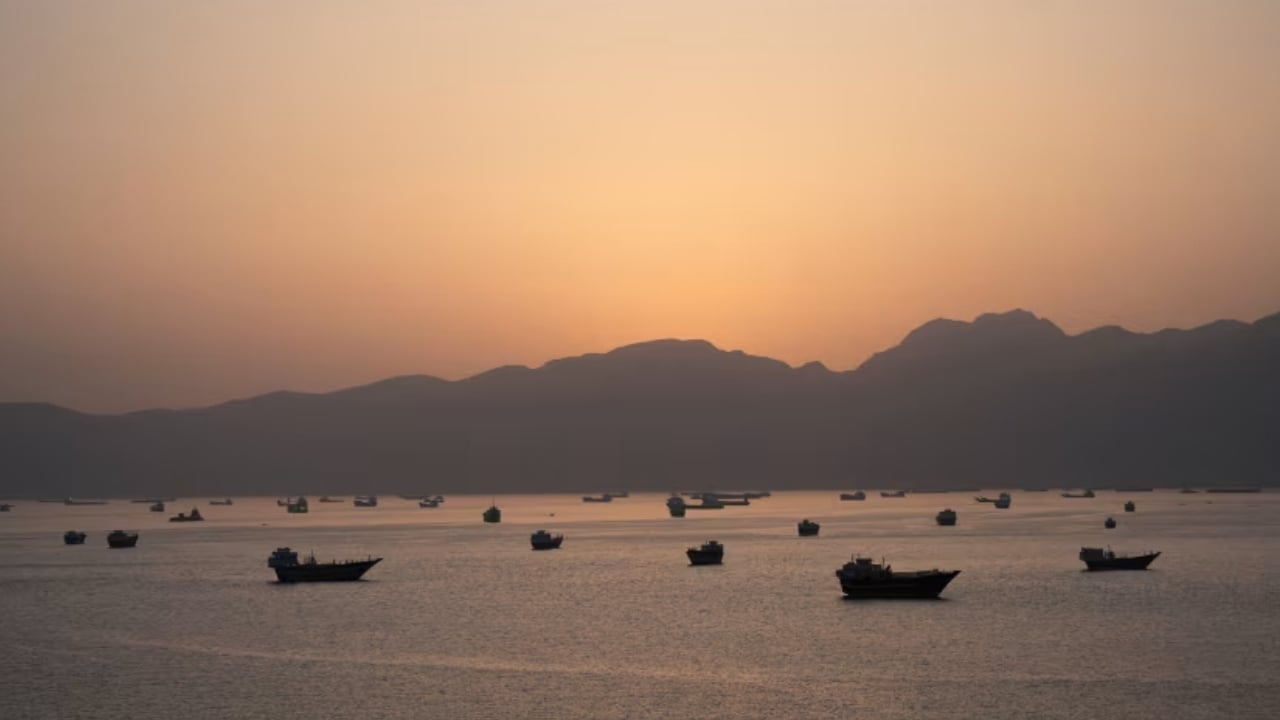
Iran announced that it will not collect tolls from ships using the Strait of Hormuz for the next 60 days. The decision allows vessels applying to use the waterway to travel free of charge during this period. The Persian Gulf Waterway Authority has been instructed to process applications quickly and on a priority basis to implement the goals of a memorandum of understanding. Tehran described the move as part of a broader assertion of control over the strategic strait, calling it a historic victory against the United States. Iran also rejected a European plan to deploy a naval mission to guard ships in the area. The announcement followed the U.S. decision to lift sanctions on Iran, after which oil tankers began moving freely through the vital maritime route. Iran’s Supreme National Security Council stated that, due to special circumstances and existing security risks, ships must follow designated routes and schedules set by authorities. The council said this approach would help gradually restore normal maritime operations.
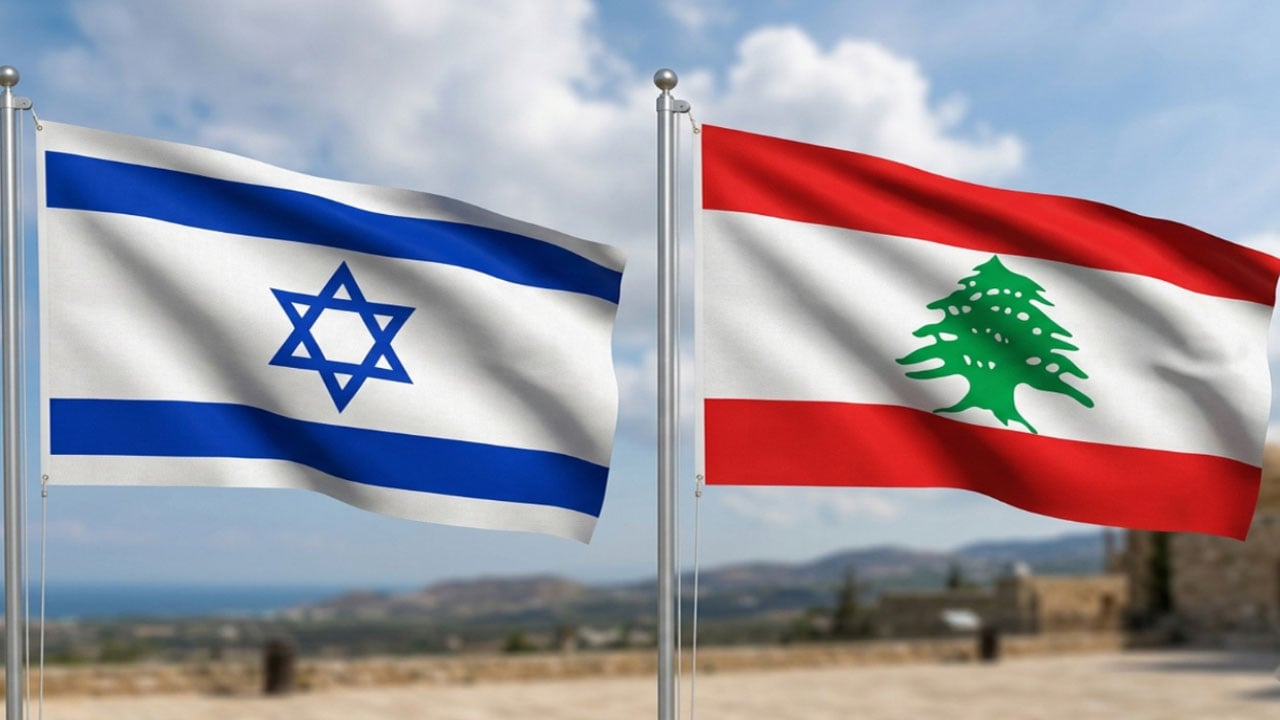
Lebanon and Israel are set to hold their fifth round of talks in Washington, D.C., from June 23 to 25, 2026, aimed at reaching an agreement to end ongoing hostilities. The United States is mediating the discussions, which began in April and have so far failed to produce a ceasefire. Previous rounds were also hosted in Washington. According to the US State Department, Secretary of State Marco Rubio discussed the upcoming meeting with Lebanese President Joseph Aoun in a phone call. Department spokesperson Tommy Pigott said the planned meeting would allow both sovereign governments to work toward a lasting peace. The talks are part of broader diplomatic efforts to reduce tensions along the Lebanon-Israel border. The renewed dialogue underscores Washington’s continued involvement in regional peace initiatives, though it remains uncertain whether the fifth round will yield a breakthrough agreement.
Bangladesh banned plastic bags in 2002 to curb urban flooding and pollution, but two decades later the ban remains largely ineffective. Despite the law, plastic production and use continue across the country due to weak enforcement, lack of affordable alternatives, and the dominance of plastic in daily life. The problem becomes most visible during the monsoon when clogged drains cause severe waterlogging in cities like Dhaka. The article explains that plastic manufacturing has become a major industry because it is cheap and widely available, making eco-friendly alternatives less competitive. Local producers and entrepreneurs face challenges such as limited raw materials, higher costs, and insufficient market support. The persistence of plastic use reflects both economic and behavioral barriers. The author calls for stronger international cooperation, binding global agreements to reduce plastic production, and financial and technological support for developing countries. The piece concludes that combating plastic pollution requires collective action from governments and individuals alike, emphasizing that sustainable change depends on both policy and personal behavior.

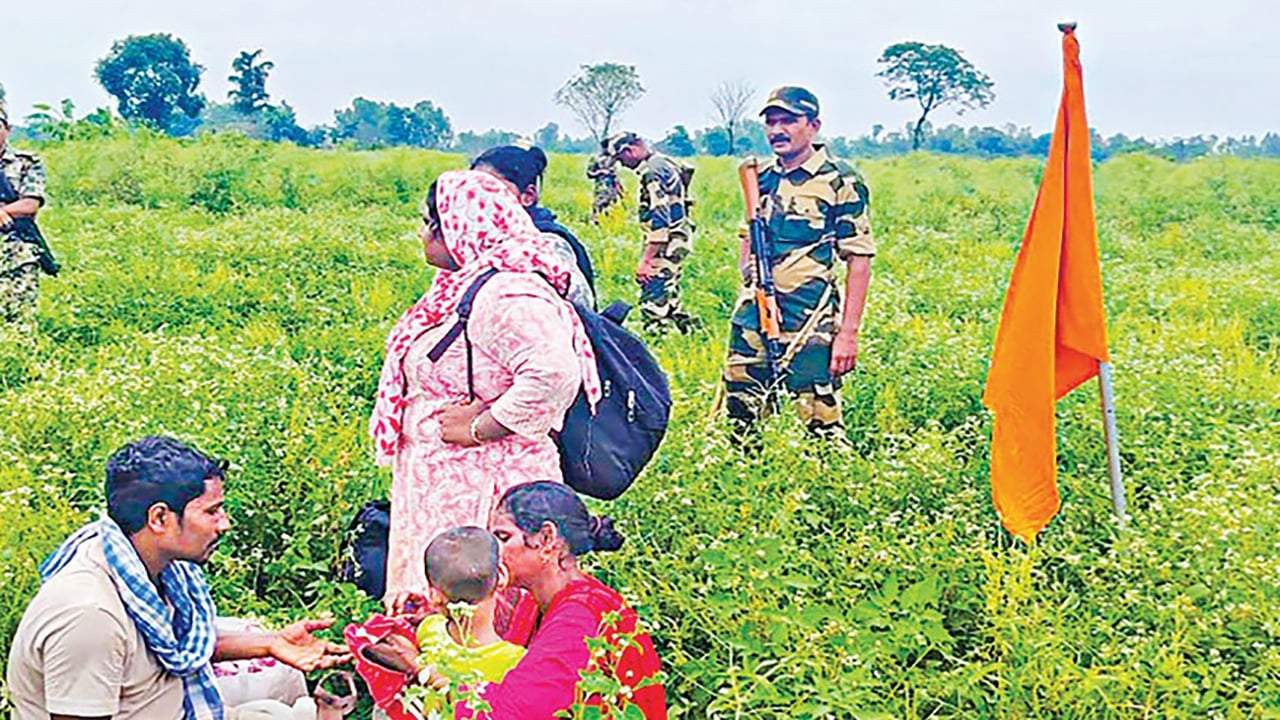
The article reports that incidents of forced cross-border expulsions, known as 'push-in', have resurfaced along vulnerable stretches of the India-Bangladesh border. According to the report, groups of men, women, and children are allegedly coerced at night to cross into Bangladesh, often left stranded in the no-man’s land without food or water when denied entry. The practice, described as state-managed human trafficking, violates international border management norms and bilateral agreements. The report argues that such actions reflect India’s continued use of coercive diplomacy toward Bangladesh, aimed at exerting pressure during bilateral negotiations. It notes that these operations had largely subsided under Sheikh Hasina’s government, which maintained close alignment with New Delhi. However, following Hasina’s fall and the formation of Prime Minister Tarique Rahman’s new government, border tensions have reportedly intensified as India seeks to re-engage with Dhaka. The commentary concludes that India’s persistence with outdated strategies like 'push-in' undermines its regional image and risks alienating a new generation of Bangladeshis seeking equitable relations with their larger neighbor.
The ‘1 Nojor’ media platform is now live in beta, inviting users to explore and provide feedback as we continue to refine the experience.