

The ‘1 Nojor’ media platform is now live in beta, inviting users to explore and provide feedback as we continue to refine the experience.
The Louvre Museum, the world’s most visited art institution, is struggling to secure funds for urgent infrastructure and facility repairs. During a recent Senate hearing, its new director, Christophe Leribault, acknowledged the museum’s deteriorating condition and financial distress. The crisis follows a daring theft of royal jewelry worth about 100 million dollars, which exposed internal weaknesses and led to the resignation of the previous director. Leribault, an art historian specializing in eighteenth-century art, took charge in February after the October theft incident. He stated that the museum’s equipment and infrastructure have reached the end of their functional life, and pressing building issues are accumulating. Located on the banks of the Seine in central Paris, the Louvre attracts around nine million visitors annually and houses Leonardo da Vinci’s “Mona Lisa.” The museum is also facing revenue losses from repeated strikes, a ticket fraud case involving about 10 million euros, water leakage, and maintenance complications, deepening its financial and operational challenges.

The Jordanian government has announced a general amnesty for undocumented Bangladeshi expatriates living in the country. According to a special notice issued by the Bangladesh Embassy in Jordan on Wednesday, the amnesty allows undocumented workers to either regularize their status or return to Bangladesh without paying fines. The embassy also published the announcement on its official Facebook page. Under the amnesty, any undocumented worker may return home without penalty or continue working in Jordan under certain conditions. Workers are also permitted to change employers if they wish. Domestic workers can transfer to new employers, and individuals who entered Jordan on travel visas may apply for work permits. The embassy has urged all eligible Bangladeshis to contact it for assistance in availing the benefits of the amnesty. The initiative aims to help undocumented Bangladeshi workers resolve their legal status and reduce the risks associated with irregular employment in Jordan.

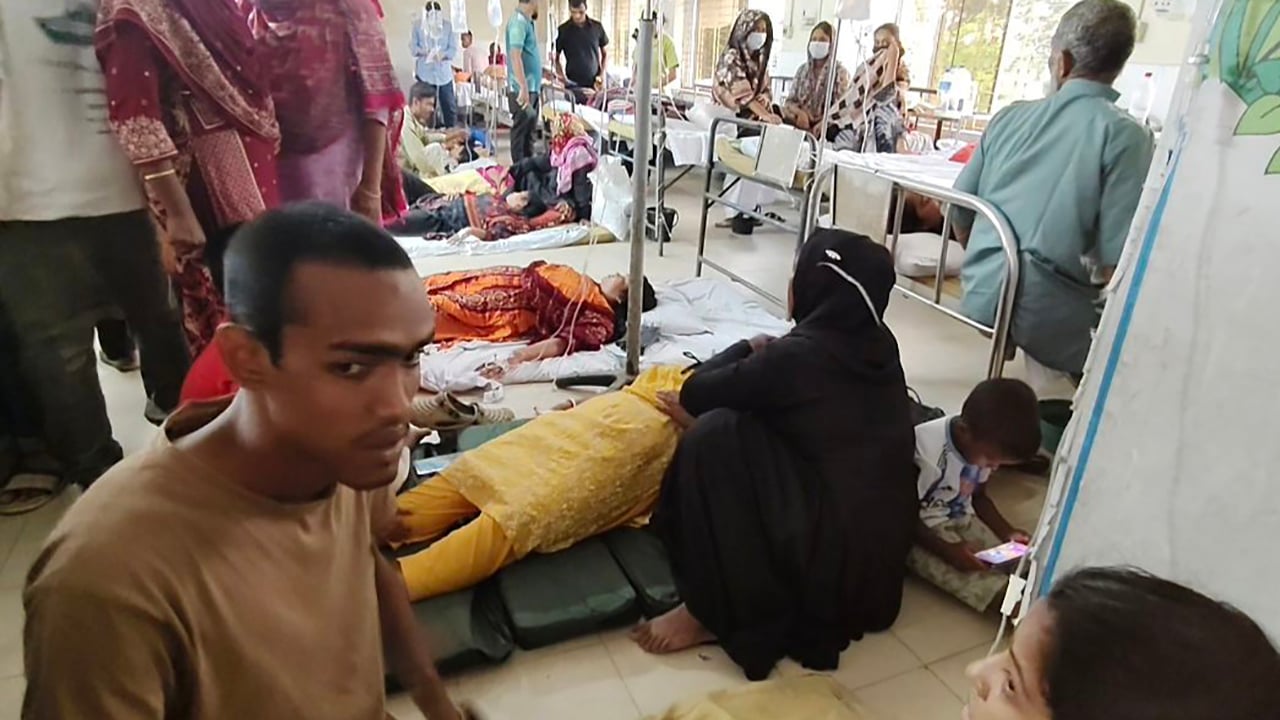
More than a hundred workers at the Palli Rani Dressman garment factory in Chandra Trimor, Kaliakoir upazila of Gazipur, fell ill after drinking water on Thursday morning. The incident occurred around 10 a.m., when workers began to feel unwell shortly after consuming water at the factory. They were immediately taken to Kaliakoir Upazila Health Complex and other nearby medical centers for treatment. According to a worker admitted to the health complex, she experienced stomach pain and nausea after drinking a glass of water and later lost consciousness. Another worker said the water had tasted bad for several days, but no action had been taken by the factory authorities. Duty doctor Nowrin Ahmed confirmed that over a hundred patients were admitted, with six in critical condition referred to Gazipur Shaheed Tajuddin Ahmad Medical College Hospital. Factory Assistant General Manager Atikul Islam stated that around 30 to 35 workers were hospitalized and suggested that rainwater contamination might have caused the problem. The factory has been temporarily closed to ensure proper treatment for the affected workers.
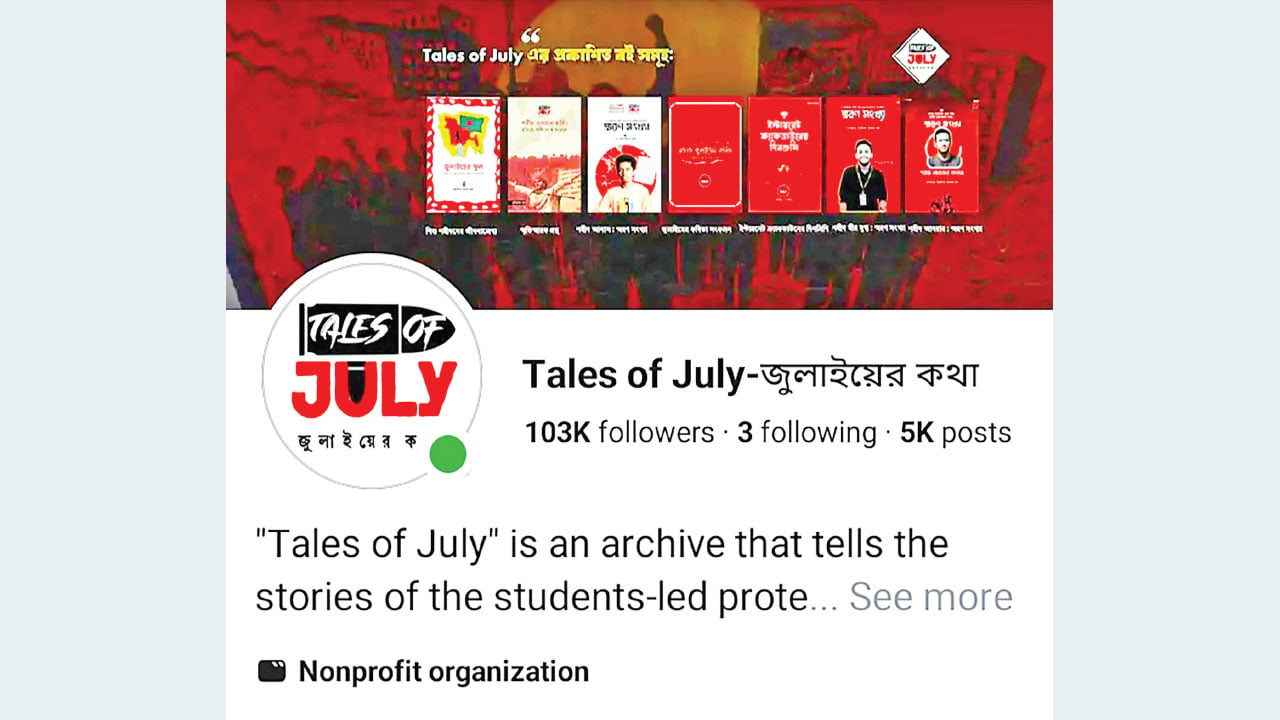
Tales of July began its journey on July 31, 2024, with the publication of a literary anthology. Initially conceived as a single publication, the initiative has since expanded into a multifaceted platform dedicated to research, archiving, publishing, and memory preservation related to the July Revolution. To date, it has published seven books exploring various aspects of the revolution, including personal stories, experiences, and historical narratives. At the 2026 Amar Ekushey Book Fair, the platform released two major works: “Julaiyer Phool,” a 600-page volume chronicling the lives of 111 child martyrs, and a commemorative book on martyr Osman Hadi. Previous publications include collections of poems and memorial issues dedicated to other martyrs. Tales of July is run by a 13-member governing body led by founder and executive head poet Israfil Akand Rudra and executive director Tahsin Ahmed, with all members being university students. The organization maintains contact with injured individuals and families of martyrs, documenting their memories and experiences. It also collaborates with researchers and institutions to collect and analyze data on the July uprising, aiming to keep history alive through continuous study and documentation.
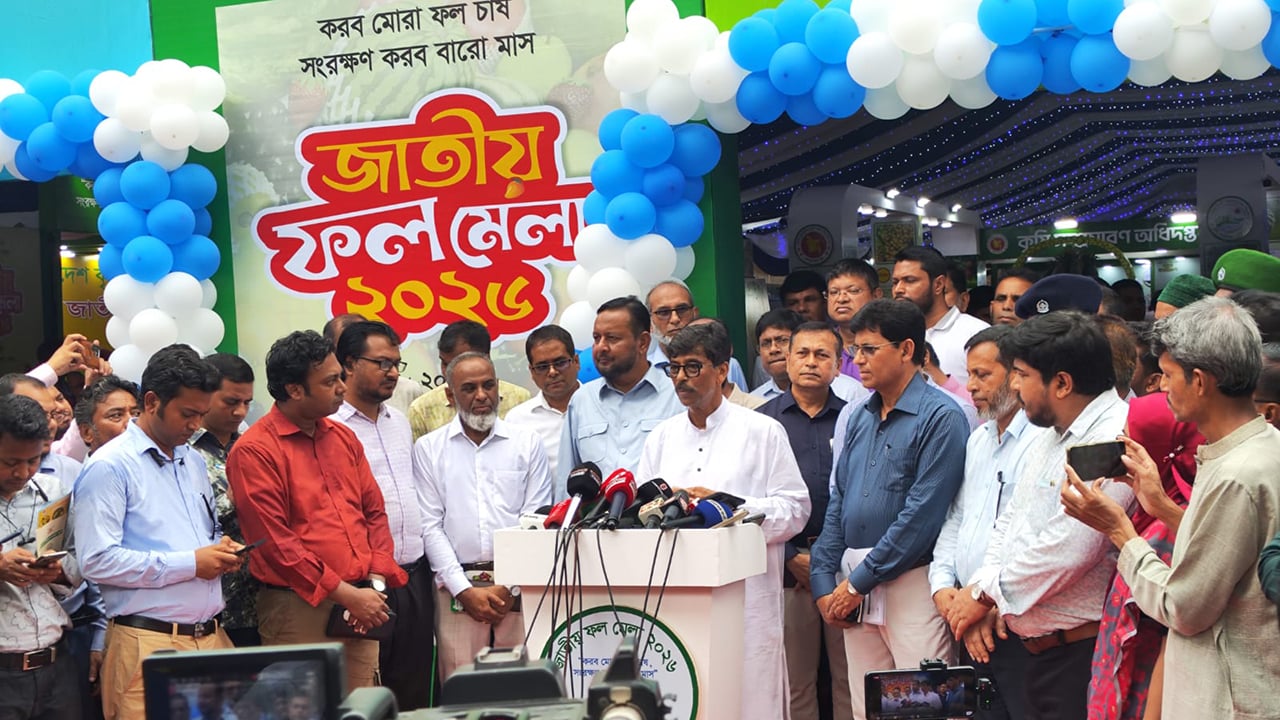
Agriculture, Fisheries and Livestock Minister Mohammad Aminur Rashid announced that Bangladesh has launched an initiative to revive extinct native fruit species by encouraging farmers to produce them. He made the statement on June 18, 2026, while briefing journalists at the inauguration of the three-day National Fruit Fair at the Bangladesh Agricultural Institute premises in Khamarbari. The minister toured the fair, met with entrepreneurs, and assured them of full government support. Rashid said the annual fruit fair has sparked a revolution in fruit production across the country. He noted that the government is also introducing genetic material from imported fruit varieties to promote domestic cultivation and reduce import dependency. Using dragon fruit as an example, he said locally grown varieties are tastier and farmers are being encouraged to innovate in fruit production. The minister further stated that the agriculture budget has increased by 10 percent compared to the previous year, while development and incentive allocations have risen by 59 percent, rejecting claims that the agriculture budget has been reduced.
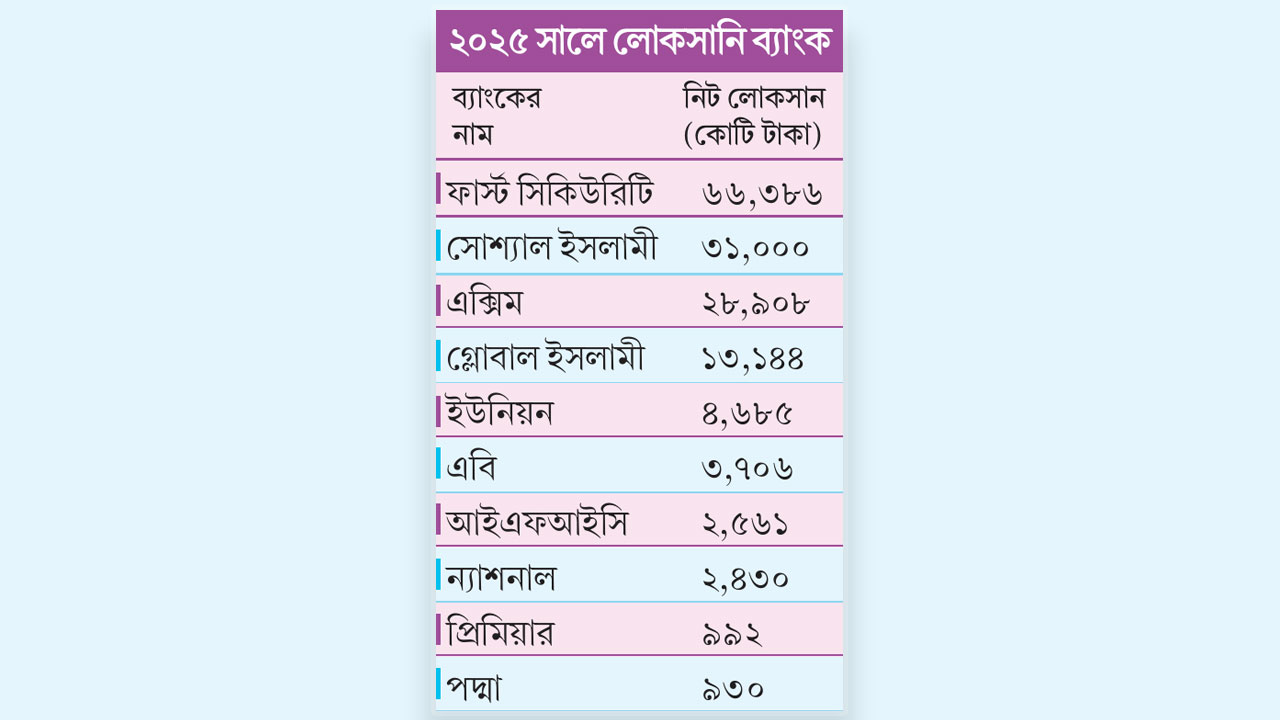
For the first time in history, Bangladesh’s banking sector has collectively reported a net loss, amounting to Tk 1.36 trillion in 2025. The loss, revealed in Bangladesh Bank’s Financial Stability Report 2025, stemmed from record-high provisions against non-performing loans. Despite generating Tk 134,815 crore in interest income, banks faced higher interest expenses of Tk 147,352 crore, resulting in a negative interest margin. Operating profits before provisions stood at Tk 19,571 crore, but provisioning surged to Tk 143,855 crore, turning overall profits into deep losses. The report shows that most banks suffered losses, including First Security Islami Bank, Exim Bank, and Social Islami Bank, while a few such as Standard Chartered, BRAC Bank, and City Bank managed to stay profitable. Sector-wide net profit dropped by Tk 148,824 crore compared to 2024, marking a 1,224 percent negative growth. Bank executives attributed the losses to long-accumulated bad loans and stressed assets totaling Tk 11 trillion. Experts warned that with 60 percent of loans under stress and a 35 percent default rate, the sector’s financial stability remains at risk, and the crisis may deepen in the coming years.
The government of Bangladesh has planned to install underground fiber lines to deliver dynamic internet services to 87,000 villages and enhance digital access for marginalized communities. The initiative, originally launched as the ‘Tiger Project’ in 2022 and later renamed ‘D-Star’ or ‘Digital Star,’ received an initial allocation of 300 million US dollars. The Ministry of Posts, Telecommunications and Information Technology and the Bangladesh Telecommunication Regulatory Commission began groundwork to implement the project aimed at strengthening rural connectivity. Progress has stalled due to disputes between mobile operators and fiber network businesses. Mobile operators have urged the government to expand spectrum coverage instead of direct fiber connections, while fiber providers argue that underground fiber connectivity at the union level would ensure better quality and resilience. The project remains pending at the Executive Committee of the National Economic Council as both sides lobby for control. Telecom experts have supported the underground approach, citing reduced risk of cable damage during natural disasters and less infrastructure clutter. The government has reportedly decided in principle to route fiber lines underground to improve reliability and minimize corruption risks.
A 24-year-old man named Rajib Mia died after being struck by lightning early Thursday morning in Ganesh Haor under Kaitail Union of Madan upazila, Netrakona. According to local and family sources, Rajib, a brick kiln worker from Joypasha village, had gone fishing near his home when the lightning strike occurred, killing him on the spot. The incident has cast a shadow of grief over his family and the local community. Rajib’s wife is four months pregnant, and his family of eight has lost its only earning member, leaving them in a vulnerable situation. Upazila Nirbahi Officer Nadir Hossain Shamim expressed condolences to the bereaved family and assured that the administration would provide possible government assistance. Local authorities are expected to extend support to the affected family as part of standard disaster response measures following lightning-related fatalities.
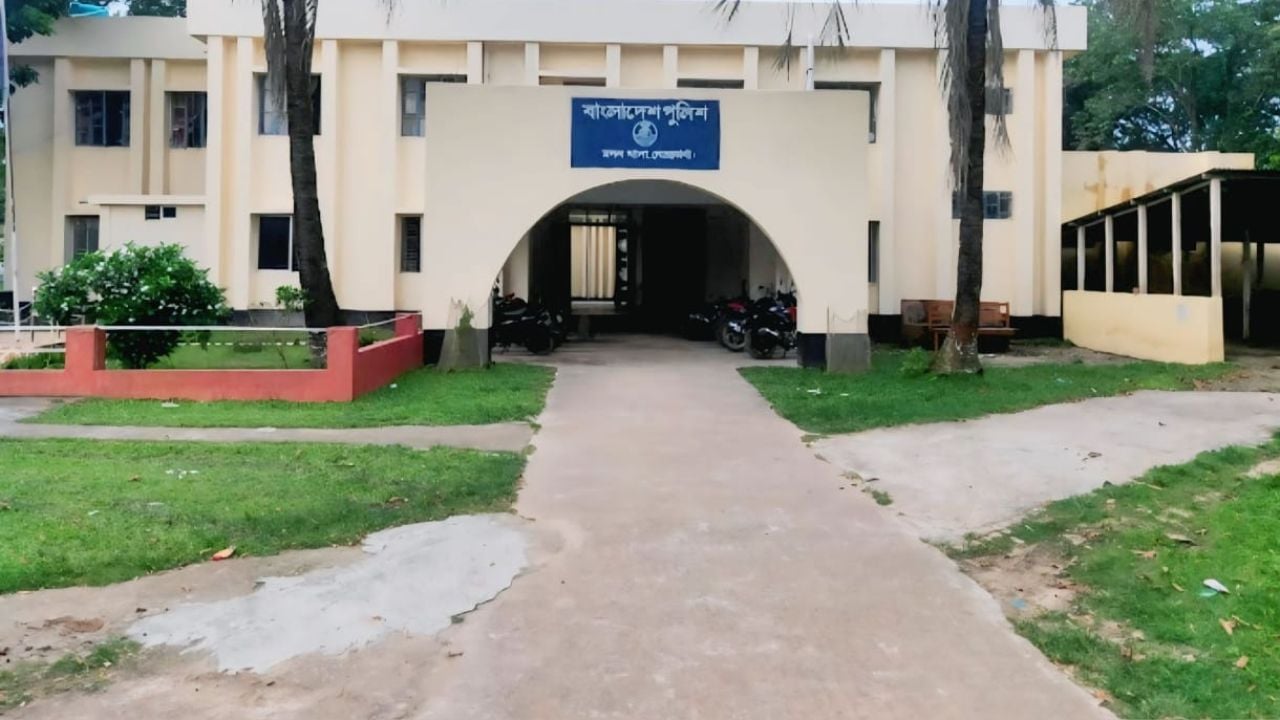
Allegations have emerged that the recruitment process for new teachers in the law department of Dhaka University prioritized political affiliations over merit. According to the report, during a selection board meeting on May 5, six candidates were recommended from a pool of 24, allegedly ignoring established criteria such as academic results, research publications, and professional experience. The board included senior university officials and faculty members. Several top-ranked candidates were reportedly excluded, while others with lower academic scores and political connections were recommended. Among the recommended candidates, Moniruzzaman and Maksuda Sarker faced accusations of publishing in predatory journals and maintaining close ties with politically influential figures. Moniruzzaman acknowledged publishing in such journals by mistake and later retracting the papers. Another candidate, Ali Mashraf, was accused of benefiting from political lobbying. University officials, including the pro-vice-chancellor (education), acknowledged the issue of predatory journals but declined to comment on the recruitment decisions. Teachers, students, and applicants have called for an investigation to ensure transparency and merit-based recruitment, warning that failure to address the allegations could harm the university’s academic integrity and reputation.

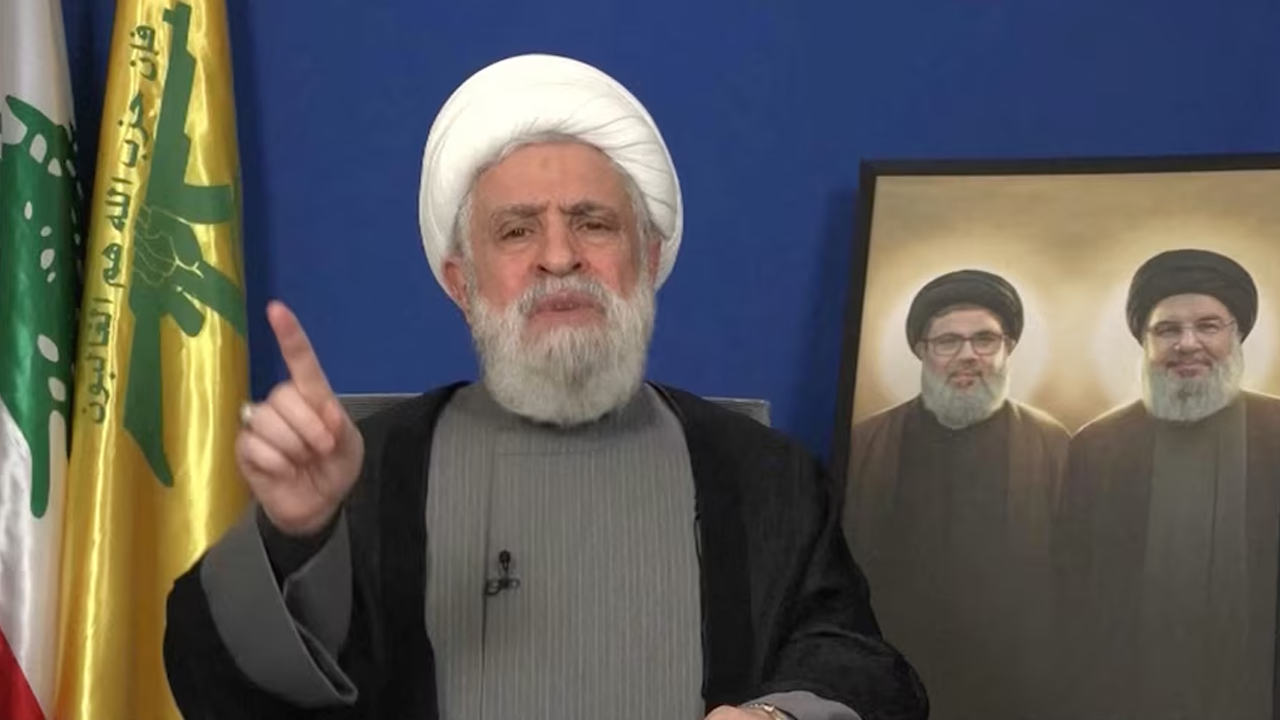
Hezbollah has declared that it will not accept any unilateral ceasefire, even as violence in southern Lebanon has slightly decreased. According to reports, Israeli airstrikes have lessened compared to previous weeks, but recent drone attacks have still caused casualties. In response, Hezbollah launched counterattacks, signaling that it will not halt operations one-sidedly. The Israeli military confirmed that two Hezbollah attacks in southern Lebanon killed one soldier and injured several others. Analysts noted that Hezbollah feels strengthened following a recent understanding between the United States and Iran. The group believes the agreement has provided Iran with strategic advantages that indirectly bolster Hezbollah’s position. Hezbollah has also conveyed to Israel that mutual security is the only topic open for negotiation and that it will not make additional concessions. The organization informed the Lebanese government that it will not agree to disarmament. International observers remain concerned that without a lasting resolution, border tensions could escalate again.
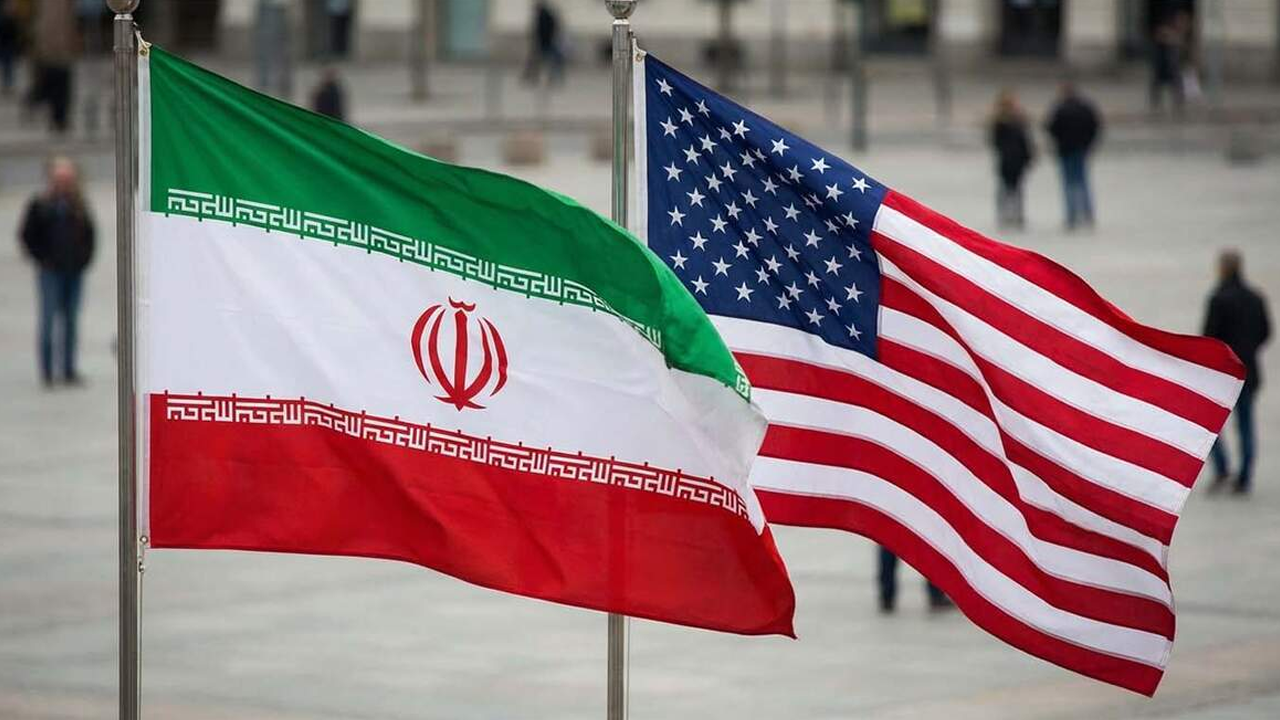
A recently published memorandum of understanding between Iran and the United States has sparked renewed debate over its terms. Analysts say the document shows significant concessions from Washington, while Tehran’s immediate commitments appear limited. The agreement, divided into two phases, includes provisions to normalize shipping through the Strait of Hormuz, lift US naval blockades, and ease sanctions on Iran’s oil, petrochemical, banking, insurance, and transport sectors. These measures could bring Iran an estimated 60 to 70 billion dollars in annual economic benefits. The memorandum also mentions releasing Iran’s frozen assets and creating a 300 billion dollar reconstruction fund, to be developed within 60 days by the US and regional partners. Iran reaffirmed that it will not pursue nuclear weapons, though detailed obligations on uranium enrichment and long-term nuclear activities are deferred to a final deal. Critics argue the agreement lacks clear commitments on Iran’s missile programs, human rights, and regional armed groups. Analysts warn that while the deal may ease tensions in the Strait of Hormuz, the long-term stability of the peace initiative remains uncertain if the upcoming 60-day negotiations stall.
The United States military used Elon Musk’s artificial intelligence technology ‘Grok’ to conduct strikes on more than 2,000 Iranian targets within four days, according to a written testimony by Cameron Stanley, head of Digital and Artificial Intelligence at the Pentagon. The disclosure came during a civil case in the Northern District Court of Mississippi, where the Trump administration intervened in an environmental lawsuit filed against Musk’s company xAI. Stanley stated that the US government deployed a ‘Grok Gov Model’ based on xAI’s commercial version, integrated into the Pentagon’s Maven Smart Systems (MSS) for target identification, intelligence gathering, and military readiness. The testimony did not specify the exact dates of use, leaving unclear whether the AI was linked to a February 28 strike that killed 156 civilians, including 120 schoolchildren. Iran’s Foundation of Martyrs and Veterans reported about 3,500 civilian deaths since the joint US-Israeli offensive began. The lawsuit, filed by the NAACP on April 26, accuses xAI of violating environmental laws by operating 27 methane gas turbines in Southaven, Mississippi, to power the ‘Colossus 2’ data center. The Pentagon and the US Department of Justice opposed the case, citing national security risks if the data center’s operations were disrupted.

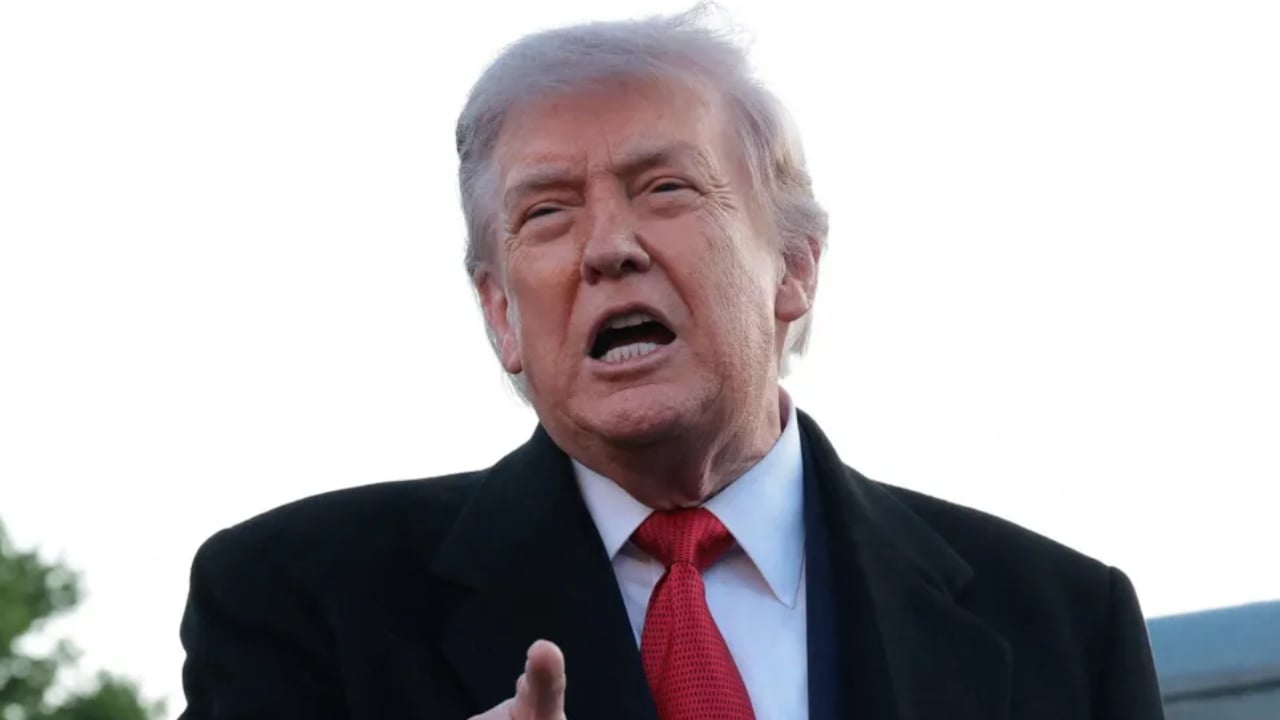
US President Donald Trump has described critics of the new Iran agreement as jealous, nasty, or foolish. Responding to claims that he was not tough enough on Iran, Trump wrote on his social media platform Truth Social that those who think so are either jealous, nasty people, or fools. His comments came as the United States and Iran announced a new memorandum of understanding aimed at ending ongoing conflicts. According to the source, Trump and Iranian President Masoud Pezeshkian electronically signed the memorandum of understanding to halt wars and reopen the Strait of Hormuz. Both sides confirmed that the agreement has already taken effect. US officials stated that under the deal, Iran will not develop or acquire nuclear weapons, and hostilities on all fronts will cease. The signing marks a significant diplomatic move between Washington and Tehran, with the agreement expected to ease regional tensions and restore vital maritime routes.
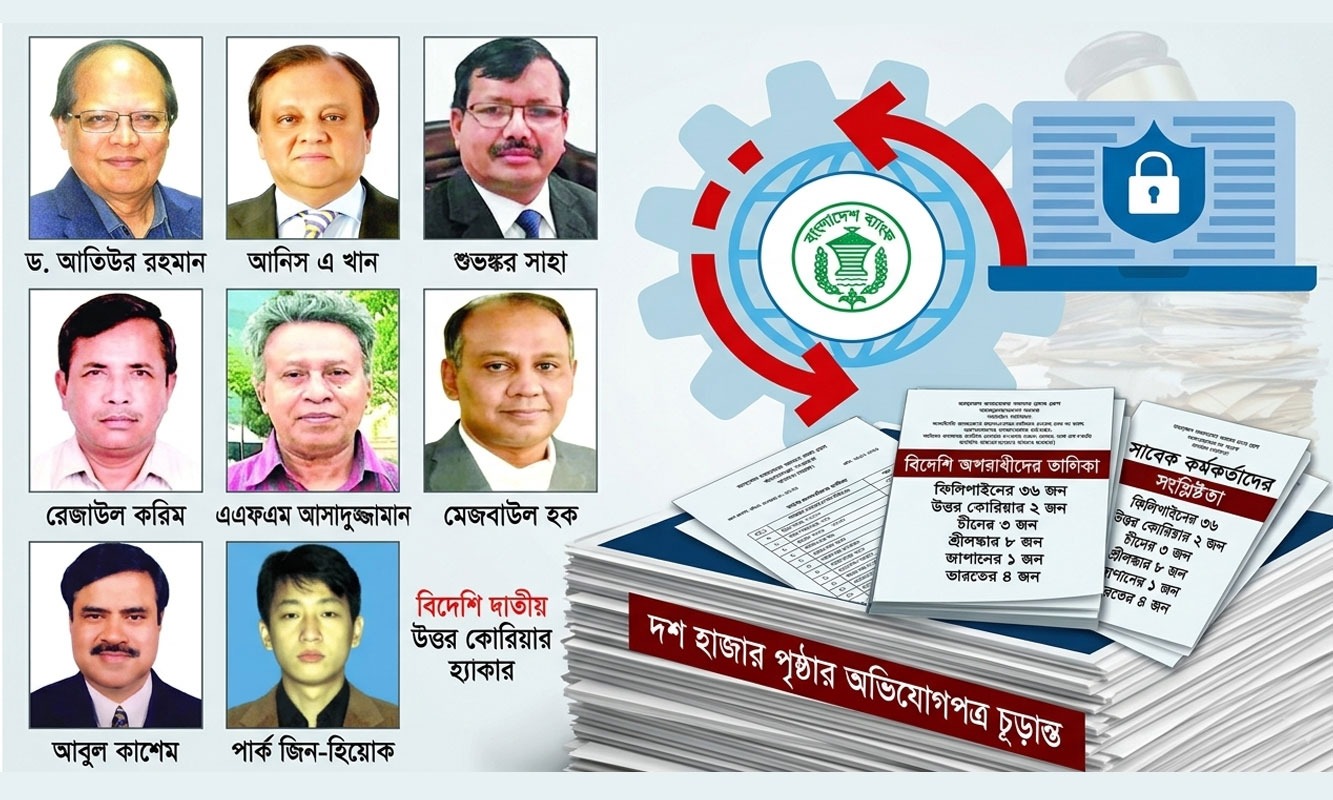
Bangladesh’s Criminal Investigation Department (CID) has prepared a 150-page draft charge sheet in the country’s largest financial scandal, the Bangladesh Bank reserve theft case. After more than a decade of investigation, the draft has been submitted to the Attorney General’s Office for legal review. The document accuses 64 individuals and organizations, including former Bangladesh Bank governor Dr. Atiur Rahman, who is alleged to have attempted to conceal the incident and is currently absconding. The accused include nine other Bangladeshi officials and citizens, as well as foreign nationals from India, North Korea, China, Japan, Sri Lanka, and the Philippines. Among them are former deputy governor Abul Kashem, former executive directors Shuvankar Saha and Mezbaul Haque, and several international hackers and institutions such as North Korea’s Lazarus Group. The CID found that the stolen funds were laundered through casinos and foreign entities. The 2016 cyber theft involved $101 million stolen via fraudulent SWIFT messages from Bangladesh Bank’s account at the Federal Reserve Bank of New York. Only $34.6 million has been recovered so far. Authorities expect the final charge sheet to be filed in court once legal clearance is received.
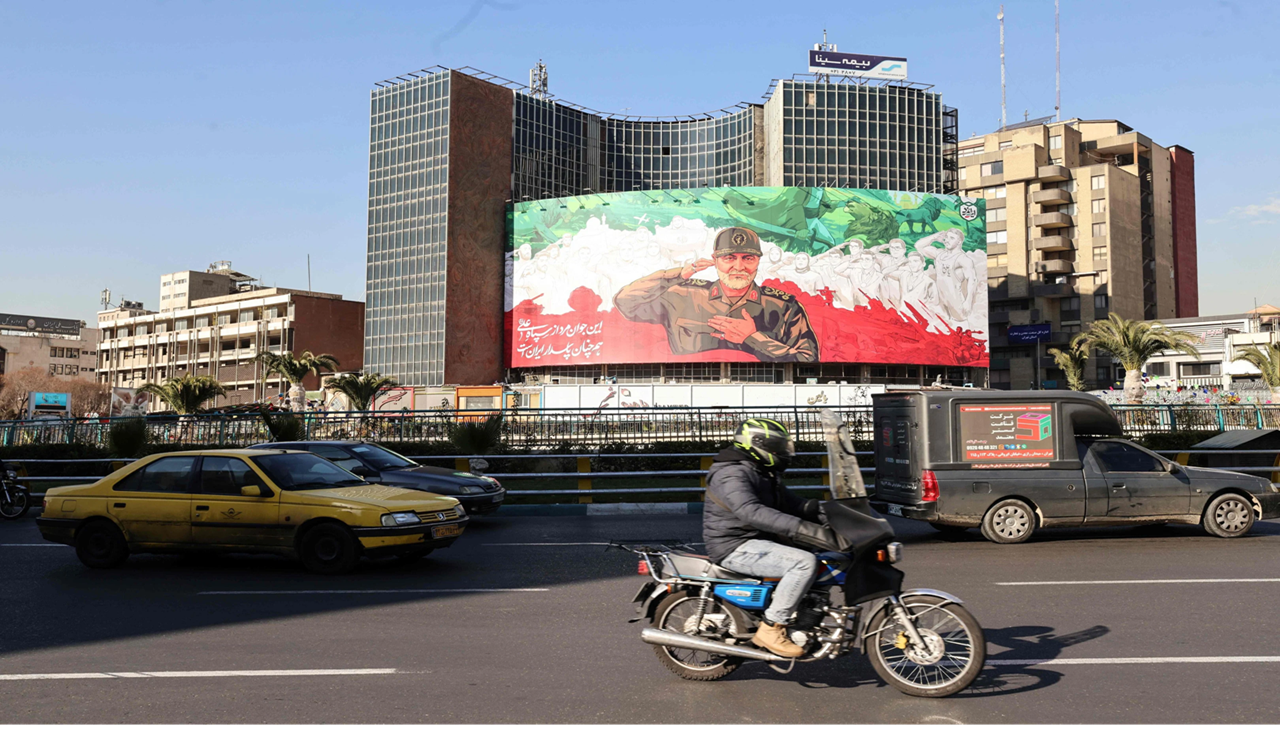
Iran and the United States have signed a memorandum of understanding aimed at ending ongoing conflicts in the Middle East. The agreement includes commitments to halt military operations, lift sanctions, reopen navigation through the Strait of Hormuz, and initiate economic reconstruction. Both Washington and Tehran have released the full text of the memorandum, which was signed electronically by U.S. President Donald Trump and Iranian President Masoud Pezeshkian, with Pakistan’s Prime Minister Shehbaz Sharif mediating. The memorandum outlines that all military actions, including those involving allies such as Lebanon, will cease immediately and permanently. The United States will begin lifting the naval blockade imposed on Iranian ports and withdraw its forces near Iran within 30 days after a final agreement. Iran will ensure safe commercial shipping through the Strait of Hormuz, while the U.S. and its regional partners will prepare a $300 billion plan for Iran’s reconstruction and economic development. Tehran reaffirmed it will not pursue nuclear weapons, and uranium management will proceed under IAEA supervision. A final agreement is expected within 60 days, subject to extension by mutual consent, and will be endorsed by a binding United Nations Security Council resolution.
The ‘1 Nojor’ media platform is now live in beta, inviting users to explore and provide feedback as we continue to refine the experience.