

The ‘1 Nojor’ media platform is now live in beta, inviting users to explore and provide feedback as we continue to refine the experience.
Olympic Cement Limited, a Barishal-based company under Khan Sons Group, has been abruptly shut down after allegations of large-scale money laundering and financial irregularities. Reports claim the company’s chairman, managing director, and directors siphoned off billions of taka to the United States, the United Kingdom, and Dubai, withdrawing all capital from company accounts and defaulting on bank loans. The closure has left over 350 workers without pay or benefits, while the company was allegedly sold secretly to Scan Cement. Following complaints, Barishal Divisional Commissioner Khalil Ahmed summoned company officials and ordered immediate payment of workers’ dues. Authorities have frozen 90 company trucks and a lighter vessel and restricted the directors from leaving the country. The managing director has promised to pay Tk 9 crore in wages and benefits by June 19. The National Board of Revenue’s customs and VAT intelligence units have launched investigations into alleged tax evasion, VAT fraud, and money laundering by the company. Officials indicated that the factory’s financial crisis deepened after years of irregularities and foreign fund transfers.
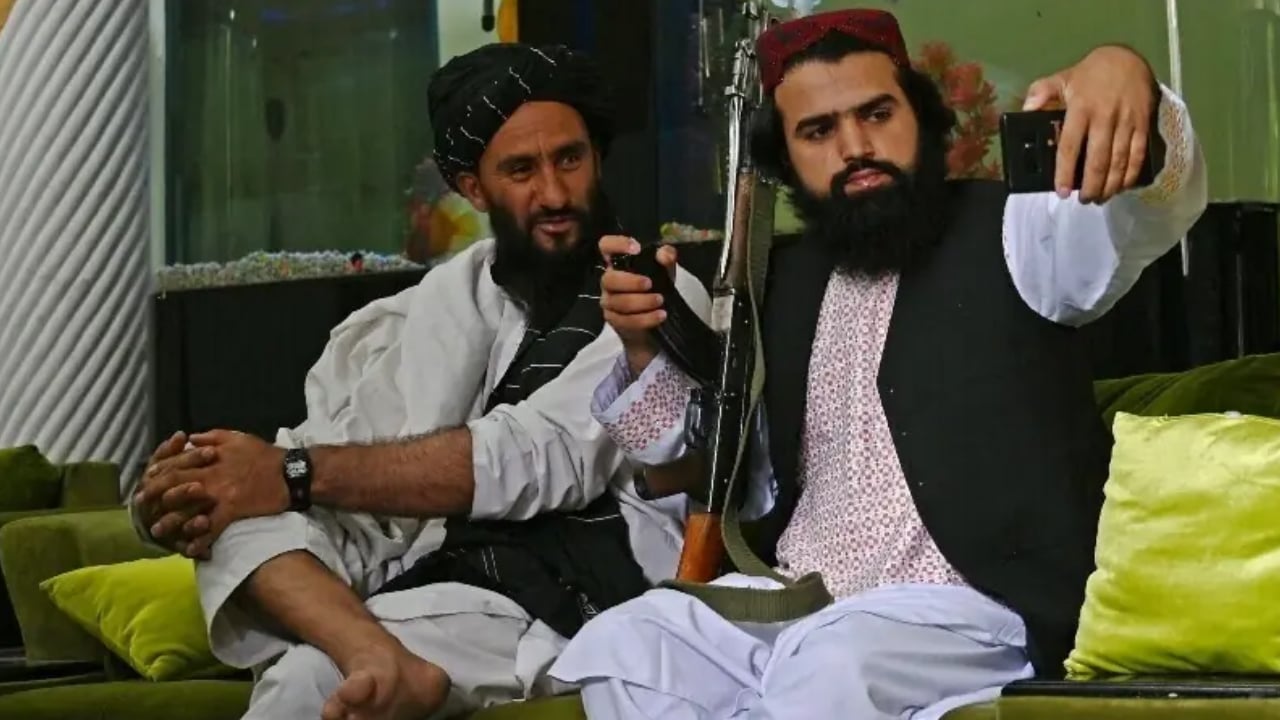
Government employees across Afghanistan have stopped using smartphones following a new directive issued by the country’s supreme leader, Hibatullah Akhundzada. The order, which took effect on June 17, 2026, strictly prohibits smartphone use by all civil and military officials. The decision was announced through a letter bearing the Supreme Court’s emblem that circulated on social media last week. According to the letter, provincial department heads were instructed to inform all senior and junior staff about the ban. It also stated that only the supreme leader has the authority to grant exemptions to this restriction. The Supreme Court did not respond to requests for comment regarding the order. Two Afghan government spokespersons were contacted by Pakistan’s Dawn newspaper for clarification but did not provide any response. The order marks a significant step in tightening communication controls within Afghanistan’s public sector.
An Israeli reserve soldier was killed and seven others were injured when an explosive device, reportedly planted by Hezbollah, detonated in southern Lebanon. The Israel Defense Forces (IDF) confirmed that the incident occurred around 5 p.m. local time along the Litani River, affecting members of the 36th Division’s forward command team. The deceased was identified as Master Sergeant (Reserve) Alexander Filin, 29, from Haifa, who served at the division’s headquarters. Among the injured were the deputy commander of the 36th Division, a battalion commander from the 556th Transport Regiment, and another reserve soldier, all in moderately serious condition. One active-duty soldier, two reserve soldiers, and a female soldier sustained minor injuries. The IDF stated that all wounded personnel were hospitalized and their families informed. Preliminary investigations suggest the explosion was caused by a Hezbollah-planted device, though the exact circumstances remain under investigation. Following the blast, Israeli forces shelled Hezbollah infrastructure in the area.

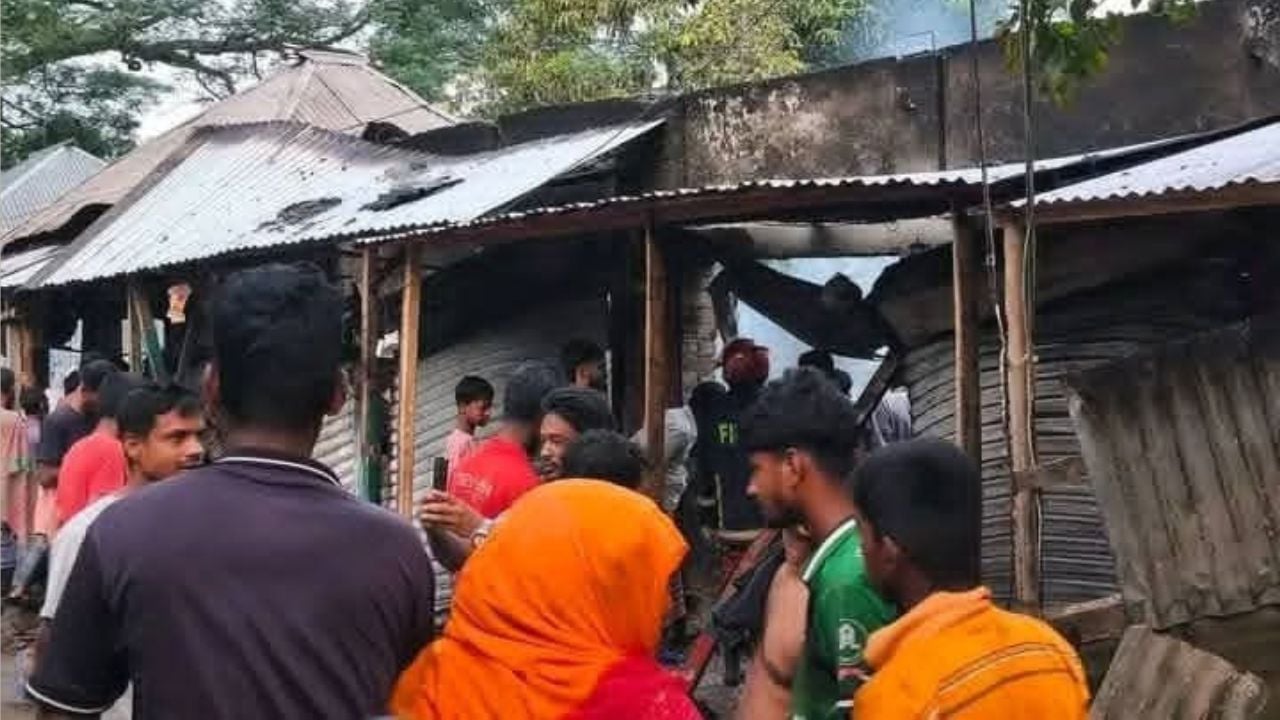
A devastating fire caused by a gas cylinder explosion in Alfadanga upazila of Faridpur killed one person and injured three others early Thursday morning. The incident occurred around 4 a.m. at Vennatola Bazar in Pachuria Union, where the blaze began at Nur Mia’s grocery shop before spreading to nearby stores. Local residents attempted to control the fire when a gas cylinder exploded, severely injuring several people. The injured were taken to Boalmari Upazila Health Complex, where 38-year-old Babul Molya was declared dead. Two fire service units arrived and brought the fire under control after two hours. According to Boalmari Fire Service Station Officer Royel Ahmed, the fire likely originated from an electrical short circuit before the cylinder explosion intensified it. Five shops, including grocery, tea, fertilizer, and repair stores, were completely destroyed, with estimated losses reaching around one crore taka. Authorities confirmed that all goods inside the affected shops were burned to ashes, and the area suffered extensive property damage.
More than 100 days after Tareq Rahman assumed office as Bangladesh’s prime minister, expectations of a reset in India-Bangladesh relations remain unmet. Despite early diplomatic gestures from New Delhi, including visits by India’s foreign minister and other officials, Dhaka sees little substantive progress. Key measures such as restoring transit facilities, normalizing visa services, and lifting trade restrictions have not been implemented, leaving bilateral ties largely unchanged since the interim government period. Senior BNP leaders have tried to ease tensions, emphasizing that former prime minister Sheikh Hasina’s stay in India should not hinder relations. However, Dhaka feels its goodwill has not been reciprocated, citing India’s continued use of the term “illegal immigration” in official statements after BJP’s state election victories. A recent visit by Bangladesh’s foreign minister to Delhi failed to dispel mistrust, and Rahman is reportedly preparing visits to Malaysia and China as diplomatic alternatives. Analysts warn that without renewal of the 1996 Ganges water treaty, Bangladesh’s irrigation projects and agriculture could face severe challenges. Combined with domestic health and law-and-order crises, the government faces mounting pressure to stabilize both internal and external fronts.

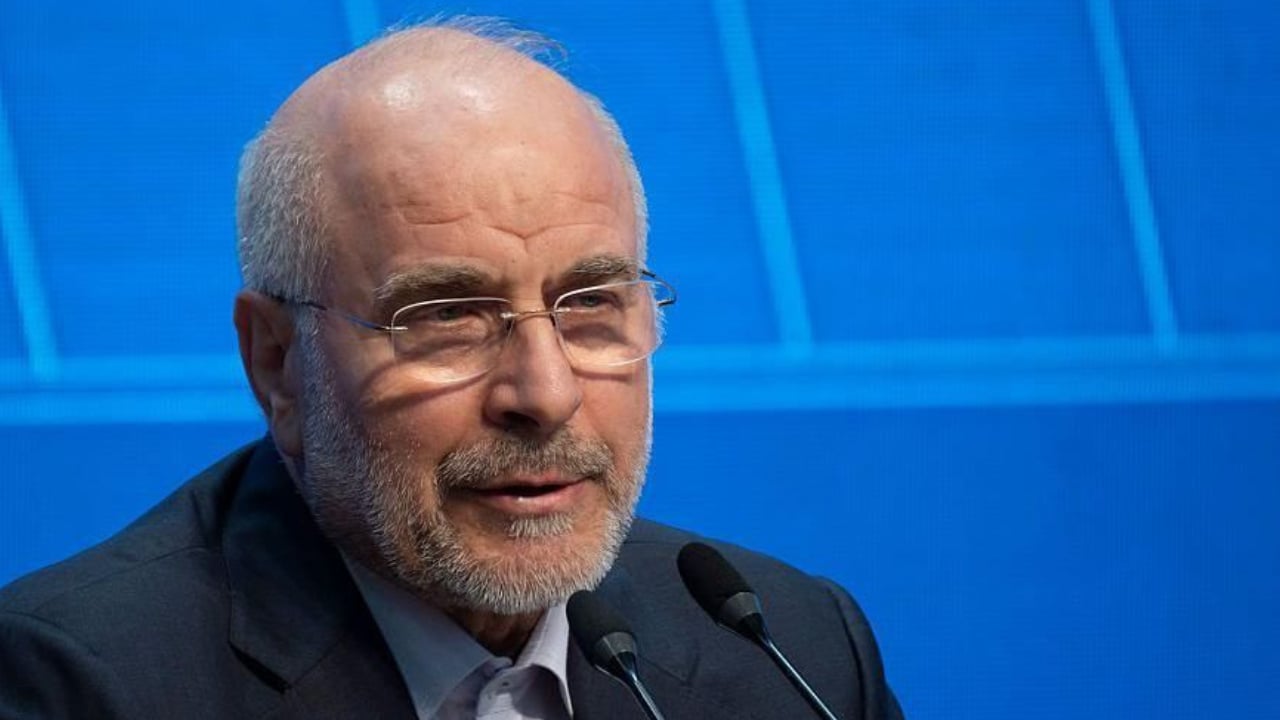
Iran’s parliament speaker and chief negotiator Mohammad Bagher Ghalibaf has stated that Tehran is showing no flexibility in its ongoing talks with the United States. In an interview with Iran’s Press TV, he said the country is negotiating from a position of strength, asserting that recent battlefield victories have shaped the current dialogue. Ghalibaf explained that the difference between the current and previous rounds of discussions lies in the foundation of military success, which now serves as the basis for negotiations. He emphasized the importance of turning Iran’s military achievements into a lasting settlement that benefits the nation’s interests. He further noted that every war ending in victory must ultimately be formalized through legal and political agreements to ensure that those gains are properly recorded and yield tangible results.
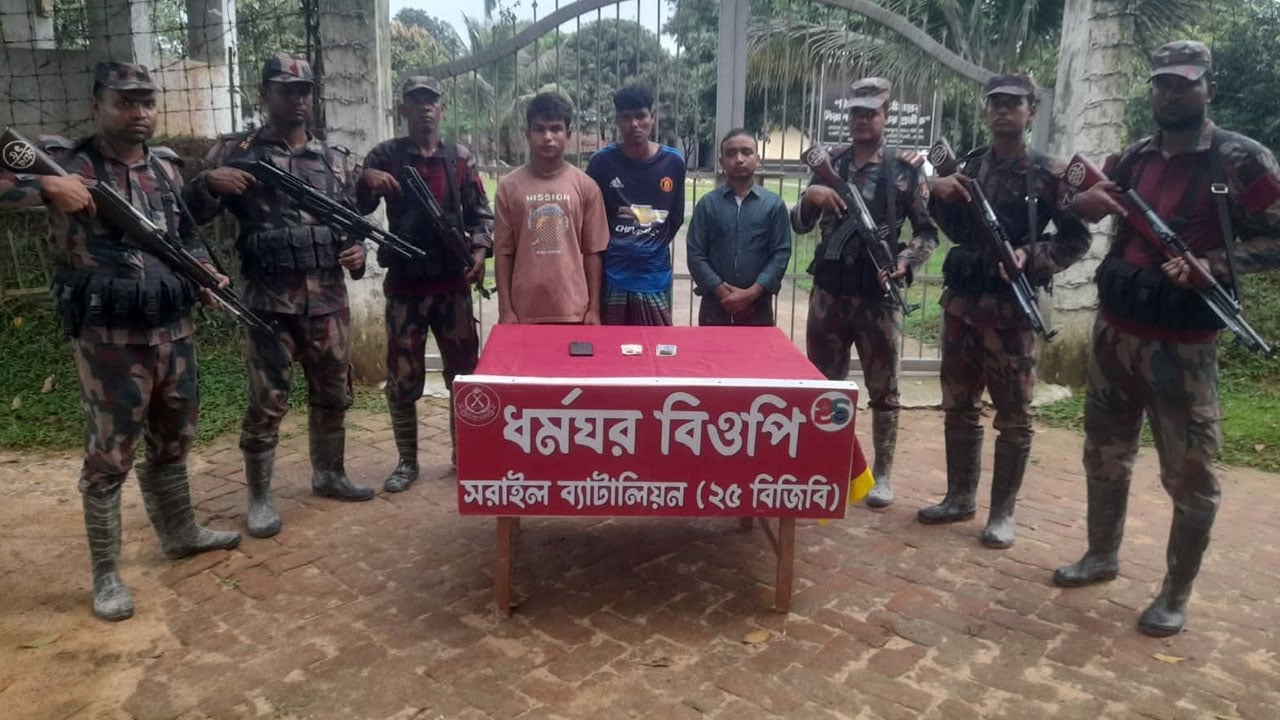
Border Guard Bangladesh (BGB) detained three individuals on Wednesday morning while they were attempting to cross into India through the Madhabpur border in Habiganj. The arrest took place around 6:30 a.m. in the Mohanpur area under the Dharmaghar Border Outpost of the 25 BGB Sarail Battalion. The detainees were identified as Ujjal Chandra Dev, Mosharaf Hossain, and Rahul, all residents of nearby villages. According to BGB sources, the trio was apprehended about 200 yards inside Bangladesh territory near border pillar 1994/4-S. During questioning, Ujjal Chandra Dev stated that he was trying to visit his ailing sister in Agartala, India, and had paid 10,000 taka for assistance from the other two men. BGB seized 500 Bangladeshi taka, 300 Indian rupees, and an Android mobile phone from them. The detainees were handed over to Madhabpur Police Station, where a case has been filed. The 25 BGB Sarail Battalion said its operations to prevent illegal border crossings in the Madhabpur area will continue.
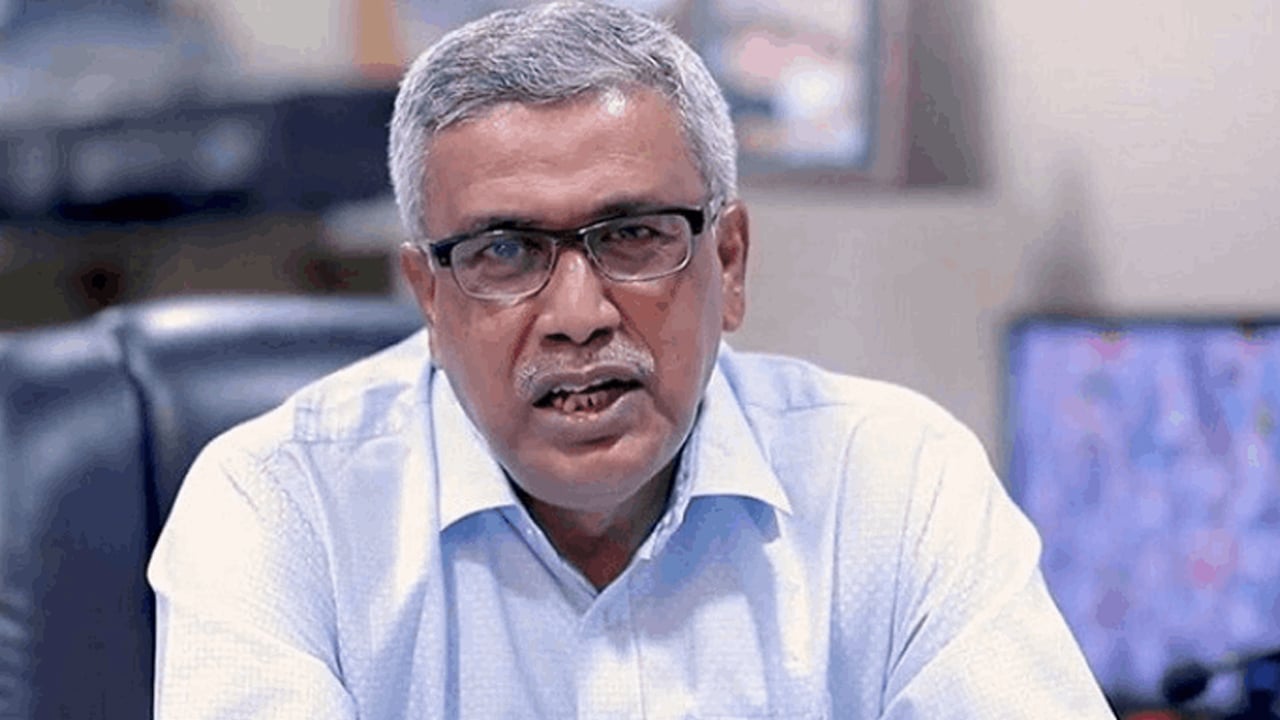
A recent comment in Bangladesh’s Parliament by BNP lawmaker Monirul Islam about Jamaat-e-Islami’s female members wearing hijab and niqab has triggered a nationwide debate that quickly expanded beyond politics into religious and cultural dimensions. Following the controversy, expatriate intellectual Faham Abdus Salam joined the discussion, arguing that niqab hinders normal social interaction and that public representatives should maintain visible identities. Columnist Minar Rashid, writing in response, criticized Faham for presenting his personal preferences as universal standards and for misinterpreting niqab as social seclusion. He emphasized that modern biometric technologies can verify identity without requiring facial visibility and argued that niqab-wearing women deserve respect for their personal and religious choices. Rashid noted that earlier parliaments under Khaleda Zia included niqab-wearing members without ridicule. The article concludes that political criticism of Jamaat-e-Islami should not blur into opposition to Islam itself. It calls for restraint and respect for religious diversity, warning that conflating political rivalry with religious antagonism could alienate devout citizens and harm democratic culture.

Iranian state media reported that eleven Iranian commercial ships crossed the Strait of Hormuz following the finalization of a draft bilateral memorandum of understanding between Iran and the United States. The movement occurred shortly after Washington lifted its naval blockade in the Persian Gulf region, allowing the vessels to resume operations. According to the report published on June 18, eight cargo ships left Iranian territorial waters for international routes, while three commercial vessels entered Iranian waters through the strait. Under the new agreement, the United States will withdraw its naval blockade targeting Iran, and in return, Iran will allow international commercial ships to pass through the Strait of Hormuz safely and without tariffs for the next 60 days. Analysts cited in the report suggested that the normalization of commercial shipping through the Strait of Hormuz could significantly influence regional trade and energy transport in the Persian Gulf.

A Dhaka court on Thursday, June 18, 2026, ordered the imprisonment of Ahmed Zubair, former managing director of Somoy Television, in a fraud case. The order followed his failure to appear before the court in connection with a bank fraud and breach of trust case filed at Kalabagan Police Station. On Wednesday, June 17, the court had issued arrest warrants against Zubair, his wife Shamima Sultana Chowdhury, their two children Saraf Nawar Joyita and Ahmed Rafid Kader Rivu, and two witnesses, Sheikh Mahmud Yasin and Sani Chowdhury, for not complying with a previous court summons. The summons, issued on May 10 by the Dhaka Metropolitan Magistrate Court, required them to appear and respond to the allegations. Court sources said the accused were given the opportunity to submit legal explanations either in person or through lawyers. Their absence on the scheduled date led to the issuance of arrest warrants and Zubair’s subsequent imprisonment order.
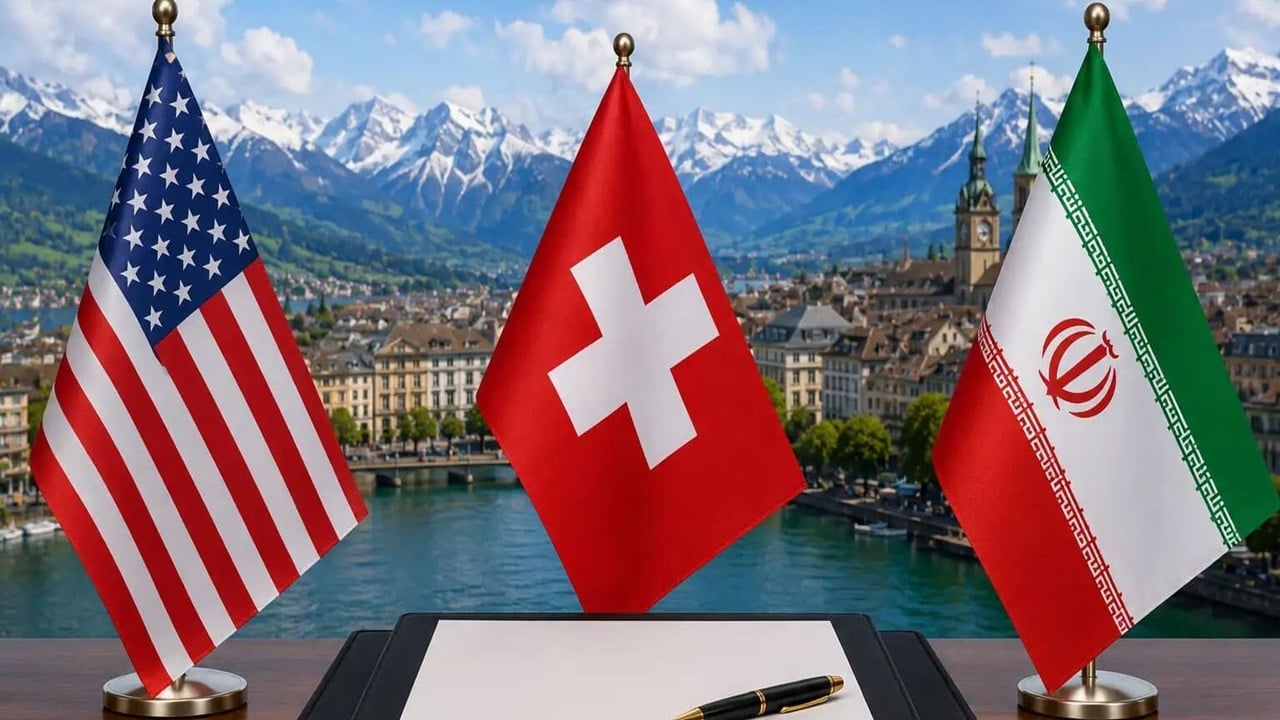
The Swiss Foreign Ministry has confirmed that a meeting between representatives of Iran and the United States will take place on Friday at the mountain resort of Burgenstock, Switzerland. According to a Reuters report, the ministry stated that, as of now, the plan remains for delegations from the U.S., Iran, mediator countries Pakistan and Qatar, and other involved nations to attend the session. The discussions will focus on the initial implementation of an agreement between the two countries. The ministry did not provide further details about the meeting’s schedule or agenda, Reuters added. Earlier, Iran had said that no direct meeting would occur in Switzerland following the signing of a memorandum of understanding by U.S. President Donald Trump and Iranian President Masoud Pezeshkian. However, this new initiative aims to facilitate talks on implementing the agreement, with Pakistan and Qatar expected to act as mediators. The meeting marks a continuation of diplomatic efforts to operationalize the recent U.S.-Iran understanding, though specific outcomes remain undisclosed.
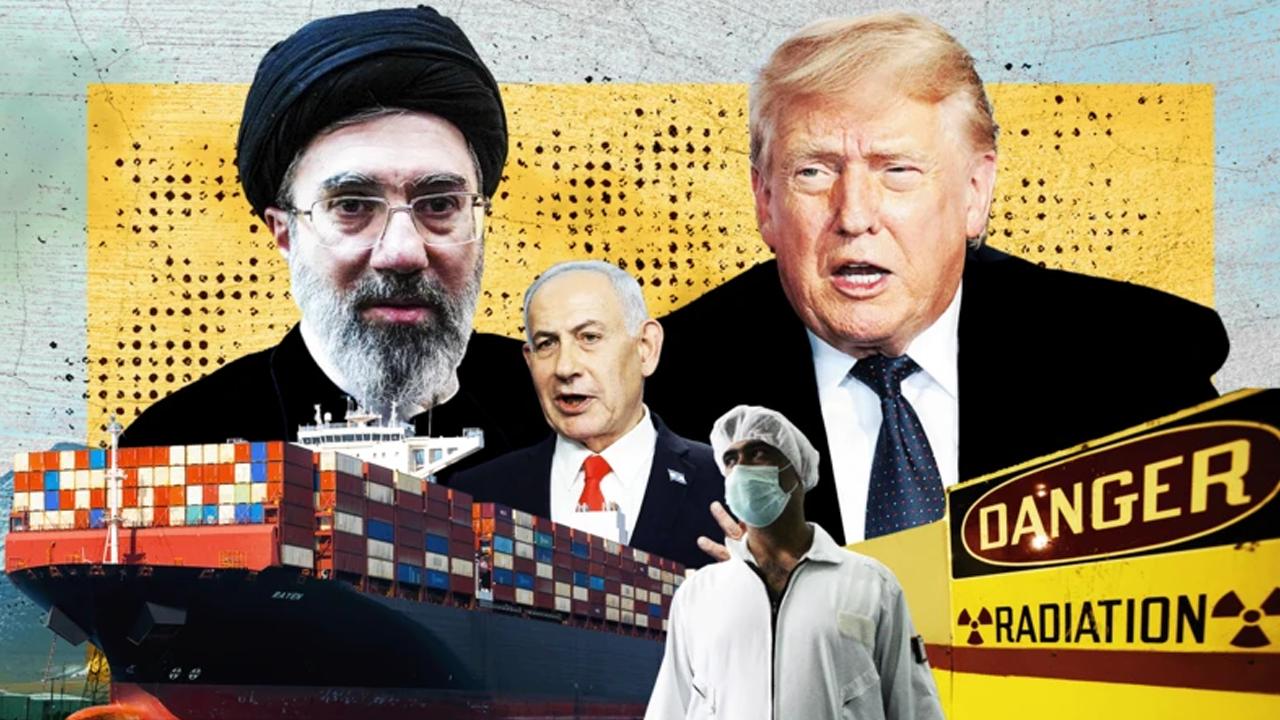
After weeks of negotiations, the United States and Iran reached a preliminary 14-clause memorandum of understanding aimed at ending hostilities and reopening the Strait of Hormuz. The agreement, signed by US President Donald Trump and Iranian President Masoud Pezeshkian, includes commitments to lift sanctions, ease naval blockades, and establish a $300 billion reconstruction fund for Iran. Both sides have 60 days to finalize a comprehensive deal, with the option to extend discussions. However, the fragile accord faces serious threats. Israel’s continued military operations in Lebanon, despite calls for restraint, have raised doubts about regional stability. Iran insists that ending the Lebanon conflict is integral to the peace process, while Israel maintains its right to self-defense. Analysts warn that renewed clashes could derail diplomatic progress before substantive nuclear talks begin. Further uncertainty surrounds Iran’s enriched uranium stockpile and the reopening of the Hormuz Strait. Technical challenges, including mine clearance and maritime security, could delay implementation. Experts caution that the memorandum remains only a framework, not a final solution, and that the hardest negotiations are yet to come.
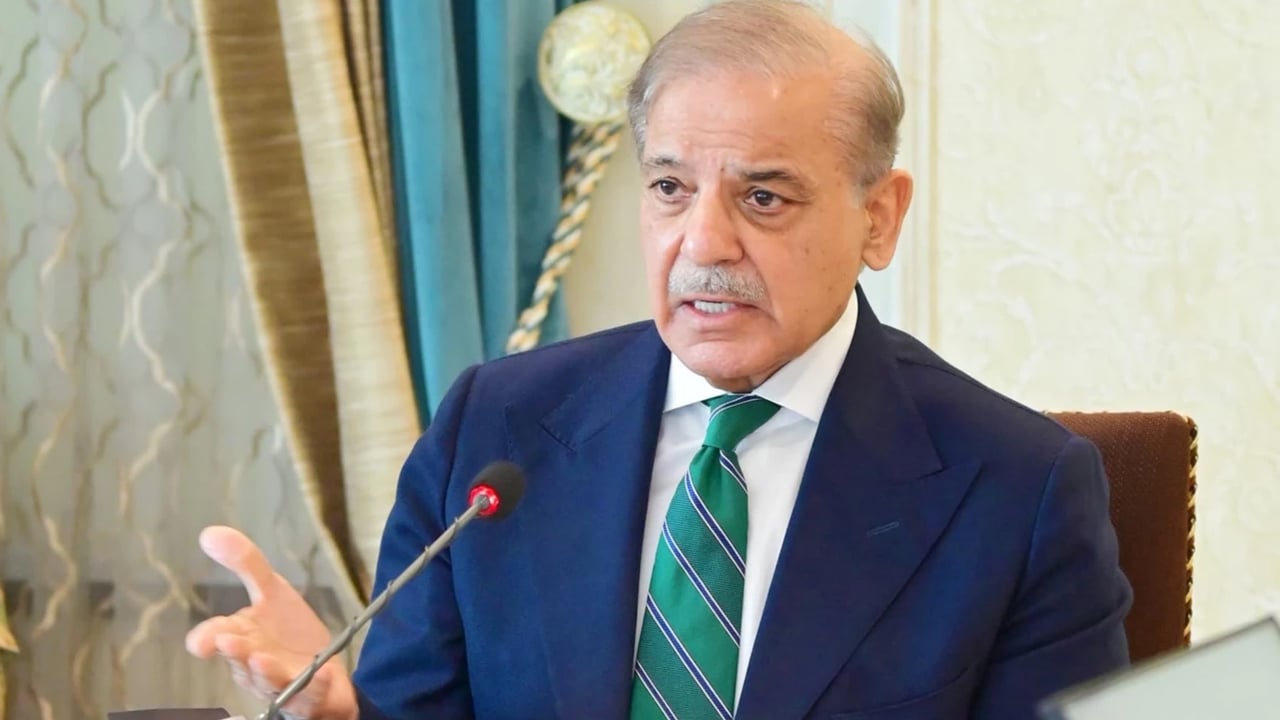
Pakistan’s Prime Minister Shehbaz Sharif has deleted a social media post announcing a planned signing ceremony between the United States and Iran in Switzerland. The original post mentioned that, with support from Qatar as a mediator, the event would take place on June 19, 2026, to mark the start of technical-level discussions. However, the reposted version omitted any reference to the upcoming formal ceremony. Earlier, Iranian Foreign Ministry spokesperson Esmail Baghaei stated that the planned meeting in Switzerland between Tehran and Washington was not yet confirmed. He explained that although the meeting had been set for Friday, the decision for both presidents to sign the agreement led to a temporary suspension of the event. The developments highlight uncertainty surrounding the anticipated US-Iran memorandum of understanding, with no official confirmation of when or whether the signing will proceed.
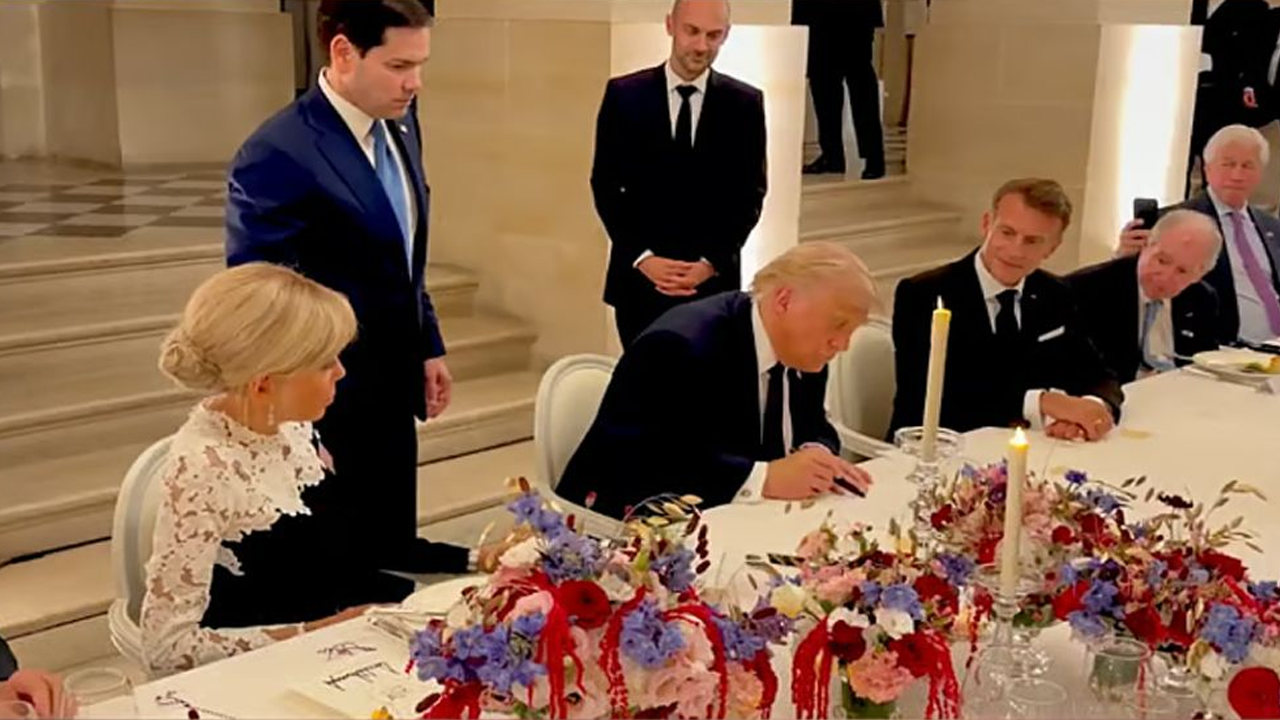
French President Emmanuel Macron released a short video on social media showing US President Donald Trump signing a memorandum of understanding (MoU) with Iranian President Masoud Pezeshkian at the Palace of Versailles in Paris. The signing took place one day after both leaders agreed to move toward a permanent peace deal aimed at ending ongoing conflicts. Macron wrote that the agreement would pave the way for lasting peace and reopen the Strait of Hormuz, describing it as a key step toward stabilizing energy prices. According to the published 14-point document, both Iran and the United States, along with their allies, committed to an immediate and permanent ceasefire across all fronts, including Lebanon. The MoU outlines mutual respect for sovereignty, the lifting of US naval blockades, restoration of commercial shipping, and a $300 billion reconstruction plan for Iran. It also includes provisions for lifting sanctions, maintaining the current nuclear status, and forming a monitoring framework for implementation. The final agreement is expected to be approved by a binding United Nations Security Council resolution once negotiations conclude within 60 days.
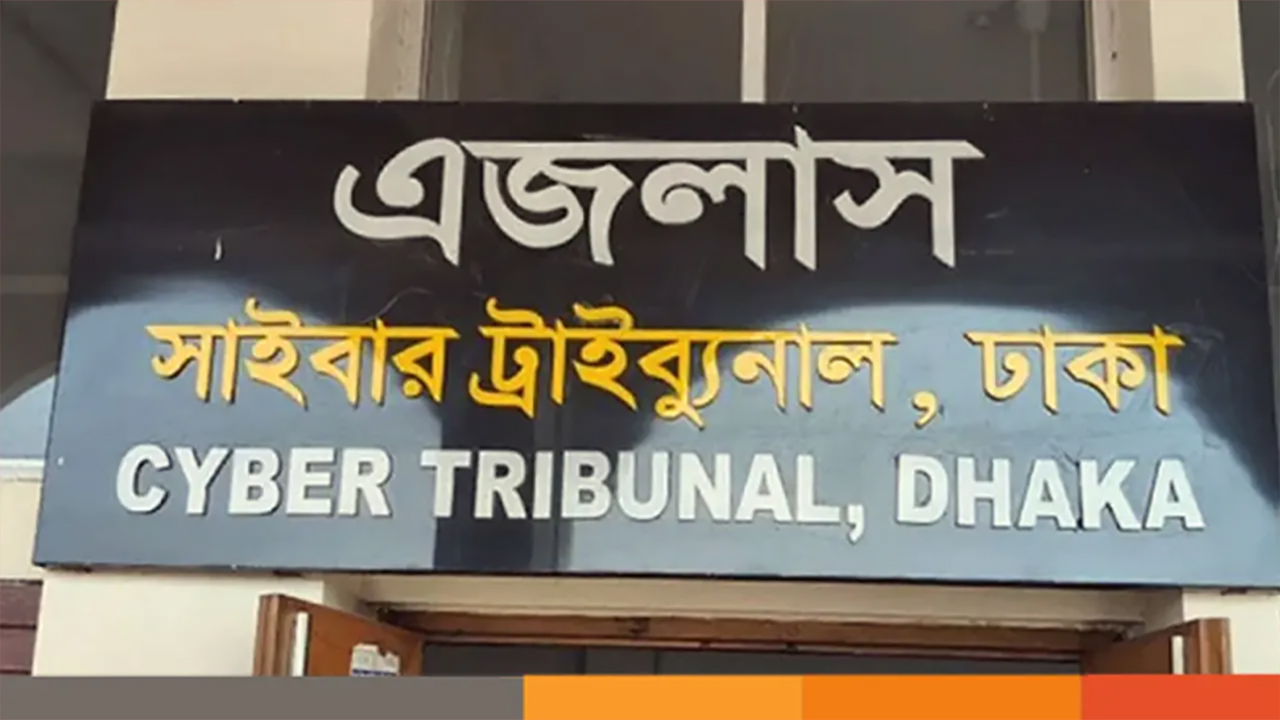
A hearing on whether to accept the charge sheet against TikToker Toha Hossain and his wife Hur-E Jannat is scheduled for today at the Dhaka Cyber Tribunal. The case involves allegations of promoting gambling advertisements on Facebook and TikTok. The hearing will take place before Judge Mohammad Saidur Rahman Gazi. Police had earlier submitted the charge sheet to the Dhaka Chief Metropolitan Magistrate Court on October 9 last year, and the case was later transferred to the Cyber Tribunal. The case was filed on April 13, 2025, at Mirpur Model Police Station under the Cyber Security Act and fraud charges by several concerned citizens. The complaint alleged that Toha used his Facebook page and TikTok account to promote gambling sites, luring young people with promises of high profits from small investments. The promotions allegedly led many individuals to lose money and become involved in criminal activities. The court’s decision on whether to accept the charge sheet will determine the next stage of the legal process against the couple.
The ‘1 Nojor’ media platform is now live in beta, inviting users to explore and provide feedback as we continue to refine the experience.