

The ‘1 Nojor’ media platform is now live in beta, inviting users to explore and provide feedback as we continue to refine the experience.
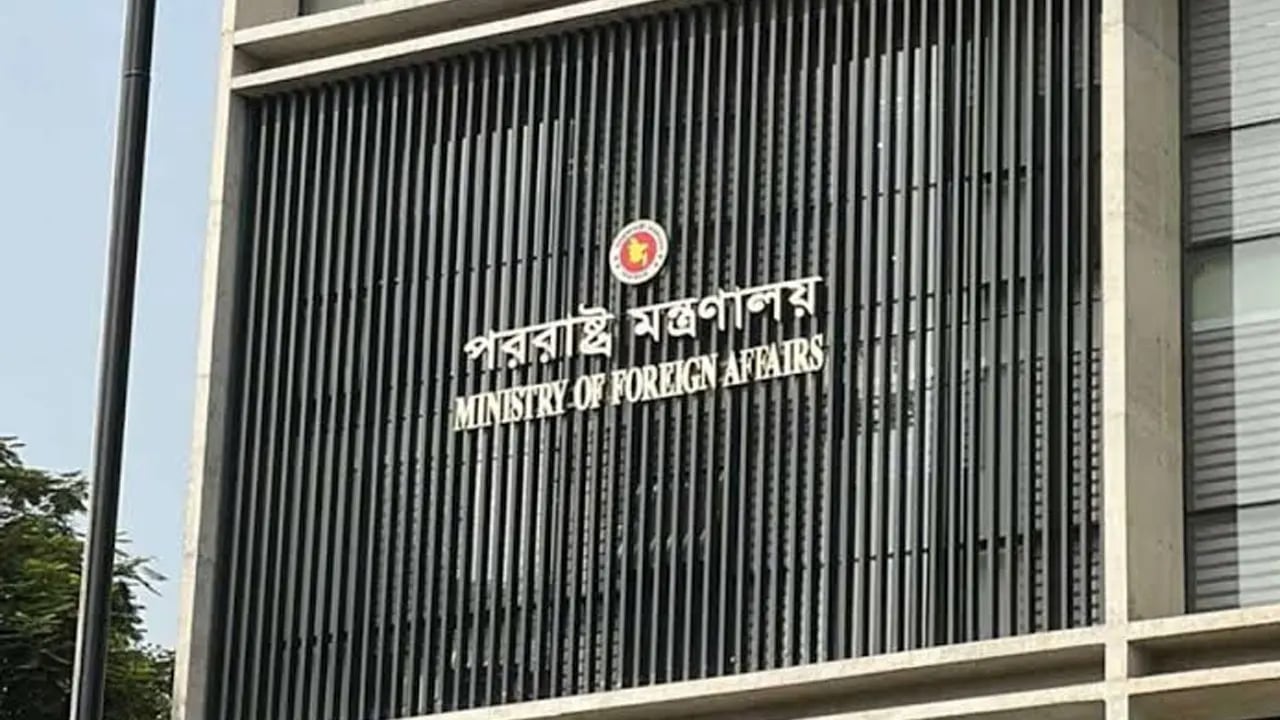
Bangladesh has welcomed the finalization of a peace agreement between the United States and Iran. The announcement came through a statement issued by the Ministry of Foreign Affairs on Monday afternoon. The ministry said Bangladesh has consistently called for resolving conflicts and reducing tensions through diplomacy. It praised the efforts of all parties and mediators involved in achieving this positive development and expressed hope that the agreement would be implemented in good faith and prove to be sustainable and long-lasting. According to the statement, Bangladesh believes that peace and stability in the Middle East are essential for regional and global peace, security, and development. The country encouraged all parties to use this momentum to resolve outstanding issues through dialogue and diplomacy. Bangladesh also expressed expectations for the swift restoration of regional peace, supply chains, and cooperation. The peace deal between the United States and Iran aims to end ongoing hostilities, with Pakistan’s Prime Minister Shehbaz Sharif confirming the mediation role. The agreement is set to be formally signed in Switzerland on June 19, 2026.
Russia carried out a massive overnight missile and drone assault across Ukraine, according to a statement released by Ukraine’s Air Force on Monday. The attack reportedly killed at least nine people and caused a fire at a historic cathedral in the capital, Kyiv. The strikes were described as one of the largest aerial offensives since the war began. The Ukrainian Air Force reported that Russia launched a total of 70 missiles and 611 drones, primarily targeting Kyiv. Ukrainian air defenses intercepted 50 missiles and 582 drones during the assault. The scale of the attack underscores the continuing intensity of the conflict and the vulnerability of urban centers to sustained aerial bombardment. Authorities warned that the number of casualties and the extent of damage could rise as rescue and assessment operations continue in affected areas.

Freelance model Samreen Ayub from Indian-administered Kashmir discovered a fake video on Instagram that used her real photos from university life to spread false claims about her morality. The clip, created with artificial intelligence, accused her of selling her body to Hindu men and labeled her brother as a pimp. Researchers describe her case as part of a growing pattern where AI tools are used to produce sexualized and defamatory content targeting Muslim women across India. A Washington DC-based Center for the Study of Organized Hate analyzed 1,326 AI-generated images and videos from 297 public social media accounts between May 2023 and May 2025, finding that sexualized depictions of Muslim women received the most engagement. Experts say generative AI enables hate narratives to be visualized cheaply and convincingly. Mumbai’s Rati Foundation’s online safety helpline, Meri Trustline, has recorded rising incidents of such abuse, noting that even non-public figures are being harmed by synthetic sexual content. Researchers link this phenomenon to the politicization of sexuality and communal narratives, citing earlier “Sulli Deals” and “Bulli Bai” cases. Legal experts warn that India’s current laws struggle to address AI-generated content, leaving victims like Samreen without effective recourse.
The International Crimes Tribunal-1 has set June 28, 2026, for delivering its verdict in a case involving the shooting of Amir Hossain, who was hanging from a cornice in Rampura, and the killing of two others during the July Revolution in Dhaka. The three-member judicial panel, led by Justice Md Golam Mortuza Mojumdar, fixed the date on Monday after hearing closing arguments from both the prosecution and the defense. The case names five accused, four of whom remain fugitives. The absconding defendants are former Dhaka Metropolitan Police Commissioner Habibur Rahman, former ADC of Khilgaon region Md Rashedul Islam, former Rampura Police Officer-in-Charge Md Mashiur Rahman, and former Sub-Inspector Tarikul Islam Bhuiyan. The only arrested accused is former Assistant Sub-Inspector Chanchal Chandra Sarkar. According to the case, the accused are charged with shooting Amir Hossain on July 19, 2024, and killing child Basit Khan Musa and his grandmother Maya Islam, as well as another man named Md Nadim during the same incident.

The United Kingdom, France, Germany, and Italy have welcomed the recent understanding reached between Washington and Tehran aimed at ending the Middle East conflict. In a joint statement, the four European nations announced their readiness to lift sanctions imposed on Iran, provided that Tehran takes clear and verifiable steps regarding its nuclear program. The statement emphasized that Iran must never possess nuclear weapons and that the four countries are prepared to work with the United States, Iran, and the International Atomic Energy Agency to achieve this goal. They also pledged to cooperate closely with regional partners to maintain positive progress and pursue a long-term diplomatic solution. This development signals a coordinated European approach to support the US-Iran agreement and potentially ease long-standing tensions surrounding Iran’s nuclear activities, contingent upon Tehran’s compliance with international verification measures.
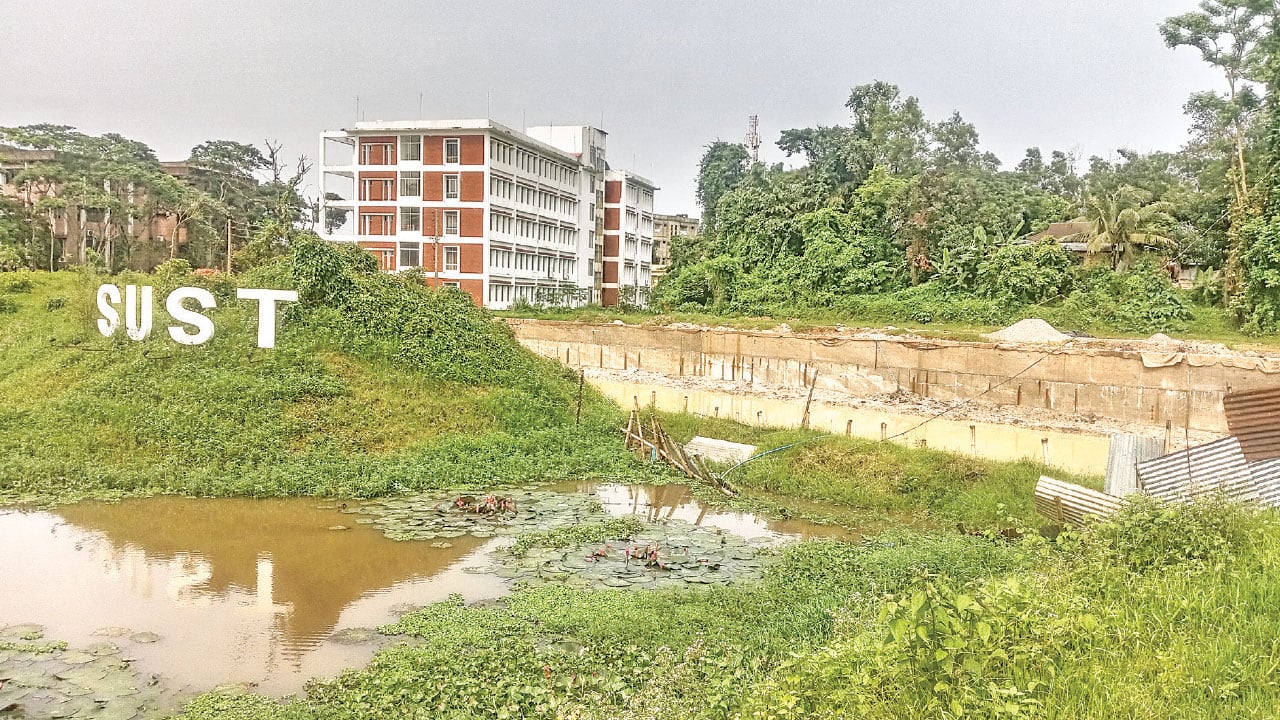
At Shahjalal University of Science and Technology (SUST) in Sylhet, construction of a two‑storey garage is underway by filling the aesthetic 'Shaheed Rudra Sen Lake'. The project, which also involves cutting part of a nearby hill, has sparked negative reactions among students. The lake, excavated recently at a cost of about Tk 7.5 crore, had become a major attraction for students and visitors, symbolizing the memory of Shaheed Rudra Sen. Despite earlier suspension of work following media reports, construction has resumed. The planned garage will accommodate only 22 vehicles, while the university’s transport pool currently holds 42 and continues to expand. Critics within the university argue that the project wastes money and damages the campus environment, as sufficient open space already exists nearby for parking. An administrative officer, requesting anonymity, questioned the necessity of spending Tk 7 crore for such limited capacity. When approached for comment, the university’s chief engineer, Zainal Ahmed Chowdhury, reacted angrily and refused to answer questions about the lake project.
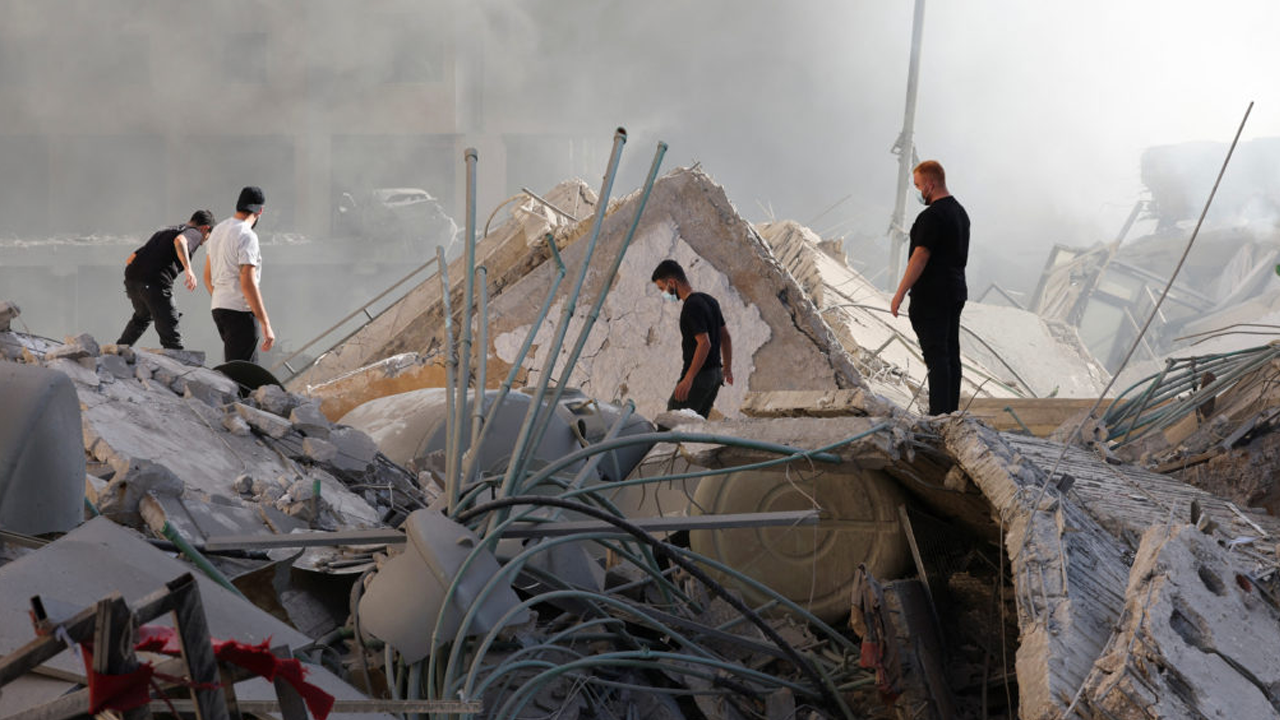
Israeli forces have carried out several new attacks across southern Lebanon even after the announcement of a US-Iran agreement that was expected to include a halt to such operations. According to Lebanon’s state-run National News Agency (NNA), the strikes occurred on June 15, 2026, targeting multiple areas in the region. The NNA reported that Israeli aircraft conducted two airstrikes in Khiam and a drone strike on a vehicle in Kafr Tibnit, injuring several people. At the same time, Israeli forces shelled Kafr Tibnit and Nabatieh al-Fawqa. The agency also said that Israeli troops detonated an explosive-laden remote-controlled M113 armored vehicle on the main Haris-Tibnin road leading to the city of Tyre. The continued attacks come despite Tehran’s earlier statement that the new US-Iran deal would include provisions to stop Israeli operations in Lebanon, raising questions about the implementation of the agreement.
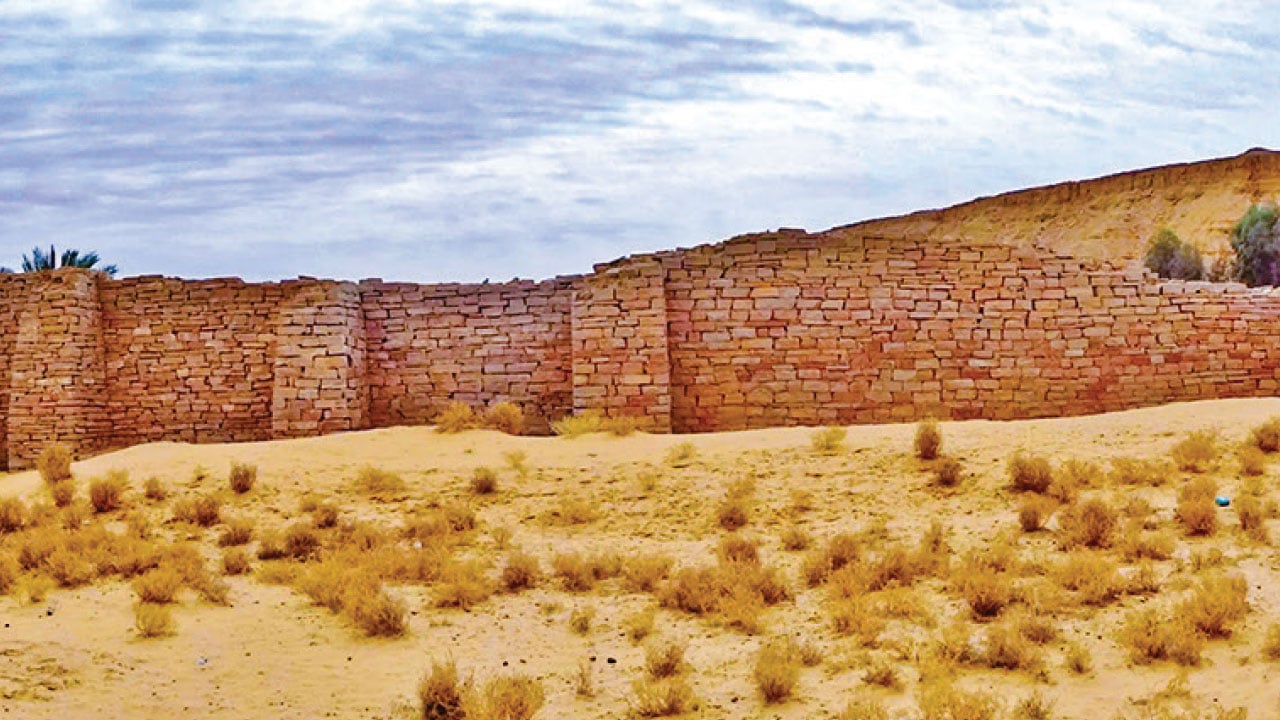
The article recounts a series of military campaigns led by Khalid ibn al-Walid during the early Muslim conquest of Iraq. Acting under Caliph Abu Bakr’s directive, Khalid began his operations through Upper Iraq with the strategic goal of capturing Hira, which became the base for subsequent advances. Following the victory at Hira, Khalid moved to secure other key locations including Anbar, Ayn al-Tamr, Dumat al-Jandal, Husayd, Musayyakh, and Firaz, each holding significant military and trade importance. At Anbar, Khalid overcame fortified defenses, while at Ayn al-Tamr he captured the opposing commander, leading to a swift surrender. His intervention at Dumat al-Jandal relieved besieged Muslim forces and secured a vital junction linking Iraq, Syria, and Arabia. Later victories at Husayd and Musayyakh dismantled new Persian-Arab coalitions attempting to resist Muslim rule. The campaign culminated at Firaz, where Muslim forces defeated a combined Roman, Persian, and Arab army. These victories, culminating in the Battle of Firaz in the 12th Hijri year, effectively ended major resistance in Iraq and solidified Muslim authority across the region.
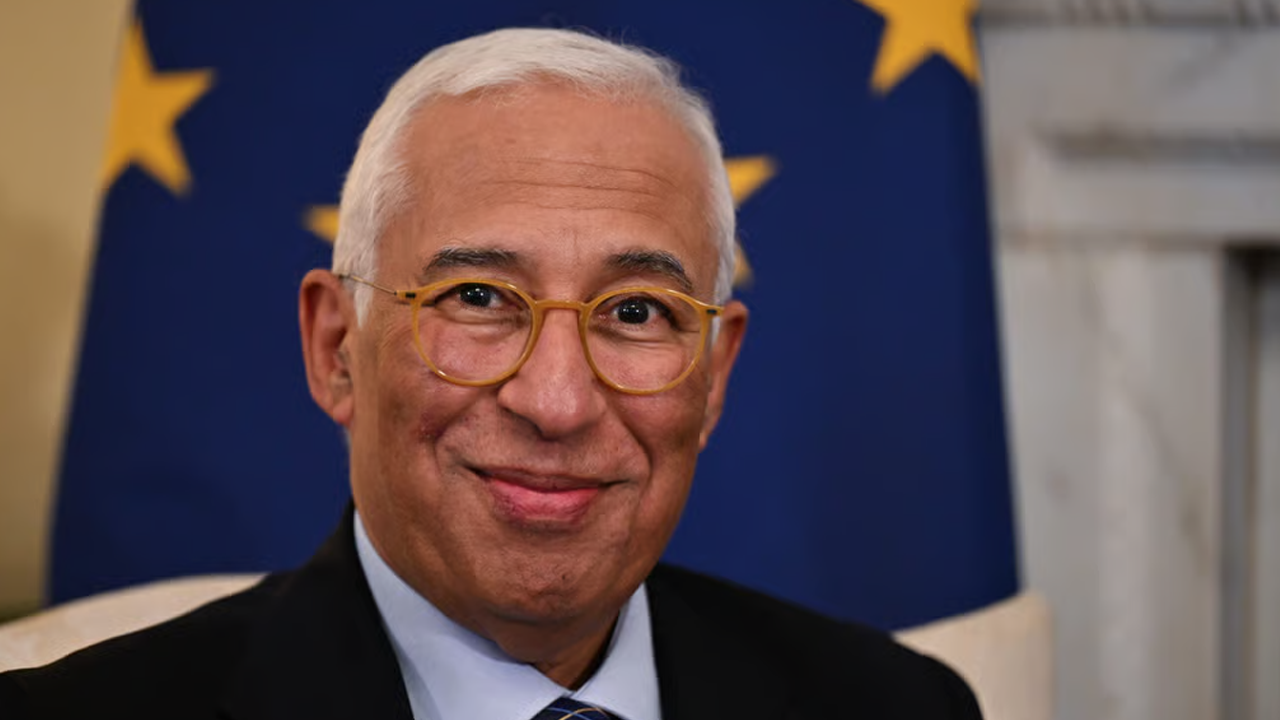
European Council President Antonio Costa has welcomed the announcement of a new agreement between Iran and the United States aimed at ending their conflict. In a post on social media platform X, Costa expressed hope for the conclusion of the costly war and the full restoration of freedom of navigation in the Strait of Hormuz. He also affirmed that the European Union is ready to contribute to strategies for establishing lasting peace in the region. Costa called for respect for international law and urged all parties to silence their weapons immediately. He emphasized that unresolved disputes should be settled peacefully in accordance with international legal principles. His remarks came shortly after the announcement of the US-Iran deal, which has drawn global attention due to its potential to reshape regional dynamics. The EU’s expression of support signals its intent to play a constructive role in ensuring stability and lawful conduct in the Gulf region following the agreement.
Twenty-year-old Australian forward Nestor Irankunda, who grew up in a Tanzanian refugee camp, made history at the 2026 World Cup in Vancouver. In Australia’s 2–0 victory over Turkey, he scored the opening goal, becoming the youngest World Cup scorer in the Socceroos’ history and the first player of foreign descent to score for Australia in the tournament. His journey to this moment involved a major career gamble and remarkable perseverance. After joining Bayern Munich from Adelaide United in 2024, Irankunda trained alongside global stars but struggled for playing time, threatening his World Cup ambitions. To secure regular matches, he left Bayern for English Championship club Watford, where he played 42 games, scoring four goals and providing five assists. His consistent performance earned him a recall to the national squad. Following his goal, Irankunda celebrated in the style of his idol Tim Cahill and credited both Cahill and Lionel Messi as his inspirations. Former Australia manager Ange Postecoglou praised his achievement, saying a good World Cup can transform a player’s career.

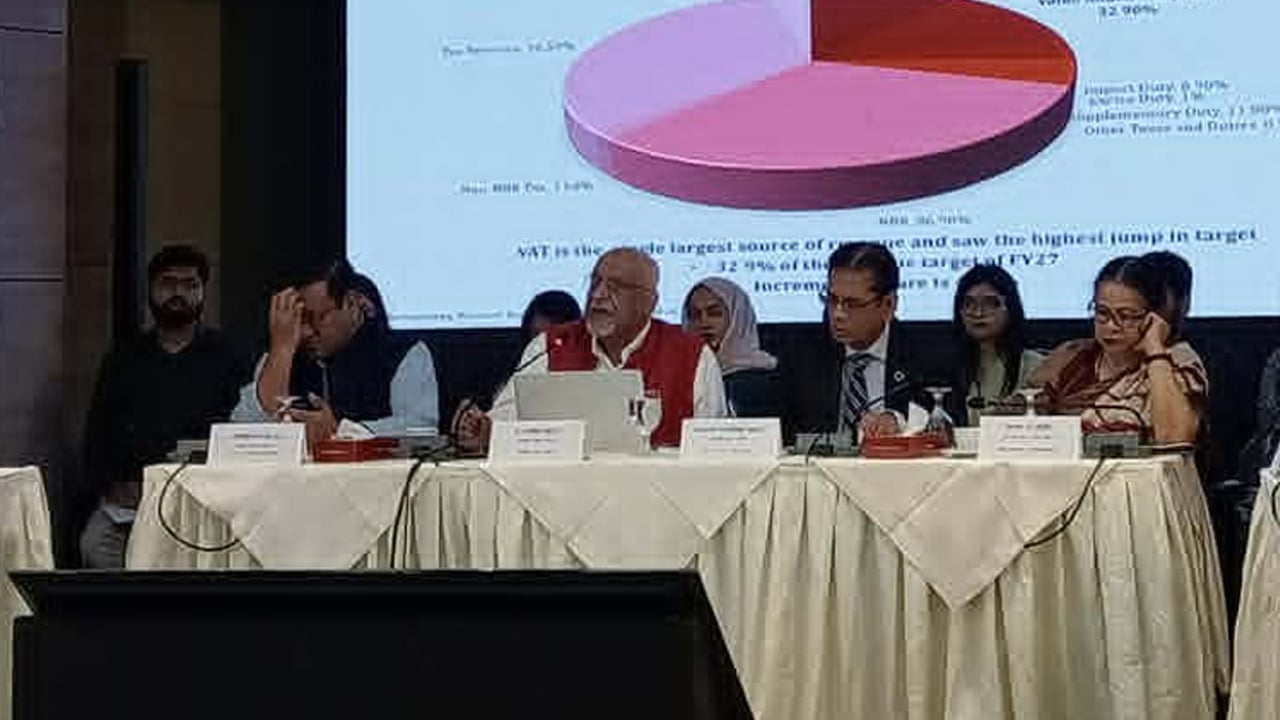
CPD Fellow Dr. Debapriya Bhattacharya stated that while subsidies in the energy sector are necessary, the method of providing them remains unclear. He made the remarks on Monday morning in Dhaka during a discussion titled “National Budget 2026–27: What Is There for the Disadvantaged?” organized by the Citizen Platform. He emphasized that GDP growth alone cannot be the sole indicator of economic success. Instead, development should be measured by improvements in people’s living standards and the extent to which economic benefits reach the population. Bhattacharya warned that without sufficient job creation in agriculture, small and medium enterprises, the ready-made garment industry, and modern service sectors, the benefits of growth will not reach ordinary citizens. He also noted that real incomes are declining while living costs are rising. The marginal tax rate will increase by 5 percent for monthly incomes between 31,250 and 37,500 taka, potentially raising the tax burden for some within this income range.
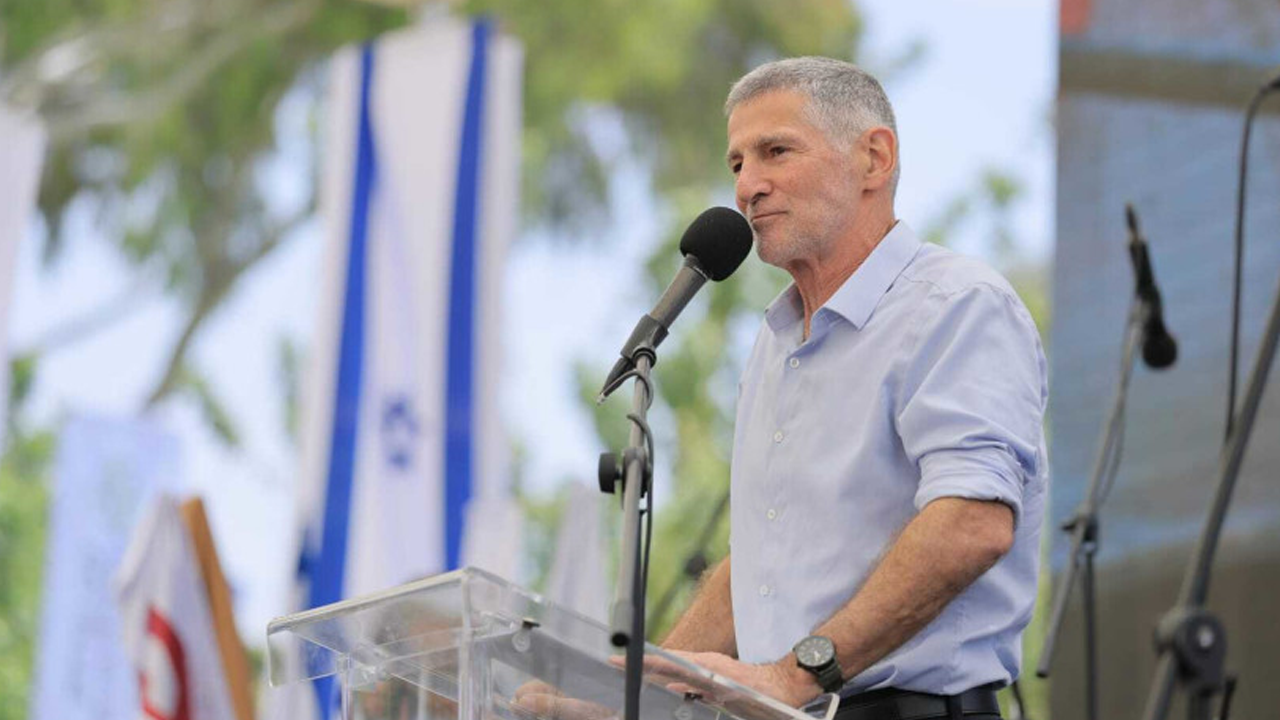
Israeli opposition figure Yair Golan, leader of the center-left Democrats party, has sharply criticized a new agreement between the United States and Iran, claiming it has nullified all of Israel’s military achievements. In a social media post, Golan said that with a single signature, the bravery of Israeli pilots and the sacrifices of soldiers had been erased. He accused Prime Minister Benjamin Netanyahu of being weak, isolated, and powerless during the process. Golan described the deal as the culmination of years of failure and argued that Netanyahu’s tenure is ending with Israel’s enemies growing stronger while the country itself becomes weaker. He warned that Israel’s defense systems, built through the blood of its fighters, are now deteriorating before the nation’s eyes. The comments reflect deep political divisions in Israel over the implications of the US-Iran agreement. The report, citing Al Jazeera, underscores growing domestic criticism of Netanyahu’s leadership amid shifting regional dynamics following the new US-Iran accord.
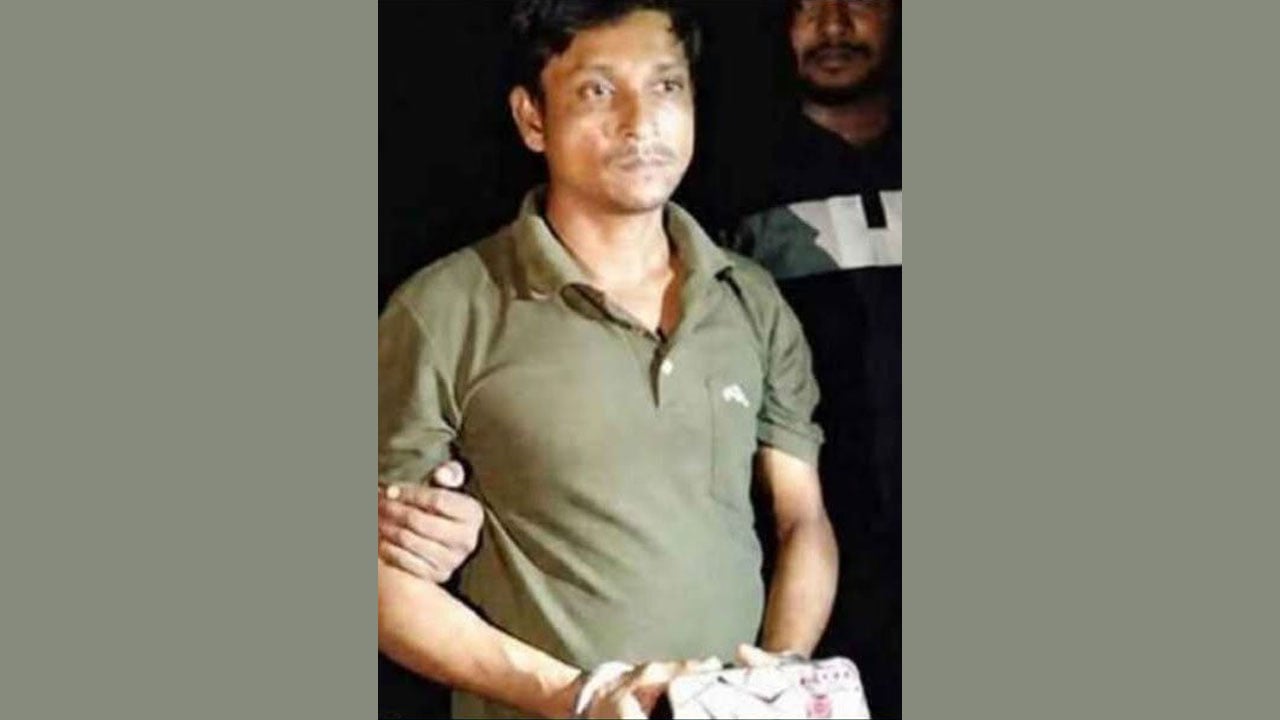
Police have arrested the prime suspect in the murder of a mother and daughter in Anwara upazila of Chattogram. According to Additional Superintendent of Police (Industrial Area and DB) Md. Russel, the suspect, Limon Barua alias Tejapriya Barua, was detained from Patiya on Sunday night. Authorities are investigating the motive behind the killings and whether others were involved. The incident occurred around 12:30 a.m. on June 13 in Chenamati Barua Para of Paraikora Union, where Ani Barua, aged 40, and her 16-year-old daughter Priyanti Barua were killed. Ani was the wife of Sujan Barua, who alleged that a financial dispute existed between him and the suspect. He suggested that the attack might have been linked to documents related to that transaction. Before her death, Ani reportedly mentioned Tejapriya Barua’s name. Police continue to examine evidence to uncover the full circumstances of the double murder and determine if additional suspects were involved.
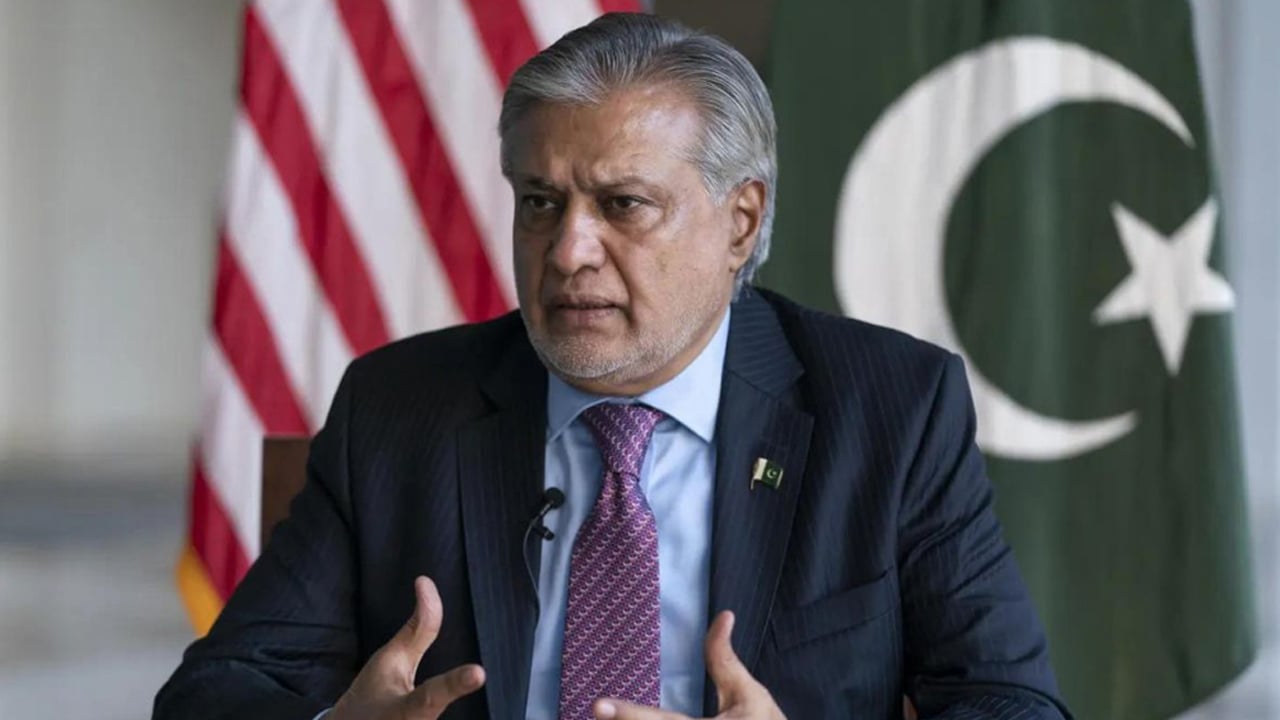
Pakistan’s Foreign Minister Ishaq Dar has described the recent agreement between Iran and the United States as a significant diplomatic breakthrough. In a message posted on social media platform X, he credited the deal to the patient diplomatic efforts and collective determination of all parties involved. Dar said the agreement sends a hopeful message to the international community and will help restore confidence and stability in global markets and the world economy, particularly benefiting developing nations affected by regional instability. He added that discussions on unresolved issues related to the agreement would continue. However, Dar expressed optimism that the historic deal would be formally signed in Geneva on June 19. The statement was reported by Al Jazeera and shared by the online outlet Amar Desh. If finalized, the agreement could mark a notable step toward easing tensions between Tehran and Washington, though details of the accord remain undisclosed in the report.
The 2026 FIFA World Cup, hosted across the United States, Canada, and Mexico, is being described by experts as the most technology-driven tournament in football history. Advanced systems including artificial intelligence, sensors, high-speed cameras, and real-time data are transforming match officiating, analysis, and fan experience. Every player movement and ball interaction is digitally tracked, reducing human error and enabling faster, more accurate decisions. A key innovation is the Advanced Semi-Automated Offside Technology (SAOT), which uses 16 cameras to monitor players’ positions and track 29 body points per player. The official match ball contains a sensor transmitting data 500 times per second, helping referees analyze offside, handball, and disputed moments. Players’ 3D digital models are also used in VAR analysis and replays, giving spectators clearer insights into critical decisions. AI plays a central role by processing vast data from cameras and sensors to assist decision-making and enhance broadcasts with automated statistics and advanced graphics. While some critics fear technology may reduce football’s emotional spontaneity, most experts believe it ensures greater fairness, transparency, and precision in the game.

The ‘1 Nojor’ media platform is now live in beta, inviting users to explore and provide feedback as we continue to refine the experience.