

The ‘1 Nojor’ media platform is now live in beta, inviting users to explore and provide feedback as we continue to refine the experience.
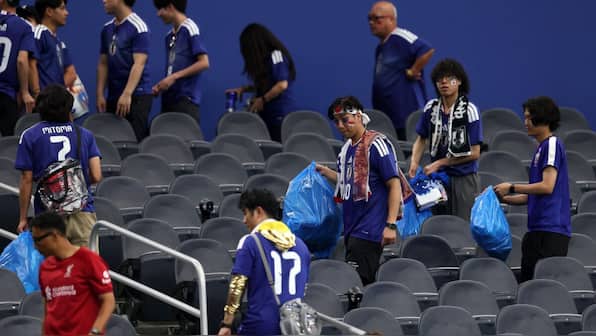
Japanese football fans once again demonstrated their unique cultural values at the 2026 FIFA World Cup. After Japan’s 2-2 draw with the Netherlands in Texas on Sunday, supporters stayed behind to clean the stadium stands, collecting plastic cups, bottles, and other litter into blue bags before leaving. This act, familiar from previous World Cups, highlighted their commitment to cleanliness and social responsibility. Supporter Aita Tanaka, aged 20, said that cleaning up after using a place is part of Japanese culture, something learned from childhood. In Japan, students clean their own classrooms, making tidiness and social duty part of daily life. NFL quarterback Jameis Winston also joined the Japanese fans, wearing a blue Japan jersey and helping collect trash. Another fan, Futo Hagiwara, described the effort as a reflection of their values and mindset. Experts noted that Japan’s collective culture and emphasis on respect for others underpin such behavior. With few public trash bins in Japan, people are accustomed to carrying their own waste, reinforcing personal responsibility. The fans’ actions once again sent a positive message to the global football community.
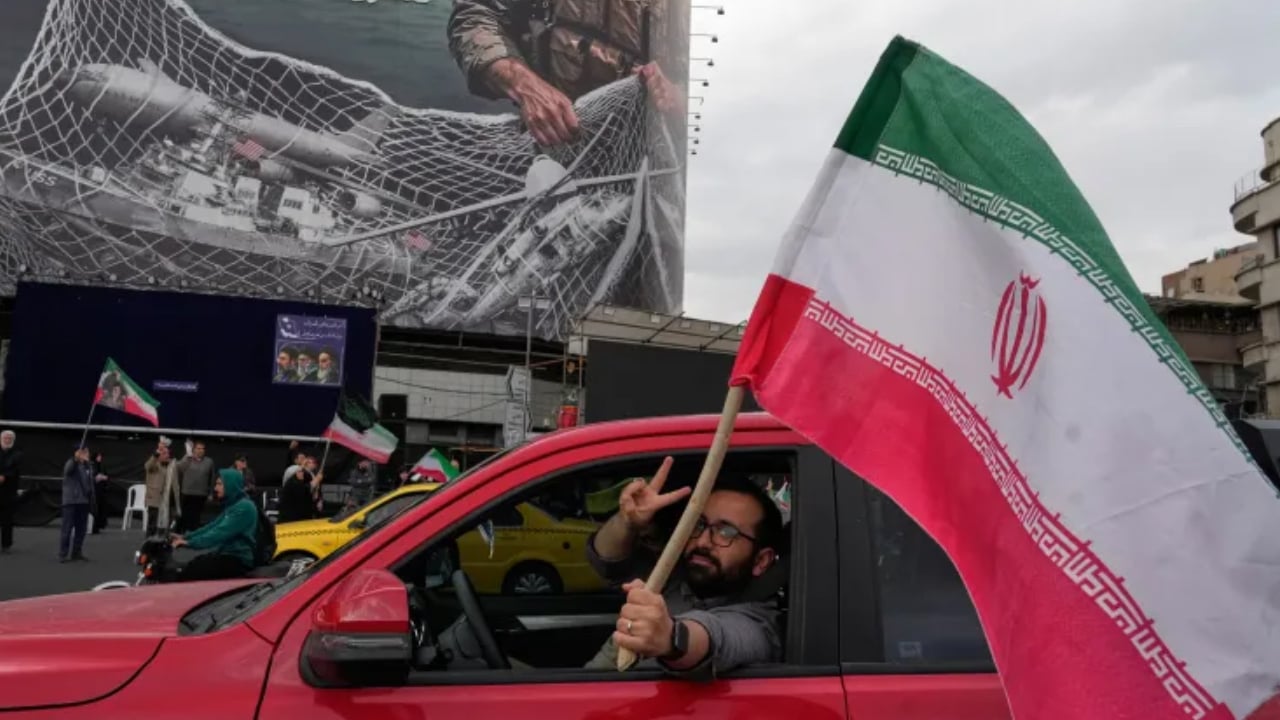
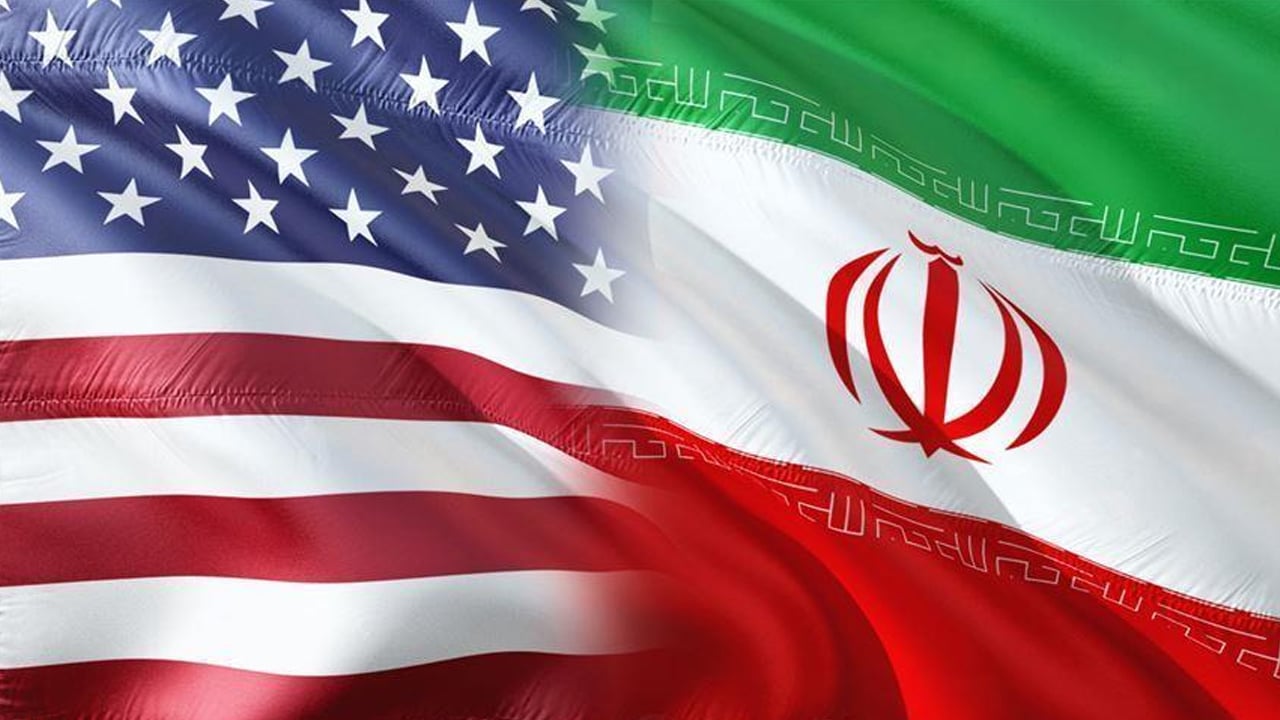
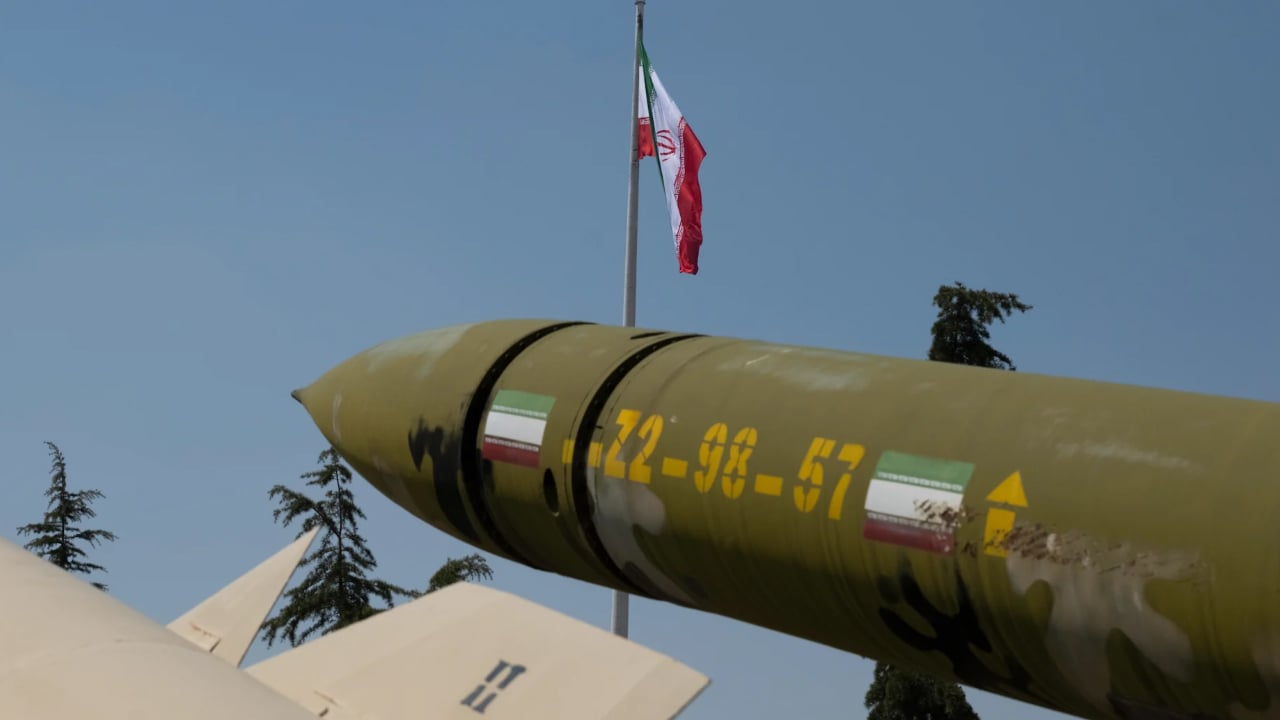
The United States and Iran have reached an agreement aimed at ending ongoing hostilities, which Tehran is portraying as a political achievement gained through military resilience and resistance. Iranian officials described the deal as the beginning of a long and complex negotiation process. The development has sparked mixed feelings among Iranians, combining hope for relief with uncertainty about the future. For years, the United States imposed sanctions and economic pressure on Iran, including restrictions on maritime trade that affected ordinary citizens. Many Iranians expressed satisfaction with the new accord, expecting some economic relief, yet they remain skeptical about Washington’s commitment to its promises. According to statements cited by Iranian media, this skepticism stems from past experiences of unfulfilled assurances. In an official statement, Iran’s Khatam al-Anbiya Central Headquarters declared that the country’s adversaries had no choice but to surrender. The state news agency IRNA reported that the statement praised the Iranian people’s resilience and the courage of the nation’s armed forces.
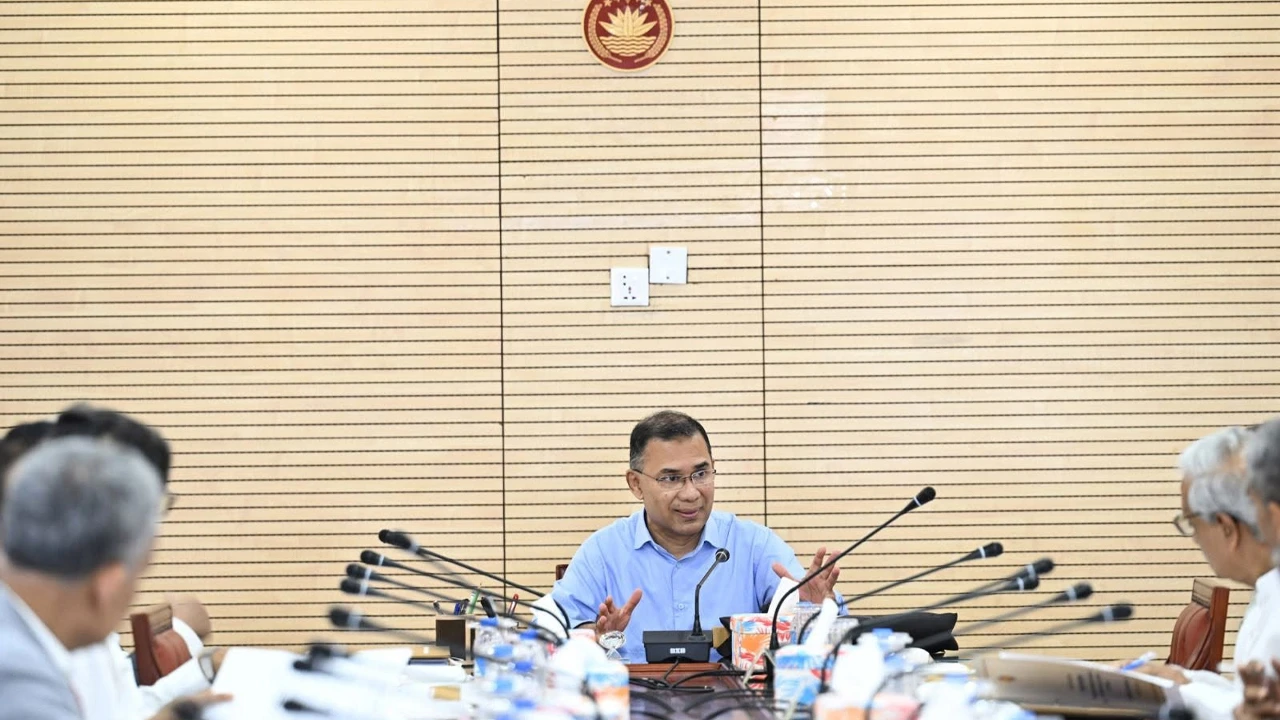
Prime Minister Tareq Rahman has ordered the relocation of Dhaka’s Sayedabad, Gulistan, and Mohakhali bus terminals as part of a broader plan to reduce the capital’s long-standing traffic congestion. The directive was issued on Monday during the third high-level meeting on traffic management modernization held at the Secretariat. Communication expert Md. Hadiuzzaman and administrators of Dhaka’s two city corporations briefed reporters after the meeting. Hadiuzzaman stated that an interim depot for Mohakhali terminal buses has been designated in Purbachal to minimize congestion, with buses operating on fixed schedules. Alternative sites have also been identified for Sayedabad and Fulbaria terminals. A detailed proposal is expected within seven days, after which implementation will begin. Additionally, a modern traffic signal system will be tested in Shahbagh next week. Dhaka North and South City Corporation administrators confirmed joint cooperation in establishing the new depots and completing the Kanchpur inter-district terminal. The meeting also discussed the Bus Rapid Transit project’s future and plans to rehabilitate street vendors instead of eviction.
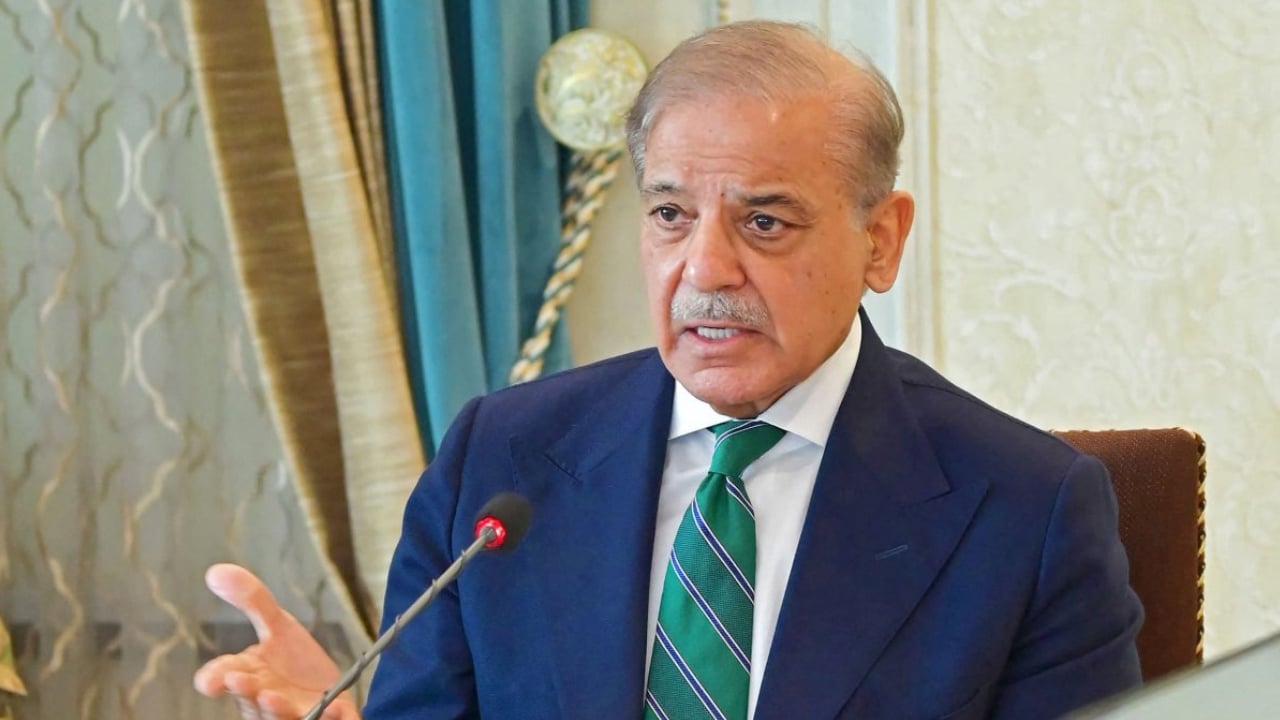
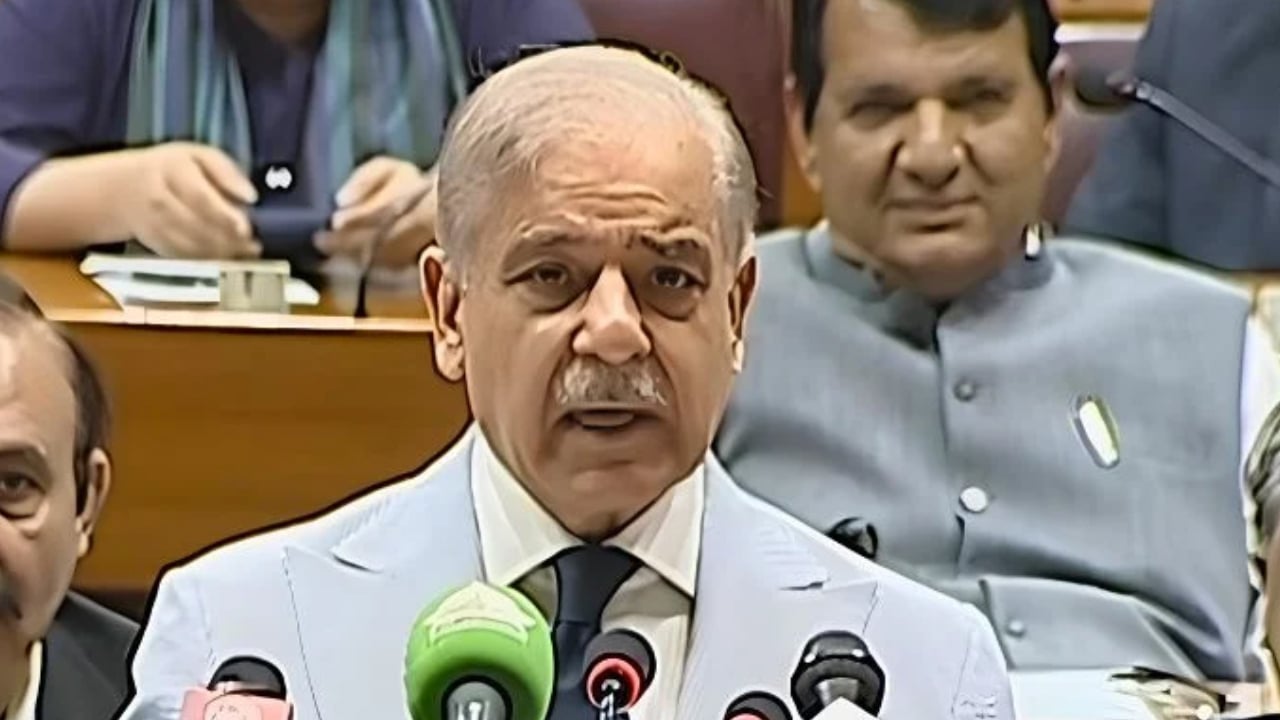
Pakistan’s Prime Minister Shehbaz Sharif announced that Iran and the United States will sign a long-awaited peace agreement on June 19 in Geneva, Switzerland. He confirmed that Pakistan will host the signing ceremony, calling it a historic step toward global peace. The announcement came after midnight on Monday, followed by Sharif’s address to Pakistan’s National Assembly, where he described the accord as a major victory for peace and dialogue. According to Sharif, the agreement includes provisions to end hostilities between the two nations, lift U.S. sanctions on Iran, and reopen the Strait of Hormuz. Both sides have also agreed to halt military operations in Tehran, Lebanon, and other conflict fronts. The deal follows three months and sixteen days of intensive negotiations, during which Pakistan played an active mediating role. The first round of talks took place in Islamabad after a ceasefire initiative in April. Sharif expressed gratitude to leaders from Qatar, Saudi Arabia, Turkey, and China for supporting the peace process and said the accord symbolizes Pakistan’s growing diplomatic stature on the global stage.
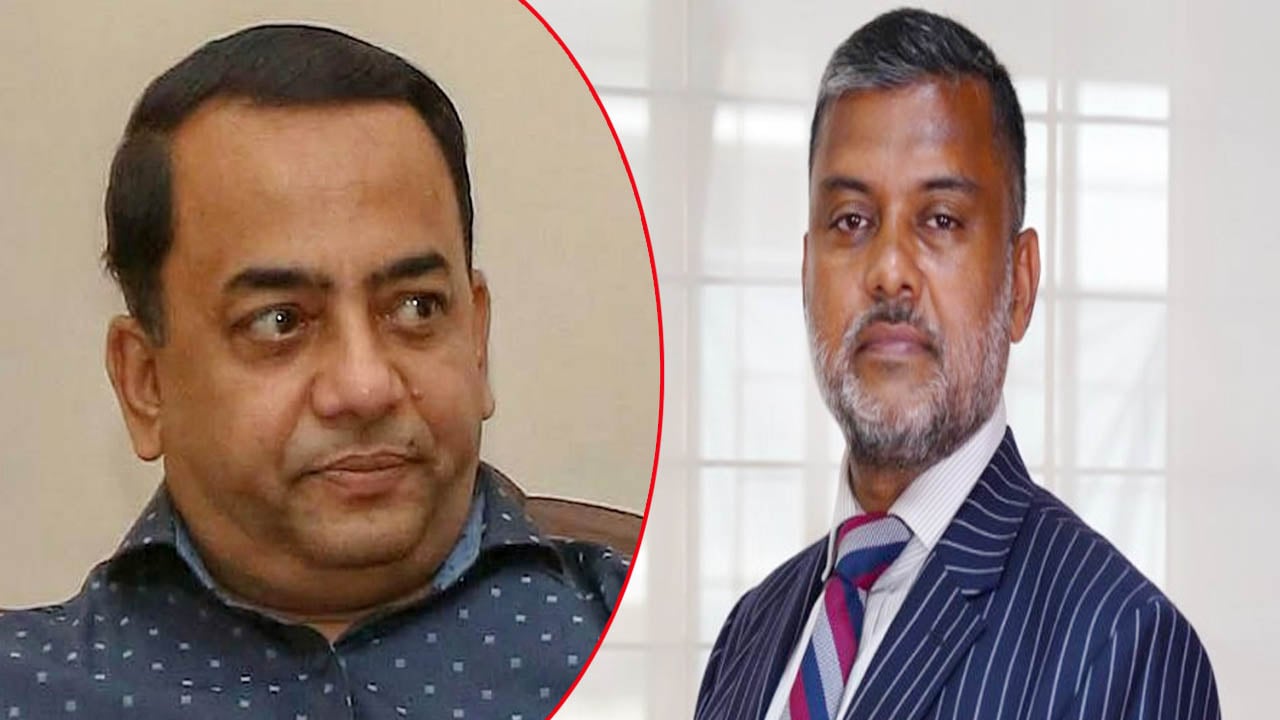
Jamaat-e-Islami central working committee member and Supreme Court lawyer Shishir Monir has said that former Inspector General of Police Benazir Ahmed could be brought back to Bangladesh from the United Arab Emirates if strong legal documentation, accurate information, and high-level diplomatic efforts are ensured. He made the observation in a Facebook post titled 'Legal and Diplomatic Process to Bring Benazir Ahmed Back to Bangladesh: A Summary' published on Monday. According to Monir, although Bangladesh and the UAE do not have a bilateral extradition treaty, two agreements signed in 2014 on security cooperation and transfer of sentenced prisoners provide a legal basis for judicial collaboration. He cited the Extradition Act of 1974, which allows the government to pursue extradition through legal channels even without a formal treaty. He detailed that Bangladesh must submit a formal extradition request within 30 days of arrest, supported by arrest warrants, case documents, and evidence. Monir noted that UAE courts would assess dual criminality, political motivation, and fairness of trial before approval. He referenced a past successful extradition from Dubai and concluded that Benazir’s return depends on flawless documentation, verified case details, and sustained diplomatic engagement.
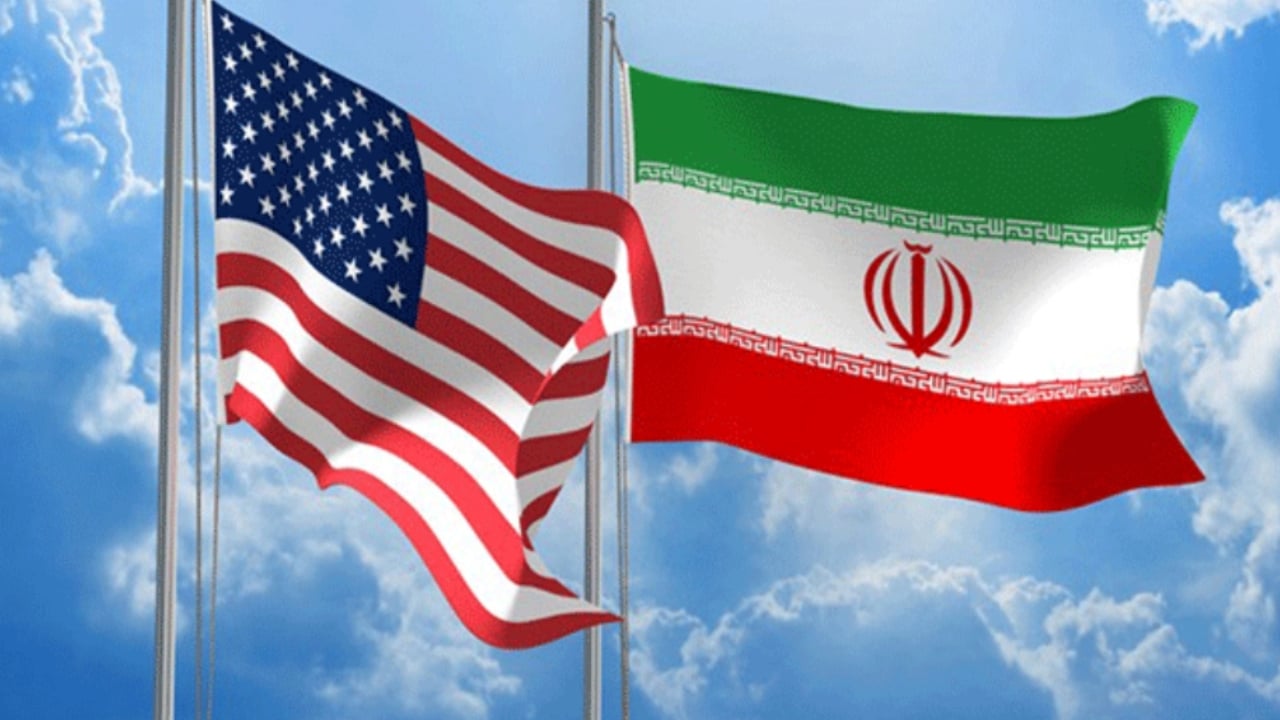
The administration of US President Donald Trump and Iran are nearing a significant agreement aimed at easing decades of hostility and tension. According to the plan, both countries are expected to formally sign the accord on Friday, after which negotiators will have 60 days to address complex political, military, economic, and nuclear issues that have accumulated over nearly half a century. Diplomatic sources indicate that the implementation phase will focus on clearing mines from the Strait of Hormuz, easing or lifting sanctions on Iran, determining the fate of frozen Iranian assets, and placing Iran’s nuclear program under international monitoring and restrictions by the International Atomic Energy Agency. Negotiators must also decide on uranium enrichment levels and the future of Iran’s stockpiled enriched uranium. Experts believe coordination with European nations, China, and Russia will be essential due to the technical and diplomatic complexity of the process. Observers note that the process faces strong opposition from hardline groups in both the US and Iran, as well as from Israel. The situation remains sensitive following recent regional conflicts and the death of Iran’s Supreme Leader Ayatollah Ali Khamenei.
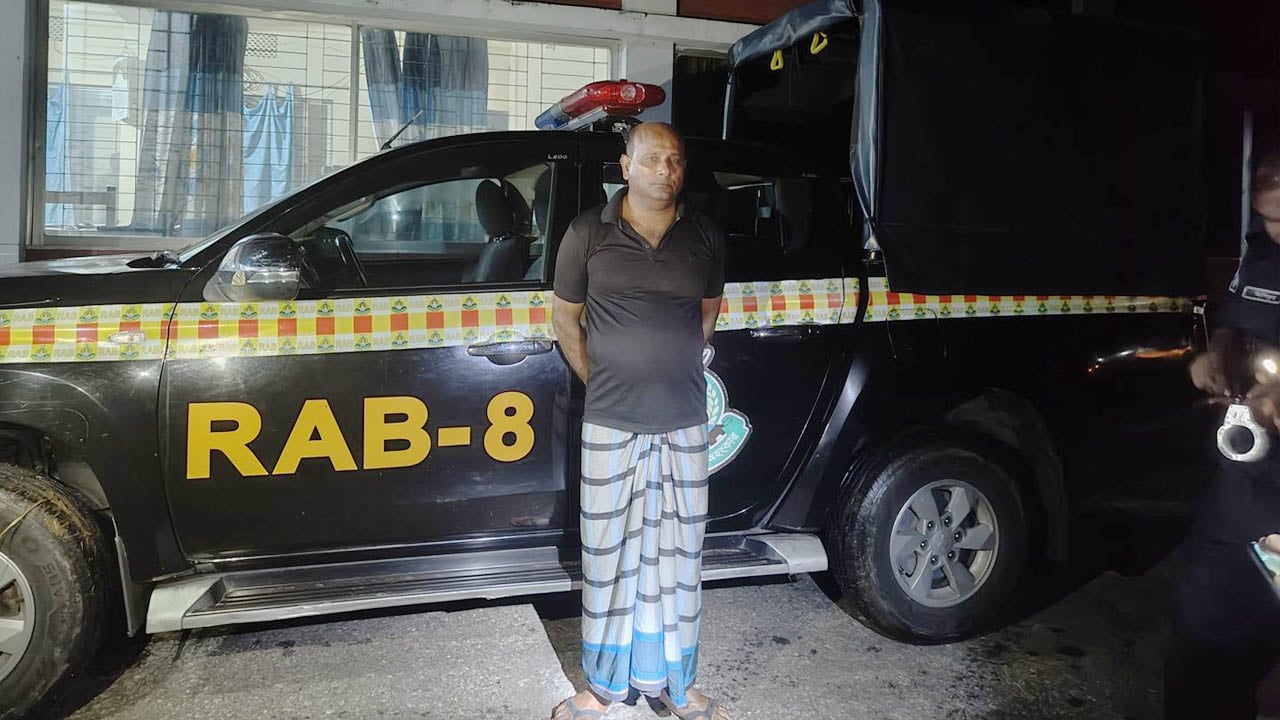
RAB-8 has arrested Kamal Panchayet, the prime suspect in the widely discussed Namita Rani murder case in Jianagar upazila of Pirojpur. The arrest took place around 10 p.m. on Sunday in the Chhotokanuya area of Bhandaria upazila following a special operation based on secret intelligence. According to RAB, Kamal Panchayet, son of the late Abu Panchayet of Dakshin Chandipur village, had been in hiding since the murder and was under surveillance for a long time. Police officials said multiple operations had been conducted to capture him, and he will be produced before court with a remand petition to uncover more details. The family of the victim, Namita Rani Pal, alleged that the murder stemmed from family disputes and alleged extramarital conflict. Police had earlier questioned the victim’s daughter-in-law and a relative for investigation purposes. The murder occurred on May 28 in Chandipur Union, sparking local outrage and demands for arrests. Authorities believe the arrest marks progress in the investigation, though the exact motive and involvement of others remain under inquiry.
RAB-8 has arrested Kamal Panchayet, the prime suspect in the widely discussed Namita Rani murder case in Jianagar upazila of Pirojpur. The arrest took place around 10 p.m. on Sunday in the Chhotokanuya area of Bhandaria upazila following a special operation based on secret intelligence. According to RAB, Kamal Panchayet, son of the late Abu Panchayet of Dakshin Chandipur village, had been in hiding since the murder and was under surveillance for a long time. Police officials said multiple operations had been conducted to capture him, and he will be produced before court with a remand petition to uncover more details. The family of the victim, Namita Rani Pal, alleged that the murder stemmed from family disputes and alleged extramarital conflict. Police had earlier questioned the victim’s daughter-in-law and a relative for investigation purposes. The murder occurred on May 28 in Chandipur Union, sparking local outrage and demands for arrests. Authorities believe the arrest marks progress in the investigation, though the exact motive and involvement of others remain under inquiry.
The United States has announced that it will return Iran’s frozen assets under specific conditions. A senior U.S. official stated that the forthcoming agreement with Iran is based on the principle of payment in exchange for fulfilled commitments and mutual obligations. According to the official, Iran will not gain access to the seized funds or any other benefits until it meets its promises under the deal. The Financial Times reported that U.S. officials view the agreement as a potential pathway for broader negotiations that could ultimately end Iran’s nuclear program. A diplomat involved in the talks said the proposed 60-day negotiation period aims to extend the current ceasefire, reopen the Strait of Hormuz, and create conditions conducive to renewed nuclear discussions. The discussions, as reported by Middle East Eye, are seen as a step toward easing long-standing tensions between Washington and Tehran, though the outcome remains uncertain.
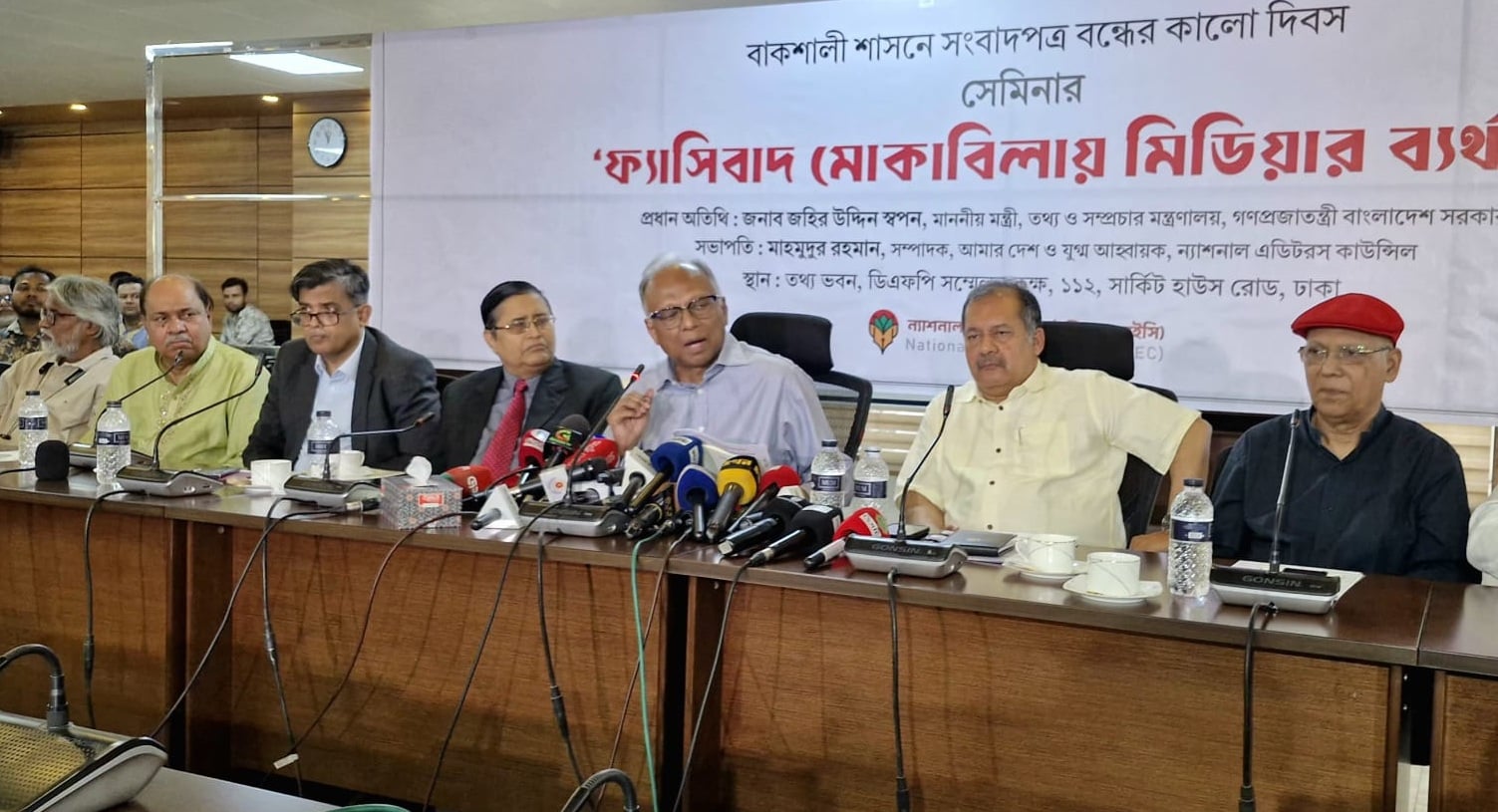
Mahmudur Rahman, editor of Amar Desh and joint convener of the National Editors Council (NEC), said that collaborators of fascism in the media could return to the mainstream through self-purification, but those who justified or assisted in killings must face criminal prosecution. He made these remarks on Monday at a seminar titled “Media’s Failure in Confronting Fascism,” organized by the NEC at the DFP conference room in Dhaka’s Information Building, marking the June 16 Black Day of newspaper closures under BAKSAL rule. The seminar was chaired by Mahmudur Rahman and conducted by Jugantor editor Abdul Hai Shikder, with Information and Broadcasting Minister Zahir Uddin Swapan as chief guest. In his speech, Rahman criticized the Awami League’s history as one of authoritarianism and suppression of press freedom, citing past incidents and his own legal challenges. He emphasized the need for unity among editors to establish true media independence and to reform the state system. Rahman added that while differing editorial policies are natural, editors should unite on fundamental issues like freedom of expression. He expressed hope that the current government would continue restoring media freedom initiated under Dr. Yunus’s administration.
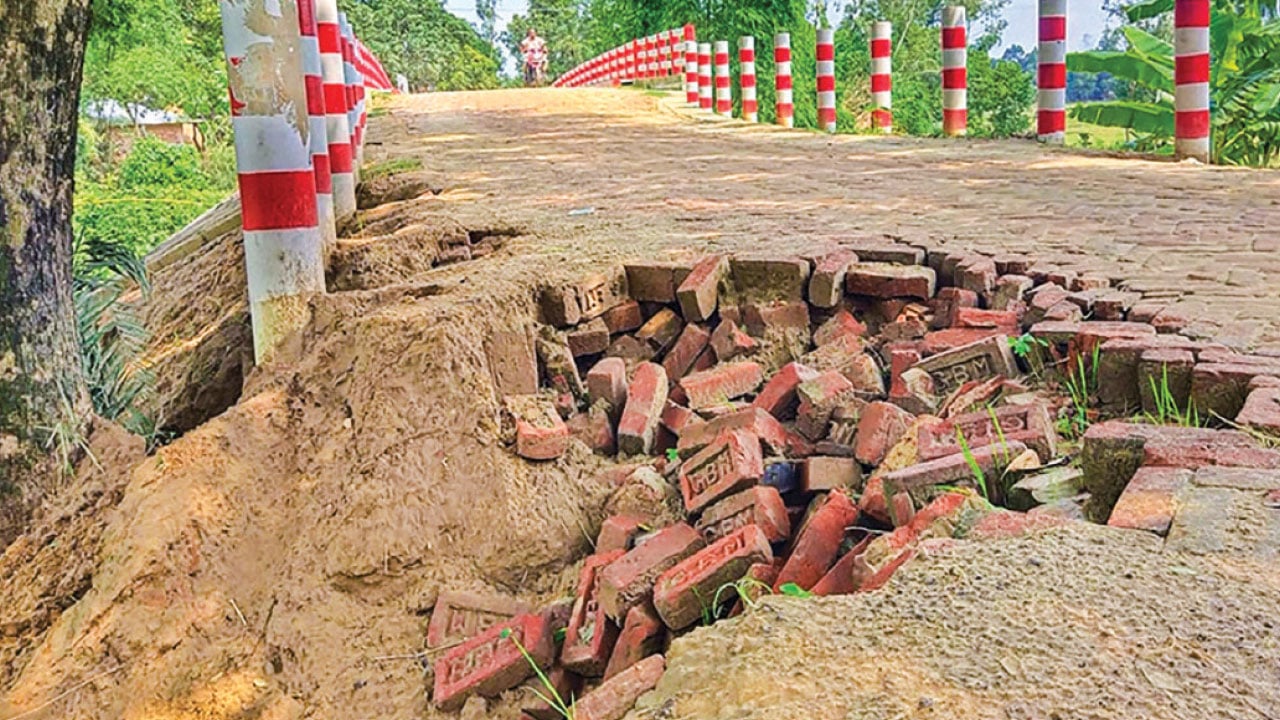
In Lohagara upazila of Chattogram, parts of the approach road to a newly constructed bridge on the Chunati-Farenga road have collapsed before its official inauguration. Local residents allege that poor-quality materials and substandard construction caused the damage, which worsened after recent rainfall. The road is used daily by thousands of people, students, and vehicles, and its sudden deterioration has sparked anger and concern in the area. According to local sources, soil erosion created pits and caused sections of the road to sink. Residents claim that the lack of slope protection, drainage, and soil retention measures made the road vulnerable even to light rain. The bridge was built under the Greater Chattogram Rural Infrastructure Development Project-3 during the 2023–24 fiscal year, with a budget of Tk 3.49 crore, implemented by Consultant Engineering Builders. A representative of the contractor said they learned of the issue through a union parishad member and promised quick repairs. The upazila engineer of the Local Government Engineering Department stated that the damage was caused by rainwater and that repair work would begin once rainfall subsides.
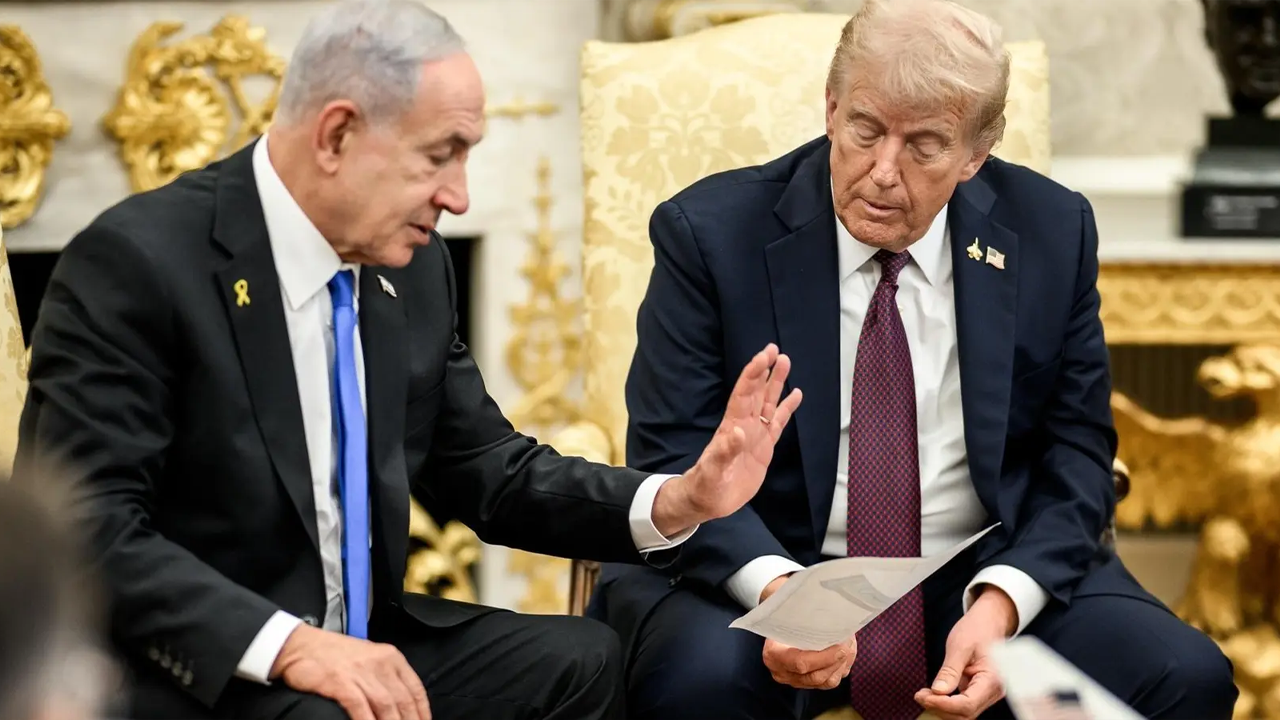
Israeli journalist and Haaretz columnist Gideon Levy has described the current situation among the United States, Israel, and Iran as extremely explosive. In an interview with Al Jazeera, he stated that Israel has ultimately lost in this geopolitical game. Levy noted that many figures around Donald Trump, including within the Republican Party, the White House, and the U.S. State Department, hold more critical views of Israel than Trump himself. Levy warned that if Israeli Prime Minister Benjamin Netanyahu damages relations with Trump, Israel could face an unprecedented challenge. He added that the consequences of such a rift would become clear very soon. According to Levy, both the United States and Trump personally now regard Israel as an obstacle and will treat it accordingly. The remarks come amid heightened tensions following a U.S.-Iran agreement signed in Geneva, which has reportedly left Netanyahu politically cornered.
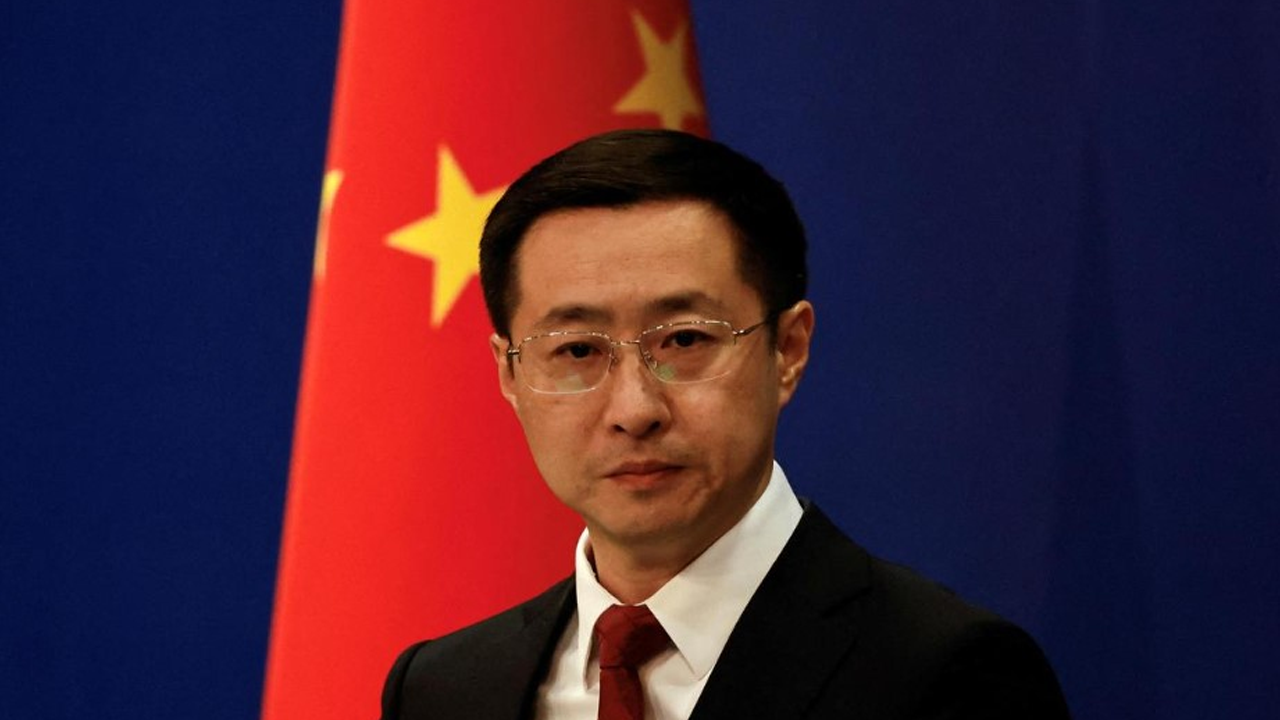
China has welcomed the peace agreement reached between Iran and the United States aimed at ending the ongoing conflict in the Middle East. Beijing also praised Pakistan for its role as a mediator in facilitating the deal, according to a report by AFP. The agreement includes commitments by both Washington and Tehran to halt fighting across all fronts, including Lebanon, and to reopen the strategically vital Strait of Hormuz. Chinese Foreign Ministry spokesperson Lin Jian stated during a press briefing that China appreciates the mediation efforts made by Pakistan and hopes the agreement will be signed as scheduled. He added that Beijing expects safe and unrestricted navigation through the Strait of Hormuz to resume soon. Details regarding Iran’s nuclear program remain unclear, and the report did not specify how those complex issues will be addressed under the new agreement.
The United States and Iran have reached an agreement, according to official announcements from both sides. Following the declaration, Iran’s Khatam al-Anbia Central Headquarters issued a statement claiming that the 'enemies' had no choice but to surrender. The statement, reported by state news agency IRNA, praised the Iranian people and the country’s armed forces for their strength and courage. It asserted that the army had demonstrated power, leaving the 'humiliated American and Zionist enemies' with no alternative but to accept defeat. The agreement is scheduled to be formally signed on June 19 in Switzerland. On social media platform Truth Social, Donald Trump announced that the deal with Iran was complete and that he had authorized the reopening of the Strait of Hormuz for toll-free navigation while ordering the immediate lifting of the U.S. naval blockade. Iran’s Deputy Foreign Minister Kazem Gharibabadi also confirmed the peace agreement with the United States. According to Al Jazeera, the development marks a significant diplomatic shift between the two countries after years of tension.
Pakistan’s Prime Minister Shehbaz Sharif announced that his country will host the signing ceremony of a peace agreement between the United States and Iran. The event is scheduled to take place on June 19 in Geneva, Switzerland. Sharif described the accord as a historic step toward peace, calling it a moment when the world witnessed the dawn of peace after the darkness of war. Addressing Pakistani lawmakers, Sharif congratulated both the nation and the global community, emphasizing the significance of the long-awaited US-Iran agreement. He confirmed that Pakistan would serve as the official organizer of the ceremony, which will occur on a Friday, a day he referred to as sacred. According to Sharif, Washington has agreed to halt hostilities across multiple fronts, including Tehran and Lebanon. The announcement was reported by Gulf News and Geo News, highlighting Pakistan’s diplomatic role in facilitating the peace process.
The ‘1 Nojor’ media platform is now live in beta, inviting users to explore and provide feedback as we continue to refine the experience.