

The ‘1 Nojor’ media platform is now live in beta, inviting users to explore and provide feedback as we continue to refine the experience.
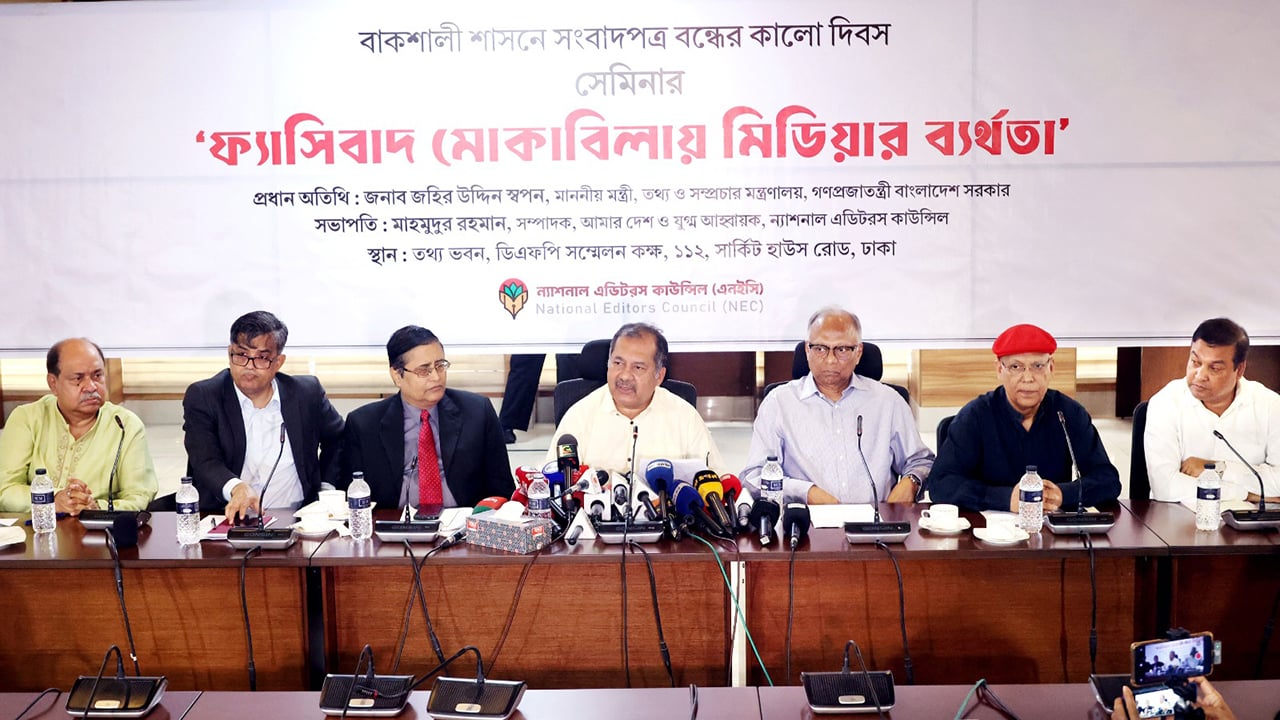
Information and Broadcasting Minister Zahir Uddin Swapon stated that the media serves as the mirror of society and the state, emphasizing that it must be flawless. He said this responsibility lies primarily with the media itself and called for unity among all stakeholders to achieve this goal. The minister made these remarks on Monday at a seminar titled “Media’s Failure in Facing Fascism,” organized by the National Editors Council (NEC) at the Department of Films and Publications auditorium in Dhaka, marking the anniversary of the 1975 press shutdown. Swapon noted that past efforts to strengthen the media were partial and incomplete, preventing the development of a robust media institution in Bangladesh. He stressed the need for consensus and collective action to establish an independent and responsible media commission. The minister also highlighted that democracy cannot be practiced effectively without institutionalizing the culture of diverse opinions. The seminar, chaired by NEC co-convener and Amar Desh editor Mahmudur Rahman, featured editors and journalists from across the country, who discussed media freedom, political influence, and the need for unity to safeguard press independence.
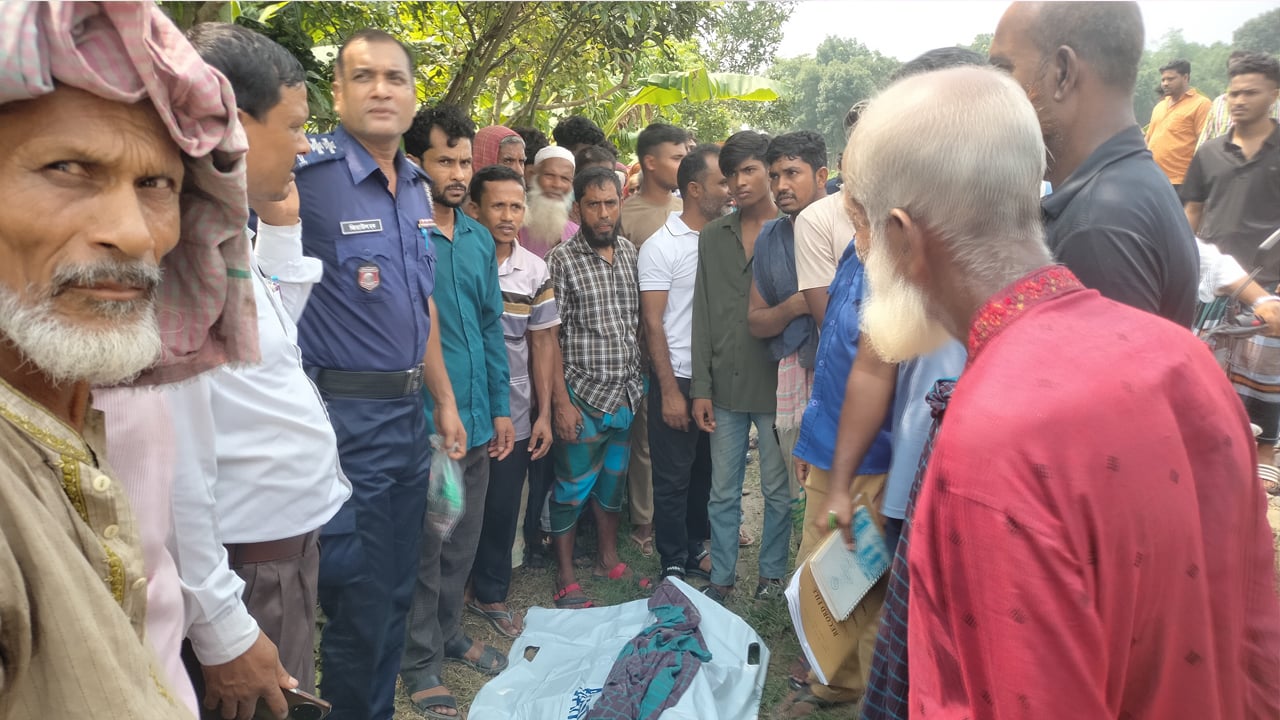
Police in Kalukhali upazila of Rajbari recovered the burned body of Asadul Mondol, a 24-year-old activist of Jamaat-e-Islami, on Monday morning. The body was found around 9 a.m. on farmland near the Chandana River in Surjodiah village. Local farmers discovered the body and informed police, who later sent it to Rajbari Hospital morgue for autopsy. Asadul was the son of Shahjahan Mondol from Manushmari village in the same upazila. According to local Jamaat leaders, Asadul had gone missing around 8 p.m. the previous night, and his phone had been switched off. He was described as an active member of Bangladesh Jamaat-e-Islami and a final-year degree student at Mir Mosharraf Hossain College. Police officials, including the ASP of Pangsha Circle and the Kalukhali police officer-in-charge, visited the scene. The ASP stated that the body bore injury marks and had been burned. Authorities have pledged to bring those responsible under the law swiftly.
The Association of Bankers, Bangladesh (ABB) has welcomed the central bank’s decision to dissolve the board of Islami Bank. In a statement issued from the office of ABB Chairman and City Bank Managing Director Mashrur Arefin on Monday, the organization described the move as timely and prudent for the banking sector. ABB had earlier expressed deep concern to the Bangladesh Bank governor on June 10 over the situation surrounding Islami Bank, which had taken on political dimensions and posed systemic risks. According to ABB, the issue had extended beyond a single institution, affecting confidence across the banking industry. The organization had advised dialogue and consensus among stakeholders to resolve the matter. ABB praised the central bank’s recent action, noting that Islami Bank’s stability is crucial for the national economy due to its large customer base, deposits, remittance network, and role in trade finance. ABB added that recent unrest had raised concerns about governance, liquidity, and depositor confidence. It expects the decision to restore stability, improve governance, and ensure a politically neutral banking environment while urging authorities to treat the issue with utmost importance.
The government of Bangladesh has granted income tax exemption benefits to 11 institutions recognized as public welfare organizations to encourage individual donations for social welfare activities. The Internal Resources Division (Income Tax) of the Ministry of Finance issued a gazette notification to this effect, under Section 76(1) of the Income Tax Act, 2023. According to the notification, any individual taxpayer donating to these approved institutions will be eligible for tax rebate benefits as per the provisions of the law. The recognized institutions include ASHIC Foundation for Childhood Cancer, Bangladesh Cancer Aid Trust, Al-Markazul Islami, Disabled Child Foundation, Sherpur Diabetic Association, Maona Diabetic Association, Bangladesh Thalassemia Association, Autism Welfare Foundation, BRAC, Ramakrishna Math and Ramakrishna Mission (Dhaka), and Chattogram Maa-O-Shishu Hospital. The notification was signed by Md. Abdur Rahman Khan, FCMA, Secretary of the Internal Resources Division, by order of the President. The tax exemption will take effect from July 1, 2026, and remain valid until June 30, 2030, providing a four-year window for donors to benefit from the incentive.

Islami Bank has received an additional Tk 2,500 crore in liquidity support from Bangladesh Bank, according to Acting Managing Director Md Altaf Hossain. Speaking at the bank’s head office on Monday, he said the full amount has not yet been used. He noted that customer concerns surrounding the bank have been easing, and expressed hope that depositors who withdrew funds out of fear would soon regain confidence and return. Hossain reported signs of improving trust, citing data from a major branch showing a 75 percent decline in account closures compared to earlier levels. He said the management is working to maintain normal operations and restore full confidence among clients. Responding to a question, he added that the former chairman’s official car would be retrieved immediately after the removal letter is delivered. Bangladesh Bank Executive Director Mohammad Zahid Hossain, currently overseeing Islami Bank’s board, urged depositors to continue transactions without hesitation and assured that a neutral five-member board is being formed after careful vetting to ensure efficient management.
Israeli Finance Minister Bezalel Smotrich has declared that efforts to overthrow Iran’s government will continue. In a post on social media platform X, he described the joint campaign to weaken Iran as successful and said those gains must not be wasted. Smotrich called for Israel to pursue the mission creatively and ensure that Iran never acquires nuclear weapons. Despite pressure from the United States to halt attacks, Smotrich pledged to keep targeting Hezbollah in Lebanon. He said the operations were necessary to guarantee the immediate security of Israeli fighters and residents in the country’s north. His remarks came as Israel carried out new strikes in southern Lebanon, even after the United States and Iran reached an agreement that Tehran said included a commitment to stop such attacks. The statements highlight ongoing tensions between Israel, Iran, and the United States, as well as divisions over the recent US-Iran deal, which Smotrich labeled harmful to Israel and the free world.

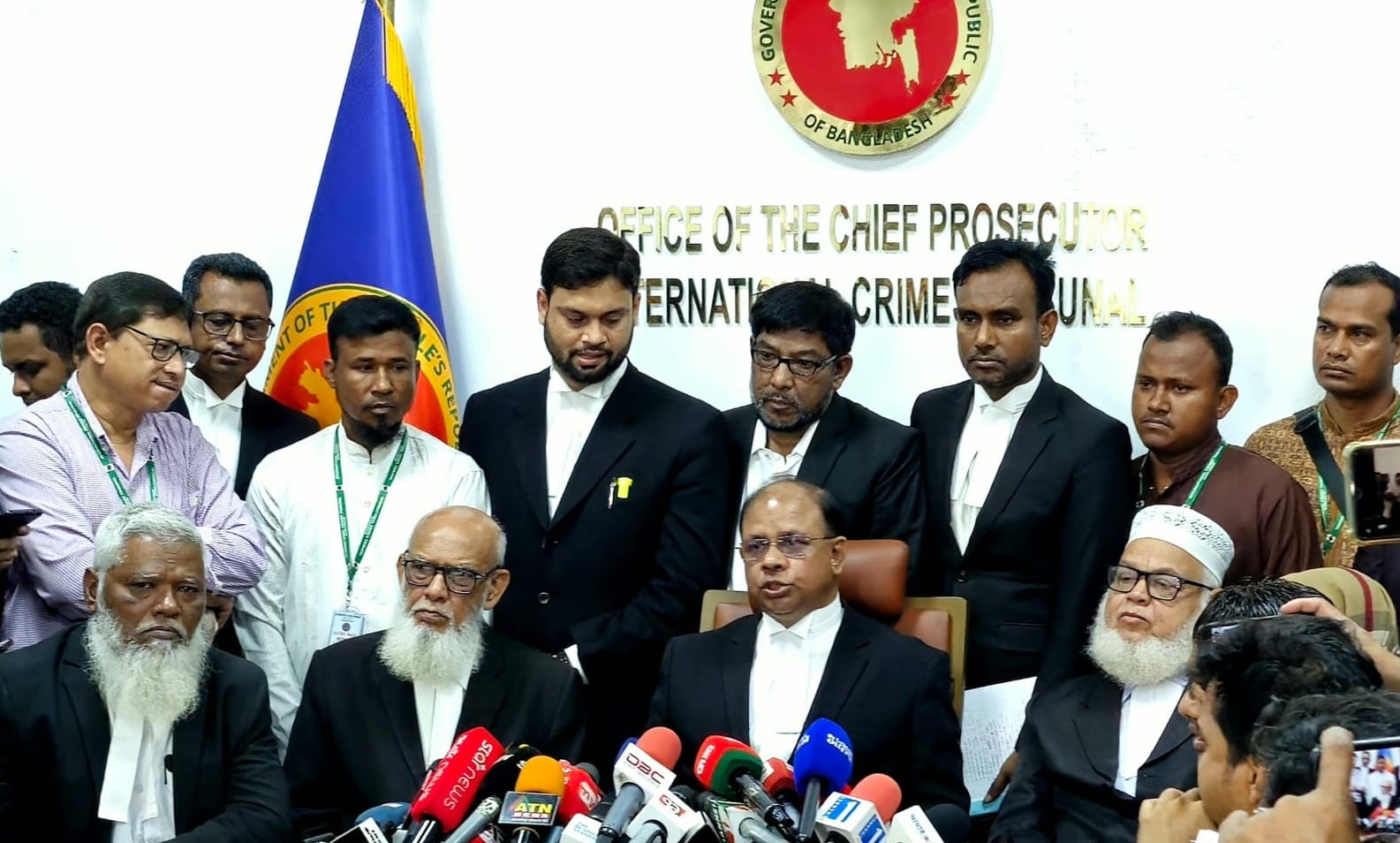
International Crimes Tribunal Chief Prosecutor Aminul Islam announced that a letter will be sent to the government to facilitate the return of former Inspector General of Police Benazir Ahmed, who was arrested in the United Arab Emirates. He stated that three tribunal-issued warrants against Benazir have already been forwarded to the government, and copies will be sent to Interpol through the National Central Bureau. The announcement was made during a press briefing at the tribunal office on Monday. According to Aminul Islam, investigations have found Benazir’s involvement in at least ten tribunal cases, including the Shapla Chattar case nearing completion and the Teknaf Karam Commissioner murder case, for which formal charges are ready. He added that six to seven other investigations are ongoing, alongside numerous allegations of enforced disappearances, killings, and financial crimes. The Anti-Corruption Commission has also filed a case against him. The government has reportedly applied for his extradition through diplomatic channels, a process expected to take about a month. The Chief Prosecutor said Benazir will be brought before ongoing cases upon return and placed on remand for further investigation, particularly regarding crossfire incidents.
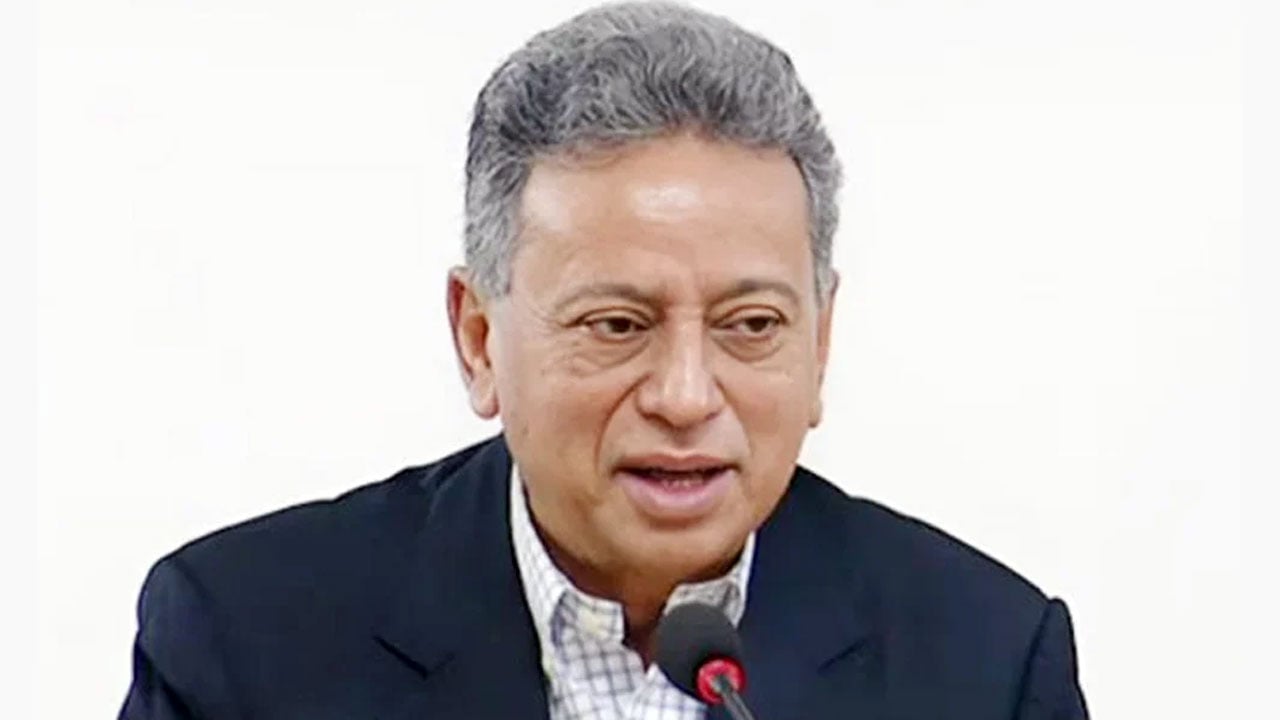
Finance Minister Amir Khasru Mahmud Chowdhury has directed that the Family Card program be implemented free from any political influence. He issued the instruction on Monday, June 15, 2026, during the fourth meeting of the Cabinet Committee on Family Card distribution held at the Ministry of Finance conference room. District Commissioners and Upazila Executive Officers will monitor the program, and strict oversight will ensure that funds do not go to male family members. The minister stated that the government allocated Tk 14,000 crore for the Family Card program in the 2026–27 fiscal year to improve the living standards of poor families. He emphasized that stabilizing the fragile economy and transitioning toward prosperity remain key challenges for the upcoming budget. The government aims to ensure that the benefits of the budget reach every citizen. During the meeting, the committee reviewed and approved administrative expenses for the program, finalized the “Family Card Piloting Implementation (Amendment) Guideline-2026,” and gave policy approval to the draft “Family Card Implementation Policy-2026.” Several ministers and senior officials from relevant ministries attended the session.
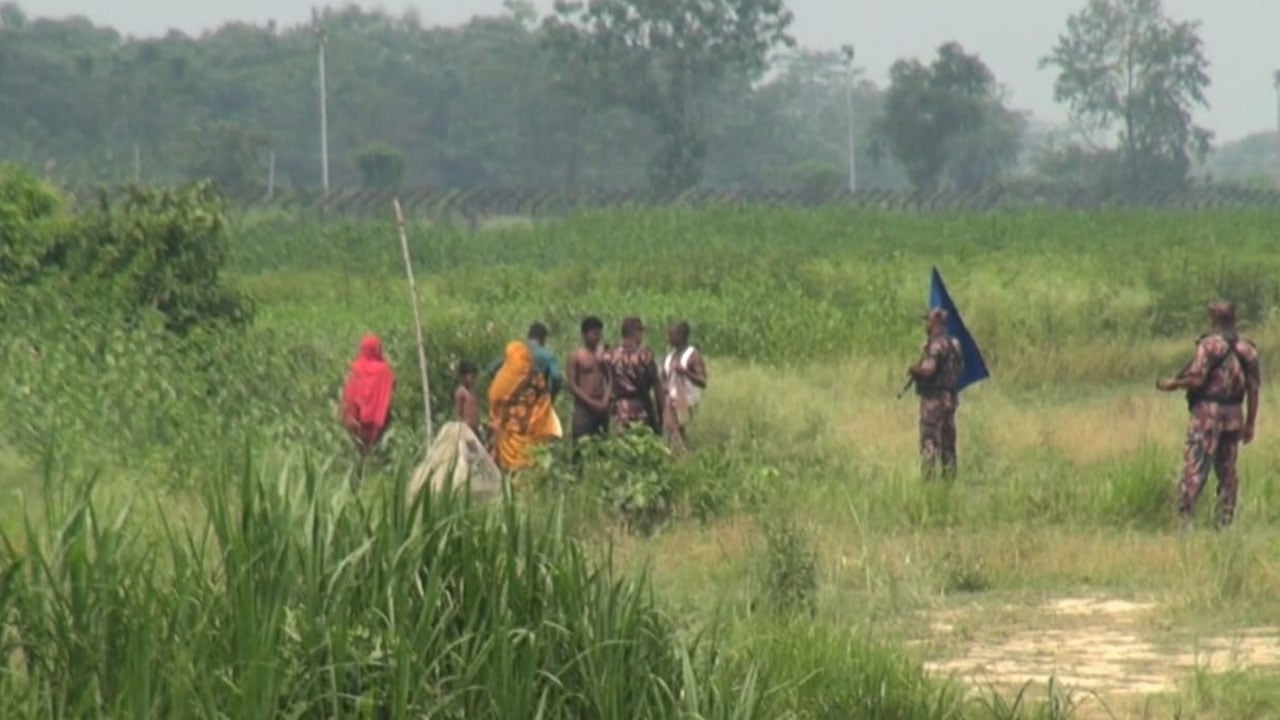
The Indian Border Security Force (BSF) on Monday morning took back 12 people, including women and children, who had been stranded for three days at the zero line of the Pragpur border in Daulatpur, Kushtia. The handover occurred around 11 a.m. near pillar 148/3-S following a flag meeting between Border Guard Bangladesh (BGB) and BSF representatives. The meeting was confirmed by Lieutenant Colonel Rashed Kamal Roni, commander of BGB Battalion 47. According to BGB sources, BSF had earlier pushed the 12 individuals into Bangladesh illegally. With local assistance, BGB identified and took them into custody before returning them to BSF after completing legal procedures. Previous flag meetings on Friday and Saturday failed to resolve the issue due to BSF’s non-cooperation and denial of involvement in the push-in. BSF later sought time to investigate after BGB lodged a formal protest. The returned group included members of two families who claimed to be Bangladeshi citizens. BGB stated it remains on high alert to protect the border and national interests.
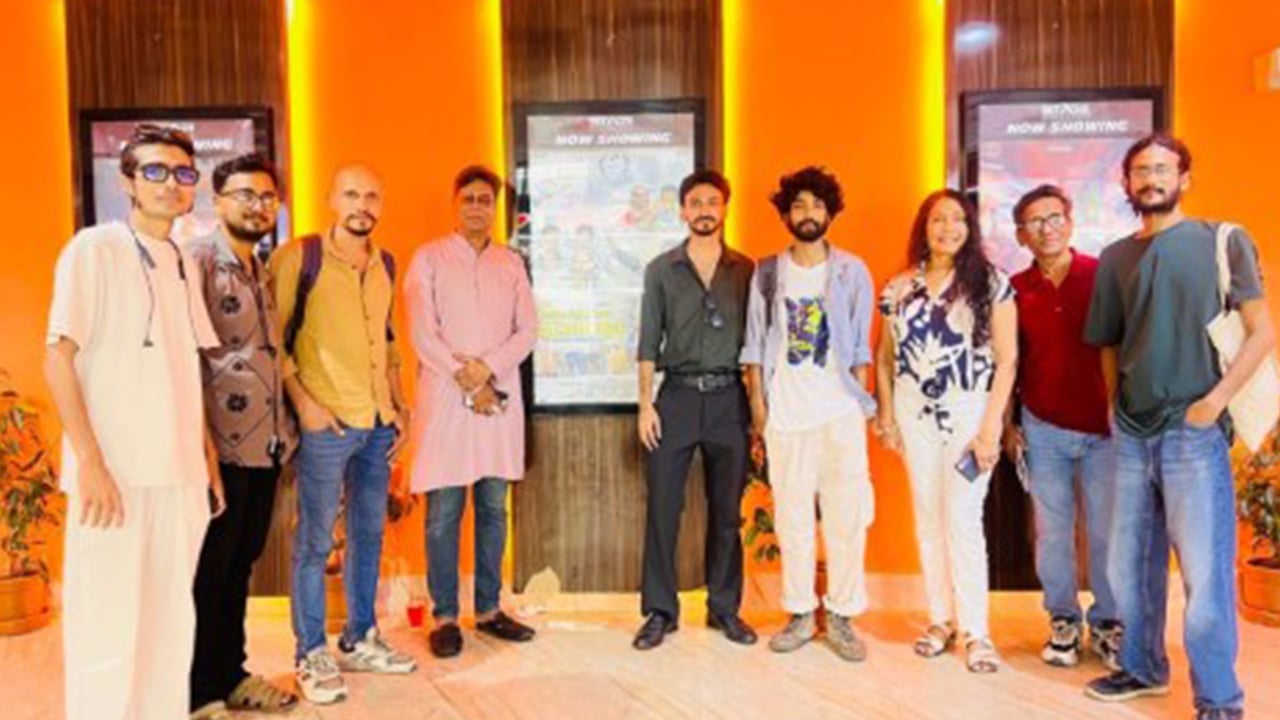
The political satire film 'The University of Chankharpul' was released last Friday and received an enthusiastic response from audiences on its opening day. Screenings at Star Cineplex in Bashundhara City and Lion Cinemas in Keraniganj saw notable attendance from university students as well as viewers from diverse backgrounds. After the afternoon show, the director, executive producer, and cast interacted directly with the audience, who praised the film’s bold political message, cinematic style, and portrayal of contemporary realities. Viewers highlighted how the film captured campus life, hall culture, power politics, and the fading dreams of youth through humor and satire, while realistically exposing the darker sides of political leadership. Directed by Akash Haque and produced by Md. Hafizuddin Munna, the film is inspired by Rono Anwar’s short story 'Jhora Patar Dukh Bilash'. It has already won the FIPRESCI Award at the Dhaka International Film Festival and the Hiralal Sen Medal and Best Screenplay Award at the Amar Bhashar Film Festival. The filmmakers plan to organize special screenings at around 50 universities with support from film clubs to make the film accessible to students at low cost.
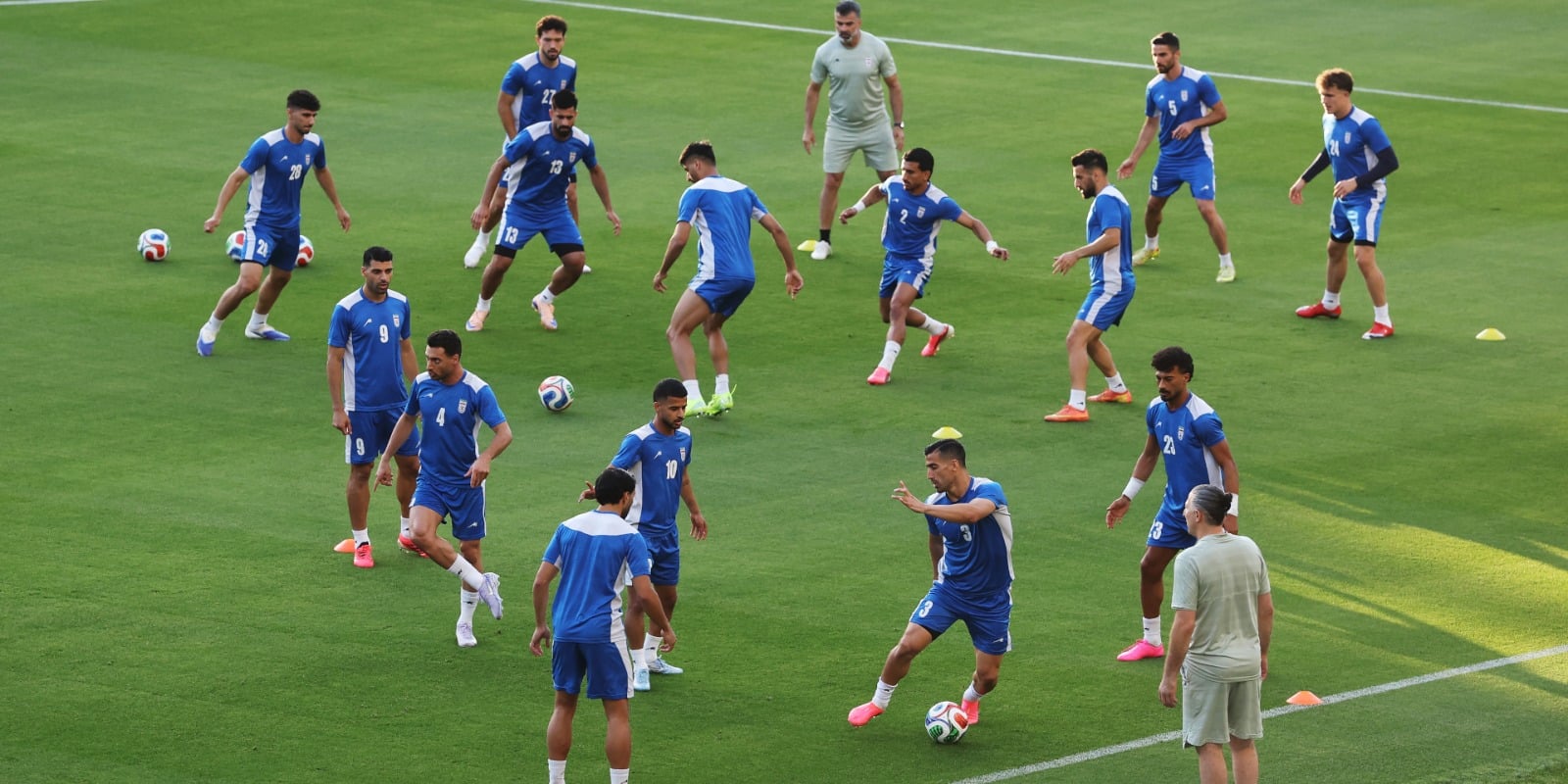
Iran’s national football team arrived at the World Cup after weeks of war, missile attacks, and diplomatic tension. On Monday, they will face New Zealand in their Group G opener at SoFi Stadium in Los Angeles. Coach Amir Ghalenoei stated that the team came to play football, not politics, emphasizing their focus on the game despite external controversies. Iran’s preparation was disrupted by U.S. and Israeli military strikes and visa complications that forced the team to move its training camp from Arizona to Tijuana, Mexico. Some delegation members still lack U.S. visas. A day before Iran’s debut, Washington and Tehran announced a permanent agreement to end ongoing conflict, easing some war-related fears. However, political tension remains. Iranian expatriates opposing Tehran’s government plan to protest during the match, and discussions suggest the team might leave the field if anti-government banners appear. For Iran, this World Cup symbolizes not only a sporting challenge but also a step toward normalcy after enduring conflict.
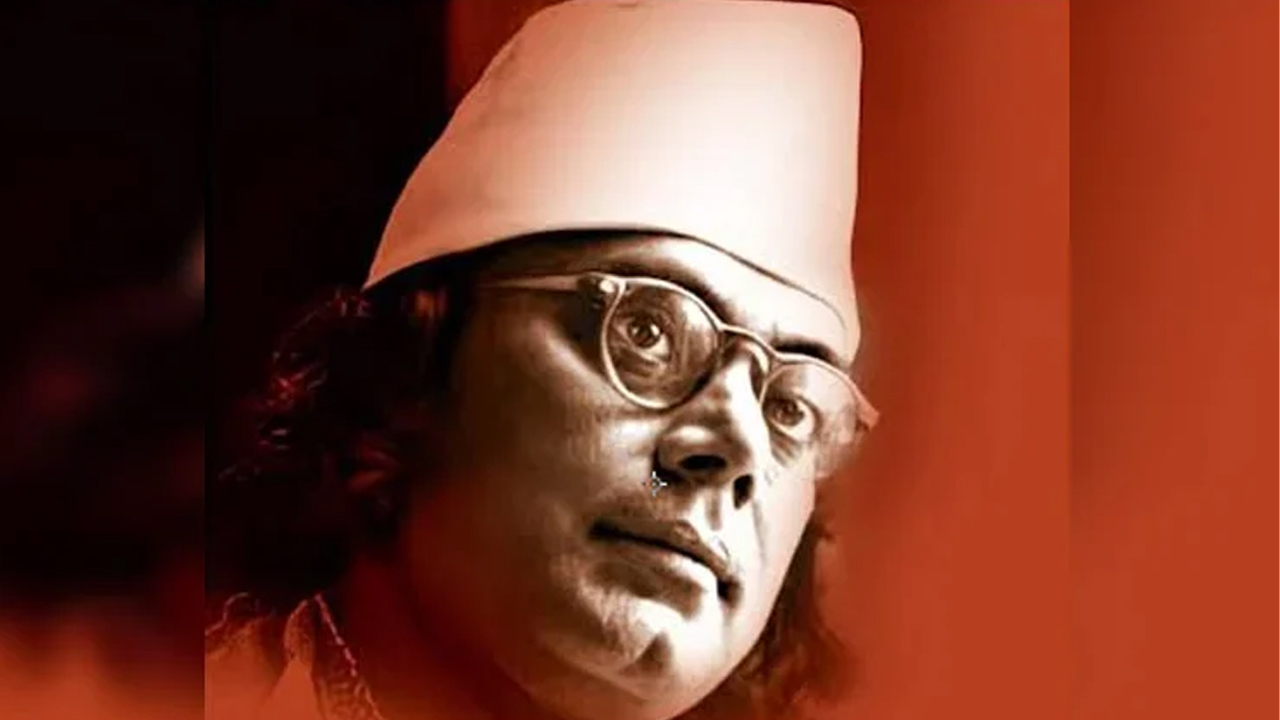
France’s renowned world literature dictionary, Dictionnaire Mondial de la Littérature, published by the Larousse group, has included Bangladesh’s national poet Kazi Nazrul Islam as a significant Bengali literary figure. The entry highlights Nazrul’s birth in Churulia in 1899 and death in Dhaka in 1977, describing him as the “Poet Rebel” known for his lyrical works infused with patriotism, social awareness, and humanistic inspiration. His notable works ‘Agnibeena’ (1922) and ‘Bhanger Gaan’ are cited as examples. According to Kazi Nazrul Islam Center adviser and researcher Khorshed Alam Patwary in Paris, the inclusion marks an important recognition of Bengali literature and culture in a long-established European literary encyclopedia. Center president and poet Sohel Ahmed added that Nazrul’s writings continue to inspire younger generations against injustice and inequality, and their organization is working to further introduce him to the French community. Larousse’s Dictionnaire Mondial de la Littérature is known for its extensive coverage of global literature, authors, and literary movements.
Israeli National Security Minister Itamar Ben-Gvir stated that the agreement between the United States and Iran is not binding on Israel. In a post on social media platform X, he emphasized that Israel is an independent and sovereign nation, not subordinate to the United States. Ben-Gvir asserted that Israel would not be part of any deal that fails to ensure its security. He further argued that Israel should not agree to anything less than the complete disarmament and dismantling of Hezbollah. He insisted that Israeli forces should not withdraw from areas they have captured and cleared of what he described as terrorist infrastructure. Ben-Gvir warned against returning to a situation where thousands of armed fighters are stationed near northern Israeli settlements and said Israel would not remain silent in the face of any attacks. His remarks highlight internal political divisions within Israel regarding the US-Iran understanding and a potential ceasefire along the Lebanon border, according to the report.

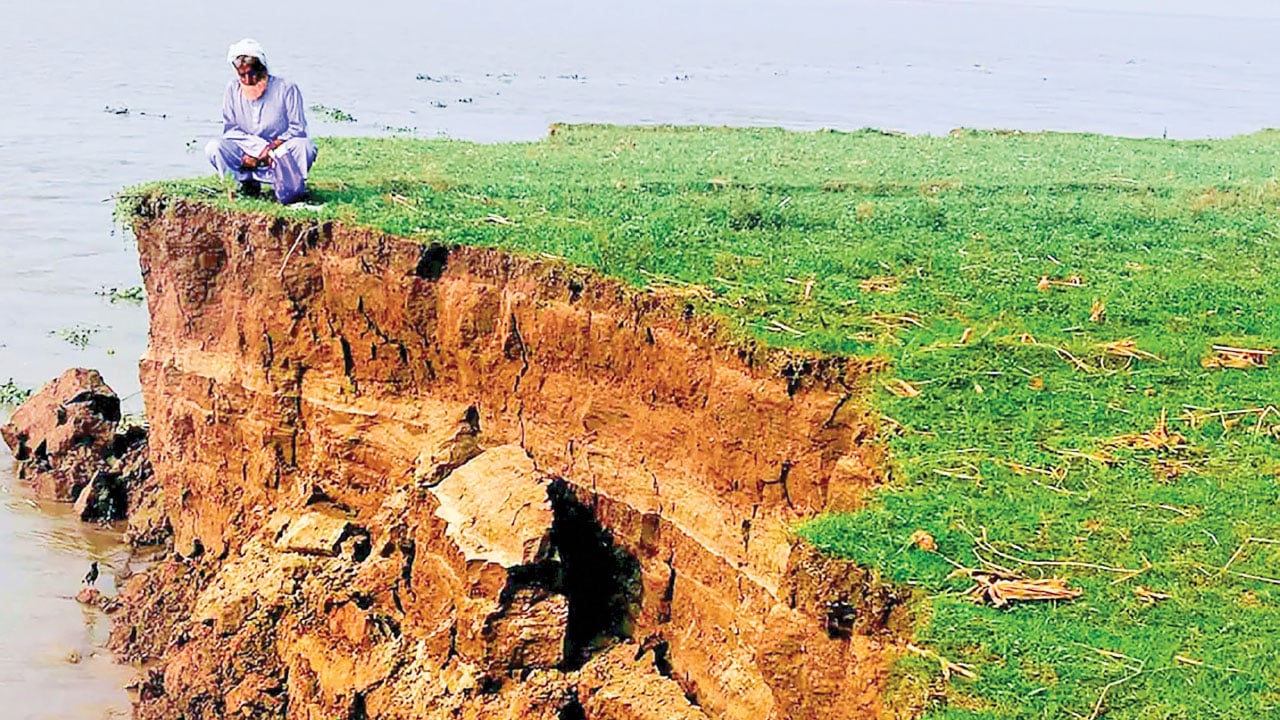
Severe erosion of the Jamuna River has destroyed homes, farmland, and infrastructure in Mannia Char of Islampur upazila, Jamalpur district. Over the past few weeks, hundreds of families have lost their land and property as the river continues to engulf the area. Local residents report that no effective measures have been taken to prevent the erosion or to rehabilitate displaced families, leaving many homeless and fearful. Mannia Char, a 70-year-old river island with around 30,000 residents, has long been a fertile agricultural zone producing rice, wheat, and maize. The erosion now threatens schools, a mosque, a market, a rural electricity office, and an eight-crore-taka solar power project. Locals have been trying to resist the river’s advance by placing bamboo and sandbags along the banks, but the destruction continues. Officials from the Water Development Board and the district administration acknowledged the crisis, saying the issue is under consideration and that necessary measures will be taken to protect the area.
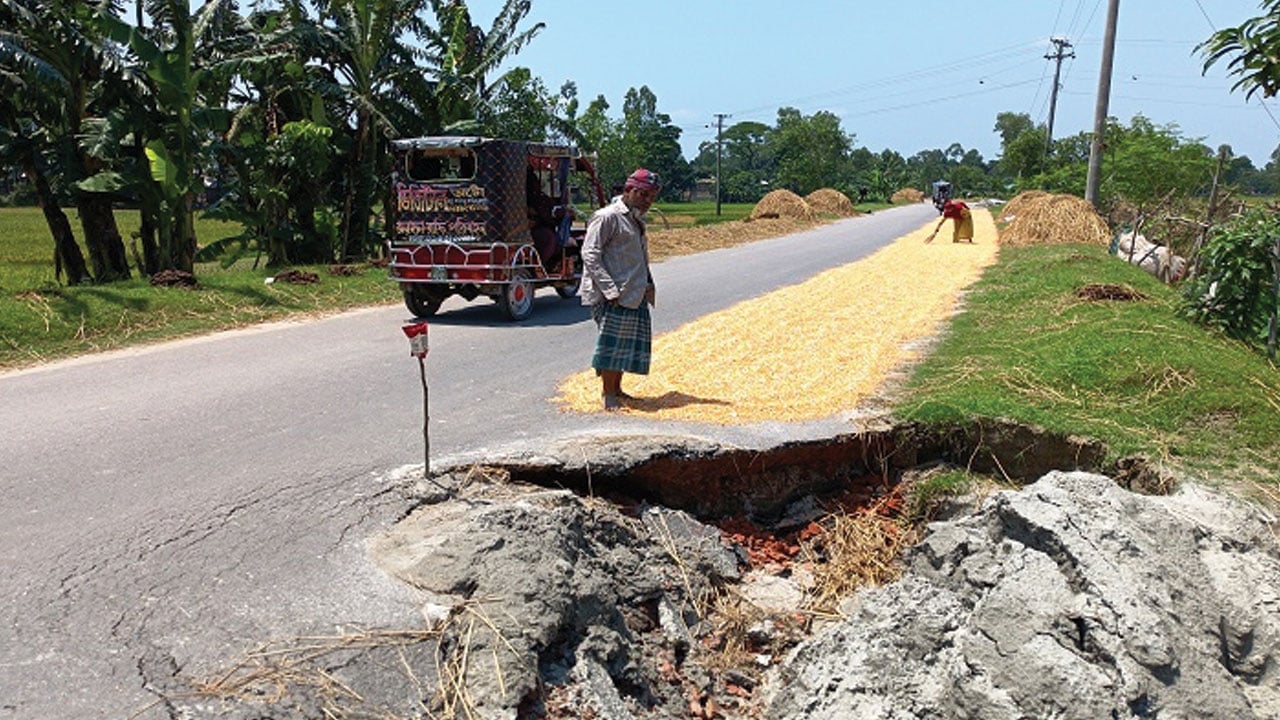
The link road on the Chilmarir side of the Maulana Bhasani Bridge in Kurigram has developed around 100 small and large holes, making it nearly unusable for traffic. Despite several extensions of the project deadline, the road improvement work remains incomplete. The project, worth Tk 10.33 crore, began in February 2024 and was supposed to be completed by February 2025. However, only about 70 percent of the work has been finished so far. Local residents and transport workers have expressed deep frustration over the poor condition of the road. The contractor, Rashedul Islam from Roumari, obtained the work using the license of Mir Habibul Alam from Natore. The 5.23-kilometer road from Matikata Mor to Paachpir GC Road has been progressing slowly, with rain and delays worsening the situation. Large pits and soil collapses have made the route dangerous even for pedestrians. Attempts to contact the contractor were unsuccessful, while the Upazila Engineer, Zulfiqar Ali, confirmed that the project deadline had been extended and that the contractor had been instructed to complete the work quickly. The damaged road has disrupted daily travel and transport in the area, increasing risks for vehicles and commuters until repairs are completed.
The ‘1 Nojor’ media platform is now live in beta, inviting users to explore and provide feedback as we continue to refine the experience.