

The ‘1 Nojor’ media platform is now live in beta, inviting users to explore and provide feedback as we continue to refine the experience.
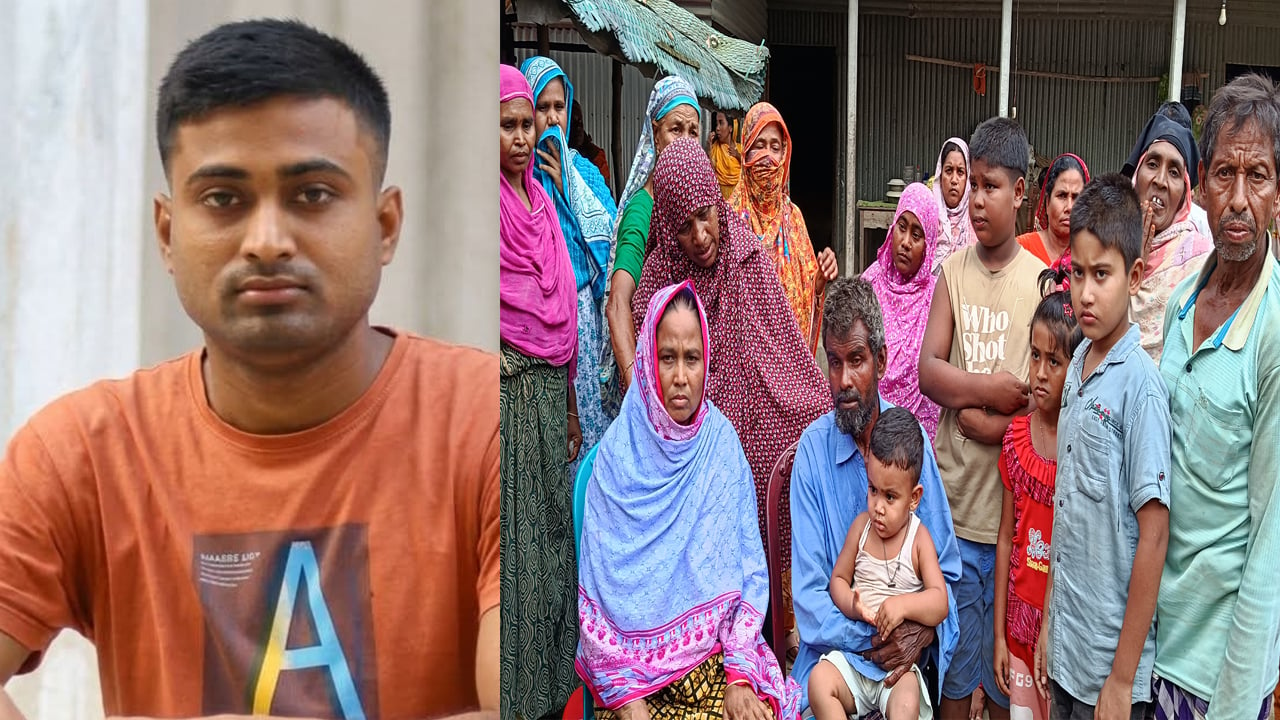
A young man from Madarganj upazila in Jamalpur, Bangladesh, has been missing in Russia for 17 days. The missing person, identified as Arif Hossain, 27, from Rayarchar village, reportedly went to Russia on May 7 through a local broker who promised him work as an electrician. However, after arriving, he was allegedly sent to a war zone instead. An audio message circulating on social media has fueled rumors that Arif was killed in a drone attack, though no official confirmation has been received. Family members claim that a local broker named Aminur Islam Suja arranged Arif’s travel for 1.6 million taka and handed him over to the Russian military. The last contact with Arif was on May 29, after which his phone has remained switched off. A similar case was earlier reported involving another Bangladeshi named Maful, who also went missing under comparable circumstances. Madarganj Upazila Nirbahi Officer Suman Chowdhury said the matter came to their attention through social media and advised that such travel through brokers is inappropriate. He assured that necessary steps would be taken if the affected family submits a written complaint.
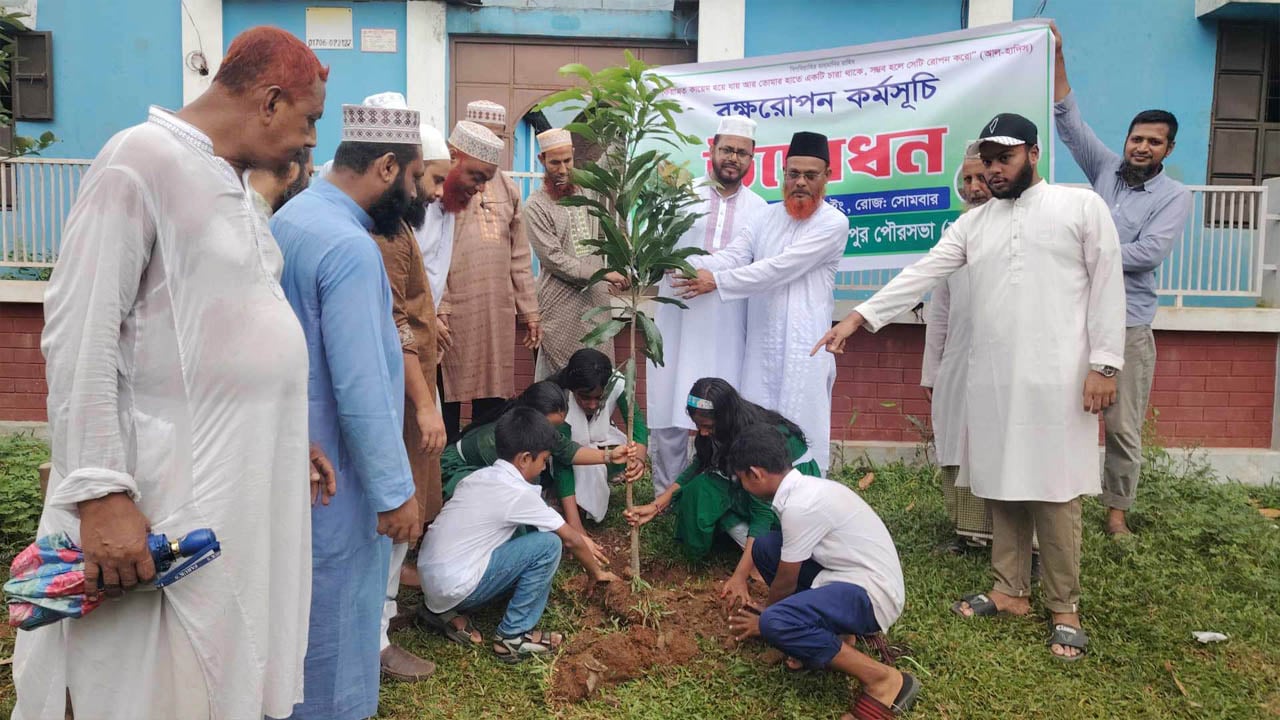
Bangladesh Jamaat-e-Islami’s Sreepur municipal youth wing organized a tree planting program on Monday at Kewa Purba Khanda Government Primary School in Sreepur upazila, Gazipur. The initiative aimed to promote environmental conservation, increase greenery, and inspire students to develop a love for trees. Various fruit saplings were planted in the school premises with participation from local leaders, teachers, students, and guardians. Sreepur upazila Jamaat secretary and vice-chairman candidate Abul Kalam Azad attended as chief guest, while mayoral candidate Dr. Md. Harun-or-Rashid was present as special guest. Speakers at the event emphasized the importance of tree planting to maintain ecological balance and combat climate change. They also highlighted the need for proper care of planted trees and the role of educational institutions in fostering environmental awareness among students. After the discussion, participants planted fruit trees around the school grounds. Organizers expressed their commitment to continuing such welfare initiatives for education, social development, and environmental protection. Locals welcomed the program, noting its potential to encourage eco-friendly attitudes among students and enhance local greenery.
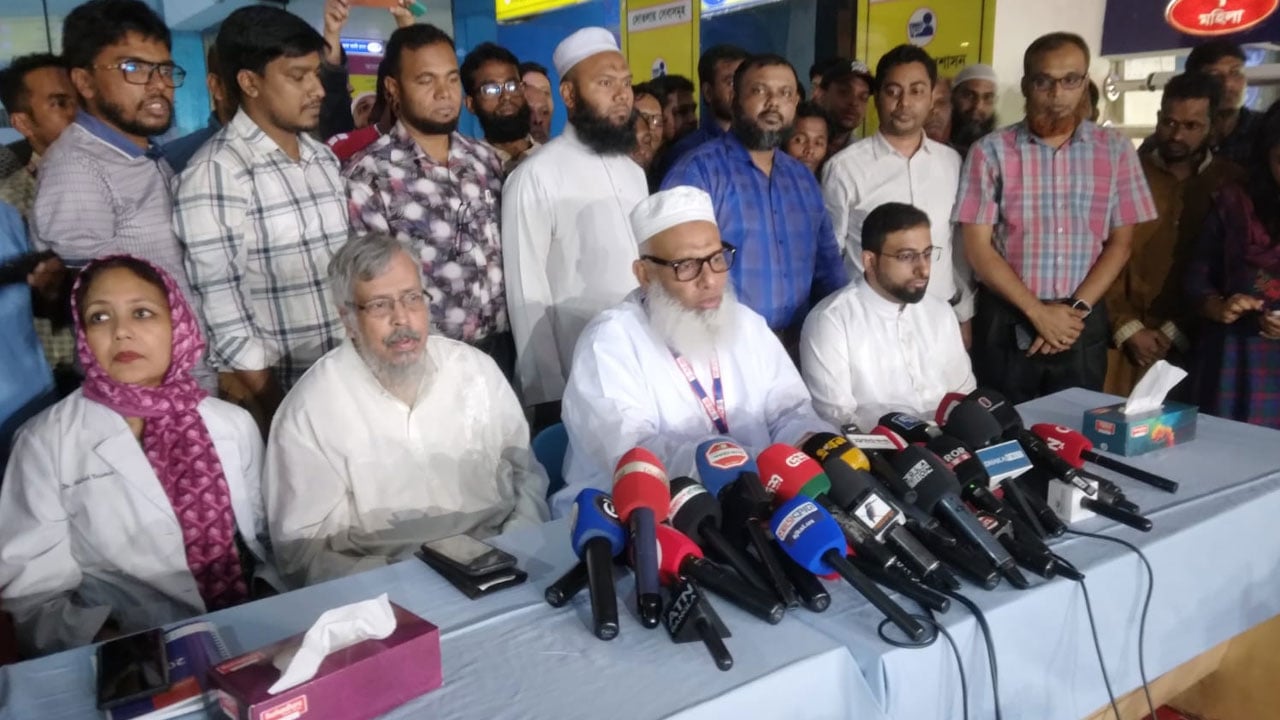
Ad-Din Hospital authorities have denied allegations that they offered large sums of money to the health minister to save the hospital’s license following the deaths of six newborns. The hospital’s executive director, Dr. Sheikh Mahiuddin, made the statement at an emergency press conference in Dhaka on Monday afternoon, rejecting the minister’s claim as false and demanding proof of the accusation. Health Minister Sardar Md. Sakhawat Hossain had earlier stated at an event in Narsingdi’s Monohardi on June 13 that Ad-Din Hospital officials had approached him with large amounts of money. He said he refused the offer and revoked the hospital’s license with the prime minister’s support. Dr. Mahiuddin also clarified that the hospital was not involved in a High Court petition challenging the license cancellation. Regarding the cause of the newborn deaths, Dr. Mahiuddin said it remains unclear, as the health ministry’s report did not specify a reason and no autopsies were conducted. He added that the hospital has begun corrective measures, including purchasing new oxygen and gas equipment, and expects renovations to be completed within a week.
Widespread allegations of irregularities, favoritism, and nepotism have surfaced in the preparation of government aid and incentive lists for farmers affected by heavy rainfall and flash floods in Nikli upazila of Kishoreganj. Local farmers claim that genuine victims, sharecroppers, and smallholders were excluded, while names of influential individuals, political activists, and their relatives were included. A written complaint has been filed with the Upazila Nirbahi Officer (UNO) demanding investigation into the alleged misconduct. According to the report, thousands of acres of ripe paddy were submerged during April’s unseasonal floods, causing severe losses to farmers. The government announced humanitarian and incentive programs to support affected farmers. The upazila agriculture office collected data and submitted 3,180 names, of which 2,180 were approved by the Disaster Management and Relief Ministry. However, new allegations emerged during relief distribution in Singpur union, where several farmers claimed they were unfairly excluded. The UNO stated that there is no scope for favoritism in the list preparation but assured that any written complaint would be investigated seriously to ensure fair distribution of aid.

A youth leader of the opposition party’s local unit in Sathia upazila of Pabna has been arrested in connection with an attempted rape case. Police detained Abul Kashem, senior vice president of the 7th Ward unit of the Youth Wing in R-Ataikula Union, early Monday from Shahjadpur in Sirajganj district. The arrest follows allegations that on June 11, Kashem attempted to rape a seventh-grade student while she was returning home from school. The victim’s mother filed a case the next day at Ataikula Police Station. Following the incident, local residents attacked, vandalized, and set fire to Kashem’s business establishment on Sunday in protest and to demand his arrest. In a separate move, the union’s Youth Wing expelled Kashem from the organization for alleged involvement in immoral activities. The expulsion was announced Sunday night through a statement signed by the union’s president and general secretary. Ataikula Police Station’s officer-in-charge confirmed the arrest and said further legal proceedings are underway.
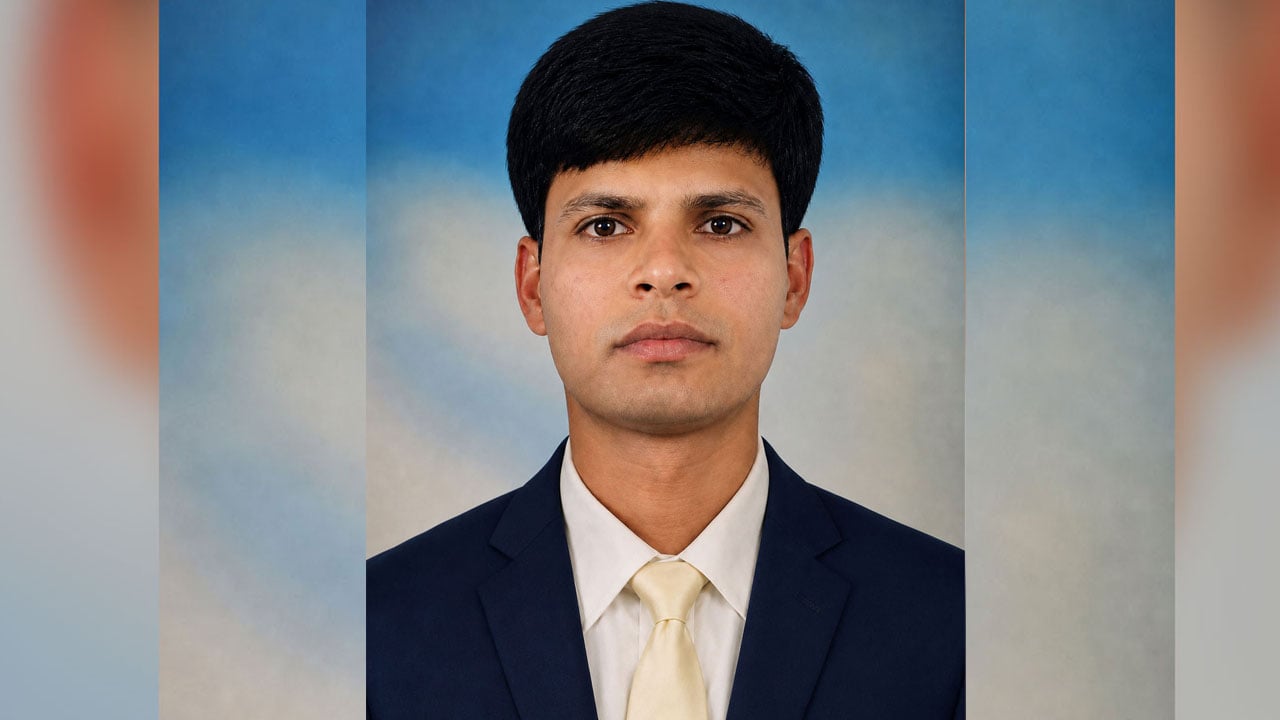
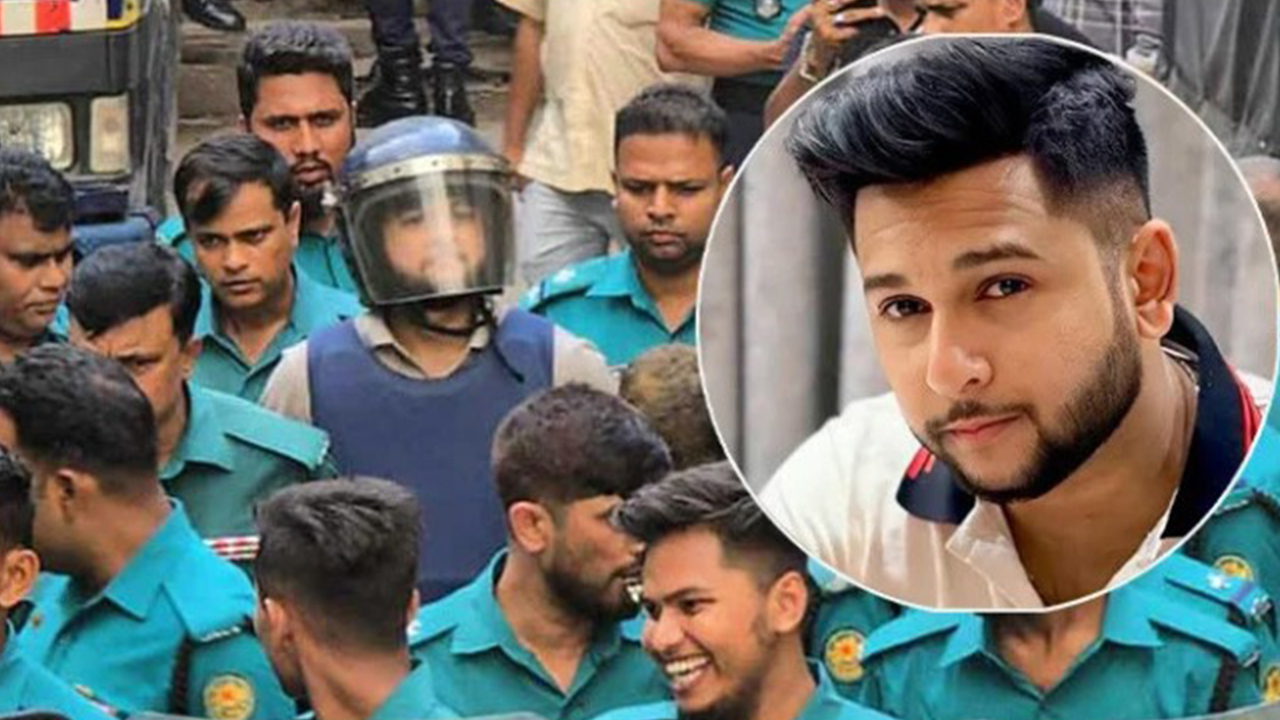
Towhid Afridi, son of MyTV chairman Nasir Uddin Sathi, has been shown arrested in a fraud case filed at Wari Police Station in Dhaka. The order was issued on Monday afternoon by Metropolitan Magistrate Md Hasan Shahadat following a petition from the investigating officer. State prosecutor Syed Golam Murtaza Ibn-e-Islam confirmed the court’s decision. Afridi was taken to jail around noon, and while being escorted, he asked journalists to pray for his son. According to the case statement, on January 13, 2025, an online fraud group contacted the victim, Syeda Ashfa Toaha Dyuti, through WhatsApp and Telegram, luring her with a fake job offer. The group persuaded her to invest money in stages, initially returning small amounts to gain trust before embezzling a total of 235,000 taka. The investigation officer stated that questioning of another suspect, Nishaduzzaman Nishad, revealed Afridi’s involvement, prompting the request to show him arrested. Afridi had previously been detained by CID police in Barishal on August 24 of the previous year and has since been shown arrested in multiple cases, including one for murder, with three cases currently ongoing.
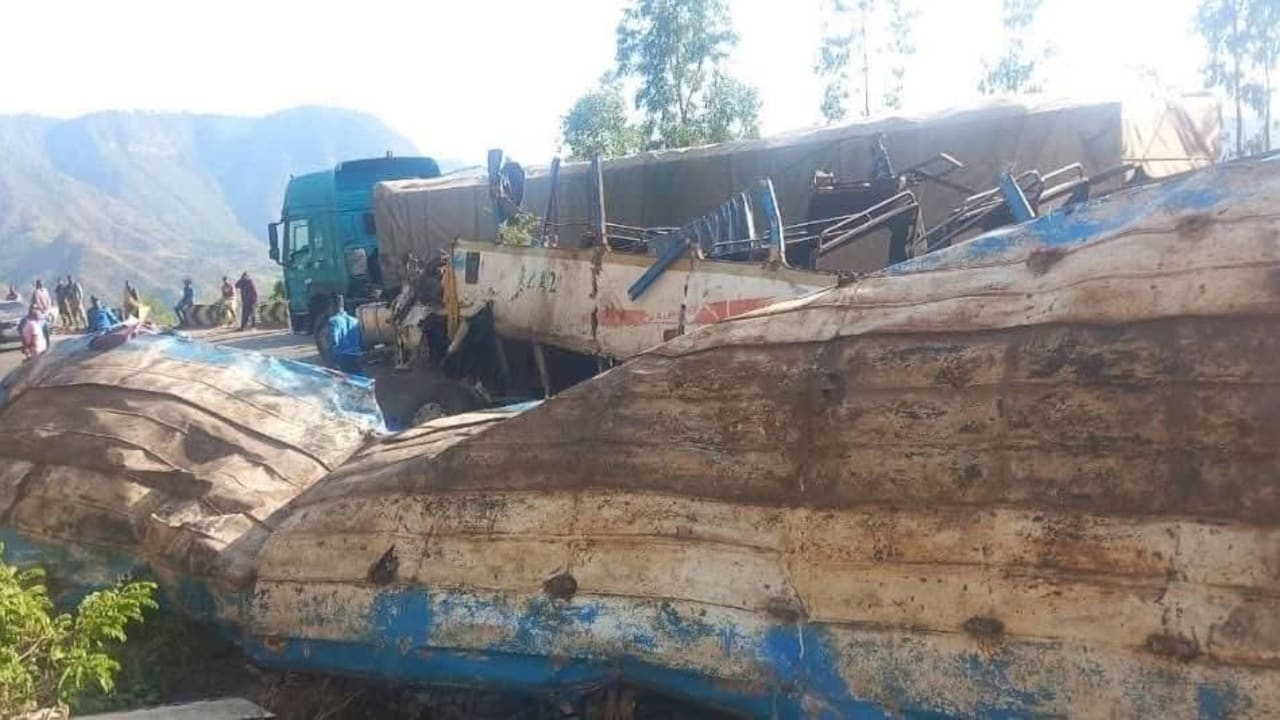
At least 28 people were killed when a passenger bus fell into a deep ravine in northern Ethiopia on Monday, according to local authorities. The bus was traveling from the city of Dessie in the Amhara region toward the capital, Addis Ababa, when it plunged about 100 meters into the ravine. Many others were injured, some seriously, and survivors were taken to nearby medical centers. Authorities said an investigation into the cause of the crash is underway. Road accidents are frequent in Ethiopia, Africa’s second most populous country, where many roads are in poor condition. The report, citing AFP, noted that the country has seen repeated deadly incidents in recent years. In December 2024, more than 70 people died when a vehicle carrying wedding guests fell into a river in southern Ethiopia. Officials have not yet released details about the cause of the latest crash or the exact number of injured passengers, but rescue and investigation efforts continue.
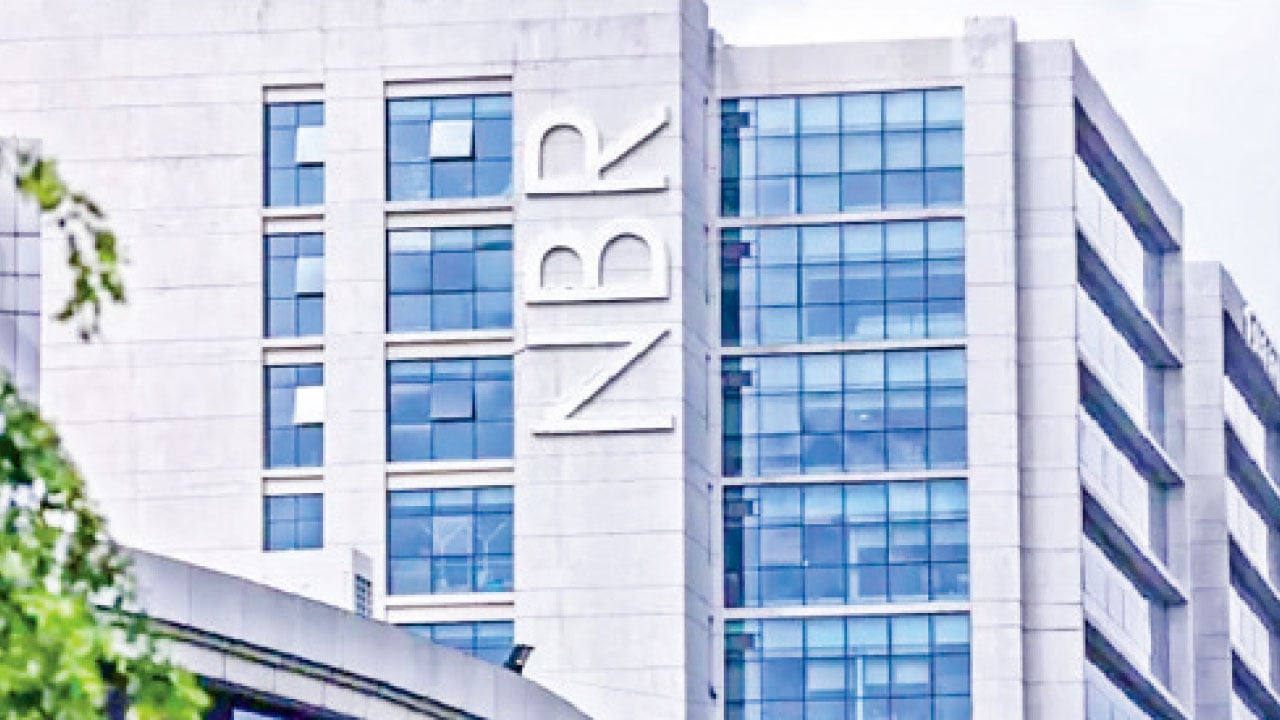
The National Board of Revenue (NBR) has temporarily suspended its night guard, Md. Akamat Hossain, for alleged drug use and misconduct at the office. The suspension order, signed by NBR Chairman Abdur Rahman Khan, was published on the agency’s website on Monday. The order states that Hossain allowed outsiders to enter the office premises before and after official hours and engaged in socializing with them. According to the NBR, Hossain had long been accused of drug use, negligence of duty, and involvement in various antisocial activities. Based on these allegations, a show-cause notice was issued to him on May 19. After reviewing his written response, the authorities found it unsatisfactory and confirmed the allegations. As part of departmental action under Rule 12 of the Government Servants (Discipline and Appeal) Rules, 2018, Hossain has been suspended from government service. The order took immediate effect, and he will receive subsistence allowance as per government regulations during the suspension period.
The Argentina Fans Club in Rangpur organized a celebratory rally on Monday at noon, starting from the Public Library field and parading through the city’s main streets. Participants carried Bangladeshi and Argentine flags, images of Lionel Messi, and banners depicting the World Cup trophy. The event reflected the supporters’ enthusiasm for Argentina’s football team and their admiration for Messi’s leadership on the field. Speakers at the rally praised Argentina’s disciplined style of play and expressed confidence that the team would win the championship again. Club president Mohammad Zahir Alam Noyon contrasted Argentina’s supporters with those of Brazil, claiming that Brazilian fans had become silent after previous matches. General Secretary Ismail Hossain Prince said most football fans in Rangpur now support Argentina and invited Brazilian supporters to join them. The organizers also arranged a large screen at the Rangpur Public Library field for fans to watch matches together, turning the area into a festive gathering spot for local supporters.

French President Emmanuel Macron announced that France and the United Kingdom are prepared to launch a joint military mission to help reopen maritime traffic through the Strait of Hormuz. He made the statement on Monday following the announcement of an agreement between the United States and Iran aimed at ending the ongoing Middle East conflict. According to reports, the formal peace agreement is scheduled to be signed in Switzerland on Friday. Macron stated that all necessary arrangements for the Franco-British mission are ready for deployment. In a post on social media platform X, he emphasized that resuming unrestricted maritime navigation is vital for regional stability and the global economy. The Strait of Hormuz is a key route for global energy supplies, which has been effectively blocked by Iran since the war began. The joint initiative signals renewed Western engagement in securing international trade routes following the diplomatic breakthrough between Washington and Tehran.

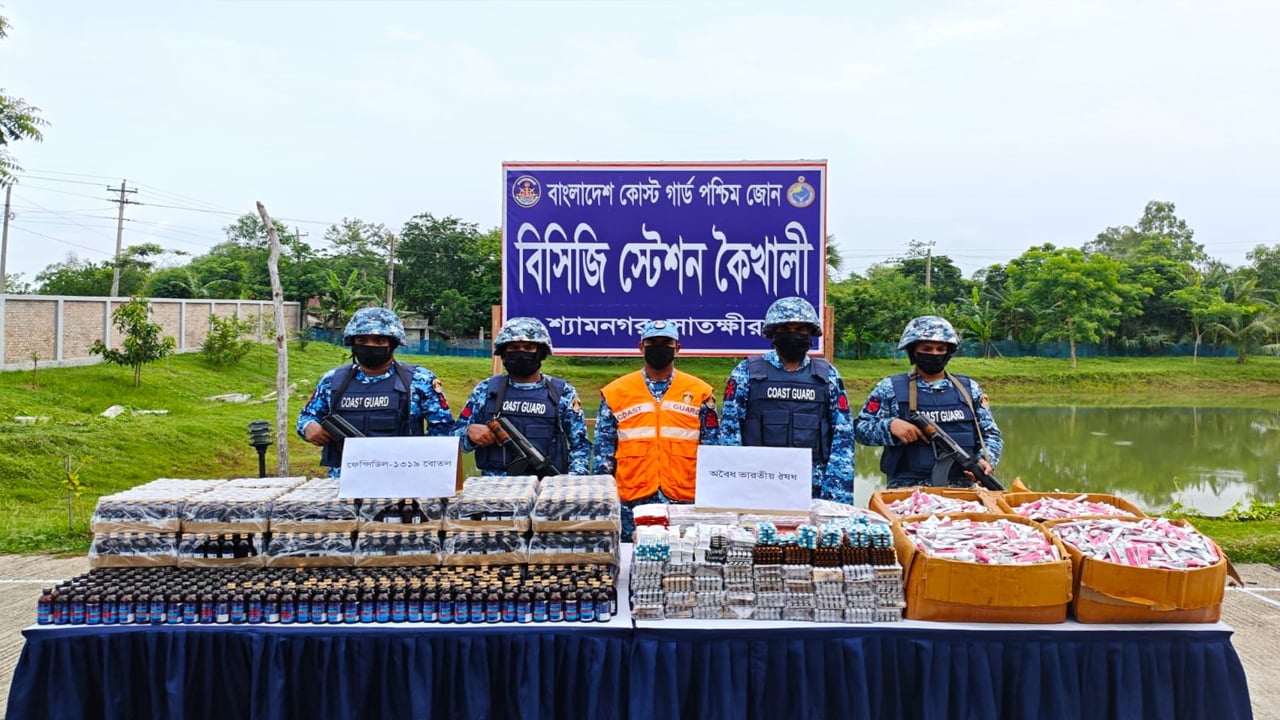
The Bangladesh Coast Guard seized 1,319 bottles of Phensedyl and a large quantity of Indian medicines worth Tk 3.31 million during a raid in Shyamnagar upazila of Satkhira. The operation took place around 1 a.m. on Monday near the Baro Hogoldora canal area. According to a press release issued by Coast Guard media officer Lieutenant Commander Sabbir Alam Sujon, the seized items were found abandoned at the site. The Coast Guard stated that legal procedures regarding the seizure are currently underway. The agency also reaffirmed its commitment to continuing regular operations in coastal and border areas to prevent drug trafficking, smuggling, and other illegal activities. The operation highlights the Coast Guard’s ongoing efforts to curb cross-border smuggling and illegal drug trade in the southwestern coastal region of Bangladesh.
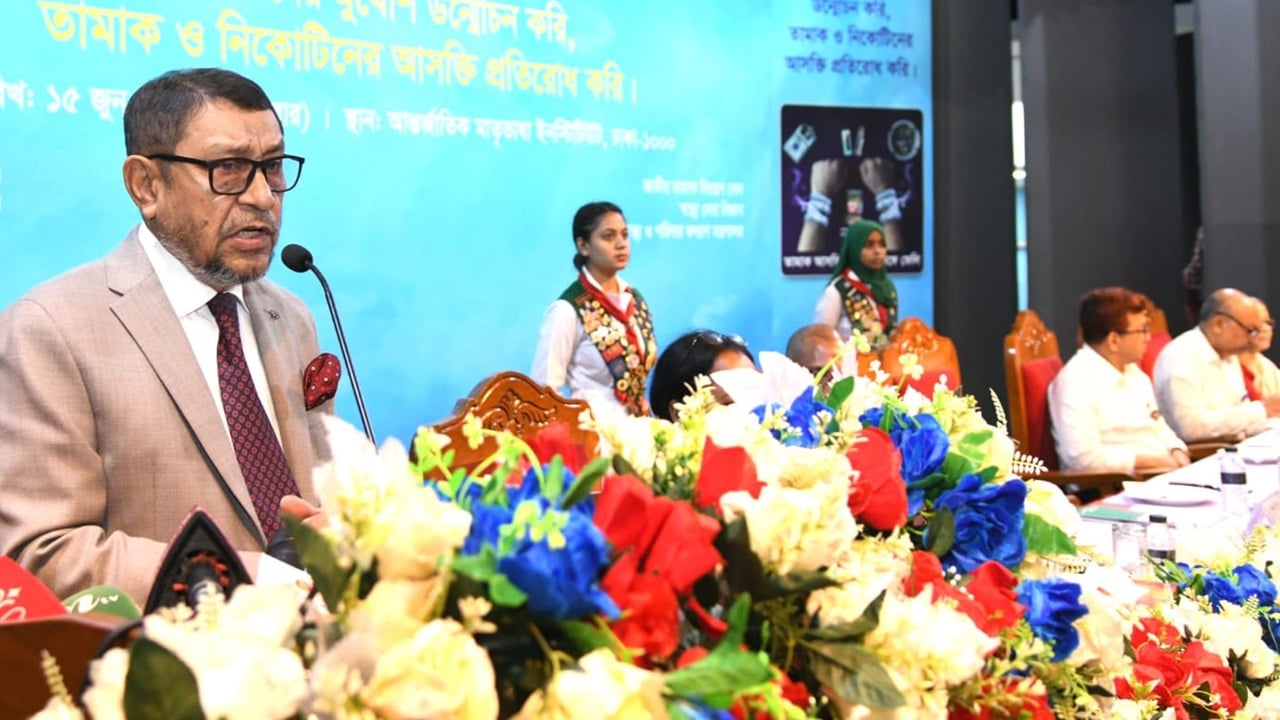
Bangladesh’s Health and Family Welfare Minister Sardar Shakhawat Hossain has said that stronger laws are needed to protect society from the harmful effects of tobacco. Speaking on Monday, June 15, 2026, at a discussion marking World No Tobacco Day at the International Mother Language Institute, he described tobacco as a severe addiction that harms nearly every organ of the body. He noted that loopholes in existing laws allow offenders to escape punishment and urged for stricter enforcement. The minister warned that young people are increasingly turning from tobacco to other dangerous addictions. He highlighted the health impacts of tobacco use, including sleep disruption, appetite loss, weight reduction, and cancer of the mouth and teeth. Hossain also issued a stern warning against irregularities in the health sector, citing the closure of Ad-Din Medical College Hospital for inhumane service while keeping its medical college open. He further stated that the country’s measles vaccination campaign has been fully successful, exceeding targets, and confirmed that no measles-related deaths were reported in the past week. Discussions on banning e-cigarettes are ongoing, he added.
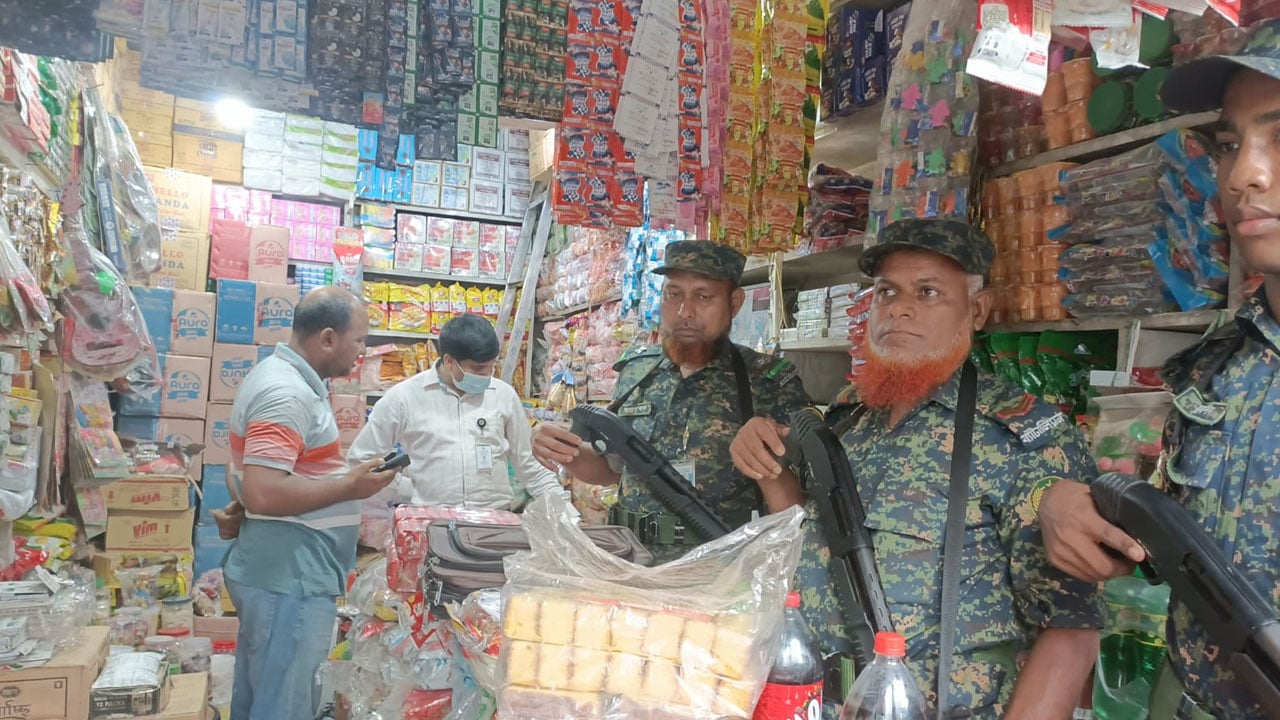
Two retail outlets in Sonapur, Noakhali Sadar upazila, were fined a total of 20,000 taka for engaging in consumer rights violations, including the sale of expired baby food. The operation was conducted on Sunday afternoon by the district office of the Directorate of National Consumer Rights Protection along Sonapur University of Technology Road and Sonapur Bazar area. During the inspection, officials reviewed purchase and sales records, checked for unauthorized marketing of baby food, verified the display of updated price lists, and monitored for excessive profit-taking. Messrs Dhaka Store on University Road and Messrs Rahmania Store in Sonapur Bazar were each fined 10,000 taka. Several other traders were cautioned, and awareness leaflets were distributed to promote compliance. Assistant Director (additional charge) Md Asadul Islam led the operation, supported by members of the district special task force and a team from the District Battalion Ansar. Authorities stated that similar monitoring activities will continue to protect consumer interests in the future.
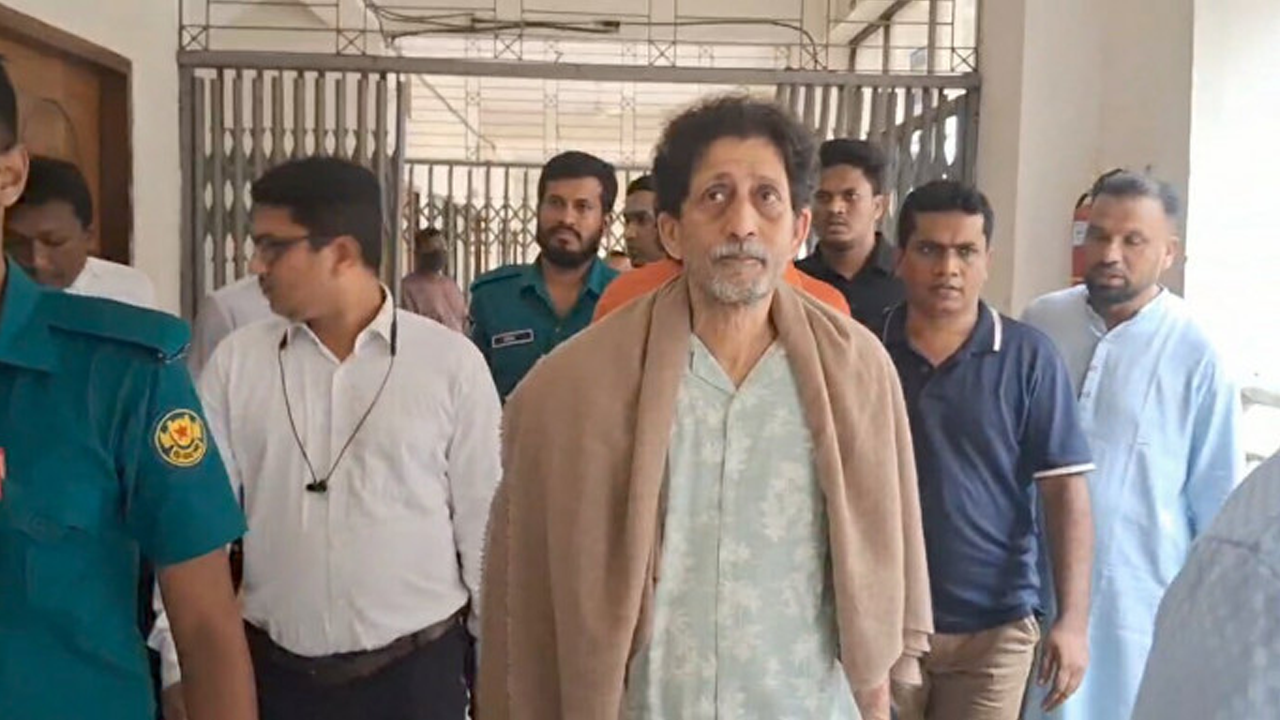
A Dhaka court has rejected the bail plea of economist Professor Abul Barkat in the case concerning the murder of businessman Abdul Wadud during the July uprising in Nilkhet. The decision was made on Monday, June 15, 2026, by Dhaka Metropolitan Magistrate Kamal Uddin. The prosecution confirmed the court’s order after Barkat’s lawyers had applied for bail following his arrest in connection with the case. Defense lawyers argued that Barkat, who had earlier received bail from the Appellate Division in a separate Anti-Corruption Commission case on June 7, was unjustly shown arrested in this murder case just before his release from jail. They cited his age, illness, and lack of direct involvement. The prosecution, however, opposed bail, claiming that investigations had found his involvement and alleged money laundering and political influence. According to the case details, Abdul Wadud was shot dead in Nilkhet on July 19, 2024, and a case was filed by his brother-in-law at New Market Police Station naming 130 accused, including former Prime Minister Sheikh Hasina and former Minister Obaidul Quader.
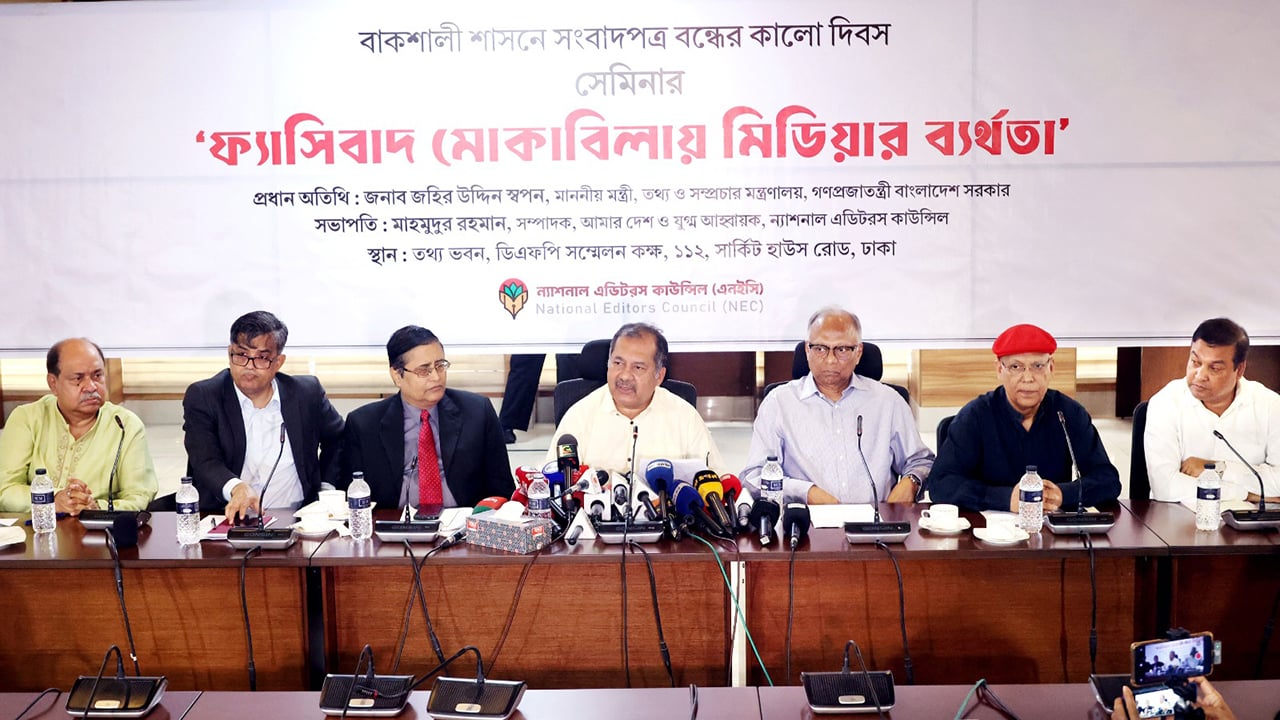
Information and Broadcasting Minister Zahir Uddin Swapon stated that the media serves as the mirror of society and the state, emphasizing that it must be flawless. He said this responsibility lies primarily with the media itself and called for unity among all stakeholders to achieve this goal. The minister made these remarks on Monday at a seminar titled “Media’s Failure in Facing Fascism,” organized by the National Editors Council (NEC) at the Department of Films and Publications auditorium in Dhaka, marking the anniversary of the 1975 press shutdown. Swapon noted that past efforts to strengthen the media were partial and incomplete, preventing the development of a robust media institution in Bangladesh. He stressed the need for consensus and collective action to establish an independent and responsible media commission. The minister also highlighted that democracy cannot be practiced effectively without institutionalizing the culture of diverse opinions. The seminar, chaired by NEC co-convener and Amar Desh editor Mahmudur Rahman, featured editors and journalists from across the country, who discussed media freedom, political influence, and the need for unity to safeguard press independence.
The ‘1 Nojor’ media platform is now live in beta, inviting users to explore and provide feedback as we continue to refine the experience.