

The ‘1 Nojor’ media platform is now live in beta, inviting users to explore and provide feedback as we continue to refine the experience.
A businessman named Mostafizur Rahman, aged 38, was killed in Bochaganj, Dinajpur, after his leg tendon was severed during an attack at his home on June 14, 2026. He was initially treated at Bochaganj Upazila Health Complex and later transferred to Dinajpur Zia Heart Foundation, where he died on Monday morning. Police have taken his former wife, TikTok user Shilpi Akter, aged 34, into custody for questioning in connection with the incident. According to police and local sources, Mostafizur lived alone in his Bochaganj residence. Although divorced, his former wife reportedly visited him occasionally. Police officials, including the Assistant Superintendent of Police (Kaharol Circle) and the Officer-in-Charge of Bochaganj Police Station, visited the scene. Preliminary findings suggest a long-standing marital dispute between the deceased and his ex-wife. Authorities stated that Shilpi Akter was with the victim at the hospital and has been placed under protective custody for interrogation. A case may be filed if evidence of her involvement emerges, and the investigation into the motive and perpetrators continues.

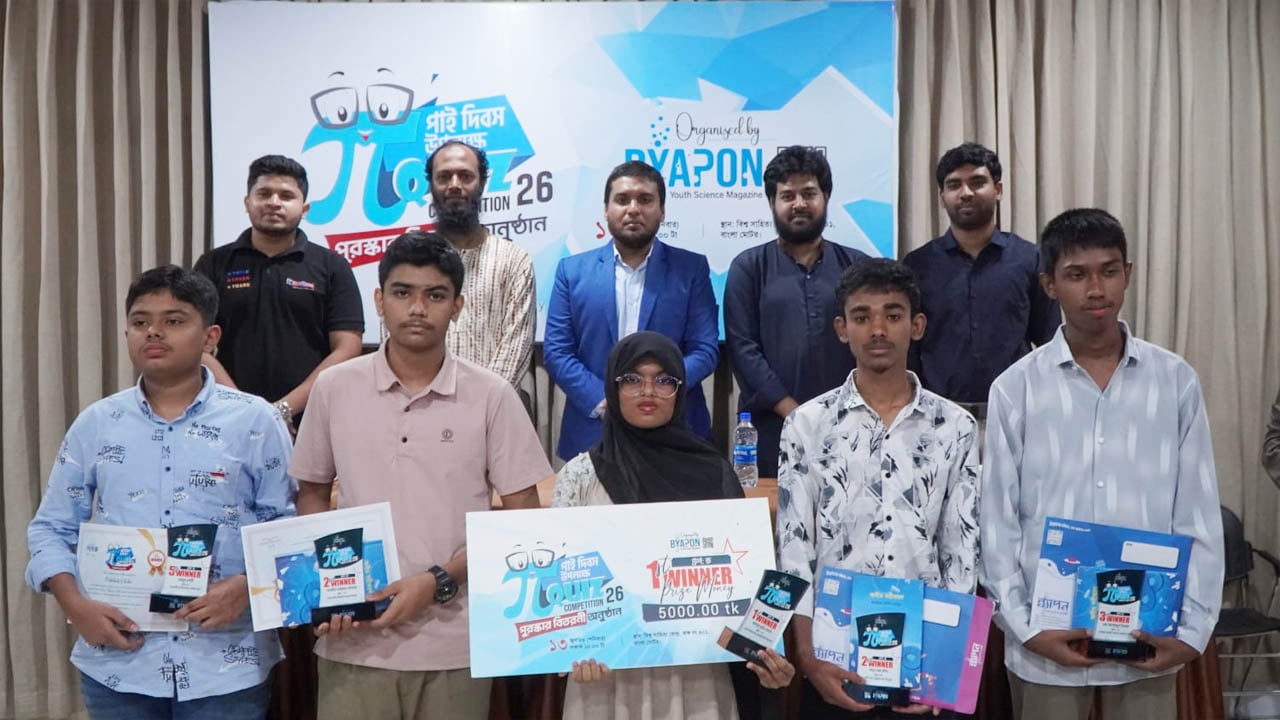
A quiz competition marking Pi Day 2026 was held at the Bishwo Shahitto Kendro in Dhaka, organized by the youth science magazine Byapon under the theme “Let the fragrance of science spread.” Students from various educational institutions across the country participated in the event, which focused on science, mathematics, logic, and problem-solving. The competition was divided into two groups, and winners received certificates, crests, and prizes. Special guests included Nadimul Haque Julhas, founder of Naba Tech World; Mosaddeq Hossain, CEO of Kidzana Creative Center and president of the Bangladesh Young Scientists and Innovators Society (BYSIS); and Sadekul Islam, chief marketing officer of Kidzana and BYSIS international program coordinator. Byapon’s editorial associates and other officials were also present. Speakers emphasized the importance of nurturing scientific curiosity, research-oriented thinking, and innovation among students to build a knowledge-based and modern Bangladesh. Byapon’s editor Dr. Shamsul Arifin Jilani congratulated the winners and expressed hope that such initiatives would further inspire students in science and research.
Bangladesh Bank has introduced new measures to make it easier for Bangladeshi exporters to enter international e-commerce markets. A circular issued on Monday allows exporters to list and display their products on internationally recognized online marketplaces and digital platforms, enabling direct sales to consumers worldwide. The new policy simplifies business-to-consumer export operations and introduces several key regulatory changes. Under the circular, exporters can now ship small-value goods worth up to 5,000 US dollars per transaction on a cost and freight basis. The requirement to submit an EXP form has been waived for shipments up to 1,000 US dollars, provided full payment is received in advance through banking or approved digital payment channels. Exporters may also issue shipping documents directly in the name of foreign buyers, and provisions have been made for product returns or refunds in case of quality issues. The policy also permits remittance payments for subscriptions, registrations, memberships, and service fees required to operate on international online marketplaces. Business and export sector representatives believe the initiative will significantly expand cross-border e-commerce activities and allow exporters to reach global consumers directly.

The Appellate Division of the Supreme Court has concluded hearings on the appeal concerning BNP leader Aslam Chowdhury’s candidacy for the Chattogram-4 constituency. The four-member bench, headed by the Chief Justice, has scheduled June 30 for delivering its verdict on whether Chowdhury can take oath as a Member of Parliament. The dispute originated from allegations of loan default against Aslam Chowdhury. On January 18, the Election Commission declared his nomination valid, but a bank challenged that decision in the High Court, which later dismissed the petition. The bank and Jamaat-e-Islami candidate Md. Anwar Siddiqui subsequently appealed to the Appellate Division. On February 3, the court allowed the appeal, permitting Chowdhury to contest the election but ordered that the results remain withheld until the appeal’s resolution. Despite this, Chowdhury was unofficially declared the winner in the February 12 election. Senior lawyers from both sides, along with two court-appointed amicus curiae, participated in the final hearing. The Election Commission is expected to await the June 30 verdict before announcing the official result.
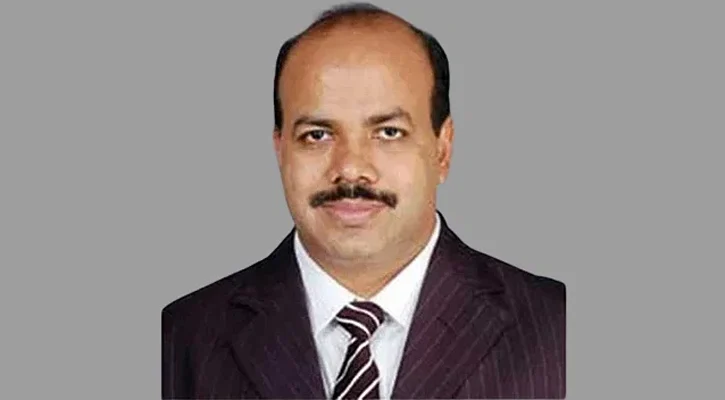
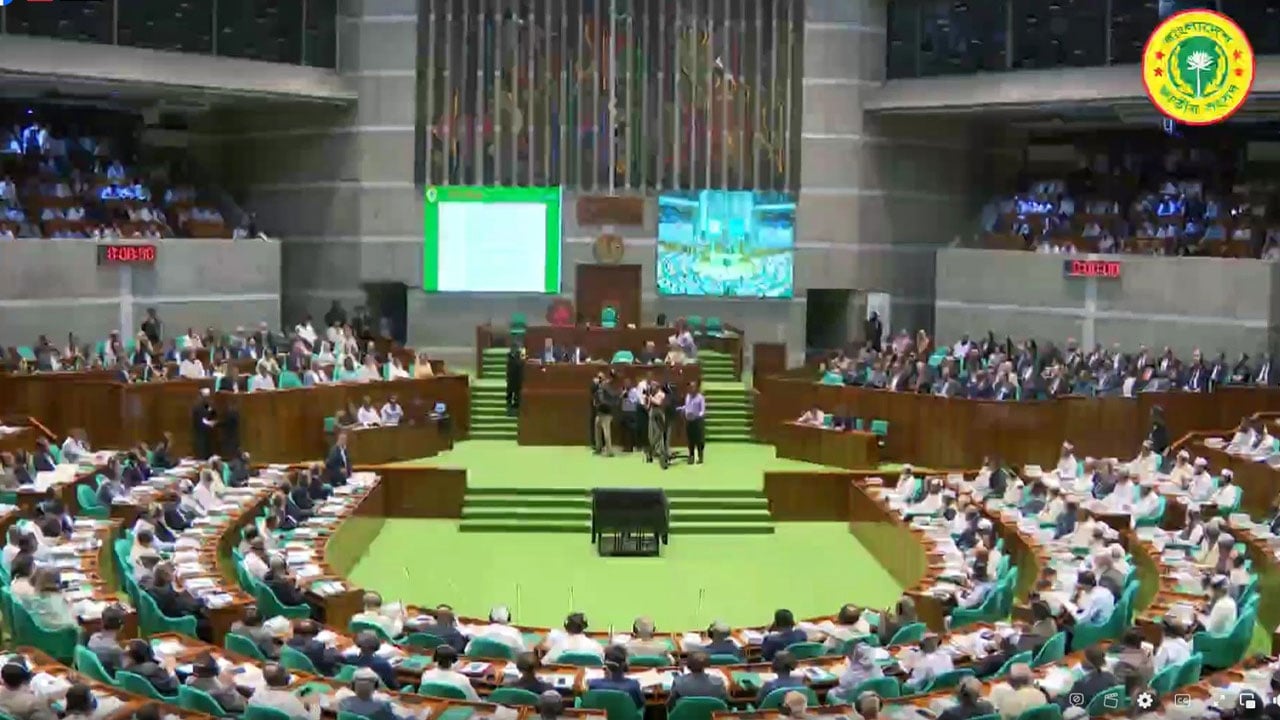
Jamaat-e-Islami lawmaker Saiful Islam on Monday demanded a statement under Rule 300 in Bangladesh’s National Parliament after Prime Minister’s Information Adviser Zahedur Rahman was reportedly denied entry into New Delhi. Speaking on a point of order, the MP said that despite proper diplomatic communication, Rahman was kept waiting for two hours at Delhi’s Indira Gandhi Airport before being allowed entry, after which he chose to return. The lawmaker questioned whether the incident reflected a diplomatic failure and urged the government to clarify what actions had been taken. In response, Speaker Hafiz Uddin Ahmed said the issue did not qualify as a point of order but could be considered if a formal notice was submitted. The incident has drawn attention to diplomatic procedures and the handling of official visits, though no further government response was recorded in the session.
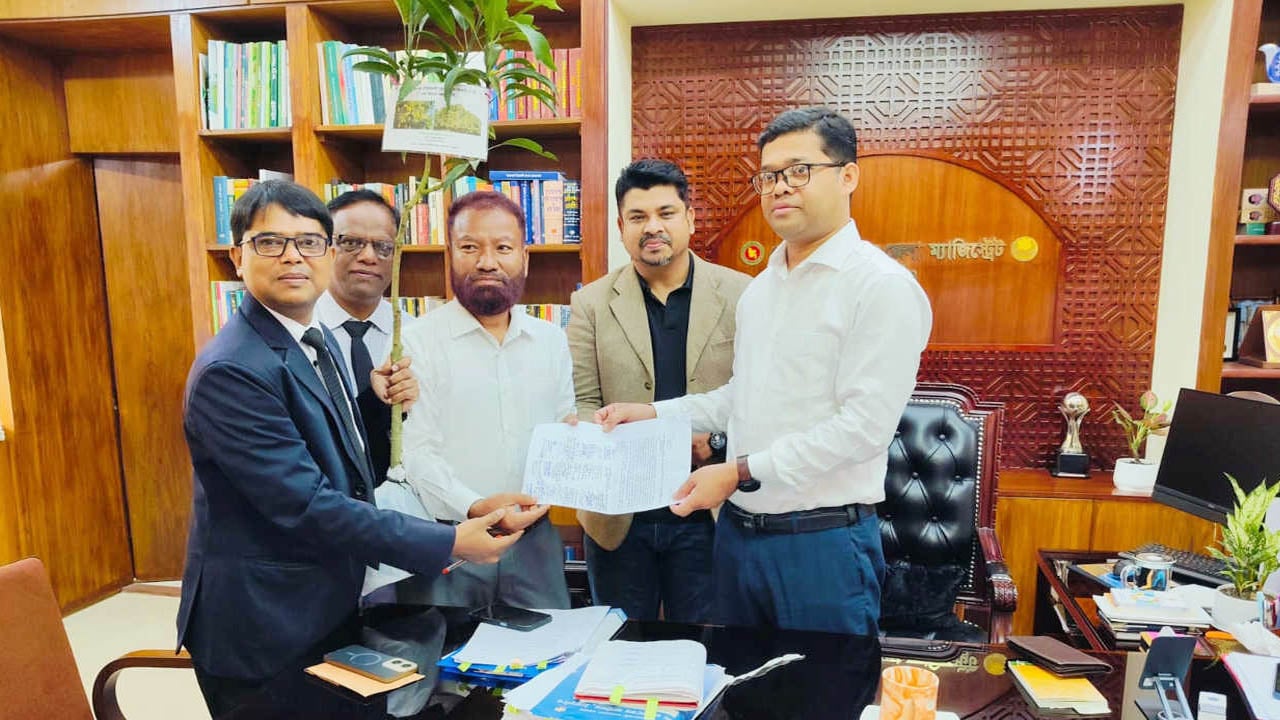
Residents of Thakurgaon district have submitted a memorandum to the Deputy Commissioner demanding Geographical Indication (GI) recognition for the traditional Surjapuri mango. The application was filed on behalf of local citizens by environmentalist Advocate Md. Zahid Iqbal, social worker Md. Mamunur Rashid, Advocate Jiten Chandra Pal, and Advocate Ashiqur Rahman Rizvi. They highlighted that the Surjapuri mango, widely cultivated in Baliadangi upazila, is known for its unique taste, aroma, and thin seed, making it a long-standing part of the district’s agricultural heritage. The petition noted that a nearly 200-year-old Surjapuri mango tree in Mandumala village, near the Harinmari border of Baliadangi, is recognized as one of Asia’s largest mango trees and attracts numerous visitors. The applicants explained that GI recognition is granted to products distinguished by regional characteristics and traditions. They argued that Thakurgaon’s soil, climate, and farming methods have given the Surjapuri mango distinctive qualities. According to the applicants, GI recognition would ensure fair prices for local growers, protect the mango’s identity, and enhance Thakurgaon’s reputation nationally and internationally while strengthening the local agricultural economy.
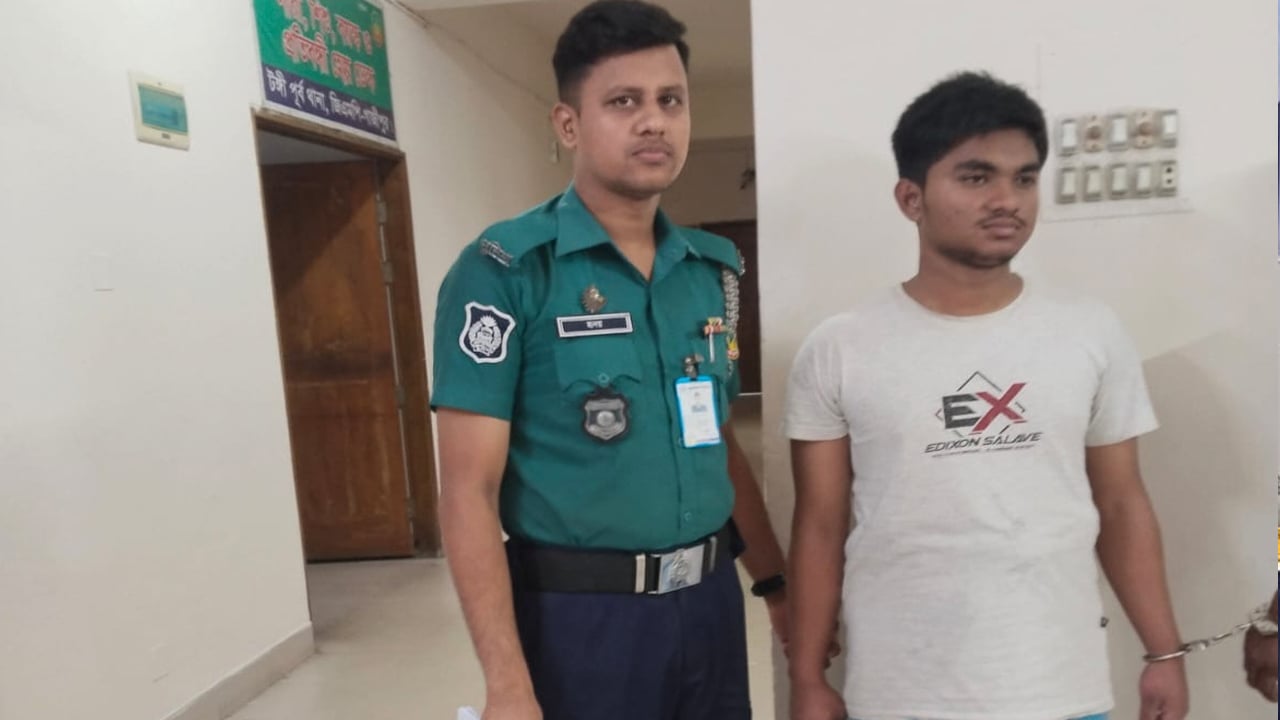
Police in Tongi, Gazipur have arrested a madrasa teacher accused of sexually assaulting a student. The incident occurred around 11:30 p.m. on Sunday in the Ershadnagar area. The arrested teacher, identified as Junaid, is the son of Abu Sahed from Srirampur village under Nabinagar police station in Brahmanbaria district. According to police, the teacher called the student into his room late at night and assaulted him. The child later fell ill and was taken to Shaheed Tajuddin Ahmad Medical College Hospital in Gazipur for treatment. Local residents detained the accused teacher and handed him over to police the same night. On Monday afternoon, the victim’s family filed a case with Tongi East Police Station. Police then formally arrested the teacher and presented him before the Gazipur court, said Tongi East Police Station Officer-in-Charge Md. Mehedi Hasan.
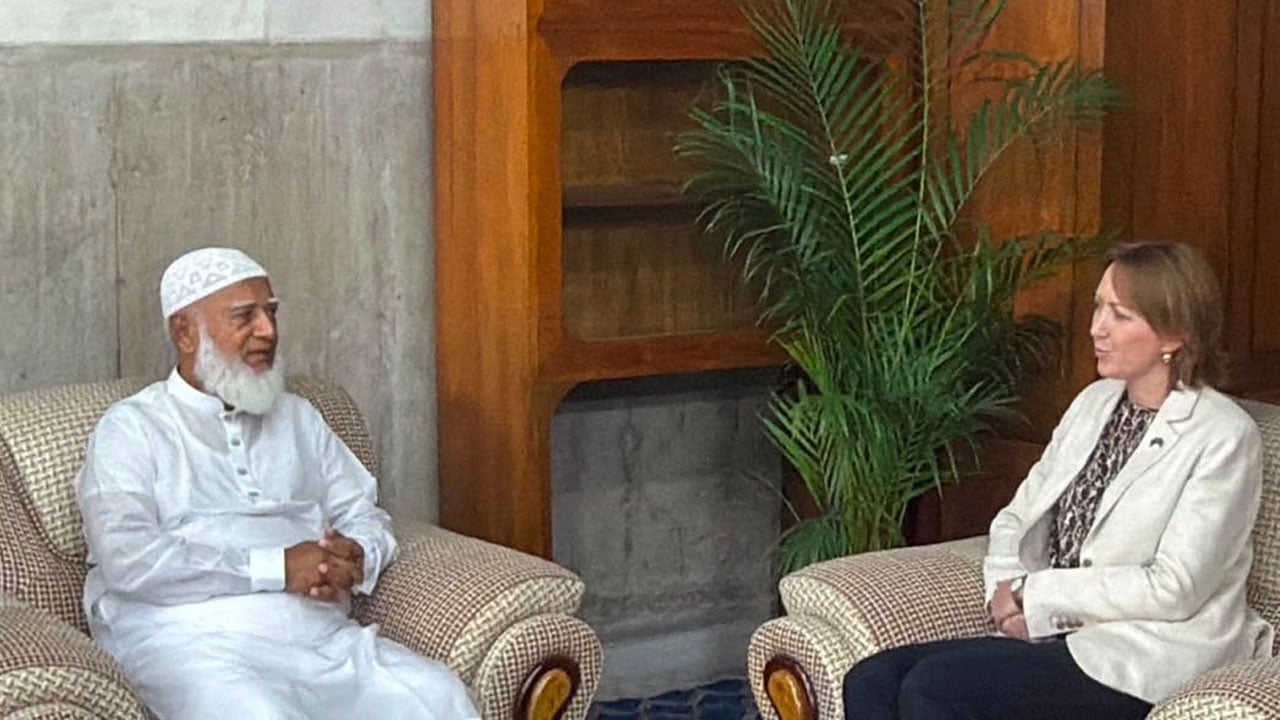
Australian High Commissioner to Bangladesh Susan Ryle met with the Leader of the Opposition and Bangladesh Jamaat-e-Islami Ameer Dr. Shafiqur Rahman MP on Monday at the opposition leader’s office in the National Parliament Building. The meeting took place in a cordial and positive atmosphere, attended by senior officials from both sides, including Australian First Secretaries Harry Thomson and Anna Peterson. Discussions covered Dr. Rahman’s upcoming visit to Australia, the roles of government and opposition in strengthening democracy after the national election, and ways to reinforce parliamentary democracy. The two sides also exchanged views on achieving a sustainable solution to the Rohingya crisis and enhancing Bangladesh’s economic prospects, with particular emphasis on the energy sector. During the meeting, the Australian High Commissioner praised Jamaat-e-Islami’s constructive role in parliament, and both parties explored avenues to advance mutual bilateral interests in the future.
Police in Barishal recovered the body of a missing autorickshaw driver named Nazmul, three days after he went missing. The body, found packed in a sack, was discovered on Tuesday afternoon near the Kalizia River bank in Barishal city. According to police and local sources, Nazmul had been missing since June 13, and his family had filed a general diary with the local police after failing to locate him. The family of the deceased alleged that the killing was premeditated and demanded the immediate arrest and exemplary punishment of those responsible. Barishal Kotwali Model Police Station Officer-in-Charge Al Mamun-ul Islam confirmed that the body was sent to the morgue for autopsy following a 999 emergency call reporting the discovery. Police have not yet identified any suspects, and the investigation into the alleged planned murder is ongoing.
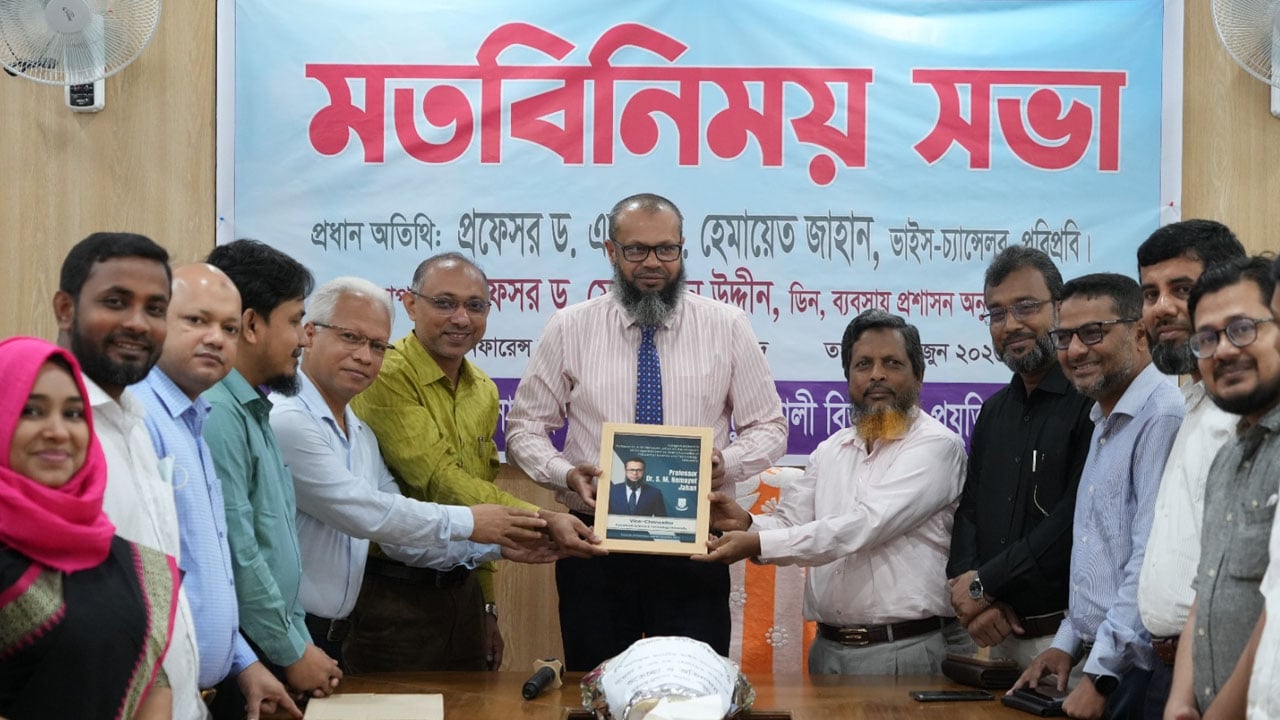
Professor Dr. S. M. Hemayet Jahan, the newly appointed vice-chancellor of Patuakhali Science and Technology University (PSTU), held a series of meetings with teachers from three faculties on Monday. The sessions involved the faculties of Business Administration, Computer Science and Engineering (CSE), and Fisheries, where participants exchanged views on various academic and administrative matters. Each meeting was chaired by the respective faculty deans, and several senior professors and department heads took part in the discussions. At the beginning of the sessions, Dr. Jahan was greeted with flowers and presented with a commemorative token. In his address, he emphasized that teachers are the core strength of a university and urged collective efforts to advance PSTU nationally and internationally through education, research, and innovation. Dr. Jahan also acknowledged existing shortages of teachers and staff across faculties and assured that the administration is working sincerely to resolve these gaps promptly through effective measures.
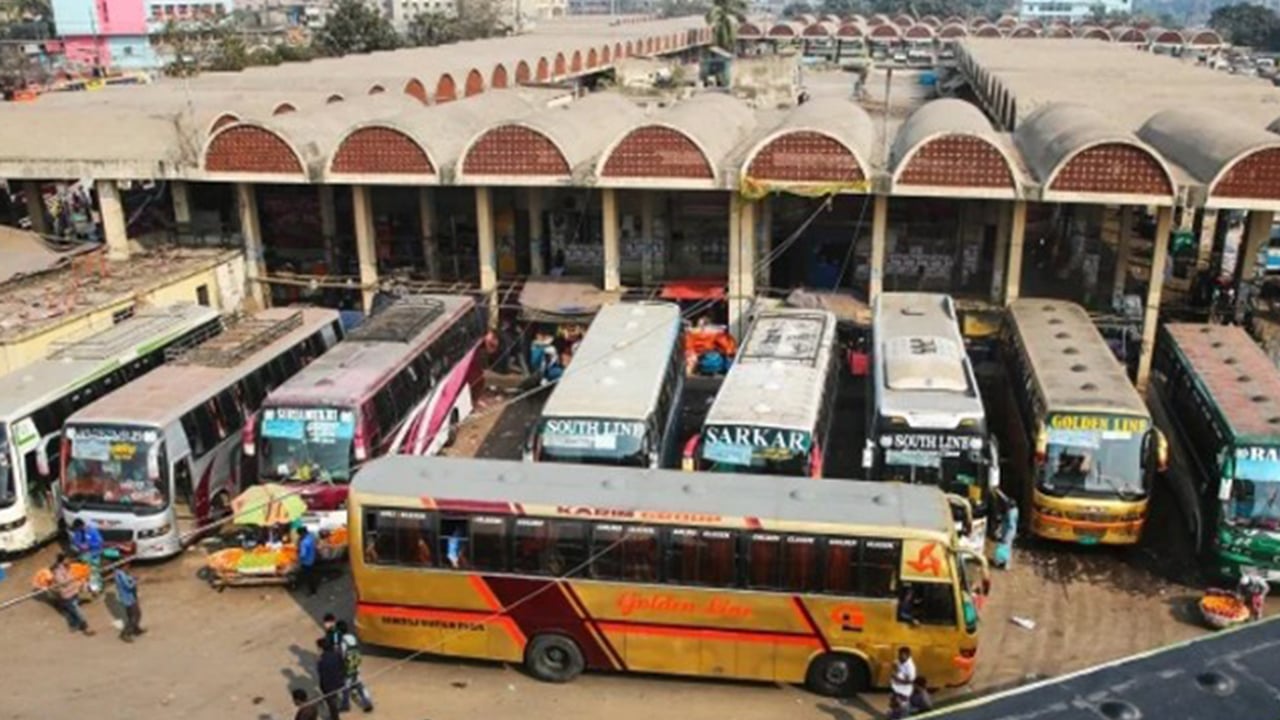
The government has decided to temporarily relocate the Mohakhali bus terminal depot to Purbachal as part of a broader plan to reduce Dhaka’s chronic traffic congestion. Buses from the Gulistan area will be shifted to Sayedabad and Kanchpur. The decision was made on Monday at the third high-level meeting on traffic management modernization, chaired by Prime Minister Tareque Rahman at the Secretariat. Communication expert Md. Hadiuzzaman and administrators of Dhaka’s two city corporations briefed reporters after the meeting. Hadiuzzaman said the temporary depot relocation aims to reduce terminal-centered traffic jams, with buses arriving at terminals only at scheduled times. Alternative sites have also been identified for Sayedabad and Fulbaria terminals. A detailed proposal is expected within seven days, after which implementation will begin. Authorities also plan to introduce a modern traffic signal system in Shahbagh next week. Officials from both city corporations confirmed joint cooperation in the relocation process. The meeting also discussed the Bus Rapid Transit (BRT) project’s future, emphasizing its potential as an effective transport corridor, and addressed plans to rehabilitate street vendors rather than evict them.
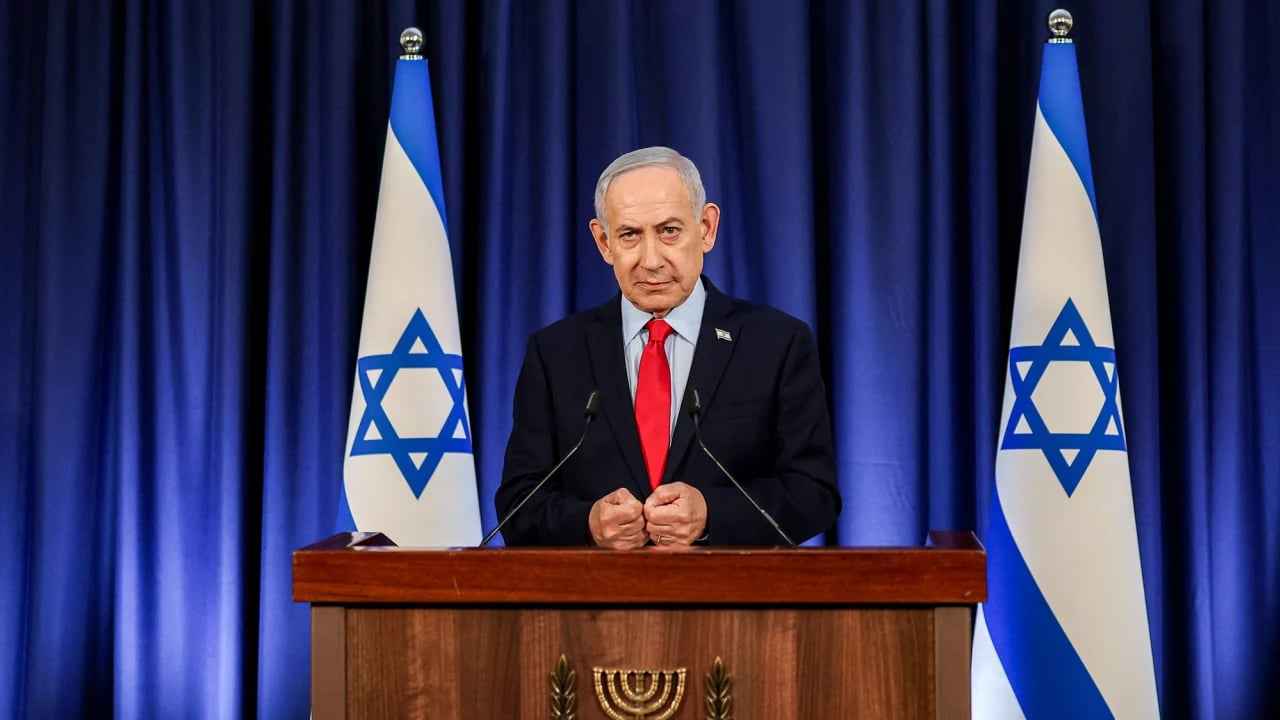
A ceasefire agreement between Iran and the United States, brokered by President Donald Trump, has placed Israeli Prime Minister Benjamin Netanyahu under new political and diplomatic pressure. Caught between Trump’s stance and the hardline position of his own coalition partners, Netanyahu faces a difficult balancing act. On Sunday, he posted a birthday message to Trump on social media but made no public comment on the ceasefire or the ongoing conflict along the Lebanon border. Several members of Netanyahu’s government criticized the agreement, calling it harmful to Israel and the free world, and arguing that it fails to ensure Israel’s security. Trump has stated that he wants the Iran conflict to be a thing of the past and urged both Israel and Hezbollah to halt hostilities. He described Hezbollah’s recent rocket attack on northern Israel as minor and urged Israeli restraint, despite calls from Netanyahu’s allies for a strong response. Analysts suggest the Lebanon issue may be part of the broader Iran-US deal, though full details remain undisclosed. Israel is not a direct party to the agreement, leaving uncertainty over what is expected from it.
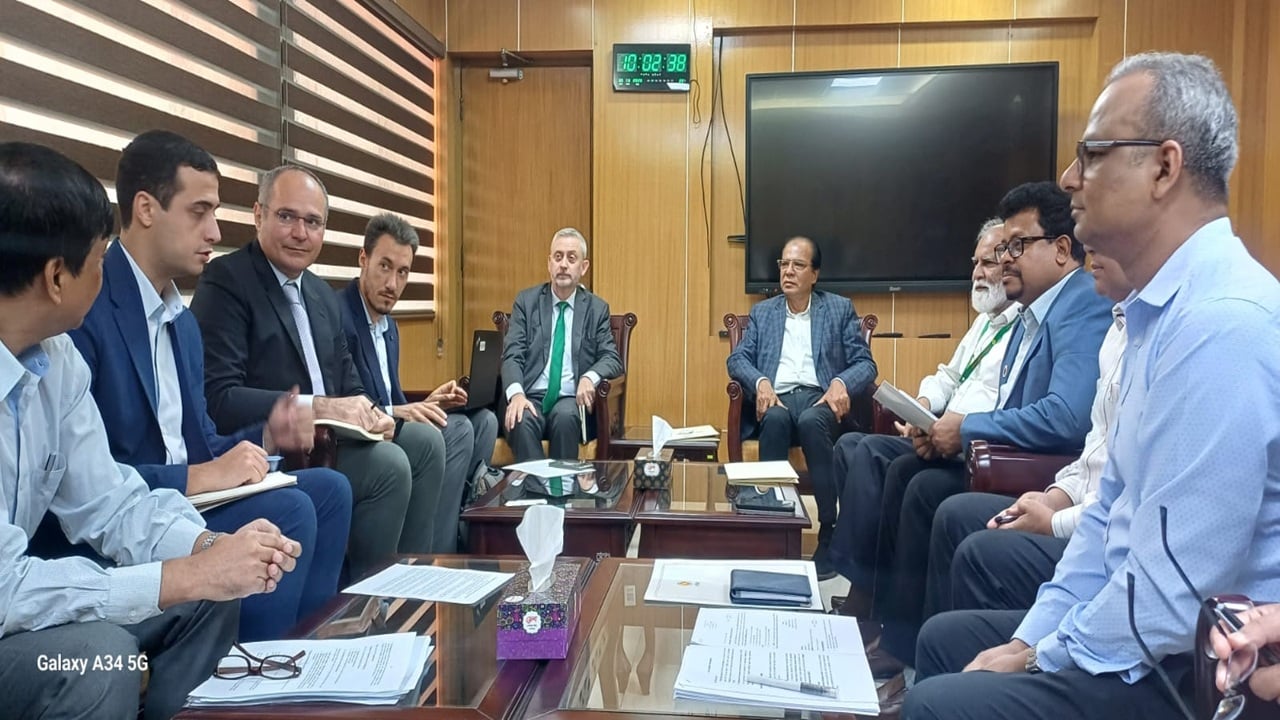
The European Union (EU) has highly praised Bangladesh for its disaster management initiatives, describing the country as a global role model in disaster preparedness, relief operations, and post-disaster rehabilitation. The commendation came from EU Ambassador to Bangladesh Michael Miller during a courtesy meeting with Disaster Management and Relief Minister Asadul Habib Dulu at the Secretariat on Monday morning. During the meeting, Ambassador Miller said the EU would extend further cooperation to Bangladesh in key areas such as earthquake rescue operations, early warning systems, and the construction of rescue centers. He also expressed hope that relations between Bangladesh and EU member states would deepen during the current government’s tenure. Miller noted that Bangladesh’s preparedness and rehabilitation efforts have set an example on the global stage. Minister Dulu thanked the EU for its continued support in disaster and development sectors and sought stronger diplomatic efforts from the EU to expedite the safe repatriation of Rohingya refugees to Myanmar. State Minister Engineer M. Iqbal Hossain and Secretary Saidur Rahman Khan were also present at the meeting.
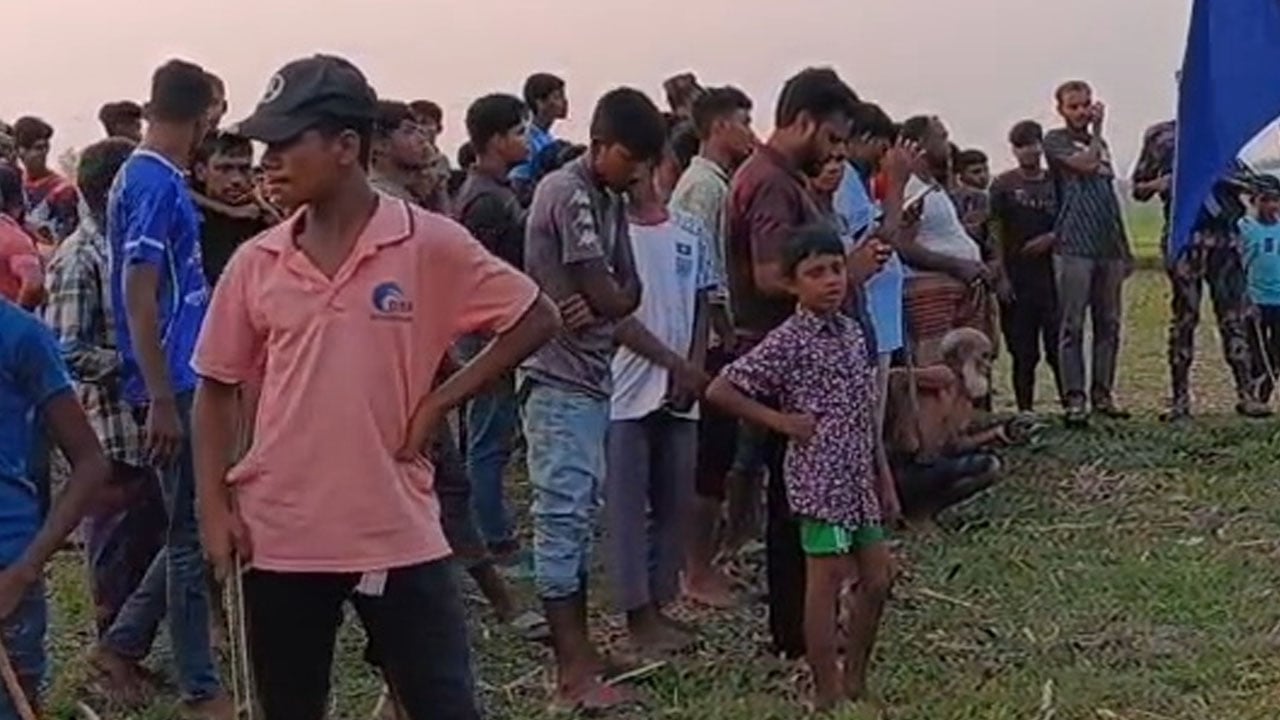
Tension escalated along the Lalmonirhat border after Indian Border Security Force (BSF) personnel allegedly attempted a push-in operation at the Sreerampur border under Patgram upazila on Sunday night. The incident occurred near main pillar 854/10-S, where five individuals were reportedly pushed toward Bangladesh. Border Guard Bangladesh (BGB) and local residents thwarted the attempt, prompting BSF members to detonate a cocktail explosive, causing panic in the area. Lieutenant Colonel Abdur Razzak, deputy commander of Teesta Battalion 61 BGB, confirmed the incident. According to local accounts, BSF has been repeatedly gathering people near sensitive border points and attempting illegal entries, particularly under the cover of darkness and adverse weather. In response, BGB and villagers have intensified joint patrols across the 148-kilometer border stretch, maintaining round-the-clock vigilance with torches and whistles. Residents expressed frustration over BSF’s continued aggressive behavior, saying it has created fear among farmers and disrupted daily life. BGB sources stated that the force remains on high alert, coordinating with local representatives to monitor the situation and prevent any illegal infiltration attempts.
On June 15, 2026, an article by editor Maruf Kamal Khan in the newspaper Amar Desh called for the establishment of an independent media commission to restore and strengthen press freedom in Bangladesh following the end of what he described as a fascist regime. The piece traced the historical suppression of journalism from the 1975 BAKSAL era to recent years, arguing that fear, greed, and political subservience had long undermined the media’s ability to resist authoritarianism. The author recounted how successive governments, particularly under Sheikh Mujibur Rahman and Sheikh Hasina, restricted press freedom through newspaper closures, arrests, and censorship. He contrasted these periods with what he termed the “golden era” of journalistic freedom under President Ziaur Rahman. The article emphasized that a free press is essential for democracy, accountability, and national reconstruction. Khan urged the current democratic government, led by Prime Minister Tarique Rahman, to form a media commission headed by a former chief justice, including representatives from ministries, editors, unions, and the National Press Club. He also called for reviewing cases against journalists, reviving the Press Trust, and ensuring editors’ dignity and journalists’ safety.
The ‘1 Nojor’ media platform is now live in beta, inviting users to explore and provide feedback as we continue to refine the experience.