

The ‘1 Nojor’ media platform is now live in beta, inviting users to explore and provide feedback as we continue to refine the experience.
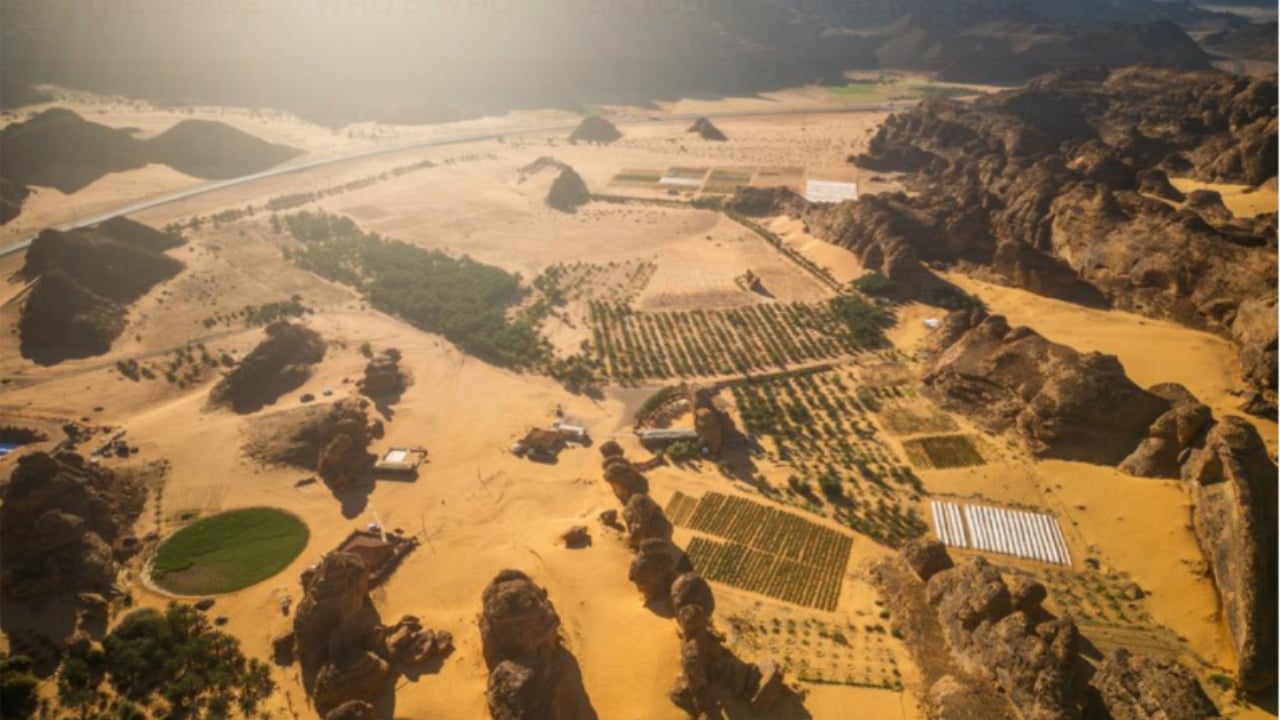
Climate change is increasing water scarcity, reducing agricultural output and raising the risk of higher food prices across the Arab world, experts say. The region, already among the world’s most water-stressed areas, could face a larger food and humanitarian crisis as desertification expands and water supplies needed for farming decline. According to the UN Food and Agriculture Organization, arable land accounts for less than 5 percent of land in Arab countries. The region is heavily dependent on food imports, with nearly two-thirds of total food demand expected to be met through imports by 2031. Several Gulf countries already import more than 90 percent of the food they need. Egypt imports about half of its wheat, and higher wheat prices can increase subsidy costs and pressure spending in other sectors. WFP regional director Samer Abdeljaber said excessive dependence on imports leaves the region highly vulnerable to disruptions in global food markets. WFP identified serious food-security conditions in Yemen, Syria, Palestine, and parts of Iraq and Libya. Experts called for early warning systems, effective water management, climate-resilient agriculture, reliable groundwater sources and stronger local disaster-response capacity.
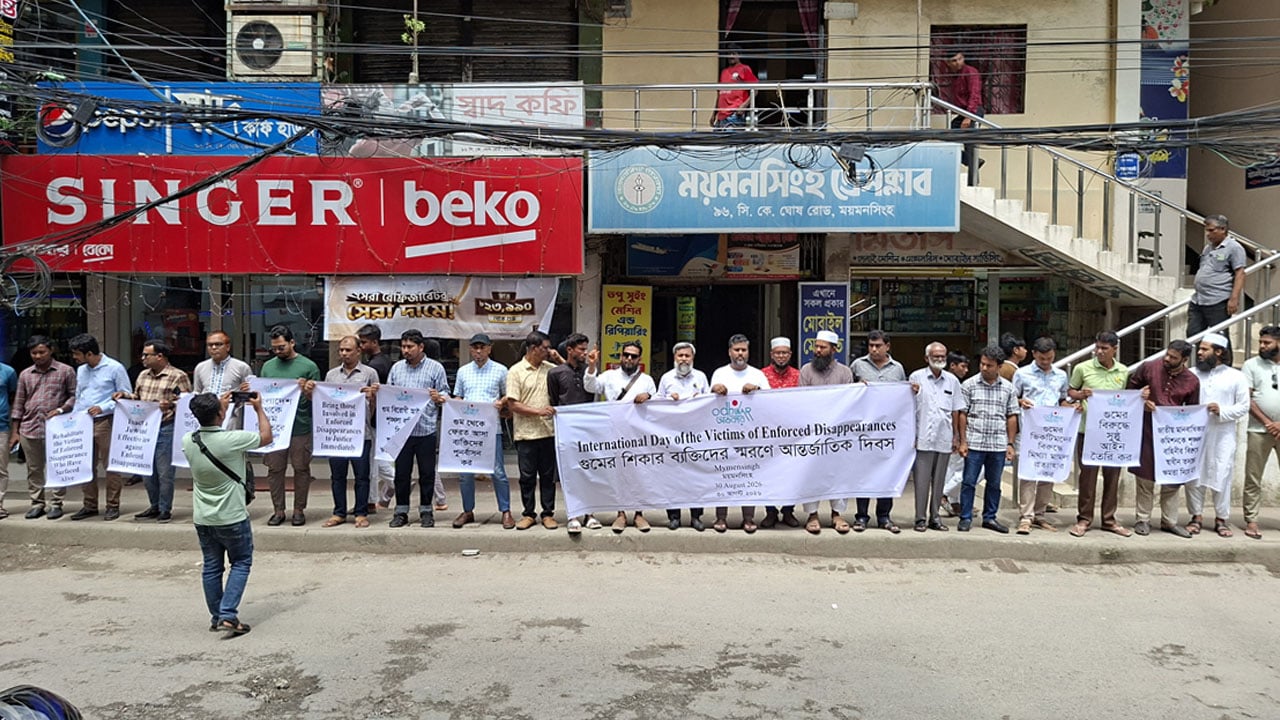
Human rights organisation Odhikar held a rally and human chain in Mymensingh on Sunday to observe the International Day Against Enforced Disappearances and remember people subjected to disappearance. The programme was moderated by Odhikar Mymensingh coordinator and Mymensingh Press Club general secretary Abdul Qayum. Speakers included NCP Mymensingh district convenor Advocate ATM Mahbubul Alam, disappearance survivor Golam Mostafa, journalist Abdul Awal and Abdul Bari of the city Jamaat youth wing. Golam Mostafa said he was taken away by people in plain clothes despite being a factory worker. He alleged that RAB kept him disappeared for 96 days and subjected him to inhuman torture to force a confession branding him a militant. He demanded that disappeared people be traced, their families’ safety and rights ensured, and those involved be tried through an impartial investigation. Speakers alleged that enforced disappearance was used to suppress dissent and political opponents during the Awami League government’s more than 15-year rule. They said expectations of justice and remedy after its fall have not been fully realised under the BNP government. They also criticised the failure to pass the 2025 ordinance on preventing and remedying disappearances, and voiced concern over allegations of new cases after the July mass uprising.
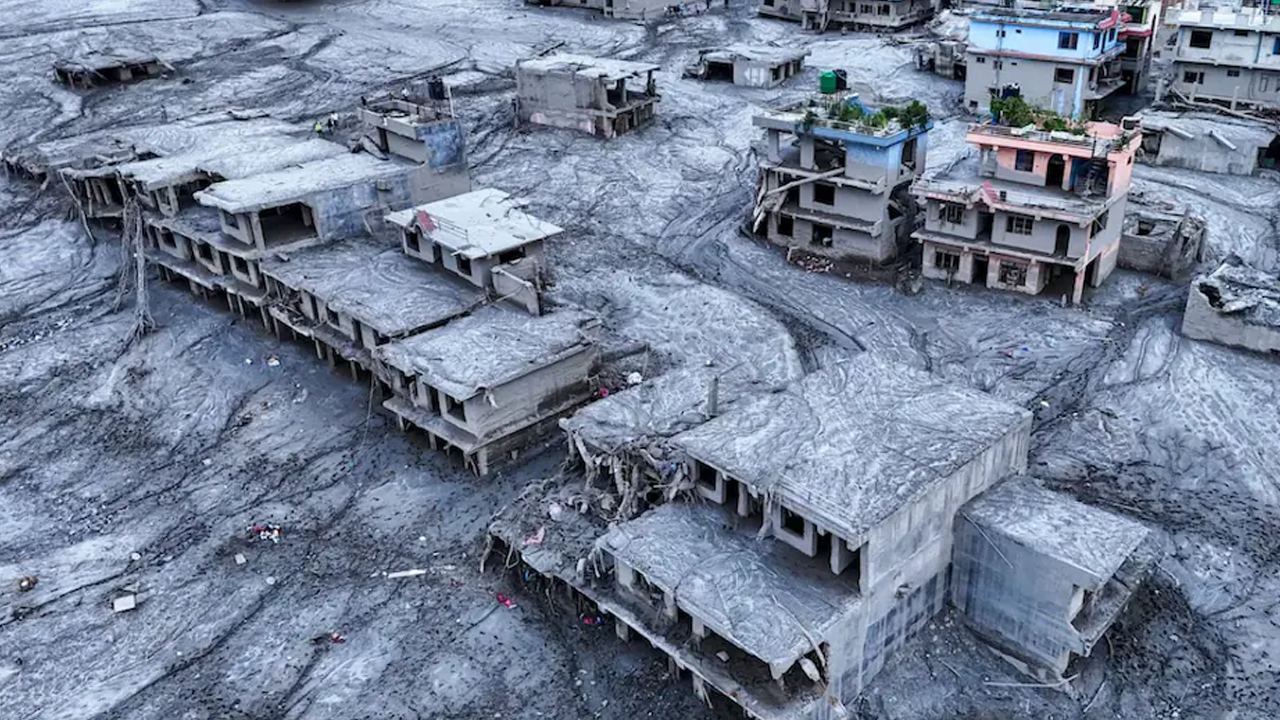
The United States has announced more than $3.6 million in humanitarian assistance for flood-hit Nepal after devastating floods killed hundreds of people and left nearly 3,000 missing. The US State Department said on Saturday that the funding would address the urgent needs of people affected by the disaster. In a post on social media platform X, the State Department said the United States stood with the people of Nepal and was providing more than $3.6 million in life-saving humanitarian assistance. The announcement followed reports of extensive casualties and damage caused by the recent flooding. The assistance package will provide emergency food support to 10,000 flood-affected families for up to three months. With many people still missing, concerns remain that the number of deaths and casualties could rise further, according to the report.
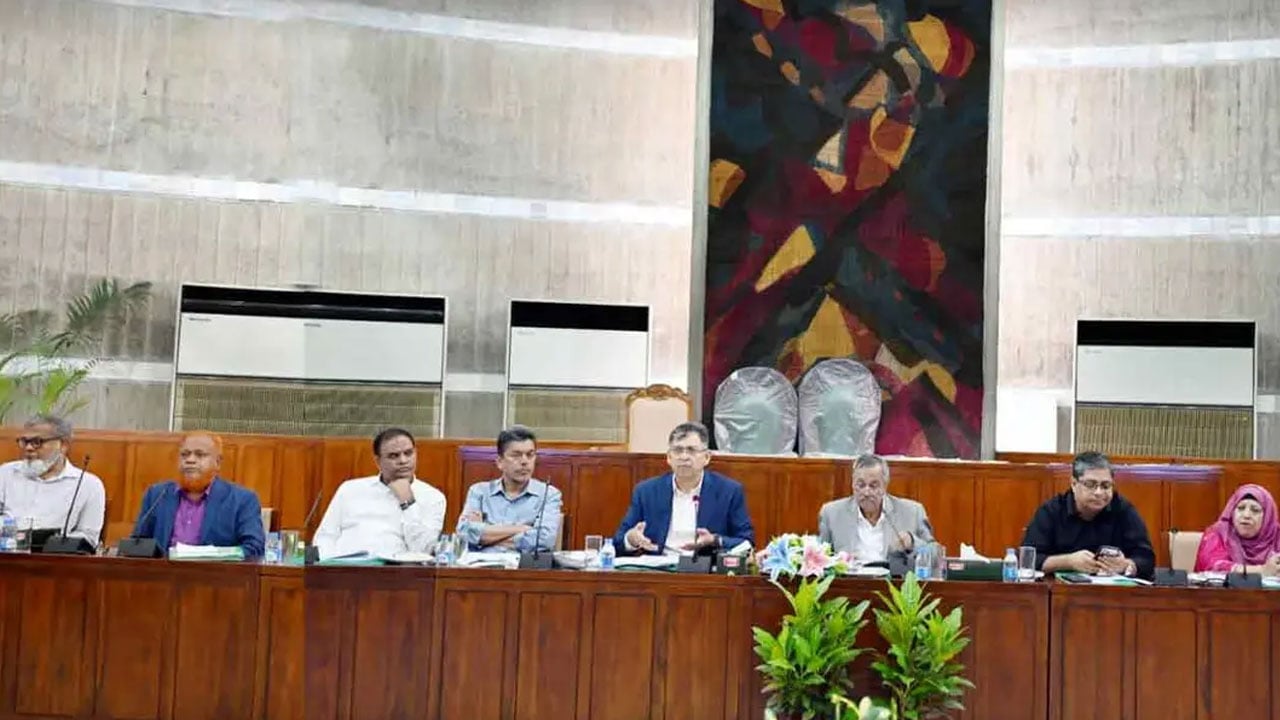
Opposition members walked out of the parliamentary standing committee on the Home Ministry on Sunday afternoon at the National Parliament Building, declining to join discussion of the Prevention and Remedy of Enforced Disappearance Bill, 2026. Jamaat-e-Islami MPs Nurul Islam and Abdul Baten left before the discussion began. Earlier on Sunday, opposition members also boycotted a Law Ministry-related committee meeting over discussion of the National Human Rights Commission Bill. Both bills were introduced in parliament last Thursday and referred to the respective Home Ministry and Law Ministry standing committees for examination and reports. Committee chairman Zainul Abedin said members could present amendments, opinions, advice or objections in meetings, but said walking out was not within parliamentary practice. Sources said the opposition members linked their committee boycott to their earlier parliamentary walkout opposing the bill’s introduction. The meeting discussed the bill in detail and decided to send it to parliament. According to a parliamentary secretariat release, the meeting also said no extrajudicial killings or political repression had occurred in the previous six months, and law enforcement agencies had not used excessive force. It also discussed claims seeking to place responsibility for the disappearance of Mongla fisherman and motorcycle driver Miraj Sheikh on the government.
Disaster Management and Relief Minister Asadul Habib Dulu said the government follows a zero-tolerance policy toward killings after visiting the site of an alleged four-person murder in Rangpur on Sunday afternoon. He spoke to reporters after meeting relatives of the victims and described the incident as horrific and tragic. Dulu said police had arrested two principal accused soon after the killings and that they had confessed in court. Referring to what he learned during the visit, the minister said the accused may have been drug-addicted and had allegedly disturbed Ganapati Chakraborty. He said Chakraborty may have tried to stop them, after which the killings may have occurred. Dulu said drugs were, in his view, the main cause of the deterioration in law and order. The minister said the police would submit a charge sheet soon after further investigation and that exemplary punishment would be arranged within a short time. He also said Parliament had provided for the death penalty as the maximum punishment in drug-related matters, while stressing that public awareness and cooperation from people, law enforcement and the administration were necessary to eliminate drugs.
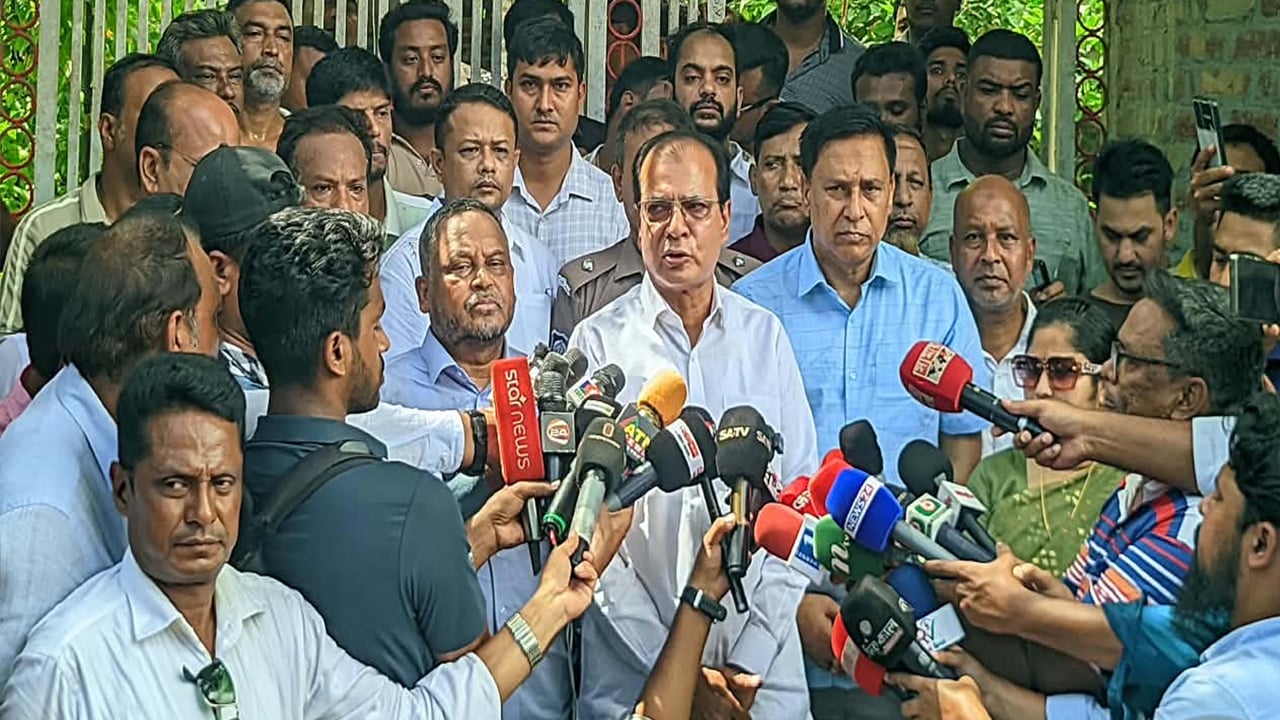
BNP standing committee member and Dhaka-3 lawmaker Gayeshwar Chandra Roy said drug traders and criminals would have no place in the BNP associated with martyred president Ziaur Rahman and Prime Minister Tarique Rahman. He made the remarks on Saturday as chief guest at a sports-equipment distribution event at Chunkutia Girls School and College in South Keraniganj for the 2026–27 fiscal year. Roy said the party was alert to drug-related offences and pledged that even a senior party leader involved in such activity would be handed to police. He said political identities are often used to conceal crimes and called for a strong social movement involving community elders and residents, arguing that parental and social resistance would help the administration take legal action quickly. He said Keraniganj’s population had risen from 400,000 to nearly 2 million over the past 20–30 years while playgrounds had become scarce because of encroachment and plot trading. Roy and reserved-seat lawmaker Advocate Nipun Roy Chowdhury later distributed sports equipment allocated by the prime minister to local schools, colleges and sports organizations.
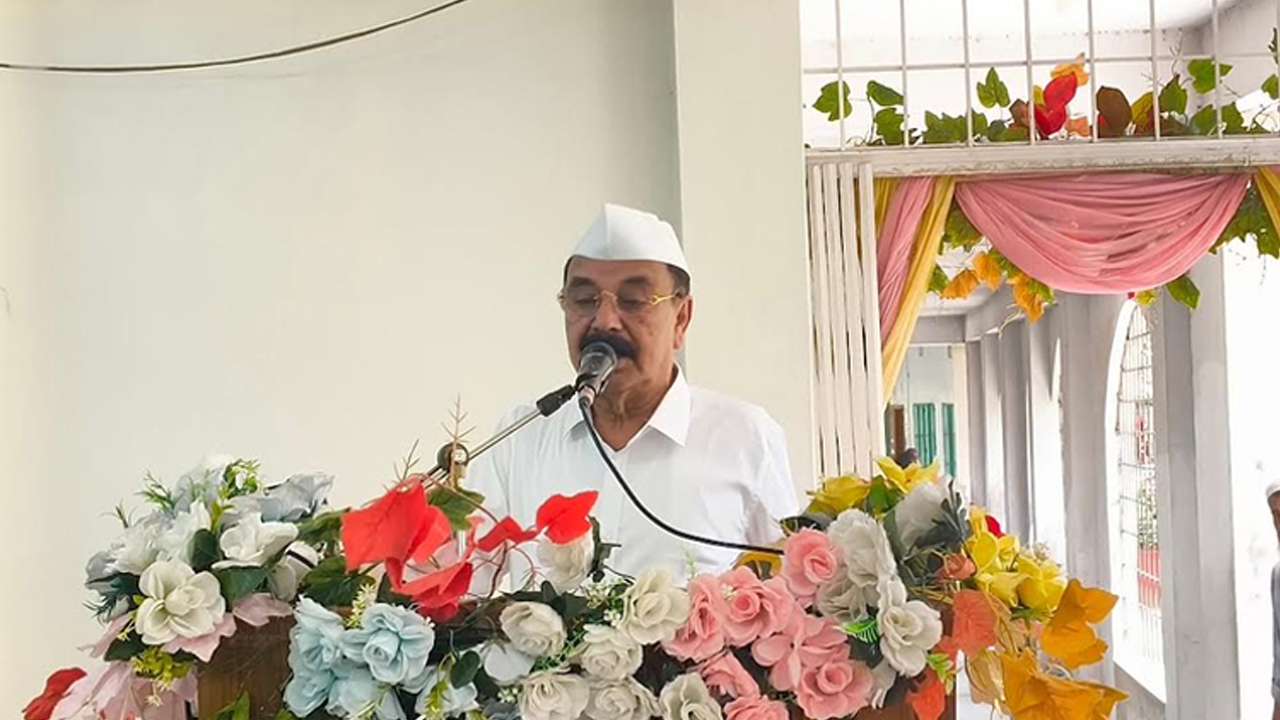
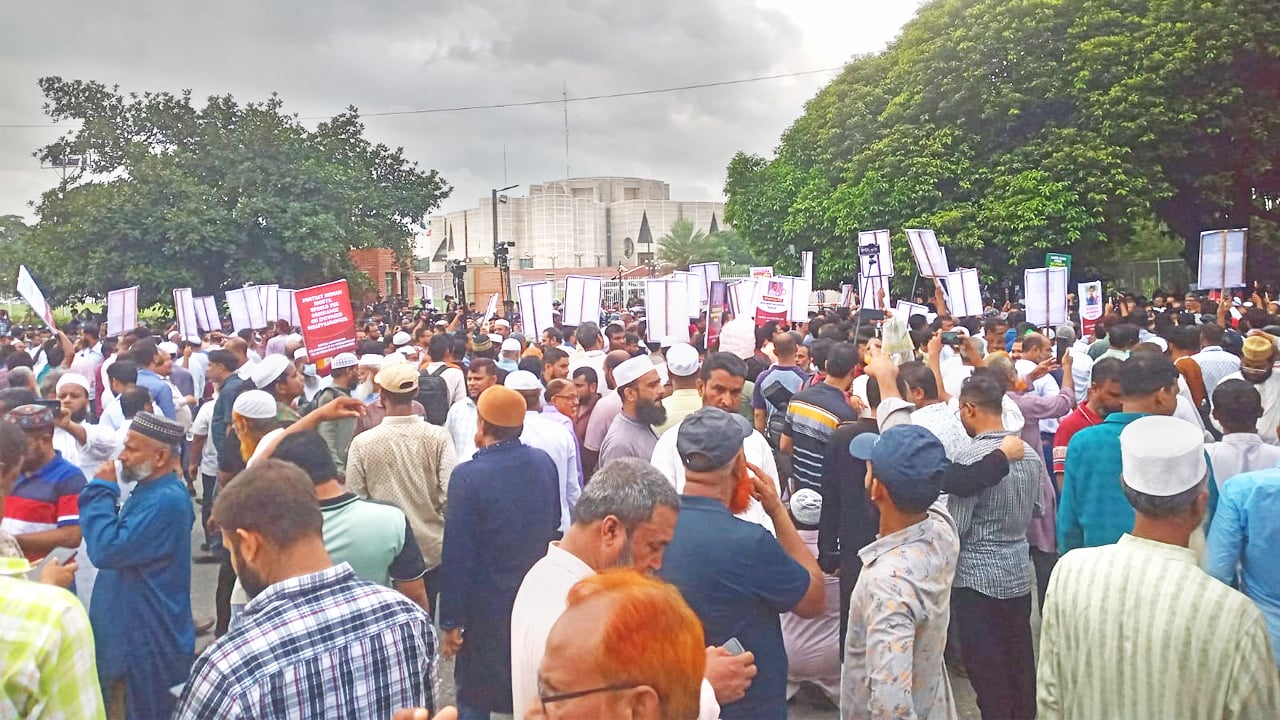
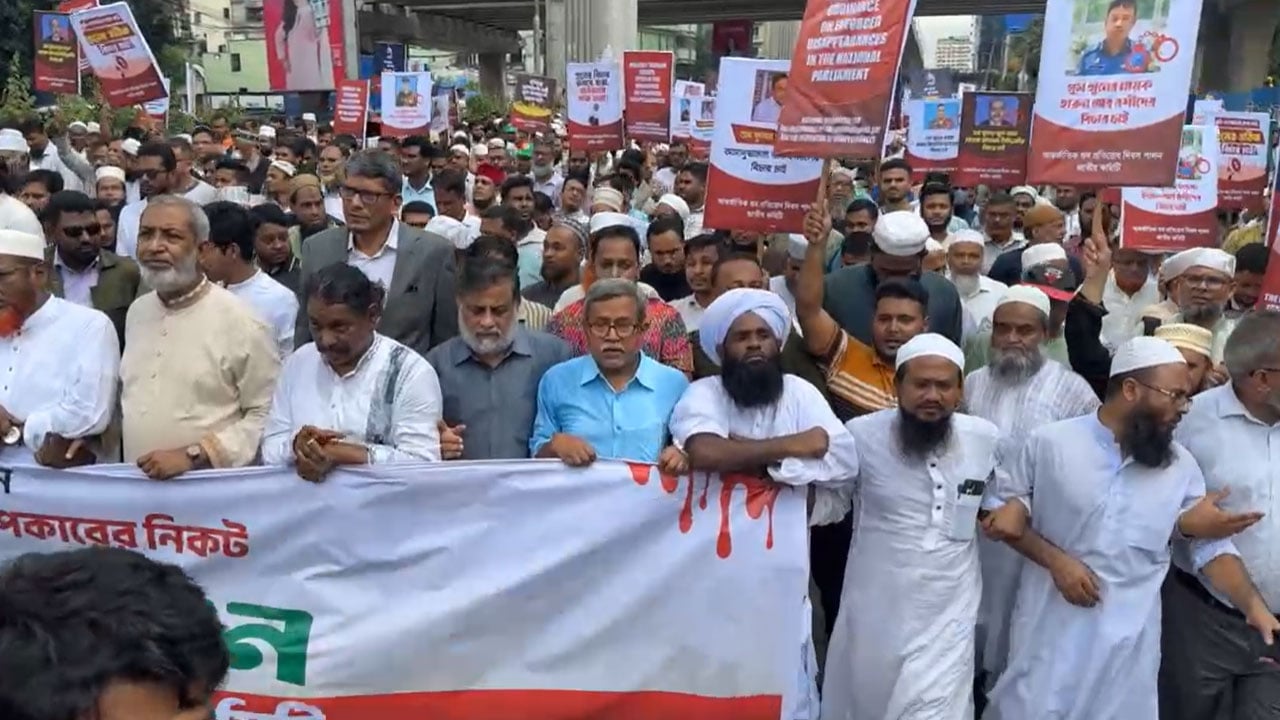
A march organised by the National Committee to Observe the International Day of the Victims of Enforced Disappearances reached the area in front of the National Parliament Building on Sunday. Participants began gathering at Saudiya Trade Centre in Banglamotor, Dhaka, at 3pm before starting the march. They held a sit-in intending to submit a memorandum to the speaker, while opposition members of parliament joined them. Hasinur Rahman, a former military officer described as a victim of disappearance during the Awami League period, chaired the gathering. He strongly criticised Home Minister Salahuddin Ahmed and demanded that an ordinance on preventing disappearances, drafted during a previous interim government, be turned into law. Akhtaruzzaman and several others also addressed the event. Participants included Jamaat secretary general Mia Golam Parwar, assistant secretary general AHM Hamidur Rahman Azad, former BNP leader Major (retd) Akhtaruzzaman, Bangladesh Khelafat Majlis secretary general Maulana Jalaluddin Ahmad and JAGPA vice-president Rashed Pradhan. Several people described as victims of disappearance during the Awami League government also took part. Demonstrators chanted slogans against “Aynaghar” facilities and called for a parliament building siege.
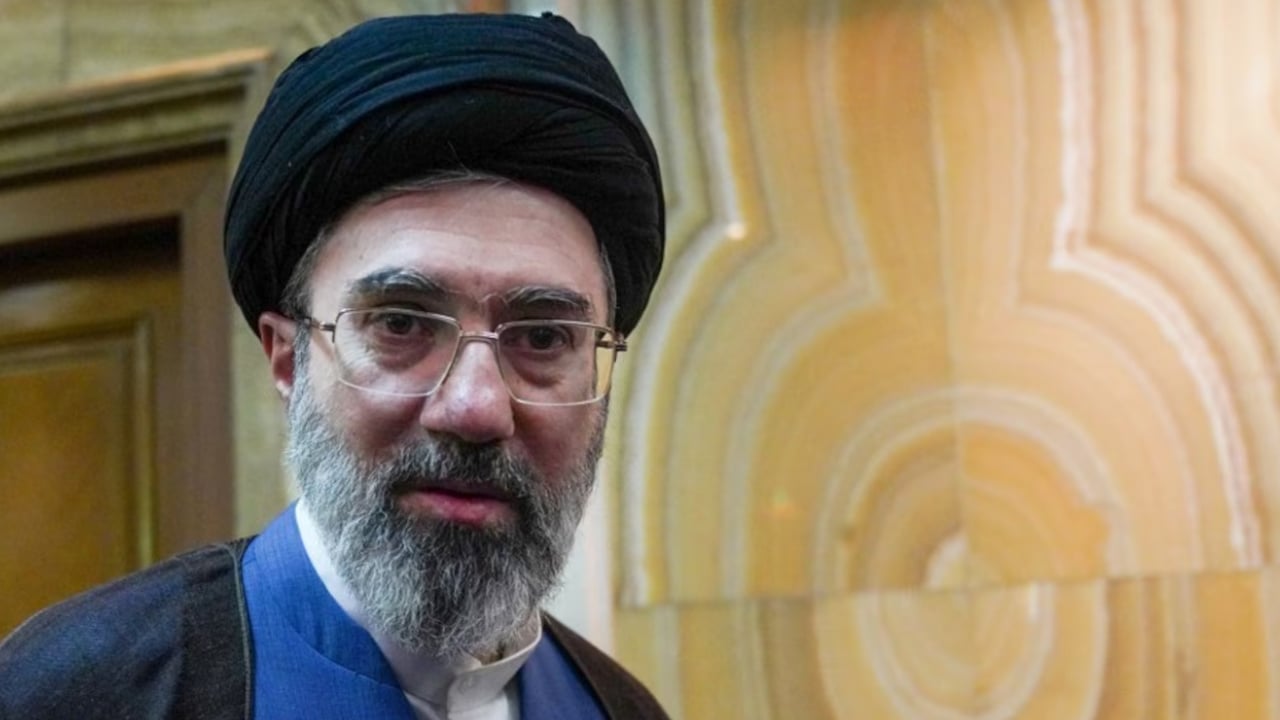
Iran’s Supreme Leader Mojtaba Khamenei accused “enemies” of trying to create division and disunity in the Muslim world, pointing to the United States and Israel. He said they were seeking to exploit ethnic, cultural, social, economic, political and geographical differences among Muslim populations in Iran and other countries. Khamenei said the alleged adversaries were watching for fragmentation within the Islamic Ummah and a weakening of its strength, waiting for an opportunity to impose their dominance. He called on Muslims to avoid any activity that could generate division, arguing that greater unity would have prevented Palestinians from becoming so vulnerable to oppression and crimes by occupiers. Addressing leaders of Muslim countries, Khamenei said they should identify the “real enemy,” understand its plans and take a position against it. He described the US governing establishment and the “fake Zionist regime” as sworn enemies of unity and friendship, adding that they were hostile not only to Iran, its people and the Islamic resistance front, but to the entire Muslim Ummah, including people in West Asia and North Africa.
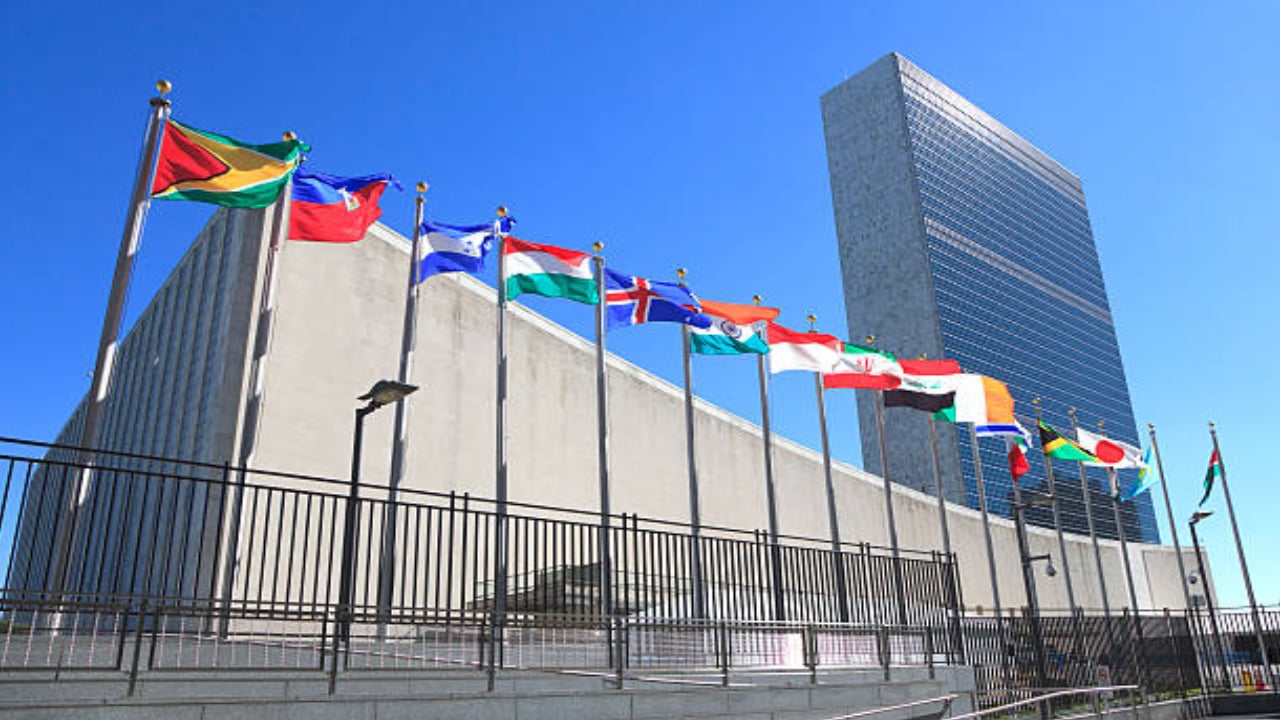
Former Pakistani senator and Pakistan Muslim League-Nawaz leader retired Lieutenant General Abdul Qayyum called for restructuring the United Nations to make it more effective and impartial. Speaking at an event organized by Universal Peace Federation UK, he said veto powers held by a few Security Council countries and limited representation of different continents and the Muslim world hinder the organization’s neutral functioning. Qayyum acknowledged the UN’s commendable work in peacekeeping, health, education, climate change and refugee issues. However, he said its effectiveness remains limited when member states fail to implement the UN Charter and its resolutions. He cited arms races, undeclared nuclear weapons, political repression and serious human rights violations, while also referring to the situations in Palestine and Kashmir. He emphasized geopolitical realities, the global balance of power and practical diplomacy, urging states not to interfere in other countries’ internal affairs. Qayyum said smaller states’ security should rest on international law rather than a major power’s military strength. He also called for dialogue, mediation, arms control, poverty reduction, education, human rights and fair access to international waterways, energy and mineral resources.
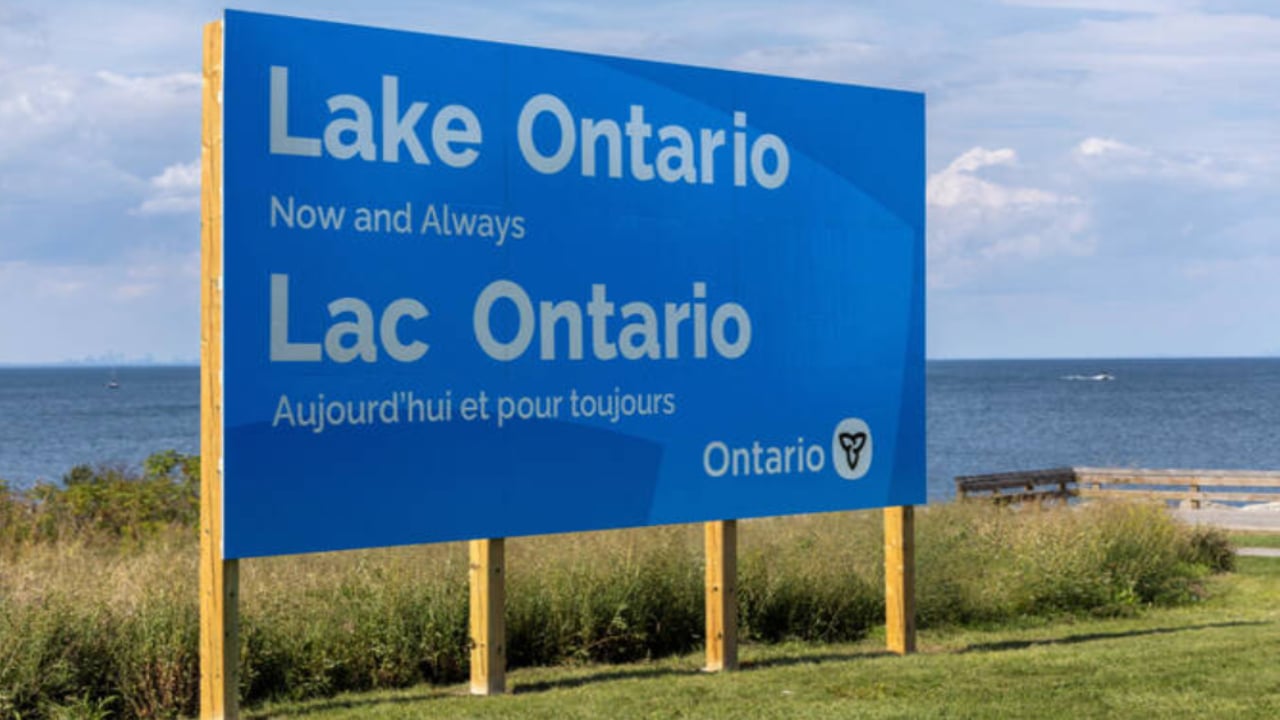
Ontario Premier Doug Ford unveiled a large shoreline sign declaring “Lake Ontario—now and always” after US President Donald Trump ordered federal agencies to use the name “Lake America” for the lake. Ford unveiled the sign on Saturday at Fifty Point Conservation Area near Grimsby, Ontario, saying the lake would remain Lake Ontario long after Trump is gone. The approximately 24-by-12-foot sign, nearly the height of a two-storey building, carries the message in both English and French. Canada has not accepted the proposed new name. Manitoba Premier Wab Kinew mocked Trump’s initiative, comparing it to an aging rock band trying to replay an old hit. The name Ontario is linked to Indigenous history, deriving from the Huron word “Onyatarío,” meaning “lake of shining waters.” Prime Minister Mark Carney rejected Trump’s decision, saying the name predates both Canada’s founding and the US Declaration of Independence. The dispute comes amid worsening US-Canada relations over trade and tariff policy, after recent trade talks failed and Canada announced retaliatory tariffs from next month.
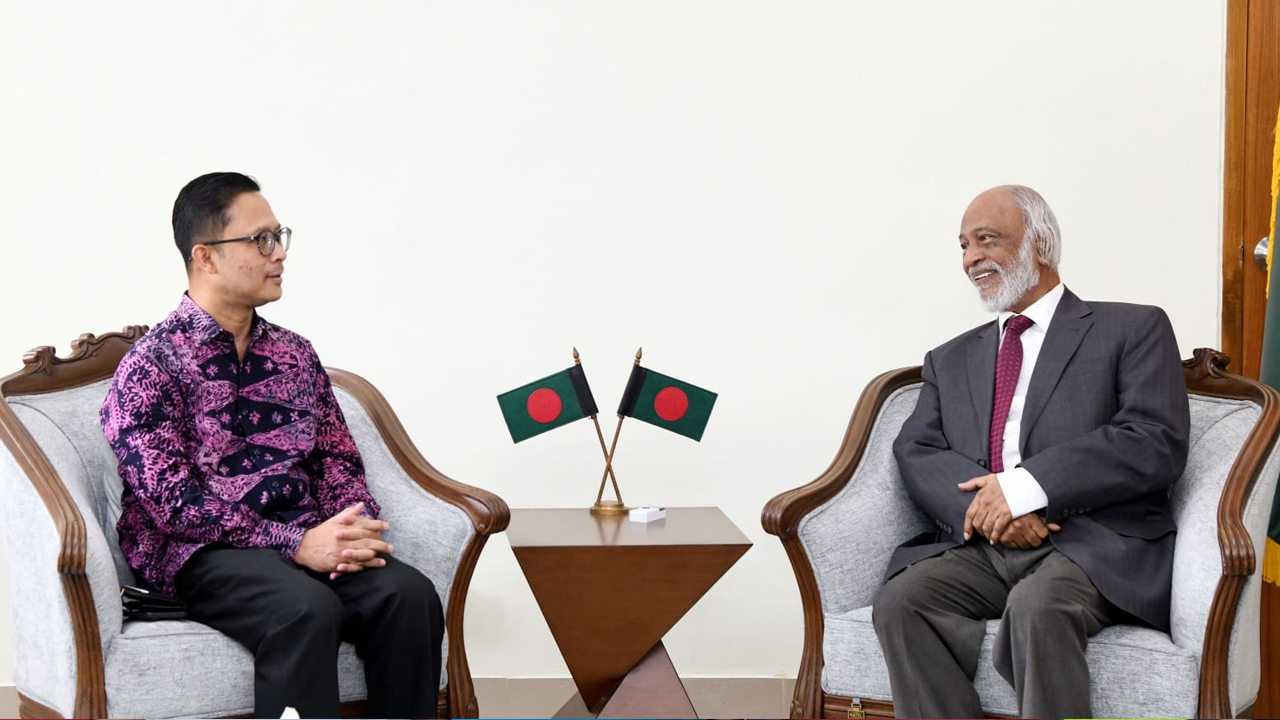
Bangladesh’s government wants to elevate its longstanding friendly relationship with Malaysia, Local Government, Rural Development and Cooperatives Minister Dr Abdul Moin Khan said. He discussed expanding cooperation in labour export, renewable energy, infrastructure, education, health and trade during a meeting at the Secretariat with Malaysian High Commissioner to Bangladesh Mohammad Shuhada Bin Othman. State Minister for Local Government Mir Shah Alam also attended. The Malaysian high commissioner expressed satisfaction over the Bangladeshi prime minister’s recent visit to Malaysia, describing the visit as successful. The two sides then held detailed talks on bilateral relations, including the export of Bangladeshi workers to Malaysia and registration of undocumented workers. They also discussed creating employment opportunities in Malaysia for Bangladeshi engineers. Other issues included joint construction of hospitals, wider higher-education opportunities in Malaysia for Bangladeshi students, renewable-energy investment and cooperation in producing sports equipment. Discussions also covered electric vehicle imports, the construction sector and halal food. Both sides expressed interest in turning the countries’ longstanding friendship into a more effective economic partnership. Local Government Division Secretary Md Shahidul Hasan and senior ministry officials were present.
A platinum necklace set with 673 diamonds, once worn by former Egyptian Queen Nazli, was stolen from Vienna’s Museum of Applied Arts (MAK) on Thursday afternoon. Police said two men who had entered with tickets smashed the display case with hammers during an exhibition and left the museum with the necklace. Security cameras recorded images of the suspects, who remain sought by police. The necklace contains diamonds weighing a combined 200 carats. Queen Nazli wore it at her daughter Fawzia’s wedding in 1939, according to exhibition records. The piece sold for US$4.3 million at a Sotheby’s auction in New York in 2015. It was included in a Van Cleef & Arpels jewellery exhibition that had been running at MAK since June. Police searched central Vienna after the theft and used a dog to help find the suspects. Austria’s Krone newspaper reported that investigators suspect the theft may have been commissioned by a criminal network. Several people were in the exhibition room, but nobody was injured. A guided tour scheduled for Friday afternoon was cancelled and the exhibition was temporarily closed; it had been due to end on September 27.

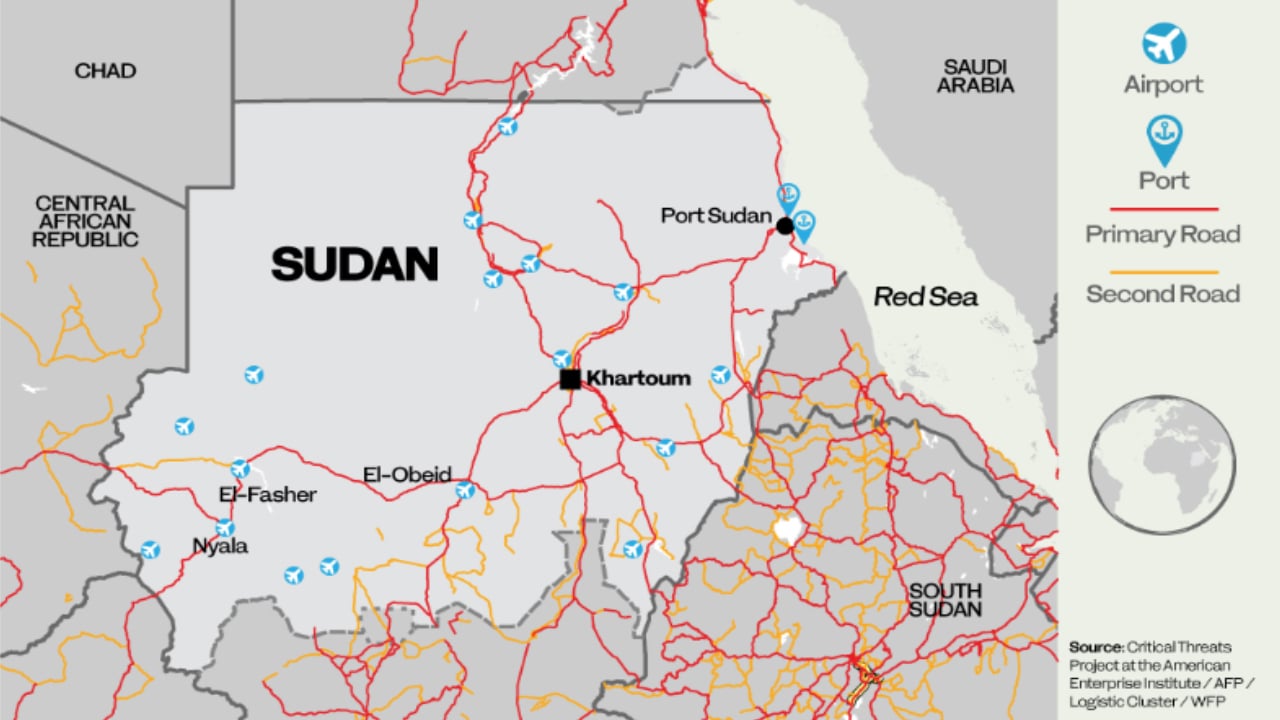
Control of a roughly 350-kilometre highway linking Khartoum, Omdurman and El-Obeid could alter the course of Sudan’s war between the Sudanese Armed Forces (SAF) and the Rapid Support Forces (RSF). The road connects central Sudan with Kordofan, Darfur and the western border, making it vital for moving fuel, food, livestock, commercial goods and military equipment. Fighting between the SAF and RSF has continued since April 2023. The Sudanese army has recently captured several towns near the highway, strengthening its position in North Kordofan. Conflict researcher Ali Mahmoud Ali said control of the route and the seizure of large RSF weapons and drone depots could consolidate army control there and open a route toward RSF bases in Darfur and West Kordofan. If the RSF cuts the road, El-Obeid could be isolated and army supplies disrupted. Holding the route does not ensure safe passage, as RSF drone attacks remain a risk. More than 50 drone attacks were documented across Kordofan in June, including attacks targeting fuel facilities and power infrastructure. On 20 August, the army said it struck an arms convoy for the RSF in northeastern Chad, prompting concern from the United States and African Union.
The National Committee for Observing the International Day of the Victims of Enforced Disappearances began a march toward the National Parliament in Dhaka on Sunday. The programme seeks trials for those involved in enforced disappearances and killings. Participants gathered in front of Saudia Trade Centre in Bangla Motor at 3pm before starting the march at about 3:45pm. The march is led by the committee’s joint convener, retired Brigadier General Hasinur রহমান Bir Protik. Leaders and activists from the 11-party alliance also joined and helped lead the programme in support of the initiative, including Jamaat-e-Islami Secretary General Mia Golam Parwar. After the march, participants are scheduled to gather again in front of the National Parliament building. Leaders plan to submit a memorandum to the Speaker. Before the event, the programme implementation committee called on people across the country, regardless of political affiliation, to participate spontaneously, while the 11-party alliance urged support for making the programme successful.
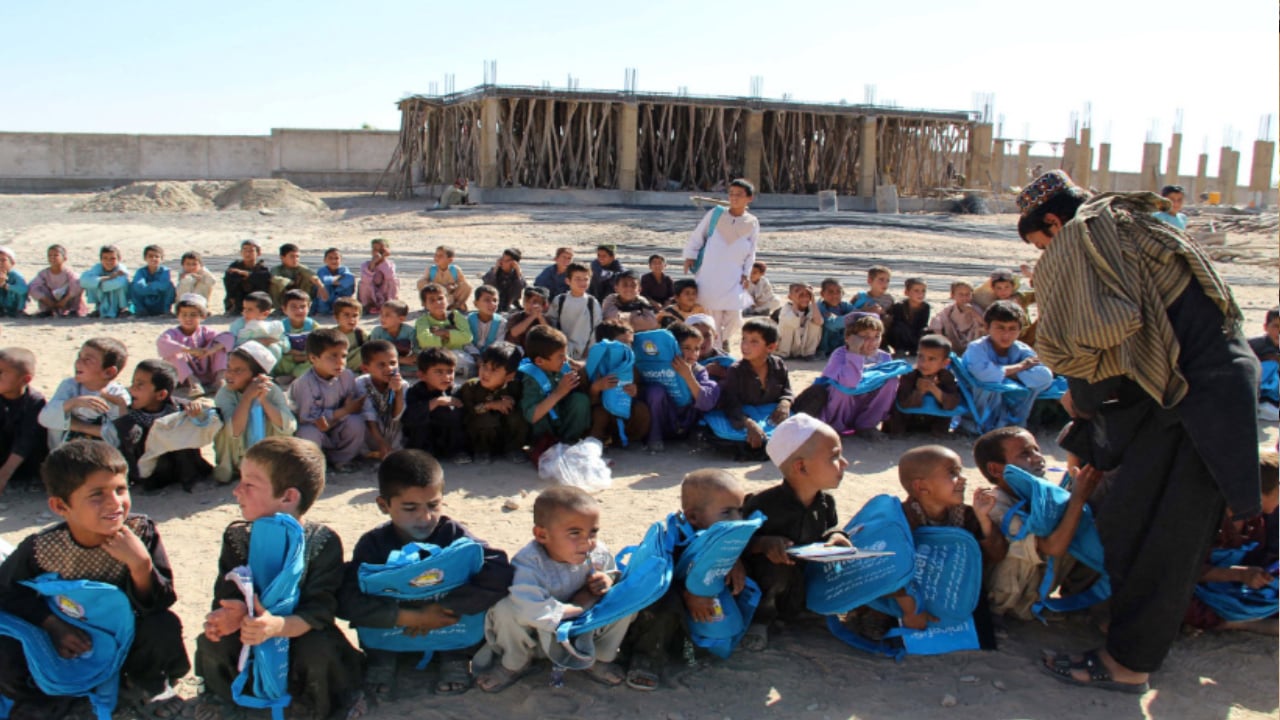
UNICEF has warned that malnutrition in Afghanistan has reached alarming levels, with 3.7 million children suffering from acute malnutrition and nearly one million facing life-threatening severe conditions. The agency said the rise in child malnutrition in 2026 began several months earlier than in other years, raising concern that Afghanistan is heading toward one of its most serious recent nutrition crises. Children aged six months to two years are particularly affected by a lack of dietary diversity. UNICEF research found that these children receive food from only two of the required main food groups, putting their normal physical and mental development at risk. Long-standing poverty, food and water shortages, climate impacts, displacement and reduced international humanitarian assistance are cited as major drivers. More than six million people have returned to Afghanistan from Iran and Pakistan since 2023, adding pressure to weak health and social services. Droughts and floods have damaged farmland, while falling groundwater levels have worsened access to safe water and contributed to disease. Afghanistan's 2026 nutrition programme needs about $180 million, but only 22 percent has been funded, forcing some nutrition centres to close or limit operations.
The ‘1 Nojor’ media platform is now live in beta, inviting users to explore and provide feedback as we continue to refine the experience.