

The ‘1 Nojor’ media platform is now live in beta, inviting users to explore and provide feedback as we continue to refine the experience.
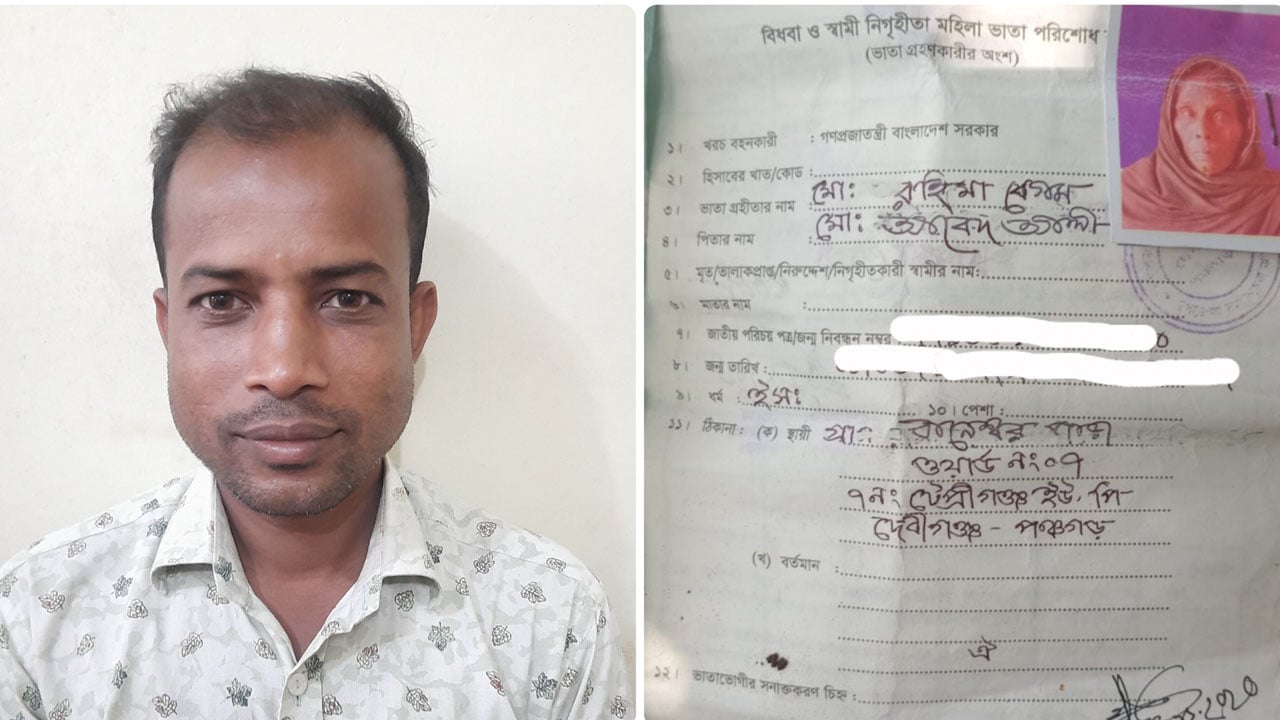
A union parishad member and local BNP leader, Md Abdul Khalek, has been accused of receiving a widow’s allowance intended for Rahima Begum in Debiganj, Panchagarh, for nearly six years. Rahima, a resident of Baneshwarpara in Tepiganj Union, said she last received the allowance in July 2020 and later learned that payments were being sent to an unfamiliar Nagad number. Social services office records show that Rahima’s allowance was sent through MIS software to 01917-367492 from 2021 to 2026. The latest payment of Tk1,961 was sent in May 2026, while about Tk40,000 was reportedly withdrawn from the account over six years. An inquiry found that the Nagad account was opened using Khalek’s national identity card information. Rahima alleged that Khalek’s brother gave her son Tk7,000 and pressured him not to pursue the matter. Khalek said he did not know how his number was linked to the benefit and claimed the SIM was lost four years ago, without filing a general diary. The upazila social services officer and UNO said action would follow an investigation if a written complaint is submitted.
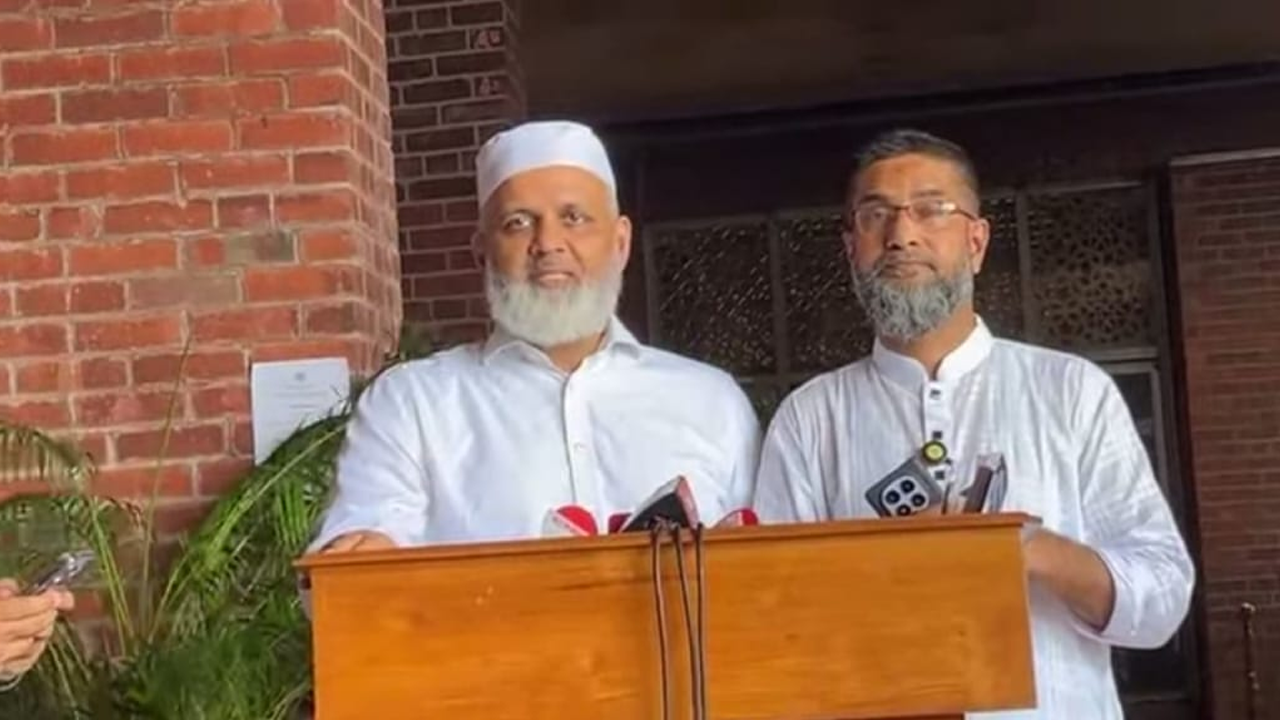
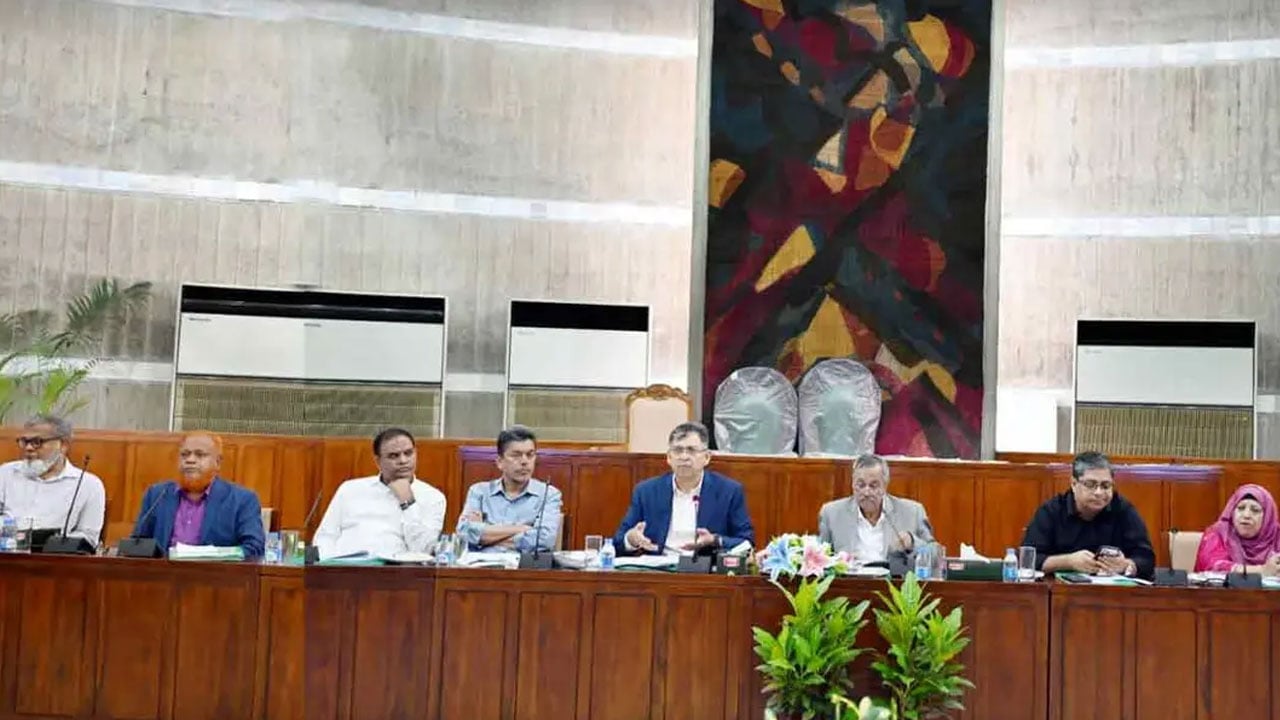
Opposition members of the parliamentary standing committee on law, justice and parliamentary affairs boycotted a meeting over the proposed National Human Rights Commission Bill. At a press briefing at the National Parliament Building on Sunday afternoon, opposition spokesperson and Jamaat-e-Islami MP Barrister Mohammad Najibur Rahman Momen said the move protested what he described as a rushed effort to pass the bill without sufficient time for opinions. Momen said the committee had been given only two days to submit views, which he said had turned it into a “rubber stamp.” He said opposition members had also walked out when the bill was presented on Thursday. They alleged the government had repealed the National Human Rights Commission Ordinance, 2025 unilaterally while disregarding views from affected people, stakeholders and domestic and international human rights groups. The opposition members said the proposed bill was weaker and narrower than the law the government had promised to enact. They also said it was not aligned with GANHRI standards, the Paris Principles and relevant international conventions and declarations. Momen, Al Faruk Abdul Latif and Akhtar Hossain said they would not participate in discussions, review or any stage of the bill’s passage, and would no longer attend committee meetings.
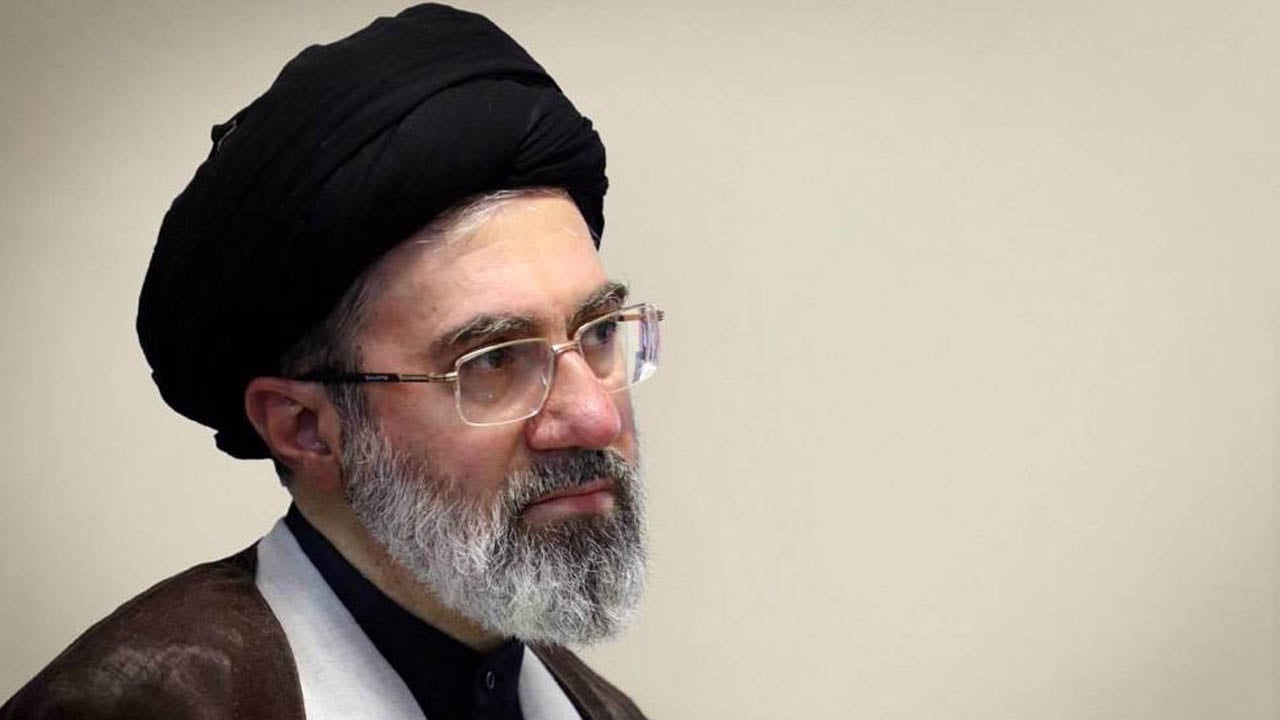
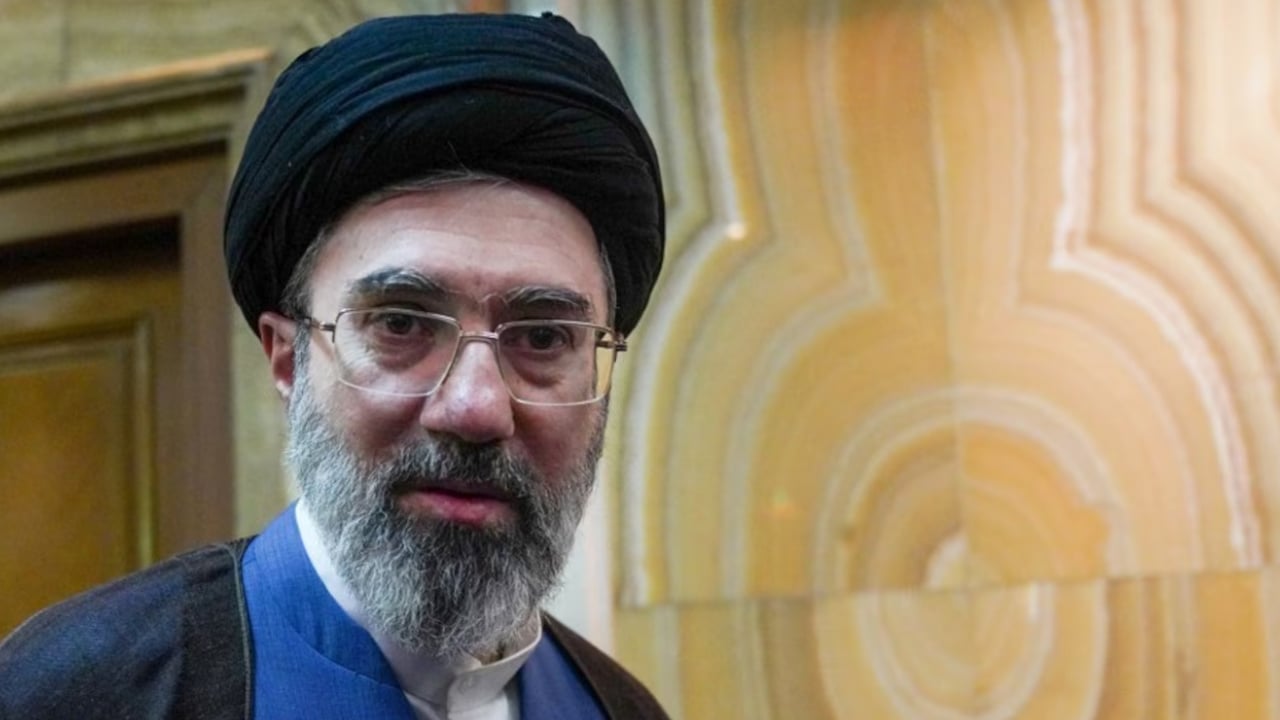
Iran’s Supreme Leader Ayatollah Mojtaba Khamenei said the rulers of the United States and Israel are enemies not only of Iran or the Islamic resistance, but of the entire Muslim community. In a message issued on Sunday for “Unity Week,” he called on leaders of Muslim countries in West Asia and the Persian Gulf to identify what he described as the real enemy and confront its conspiracies. Khamenei said the solution to the Muslim community’s problems lies in unity, mutual friendship and cooperation. He said enemies seek to exploit religious and ideological differences among Muslim countries, as well as ethnic, cultural, social, economic, political and geographical divisions, in an effort to create discord. He also said Iran provides a successful example of Muslim unity, claiming that hostile conspiracies have not had much effect there. Khamenei warned, however, that efforts to weaken the Muslim community by stoking divisions would continue. The message focused on urging Muslim states to strengthen solidarity and resist what he portrayed as external attempts to deepen internal splits.
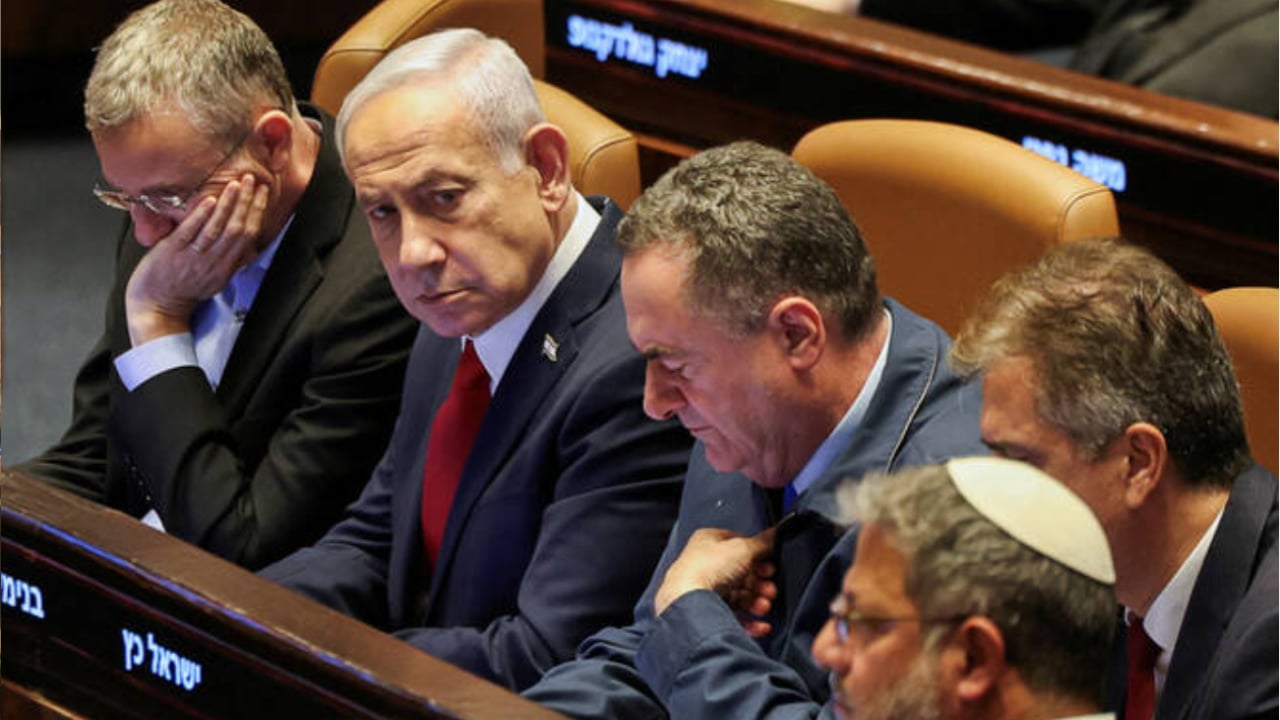
International relations expert Yossi Mekelberg said Israeli Prime Minister Benjamin Netanyahu may be putting his political future at risk by escalating tensions with Turkey. Mekelberg said Netanyahu’s recent military actions could be shaped by domestic political calculations ahead of a general election scheduled for October. According to the analysis, an Israeli strike on Syria’s Abu Duhur airbase near the Turkish border has taken the situation to a new level. Israel said Turkey had planned to deploy troops at the base. Turkey rejected the allegation, with US support, and accused Israel of trying to draw Turkey into conflict. US ambassador to Turkey and Syria envoy Tom Barrack also questioned Israel’s actions. Mekelberg said Syria’s government under new leader Ahmad al-Shara is not seeking conflict with Israel, instead focusing on reconstruction, economic recovery and foreign investment after a long civil war. He said there is insufficient evidence to regard a possible Turkish presence in Syria as a direct threat to Israel. He warned that direct tensions with NATO member Turkey could weaken Israel’s international position and affect ties with Washington.
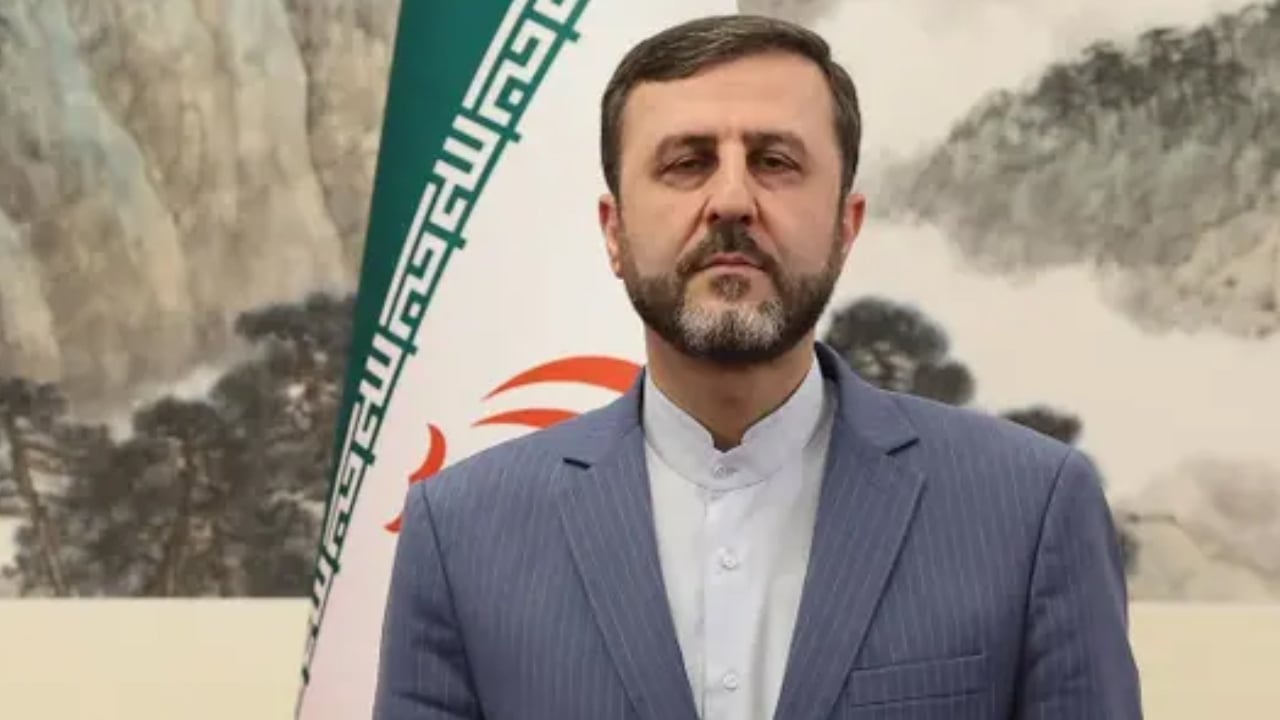
Iranian Deputy Foreign Minister Kazem Gharibabadi said Tehran will not reopen the Strait of Hormuz until the United States fulfills its commitments. He said no vessel would be allowed to pass through the waterway without Iranian coordination and permission. The remarks did not specify when the commitments were suspended or what actions Washington must take. Gharibabadi said Iran has reached an understanding with Oman concerning vessel traffic, but that arrangement will not be implemented until the United States meets its obligations. He said Iran is prepared to take further steps regarding the strait if Washington takes the necessary measures first. The Iranian official said recent US sanctions are not new for Tehran and that Iran is prepared to confront them. He accused the United States of withdrawing from diplomatic understandings for the third time in 16 months. On mediation by Qatar and Pakistan, he said both countries are examining the possibility of implementing commitments under the Islamabad memorandum of understanding. He reiterated that Iran will not take the first step to reopen the strait.
International Crimes Tribunal Chief Prosecutor Md Aminul Islam said investigators have found a clue suggesting a connection between a person from the cultural sphere and the murders of journalist couple Sagar Sarowar and Meherun Runi. Speaking to reporters at his office on Sunday, he did not disclose the person’s name or identity. Aminul Islam said the tribunal’s investigation agency is not conducting the Sagar-Runi murder investigation; another agency is handling the case. He said it is not unusual for investigators to find information or clues related to other incidents during an investigation, and such information has also emerged in this case. The person concerned is under surveillance and the information is being verified. He said reliable information obtained after further investigation would be provided to the Police Bureau of Investigation, or PBI, which is investigating the case. Sagar and Runi were killed in their rented home in West Rajabazar in the capital on February 11, 2012, and the investigation has remained unfinished for a long time. Aminul Islam said the case is an individual murder case and must be tried in the relevant sessions court, not the International Crimes Tribunal.

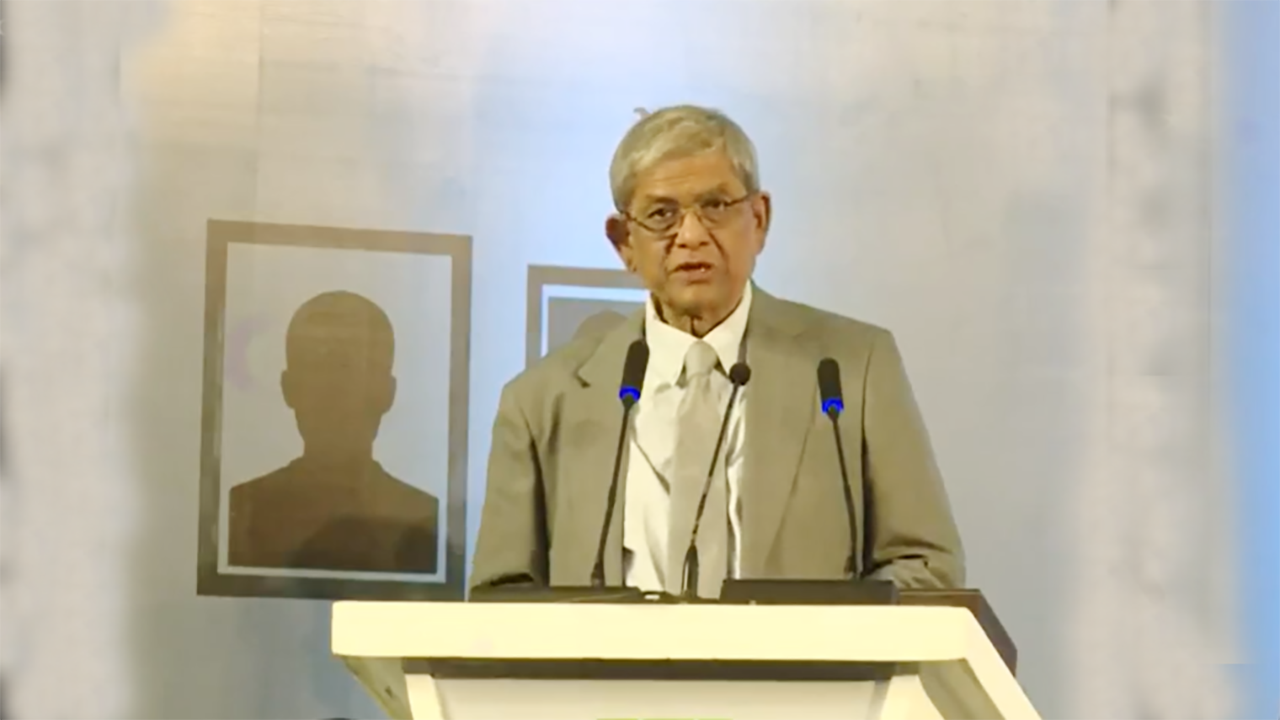
President Mirza Fakhrul Islam Alamgir said those involved in enforced disappearances would face justice regardless of their power, describing disappearance as a crime against humanity and a grave human-rights violation. He made the remarks on Sunday at an International Day of the Victims of Enforced Disappearances 2026 event at the Bangladesh-China Friendship Conference Centre in Agargaon, Dhaka. The president said disappearances violate constitutional guarantees of life, personal liberty, legal protection and human dignity. He alleged that disappearances, secret detention sites known as Aynaghar, and killings occurred during the past one and a half decades under a “fascist” government. He remembered named victims and said many people who disappeared have not returned, while some survivors had been held for years in harsh conditions. Citing the final report of the commission investigating disappearances, he said it identified 1,569 cases, including 287 people listed as missing and dead. He said the Prevention and Remedy of Enforced Disappearance Bill, 2026 has been placed in parliament, Bangladesh has signed the international convention against enforced disappearance, and trials are proceeding through the International Crimes Tribunal. He also called for state support, rehabilitation, healthcare, education and livelihoods for affected families.
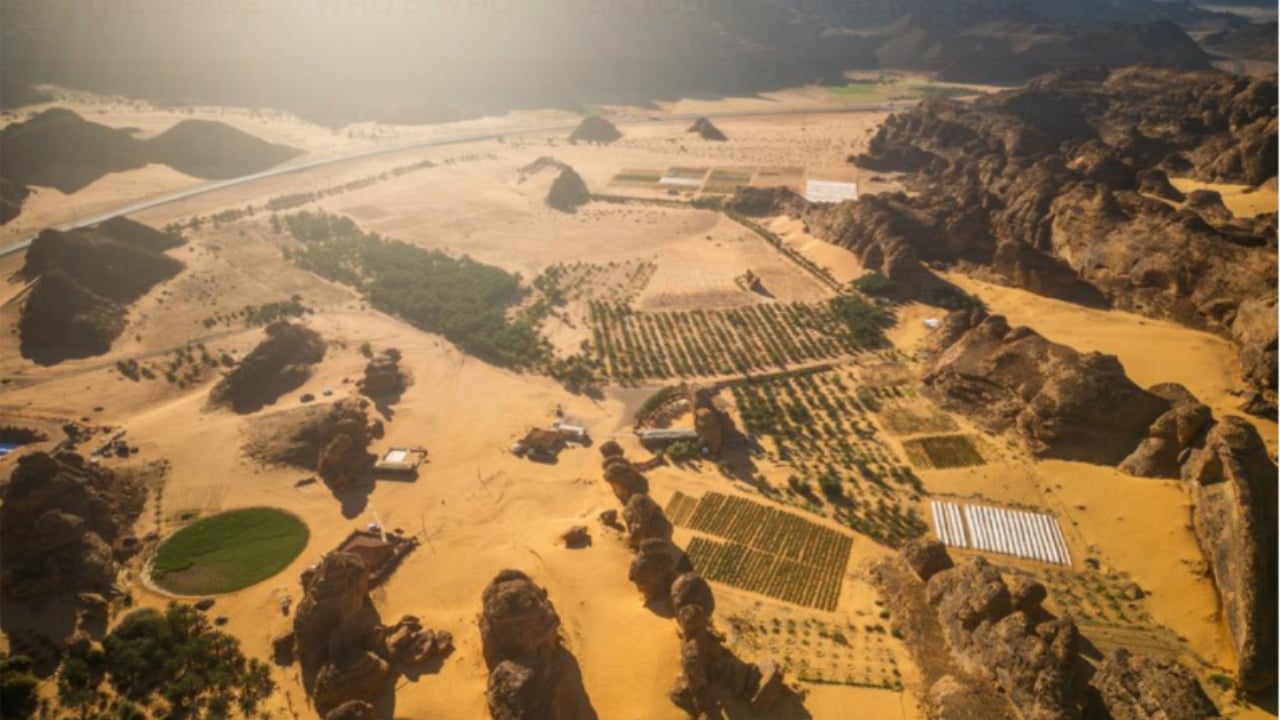
Climate change is increasing water scarcity, reducing agricultural output and raising the risk of higher food prices across the Arab world, experts say. The region, already among the world’s most water-stressed areas, could face a larger food and humanitarian crisis as desertification expands and water supplies needed for farming decline. According to the UN Food and Agriculture Organization, arable land accounts for less than 5 percent of land in Arab countries. The region is heavily dependent on food imports, with nearly two-thirds of total food demand expected to be met through imports by 2031. Several Gulf countries already import more than 90 percent of the food they need. Egypt imports about half of its wheat, and higher wheat prices can increase subsidy costs and pressure spending in other sectors. WFP regional director Samer Abdeljaber said excessive dependence on imports leaves the region highly vulnerable to disruptions in global food markets. WFP identified serious food-security conditions in Yemen, Syria, Palestine, and parts of Iraq and Libya. Experts called for early warning systems, effective water management, climate-resilient agriculture, reliable groundwater sources and stronger local disaster-response capacity.
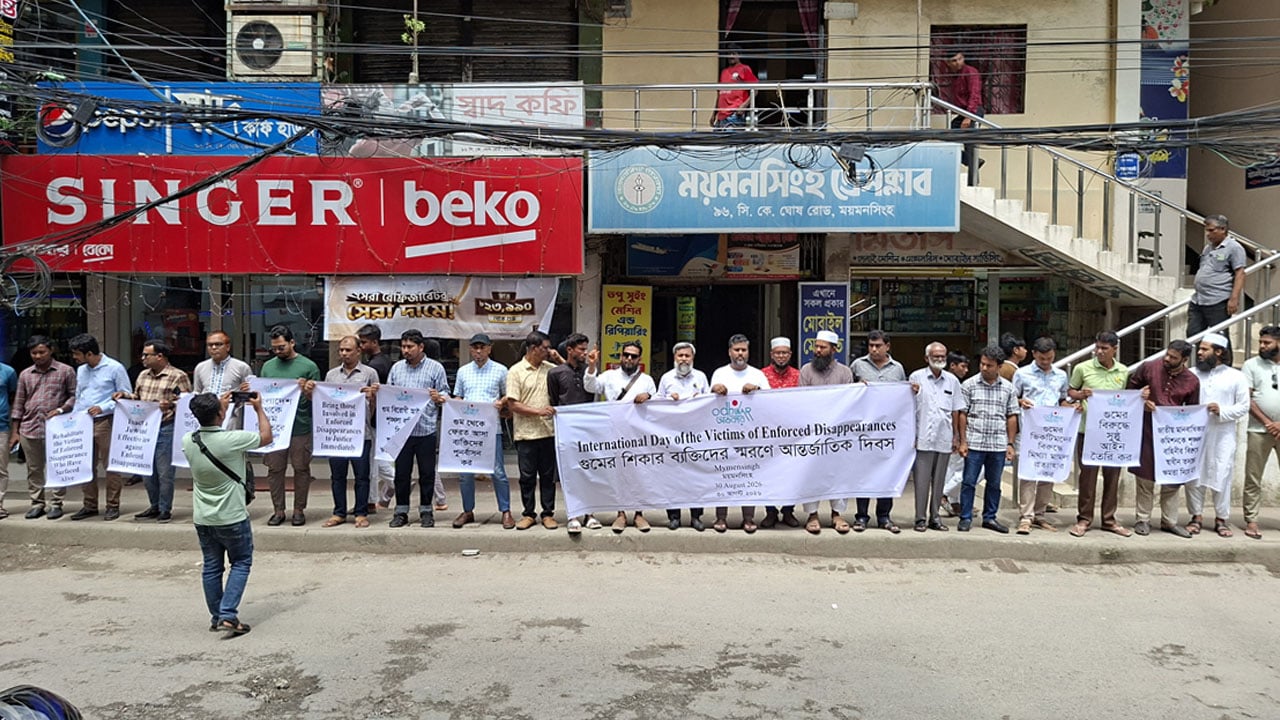
Human rights organisation Odhikar held a rally and human chain in Mymensingh on Sunday to observe the International Day Against Enforced Disappearances and remember people subjected to disappearance. The programme was moderated by Odhikar Mymensingh coordinator and Mymensingh Press Club general secretary Abdul Qayum. Speakers included NCP Mymensingh district convenor Advocate ATM Mahbubul Alam, disappearance survivor Golam Mostafa, journalist Abdul Awal and Abdul Bari of the city Jamaat youth wing. Golam Mostafa said he was taken away by people in plain clothes despite being a factory worker. He alleged that RAB kept him disappeared for 96 days and subjected him to inhuman torture to force a confession branding him a militant. He demanded that disappeared people be traced, their families’ safety and rights ensured, and those involved be tried through an impartial investigation. Speakers alleged that enforced disappearance was used to suppress dissent and political opponents during the Awami League government’s more than 15-year rule. They said expectations of justice and remedy after its fall have not been fully realised under the BNP government. They also criticised the failure to pass the 2025 ordinance on preventing and remedying disappearances, and voiced concern over allegations of new cases after the July mass uprising.
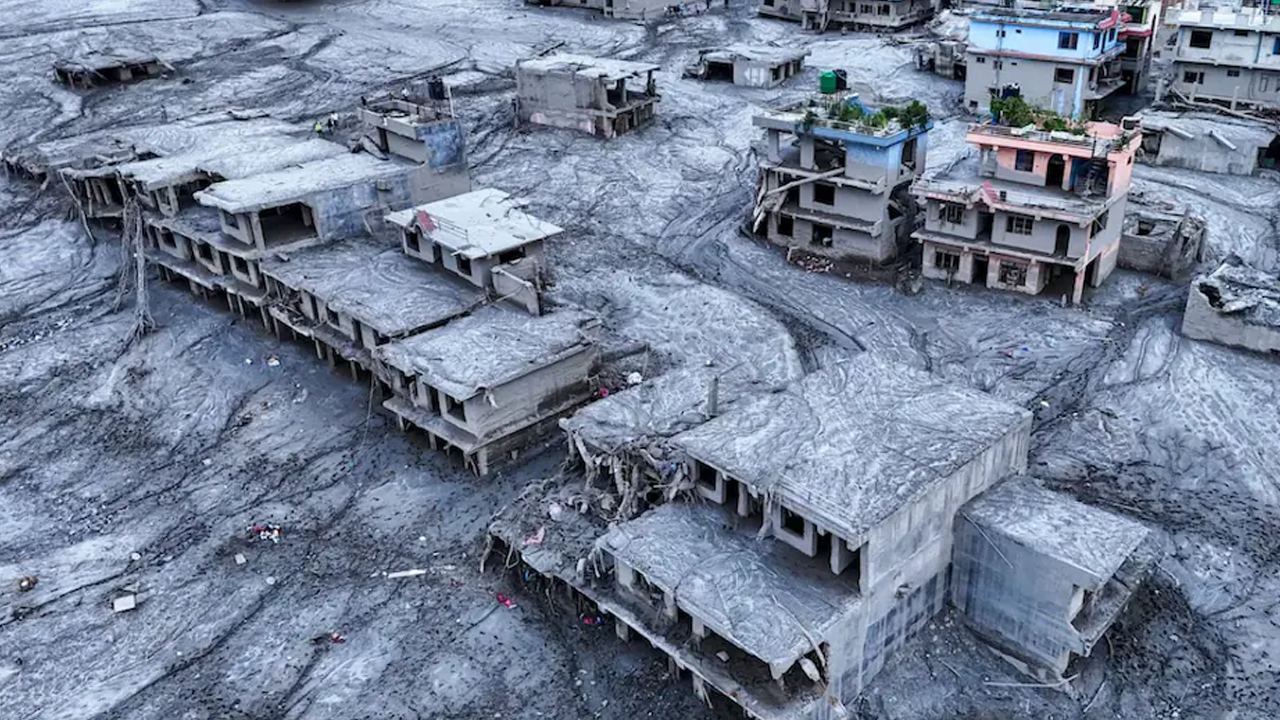
The United States has announced more than $3.6 million in humanitarian assistance for flood-hit Nepal after devastating floods killed hundreds of people and left nearly 3,000 missing. The US State Department said on Saturday that the funding would address the urgent needs of people affected by the disaster. In a post on social media platform X, the State Department said the United States stood with the people of Nepal and was providing more than $3.6 million in life-saving humanitarian assistance. The announcement followed reports of extensive casualties and damage caused by the recent flooding. The assistance package will provide emergency food support to 10,000 flood-affected families for up to three months. With many people still missing, concerns remain that the number of deaths and casualties could rise further, according to the report.
Opposition members walked out of the parliamentary standing committee on the Home Ministry on Sunday afternoon at the National Parliament Building, declining to join discussion of the Prevention and Remedy of Enforced Disappearance Bill, 2026. Jamaat-e-Islami MPs Nurul Islam and Abdul Baten left before the discussion began. Earlier on Sunday, opposition members also boycotted a Law Ministry-related committee meeting over discussion of the National Human Rights Commission Bill. Both bills were introduced in parliament last Thursday and referred to the respective Home Ministry and Law Ministry standing committees for examination and reports. Committee chairman Zainul Abedin said members could present amendments, opinions, advice or objections in meetings, but said walking out was not within parliamentary practice. Sources said the opposition members linked their committee boycott to their earlier parliamentary walkout opposing the bill’s introduction. The meeting discussed the bill in detail and decided to send it to parliament. According to a parliamentary secretariat release, the meeting also said no extrajudicial killings or political repression had occurred in the previous six months, and law enforcement agencies had not used excessive force. It also discussed claims seeking to place responsibility for the disappearance of Mongla fisherman and motorcycle driver Miraj Sheikh on the government.
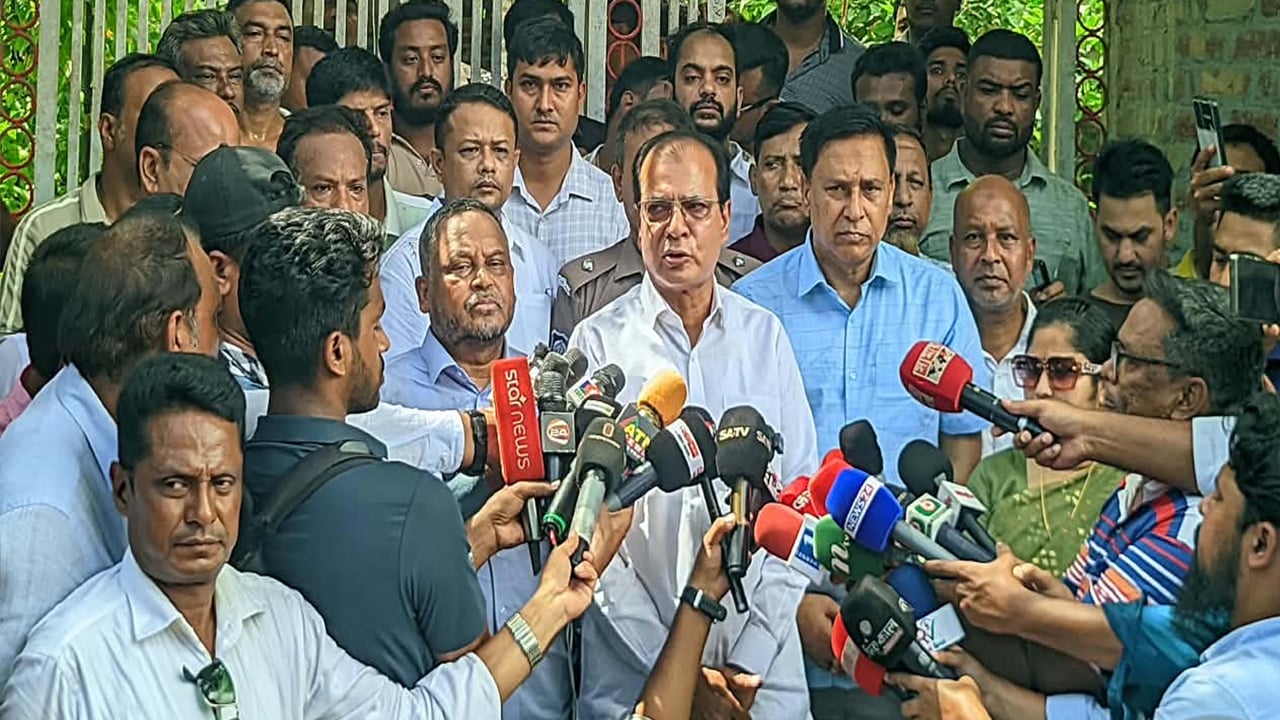
Disaster Management and Relief Minister Asadul Habib Dulu said the government follows a zero-tolerance policy toward killings after visiting the site of an alleged four-person murder in Rangpur on Sunday afternoon. He spoke to reporters after meeting relatives of the victims and described the incident as horrific and tragic. Dulu said police had arrested two principal accused soon after the killings and that they had confessed in court. Referring to what he learned during the visit, the minister said the accused may have been drug-addicted and had allegedly disturbed Ganapati Chakraborty. He said Chakraborty may have tried to stop them, after which the killings may have occurred. Dulu said drugs were, in his view, the main cause of the deterioration in law and order. The minister said the police would submit a charge sheet soon after further investigation and that exemplary punishment would be arranged within a short time. He also said Parliament had provided for the death penalty as the maximum punishment in drug-related matters, while stressing that public awareness and cooperation from people, law enforcement and the administration were necessary to eliminate drugs.
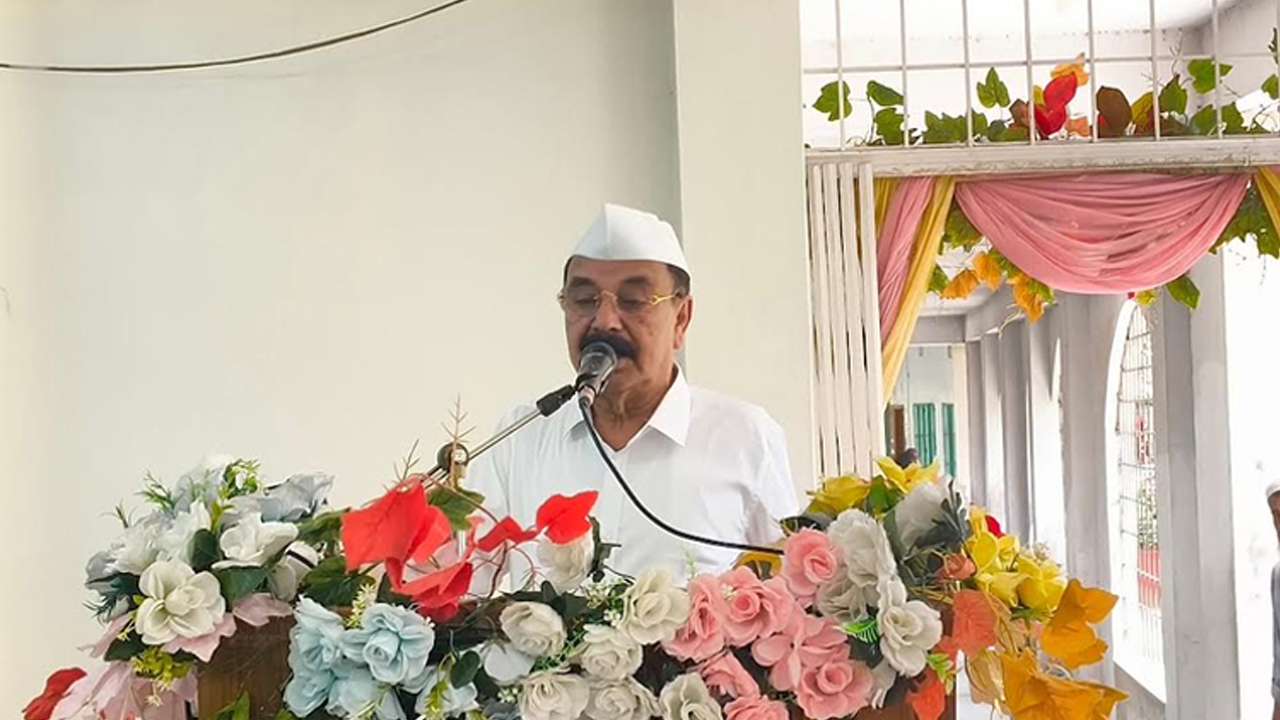
BNP standing committee member and Dhaka-3 lawmaker Gayeshwar Chandra Roy said drug traders and criminals would have no place in the BNP associated with martyred president Ziaur Rahman and Prime Minister Tarique Rahman. He made the remarks on Saturday as chief guest at a sports-equipment distribution event at Chunkutia Girls School and College in South Keraniganj for the 2026–27 fiscal year. Roy said the party was alert to drug-related offences and pledged that even a senior party leader involved in such activity would be handed to police. He said political identities are often used to conceal crimes and called for a strong social movement involving community elders and residents, arguing that parental and social resistance would help the administration take legal action quickly. He said Keraniganj’s population had risen from 400,000 to nearly 2 million over the past 20–30 years while playgrounds had become scarce because of encroachment and plot trading. Roy and reserved-seat lawmaker Advocate Nipun Roy Chowdhury later distributed sports equipment allocated by the prime minister to local schools, colleges and sports organizations.
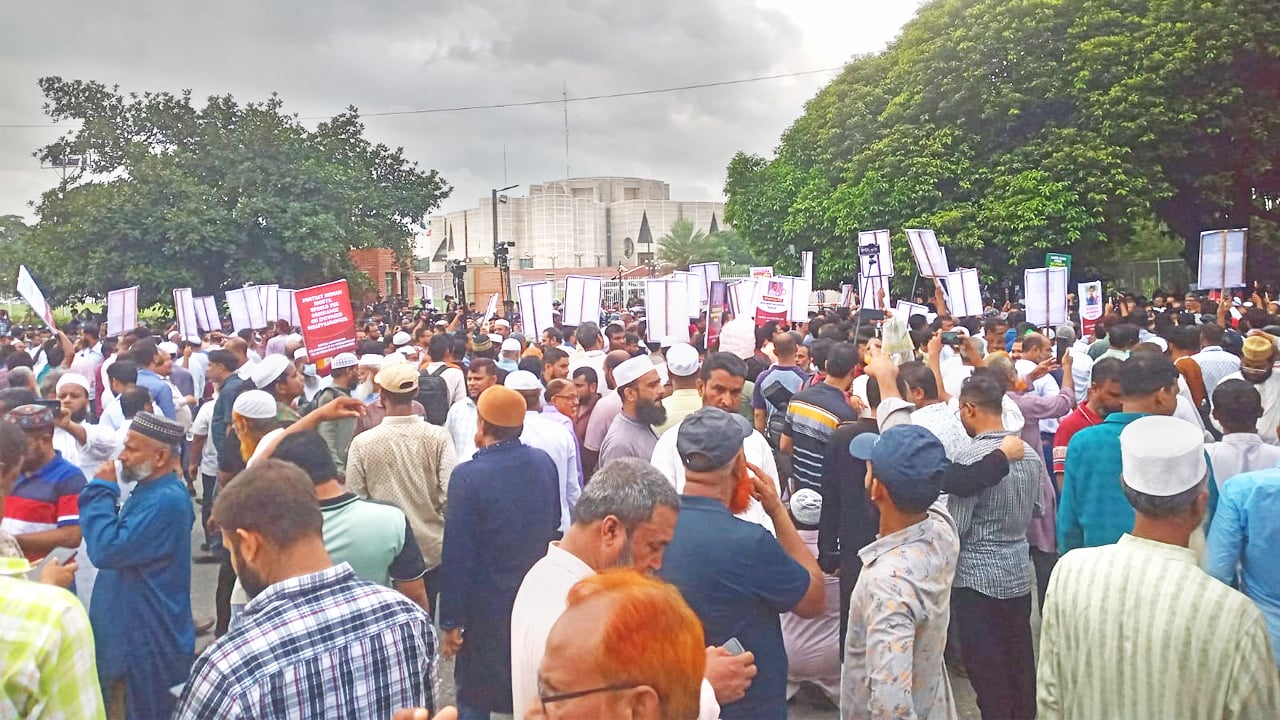
A march organised by the National Committee to Observe the International Day of the Victims of Enforced Disappearances reached the area in front of the National Parliament Building on Sunday. Participants began gathering at Saudiya Trade Centre in Banglamotor, Dhaka, at 3pm before starting the march. They held a sit-in intending to submit a memorandum to the speaker, while opposition members of parliament joined them. Hasinur Rahman, a former military officer described as a victim of disappearance during the Awami League period, chaired the gathering. He strongly criticised Home Minister Salahuddin Ahmed and demanded that an ordinance on preventing disappearances, drafted during a previous interim government, be turned into law. Akhtaruzzaman and several others also addressed the event. Participants included Jamaat secretary general Mia Golam Parwar, assistant secretary general AHM Hamidur Rahman Azad, former BNP leader Major (retd) Akhtaruzzaman, Bangladesh Khelafat Majlis secretary general Maulana Jalaluddin Ahmad and JAGPA vice-president Rashed Pradhan. Several people described as victims of disappearance during the Awami League government also took part. Demonstrators chanted slogans against “Aynaghar” facilities and called for a parliament building siege.
Iran’s Supreme Leader Mojtaba Khamenei accused “enemies” of trying to create division and disunity in the Muslim world, pointing to the United States and Israel. He said they were seeking to exploit ethnic, cultural, social, economic, political and geographical differences among Muslim populations in Iran and other countries. Khamenei said the alleged adversaries were watching for fragmentation within the Islamic Ummah and a weakening of its strength, waiting for an opportunity to impose their dominance. He called on Muslims to avoid any activity that could generate division, arguing that greater unity would have prevented Palestinians from becoming so vulnerable to oppression and crimes by occupiers. Addressing leaders of Muslim countries, Khamenei said they should identify the “real enemy,” understand its plans and take a position against it. He described the US governing establishment and the “fake Zionist regime” as sworn enemies of unity and friendship, adding that they were hostile not only to Iran, its people and the Islamic resistance front, but to the entire Muslim Ummah, including people in West Asia and North Africa.
The ‘1 Nojor’ media platform is now live in beta, inviting users to explore and provide feedback as we continue to refine the experience.